


You can tell a lot about someone by how they act at a restaurant. The small choices add up, and sometimes they quietly say more than words ever could.
If you have ever cringed at a friend snapping for service or arguing over pennies, you are not alone. Let’s walk through the habits that drain respect fast, and how to avoid them.
Ordering for others
Ordering for someone without asking might seem confident, but it reads controlling. You rob them of choice, taste, and dignity in one quick move.
Even if you think you know their favorite, let them speak for themselves.
Respect is about consent and agency. You can suggest, recommend, or share what you love, but do not assume.
A simple, Do you want me to order for us, keeps trust intact.
Sending food back
Sending food back is not automatically disrespectful. It becomes a problem when tone turns sharp, excuses inflate, or half the plate disappears before complaining.
Be clear, calm, and honest if something is wrong.
Respect the kitchen’s time and effort. Give staff a chance to fix mistakes without theatrics.
Polite requests and concise explanations get better outcomes and preserve everyone’s dignity.
Snapping fingers
Snapping fingers at staff shouts impatience and entitlement. It reduces a person to a button you press for service, and diners around you notice.
Eye contact, a raised hand, or a gentle excuse me is enough.
Hospitality is a partnership. Servers juggle tables, timing, and the kitchen’s rhythm.
A little patience shows you understand the flow and value people over speed.
Phone on speaker

Putting your phone on speaker turns a shared space into your personal conference room. It forces strangers into a conversation they never consented to.
Keep calls short, quiet, and private or step outside.
Restaurants are for connection. If you are dining with someone, give them your attention.
If you must take a call, keep it discreet and respectful of the room’s vibe.
Filming staff
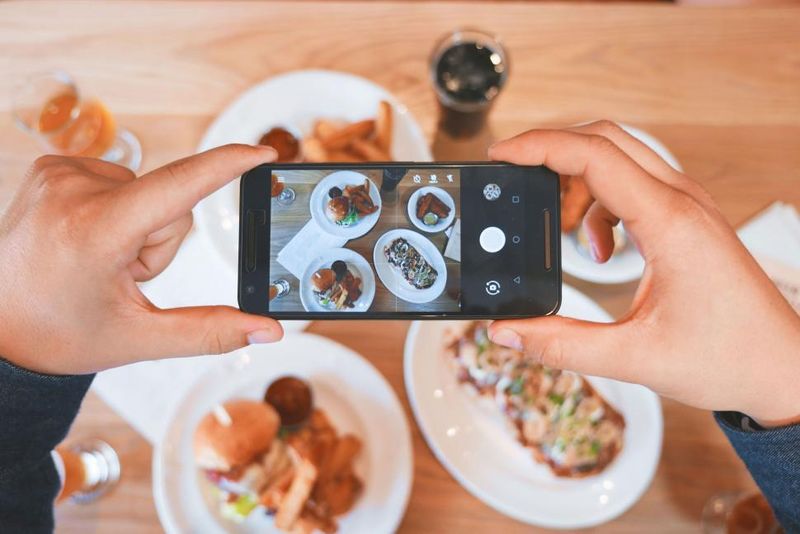
Filming staff without consent puts them on stage they never agreed to. A workplace is not your content studio, and faces online can have consequences.
Ask permission or skip the shot.
Capture your plate, not people’s livelihoods. If a moment is worth sharing, blur identities or focus on the food.
Respecting boundaries keeps hospitality human and safe.
Fake allergies

Claiming fake allergies to tweak a dish can strain trust and slow service. Kitchens take allergies seriously with cross contamination protocols.
When you lie, you raise costs and risk real guests’ safety.
Be honest about preferences. Most places will accommodate politely when they can.
Save medical language for medical needs, and you will keep respect intact for everyone.
No tipping

In many places, tipping is part of how servers get paid. Leaving nothing sends a message that effort does not matter.
If service truly missed the mark, leave feedback and a modest tip when possible.
Know local norms before dining. If tipping is included, great.
If not, plan for it, because hospitality runs on more than smiles and a base wage.
Arguing about bill
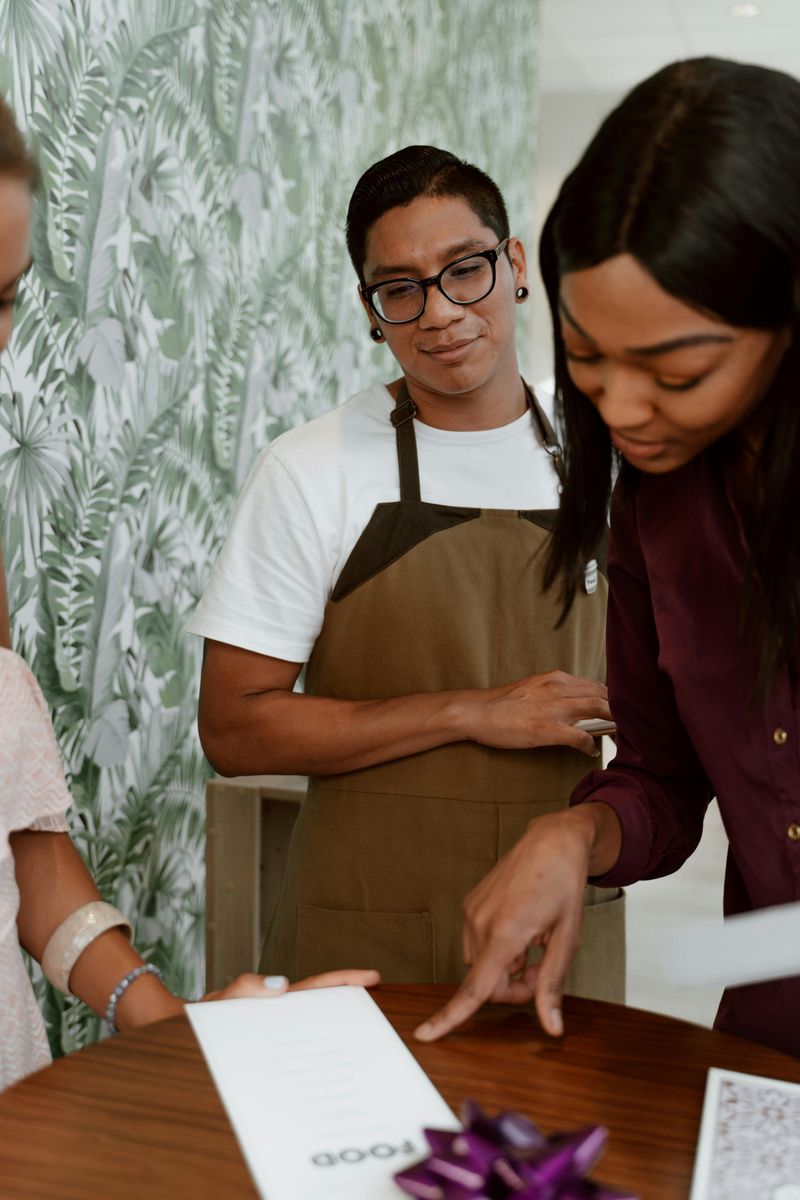
Publicly arguing over a bill creates tension for everyone around you. Ask questions, but do it calmly and privately if possible.
Most billing mistakes are honest and fixable within minutes.
Clarify specials, substitutions, and automatic gratuity before ordering. If something looks off, request a manager respectfully.
The goal is fairness, not a spectacle that ruins the night.
Splitting bills

Splitting bills is fine until it hijacks the table with math and debate. Decide the plan early.
Apps help, but confusion over shared appetizers and taxes can grate on staff and friends.
Keep it simple. Round up, alternate who pays, or split evenly when close.
Your future self will thank you for less stress and faster exits.
Arriving late

Showing up late derails schedules and squeezes the dining room. Your table might be given away because time matters.
Call ahead if you are running behind and ask about their grace period.
Respect the reservation as a contract. Arrive on time or adjust plans.
The smoother your timing, the better your service and the kitchen’s rhythm.
Changing orders
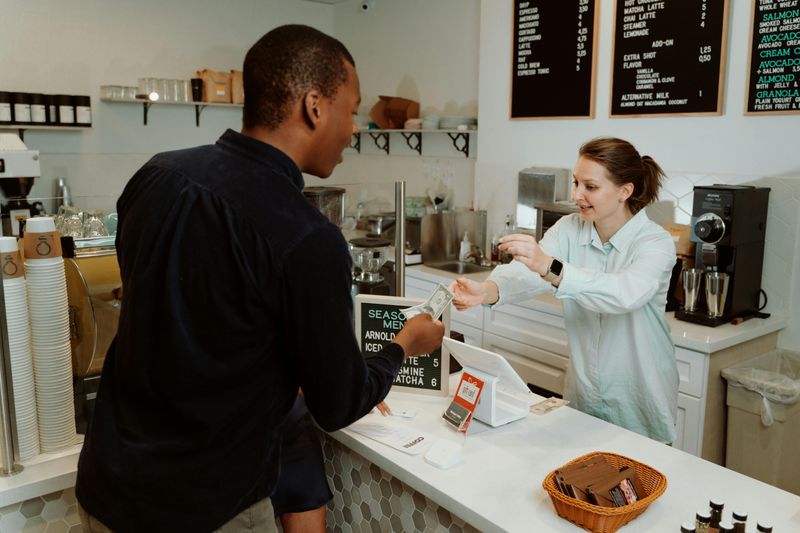
Constantly changing your order after it is sent scrambles the kitchen. Tickets have timing, prep steps, and shared ingredients.
Every switch ripples across other tables’ meals.
Decide before ordering. If you must adjust, keep it minimal and quick.
Respect the workflow so your dish arrives right and others do not wait.
Asking for freebies
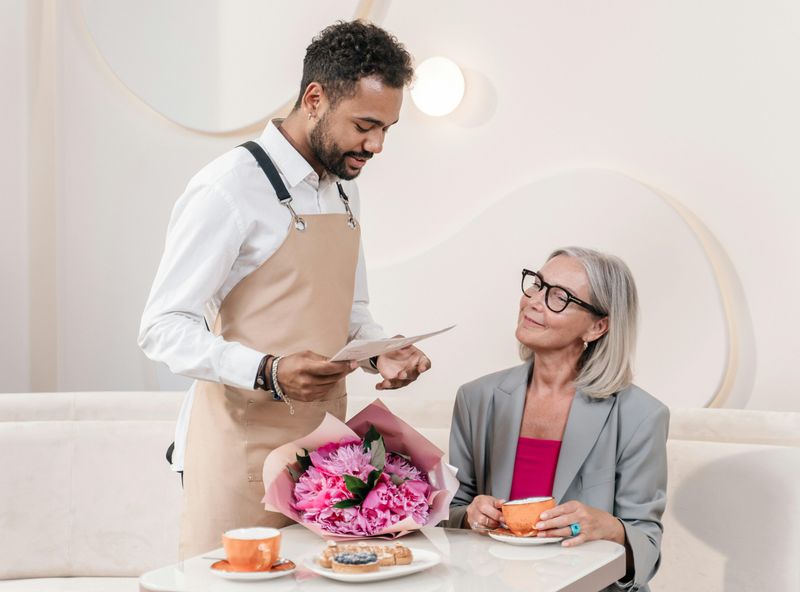
Fishing for free extras puts staff in a tight spot. Promotions are offered, not squeezed out.
It can sound like you value perks over people.
If something went wrong, express it kindly and let the restaurant lead. Gratitude for small gestures goes further than nudging for handouts.
Earn goodwill, do not demand it.
Messy table
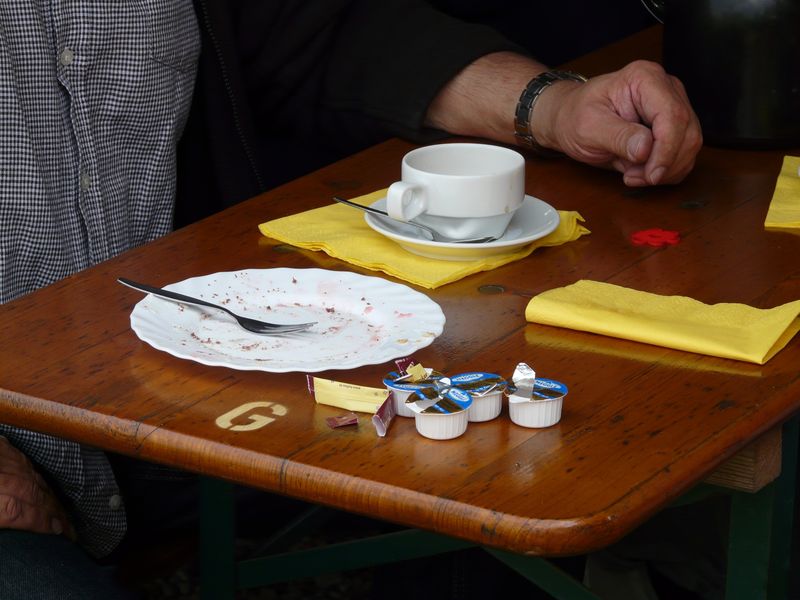
Leaving a table trashed creates extra work and slows the next seating. Accidents happen, but basic tidiness is respectful.
Stack plates lightly, corral trash, and flag spills quickly.
Staff are not asking for perfection, just partnership. A little care helps them turn the table faster and keeps the room inviting.
Treat the space like you would your own.
Kids running
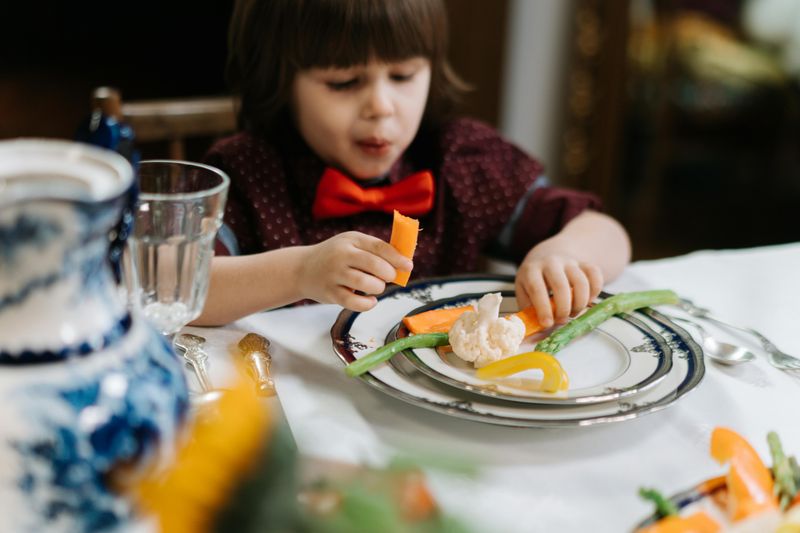
Children need space, but dining rooms are not playgrounds. Hot plates, sharp corners, and servers in motion make running dangerous.
Set gentle boundaries and bring quiet activities.
When kids feel engaged, everyone relaxes. Short walks outside help reset energy.
Respect the room’s safety and flow so no one gets hurt.
Talking loud

Volume creeps up with good stories and strong drinks, but shouting across the table hijacks the space. Others came to enjoy their night too.
Keep voices warm, not wall shaking.
If you cannot hear, scoot closer or ask the music to lower a notch. Consider the room, not just your corner.
Courtesy sounds better than noise.
Demanding discounts
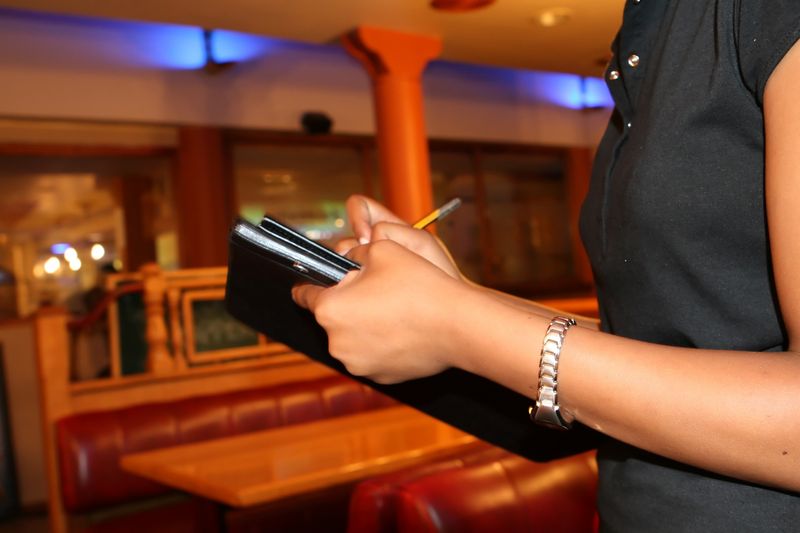
Discounts are fine when they apply, but demands sour the mood. Coupons have rules, and managers juggle margins.
Ask questions calmly and accept the answer.
Value is more than a reduced price. If something missed, explain it respectfully and let them make it right.
Entitlement burns bridges faster than any bill ever could.
Seat swapping
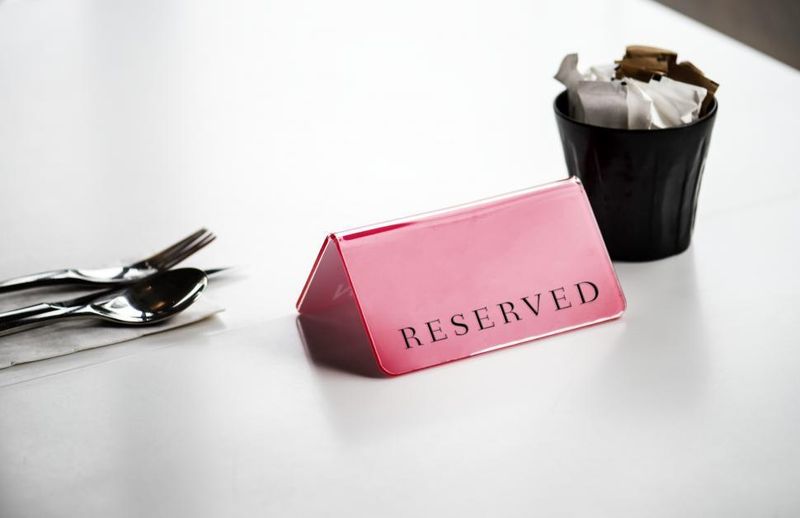
Shuffling seats mid service looks harmless, but it scrambles sections and timing. Servers track orders by position.
When the map changes, mistakes follow.
If you want different seats, ask before ordering. Staff can adjust the chart and keep service smooth.
A quick heads-up saves confusion and wrong plates.
Last minute orders
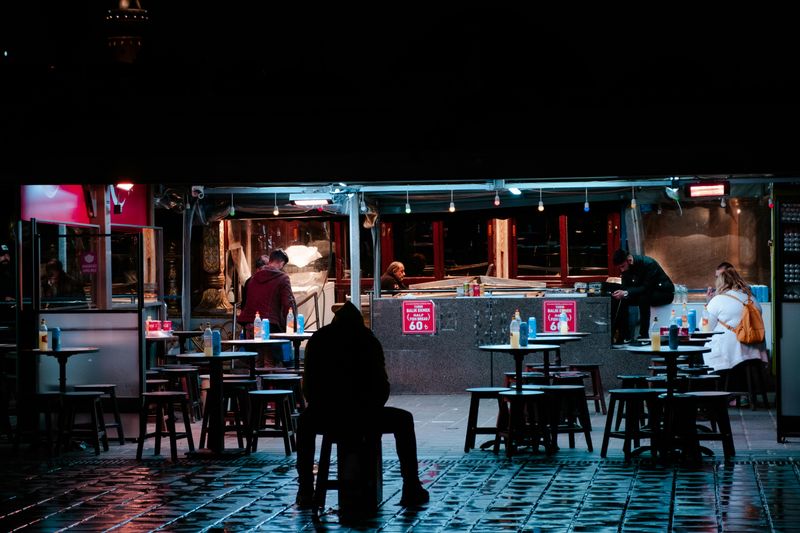
Rolling in at closing and ordering big tests patience. Kitchens start breaking down early, and gear gets cleaned on schedule.
A late surge means rework and overtime.
If the door is open, order simply and tip generously. Better yet, come earlier so the team can serve their best.
Respect the clock and the people behind it.
Outside food
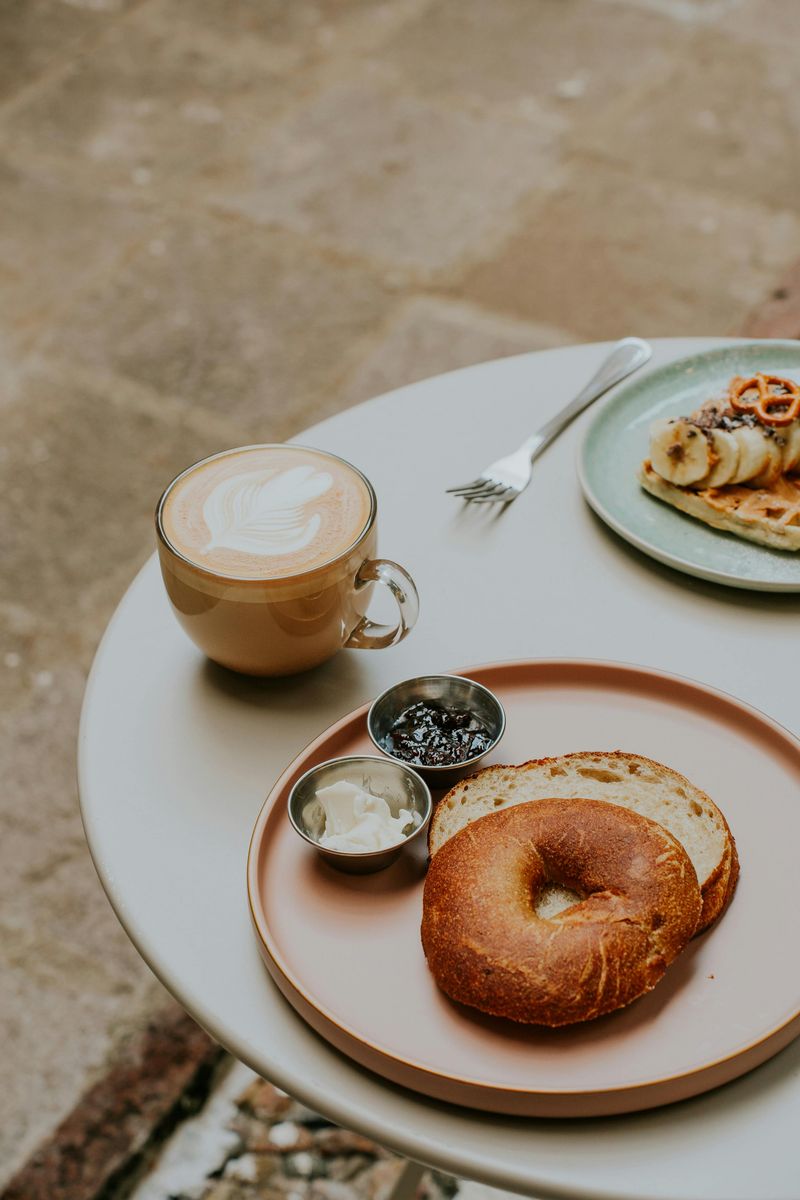
Bringing outside food into a restaurant undermines their business and licensing. It complicates allergens and cleanliness too.
Ask about corkage or special policies if you need exceptions.
If dietary needs are strict, call ahead. Many places will guide you thoughtfully.
Respect their space the way you would want yours respected.
Ignoring menu
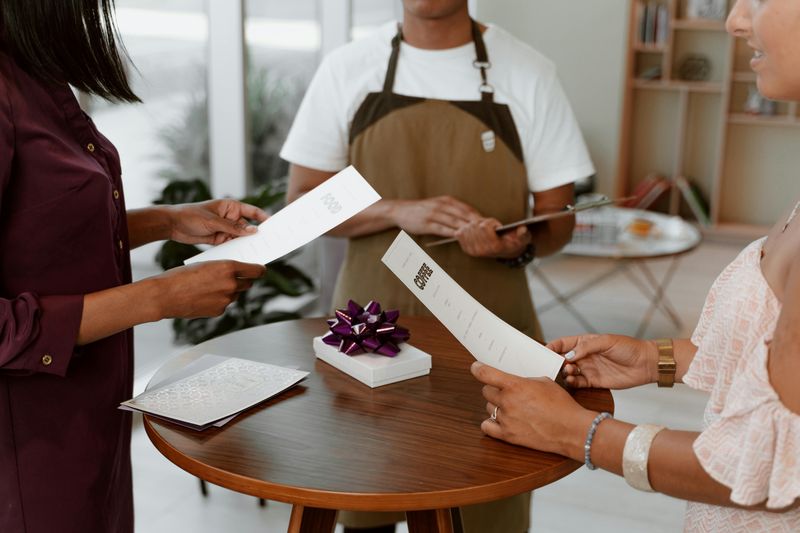
Menus exist to reflect what the kitchen can execute well. Demanding off menu creations can jam the line and dilute quality.
Ask about tweaks, but respect the chef’s boundaries.
Explore the specials, share preferences, and trust the team’s craft. You might discover something better than what you imagined.
Let the menu guide your meal gracefully.
Camping tables
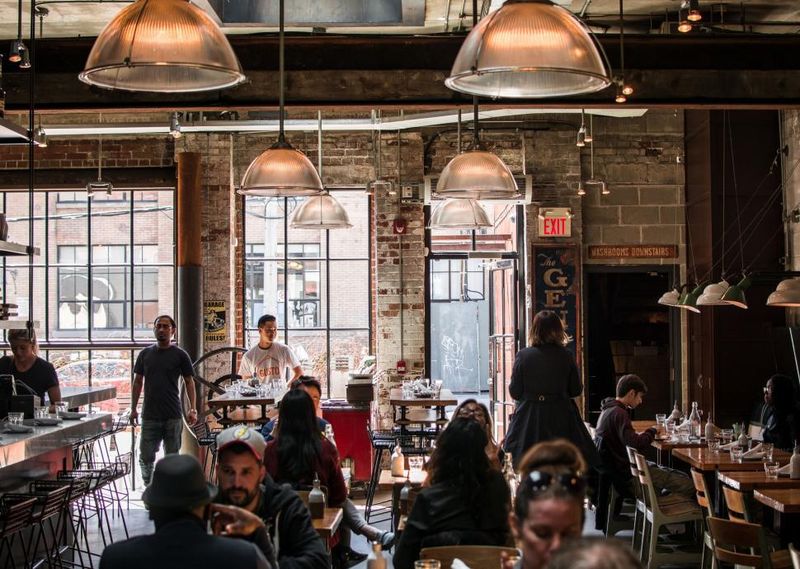
Camping at a table forever blocks others from enjoying their meal. Restaurants run on turns and timing.
If the place is slammed and you are finished, move to the bar or stroll outside.
Keep conversations going elsewhere. Staff appreciate the turnover, and waiting guests will not glare.
Good manners make the whole room breathe easier.