


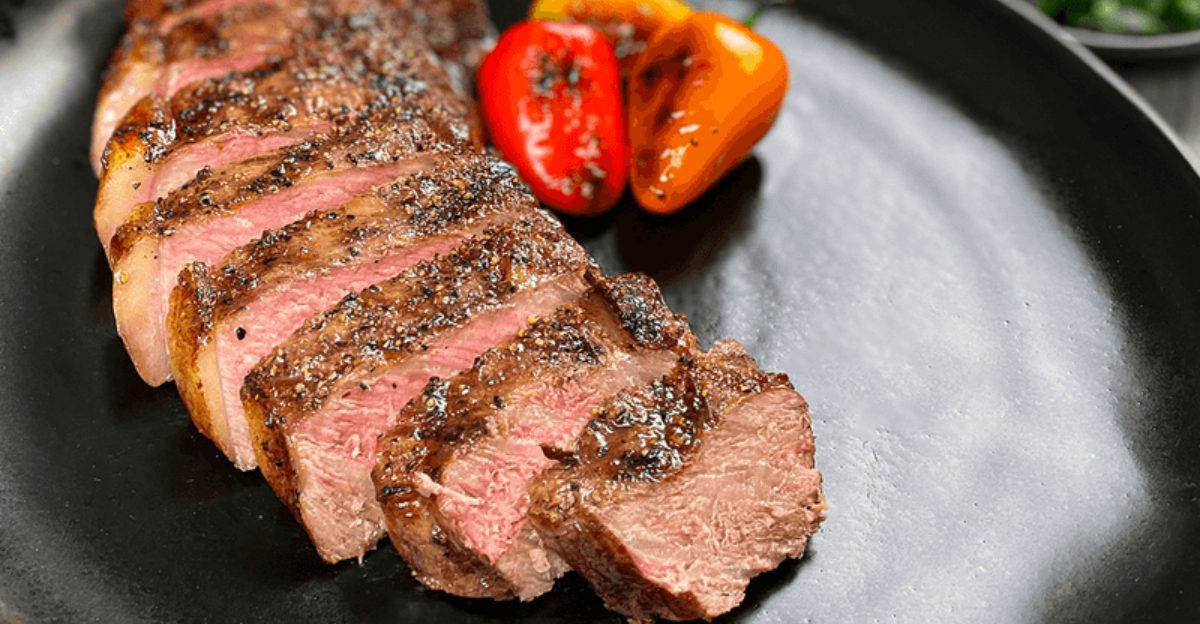
Ever noticed how a few fancy words can make a simple dish feel like a splurge? Restaurants are masters at turning everyday ingredients into experiences you cannot wait to order.
Once you spot these tricks, you will see the pricing puzzles and stories hidden between the lines. Consider this your friendly decoder so you can choose smarter and still enjoy the show.
Market price
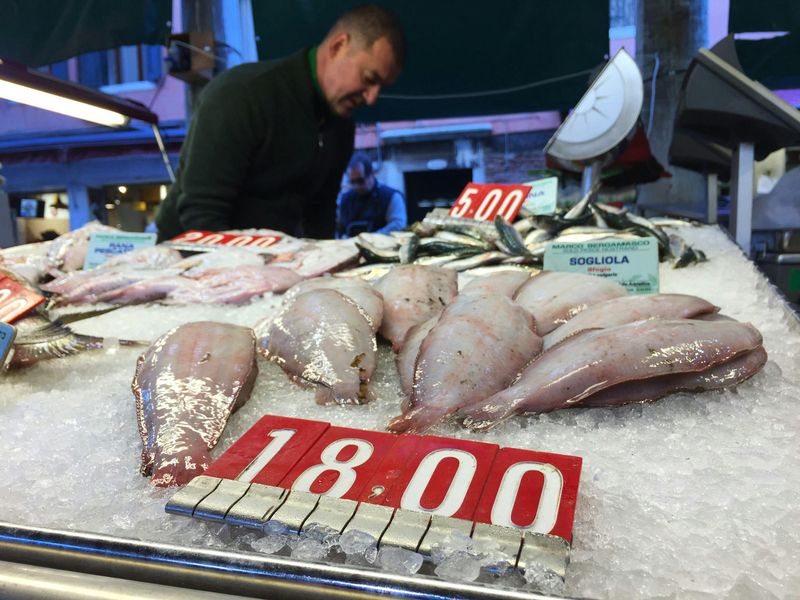
Market price whispers mystery while quietly dodging sticker shock. You assume it signals rare catches and daily auctions, but it mostly keeps options flexible.
Anchors disappear, so you expect splurge territory and judge quality before cost.
Restaurants love MP for seafood, steaks, and specials that fluctuate with supply and demand. It nudges you to ask the server, creating a moment for storytelling and a confident pitch.
If you hear season, sustainability, and limited boats, your brain justifies a higher number before hearing it. That pause also makes declining feel awkward, which subtly increases conversions.
It sounds luxe, not evasive, strategically.
Chef’s special
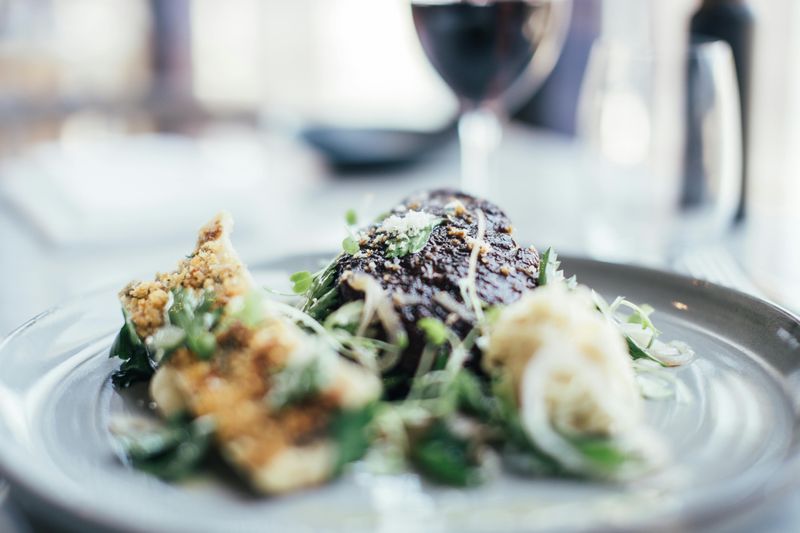
Chef’s special frames an ordinary plate as a fleeting revelation. You picture the chef experimenting, so a burger with aioli suddenly feels adventurous.
The label reduces comparison shopping because there is no direct rival on the page.
Servers can upsell confidently, citing inspiration, freshness, or limited prep time. You also forgive quirks like smaller portions or swapped sides since creativity implies exceptions.
Price resistance softens because you anchor value to the chef’s imagination rather than raw ingredients. It is theater, wrapped in a cloche, presented with confident timing and a practiced grin.
You buy the story, not the parts, today.
Artisan
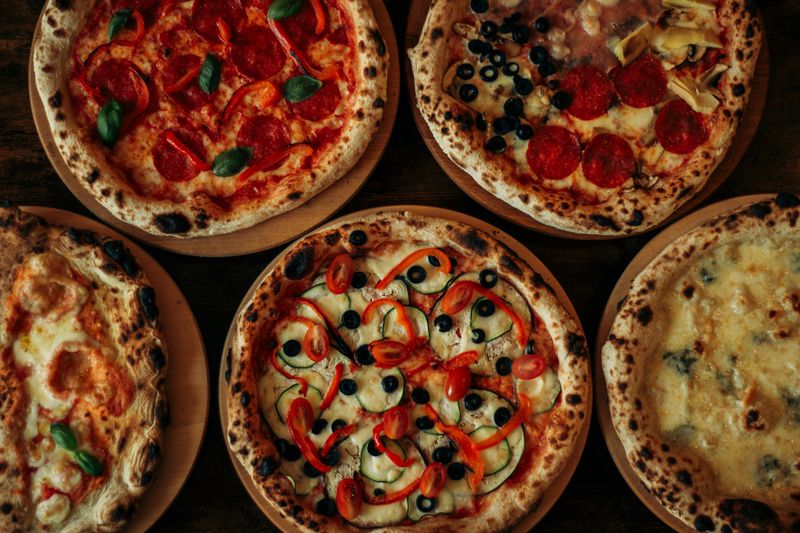
Artisan suggests hands, time, and knowledge, even when a factory did the heavy lifting. You imagine small batches and careful tastings in a sunlit workshop.
That picture boosts perceived quality and makes rustic imperfections feel intentional, not sloppy.
Menus pair artisan with breads, cheeses, pickles, and ice creams to elevate basics instantly. You accept a surcharge because craftsmanship implies labor, scarcity, and invested pride.
Ask about source and method to separate genuine makers from borrowed vocabulary. When stories include names, locations, and time spans, the claim usually holds more weight.
Vague labels feel pretty, persuasive, and thin under gentle questions.
Handcrafted
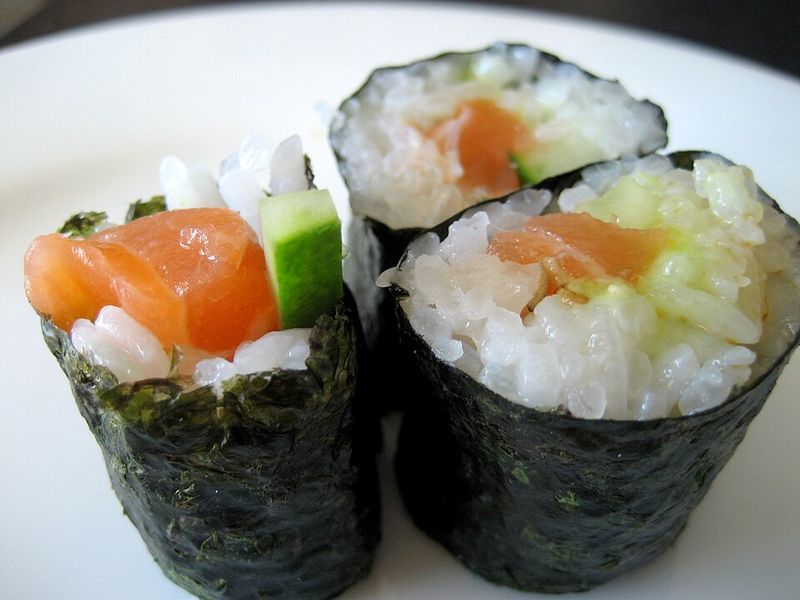
Handcrafted signals deliberate care, nudging your brain toward patience and premium pricing. Even when machines assist, the word frames finishing touches as meaningful labor.
You picture a maker tasting, adjusting, and signing off with pride.
Menus lean on handcrafted for cocktails, pasta, patties, and sauces to justify time costs. It also softens wait times by implying your order is assembled to your moment.
If specifics surface like rolled today or double strained, you are likely getting value. If nothing concrete appears, the term probably decorates a commodity product.
Ask what was done by hand, and watch confidence or confusion bloom.
Signature
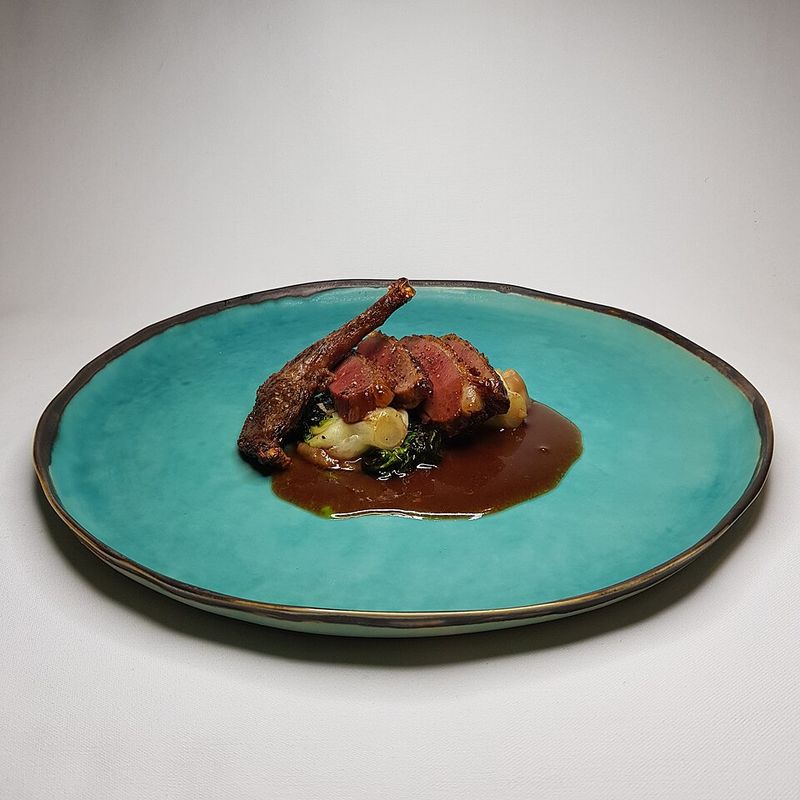
Signature makes you feel there is a house identity sealed into a dish. It reduces comparison because suddenly that salad is the restaurant itself.
You hold it to a standard and forgive price stretches to experience the benchmark.
Operators highlight reliable margin items as signature, then wrap them in brand lore. Photos, frames, and origin stories create social proof you gladly repeat to friends.
If every section lists a signature, the crown is just a shiny sticker. One or two clear flagships feel genuine and worth ordering at least once.
Otherwise, pick freely and avoid the spotlight tax entirely, tonight.
Small plate
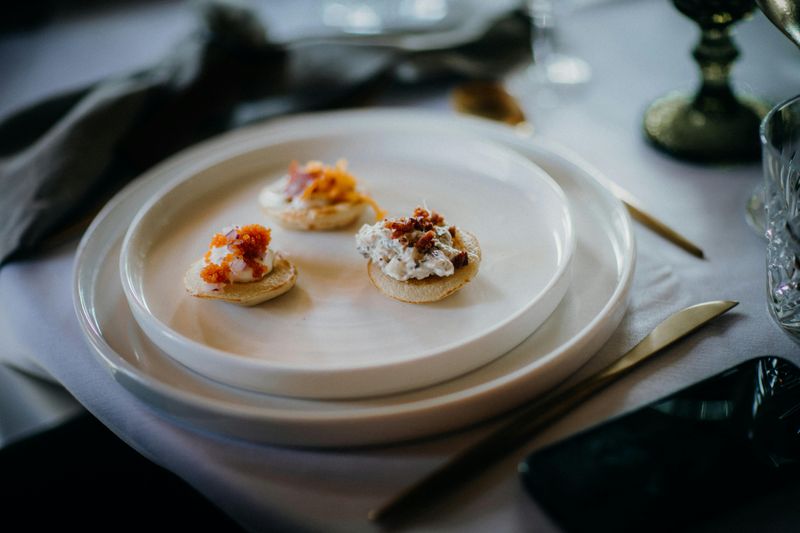
Small plate reframes less food as more experience by inviting shared sampling. Your brain swaps value metrics from fullness to variety and conversation.
It feels social, so you order extras without noticing the check rising steadily.
Restaurants prefer this format for margin control, layered flavors, and pacing flexibility. Plates leave the kitchen whenever ready, keeping tables engaged and staff efficient.
Order strategically by balancing one rich, one fresh, and one starchy anchor. If you want dinner, not theater, ask about portions and plan accordingly.
Otherwise, enjoy the show and expect dessert marketing to follow with charming urgency, near the end.
Deconstructed
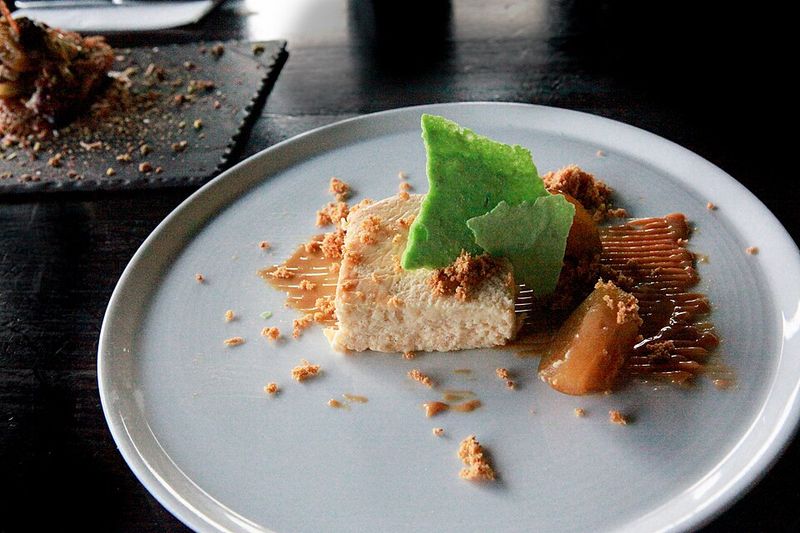
Deconstructed turns assembly into performance, making simple parts feel cerebral and premium. You focus on textures and order of bites instead of raw cost.
Plating space and negative white also suggest luxury and chefly intent.
Restaurants use it to spin salads, cheesecakes, and tacos into interactive moments. You may pay more for fewer combined ingredients, but the novelty carries delight.
Ask how to eat it, then enjoy recombining like a curious scientist. If parts feel random, the concept might mask shortcuts or small portions.
Great deconstruction tells a story that rebuilds flavor higher than the original, bite by bite beautifully.
Seasonal
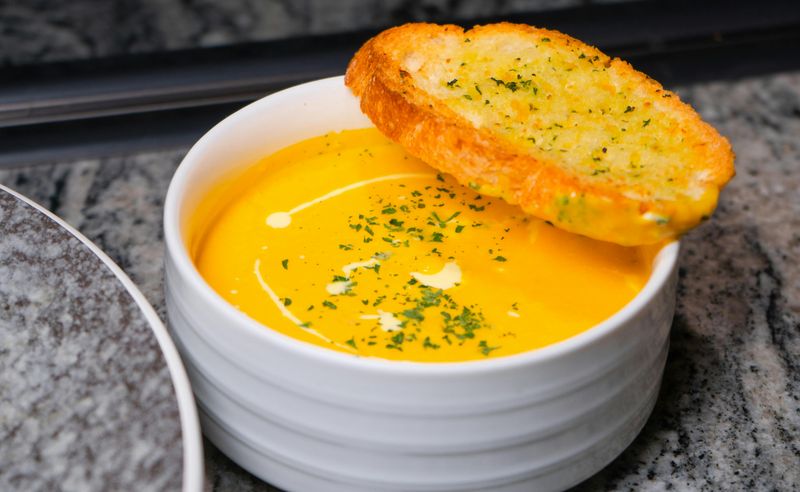
Seasonal taps into freshness and fleetingness, suggesting nature set the menu. You picture peak ripeness and shorter supply chains, which feel wholesome and smart.
It also excuses rotations that keep margins tidy and labor predictable.
Expect seasonal to appear on vegetables, garnishes, and fish choices tied to quotas. Ask what is in peak right now, and you will hear confident details.
If the answer is vague, the word is doing more lifting than farms. Good menus list varietals, farms, or regions, which signals truth and care.
Order boldly then, and let the calendar be your friendly sommelier, with each plate.
Curated
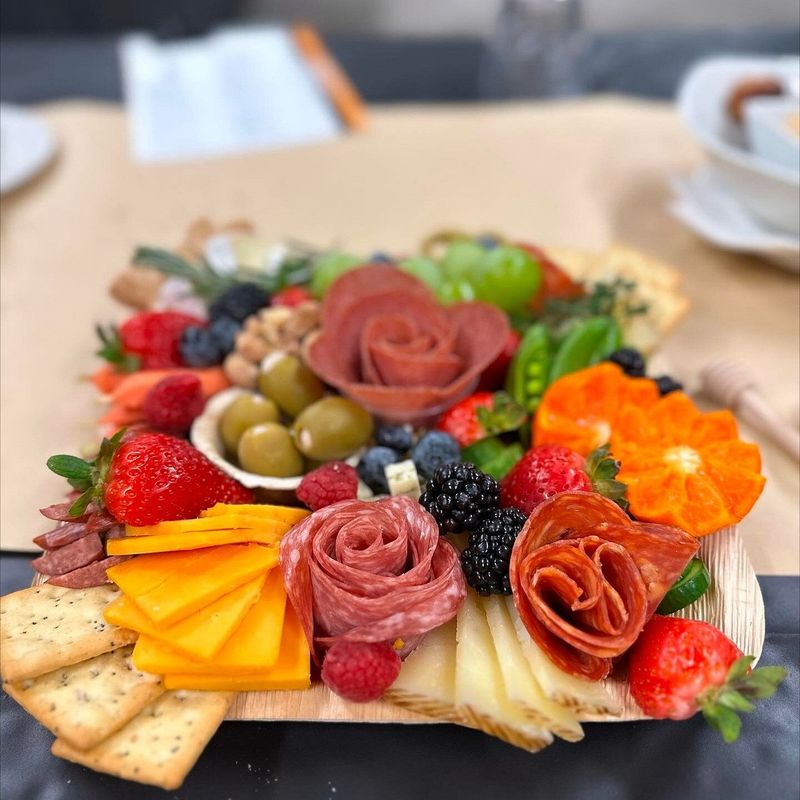
Curated tells you someone sifted, judged, and shaped the selection for taste. It flatters your choice by implying a tastemaker saved you time and mistakes.
That filters scarcity into value and justifies higher prices for smaller lists.
You see curated wine flights, cheese boards, and tasting menus where narrative matters. It reduces choice overload, boosting satisfaction and spend through guided discovery.
Ask what was excluded and why to gauge genuine editorial vision. If answers name distributors instead of criteria, the curation might be paperwork.
Great curation feels personal, precise, and bold, like a playlist with no skips, for your night.
House made
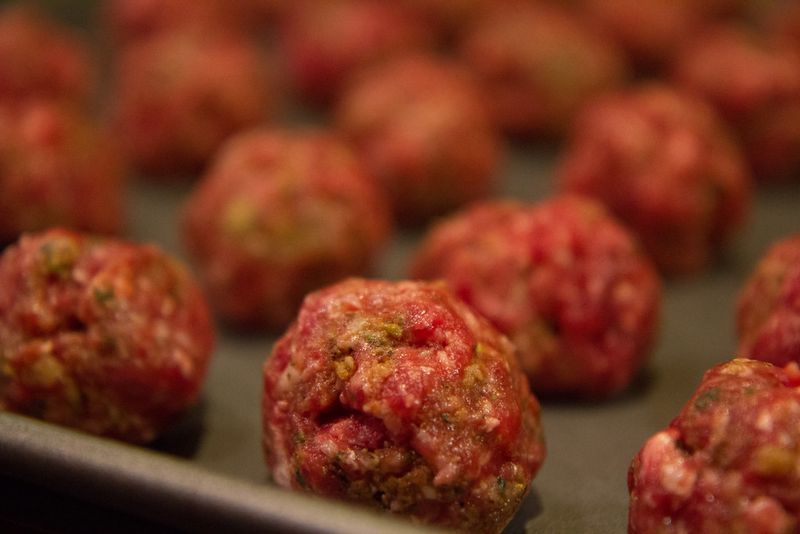
House made paints a picture of bubbling pots and secret binders of recipes. You grant extra credibility and imagine fewer preservatives and fresher aromas.
It transforms common mayo, pickles, and syrups into bragging points.
Restaurants highlight house made when ingredients are cheap but labor adds distinction. Ask for specifics like steep times, spice blends, or proofing schedules.
If details flow, your surcharge likely funds real effort, not just labeling. Watch for outsourced desserts presented as house made; delivery boxes sometimes betray the truth.
Transparency earns trust, and trust sells more sides, sauces, and second visits, across slow rainy midweek shifts.
Elevated
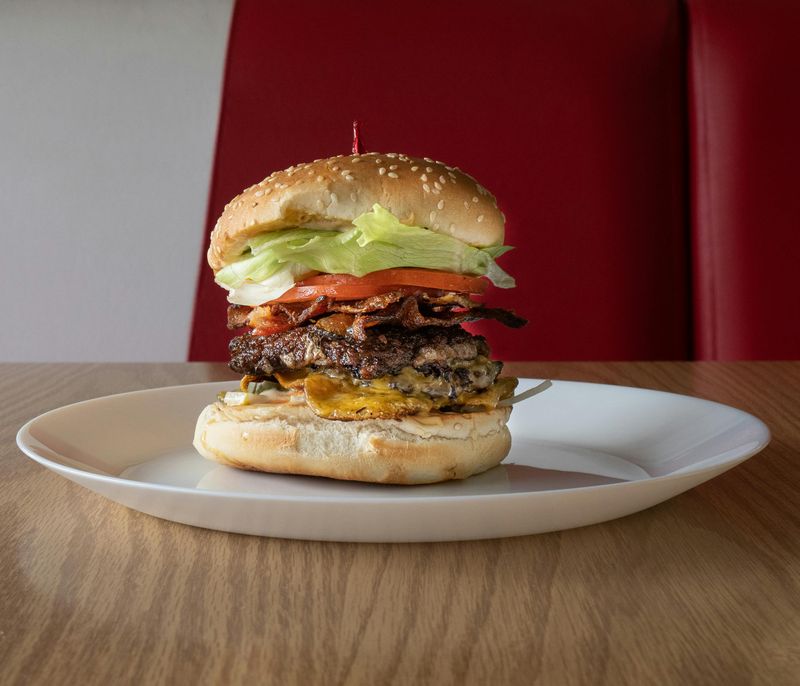
Elevated means familiar flavors dressed up with tech, garnish, and confident pacing. You recognize the base, so you feel safe paying for the upgrade.
Think grilled cheese with raclette and truffle honey, or nuggets with zaatar.
Restaurants love elevated dishes because cost stays controlled while perceived value jumps. Ask what changed beyond garnish to confirm the lift is real.
Technique, sourcing, or time should show up in the answer confidently. If tweaks are purely visual, your appetite is funding a photo shoot.
When substance and sparkle align, elevated cooking feels generous, modern, and worth celebrating, with friends and bright wines.
Limited availability
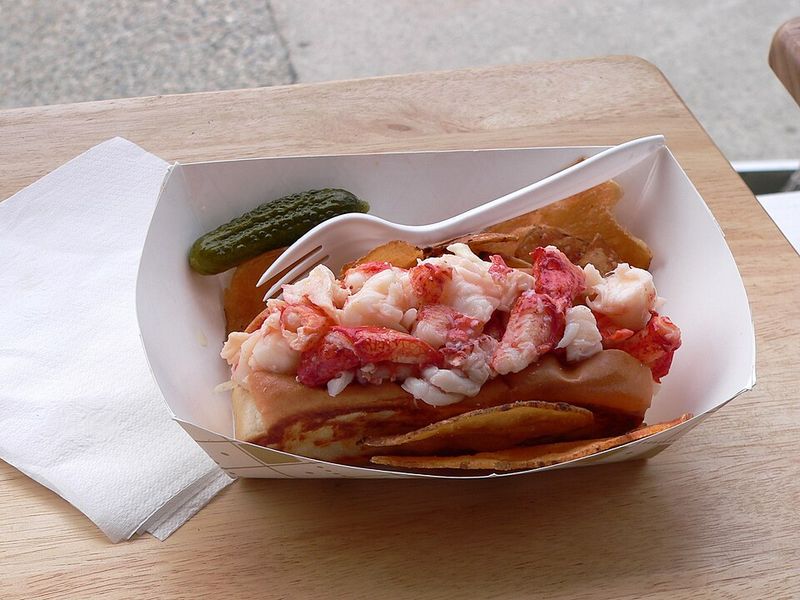
Limited availability uses scarcity to push quick decisions and reduce price objections. You suddenly imagine lines, countdowns, and the regret of missing out.
It frames ordering as winning a small race against the crowd.
Restaurants deploy it for pastries, ribs, and weekend roasts tied to prep limits. Sometimes it is real, sometimes it is batching dressed as drama.
Ask quantities and timing, then decide fast if it sounds genuine. Scarcity works best when texture or time sensitive items truly cannot be replicated.
Otherwise, relax and remember another batch appears tomorrow with the same staged urgency, at roughly four thirty sharp.
Farm fresh
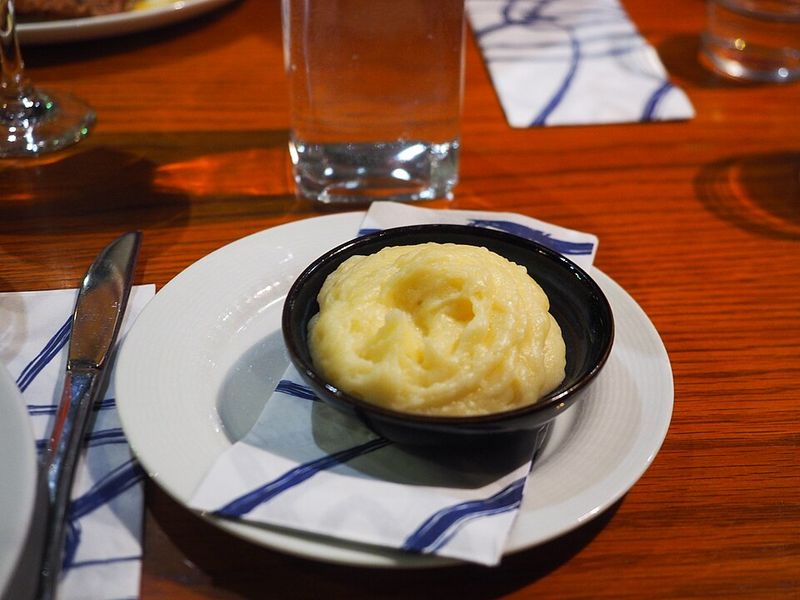
Farm fresh paints dew on tomatoes and hay on the breeze, regardless of trucks. You feel virtuous and expect juicy flavor even if logistics say otherwise.
It softens skepticism about simple salads or eggs with premium pricing.
Some spots truly partner with growers, listing names and distances proudly. Others buy from the same distributor as everyone, then add bucolic language.
Ask what arrived today and how often deliveries land to test the claim. Real partnerships show through photos, shout outs, and seasonal quirks on plates.
Your palate will notice brightness and texture that survive a short trip, from nearby soil.
Rustic
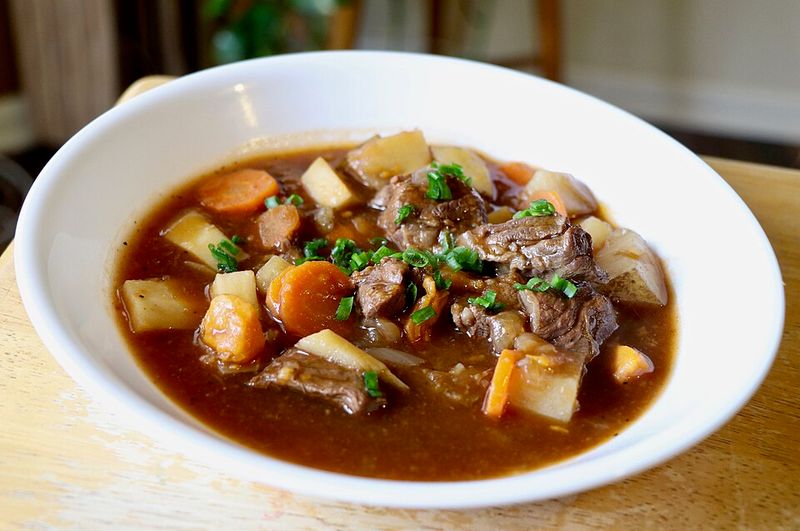
Rustic makes rough edges feel cozy, hiding shortcuts behind comfort and nostalgia. You forgive uneven cuts and hearty ladles because grandma rarely used tweezers.
It shifts attention from precision to warmth, where value hides in feelings.
Operators love rustic stews, breads, and pies that leverage cheap, slow cooked ingredients. Technique matters, but stories do the heaviest lifting here.
If plating feels sloppy instead of intentional, the romance fades quickly. Look for crusts, reductions, and patient textures that prove time paid the bill.
Otherwise, you are financing mismatched crockery and a storybook font on the menu, without the promised hearth heat.
Aged

Aged communicates patience, concentration, and deeper flavor while hinting at higher cost. You imagine cellars and careful monitoring that extract magic from time.
Steaks, cheeses, and vinegars commonly wear this label to great effect.
True aging requires controlled environments, shrinkage, and waste that justify premiums. Ask for days, temperatures, and methods to distinguish buzzwords from investment.
If numbers appear confidently, your senses will likely agree when tasting. When details vanish, aging may mean pre grated cheese or yesterday’s roast warmed thoughtfully.
Real maturity shows crystalline textures, nutty aromas, and gentle finish that lingers, long after plates leave the table, tonight.
Truffle
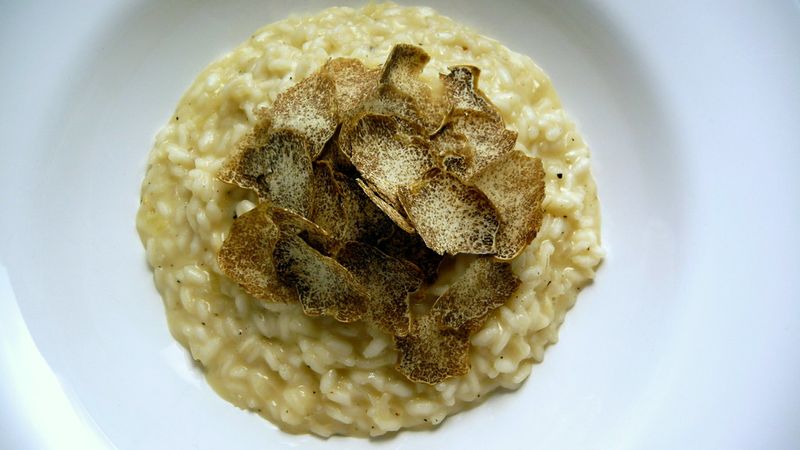
Truffle triggers luxury alarms, even when the flavor comes from inexpensive oil. You picture hunters, pigs, and forest floors that whisper exclusivity.
Restaurants leverage that imagery to lift fries, pasta, and eggs into premium territory.
Ask whether it is shaved truffle, paste, salt, or oil to gauge value. Real shavings are seasonal, aromatic, and scarce, so prices swing wildly.
Oil can taste harsh if overused, so request a lighter hand. If the room smells like truffle from the door, you are likely smelling oil.
Balance is bliss, and restraint keeps earthiness profound rather than perfumed, across fries and creamy plates.
Imported
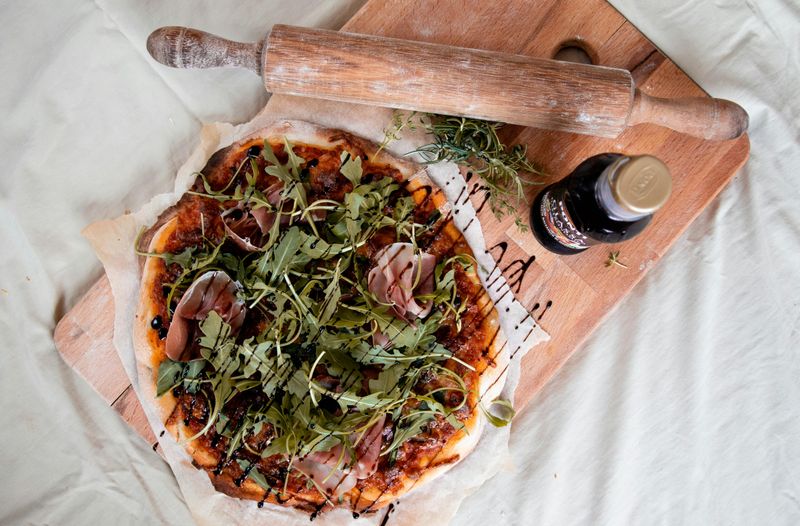
Imported suggests distance equals prestige, which often just equals shipping. You may imagine stricter standards or terroir, and sometimes that is true.
But domestic gems can match quality without travel taxes.
Menus lean on imported for cheeses, anchovies, tomatoes, and pastas to impress. Ask country, producer, and protections like DOP, then taste for freshness.
If the story stops at overseas, you might just buy a passport stamp. Local alternatives with clear sourcing can outperform dusty imports that crossed oceans slowly.
Let flavor win, not mileage, and reward restaurants that treat origin as evidence, not decoration, on a busy Tuesday night.
Reserve
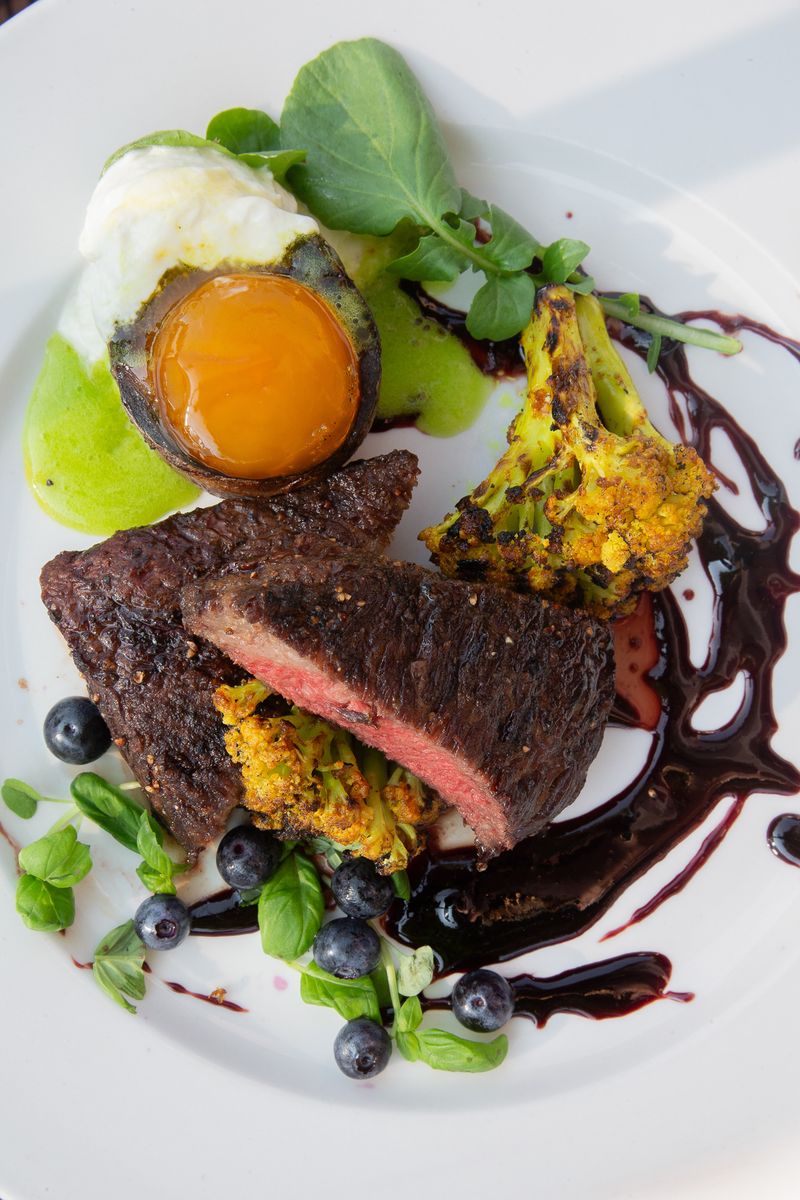
Reserve hints at exclusivity, borrowed from wine tiers and private clubs. You expect better barrels, longer time, or tighter selection standards.
On menus, reserve often equals aged longer, allocated tighter, or simply priced higher.
Ask what makes it reserve, and listen for specifics like vineyard blocks or barrels. If none appear, you are paying for velvet vocabulary.
Occasionally, reserve marks limited pours perfect for sampling before a full commitment. Match reserve choices with simple dishes that let nuance show rather than shout.
You will taste the difference, and the pairing will feel smart without heavy spending, most nights of life.
Locally sourced
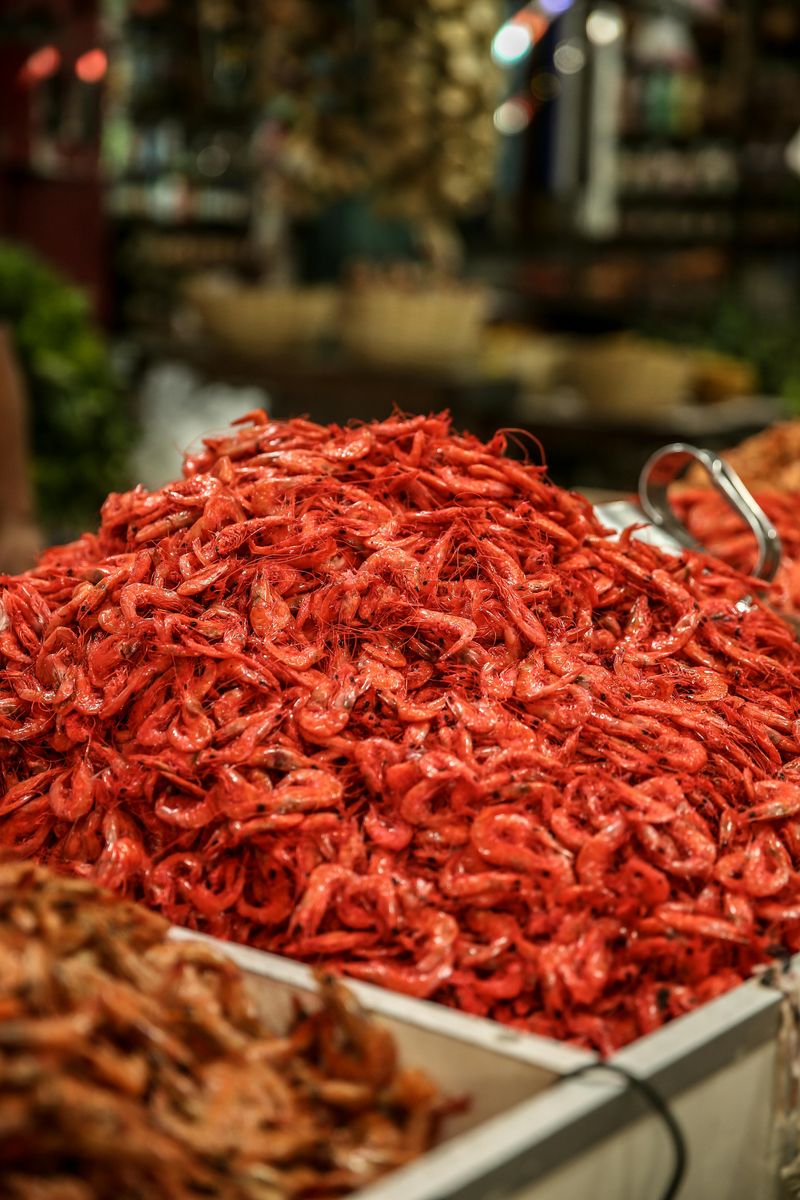
Locally sourced promises community support, fresher flavors, and smaller footprints. You picture handshake deals and short drives from field to plate.
It feels ethical, so small upsells slip by with pride.
Reality varies from real farm partnerships to regional distributors within a big radius. Ask names, distances, and seasons to verify the claim quickly.
Menus with maps, producer lists, and specials usually walk the talk. Local can shine with herbs, greens, eggs, and dairy where travel bruises quality.
Support the places that name partners, and your money will loop back into tastier plates, over seasons you can actually track, locally.
Modern twist
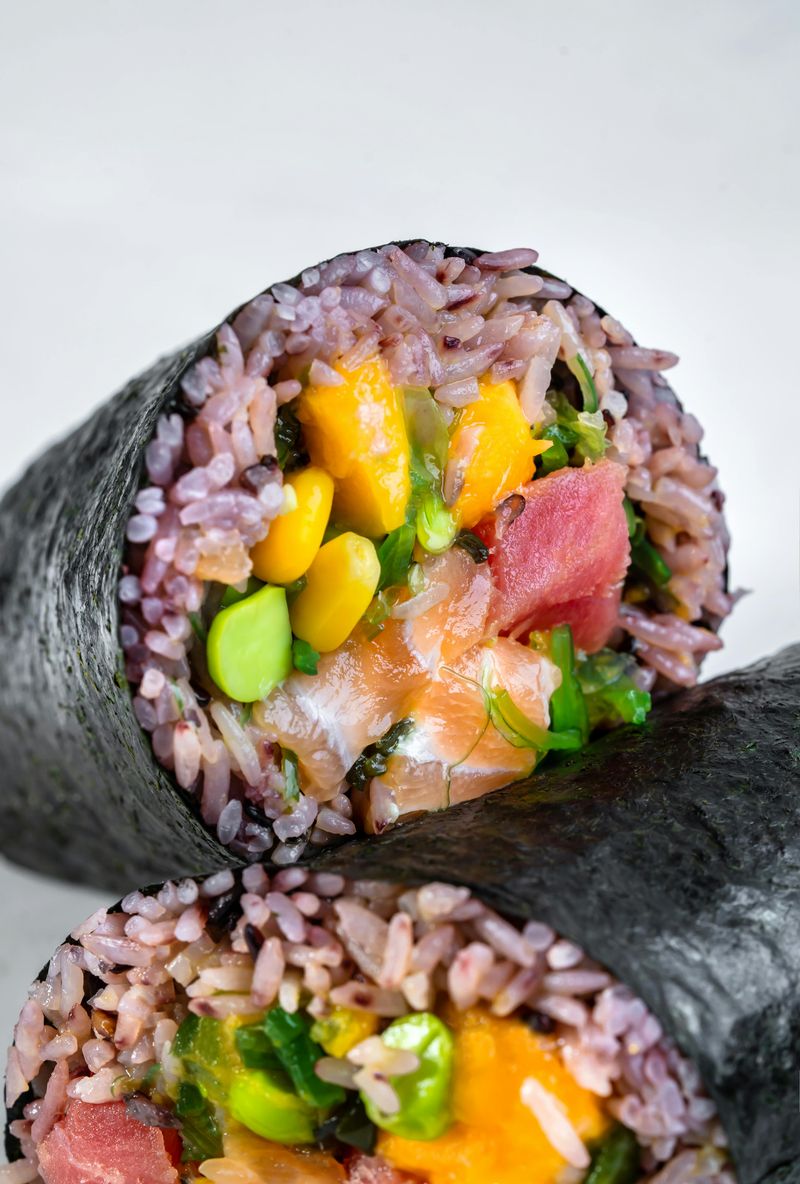
Modern twist promises familiarity with a spark, so you feel safe yet curious. Chefs remix classics with gadgets, acids, and global spices to wake nostalgia.
You pay for surprise layered onto comfort, which feels worth a premium.
Ask what the twist changes functionally, not just visually, to judge value. If the tweak adds texture, contrast, or balance, order confidently.
If it is confetti, smile, then save room for a sure thing. Great twists respect the soul while moving flavors forward with intention.
When they land, you tell friends, post photos, and forget the check for a minute, during happy chatter.
Premium
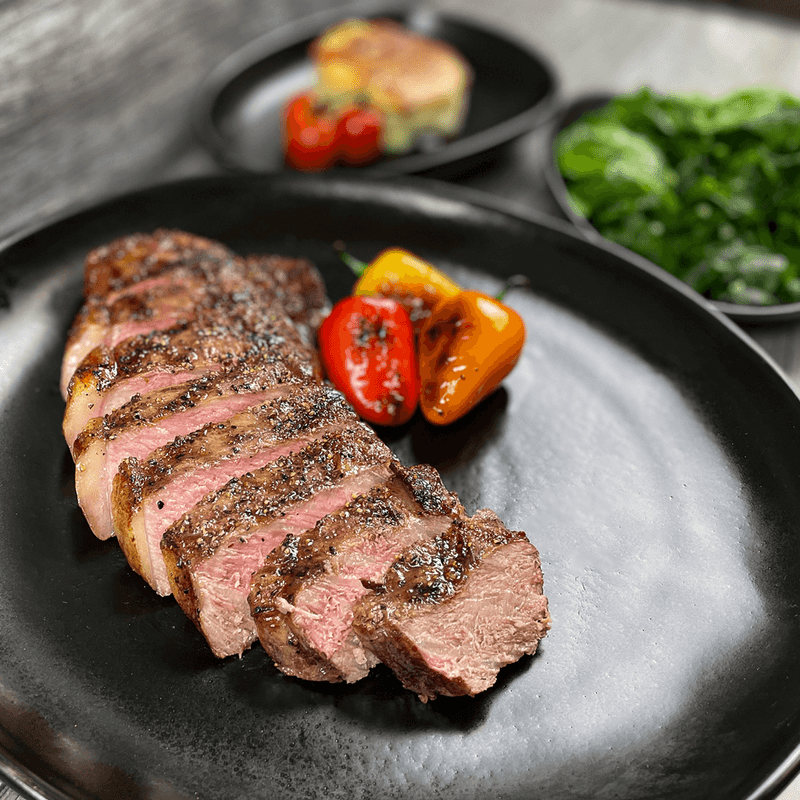
Premium sounds like quality, yet it mostly signals positioning rather than objective standards. You expect better sourcing, tighter specs, or extra steps that justify a bump.
The word primes your taste buds before the bite even lands.
Menus attach premium to well known brands, bigger portions, or simple packaging upgrades. You see value where consistency and scale already reduced cost.
Ask what defines premium here, and listen for clarity or charming fog. If details include grades, weights, and cooking methods, the upgrade likely delivers.
If the answer is because it is premium, smile, choose differently, and keep your wallet happy.