



Ration books shaped how people cooked, yet many of those thrifty dishes still taste like home. These recipes lean on basics, stretch pennies, and deliver honest comfort you can feel at the kitchen table. You will find simple flavors, smart substitutions, and techniques that make a little go far. Ready to revisit war era cooking that still deserves a spot on your weekly menu?
Stew pot
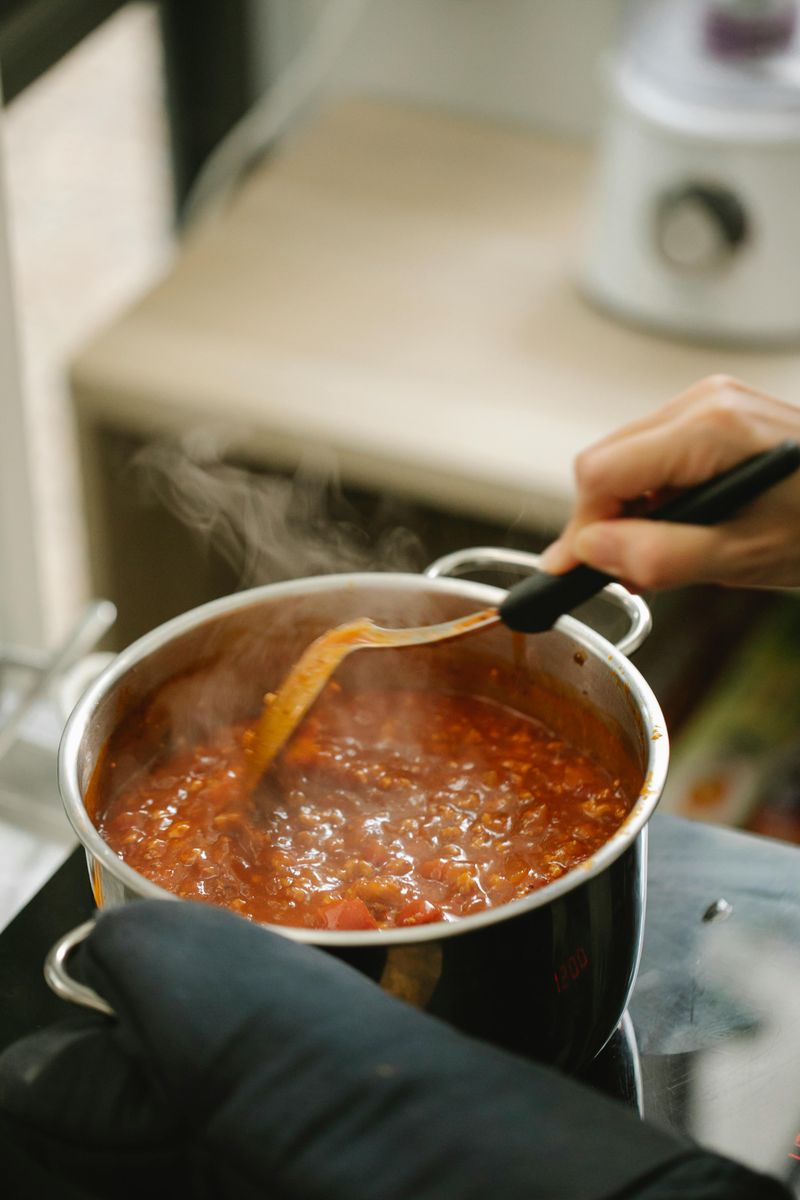
You can build a hearty stew from scraps, bones, and odds and ends. Brown whatever inexpensive meat you have, then add onions, carrots, and potatoes. Let it quietly bubble until the broth turns deep and the kitchen smells like patience.
Stretch flavor with a spoon of vinegar and a bay leaf. Toss in barley or dumplings if you want extra body. The stew pot proves simple ingredients can feel generous.
Bean soup
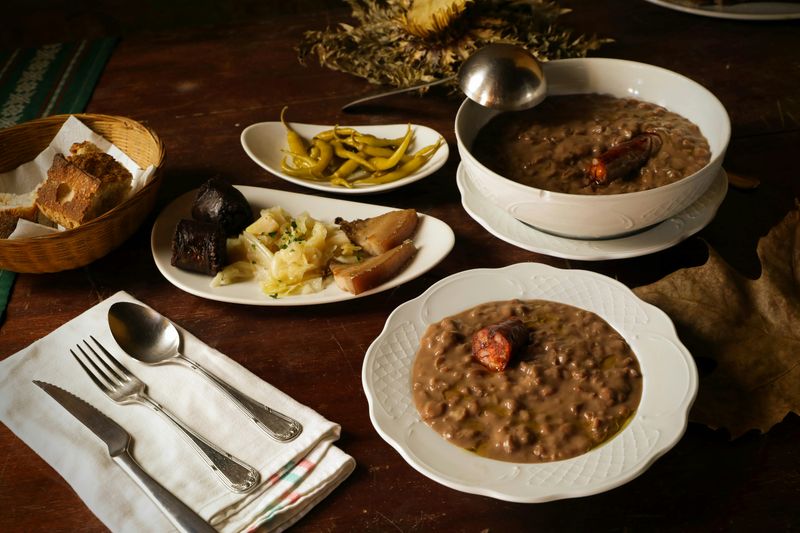
Bean soup rewards time more than money. Soak dry beans overnight, then simmer with onion, celery, and a ham bone if you have it. If not, smoked paprika and a splash of vinegar add depth and balance.
Skim gently, season late, and mash a few beans to thicken. Serve with crusty bread for a meal that feels complete. You will ladle second helpings without thinking.
Potato soup

Potato soup saves the day when the pantry looks bare. Sweat onions in a little fat, add diced potatoes and water, and simmer until everything softens. Mash some pieces, keep some whole, then swirl in milk or evaporated milk.
A pinch of celery seed and white pepper gives a classic edge. Toasted breadcrumbs replace pricey croutons. It feels like a hug you can taste.
Cabbage dish
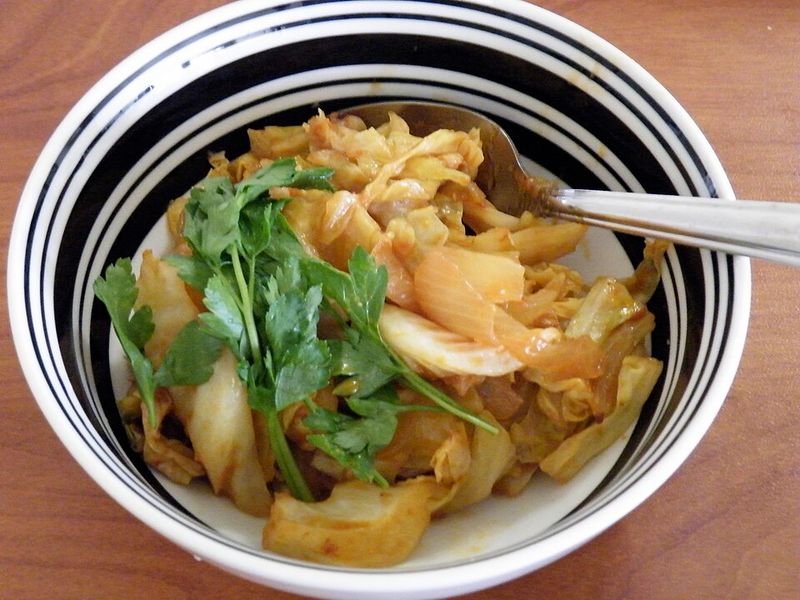
Cabbage carries flavor beautifully for pennies. Slice it thin, then sauté with onions until glossy. Add vinegar, a little sugar, and caraway for a sweet tang that wakes everything up.
For a heartier plate, stir in boiled potatoes or scraps of sausage. It is colorful, comforting, and surprisingly aromatic. You will want seconds even without meat.
Simple casserole
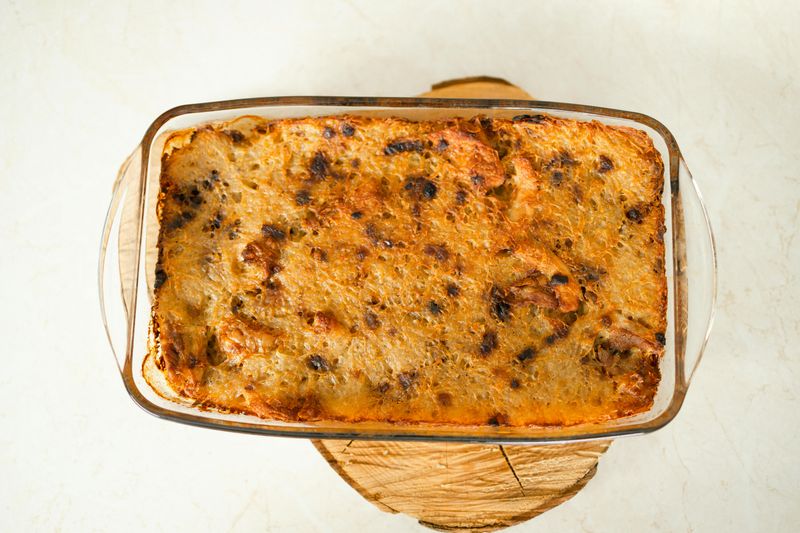
This casserole begins with leftover noodles and whatever vegetables you have. Fold in a quick white sauce made with flour, fat, and milk. A handful of cheese if available, or toasted breadcrumbs instead, makes the top sing.
Bake until bubbling around the edges and golden on top. It tastes like teamwork between pantry staples. Simple, filling, and friendly to substitutions.
Homemade bread
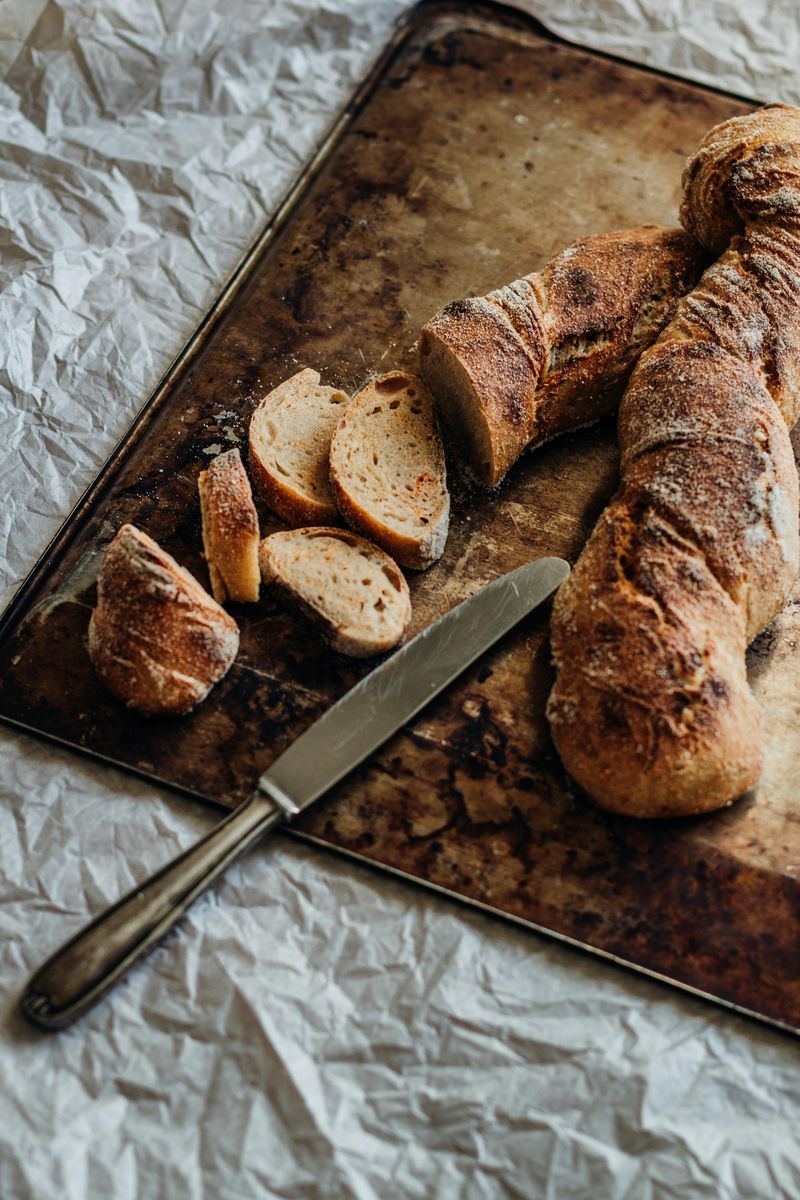
Homemade bread turns flour into comfort. Mix flour, water, yeast, a little sugar, and salt, then knead until springy. Let time create flavor as the dough quietly rises.
Bake until the crust is boldly brown and the bottom sounds hollow. Slice thick while warm and spread with whatever fat you have. Every crumb tastes like home and thrift.
Boiled potatoes
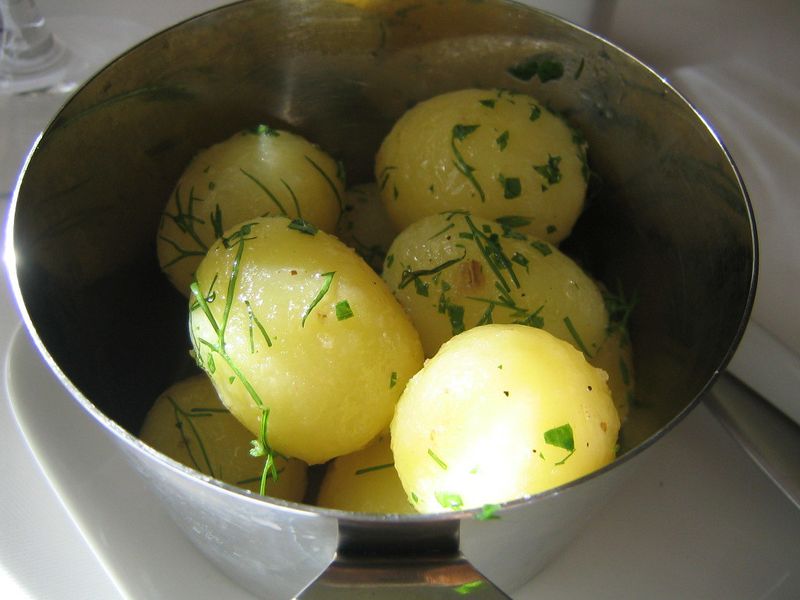
Boiled potatoes prove simplicity wins. Start them in cold salted water so they cook evenly. Drain well, return to the warm pot, and shake gently to dry and roughen the edges.
Toss with butter or oil, salt, and chopped herbs. Save the cooking water for gravy or soup. This side stretches any meal and never disappoints.
Gravy
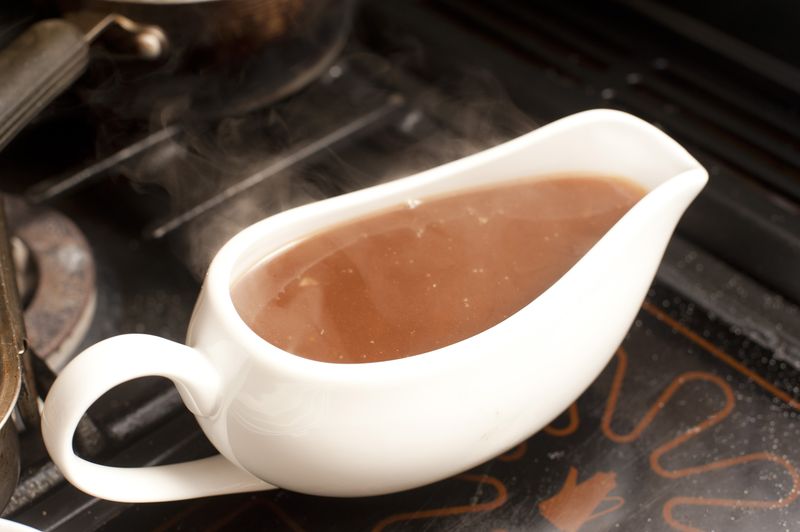
Gravy makes scraps feel grand. Whisk flour into hot fat to form a roux, cook until toasty, then slowly add broth or water while whisking. Simmer until silky.
Season with salt, pepper, and a splash of vinegar if it tastes dull. Stretch it with vegetable water when drippings are scarce. You will want to pour it over everything.
Rice dish
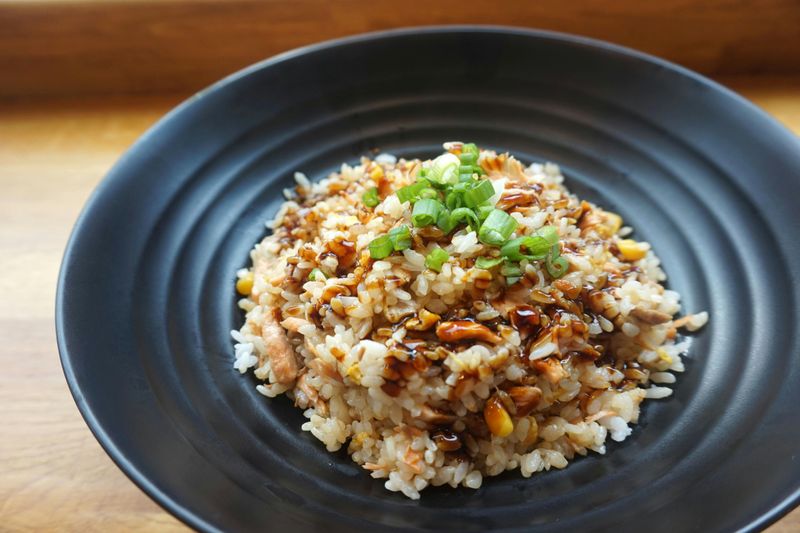
Rice easily feeds a crowd. Sauté onion in a little fat, stir in rice until glossy, then add water and simmer. Fold in peas, carrots, or leftover meat at the end.
A bay leaf and black pepper keep flavors lively. Let it rest, covered, for fluffier grains. It makes a complete plate without fuss or excess.
Oatmeal porridge
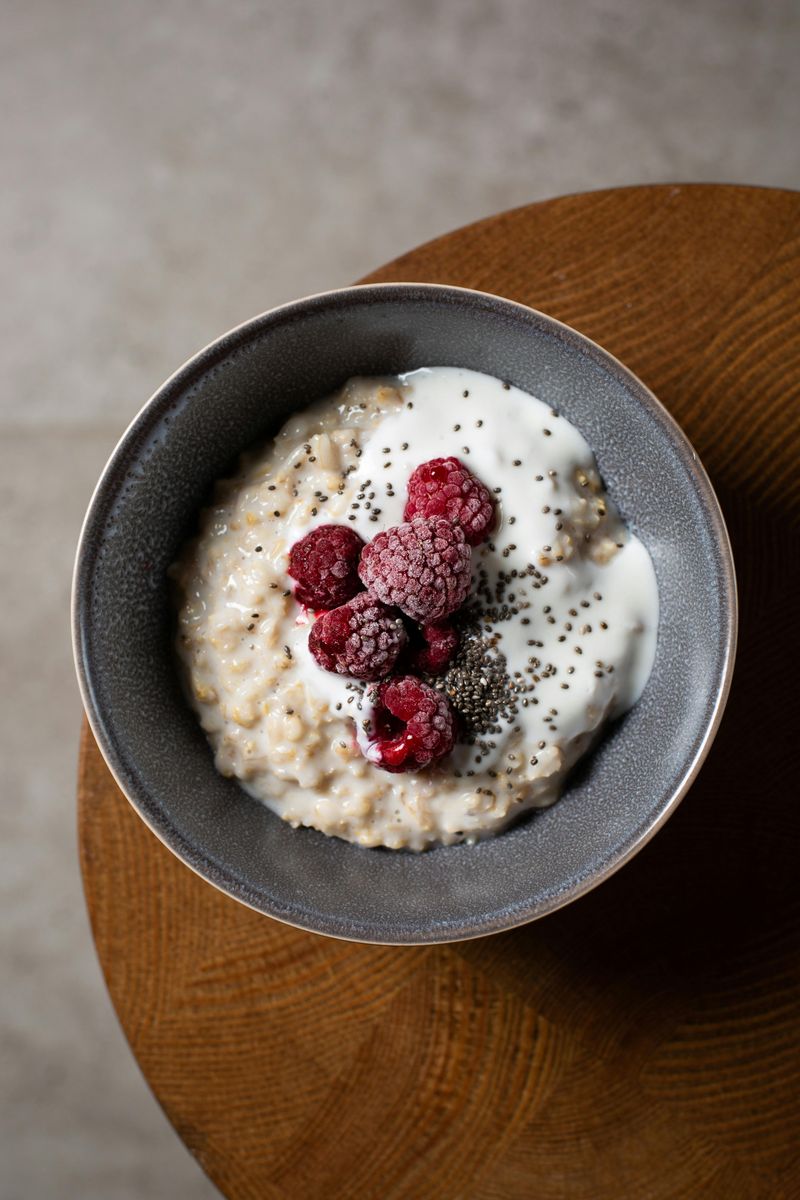
Oatmeal steadies the day. Simmer oats with water and a pinch of salt until creamy. Stir constantly near the end to coax out body without scorching.
Sweeten with syrup, brown sugar, or stewed fruit if available. A knob of butter turns it luxurious. You will feel full for hours on very little.
Meatloaf
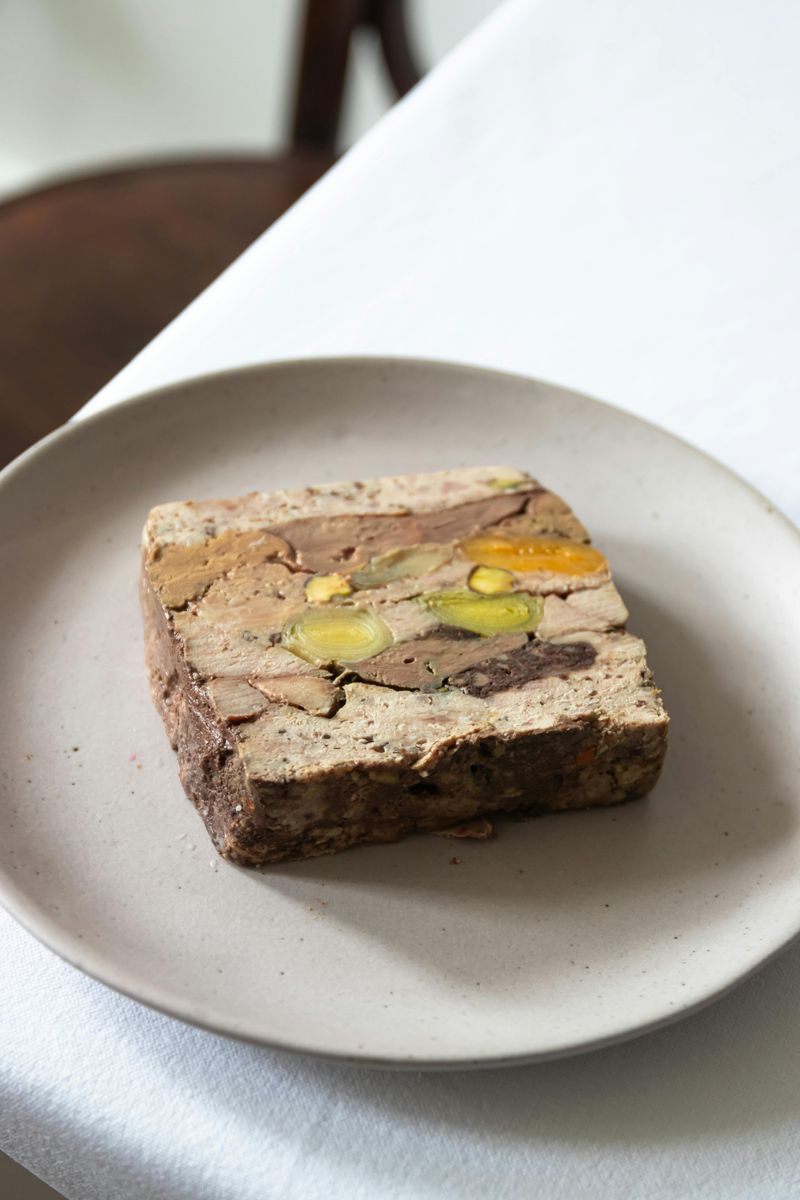
Meatloaf stretches meat with clever fillers. Combine ground meat with breadcrumbs, grated onion, and beaten egg. Season simply with salt, pepper, and mustard.
Shape gently, glaze with ketchup or tomato paste, and bake until juices run clear. Let it rest so slices hold together. It tastes like Saturday night comfort on a budget.
One pot meal
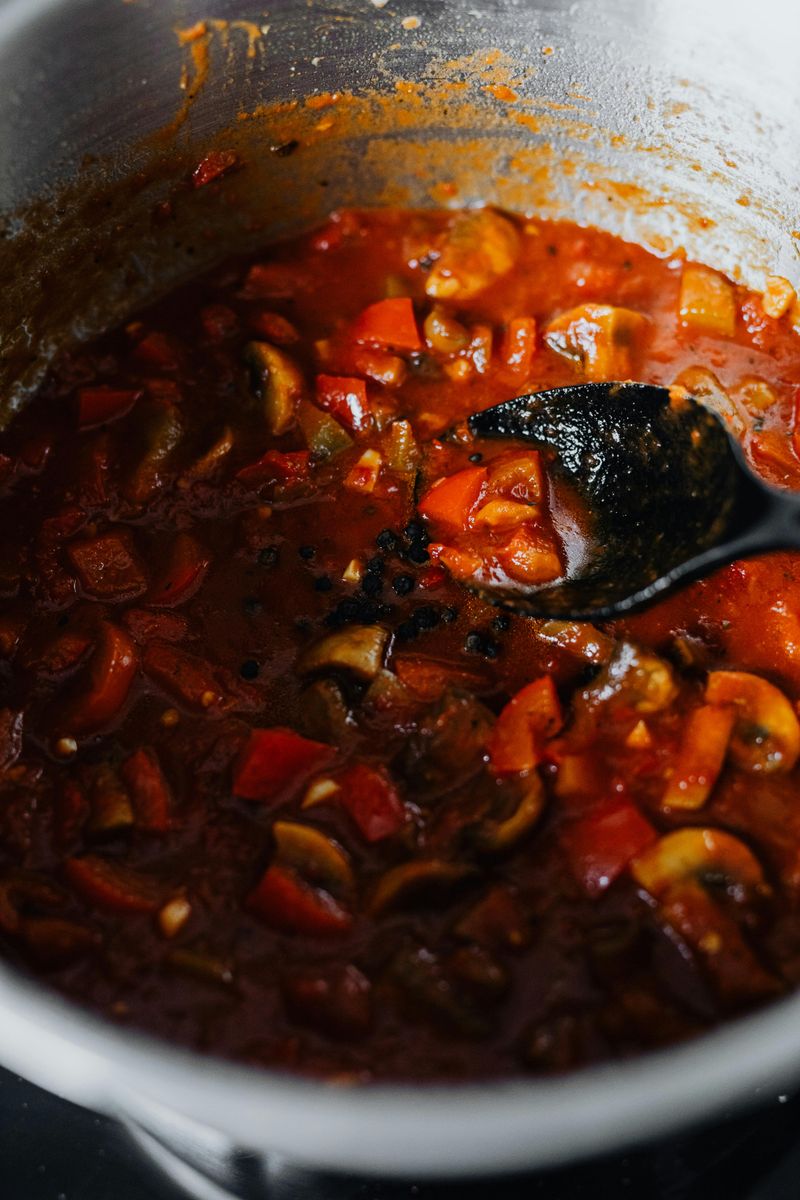
A one pot meal keeps cleanup light and flavor focused. Start with onions, then layer hearty vegetables, a grain like barley, and a little meat or beans. Add water, season, and let time do its work.
By dinner, everything tastes friendly and united. Serve straight from the pot at the kitchen table. You will feel the calm of simple cooking.
Vintage recipe
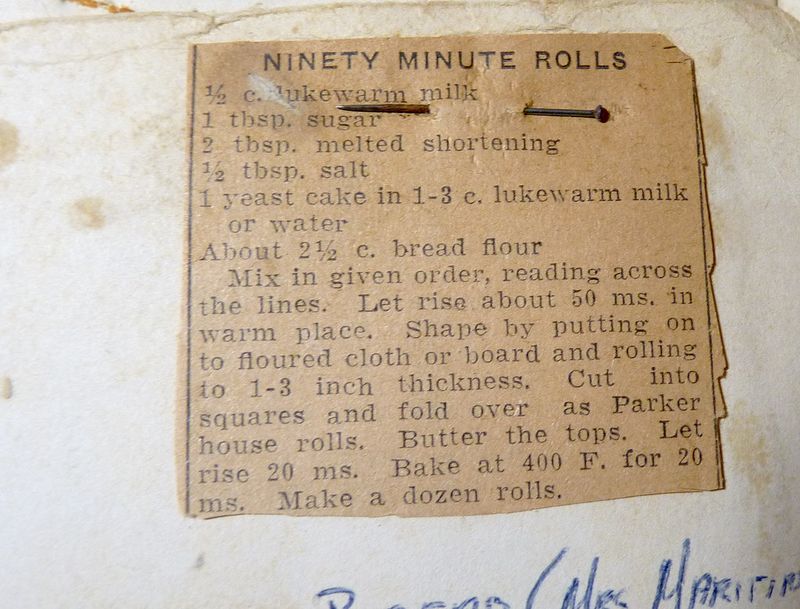
A vintage recipe often hides wisdom in few words. Measurements read like gestures, but the spirit is thrift and heart. Choose one card, follow its bones, and add your own seasonings.
Do not chase perfection. Trust the method and taste as you go. You will serve a memory that feels brand new.
Old cookbook
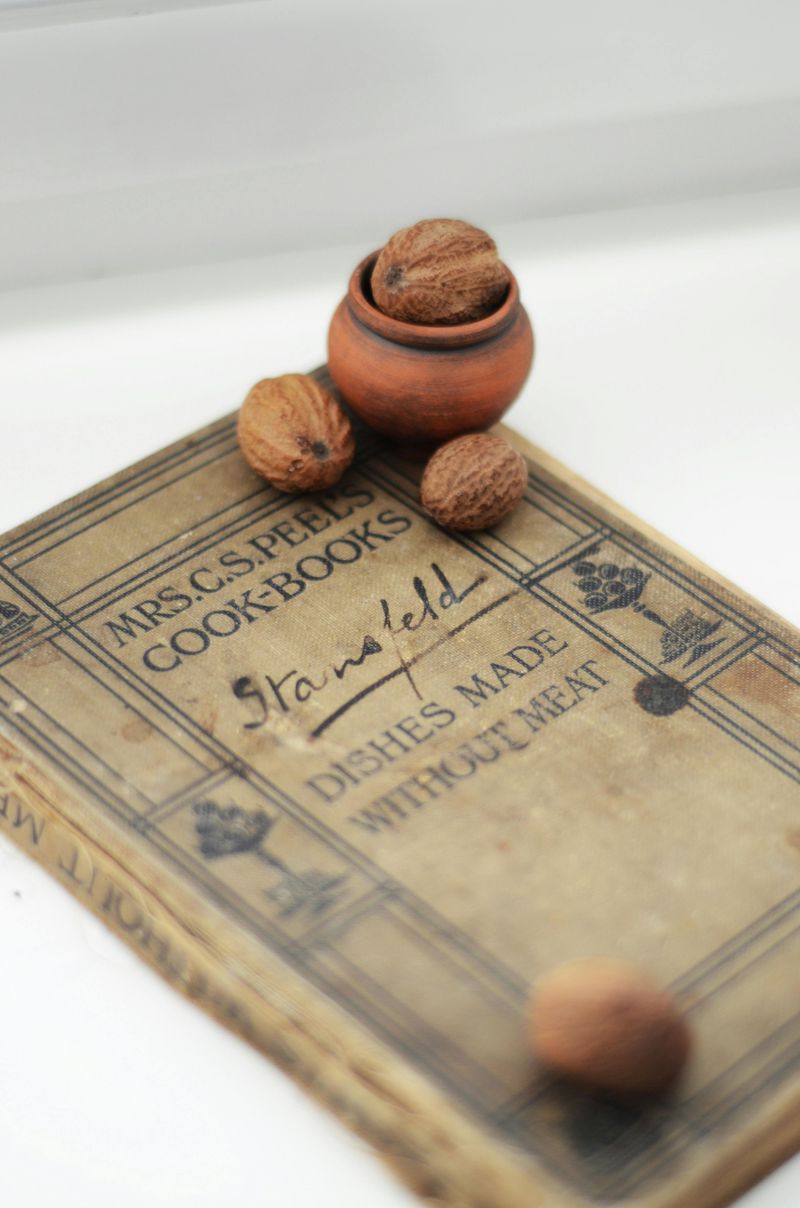
An old cookbook is a time machine. Its pages teach substitution, stretching, and saving. Read the headnotes for stories and constraints that guide flavor decisions today.
Use its charts to swap fats, sweeteners, and grains. You will learn more from margins than glossy photos. Let those notes steer your pantry choices wisely.
Basic ingredients
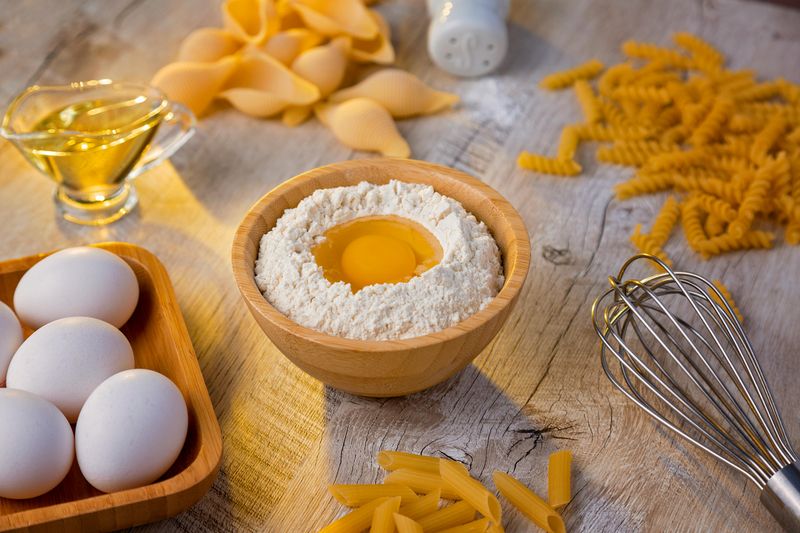
Basic ingredients keep options open. With flour, potatoes, onions, beans, and oats, you can assemble breakfasts, soups, and sturdy dinners. Add vinegar, salt, and a little fat, and everything tastes intentional.
Shop smart, store well, and rotate. You will waste less and eat better. The basics are not boring when treated with care and curiosity.
Kitchen table
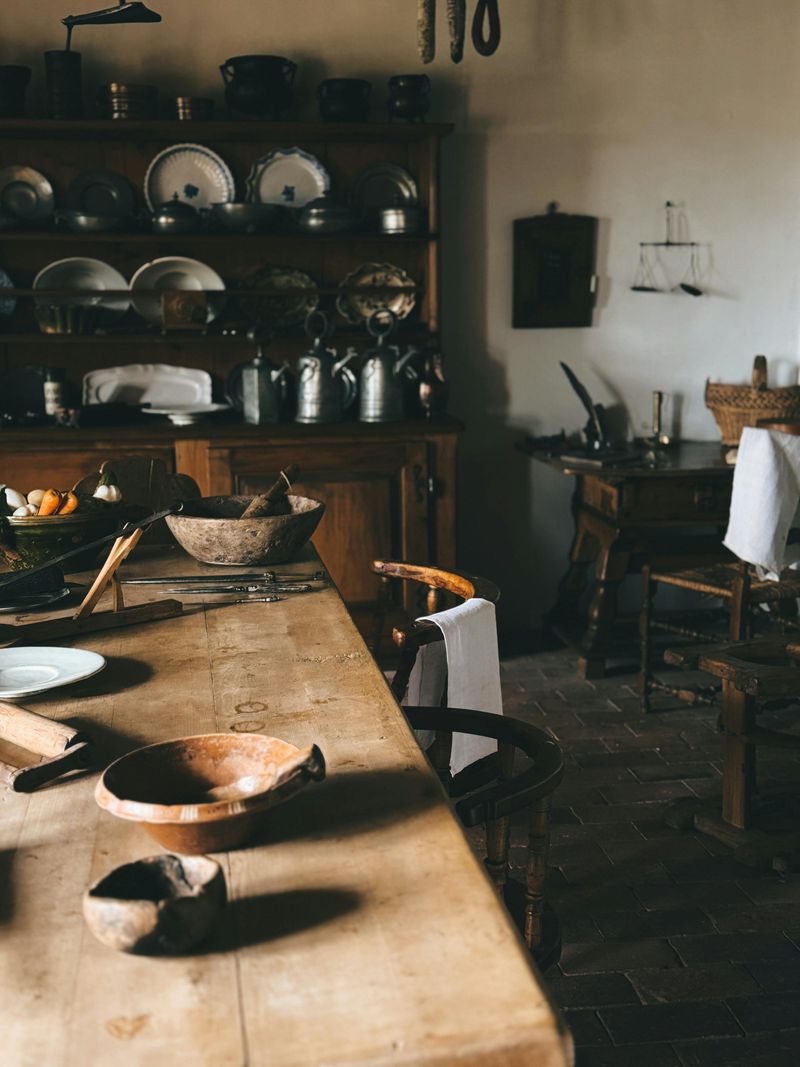
The kitchen table is where thrift turns into memory. Place the pot down, pass bread, and let people serve themselves. Food tastes better when shared without ceremony.
Light a candle if night feels heavy. Tell stories while ladling seconds. You will remember the laughter longer than the menu.
Comfort meal
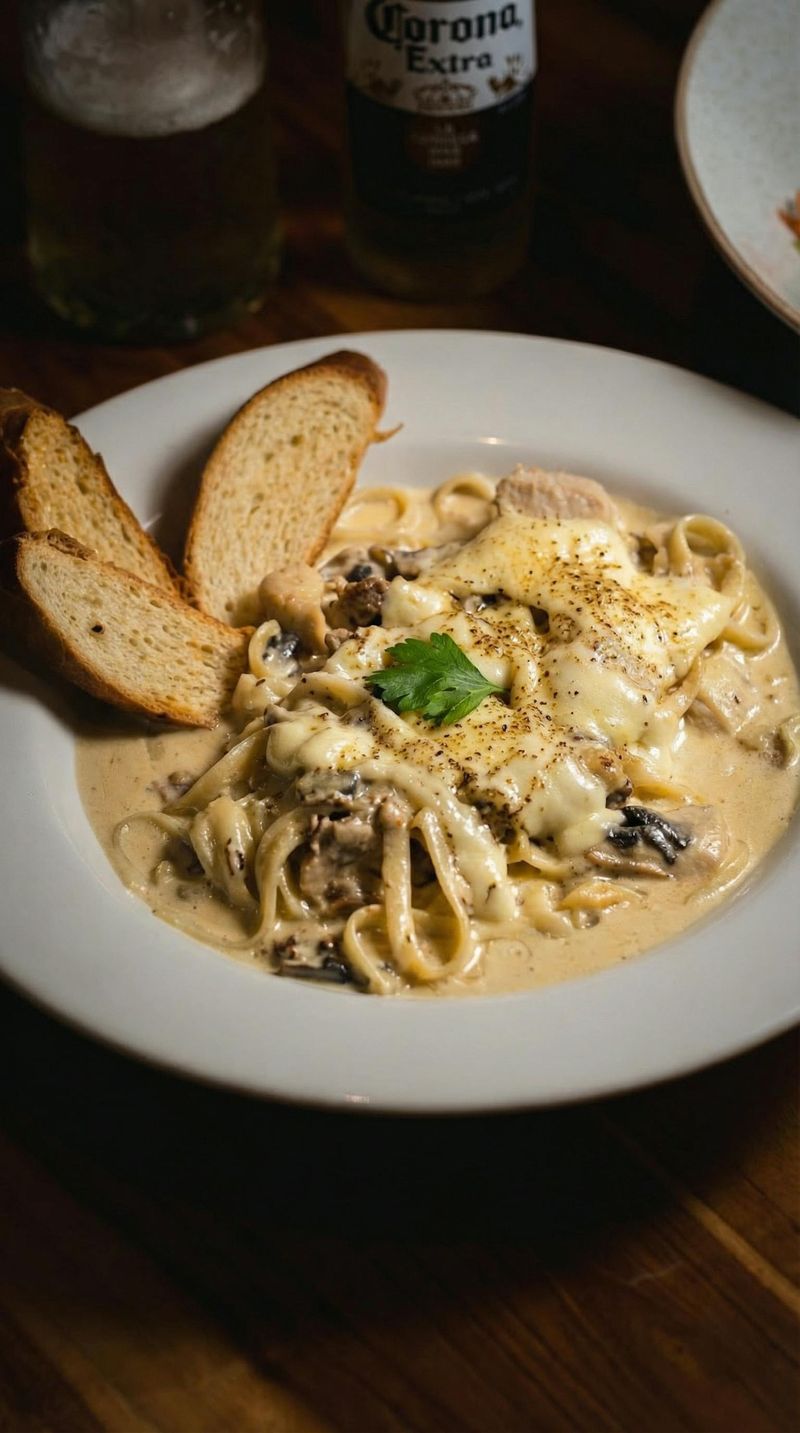
A comfort meal balances warm, soft, and savory. Choose one hearty main, a soothing starch, and a bright vegetable. Gravy ties everything together like a blanket.
Serve on warm plates if possible. Sit, breathe, and eat slowly. You will feel steadier by the last bite.
Family dinner

Family dinner turns simple dishes into an event. Set out bowls so everyone can take what they want. Conversation seasons the plate as much as salt does.
Offer water in a jar and save fancy for holidays. The ritual matters more than the recipe. You will feel connected with every pass of the ladle.
War era cooking
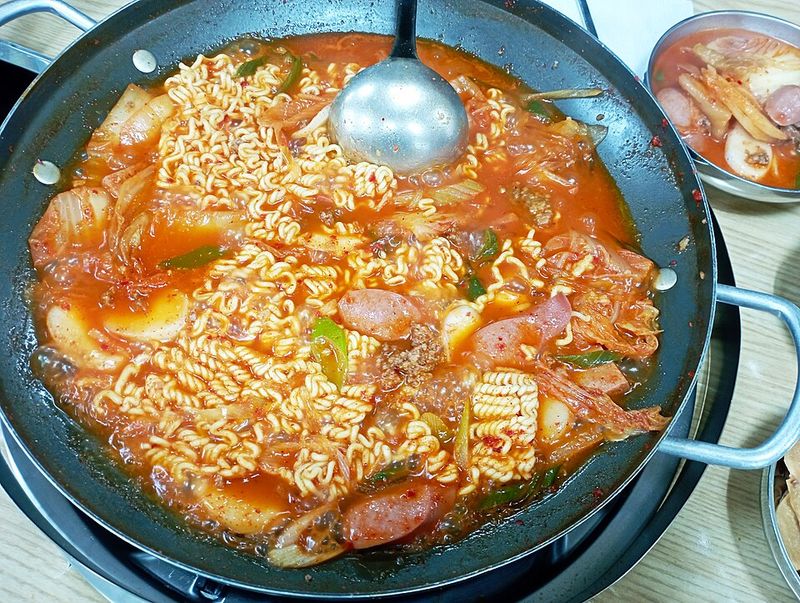
War era cooking is resourceful by necessity, but it is not joyless. It celebrates substitutions, seasonal produce, and careful timing. Flavor comes from technique, not expensive ingredients.
Render drippings, toast flour, and reuse water from vegetables. Respect leftovers like future ingredients. You will cook with purpose and eat with gratitude.
Cast iron pot
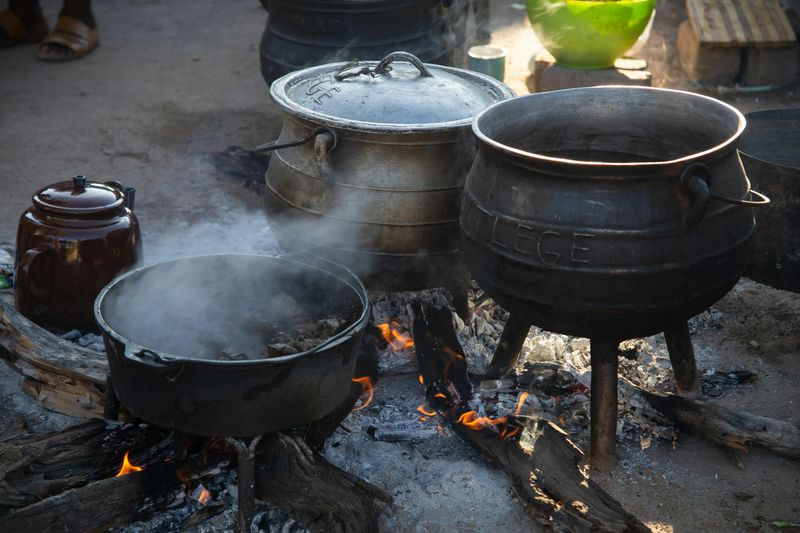
A cast iron pot is the workhorse of thrifty kitchens. It sears, simmers, bakes, and holds heat like a promise. With good seasoning, it needs little more than soap free scrubbing and oil.
Use it for stew, bread, or a one pot meal. It makes simple food taste deeper. You will reach for it again and again.
Carrot soup

Carrot soup shines even without cream. Sweat carrots, onions, and a potato in a little fat until sweet. Cover with water or stock and simmer until everything blends easily.
Purée smooth, season with salt and lemon. A pinch of ground ginger adds quiet warmth. It tastes sunny even on gray days.