


Some meals from back then seem wild now, yet they filled plates, warmed kitchens, and kept families moving. You might raise an eyebrow, but these dishes made the most of scraps, shelf-stable cans, and pure ingenuity.
As prices climb and schedules tighten, revisiting these old-school bites can be surprisingly useful and even comforting. Get ready to explore the thrifty, salty, sweet, and deeply nostalgic foods that actually worked.
Bread and dripping
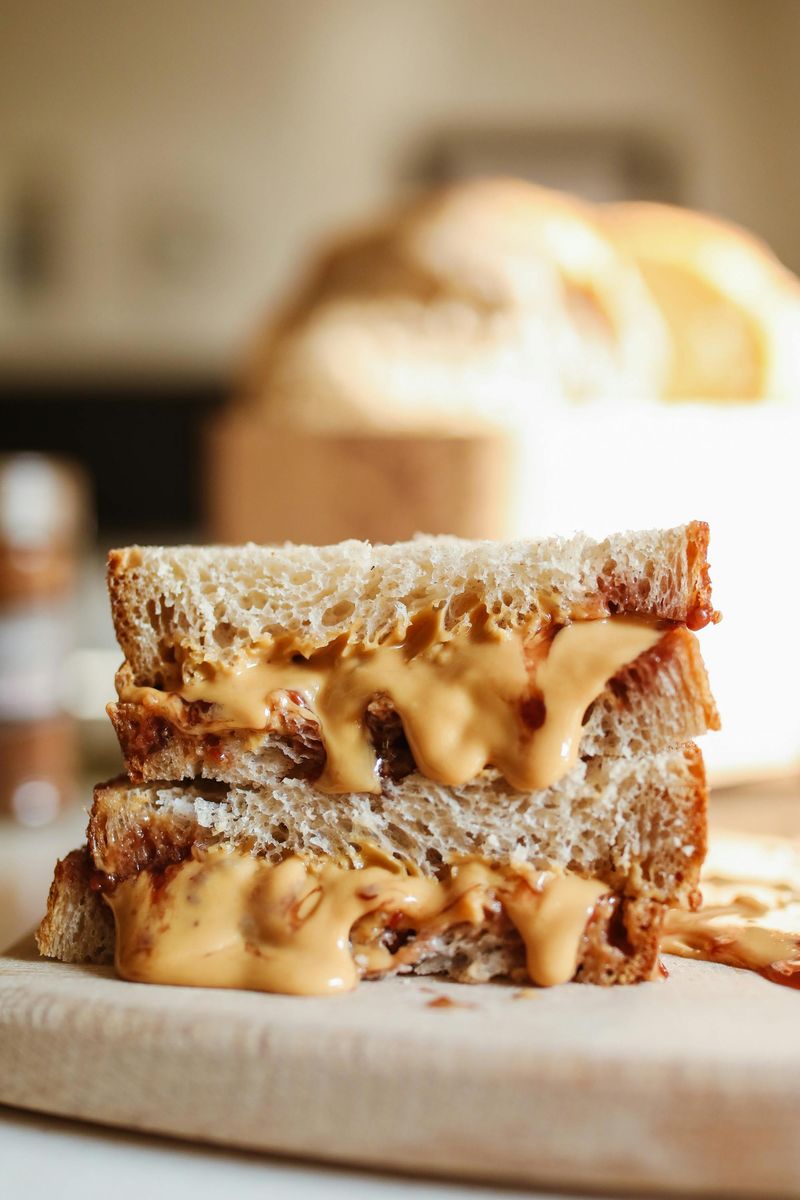
You took a heel of yesterday’s loaf, spread it with cooled drippings, and sprinkled a little salt. It sounds intense today, but that savory, meaty richness hit like butter on a budget.
The warmth of a pot roast lingered in every bite, turning scraps into something boldly satisfying.
When money was tight, you honored every bit of flavor. You learned that fat carried comfort, and a simple crust could feel special with the right swipe.
It filled the gap between meals, paired with hot tea, and reminded you that resourcefulness can taste like memory.
Lard-fried potatoes
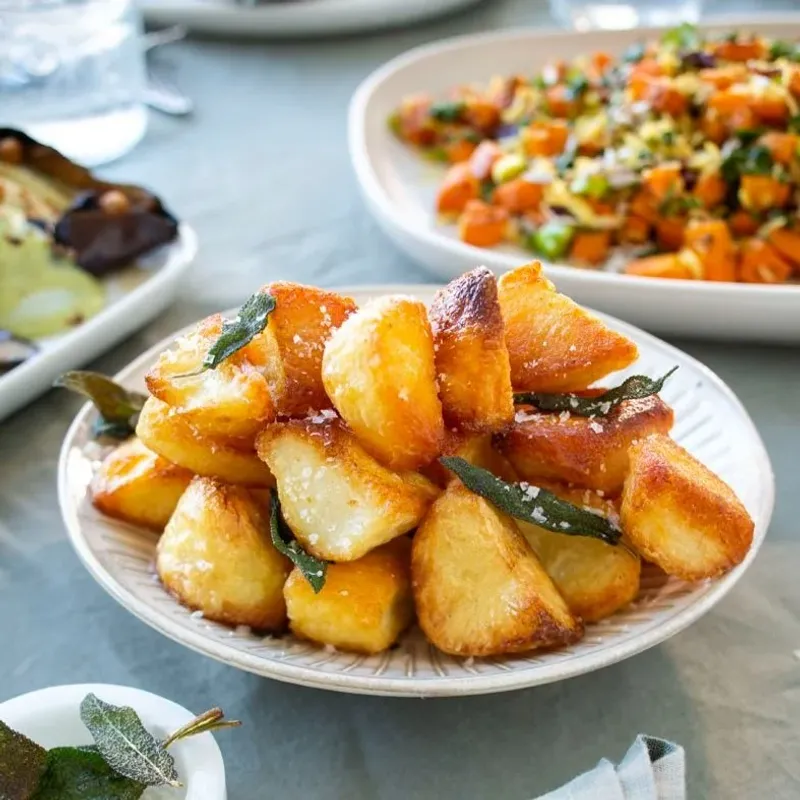
Potatoes met lard in a sizzling cast iron and came out shatter-crisp, tender in the middle, and wildly fragrant. You did not need truffle oil when pantry staples could taste this big.
A pinch of onion, maybe a stray pepper slice, and dinner felt hearty without much cost.
You learned patience from the slow crisping and the flip that risked breaking them. That smell pulled everyone to the table before you even called.
Served with eggs or beans, they turned into a full meal that stayed with you, working as a side, a snack, or breakfast-for-dinner champion.
Sugar sandwiches
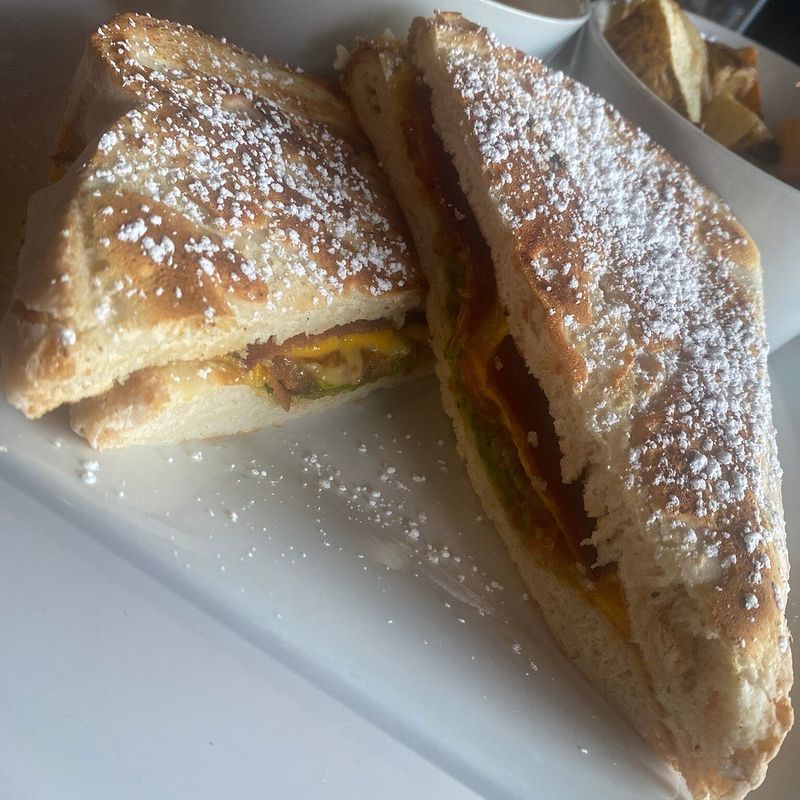
It sounds like mischief, but buttered bread dusted with sugar was the treat you made when desserts felt out of reach. The crunch met soft crumb, and it felt like getting away with something.
You cut triangles, shared with friends, and let the sparkle of sugar make a plain afternoon special.
Parents rolled their eyes, then took a bite. It taught you that joy could be simple and quick, built from what was already there.
Today, it reads like a dare, but back then, it offered a cheap sweetness that bridged dinner and bedtime with a smile.
Milk toast
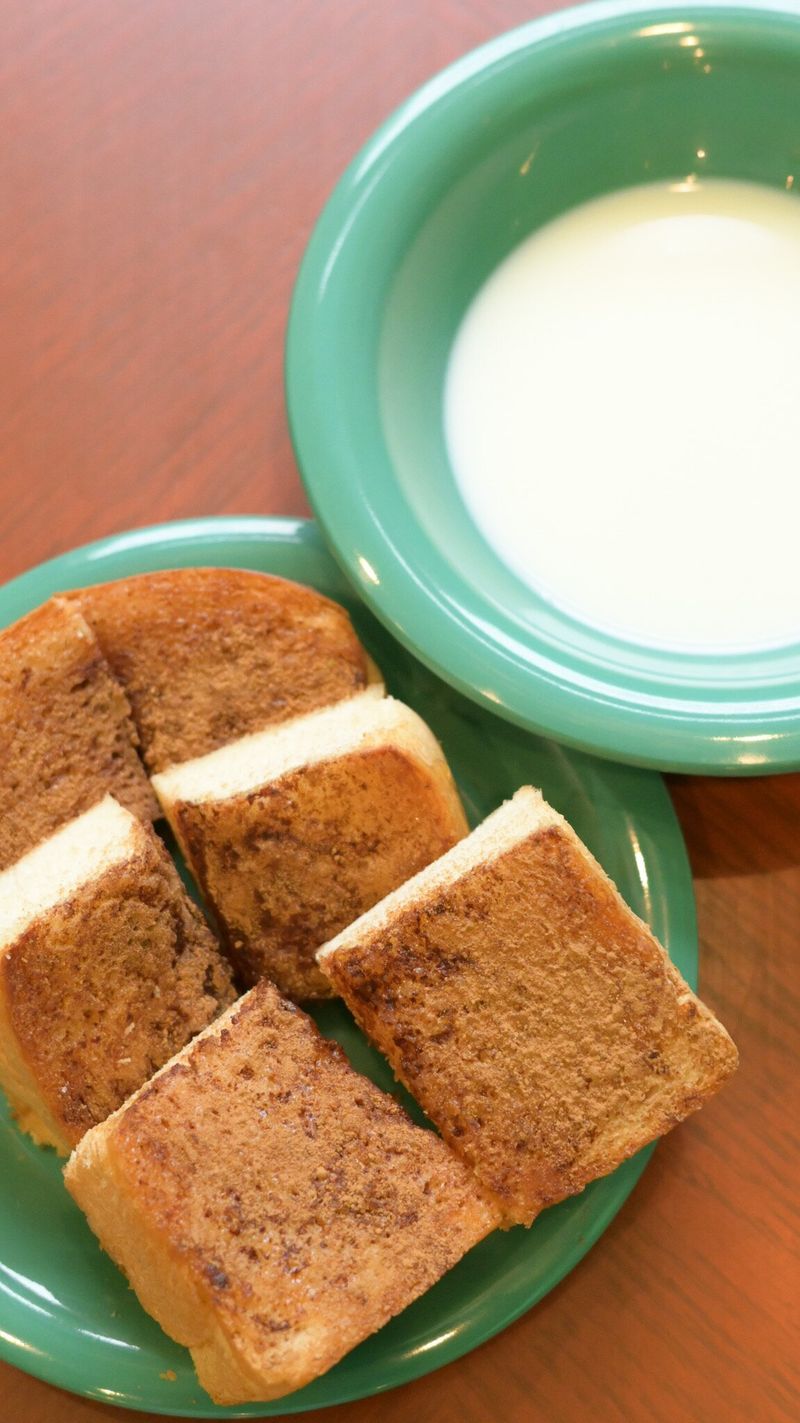
Milk toast felt like a hug in a bowl. You toasted bread, warmed milk with a knob of butter, maybe cinnamon, and poured it gently to soften the edges.
It soothed sore throats, tight budgets, and long days, serving as breakfast, supper, or a midnight fix.
Modern palates might call it bland, but you tasted calm in every spoonful. It taught frugality by turning staples into comfort.
When the pantry was thin, this was mercy food, quietly filling and tender. You still remember the steam on your glasses and the soft clink of the spoon.
Spam and eggs
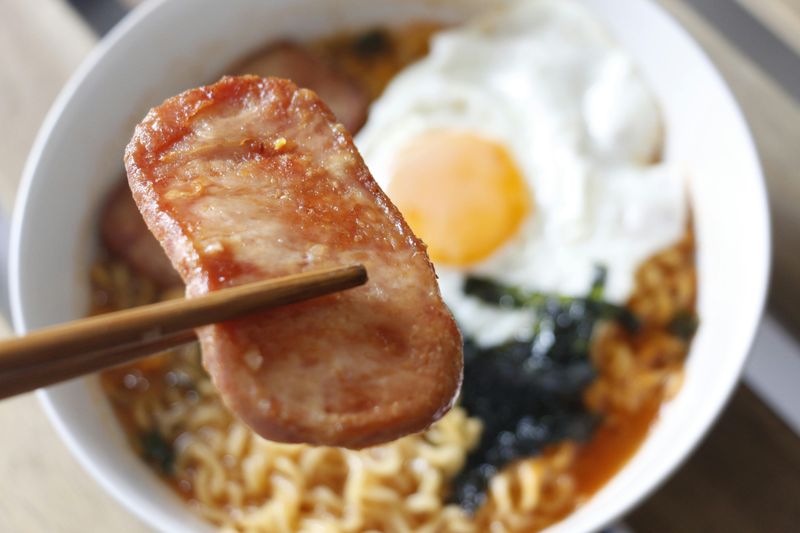
Crisp-edged Spam with runny eggs made the morning feel like a roadside diner at home. You browned those slices until caramelized, let the fat kiss the pan, then slid in eggs to baste.
Salty, savory, and fast, it hit the table before anyone had time to complain.
With rice or toast, it stretched into lunch or dinner without fuss. You leaned on that little can when paychecks drifted.
It felt both cheeky and practical, a wink at luxury priced for reality. Even now, the sizzle whispers that convenience can still be delicious if you treat it right.
Canned meat hash
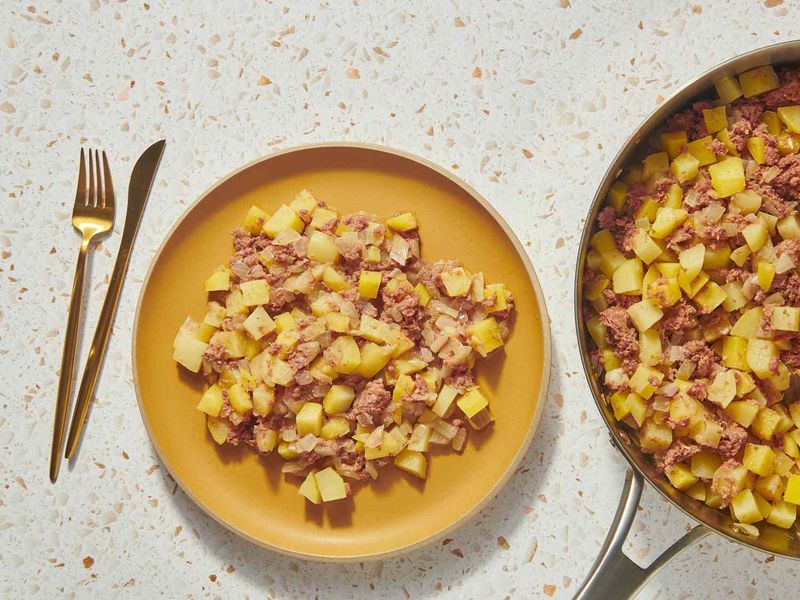
Canned meat hash taught you patience and heat control. You let it sit until the bottom turned lacey and crisp, then folded in chunks to keep contrasts.
It smelled like Sunday mornings and late-night rescues, salty and satisfying with a fried egg on top.
You did not overthink it. Pantry security mattered more than pedigree, and this tin delivered.
The crackle in the pan brought comfort, and those browned bits turned humble ingredients into something craveable. Served with hot coffee and pickles, it became a full plate that worked harder than its label ever promised.
Boiled hot dogs

Boiled hot dogs were about speed and predictability. You dropped them in bubbling water, waited a minute or two, and dinner answered.
Purists might grumble about grilling, but on a stormy night with hungry faces, that pot was salvation.
With squishy buns and tangy mustard, they tasted like ballparks on a budget. You sliced leftovers into mac and cheese, stretched them into beans, or tucked coins into fried rice.
Reliability is its own flavor, and this meal had plenty. It taught you that getting fed fast sometimes beats culinary pride, especially when the clock is loud.
White bread with sugar
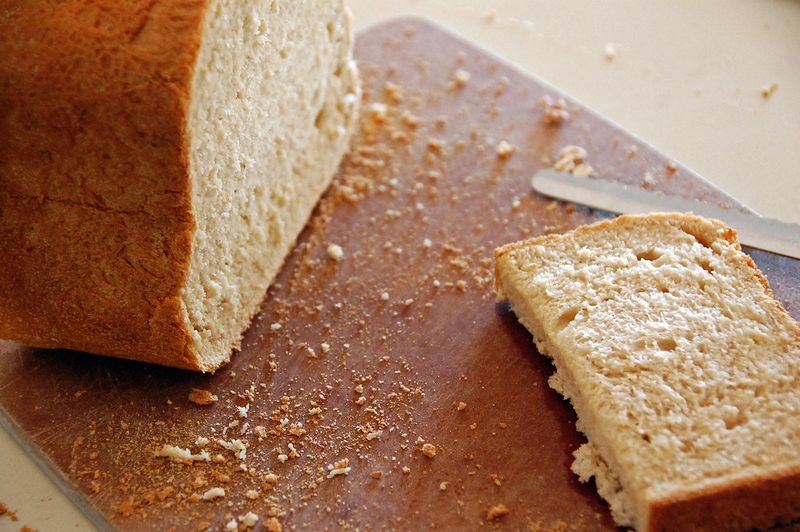
White bread with sugar was the cousin to dessert and the sibling of mischief. You spread a whisper of butter so crystals would cling, then shook a snowy layer that sparkled.
The first bite cracked sweet, then melted into soft crumb, a five-cent celebration.
It was the after-school answer when cookies were gone. Sometimes cinnamon tried to make it fancy, but the plain version hit just right.
You might not serve it daily now, yet the memory still winks. It proved that delight could be built from pantry corners and a little rule-bending.
Canned soup dinners
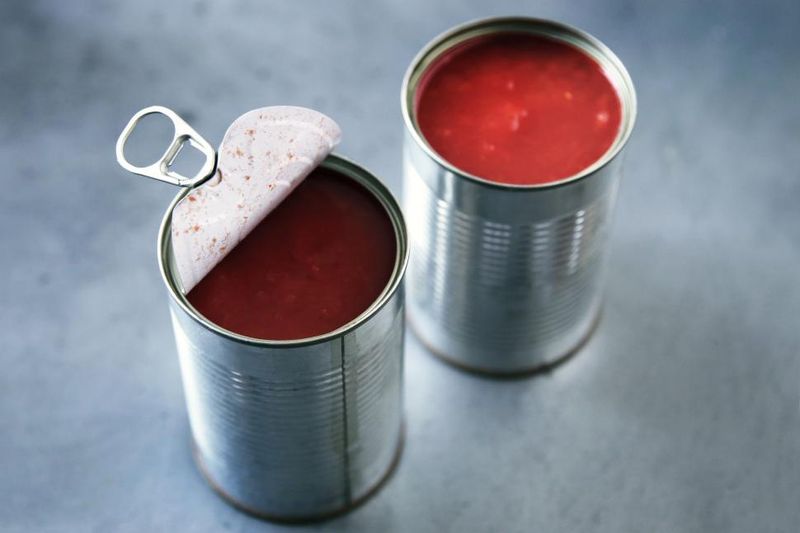
You stacked cans like options and built dinner from labels and a little nerve. Tomato, chicken noodle, cream of mushroom, all met noodles, peas, or leftover chicken.
The trick was doctoring, not apologizing. A dash of pepper, a splash of milk, and suddenly it felt homemade.
It saved you after long workdays when energy was a rumor. You learned that convenience can be a canvas.
Paired with toast soldiers or crackers, it became a warm, practical ritual. Even now, one can in the cupboard feels like a safety net you can taste.
Corn syrup desserts

Corn syrup made sweetness stretch. You whisked it into pies, no-bake bars, and stovetop candies that set shiny and firm.
It felt like magic that did not need precision, just patience and a cool window ledge. Every slice promised stick-to-your-fingers satisfaction and a big, happy chew.
Today you might scan labels and frown, but back then it solved problems. Sugar was scarce, wallets were thin, and corn syrup showed up ready to help.
Paired with peanuts or oats, it built desserts that traveled well in lunchboxes and picnics, holding together stories and crumbs.
Gelatin salads
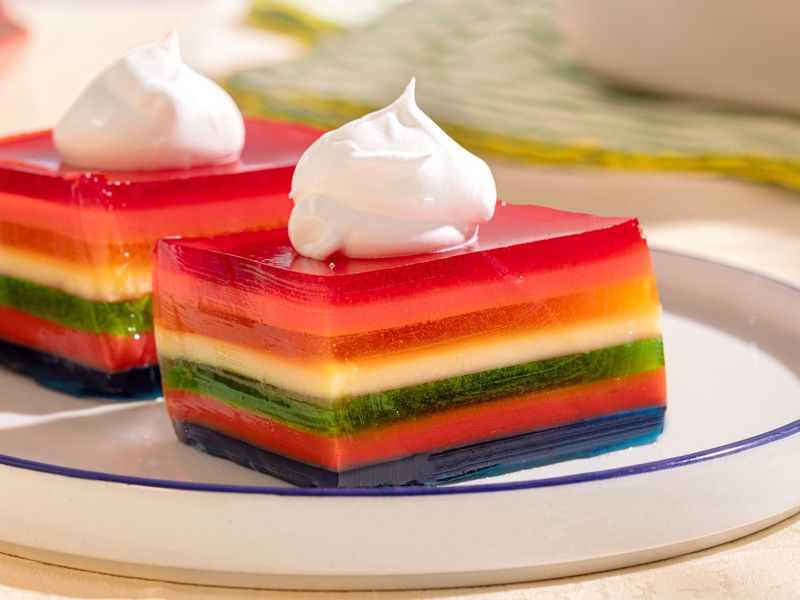
Gelatin salads were edible architecture. You folded fruit, cottage cheese, or even shredded veggies into quivery domes that stole the table’s spotlight.
It was playful, a little strange, and proudly thrifty. The first slice wobbled, guests laughed, and everybody took a spoonful just to see.
You learned to respect the chill time, the ring mold, and the nerve it takes to invert. Flavors leaned sweet-tart and lunchbox friendly.
It stretched a can of fruit cocktail into something celebratory, proving that whimsy can be practical when the budget insists.
Fatback with beans
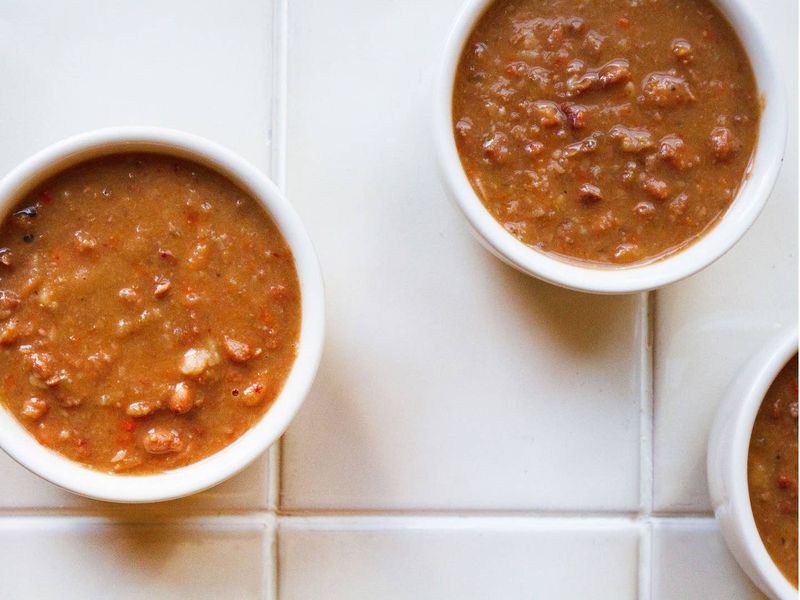
Fatback turned a humble pot of beans into a full-on meal with backbone. You rendered strips until crackly, then let the drippings kiss onions and beans.
Slow simmering coaxed creamy centers and smoky depth, the kind of flavor that makes silence fall at the table.
It was protein by proxy, comfort by design. Cornbread on the side, hot sauce within reach, and you had dinner that worked all week.
The leftovers thickened beautifully, heating like a reward. You learned that technique could outmuscle expense, turning scraps into satisfaction.
Instant pudding dinners
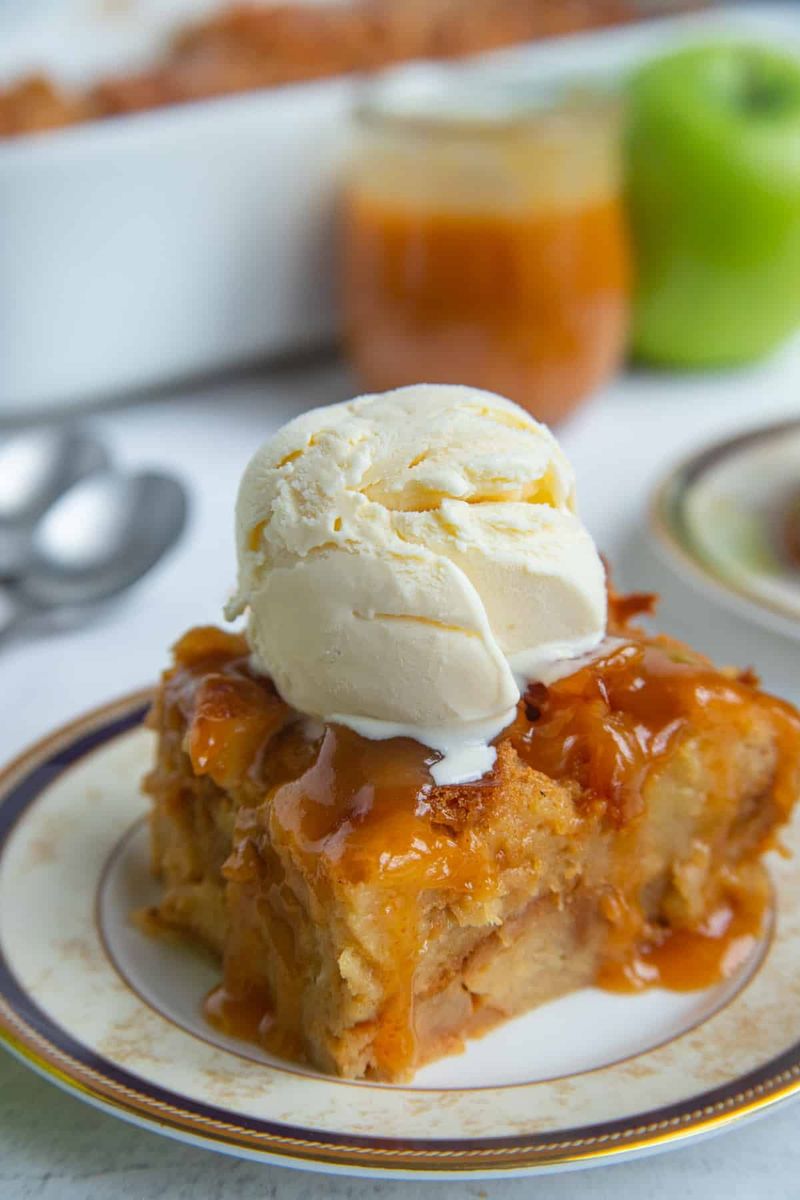
Instant pudding for dinner happened when the day fell apart and dessert volunteered for duty. You whisked cold milk into powder and watched it thicken like a magic trick.
Topped with bananas or cookies, it felt naughty and necessary, the edible version of calling it early.
Sure, nutritionists would scold, but sanity sometimes wins. It bought time, soothed tempers, and cost a couple bucks.
You balanced the week later with vegetables and virtue. For one evening, a chilled spoonful reminded you that rules serve people, not the other way around.
Creamed chipped beef
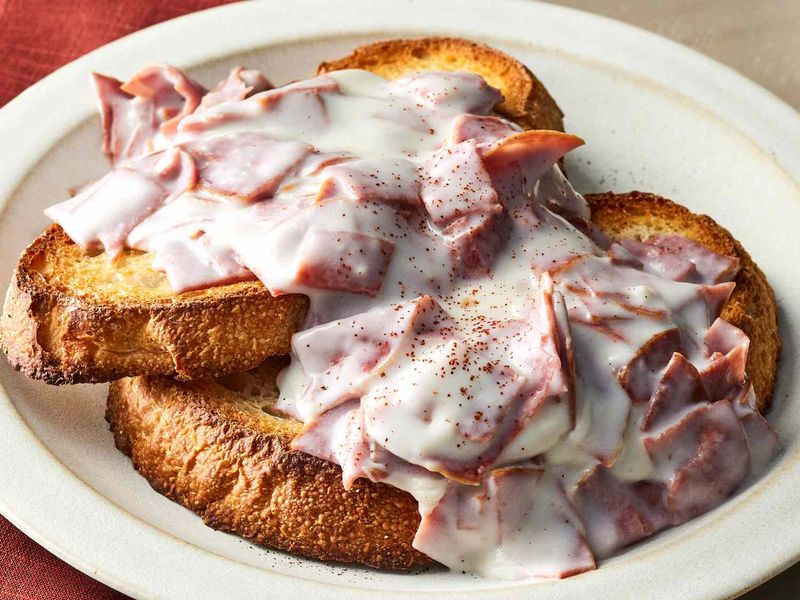
Creamed chipped beef, the infamous SOS, showed up creamy, salty, and unstoppable over toast. You made a roux, whisked in milk, folded in dried beef, and peppered it boldly.
It was mess hall practical and homey, stretching protein into comfort for a crowd.
On rushed nights, it answered questions you were too tired to ask. The sauce clung to toast points and felt richer than its parts.
You might swap in mushrooms or peas, but the idea stays the same. When reliability matters, this is a guaranteed full plate.
Fried baloney
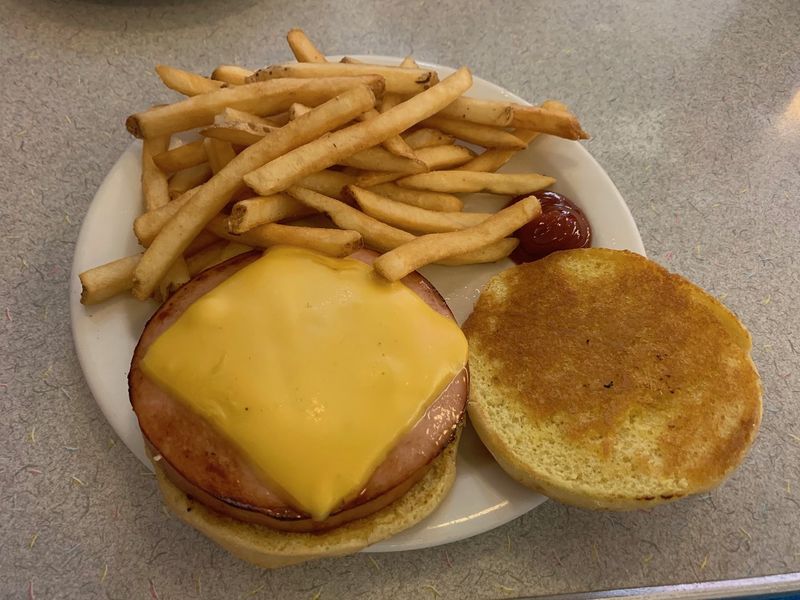
Fried baloney curled like a little bowl, edges browned and smelling like Saturday. You scored the centers so they would lie flat, then slapped them on bread with mustard.
It tasted smoky and playful, turning a humble lunch meat into a hot sandwich worth craving.
Sometimes you added a fried egg or cheese and called it dinner. It cost pocket change and delivered smiles fast.
The sizzle alone could fix a mood. You learned to treat cheap ingredients like they mattered, because in that pan, they absolutely did.
Rice with sugar
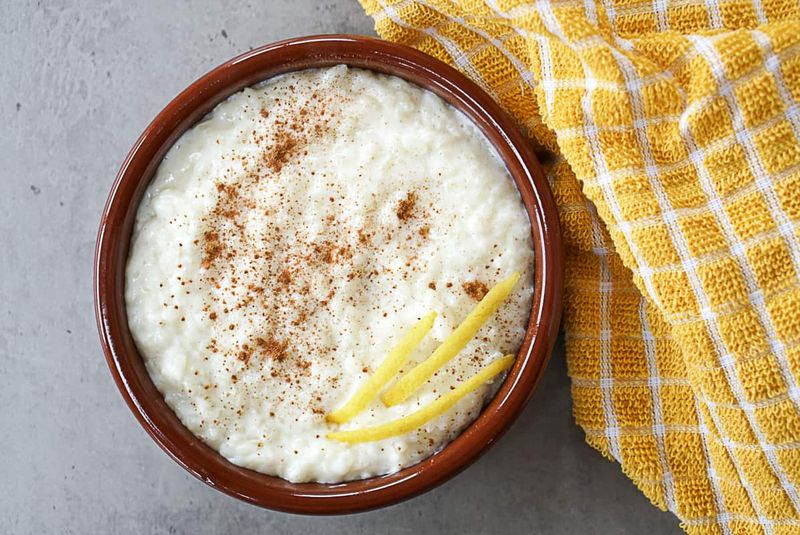
Warm rice, a pat of butter, and a dusting of sugar turned leftovers into breakfast. You stirred until glossy, maybe added cinnamon or a splash of milk, and ate slowly.
It was the sweet cousin to congee, proof that comfort can be humble and familiar.
When cereal ran out, this answered. It felt soothing, like a pause button you could taste.
You learned to stretch a pot of rice across meals, flipping savory to sweet with a spoonful of pantry magic. Simple did not mean boring, not when warmth and memory teamed up.
Canned fruit with syrup
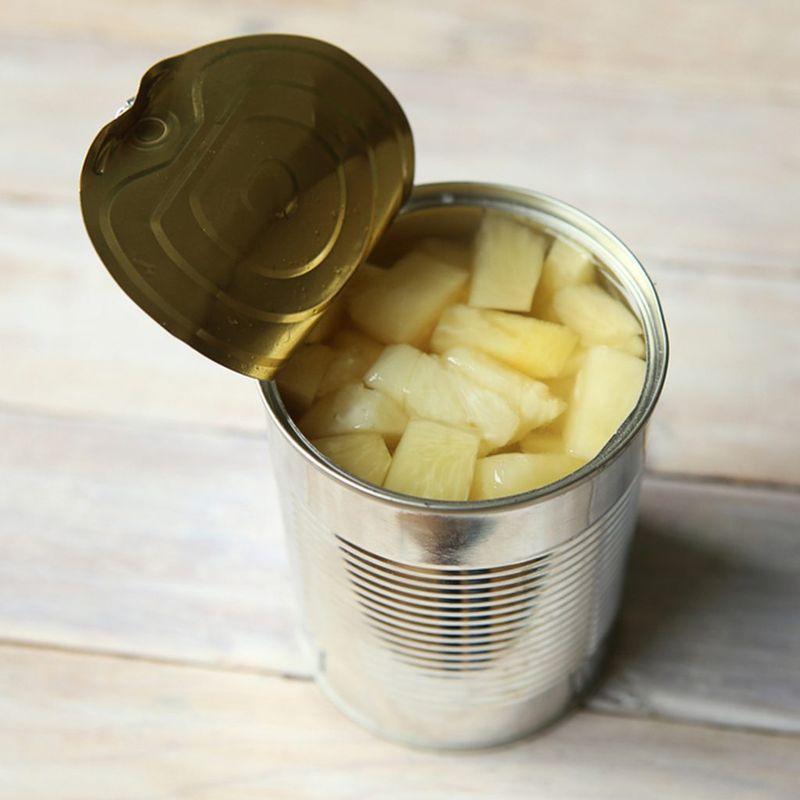
Canned fruit in syrup felt like summer trapped in a jar. You spooned peaches or pears into bowls and let the syrup shine like dessert sauce.
On cake, over cottage cheese, or straight from the fridge, it cooled hot evenings with sticky satisfaction.
Fresh fruit was not always affordable, but this was predictable joy. You saved the leftover syrup for pancakes or tea, refusing to waste sweetness.
It was thrifty and generous at once, a small luxury you could stack in the pantry and count on.
Buttered noodles
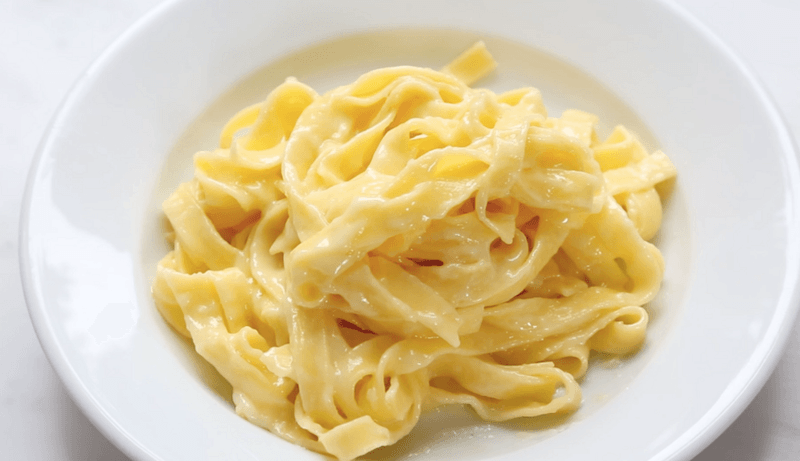
Buttered noodles were the soft landing after tough days. You boiled egg noodles, saved a splash of starchy water, and swirled in butter until glossy.
Salt, pepper, and maybe a sprinkle of parsley were enough. It hugged your fork and your feelings without demanding attention.
Sometimes you added breadcrumbs or cheese, but plain was perfect. It paired with everything and nothing, a blank canvas that still managed to satisfy.
Cheap, quick, and heartfelt, it proved that technique, not price, delivers comfort. You can taste the quiet in every bite.
Biscuits with lard
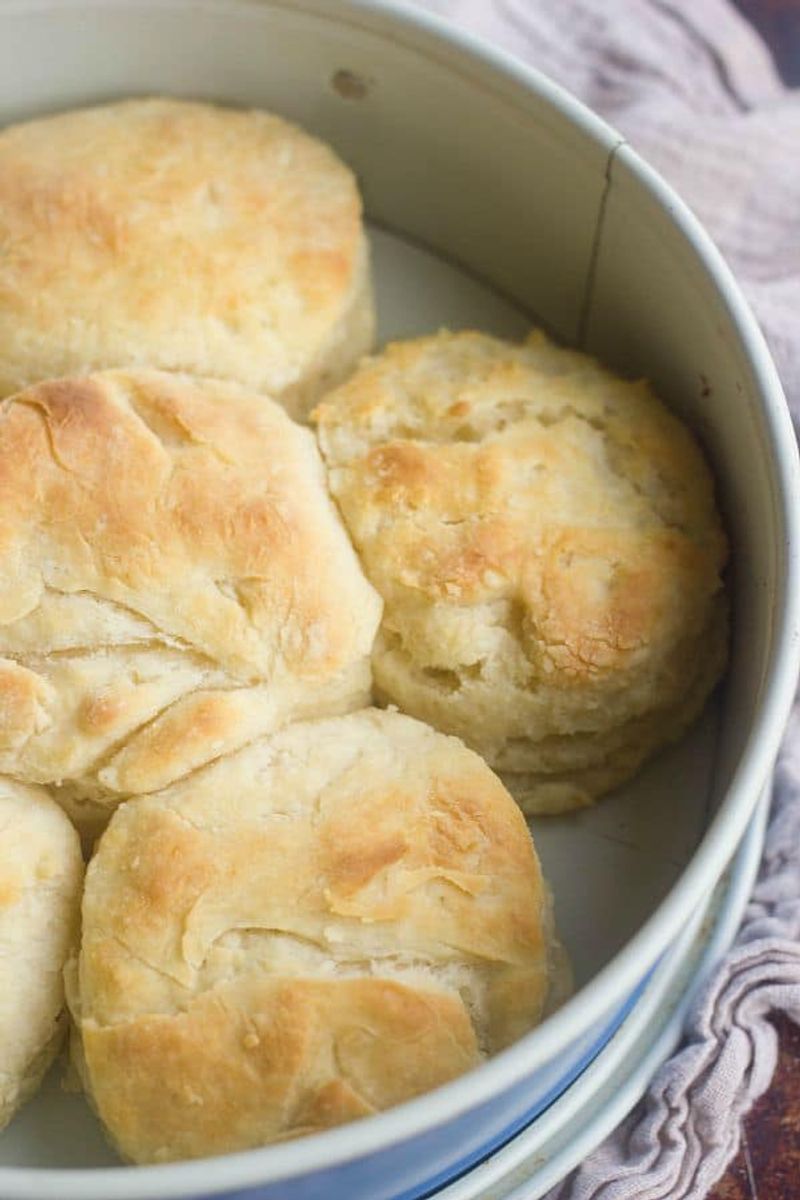
Lard biscuits rose tall, tender, and unapologetically rich. You cut the fat in cold, folded the dough, and watched layers bloom in the oven.
The smell alone could stop conversation. With jam at breakfast or stew at supper, they did serious lifting for pennies.
Lard’s secret was flakiness without fuss. You learned to handle dough gently, trust the heat, and count on the basics.
Crumbs on the counter were the day’s good news. When butter felt fancy, these biscuits still delivered celebration on a weekday.
Gravy over everything
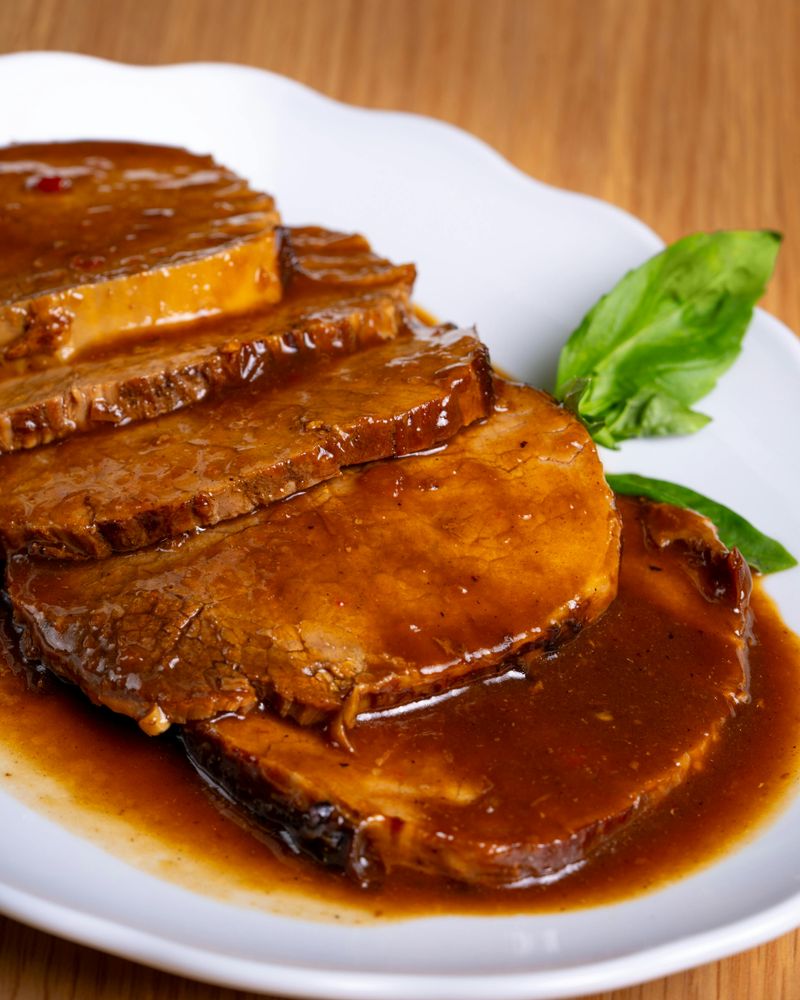
Gravy made small portions feel generous. You whisked drippings with flour, added broth, and chased every last fond from the pan.
Then you poured it over potatoes, bread, meat scraps, even vegetables. Suddenly the table looked abundant, and everyone relaxed a little.
The trick was seasoning and confidence. You tasted, adjusted, and trusted the pour.
Plates came back clean because gravy makes peace between ingredients. In lean times, it stitched meals together into something that felt deliberate and rich, teaching you how to turn scarcity into satisfaction with a ladle.
Leftover mash combos
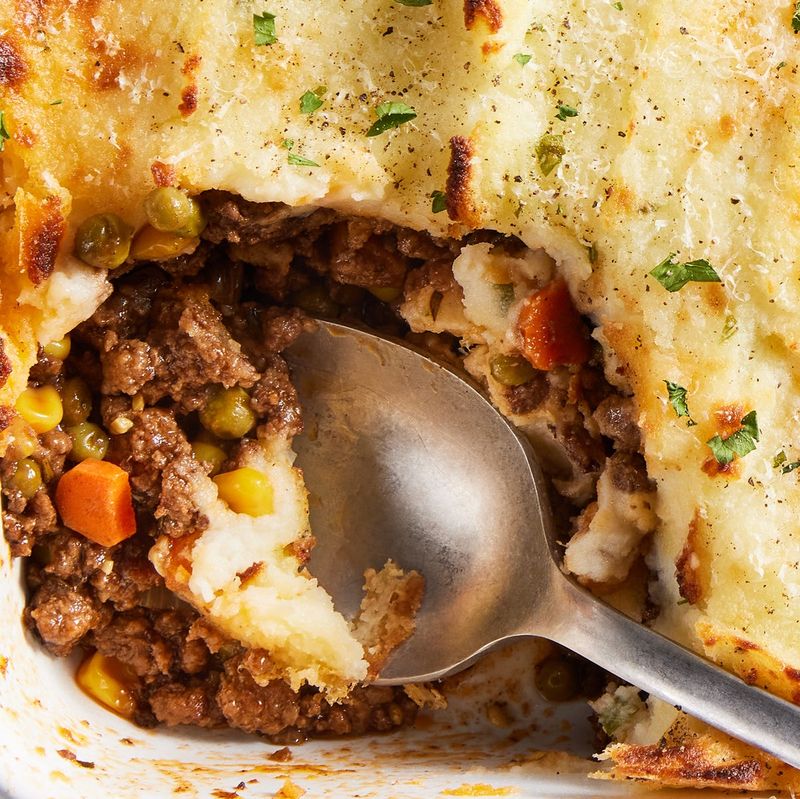
Leftover mash was a playground. You folded in corn, cheese, onions, or chopped ham, then patted cakes and fried them crisp.
What began as last night’s side became today’s star, golden outside and pillowy within. A dab of sour cream or gravy sealed the deal.
Waste not was more than a motto. It was a creative challenge you could eat.
These combos cleared the fridge, saved money, and made breakfast or dinner feel new. You learned that the second act can outperform the first when heat, salt, and a little nerve join forces.
Cold meat plates
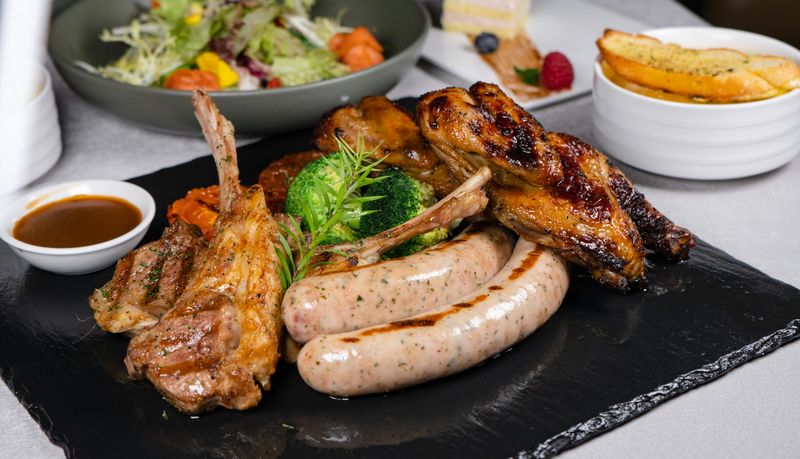
A cold meat plate was a no-cook truce with the day. You arranged ham, bologna, cheese, pickles, maybe a hard-boiled egg, then called it supper.
Rye or white bread stood by for stacking. It looked like choice without the stove’s demands.
Everyone built their own bite, and conversation loosened. You learned that presentation could elevate leftovers into something deliberate.
It was thrifty, flexible, and surprisingly elegant when the platter was full. With mustard and a jar of olives, you had a spread that let you rest and still feel fed.