


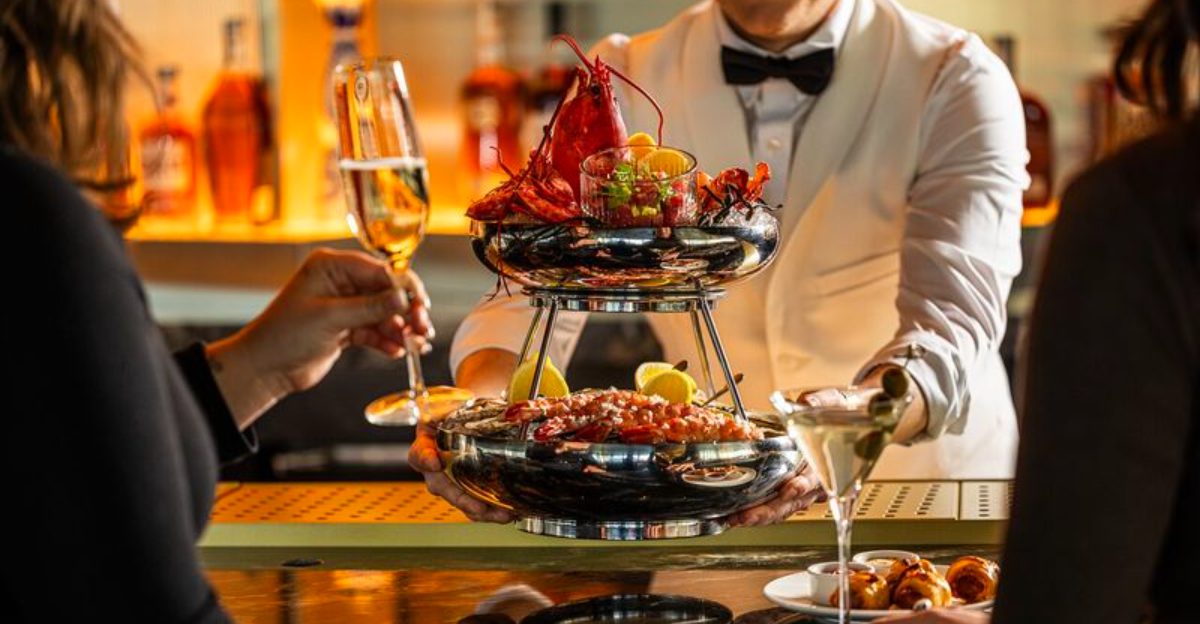
Everyone has that one dining habit they swear is harmless, even when it makes servers cringe. This is a judgment-light tour through the controversial moves people defend with surprising confidence. You will see both sides, from practical excuses to the hidden headaches they cause behind the scenes. Read on, and decide where you draw the line.
No tipping
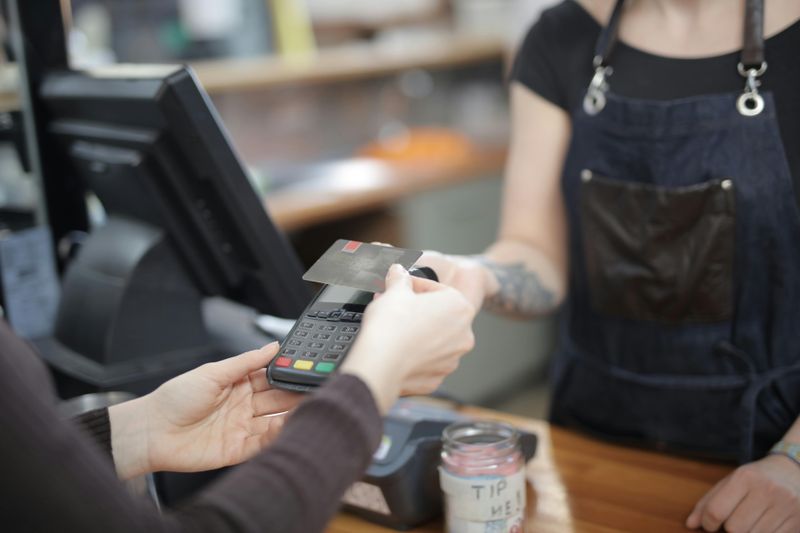
Some argue tipping feels outdated, confusing, or unfair to workers who should earn a living wage. You might prefer no tipping as a stance against a broken system, or because service felt indifferent. Others say tipping scales quickly, making diners feel pressured.
Servers often rely on tips to make rent, turning a moral stand into someone’s missing electricity bill. You could compromise by tipping fairly while still advocating for policy change. When in doubt, ask about service charges.
Camping tables
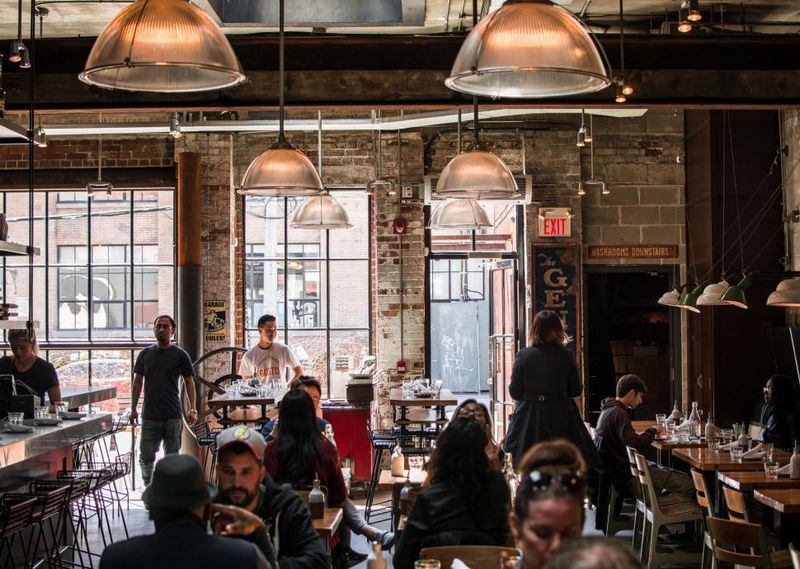
Lingering with friends can feel like reclaiming time, especially after a pricey meal. You paid for the experience, not just the food, so stretching the evening seems perfectly reasonable. Many defend it as a rare chance to connect and decompress.
On the flip side, tables are a restaurant’s heartbeat, and camping stalls servers’ income and the kitchen’s flow. If you want to linger, order another round, move to the bar, or ask politely. A little awareness keeps both vibes intact.
Snapping fingers

Snapping gets attention fast, and some claim it is efficient in loud rooms. If you grew up where snapping was normal, you might not see it as rude. People defend it by saying service is busy and time matters.
To staff, it often lands like a command, not a request. Eye contact, a small hand raise, or a friendly “excuse me” works better. Efficiency is good, respect is better, and you still get what you need.
Phone on speaker

Putting your phone on speaker feels convenient when hands are full or hearing is tricky. Some defend it as inclusive for family members or necessary for business calls. You are sharing your world, and restaurants are noisy anyway, right?
But everyone nearby hears your conversation and the other person’s. Headphones or stepping outside keep the room calm and your privacy intact. If you must answer, keep it short, quiet, and considerate. A little volume control earns goodwill fast.
Filming staff

Capturing service on video can feel like accountability or celebration. People defend filming to document issues, praise great moments, or create content. It is easy to forget that someone’s workplace is your stage.
Staff may feel exposed, judged, or dragged online without context. Ask first, keep faces out, or focus on the food and ambiance. If a problem occurs, talk to a manager before posting. You can spotlight the experience while guarding real people’s comfort and dignity.
Sending food back
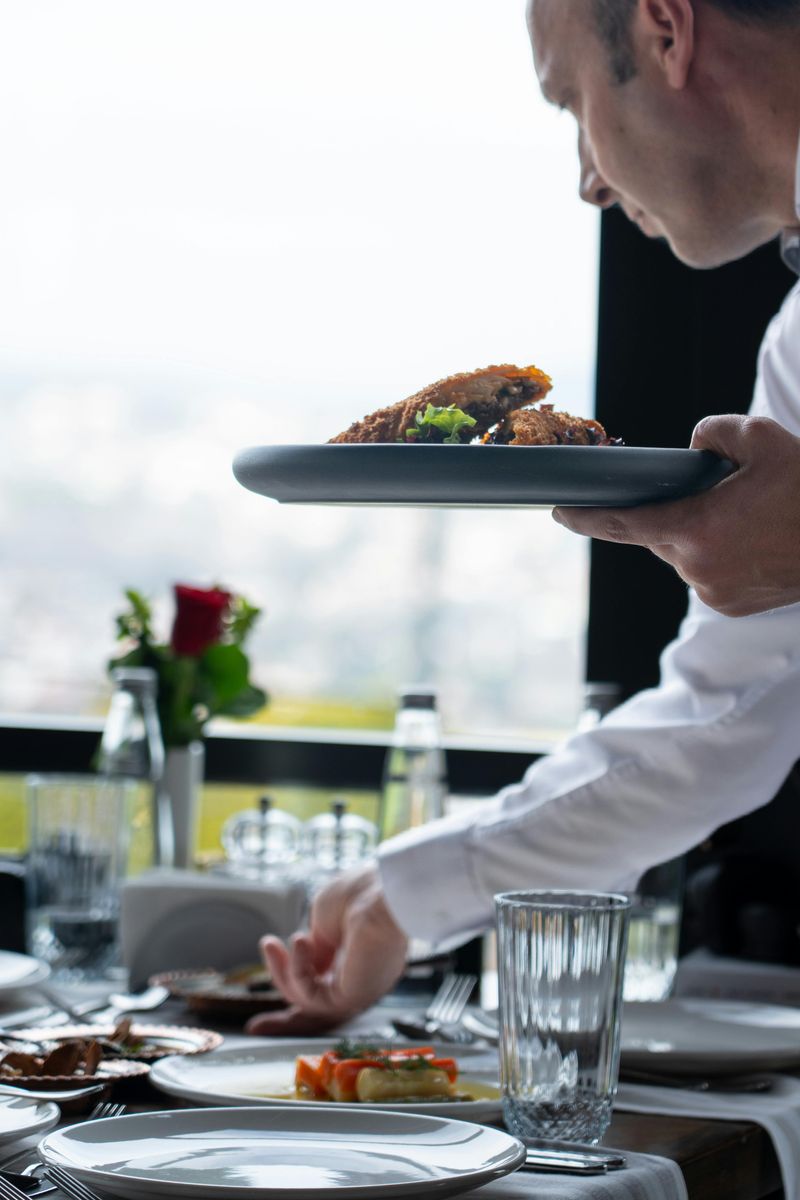
When the dish is wrong or undercooked, sending it back feels justified. You paid good money, and expectations matter. Many defend it as respectful feedback, not conflict.
How you do it makes the difference. Be specific, kind, and prompt, and avoid eating most of it before complaining. Kitchens appreciate clear notes so they can fix it fast. You deserve what you ordered, and they deserve a fair chance to make it right.
Changing order
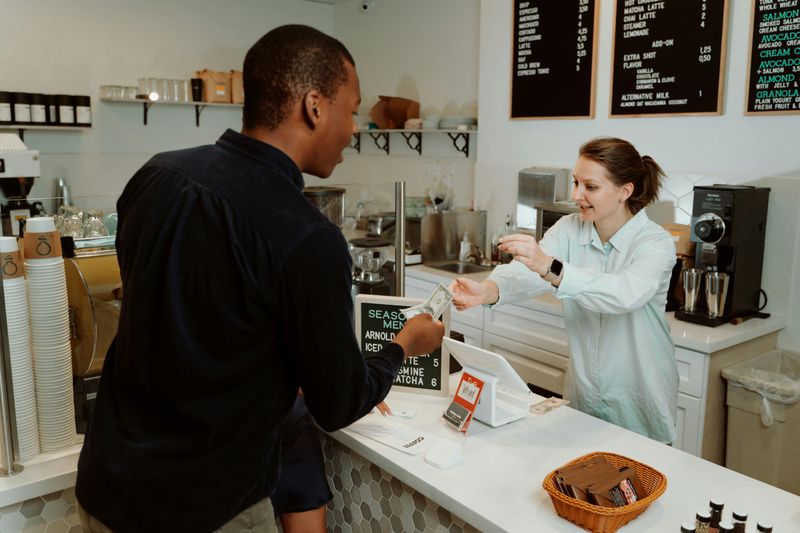
Dietary needs, allergies, or preferences make substitutions feel essential. People defend tweaks as tailoring value to what they actually enjoy. It is your money and meal, after all.
Still, complex changes can break kitchen rhythm or compromise a dish’s balance. Ask what substitutions are easy and expect possible upcharges or delays. Simplify requests and be flexible if the kitchen says no. When both sides collaborate, customization becomes hospitality rather than chaos.
Free water demands

Water should be accessible, so insisting on free water feels reasonable, especially in hot weather. People defend it as a basic need and a public health consideration. Hydration is not luxury.
In some regions, bottled water or service rules complicate things. Ask what is available, request tap if allowed, and be patient during rushes. Refill stations or pitchers help everyone. You can be firm about needs while keeping your tone friendly and your expectations realistic.
Arguing about bill

Challenging a bill feels fair when charges look wrong or unclear. You might defend it as consumer rights, not confrontation. Money mistakes happen, and transparency matters.
The trick is staying calm and specific. Ask to review items and reference menu prices or specials. Managers usually fix honest errors quickly. If the charge stands, decide whether to accept or escalate later. Respectful clarity preserves relationships and often saves time for everyone involved.
Loud complaints
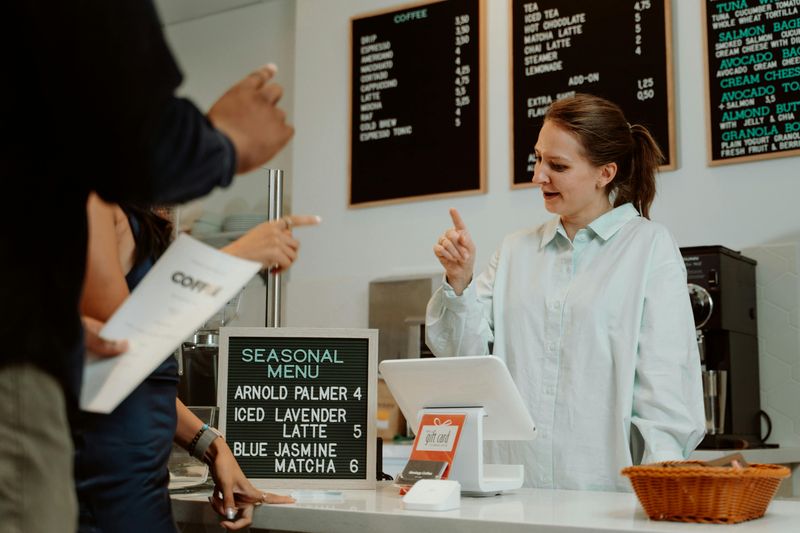
When something goes wrong repeatedly, raising your voice can feel like the only way to be heard. Some defend it as justified urgency. You want a solution, not platitudes.
But volume spreads stress to staff and guests fast. Lower your tone, state the issue, and suggest a reasonable fix. If needed, step aside with a manager. Assertiveness works best when it is measured, specific, and respectful. You will usually get faster results.
Kids running
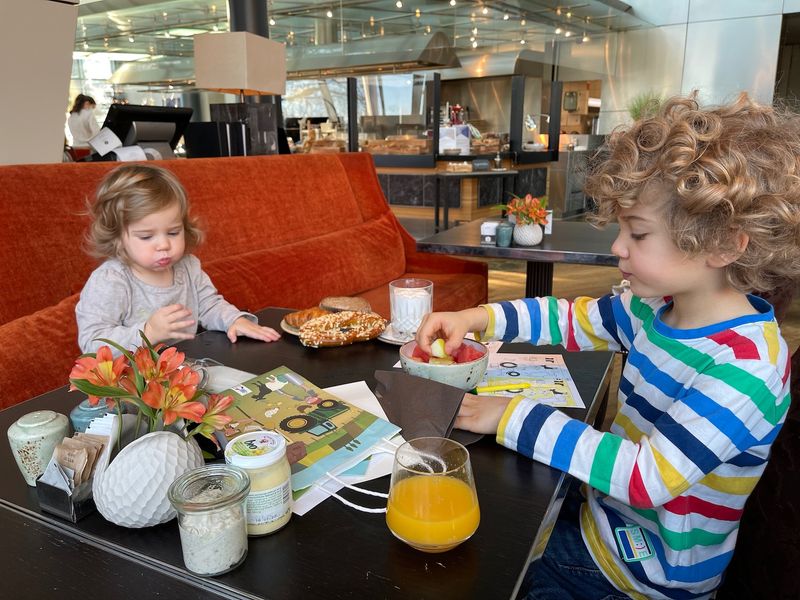
Letting kids roam can feel like freeing energy after sitting still. Parents defend it as normal childhood and a sanity saver during long waits. Restaurants can be stimulating playgrounds in little minds.
Running creates safety hazards for staff with hot plates and crowded aisles. Bring quiet activities, take short walks outside, and set clear boundaries. Choose kid-friendly spots with space. You can protect your meal and everyone’s ankles without policing every wiggle.
Seat swapping
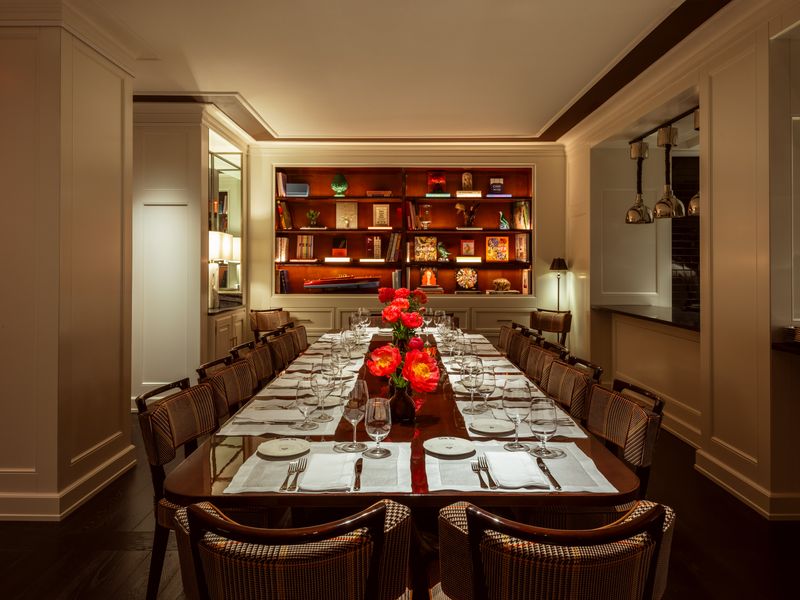
Swapping seats keeps conversation fresh and helps include quieter guests. People defend it as natural mingling that makes group dinners more fun. It is social, spontaneous, and human.
For staff, seat changes scramble orders and timing. Tell your server before moving, carry your drink, and keep swaps minimal during service. If you plan to mix, ask for shared plates or bar seating. Cooperation preserves both flow and fun.
Late arrivals
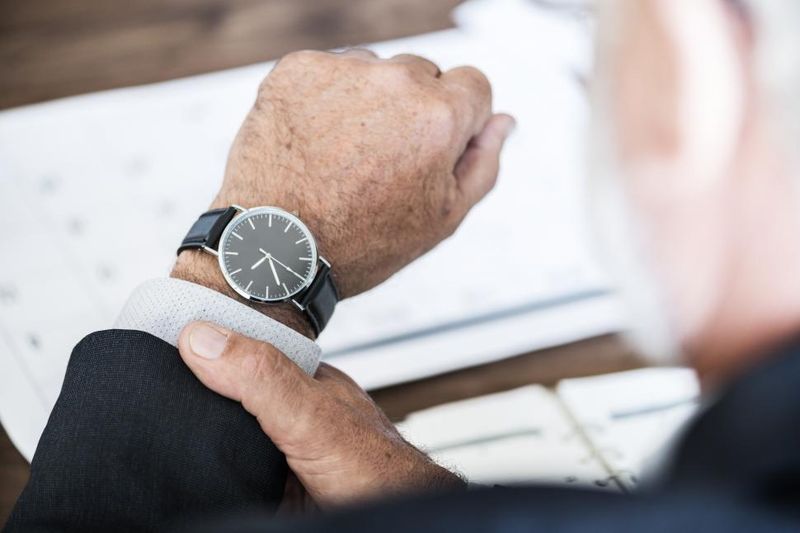
Life happens, traffic snarls, and delays are inevitable. Arriving late feels defensible when you call ahead and the night is flexible. Better late than never, right?
Restaurants choreograph tables like a puzzle, and late arrivals can cause a cascade of delays. Call as soon as you know, accept the new time offered, and do not hold the table for missing guests. Courtesy keeps the dominoes upright and your evening smoother.
Outside food
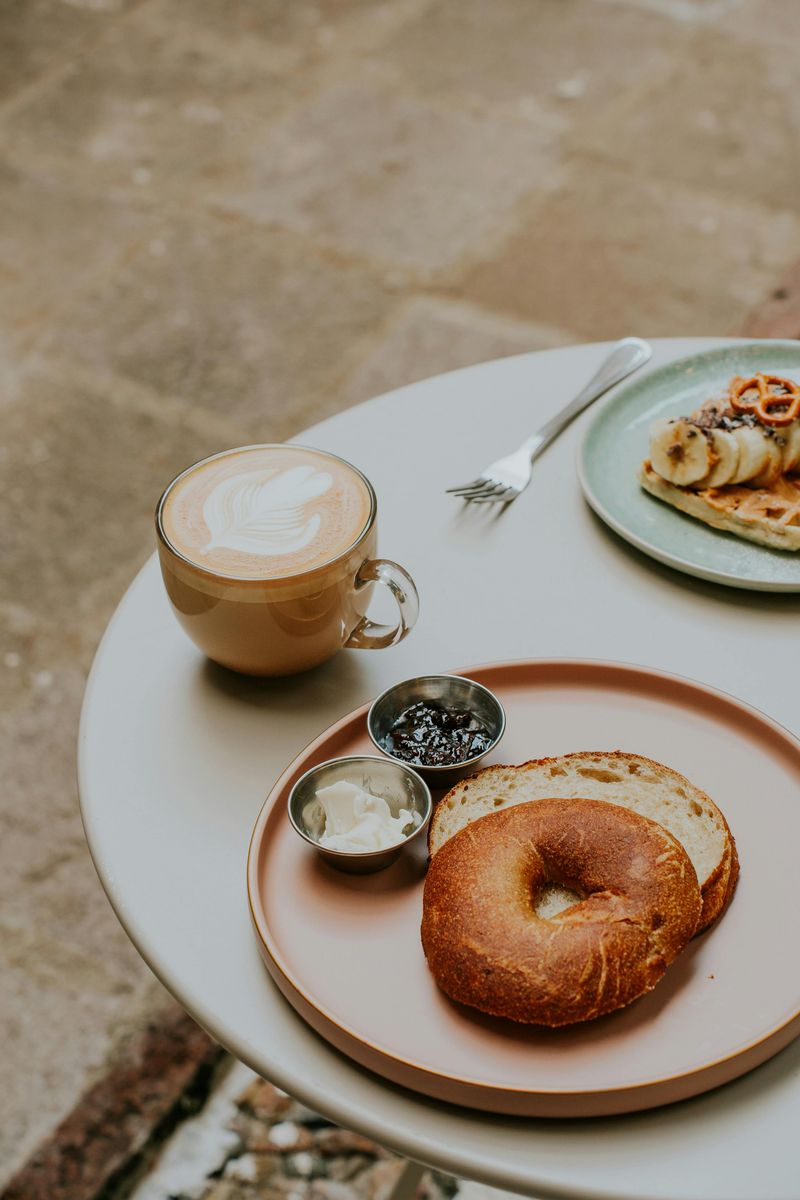
Bringing outside food can be about allergies, picky kids, or saving money. People defend it when menus lack safe options or when toddlers meltdown. It seems harmless if you still buy something.
Policies vary widely. Ask first, keep it discreet, and clean up thoroughly. Prioritize items the venue does not sell, like baby food. If the answer is no, accept it and consider a different spot. Boundaries keep small businesses afloat while accommodating real needs.
Taking extra sauces
Grabbing extra sauces feels minor, almost like a victimless perk. You paid for the meal, so a few more packets seem fair. Some see it as building a stash for later.
But costs add up, and hoarding drains supplies for others mid-rush. Take what you will actually use, then stop. If you love a condiment, ask to buy a bottle. Respecting limits keeps the station stocked and the mood friendly.
Taking centerpieces

At weddings or banquets, centerpieces can feel like souvenirs. Guests defend taking them as recycling or as part of the celebration. They might have seen others do it before.
Unless hosts say so, those items are not freebies. Ask first or wait for explicit announcements. If offered, thank the staff and take only what is permitted. Clear communication turns a sticky moment into a sweet memory.
Messy tables
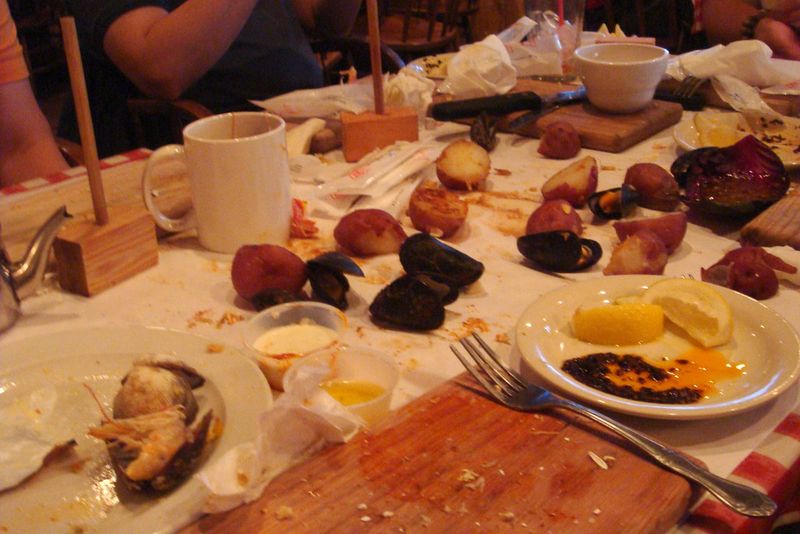
A messy table can happen after a great time, especially with kids or shareable dishes. People defend it as normal consequences of dining. You are paying for cleanup as part of service.
Still, extreme mess slows turns and stresses staff. Stack plates, corral trash, and wipe obvious spills if napkins are handy. Tiny gestures speed resets and earn smiles. Leave joy, not chaos, behind.
Leaving trash
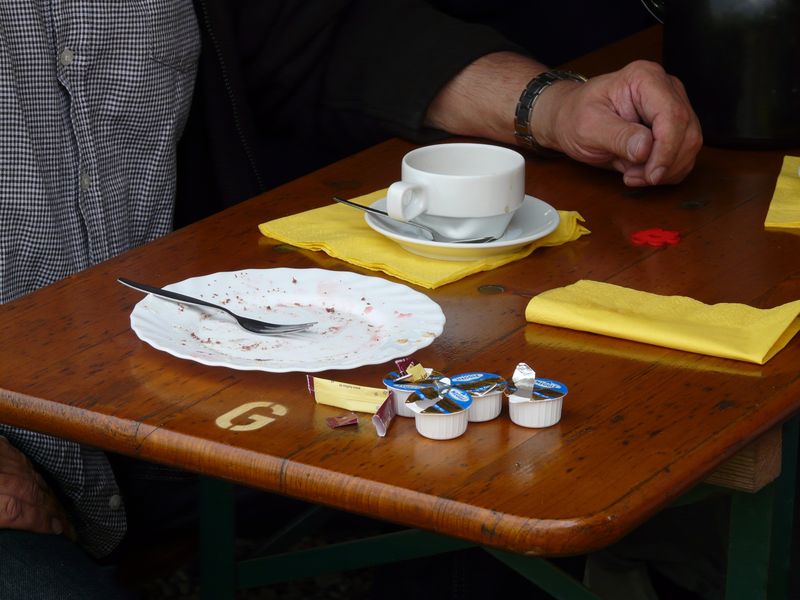
In fast-casual spots, leaving trash might seem fine if bins are overflowing or unclear. Some defend it as job security for staff. Others assume someone else will handle it.
If there is a station, use it. If not, stack items neatly and alert staff about spills. Consider the next guest who wants a clean seat. Small courtesy keeps the whole place moving.
Skipping reservation
Plans change, emergencies pop up, and ghosting a reservation can feel like the least of worries. Some defend it as harmless if the place is popular. Out of sight, out of mind.
No-shows hurt. Call, text, or cancel through the app as soon as possible. Many spots have waitlists and can fill your seat quickly. Thoughtful cancellations keep businesses healthy and doors open for your next night out.
Rude jokes
Teasing servers can feel like playful banter, especially if humor is your love language. People defend it as harmless and human. You might not notice when it lands poorly.
Service work is emotional labor. Keep jokes kind, brief, and never personal. If the server does not smile, pivot immediately. Warmth beats wit when in doubt, and kindness travels farther than punchlines ever will.
Fake allergies
Claiming an allergy can feel like the only way to get what you want. People defend it as a shortcut when kitchens ignore preferences. It seems victimless if nothing serious happens.
But false flags erode trust and risk real mistakes for those with genuine allergies. Say “preference” or “intolerance” instead, and accept limits. Clear language keeps everyone safe and respected. You still might get a helpful accommodation without risking someone’s health.
Last minute orders
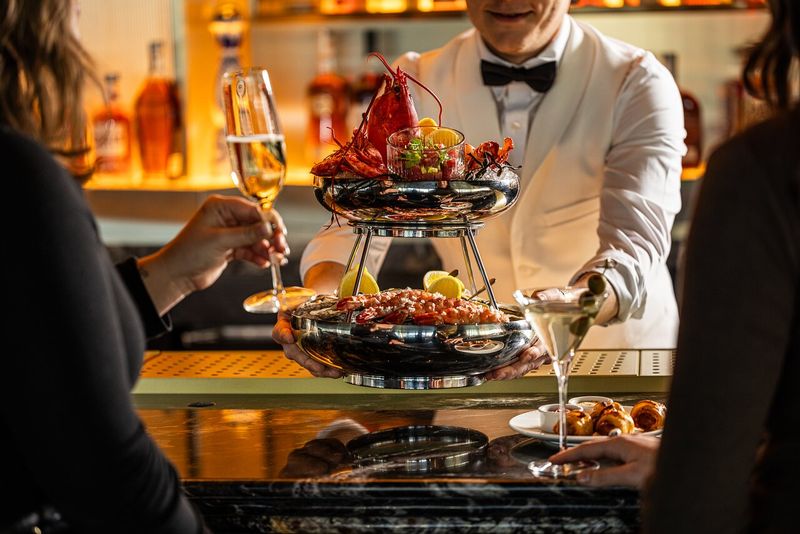
Ordering right before closing can feel legitimate if posted hours say open. People defend it as fair access to service they arrived in time for. You just want dinner, not drama.
Still, cooks have started cleaning and prepping for tomorrow. Ask what the kitchen can still do, order simply, and tip generously. If possible, arrive earlier next time. Respecting the closing routine buys goodwill you will appreciate later.