


Florida’s blazing sun and unpredictable rainfall can make gardening feel like a challenge, but the right flowers can change everything. Drought-tolerant plants are tough, beautiful, and built to handle heat without needing constant watering.
Whether you have a small backyard or a sprawling landscape, these resilient blooms will keep your garden looking vibrant all year long. Get ready to discover 22 stunning flowers that love Florida’s climate just as much as you do.
Blanket Flower
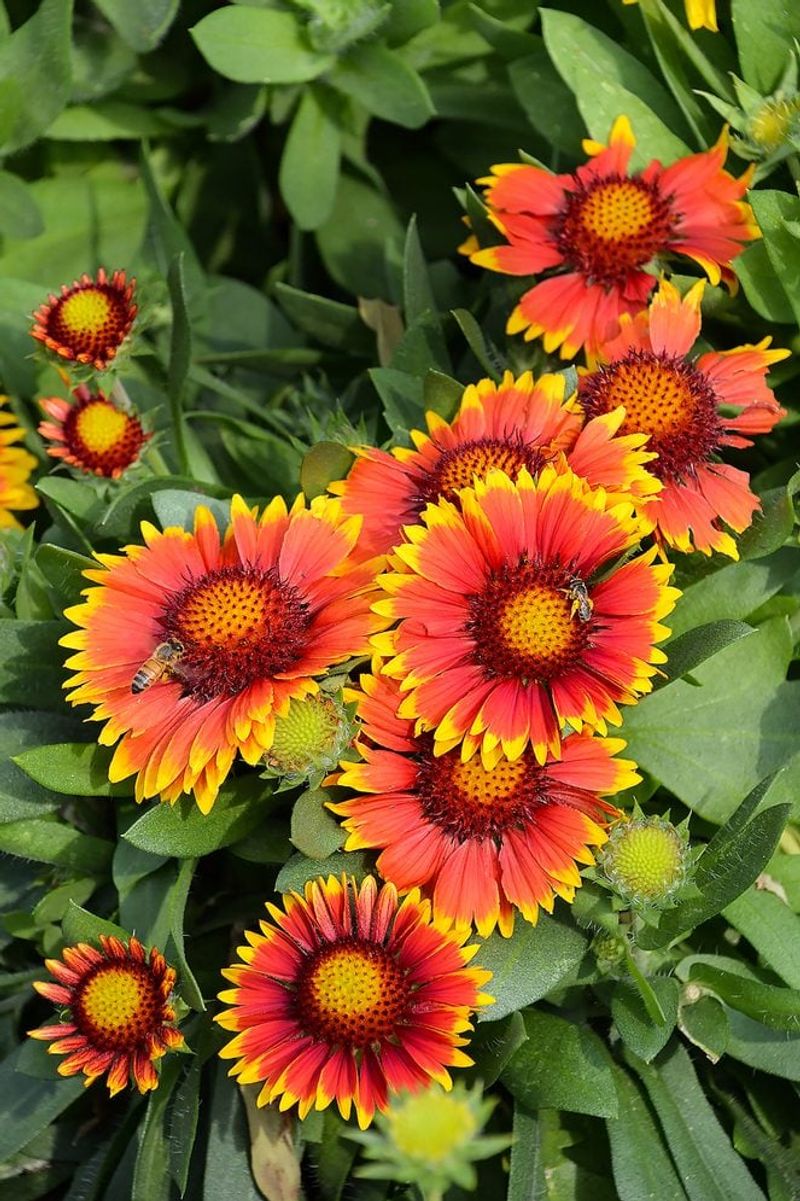
Bold, fiery, and impossible to ignore — the blanket flower earns its name by spreading color across the garden like a warm quilt. Native to North America, it thrives in sandy, well-drained soil, making it a natural fit for Florida landscapes.
It blooms from spring through fall and attracts butterflies and bees with ease. Once established, it needs almost no extra watering, making it a low-maintenance favorite for busy gardeners.
Coreopsis
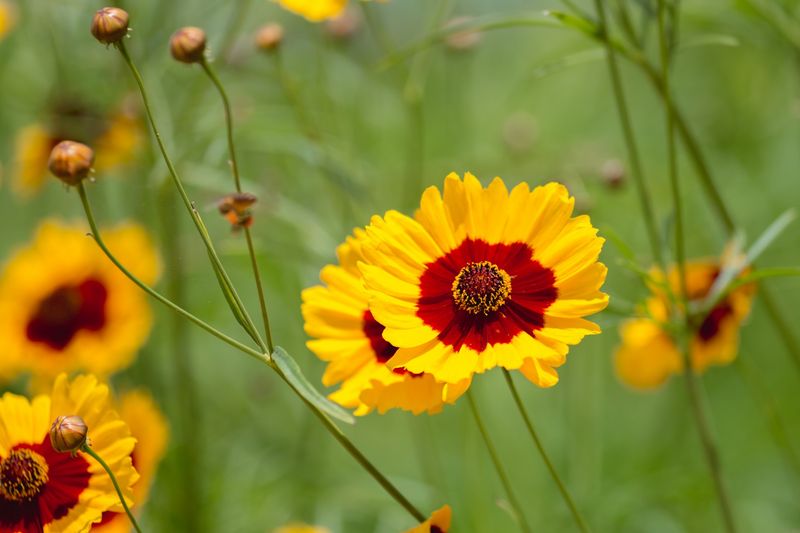
Florida actually named coreopsis its official state wildflower, and for good reason — this cheerful yellow bloom pops up naturally along roadsides and in meadows across the state. It handles heat and dry spells like a champion.
Plant it in full sun and watch it reward you with non-stop color from spring to summer. Deadheading spent blooms encourages even more flowers, and butterflies absolutely adore it.
Beach Sunflower
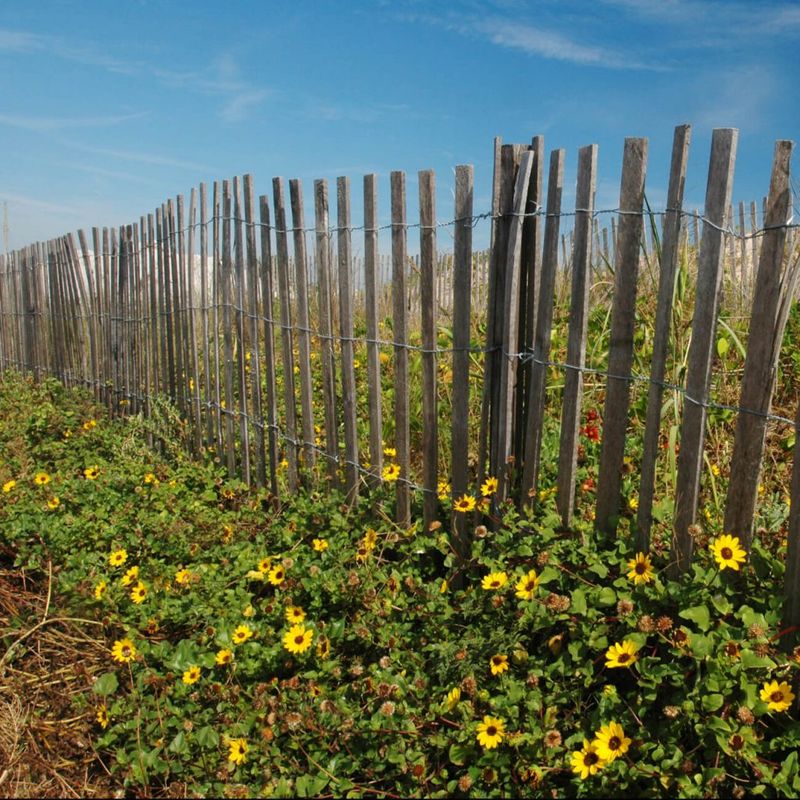
If there were an award for toughest flower in Florida, the beach sunflower would win every time. This native groundcover thrives in sandy soil, salt spray, and scorching heat without breaking a sweat.
Its cheerful golden blooms appear almost year-round, and it spreads naturally to fill in bare patches. Gardeners love it because it controls erosion and provides food for birds and pollinators — all with zero fuss.
Salvia
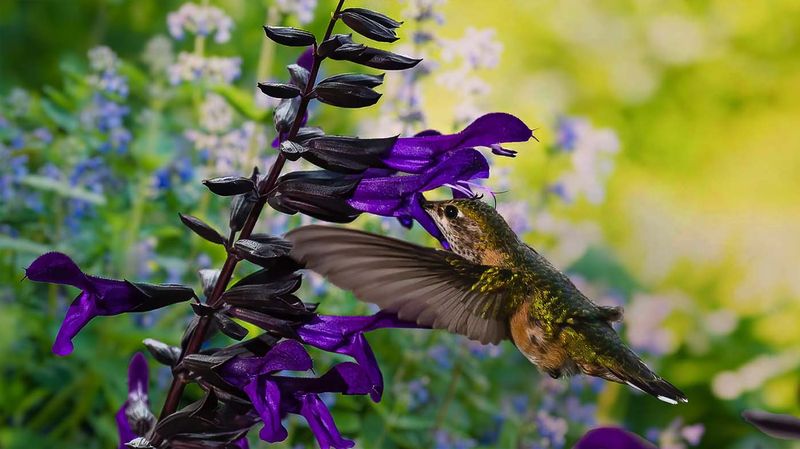
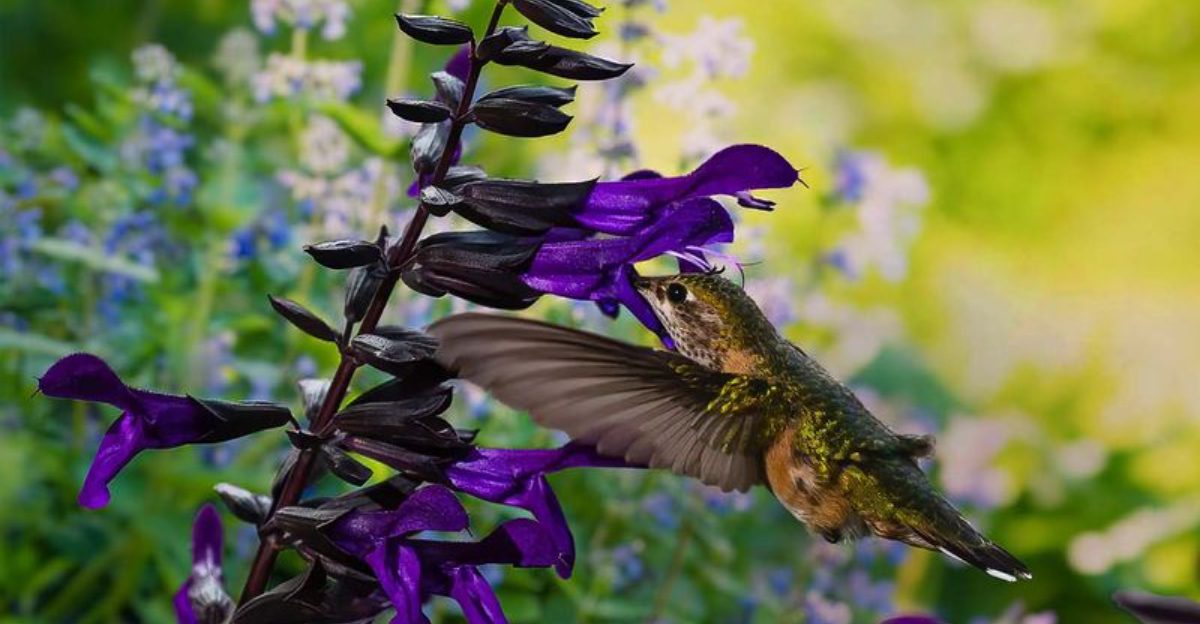
Salvia is the kind of plant that makes the whole garden look more alive. Its tall spikes of red, purple, or blue flowers shoot upward like fireworks, drawing hummingbirds and butterflies from across the yard.
There are dozens of salvia varieties that grow beautifully in Florida’s heat. Once rooted, most types handle dry stretches without complaint.
Planting it in full sun gives you the best show from late spring through fall.
Pentas
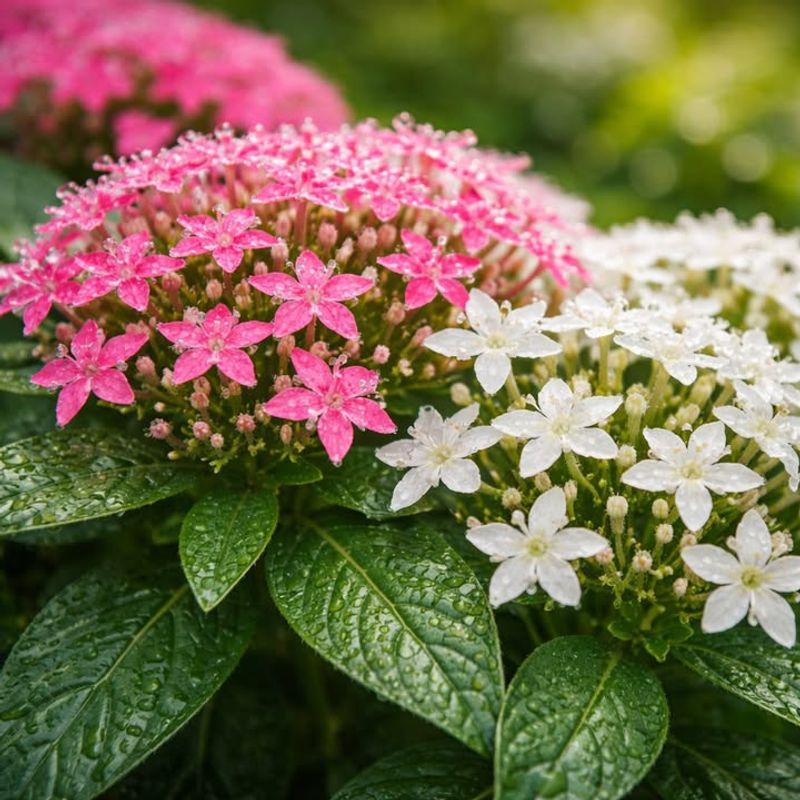
Pentas might be small in size, but it is a powerhouse when it comes to attracting butterflies. Star-shaped flower clusters in shades of red, pink, white, and lavender bloom almost continuously in Florida’s warm climate.
It loves full sun and tolerates dry conditions well once it settles in. Gardeners often use it as a border plant or in containers.
The best part? It blooms all year in South Florida without much effort at all.
Vinca
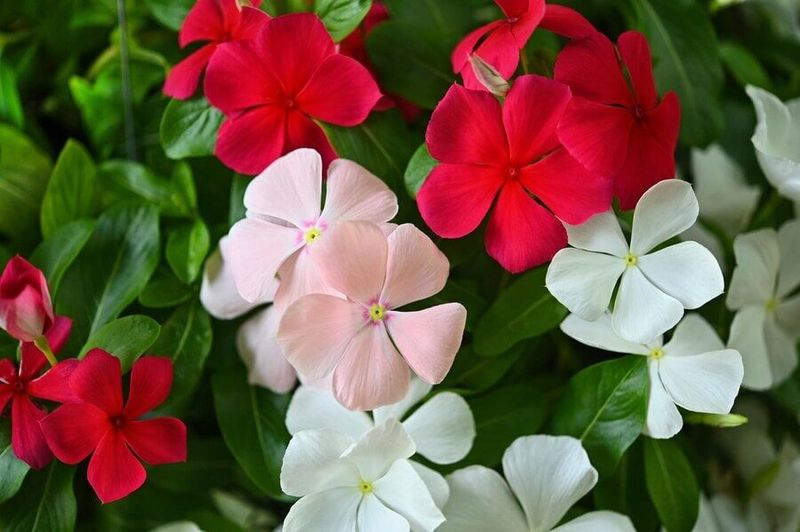
Walk through any Florida neighborhood in summer and you will almost certainly spot vinca growing in someone’s garden. This tough little flower laughs at heat and humidity, blooming steadily even when other plants wilt.
Available in a rainbow of colors, vinca is often used in borders, containers, and mass plantings. It resists drought once established and rarely needs extra attention.
For a reliable pop of color through Florida’s hottest months, vinca is hard to beat.
Bulbine
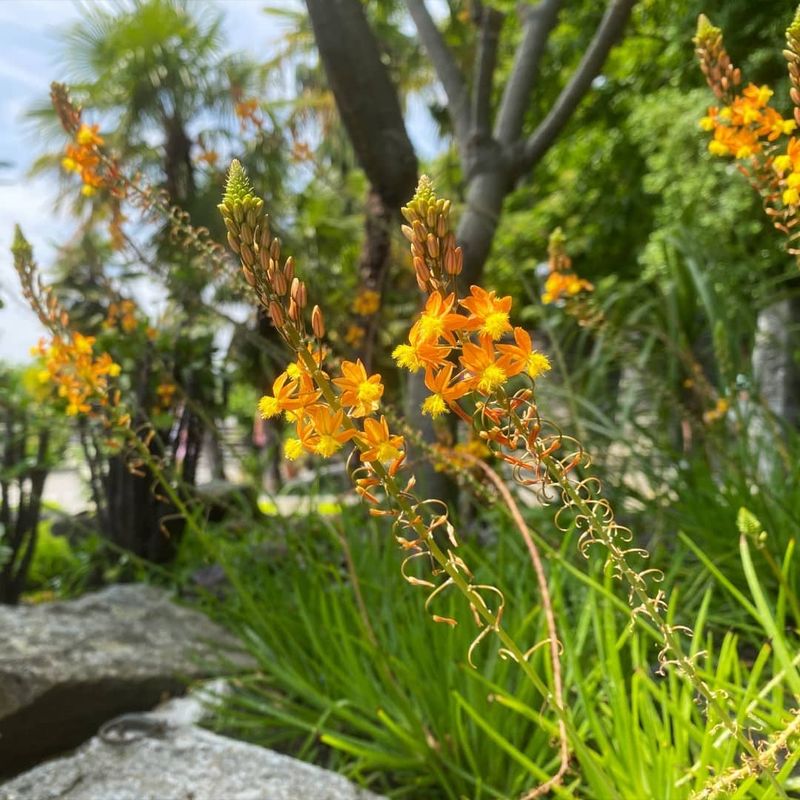
Bulbine looks like it belongs in a tropical paradise, but it is actually a drought-busting superstar originally from South Africa. Its thin, succulent-like leaves store water, helping it survive Florida’s dry seasons without skipping a beat.
Clusters of small orange or yellow flowers bloom on tall stems from fall through spring, which is the perfect time to brighten up a winter garden. It spreads gradually and looks stunning when planted in drifts along walkways or borders.
Society Garlic
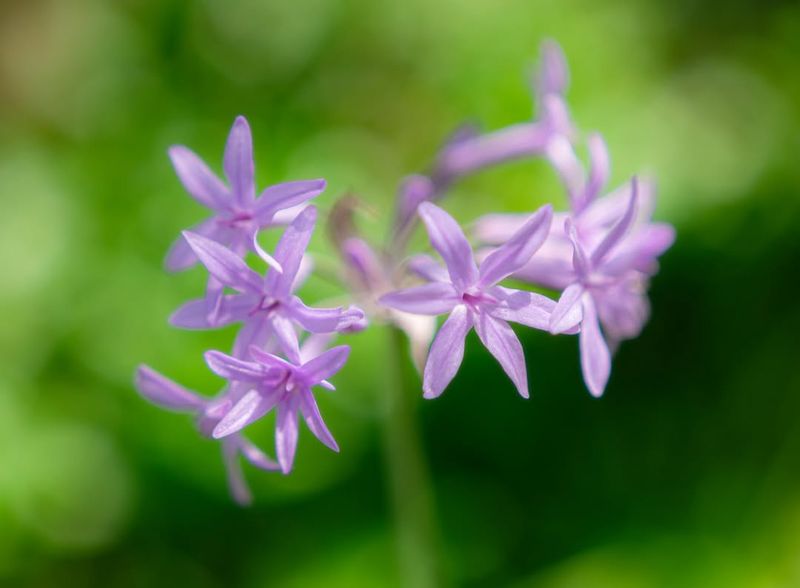
Society garlic has one of the most charming names in the plant world, and it lives up to the intrigue. Despite smelling faintly of garlic when its leaves are crushed, the flowers themselves are delicate and lovely — soft purple clusters that bloom repeatedly throughout the year.
It handles Florida heat and drought with remarkable ease and works beautifully as a border or edging plant. Deer tend to avoid it, which is an added bonus for gardeners in suburban and rural areas.
Coneflower
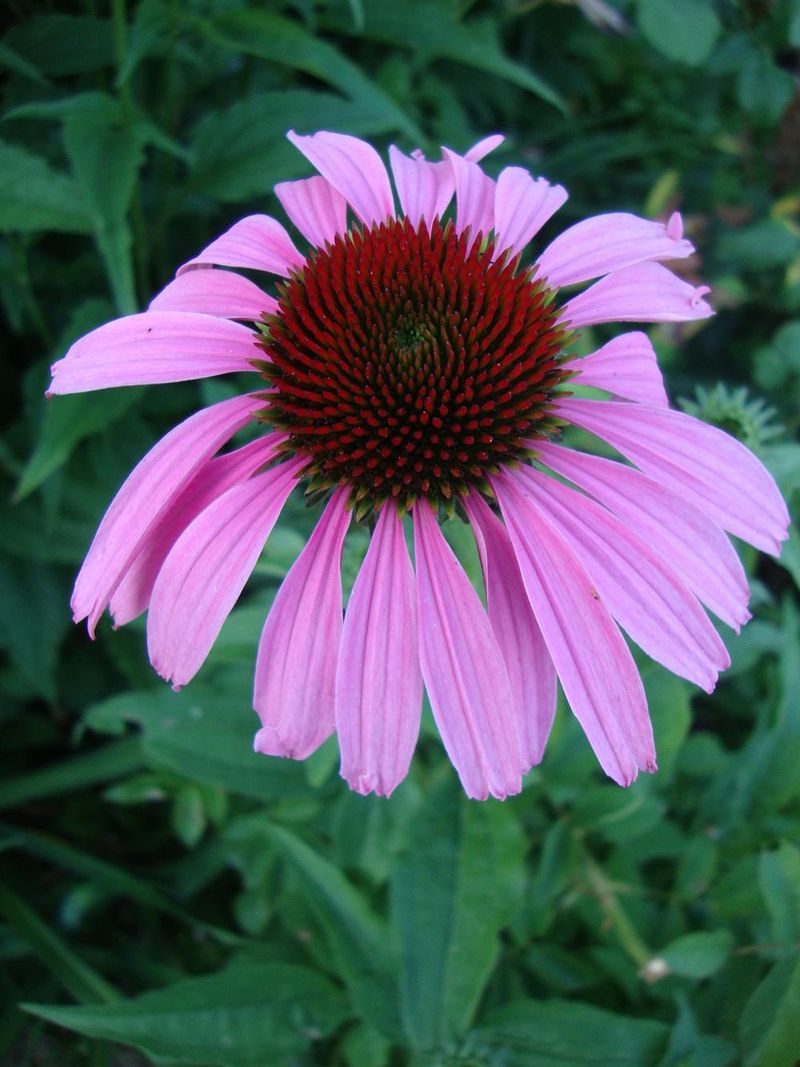
Coneflowers have been healing and beautifying gardens for centuries — Native Americans used echinacea medicinally long before it became a garden staple. Today, these bold, daisy-like blooms with their distinctive raised centers are beloved by gardeners and pollinators alike.
In Florida, coneflowers do best in northern and central parts of the state where summers are slightly cooler. They prefer well-drained soil and full sun, and once established, they handle dry spells gracefully while providing seeds for birds in fall.
Black-Eyed Susan
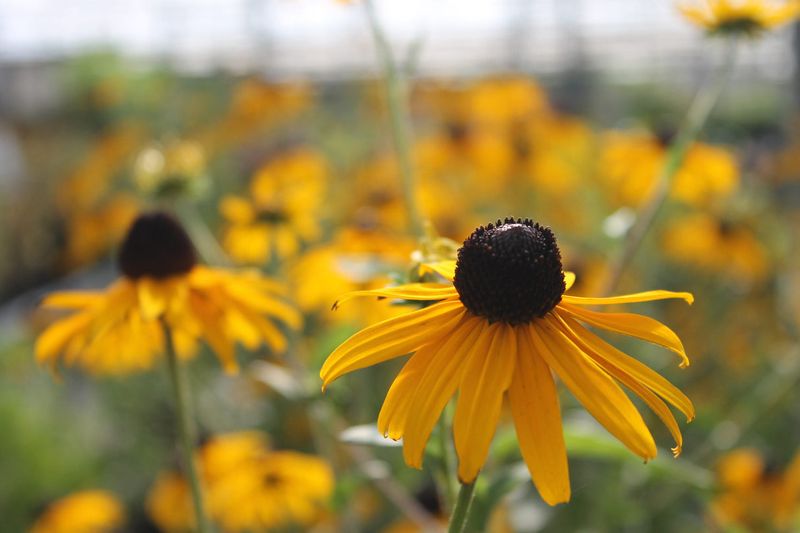
Few wildflowers feel as warm and welcoming as the black-eyed Susan. Those sunny yellow petals surrounding a deep chocolate-brown center have been cheering up meadows and gardens across North America for generations.
In Florida, it thrives in sandy or average soil and handles heat and drought like a seasoned pro. It blooms from summer into fall, attracting goldfinches who love snacking on the seeds.
Planting it in clusters creates a stunning meadow-style effect in any yard.
Tickseed
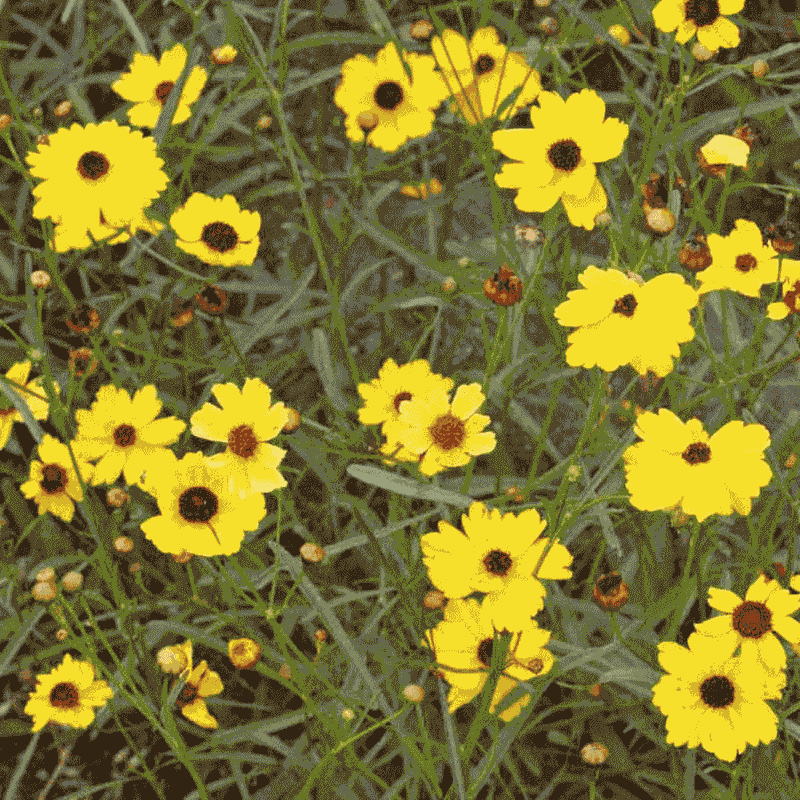
Tickseed is essentially coreopsis by another name, but it deserves its own spotlight because certain species are uniquely adapted to Florida’s wet prairies and dry uplands alike. The native Florida tickseed is especially resilient and adapted to local conditions.
Its delicate yellow blooms create a soft, airy look that pairs beautifully with bolder flowers. It self-seeds freely, so once you plant it, it tends to return year after year with very little help from you.
Porterweed
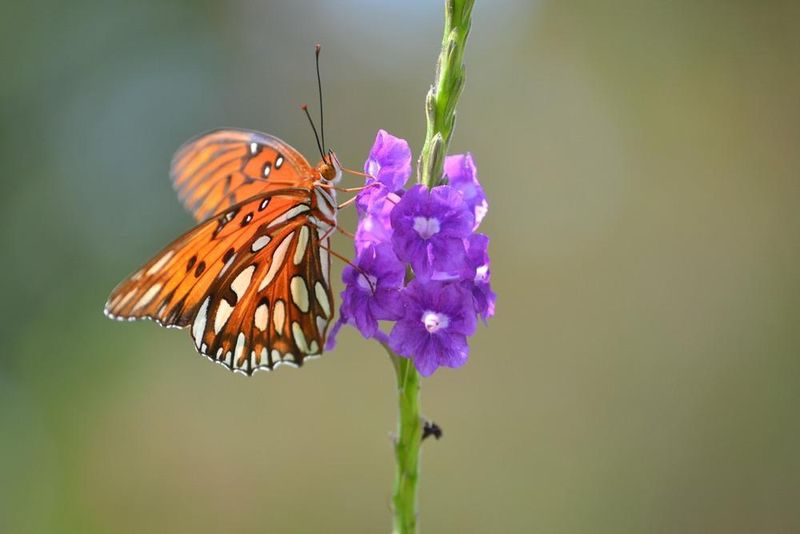
Porterweed is a butterfly magnet with an almost magnetic personality in the garden. Its long, arching stems carry tiny purple or blue flowers that bloom progressively along the spike, giving pollinators a reason to visit again and again.
It grows vigorously in Florida’s heat and can handle dry periods once established. Hummingbirds and swallowtail butterflies are especially drawn to it.
Trimming it back occasionally keeps it tidy and encourages fresh, new blooms to push through.
Blue Porterweed
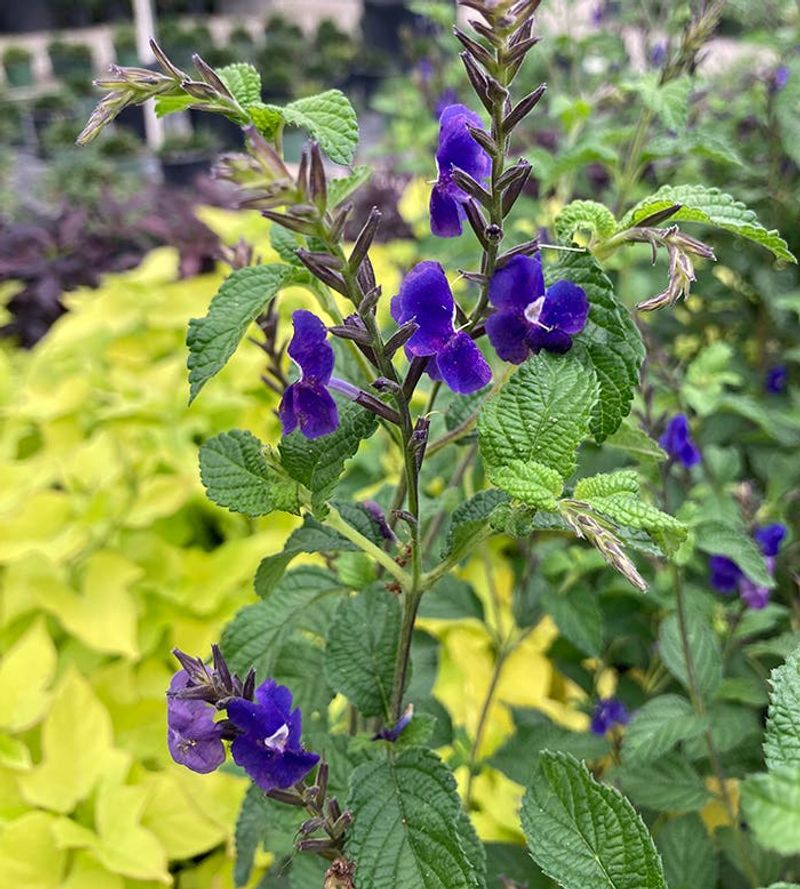
Blue porterweed is the low-growing cousin of the standard porterweed, and it has a more relaxed, sprawling habit that makes it perfect for ground cover or spilling over garden edges. The electric blue-purple blooms are truly eye-catching.
Native to Florida’s coastal areas, it is built for heat, salt, and drought. Butterflies flock to it constantly.
Because it stays low to the ground, it works wonderfully between stepping stones or cascading over the sides of raised garden beds.
Firebush
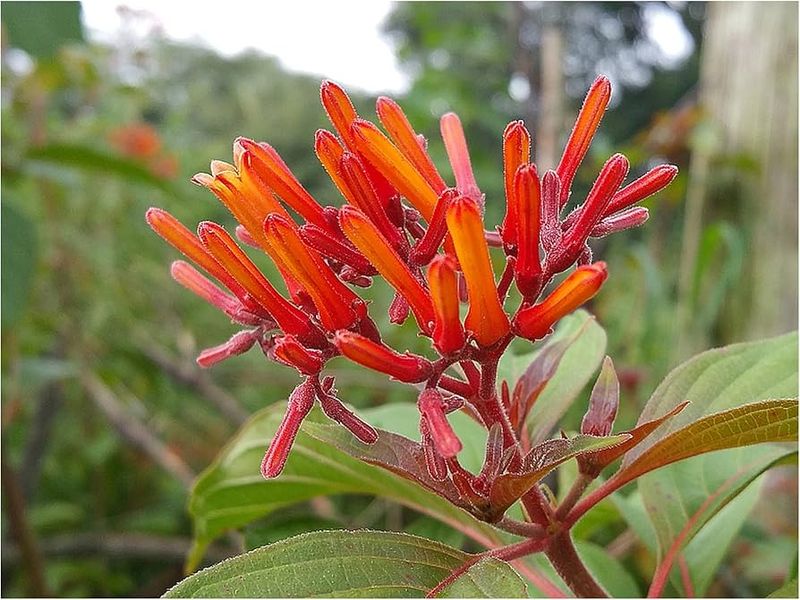
Firebush earns its dramatic name with clusters of tubular, flame-colored flowers that blaze from summer through winter. Hummingbirds and butterflies treat it like an all-you-can-eat buffet, visiting it constantly throughout the warm months.
It is a Florida-friendly native that handles drought, heat, and even brief cold snaps in northern parts of the state. It can grow quite large, so give it room to spread.
In South Florida, it stays evergreen and blooms almost without stopping.
Mexican Petunia
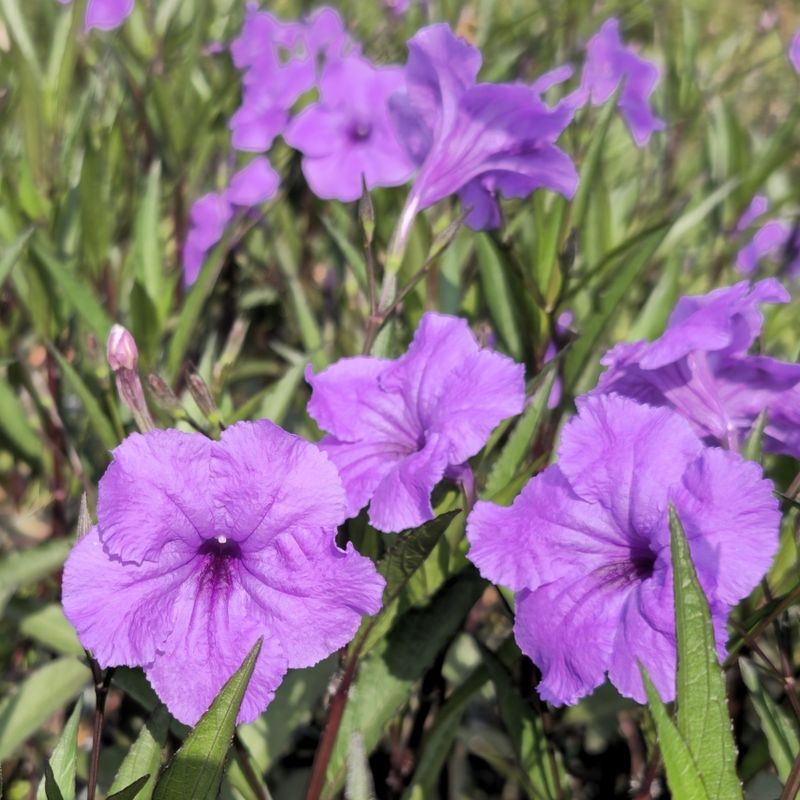
Mexican petunia is the overachiever of the drought-tolerant world — it blooms prolifically, spreads confidently, and barely asks for anything in return. Its trumpet-shaped purple flowers open fresh each morning, creating a daily rhythm of color in the garden.
It thrives in both wet and dry conditions, making it incredibly adaptable across Florida. However, it can spread aggressively, so planting it in contained beds is a smart move.
Dwarf varieties are available for gardeners who want the beauty without the spread.
Scaevola
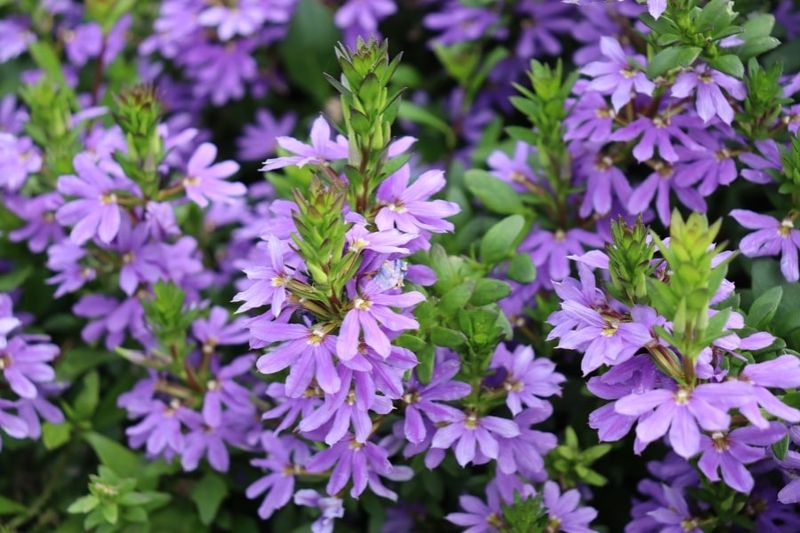
Each scaevola flower looks like it was split right down the middle — and that is exactly what makes it so fascinating. All five petals fan out on one side, giving it a uniquely quirky appearance unlike almost any other garden flower.
Originally from Australia, it has become a go-to plant for Florida coastal gardens because it handles salt, wind, sand, and drought without complaint. It trails beautifully in containers or spreads as a groundcover in sunny, beachside landscapes.
Blanket Bush
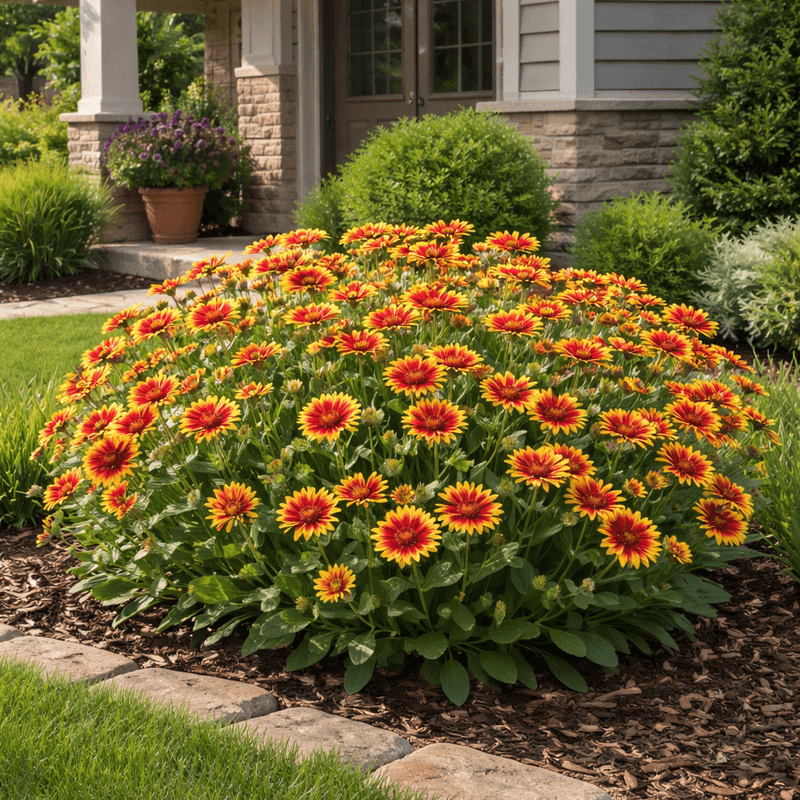
Blanket bush is a tough, shrubby plant that covers itself in tiny yellow flowers during cooler months, creating a soft, blanket-like effect across its mounded form. It is not as commonly known as some other Florida garden plants, but experienced gardeners swear by it.
It thrives in full sun, sandy soil, and dry conditions — basically everything Florida throws at it. Its dense habit also makes it useful as a low hedge or windbreak, adding structure along with seasonal beauty to the landscape.
Verbena
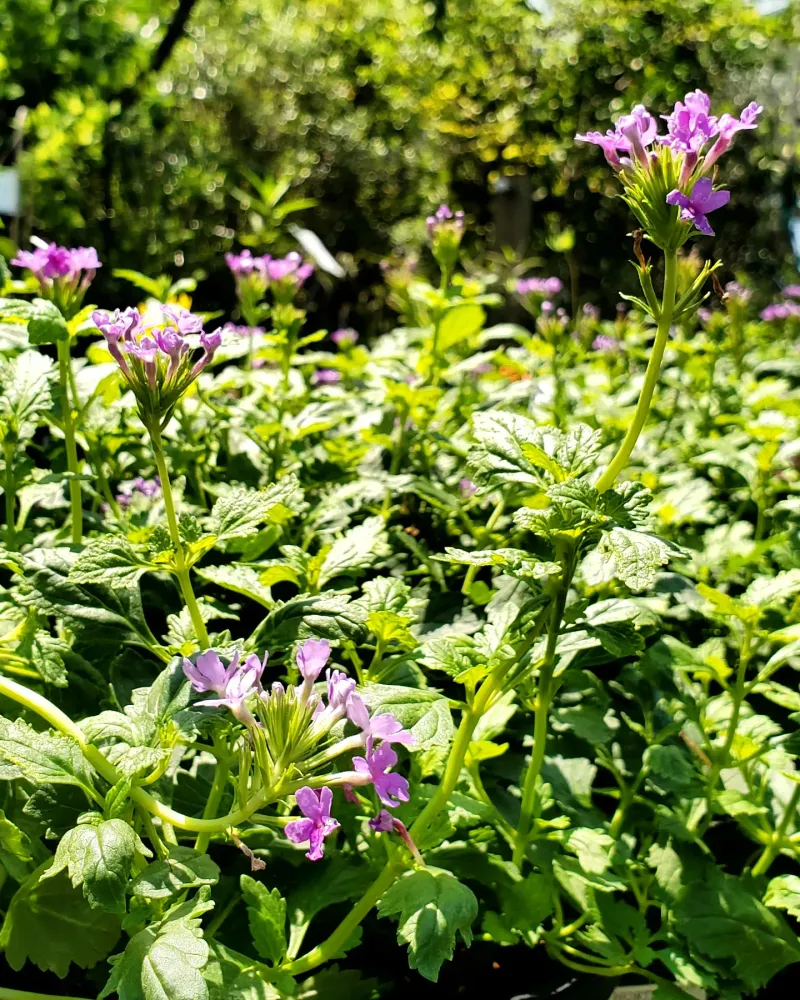
Verbena brings a confetti-like explosion of color to any garden space it inhabits. Clusters of tiny flowers in shades of purple, pink, red, and white cover the plant so densely that you can barely see the leaves beneath them.
It loves full sun and well-drained soil, which Florida provides in abundance. Trailing varieties look stunning in hanging baskets, while upright types work beautifully as border plants.
Butterflies and bees visit constantly, making it a pollinator-friendly choice for eco-conscious gardeners.
Gazania
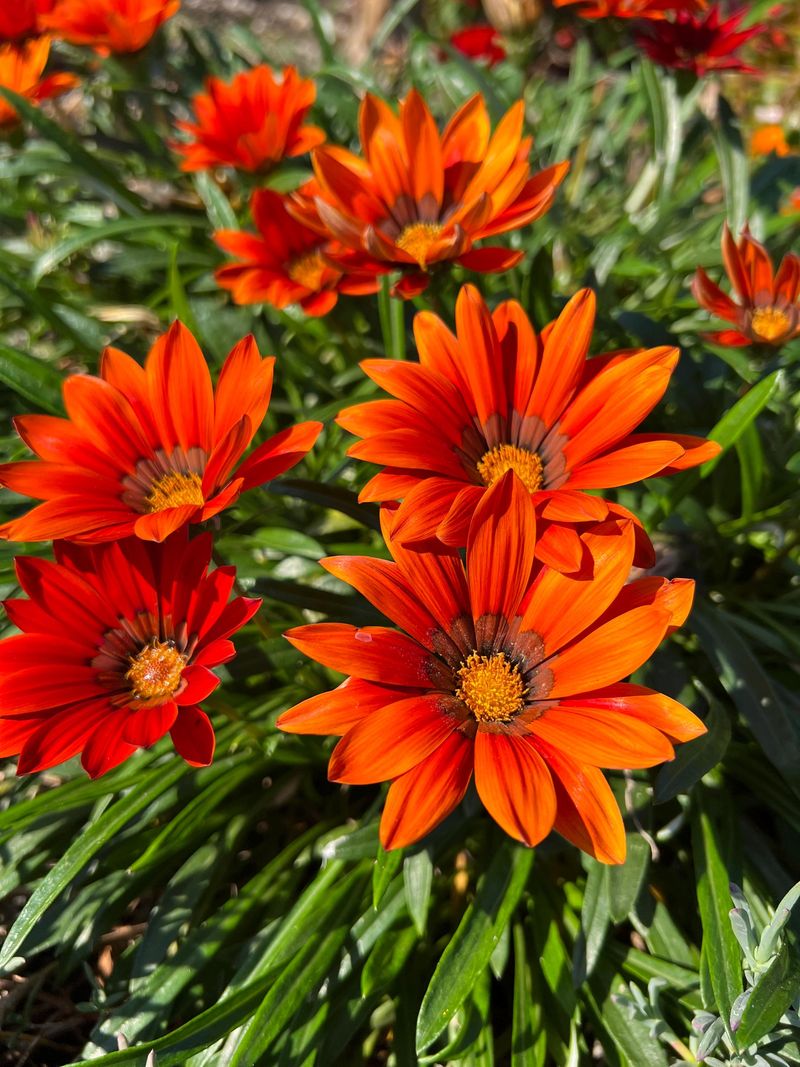
Gazania flowers look like they were painted by hand — each bloom features bold, striped petals radiating out from a vivid center, creating a display that feels almost too exotic to be real. They close at night and reopen with the sun each morning.
Originally from South Africa, gazania is built for hot, dry climates and thrives in Florida’s sandy soil. It is perfect for rock gardens, slopes, and sunny borders.
Plant it in full sun for the most intense color payoff throughout the season.
Lantana
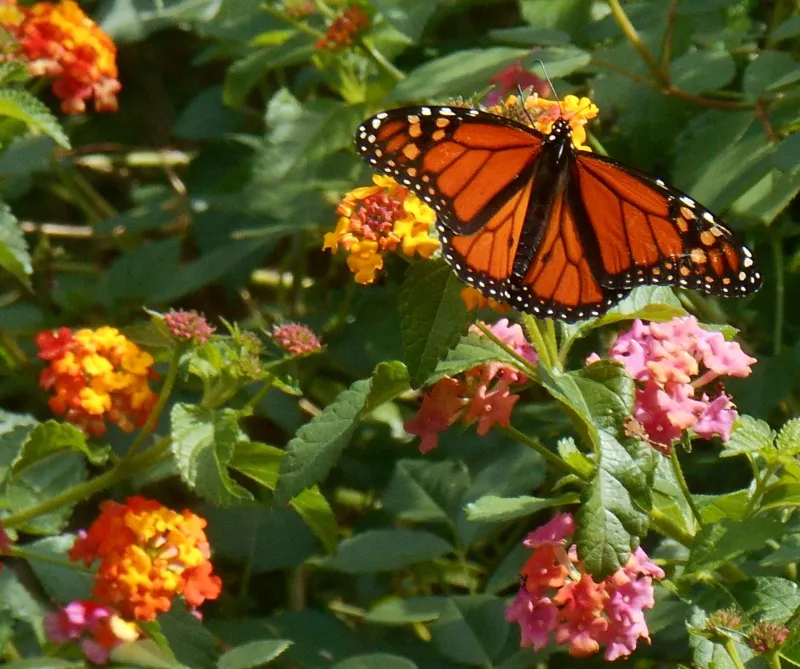
Lantana is practically synonymous with Florida gardening — you see it everywhere, and for good reason. Its multi-colored flower clusters change shades as they age, so a single plant can display yellow, orange, red, and pink all at once.
Monarch butterflies are especially fond of lantana, making it a must-have during migration season. It thrives in heat and drought, asks for little water, and blooms from spring through frost.
Just be aware that some varieties can spread aggressively in natural areas.
Rosemary
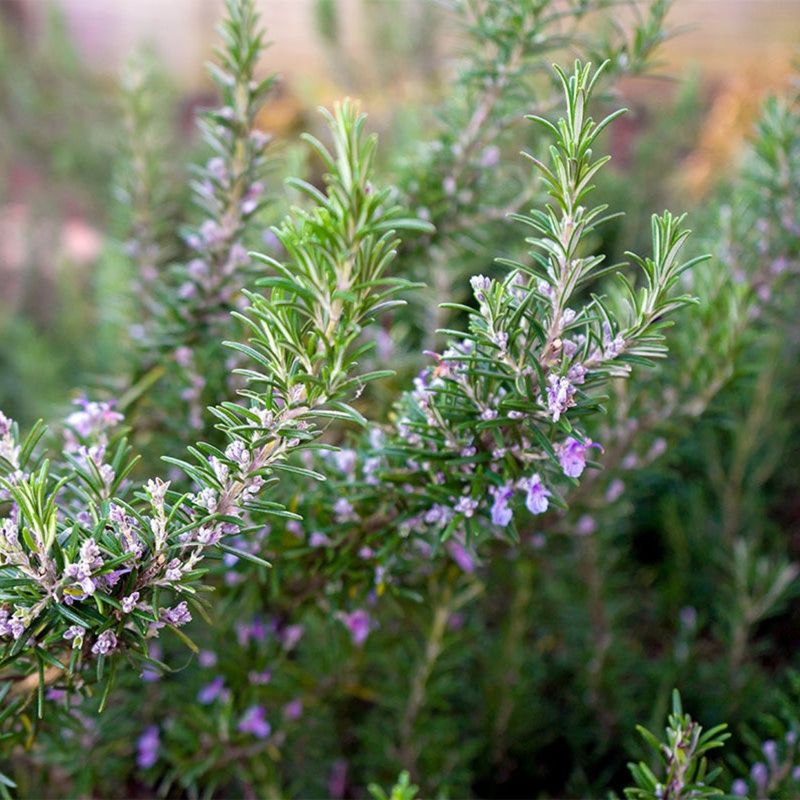
Rosemary is not just for the kitchen — in Florida, it doubles as a stunning ornamental plant that handles drought, heat, and poor soil with remarkable grace. Its needle-like, aromatic leaves stay green year-round, and small blue flowers appear in late winter or spring.
It grows into a handsome shrub over time and works beautifully as a low hedge or accent plant. The fragrance alone makes it worth planting near patios or walkways.
Bees love the flowers, and you get a fresh herb supply as a bonus.
Lavender
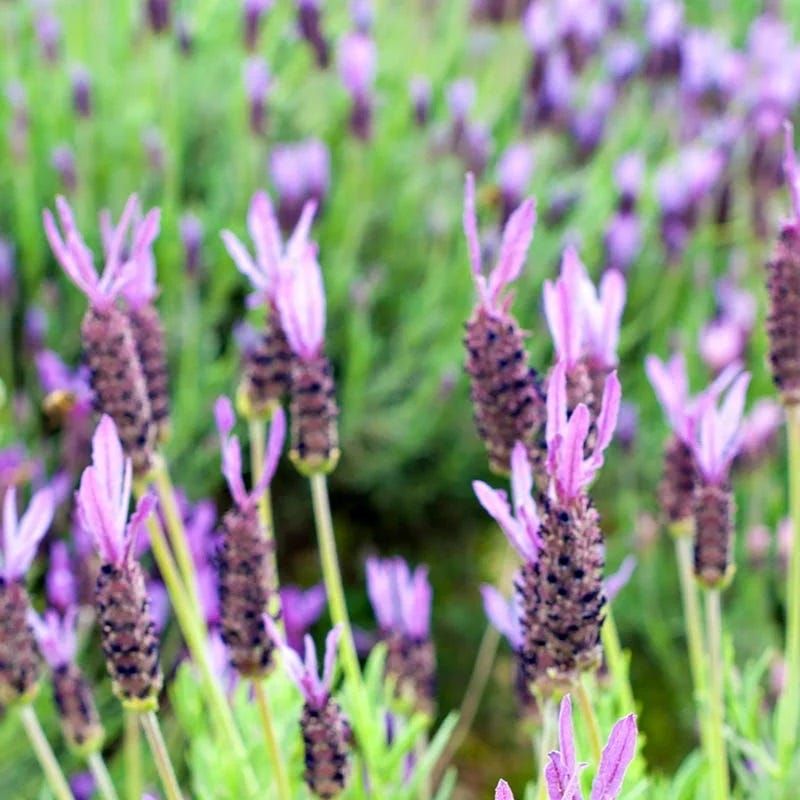
Growing lavender in Florida requires choosing the right variety, but when you do, the reward is absolutely worth it. Spanish lavender and other heat-tolerant types can thrive in Florida’s sandy, well-drained soil when planted in a sunny, open spot with good airflow.
The silvery foliage is beautiful even when the plant is not in bloom, and the purple flower spikes carry that iconic calming fragrance. Bees swarm it enthusiastically.
Avoid overwatering — lavender strongly prefers dry conditions over soggy roots.