


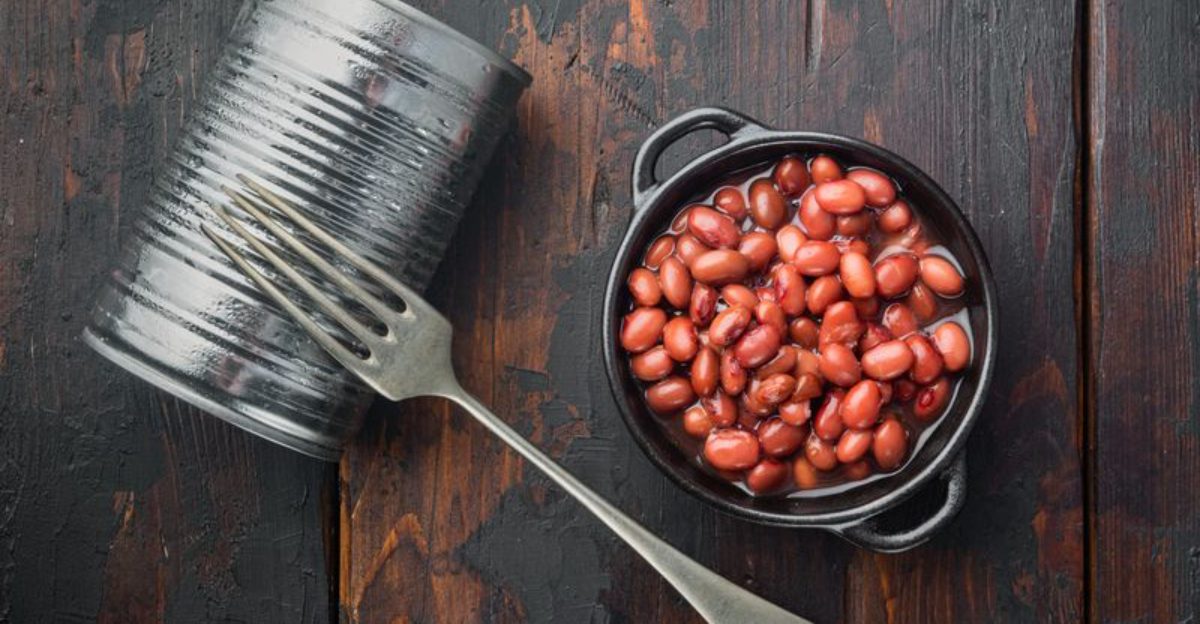
Some foods feel safe because they are everywhere, but common does not always mean harmless. Small daily choices can quietly chip away at energy, digestion, and long term health.
Before you reach for the usual snack or quick meal, it helps to know what nutritionists flag most. Here is a friendly, practical guide to smarter swaps that still taste good.
White rice
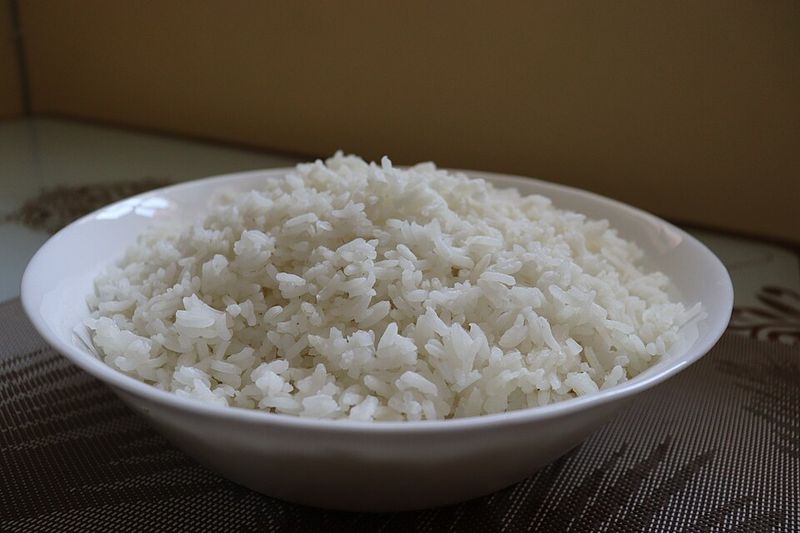
White rice looks gentle on the stomach, but its nutrients are mostly stripped away during processing. What you are left with is fast digesting starch that can spike blood sugar and leave you hungry soon after.
If you rely on it often, energy swings and cravings can creep in.
Swap some servings with brown rice, quinoa, or cauliflower rice to smooth out blood sugar. Pair any rice with vegetables, beans, or eggs for fiber and protein that slow digestion.
Rinse and cool leftover rice for resistant starch, then reheat thoroughly to reduce risk of bacterial growth.
Fruit yogurt

Fruit yogurt seems like a wholesome grab and go choice, but many cups hide dessert level sugar. The sweet puree or syrup at the bottom can push totals past soda, especially in low fat versions.
That sugar rush burns quickly, leaving you hungrier and craving more soon afterward.
Choose plain yogurt and add real fruit, cinnamon, or crushed nuts for balanced flavor. Greek or skyr styles bring more protein that steadies appetite.
If fruit on the bottom is nonnegotiable, stir thoroughly, split the cup with someone, or save half for later so the sugar hit feels smaller.
Granola bars
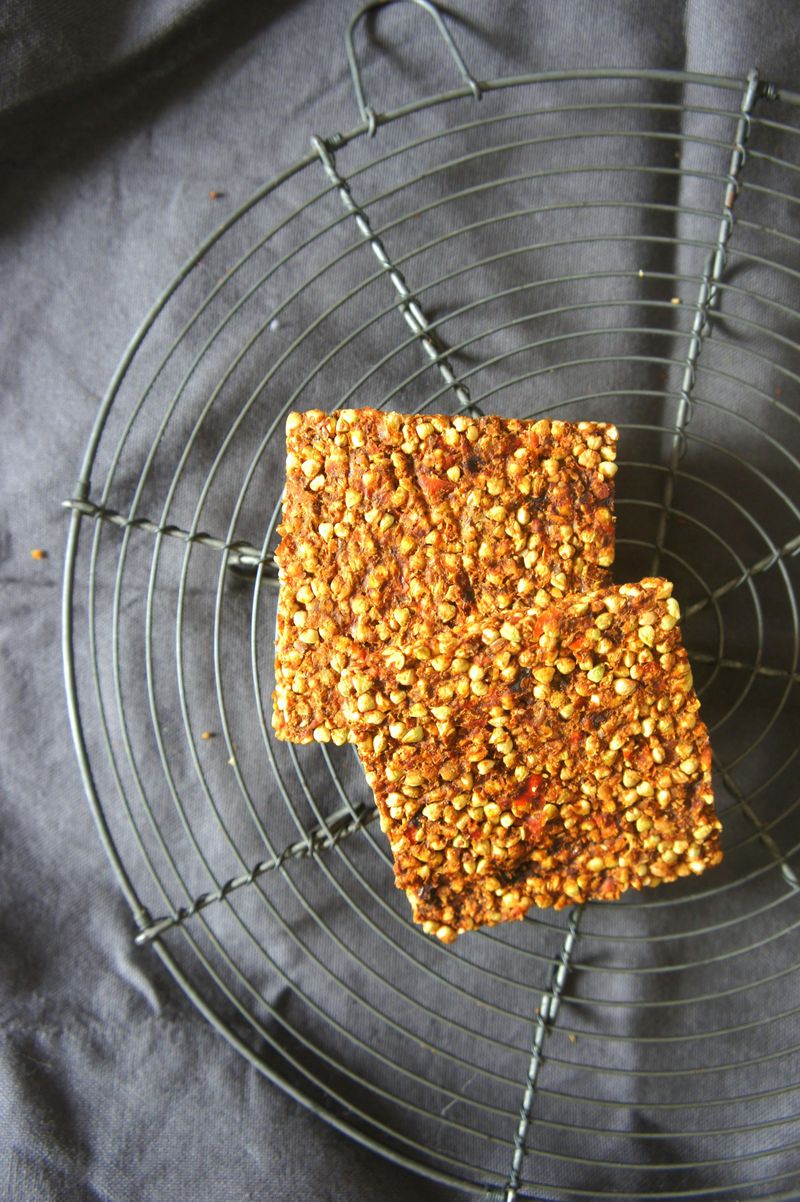
Granola bars wear a health halo, yet many are candy bars in rugged clothing. Added sugars, syrups, and chocolate coatings pile on calories without real staying power.
Even when the label highlights whole grains, the portions can be tiny, and fiber sometimes falls short of what hunger actually needs.
Scan ingredients for sugar listed multiple times, like honey, brown rice syrup, and fructose. Aim for at least three grams of fiber and five grams of protein.
Better yet, keep simple snacks handy, like a banana with peanuts, or make no bake oat bites at home so you control sweetness.
Fruit juice

Fruit juice sounds like a vitamin win, but fiber is lost when the pulp gets strained away. Without fiber, natural sugars rush into your bloodstream, delivering a fast spike and a crash.
That leaves you thirsty and snacky soon after, even though the calories may be surprisingly high.
Try diluting juice with sparkling water, or choose whole fruit for the chew and fiber. Smoothies that blend the whole fruit are better, but still watch portions.
A small four ounce pour can be enough for flavor. Add almonds or cheese nearby to slow absorption and keep energy more stable.
Breakfast cereal
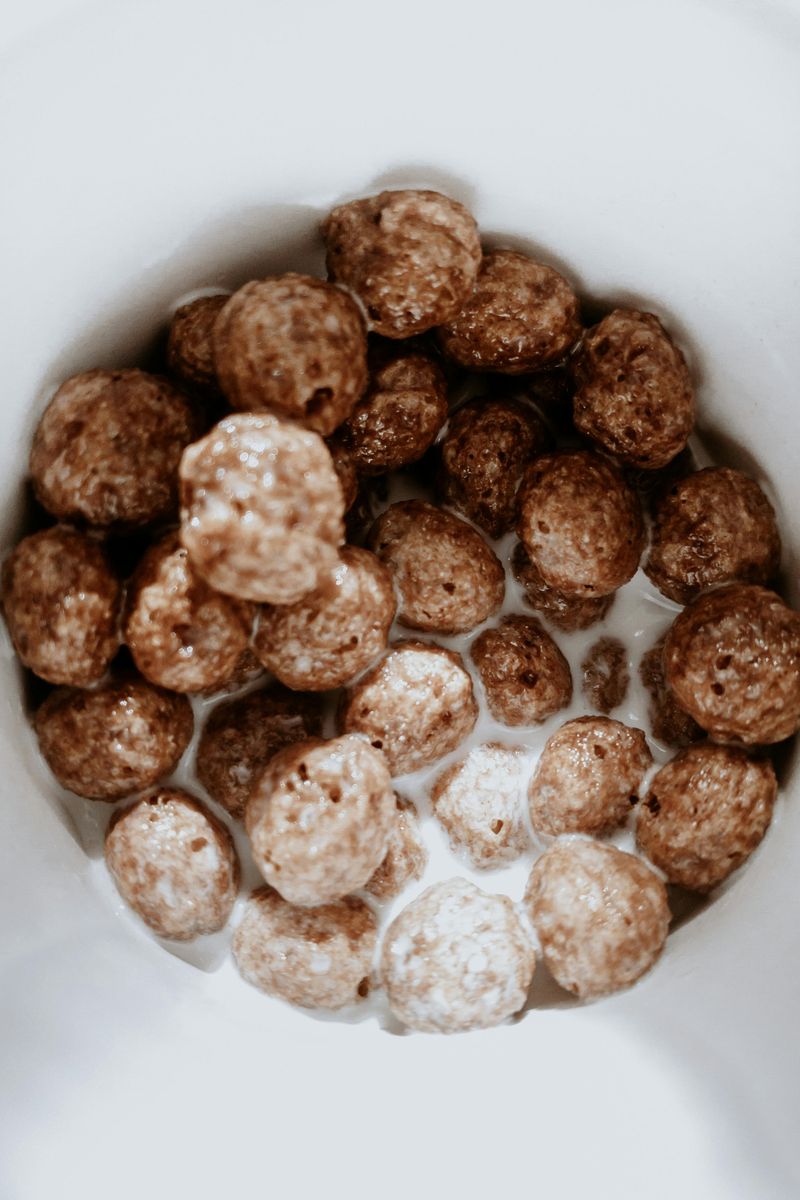
Breakfast cereal can turn mornings into a sugar sprint. Many boxes market whole grains yet deliver mostly refined starches, sweeteners, and light dustings of vitamins.
The crunch is satisfying, but the fuel burns fast, nudging you toward second breakfasts, midmorning lattes, or vending machine raids.
Flip the box and check serving sizes, not claims. Look for five grams of fiber or more, under eight grams of sugar, and a short ingredient list.
Consider mixing a sweet cereal with plain oats to cut sugar. Adding milk, yogurt, or nut butter helps bring protein that steadies your morning until lunch.
Flavored milk
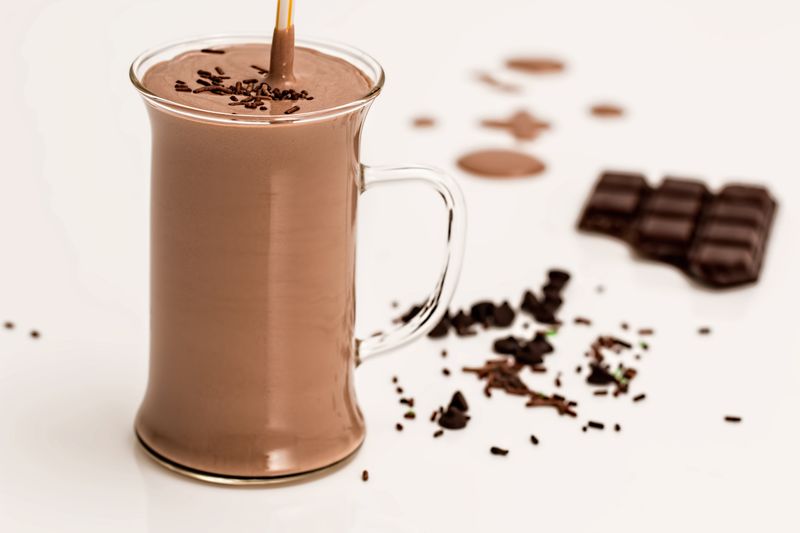
Flavored milk feels nostalgic and comforting, but those squeezes of syrup or powder add plenty of sugar. Even shelf stable bottles can contain multiple sweeteners that outpace dessert.
The extra calories slip in fast, and over time they make it harder to meet daily protein and calcium without overshooting sugar.
Choose plain milk and add cocoa with a light touch, then sweeten modestly if needed. Consider cinnamon or vanilla extract for a flavor lift without a sugar dump.
If dairy is not your thing, pick unsweetened fortified alternatives and pair with protein from eggs, tofu, or nuts to round out meals.
Saltine crackers

Saltine crackers are light and familiar, but they bring refined flour, sodium, and little fiber. They can calm an upset stomach on rough days, yet as a daily habit they rarely satisfy.
You may find yourself eating sleeve after sleeve, still chasing fullness that never shows up.
Use saltines strategically when bland foods are needed, then shift to whole grain crackers for everyday snacking. Pair any cracker with hummus, tuna, or cheese to add protein and staying power.
If sodium is a concern, compare labels. Some brands quietly offer lower salt options that keep the same crisp comfort.
Salad dressing

Salad dressing can turn a bowl of greens into a sugar and sodium trap. Creamy bottles often add thickeners and sweeteners, while light versions may swap fat for extra starch.
You finish the salad feeling oddly unsatisfied, then cruise for snacks thirty minutes later.
Check serving sizes and aim for dressings where oil and vinegar lead the list. Better yet, whisk your own with olive oil, lemon, mustard, and herbs.
Add avocado, nuts, or seeds to bring healthy fats that help vitamins absorb. Toss with salt sparingly and taste before adding more.
Your salad will still feel indulgent.
Bottled smoothies
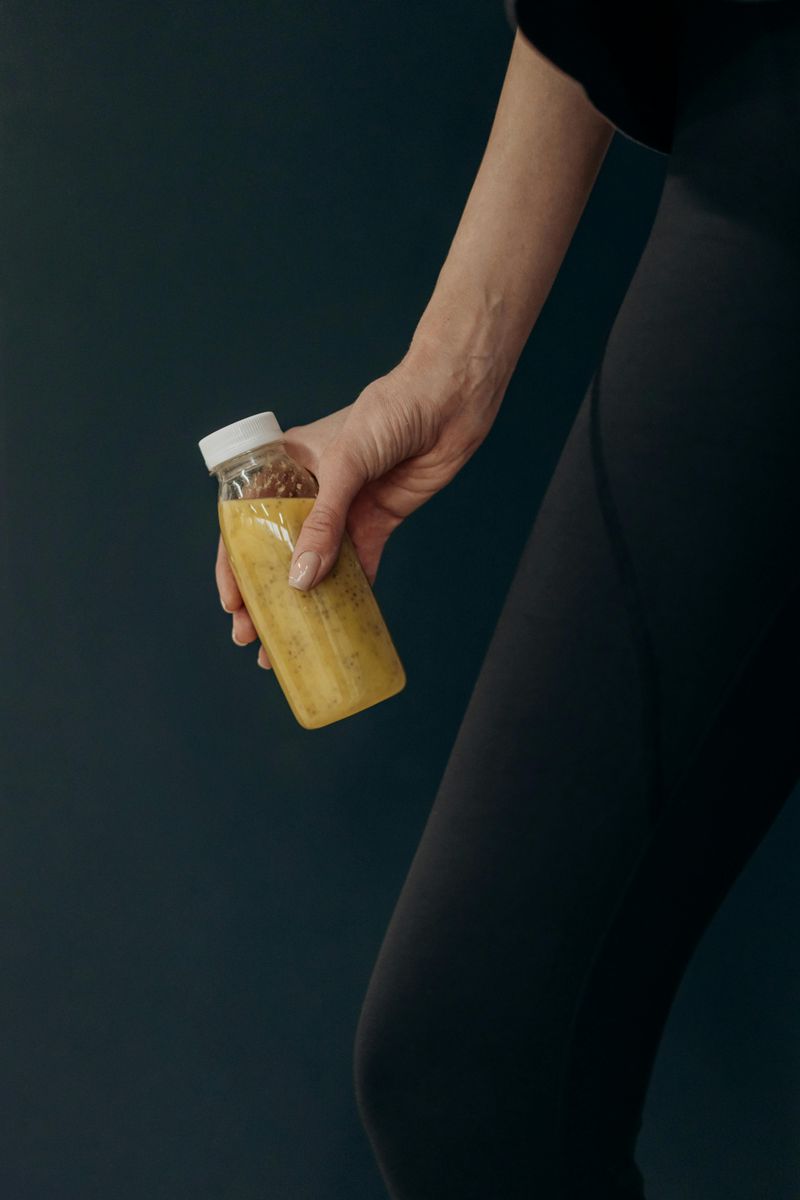
Bottled smoothies market wellness, yet many pack concentrated fruit purees with little fiber. Even green versions can rely on apple or grape juice for sweetness.
The result is a big sugar load that digests quickly, leaving you with a brief energy pop followed by a slump.
Read labels for fiber and protein. A better bet is blending at home with whole fruit, leafy greens, Greek yogurt, and chia or flax.
If grabbing a bottle, choose the smallest size, sip slowly, and pair with nuts or a hard boiled egg. That combo steadies your blood sugar and keeps you full.
Low fat snacks

Low fat labels can be sneaky. When fat gets pulled out, food makers often add extra sugar, starch, or gums to keep texture.
You might end up eating more to feel satisfied, and the calorie math no longer favors your goals. Flavor can taste flat, nudging more mindless munching.
Choose snacks that balance fat, protein, and fiber, not just one headline claim. Nuts, olives, yogurt, and popcorn made with oil can be smart portions.
If you prefer packaged options, compare sugar and ingredient lists. A little real fat can help you stop at one serving because taste and texture feel complete.
Energy bars

Energy bars promise fuel, but many are built for endurance athletes, not desk days. Calories, syrups, and palm sized portions can easily exceed what you need between meetings.
Some also hide sugar alcohols that cause bloating or cramps, especially when inhaled before a workout.
Use bars as travel or emergency food, not a daily crutch. Pick bars with short ingredient lists, at least five grams of fiber, and ten grams of protein.
When possible, pair half a bar with fruit or yogurt. For workouts under an hour, water and a banana usually do more than a candy disguised as fuel.
Instant noodles
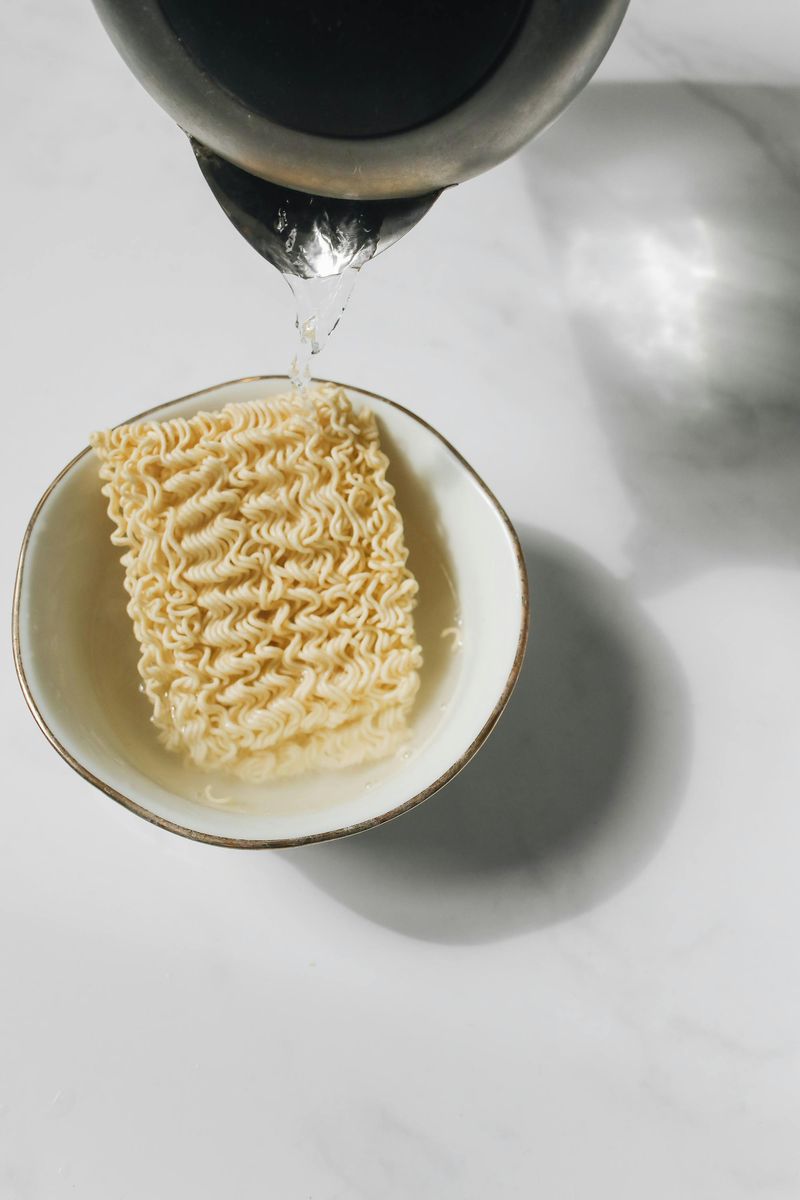
Instant noodles deliver comfort and speed, but the seasoning packets are sodium bombs. The noodles themselves are refined and often fried, bringing low fiber and extra oil.
After the cozy slurp, thirst and sluggishness can follow, and satiety fades quickly without added protein or vegetables.
Use only part of the seasoning packet and add miso, ginger, or chili for flavor. Toss in frozen vegetables, tofu, edamame, or eggs to improve protein and fiber.
Seek air dried noodle bricks when possible. With smarter add ins, you can keep the convenience while dodging the worst of the salt and starch.
Ketchup
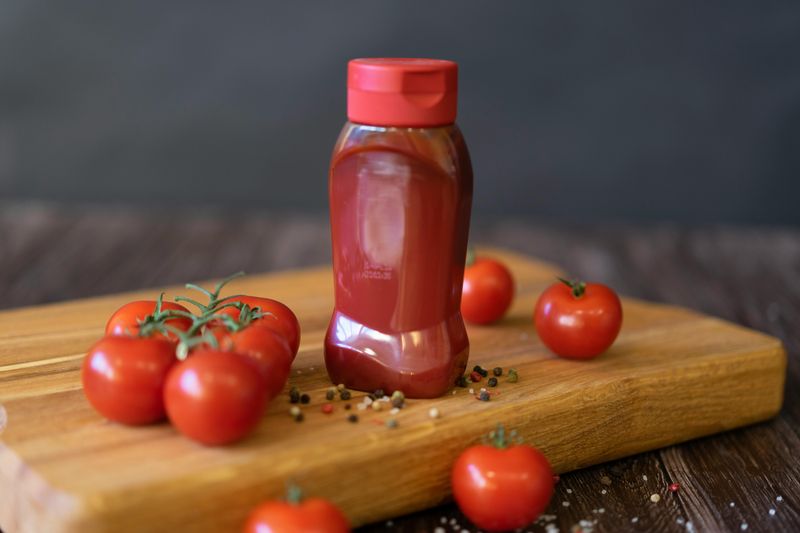
Ketchup feels like a harmless dip, but sugar quietly adds up fast. Two tablespoons can rival a cookie, especially if you drown burgers or eggs with it.
Many bottles also include high fructose corn syrup and excess sodium that nudge you toward thirst and extra portions.
Check labels for reduced sugar or choose brands sweetened with dates. Try mustard, hot sauce, or tomato paste mixed with vinegar and spices for savory punch.
If ketchup is nonnegotiable, measure a small puddle and dip mindfully. Pair with crunchy vegetables so you satisfy the urge to dunk without turning a meal into dessert.
Peanut butter
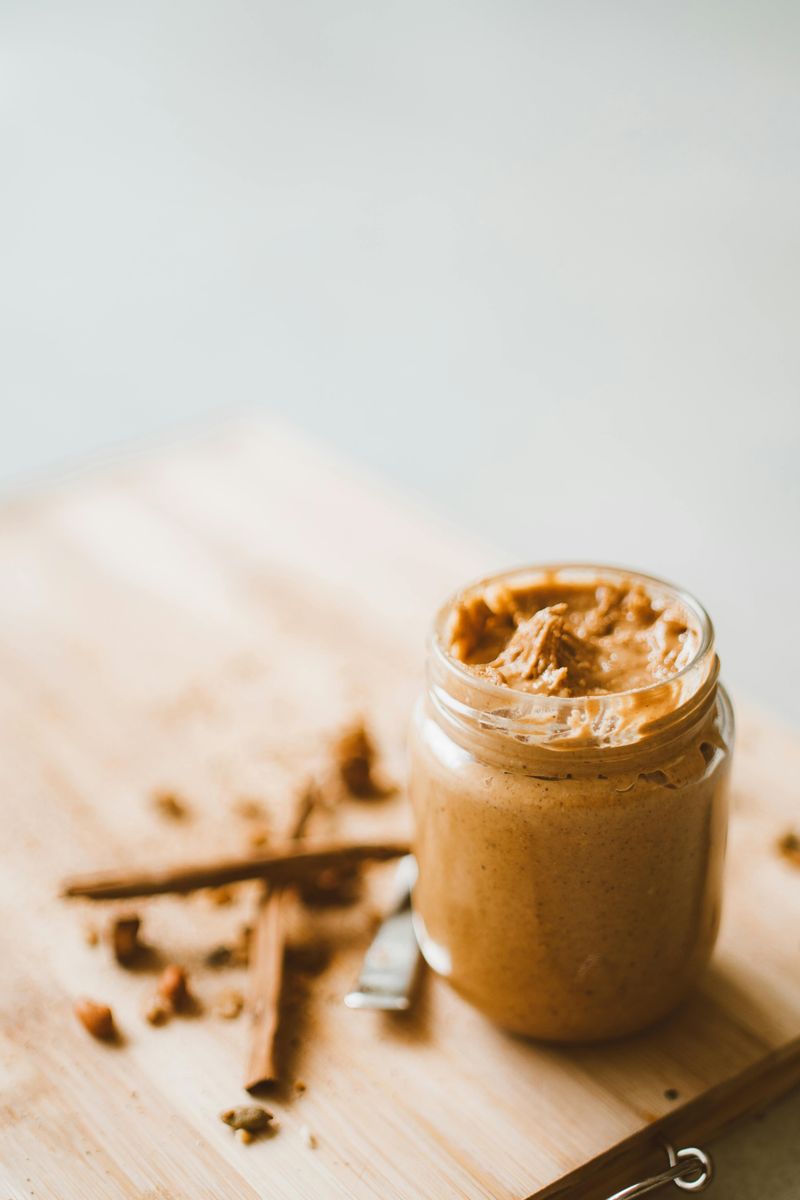
Peanut butter is nutrient dense and satisfying, but labels vary wildly. Some jars add sugar and cheap oils that dilute the natural balance of protein and healthy fats.
Portions also creep up easily, and two heaping spoonfuls can double calories before you even spread a slice.
Choose natural peanut butter with just peanuts and salt. Stir well and store upside down to manage the oil.
Measure a tablespoon, then add sliced apples or whole grain toast for fiber. If allergies or variety are concerns, rotate almond, cashew, or sunflower seed butter.
The goal is simple ingredients and mindful portions.
White pasta
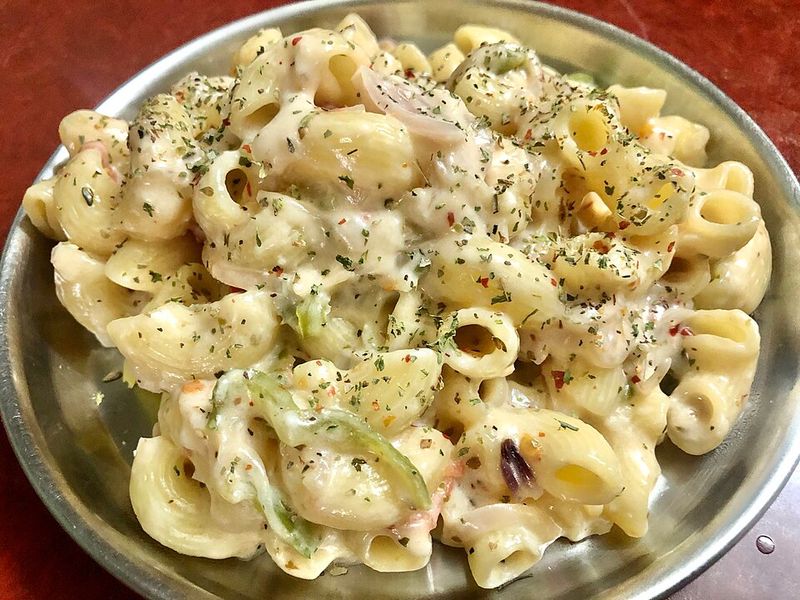
White pasta is comforting but mostly refined starch. The silky noodles digest quickly, steering blood sugar up, then dropping it again.
That rollercoaster can leave you prowling the kitchen later. Sauces often add extra oil and cheese, layering more calories without the fiber that tames appetite.
Choose whole wheat, bean, or lentil pasta for more protein and fiber. If using white pasta, cook al dente, cool and reheat to build a bit of resistant starch.
Load the bowl with vegetables and lean protein, then dress with olive oil lightly. You get pleasure and better balance in the same meal.
Ice cream

Ice cream is joy in a bowl, yet joy can snowball when scoops become nightly. Sugar and saturated fat climb fast, and bowls grow bigger than labels suggest.
That combination makes it easy to overshoot calories while still feeling peckish later, especially after a long day.
Make ice cream a planned treat. Serve it in a small bowl, not straight from the carton, and add berries or nuts for texture.
Consider Greek yogurt pops or blended frozen banana for lighter cravings. If lactose bothers you, look for lactose free or dairy free options so the treat does not backfire.
Sweet cookies

Sweet cookies hit nostalgia buttons, but they vanish quickly without filling you up. Refined flour, sugar, and butter stack calories with little fiber or protein.
One cookie rarely feels like enough, and the next thing you know the sleeve is gone and the afternoon is, too.
Plan cookies as dessert, not a snack. Enjoy one or two slowly with tea, then stop.
Keep single serve packs for built in boundaries, or freeze dough in small portions. When baking, add oats, nuts, or seeds and cut sugar slightly.
You still get delight, just with better staying power and fewer regrets.
Packaged bread
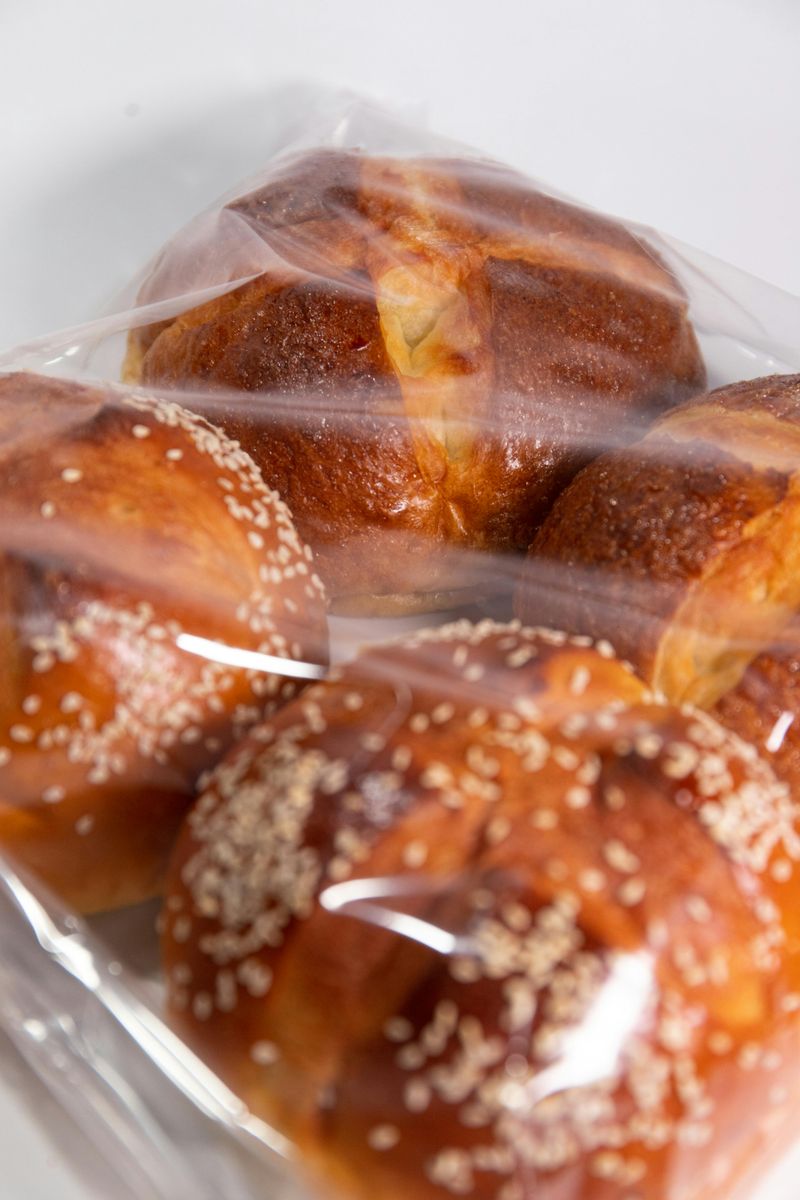
Packaged bread ranges from hearty to hollow. Some loaves are mostly refined flour with caramel color, pushing a healthy look without real fiber.
Added sugars, conditioners, and sodium also show up often. Two slices can feel like air, leaving a sandwich that tastes fine but fades quickly.
Scan for at least three grams of fiber per slice and whole grain as the first ingredient. Sourdough or sprouted options may digest more gently for some people.
If portions balloon, try open faced sandwiches. Pile on vegetables, lean protein, and a little healthy fat so the bread becomes a carrier, not the star.
Frozen fries
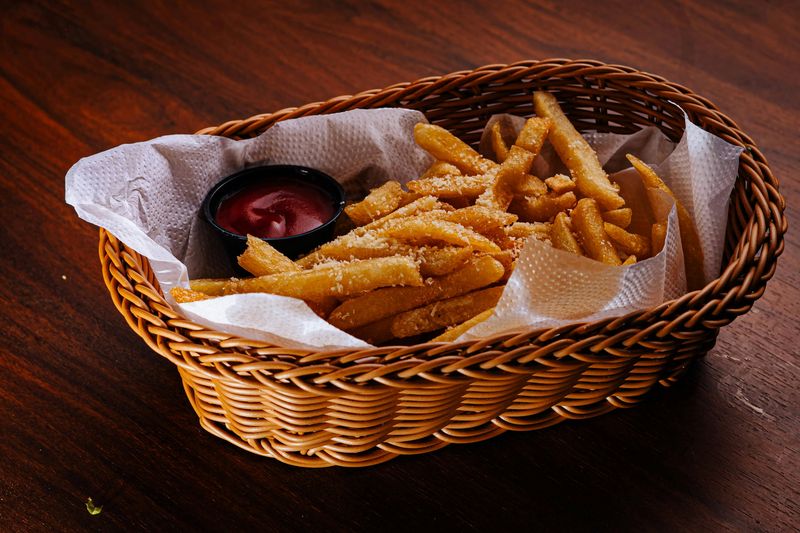
Frozen fries feel like an easy side, but they are often par fried in oil before you even bake them. That means extra fat and calories are baked in, literally.
Portion creep happens fast, especially when the tray looks half empty and a second handful slides on.
Choose oven fries without added coatings and bake on a rack for crispness. Toss with olive oil lightly, then season with paprika, garlic, and salt sparingly.
Pair with a big salad or grilled fish to balance the plate. Better yet, roast wedges from real potatoes or sweet potatoes for fiber rich, satisfying crunch.
Canned fruit
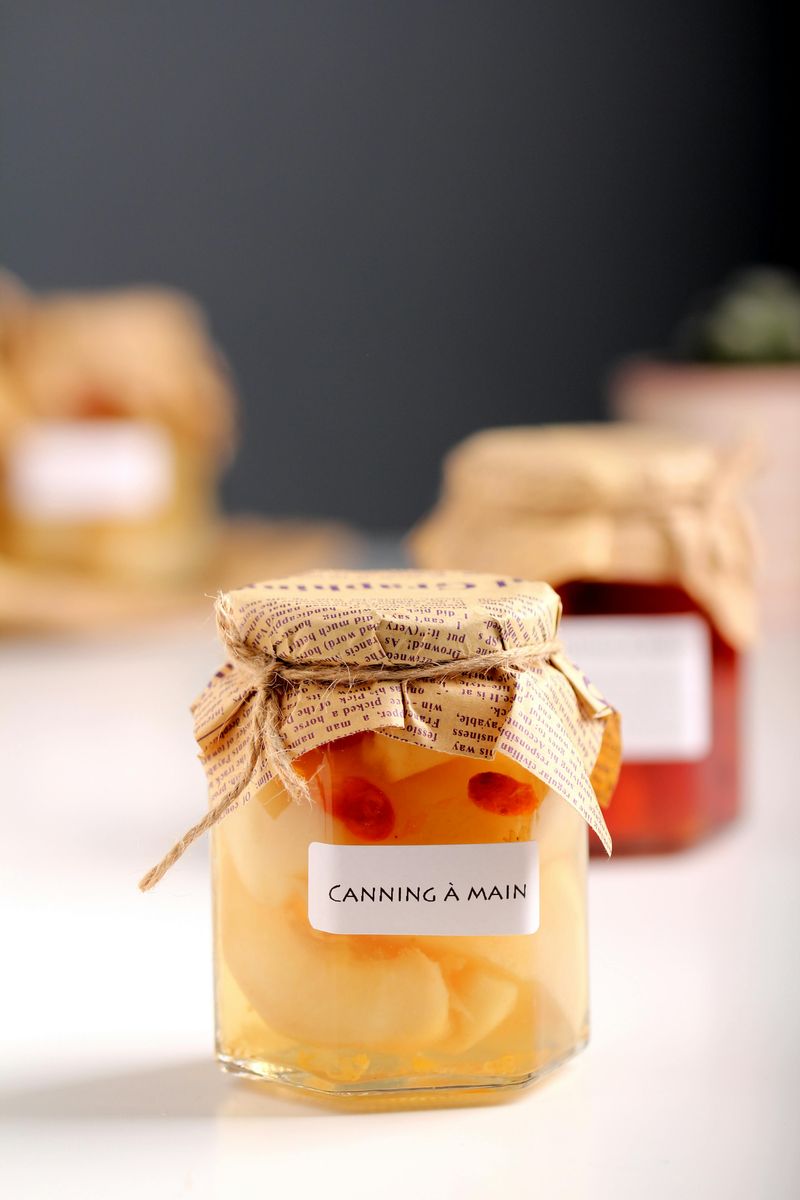
Canned fruit is convenient, but heavy syrup turns it into a dessert. Even light syrup adds sugars you did not plan for, and portions can balloon with those easy scoops.
Texture also softens, making it less satisfying than a crisp apple or juicy orange you chew.
Look for fruit packed in water or its own juice, then drain and rinse to cut sugar further. Pair with yogurt or cottage cheese for protein.
Keep frozen fruit on hand for smoothies or quick compotes. You still get convenience, just with more control over sweetness and a better chance of feeling full.
Chocolate milk
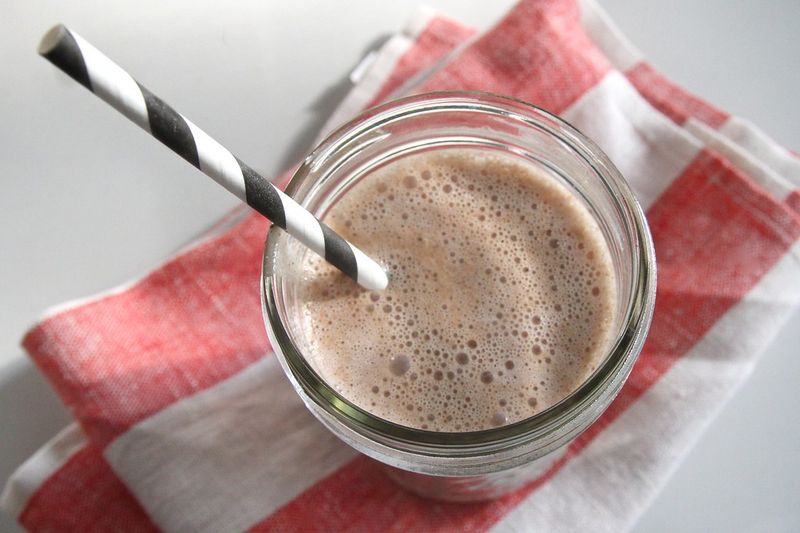
Chocolate milk can refuel athletes after tough workouts, but for everyday sipping it adds a sugar bump. Many cartons sweeten aggressively to win picky palates.
That turns a calcium source into a dessert like habit, especially when poured into big glasses or used as a nightly wind down.
Keep portions small and choose lower sugar versions. Make your own with cocoa, a touch of maple, and vanilla, then adjust sweetness gradually.
If you prefer dairy alternatives, start with unsweetened and build flavor yourself. Save chocolate milk for real recovery sessions or planned treats so it does not quietly crowd out better choices.
Canned beans
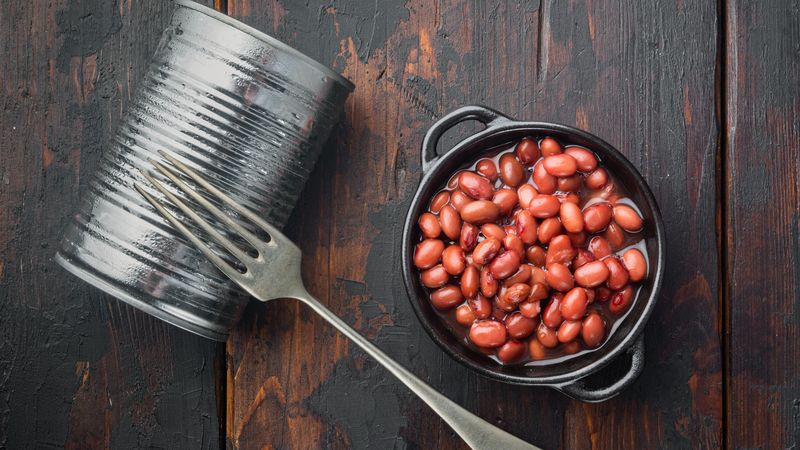
Canned beans are nutritious, but the liquid can pack excess sodium. That salty bath helps preserve texture, yet it can push you over daily limits before dinner.
Sensitive blood pressure or bloating issues may flare when canned varieties are used often without a rinse.
Drain and rinse beans under running water to wash away much of the sodium. Look for no salt added cans and season them yourself with citrus, herbs, and spices.
Simmer briefly with onions and garlic for deeper flavor. When time allows, cook dry beans in batches and freeze portions for quick, low sodium meals.