


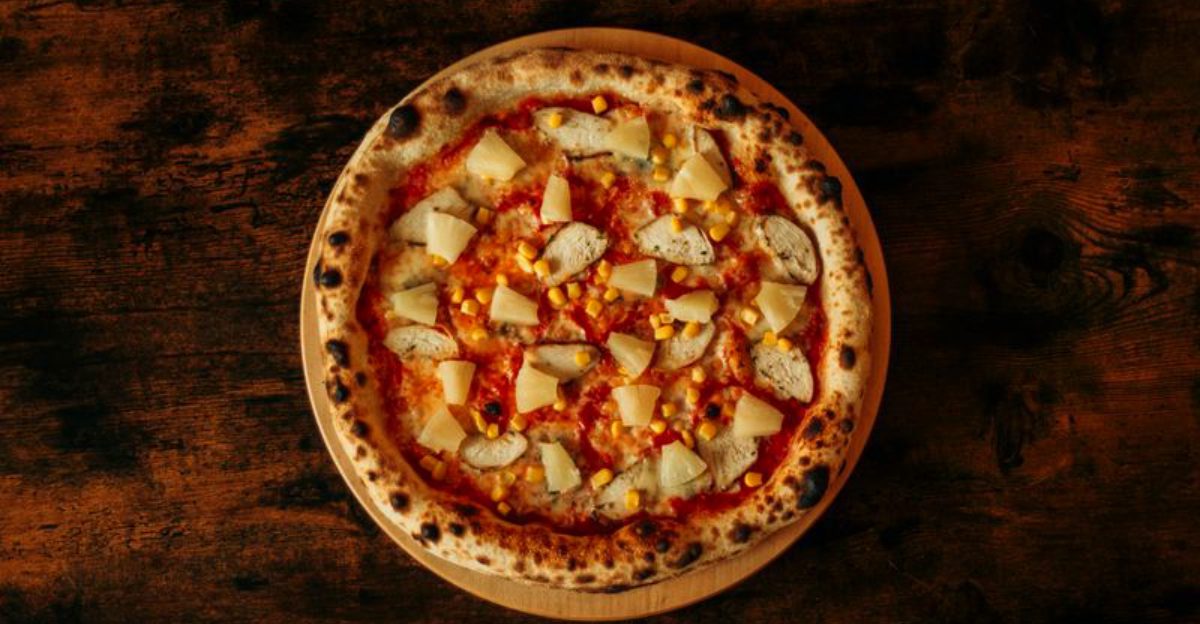
You know those food takes that blow up group chats and comment sections within minutes? This list is loaded with the spicy, saucy, and sizzling opinions that instantly split a room. You will probably nod along to some and rage at others, and that is exactly the fun. Ready to stir the pot and see what sides you pick?
Well done steak
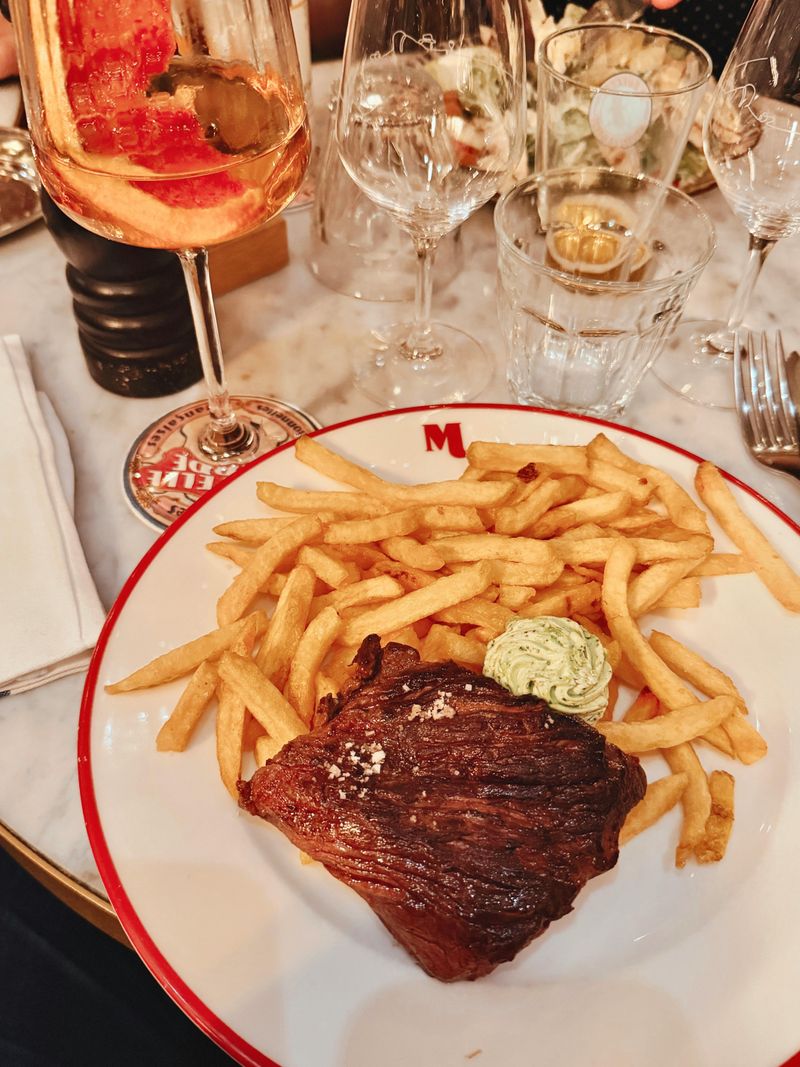
Ordering steak well done triggers instant judgment online. Purists claim you are ruining expensive beef and obliterating tenderness. But food safety worries and texture preferences are real, and some diners simply want zero pink.
The compromise is technique. Use thicker cuts, reverse sear, rest properly, and add butter basting to rescue moisture. A well done steak can still be flavorful when handled carefully. Respect preferences, and the table goes quieter. Sneering rarely converts anyone, but a great crust might.
Vegan diet
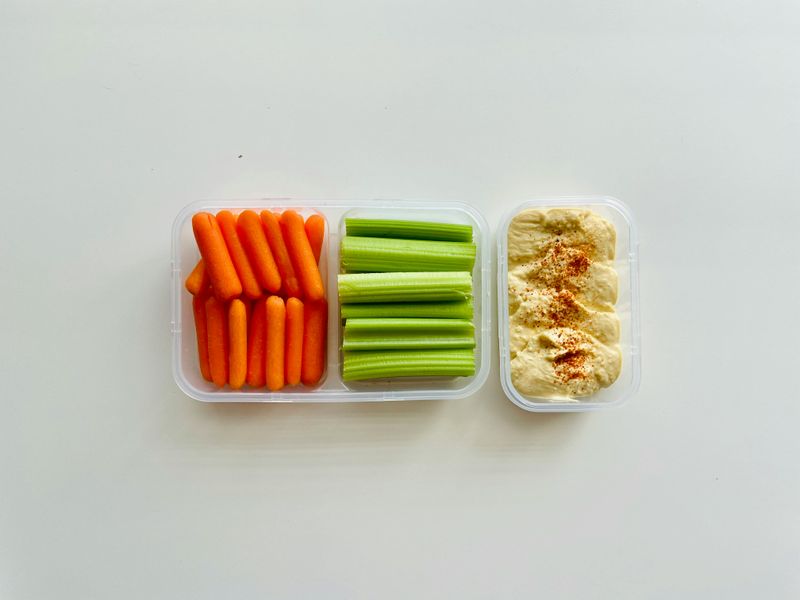
Vegan debates ignite because ethics, environment, and health collide. Some see it as compassionate, sustainable eating. Others worry about protein, B12, social friction, and the cost of specialty products.
What matters is planning. A thoughtful vegan plate with legumes, fortified foods, and varied textures can feel satisfying and nourishing. You can thrive or struggle on any diet depending on habits and access. Let curiosity lead, not shaming. Share recipes, ask questions, and focus on what actually works for your life.
Organic food
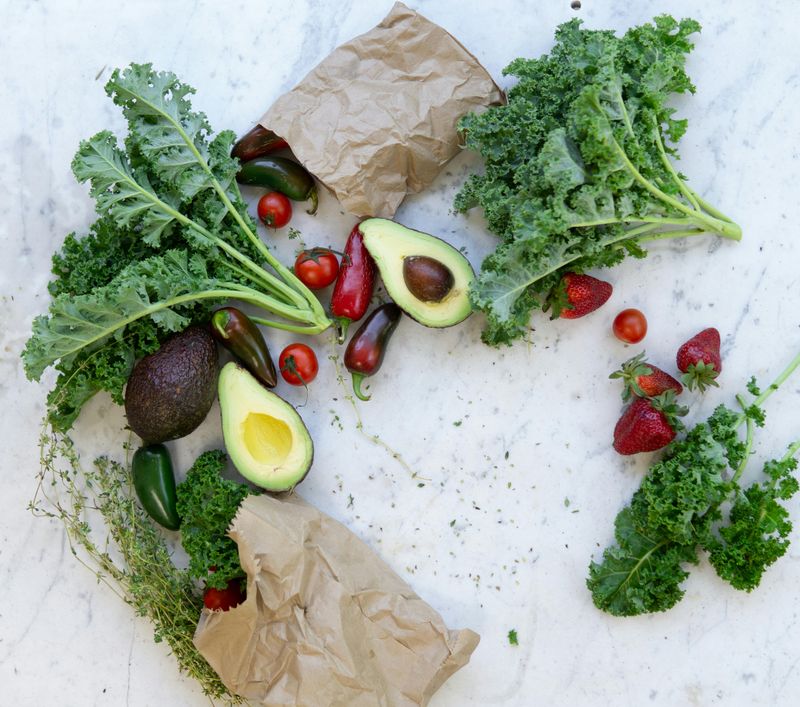
Organic labels stir heated comments about pesticides, price, and perceived purity. Some swear organic tastes better and supports healthier ecosystems. Others argue the benefits are marginal for consumers and mostly marketing.
The nuance: organic standards restrict certain chemicals and emphasize soil health. That matters for biodiversity and farm workers. But washing conventional produce also reduces residues. Choose what fits your budget and values. If flavor and local freshness matter most, buy in season. Nobody wins when the conversation turns into moral superiority instead of informed choice.
Fast food quality
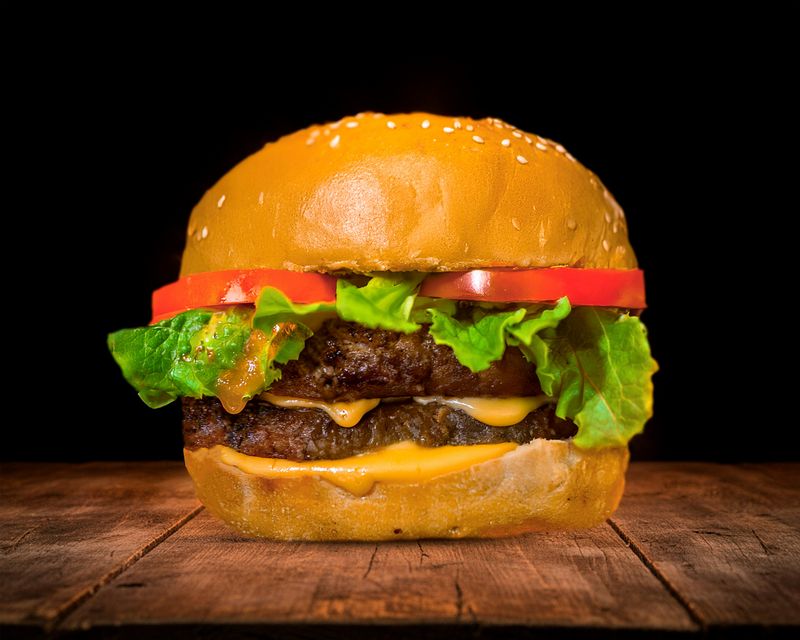
Fast food gets slammed for salt, sugar, and sameness, yet it wins for convenience and consistent taste. Some folks defend it as affordable comfort. Others call it low quality and nutritionally empty.
Quality depends on expectations. Freshly fried, hot items can be satisfying, while lukewarm burgers disappoint. Transparency on sourcing and calories helps. You can hack menus for balance, add veggies elsewhere, and treat it as occasional. Arguing about quality without acknowledging tradeoffs misses how busy real life is.
Frozen food
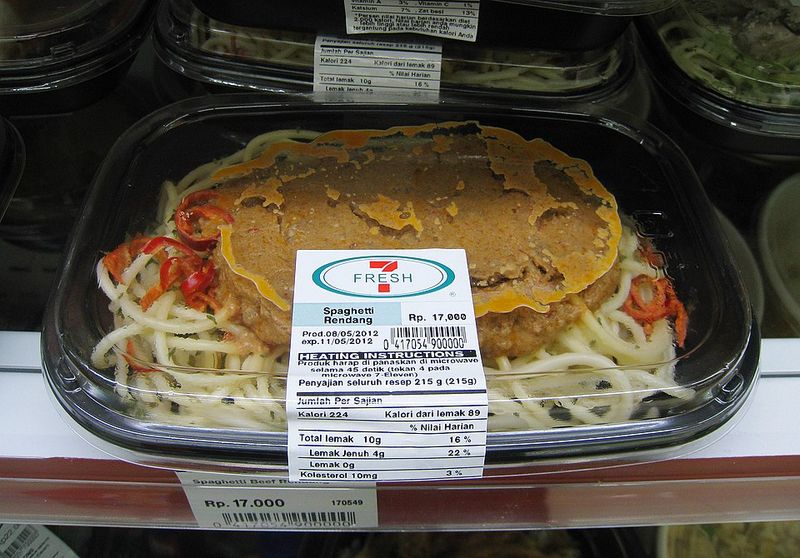
Frozen food divides people who equate it with bland TV dinners and those who love its practicality. Flash freezing often preserves nutrients and texture better than sad produce days from ripe. You get less waste and more flexibility.
The downside is sodium and sauce overload in some prepared meals. Read labels, stock frozen veggies and fruit, and season creatively. A frozen pea can be sweet perfection in minutes. Use the freezer as a pantry tool, not a culinary prison, and you will eat better on hectic nights.
Microwave cooking
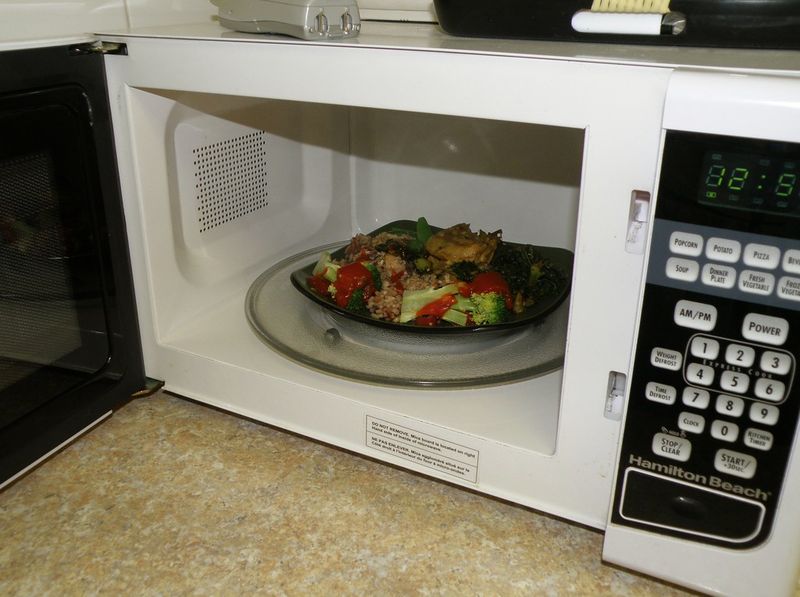
The microwave is unfairly treated like a culinary cheat code that ruins texture and kills nutrients. In reality, gentle microwaving can preserve vitamins due to shorter cook times. The key is using proper containers, covering, and stirring.
Texture still matters, so crisping back up in a pan or toaster helps. Reheating rice safely, melting chocolate, steaming veggies, or blooming spices can be fast and effective. It is a tool, not a moral test. Use it smartly and save your energy for the parts of cooking you truly care about.
Coffee vs tea

Few debates are as personal as coffee versus tea. Coffee lovers chase bold aroma, crema, and that rocket fuel jolt. Tea fans adore nuanced leaves, calming rituals, and steady focus.
Your routine and body chemistry decide the winner. Coffee can cause jitters but tastes incredible brewed right. Tea offers endless variety and gentler caffeine. Explore both, match the moment, and stop pretending one culture is superior. The real flex is knowing what you need today and brewing with care.
Milk alternatives
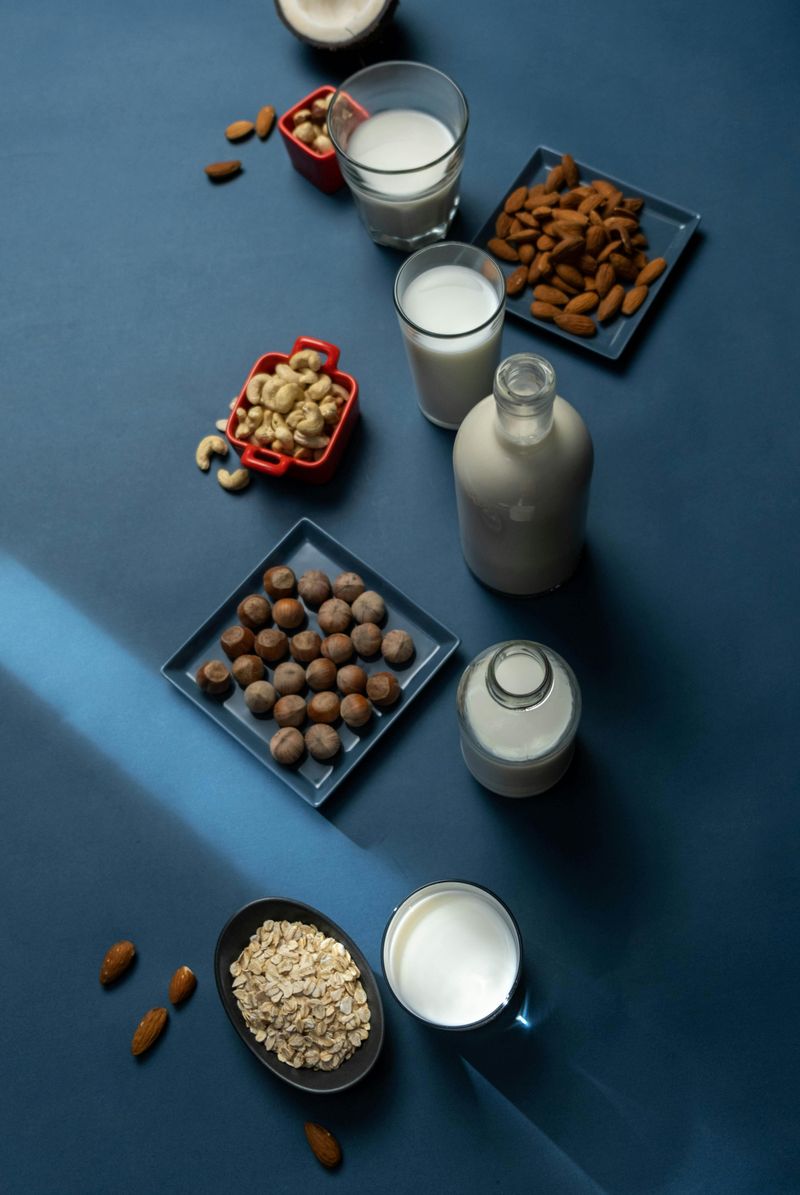
Milk alternatives cause label fights about sustainability, protein, and taste. Oat is creamy, soy is nutritious, almond is light, coconut is dessert like. Dairy loyalists complain about watery texture and added sugars.
Pick based on use case. Foam for lattes, protein for smoothies, neutral flavor for cereal. Read ingredients, choose fortified options, and adjust expectations. You can like both dairy and alternatives without betraying anything. The goal is delicious, practical choices that suit your routine.
Sugar free drinks

Sugar free drinks promise sweetness without calories, which triggers suspicion. People worry about appetite effects, gut health, and taste that lingers like perfume. Others love the control and hydration boost.
Evidence is mixed but improving. For many, swapping sugary sodas reduces risk factors dramatically. If sweetness trains your palate, gradually dilute or rotate with sparkling water. You do not need to pick a team forever. Choose what supports your goals and makes your day easier to manage.
Gluten free food
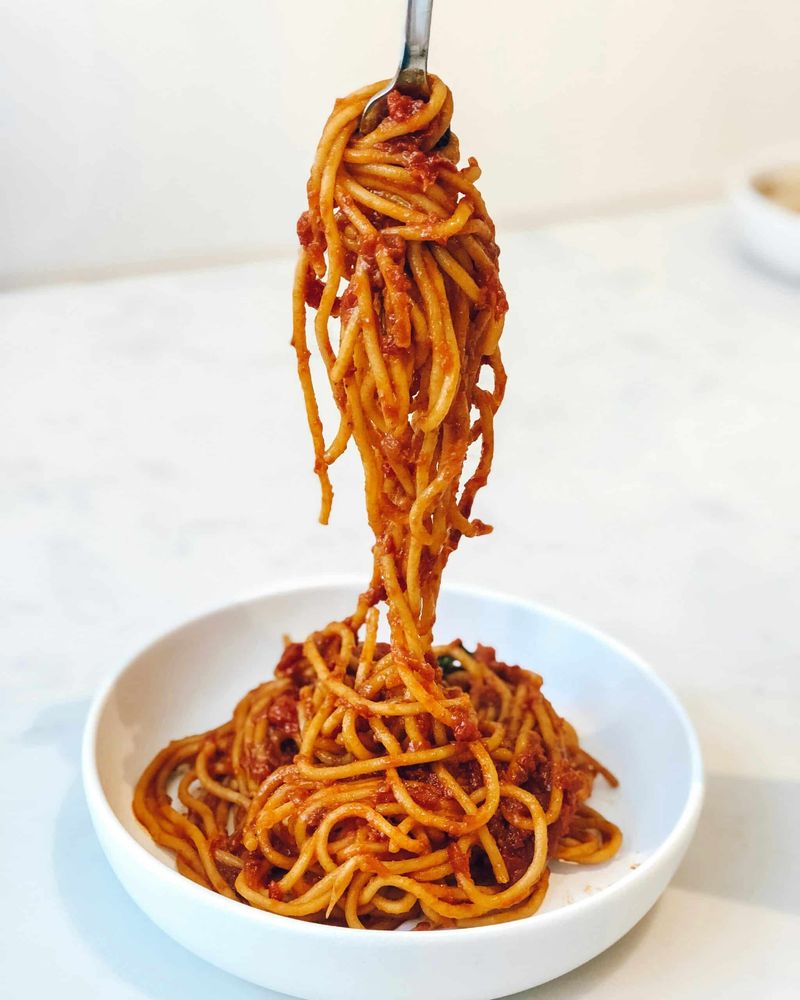
Gluten free arguments explode because medical need meets wellness trend. For celiac disease, strict avoidance is non negotiable. For others, gluten reduction might ease symptoms or do nothing.
The real friction is when restaurants cross contaminate or when critics dismiss the lifestyle as a fad. Respect medical needs, and ask clear questions when ordering. Good gluten free cooking focuses on texture and flavor first. Rice, corn, buckwheat, and clever blends can taste fantastic without apology.
Street food safety

Street food inspires both joy and fear. Fans point to sizzling freshness, high turnover, and local expertise. Worried travelers focus on handling, water quality, and hygiene practices they cannot confirm.
Smart choices help. Follow lines, watch cooking temperatures, and prefer cooked to order items. Avoid raw garnishes if water safety is questionable. Street food can be the purest expression of place when you look with both curiosity and caution. You are not invincible, but you are not doomed either.
Chain restaurants
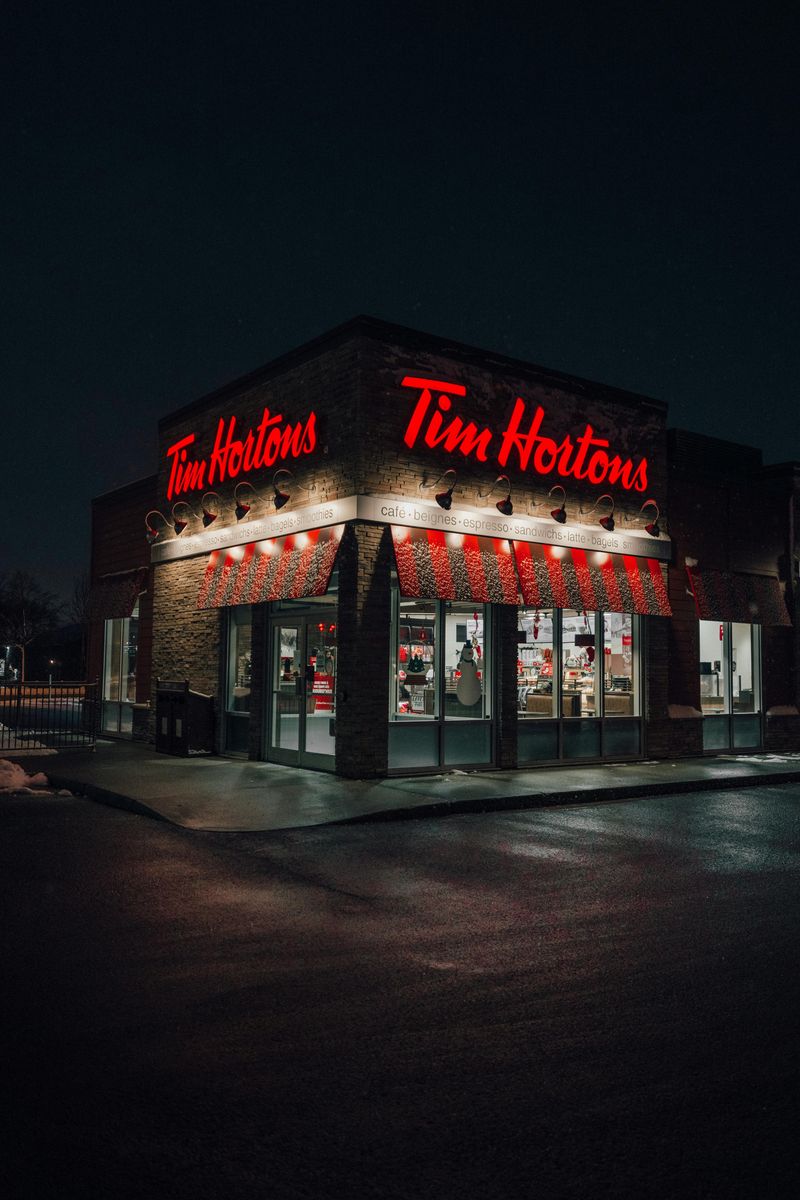
Chain restaurants polarize because standardization feels both comforting and boring. You know exactly what you will get, which can be perfect on road trips or weeknights. Critics say chains flatten local food culture and squeeze independents.
Both can be true. Chains offer reliability and training systems that keep kitchens humming. Independents bring creativity and community. Support both thoughtfully. Let budget, mood, and occasion guide you instead of shame. A salad at a chain does not erase your foodie card.
Home cooking
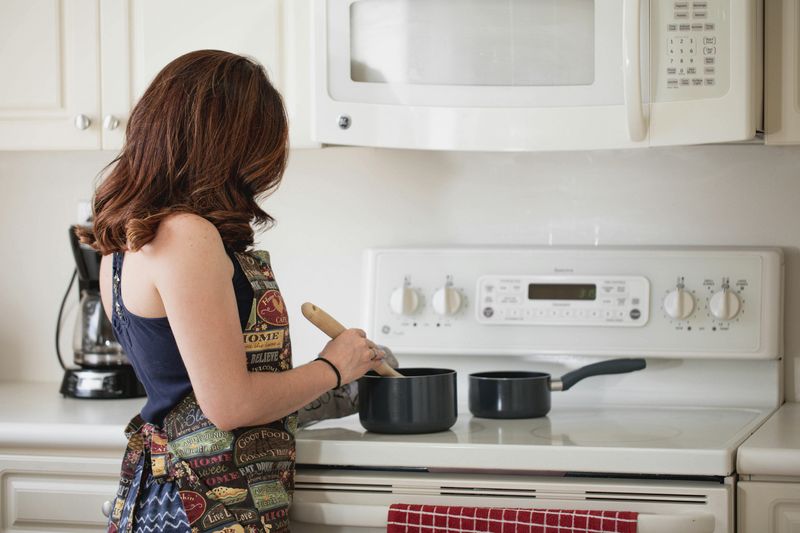
Home cooking gets romanticized online, and also weaponized. Yes, cooking saves money, boosts skills, and can taste incredible. But time, energy, and childcare matter, and not everyone has a stocked pantry or sharp knives.
Start where you are. Batch cook, use shortcuts, lean on frozen staples, and keep three reliable recipes in rotation. Celebrate small wins, not perfection. The goal is feeding yourself well without burning out. If takeout bridges a rough week, you are still doing fine.
Spicy food
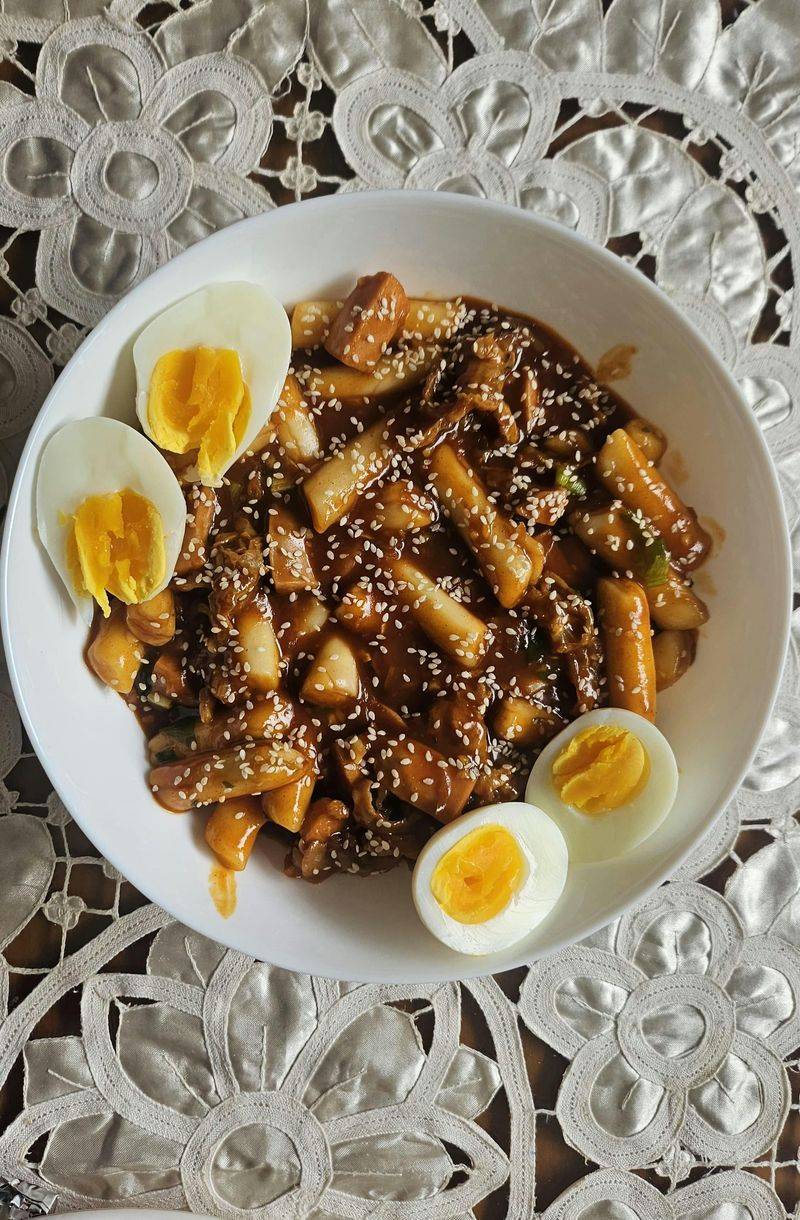
Spice debates are partly biology and partly bravado. Some people have more receptors firing and experience pain where others feel euphoria. Culture and practice build tolerance, but it is okay to bow out.
Flavor should lead heat. Acidity, fat, and sweetness balance capsaicin and let you taste nuance. If you love heat, chase variety, not just Scoville numbers. If you do not, ask for mild and enjoy the dish your way. No trophy for scorched tongues at dinner.
MSG seasoning
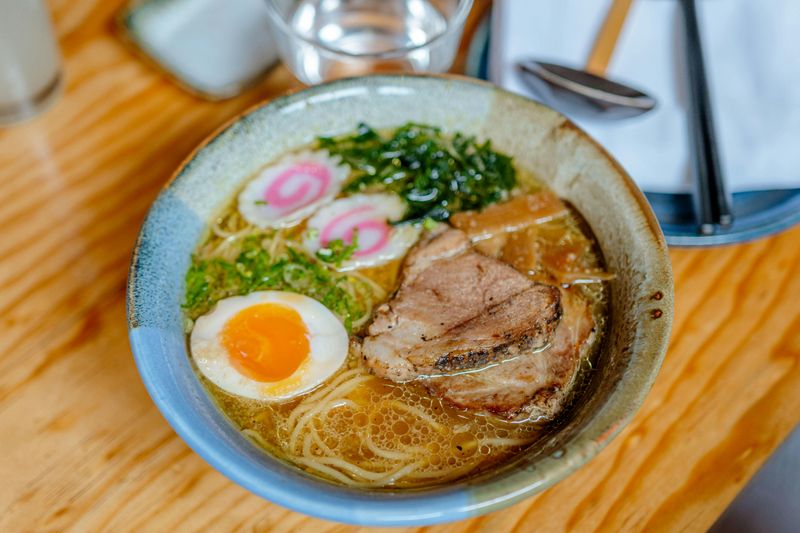
MSG has a messy reputation built on shaky history and xenophobic myths. Scientific consensus says it is safe for most people in normal amounts. The real magic is umami, boosting savoriness so dishes sing.
If you get headaches, monitor intake like any ingredient. But do not fear MSG automatically. Tomatos, parmesan, and mushrooms deliver similar glutamates naturally. Use a pinch, taste, and notice how salt needs drop. It is a seasoning, not a scandal.
Artificial sweeteners

Artificial sweeteners ignite debates over safety, cravings, and weight management. Research evolves, and different compounds behave differently. For many, replacing sugar reduces calories and helps metabolic markers.
Watch your total sweet exposure and how products make you feel. If a sweetener upsets your stomach, swap it out. You can step down sweetness gradually and reclaim a taste for subtly sweet foods. Tools, not magic bullets. Personal feedback beats internet shouting every time.
Raw fish
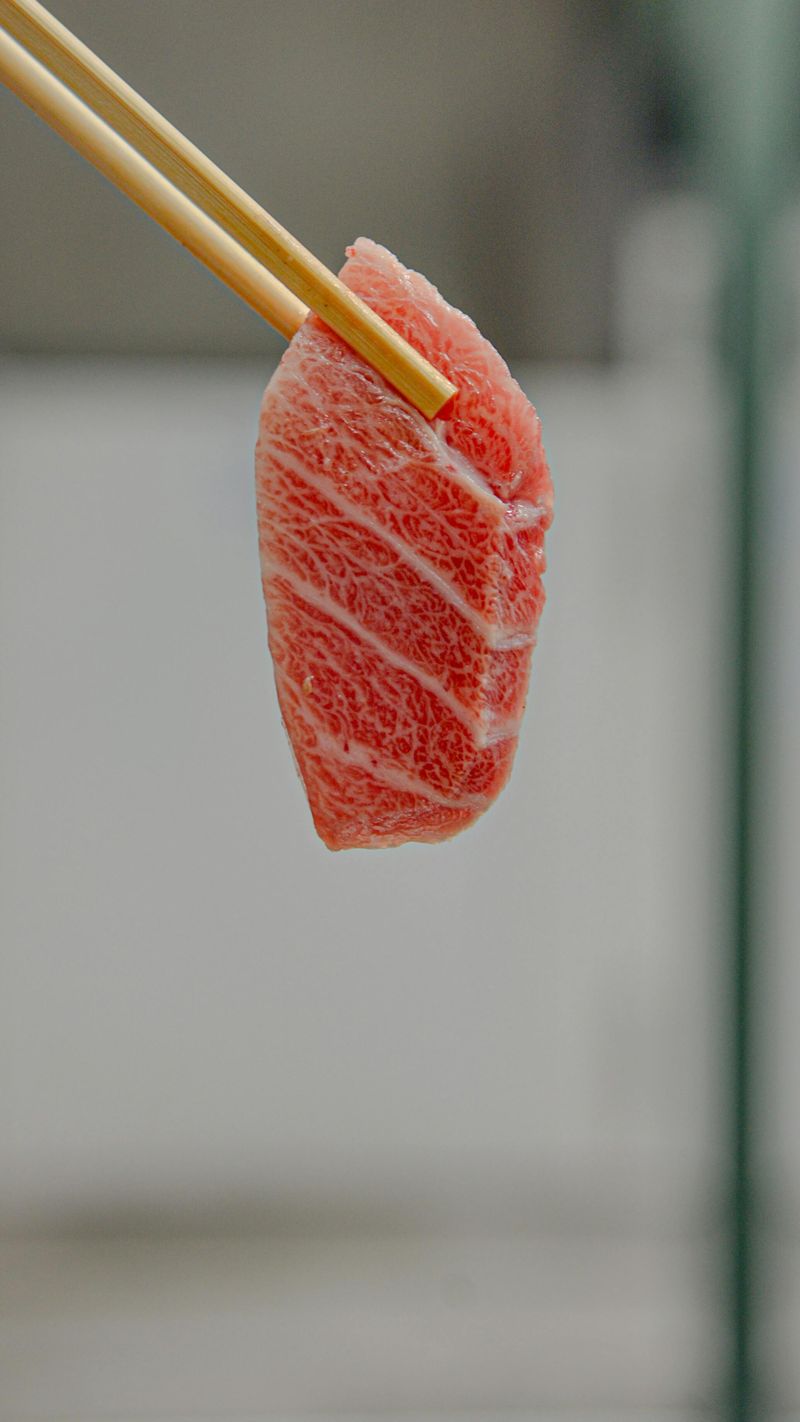
Raw fish sparks fears about parasites and freshness while fans rave about silkiness and pure flavor. Trusted sourcing and freezing standards matter more than bravado. High quality sashimi is about temperature, cut, and pristine handling.
If you are nervous, start with cooked rolls or cured fish. Ask questions about sourcing, and observe clean setups. Raw fish should smell like the ocean, not bait. Respect your comfort level and upgrade gradually. It is okay to pass if it stresses you out.
Rare meat
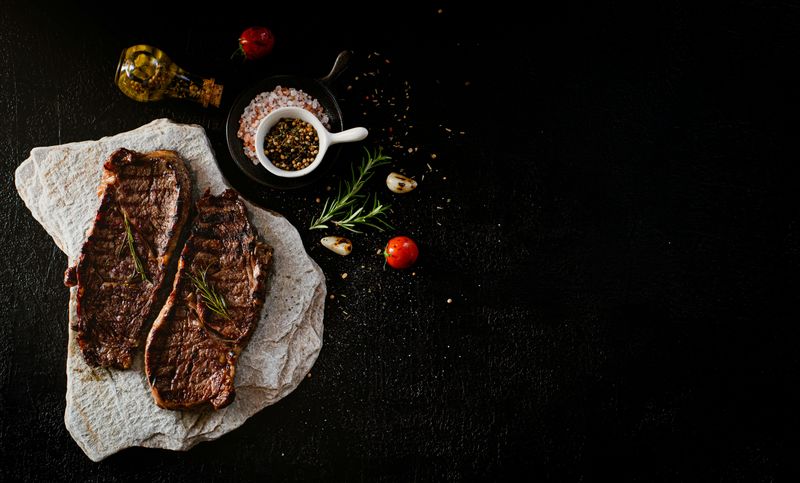
Rare meat lovers swear by tenderness and juiciness, while others see danger on a plate. The safety hinges on external contamination, so searing the outside is key. Ground meat is different because bacteria mix throughout.
If you want rare, pick whole cuts, use thermometers, rest properly, and buy from reliable sources. Restaurants should communicate risks clearly. Taste matters, but so does trust in handling. A little knowledge makes the choice less scary and more delicious.
Fast food pricing
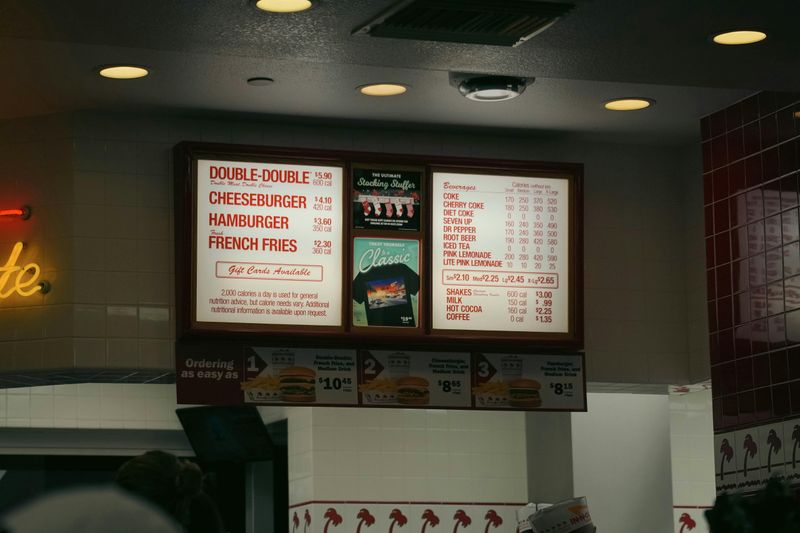
Prices at fast food joints keep climbing, and people are mad. Value menus shrink, combo prices rise, and suddenly convenience feels expensive. Labor, ingredients, rent, and packaging all contribute.
To cope, look for app deals, share sides, or pick single items instead of combos. Compare with quick grocery meals and decide case by case. The best choice changes by day. Venting is valid, but math helps you regain control.
Restaurant tipping

Tipping discourse online is relentless because it merges etiquette, wages, and culture. Some regions expect 15 to 20 percent, while others include service charges. Screens asking for tips everywhere fuel fatigue.
Know local norms, ask about included service, and tip for genuine service when appropriate. Workers rely on tips in many systems, imperfect as that is. If you hate it, support policy changes instead of punishing servers. Clarity and kindness go a long way.
Portion sizes
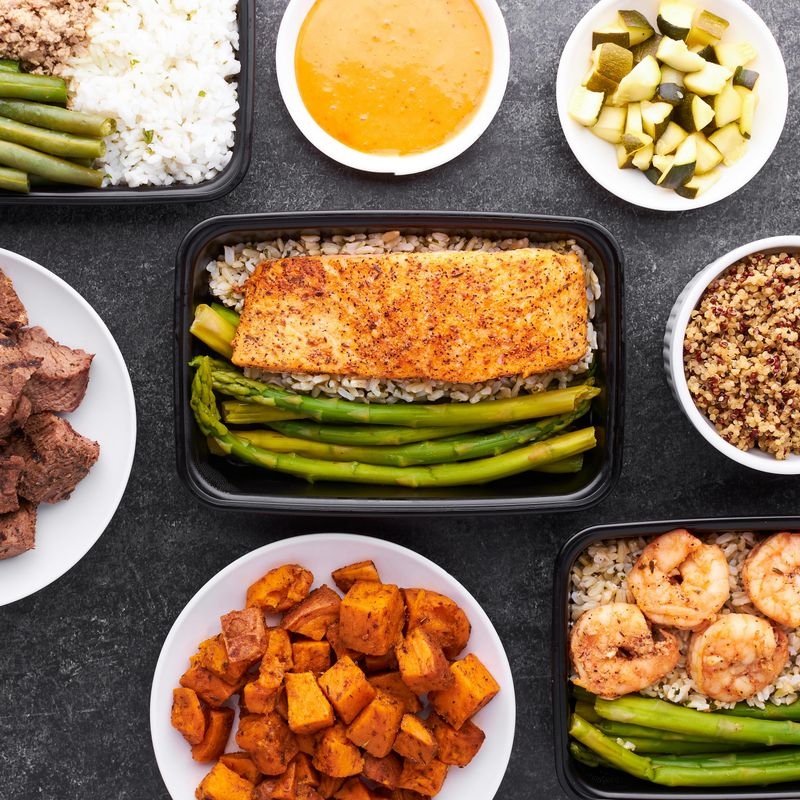
Portion size debates reflect culture, value, and health. Big servings feel generous but can dull your hunger cues. Small plates can feel stingy unless the food is rich and satisfying.
Use context. Share big dishes, pack leftovers, or order a starter as a main. At home, smaller plates and mindful serving help. The goal is feeling good after eating, not winning a volume contest. Listen to your body and the occasion.
Pineapple pizza
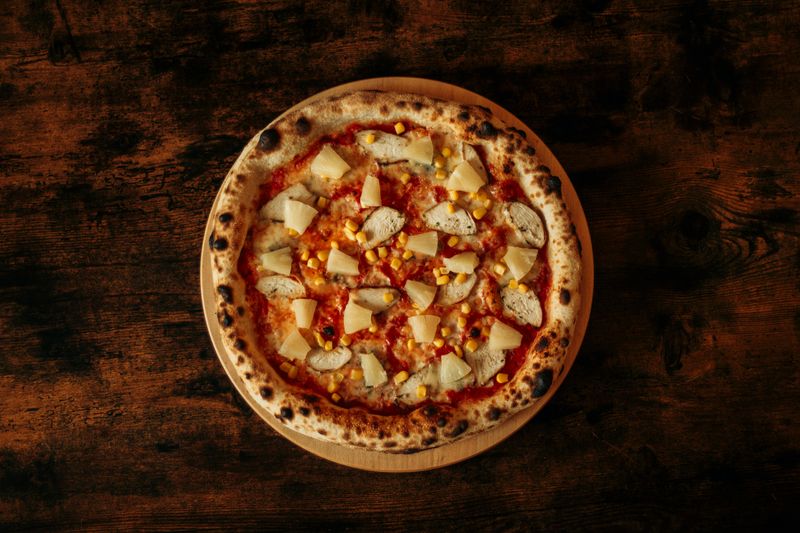
Pineapple on pizza sparks legendary arguments because sweet fruit and savory cheese feel like a culinary plot twist. Some love the juicy brightness cutting through salty ham and rich mozzarella. Others swear fruit belongs in a salad, not on dough.
Here is the truth: balance matters more than dogma. A well charred crust, light hand with sauce, and tart pineapple can create harmony. If you hate it, fine. But calling it culinary heresy ignores personal taste, regional preferences, and fun experimentation.