


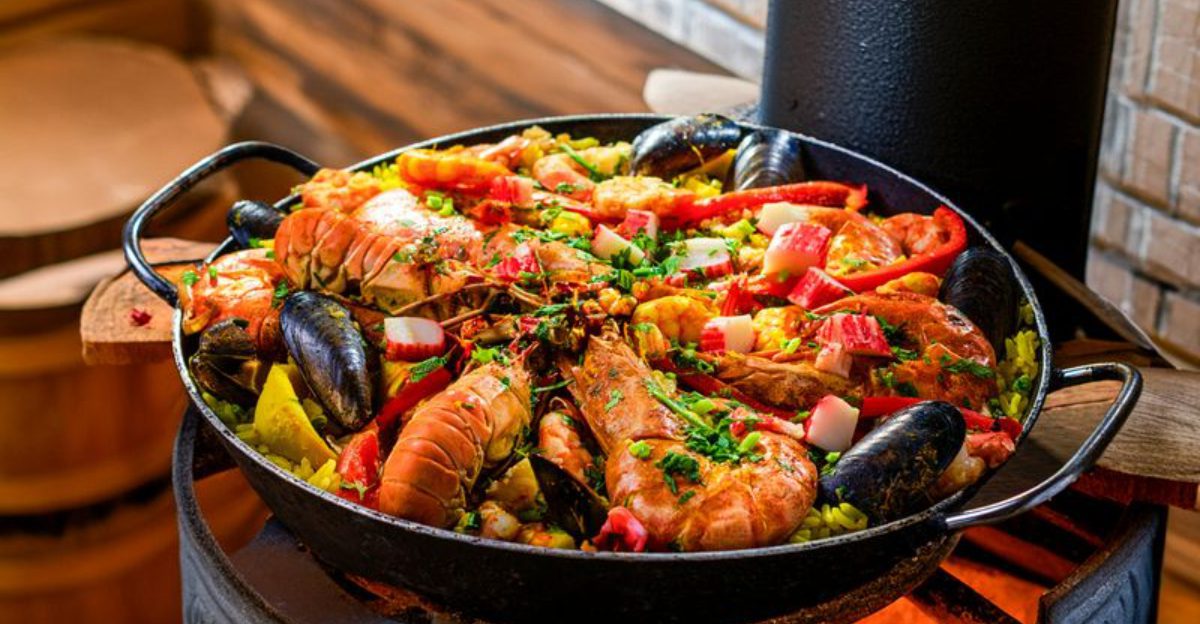
Some dishes only click after you scorch a pan, split a sauce, or serve something tragically bland. That first flop stings, but it also unlocks the secrets seasoned cooks swear by.
When you feel the why behind techniques, you taste the difference on the plate. Ready to turn past mistakes into delicious confidence boosters?
Gravy
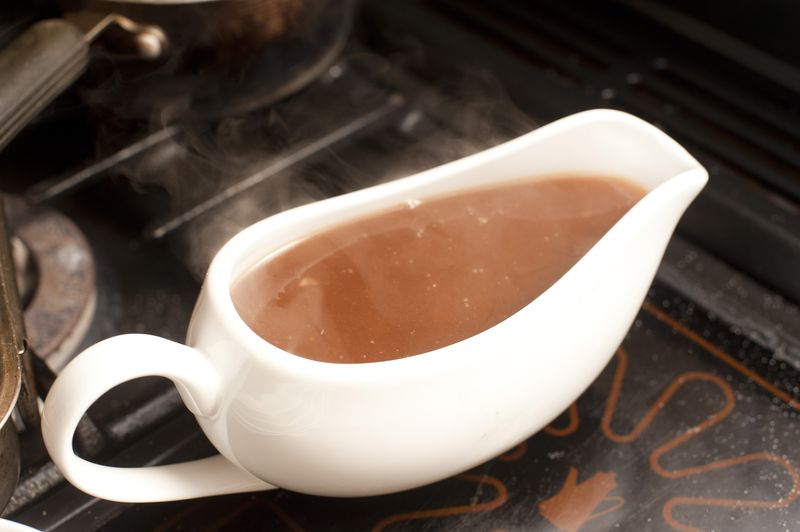
Gravy humbles you the first time it turns lumpy, greasy, or bland. You learn to skim fat, not dump it all in.
Roux needs patience, whisking flour until it smells nutty before adding drippings and stock.
Deglazing lifts the good browned bits for deep flavor. Season late, after reducing, because salt concentrates.
If it breaks, a splash of cold stock and vigorous whisking can pull it back together.
Strain for silkiness, then finish with pepper or a touch of vinegar for brightness. Suddenly, your gravy sings.
Mistakes taught you control.
Risotto
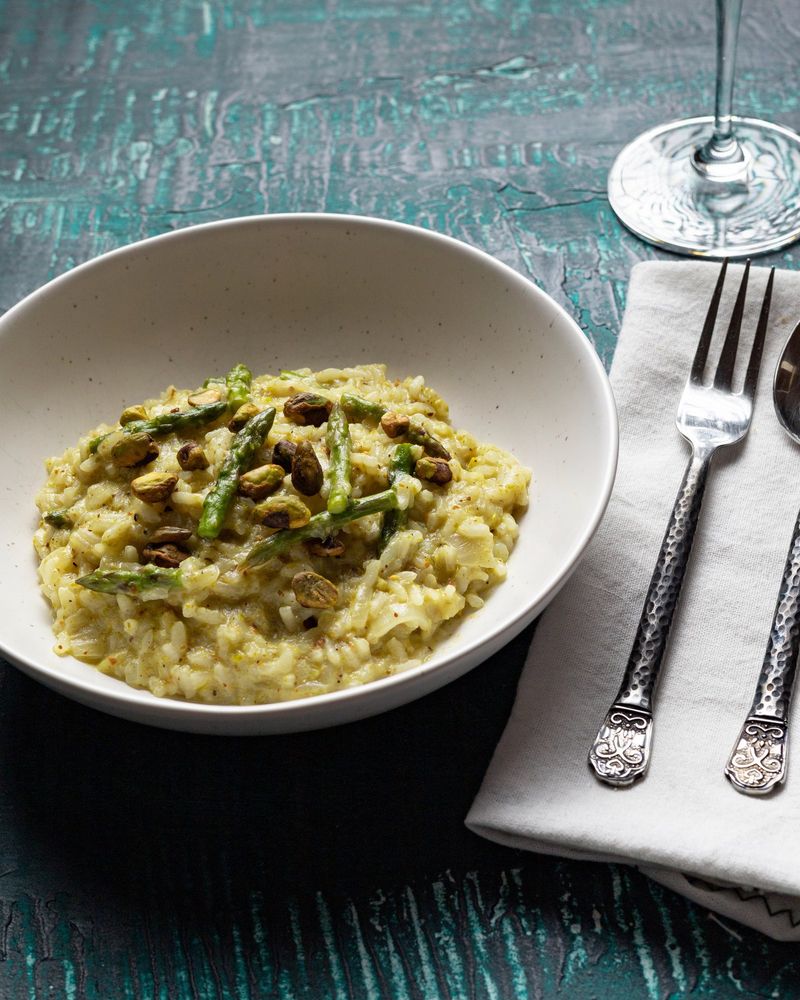
Risotto punishes impatience. Dumping stock all at once floods the starch, leaving rice bloated and flavor thin.
The lesson is ladle by ladle, letting each addition absorb while stirring to release creaminess.
Toasting the rice until edges look translucent builds structure. Keep stock hot so cooking stays steady.
Salt carefully, because reduction intensifies it.
Finish off heat with butter and parmesan to preserve silk, not glue. Aim for waves, not concrete.
When you nail timing and texture, every spoonful feels luxurious.
Fresh pasta
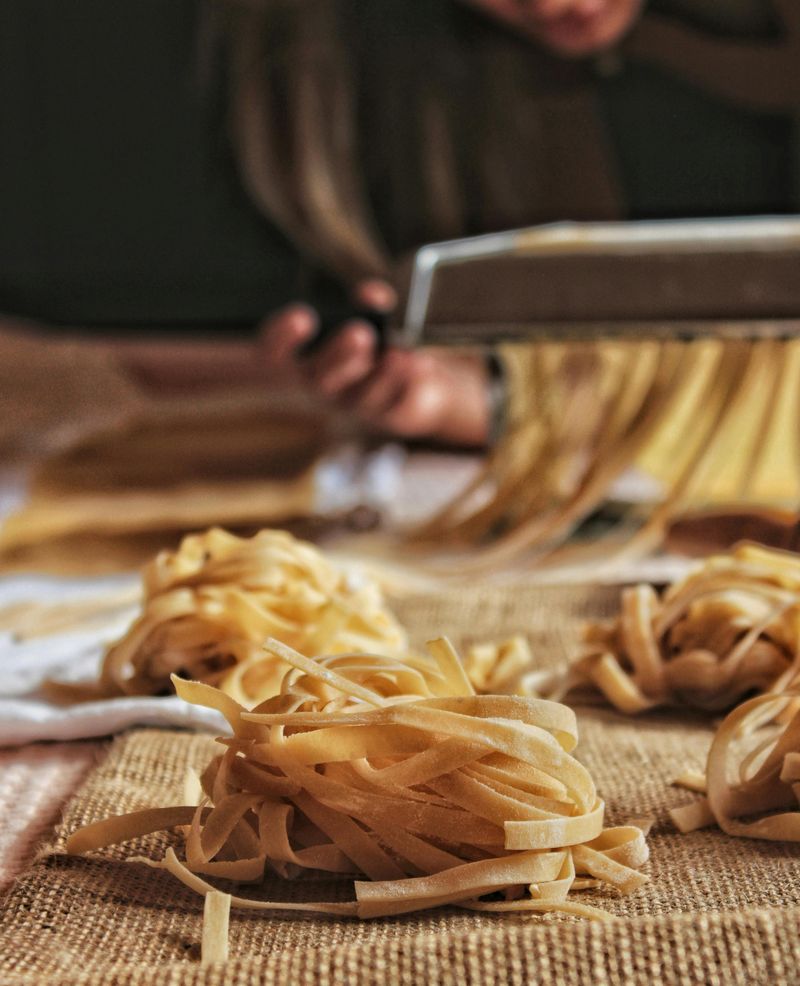
Fresh pasta exposes every misstep. Too wet and it gums up; too dry and it cracks.
You learn to judge dough by feel, smooth like playdough, slightly tacky but not sticky.
Resting relaxes gluten, so sheets roll thin without springing back. Dust with semolina, not flour, for better glide.
Salt the cooking water generously to season from within.
Boil in abundant water, just until it floats and yields with a tender bite. Sauce waits ready, because fresh pasta overcooks fast.
That first batch teaches confidence through touch.
Lasagna
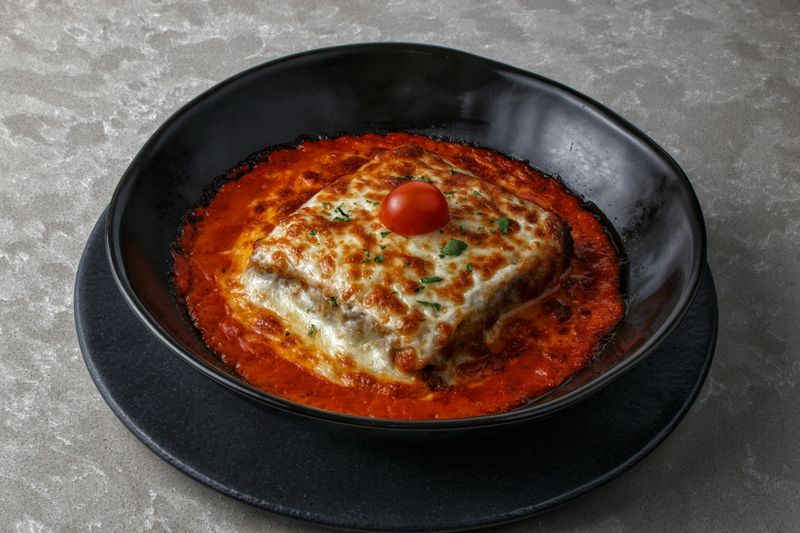
Lasagna is architectural cooking. Rush the sauce and you get watery layers that slump.
The fix is reducing ragu until spoon trails hold, and using drier cheeses or draining ricotta.
Parboil or use no-boil sheets with extra sauce contact. Layer thoughtfully: sauce, pasta, filling, cheese, repeat.
Do not overload. Cover to steam, then uncover to brown.
The hardest rule is rest. Let it sit at least 20 minutes so layers set.
Cut clean slices, not a molten slide. Your patience becomes structure and flavor.
Pie crust
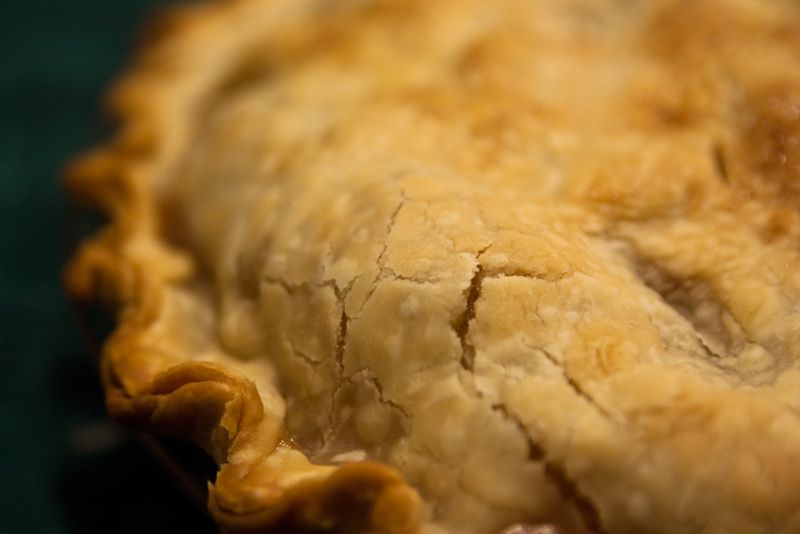
Pie crust exposes temperature sins. Warm hands smear butter, killing flakiness.
You learn to keep everything cold: butter, water, even the bowl. Pea-sized chunks create steam pockets that lift layers.
Add water gradually until dough just holds together. Do not knead, just gather.
Rest to relax gluten and chill again before rolling. Patch tears with scraps, not water glue.
Dock or blind-bake with weights when needed. Brush with egg for shine.
When shards shatter under your fork, you finally taste what restraint and cold can do.
Caramel sauce
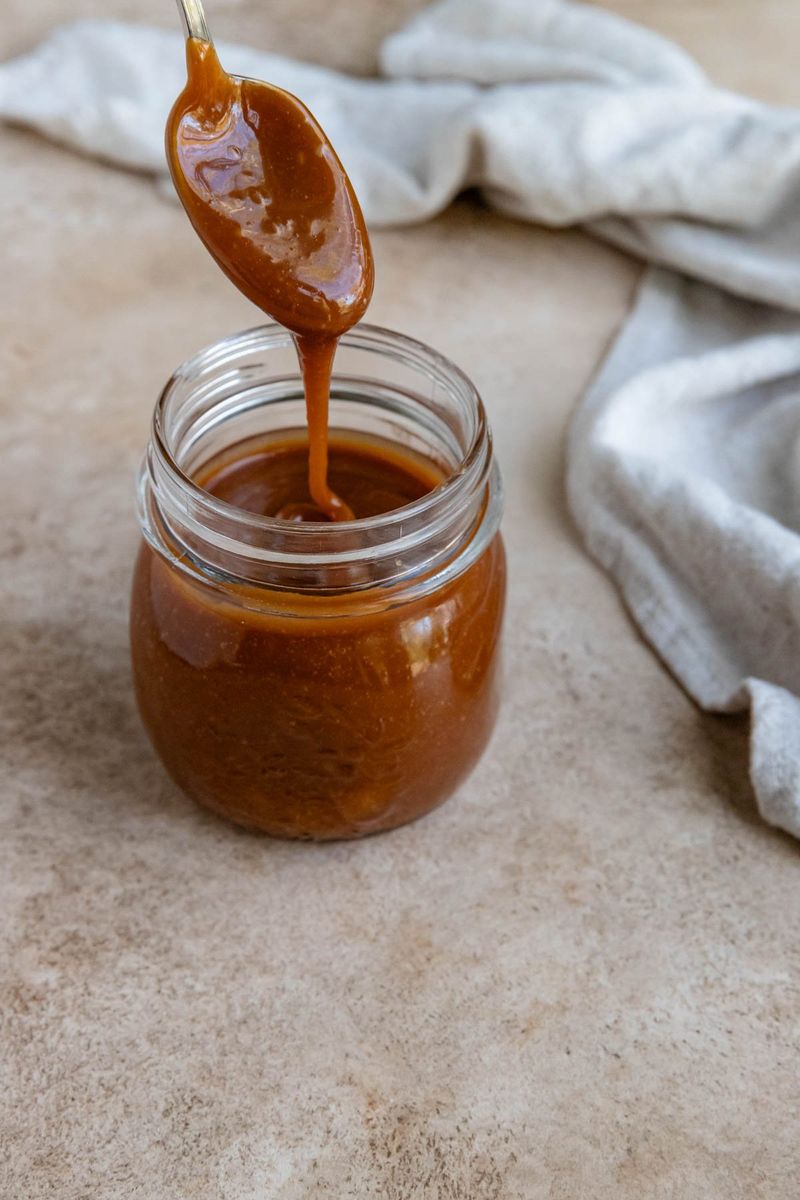
Caramel punishes distraction. Stir crystals up the sides and it seizes.
The fix is a wet-sand start, a clean pan, and a pastry brush to wash down sugar. Do not walk away.
Watch for color: pale straw to deep amber, then immediately add warm cream off heat. Stand back, it erupts.
Finish with butter and salt for balance.
If it crystallizes, add water and re-melt gently. Never scrape burnt bits.
When it pours glossy and bitter-sweet, you understand timing, temperature, and respect.
Fried chicken
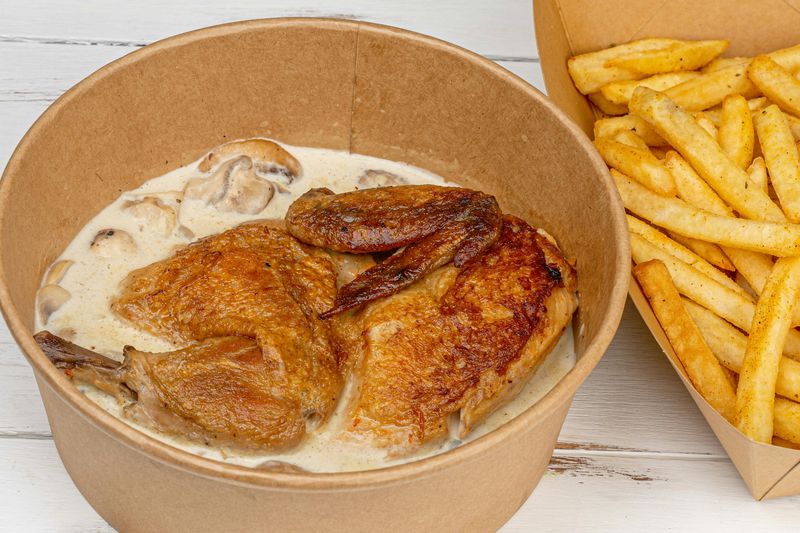
Fried chicken reveals heat management truth. Too hot and crust burns before meat cooks; too cool and it drinks oil.
Brine or buttermilk builds juiciness and flavor. Season flour generously.
Shake off excess dredge for craggy texture. Fry in batches, maintaining oil around 325 to 350.
Use a thermometer, not guesses. Rest on a rack to keep crisp.
Finish with a pinch of salt while hot. The first soggy batch teaches airflow, patience, and heat.
The next one shatters when you bite.
Roast turkey
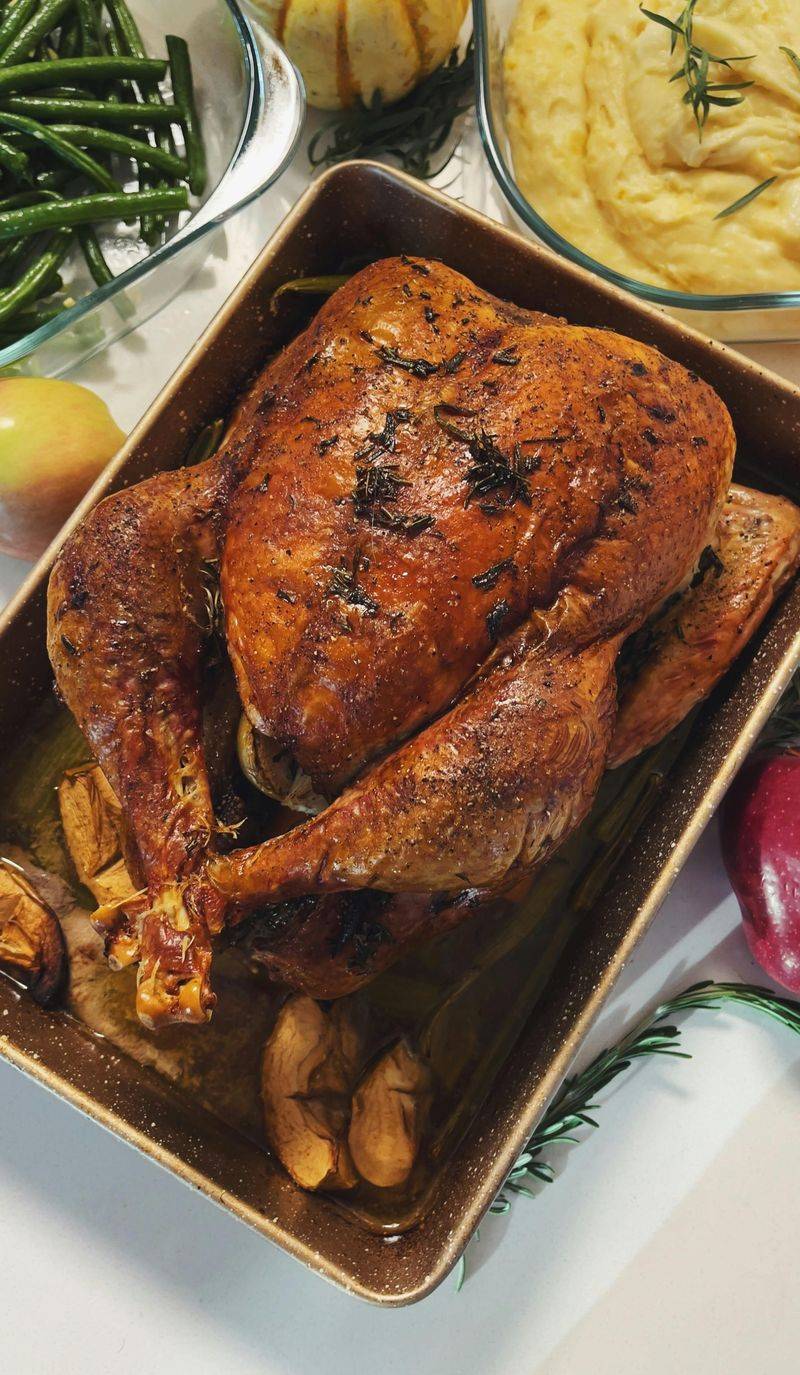
Turkey exposes dry-meat fears. Overcook once and you never skip a thermometer again.
Brining or salting in advance seasons deeply and helps retain moisture. Dry the skin thoroughly for crispness.
Roast hot to start for browning, then lower to finish evenly. Shield breast with foil if needed.
Rest longer than feels reasonable. Juices settle, texture relaxes.
Use pan drippings for gravy, balanced with stock. Carve strategically, not table-side chaos.
That first sawdust bird turns into a showpiece you actually enjoy eating.
Soup stock
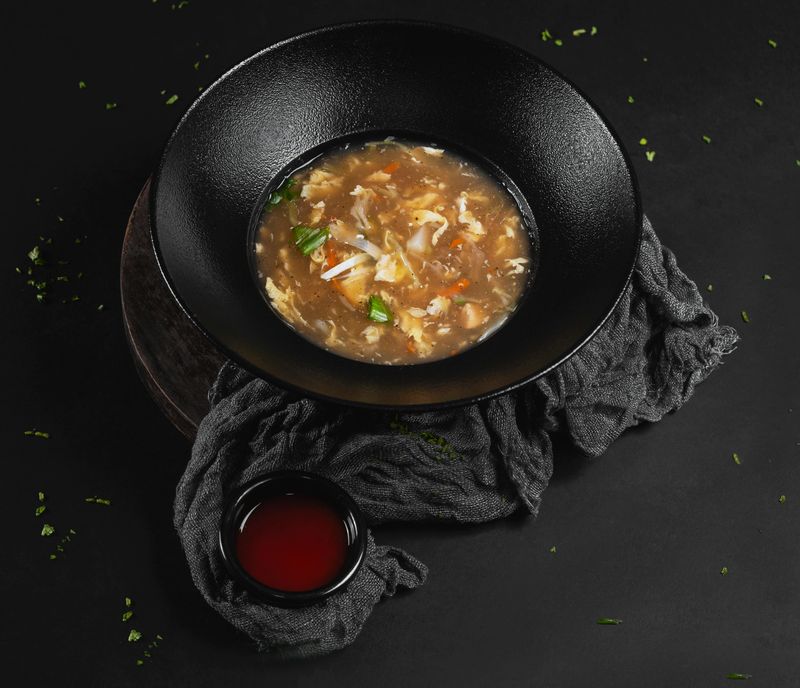
Stock teaches clarity. A rolling boil clouds it and dulls flavor.
Keep it at a gentle simmer and skim often. Roasting bones adds depth; cold water start extracts slowly and cleanly.
Use aromatics sparingly and salt later, since you will reduce. Long time, low heat builds body.
Strain without pressing to keep it clear.
Cool quickly and store fat cap for protection. Your first murky pot shows why patience matters.
The next batch tastes like comfort and possibility.
Dumplings
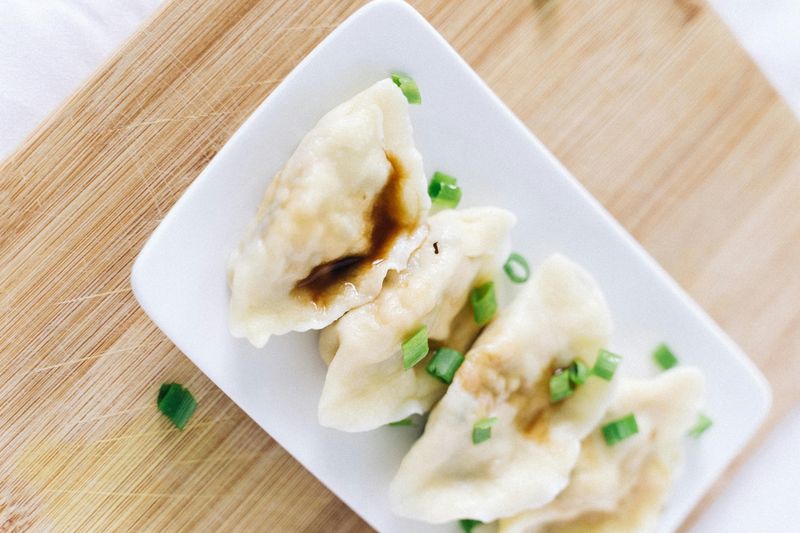
Dumplings expose sealing and hydration. Too wet and they explode; too dry and they crack.
Keep wrappers covered, work quickly, and use minimal filling.
Steam, boil, or pan-fry with the classic steam-fry method: sear bottoms, add water, cover to steam, then uncover to crisp. Test one first to adjust seasoning.
Vent steam to avoid soggy skirts.
Dip in a balance of soy, vinegar, chili, and a touch of sugar. Your first burst dumpling teaches restraint.
The next batch pleats beautifully and tastes balanced.
Ramen broth
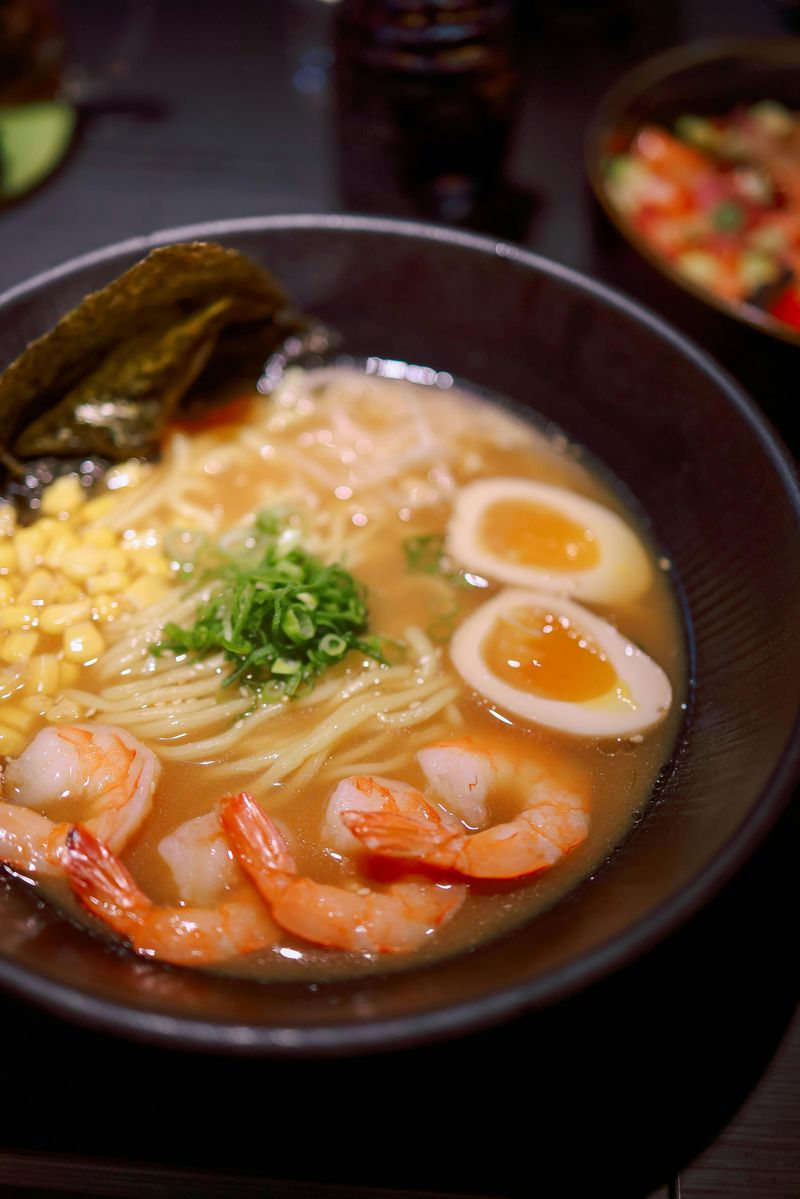
Ramen broth is obsession in a pot. Emulsifying fat and collagen for tonkotsu needs violent boiling, while shoyu or shio want clarity and restraint.
Skim scum, manage heat, and respect time.
Aromatics go in late to stay bright. Tare controls salt and character; do not season the base blindly.
Strain thoroughly. Rest overnight for integration.
Your first flat bowl teaches you broth carries the show. When it finally coats your lips and smells layered, you understand craft, not shortcuts.
Pho broth
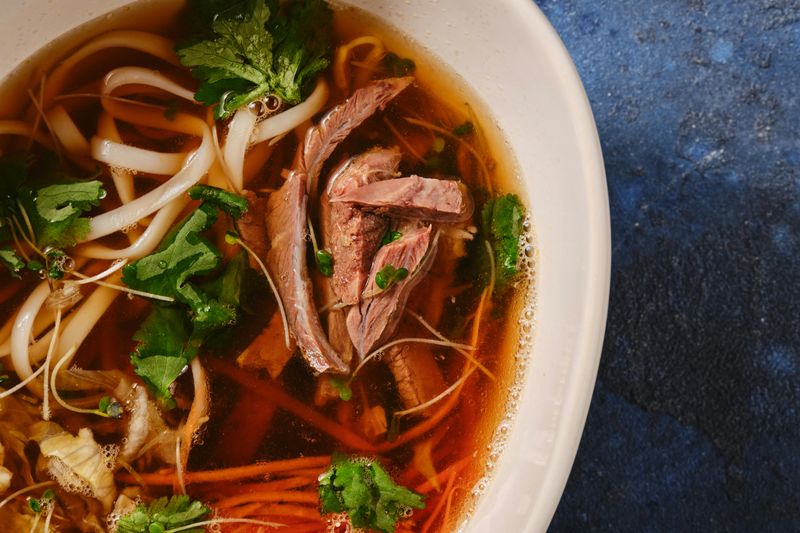
Pho rewards restraint. A furious boil muddies it; an absent char dulls perfume.
Char onion and ginger until blackened, toast spices, then simmer bones gently for hours.
Skim frequently. Fish sauce seasons, not overwhelms.
Add rock sugar for balance. Never cram too many aromatics for speed.
Clarity and fragrance trump brute force.
Serve with herbs as accents, not a salad bar. The first cloudy pot teaches control.
The next one tastes clear, warm, and hauntingly spiced.
Paella
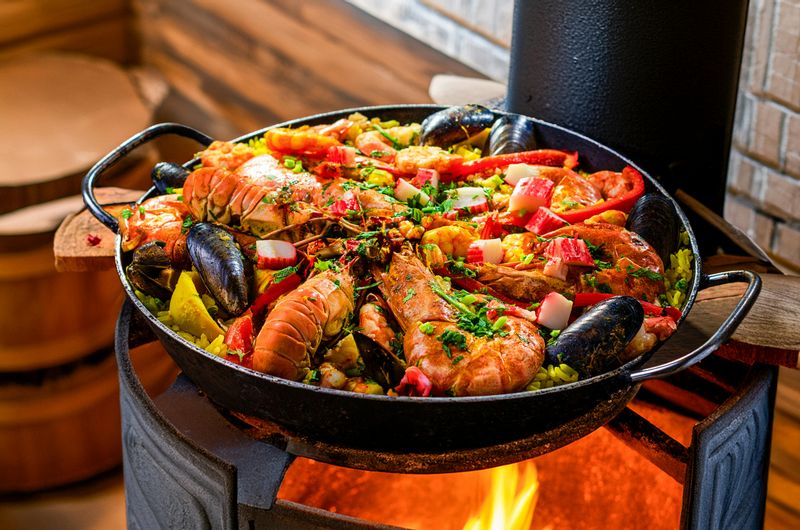
Paella punishes stirring. Treat it like risotto and you lose socarrat, the prized crust.
Use a wide pan, spread rice thin, and respect ratios. Stock should taste slightly salty and saffron rich.
Once boiling, do not stir. Adjust heat to simmer until rice is almost tender.
Add proteins thoughtfully, finishing with a short rest under a towel.
Listen for crackle at the end to form socarrat. The first mushy pan teaches geometry and heat.
The next one tastes like Valencia sunshine.
Homemade bread
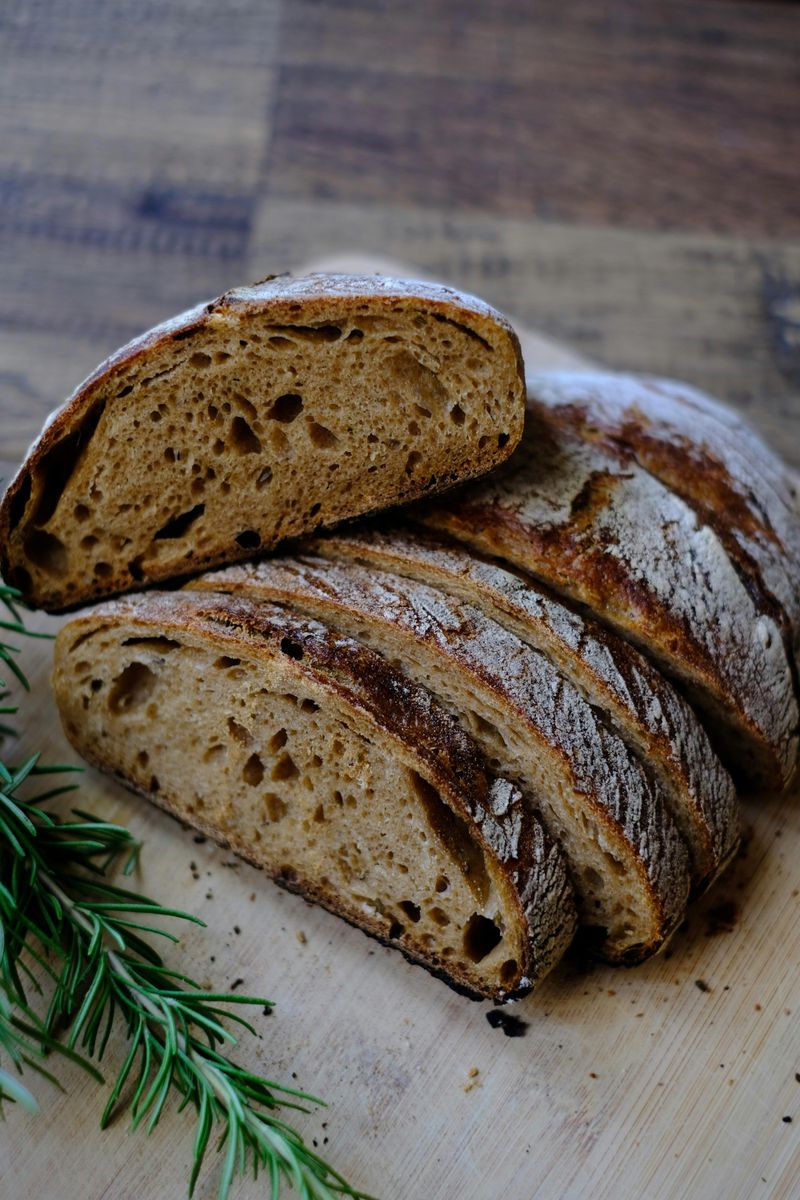
Bread magnifies small errors. Too little fermentation and it tastes dense; too much and it collapses.
Learn dough temperature, stretch-and-folds, and the windowpane test. Time and tension build structure.
Steam is crucial for oven spring. A Dutch oven traps it well.
Score decisively to guide expansion. Let it cool fully so crumb sets and moisture redistributes.
Your first brick loaf teaches patience and gluten development. The next sings when you tap it, smelling nutty and warm.
Meatballs
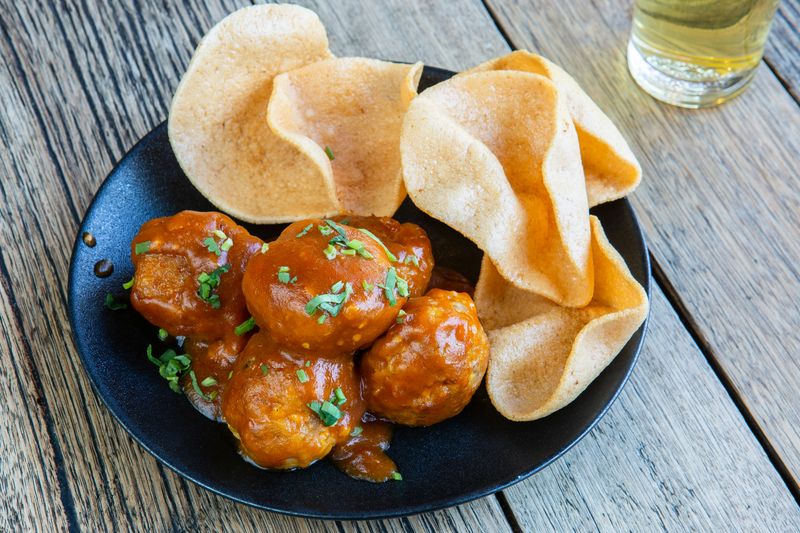
Meatballs go from bouncy to tender with one shift: handle gently. Overmixing compacts proteins.
Soak breadcrumbs in milk for panade and fold in with a light hand.
Season boldly and test a tiny patty first. Brown for flavor, then simmer in sauce to finish.
Size consistently so they cook evenly. Rest to set.
The first rubbery batch teaches respect for texture. Next time, they cut with a spoon and bathe in glossy sauce.
Chili
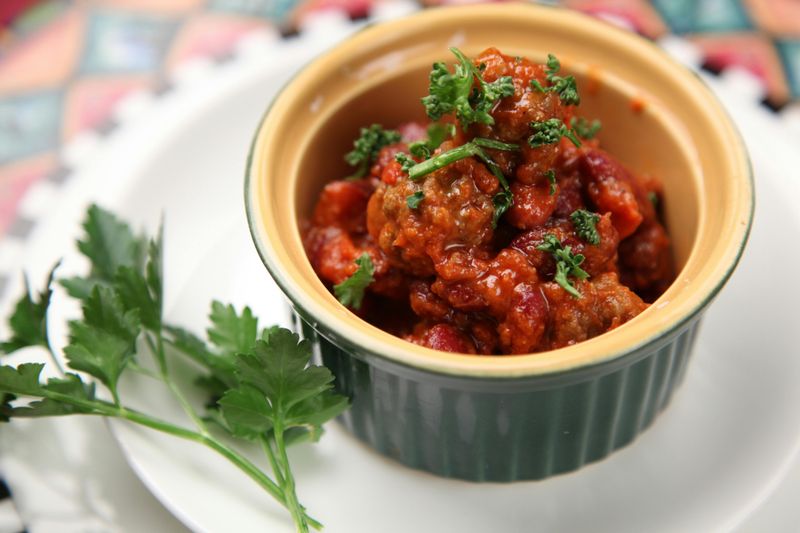
Chili rewards layering. Dumping everything at once tastes flat.
Bloom spices in fat, brown meat deeply, and hydrate dried chiles for complexity. Tomatoes go in after fond develops.
Simmer low and slow so flavors marry. Salt gradually, adjusting at the end.
A splash of vinegar or coffee balances richness. Beans are a choice, not a rule.
Your first rushed pot teaches patience and seasoning arcs. The next bowl tastes round, warm, and truly yours.
Mashed potatoes
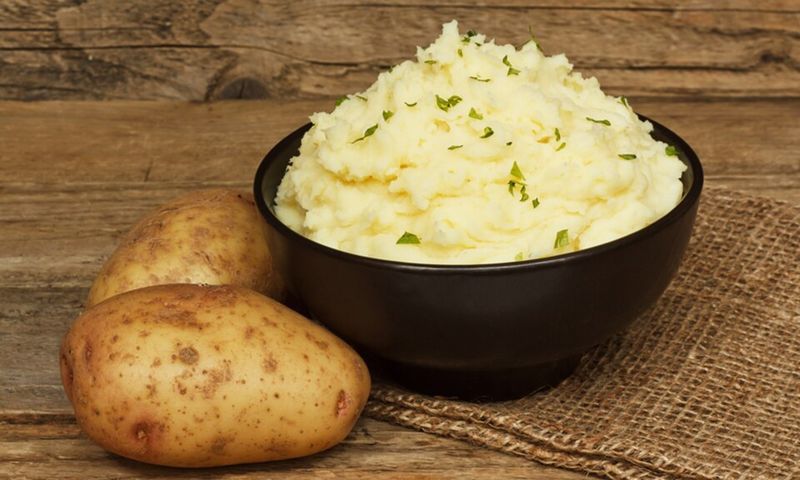
Gluey mash happens once and never again. Waxy potatoes and overworking release starch that turns paste-like.
Choose russets or Yukons, start in cold salted water, and drain well.
Rice or mill while hot, then fold in warm butter and heated dairy. Season thoughtfully.
Do not beat. For extra luxe, finish with a little reserved cooking water for silk.
The first elastic bowl teaches gentleness and potato choice. Next time, every spoonful tastes cloud-light and buttery.
Cornbread
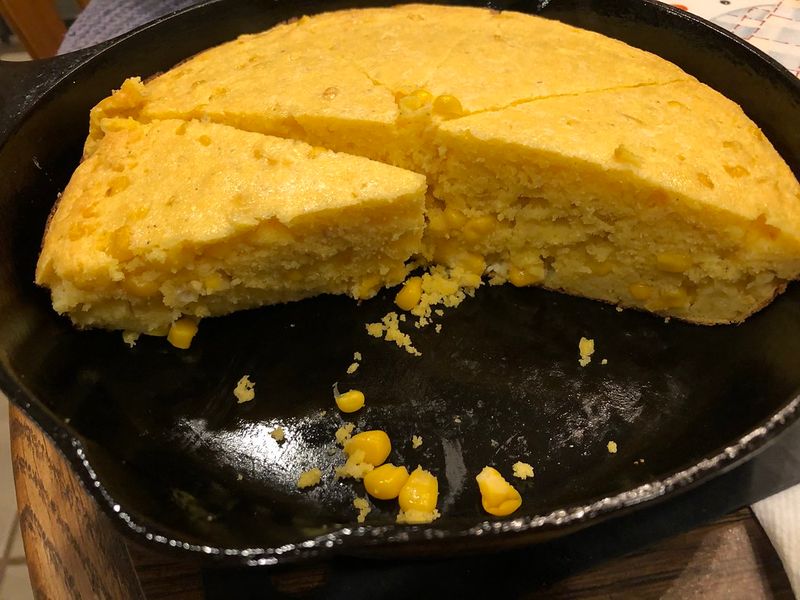
Cornbread can dry out fast. Overbake once and you learn to pull it when the center barely sets and edges brown.
Preheat the skillet with fat for a crisp bottom and great lift.
Use coarse cornmeal for texture and do not overmix. Buttermilk and a touch of honey balance tang and sweetness.
Let batter rest briefly to hydrate.
Serve warm with butter and salt. Your first crumbly wedge teaches timing and fat.
The next bakes tender, fragrant, and proud.
Biscuits
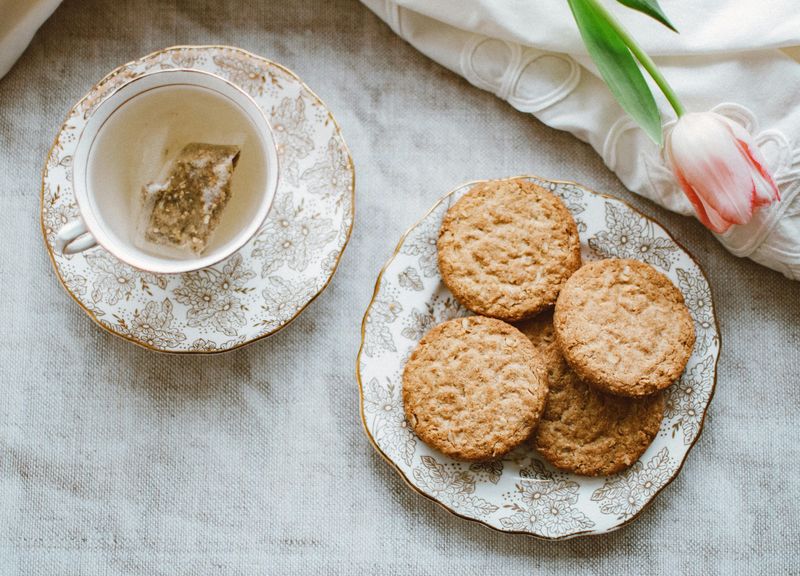
Biscuits demand cold and light hands. Melted butter equals hockey pucks.
Keep fat in visible pieces and avoid overworking. Grate or cube butter, toss with flour, then fold dough to create layers.
Use buttermilk for tang and rise. Press straight down with a sharp cutter, no twisting.
Crowd biscuits on the tray so they lift each other. Chill before baking.
Your first tough batch teaches temperature and touch. Next time, they split open in steamy, flaky strata begging for jam.
Roast chicken
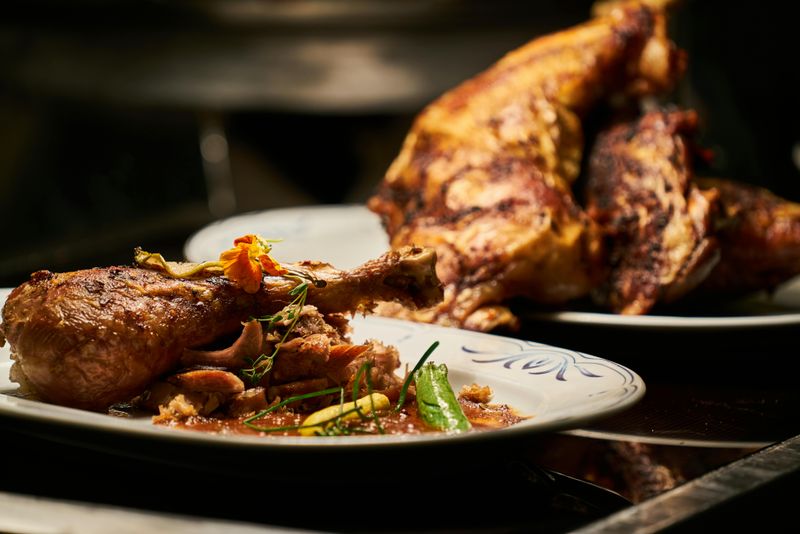
Roast chicken seems simple until it is dry. Salting early seasons deeply and dries skin for crispness.
High heat at the start, lower to finish, or spatchcock for even cooking.
Use a thermometer and pull earlier than you think. Rest so juices settle.
Pan sauce from drippings turns it from good to great. Do not rinse, just pat dry.
Your first bland bird teaches seasoning, air-drying, and heat management. The next tastes succulent, with shatter-crisp skin and savory juices.
Pancakes
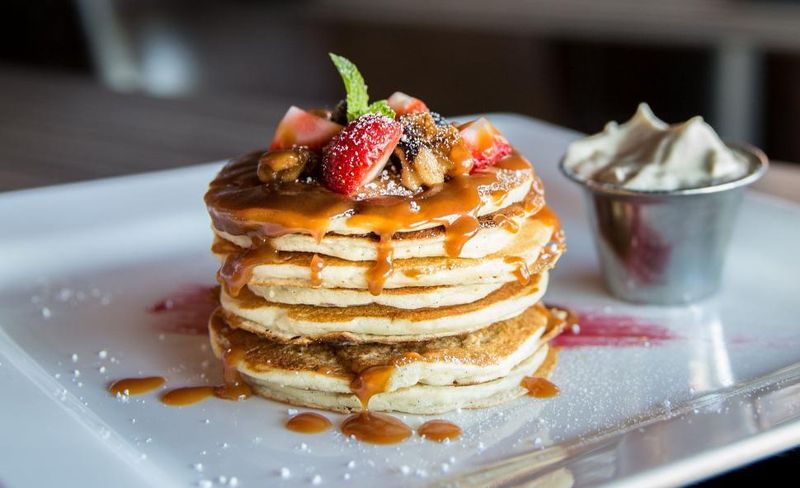
Pancakes punish overmixing. Chasing perfect smoothness develops gluten and flattens lift.
Leave lumps, rest the batter, and keep the griddle at medium so bubbles set before flipping.
Grease lightly, then wipe so edges do not fry. Flip once when bubbles pop and edges dull.
Do not press. Warm the oven for holding so steam does not sog them.
Your first rubbery stack teaches restraint. The next towers fluffy, soaking syrup like a sponge.
Steak
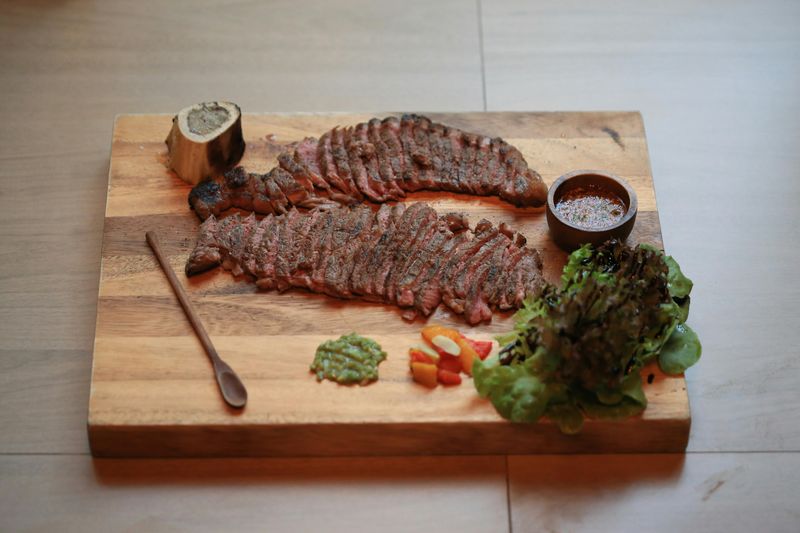
Steak forgives little. Crowding the pan steams it, leaving gray meat.
You learn to pat dry, season boldly, and preheat a heavy skillet until shimmering. Sear undisturbed for crust.
Flip once or as needed, then baste with butter, garlic, and herbs. Temperature matters: pull a few degrees early and rest so juices redistribute.
Slice against the grain.
That first tough steak teaches patience and heat. The next carries a mahogany crust and rosy center, proving simple technique beats gimmicks.