



You know those grocery items that look healthier just because the label whispers words like natural, simple, and pure. Clean design can be convincing, but it does not always mean cleaner ingredients. Today, we are pulling back the curtain on popular products that often win you over with minimal fonts and soft colors. Let’s decode the claims so you can buy smart, not just pretty.
Organic cereal

That matte box with muted greens and a leaf icon feels trustworthy, right. Organic cereal often leans on earth tones and tidy fonts to signal virtue. Still, sugar can sneak in and serving sizes stay tiny, so the halo shines brighter than the contents.
Flip the box and check fiber, whole grains, and added sugars. If the ingredients list stretches long, the clean look may be doing heavy lifting. Choose versions with recognizable grains and 5 grams fiber or more.
Gluten free cookies
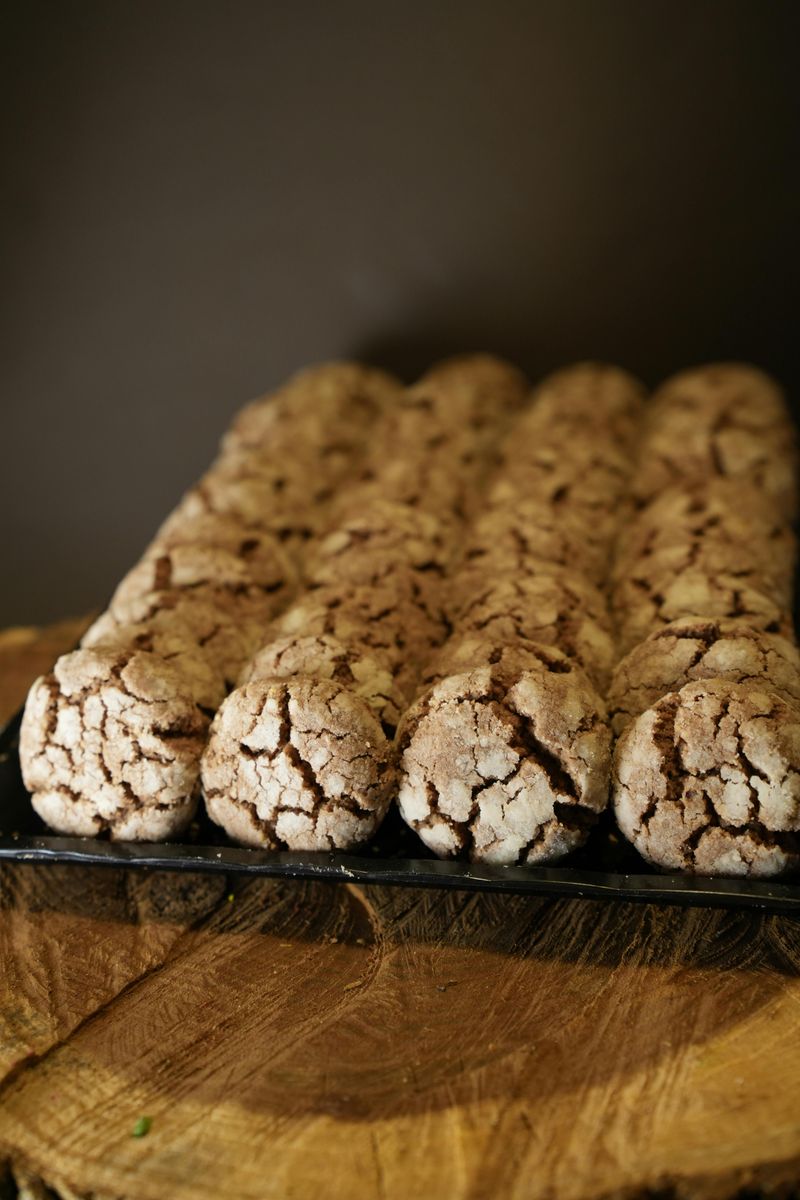
Gluten free cookies often arrive in tidy white pouches with soft pastels and a gentle promise of better-for-you bliss. But gluten free does not automatically mean nutritious. Many swap wheat for starches and sugar, delivering the same crash in a cleaner outfit.
Check for almond flour, oat flour, or buckwheat to improve substance. Look at grams of sugar per cookie and serving size honesty. When the branding screams simple, make sure the ingredient list agrees.
Keto snack
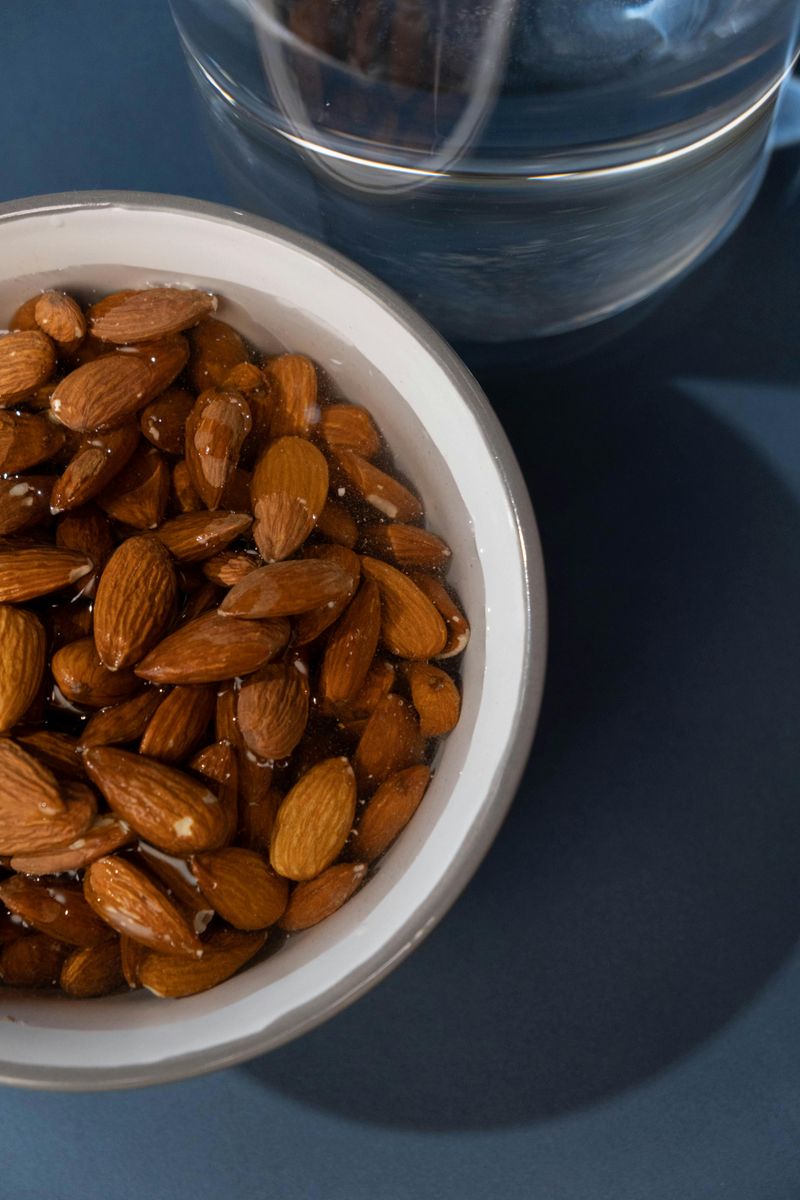
Keto snacks wear sleek black or white packaging with bold macros on the front, promising low carbs and high fat. The vibe feels clinical and efficient. Yet some rely on sugar alcohols and isolated fibers that may upset your stomach more than help.
Scan for net carb math and recognize not all fibers behave equally. Look for nuts, seeds, or cheese as primary ingredients. If the list reads like a chemistry set, the minimalist label is doing the charm work.
Protein chips
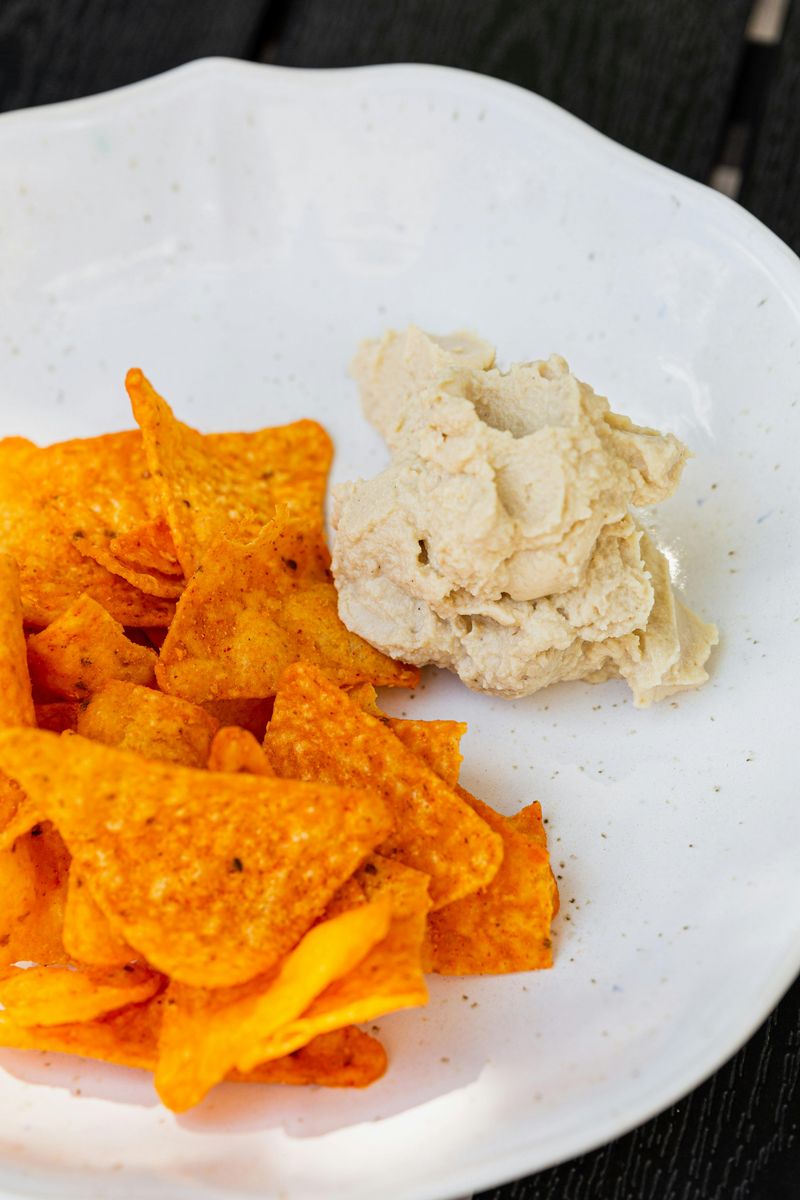
Protein chips come in sharp bags with crisp fonts and a clean protein number front and center. It feels sporty and smart, like you just made a disciplined choice. But they can be ultra processed, with isolates and starches puffed into something crunchy.
Check protein quality and sodium levels. Compare with roasted chickpeas or nuts for a simpler crunch. If you want chips, enjoy chips, just do not confuse pretty macros with whole food.
Sugar free candy
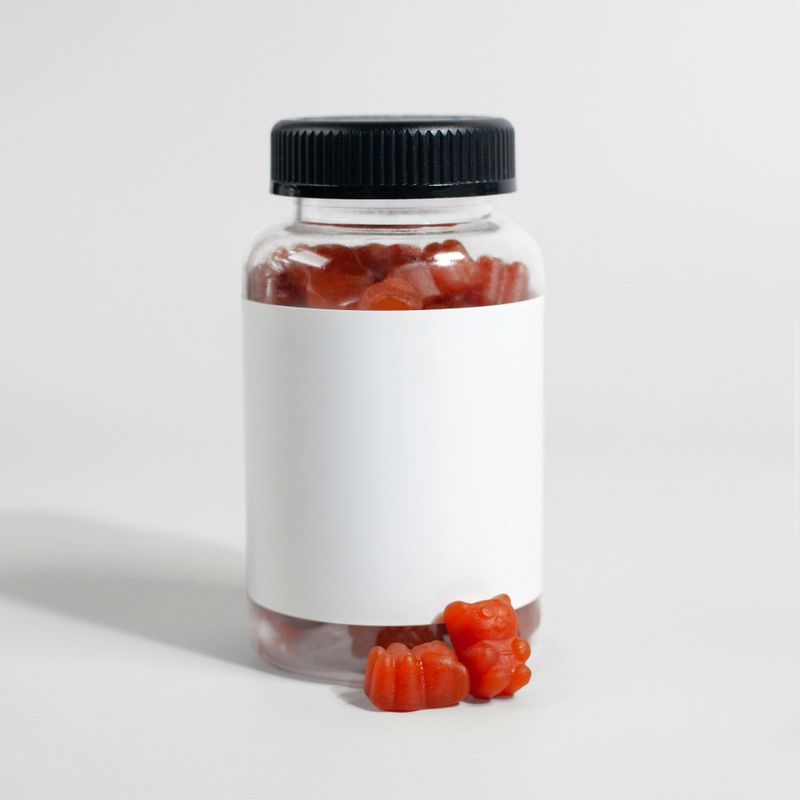
Sugar free candy packaging leans clean and clinical, promising guiltless sweetness. The label highlights zero sugar with calm blues and whites. Hidden inside are sugar alcohols and sweeteners that can cause digestive issues and keep cravings humming.
Read the sweetener types and note serving sizes. If maltitol leads the list, proceed carefully. Sometimes a small portion of real chocolate with less sugar is easier on your body and your mindset.
Oat milk
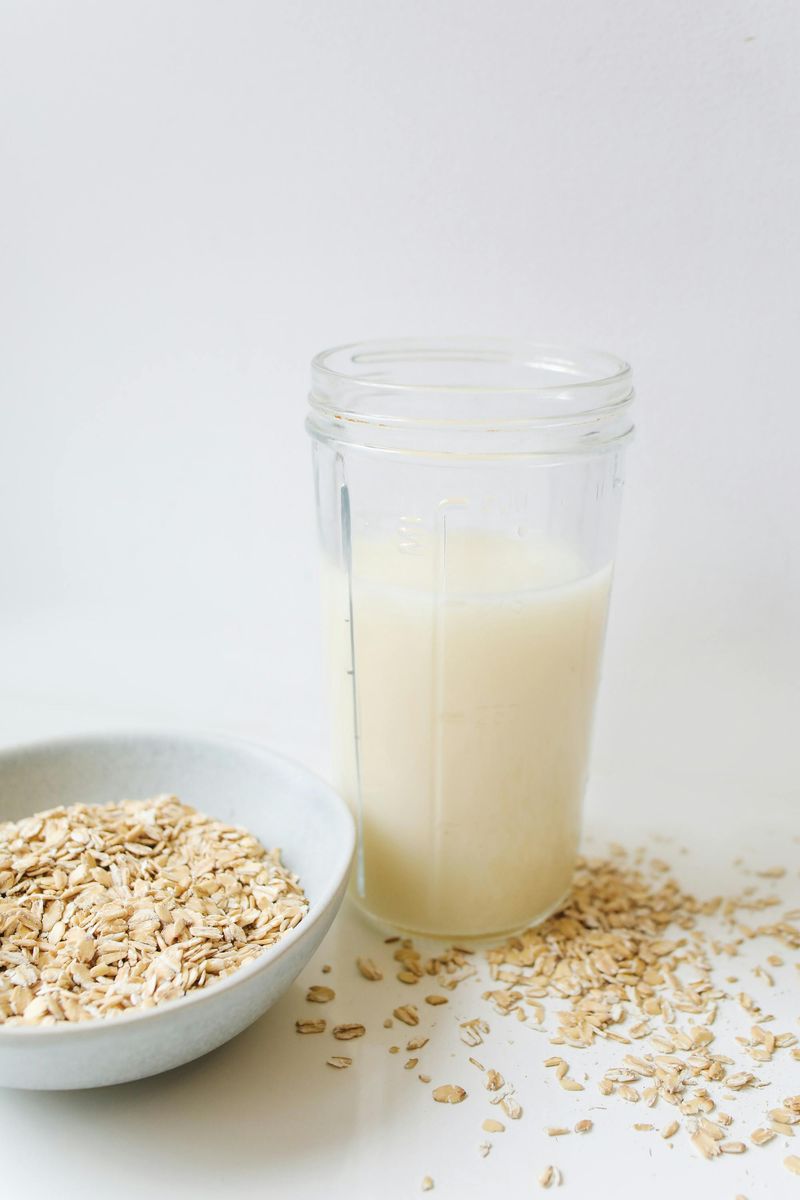
Oat milk cartons look artful and calm, radiating café-level purity. The taste is comforting and creamy, but note added oils and sugars in flavored versions. Some are fortified well, others not, so the carton’s aesthetic does not tell the whole story.
Scan for added sugar, rapeseed or sunflower oil, and calcium plus vitamin D. Barista blends often include stabilizers for foam. If you like it, enjoy it, just buy the unsweetened kind.
Almond milk

Almond milk often arrives in elegant pastel cartons that look spa-clean. Many have very few almonds and rely on thickeners for body. Unsweetened versions can be great in coffee and cereal, but the sweetened ones creep up in sugars fast.
Check almonds per serving if listed, and look for minimal gums. Fortification matters for calcium. If you want more nut content, consider making your own or choosing higher-almond brands.
Coconut yogurt

With clean white cups and a tropical leaf, coconut yogurt screams purity. The texture is lush, but the base is mostly fat, and sugar can spike in flavored varieties. Probiotics vary widely, and not all brands deliver meaningful strains.
Choose plain versions and add fruit yourself. Check protein, which is often low unless boosted. If you want a protein hit, pair with seeds or pick a soy or dairy option.
Granola bag
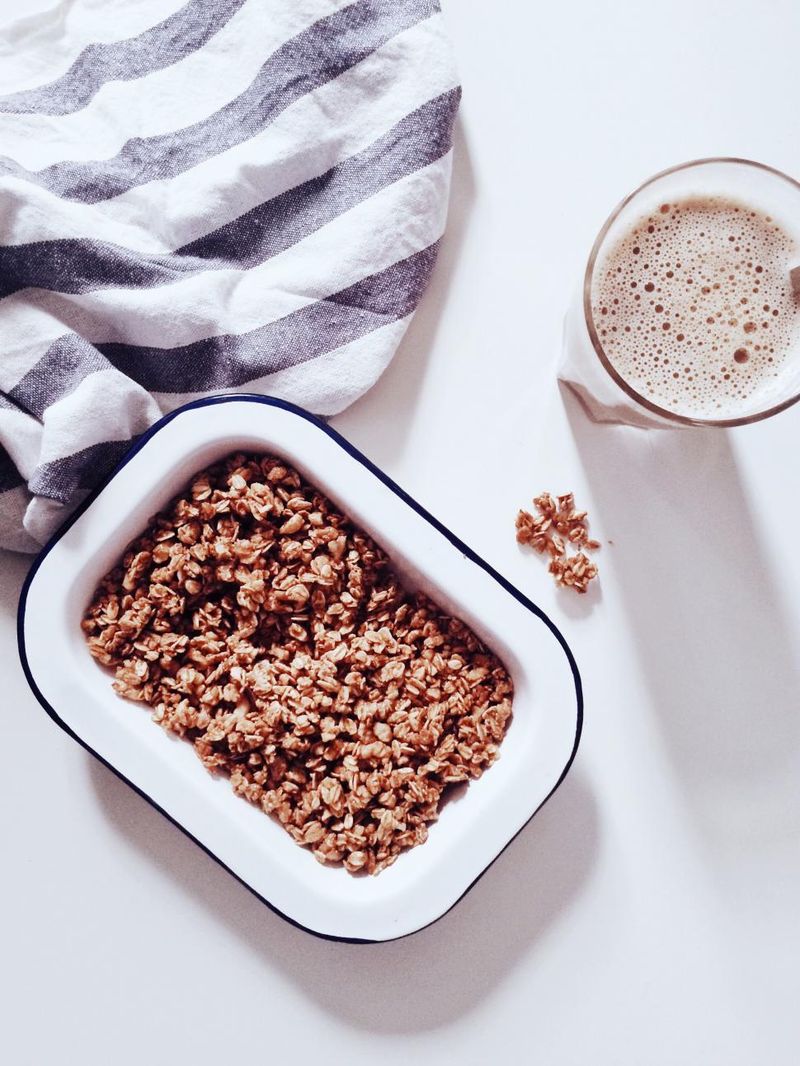
That matte kraft bag with a window and simple font makes granola look farmhouse-clean. But granola can be a sugar and oil delivery system with nuts sprinkled in. Portions are tiny, and calories climb fast when you free-pour.
Scan for added sugars per serving and look for oats, nuts, and seeds first. Choose clusters bound with dates or honey in modest amounts. Sprinkle over yogurt instead of filling a bowl.
Cold pressed juice

Cold pressed juice wears glass bottles and minimal labels, signaling fresh and pure. It tastes vibrant, but fiber is gone and sugars concentrate. That clean bottle can hide a big glycemic punch.
If you love it, use it like a treat, not a salad replacement. Look for blends heavy on greens and lemon, lighter on fruit. Better yet, eat the fruit and keep the fiber.
Wellness shot
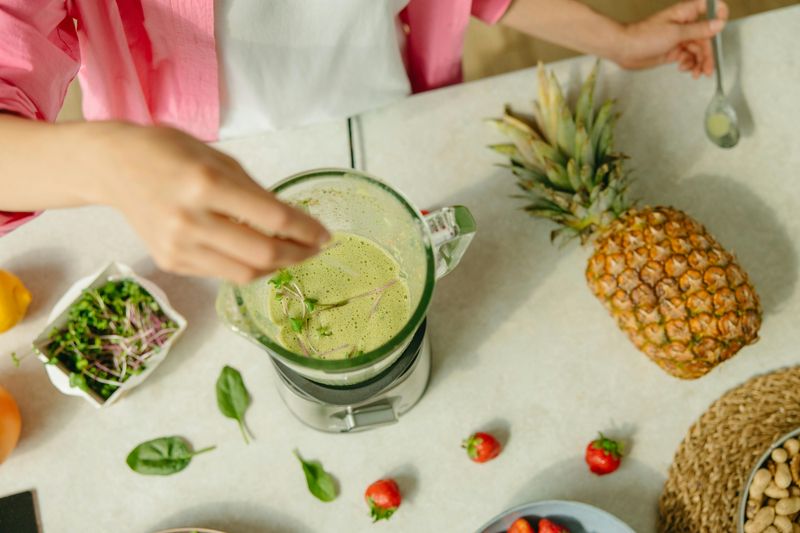
Tiny bottles shrouded in turmeric gold and charcoal gray promise instant vitality. The packaging says clean, the price says premium. Many cram in ginger, cayenne, and lemon, which can feel invigorating but not magical.
Use them as a flavorful kick, not a cure. Check added sugars or sweet juices that pad the taste. You can replicate similar vibes at home with lemon, ginger, and a pinch of honey.
Low calorie ice cream

Pastel pints flaunt giant calorie counts and playful minimal fonts to feel responsible. Air and sugar substitutes help keep numbers down, but texture and aftertaste can vary. Sometimes fat reduction means more gums, stabilizers, and a colder, icier spoonful.
Check serving sizes and sugar alcohol types. If your stomach protests, consider portioning regular ice cream instead. Satisfaction matters as much as math.
High protein bar
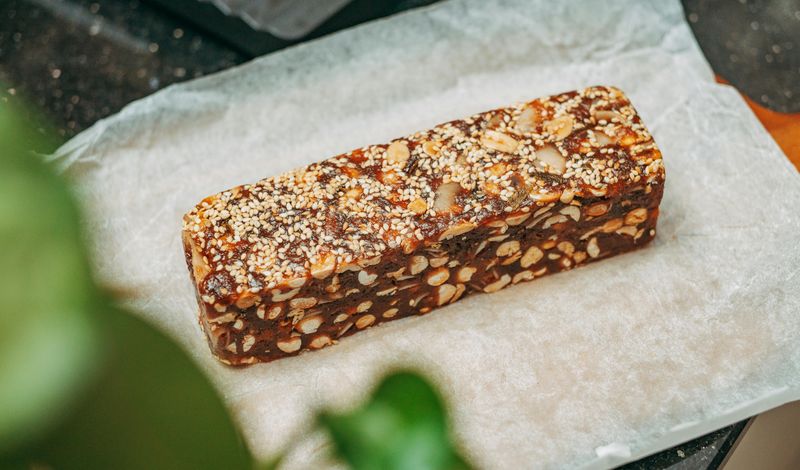
Bars in sleek wrappers shout protein with clean blocks of text. Many rely on isolates, sweeteners, and palm-derived oils. They can help in a pinch, but whole-food bars with nuts and dates often digest better.
Check fiber, added sugars, and total calories. If protein is high but fiber is low, rethink the tradeoff. Pair with fruit or yogurt for a steadier snack.
Veggie crisps
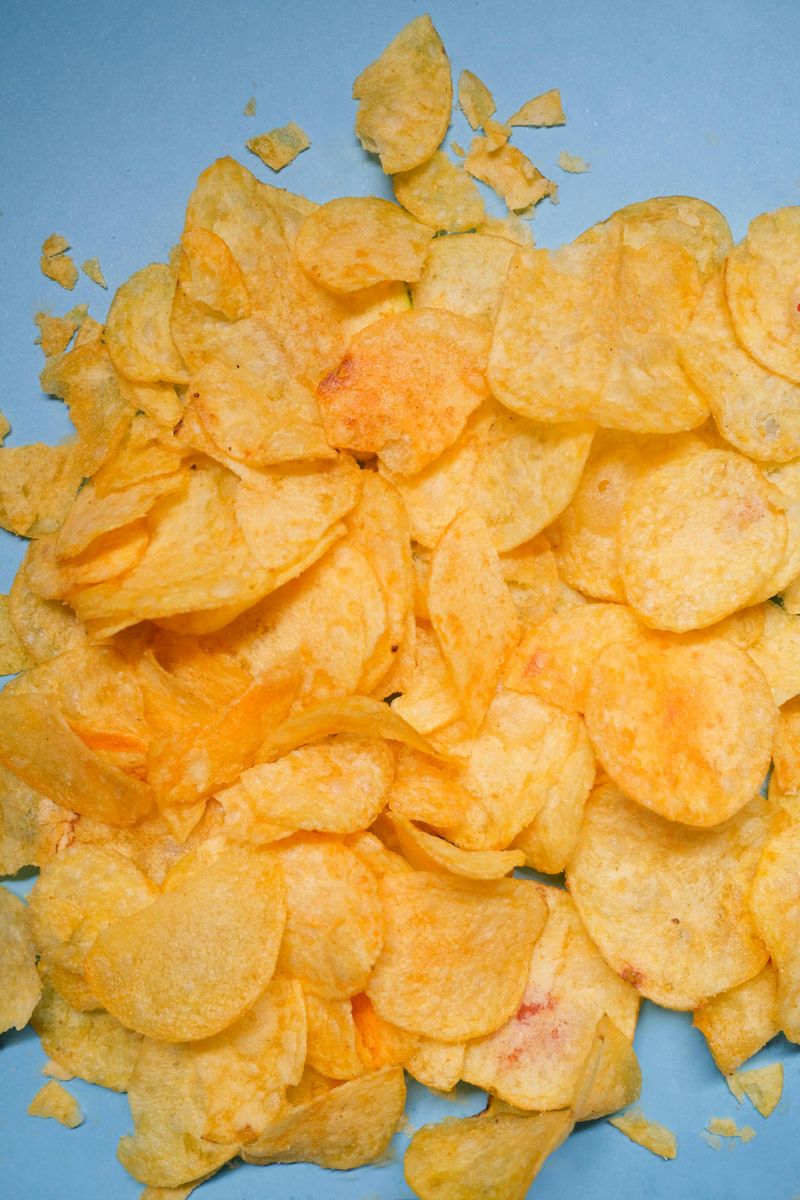
Veggie crisps look virtuous with watercolor carrots and beets on a matte bag. Often they are potato starch with vegetable powders for color. That does not make them evil, just not a salad.
Search for options baked from whole slices or choose roasted chickpeas for crunch. Compare fiber and sodium to regular chips. When marketing says garden fresh, let the numbers confirm it.
Natural peanut butter
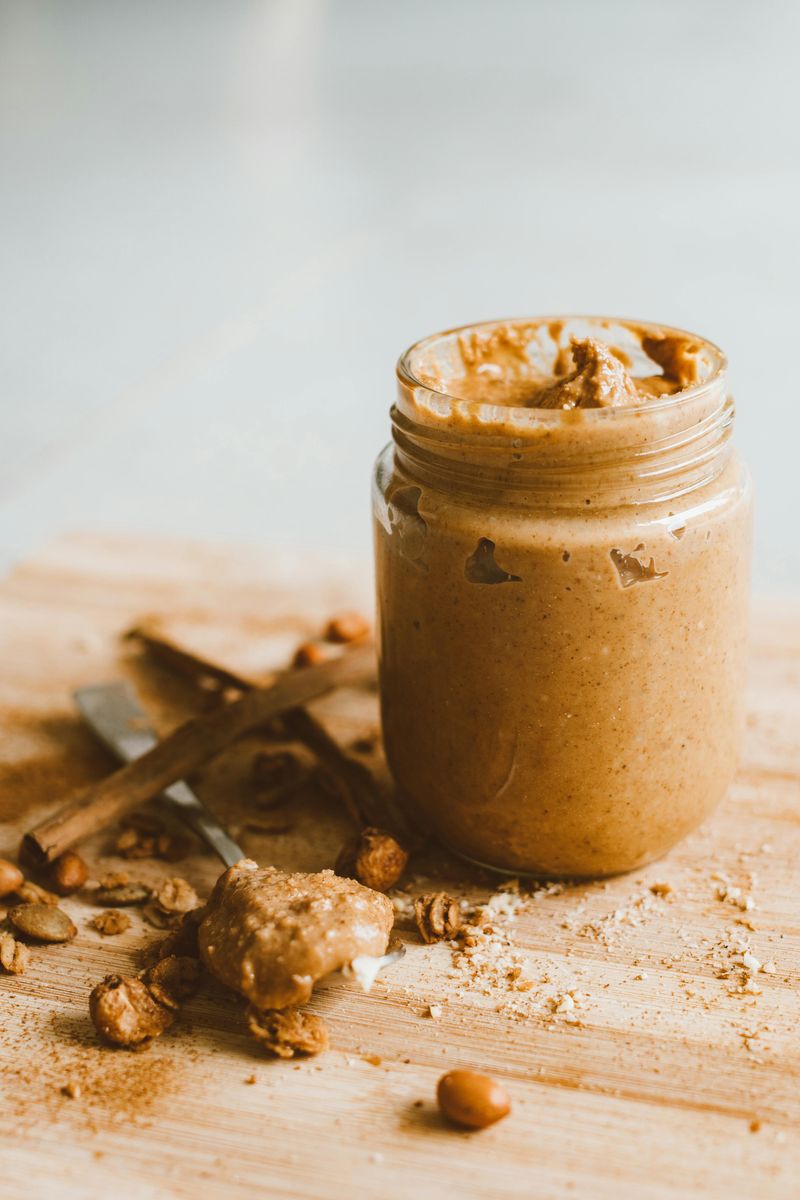
Jars with kraft labels and short ingredient lists feel honest. Natural peanut butter can separate, which looks less polished but usually means fewer additives. Watch for added sugar or palm oil sneaking into clean-looking jars.
Choose peanuts and salt only if you like it classic. Stir, store upside down, and enjoy on toast or apples. Simple can taste best when it truly is simple.
Sea salt crackers
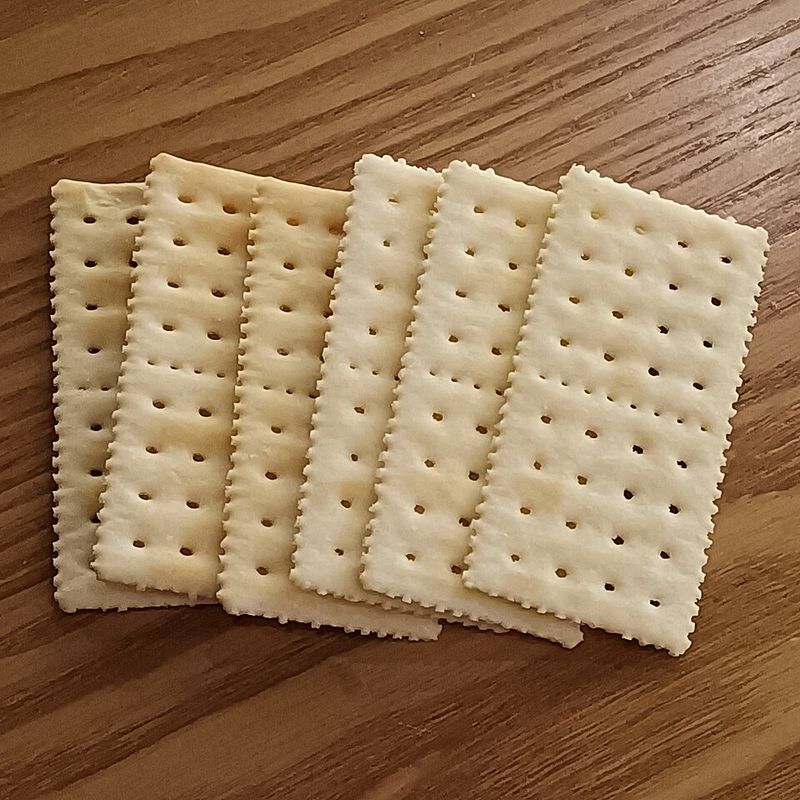
Minimal boxes with navy lines and a single sea salt crystal feel upscale and clean. Yet many sea salt crackers are refined flour with a fancy sprinkle. The claim sounds pure, but fiber and protein may lag.
Check whole grain content and serving size. Pair with hummus or cheese to balance. If the ingredient list starts with enriched flour, it is a snack, not a health halo.
Clean label sauce
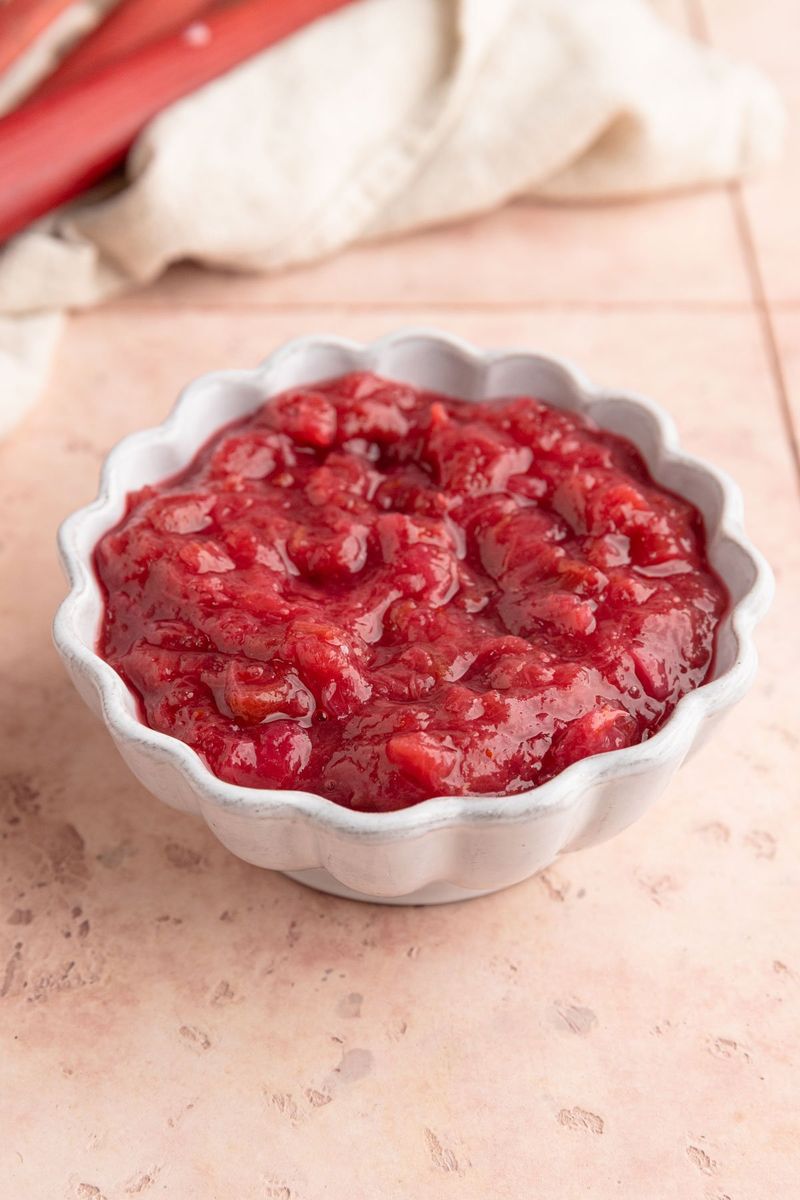
Sauces boasting no artificial anything wear tidy labels and muted color blocks. They seem safe, but sugar and sodium can still run high. Tomato sauces and marinades often hide sweetness behind natural sounding names.
Check grams of sugar per serving and watch for concentrates. Aim for short ingredient lists you recognize. If flavor is bold without extra sweeteners, that is a win.
Natural chips

Natural chips show kraft textures, modest colors, and tidy fonts that whisper restraint. Reality often looks like regular chips fried in oil with softer branding. Some are cooked in avocado or olive oil, which is fine, but calories remain similar.
Compare ingredients, look for potatoes, oil, salt, nothing extra. Portion into a bowl to avoid autopilot munching. Natural is a vibe, not a nutrient profile.
Detox tea

Detox tea loves slender fonts and watercolor leaves, selling serenity in a sachet. Claims of cleansing sound appealing, but your liver already handles detox. Some blends include laxatives that can be uncomfortable.
Choose gentle herbal teas you enjoy, like peppermint or ginger. Hydration helps more than hype. If a tea promises miracles, it is probably marketing.
Superfood powder
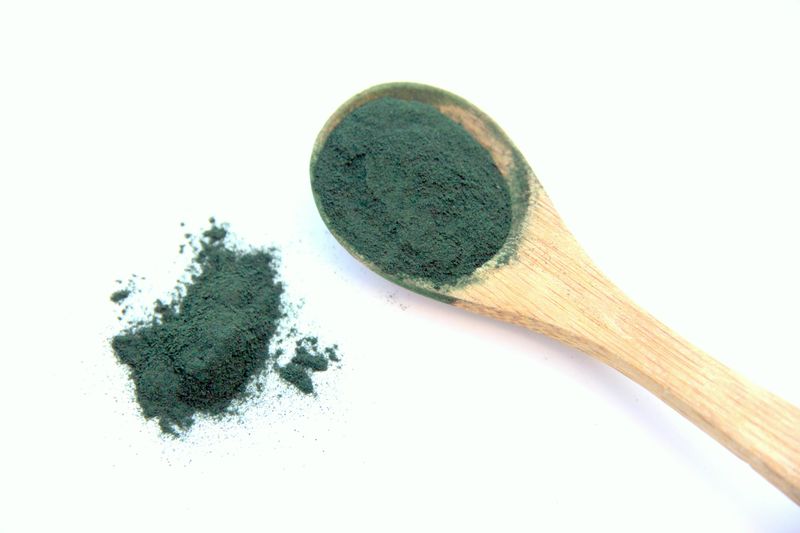
Jars of superfood powder look clinical-clean, promising a shortcut to balance. They can add convenience, but blends vary wildly in doses and fillers. The price often reflects branding more than potency.
Check third-party testing, heavy metal reports, and transparent amounts. Start small to assess digestion and taste. Real vegetables still matter more than a scoop.
Matcha powder
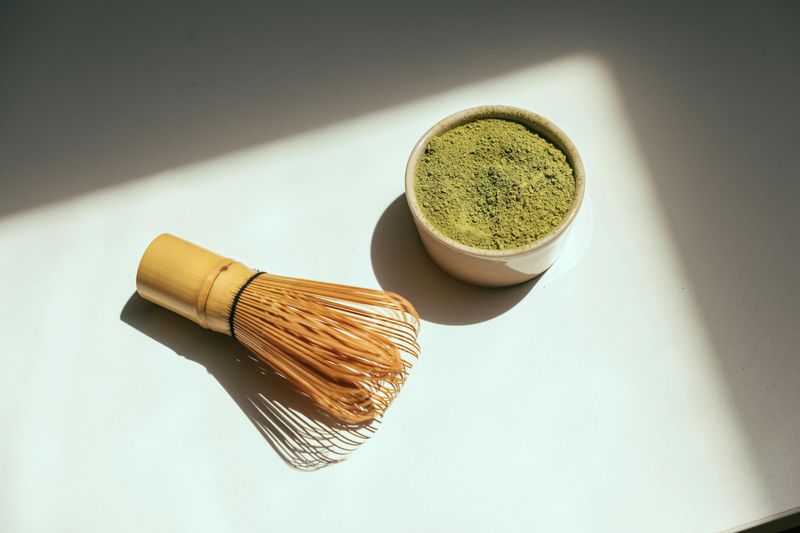
Matcha tins exude calm minimalism with soft greens and clean lines. Quality varies greatly, and culinary grades can taste bitter despite pretty packaging. Ceremonial grade usually costs more for a reason.
Look for origin, harvest season, and vibrant color. If it looks dull and brownish, expect flat flavor. Whisk with hot, not boiling, water and savor slowly.
Plant based burger

Plant based burger boxes flex clean typography and plant imagery to whisper wholesome. Yet many versions are engineered blends of isolates, oils, and flavorings. That is not automatically bad, but it is not a salad either.
Compare sodium, saturated fat from coconut oil, and protein sources. If you want simpler, try patties made from beans, mushrooms, or lentils. The green label does not guarantee greener ingredients, so choose based on what is inside.