


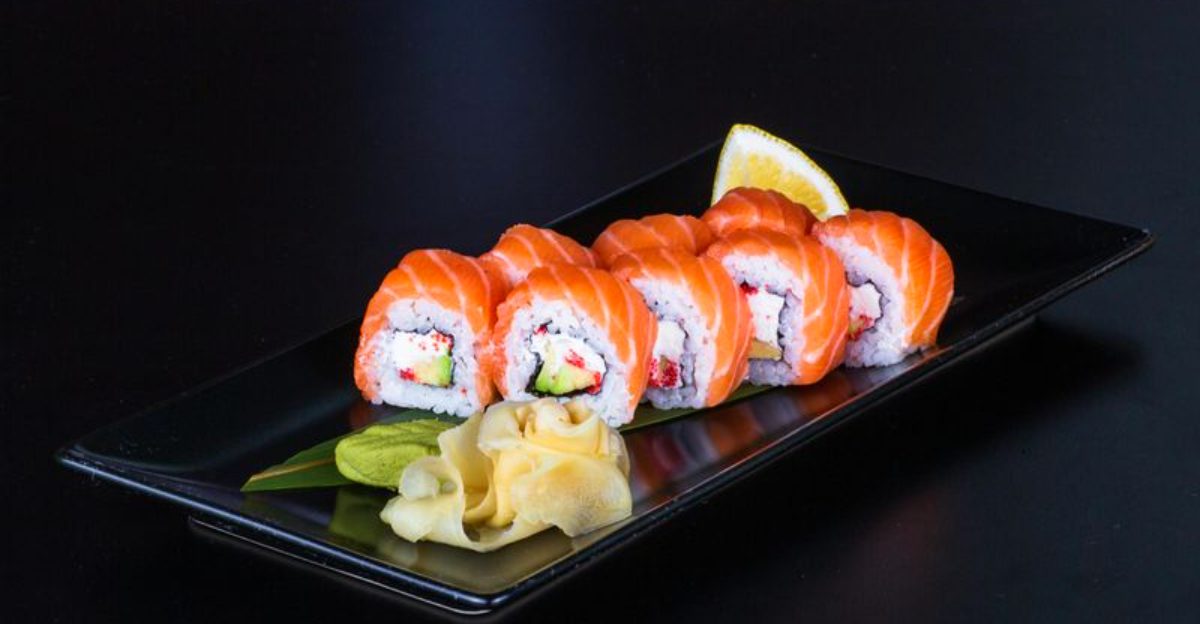
We all have that one food we swore off after a single disappointing or stomach-turning experience. Maybe it was a sketchy smell, an off texture, or a mystery ingredient that ruined the vibe.
Once trust breaks, it is hard to invite that item back into the cart. Here are the everyday foods people quietly stopped trusting after one bad batch, and why you might feel the same.
Bagged salad
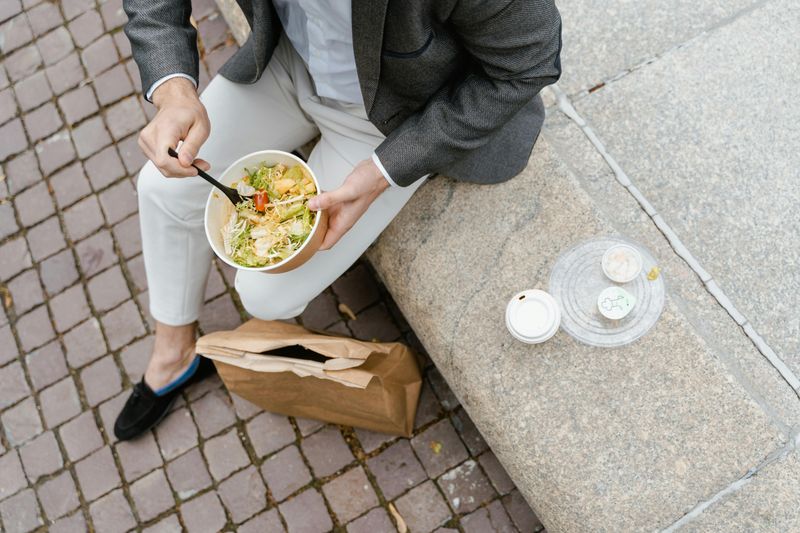
Bagged salad seems convenient until one slimy leaf ruins everything. You open the bag, and there is that sweet, swampy smell signaling it turned faster than expected.
Even after rinsing, the texture feels tired, like it gave up overnight.
That one batch lingers in memory at the store. You start eyeing expiration dates like a detective, pressing the bag to check for excess moisture.
Suddenly, whole heads of lettuce feel safer, even if chopping takes longer.
Freshness feels nonnegotiable. After a scare, convenience loses the argument, and the plastic crinkle becomes a warning sign.
Pre cut fruit
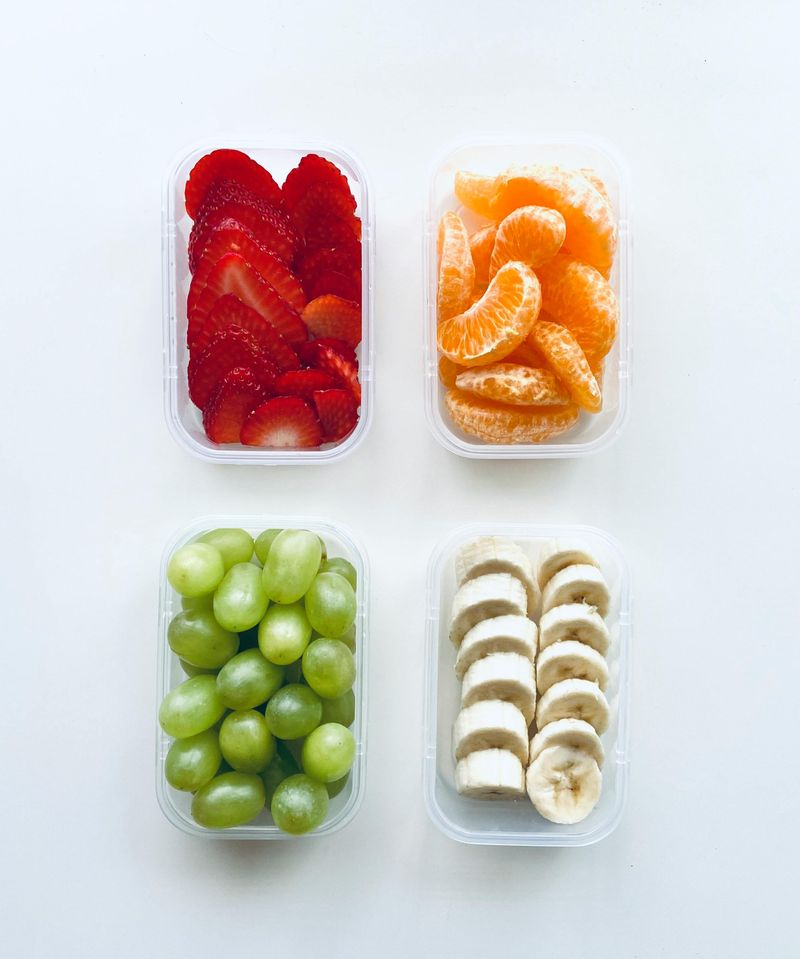
Pre cut fruit promises instant refreshment, but one watery, mealy bite can end that romance. Pineapple gets fibrous, melon turns bland, berries bleed, and suddenly everything tastes like refrigerator.
The glossy surface sometimes hides fruit that is past its best day.
After one bad tub, you question every lid and hint of condensation. You start noticing the cut edges browning or turning translucent.
Buying whole fruit feels like a guarantee you can smell, feel, and judge.
The time you save is not worth gambling on texture. One container can turn convenience into doubt that sticks around.
Deli potato salad
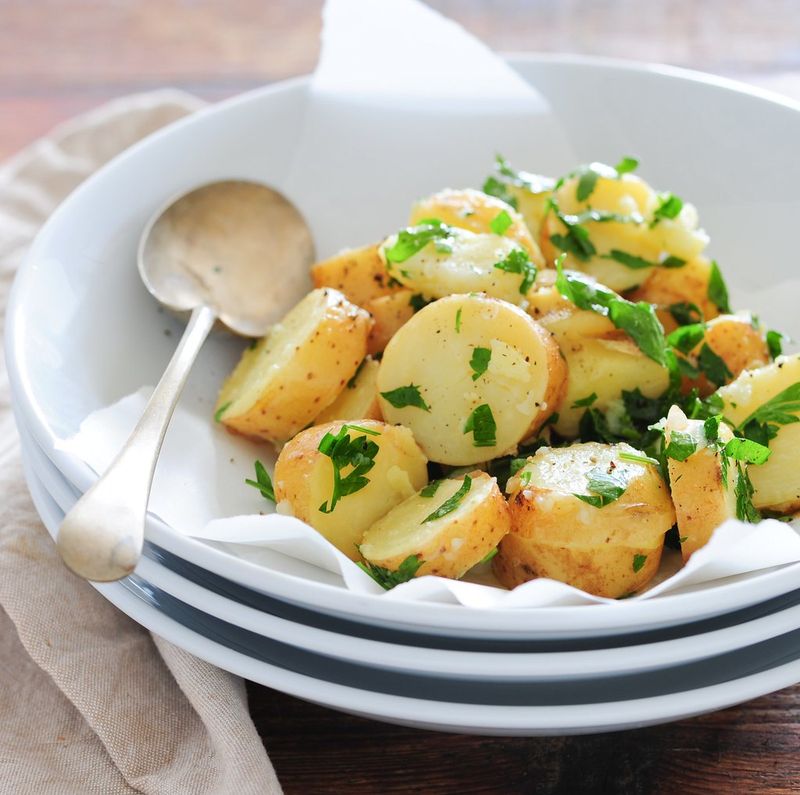
There is comforting nostalgia in deli potato salad until a sour, metallic bite crashes the picnic. One off batch can taste like it sat a little too warm, a little too long.
Texture swings from mushy to undercooked with unsettling unpredictability.
After that, the lid’s snap is not reassuring. You start questioning the rotation in the deli case, the spoon cleanliness, and the mayonnaise’s day.
Suddenly homemade feels safer, even if it means boiling potatoes.
Trust vanishes fast with creamy salads. Once spoiled tang hits, you never forget, and the tub looks suspicious forever after.
Deli chicken salad
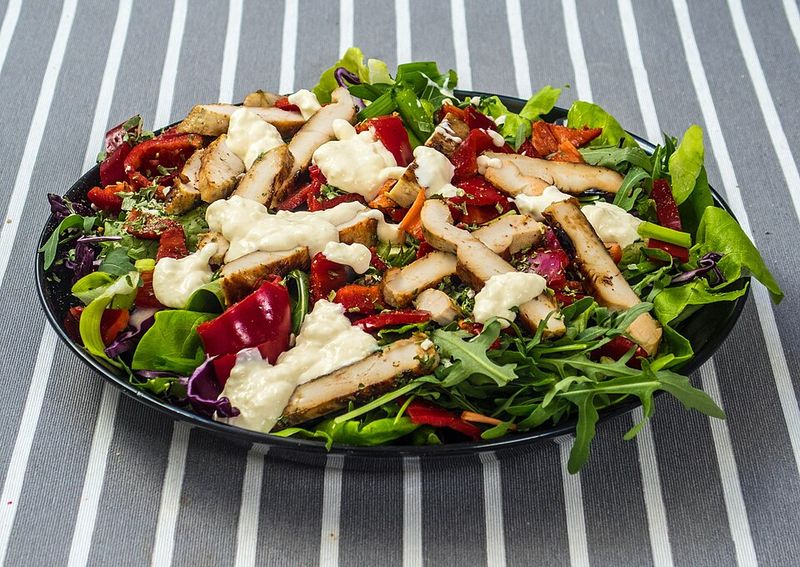
Chicken salad can be perfect until one lukewarm, oddly sweet scoop ruins lunch. You notice the dressing separating and a faint sulfur note that should not be there.
Texture turns stringy, and you question every shred.
After that experience, the deli counter starts feeling like a gamble. You think about cross contamination, hot day deliveries, and how long it has sat.
Homemade with rotisserie leftovers suddenly feels like the only path.
One off bite creates lasting skepticism. You trust your nose more, and plastic lids do not promise safety anymore, just mystery behind condensation.
Rotisserie chicken
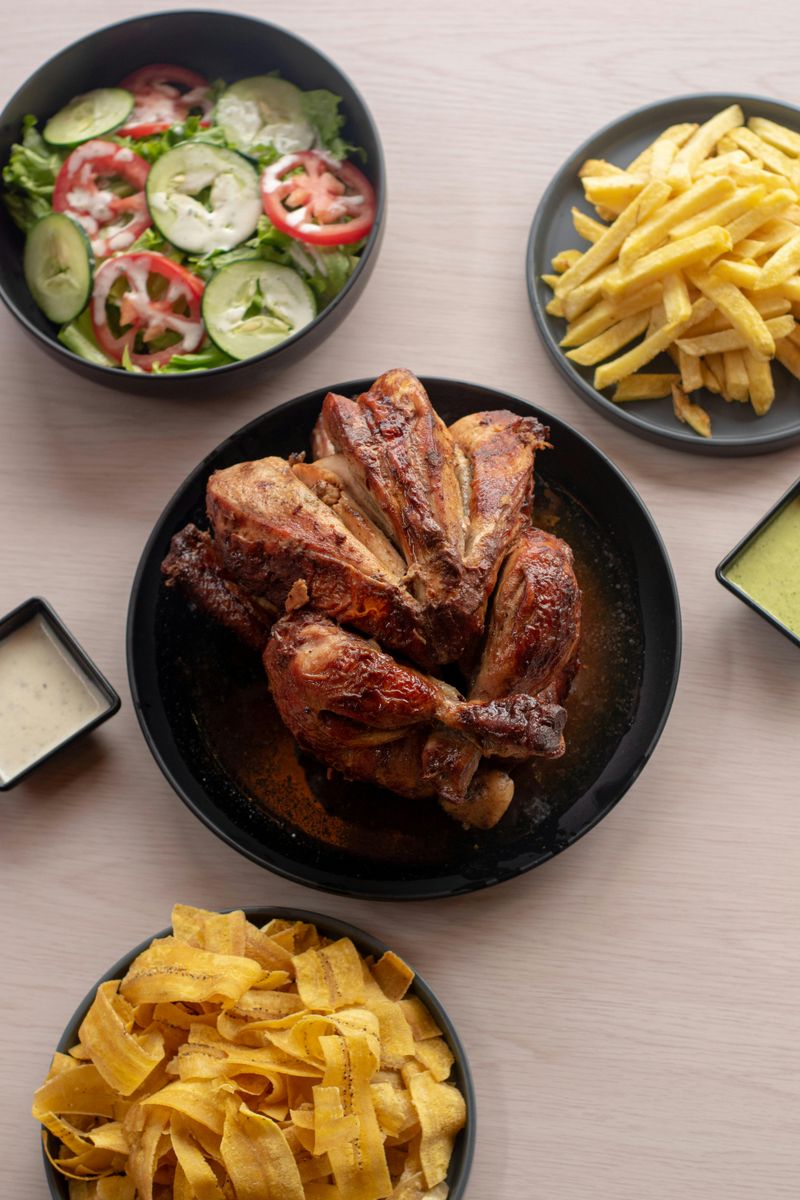
Rotisserie chicken can save dinner, but one underseasoned, dry, or oddly pink bird can end the habit. You peel back the dome and notice soggy skin and a faint reheated smell.
The breast shreds into sawdust instead of juicy chunks.
After that, you start checking time stamps and color under the wing. You worry about the hold time lamps and resting temperatures.
When it is right, it is brilliant; when wrong, it is wasteful.
Trust turns conditional. You pivot to roasting your own on weekends, where timing and seasoning feel predictable again.
Deli sliced turkey
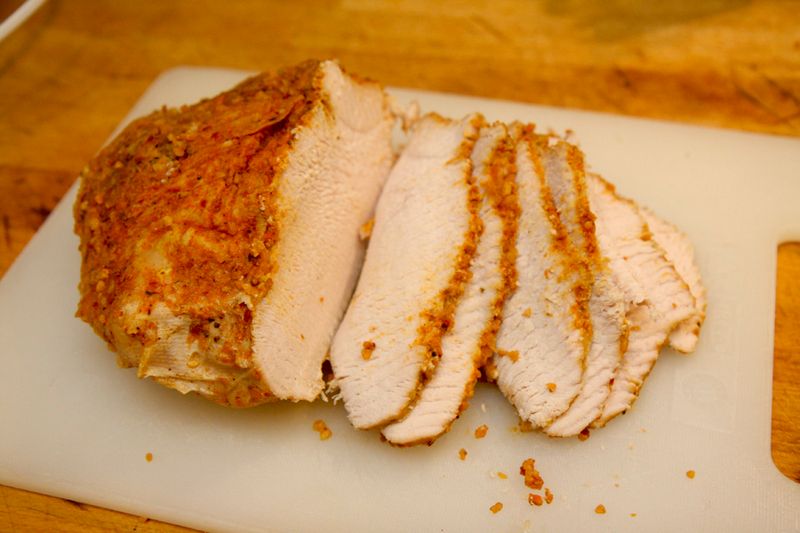
Deli sliced turkey seems harmless until you catch that sweet bologna-like note that signals it is turning. The texture goes wet-slick, then tacky, and suddenly a sandwich feels risky.
One package like that makes you rethink the entire case.
Afterward, you ask for thinner slices, fresher batches, and smaller weights. You smell before storing and freeze portions.
The convenience stays tempting, but control feels better than mystery.
Trust erodes with lunch meat quickly. Once the edges gloss over and curl, it is hard to forget and harder to finish.
Frozen shrimp

Frozen shrimp can be fantastic, yet one ammonia-scented thaw kills the mood fast. You open the bag and meet icy clumps, cracked shells, and rubbery bite.
That single experience makes every future defrost feel tense.
Now you read labels for chemical treatments and origin like a hawk. You seek individually quick frozen and avoid heavy frost.
You also thaw gently and pat dry to reclaim texture.
Still, doubt lingers. When seafood turns, it teaches a lesson you keep remembering every time the skillet heats.
Frozen chicken nuggets

Chicken nuggets are childhood comfort until one batch tastes like spongy mystery. The breading seems fine, but the interior feels pasty and oddly sweet.
Dipping sauce cannot hide the weirdness, and suddenly the bag looks suspicious.
After that, you scrutinize ingredient lists and protein percentages. You try air frying, different brands, and smaller batches.
Still, the memory of that texture sits heavy.
Trust returns slowly, if at all. Sometimes you switch to homemade tenders, where seasoning and real chicken fiber reassure every bite.
Frozen pizza
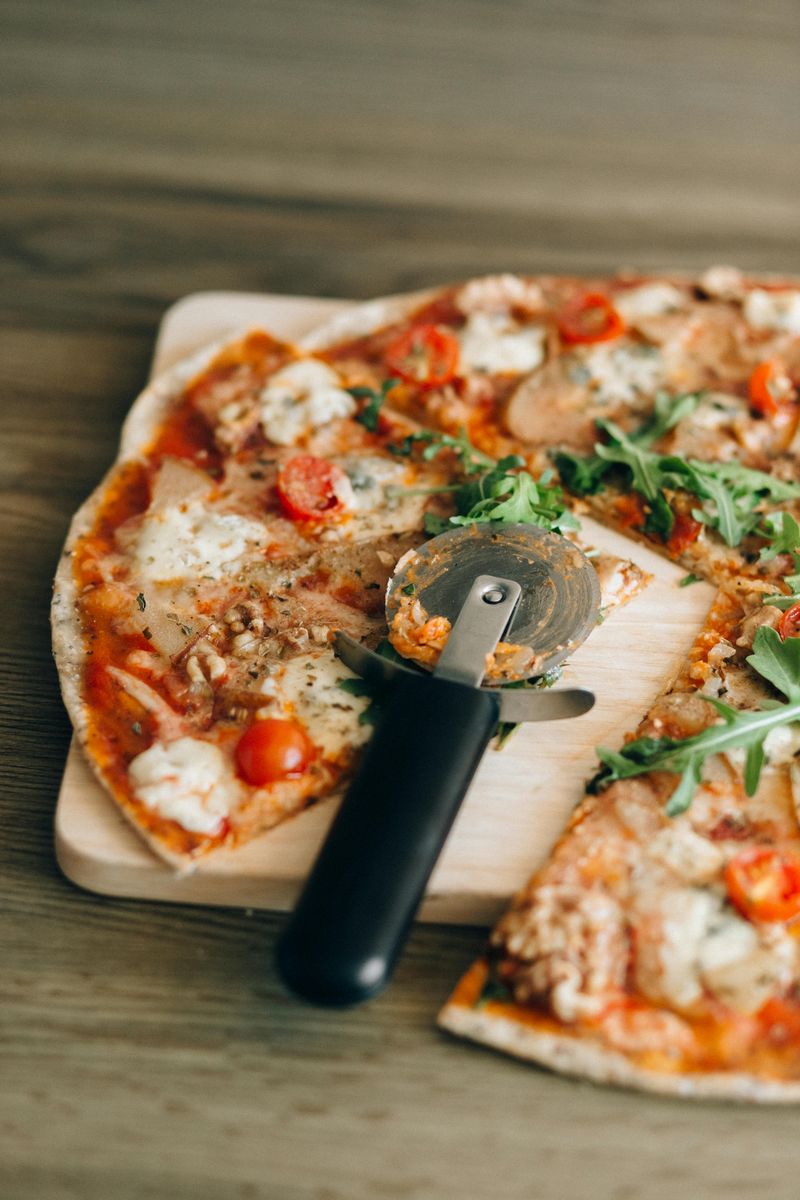
Frozen pizza can surprise, but one bland, cardboard crust with greasy puddles can ruin movie night. The toppings slide, cheese feels waxy, and sauce tastes sugary instead of bright.
That experience makes every new box a risk assessment.
Next time, you look for par baked crusts and real cheese. You add fresh basil or extra olive oil to help.
But the memory of limp center slices haunts.
Trust shifts to local takeout or dough at home. When convenience flops, it takes a long time to earn back Friday night status.
Microwave meals
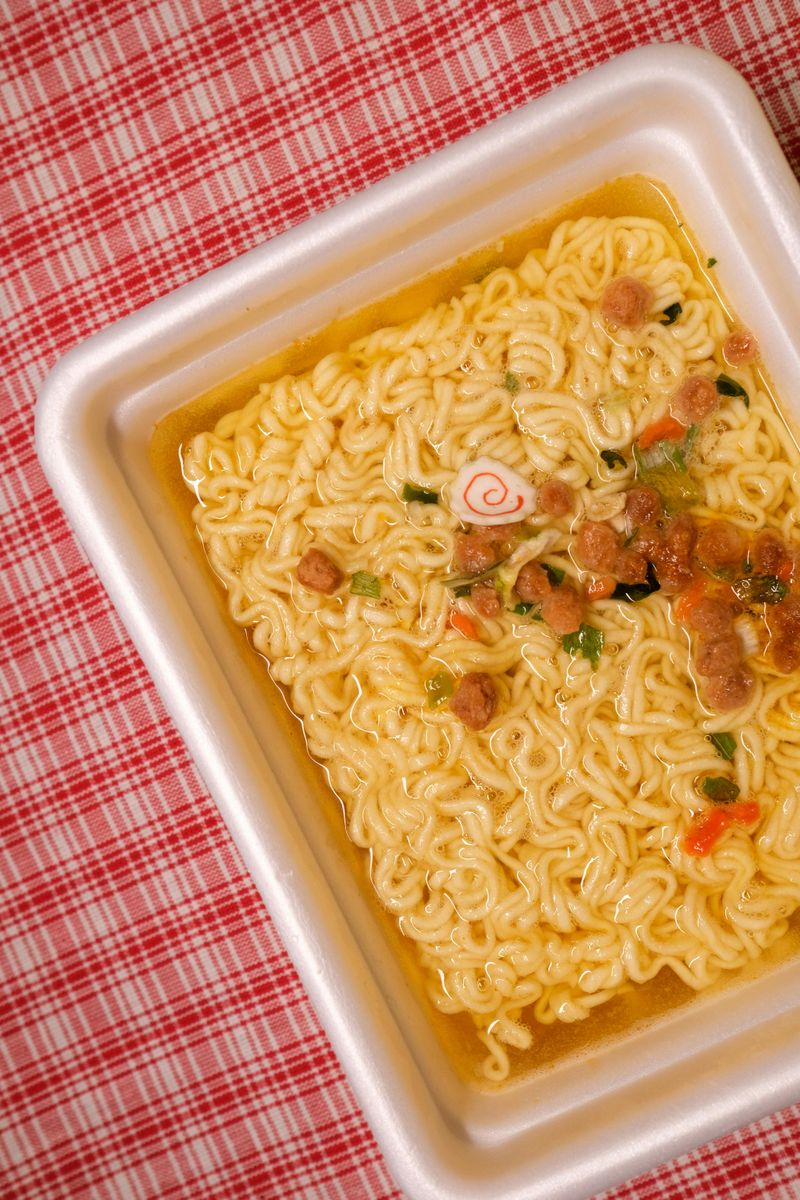
Microwave meals promise speed, yet one ice-cold center beside lava-hot edges kills confidence. The sauce tastes metallic, veggies go mushy, and protein turns rubbery.
After that, every beep sounds like a warning instead of convenience.
You start stirring halfway, adding water, and adjusting power levels. You read the wattage like fine print.
Still, it feels like gambling with texture more than saving time.
Eventually, batch-cooked leftovers win. Real flavors reheat better, and trust shifts from boxes to your own fridge containers.
Canned soup
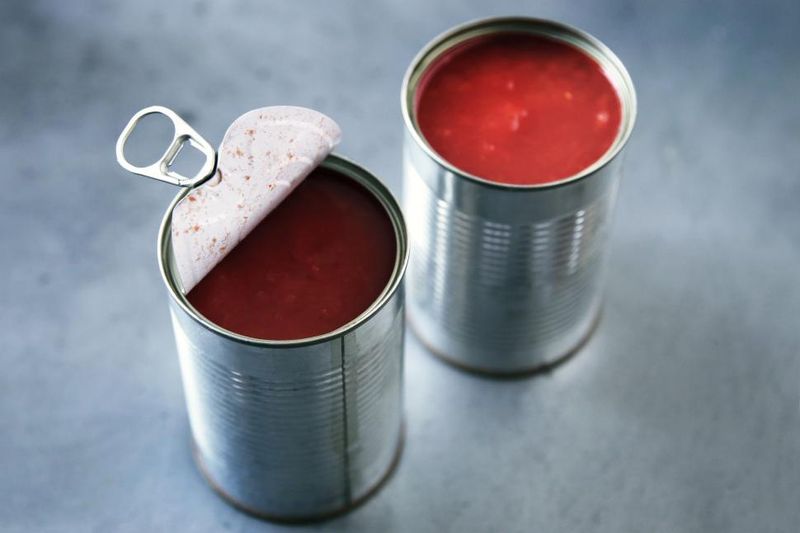
Canned soup is dependable until one metallic, overly salty can makes you thirsty for hours. The vegetables taste identical, the broth shouts sodium, and the texture turns soft to mush.
That single experience can reset expectations permanently.
Afterward, you scan labels for low sodium and fewer additives. You add lemon, herbs, or extra veggies to wake it up.
Sometimes, you pivot to boxed broth and quick homemade pots.
Convenience still matters, but flavor does too. Once a can disappoints, it is tough to open the next without second guessing.
Canned tuna
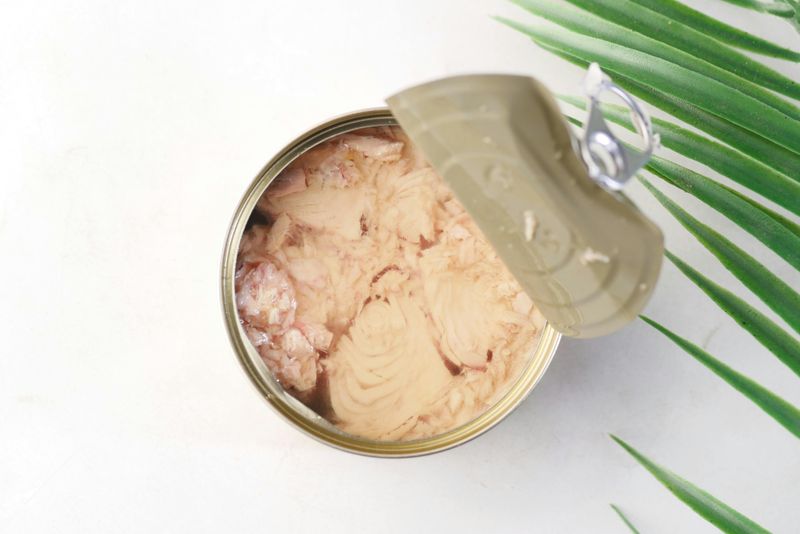
Canned tuna is a lunch hero until one sulfuric, fishy can makes the whole kitchen smell. The texture turns cottony and dry, even with mayo.
That experience clings to memory, making every new can feel risky.
Then you get picky about brands, packing medium, and origin. You drain gently, add lemon, and avoid overmixing.
Pouches sometimes taste fresher, shifting habits.
Still, trust is fragile here. Once a bad can hits, you hesitate to open another unless you are truly craving a quick protein fix.
Jar pasta sauce
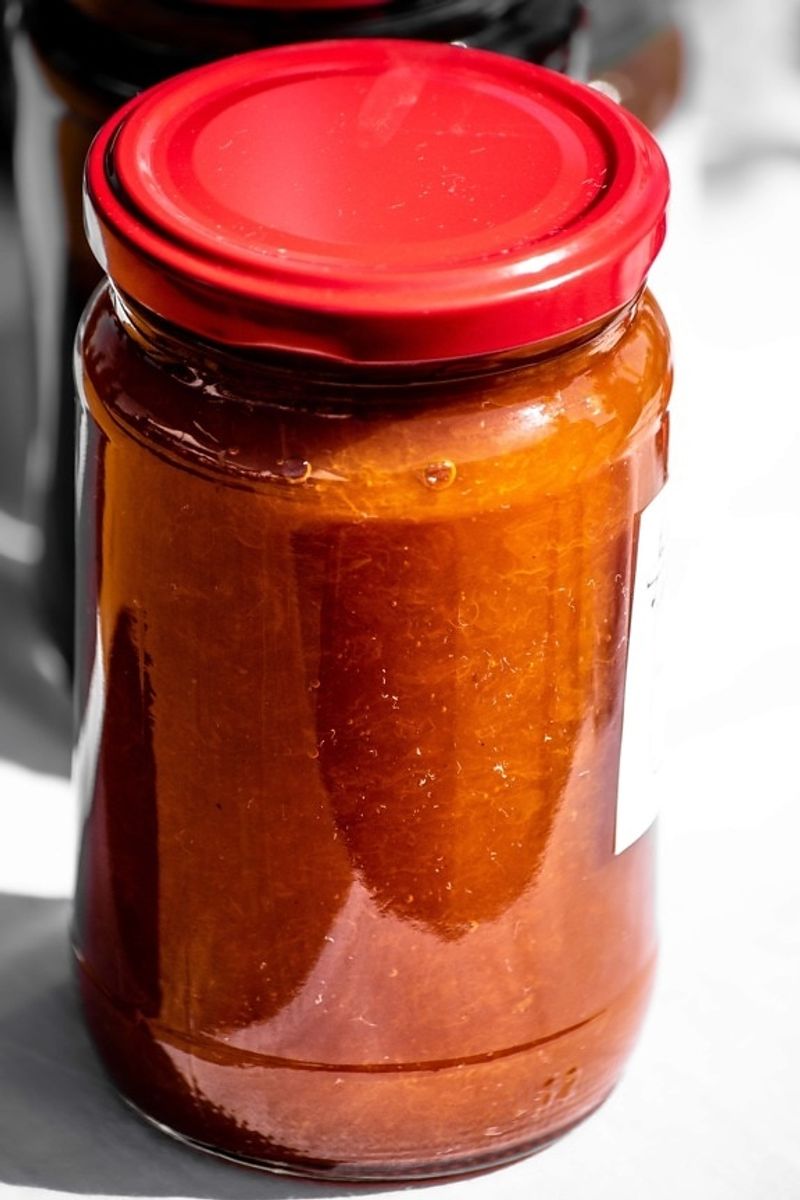
Jar pasta sauce can save a Tuesday, but one overly sweet, flat jar makes pasta feel like candy. The oil separates, the herbs taste dusty, and acidity vanishes.
After that, the label’s promises do not land the same.
You begin doctoring with garlic, chili flakes, and butter. You look for fewer ingredients and tomatoes you recognize.
Still, a bad memory can push you toward quick simmered canned tomatoes.
Trust becomes selective. When a jar disappoints once, it takes time and testing before it earns space in the pantry again.
Bottled dressing
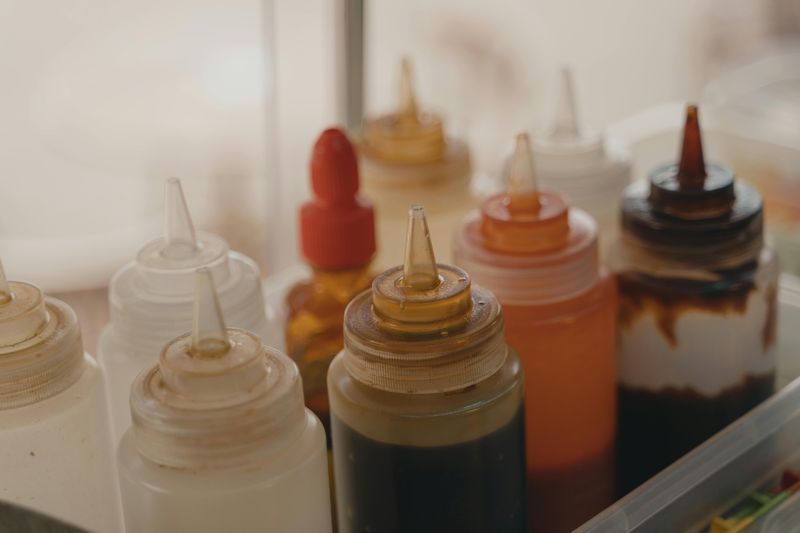
Bottled dressing is easy until one broken emulsion and chemical aftertaste lingers through the whole salad. The flavors fight instead of blend, and greens wilt instantly.
That bottle makes every future shake feel pointless.
Afterward, you scan for real oils, vinegar, and short lists. You try making quick vinaigrettes in a jar at home.
Suddenly, two minutes of whisking beats months of shelf life.
Trust shifts from brand loyalty to ingredient honesty. Once a dressing fails badly, it is hard to pour without suspicion again.
Flavored yogurt
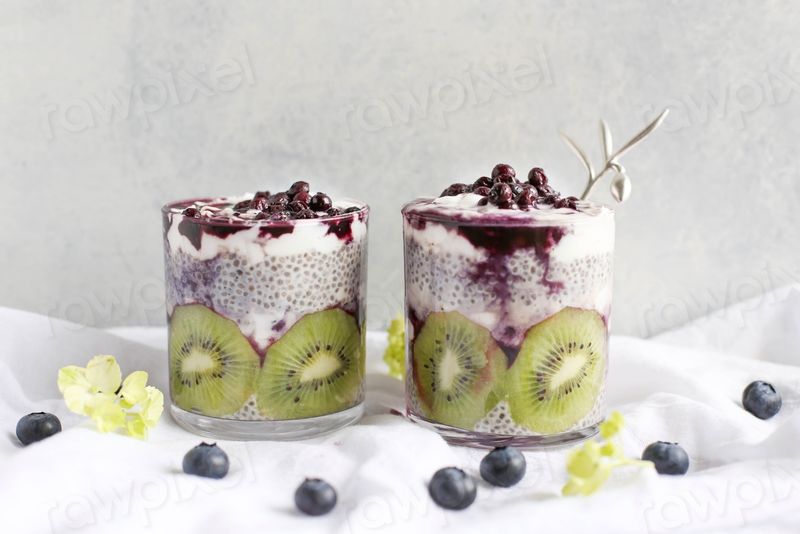
Flavored yogurt can taste like dessert until a chalky, artificial batch ruins breakfast. The fruit tastes perfumey, the texture turns gelatinous, and the sweetness bulldozes tang.
That cup makes you question every new flavor release.
Next time, you buy plain and add your own honey and berries. You check cultures, sugar grams, and stabilizers.
Sometimes thicker styles feel more reliable.
Trust narrows to a few dependable picks. When one cup goes wrong, it takes weeks before you crave that section again.
Protein bars
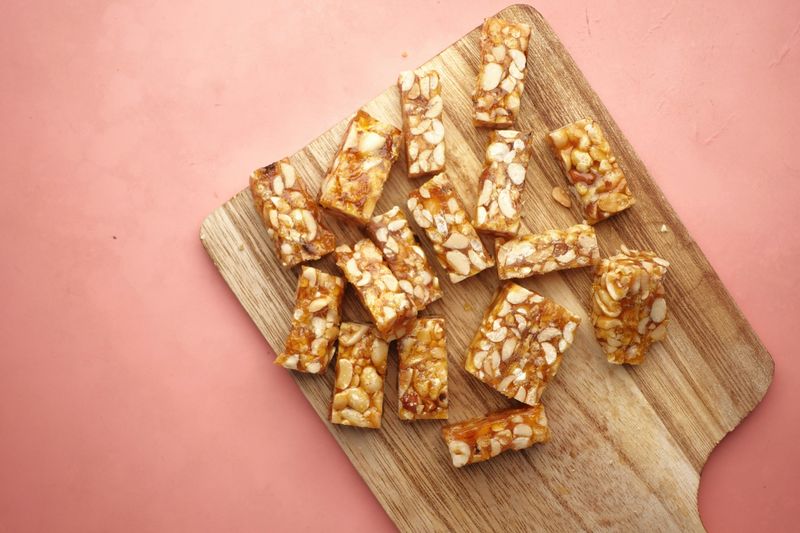
Protein bars promise energy, but one sawdust-dry, fake-chocolate brick can end the habit. The sweetness turns cloying, and the aftertaste coats your mouth.
That experience sticks every time you pass the display.
Then you start reading fiber types, sweeteners, and protein sources. You test peanut butter with real nuts and avoid waxy coatings.
Sometimes a simple nut bar tastes better than a science project.
Trust gets brand specific. Once burned, you buy singles, not boxes, until a bar proves it deserves space in your bag.
Granola bars
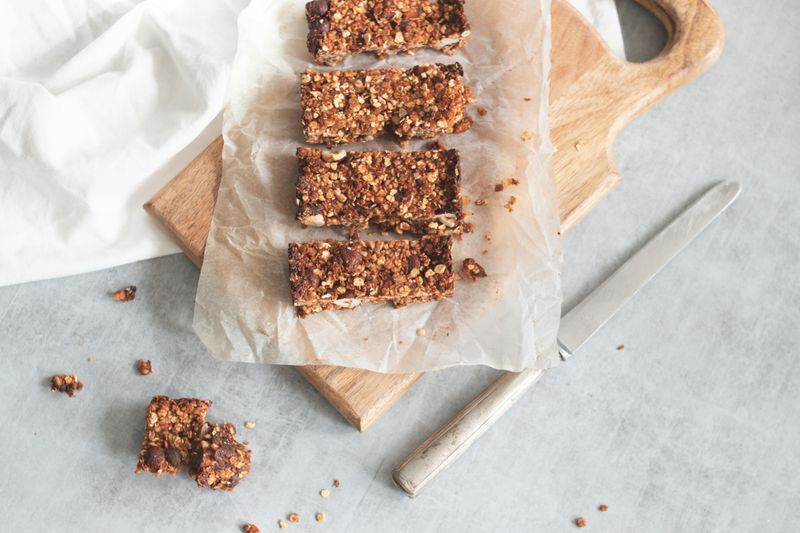
Granola bars feel wholesome until one batch tastes stale and oddly perfumed. The oats go soft, chocolate blooms, and the sweetness overwhelms.
That wrapper becomes a reminder that shelf stable can mean flavor stable in the wrong way.
After that, you search for short ingredient lists and real nuts. You store them airtight and buy smaller boxes.
Sometimes you bake a pan yourself on weekends.
Trust returns slowly. When you rely on a quick snack, disappointment is memorable, especially when it crumbles at the worst moment.
Snack cakes

Snack cakes can be fun until one waxy frosting and chemical vanilla hits hard. The sponge feels damp-springy rather than fresh, and the filling tastes like pure sugar.
After that, nostalgia battles reality and usually loses.
You start saving them for rare cravings or skip them entirely. Maybe you find a local bakery treat instead.
The wrapper sheen becomes a red flag you cannot unsee.
Trust fades under bright lights. Convenience sugar does not forgive a bad batch, and the memory lingers longer than the sweetness.
Packaged cookies

Packaged cookies used to feel safe, but one rancid-oil bite ends the magic. The chips taste waxy, edges crumble oddly, and the aroma screams factory instead of bakery.
That experience changes how you read every box.
Now you check dates, oils, and storage. You might freeze extras or choose smaller sleeves.
Sometimes you bake a quick batch at home for real butter flavor.
Trust can return, but carefully. After one bad sleeve, the crinkle of plastic sounds more like a warning than a treat.
Ice cream tub
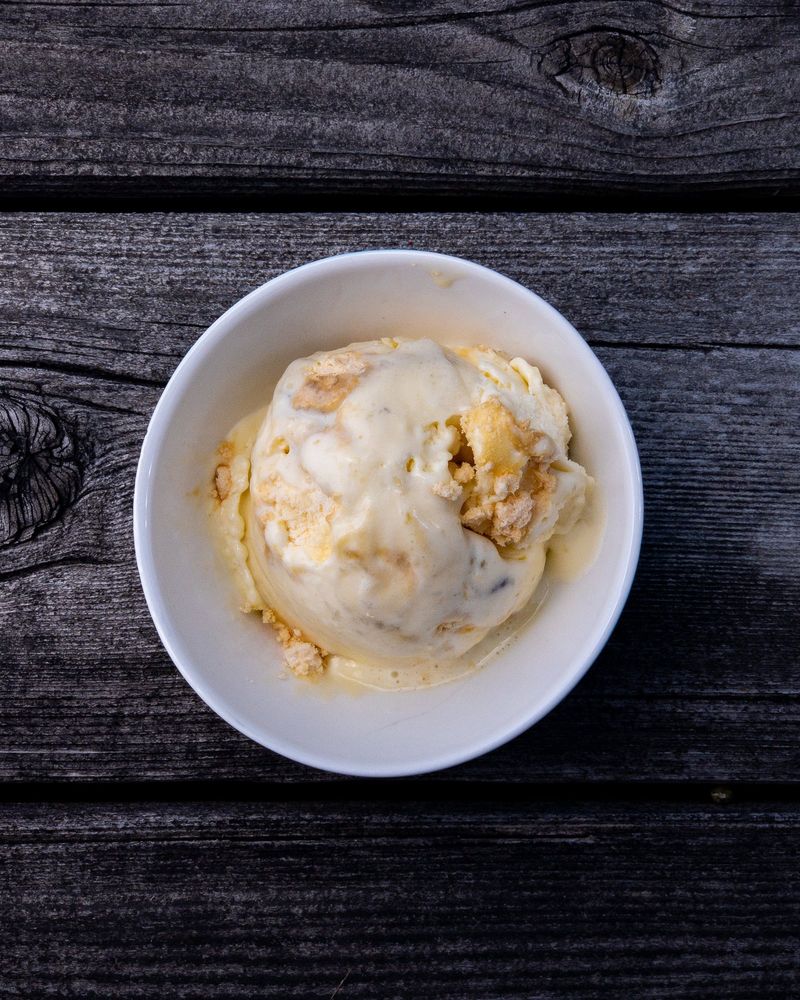
Ice cream should be joy, yet one freezer-burned, airy tub turns celebration into disappointment. You dig in and meet crystals, muted flavor, and a foamy melt.
The lid was not tight, or it thawed in transit.
Afterward, you shop pints not gallons, store deep in the freezer, and watch for temperature swings. You learn to feel for softness before buying.
Texture matters too much to risk it.
Trust returns with brands that travel well. Still, that crunchy spoonful is hard to forget when you just wanted smooth bliss.
Ground beef
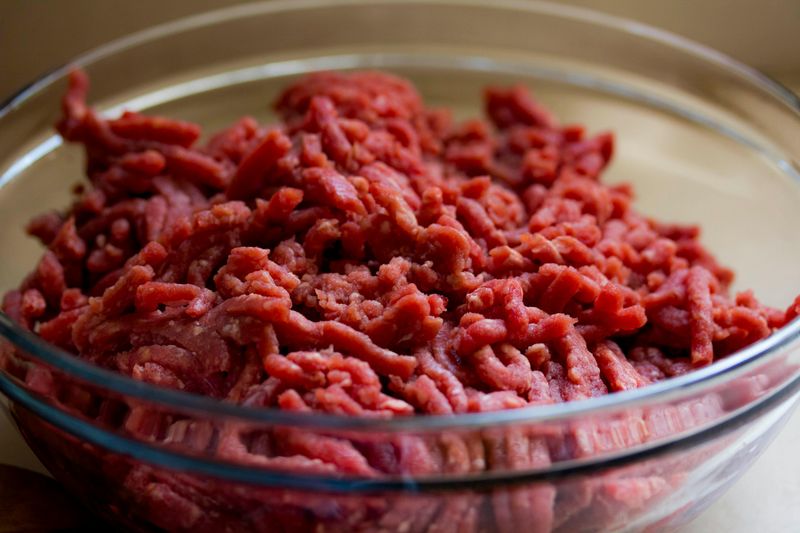
Ground beef is a staple until one gray, sulfur-tinged package makes you swear off the bargain. The texture cooks up watery, steaming instead of searing, and flavor falls flat.
After that, marbling and grind freshness matter more than price.
You start buying smaller packs, checking pack-on dates, and choosing butcher ground. You pat dry before cooking and avoid overcrowding pans.
Confidence returns with sizzle and browning.
Still, that one off package echoes in your mind. Trust in ground meat is earned by freshness you can see and smell.
Prepared sushi
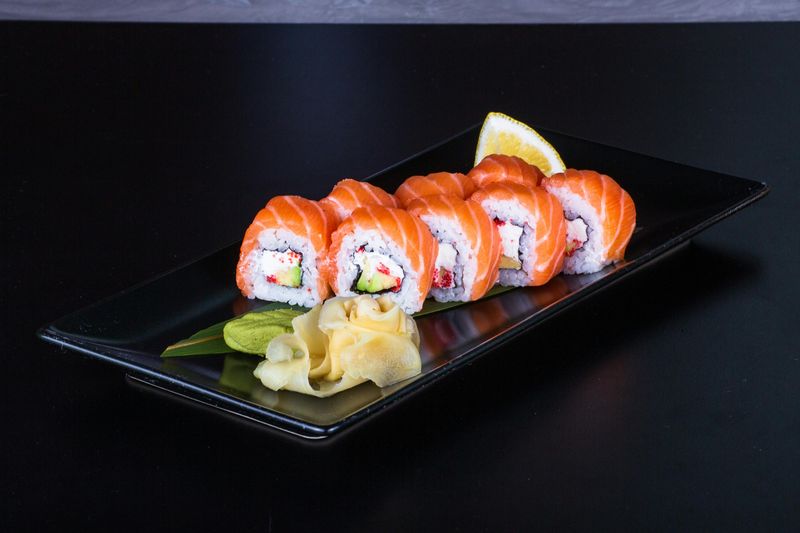
Prepared sushi looks fine until the rice is cold-dry and the fish smells a shade too oceanic. One mushy avocado or rubbery shrimp can flip trust instantly.
Texture is everything here, and a stale roll ruins confidence fast.
After a rough tray, you start checking timestamps obsessively. You learn the store’s delivery schedule and avoid late-day picks.
Sometimes you skip entirely unless a sushi chef is on site.
Raw fish is unforgiving. Confidence depends on freshness you can sense, not packaging color or wasabi heat that tries to distract.