


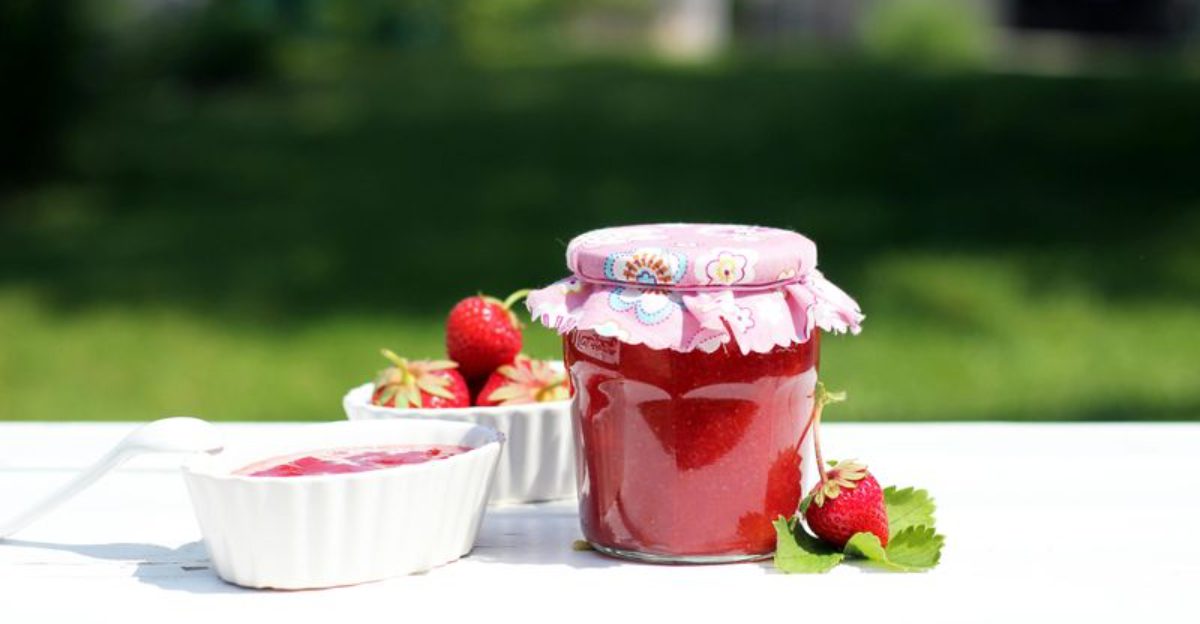
Sugar sneaks into everyday foods in ways that are easy to miss. Even options that seem wholesome can pack more sweetness than you expect.
Once you know the common culprits, you can make quick swaps that save hundreds of calories a week. Let’s uncover the quiet sugar sources and help you regain control of your plate.
Fruit yogurt
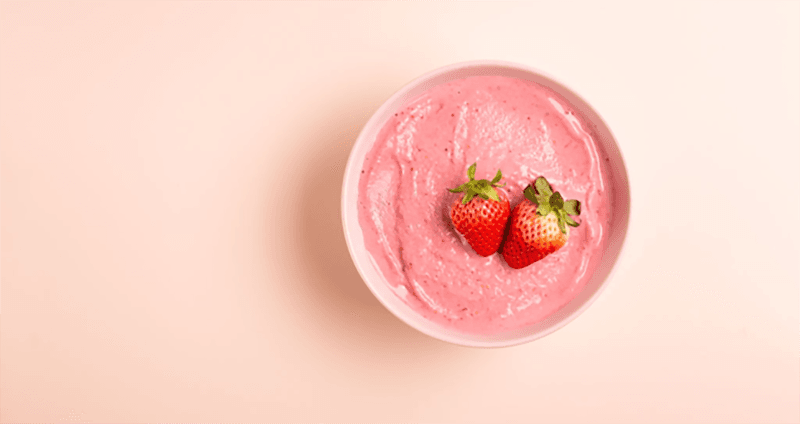
Fruit yogurt sounds healthy, yet many cups hide several teaspoons of added sugar beneath creamy vibes. The sweet swirl often comes from syrupy fruit puree, not whole fruit.
If you crave the tang, choose plain yogurt and sweeten it yourself with berries and a drizzle of honey.
You will likely notice the difference in how satisfied you feel. Protein stays the same, but the sugar spike eases.
Scan labels for grams of added sugar, not just total carbs, and aim for simple ingredients.
Chocolate milk

Chocolate milk brings nostalgia, yet the sweetness can rival soda in added sugar. Brands differ widely, so one serving might add more than expected.
If you want the recovery benefits of milk, consider mixing your own cocoa with a small amount of sweetener to control it.
You still get protein and calcium without the sugar surge. For kids, dilute with plain milk to reduce sweetness while keeping flavor.
Check for versions labeled lightly sweetened, and compare grams per cup. Your taste buds adjust quickly.
Orange juice
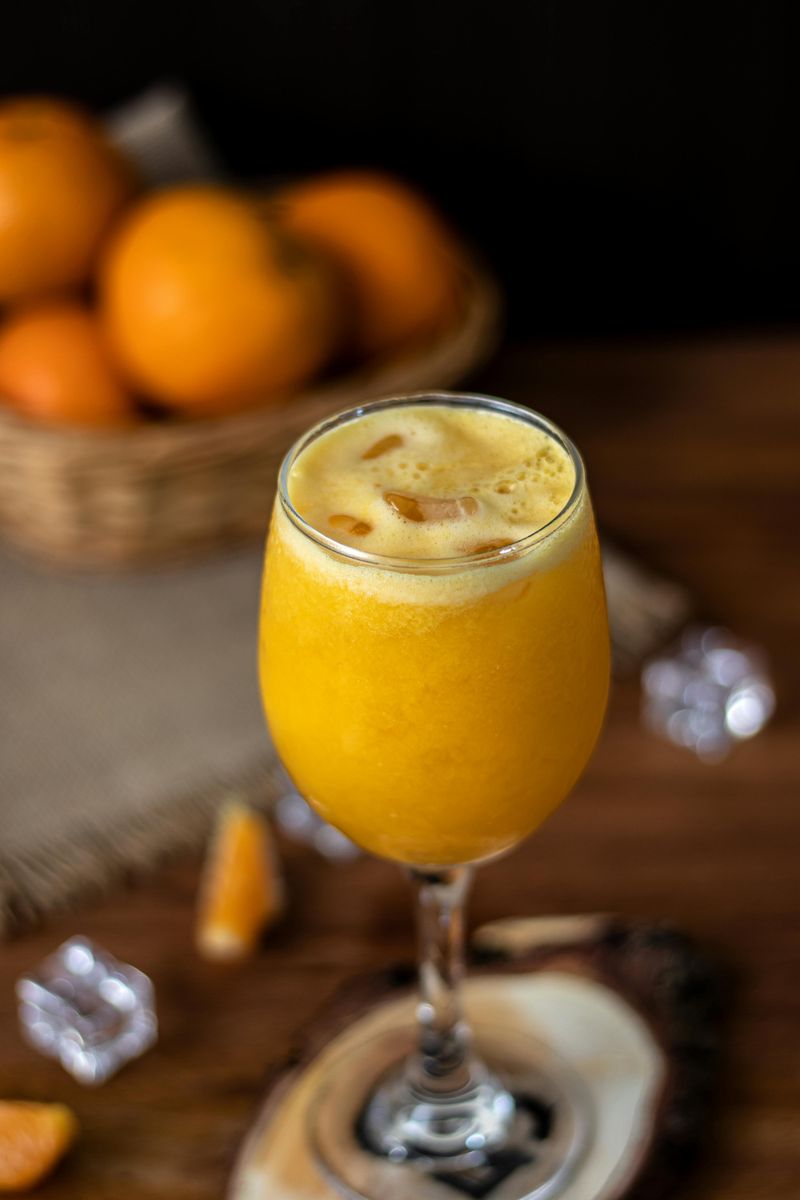
Orange juice carries vitamins, but the fiber from whole fruit is missing. That makes the natural sugars hit your bloodstream quickly.
A small glass can pack the sugar of multiple oranges, so portion size matters more than the sunny marketing suggests.
If you love that citrus kick, pour a half serving and top with sparkling water. You get flavor and fewer sugars per sip.
Even better, eat an orange instead for fiber and fullness. Remember: natural sugar is still sugar once juiced.
Balance the glass with protein.
Apple juice
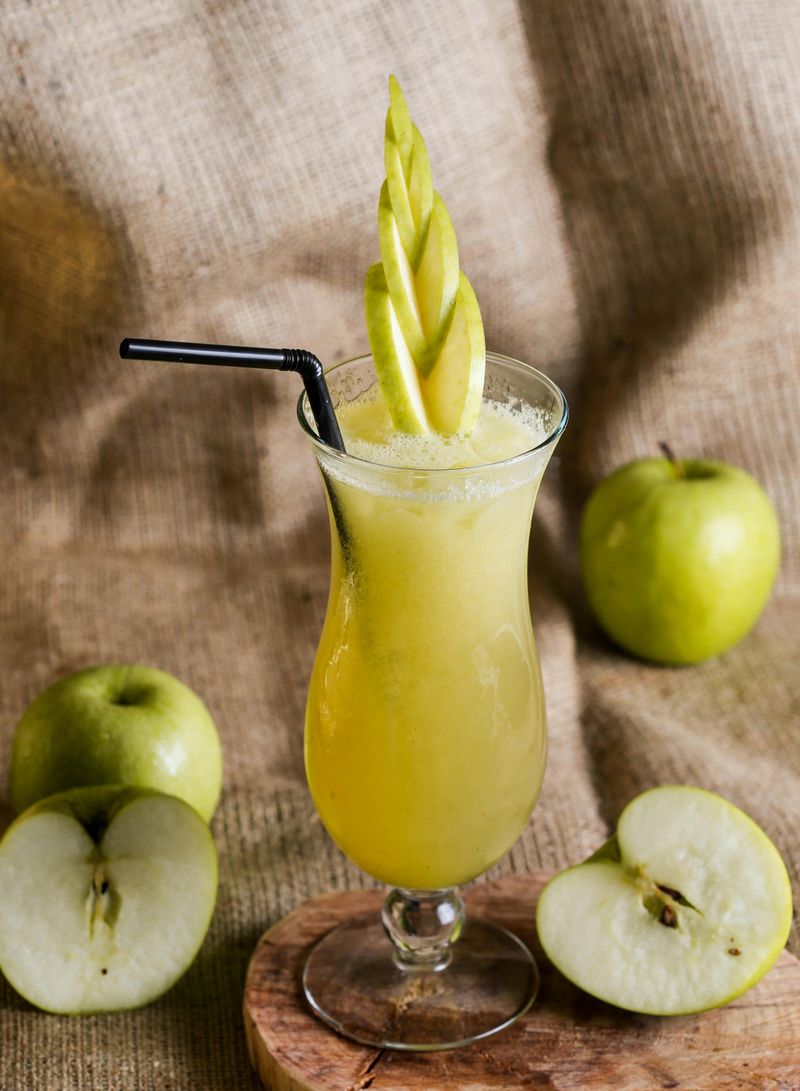
Apple juice seems simple, yet it concentrates fruit sugars without the buffering fiber. Even unsweetened varieties can spike blood sugar quickly.
Kids’ boxes often look small, but they tuck in surprisingly high sugar for the size.
Try diluting juice with water to stretch flavor and cut sugar per sip. Better yet, bite into a crisp apple for texture and satisfaction.
If you buy juice, choose no added sugar and limit serving sizes. Your teeth and energy levels will thank you.
Keep juice as an occasional treat, not an everyday thirst quencher.
Breakfast cereal
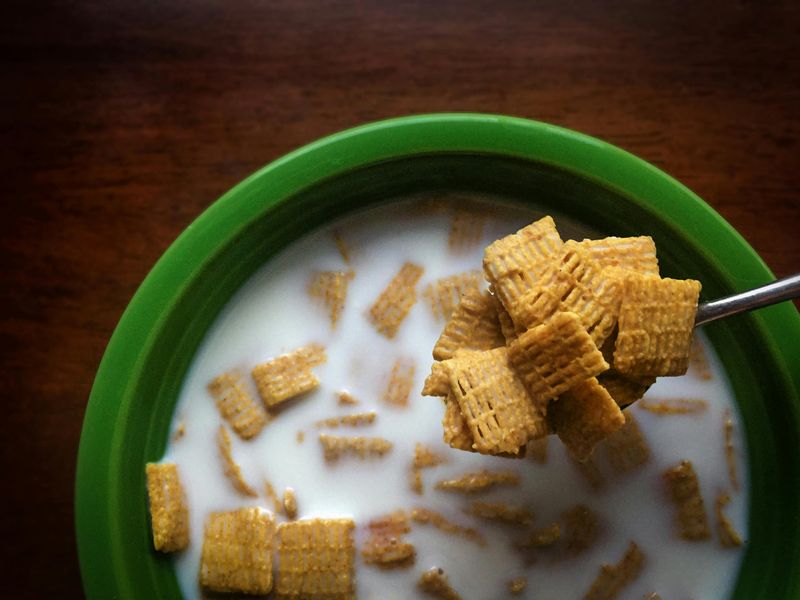
Breakfast cereal can swing from wholesome to dessert in disguise. Many boxes marketed as whole grain still add several sugars, from cane to syrup.
A small serving size tricks you into pouring more, which doubles sweetness fast.
Flip the box and check added sugars per serving, not just claims on the front. Look for fiber above three grams and sugar under six grams.
You can also blend half unsweetened flakes with a sweeter brand you like. Add nuts or seeds for crunch and balance.
Your morning will feel steadier.
Granola bars
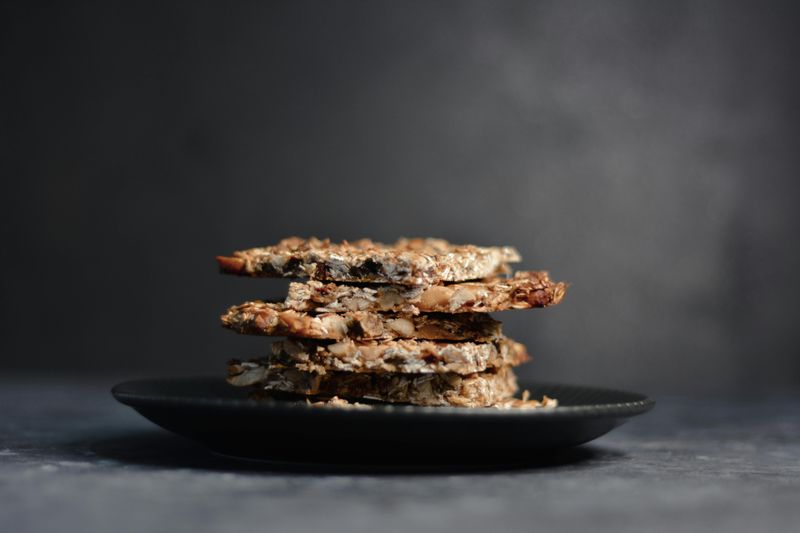
Granola bars promise fuel, but many rely on syrups, brown sugar, or dates plus chocolate to taste good. That combo piles on quick sugars while portions stay small.
You think you are snacking smart, yet it is closer to a cookie sometimes.
Scan for a short ingredient list and at least three grams of fiber with under eight grams of added sugar. Pair with a handful of nuts for better satiety.
Or make your own with oats, seeds, and just enough honey. Your afternoon energy will last longer, not crash.
Chocolate spread

Chocolate spreads taste dreamy on toast, but check the label and sugar comes first or second. A thin swipe easily becomes a thick layer, doubling sweetness.
Portion sizes are tiny, so real intake often outpaces what the jar suggests.
Use a measured spoon and add sliced banana or strawberries for volume and fiber. Try mixing with plain Greek yogurt to dilute sweetness while keeping the cocoa flavor.
If you crave it daily, rotate in nut butter a few days a week. Small tweaks keep breakfast balanced without losing joy.
Bottled smoothies
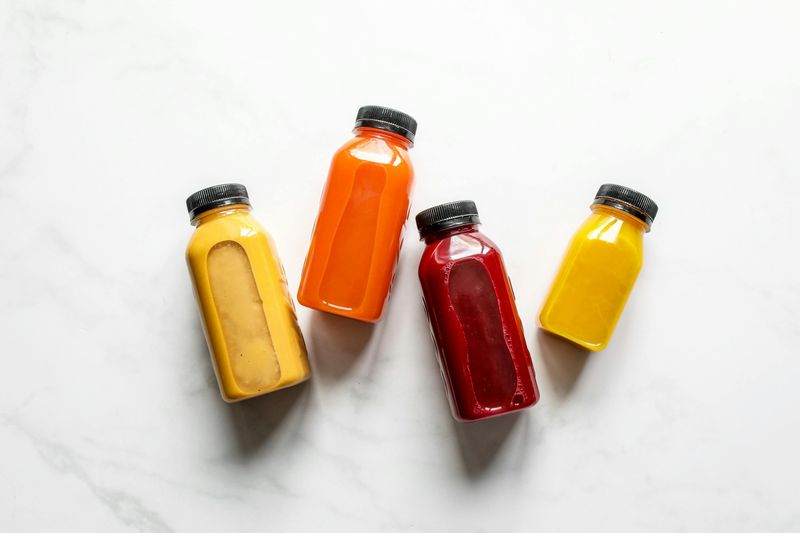
Bottled smoothies sound like produce in a sip, yet recipes often include fruit concentrates or juice bases. Without fiber or chewing, it is easy to drink multiple servings of fruit quickly.
Some bottles rival milkshakes in sugar, even when labeled natural.
If convenience matters, choose small sizes with vegetables listed early and minimal fruit juice. Better still, blend at home with greens, whole fruit, and protein like yogurt or tofu.
Sip slowly and let fullness signals catch up. Your wallet and blood sugar will appreciate the switch.
Sweet cookies
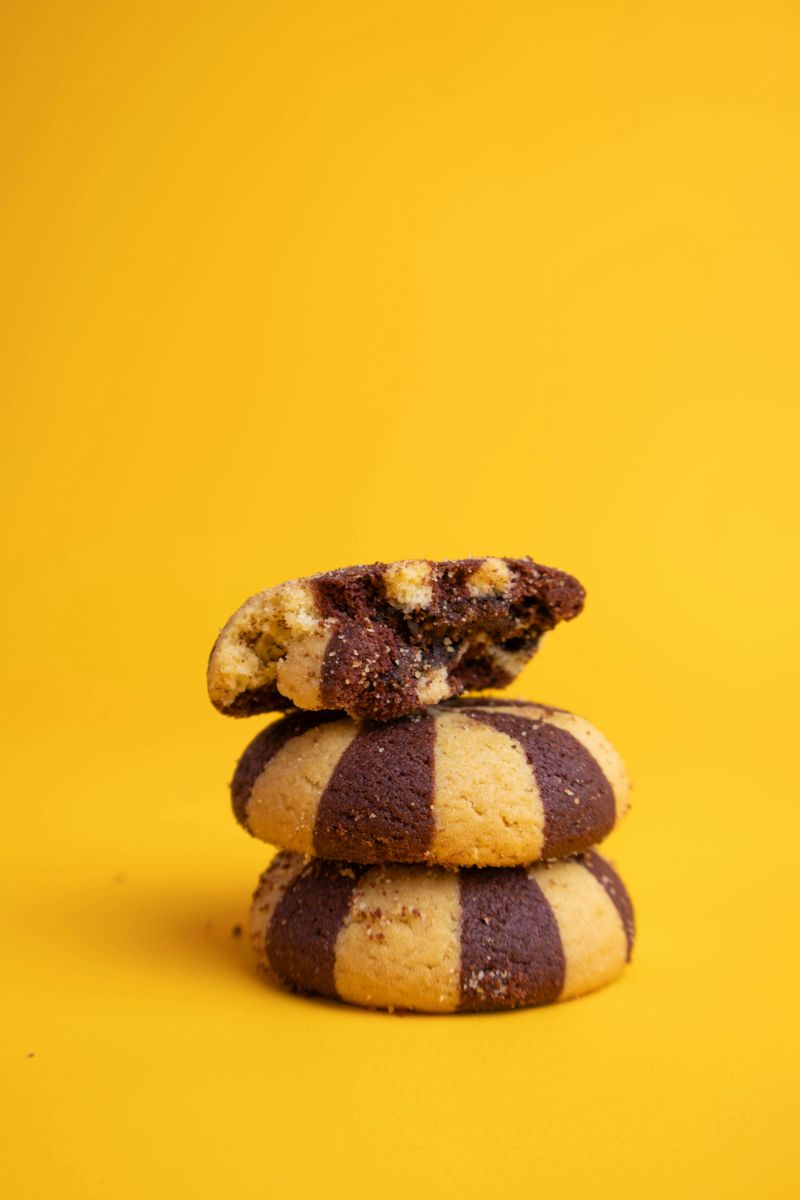
Cookies are an obvious treat, but everyday nibbling adds up. Two or three small cookies can hide multiple teaspoons of sugar, especially with icing or fillings.
Portion creep is real when the box sits open on the counter.
Decide your serving before you start and pair with tea or milk for satisfaction. Keep individually wrapped portions or freeze extras to slow the pace.
If baking, cut sugar by one third and boost vanilla or spices. You still get that cozy vibe without the sugar spike.
Vanilla pudding

Vanilla pudding slides down easy because it is mainly milk, sugar, and starch. Even single-serve cups can pack hefty added sugars.
Boxed mixes often require additional sugar or come pre-sweetened, making it simple to overshoot daily goals.
Try a homemade version with less sugar and extra vanilla to enhance flavor. You can also fold in Greek yogurt for protein and creaminess.
Serve in small dishes and savor slowly. When cravings hit, a few spoonfuls may satisfy without needing the whole cup.
Ice cream

Ice cream is dessert territory, yet serving sizes are tiny compared to actual scoops. Sugar combines with fat to make it irresistibly creamy.
Add mix-ins or sauce and the numbers climb even faster than you think.
Use a small bowl and a firm scoop to keep portions predictable. Choose simple flavors and add fresh fruit for brightness instead of more syrup.
Sorbet is not automatically better, since it can hold even more sugar. Enjoy it mindfully, and let it be a treat rather than a nightly routine.
Milk chocolate
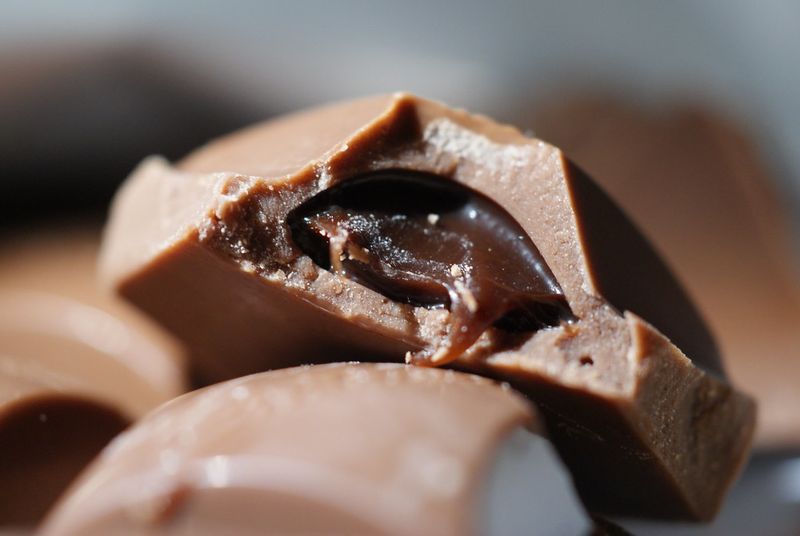
Milk chocolate melts like a dream because sugar leads the ingredients along with milk solids. Compared to dark varieties, it often carries more sugar and less cocoa.
A few small squares can be satisfying, yet handfuls tip the balance.
Try darker options around 70 percent cocoa to lower sugar while keeping indulgence. Break a bar into pre-portioned pieces and store it out of sight.
Pair with nuts or a latte to slow snacking. You still enjoy chocolate’s comfort, just without the steady creep of added sugar.
Energy drinks

Energy drinks pair caffeine with serious sugar, which can slam your system and then crash it. Even mid-size cans approach soda territory.
Zero sugar versions exist, but some swap in sweeteners that keep a very sweet preference alive.
If you want a lift, try coffee, tea, or sparkling water with a squeeze of citrus. Hydration plus caffeine works without the sugar bomb.
Read serving sizes carefully, since many cans contain two. The label tells the real story, not the marketing.
Sweetened coffee
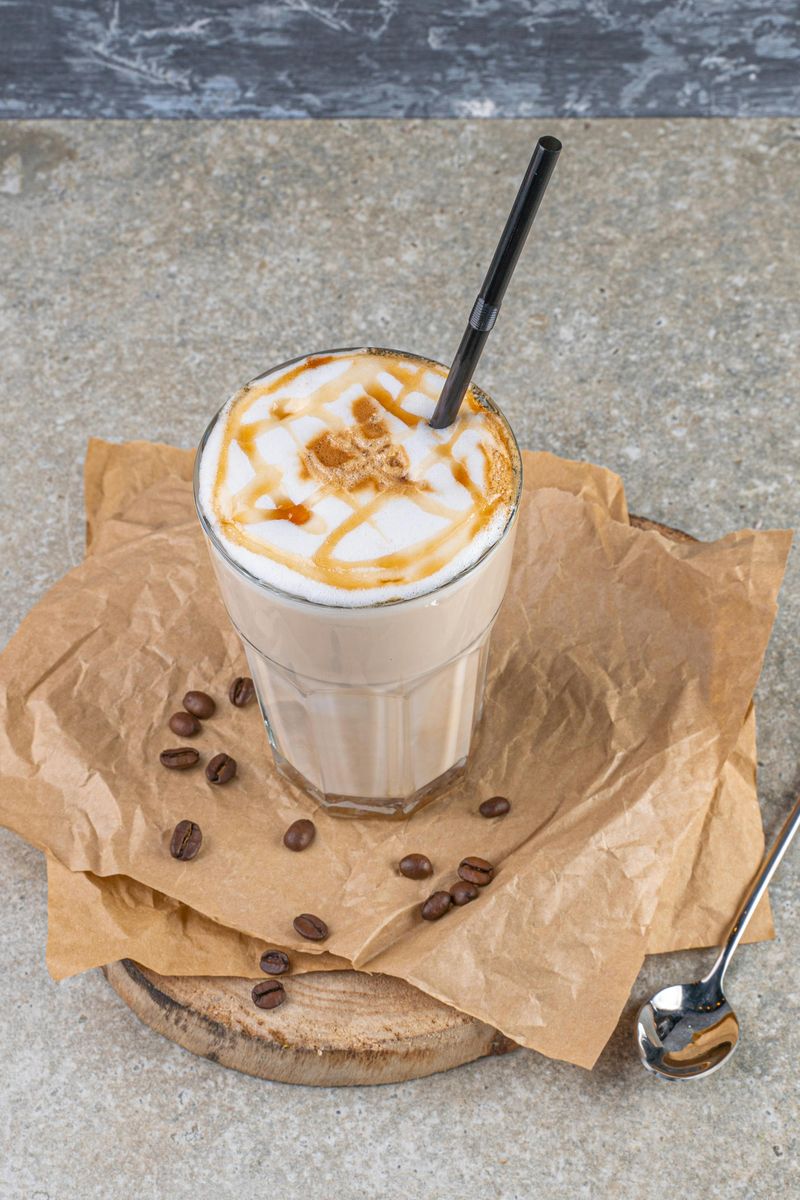
Your coffee can quietly morph into dessert when syrups, sauces, and whipped cream join the cup. Each pump adds sugar, and large sizes multiply the effect.
Even flavored creamers at home can tip you over daily limits fast.
Ask for fewer pumps, switch to half-sweet, or choose sugar-free flavors sparingly. Milk alternatives may also carry added sugars, so scan the carton.
Train your palate by stepping down sweetness weekly. You will still enjoy the ritual, just with more control.
Flavored tea
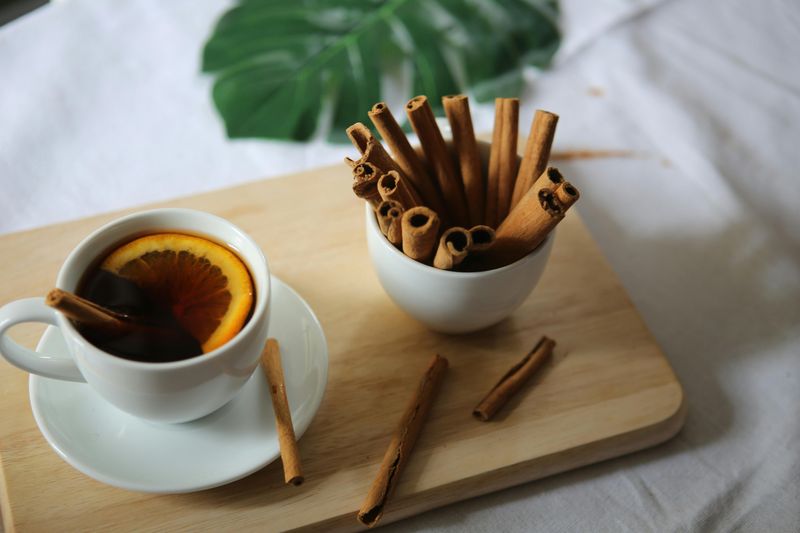
Flavored teas seem light, yet sweet tea and bottled varieties often include multiple spoonfuls of sugar. Herbal blends taste fruity, but the sweetness usually comes from syrups.
A large cup can bring soda-level sugar without the fizz.
Order unsweetened and add lemon or a splash of juice for balance. At home, brew strong tea and chill it, then sweeten lightly if needed.
Gradually reduce sweetness, and your taste adjusts. You keep refreshment without the hidden sugar tide.
Protein bars
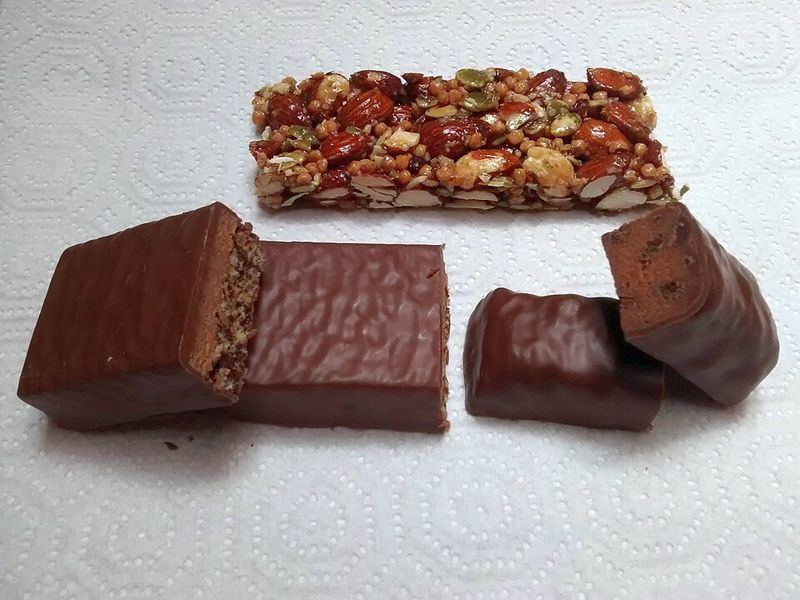
Protein bars feel functional, but many lean on syrups, chocolate, or yogurt coatings to taste good. Some trade sugar for sugar alcohols, which can still be sweet and sometimes upset stomachs.
The result can resemble candy with protein sprinkled in.
Look for bars with fewer than eight grams of added sugar and ingredients you can pronounce. Pair with water and maybe fruit to round it out.
If hunger is intense, a sandwich might serve you better. Choose the tool that fits the job, not just the wrapper’s promise.
Fruit snacks
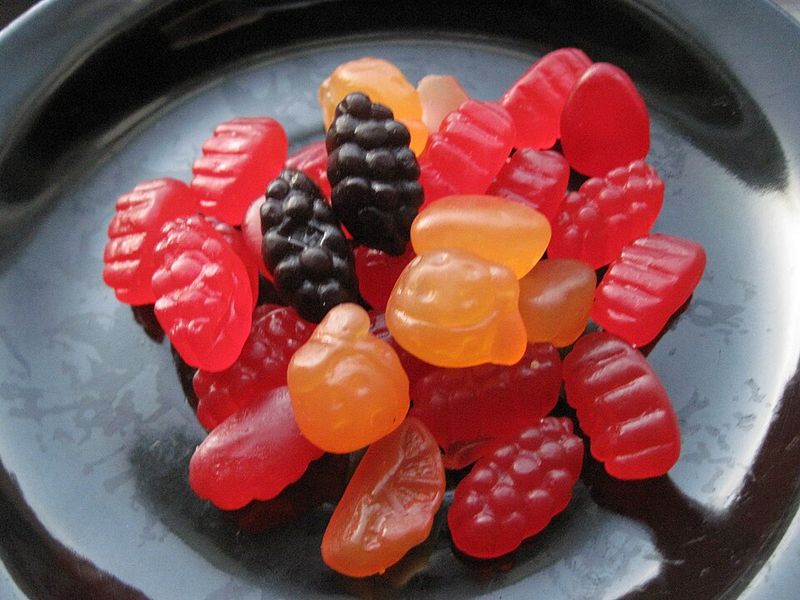
Fruit snacks market themselves with pictures of orchards, yet they are usually concentrated sugars with flavoring. Even when they include juice, fiber is gone and stickiness lingers on teeth.
Small pouches vanish quickly, encouraging another pack.
Swap in real fruit, freeze-dried fruit without added sugar, or trail mix with nuts and raisins. If buying pouches, choose ones with no added sugar and keep them occasional.
Your dentist and your afternoon energy will both benefit. Remember, fruit’s charm comes with water and fiber, not just sweetness.
Canned fruit
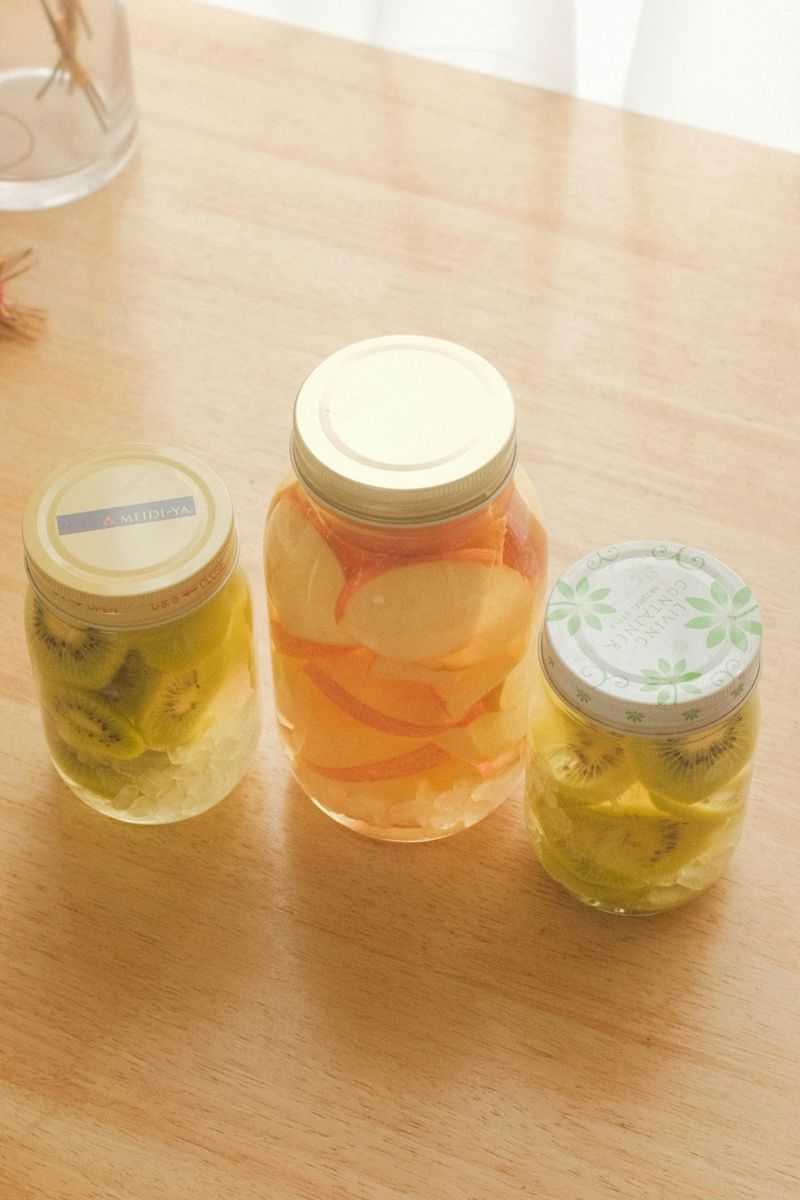
Canned fruit can be handy, but heavy syrup varieties stack on extra sugar. Even light syrup adds more than fruit alone.
The liquid invites sipping, which quietly boosts intake beyond the fruit pieces.
Choose fruit packed in water or 100 percent juice, then drain and rinse to cut sugars further. Add yogurt or cottage cheese for protein and a more filling snack.
Keep portions sensible by serving in small bowls. You will still enjoy sweetness, just with better control.
Sweet pastries

Glazed croissants, danishes, and turnovers blend refined flour with layers of sugar. The pastry feels light, so it is easy to underestimate.
Add frosting or filling and you have a breakfast dessert that spikes and crashes energy.
Share one, or pick a smaller piece and pair with eggs or yogurt. Savory choices balance the morning better on busy days.
If you love pastries, savor them on special occasions and skip the automatic add-on. Pleasure stays high while sugar stays manageable.
Dessert yogurt
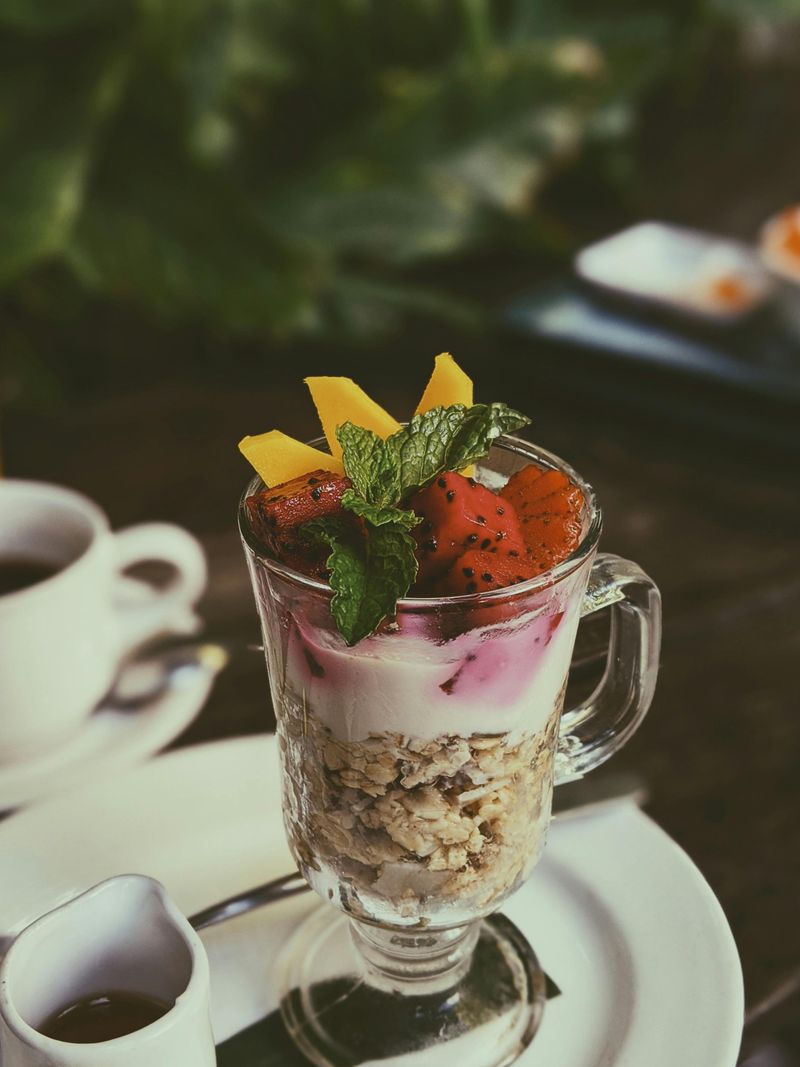
Dessert yogurts layer caramel, cookie bits, or fruit sauces into a creamy base. The health halo remains, but sugars climb fast.
Portions look modest, yet toppings and mix-ins pack plenty of sweetness.
Pick plain or lightly sweet yogurt and add your own crunch with nuts or cacao nibs. A drop of vanilla and a few berries go a long way.
If cravings persist, keep dessert yogurt for weekends. That small boundary preserves routine and reduces sugar creep.
Caramel sauce

Caramel sauce is pure sugar transformed with heat, plus butter and cream for richness. A modest drizzle turns into a generous pour quickly, especially over coffee or ice cream.
Because it is liquid, it slips past fullness cues easily.
Use a measured spoon and keep it for intentional desserts. Try fruit, cinnamon, or a pinch of salt to heighten flavor with less sauce.
If making at home, reduce sugar slightly and rely on slow browning for depth. You will still taste luxury, without the runaway sweetness.
Strawberry jam
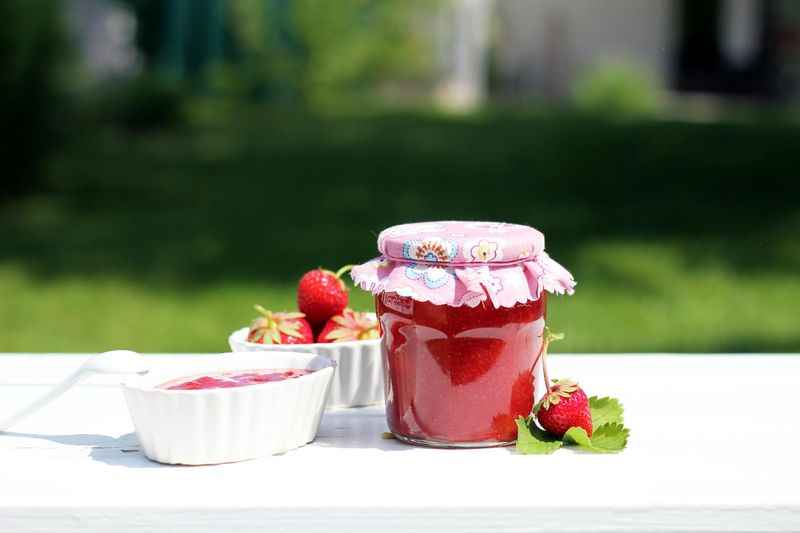
Classic strawberry jam blends fruit with plenty of sugar to set and preserve. Even reduced sugar versions can still add more than you expect.
A spoonful here and there on toast, yogurt, or pastries accumulates quickly across the day.
Consider mashing fresh berries with chia seeds for a quick fridge jam. You keep bright flavor with far less added sweetness.
If you buy jarred, check for fruit listed first and grams of added sugar under ten per serving. Use a thin spread and add fresh fruit on top for balance.