


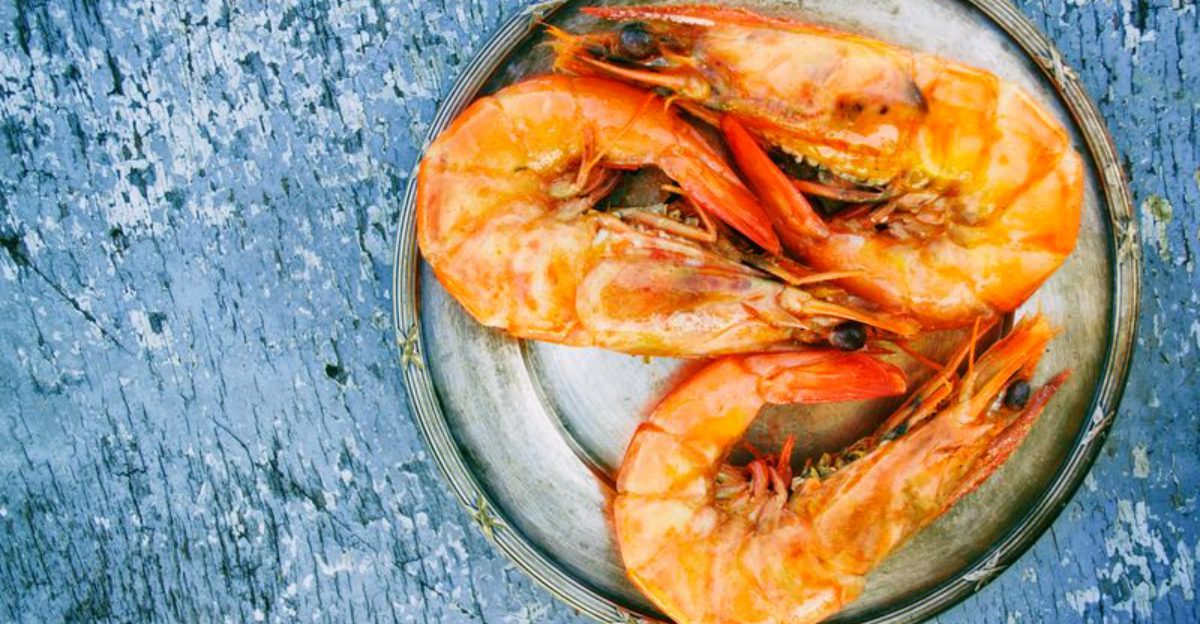
Remember when a full cart felt affordable and simple? Lately, every aisle feels like a choice between nostalgia and your budget.
These everyday staples used to be automatic toss-ins, but now they spark questions, swaps, and second thoughts. Let’s unpack which foods turned from easy bargains into heated debates and how to decide what still earns a spot in your basket.
Eggs
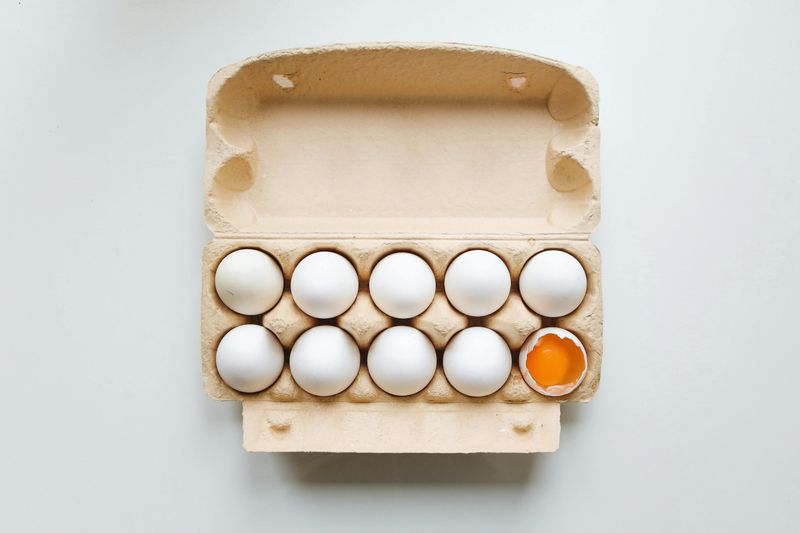
Eggs used to be the default cheap protein, perfect for any meal. Now prices swing wildly, leaving you eyeing every carton and calculating cost per egg.
Cage-free and organic labels complicate the math, tempting you with ethics while nudging your budget.
You might compare dozen sizes, grab store brands, or try liquid eggs for convenience. Some weeks, a breakfast-for-dinner plan feels luxurious instead of thrifty.
Still, versatility matters, and eggs deliver.
If sticker shock hits, consider sales, loyalty coupons, and freezing beaten eggs for later. You will probably keep buying, just more strategically.
Bacon
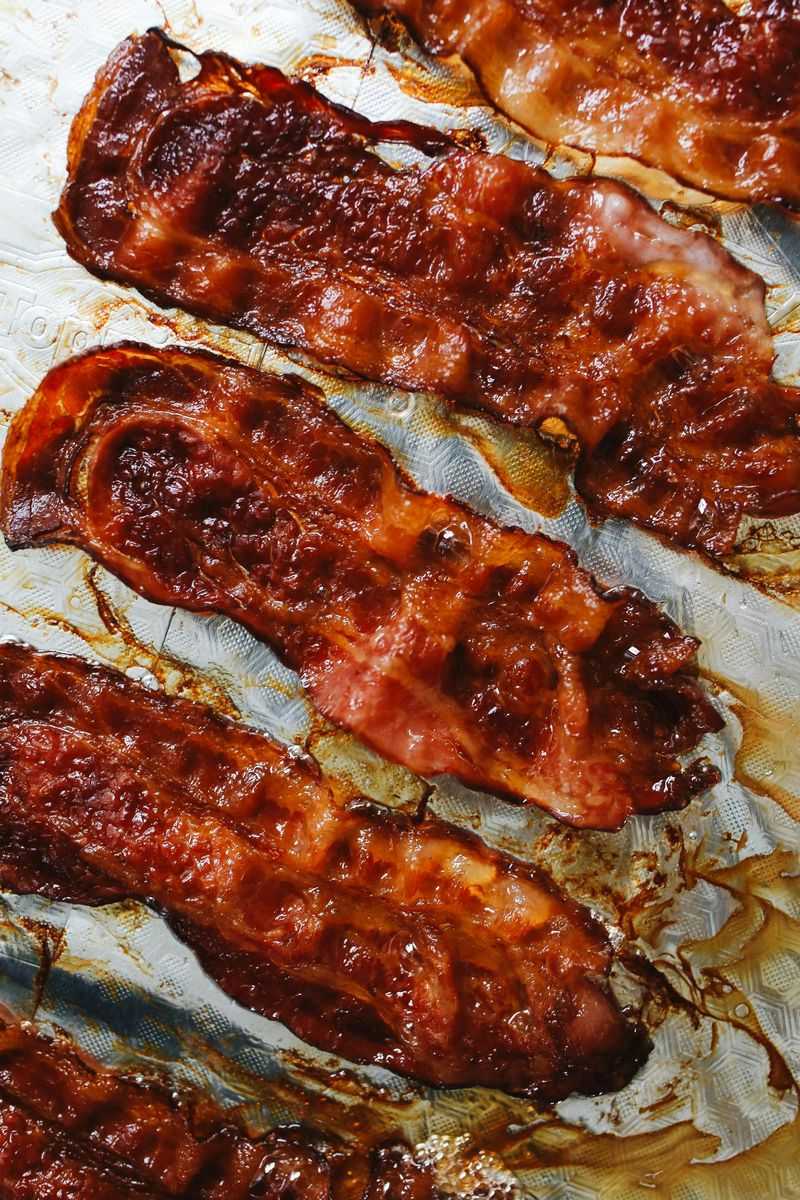
Bacon once lived in the treat-but-affordable lane. Now it sparks a debate every time you crave that smoky crunch.
You stare at the price per pound, compare thick-cut to ends-and-pieces, and wonder if turkey bacon makes sense.
Deals feel elusive, and shrinkflation lurks in thinner slices and smaller packs. Weekend brunch dreams meet weekday budgets, so you ration strips or use bacon as a flavor booster.
Try rendering fat for cooking, stretching flavor across soups and veggies. Watch for BOGO promotions, stash extras in the freezer, and savor every crisp bite without letting it own your wallet.
Butter
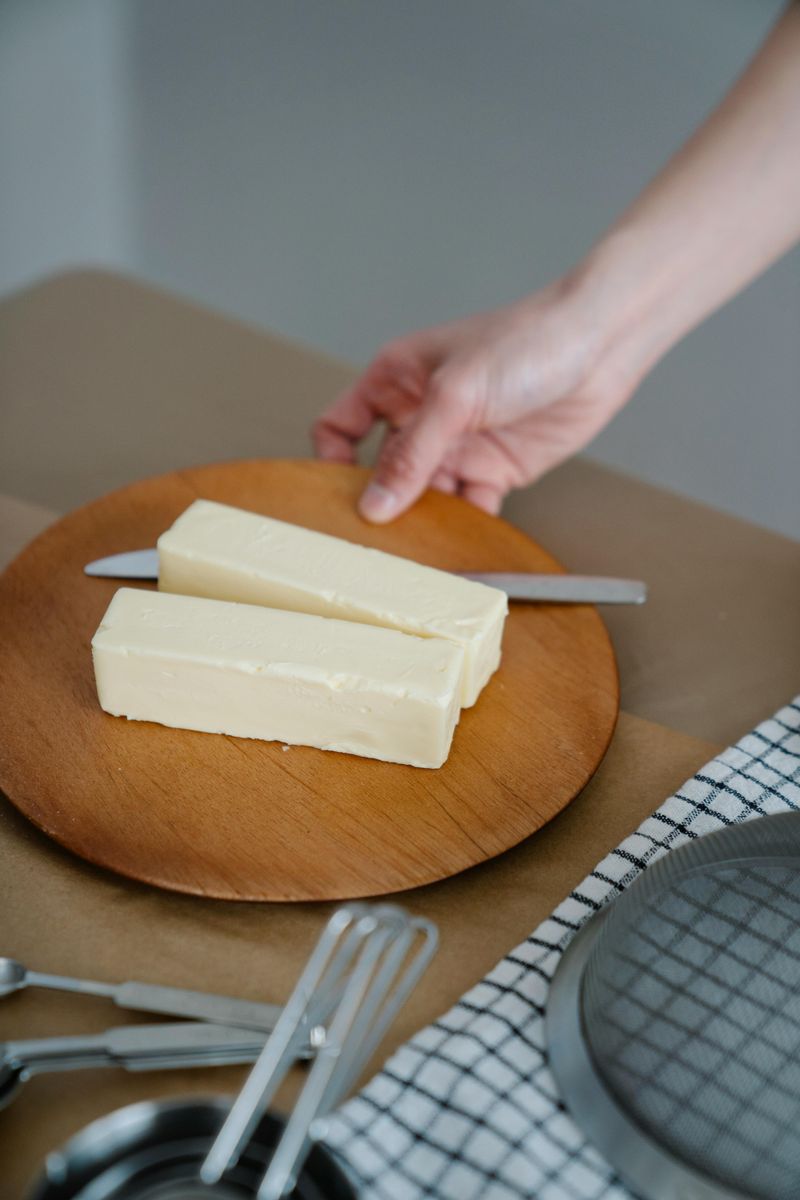
Butter used to be a baking staple you barely noticed at checkout. Nowadays, you debate between salted, unsalted, European style, or store brand.
Price jumps nudge you toward margarine or oil swaps, especially for everyday sautéing.
Bakers feel it most, counting sticks for cookies, laminated doughs, and frostings. Freezing multipacks during sales helps, and portioning reduces waste.
If flavor is king, butter still wins hearts.
You can stretch it by browning for bigger impact, or blending with olive oil. Consider clarified butter for higher heat and longevity, keeping quality without burning through your budget.
Olive oil

Olive oil used to feel like an affordable upgrade. Droughts and harvest issues pushed prices up, turning everyday drizzles into careful pours.
You might compare extra virgin with blends, wondering where quality truly matters.
Cold salads and finishing dishes benefit most from the good stuff, while searing can use neutral oil. Buying in tins or club sizes saves, but freshness matters, so store cool and dark.
Certification labels help cut through marketing noise.
When budgets bite, split duties between a flavorful bottle and a value cooking oil. That way, you keep taste where it counts without draining your wallet.
Coffee
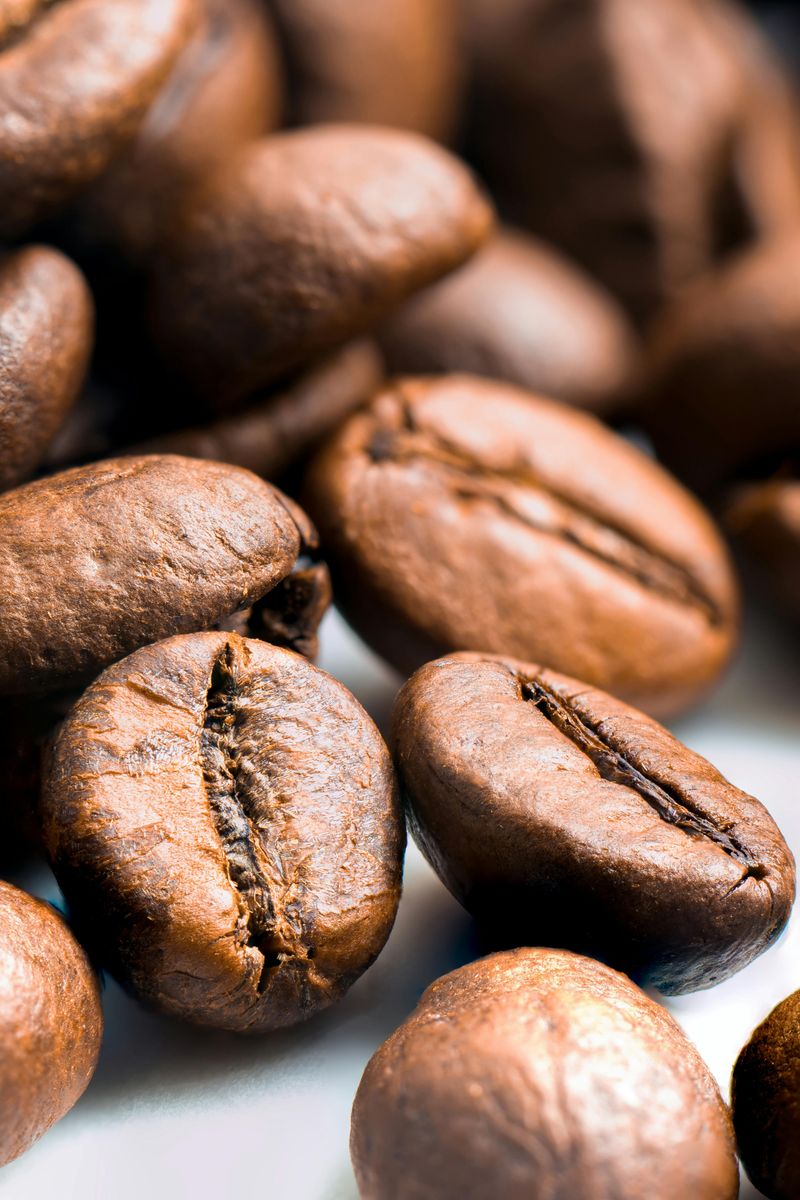
Coffee used to be the friendly daily ritual that barely dented your budget. Now it is a tug-of-war between convenience, quality, and cost.
You juggle beans, pods, and instant, wondering if a subscription or bulk buy will help.
Origin stories and roast levels tempt you, but inflation makes each cup count. A grinder can stretch flavor, and a French press reduces wasteful pods.
Still, cafe habits add up fast.
Try weighing doses, reusing grounds for cold brew experiments, or rotating blends. Find your comfort point: good enough taste, dependable routine, and a price that lets mornings stay bright.
Cheese
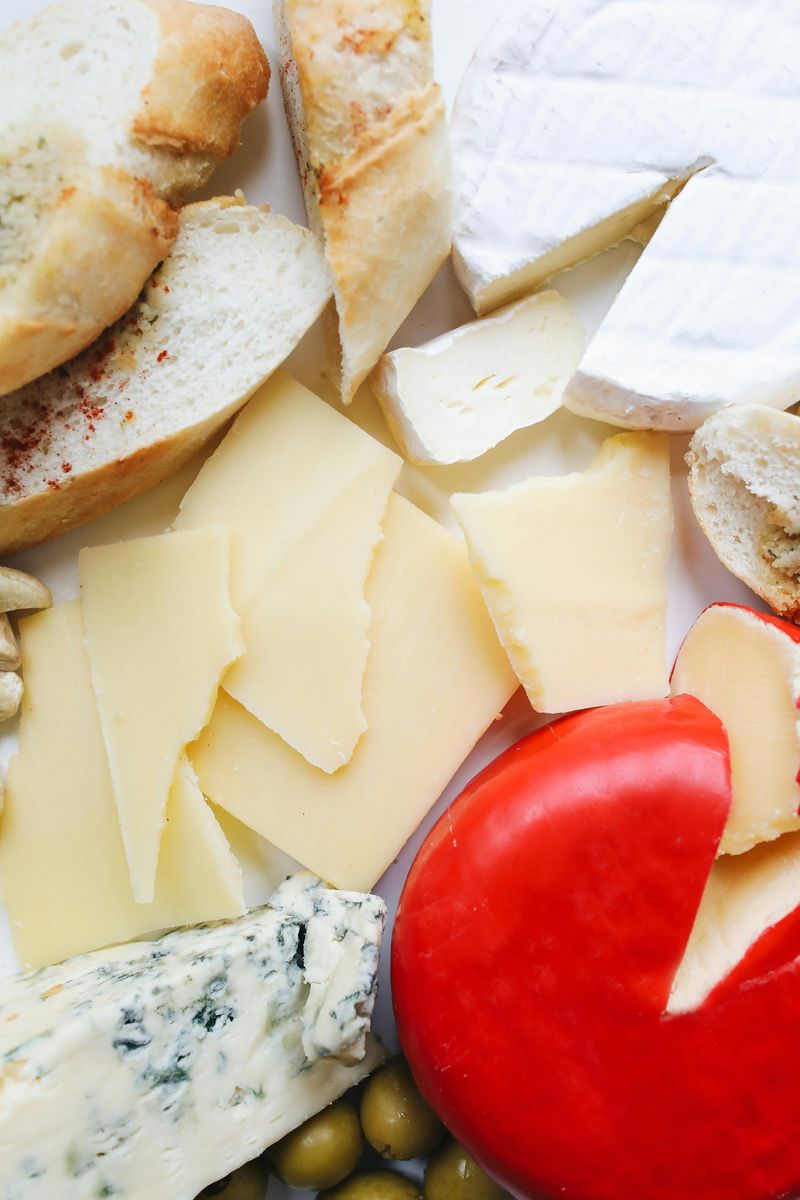
Cheese used to be a casual splurge; now it demands a plan. Blocks, shreds, and wedges all whisper different math.
You compare per-ounce costs, consider aged flavors, and weigh store-brand options.
Shredding your own often stretches dollars and melts better. Hard cheeses go further because a little packs flavor.
With specialty picks, savor becomes strategy: smaller portions, smarter pairings, and airtight storage.
Plan recipes that spotlight cheese without overusing it. Mix bold varieties with milder ones, and freeze extras when possible.
You still get comfort and character, just with sharper budgeting and fewer impulse buys.
Ground beef
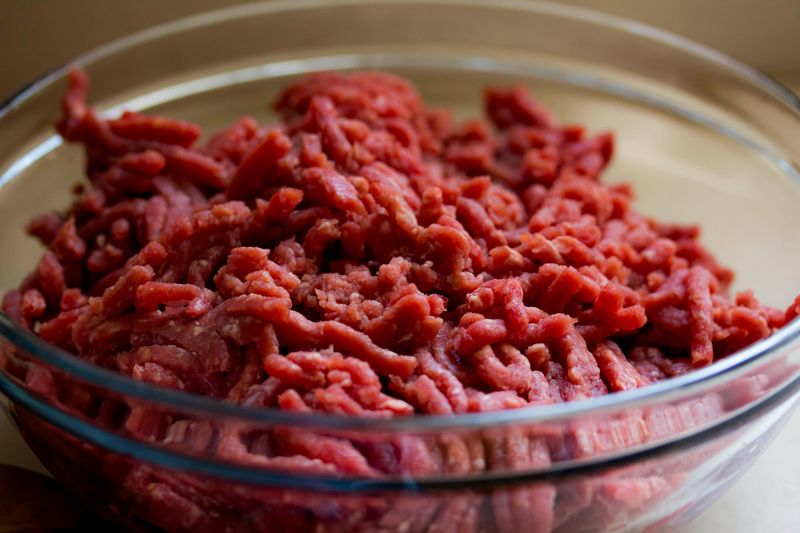
Ground beef once anchored thrifty dinners like chili, tacos, and meatloaf. Today the sticker shocks you into weighing fat percentages against price.
You might swap 80/20 for leaner blends or stretch it with beans, mushrooms, or grains.
Batch cooking still helps, letting you portion and freeze for busy nights. Watch markdowns, but check color and smell for quality.
Season aggressively to keep satisfaction high even with smaller servings.
If the budget pinches hard, mix in lentils or tofu crumbles. Keep burgers for special nights, and let saucy dishes carry flavor.
Value survives with smart planning and flexibility.
Chicken wings
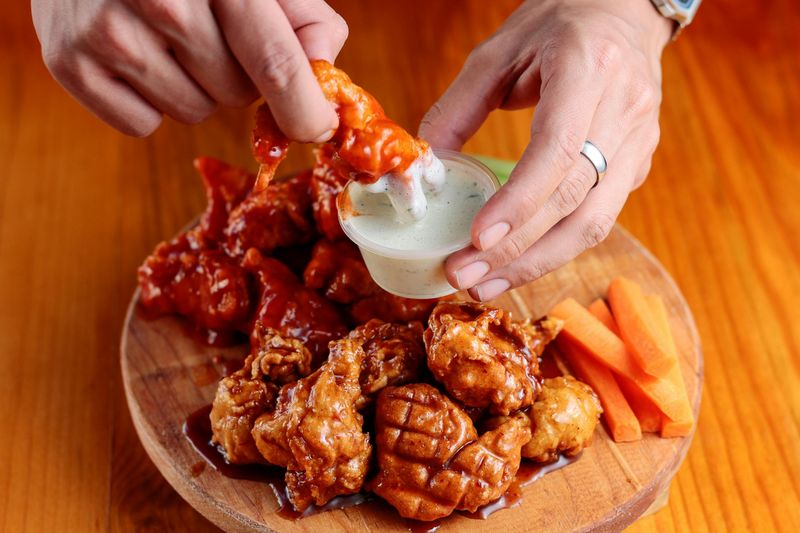
Wings used to be the cheap party MVP. Then demand soared, prices followed, and suddenly thighs and drumsticks looked smarter.
You might chase game-day deals, but even frozen bags feel pricier.
Air fryers help maximize crispness without gallons of oil. For value, buy whole wings and break them down yourself.
Sauces stretch flavor, from buffalo to garlic parm, so fewer pieces can still satisfy.
Consider swapping in drumsticks for that meaty bite at a friendlier cost. If you are loyal to wings, track sales, portion mindfully, and savor every sticky, crispy edge with zero waste.
Beef steak
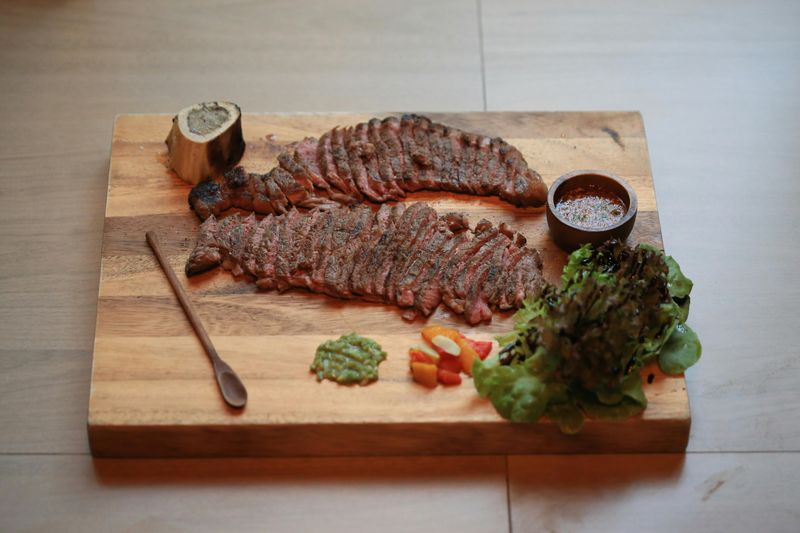
Steak night once felt like an attainable treat. Now even choice cuts command a pause at the register.
You weigh ribeye romance against sirloin practicality, and wonder if marinades can turn value cuts into showstoppers.
Reverse sear, sous vide, or careful resting can rescue tougher pieces. But plan ahead: buy on sale, freeze well, and label clearly.
Sharing one steak with sides turns splurge into celebration without overspending.
Explore flank, chuck eye, and flat iron for flavor per dollar. Slice thin across the grain, spotlight chimichurri, and let veggies share the plate.
Satisfaction, preserved smartly.
Salmon
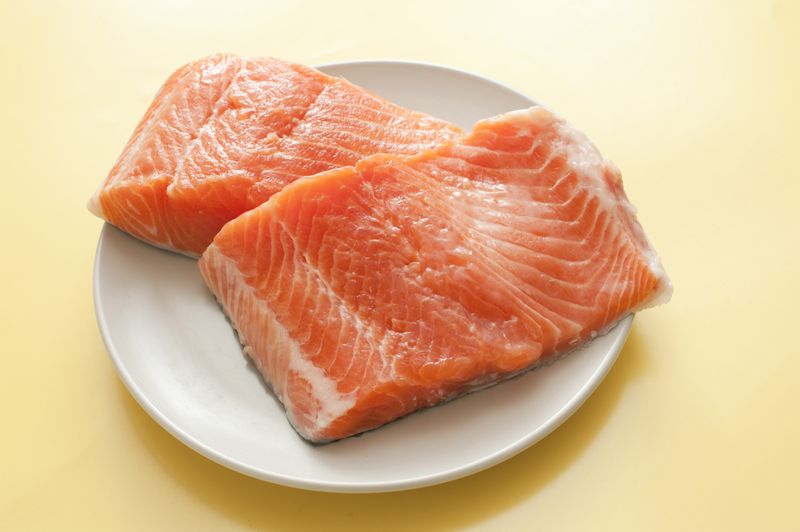
Salmon used to be a weeknight luxury that felt sensible. Prices climbed, and now you debate wild versus farmed, fresh versus frozen.
Portion sizes shrink as you try to keep omega-3s without overshooting the budget.
Frozen fillets often deliver good quality and predictable cost. Canned salmon stretches into patties and salads.
Bold glazes help a little go further, giving you flavor without huge servings.
Watch seasonality, buy skin-on, and save trimmings for chowder. If sticker shock hits, rotate with sardines or trout.
You still get that satisfying richness, just managed with timing and portions.
Avocados
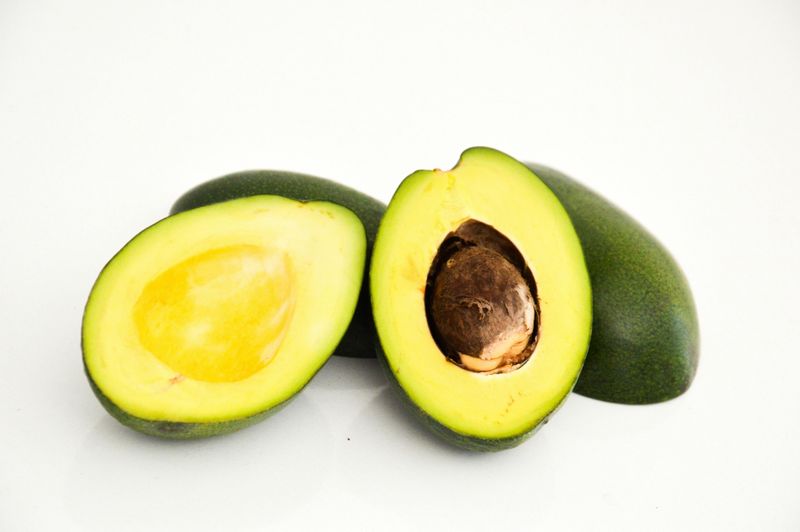
Avocados were once a casual add-on for toast and tacos. Now, each one feels like a decision with ripeness risk included.
You assess firmness, check the stem, and try multi-packs that sometimes hide bruises.
Prices swing with harvests, so timing is everything. Refrigeration slows ripening, giving you a chance to pace usage.
Mashing with lime lets a single fruit stretch across several bites.
Consider frozen avocado chunks for smoothies and dressings. Use oil or yogurt to extend guacamole for gatherings.
You still get creamy satisfaction, but with more vigilance and fewer last-minute splurges.
Berries
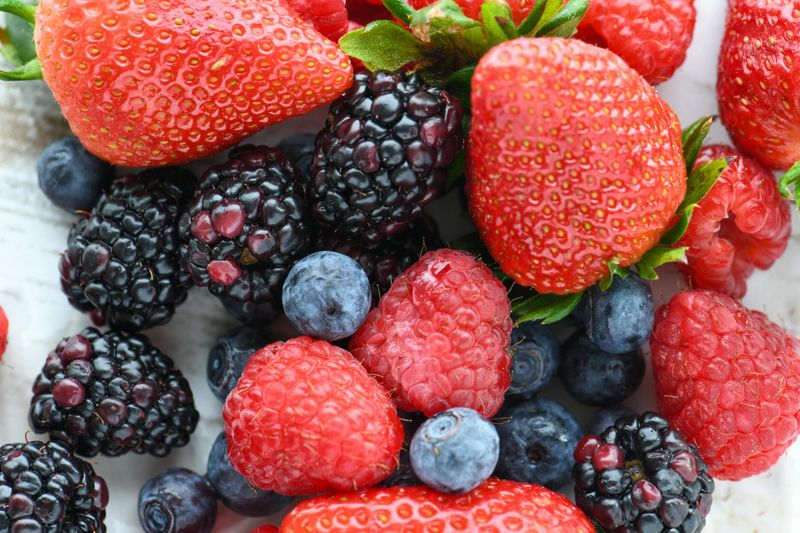
Berries turned from carefree summer joy to cautious checkout math. Pint sizes look generous until you calculate cost per bite.
You weigh farmers market freshness against warehouse value packs and the risk of spoilage.
Rinsing with vinegar water extends life, while freezing keeps smoothies budget friendly. Off-season prices soar, so frozen berries often win.
A handful on yogurt still feels special without emptying your wallet.
Shop in peak season, then stock the freezer. Rotate varieties to keep cravings satisfied.
With a little planning, you get bursts of sweetness and antioxidants without letting price spikes sour the experience.
Cooking oil
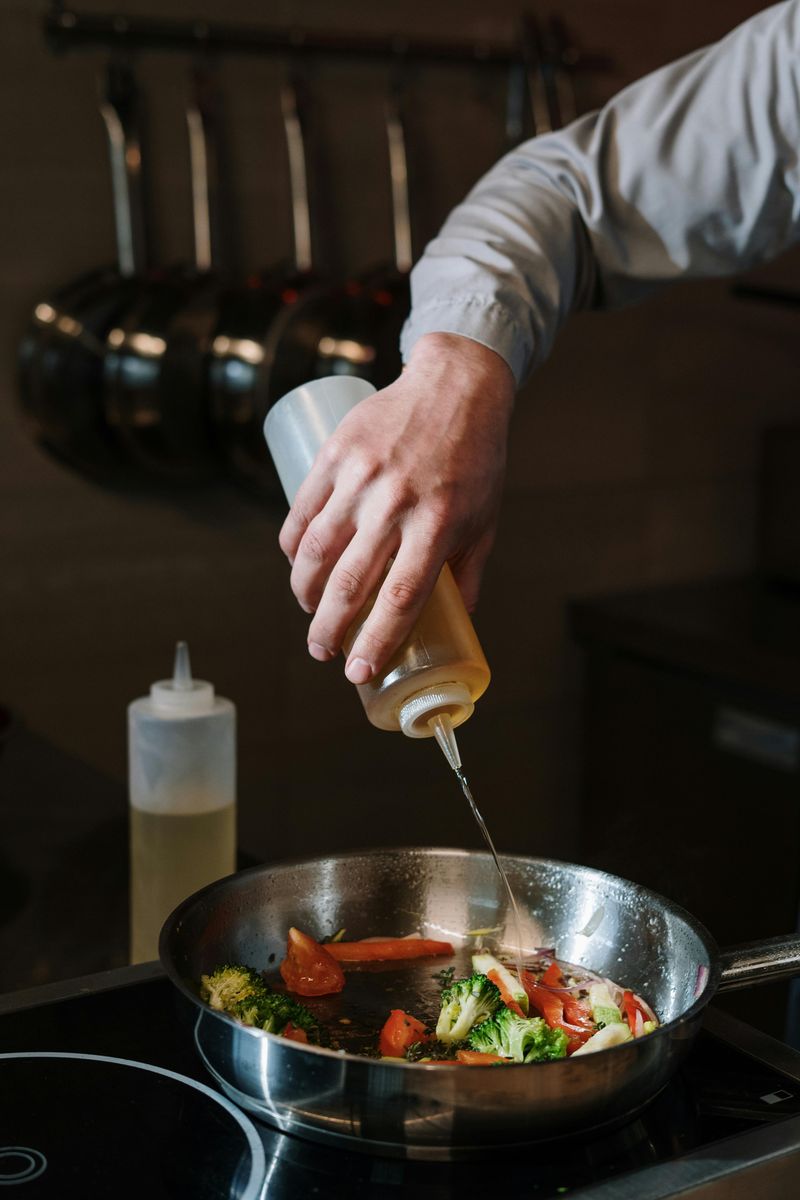
Generic cooking oils used to be the budget backbone. Now volatility in crops and supply chains shows up in every fry and sauté.
You juggle canola, vegetable, sunflower, and blends, comparing smoke points and unit prices.
Big bottles seem cheaper but risk going rancid if storage lags. Smaller sizes or decanting into opaque containers helps.
Air frying and pan-steaming reduce overall usage without sacrificing texture.
For flavor, save olive oil for finishing and use neutral oils for heat. Track sales cycles, clip digital coupons, and consider warehouse clubs.
Practical swaps keep meals crisp and costs under control.
Bread loaf
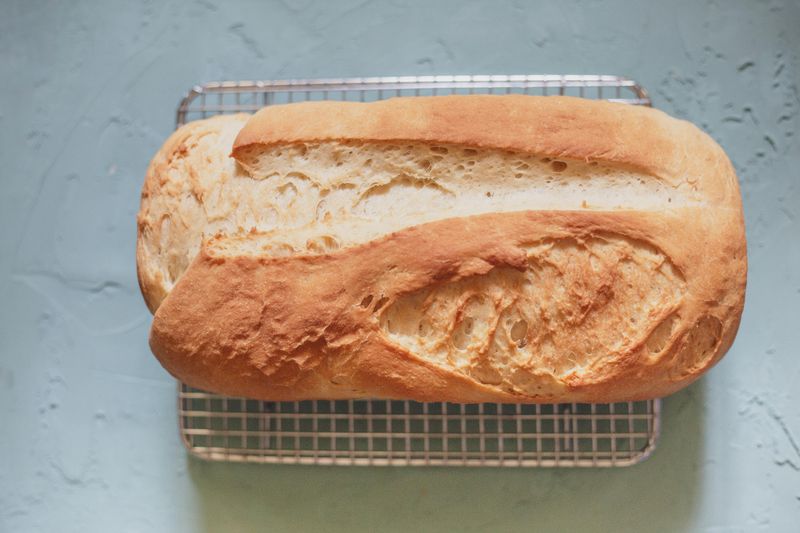
That simple loaf used to be a no-brainer. Now you debate artisan versus sandwich, whole grain versus white, and brands with shrinking slices.
Prices nudge you toward baking at home, but time and energy matter.
Freezing half the loaf prevents waste. Toasting revives day-old slices, while breadcrumbs and croutons save every heel.
Store-brand bakery loaves often match name brands if you check ingredients.
Consider a bread machine for consistent results and cost control. Rotate tortillas, pitas, and wraps to keep options open.
You still get comfort in every slice, just with sharper tracking and smarter storage.
Cereal
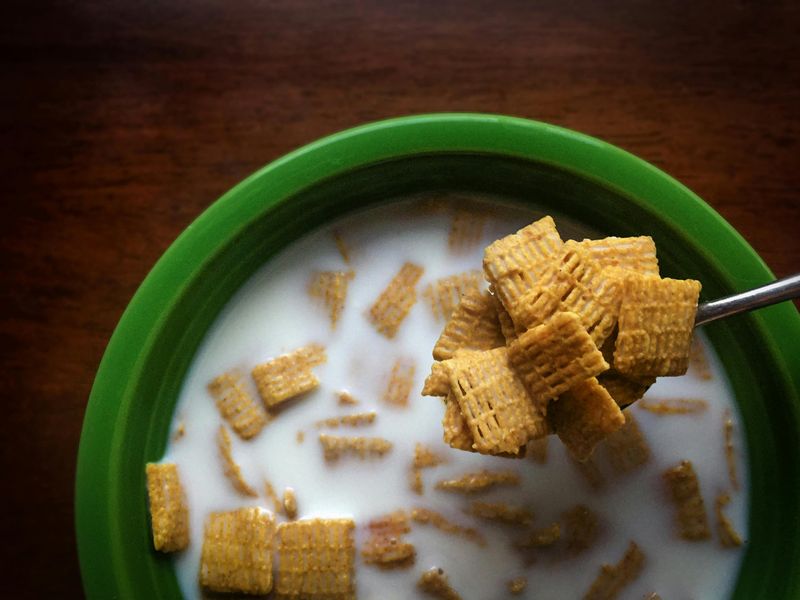
Cereal once filled bowls and budgets with ease. Now boxes shrink while prices climb, and sugar levels add another wrinkle.
You glance at ounces, not just logos, and compare store brands that taste surprisingly close.
Oats and homemade granola stretch mornings further. Mixing sweet cereal with plain flakes balances cost and nutrition.
Coupons and loyalty apps still matter, especially on family favorites.
Consider bulk bins and reusable containers for freshness. Rotate with eggs or yogurt to diversify and save.
With a little label reading and patience, breakfast stays fun without letting shrinkflation raid your pantry.
Frozen meals
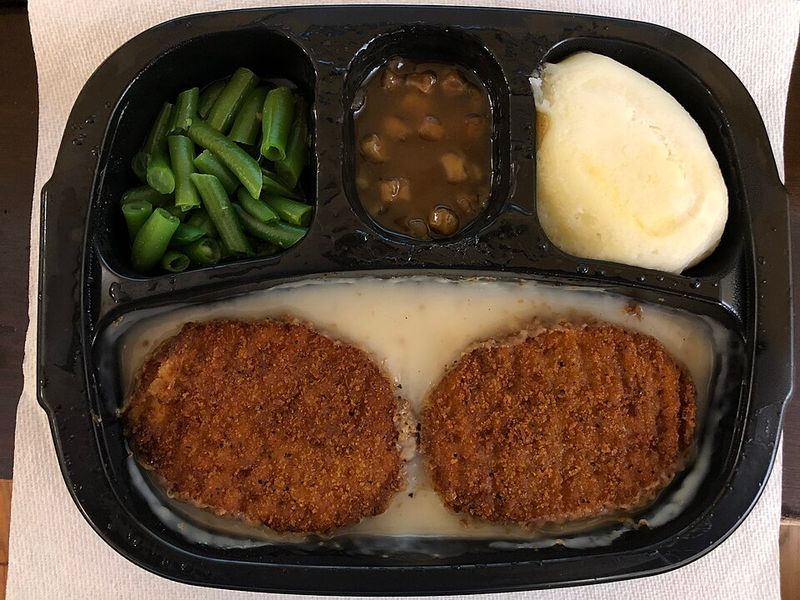
Frozen meals used to be the cheap safety net. Lately they feel pricier for smaller portions, pushing you to compare calories, protein, and unit costs.
Convenience is priceless on crazy nights, but not at any price.
Warehouse packs help if you love a specific brand. Otherwise, batch-cooking leftovers into freezer portions wins on flavor and value.
Add frozen veggies to boost volume without buying two meals.
Watch sodium and sauces that mask skimpy ingredients. Mix a store-brand entree with your own rice or salad.
You keep the convenience while steering the budget and nutrition back in your favor.
Snack cakes

Snack cakes used to be a cheap lunchbox thrill. Now the price-to-bite ratio feels tougher to justify.
You notice fewer cakes per box, lighter frosting, and a label that looks the same but weighs less.
Store brands can scratch the itch, and home baking makes bigger batches for less. If cravings hit, portion intentionally, savor slowly, and stash extras out of sight.
Pair with fruit to balance the sugar rush.
Watch for multipack sales and seasonal flavors marked down. It is about treating yourself without letting nostalgia tax your wallet.
Joy stays on the menu, just measured.
Chips bag
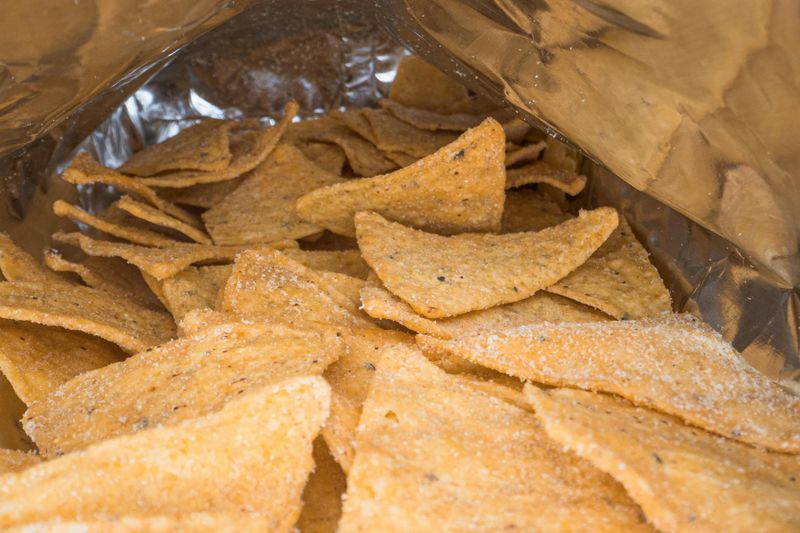
Chips still crunch, but the price and the air-to-crisp ratio spark debate. You pay more for familiar logos while ounces quietly drop.
Kettle, baked, or ridged options all fight for your cart with bold flavors.
Unit pricing helps you dodge optical illusions. Warehouse bags can be better per ounce, if you store them right.
Pair chips with salsa or yogurt dip to stretch satisfaction across more bites.
Consider popcorn for everyday snacking. Save premium flavors for parties, and rotate store brands for weekday munchies.
You keep the crunch without letting marketing munch your budget first.
Chocolate bar

Chocolate bars shifted from simple pick-me-ups to tiny luxuries with big price tags. You notice thinner bars, fancier wrappers, and smaller squares per serving.
Ethical sourcing matters, but premiums add up fast.
Dark chocolate satisfies with fewer bites, and sharing bars turns splurge into ritual. Check cacao percentages and compare grams per dollar.
Store brands sometimes surprise with quality close to artisan options.
Buy multipacks on sale, stash in a cool, dark place, and avoid impulse racks. Make hot chocolate with leftover bits to reduce waste.
Sweet moments stay sweet when you plan them.
Peanut butter
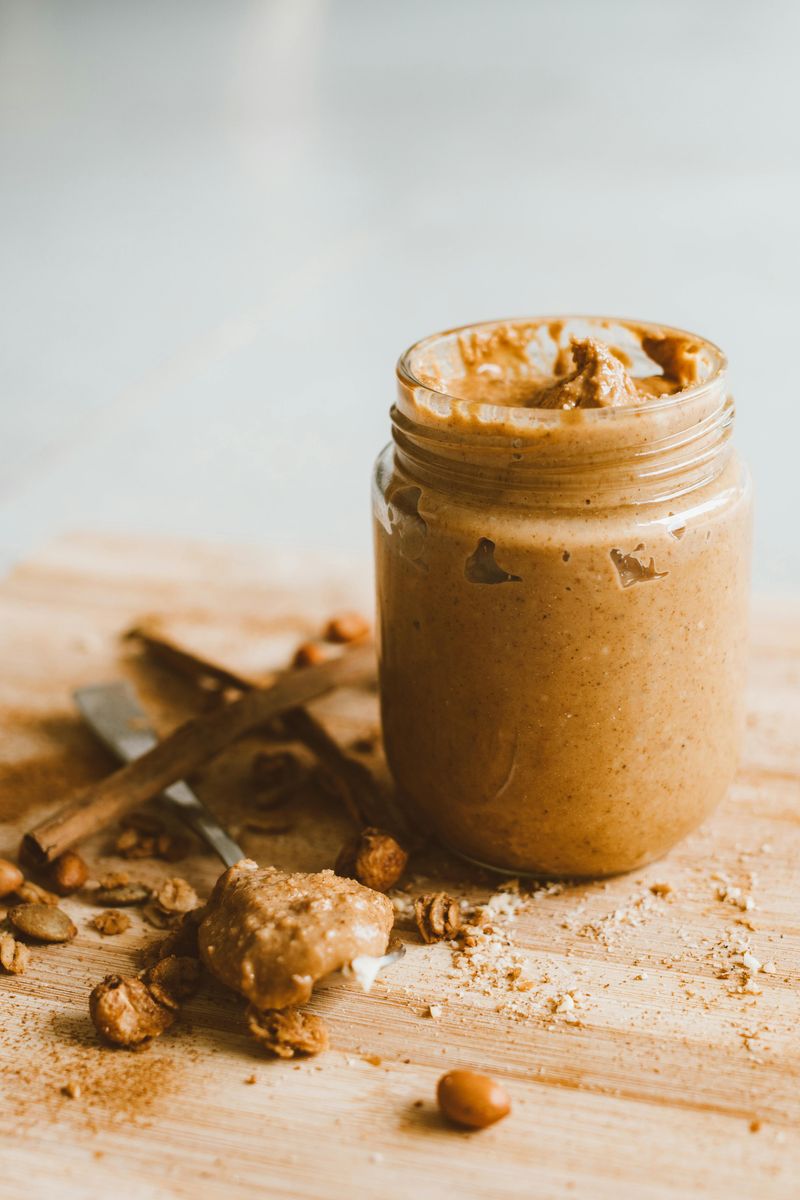
Peanut butter was the budget protein hero. Lately, jars hover at prices that make you check every ounce.
You compare natural, no-stir, and added sugar varieties, balancing spreadability and value.
Stirring oil back in saves money over no-stir options. Buying larger jars helps if you truly go through them.
Pairing with oats or apples stretches snacks without more spoonfuls.
Consider store brands and grind-your-own stations for freshness. Reuse near-empty jars for overnight oats to capture every bit.
You still get comfort, protein, and nostalgia, just with a lid on runaway spending.
Yogurt
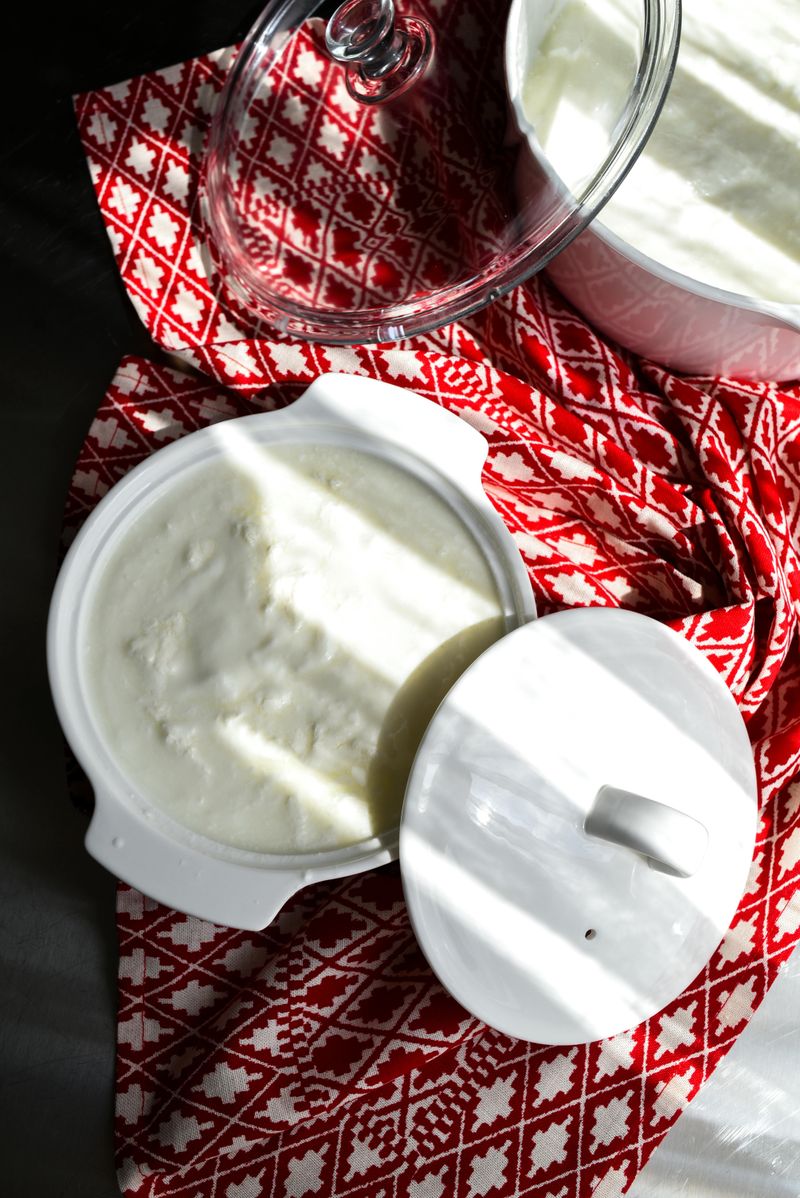
Yogurt used to be a breezy add-to-cart item. Now singles feel pricey, and sugar content sneaks in.
You debate Greek versus regular, full-fat versus light, and whether a big tub is worth the commitment.
Buying plain and adding fruit or honey saves money and cuts additives. Straining regular yogurt makes a Greek-style thickness cheaply.
Reusable jars turn bulk tubs into grab-and-go portions.
Watch unit prices and active cultures. Rotate flavors to beat boredom without paying premium for mix-ins.
With smart portioning and a bit of DIY, yogurt remains a reliable, nourishing staple on your terms.
Shrimp
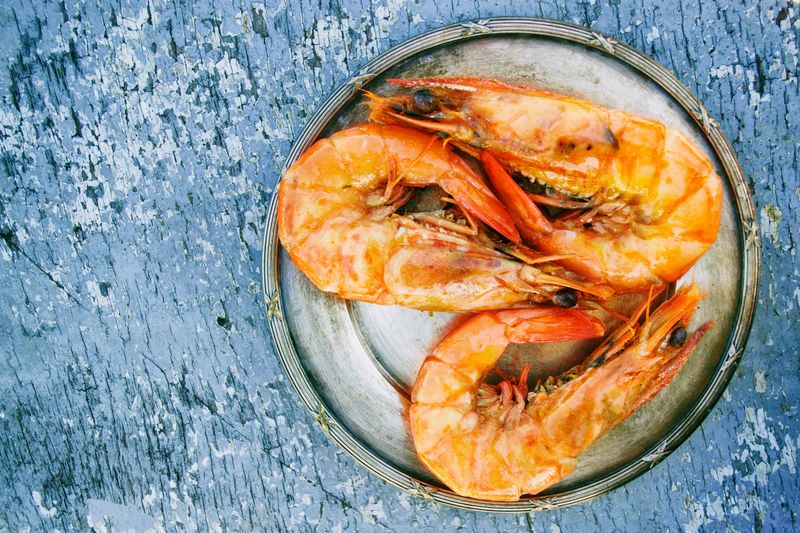
Shrimp used to be the fast, fancy protein that stayed affordable. Now a bag feels like a splurge, especially for larger sizes.
You weigh peeled versus shell-on, raw versus cooked, and count per pound like a hawk.
Cooking at home beats takeout prices, and quick marinades deliver big flavor. Buying frozen keeps quality steady and waste low.
Smaller shrimp shine in stir-fries, pastas, and tacos where sauce does the heavy lifting.
Watch for certification labels and watch sodium in pre-brined packs. Thaw gently in the fridge, pat dry, and cook hot.
Stretch with veggies and noodles to keep costs balanced.