


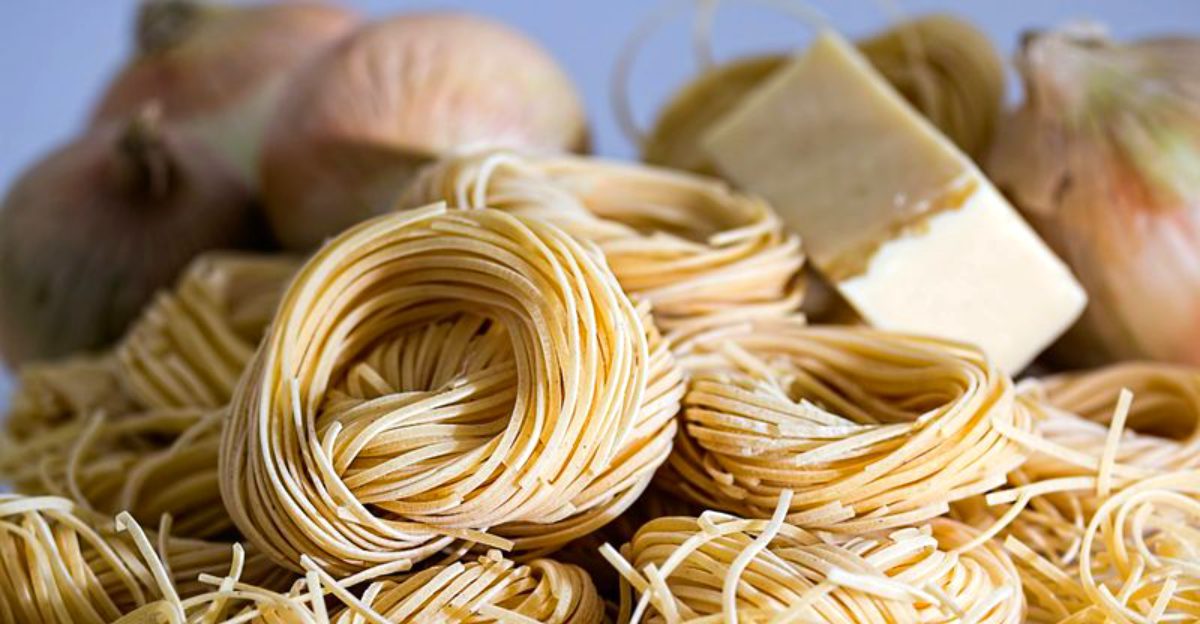
Remember when a tight grocery budget still meant full plates and easy choices? Lately, the basics that used to stretch paychecks now feel like small splurges.
You are not imagining it, and you are definitely not alone. Here are the everyday standbys that went from reliable fillers to real line items, plus why it feels so different at checkout.
Rice
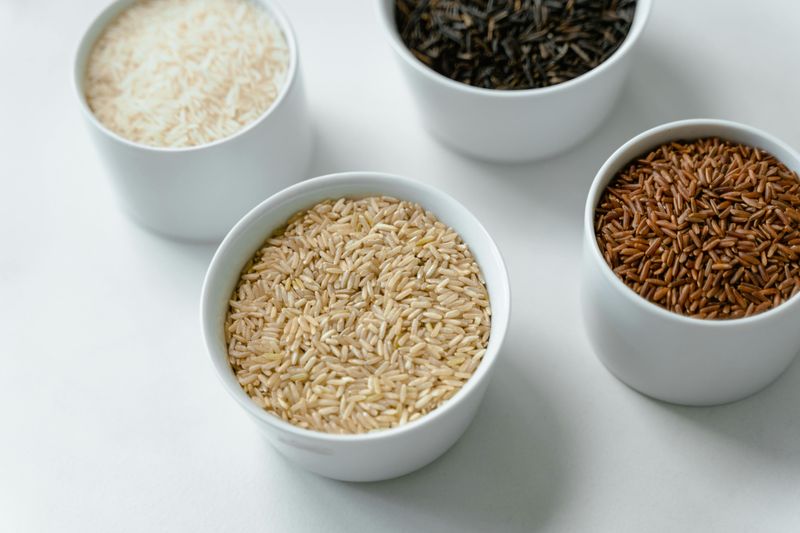
Rice used to be the budget anchor you could count on anytime. A few scoops turned leftovers into a meal, and nobody blinked at the cost.
Now the same bag rings up higher, and you notice every grain. You still love its versatility, but the margin is thinner.
Batch cooking helps preserve value, especially with big pots and freezer portions.
Shop store brands, compare per ounce, and check international aisles for better deals. Pair rice with protein scraps, broth, and aromatics to stretch flavor.
When prices jump, smaller portions and more vegetables balance plates without feeling skimpy.
Beans
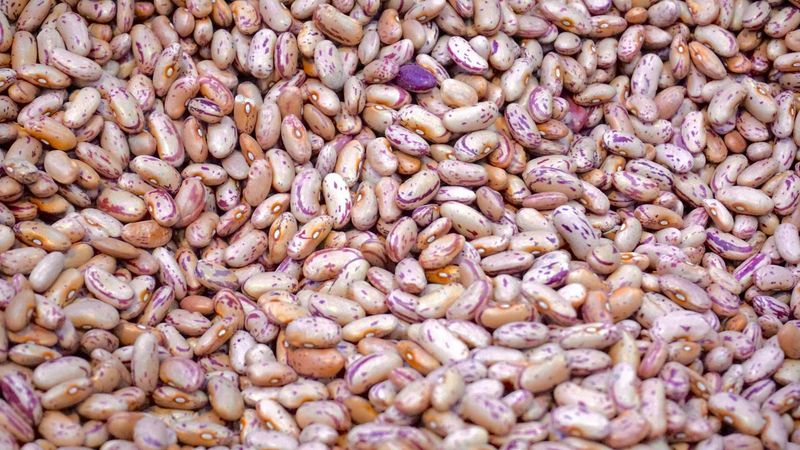
Dried beans were the classic cheap protein, hearty and reliable. A pound cost pocket change, soaked overnight, and fed everyone.
Lately even humble pintos and black beans feel pricier, while canned options jump fastest. You still win on value compared to meat, but the gap narrowed.
Seasoning smarter matters more now, so onions, spices, and broth earn their keep.
Pressure cookers save time and energy, making big batches feasible. Freeze in flat bags for quick chili, tacos, or salads.
Watch ethnic markets for bulk bins and rotating sales. With beans, planning still equals savings, just with less breathing room.
Eggs
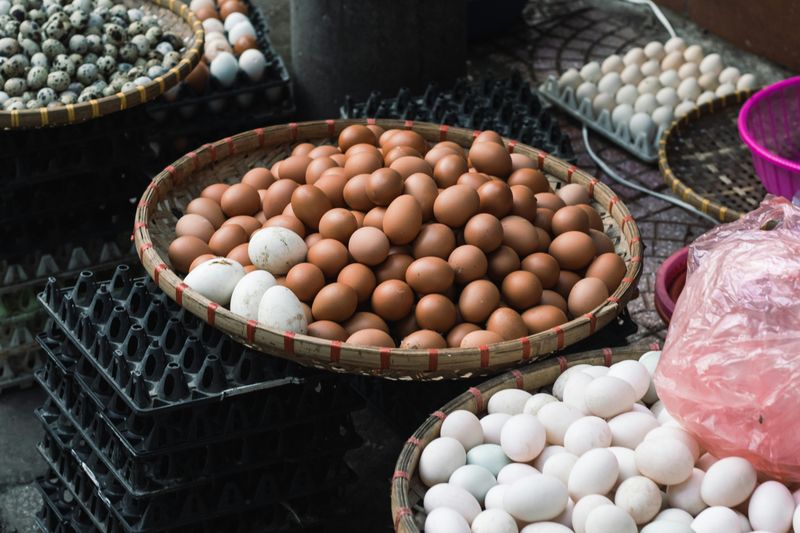
Eggs used to be the fastest cheap protein, perfect for scrambles, sandwiches, and bakes. Then prices spiked, and every omelet felt like a small decision.
While costs eased in some places, they have not settled where they started. You stretch a carton by mixing in vegetables, rice, or tortillas.
Frittatas become fridge-cleaners, and fried rice feels heroic.
Buy in bulk only if you truly use them before expiration. Store them cold and stable to maintain quality.
When prices jump, think custards, savory pancakes, or shakshuka to maximize flavor. You will still get value, just with closer planning.
Potatoes
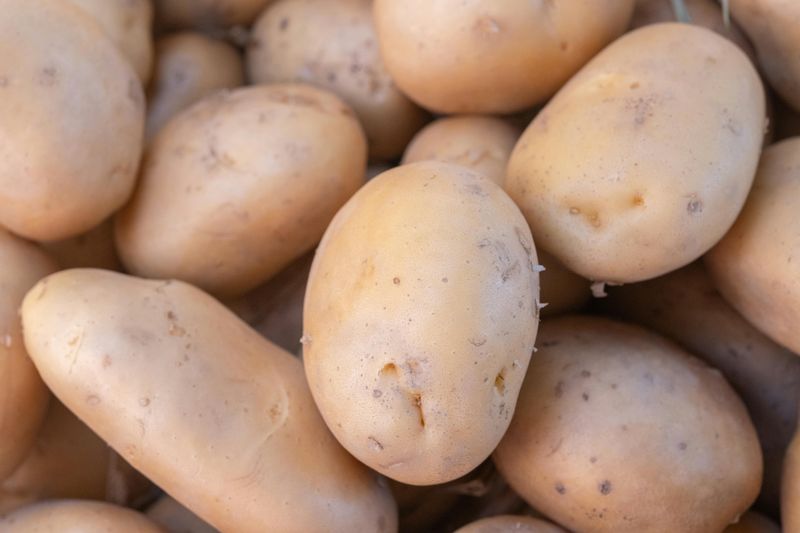
Potatoes used to be the unstoppable side, with sacks priced so low you barely noticed. Now a bag costs enough that you plan uses more carefully.
Roast, mash, or hash still stretches meals, but waste hurts. Store them cool and dry, away from onions, to extend life.
Skins carry flavor and fiber, so skip peeling when possible.
Turn leftovers into patties, soups, or taco fillings. Smaller spuds roast faster and can feel fancy without extra cost.
Compare varieties, because bulk russets often beat golds or reds. With prices up, tight rotation and creative prep protect every tuber.
Chicken thighs
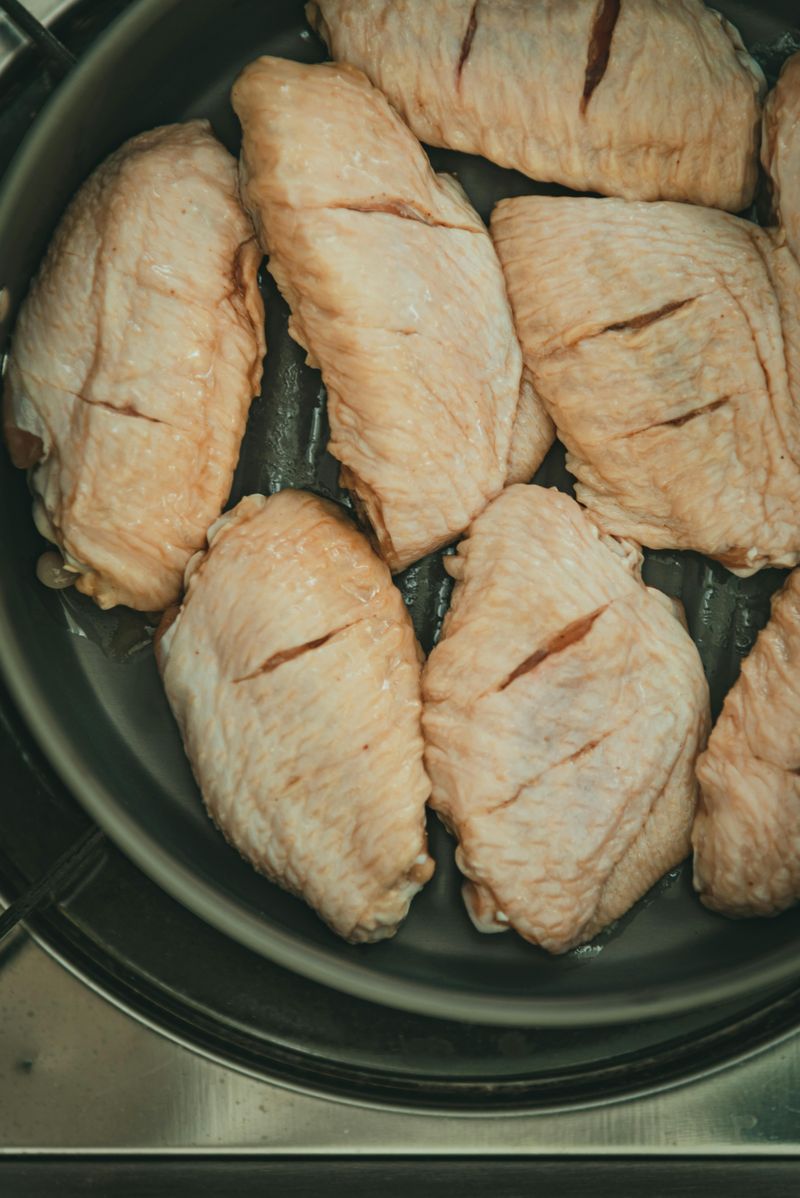
Chicken thighs were the bargain hero next to pricier breasts. They stayed juicy, forgiving, and tasted like more than they cost.
Recently, demand rose, and discounts feel rarer. You still get value, but careful trimming and seasoning make each pack count.
Marinate, roast sheet-pan style, then shred for bowls, tacos, or soups.
Buy family packs and freeze portions flat with labeled dates. Render fat for cooking greens or rice.
Bone-in options often undercut boneless, so sharpen those knife skills. When thighs cost more, you chase flavor with spices, citrus, and high-heat roasting to stretch every bite.
Ground beef
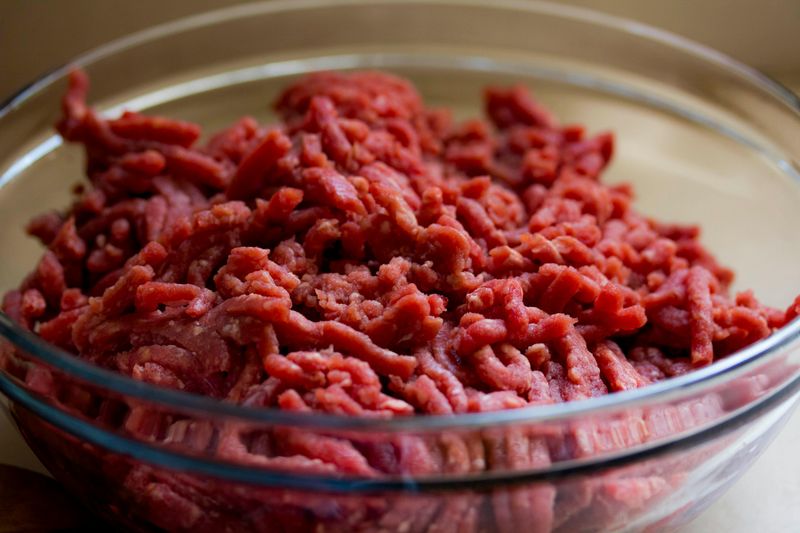
Ground beef used to be the weeknight safety net, endlessly adaptable. Chili, meatballs, or burgers could happen without financial stress.
Lately even 80-20 feels expensive, and lean blends climb faster. You stretch it by mixing in mushrooms, beans, or grains.
Browning deeply adds savor, and small portions can still feel indulgent.
Buy on sale and freeze flattened for quick thaws. Bulk cook and portion for tacos, pasta sauce, or stuffed peppers.
Try half-and-half blends with lentils to double output. Higher prices push technique forward, but the comfort factor remains, especially when you build sauces thoughtfully and season confidently.
Oats
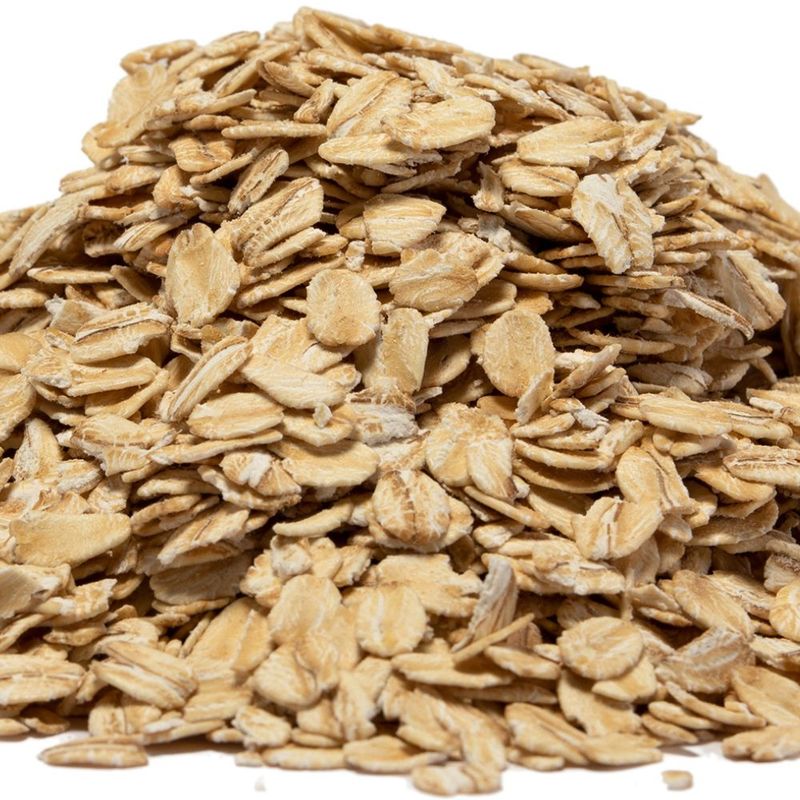
Oats were the quiet hero of cheap breakfasts and bakes. A canister lasted ages and felt immune to price drama.
Now even store-brand rolled oats cost more, and steel-cut hikes sting. You still win by buying big, storing airtight, and rotating.
Overnight oats, granola, and savory oat bowls keep mornings flexible.
Use oats to bulk meatloaf or veggie patties without sacrificing texture. Toast them lightly to deepen flavor before cooking.
Compare per ounce across canisters and bags. As prices rise, versatility saves the day, letting one staple pull triple duty for breakfast, baking projects, and weeknight savory sides.
Canned tuna
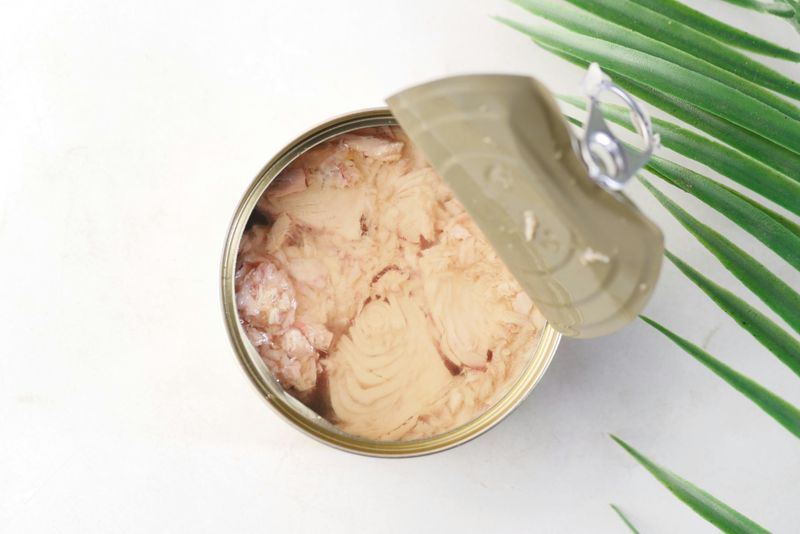
Canned tuna used to anchor cheap lunches with protein you could trust. A quick mix with mayo or beans filled sandwiches and salads.
Now multipacks bite harder, especially for higher quality varieties. You still stretch value by adding crunchy vegetables, lemon, and herbs.
Oil-packed cans often taste richer, allowing smaller portions.
Check unit prices and rotate brands during sales. Turn tuna into patties, pasta tosses, or rice bowls for fuller meals.
Rinse lightly if salt is high. Even with prices up, smart seasoning and texture tricks help a single can feel generous, keeping weekday meals satisfying and unfussy.
Bread
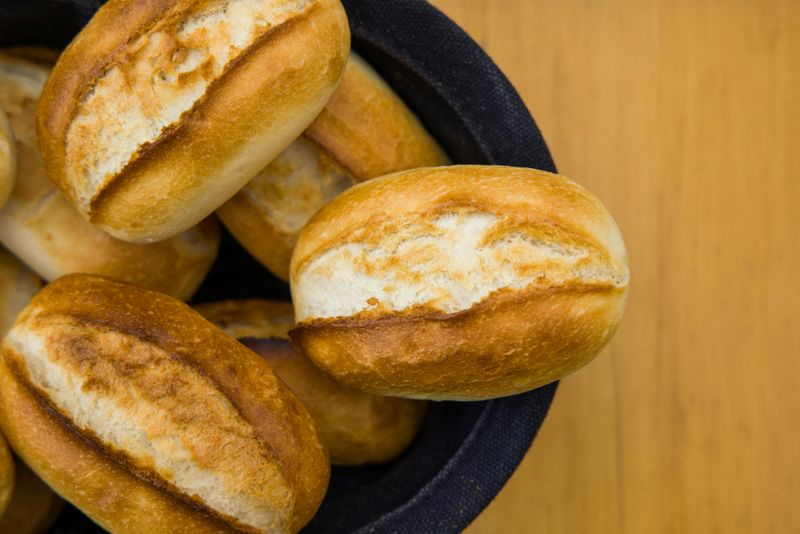
Bread was the baseline staple, always there for toast, sandwiches, and breadcrumbs. Lately even basic loaves feel premium, and specialty grains can shock.
You adapt by freezing slices to prevent waste and staleness. Revive day-old bread in the toaster or oven.
Turn heels into croutons, strata, or savory bread puddings.
Compare bakery discount racks and store brands. When unit prices climb, openness to styles matters, from baguettes to tortillas.
A little olive oil, garlic, and herbs turn scraps into value. With mindful storage and creative second lives, bread still carries meals, just with fewer casual tosses into the cart.
Cooking oil
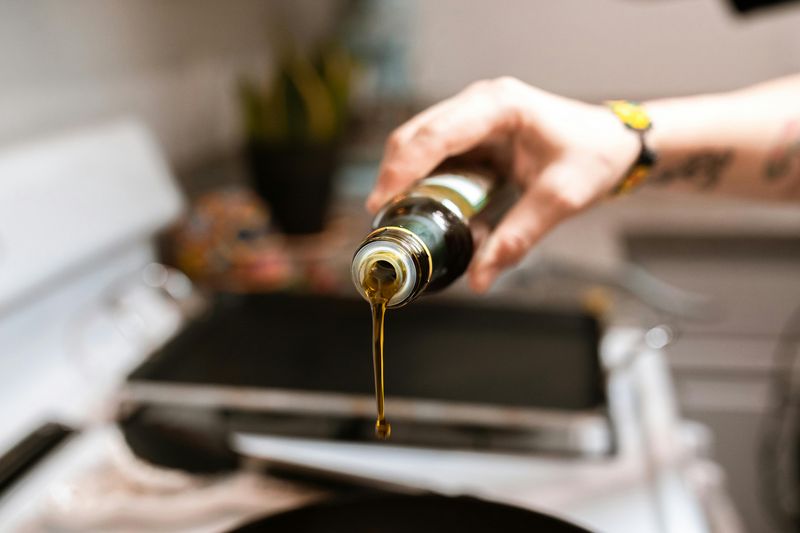
Cooking oil was background noise in the budget, something you barely tracked. Then prices jumped, and every splash started to count.
You pivot to smaller pours, heat management, and choosing oils by task. Save olive oil for finishing and use neutral oils for high heat.
Reuse fry oil safely by straining and storing properly.
Buy sizes you can finish before freshness fades. Check international aisles and warehouse clubs for deals.
Nonstick surfaces and good preheating reduce waste. With costs up, you taste the difference in restraint, finding that thoughtful technique and a measured drizzle can deliver plenty of flavor without overspending.
Onions
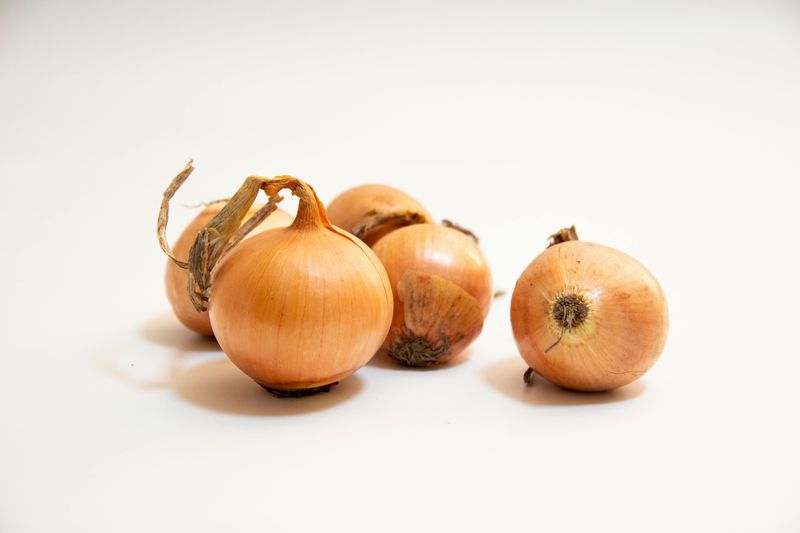
Onions once seemed immune to price drama, always cheap and plentiful. Now a bag can surprise you, and singles sometimes cost more than expected.
Since onions build flavor in nearly everything, you protect each bulb. Store them cool, dry, and separate from potatoes.
Use the full onion, including trimmings for stock.
Batch caramelize to stretch impact across soups, burgers, and grains. Red, yellow, and sweet varieties price differently, so swap as needed.
Quick pickles upgrade sandwiches and salads affordably. Even with higher prices, onions still multiply flavor, letting simpler proteins and carbs taste bigger without demanding pricey extras in the cart.
Cabbage
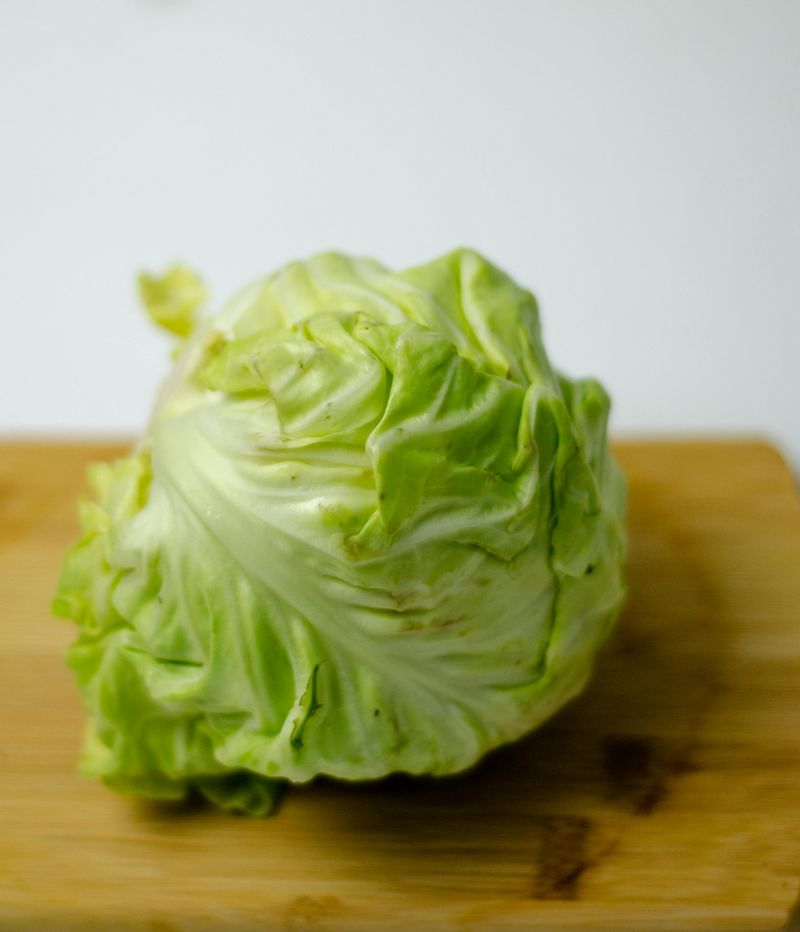
Cabbage used to be an unbeatable bargain by the pound. Slaws, stir-fries, and soups fed crowds for pennies.
Now even this humble head asks for attention at checkout. You still win by using every leaf.
Shred fine for salads, slice thick for roasting steaks, and save cores for stock or braises.
It stores well when wrapped and chilled, so buy one and plan several meals. Mix with carrots and noodles to stretch proteins.
Quick ferments like kraut protect value and flavor. With prices rising, cabbage remains a workhorse, just one you handle purposefully to avoid waste and squeeze every benefit.
Frozen vegetables
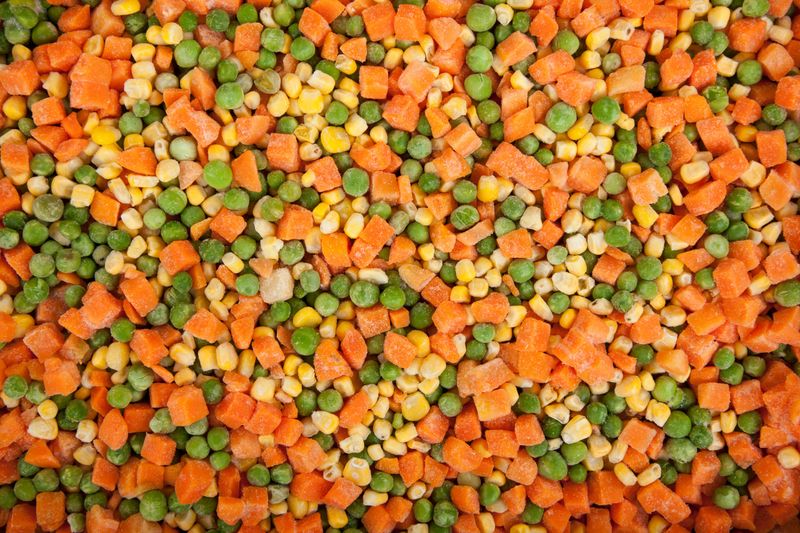
Frozen vegetables were the dependable shortcut that beat fresh on price and waste. Lately bags cost more, and sales feel rarer.
Still, they save time and reduce spoilage, so value survives. Stir-fries, soups, and pastas welcome them.
Do not overcook, and season assertively to keep textures bright.
Buy plain varieties, then flavor at home to control cost and sodium. Keep a rotation of peas, broccoli, and mixed medleys.
Steam in a skillet, not the bag, for better results. Even with higher prices, freezer produce prevents midweek takeout, making it a quiet budget defender when planned thoughtfully.
Peanut butter
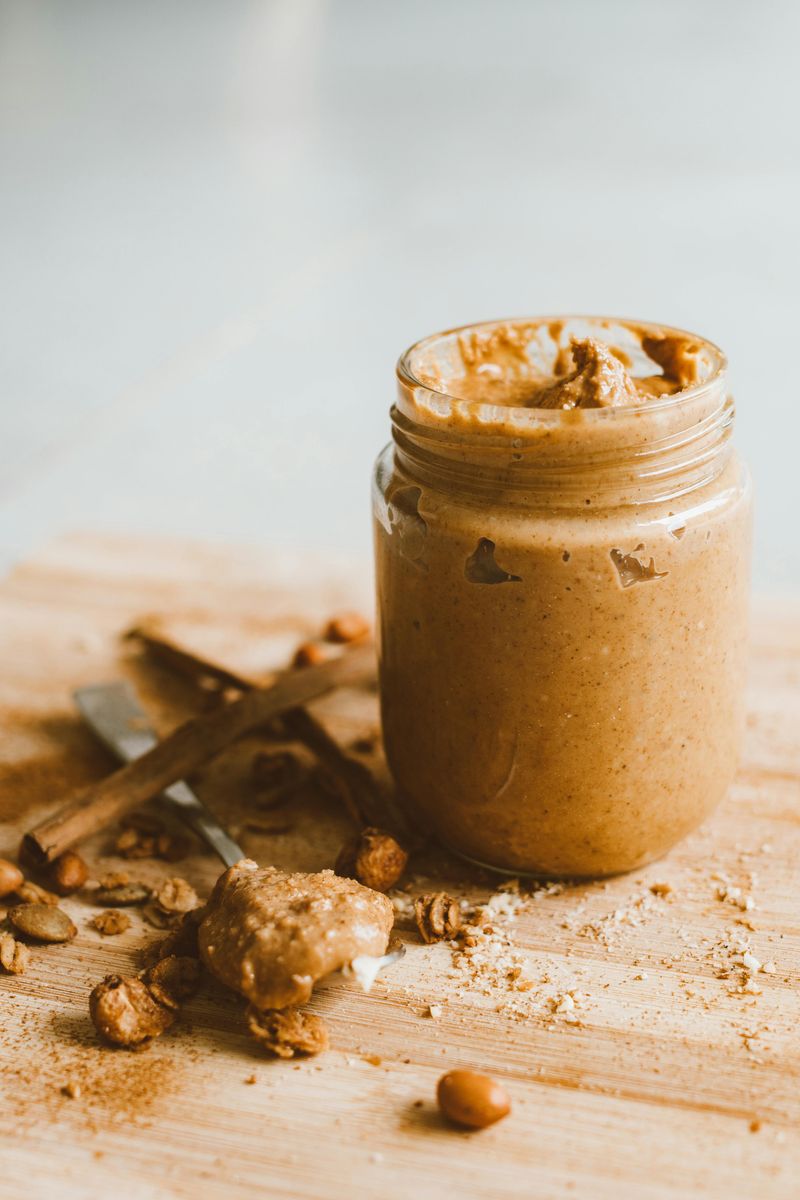
Peanut butter used to be a slam-dunk cheap protein for snacks and sandwiches. Now jars creep up, and natural varieties especially pinch.
You stretch it by thinning with warm water or soy sauce for noodles. Stir thoroughly to unify oils.
A little goes far on oats, smoothies, and toast.
Compare unit prices across sizes, since massive jars are not always deals. Keep jars upside down briefly to mix.
Consider store brands and powdered peanut options for baking. Even with prices rising, that salty-sweet comfort remains, and measured spoonfuls still deliver satisfaction, especially when paired with fruit, whole grains, and clever sauces.
Cheese blocks
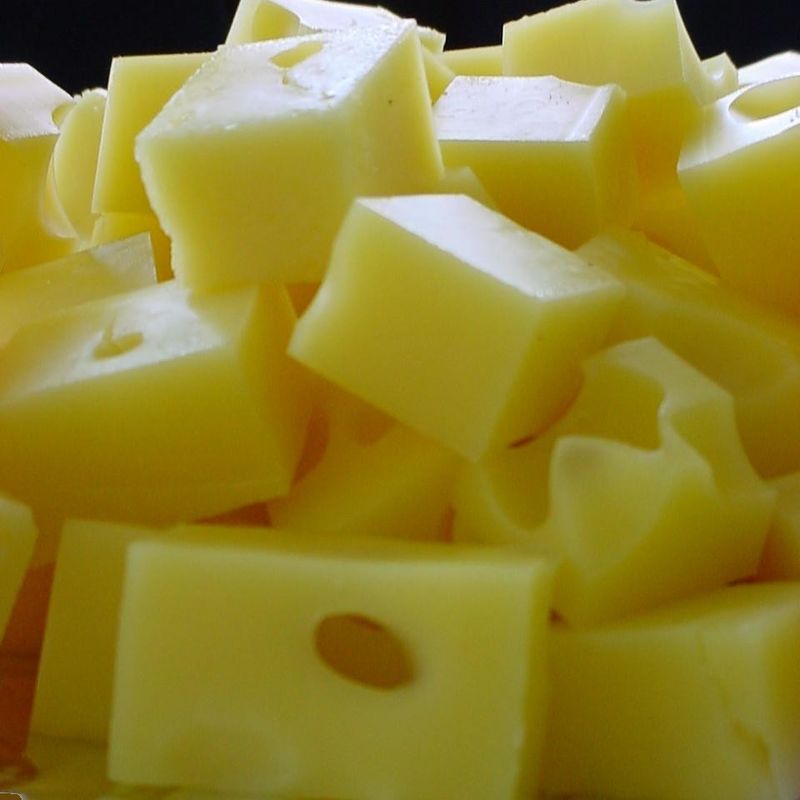
Block cheese was the thrifty alternative to pre-shredded bags. Now both feel pricier, and specialty styles really bite.
Grating your own still saves, with better melt and flavor. Buy sharp varieties, since a little delivers more punch.
Wrap tightly in parchment and plastic to avoid drying out.
Use microplanes for fine coverage, stretching smaller amounts. Turn rinds into soup stock for bonus richness.
Shop ends or overstock bins for unusual deals. Even as prices rise, strategic pairing with potatoes, pasta, or vegetables makes cheese a supporting star, letting you enjoy satisfying results without loading half the budget into dairy.
Milk
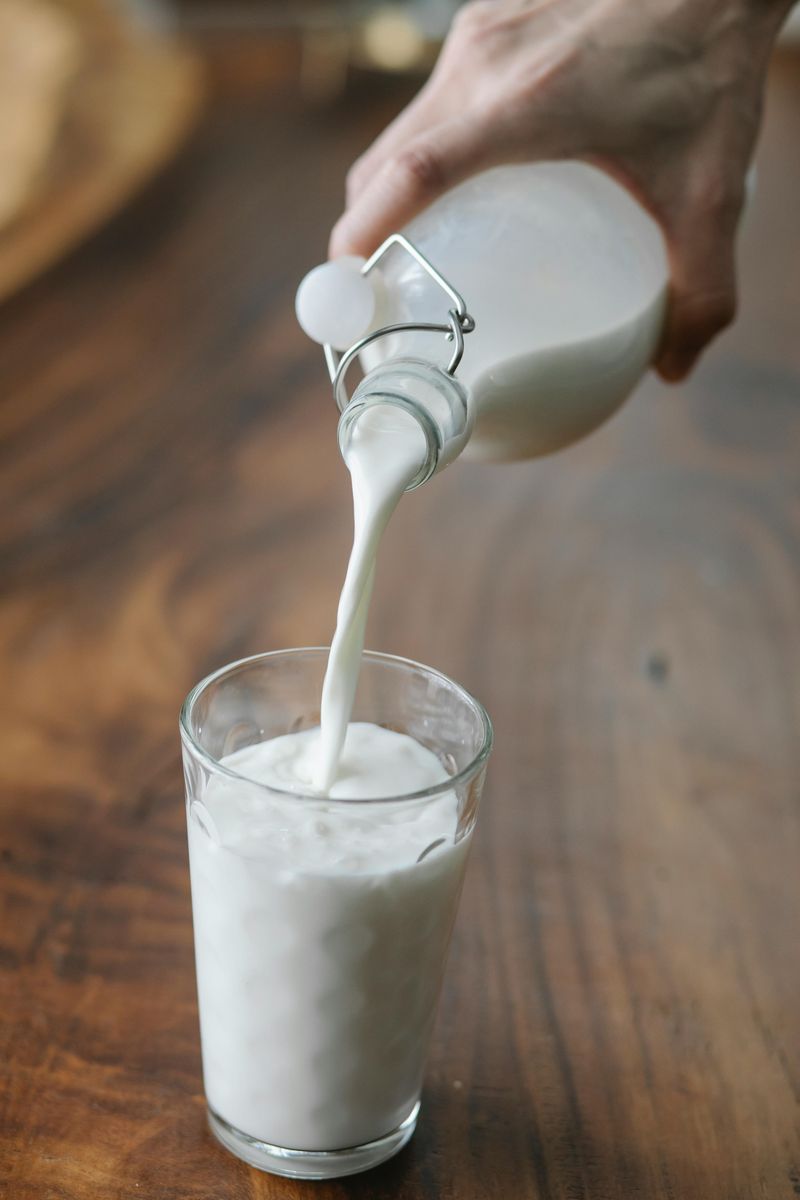
Milk used to be a stable, predictable staple. Now you comparison-shop between sizes and fat levels, and even store brands can swing.
You reduce waste by planning uses beyond cereal. Think pancakes, custards, smoothies, and creamy soups.
Freeze small amounts for cooking, not drinking, to keep from tossing leftovers.
Watch sell-by dates and rotate jugs carefully. Powdered or shelf-stable options bridge gaps during sales dips.
If alternatives fit your diet, compare unit cost and shelf life. Even with rising prices, smart storage and flexible recipes keep milk useful, ensuring each carton adds value across breakfast, baking, and weeknight dinners.
Flour
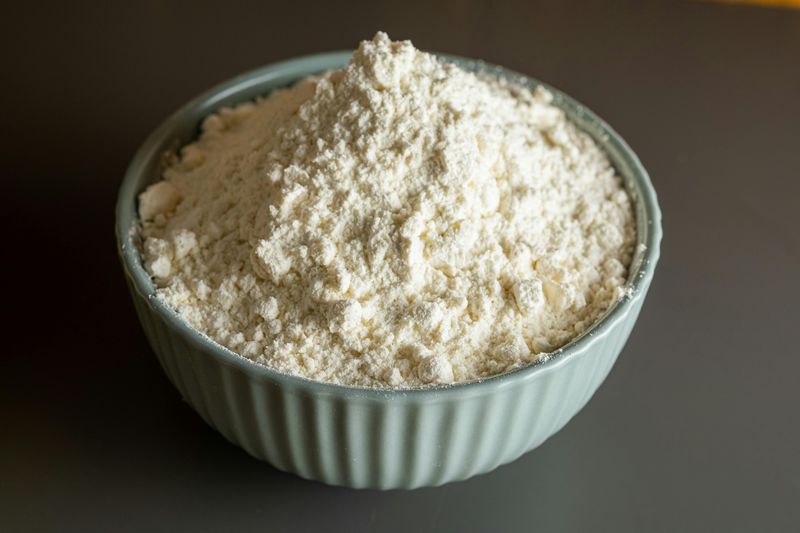
Flour once felt limitless, turning pennies into bread, pancakes, and cookies. Now even basic all-purpose costs more, and specialty flours climb sharply.
You protect value by storing airtight and cool. Bake in batches and freeze doughs to prevent waste.
Stretch meals with flatbreads, dumplings, and roux-thickened soups.
Weigh ingredients for consistency, saving failed batches. Buy larger bags only if you bake regularly.
Consider blending whole wheat with all-purpose for nutrition and cost balance. Rising prices push technique forward, but flour still multiplies possibilities.
With planning, each bag supports breakfasts, baking projects, and savory dinners without letting a single scoop go unnoticed.
Sugar
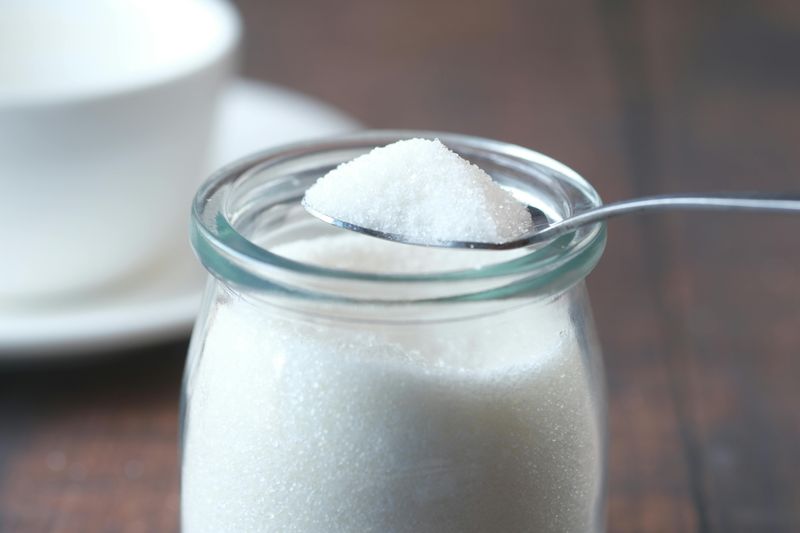
Sugar was a quiet pantry constant, cheap enough to forget. Now bags ring up higher, and you feel it in baking seasons.
The fix is precision and portion awareness. Bake intentionally, freeze extras, and sweeten with fruit where possible.
Syrups and brown sugar keep longer when sealed tight.
Compare per pound across bags and brands. Keep a small jar for daily use, refilling from bulk to limit spills.
When costs rise, save sugar for where it matters most, like balanced desserts and glazes. With thoughtful swaps and storage, sweetness still fits the budget without derailing weekly grocery plans.
Canned tomatoes
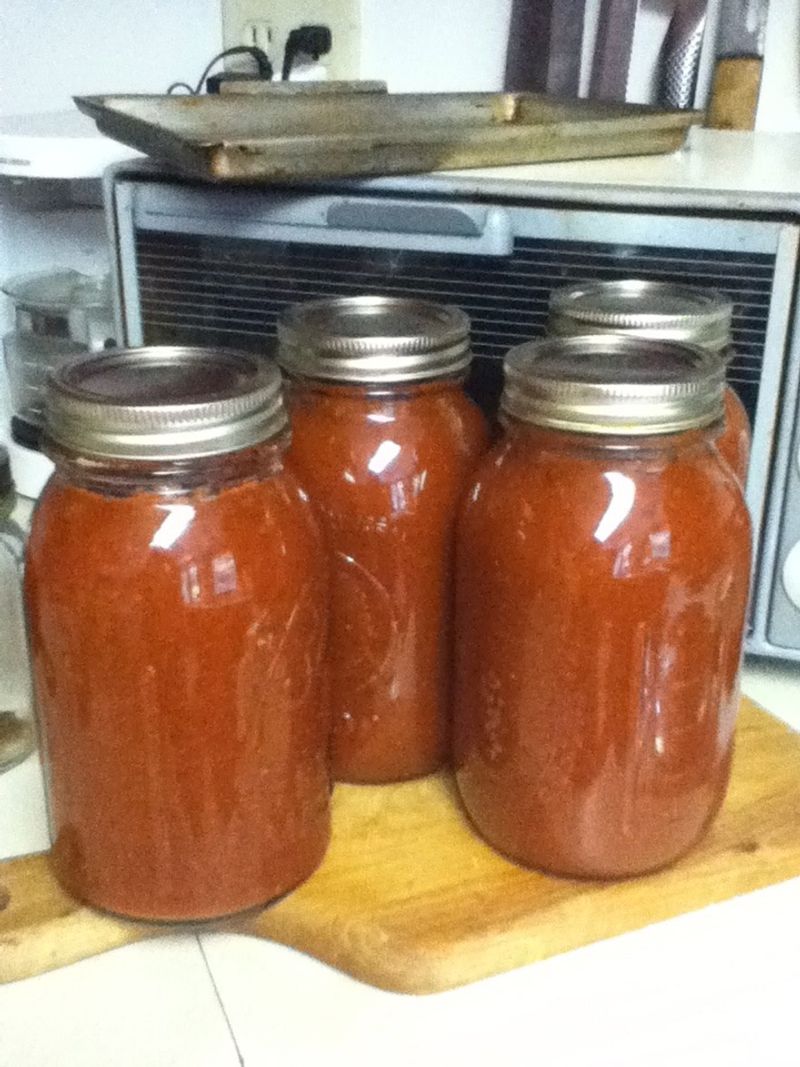
Canned tomatoes powered countless cheap sauces, soups, and stews. Recently, prices climbed and promotions thinned.
You still stretch value by choosing whole peeled and crushing yourself for versatility. Add carrots or a splash of milk to temper acidity.
Simmer with garlic and herbs to build body without extra cans.
Stock up during true sales, not token drops. Rotate diced, crushed, and paste for recipe flexibility.
A tube of tomato paste helps small batches shine. Even pricier, tomatoes remain flavor multipliers, especially when you toast spices and bloom them in oil first, extracting maximum depth from every precious can.
Instant noodles
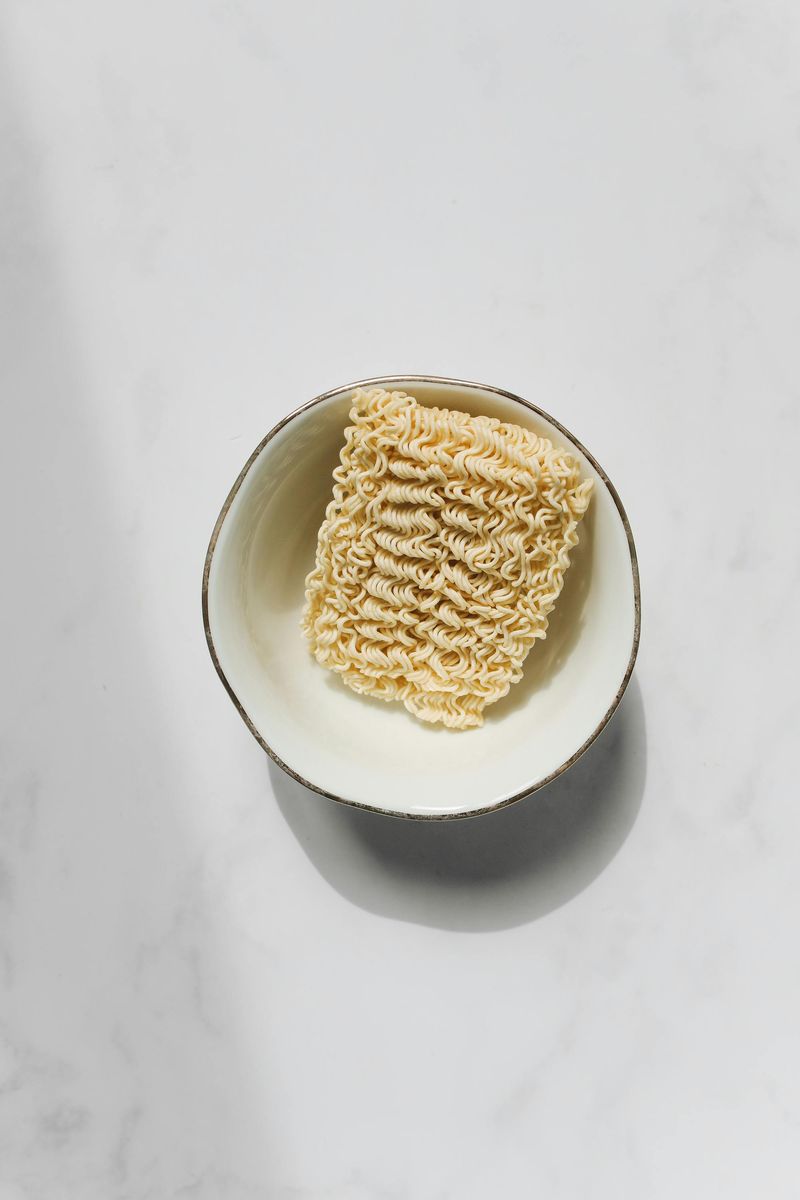
Instant noodles once lived in the ultra-cheap zone, perfect for late nights and tiny budgets. Prices still look low, yet per-serving costs crept up and add-ins raise totals.
You elevate bowls with frozen vegetables, soft eggs, and leftover meats. Toss the full seasoning packet sparingly and add soy or chili oil instead.
Buy multi-packs and compare per pack across brands. Use half the noodles in stir-fries to stretch portions.
Broth upgrades deliver comfort without extra packets. Even with rising costs, instant noodles remain a flexible base, especially when you treat them as a canvas instead of the whole painting.
Cornmeal
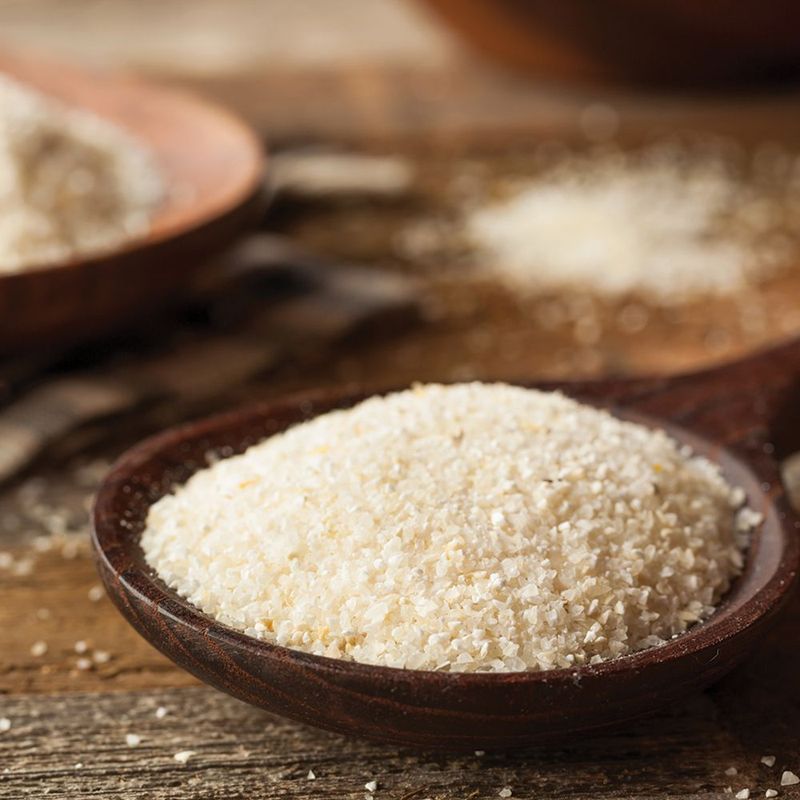
Cornmeal used to be an afterthought cost, turning into cornbread, polenta, and crispy coatings. Now a simple bag feels noticeable at checkout.
You still stretch it by mixing with flour, using flavorful broths, and finishing with butter or olive oil. Leftover polenta fries beautifully the next day.
Store airtight to preserve freshness and aroma.
Bulk buy only if you cook with it often. Make spoonbread, hushpuppies, and crunchy dredges for fish or tofu.
Even pricier, cornmeal transforms humble ingredients, delivering texture and comfort. With smart storage and planned leftovers, that yellow bag still pays dividends across breakfast, lunch, and dinner.
Pasta
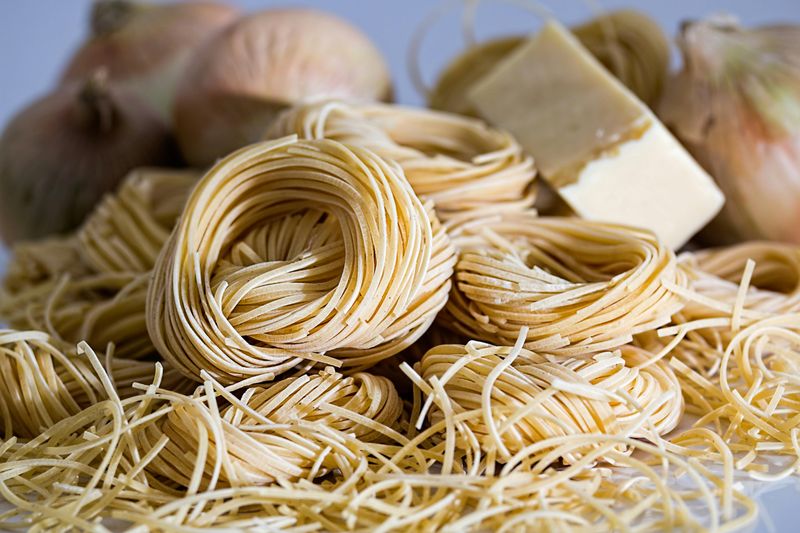
Pasta once felt like the cheapest guaranteed crowd-pleaser. You tossed a box in the cart and called dinner handled.
Now even store-brand boxes inch higher, and specialty shapes creep up fastest. You still get mileage by pairing with vegetables, beans, or canned fish.
Reserve pasta water, emulsify sauces, and lean on garlic for depth.
Buy when on promotion and rotate shapes for variety without overspending. Smaller portions with bigger sauces keep plates satisfying.
Try baked casseroles that transform leftovers. With pasta prices climbing, technique and pantry timing matter, letting each box carry multiple meals without feeling skimpy.