


Some foods get a bad reputation, usually because people only meet them in their worst form. But when you taste a carefully made version, the flavors click and the myths fall apart.
This list spotlights classics that surprise skeptics once texture, freshness, and seasoning are dialed in. Give these a real shot and you might discover new favorites hiding in plain sight.
Sardines

Sardines earn loyalty when they are fresh, gently packed in good olive oil, and served with something crunchy and bright. Lay them over toasted sourdough, add lemon zest, herbs, and a few capers, and you get clean, briny depth without harshness.
You taste ocean sweetness, not fishiness.
If you are nervous, start with small fillets and pair them with ripe tomatoes or pickled onions. Heat softens edges and blooms aroma, so a quick warm through works wonders.
Suddenly they feel like a power snack that is affordable, sustainable, protein rich, and seriously delicious.
Anchovies
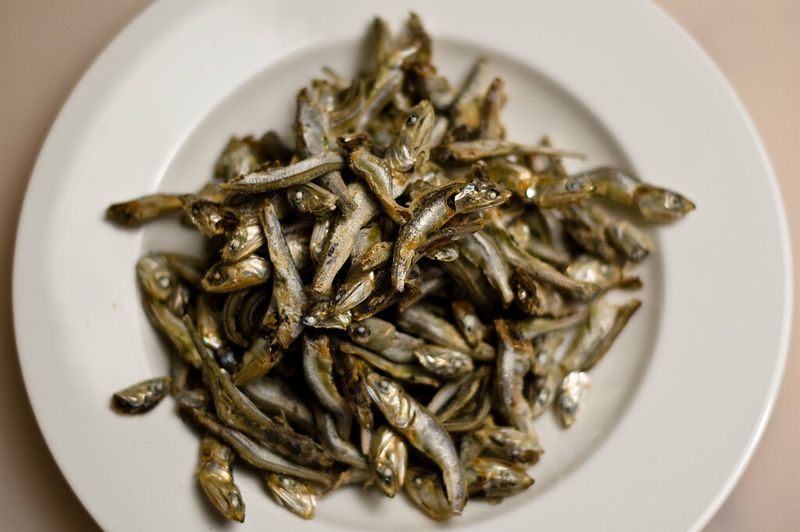
Anchovies transform dishes when used as seasoning instead of a starring fishy bite. Melt them in olive oil with garlic until they disappear, then toss with roasted vegetables or pasta.
Their salty umami brings depth like Parmesan does, only silkier.
Try a Caesar salad made with real anchovies and you will understand the buzz. Or bake a few fillets on pizza with fresh mozzarella and chili, letting heat tame their intensity.
You get savory complexity without loudness, and suddenly that tiny tin feels like a secret strength multiplier in your kitchen.
Beets
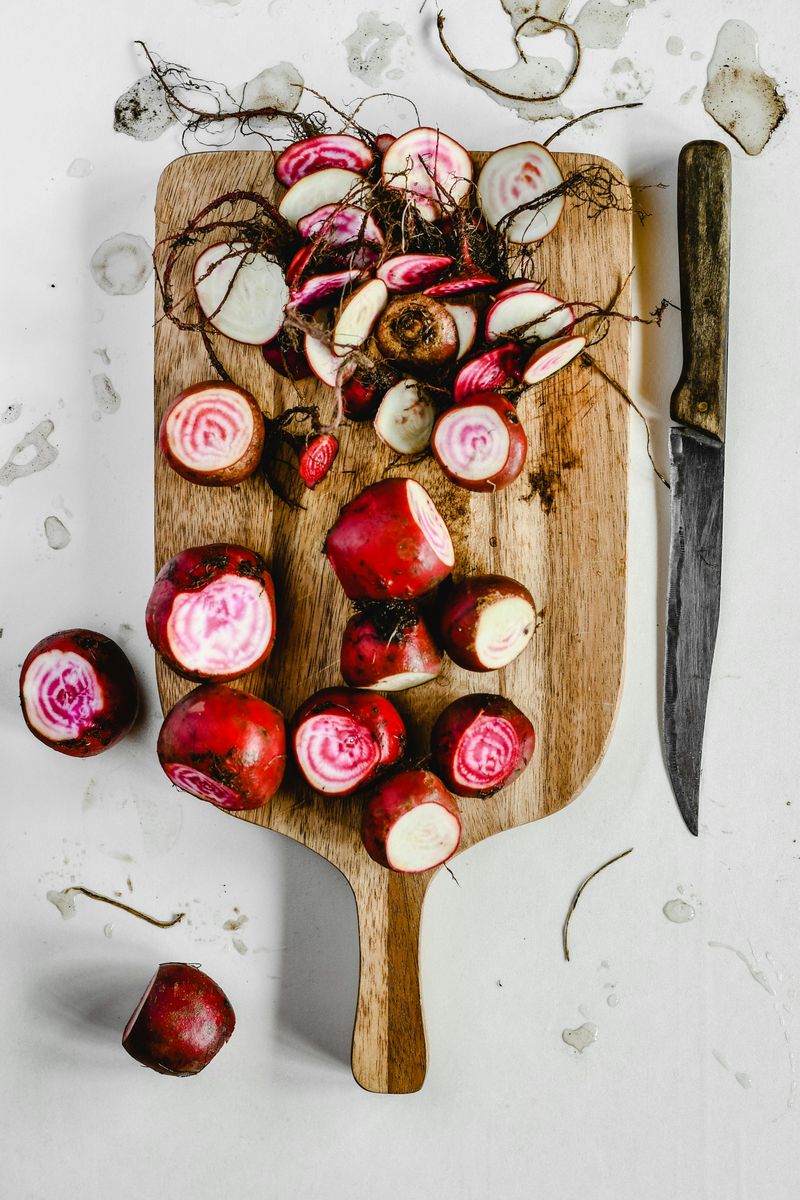
Beets shine when roasted until tender and caramelized, then paired with something creamy and tangy. Slice them over whipped goat cheese, add orange, pistachios, and a drizzle of balsamic, and the earthy sweetness becomes balanced and bright.
Suddenly, they taste like candy with a backbone.
If texture worries you, dice small and roast hot for edges that crisp. You can also grate them into salads for crunch or blend into smoothies for color.
With the right acid and salt, beets become vibrant, modern, and surprisingly craveable.
Okra
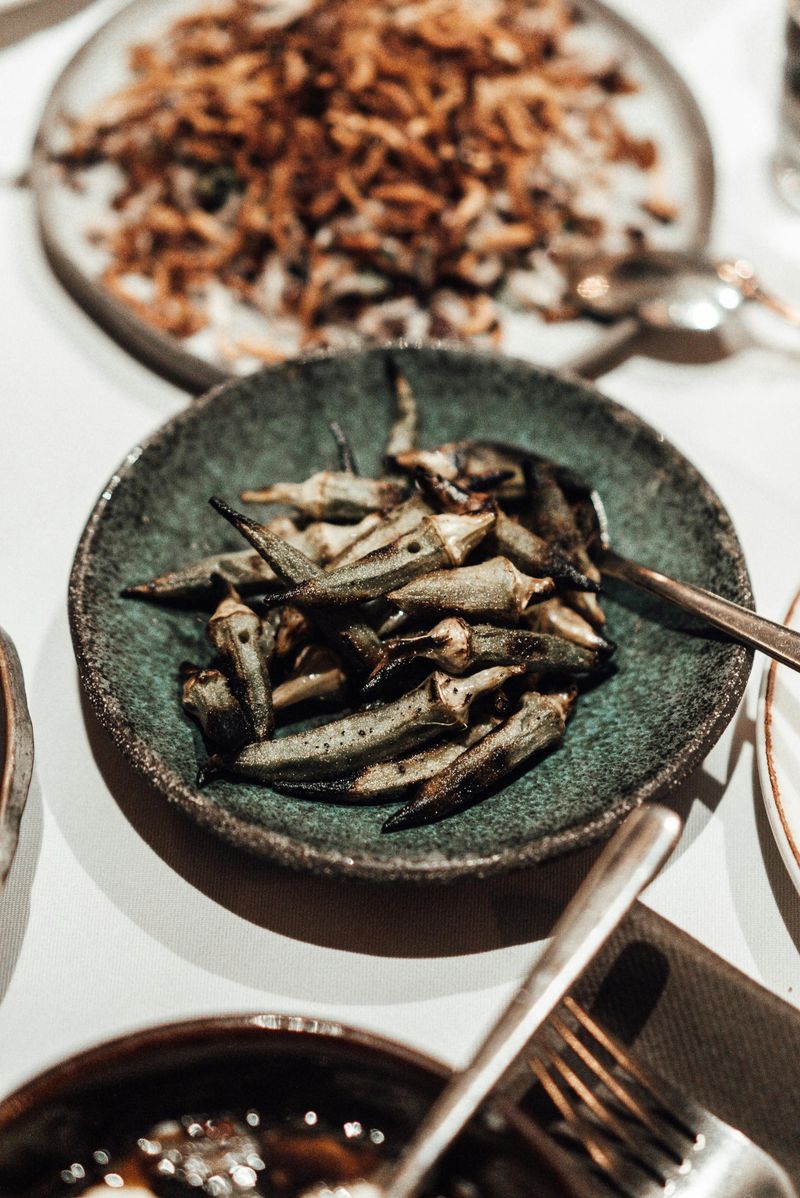
Okra gets slimy when it is crowded or stewed too long without acidity. Treat it hot and fast in a wide skillet, keeping space between pieces, and you will capture crisp, grassy sweetness.
A squeeze of lemon or a splash of vinegar keeps everything snappy.
Toss with cherry tomatoes, garlic, and smoked paprika for color and warmth. Or coat lightly in cornmeal and air fry until the ridges go crunchy.
Once you nail heat and acid, okra turns from suspect to satisfying, the kind of side you reach for before the main dish even lands.
Eggplant

Eggplant becomes silky and rich when it is salted, well oiled, and cooked until fully tender. Think high heat, deep browning, and a glaze that loves its spongey nature.
A miso or garlic soy glaze turns it umami packed and luxurious.
If bitterness scared you before, salting draws moisture and softens flavor. Roast thick slabs or cubes until you can easily slide a knife through.
Add tahini, herbs, and lemon for a Mediterranean spin, or go miso and sesame for Japanese vibes. Well treated eggplant tastes like steak meeting custard.
Cabbage dishes
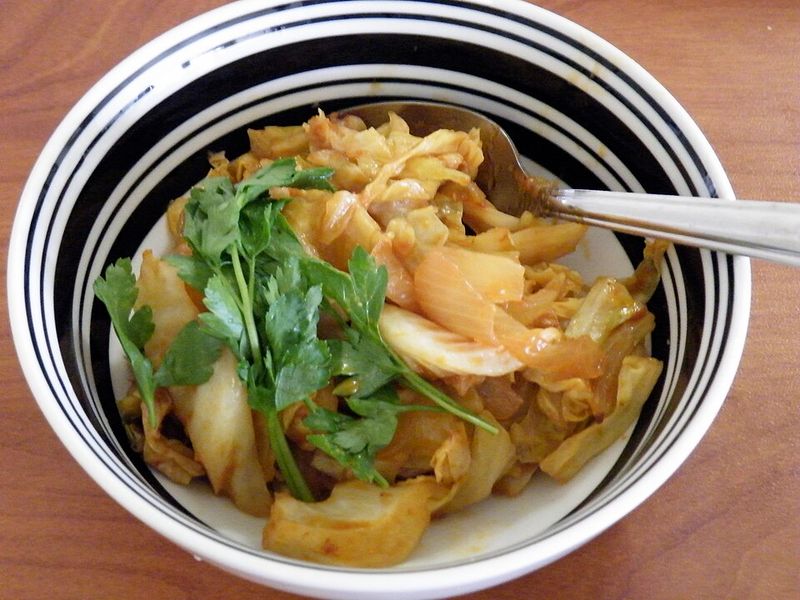
Cabbage wants high heat and confident seasoning to escape its boiled past. Roast wedges until the edges char and the cores turn sweet, then shower with brown butter, lemon, and breadcrumbs.
The crunch and caramelization feel surprisingly elegant.
Shred it for slaw with apple, herbs, and a tangy dressing, or braise with garlic and stock until tender. Finish with vinegar for brightness.
When treated with respect, cabbage tastes nutty, sweet, and deeply satisfying, a budget friendly staple that plays nice with almost everything on your plate.
Beans

Beans become luscious when soaked, salted properly, and simmered gently with aromatics. A glug of olive oil and patience turns them creamy inside with skins that stay intact.
Finish with lemon zest and herbs and they are comfort in a bowl.
Try brothy beans with crusty bread and a sprinkle of chili. Or smash them onto toast with garlic and olive oil for a quick snack.
Cooked right, they are anything but bland, soaking up flavor like a sponge while keeping you full for hours.
Lentils
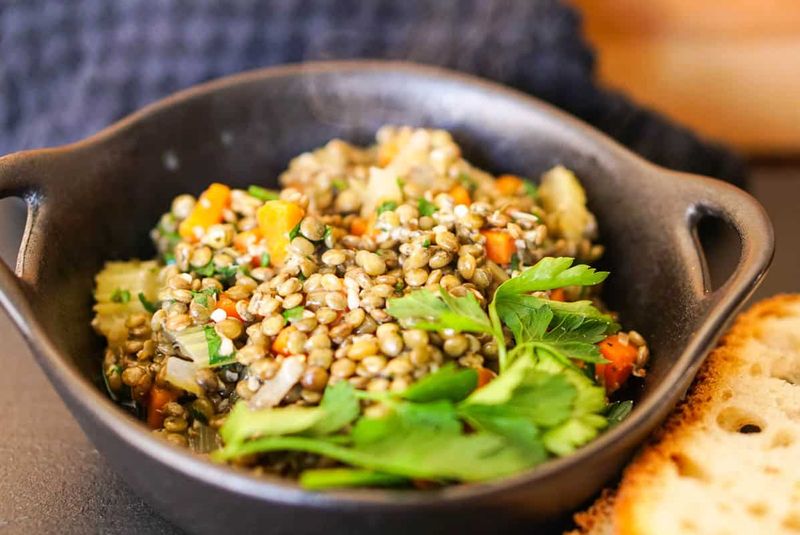
Lentils are small but mighty when cooked until just tender and dressed while warm. Toss with lemon vinaigrette, roasted carrots, herbs, and feta, and you get a salad that eats like a meal.
The texture is toothsome, not mushy.
Red lentils make a fast, creamy soup when simmered with onion, garlic, and curry spices. Green or French varieties hold shape for salads and bowls.
Add a poached egg, and suddenly lentils feel luxurious. With smart seasoning, they are protein rich, affordable, and endlessly adaptable.
Parsnips

Parsnips bring vanilla like sweetness and nutty depth when roasted hot until edges crisp. Cut into fries, toss with oil, salt, and rosemary, and shower with Parmesan after baking.
Dip in garlicky aioli and they feel indulgent, not austere.
Puree cooked parsnips with butter and a splash of cream for a velvety side that beats mashed potatoes on flavor. Their natural sugars caramelize beautifully, so do not be shy with high heat.
Parsnips turn doubters into fans with one golden, fragrant batch.
Barley
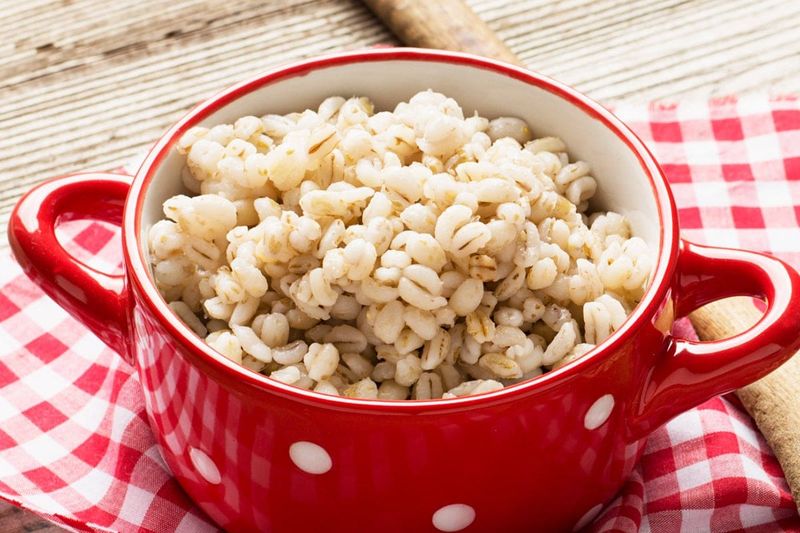
Barley has satisfying chew and gentle nuttiness that shines in brothy bowls and salads. Simmer in stock, then fold in caramelized onions, mushrooms, and thyme for deep comfort.
Top with a soft egg and the yolk becomes sauce.
Chill leftovers for a grain salad with citrus, herbs, and crunchy vegetables. Barley drinks up dressing without going soggy, staying pleasantly bouncy.
If you want a budget friendly, stick to your ribs base that still feels fresh, barley is your sleeper hit.
Oatmeal savory
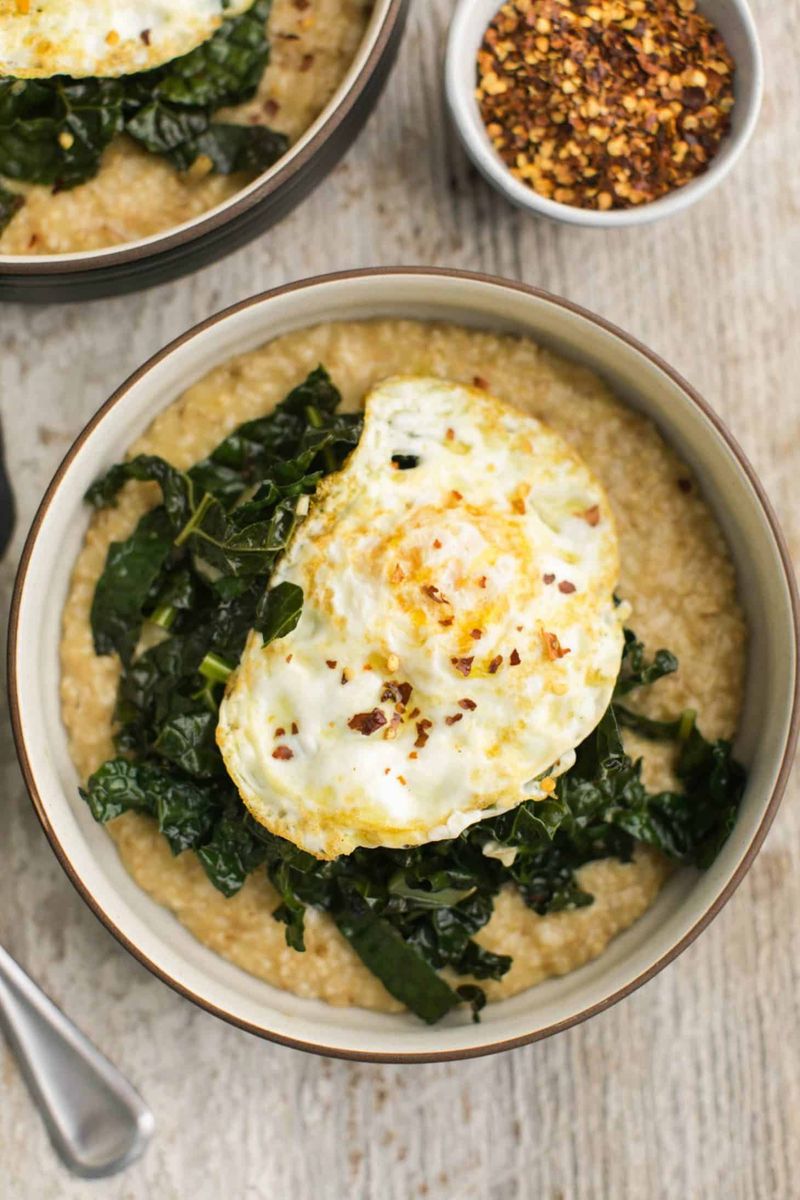
Savory oatmeal flips breakfast on its head and totally works. Cook steel cut oats in salted stock until creamy, then top with sautéed greens, crispy mushrooms, and a soft egg.
A drizzle of chili oil adds heat and perfume.
The oats act like polenta, comforting yet light. Finish with Parmesan or miso for umami and scallions for crunch.
Once you try it, sweet oatmeal might feel like the side quest and savory the main event.
Bone broth

Bone broth tastes best when simmered low and slow until clear, golden, and deeply savory. Roast bones first, add onion, celery, and a splash of vinegar to coax minerals, then skim gently.
The result is clean, not muddy.
Sip it straight with ginger and scallions, or use as the base for soups and sauces. Good broth makes simple food taste expensive.
You will notice how it rounds sharp edges and carries aroma. It is comfort that feels restorative rather than heavy.
Pickled vegetables
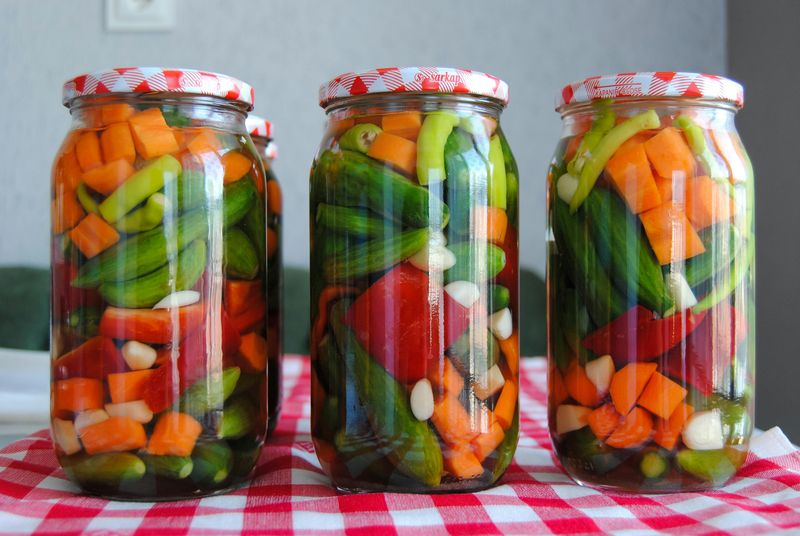
Pickles are magic for waking up heavy dishes and keeping your palate curious. Make quick pickles with vinegar, sugar, salt, and spices, then tuck them into tacos, grain bowls, and sandwiches.
Crunch plus tang equals instant balance.
Try red onions with lime for tacos, or dill cucumbers for smash burgers. Even a spoonful beside rich stews resets your taste buds.
Once jars live in your fridge, dinner decisions get easier and more exciting, no canning marathon required.
Organ meats

Organ meats reward careful cooking with luxurious texture and big flavor. Start with chicken livers, searing hot and fast until blushing inside, then glaze with balsamic and serve on toast.
Add capers and parsley for brightness.
If that wins you over, try a small amount of finely chopped liver in burgers for richness. Quality matters, so source well and keep portions modest.
When handled gently, offal tastes elegant, not extreme, and stretches budgets while delivering iron, vitamins, and satisfying depth.
Dark greens
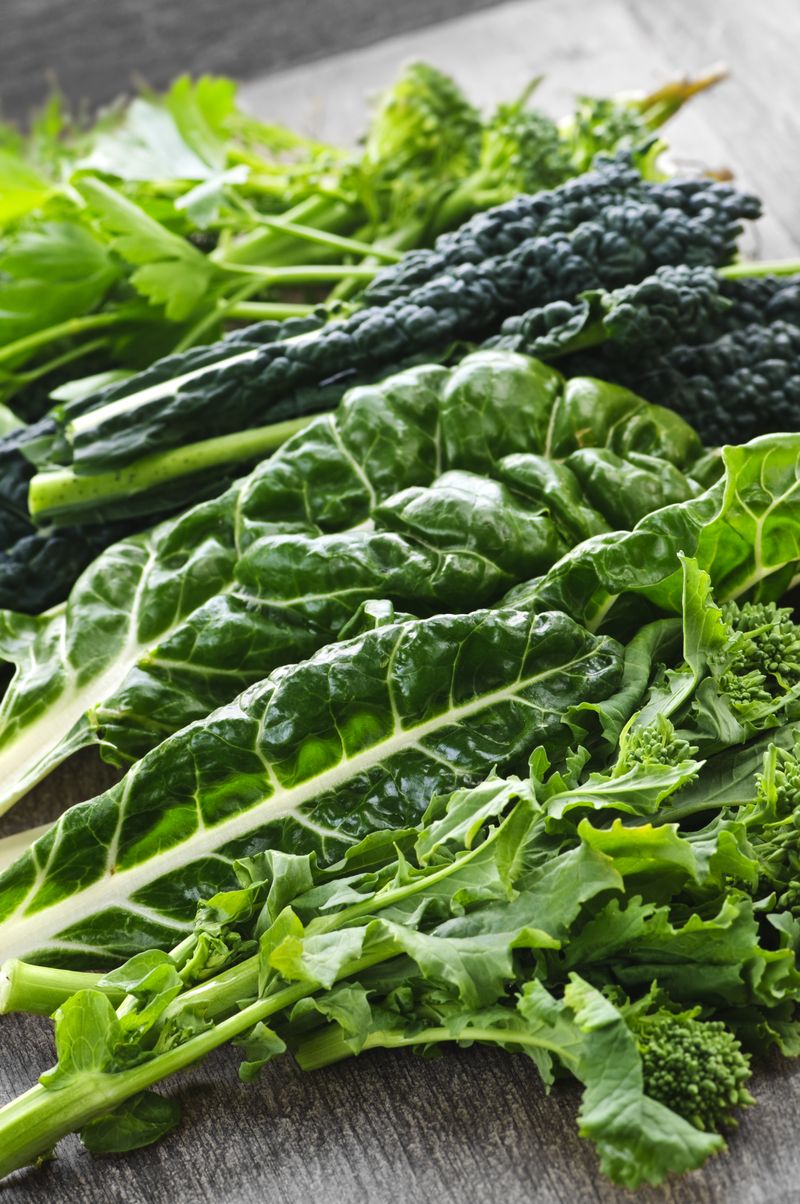
Dark greens like kale and chard turn tender and savory with a quick sauté. Start with garlic in olive oil, toss in ribbons of greens, and finish with lemon.
Salt early, taste often, and do not fear a little bite.
Add toasted nuts or feta for crunch and creaminess. Stir into beans, pile next to roast chicken, or spoon over grains.
When cooked just right, greens taste bright and satisfying, not punishing. You feel nourished, not lectured.
Simple soups
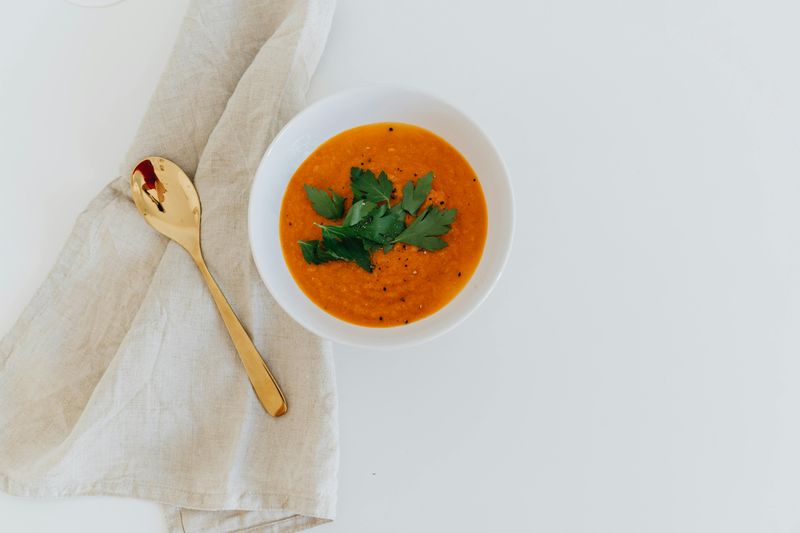
Simple soups rely on great broth, good salt, and one or two star ingredients. Think tomato and white bean, or carrot and ginger, blended smooth and finished with olive oil.
The texture comforts and the flavor feels clear.
Use seasonal vegetables and roast them first for deeper sweetness. Then balance with acid like lemon or vinegar.
Top with herbs and something crunchy. A good soup makes you slow down between bites and realize dinner can be graceful without being complicated.
Stews

Stews impress when the meat is well browned, the vegetables added at the right time, and the liquid reduced to a glossy gravy. Low and slow coaxes tenderness while keeping flavors layered.
A splash of vinegar or wine at the end brightens everything.
Serve with crusty bread or buttery mashed roots. Let it rest a bit before serving so juices settle.
Tomorrow it tastes even better. A well made stew feels like a hug that knows exactly how long to hold on.
Whole grains

Whole grains win when cooked with seasoned water, rested after steaming, and fluffed like you mean it. Farro stays chewy, quinoa goes fluffy, and brown rice feels nutty and calm.
Add lemon, herbs, and olive oil for instant upgrade.
Use as a base for bowls, or toss warm with roasted vegetables and chickpeas. Whole grains turn leftovers into satisfying lunches that keep you steady all afternoon.
With practice, they taste like the backbone of your week, not a compromise.
Fermented foods
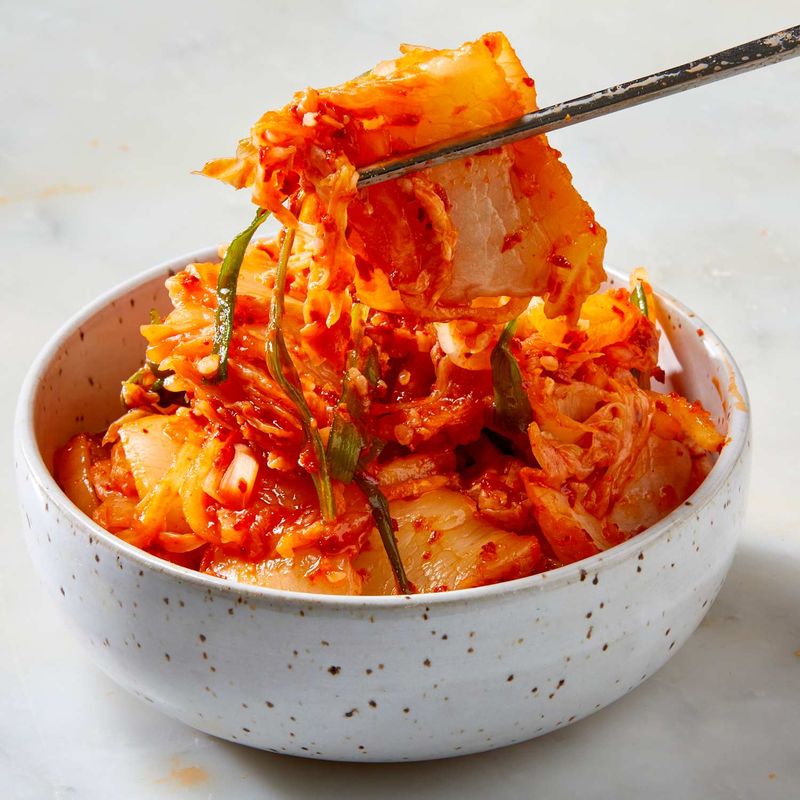
Fermented foods deliver live tang and complexity that wake up bland plates. A forkful of kimchi or sauerkraut cuts through richness and keeps bites exciting.
Kefir or yogurt adds gentle tart creaminess.
Start small to let your palate adjust, then build. Mix kimchi into fried rice, stir kraut into slaws, or sip kefir as a snack.
The funk becomes a friendly hum rather than a shout. Your gut and your taste buds both get happier.
Plain yogurt

Plain yogurt surprises with rich tang and versatility once you dress it right. Add a pinch of salt to wake it up, then swirl in honey or olive oil depending on your mood.
Top with fruit and toasted seeds for crunch.
Use it as a base for garlicky sauces, or dollop onto spicy stews to cool the heat. The clean flavor pairs with sweet or savory easily.
After a few tries, you might ditch the sugary cups and go plain on purpose.
Turnips
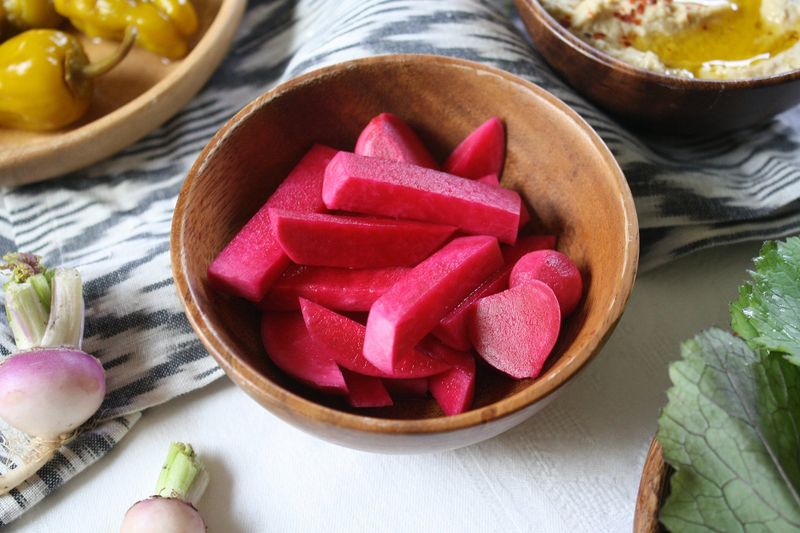
Turnips go from sharp to mellow when glazed and finished with their tender greens. Cook baby turnips in a skillet with butter, a touch of honey, miso, and water until glazed and just tender.
The greens wilt into the sauce, adding earthy freshness.
For bigger roots, roast in chunks until sweet and browned, then hit with lemon. Pair with yogurt and herbs for creamy contrast.
When you treat turnips kindly, they taste like spring with attitude, snappy yet gentle, and absolutely not just soup filler.
Simple fish dishes
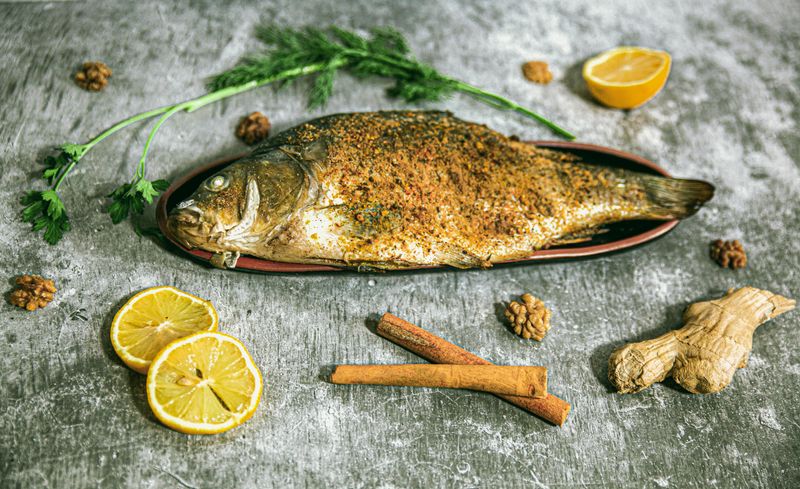
Simple fish shines with dry skin, hot pan, and just enough fat to carry flavor. Pat a white fish fillet dry, season well, sear until the skin crisps, and spoon over lemon butter with capers.
The result tastes clean and luxurious.
Serve with quick greens or roasted potatoes and you have dinner in minutes. The key is not overcooking.
Pull it when it flakes easily. Suddenly fish feels friendly, not fussy, and you start craving that bright, briny lift on weeknights.