



If your grocery cart sparks debates at checkout, you are not alone. Prices creep up, habits harden, and suddenly the basics feel like luxury choices.
You mean to save, but a brand switch here or a bulk deal there turns into a standoff. Let’s walk through the everyday items that quietly drive the biggest budget arguments and figure out where compromise actually lives.
Eggs
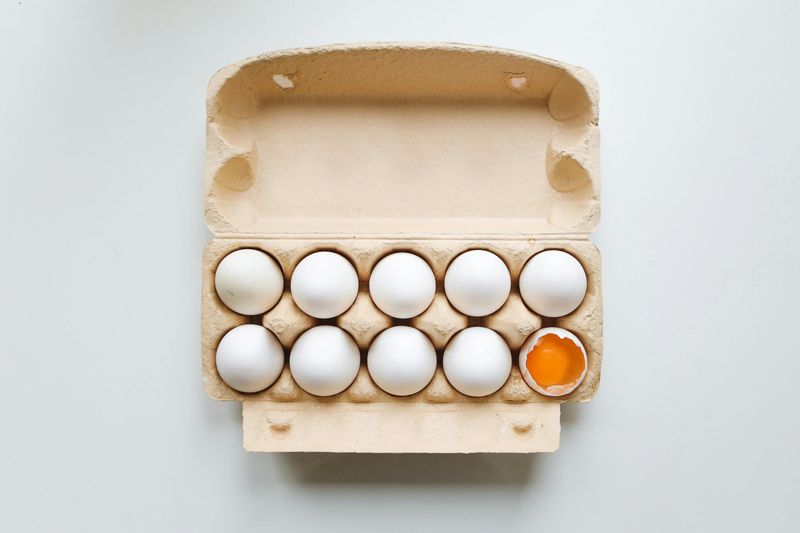
Eggs used to feel like a guaranteed cheap protein, then prices climbed and arguments followed. Do you grab pasture raised for taste and ethics, or regular eggs to spare the budget?
You might even consider a warehouse flat, only to wonder if you will use them before they expire.
Compromise often means mixing: buy standard most weeks, upgrade for baking or special brunches. Compare per egg cost and check unit pricing, not just sticker shock.
And remember storage tricks, like keeping them cold and rotating the carton, to reduce waste that costs more than any label.
Bacon
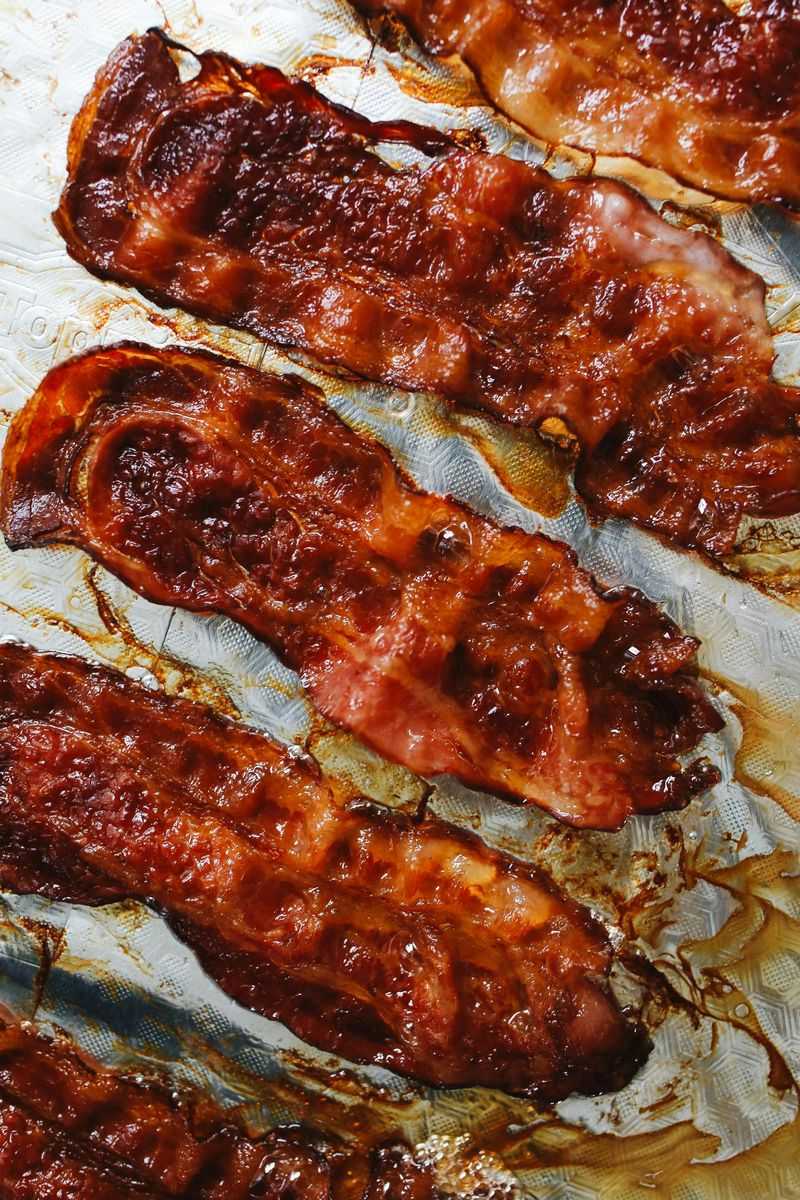
Bacon turns breakfast into a budget battleground because portion control rarely happens. Thick cut feels premium and satisfying, but store brand strips look friendlier at checkout.
Then there is nitrate free marketing and maple flavors tempting your cart.
Set a per serving plan: weigh slices, freeze portions, and treat bacon like a weekend feature, not a default. Buy on sale, stack coupons, and freeze flat in zip bags for quick pulls.
Consider alternatives like pancetta bits for soups where a little goes far. It is not about quitting bacon, just giving it a defined job.
Butter
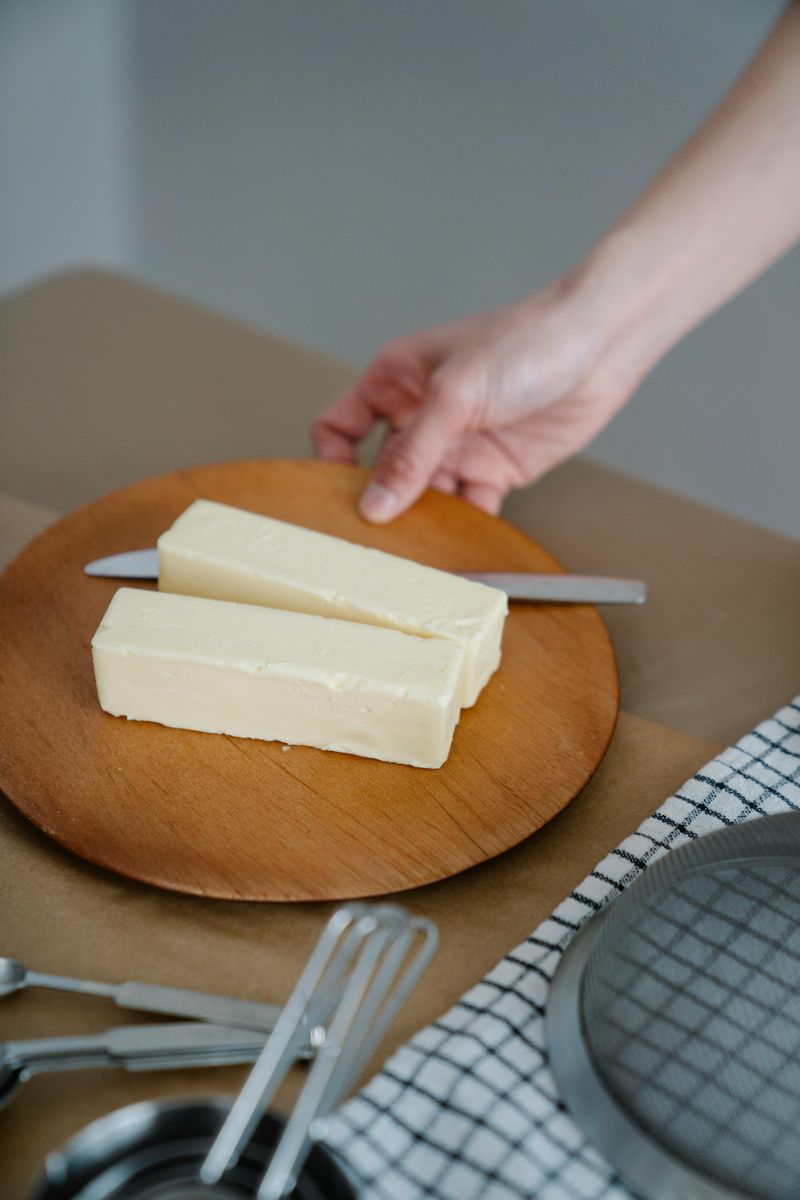
Butter prices swing and suddenly baking weekends become line items. Do you buy European style for richer bakes, or stick with store brand and add salt carefully?
Salted versus unsalted can spark debates when one tub must do everything.
A good strategy is to keep unsalted for recipes and salted for table use. Freeze extra sticks when on sale to lock in a lower price.
If ghee or plant based spreads tempt you, compare cost per tablespoon and smoke point. Pick what you actually finish, because half used specialty tubs are the real splurge.
Coffee
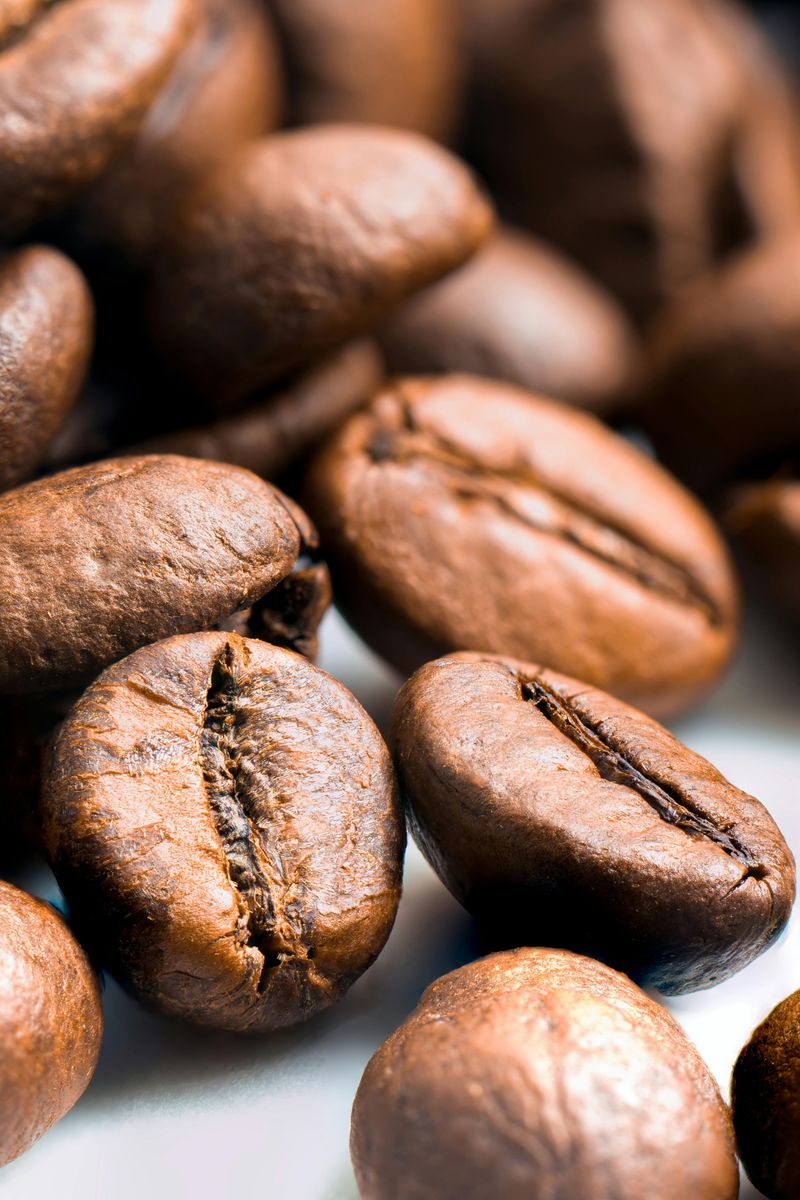
Coffee loyalty is personal, which makes budgets tricky. Whole beans, single origin, and fancy pods all claim superiority.
Meanwhile, the daily habit quietly totals into a shocking monthly spend.
Audit per cup cost. Buy whole beans on sale, store airtight, and grind right before brewing to stretch flavor.
Consider a reusable pod or a simple pour over with paper filters. Split the difference with a weekday budget blend and a weekend treat bag.
Track cafe visits like line items. The goal is ritual without runaway costs, because great coffee does not require premium every single pour.
Milk

Milk choices multiply arguments fast. Whole for flavor, 2 percent for balance, or lactose free for comfort can split a household.
Plant based options add higher price tags and varied uses.
Decide tasks first: drinking, cereal, lattes, or cooking. Match one affordable default and a small specialty carton for whoever needs it.
Check unit pricing and sell by dates to prevent waste. Freeze small portions for baking if half gallons spoil.
Store cold on interior shelves, not the door, to extend freshness. When milk is assigned a job, you buy less variety and toss less money.
Cheese
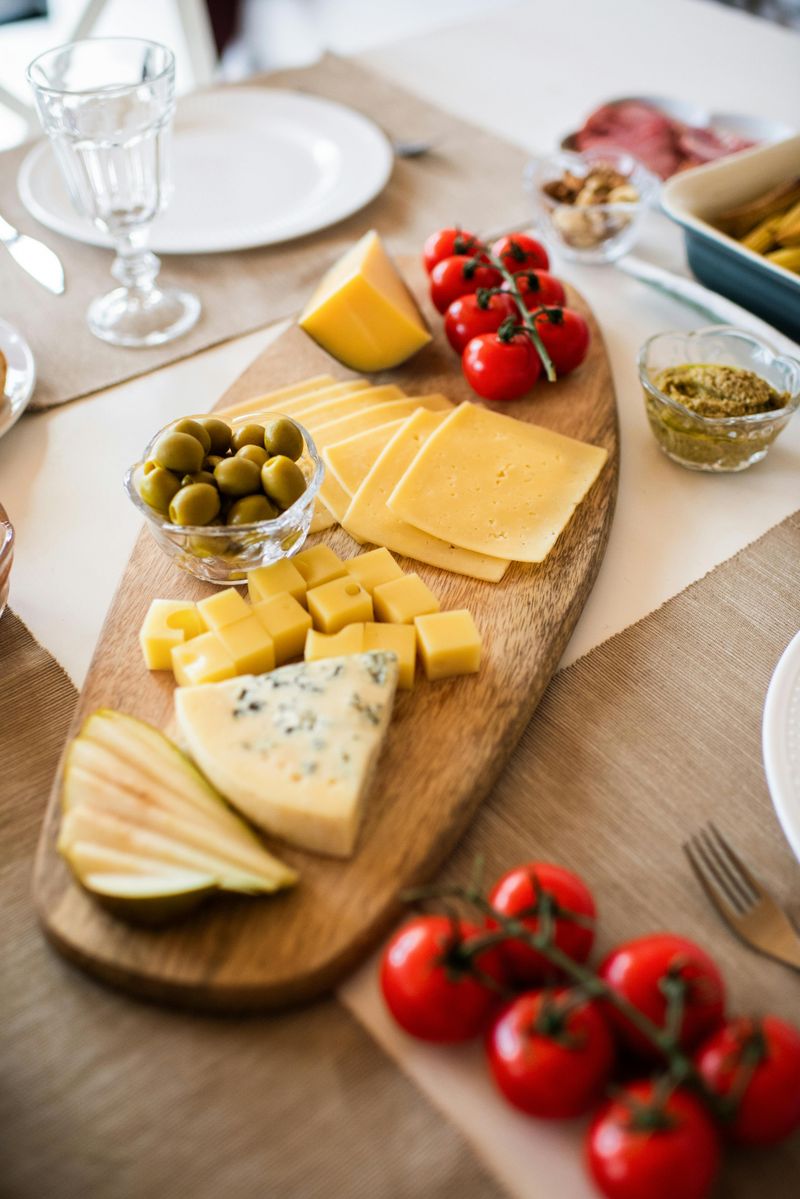
Cheese tension starts with formats. Pre shredded is convenient but often pricier and coated to prevent clumps.
Blocks taste better and grate cheaper, yet they demand time you may not have.
Pick a versatile block like cheddar or mozzarella and grate ahead, freezing in portions. Reserve specialty wedges for planned meals, not impulse nibbling.
Parmesan rinds stretch soups and sauces, turning a splurge into value. Watch deli counter weights and compare per ounce.
Label and wrap tightly to prevent dryness. Cheese does not have to be a fight if every ounce has a purpose before it hits the cart.
Ground beef
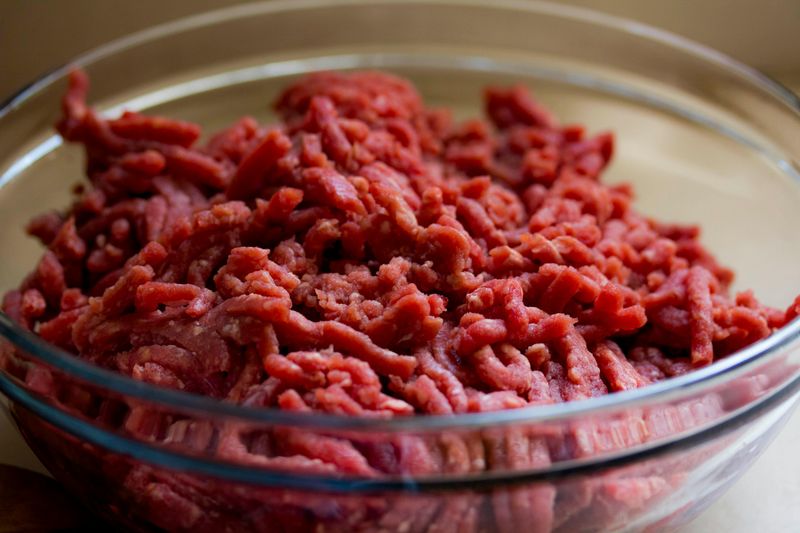
Ground beef feels essential, but fat percentages and pack sizes drive debate. Lean costs more but cooks down less, while value packs look cheap until waste shows up.
Flavor, nutrition, and price all compete in one red tray.
Buy the largest package you can portion immediately. Brown and freeze in recipe sized bags, labeling fat content.
Compare cooked yield, not just raw price. Stretch meals with beans or mushrooms without losing satisfaction.
Track your favorite sales cycle and stock accordingly. When you plan for yield and storage, the most expensive part of ground beef is not guesswork anymore.
Chicken breast
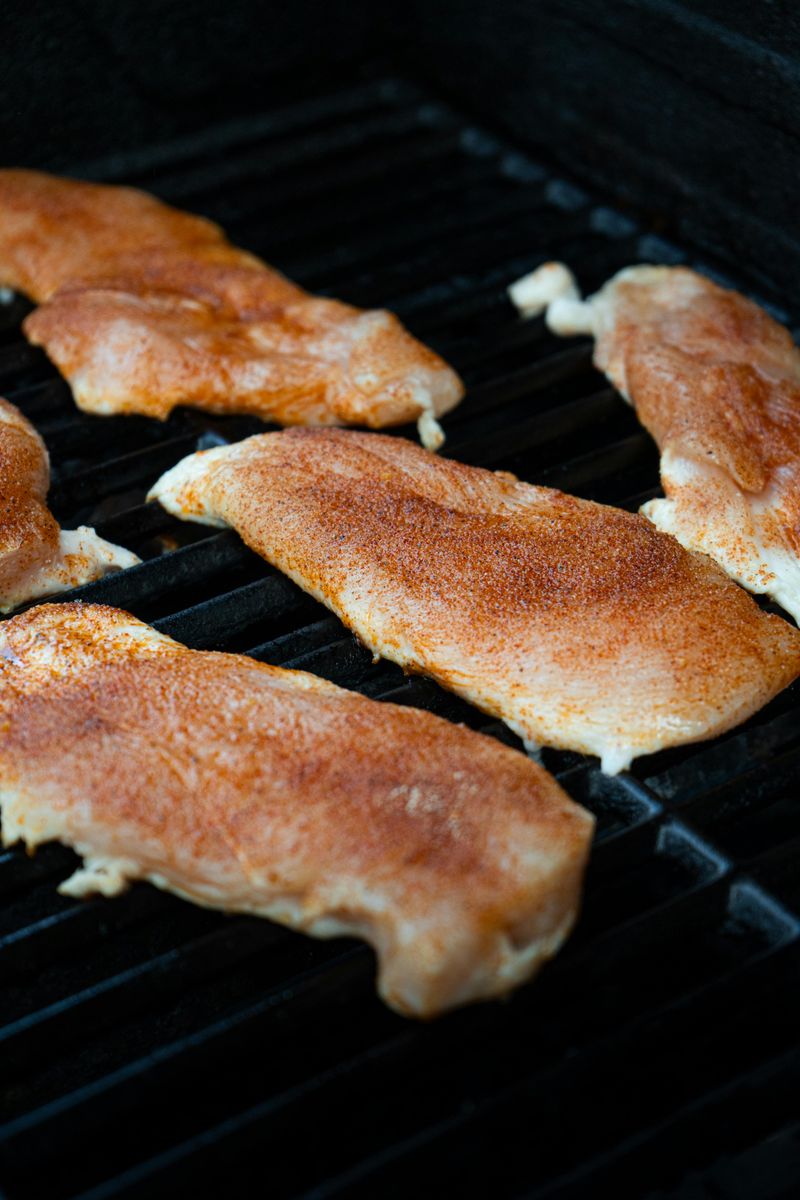
Chicken breast seems healthy and simple, then the price per pound pushes nerves. Thin sliced, organic, or pre marinated options add premiums quickly.
Dry results waste money just as much as overbuying.
Buy plain breasts in bulk, then portion and pound for even cooking. Brine or marinade at once, freezing flat for easy defrosts.
Learn a dependable pan sauce to avoid takeout replacements. Watch for sales on family packs and use a vacuum sealer if available.
Consider thighs for flavor and savings when recipes allow. With planning, you keep nutrition, tenderness, and your budget intact.
Bread loaf
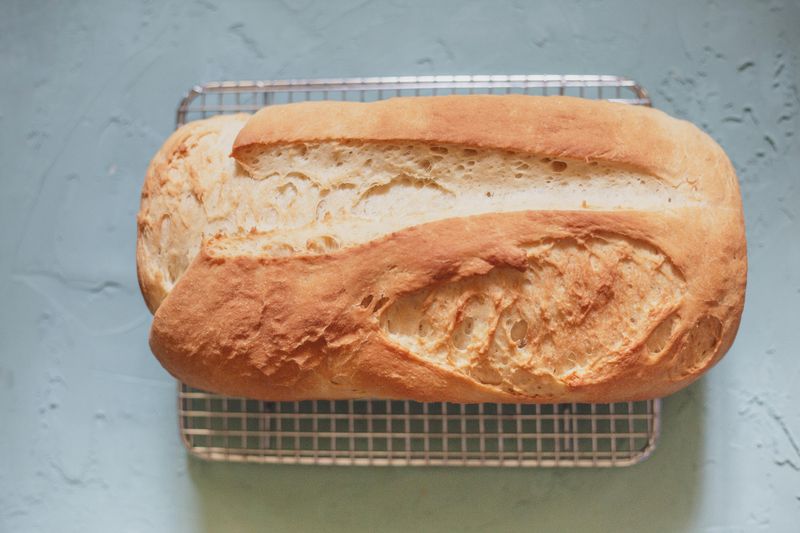
Bread is a quiet battleground between fresh bakery loaves and shelf stable bags. One tastes amazing day one, the other wins on price and longevity.
Specialty grains, seeds, and sourdough branding escalate costs fast.
Decide the job: sandwiches, toast, or weekend treats. Freeze half the loaf to prevent staling and toast slices straight from the freezer.
Compare price per slice, not just per loaf. A basic whole wheat or white can anchor lunches, while a bakery loaf becomes a planned indulgence.
Use stale ends for croutons and breadcrumbs. Waste is the true budget villain here.
Rice
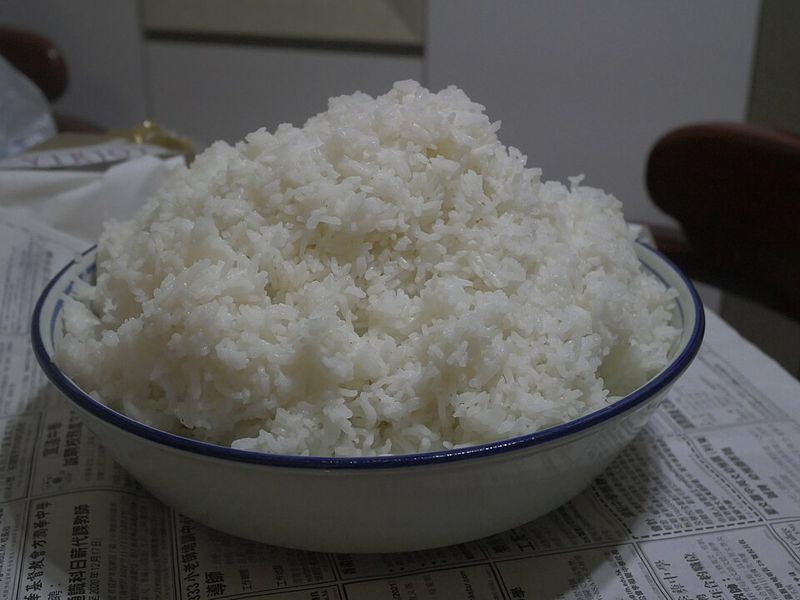
Rice is budget friendly, but format divides opinions. Small boxed flavors cost more per serving than a bulk bag you season yourself.
Brown versus white becomes a time versus texture conversation.
Buy a big bag and store in airtight containers with a scoop. Learn a basic absorption method, then vary seasonings.
Cook extra and freeze flat for quick stir fries. Use rinsing to improve texture and reduce starchiness.
If brown rice stalls dinner, pressure cook to speed it up. Measured cups and planned leftovers keep rice a saver, not a staller that leads to pricier takeout.
Pasta
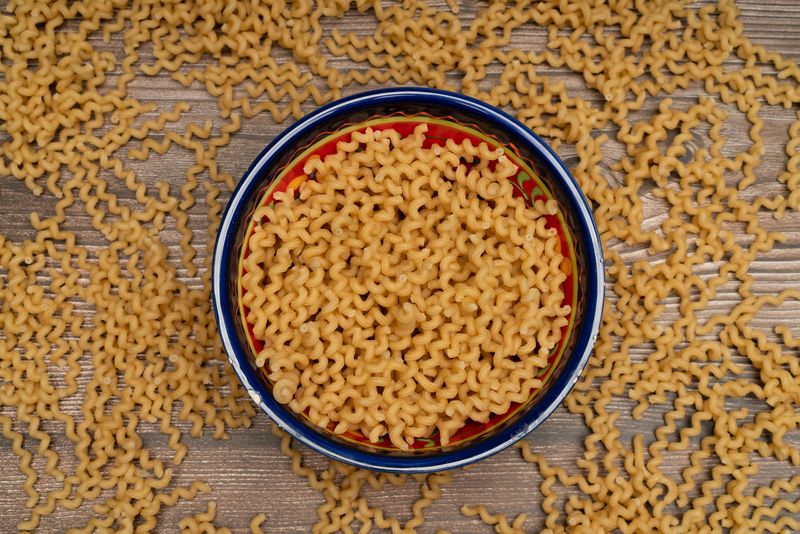
Pasta is cheap happiness until premium bronze cut shapes and sauces stack up. Whole wheat or gluten free needs can hike the price, and jarred sauce convenience adds another layer.
Portions creep, leftovers bloat.
Weigh dry pasta for consistent servings and fewer accidental feasts. Keep a few shapes you actually use and a reliable canned tomato base.
Salt water well and finish pasta in the sauce for restaurant results without cost. Stock up during buy one get one sales.
When it is planned, pasta stays a budget ally instead of a splurge disguised as staples.
Cooking oil
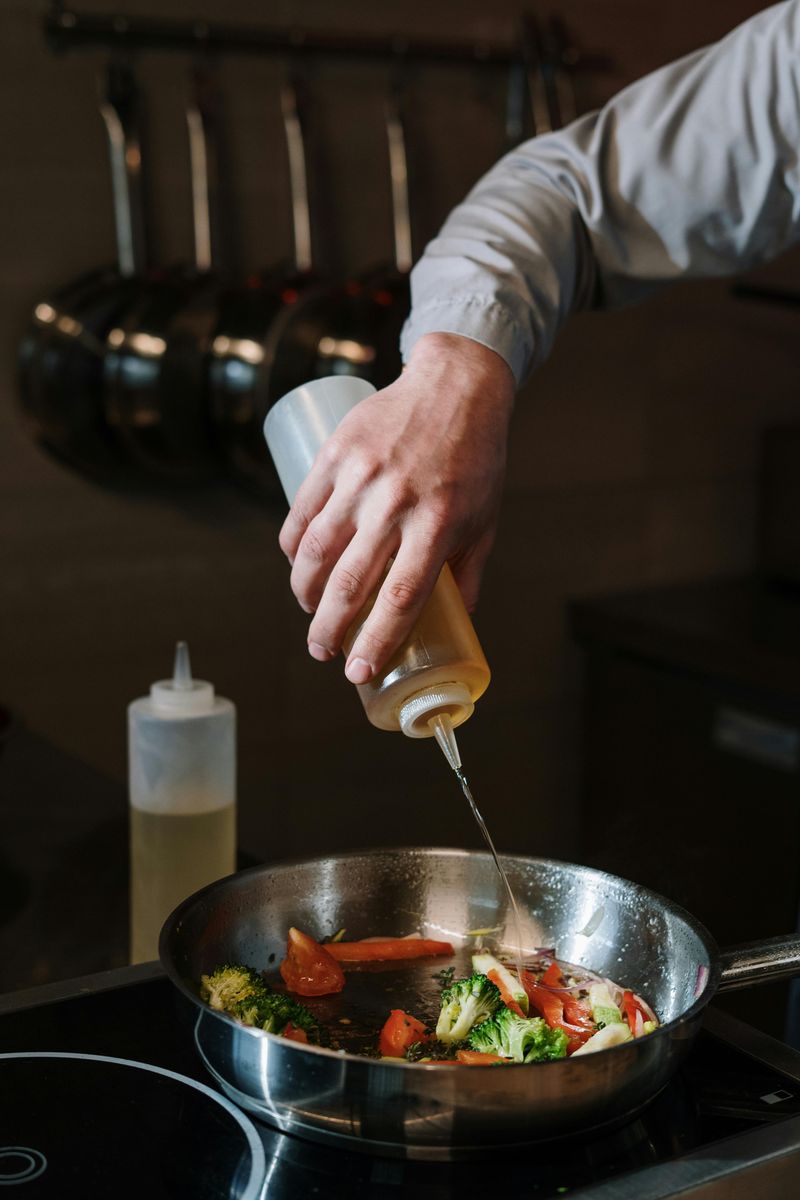
Neutral cooking oil is a quiet line item that balloons with frying. Big jugs look economical until they expire or go off flavor.
Avocado and specialty blends add premiums you do not need for everyday sautéing.
Choose one reliable high heat oil and buy the size you finish within three months. Store cool and dark to protect quality.
For deep frying, reuse safely by filtering and labeling. Compare smoke points and unit pricing, not marketing claims.
Keep olive oil for finishing and this for workhorse tasks. Clarity on roles slashes duplicates and keeps your cart lighter.
Cereal
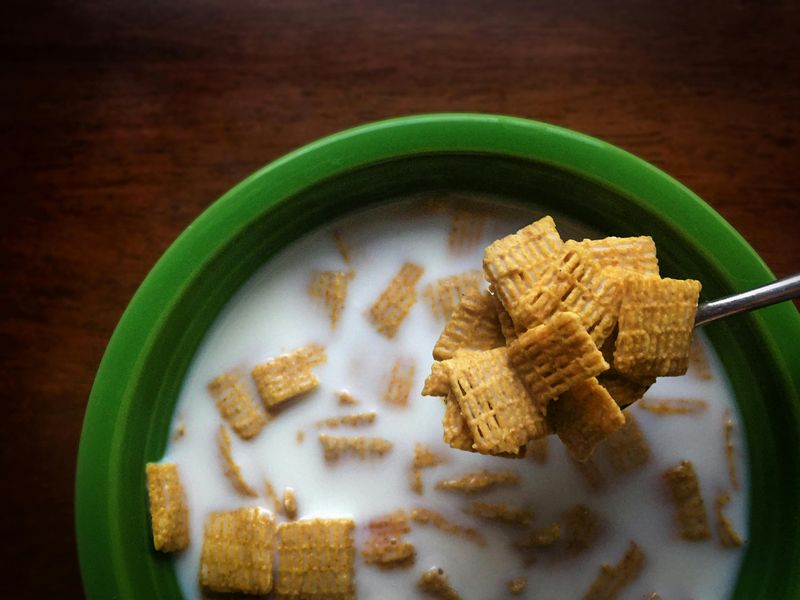
Cereal sparks brand loyalty and sugar debates. Name brands run pricey unless you chase sales, while bagged generics can taste close at half the cost.
Nutrition panels and cartoon boxes influence kids more than unit prices do.
Set a cereal budget and buy when promotions hit. Use airtight containers to keep big bags fresh.
Mix a sweet favorite with a plain whole grain to stretch flavor and nutrition. Check serving sizes honestly.
If cereal is for busy mornings, protect it, but do not let it replace balanced breakfasts every day. Intentional choices beat spontaneous box grabs.
Peanut butter
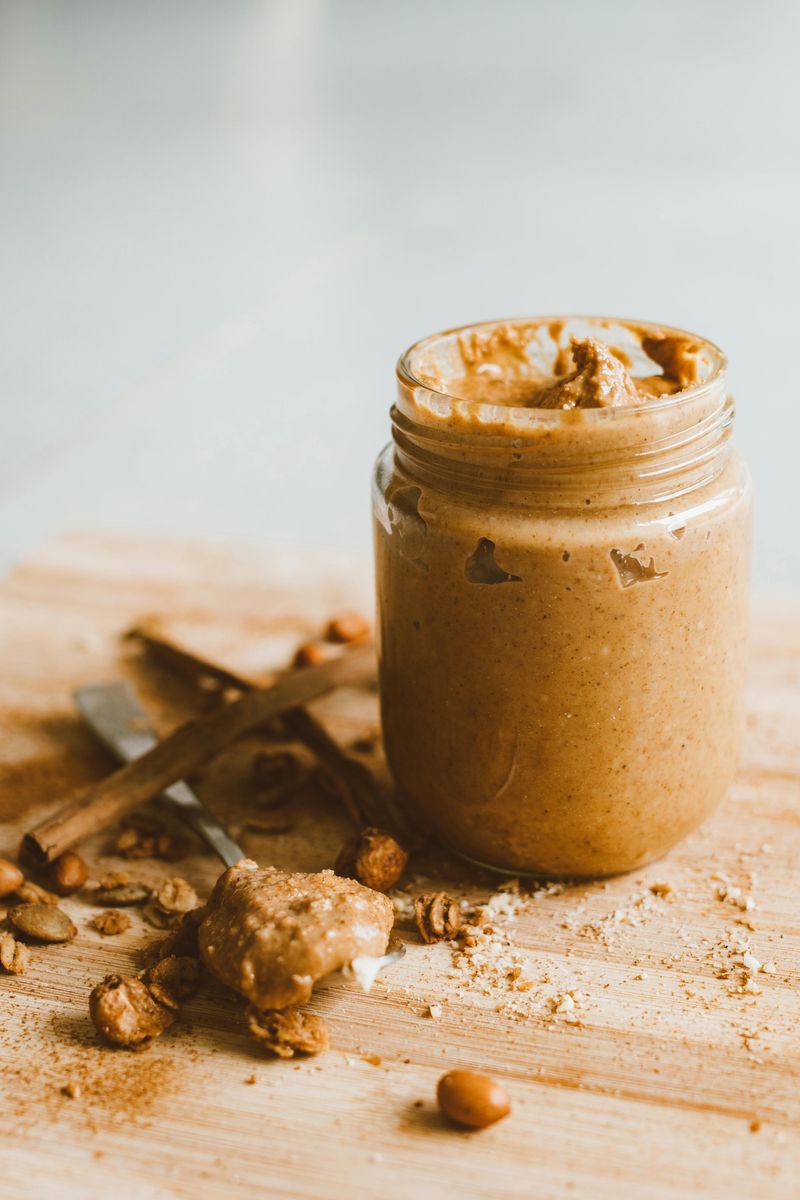
Peanut butter turns into arguments over natural versus no stir, crunchy versus creamy, and big jars that separate before you finish them. Specialty nut butters cost several times more and vanish just as fast on spoons.
Pick one household default and a small jar of the preference outlier. Stir natural once, then store upside down to help with consistency.
Compare price per ounce and protein per serving. Use for planned snacks and sauces, not endless scooping.
When sandwiches and satay have room in the week, jars last longer and debates cool considerably.
Yogurt
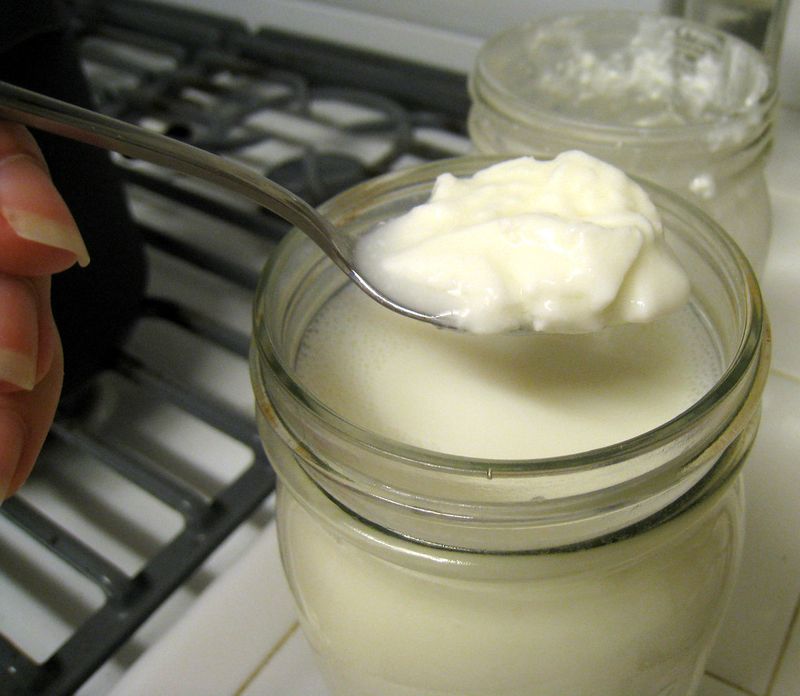
Yogurt battles center on convenience and sugar. Single cups are easy and tempting but hike costs, while a big plain tub stretches money and recipes.
Greek, Icelandic, and dairy free options complicate the math.
Buy plain tubs and portion into reusable cups with fruit and honey. Keep a few singles for truly rushed mornings.
Compare protein per dollar, not just calories. Use yogurt in marinades and dressings to prevent waste.
Date the lid and rotate. When yogurt is planned across breakfasts and dinners, it stays a value play and not a lonely container slowly expiring.
Frozen meals
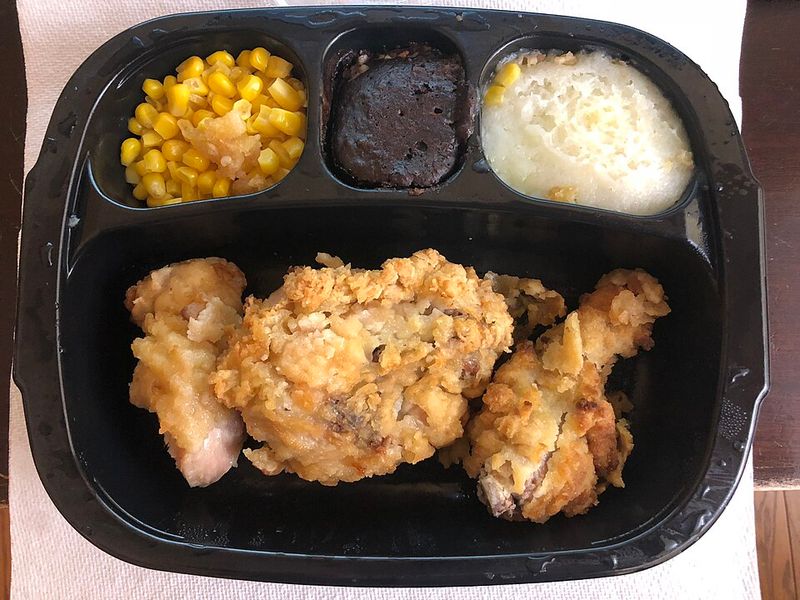
Frozen meals are emergency heroes that quietly drain budgets when they become routine. Sales make them look cheap, but per serving costs rival takeout if you do not compare.
Sodium and portion size also play games with satisfaction.
Keep a strict emergency stash rule: two or three on hand, not a drawer full. Batch cook freezer friendly meals on weekends to replace pricey boxes.
Check weight and protein to ensure you feel full. Rotate stock to avoid freezer burn.
Convenience is great, but it should serve you, not quietly control spending.
Chips bag
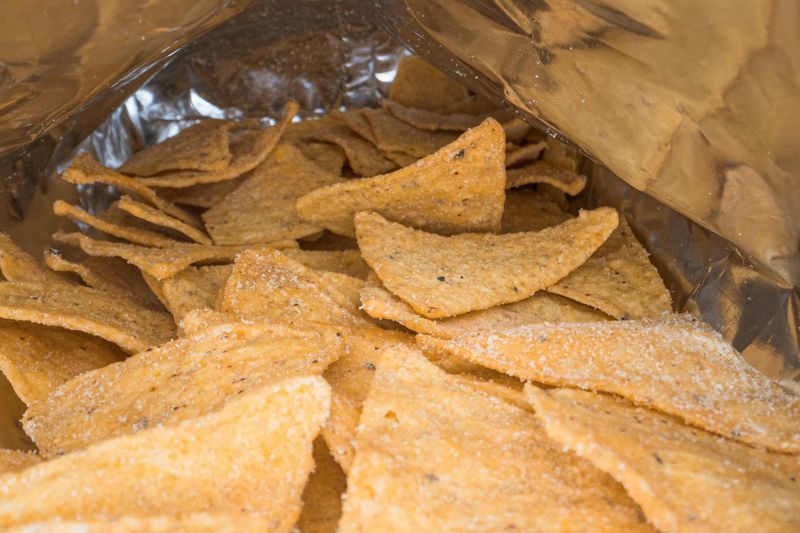
Chips create stealth spending because the bag disappears faster than expected. Family size looks thrifty but encourages marathon snacking.
Flavors rotate constantly, making restraint hard at end caps.
Buy smaller bags or pre portion family size into containers. Set a snack schedule and pair chips with protein to feel satisfied.
Compare price per ounce across bag sizes with and without sales. Keep one favorite, not four varieties that invite grazing.
If a party is coming, plan it. Chips are fine, but boundaries stop the quiet drip of extra grocery dollars.
Chocolate bar

Chocolate divides the cart between everyday sweets and artisanal treats. Single origin and high cacao bars command premiums, while multi packs offer volume but dilute joy if they are mindless.
Emotional buys sabotage budgets more than ingredients do.
Choose one quality bar per week and savor a square nightly. Hide it in the pantry, not by the coffee maker.
Compare grams and cacao percentages when price shopping. If baking, buy chips or bulk couverture to reduce cost per ounce.
Giving chocolate a ritual stops repeat impulse swipes that add up.
Soda pack

Soda multiplies costs because it pairs with every meal and snack if it is around. Name brand loyalty clashes with store brand fizz that is cheaper.
Sales cycles and deposit fees confuse the real total.
Track promotions and buy only during them. Set a weekly can limit and keep cold water or seltzer as the default.
Consider a home seltzer maker for fizz without syrup. Store room temperature and chill a few to slow impulsive grabs.
When soda is an occasion, not a reflex, the budget breathes again.
Snack cakes

Snack cakes succeed by being grab ready, which means they vanish quickly and quietly. Boxes promise value but hide tiny portions that invite seconds.
Health debates aside, the real issue is speed and frequency.
Use them as planned lunchbox treats, not open ended pantry snacks. Compare price per cake, not per box.
Consider baking a pan of brownies and freezing squares for cheaper portioned treats. Keep fruit visible and these tucked away.
Discipline beats deprivation, and your receipt will show it within weeks.
Avocados
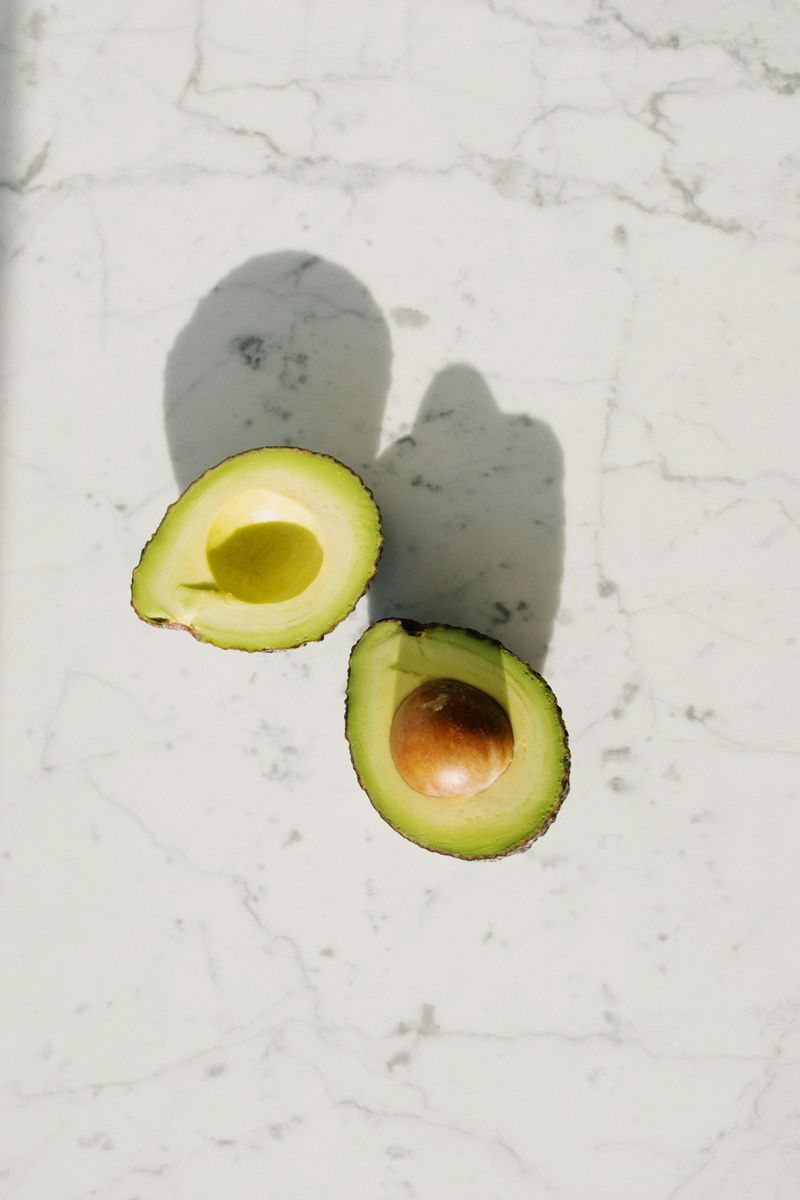
Avocados spark arguments because timing and price rarely line up. Bags entice with lower unit cost, but two ripen perfectly while three go brown.
Organic, large, and ready to eat labels complicate choices.
Buy singles at different ripeness stages. Store ripe ones in the fridge and use citrus to slow browning.
Plan two avocado meals the week you buy. For toast cravings, mash half and save half with the pit, wrapped tight.
Track your region’s sale pattern to strike while prices dip. Avocados feel indulgent, but strategy makes them predictable and affordable.
Olive oil

Olive oil divides the cart between flavor and frugality. Cold pressed extra virgin from a trusted region tastes amazing, but your wallet notices the import premium.
Then cooking heat complicates things, since high temperatures can waste a pricey bottle.
Use a two bottle plan: a midrange extra virgin for salads and finishing, and a neutral oil for high heat. Check harvest dates and dark bottles to avoid rancid waste.
Buy sizes you can finish in three months. When tasting matters, spend intentionally.
When frying, save cash and quality by choosing the right tool for the job.