


Ever grabbed a “deal” that felt smart until your receipt told a different story? Grocery stores are packed with offers designed to look like savings while quietly nudging you to spend more.
Once you compare unit prices, portion sizes, and freshness, the math gets eye opening fast. Let’s walk through the traps so you keep more cash without losing convenience or flavor.
Family size chips
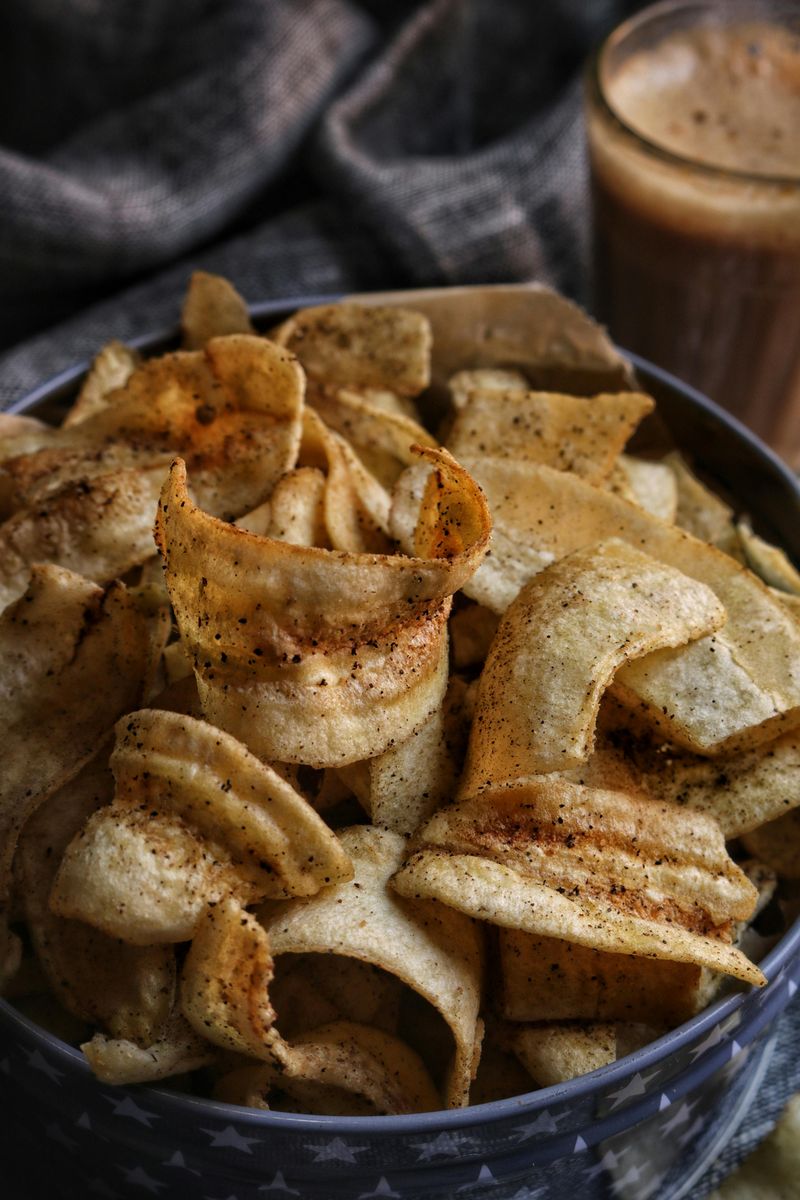
Family size sounds thrifty, but chips are mostly air and markup. Compare unit price, and you often pay more per ounce than two regular bags on sale.
The bigger bag also goes stale faster, which means waste. If you crave variety, you might open a second bag before finishing the first, inflating costs.
Smarter move: buy smaller bags when the per ounce price beats the jumbo. Store leftovers in airtight containers to extend crispness.
Consider store brands during promotions, and combine with a dip you make at home. Check end caps after scanning the aisle tags.
Party size snacks
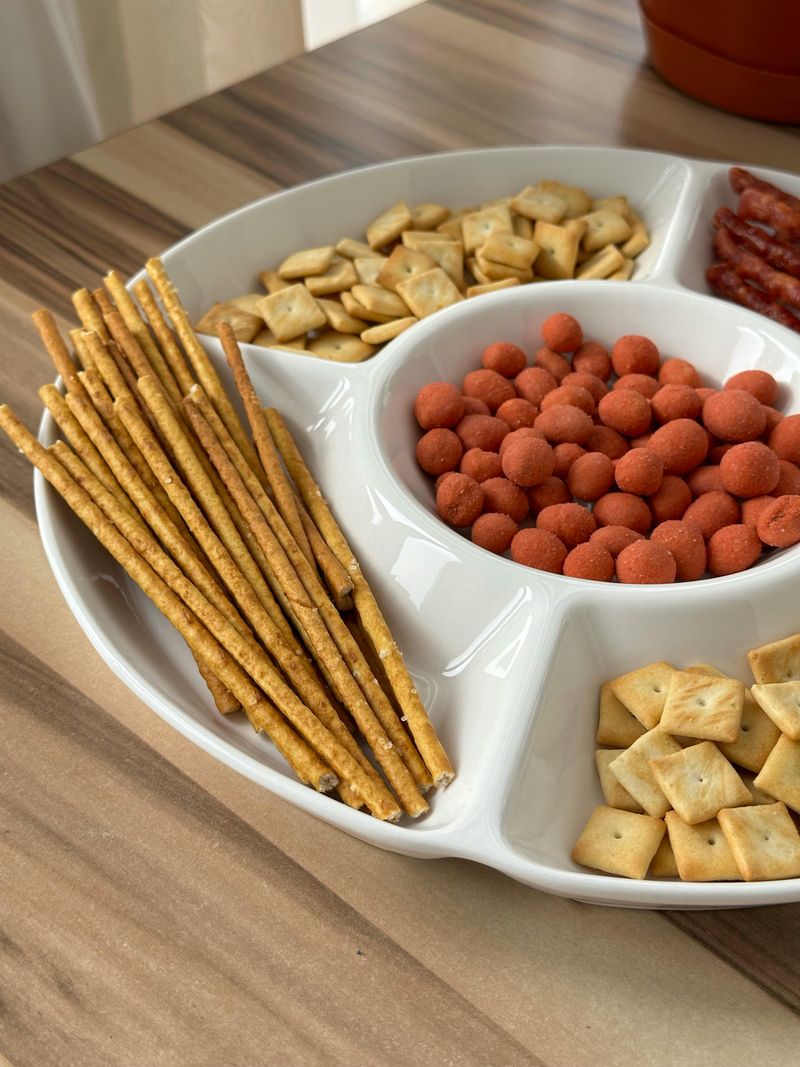
Party size mixes look fun, yet the premium covers convenience, fancy packaging, and broken bits you would never pay for by weight. Compare the per ounce price to two targeted bags you actually want.
Odds are the party tub costs more while delivering more pretzels than chips. Taste fatigue sets in, and leftovers linger.
Better approach: buy components separately on sale, then portion into bowls so you control the mix. No one misses the extra crumbs.
If you truly need volume, split a warehouse pack with a friend and divvy costs. Your total drops, freshness improves, and choices match what guests actually eat.
Variety snack packs
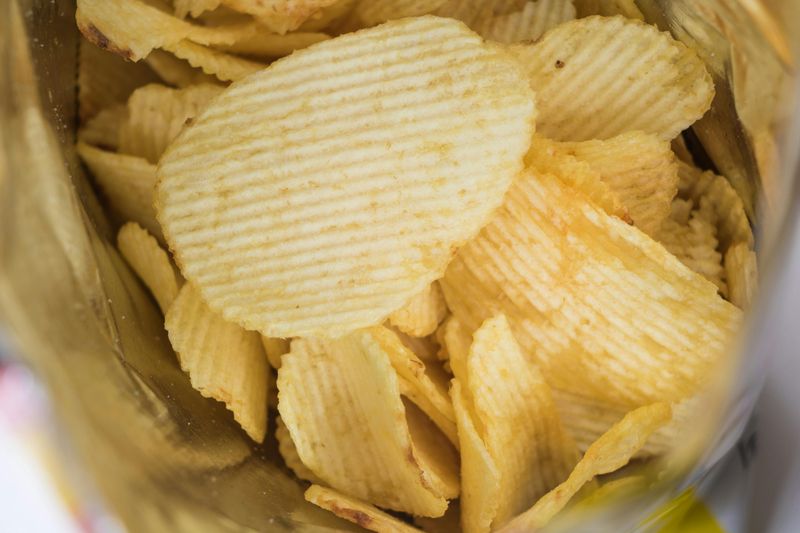
Variety packs promise something for everyone, but they hide uneven counts and unpopular flavors. You pay for assortment and mini packaging, not value.
Per unit, those tiny bags cost far more than a single large bag you portion yourself. Kids trade away the duds, and half the box lingers untouched.
Buy a couple full size winners and make your own mix. Use reusable snack cups, label portions, and keep a rotation to prevent boredom.
You control sugar and salt, and spend less per serving. Check unit prices and shelf tags, not the bright promise on the front of the carton.
Soda multipacks
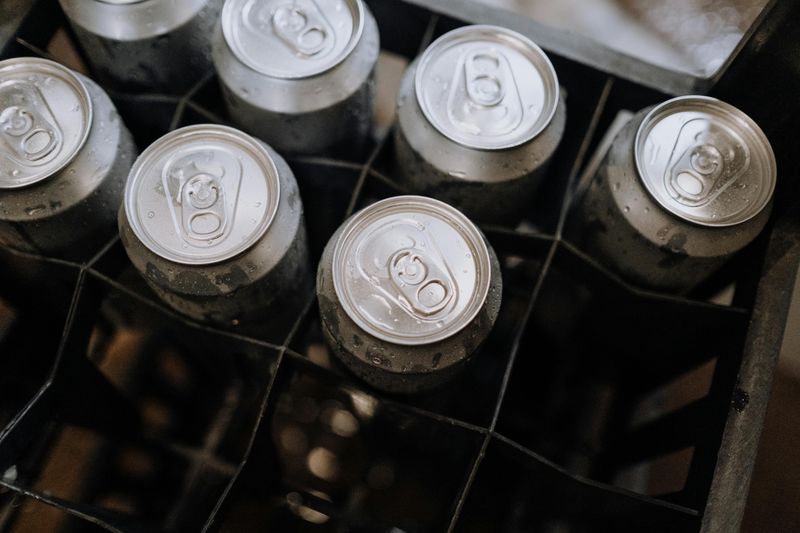
Soda multipacks look cheap, yet sales on singles or two liter bottles often beat them by a lot. The cardboard wrap adds cost you never drink.
When you calculate per ounce, single bottles with coupons or store brands usually win. Plus, smaller formats encourage more frequent sipping that sneaks up on your budget.
Switch to store brand two liters during real promotions, and keep a fizzy water maker if bubbles are non negotiable. Pour into reusable bottles and chill.
You will drink what you pour, not what marketing dictates. Fewer containers, lower cost, and easier recycling make this swap quietly powerful.
Energy drink multipacks

Energy drink packs tempt with bold promises and brighter pricing labels. But the per can cost is rarely best in the multipack, especially when singles run on frequent promos.
You also lock yourself into one flavor that might tire fast. Caffeine tolerance rises, and suddenly a case disappears in a week.
Better plan: grab singles during markdowns, or brew strong tea and add citrus for a cleaner boost. Keep powdered electrolytes for long days.
Track cost per serving, and cap daily intake so spending and jitters stay in check. The real energy win is sleep, water, and a snack with protein.
Bulk cereal boxes
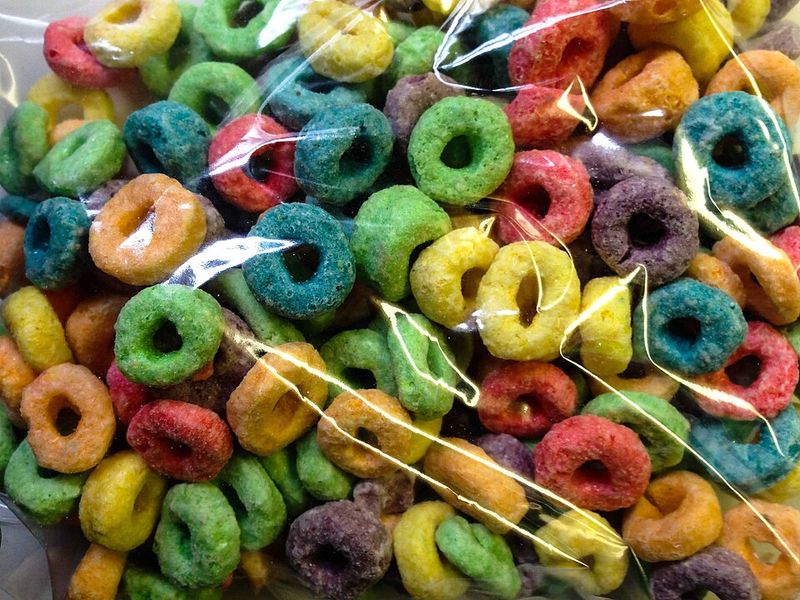
The giant cereal box looks thrifty until you consider serving creep and staleness. Bowls get bigger, pours get looser, and the bag loses crunch before you finish it.
Unit price sometimes beats smaller boxes, but sales on mid sizes often win. Sweetened cereals also push you to eat more to feel satisfied.
Buy what you eat in two weeks, then rotate flavors so nobody burns out. Use a scoop to standardize portions.
Store in sealed containers and skip the decorative pour. Compare per ounce across flyer deals, and do not fear mixing brands.
The crunch stays, the math works, and breakfast feels calmer.
“Two for” meat deals
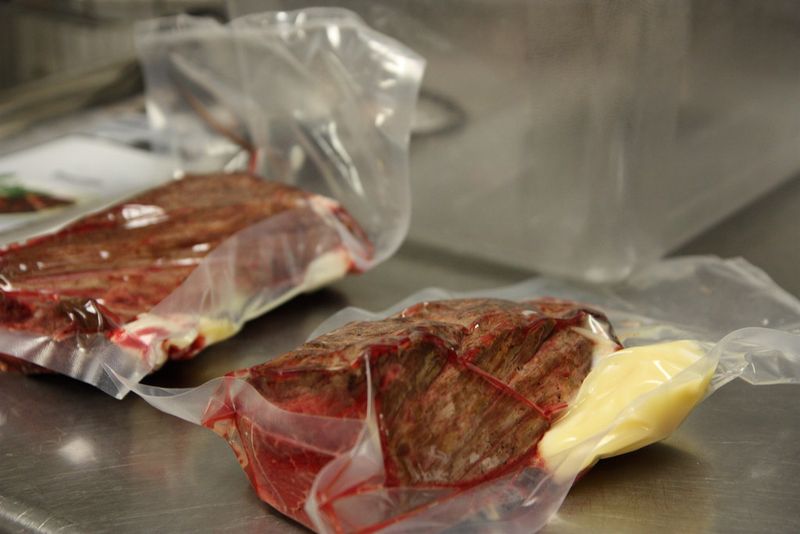
Those two for promos often hide higher per pound prices than buying exactly what you need. The signage shouts savings while the fine print requires specific weights.
You can end up overbuying just to qualify. Then you freeze odd cuts, forget them, and toss money months later when freezer burn wins.
Buy by the pound, not the banner. Ask the butcher to split packs, trim fat, or grind smaller portions.
Plan meals around accurate portions, and use a scale once to learn amounts. A targeted buy, paired with a slow cooker, beats any forced bundle.
Real value shows on your receipt.
Pre marinated meat
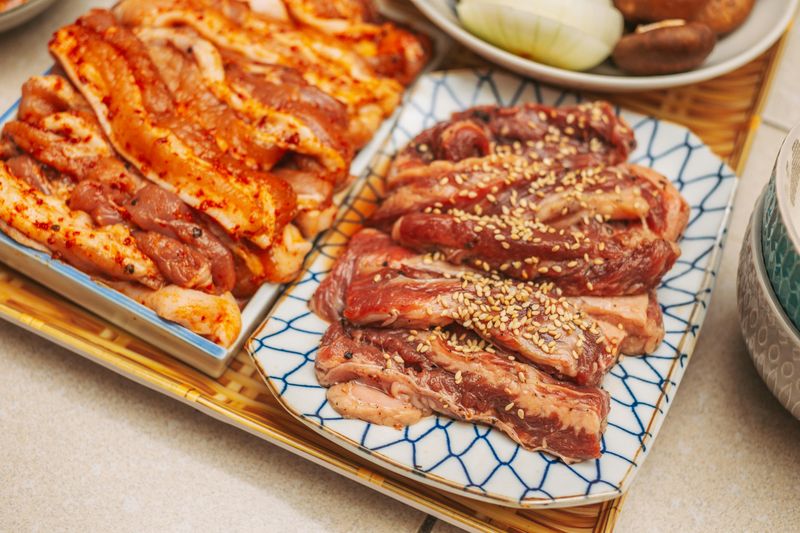
Pre marinated trays charge for oil, sugar, and time you could add at home in minutes. The marinade weight inflates the per pound price, so you buy sauce instead of protein.
Often they are near date. Sodium runs high, and flavors are one note compared to a quick homemade rub.
Buy plain cuts when on sale, then batch marinate with pantry staples. Freeze portions flat for speed.
Lemon, garlic, spices, and yogurt do wonders overnight. You pay for meat, not water, and control the salt.
Dinner tastes brighter, and leftovers actually get eaten. Your wallet notices the difference quickly.
Pre cut fruit
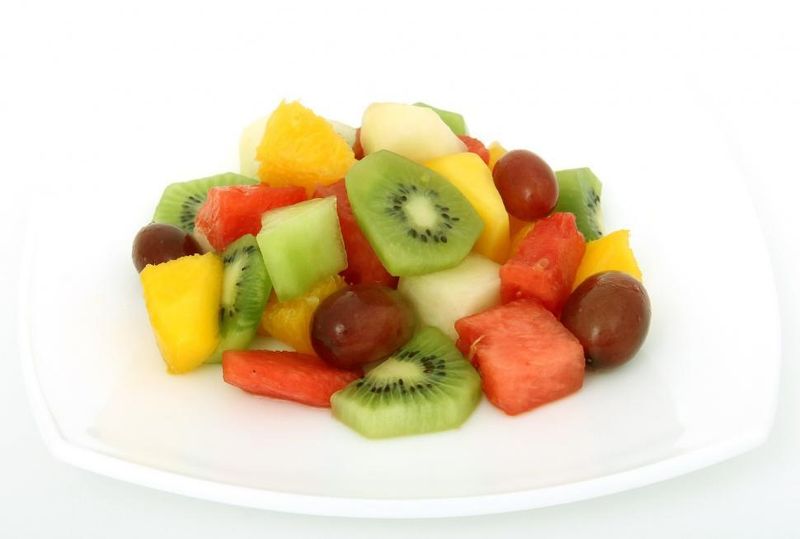
Those tidy cubes cost a slicing tax. You pay for labor, waste, and clamshells, not juiciness.
Fruit is cut early, oxidizes, and loses aroma before you open it. Half the container turns mushy by day two, and you toss the most expensive bites first.
Buy whole, choose ripe, and learn three quick knife cuts. Store cut fruit in smaller jars to limit air.
Add a squeeze of citrus to slow browning. Prep what you will eat in two days, freeze extras for smoothies, and keep peels for zest.
Better flavor, better value, less trash overall.
Bagged salad kits
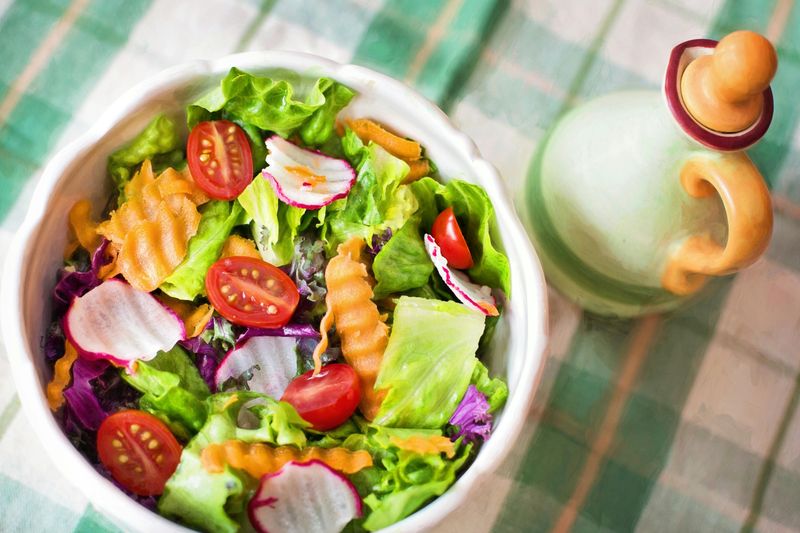
Salad kits bundle lettuce with tiny toppings and sugary dressings, hiking the price per pound. You pay restaurant margins for croutons and a few nuts.
The greens are often chopped too fine and wilt quickly. Portion sizes look generous but shrink once the heavy dressing weighs everything down.
Buy whole heads, mix sturdier greens, and make a simple vinaigrette. Toast seeds, shred carrots, and keep cheese separate until serving.
You get crunch that lasts and flavors you actually want. Cost per serving drops, and sogginess disappears.
If convenience matters, assemble jars on Sunday so lunch stays effortless all week.
Bakery mini cakes
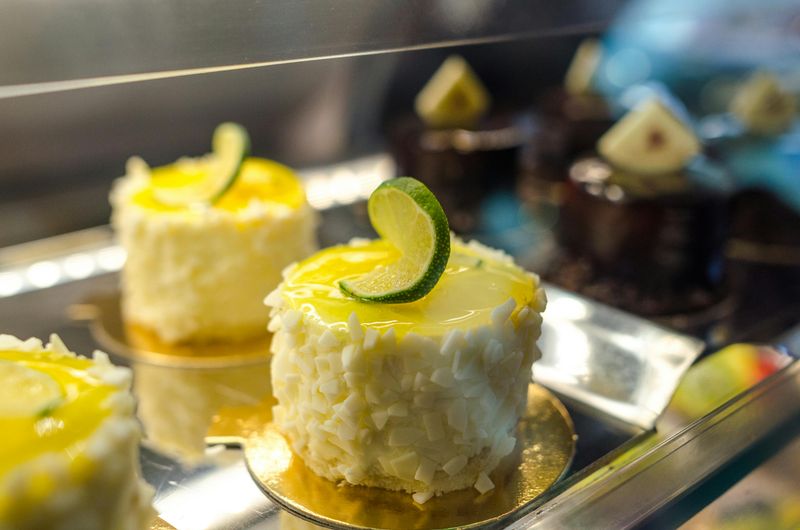
Mini cakes sell cuteness, not savings. You pay the full cake price sliced into photogenic pieces.
Per ounce, they often exceed a custom cake, and the frosting ratio skyrockets. Tempting displays trigger impulse buys right before checkout, and that is by design, not value.
Bake a simple loaf or buy a small sheet and cut squares. Dust with cocoa, add berries, and serve on real plates to elevate the feel.
Portion control actually improves. The cost per guest drops without losing celebration.
Your photos still shine, and your budget does not crumble. Leftovers taste better tomorrow.
Store made sandwiches
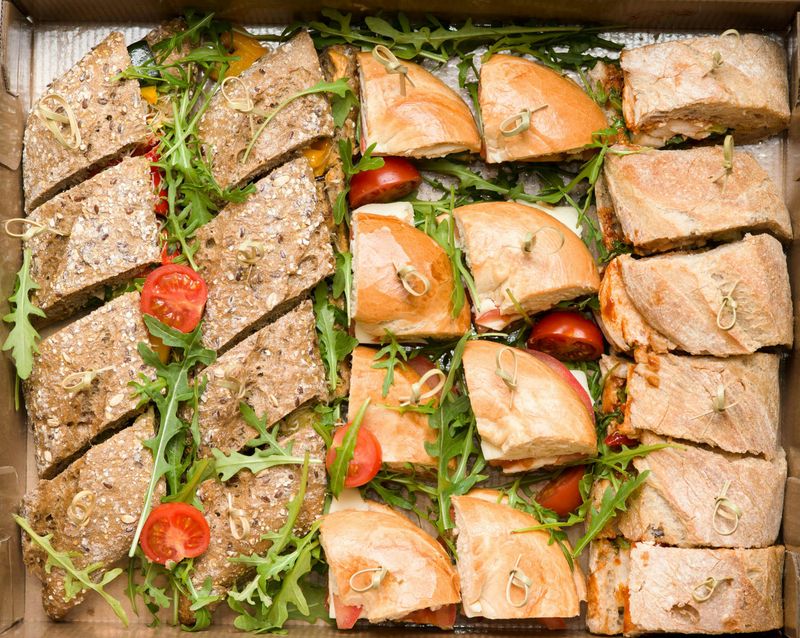
Grab and go sandwiches look helpful, but bread weight and sauce bulk up costs. Thin protein layers hide under shredded lettuce.
By the ounce, you could buy a whole loaf, good cheese, and meat for several sandwiches. Plus, sogginess sets in fast, so half gets tossed if you wait.
Build your own with bakery rolls, sliced deli meat by weight, and condiments you already own. Pack wet items separately.
Toast at home for crunch, or keep a panini press on the counter during busy weeks. Flavor climbs while cost falls.
Lunch stops feeling like a penalty to your wallet.
Frozen meal bundles
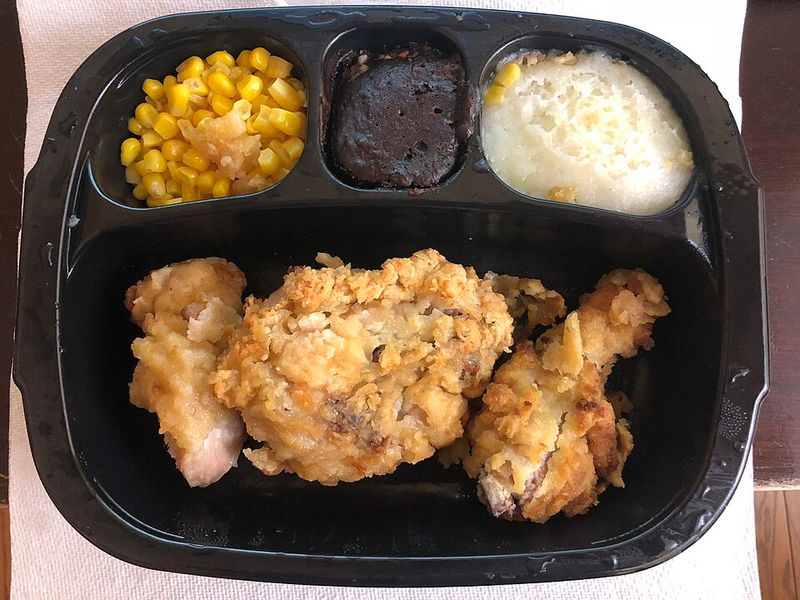
Bundle deals on frozen entrees push you to buy more salt and starch than you need. The price per meal still beats a simple home cooked skillet most nights.
Bundles also limit flavors, so you burn out and leave boxes buried. Freezer space is not free, and electricity stores those mistakes.
Stock a few favorites for true emergencies. Otherwise, cook double when you make pasta, chili, or stir fry, and freeze flat portions.
Label clearly and rotate. You will save more, eat better texture, and learn portions that satisfy.
Sales regain meaning when you are not trapped by bundle math.
Single serve yogurts
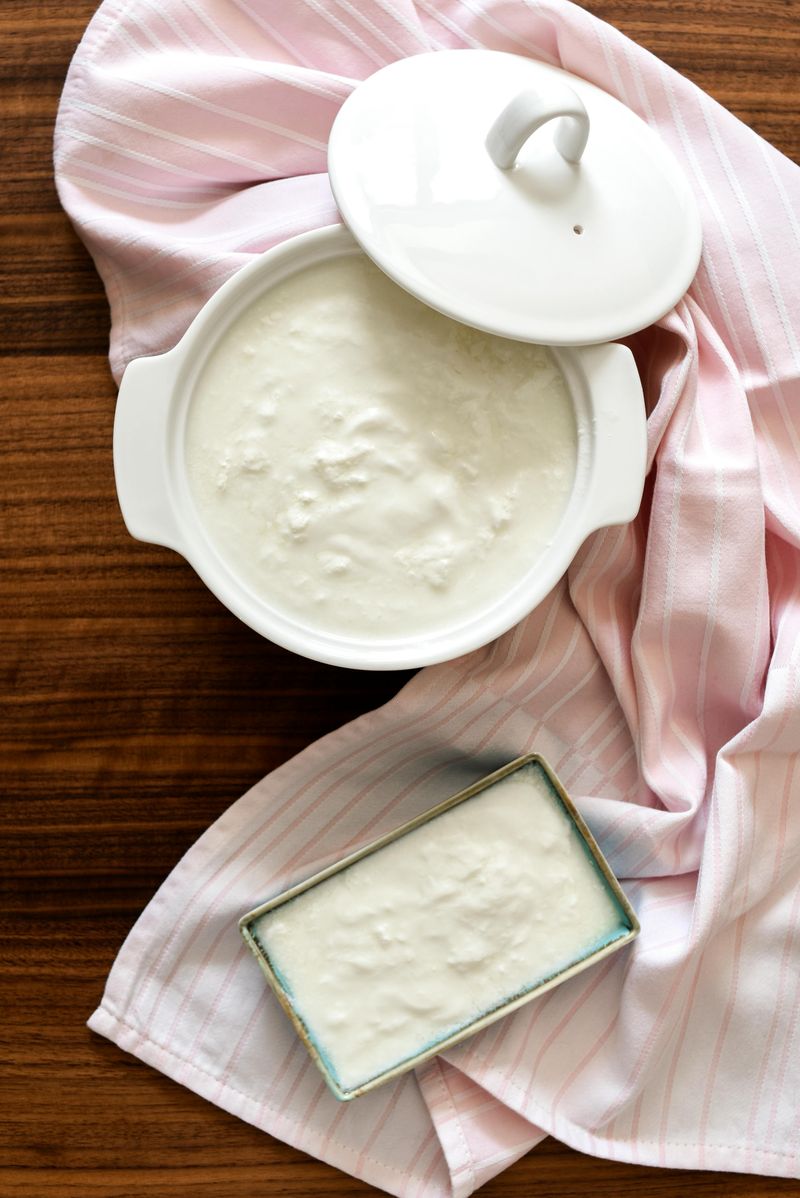
Tiny yogurts stack cute, but the cost per ounce towers over tubs. Add fruit or granola cups, and breakfast doubles in price.
Many cups are sweet desserts in disguise. The cardboard sleeve and plastic lid pretend to be convenience, while your fridge loses space to air and marketing.
Buy a plain tub, stir in jam, honey, or frozen berries, and portion into jars. Sprinkle nuts when you eat to keep crunch.
You control sugar and texture, and the savings are obvious by week two. Fewer containers, less waste, and a fridge that actually closes without a shove.
Single serve coffees
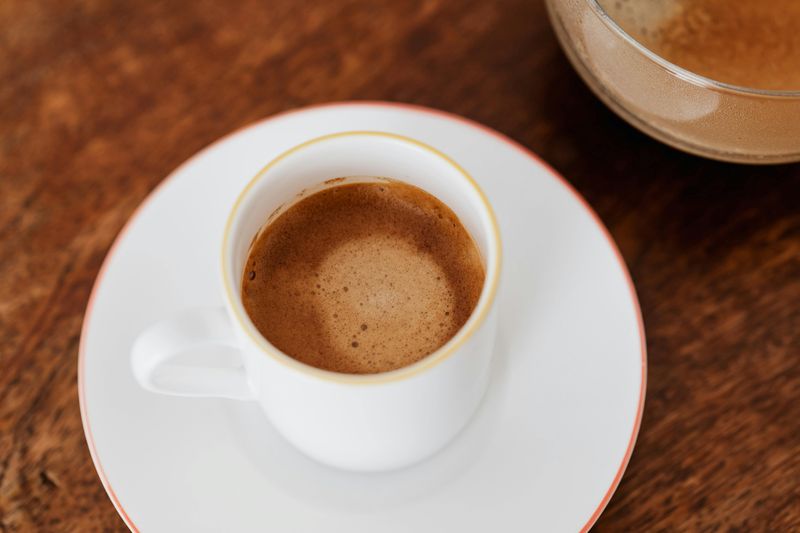
Pods feel easy, but price per cup dwarfs ground coffee, even premium beans. You also pay with weaker aroma and plastic waste.
Sales lull you into thinking the sleeve counts as value. When you chart a month of cups, the total rivals a cafe habit you swore to curb.
Use a small drip machine, a stovetop maker, or a French press. Grind weekly, store in an airtight tin, and heat water properly.
If you keep a pod machine, buy a reusable filter. Flavor climbs while cost per cup falls fast.
Your morning ritual gets better and cheaper simultaneously.
Meal kit boxes
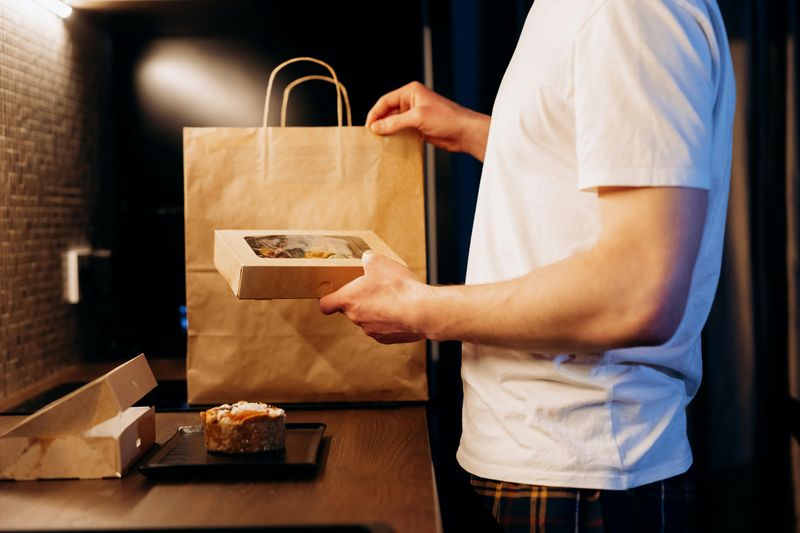
Meal kits teach techniques, but the per serving cost rivals dining out before tips. Packaging piles up, and small condiment packets replace pantry basics.
Portions can run small, pushing you to add sides that raise total cost. Skip a week, forget to cancel, and surprise charges appear.
Use kits as a short course, then shop your own plan. Keep staple sauces, pre chop aromatics, and build a rotation of five easy dinners.
Buy once, cook twice. When you control seasoning and shopping lists, you slash waste and price.
The skills stay while the subscription goes.
Coupon bundles
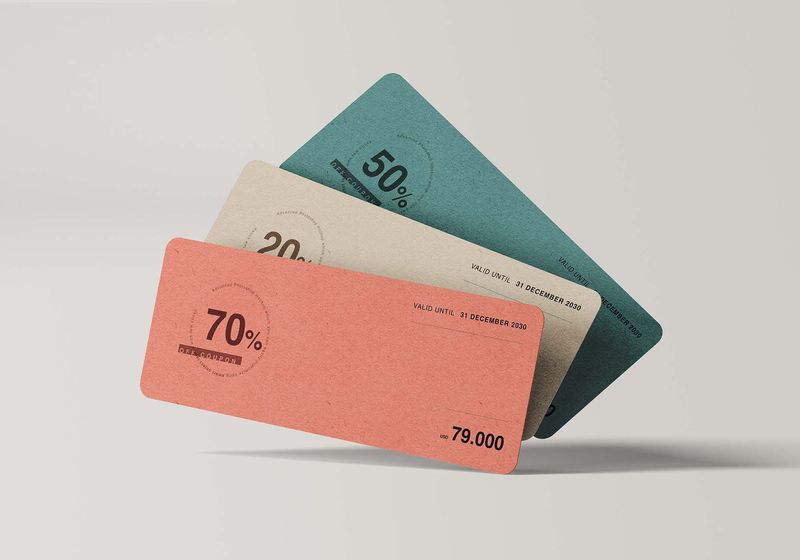
Coupon books push brands, not needs. You are nudged to buy specific sizes and flavors you might not like.
The best discounts sometimes require doubling up, which inflates spending. Meanwhile, generics without coupons often beat the final price.
Stacking looks clever until your pantry swells with items nobody finishes.
Clip selectively for staples you already buy, and chase unit price, not shiny percentages. Use price books or apps to track true lows.
Match coupons to clearance, never the other way around. Your cart stays lean, your shelves turn over, and savings become real, predictable, and boring in the best way.
Loyalty app “exclusive” deals

Exclusive app deals sound like insider savings, but they steer you toward higher margin items. The required sizes or flavors might not fit your plan.
You scroll, click, and impulse add snacks to unlock tiny discounts. Data is the real currency, and the store wins when you overbuy.
Turn off notifications and pre write a list. Clip offers only for things already on it.
Compare shelf tags to unit price after rewards, and walk away when the math is weak. Real loyalty is to your budget.
Use the app to track receipts, not choose dinner for you.
Giant condiment bottles
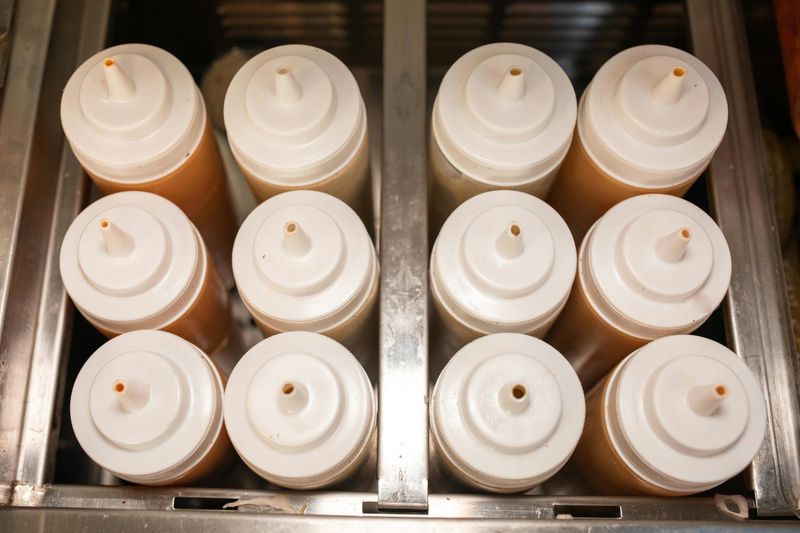
Gallon ketchup looks heroic until you notice best by dates and crusty caps. Per ounce, you might save pennies while risking flavor loss.
Open condiments degrade each time the fridge warms. Meanwhile, a smaller bottle used fully tastes better and avoids the squeeze struggle that wastes the last servings.
Buy the size you finish within a couple months. Keep spares sealed in the pantry.
Store upside down near the end to capture every drop. Try squeeze bottle adapters or small spatulas for stubborn jars.
Savings come from zero waste, fresher taste, and fewer apologies at cookouts.
“Value” spice mixes
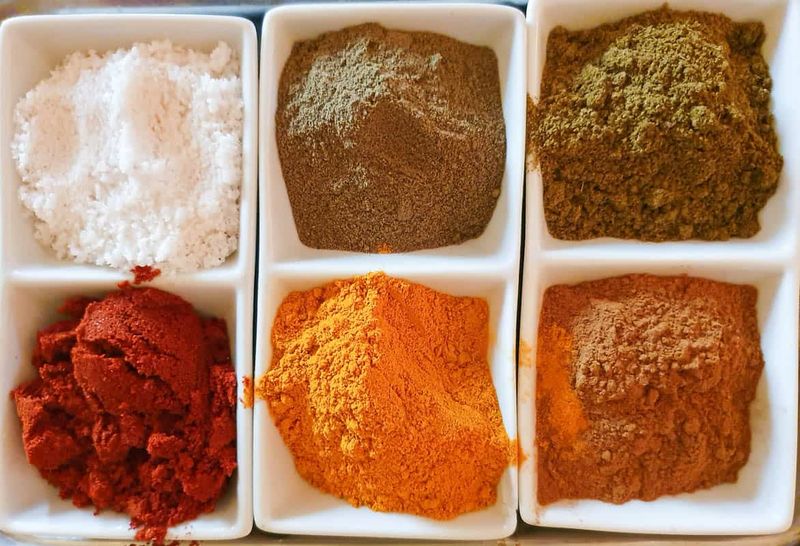
Large value spice blends dilute quality with salt, sugar, and anti caking agents. The per ounce price seems good, but you are paying for fillers and fading aromas.
Sitting months on a warm shelf kills potency. You end up using more, which erases the savings and flattens flavor.
Buy small jars or whole spices you grind fresh. Mix your own blends with paprika, cumin, garlic, herbs, and a measured pinch of salt.
Store away from heat and light. You will taste brighter notes and use less per recipe.
Real value is flavor per shake, not bulk.
Premium bottled water

Designer water claims purity and lifestyle, but the price per gallon is absurd next to filtered tap. Fancy shapes do not quench better.
Transport adds hidden costs and waste. Most blind tastings cannot tell a difference, and the brand you grabbed on impulse probably rode in a hot truck.
Buy a filter pitcher or under sink system, and refill a sturdy bottle. Chill glasses in the freezer for guests.
If you like fizz, use a home carbonator and reuse cartridges through swaps. Your wallet and recycling bin will breathe easier.
Hydration improves when water is always ready.
Deli prepared meals
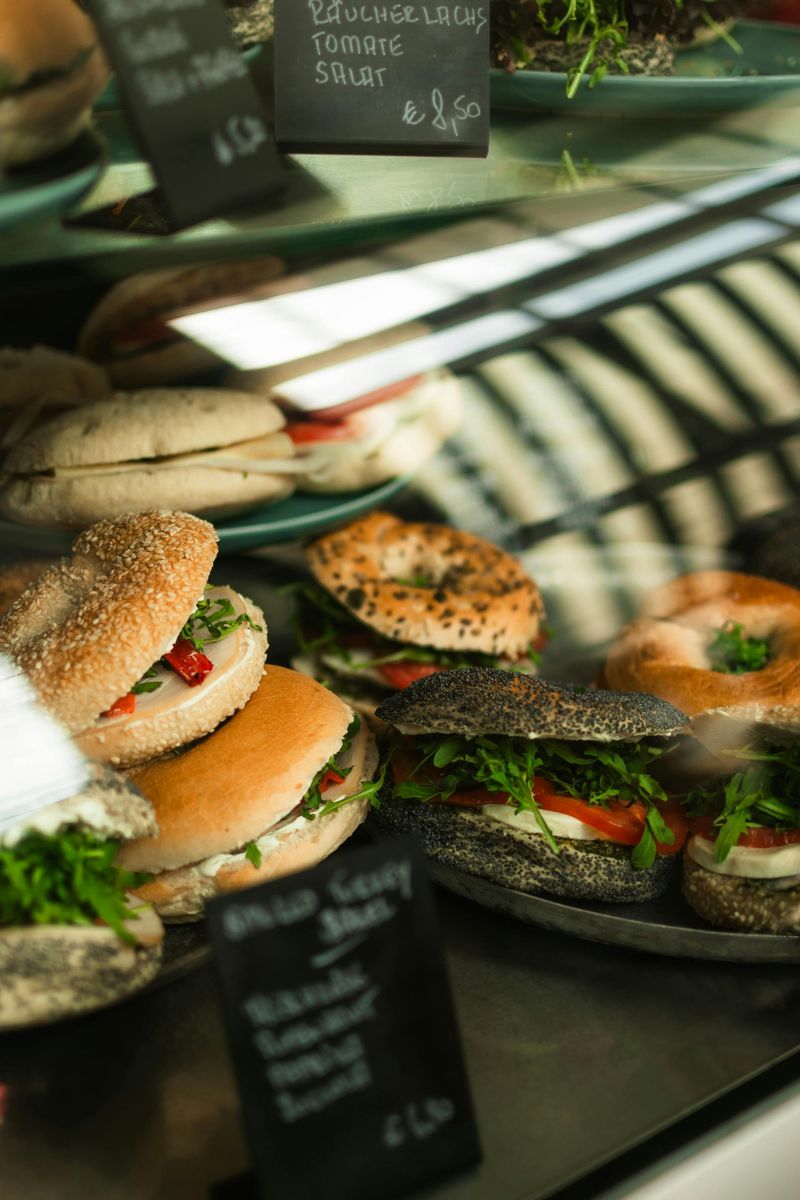
The deli case promises comfort, but you are buying labor heavy sides at premium pricing. Trays are weighted with sauce and starch, not protein.
By the pound, many cost more than a sit down entree. Salt and oil run high to hold texture under heat lamps, so leftovers rarely reheat well.
Cook once, eat twice with a sheet pan or skillet plan. Roast extra vegetables, add rotisserie chicken you shred yourself, and finish with a quick sauce.
Portions improve and costs fall. If time is tight, buy ingredients from the deli, not the finished dish.
You keep control and flavor.