


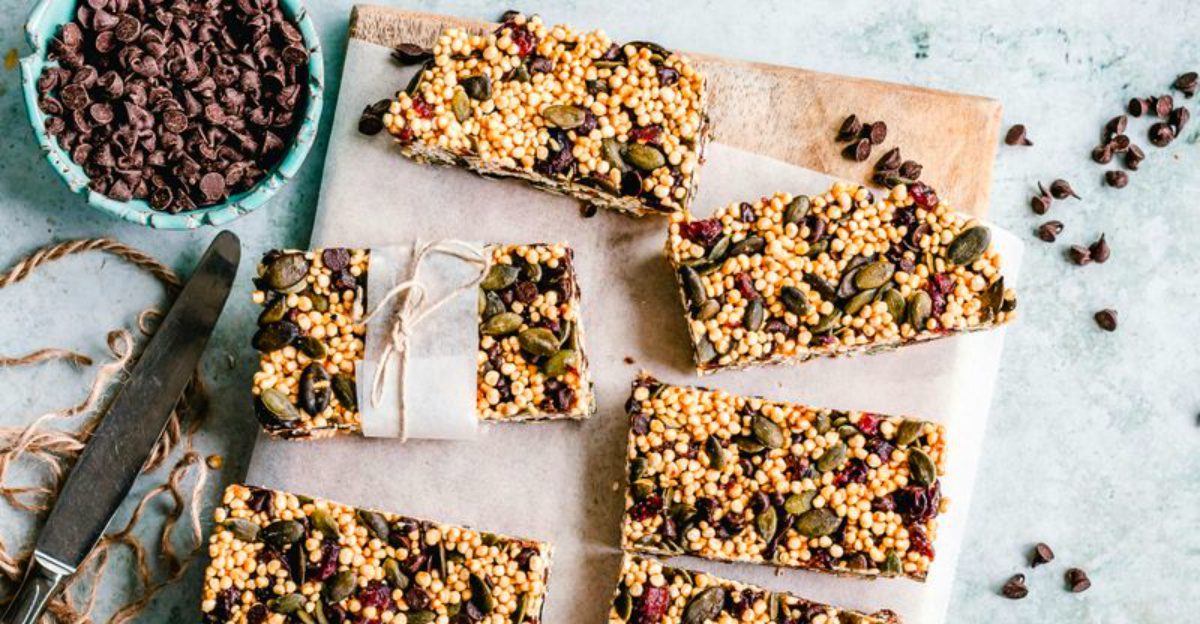
Some snacks wear a halo until you flip the package and meet the fine print. Marketers love buzzwords like natural, protein, and low fat, but the label often tells a very different story. Hidden sugars, seed oils, and sneaky additives can turn a “healthy” bite into a blood sugar rollercoaster. Let’s decode the hype so you can snack smarter without the surprises.
Granola bar
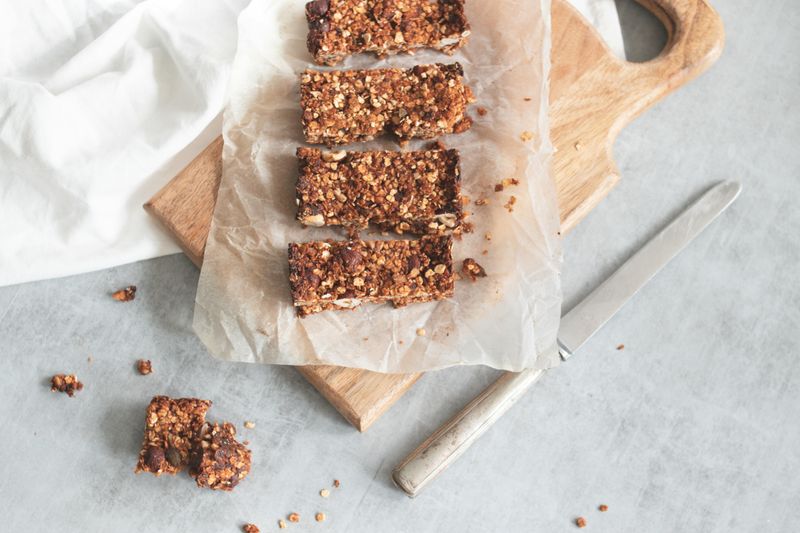
Granola bars seem wholesome, but many are candy bars in hiking gear. Flip the label and you may spot corn syrup, brown rice syrup, cane sugar, and “natural flavors” stacked high. Those clusters are held together by sweeteners, not virtue.
You also get cheap seed oils and tiny fiber compared to the hype. Calories add up fast for a snack that barely satisfies. If you want the idea without the junk, choose bars with nuts, seeds, and less than five grams of added sugar.
Flavored yogurt
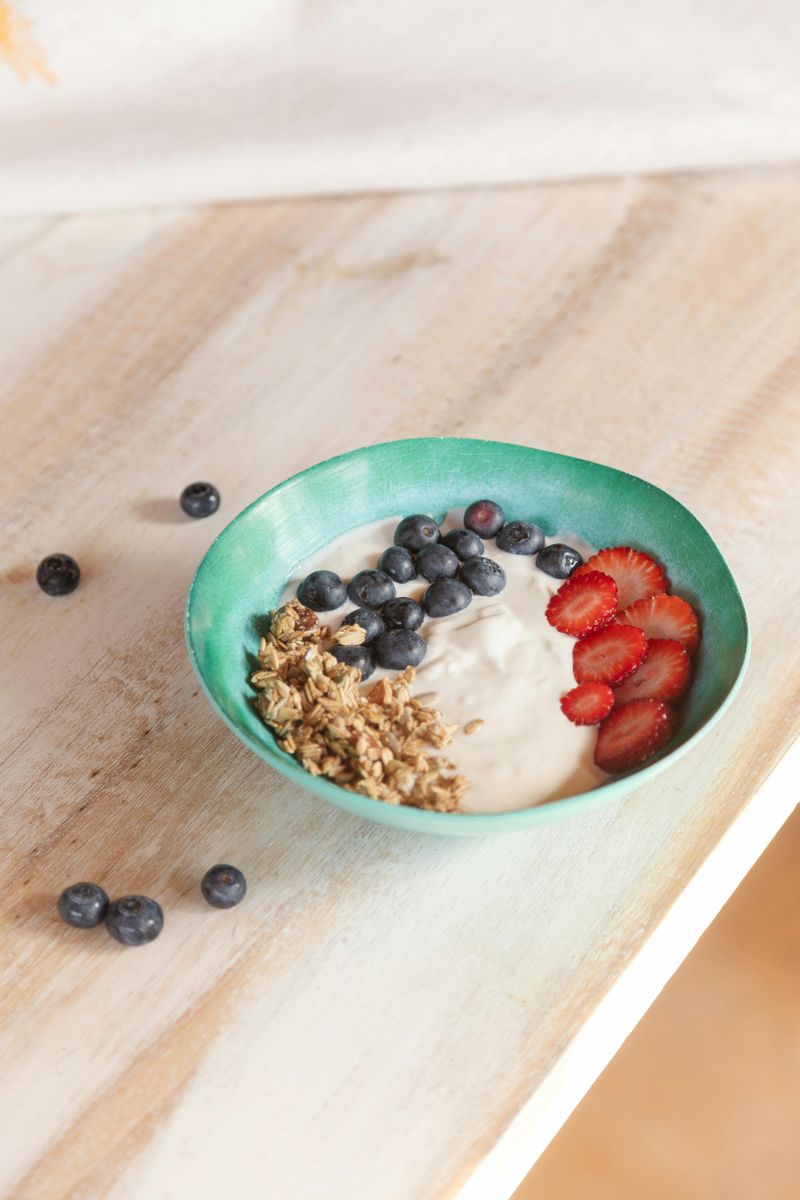
That berry burst tastes like dessert because it basically is. Flavored yogurt often packs more sugar than a scoop of ice cream, hiding behind cultured milk goodness. Fruit purees, cane sugar, and concentrates stack up quickly.
Even “low fat” versions can spike hunger by removing fat and adding sweetness. Look for plain yogurt, then add your own berries and a drizzle of honey if needed. You control the sweetness, the protein stays high, and the label becomes simple enough to trust.
Protein cookie
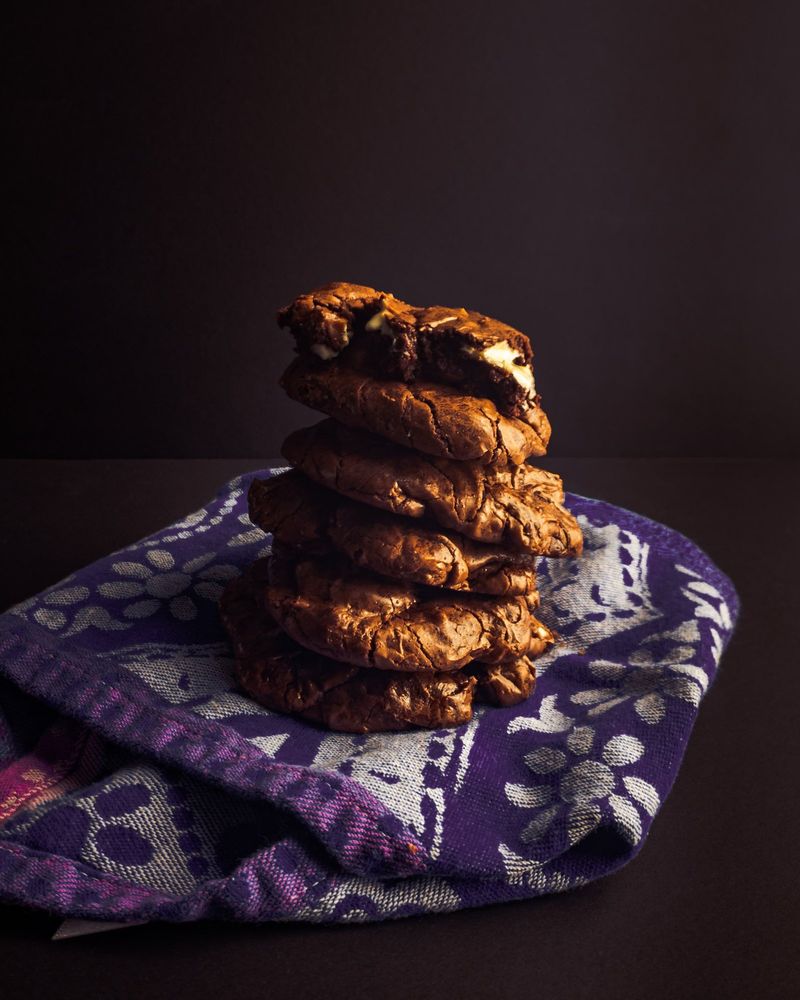
Protein cookies promise gains with dessert vibes, but the ingredient list reads like a chemistry lab. Sugar alcohols, artificial sweeteners, and processed fibers can cause bloating. Often, the protein comes from blends that are heavily refined.
Calories pile on while true nutrition does not. If you want protein, you are better off with Greek yogurt or a handful of nuts. A real cookie occasionally is fine too, at least you know what it is, and you do not pretend it is health food.
Veggie chips
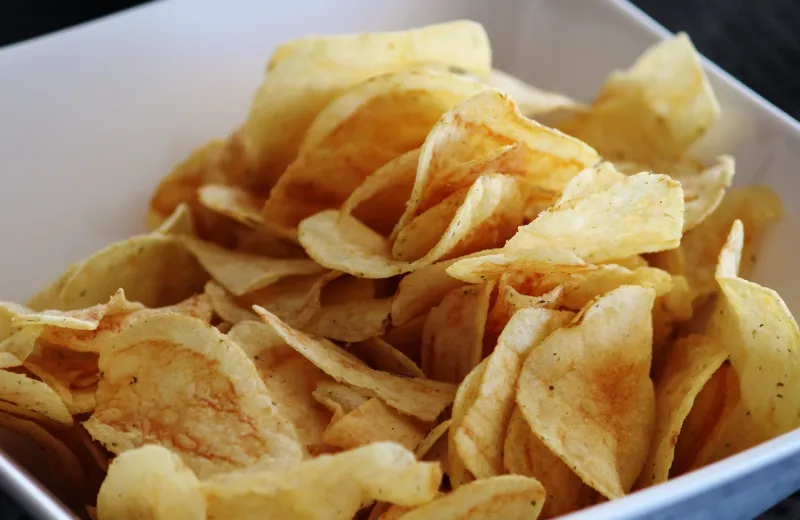
Veggie chips scream garden goodness, but check the label and you will mostly find starches and oils. A dusting of spinach or beet powder does not equal a salad. The bright colors can mislead you into thinking vitamins are abundant.
In reality, they are often fried or extruded, with calories and sodium similar to regular chips. If you want crunch, try sliced cucumbers with hummus, or crisp roasted chickpeas. Real vegetables beat veggie marketing every time, especially when the ingredients are short and recognizable.
Trail mix
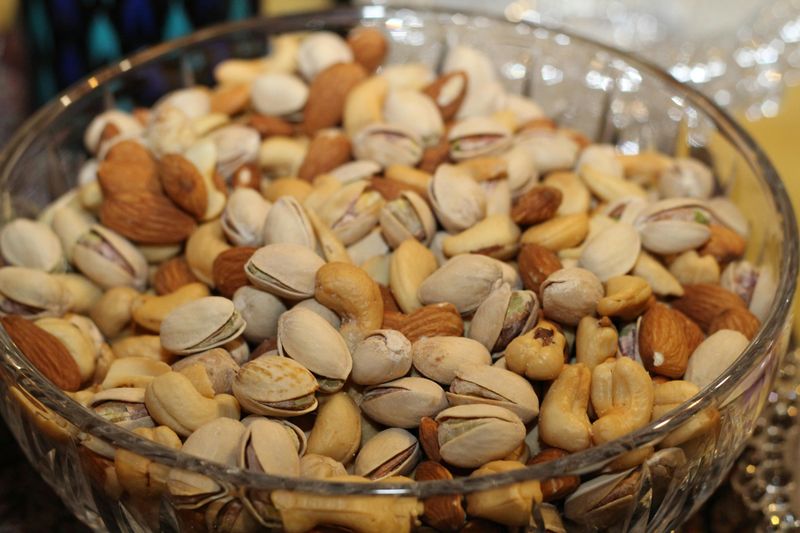
Trail mix can be great, until the candy sneaks in. Yogurt coating, chocolate gems, and sweetened dried fruit turn it into dessert. Portions explode too, because handfuls vanish fast and calories add up stealthily.
Flip the label for added sugars and cheap oils on roasted nuts. Build your own with raw nuts, seeds, and unsweetened coconut. Add a few dark chocolate chips if you want, but measure a portion. Suddenly, your snack becomes energy for hikes rather than a sugar hike on your couch.
Smoothie bottle
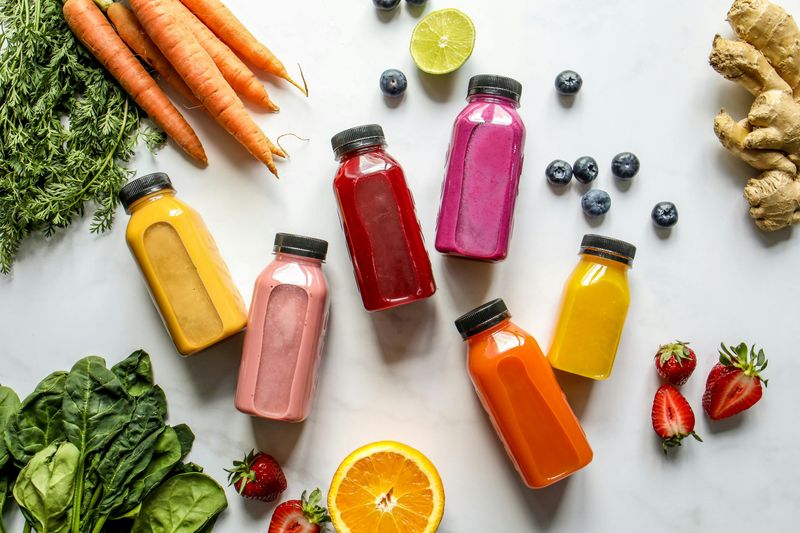
Bottled smoothies look like liquid wellness, yet the sugar count can rival soda. Fruit purees and concentrates skip fiber, so your bloodstream meets sweetness fast. The protein that keeps you full often is minimal or missing entirely.
Labels brag about servings of fruit but bury the concentrates and juice bases. Blend your own with whole fruit, Greek yogurt, and leafy greens for balance. If buying, choose options with veggies first, little added sugar, and real fiber on the panel.
Fruit juice
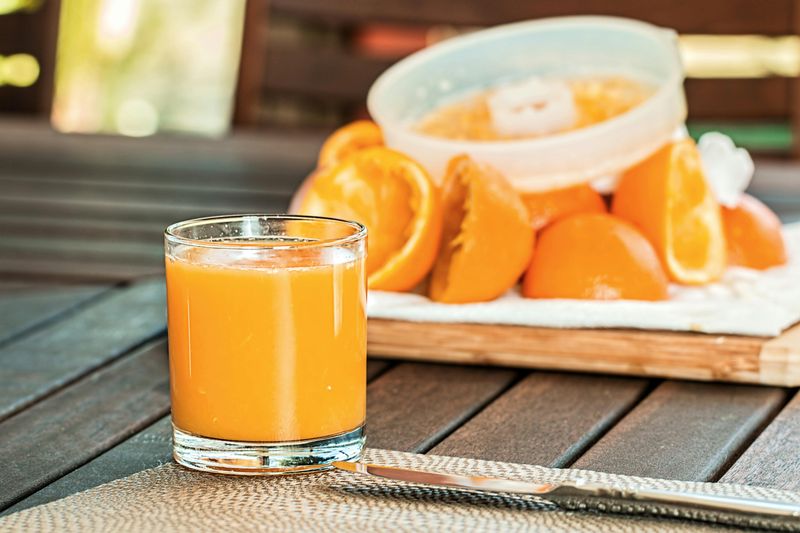
Fruit juice sounds like sunshine, but it is basically fruit without brakes. The fiber is gone, leaving sugar to sprint. Even “no sugar added” juice can spike blood sugar and appetite because it is concentrated sweetness.
Labels show vitamins, yet a whole orange offers the same plus fiber and chewing satisfaction. If you love juice, cut it with sparkling water and limit the pour. Or eat the fruit and drink water. Your body notices the difference quickly.
Rice cakes
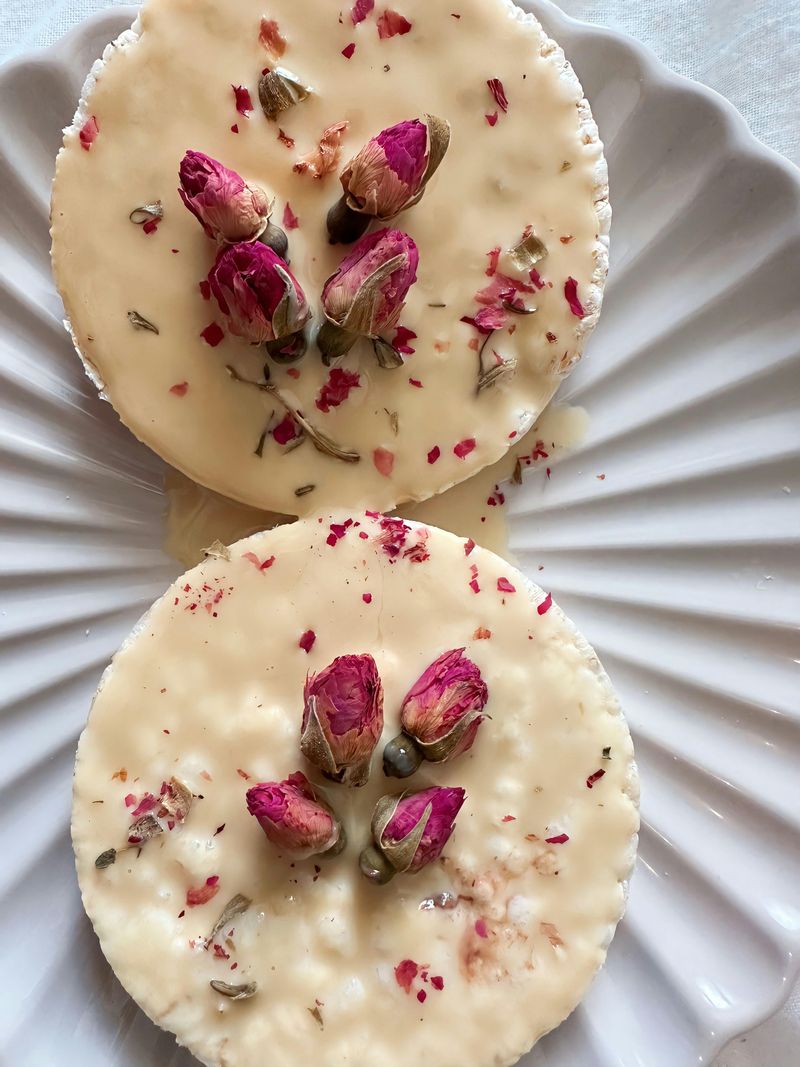
Rice cakes feel light, but flavored versions hide sugars, maltodextrin, and oddly long ingredient lists. The crunch is satisfying, yet you might be hungry again ten minutes later. Simple carbs rush in without much nutrition to ride along.
Choose plain, then top with nut butter and banana slices or cottage cheese and tomatoes. That adds protein, fat, and fiber to slow things down. The label gets shorter, your snack stays crisp, and you do not chase another bag shortly after.
Low fat crackers
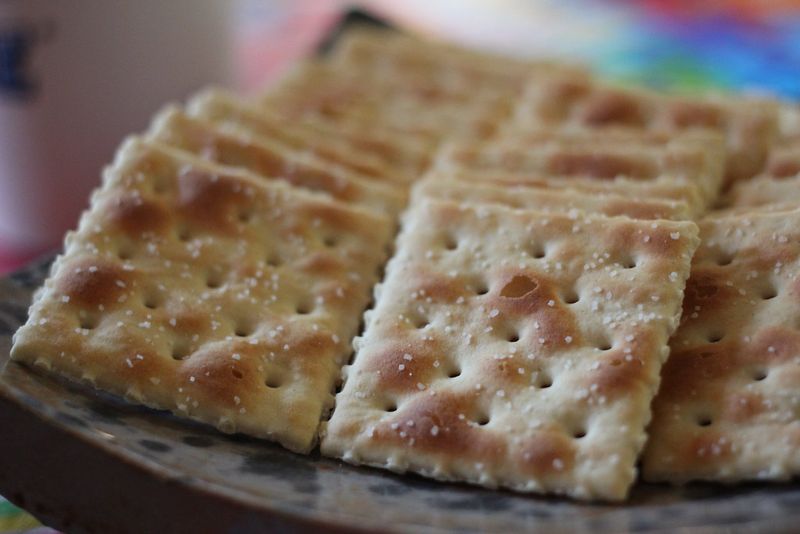
Low fat crackers often trade fat for starch and sugar. The result is a fast burn that crashes just as quickly. The ingredient list stretches with refined flours, emulsifiers, and sweeteners to compensate for lost flavor.
You deserve better crunch. Look for whole grain options with short labels and some fat from seeds. Pair with cheese, hummus, or avocado for staying power. The snack becomes food, not just a brittle delivery system for salt and marketing.
Dried fruit
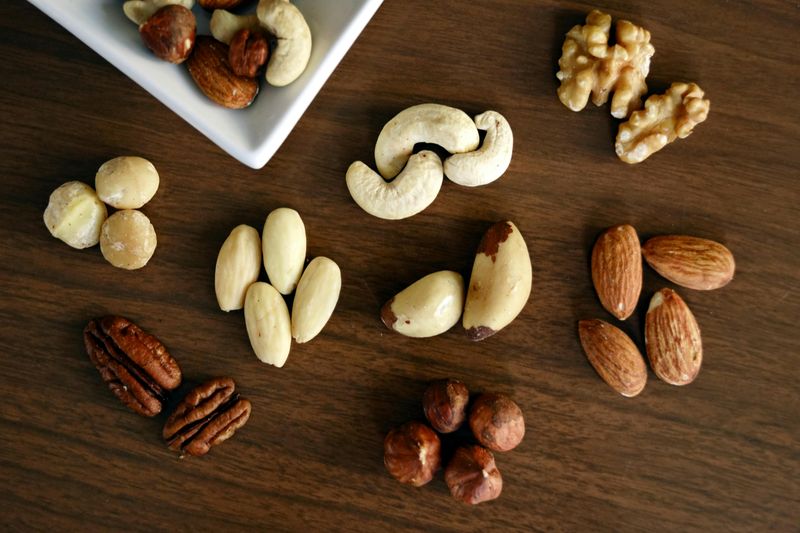
Dried fruit condenses nature’s candy. Portion sizes shrink while sugar concentrates. Many brands add even more sugar and preservatives, turning a handful into a stealthy dessert disguised as health.
Flip the bag for ingredients. You want just fruit, nothing else. Then keep portions small and pair with nuts for balance. Better yet, choose fresh fruit most of the time. The water and fiber are built in, slowing the rush and keeping you satisfied longer.
Oat bites
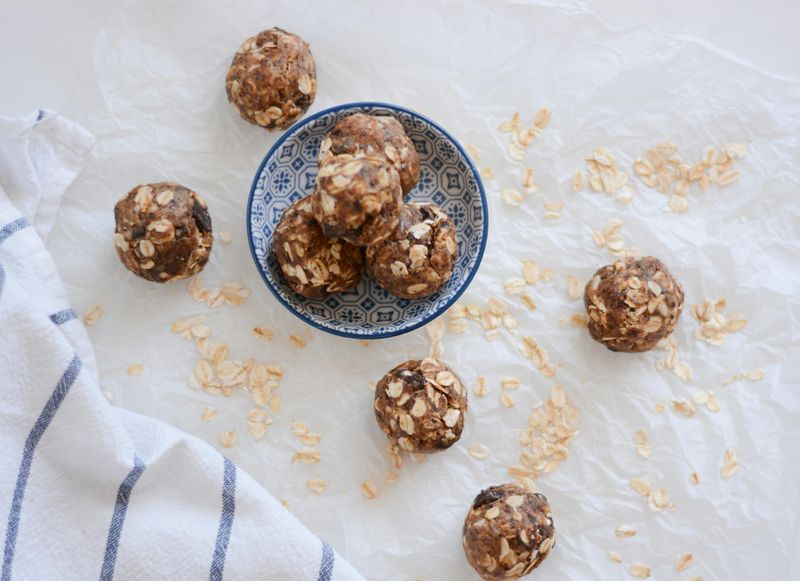
Oat bites sound cozy, but many are syrup-bound sugar bombs. Chocolate chips, honey, brown rice syrup, and peanut butter stack calories fast. The tiny size tricks you into popping three or four without blinking.
Check for added sugars per serving and how small that serving is. Make your own with rolled oats, nut butter, chia seeds, and minimal sweetener. Refrigerate and portion them. Suddenly, you have control and fewer surprises hiding behind cheerful packaging.
Dark chocolate bar
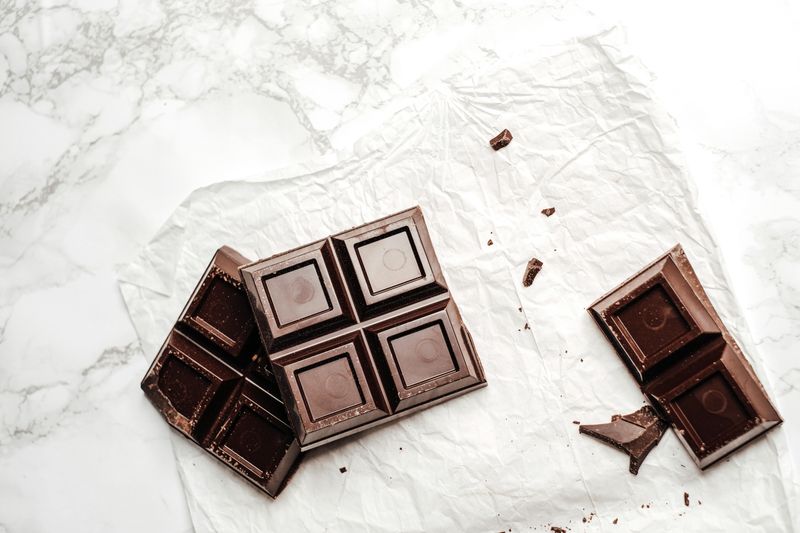
Dark chocolate can be great, but the percent matters. Bars at 50 to 60 percent cacao often carry plenty of sugar, making them closer to milk chocolate than you think. Emulsifiers and flavors show up too.
Choose 70 percent or higher for less sugar and more cocoa satisfaction. Break off a couple squares and savor them. You get the indulgence without the stealth dessert pretending to be wellness. Labels tell the truth if you ask the right question: how much cacao is actually in there.
Nut butter packet
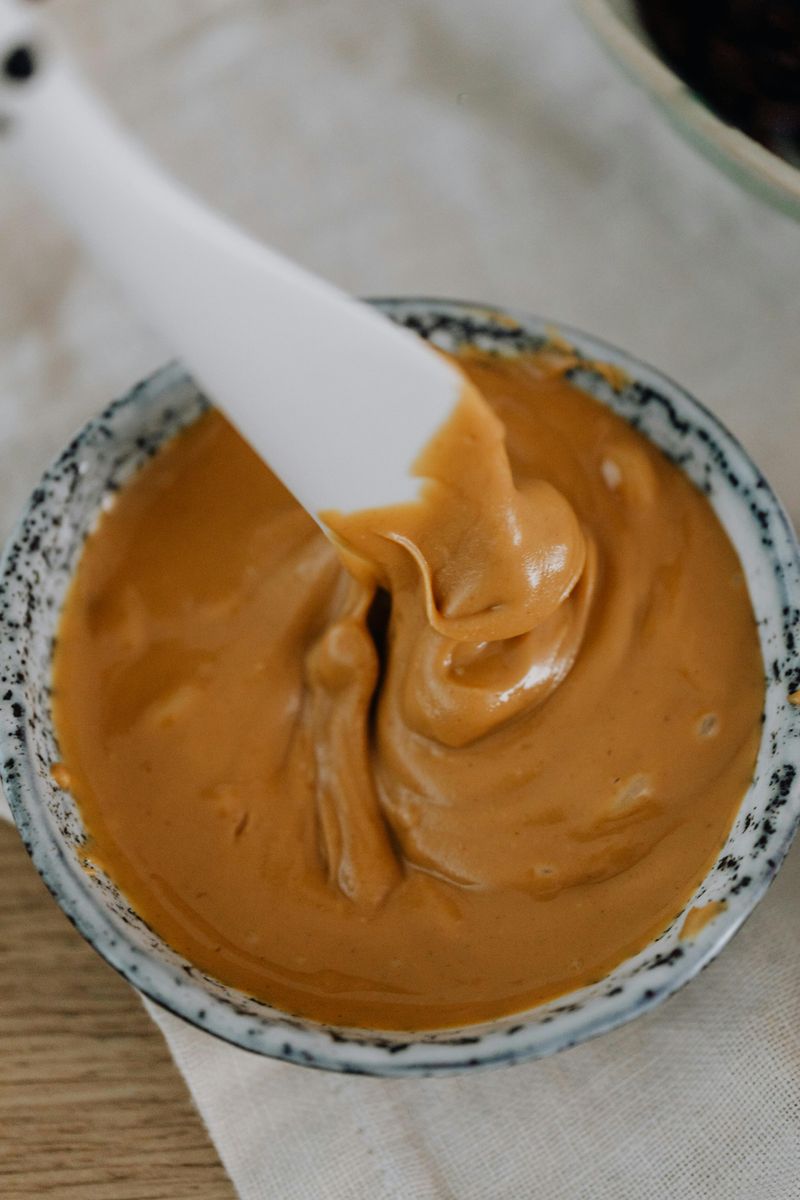
Single-serve nut butter is convenient, but some packets sneak in sugar, palm oil, and “natural flavors.” Nuts alone are perfect. Additives change texture, shelf life, and your snack’s honesty.
Flip for ingredients that list only nuts and maybe salt. Pair with fruit or whole grain crackers and you actually stay full. The fat and protein do their job when they are not diluted with sweeteners. Convenience can be clean if you choose wisely.
Cereal cup
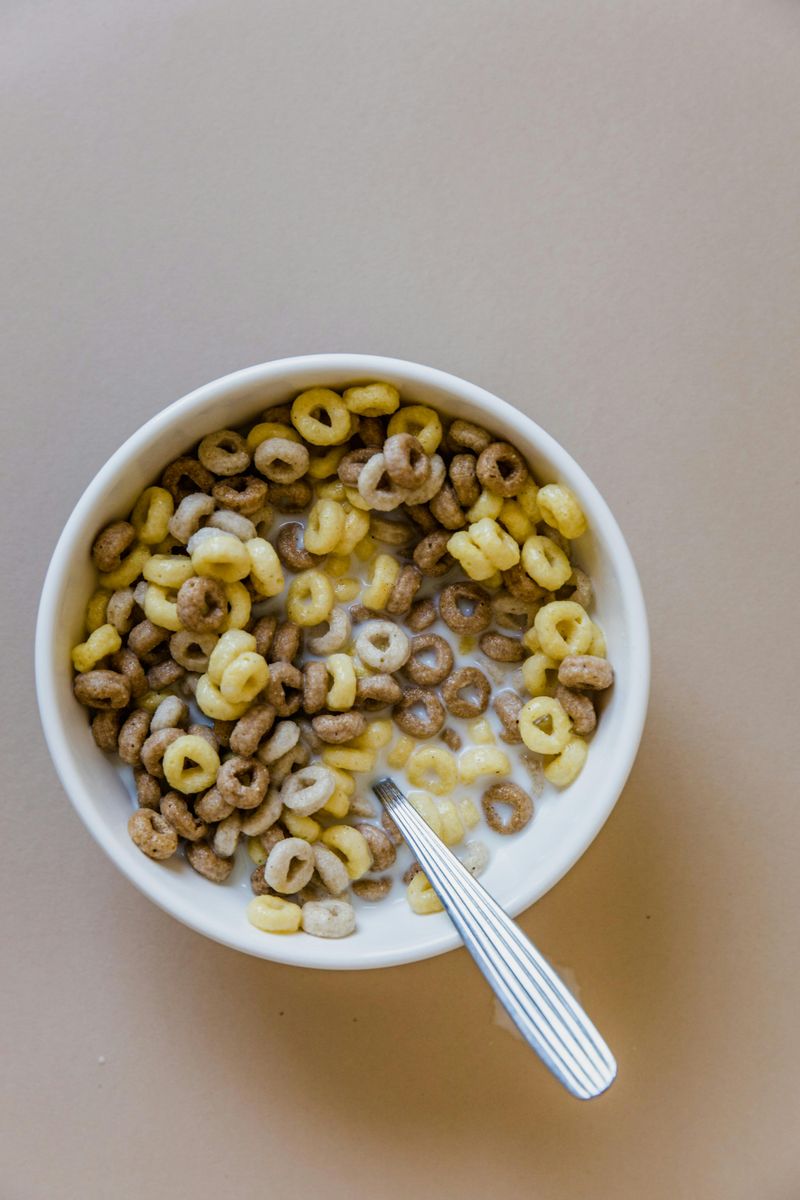
Those portable cereal cups promise a quick start, but many are sugar bowls with mascots. Refined grains and candy-like clusters spike quickly and fade. Even “whole grain” versions can be glazed with sweeteners and flavors.
Check fiber and added sugars first. Aim for at least four grams of fiber and under eight grams of added sugar. Add milk or yogurt and berries to boost staying power. Breakfast should help you focus, not push you into a midmorning snack hunt.
Protein chips
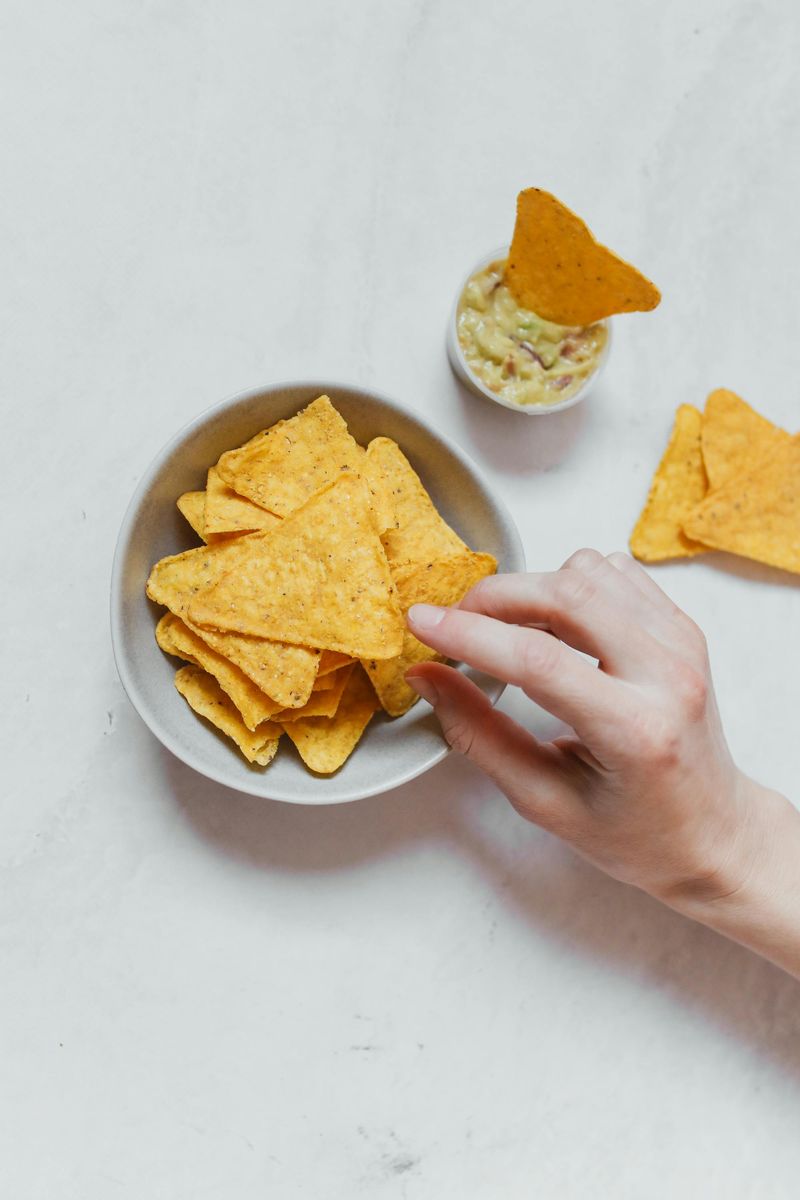
Protein chips wear a halo, but their ingredient lists run long with isolates, starches, and artificial flavors. The texture can feel like edible packing material. Yes, protein helps, yet balance and real food matter more.
Compare sodium and oils, then ask if this beats a simple snack of nuts and fruit. Often, the answer is no. If you want chips, enjoy the real thing occasionally and portion them. If you want protein, choose Greek yogurt or eggs instead.
Kombucha bottle
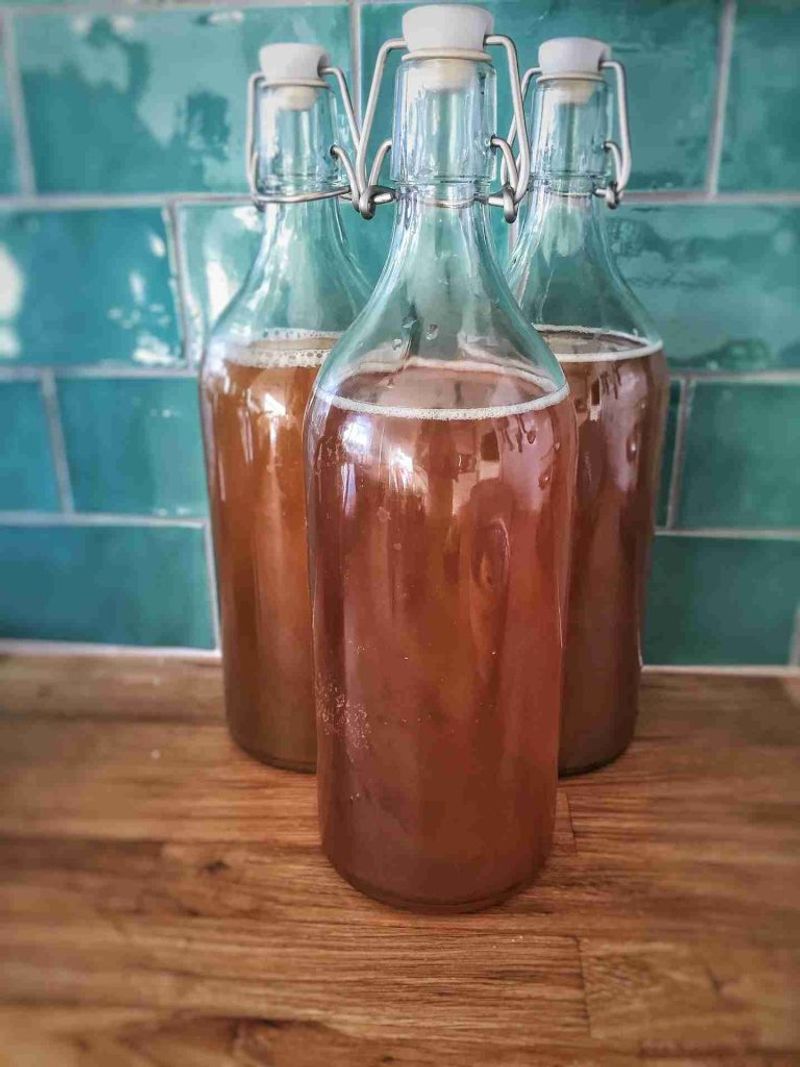
Kombucha feels virtuous, but sugar fuels the fermentation and often sticks around. Labels sometimes show per serving numbers, while the bottle holds two servings. That doubles the sugar if you finish it, which you will.
Look for options with fewer than five grams of sugar per serving and realistic serving sizes. Or dilute with sparkling water to stretch the flavor. The probiotics can be nice, but they do not excuse a stealthy sweet drink.
Light popcorn
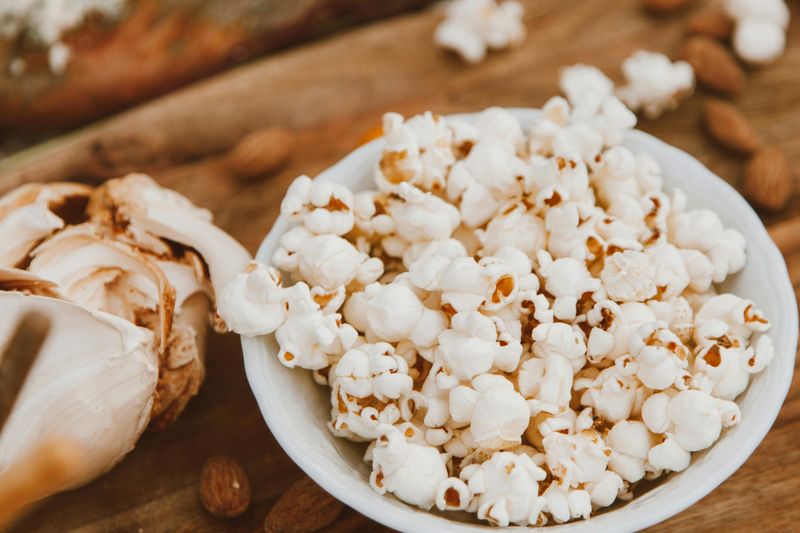
Light popcorn promises fewer calories, not fewer additives. Many bags rely on canola oil, flavor powders, and plenty of salt. The serving size is tiny, so it is easy to overshoot without realizing.
Air pop at home and add olive oil spray, a pinch of salt, and nutritional yeast. Suddenly, snack time is big, flavorful, and truly light. The ingredient list shrinks to something you can pronounce and trust.
Sugar free candy
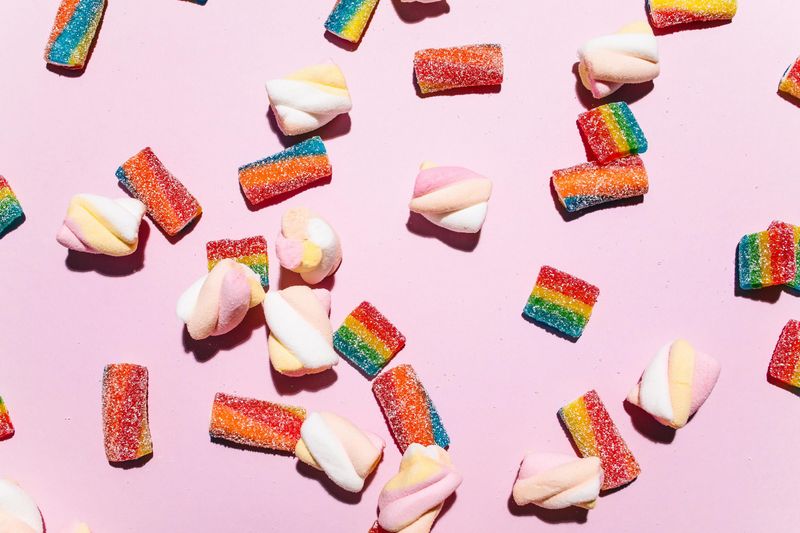
Sugar free does not mean consequence free. Sugar alcohols like maltitol can cause bloating or worse when you eat more than a few. Sweetness without calories can also keep cravings on loop.
Check serving sizes and tolerances, then decide if one or two are worth it. Sometimes, a small piece of real chocolate satisfies more with fewer side effects. Your stomach will thank you for reading before chewing.
Keto snack
Keto logos can hide reality. Many keto snacks rely on sugar alcohols, fillers, and isolated fibers to hit net carb math. The fat is often from palm or processed oils, not whole foods.
If keto works for you, focus on cheese, nuts, olives, and eggs instead. When buying packaged options, check total carbs, fiber quality, and ingredient length. Shorter is better. Health is more than a macro equation on a glossy wrapper.
Gluten free cookies
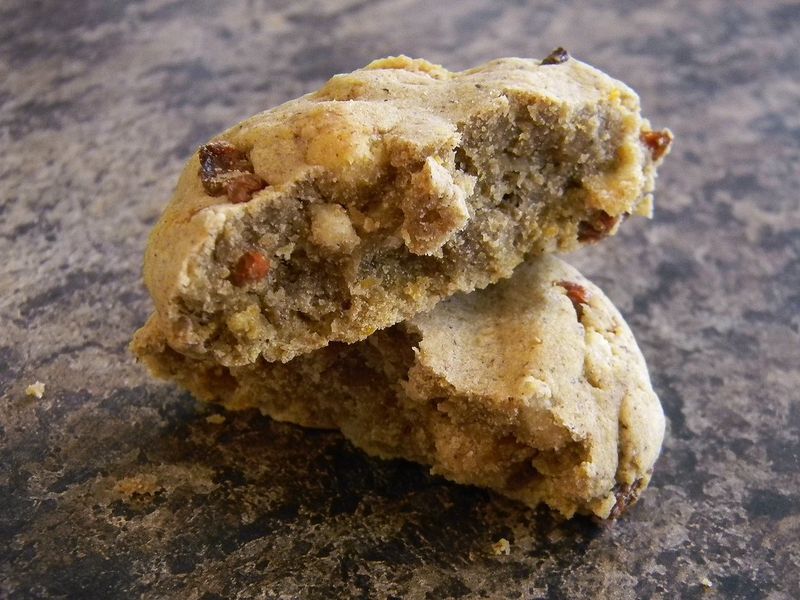
Gluten free does not equal healthy. Many gluten free cookies swap wheat for starches that digest fast and still add plenty of sugar. You end up with dessert dressed in dietary restriction clothing.
If you need gluten free, bake with almond flour or oats for more fiber and nutrients. Store bought? Read for whole grain flours and reasonable sugar. A cookie can be a cookie, just do not let the label talk you into treating it like health food.
Snack pack
Grab and go snack packs look balanced, but the details often disappoint. Processed meat, cheese products, and refined crackers stack sodium and preservatives. Portions are small for the calories, leaving you hungry soon after.
Build your own with real cheese, whole grain crackers, and sliced turkey or chickpeas. Add grapes or veggies to round it out. The label becomes your grocery list, not a maze of additives you cannot pronounce.
Energy bar
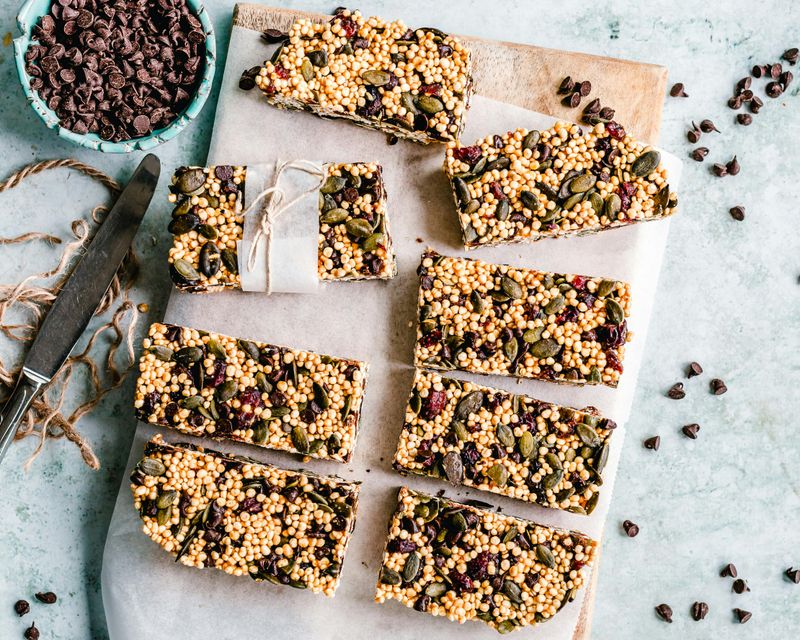
Energy bars are designed for endurance, not desk duty. Many pack dense calories, syrups, and oils that outpace your afternoon. If you are not riding a century, you probably do not need that much fuel in one wrapper.
Ingredients often include brown rice syrup, palm kernel oil, and soy crisps. Choose bars with nuts, seeds, and less sugar, or have real food like a small turkey wrap. It is easier on hunger and your blood sugar too.