


Some meals feel like a time machine, taking you straight back to bustling kitchens and handwritten recipe cards. You can taste the patience, the small rituals, and the quiet confidence in every bite.
These are the dishes that older generations perfected with repetition and love. If you have ever thought something was missing, this list helps you bring that missing magic back.
Meatloaf
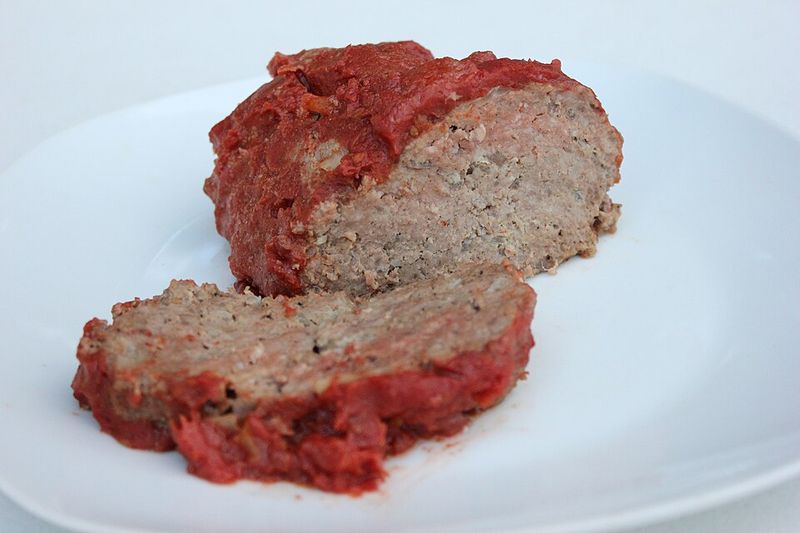
Real meatloaf starts with a gentle hand, not a mixer. You fold in onions, breadcrumbs soaked in milk, and just enough ketchup to make the glaze stick.
Too much handling turns it tough, so you treat it like something alive. Patience counts most.
You wait for the edges to caramelize, then let it rest, resisting eager slices. That rest makes the juices settle and the slices hold.
Serve with mashed potatoes and simple green beans, and suddenly Tuesday tastes like Sunday. That is the old way, and it still wins.
Pot roast
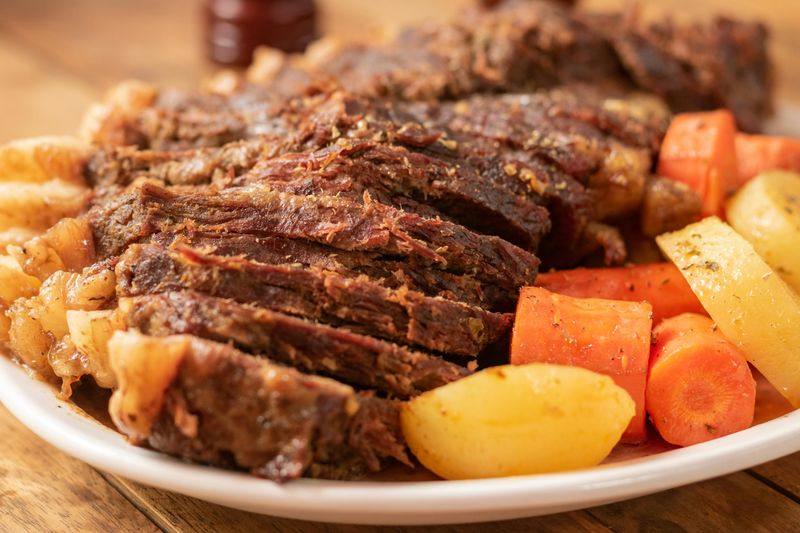
Pot roast should collapse under a fork, not a knife. You season generously, brown deeply, and listen for that happy sizzle as it sears.
Then it swims in broth with onions, carrots, and a stubborn bay leaf. Low and slow is not optional.
The magic happens covered, undisturbed, while the house fills with promise. When it is done, the gravy practically makes itself.
Scoop potatoes that have soaked up all the goodness, and spoon glossy juices over everything. This is comfort you do not rush, because time is the secret ingredient.
Beef stew
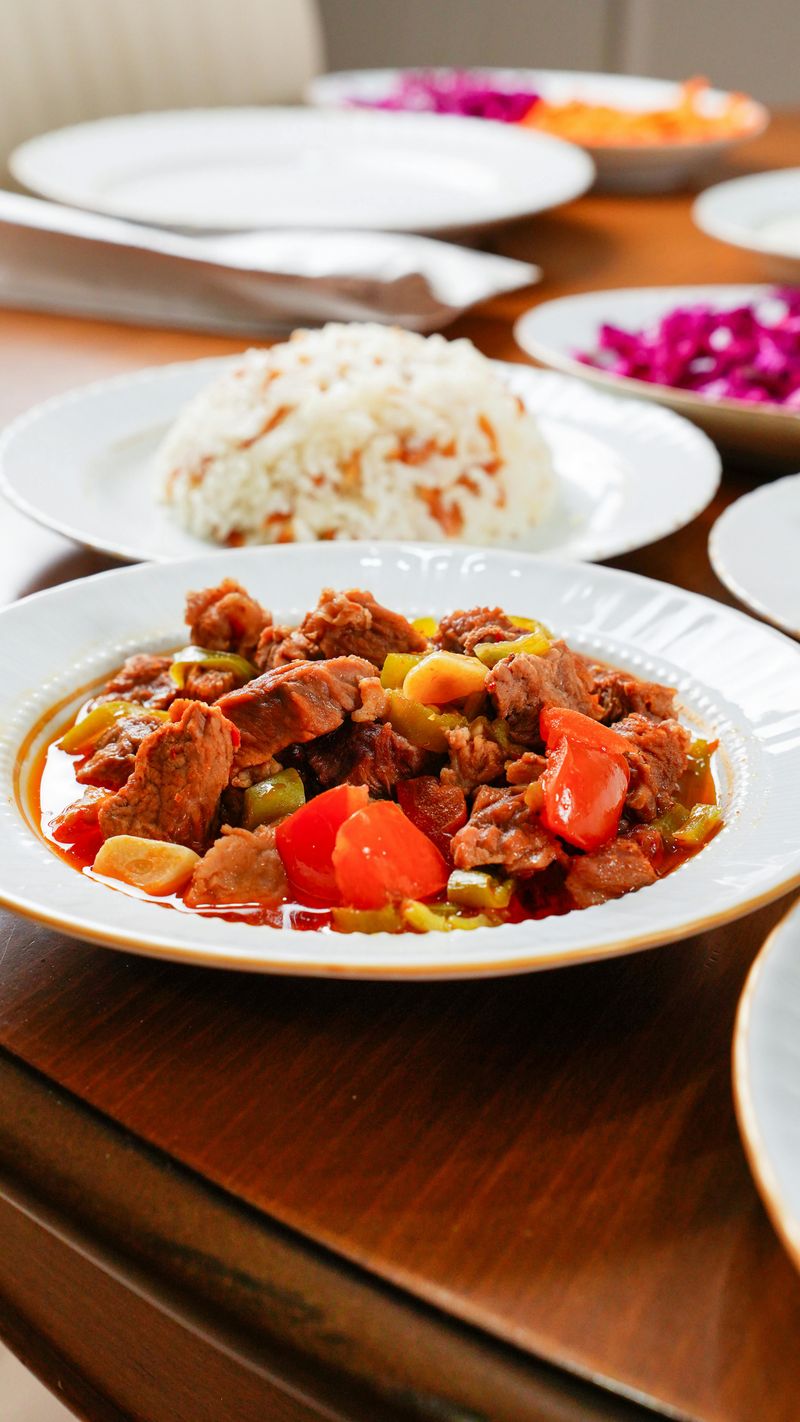
Beef stew gets soul from browning the meat until the fond sticks. You scrape those browned bits with stock, letting them melt into something deep.
Root vegetables join later, so they keep some bite. A splash of vinegar brightens everything without shouting.
Grandma never rushed stew, and neither should you. Simmer until the cubes surrender and the broth thickens naturally.
No shortcuts, no instant thickeners if you can help it. Serve with crusty bread, and you will understand why second-day stew tastes even better.
Chicken noodle soup
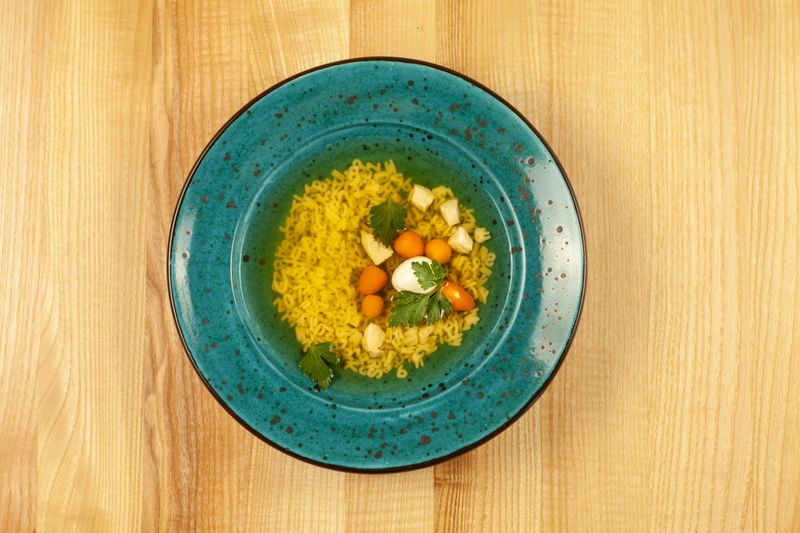
Good chicken noodle soup begins with a real broth. You simmer bones, skin, and scraps until the kitchen smells like a hug.
Skim gently, add carrots and celery, and keep the broth clear as glass. Salt slowly, letting the flavor bloom.
Noodles go in last so they stay tender, not swollen. Shred chicken by hand, because the texture matters.
A squeeze of lemon and a handful of parsley lift everything. Serve when the bowl fogs your glasses, and you will feel better before the spoon lands.
Chicken and dumplings
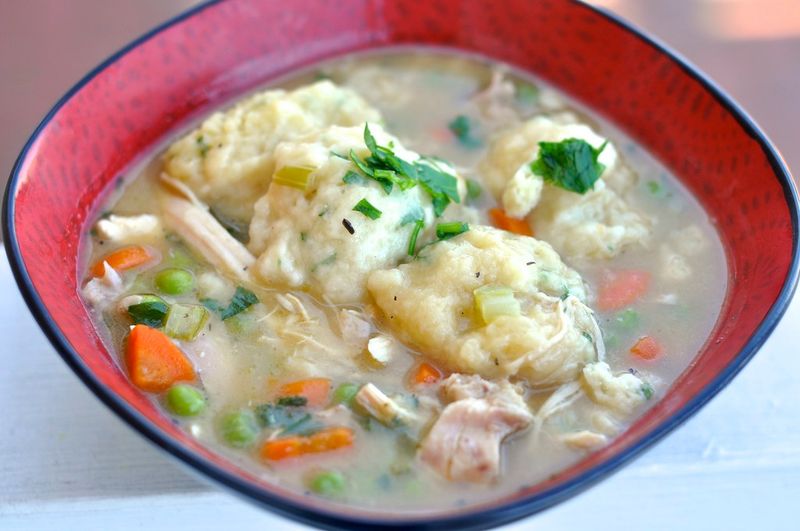
Chicken and dumplings are about tenderness and timing. The broth should be creamy but not heavy, with thyme whispering through each spoonful.
Drop dumplings gently so they puff, not toughen. Keep the lid on, because steam is their lifeline.
Shredded chicken goes in just before serving, so it stays juicy. Taste as you go, especially for salt and a hint of peppery warmth.
When dumplings split with a sigh, you did it right. Ladle generously, then watch the table fall quiet in agreement.
Chicken pot pie
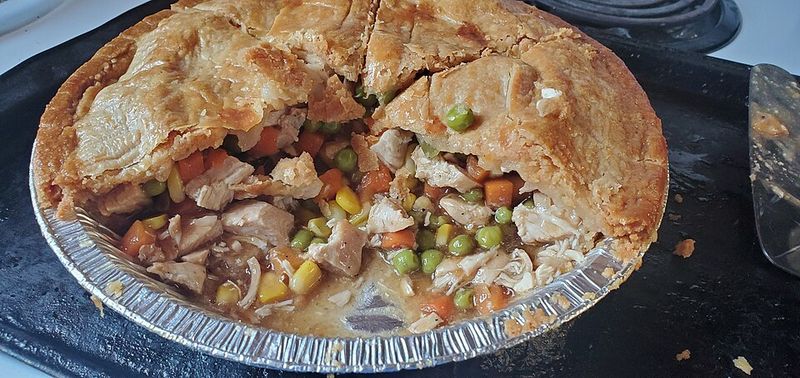
Chicken pot pie lives or dies by its crust. Flaky means cold fat and a light touch, nothing more.
The filling should be creamy without tasting like straight cream, with chicken, peas, and carrots holding their shape. A little sherry can be magic.
Let the pie rest so the sauce thickens and slices hold. The crust sings when tapped, and the edges shatter into buttery flakes.
It tastes like home on a rainy night. That balance of comfort and craft is exactly what elders taught best.
Shepherd’s pie
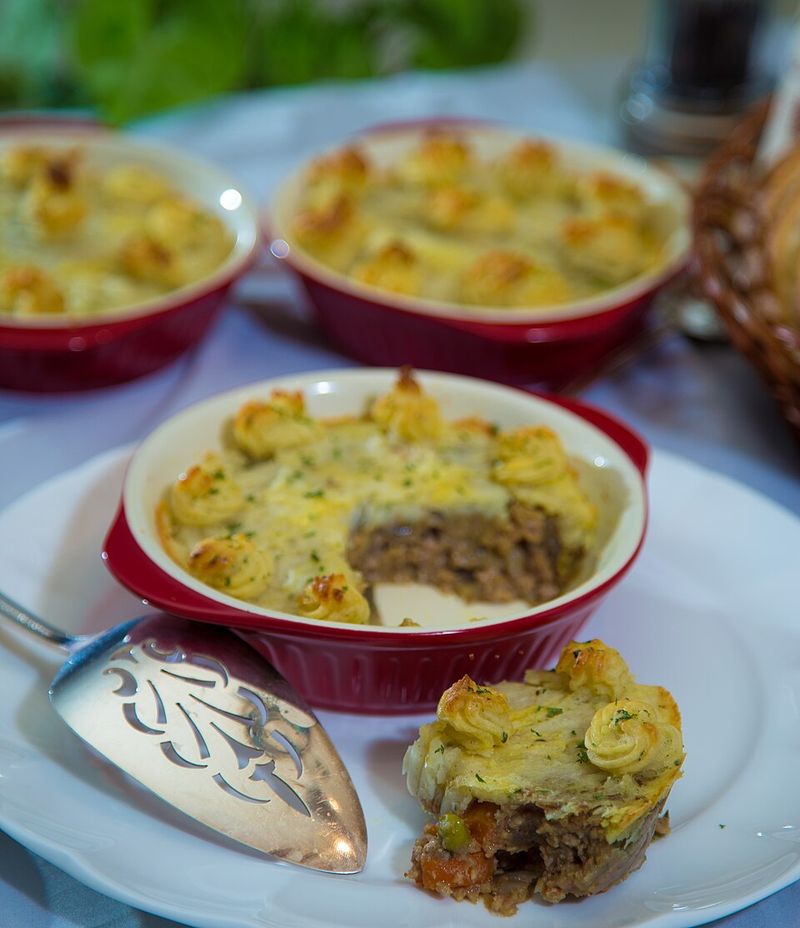
Shepherd’s pie should be made with lamb, not beef. The filling needs onions, carrots, and a glossy reduction from tomato paste and stock.
A dash of Worcestershire gives backbone. Spread mashed potatoes on top and rake lines so they crisp.
Older cooks knew to bake until the peaks bronzed. Let it rest, then scoop through crackling potato into rich, peppery gravy.
It is cozy without being bland. Serve with something green, and feel the kind of warmth that sticks around.
Cabbage rolls
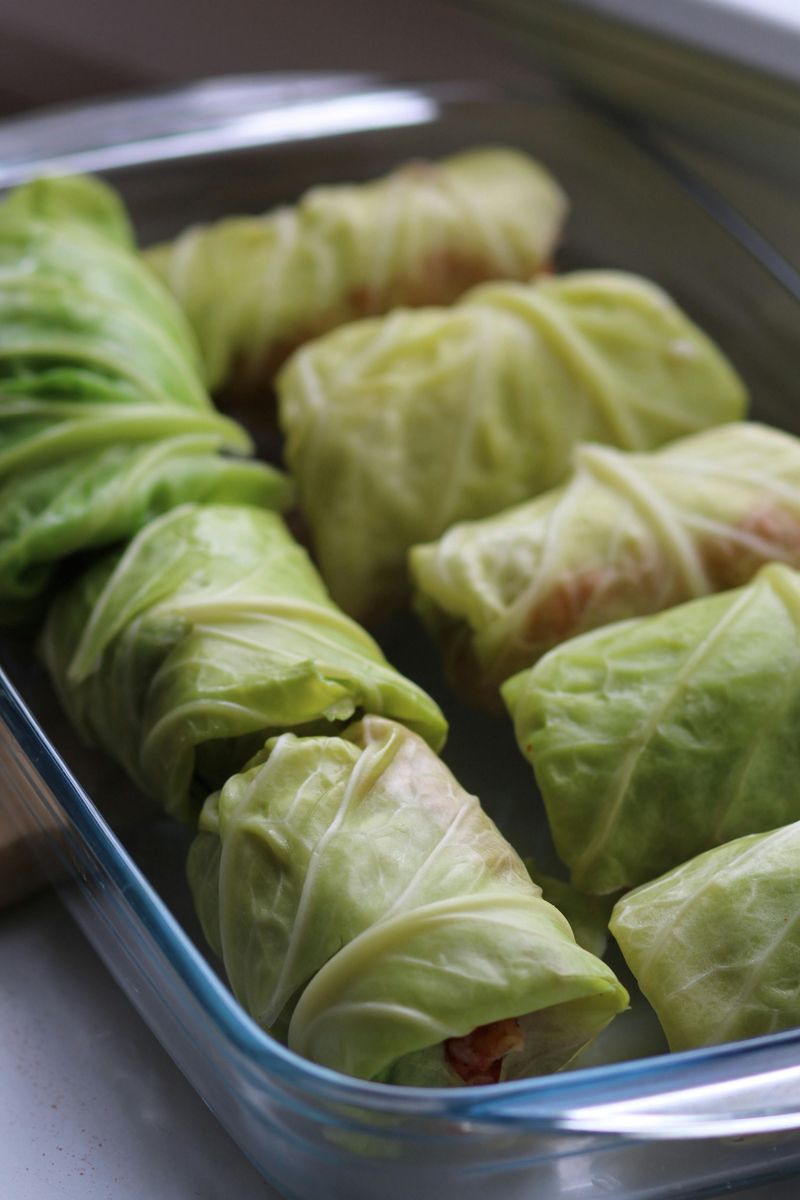
Cabbage rolls require patience and a gentle touch. Steam the leaves until pliable, then tuck seasoned meat and rice inside like presents.
Nestle them into a tangy tomato sauce with a hint of sweetness. The simmer should be lazy, not frantic.
Older cooks knew to let the flavors marry overnight. The sauce thickens, the cabbage softens, and the filling becomes one voice.
Serve with sour cream if you like. One roll leads to another, and suddenly the pot is empty.
Roast chicken
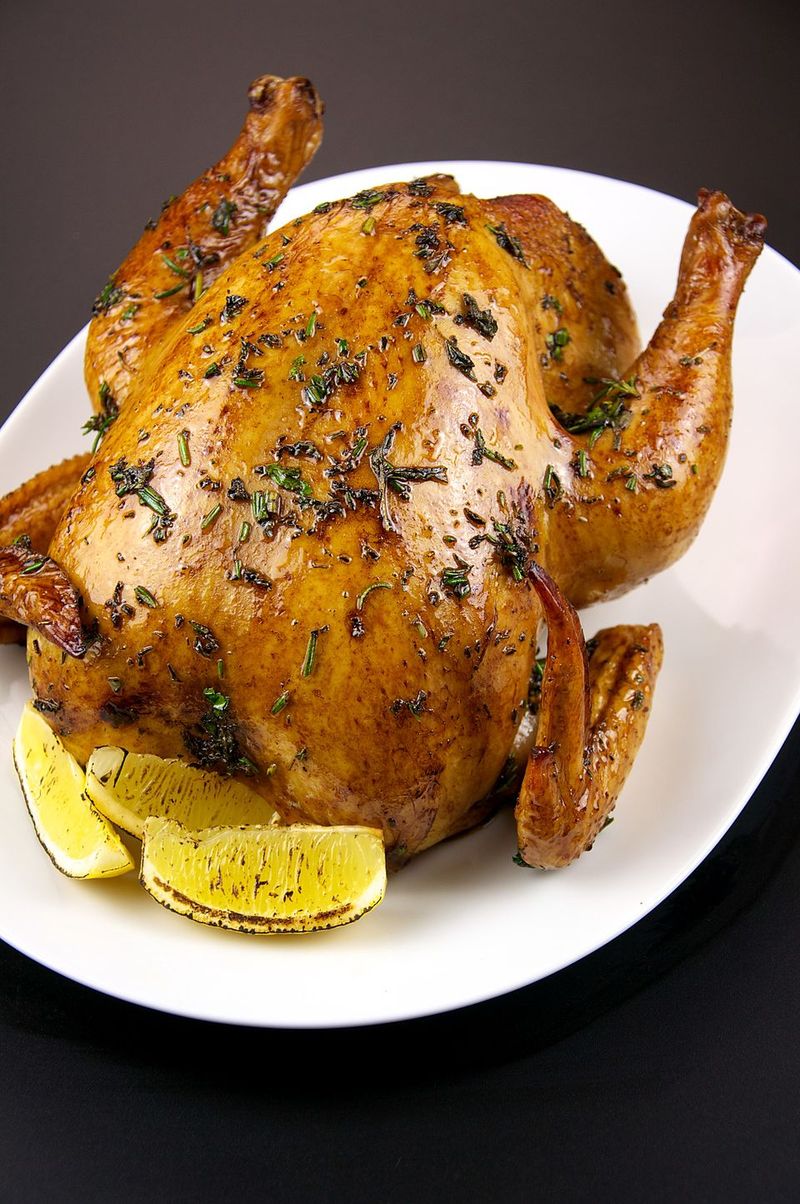
Roast chicken is simple, which is why it reveals everything. Salt the bird ahead so seasoning travels inward.
Dry the skin and let the oven do its crisping magic. A hot start, then a gentler finish, keeps juices where they belong.
Baste with pan drippings and squeeze lemon over at the end. Rest before carving, because patience equals moisture.
Serve with the sticky bits scraped from the pan. Once you master this, take a bow at the table.
Mashed potatoes and gravy
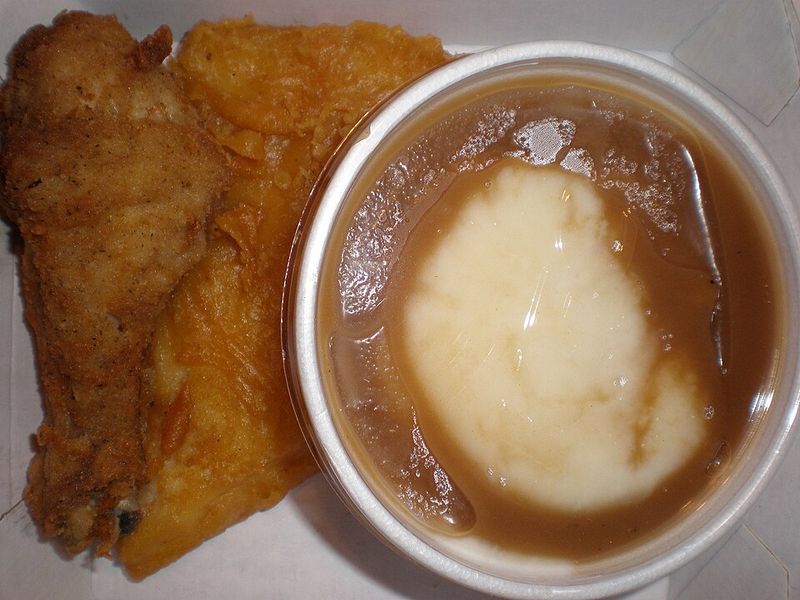
Silky mashed potatoes start with hot, dry potatoes. You rice them, then fold in warm milk and butter until they sigh.
Salt matters more than you think. For gravy, deglaze the pan, whisk flour into drippings, and cook it past pale.
Season with black pepper until it smells like Sunday. Keep the mash fluffy by handling it gently.
When the spoon leaves waves, you nailed it. Pour that glossy gravy into a crater and watch the smiles happen.
Biscuits and gravy
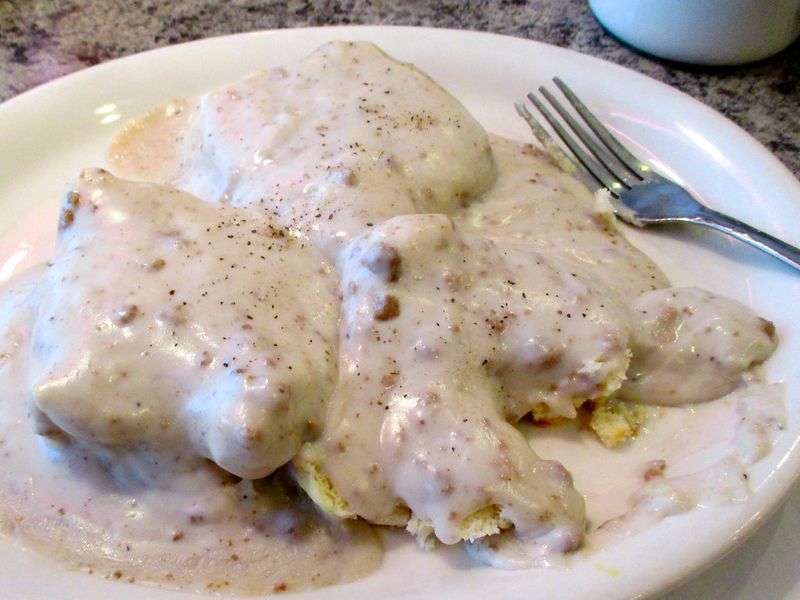
Biscuits demand cold butter and a soft hand. You cut, fold, and barely touch until layers form.
Bake hot so they spring tall. The sausage gravy starts with good drippings, flour toasted just enough, and milk whisked in slowly.
Season with plenty of cracked pepper and a wink of sage. The gravy should cling, not clump.
Split biscuits, drown them, and serve immediately. This tastes like early mornings when time moved slower.
Cornbread
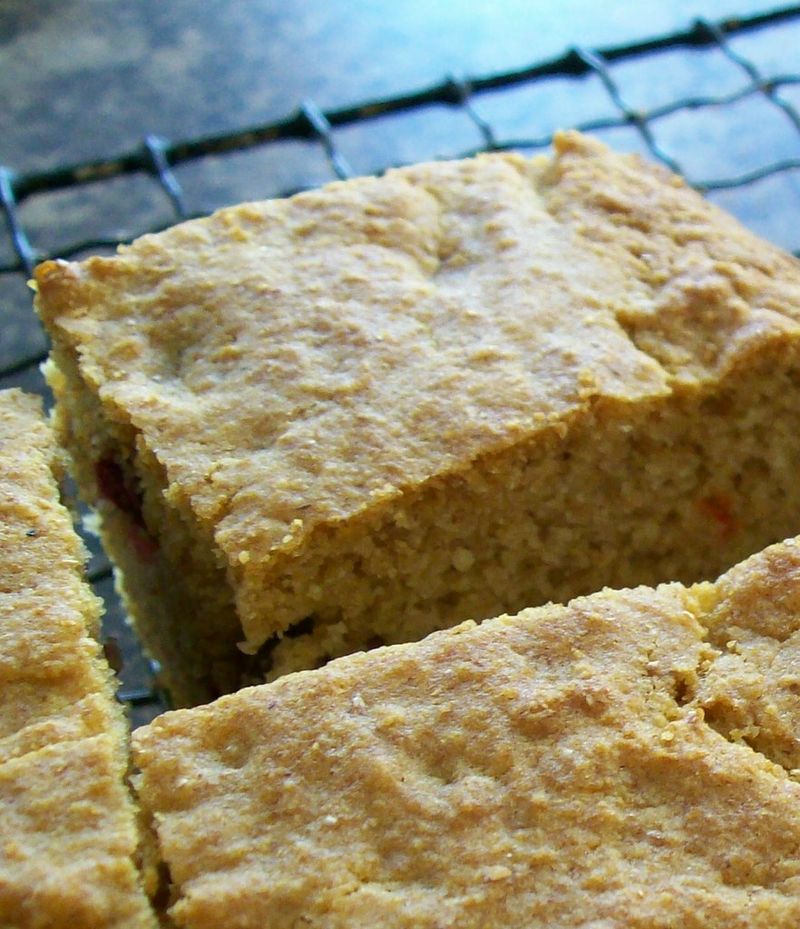
Skillet cornbread is about heat and harmony. Get the pan blazing hot with a little bacon fat, then pour in the batter so edges sizzle.
Use cornmeal forward flavor, not cake-level sugar. Buttermilk brings tang and tenderness without sweetness.
Let it rest a minute so steam settles. The bottom should crunch, the middle should be tender, and the slice should smell like fields after rain.
Serve with beans or chili, or just honey butter if you must. Either way, it tastes like memory.
Mac and cheese
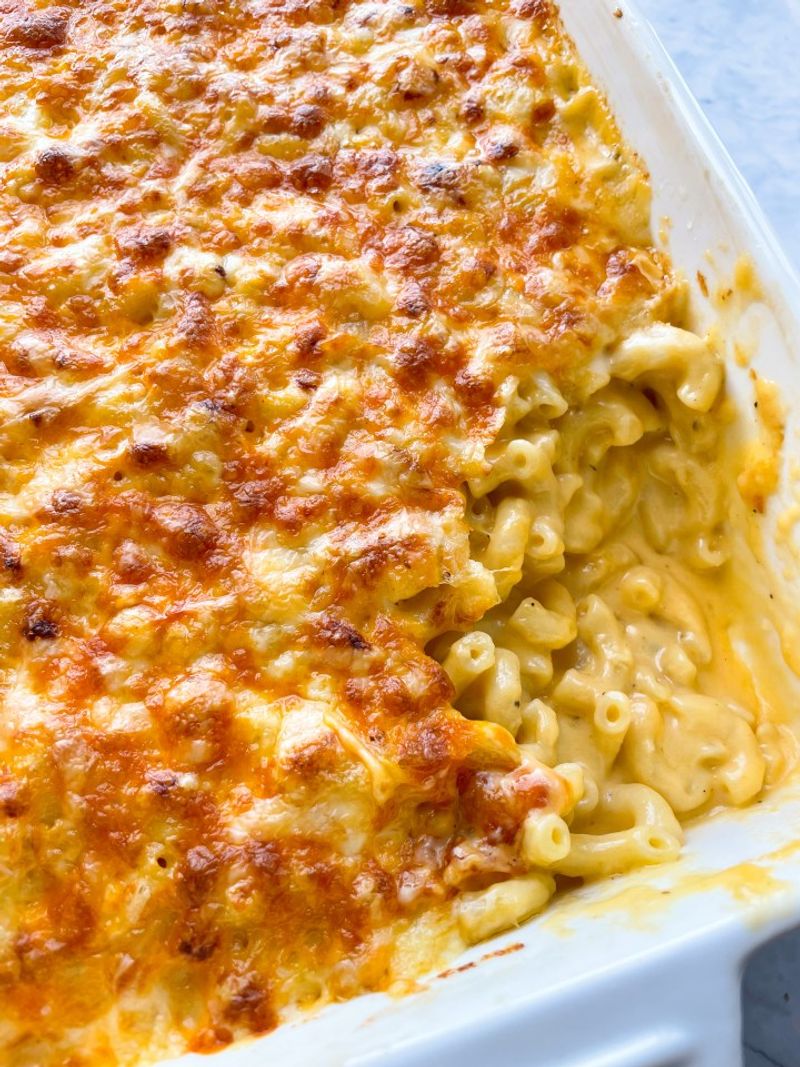
Mac and cheese deserves a proper roux. You whisk butter and flour, cook it nutty, then add milk until velvety.
Sharp cheddar leads, maybe a little Gruyere for depth. Season with mustard powder and a whisper of paprika.
Fold in pasta al dente so it does not bloat. Top with buttery crumbs and bake until the edges bubble.
Scoop while it is still saucy, not dry. One forkful explains why baked beats the box every single time.
Baked beans
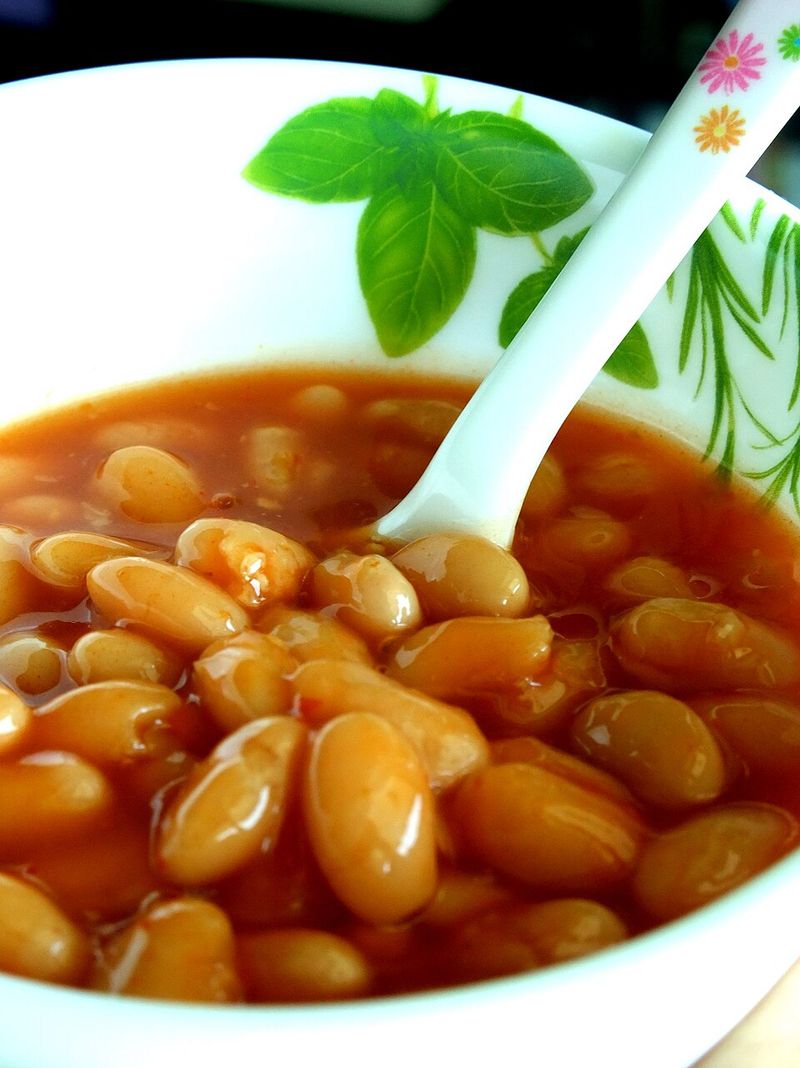
Baked beans are slow food at its finest. Start with dried beans for that creamy center.
Molasses, mustard, onion, and a bit of salt pork do the heavy lifting. The oven does the rest, transforming everything into glossy, sweet-savory comfort.
Stir rarely so the top gets sticky and caramelized. The smell alone gathers people.
Serve alongside hot dogs or ribs, or let them headline with cornbread. Either way, the pot empties faster than you think.
Chili
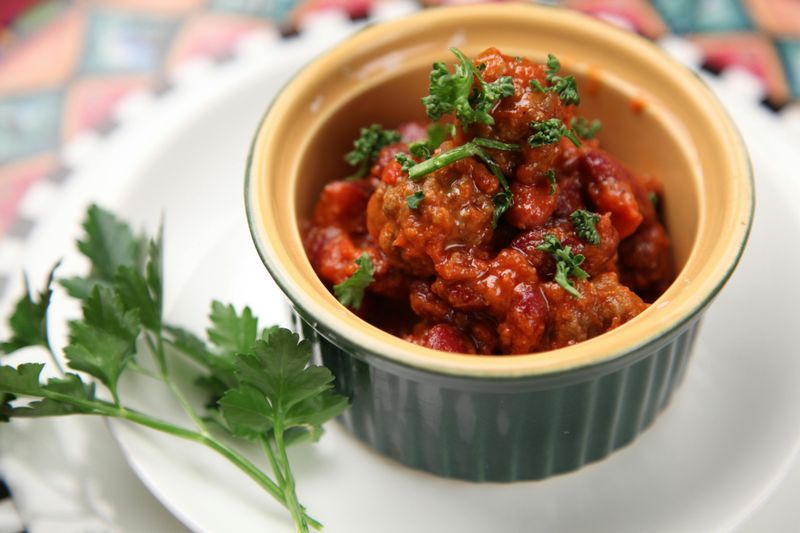
Chili rewards patience and restraint. Brown the meat well, bloom spices in fat, and do not drown it in tomatoes.
A touch of coffee or cocoa adds quiet depth. Simmer until it thickens like a promise.
Taste often, adjusting salt, heat, and tang with vinegar at the end. Beans are personal, not political.
Serve with cornbread or over rice, and set out toppings. The old approach lets heat build in layers, never screaming.
Spaghetti and meatballs
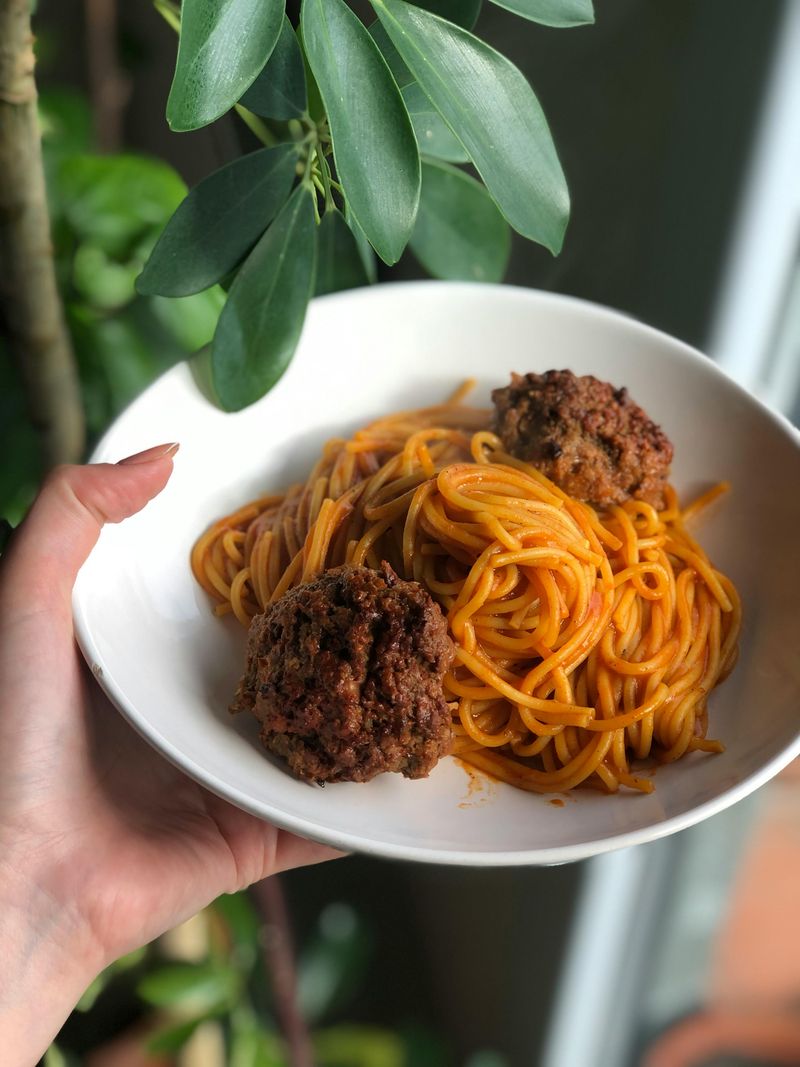
Spaghetti and meatballs should feel like a family story. Meatballs stay tender with soaked bread, not hard breadcrumbs alone.
Brown lightly, then finish poaching in sauce so flavors marry. The marinara stays simple, bright, and garlicky.
Salt the pasta water like the sea, then toss noodles with sauce before plating. Crown with meatballs, basil, and cheese.
It is generous, messy, and perfect for loud tables. The old way refuses shortcuts because you can taste them.
Rice pudding
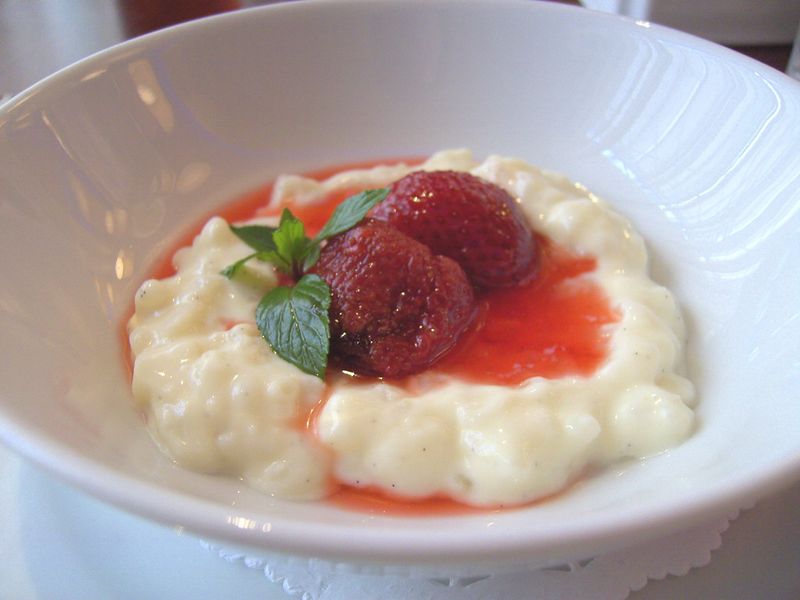
Rice pudding is comfort in a spoon. You simmer rice low in milk and sugar until the starch turns silky.
A cinnamon stick and vanilla do quiet, important work. Raisins are optional, but nostalgia usually says yes.
Stir often so the bottom behaves. Let it thicken just shy of final texture, because it sets as it cools.
Serve warm or chilled, with a pinch more cinnamon. It tastes like bedtime stories and soft goodnights.
Bread pudding
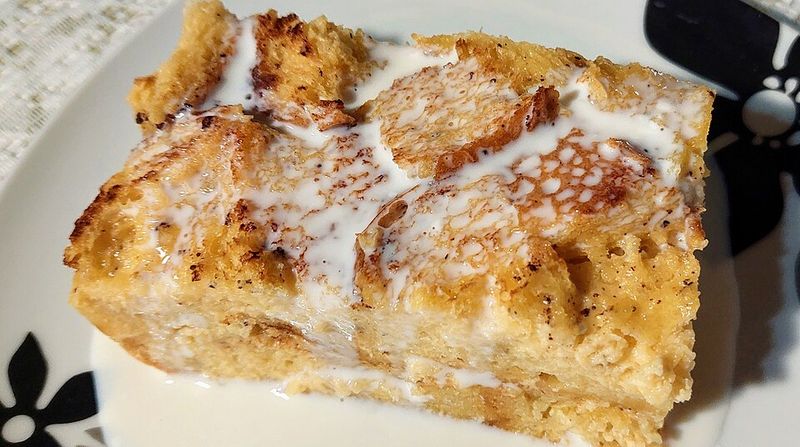
Bread pudding rescues old bread with dignity. Stale cubes drink custard made from eggs, milk, sugar, and vanilla.
Let them soak until heavy, then bake until the top turns bronzed and crackly. A little bourbon sauce is nice if you like.
The inside should be tender, never dry or soggy. Rest before serving so slices hold.
Warm, spoonable edges with caramel sauce feel like a celebration. That thrifty, generous spirit is pure tradition.
Apple pie
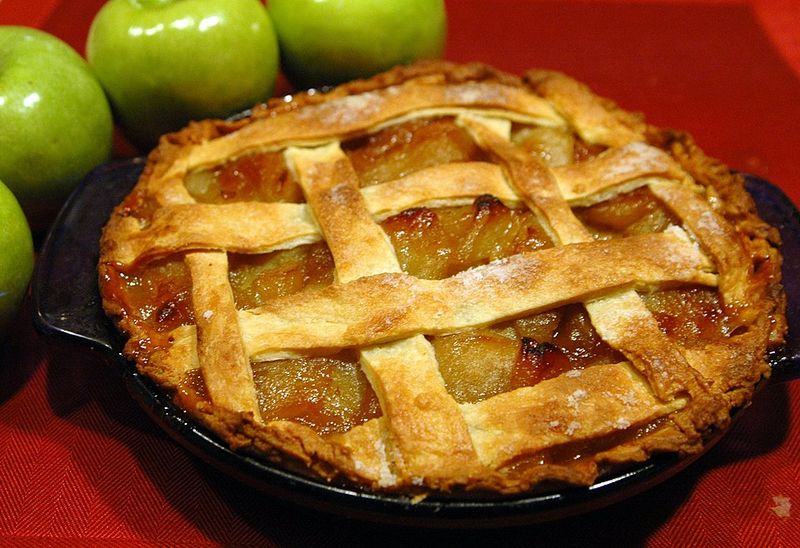
Apple pie begins with firm, tart apples and a fearless crust. Mix varieties for texture.
Toss slices with sugar, cinnamon, and a touch of lemon. Pile them high so it settles into a proud dome.
Cold butter, light handling, and time in the fridge keep layers flaky. Bake until bubbling through the vents, not by the clock.
Let it cool so juices thicken and do not flood the plate. Serve warm with cheddar or ice cream, your call.
Sunday roast
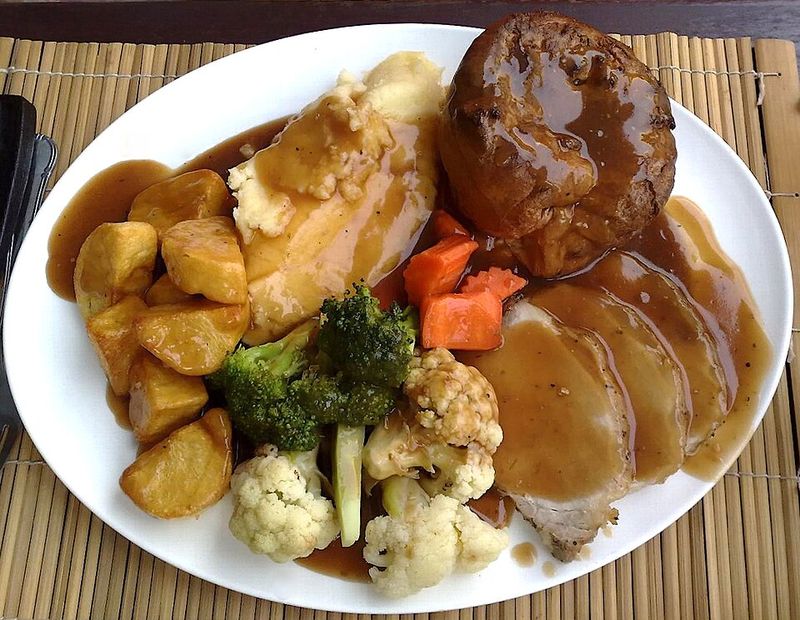
The Sunday roast is more ritual than recipe. Choose a good joint, salt it early, and let heat and patience make it sing.
Potatoes get parboiled, roughed up, then roasted until audibly crisp. Yorkshire puddings rise like proud crowns.
Gravy anchors the whole feast, made from drippings and time. Carve at the table if you can, because ceremony matters.
Leftovers become sandwiches that somehow taste even better. This is a weekly love letter on a plate.
Tuna casserole
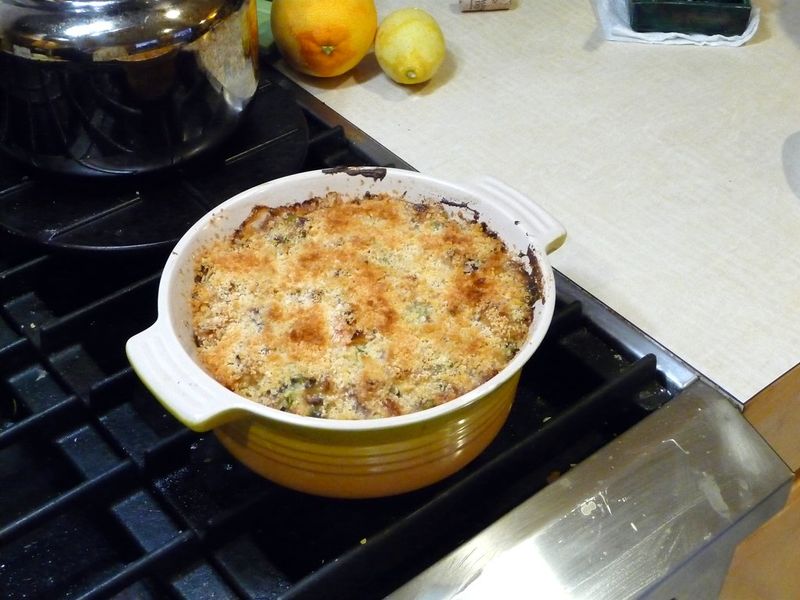
Tuna casserole is humble perfection when done right. Use wide egg noodles, peas, and a creamy sauce that skips tinny flavors.
Good tuna packed in oil helps. A crunchy top of potato chips or buttered crumbs seals the deal.
Bake until the edges bubble and the top turns golden. It should be creamy, not soupy, with noodles still friendly.
Serve with a simple salad to cut the richness. One scoop and you will remember exactly why it stuck around.
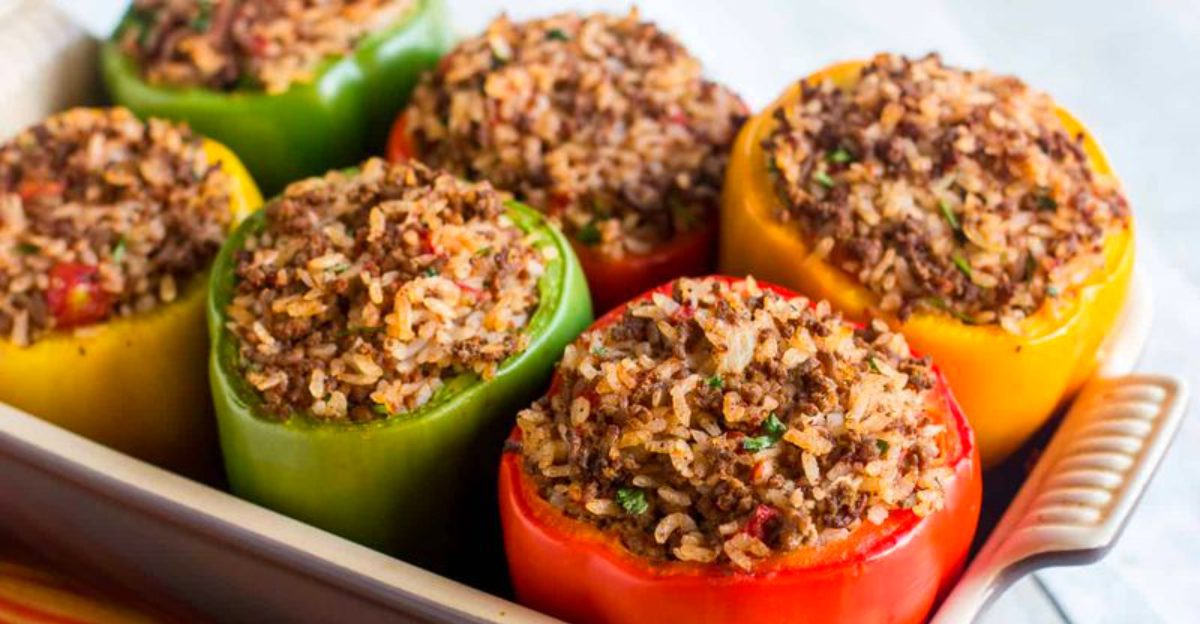
Stuffed peppers
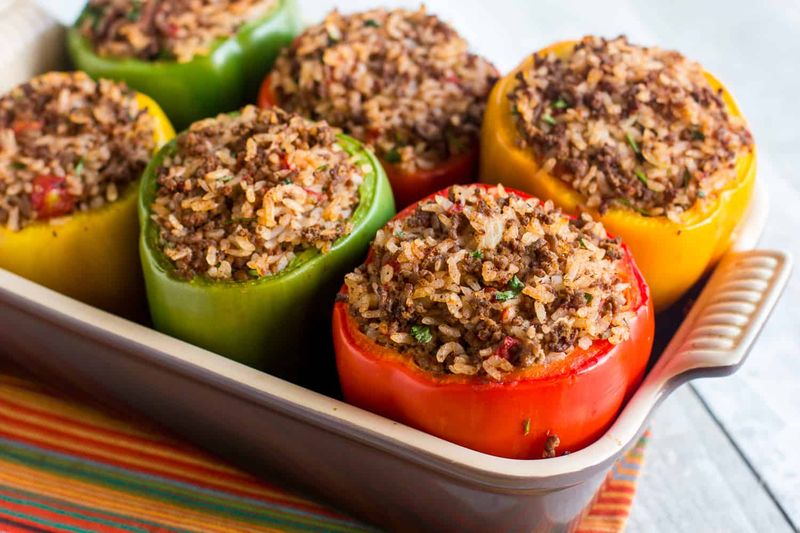
Stuffed peppers taste best when the filling is loose, not packed. You mix beef, rice, onions, and tomato until it breathes.
Parboil the peppers so they soften without collapsing. A little cheese on top helps, but the sauce underneath matters more.
Bake until the peppers slump slightly and juices gather in the pan. Spoon that over each serving so nothing is dry.
These feel like weeknight triumphs that still earn a Sunday spot. The old way keeps them bright, tender, and deeply satisfying.