


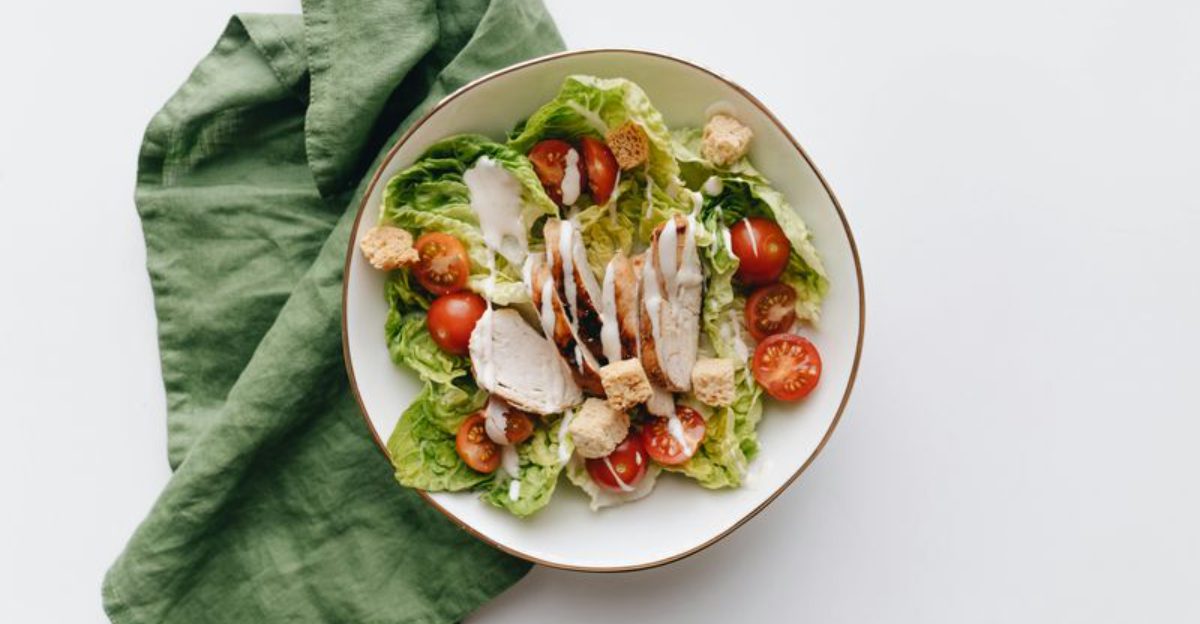
Freshness should make your bite sing, but texture often tells the truth faster than flavor. Ever cut into something that looked perfect, only to find gluey, rubbery, or watery disappointment underneath.
Once you learn these little cues, you will spot shortcuts and reheats before the first mouthful. Let texture be your quiet, reliable guide when menus try to charm you.
Gravy
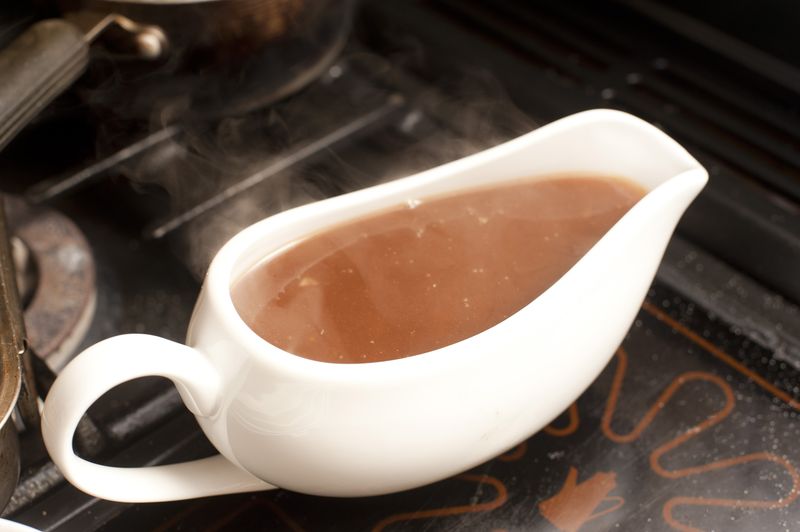
Fresh gravy clings silkily, coating without gloopy drag. When it wobbles like jelly or breaks into oily pools, you are tasting yesterday reheated or a packet thickened too hard.
Grainy bits mean scorched flour, while a starchy paste suggests heavy cornstarch shortcuts.
Look for gentle sheen and slow ribbons from the spoon. If it congeals in minutes, a holding pan probably worked overtime.
Flat, salty depth hints bouillon instead of roasted drippings. Real gravy smells meaty and bright, not tinny.
When texture feels sticky on your tongue rather than velvety, freshness has left the table.
Soup of the day
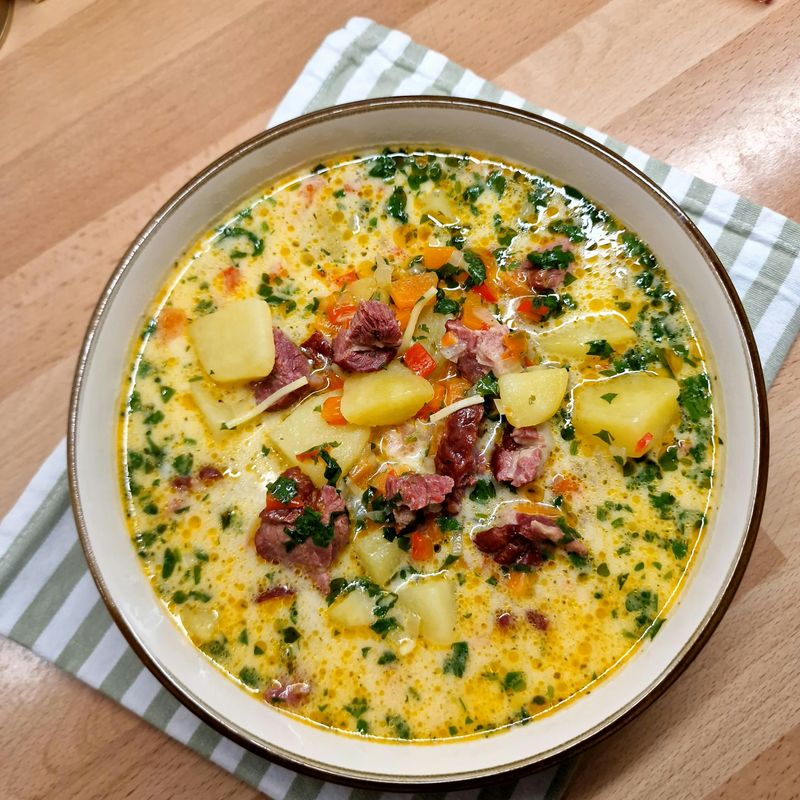
House soup should sip lively, with vegetables that still have a tender bite. When carrots bend like rubber bands and noodles swell shapeless, it signals repeated reheats.
A greasy ring around the bowl and grayish broth often mean yesterday’s leftovers stretched with water.
Ask what stock they use, then notice body. Fresh soup has gentle suspension, not sludge that piles up.
If herbs taste muted while salt screams, it probably simmered too long under a heat lamp. Texture should comfort, not coat.
When every spoonful feels mushy and samey, the calendar gave their secret away.
Chili
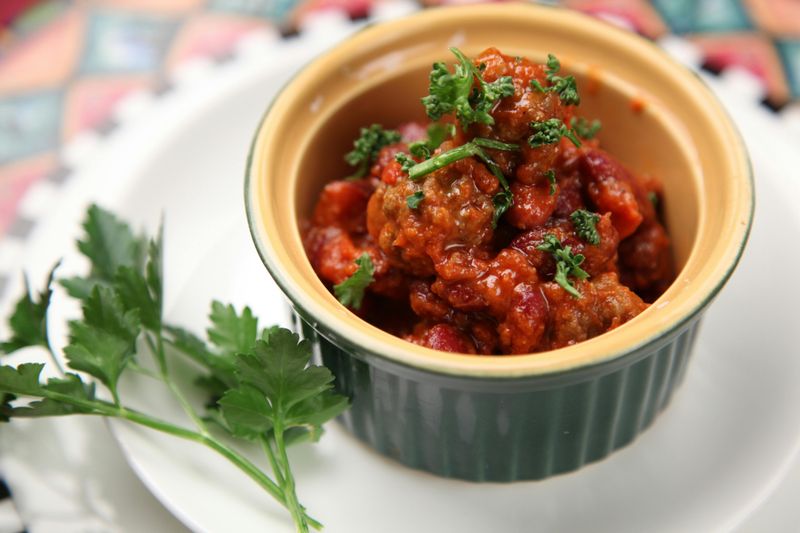
Good chili keeps its beans plump and meat nubbly, swimming in a thick but flowing base. When it stands in a square on the plate, you are meeting starch-thickened leftovers.
Greasy caps and chalky grit often reveal hurried reductions or day-old pots.
Fresh chili releases steam that smells like spices blooming, not burned cumin. If the texture is pasty and every bite tastes identical, it probably sat covered for hours.
Look for tender bite and glossy movement. When a spoon can carve walls, freshness left yesterday.
You deserve a simmer, not a spackle job today.
Mac and cheese
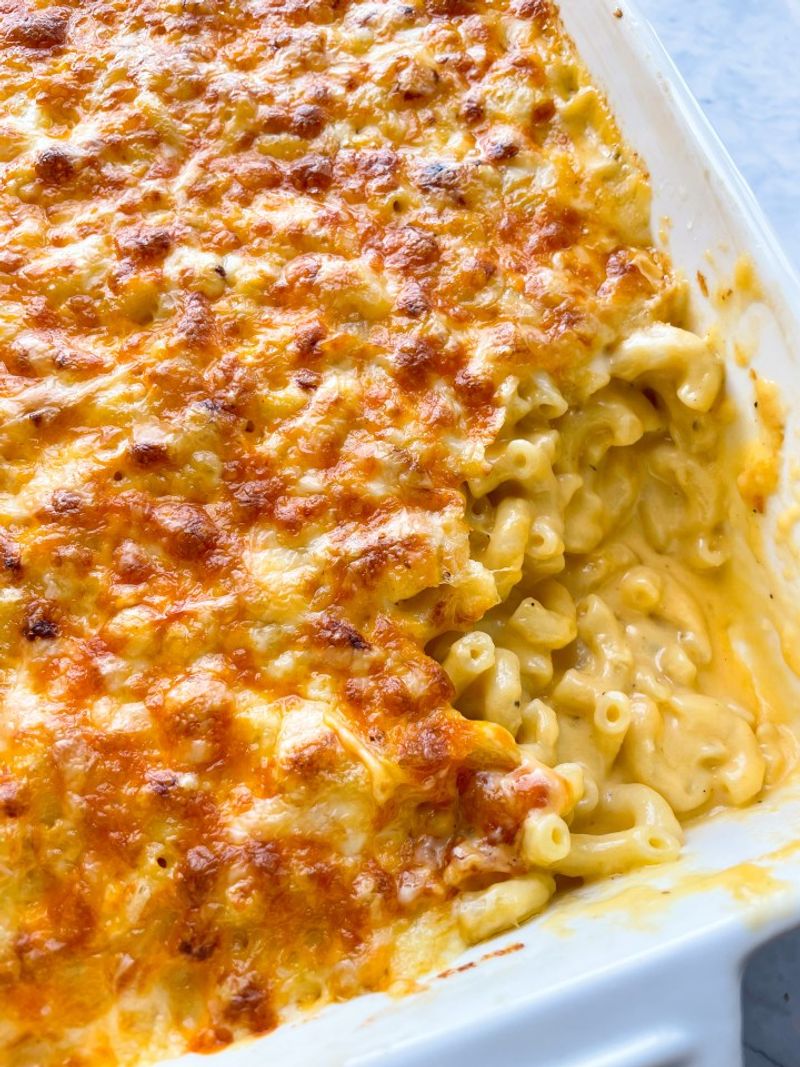
Fresh mac and cheese feels saucy, not cemented. If the noodles splinter or the sauce forms rubbery sheets, you are tasting reheats.
A grainy mouthfeel often comes from broken cheese or a powdered mix clumped by steam.
Watch how it stretches. Real sauce flows in glossy ribbons and then settles, while stale pans congeal into blocks.
If breadcrumbs stay dry despite heat, it sat under a lamp. Seasoning should be round and buttery, not sharp and salty.
When texture chews like curds and glue, freshness is long gone. You will notice it instantly at table.
Meatballs
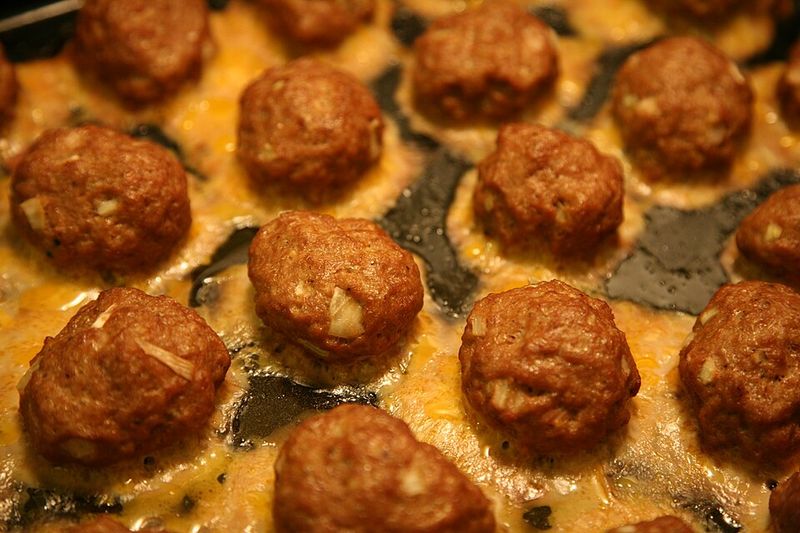
Fresh meatballs bounce back softly and stay juicy inside. When they feel bready, spongy, or oddly tough, it hints at heavy fillers or a long steam table.
A gray ring and uniform texture usually mean frozen pucks dropped into sauce.
Cut one open. You want pearly moisture and a tender crumb, not sawdust crumbles.
If sauce barely penetrates, it was reheated separately. Real aromatics leave tiny flecks and fragrance.
When texture squeaks against your teeth, that factory springiness gives the game away. Check the sear for dark blisters, not uniform pale across every rounded side.
Chicken parmesan
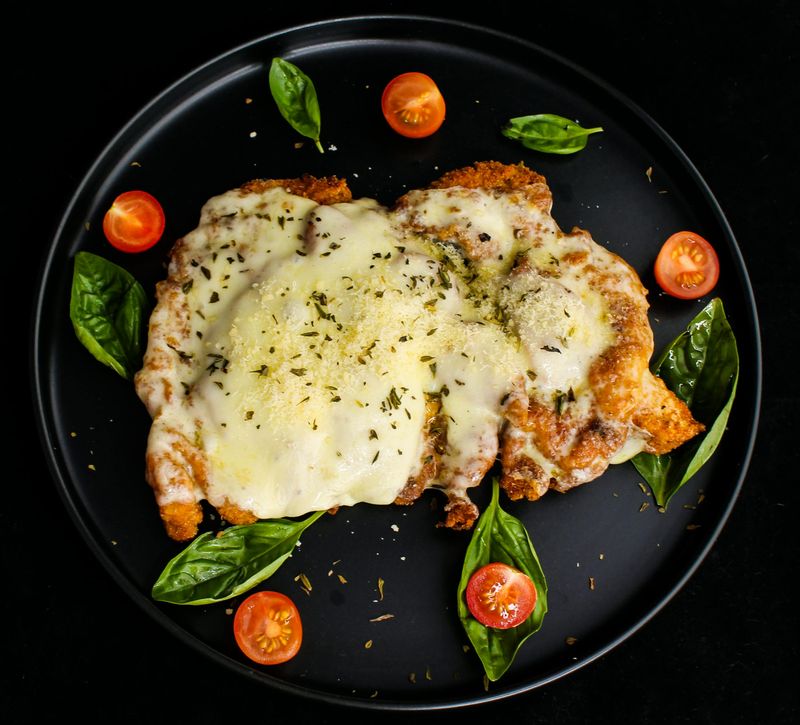
Chicken parm should crackle crisp, then flood with sauce. When the crust squishes like wet bread and the chicken chews stringy, you are biting into reheated cutlets.
A soggy bottom with separating cheese oil betrays holding bins and stacked pans.
Look for bubbles along the edges and a shattering bite. If the interior weeps water, it was frozen or steamed.
Real freshness gives juicy fibers and a light crunch. Sauce should cling, not drown.
When texture feels mattress-like instead of crisp then tender, trust your fork, not the garnish. You deserve audible crunch with bite.
Fettuccine Alfredo
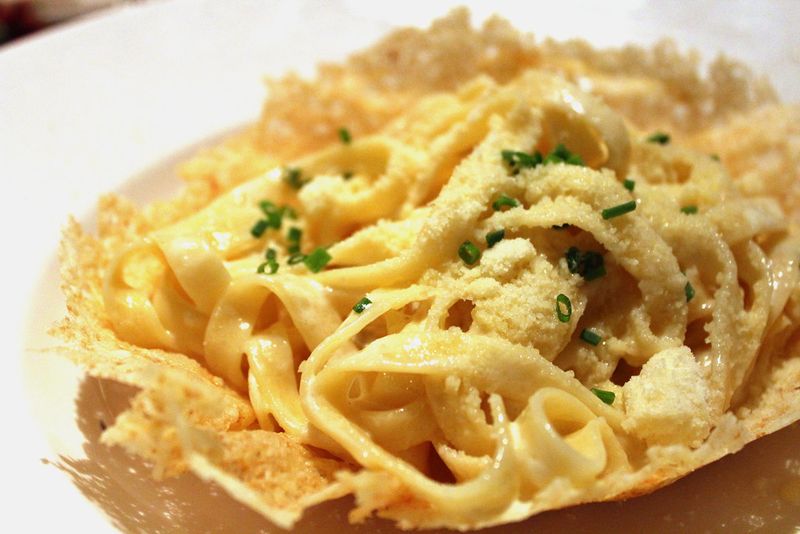
Alfredo should coat strands silkily, not sit as a paste. When noodles clump into a ball and sauce sweats oil, you are seeing broken emulsion or reheats.
Gritty dairy or chalky edges scream jarred shortcut.
Toss your fork through. Fresh pasta slides and separates, leaving thin ribbons on the plate.
If it tightens into lumps as it cools, a steam table did the cooking. Real Parmesan melts smoothly, not grain by grain.
When texture turns heavy and gummy, that supposed freshness just took a bow. You will taste chalk before cream, with every sticky twirl.
Chicken noodle soup
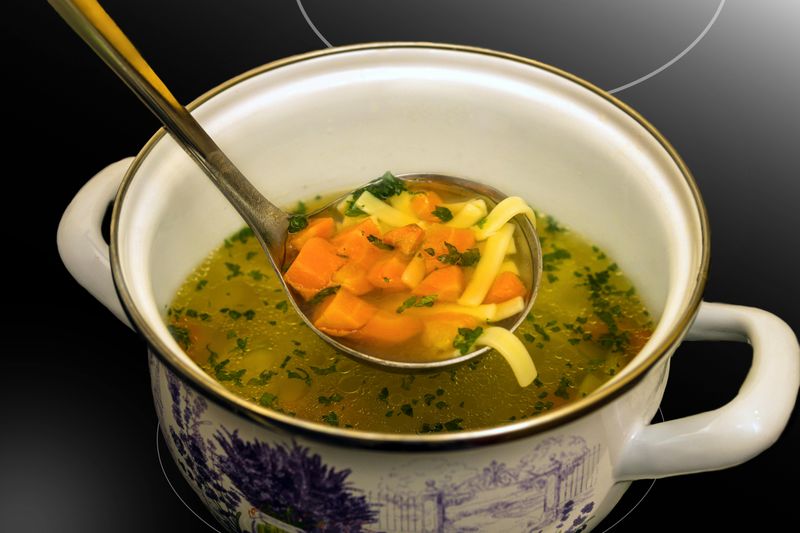
Comforting chicken noodle soup should have springy noodles and clear, fragrant broth. When noodles bloat, tear, and go mushy, you are sipping yesterday’s pot.
A slick on top and flat saltiness often point to boxed stock and long holding.
Watch the vegetables. Carrots and celery should keep a tender snap, not collapse.
If the chicken shreds into cotton, it sat too hot for hours. Real broth sparkles with little fat pearls, not cloudy starch.
When texture becomes baby food, freshness has clocked out. You can hear slurps turn silent when noodles lose their bounce completely.
Fish fillets
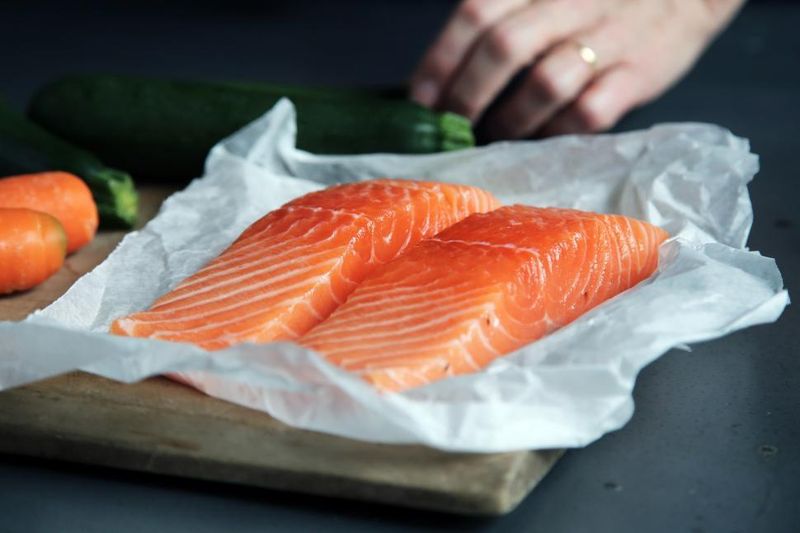
Fresh fish flakes in moist layers and smells like the sea. When fillets weep milky liquid or bounce rubbery, they are past prime or reheated from frozen.
Soggy breading that slides off is the loudest tell.
Press gently. The surface should spring once, not twice.
If steam blasts out while the crust stays pale, a microwave met a fryer. Real fillets glisten and separate cleanly.
When texture goes cottony or squeaky, your taste buds know it is not fresh catch. Look for tight flakes, not mashed paste hiding beneath, under heavy sauce or lemon blankets.
Chicken wings
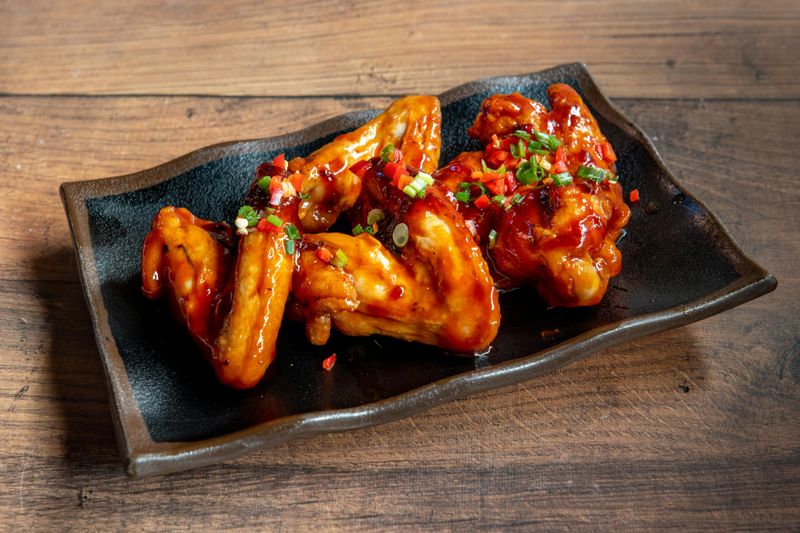
Great wings snap crisp then gush. When skin feels leathery and the meat tugs into threads, that is a reheated batch.
Pooling sauce with soggy patches often means they were sauced in advance and held.
Listen for crunch. Freshly fried skin shatters before juicy meat slides off the bone.
If tips are dark but joints are rubbery, a heat lamp did the work. Real freshness gives tacky glaze that sticks lightly.
When texture chews like jerky, you are not getting a fresh fry. You want crisp edges that whisper before sauce even hits your fingers.
Ribs
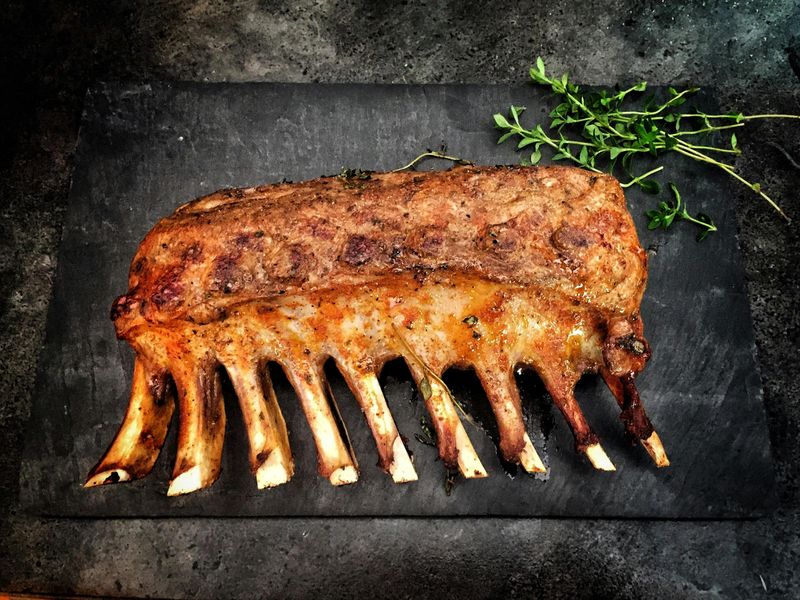
Perfect ribs bend and pull cleanly, not fall into mush. When they shred like pot roast or bounce like ham, texture tells on time and technique.
Thick, sticky glaze hiding dry meat usually covers a reheat.
Slide a bone. You want slight resistance, then release, not a slippery slide.
If the bark feels damp and spongy, it was steamed or wrapped too long. Real smoke leaves tacky edges and juicy tug.
When ribs cut like deli meat, that faux tenderness gives away the age. You can spot pooling juices turning syrupy on cool white plates.
Pulled pork
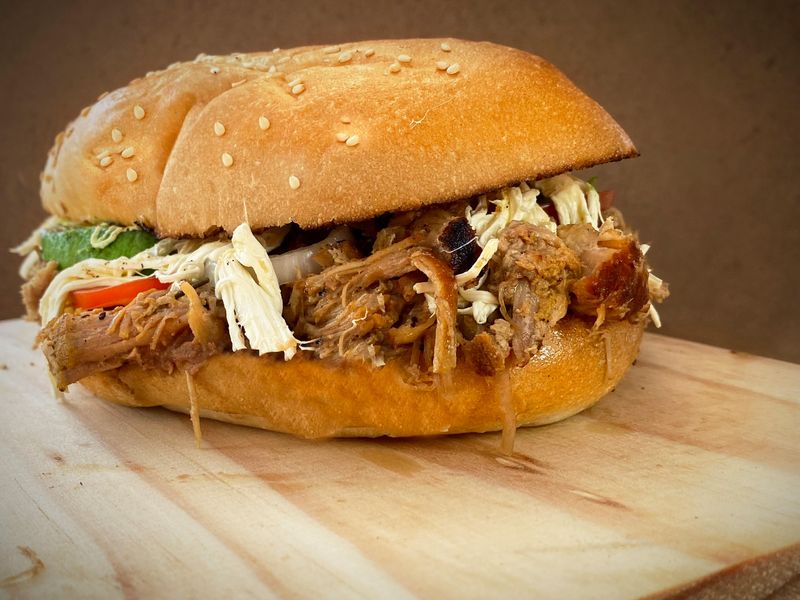
True pulled pork glistens and strands moistly. When it clumps into balls or feels stringy-dry, it likely sat in a pan for hours.
Syrupy sauce masking sawdust texture is a classic shortcut.
Pinch a few strands. They should separate easily and stay juicy, not snap.
If puddles of oil appear while meat stays parched, reheats split the fat. Real smoke keeps a tender tug and light stickiness.
When texture chews woolly and squeaks, freshness clocked out long before your order. You want gloss, not grit between teeth, and juices that wet the bun on contact.
Brisket
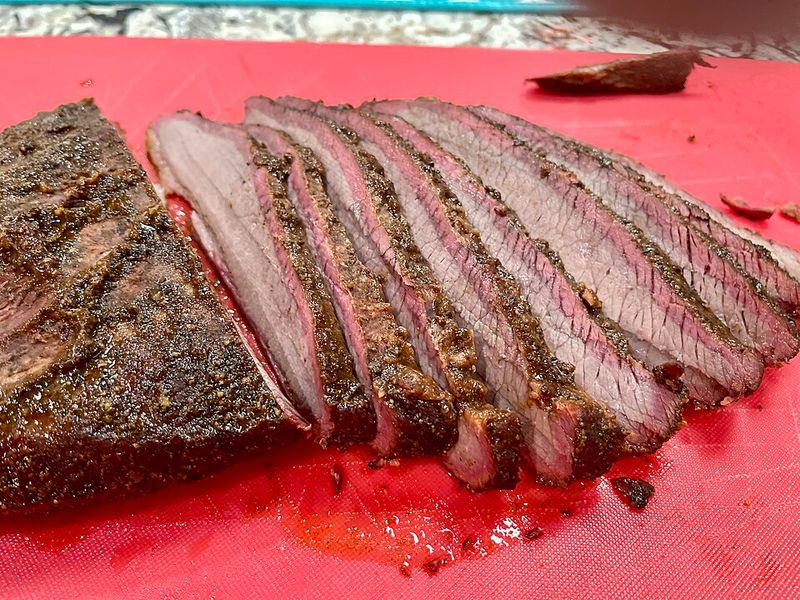
Great brisket jiggles and slices with a clean edge. When it crumbles into threads or chews tight, the texture confesses time in a warmer.
Shiny, brittle bark with dry centers often means yesterday’s smoke.
Bend a slice. It should stretch, then break, leaving moist edges, not sawdust.
If fat caps look waxy instead of silky, reheats cooled and reheated the collagen. Real slices leak beads of juice.
When texture is ropey and squeaky, you are not tasting fresh pit work. You want tender pull with springy bounce, not crumbled bits that dust the board dry.
Garden salad
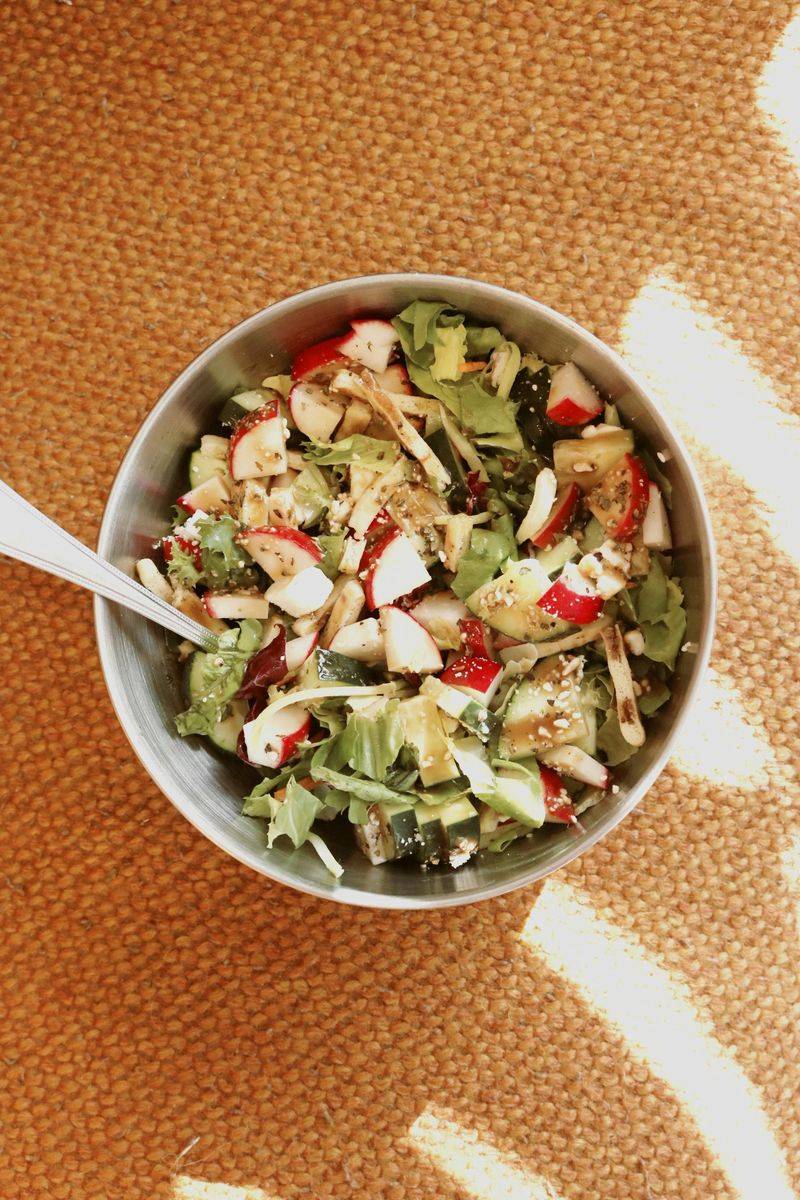
A bright garden salad should crunch and feel perky. When cucumbers weep, tomatoes mealy, and greens slick, it has lingered dressed.
Pooling watery vinaigrette and slimy edges give it away fast.
Check cut edges. Fresh lettuce shows crisp veins, not browning.
If shredded carrots feel bendy and clump, they were pre-bagged and warm. Real freshness pops, then disappears cleanly.
When texture turns slippery-tired, you know the bowl waited too long. You want squeaky snap, not limp ribbons.
Cold plates help, warm plates wilt everything. Croutons should scratch, not smush beneath dressing right away for freshness.
Cheesecake
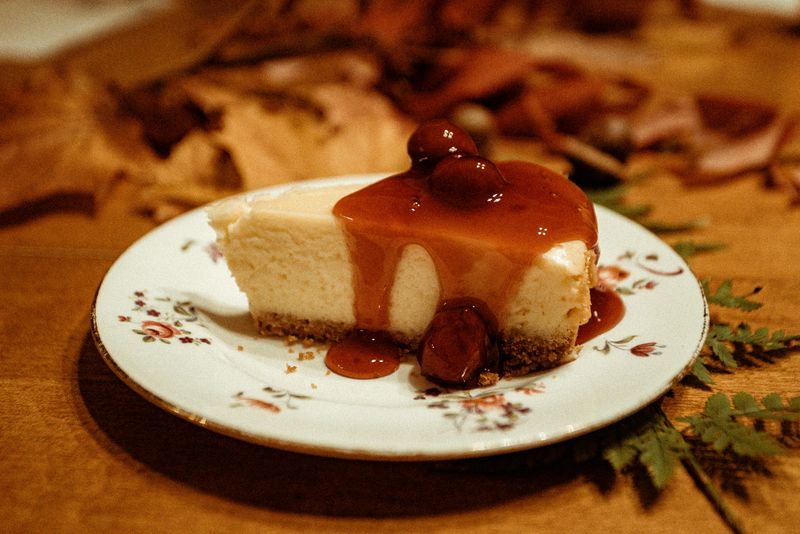
Fresh cheesecake feels plush yet slightly firm. When it squeaks, crumbles chalky, or weeps pools, you are meeting freezer time.
Frosty edges and soggy crust show condensation and long storage.
Drag a fork. The slice should yield smoothly, not break jagged.
If the topping bleeds water while the center tastes icy, that texture mismatch tells the story. Real richness melts into cream, leaving clean lines.
When texture goes grainy then gummy, freshness pretended, not delivered. You want dense silk that warms slowly.
Crust should crunch, not dampen like cardboard. Aroma needs dairy sweetness, never freezer.
Bread pudding
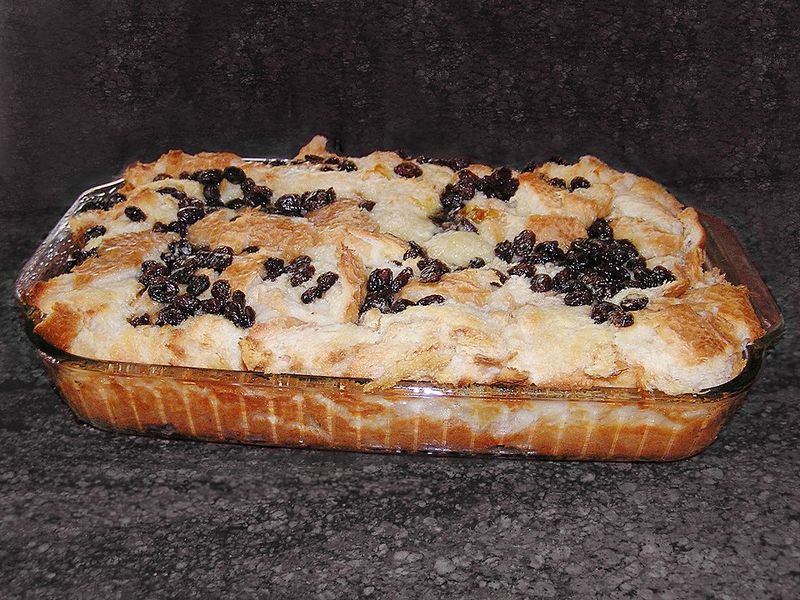
Bread pudding should be custardy with soft edges and crisped tops. When it chews bouncy or leaks watery syrup, it was held too long.
A scorched top with cold middle shouts microwave rescue.
Spoon through layers. You want creamy pull and tender crumbs, not rubbery cubes.
If raisins taste hard while the bread is wet, the batch sat chilled. Real spice blooms warm and silky.
When texture feels like mattress foam, freshness has quietly left your table. Edges should caramelize into delicate chew.
Center must quiver softly, not bounce. Sauce ought to glaze, not flood.
Brownies
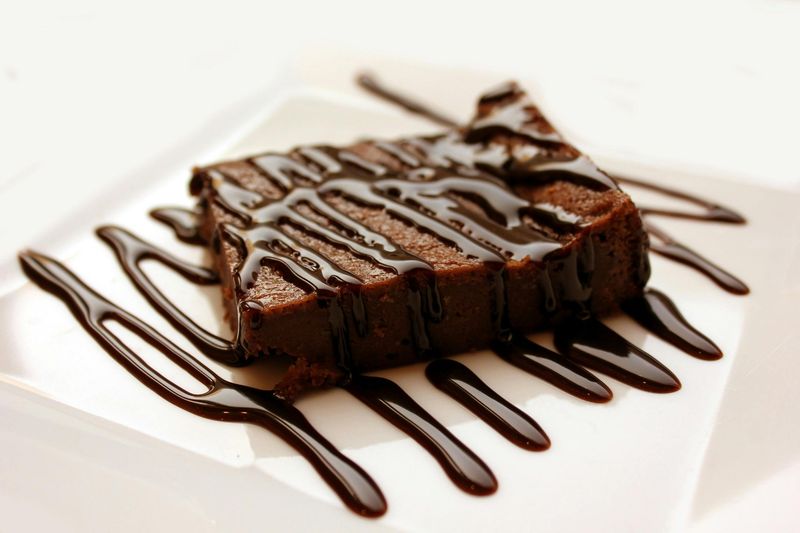
Real brownies set fudgy with a thin, crackly lid. When they crumble dry or chew oddly elastic, that is overbaked trays or fridge-bound days.
Sticky tops that tug like taffy usually mean underbaked squares cooled and reheated.
Press the center. It should dent slightly, then spring back with moisture.
If edges are hard while middles are gummy, they were portioned from a pan long ago. Real chocolate leaves a satin smear, not paste.
When texture tastes like cake and gum combined, freshness played a trick. You want dense chew, not airy crumbles with glossy crumb.
Chocolate cake
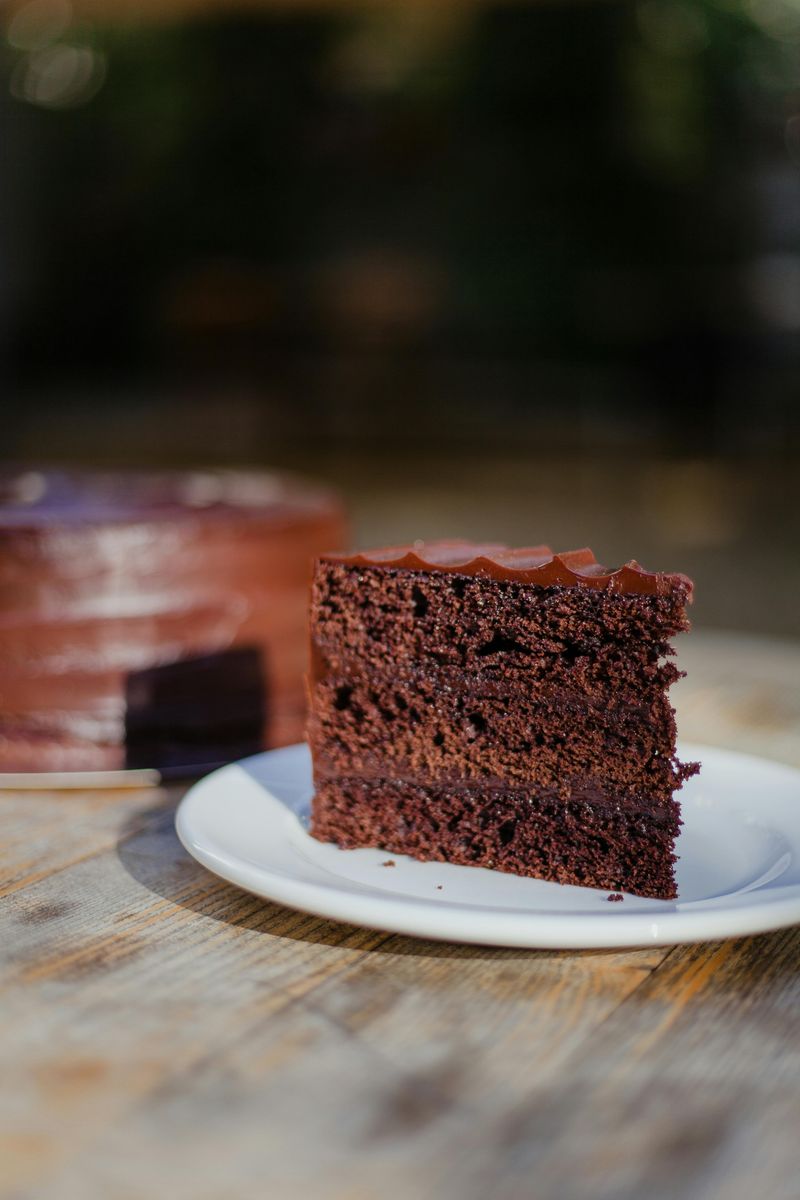
Fresh chocolate cake tastes plush with tender crumbs. When it feels spongy-dry or tacky like bread, it probably sat refrigerated and uncovered.
Frosting that crusts or sweats marks time under lights.
Tap the side. Crumbs should fall softly, not ping off.
If fillings ooze while layers stay stiff, that mismatch signals storage. Real moisture lingers without gumming.
When texture lands squeaky on teeth, your slice is past its prime. You want velvety bite that collapses gently.
Frosting should melt, not peel in sheets. Layers need cohesion from crumbs, not syrup holding them together after forkfuls.
Pancakes
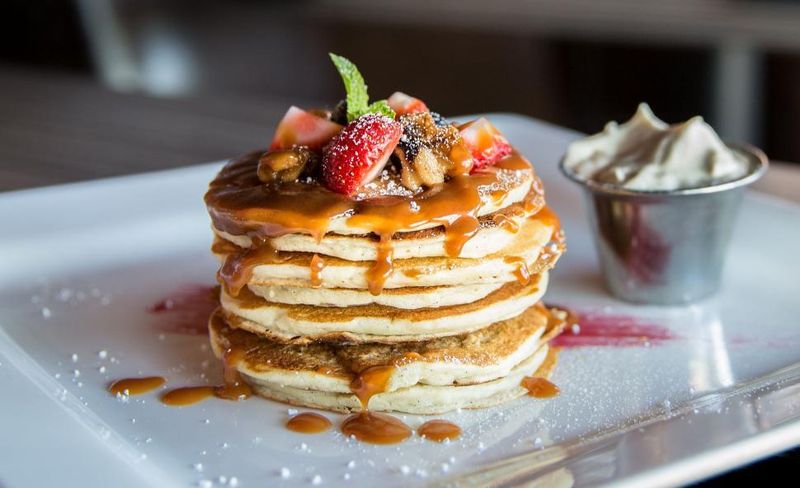
Fresh pancakes are fluffy, tender, and lightly springy. When they chew rubbery or collapse soggy under syrup, you are tasting batter from a jug and a griddle left low.
Pale tops with dry rims hint at sitting stacks.
Peek at the crumb. Tiny holes should be even and moist, not large and gummy.
If butter spreads without melting, they have cooled too long. Real pancakes inhale syrup, then hold shape.
When texture turns squeaky and bready, the freshness act is over. You want cloud-soft centers with tender rims.
Edges should whisper crisp before yielding pleasantly.
Mashed potatoes
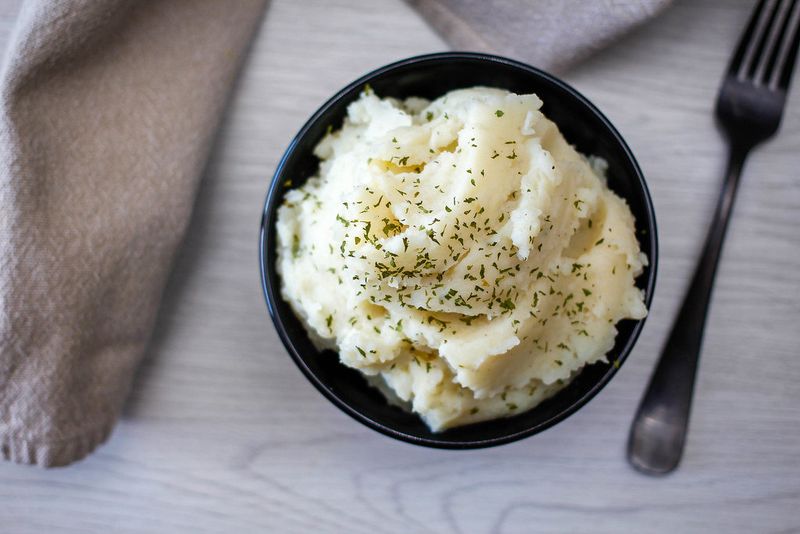
Creamy mashed potatoes should feel fluffy, warm, and lightly airy. When they seem pasty or gluey, that slick, stretchy texture screams instant flakes or overworked starch.
You can spot the tell by a uniform, too smooth surface that holds spoon marks like modeling clay.
If the mash forms a glossy skin or cools into a dense slab, it likely sat in a steam pan too long. Little bursts of potato should remain, not a rubbery wall.
Taste for real butter and salt layering, not artificial tang. When texture fights the fork instead of yielding, freshness is pretending.
Lasagna
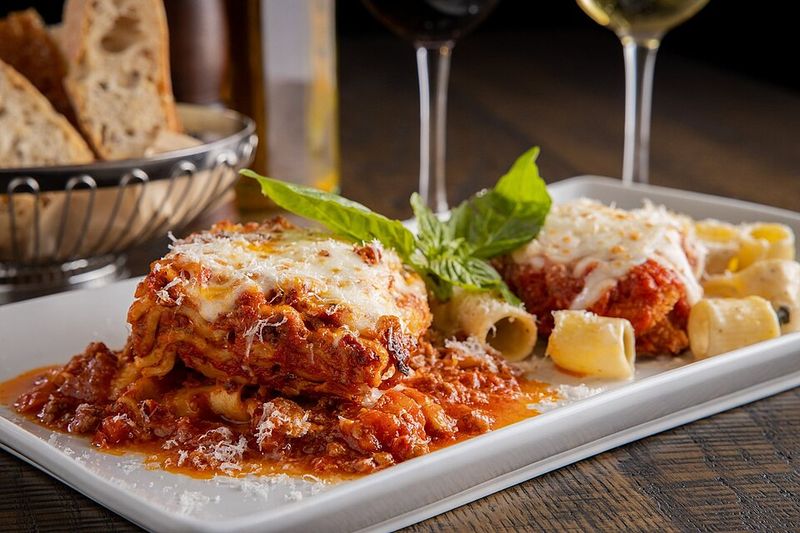
Great lasagna should slice cleanly while staying juicy. When layers slump into a puddle or bounce like rubber, it likely came from a chilled block.
Gummy sheets and separated cheese oil are classic signs of bulk prep and microwave revivals.
Look for soft resistance and distinct layers. If the ricotta looks grainy or watery, someone rushed the reheat.
Real freshness shows in pasta that bites, not snaps. Sauces should mingle rather than weep.
When corners burn but the center steams lukewarm, that texture mismatch tells you everything. You can taste patience in structure and balance.
Caesar salad
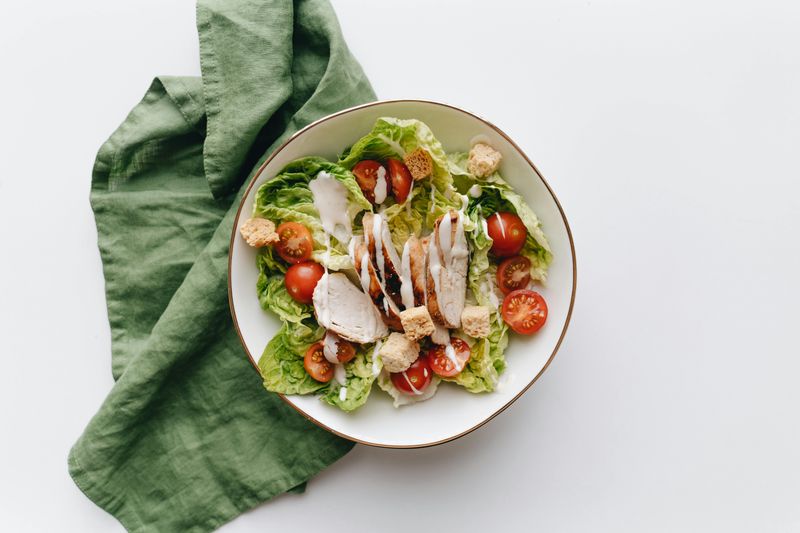
Fresh Caesar hits creamy yet light, clinging to crisp leaves. When romaine bends limp and dressing feels pasty, it has been sitting.
Gritty cheese and soggy croutons point to pre-tossed bowls.
Listen for crunch. Good leaves snap and spring back, not fold.
If dressing breaks into oily streaks, a holding tray separated. Real anchovy bite feels silky, not chalky.
When texture turns slaw-like with wet edges, freshness exited the kitchen. You should feel cool ridges against your tongue.
Croutons need brittle centers that shatter clean. Parmesan ought to melt into creaminess, not sand on contact.