


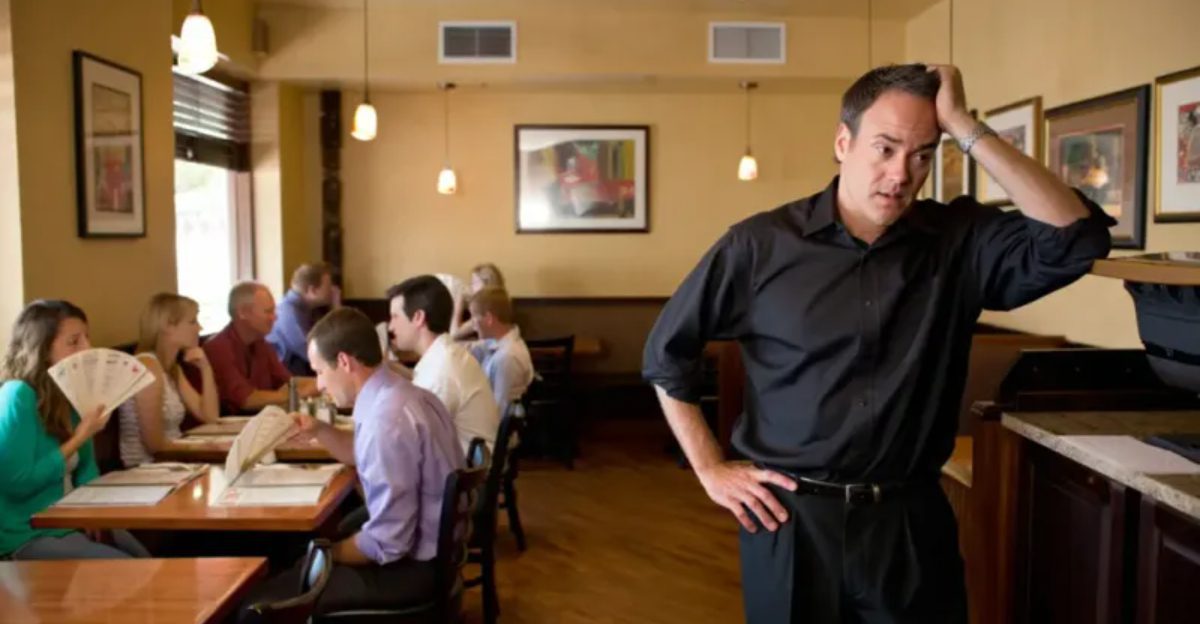
Ever wonder why your server seems stressed even when you feel polite? Tiny habits at the table can snowball into big headaches for restaurant teams. The good news is you can avoid the worst offenders with a few quick mindset shifts. Read on to spot common dining missteps and turn yourself into the guest every server loves seeing walk in.
Snapping fingers

Snapping for attention feels efficient, but it lands like a command. In a busy dining room, servers triage needs by urgency and fairness, not volume or theatrics. A raised hand, friendly eye contact, or a simple excuse me works better and keeps the vibe respectful.
You can help by waiting for a server to pass nearby and signaling calmly. If something is urgent, state it briefly once acknowledged. That small shift preserves dignity for everyone and keeps service flowing smoothly.
Sending food back

Sometimes food arrives wrong or off, and sending it back is fair. The key is tone and timing. Be specific about the issue, concise, and kind, so the team can fix it fast without derailing other tables.
Try a clear explanation like the steak is medium instead of medium rare. Avoid dramatic declarations or threats. Kitchens want to make things right, but repeated returns or vague complaints waste time and product, compounding stress during a rush.
Asking for substitutions

Substitutions seem simple until they ripple through prep, cook times, and plating. One change can alter station workflow and throw off timing for your whole table. Ask what the kitchen recommends rather than designing a new dish on the fly.
Servers often know which swaps are easy and which are disasters. If the menu says no substitutions, it likely protects consistency and speed. When flexible, keep requests minimal and clear, and expect longer waits or extra charges.
Splitting bills

Splitting checks is common, but complex splits can stall a section. Different cards, custom item divisions, and last second changes clog the POS and hold up the next table. Decide splits early and keep them simple.
Tell the server who is together and who is separate before ordering. If you want even splits, say so up front. Fewer adjustments mean faster closing and fewer mistakes, which helps everyone leave happy.
No tipping

In many places, tipping covers a significant chunk of income. Skipping it, especially after heavy service, stings and impacts morale. If service fell short, leaving a smaller tip with polite feedback is more constructive than leaving nothing.
Know regional norms and factor them into your budget before dining out. If the restaurant includes service, read the receipt carefully. Transparency and fairness keep hospitality sustainable for the people serving you.
Ignoring menu
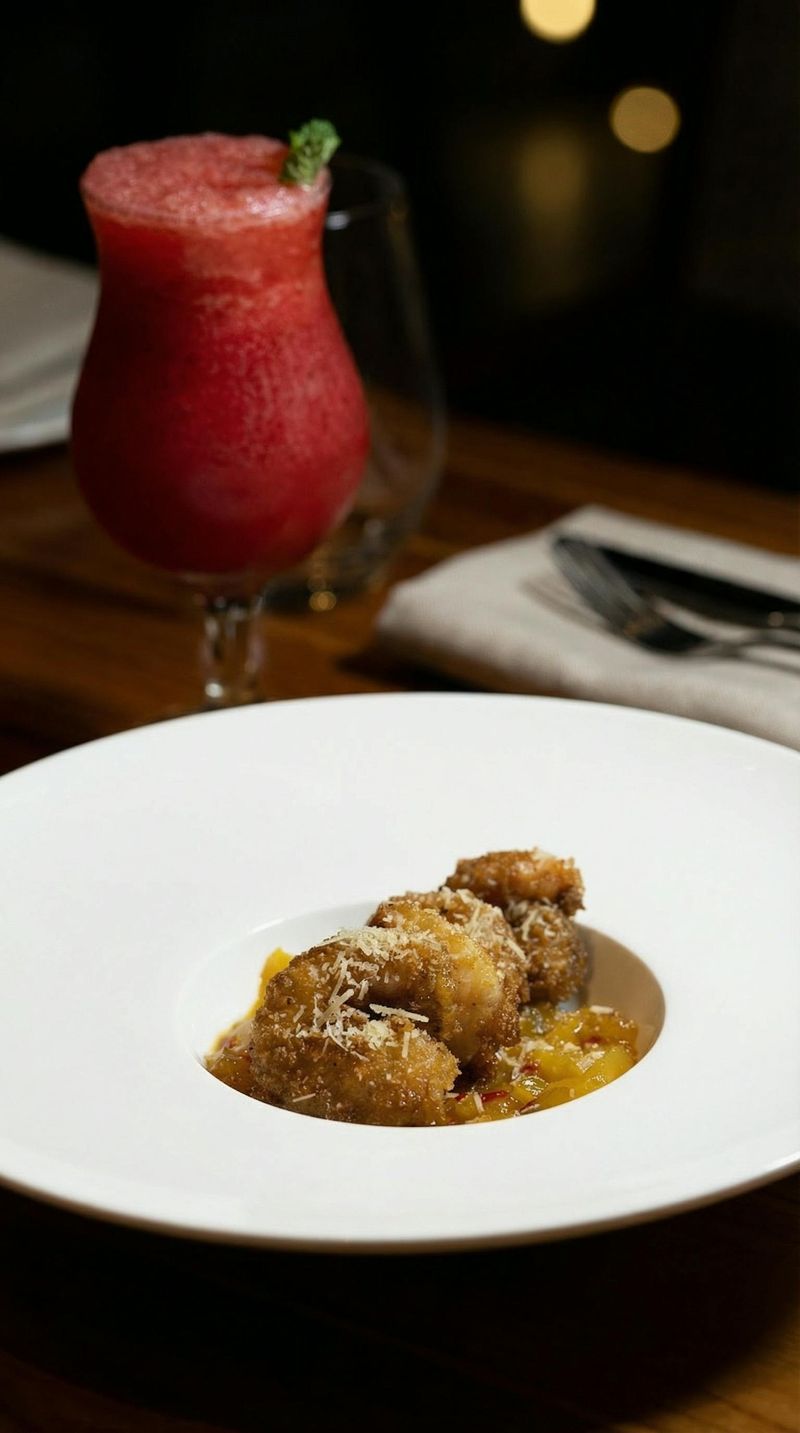
The menu is a map of what the kitchen can execute well tonight. Asking for off menu creations complicates prep, timing, and inventory. Stick to listed items or daily features unless a server suggests otherwise.
If you have dietary needs, describe them and ask for guidance rather than inventing a dish. Staff can steer you to safe choices that still taste great. Respecting the menu keeps service smooth and consistent.
Changing orders
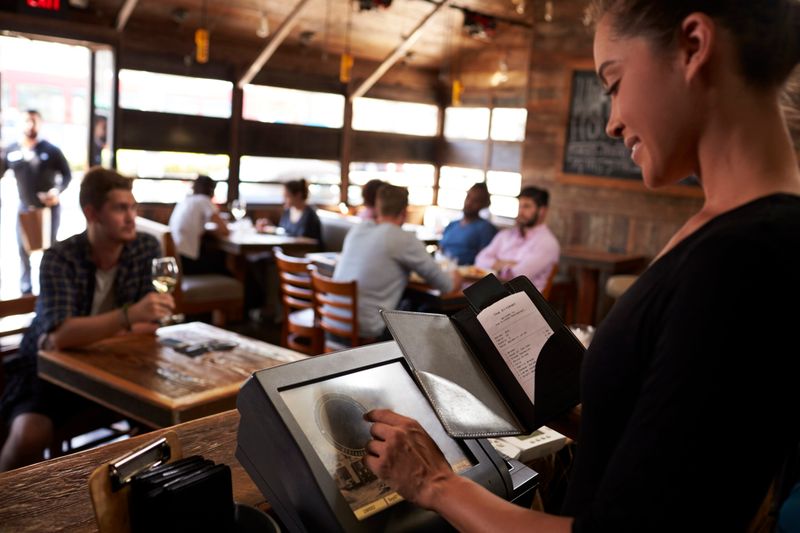
Mid stream changes ripple through every station. A cook may already be firing your dish when the update hits. That means wasted product and lost time, which can delay your whole table and neighboring ones.
Double check your order before finalizing and ask clarifying questions early. If a change is essential, accept possible delays or limited options. Thoughtful ordering helps the kitchen stay precise and minimizes chaos.
Arriving late
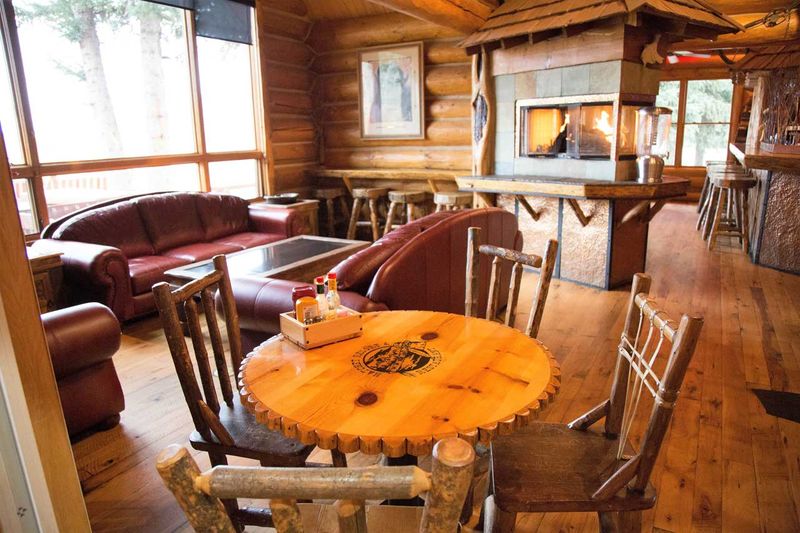
Late arrivals jam reservation flow and cause awkward gaps. The restaurant may hold a table that could have been sat, losing precious turns. Call ahead if delayed so the host can adjust and keep the floor balanced.
If you show significantly late, expect a wait or a shortened stay. Courtesy helps everyone, including your own experience. Timeliness is a quiet superpower in busy dining rooms.
Large groups
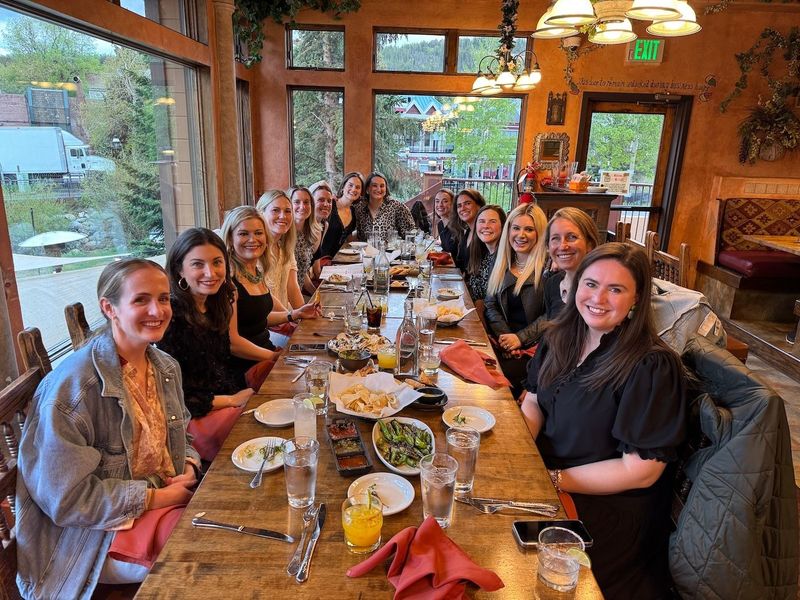
Big parties are fun but logistically intense. Coordinating courses, timing drinks, and handling separate preferences strains the line and the floor. Preordering or choosing set menus reduces delays and disappointment.
Arrive together, communicate seating needs, and appoint one point person. Pay with fewer cards if possible. Small planning moves transform chaos into celebration and keep service humming.
Kids running
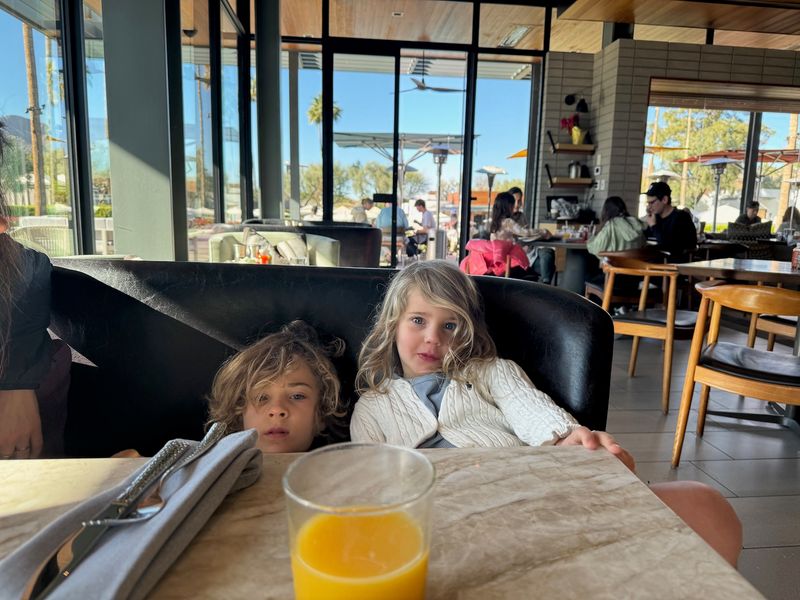
Restaurants are full of hot plates, sharp corners, and fast moving staff. Kids darting through aisles turn routine service into safety hazards. Keeping little ones seated protects them and helps servers do their jobs without near spills.
Bring quiet activities, order kid friendly items quickly, and take short walks outside if energy spikes. Staff appreciate proactive parents, and your meal will feel calmer. Safety first keeps everyone smiling.
Phone calls

Loud calls cut through the dining room like an alarm. They force servers to pause and neighbors to overhear details no one wants. Step outside or keep it brief and quiet to respect the shared space.
If a call arrives mid order, ask the server for a moment and mute promptly. Clear communication prevents mistakes and keeps service moving. Silence truly is golden at the table.
Messy tables

Exploding napkins and wrappers bury plates and block refills. Servers spend extra time excavating surfaces instead of serving your food hot. A quick tidy pile helps clearing go faster and keeps accidents down.
Use condiments neatly and flag spills early so they can be handled safely. Consider stacking plates lightly if the restaurant is casual and the server seems comfortable with it. Small courtesies create big efficiency.
Asking for freebies

Free extras are not standard and often come from tight margins. Hinting or pressuring puts staff in an uncomfortable spot. If something complimentary appears, it is a gesture, not a guarantee you can request again.
Celebrate hospitality when offered and show appreciation with a tip or kind review. Otherwise, order what you want within budget. Clear expectations keep interactions friendly and fair.
Long conversations
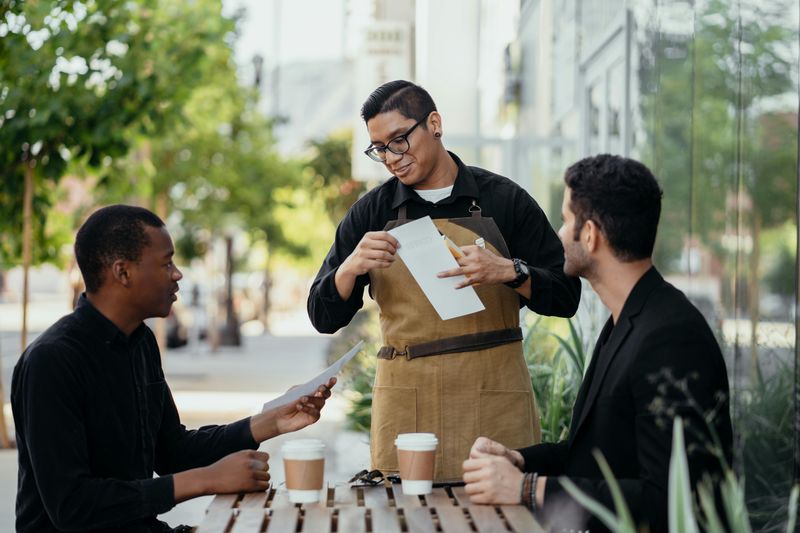
Friendly chats can be lovely, but timing matters. During a rush, long conversations delay refills, hot food, and other guests’ needs. Read cues like quick steps or brief replies, then keep it warm yet concise.
Save deeper conversation for slower moments or after the main push. A short thank you goes a long way. Servers want to connect without sacrificing service quality.
Camping tables

Lingering after paying can be cozy, but table time is a restaurant’s lifeblood. Camping during peak hours blocks new guests and reduces tips tied to turns. If you want to hang out, ask if the bar or lounge is open.
Alternatively, order another round or dessert to justify the seat. Better yet, visit during off peak times for long chats. Awareness keeps the business healthy and staff grateful.
No reservations
Showing up without a booking on a busy night puts pressure on the host and your patience. A quick call or online reservation helps the team plan staffing and reduces long waits. Flexibility with time also helps.
If walk in only, arrive early and expect a waitlist. Be kind to the host, who is juggling priorities. Preparation usually equals better seats and smoother service.
Custom drinks

Highly customized drinks slow the bar and the floor. Specialty syrups, unusual ratios, and extra steps add minutes during a rush. Ask what is quick and similar to your taste instead of writing a new recipe.
House cocktails exist for speed and balance. If you need modifications, keep them simple and accept possible delays. Clear, narrow preferences make everyone’s night easier.
Special requests
Legitimate needs like allergies deserve meticulous handling. Clear, early communication keeps you safe and gives the kitchen time to adapt. Vague or exaggerated requests erode trust and slow the line.
State the reason and the must avoid items plainly. Ask for recommendations rather than dictating an overhaul. Gratitude for the extra effort goes a long way with the team protecting your health.
Diet confusion

Diet terms carry specific meanings for kitchens. Mixing up vegan with dairy free or gluten free with low carb can cause errors and frustration. Say what you avoid and what you prefer instead of broad labels.
Servers can guide you to safe dishes when your needs are clear. Precision speeds ordering and prevents needless returns. Honesty and clarity keep everyone satisfied.
Last minute orders
Adding items after the fire times are set scrambles coordination. A single late appetizer can delay entrees for the entire table. Decide on sides and extras early or accept a separate arrival time.
If you forgot something, ask whether it can come later without pausing the rest. Respecting the rhythm keeps meals hot and pacing smooth. Planning ahead saves headaches for everyone.
Complaining loudly
Raising your voice spreads stress across the room. It embarrasses your table and puts staff on the defensive, making solutions harder. Quiet, direct communication gets problems fixed faster and preserves the mood for everyone nearby.
Ask to speak with a manager if needed, and state the issue calmly and specifically. Most restaurants want to make it right. Volume rarely helps and often escalates small hiccups into big scenes.
Staying past closing

When the lights dim and chairs start flipping, staff are on the clock to reset and go home. Staying late forces overtime and delays clean up tasks. If you need a few minutes, ask and keep it brief.
Pay promptly, finish up, and thank the team for their work. Returning during earlier hours is the best way to linger. Respect for closing time preserves goodwill.