


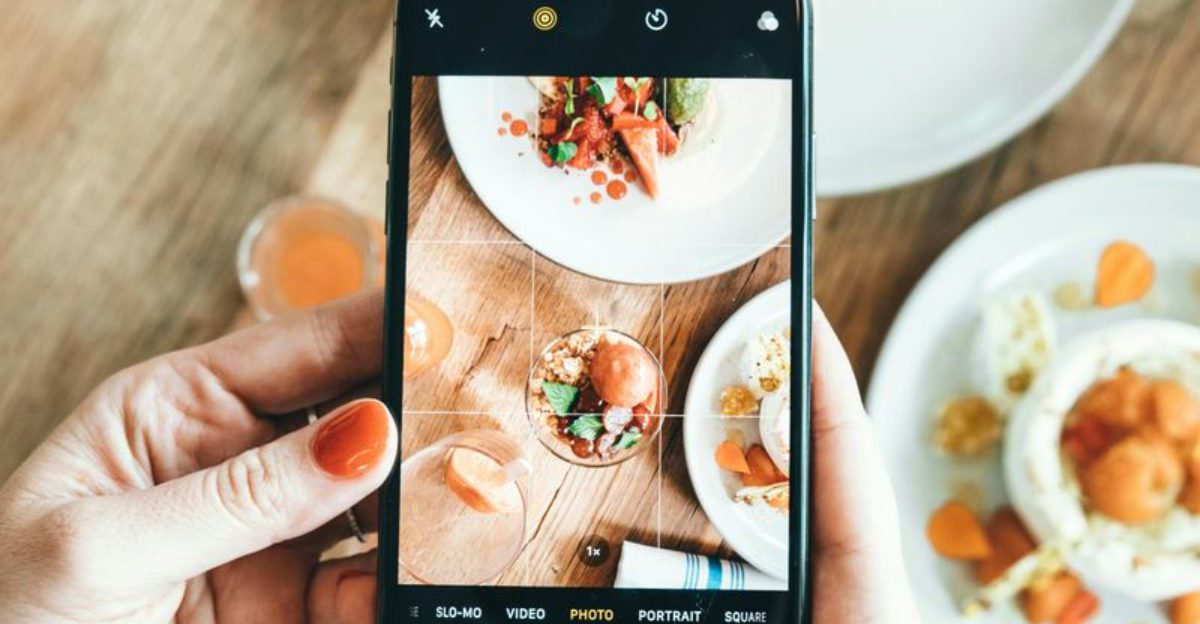
We have all sat near that table that turns a nice night out into a headache. Sometimes, without realizing it, you might be that table.
These habits seem small, but they snowball into long waits, frazzled staff, and frustrated guests around you. If you want better service and a smoother night, start by ditching these common mistakes.
Demanding discounts
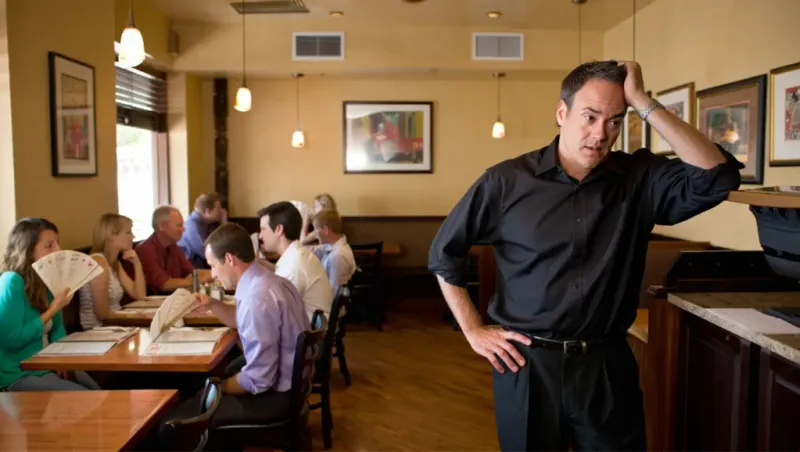
Insisting on discounts for tiny inconveniences looks performative. True problems deserve fixes, but nitpicking chips away at goodwill.
Managers remember gracious guests and take care of them when it counts.
Report issues calmly and propose fair solutions. Sometimes a quick remake matters more than money.
If a discount is appropriate, they will offer it. Your job is to be honest and reasonable, not to haggle every line item.
That approach earns better results long term.
Phone on speaker

Speakerphone turns your private call into the whole room’s problem. Restaurants have echoes, clinking glassware, and background music, so your voice ends up carrying twice as far.
It derails conversations at neighboring tables and distracts staff trying to take orders.
If you must take a call, step outside or keep it short and quiet. Better yet, text and follow up later.
You came to enjoy a meal, not run an open office. Respect the shared space and you will notice people relax around you, including your server.
Interrupting server
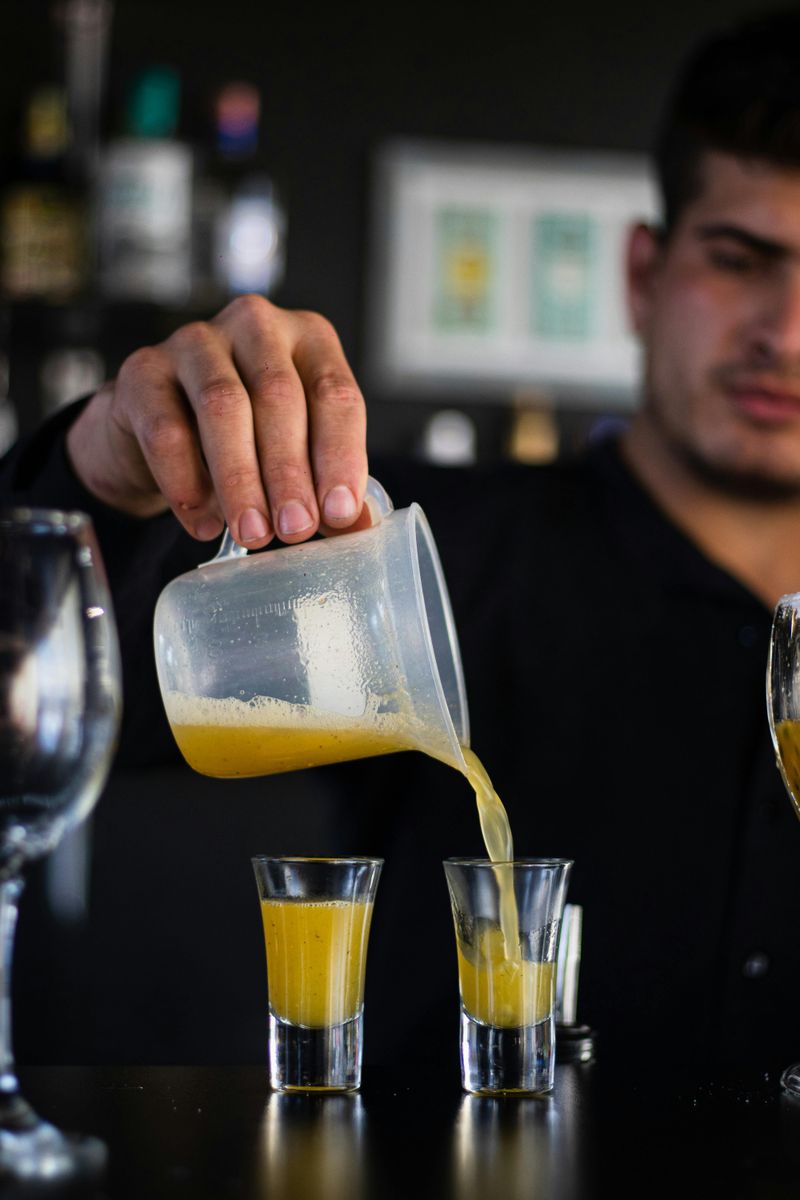
Interrupting breaks the flow of service and causes mistakes. Servers follow a sequence to explain specials, take drinks, and enter orders correctly.
Cutting in with a barrage of questions derails that rhythm and often leads to missing items or wrong timing.
Let them finish, then ask your questions. You will get better answers and better food.
If you need something urgent, say a quick sorry to jump in, then be concise. Mutual patience keeps orders accurate and the kitchen running smoothly for everyone, including you.
Changing orders
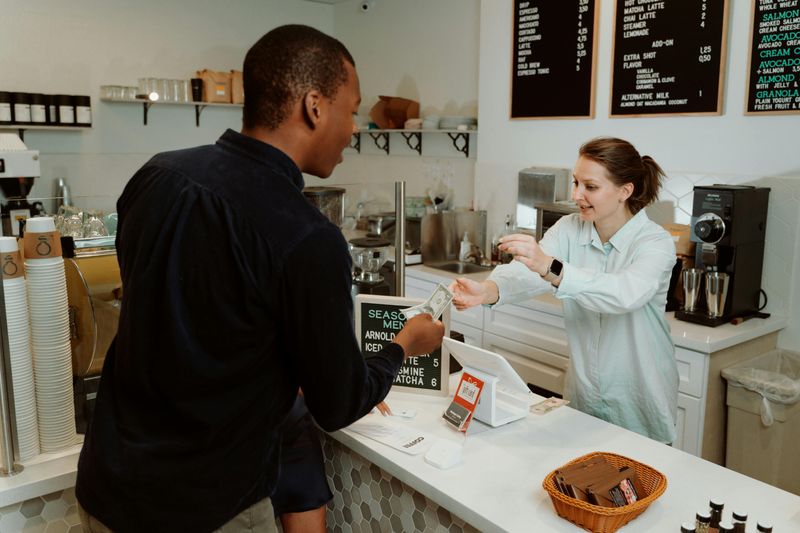
Constantly editing your order after it hits the kitchen creates waste and confusion. Cooks batch tickets and prep components in sequence, so last minute changes mean remakes and longer waits for all.
It can also risk cross contamination if plates are swapped hurriedly.
Ask your questions up front, confirm modifications once, and stick to it. If you truly need a change, accept extra time or a small fee.
Being decisive shows respect for the process and keeps the meal moving. Everyone wins when the ticket stays clean.
Sending food back
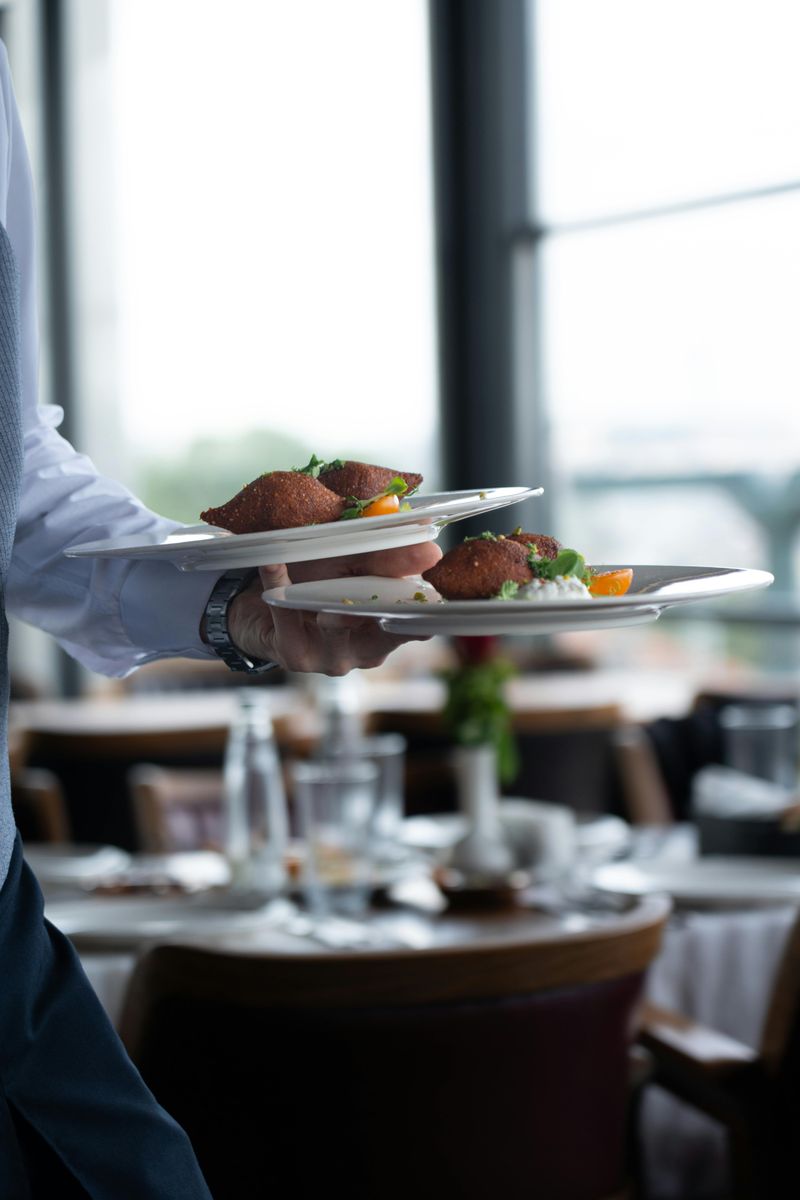
Sometimes a dish really is wrong, and sending it back is fair. But vague complaints like not what I imagined after eating half read as buyer’s remorse.
That puts the server in a bind and the kitchen on defense.
Be specific and prompt: undercooked, allergy concern, missing item. Give the staff a chance to fix it before it sits.
Keep your tone calm and appreciative. Most places will make it right quickly if you are straightforward.
Avoid fishing for freebies, and you will get better results and goodwill.
Arguing about price
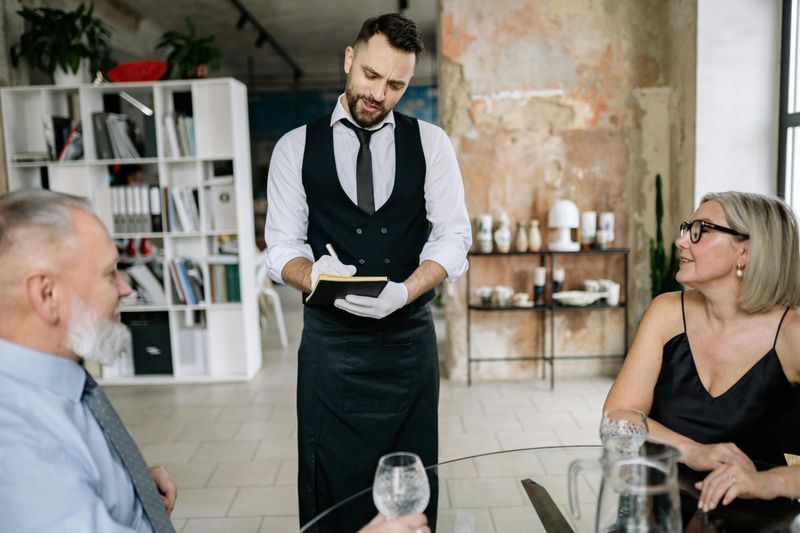
Debating prices after you ordered puts everyone in a tough spot. Menus and specials list costs, and the server does not control them.
Loud arguments stall the room and embarrass your group.
If something seems off, ask calmly for clarification before ordering or when the bill arrives. Focus on discrepancies, not opinions.
Managers will fix genuine errors fast, but they cannot haggle like a street market. Respect the posted price, tip fairly, and budget beforehand.
You will save time, pride, and relationships at the table.
Asking for freebies
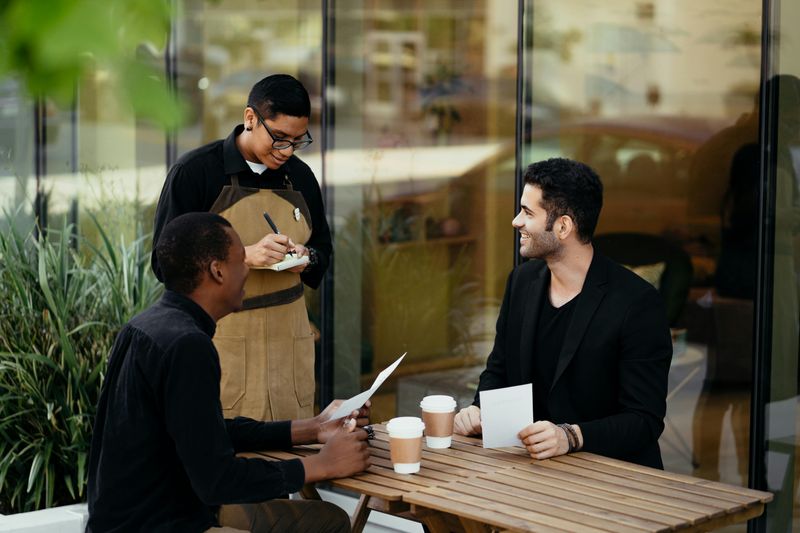
Fishing for something on the house makes you look opportunistic. If it is a real birthday, great, but do not pressure staff with hints or guilt.
Freebies are at management’s discretion, not a right granted by charm or complaints.
Compliment what you love, leave a kind review, and become a regular. Those gestures often lead to surprise treats organically.
When you expect them, the vibe turns sour. Pay for what you ordered, and any extra feels genuinely special rather than awkward.
No tipping
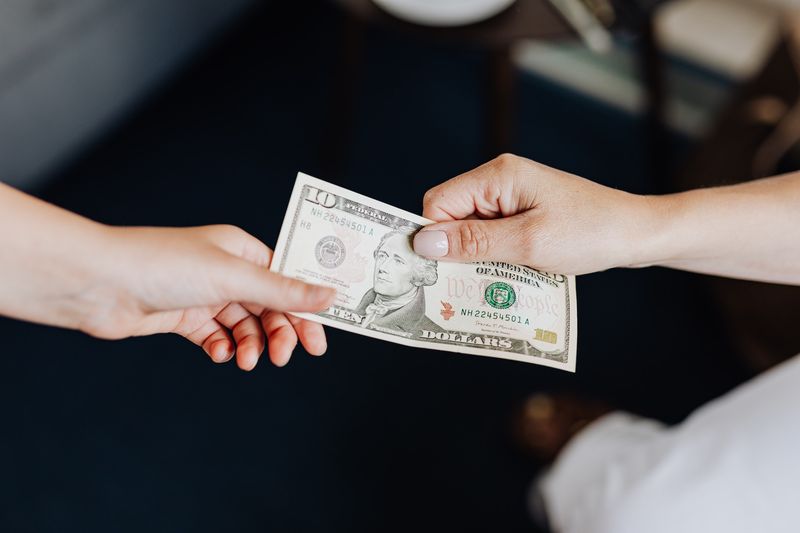
In many places, servers depend on tips to make a living wage. Leaving nothing, or a performative note, stings more than you realize.
It impacts morale and the service for the next guests, too.
If service was truly poor, speak to a manager and tip modestly rather than zero. Otherwise, tip the standard for your area.
If tipping culture is not your thing, choose restaurants that include service charges. You still benefit from their work, so acknowledge it fairly.
Snapping fingers
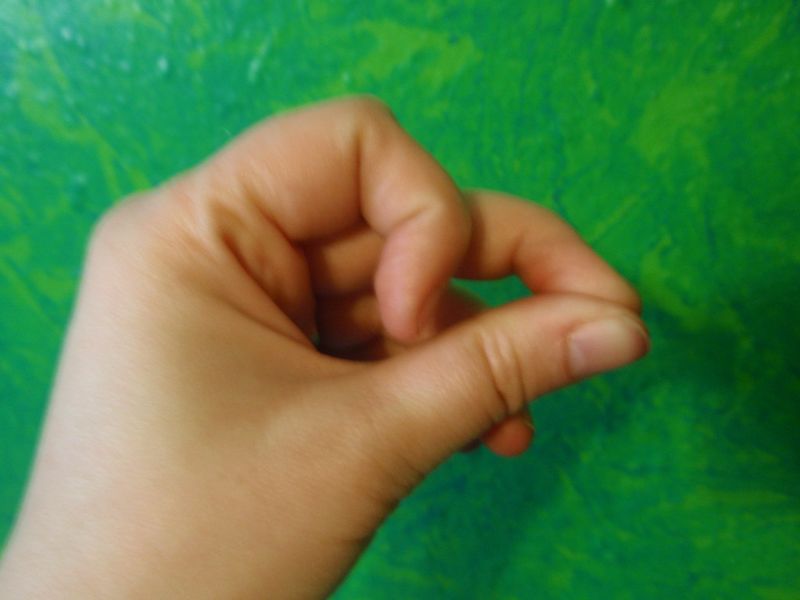
Snapping to get attention reads as dismissive, even if you do not mean it that way. Servers are juggling tables, hot plates, and timing, so trust the system and make eye contact.
A raised hand and a polite smile go farther than a sharp sound.
This habit makes the room tense, because everyone hears it. You look impatient and entitled, which usually slows help rather than speeding it up.
If you are truly being missed, quietly say excuse me when the server passes, or ask the host for help.
Fake allergies

Claiming an allergy to remove onions and then eating onion rings later breaks trust. Kitchens take allergens seriously with separate tools and steps.
When false alarms happen, staff become wary, and genuine needs may face skepticism.
If something is a preference, say so clearly. Most places can accommodate dislikes without the emergency protocol.
Reserve allergy flags for medical issues only. You will get better outcomes and help keep the system safe for people who truly need it.
Camping tables
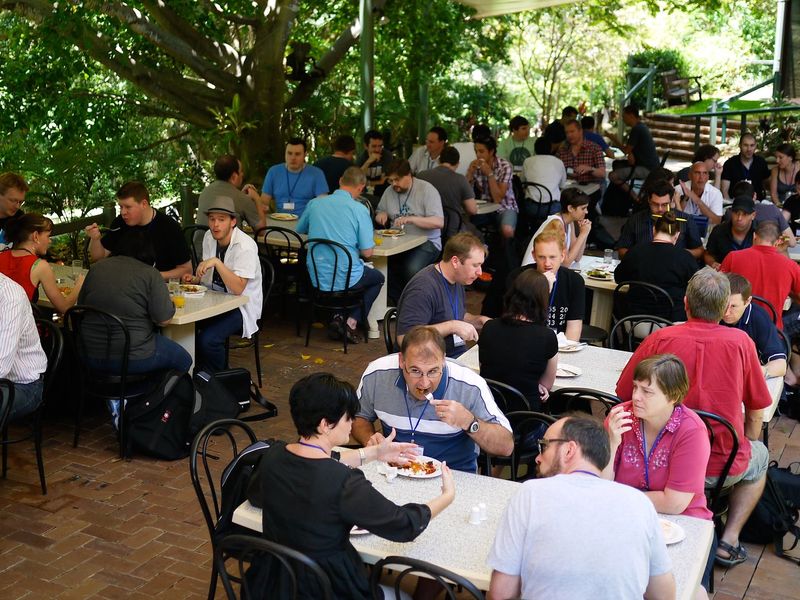
Hanging out forever after paying blocks the next guests and throttles the server’s section. Turn times keep the whole place healthy.
Linger a bit, sure, but read the room when a waitlist forms.
If you want a long chat, move to the bar or stroll outside. You will free the table and still enjoy your night.
The server can reset faster, which translates into better service all around. Gratitude is not just a tip, it is also time awareness.
Arriving late
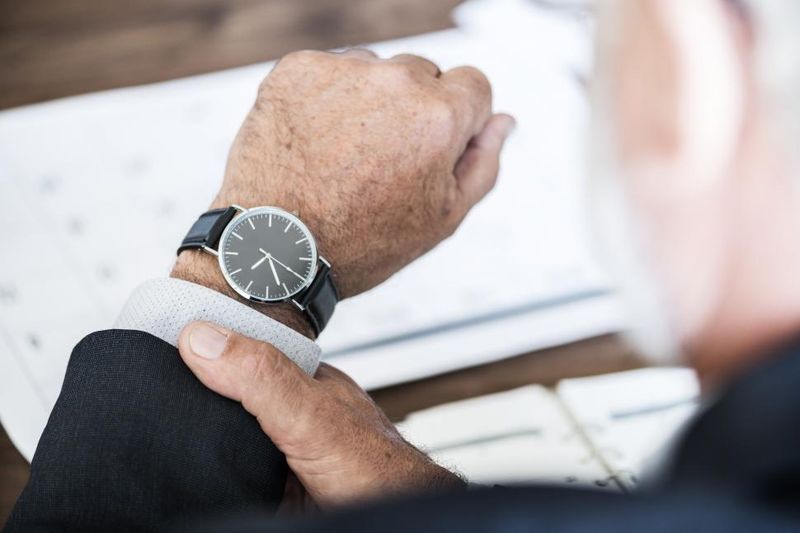
Showing up very late hijacks the schedule. The table sits empty while the line grows, and the kitchen tempo gets thrown off.
Calling last minute does not erase the ripple effect, especially on busy nights.
If you are running behind, call early and ask about options. Be prepared to wait or accept a smaller window.
Respecting the reservation helps everyone eat on time. Your future bookings will be treated kindly when you treat theirs with care.
Seat swapping
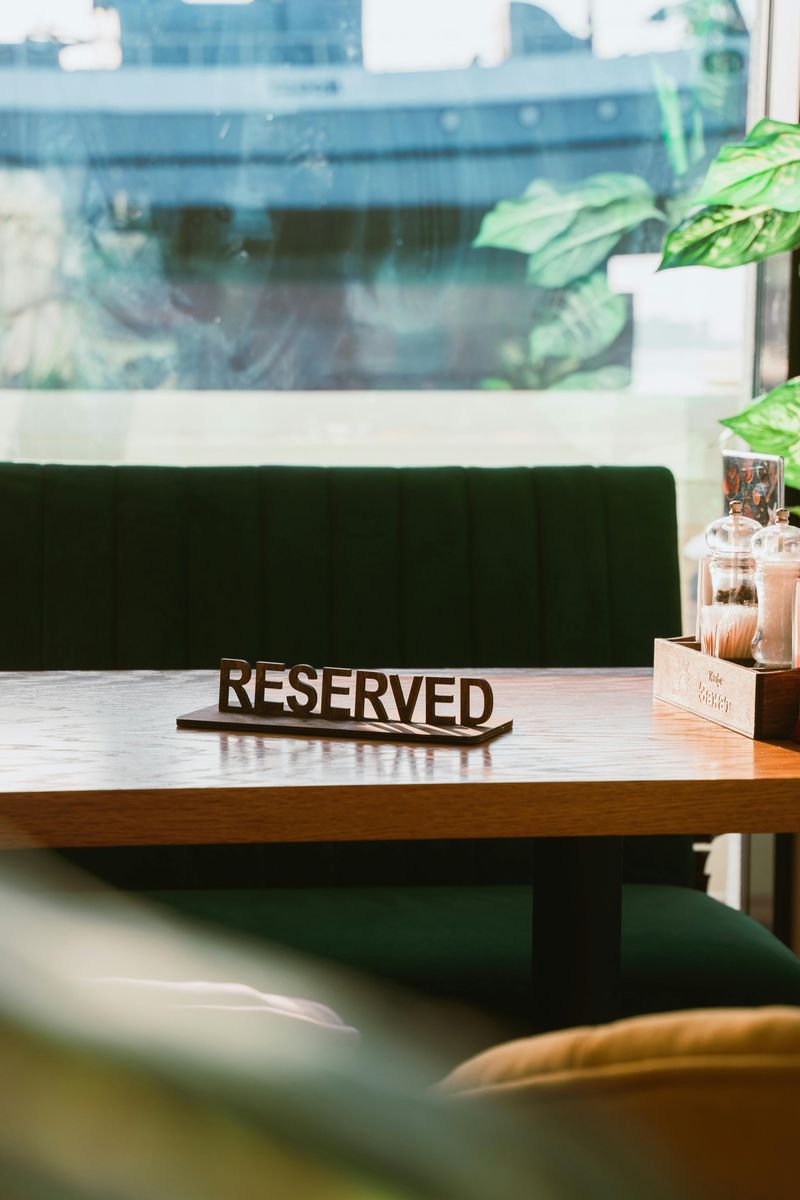
Switching seats after ordering may look harmless, but it scrambles the system. Servers deliver plates by seat number and timing.
Musical chairs leads to wrong dishes, cold food, and extra trips.
If you need to move, do it before placing orders. Tell your server so they can update the layout.
For large groups, stick with seats through entrees. You will get the right food faster and with fewer interruptions.
Consistency keeps the night smooth for everyone.
Kids running
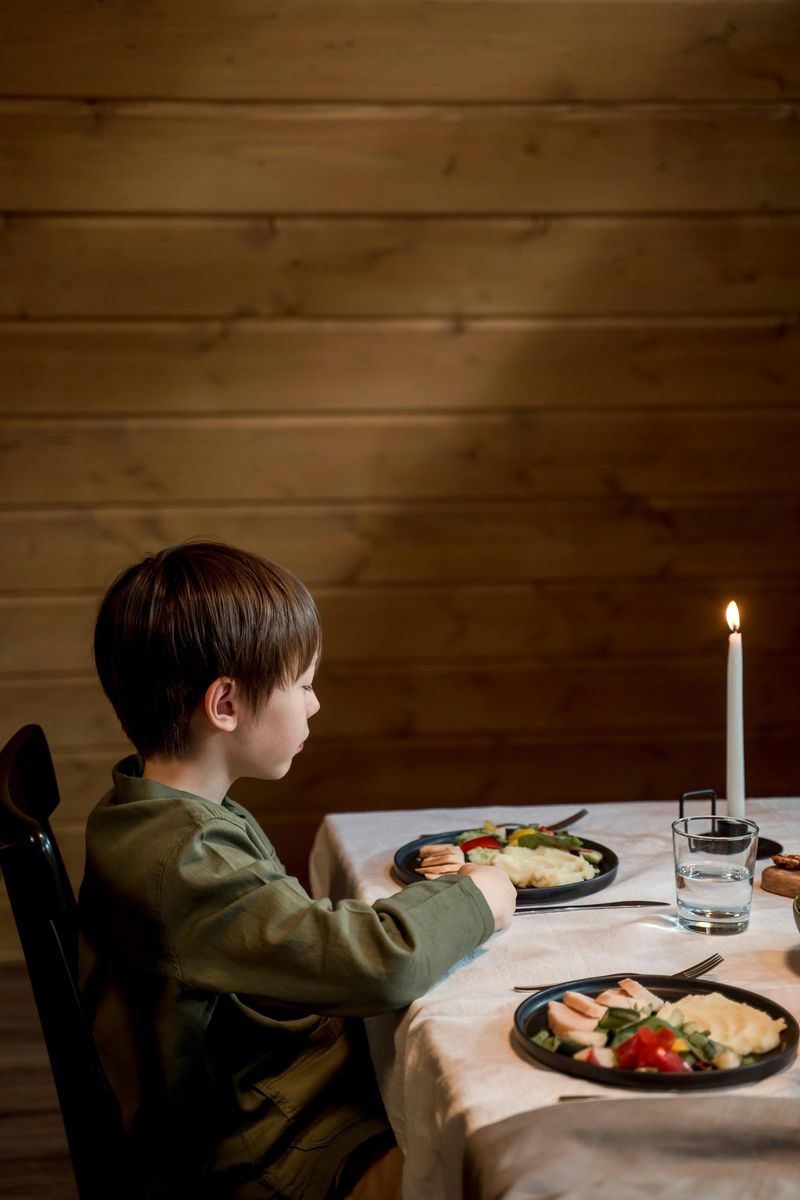
Kids need space, but dining rooms are not playgrounds. Servers carry heavy trays and hot liquids that can spill if someone darts underfoot.
A fall hurts more than feelings, and nobody wants that.
Bring quiet activities and set clear expectations. A short walk outside can reset energy better than laps indoors.
Staff will appreciate your effort, and other guests will relax. You will actually enjoy your meal more when the table stays calm and safe.
Messy table
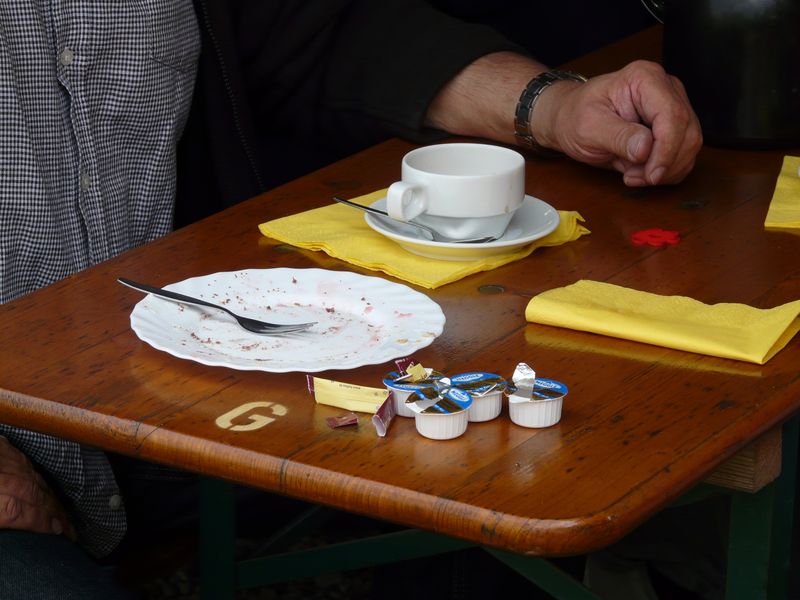
Exploding napkins and shredded sugar packets make it hard for servers to land new plates. Sticky spills ruin sleeves and menus.
It feels chaotic for everyone at the table, including you.
Stack tidy trash on a plate edge, use napkins with intention, and let the server clear midcourse when offered. Ask for an extra side plate if needed.
A little order helps keep service moving and your dining space pleasant. You will notice calmer energy and fewer accidents.
Overordering
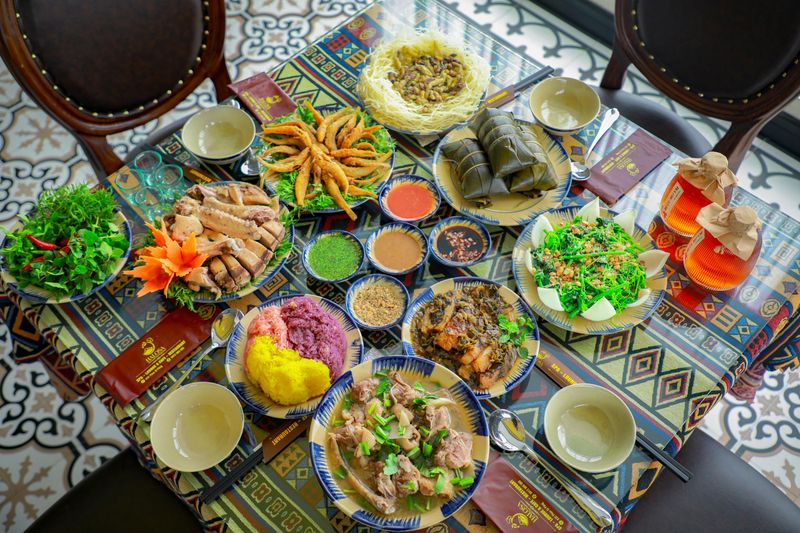
Eyes bigger than stomachs leads to waste and clutter. The server cannot stage courses if every appetizer and entree arrives at once.
Dishes cool, flavors blur, and the table feels cramped.
Ask about pacing and portion sizes. Start modestly and add more if you are still hungry.
Chefs design menus to balance richness and texture, so let them guide you. You will save money and enjoy the food at its peak instead of forcing leftovers that nobody wants.
Underordering
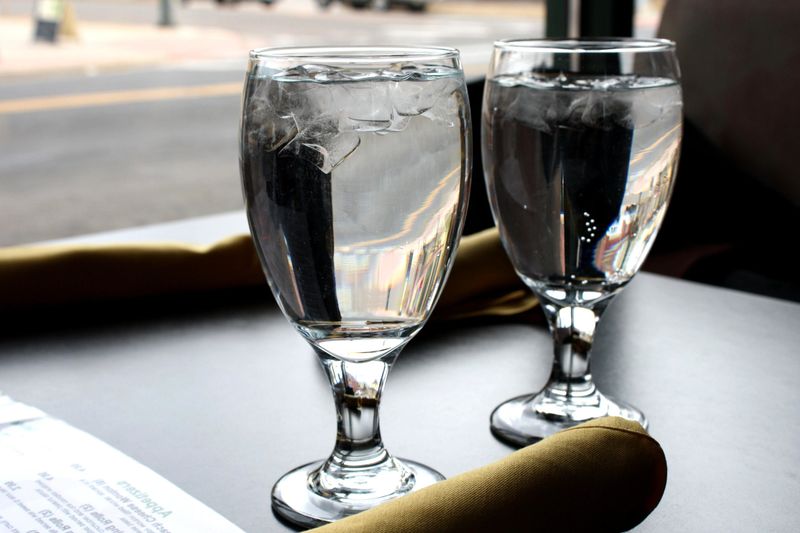
Nursing one appetizer for two hours ties up a table and the server’s income. It is fine to snack lightly, but be mindful of the space you are using.
Restaurants rely on a balance of orders and time.
If you are here mainly to chat, consider the bar or a cafe. Otherwise, order modestly but fairly for your group size.
You will feel more welcome, and service will stay attentive because the section is healthy for the staff working it.
Splitting bills

Splitting is common, but chaos starts when the plan appears after dessert. Servers then rebuild the whole check while other tables wait.
Mistakes happen under pressure, and tempers flare.
Decide early: even split, per item, or use payment apps. Tell the server before ordering if you need separate checks.
Keep your math clean and cards ready. A little prep saves everyone time and keeps the end of the night friendly.
You will walk out smiling instead of crunching numbers for twenty minutes.
Last minute orders
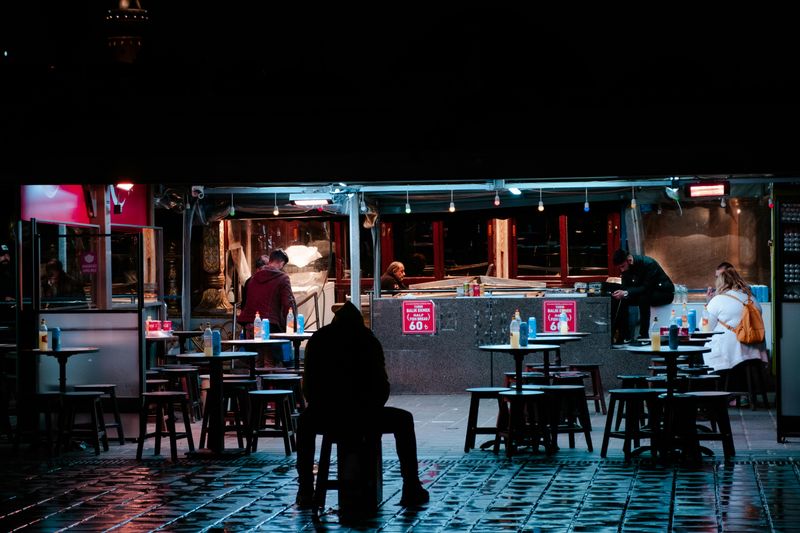
Adding a round of hot food when the check drops backs up a closing kitchen. Cooks have already started shutdown, and reopening stations delays everyone.
It also confuses inventory and tips out times.
If you want more, decide before dessert or ask about the final call. Respect the posted kitchen hours.
You will get fresher food and happier service when timing aligns with the flow. Late add ons rarely taste as good anyway.
Outside food
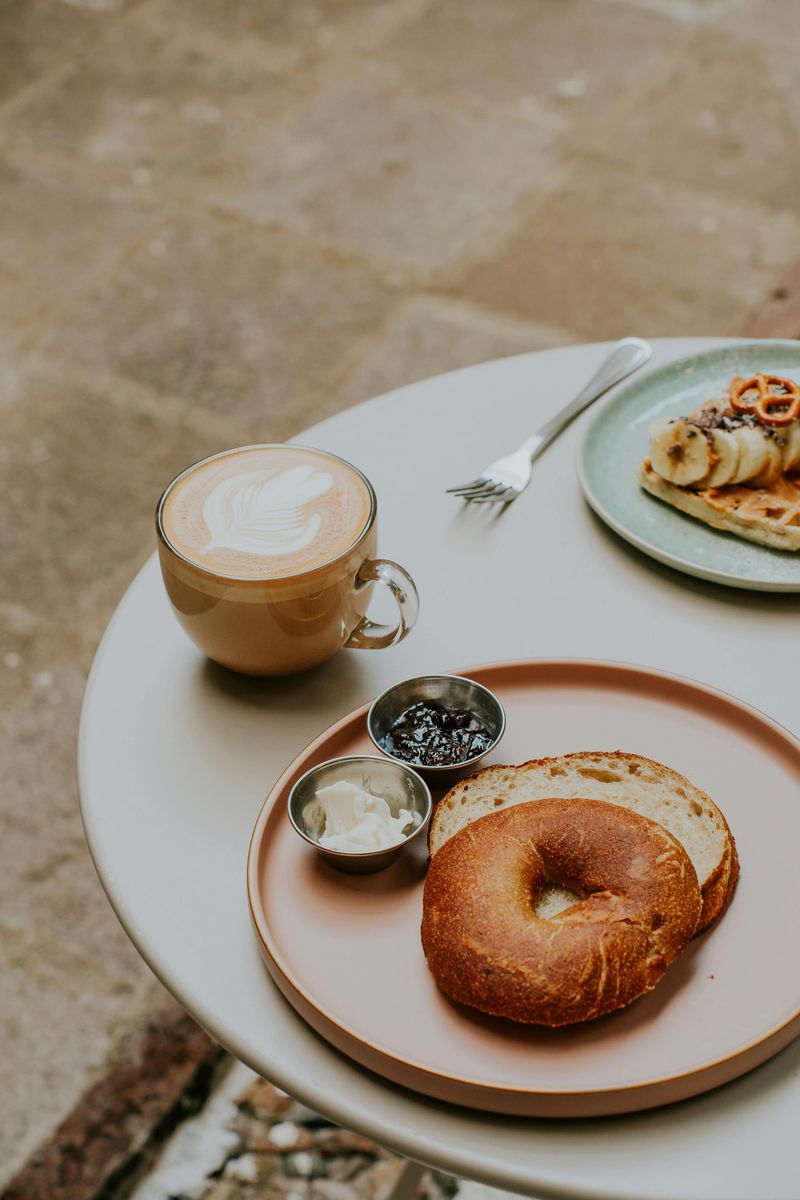
Bringing in outside food undermines the business you are visiting. It raises health code questions and clutters the table with containers.
Other guests notice and wonder about the rules, putting staff in a tough spot.
If you have dietary needs, call ahead to discuss options. Most places can accommodate with simple swaps.
For special cakes, ask about plating fees. Clear communication keeps policies intact and the experience pleasant for everyone.
Talking loud

Restaurants buzz, but shouting turns a buzz into a roar. Your table might feel fun, yet the next table can barely hear each other.
Staff then struggle to take orders, and mistakes rise.
Match the room’s volume. If you need to vent or celebrate, consider a private room or patio.
Use inside voices, even after the second cocktail. You will still have a great time without drowning out the entire restaurant.
Courtesy sounds better than volume every time.
Filming food
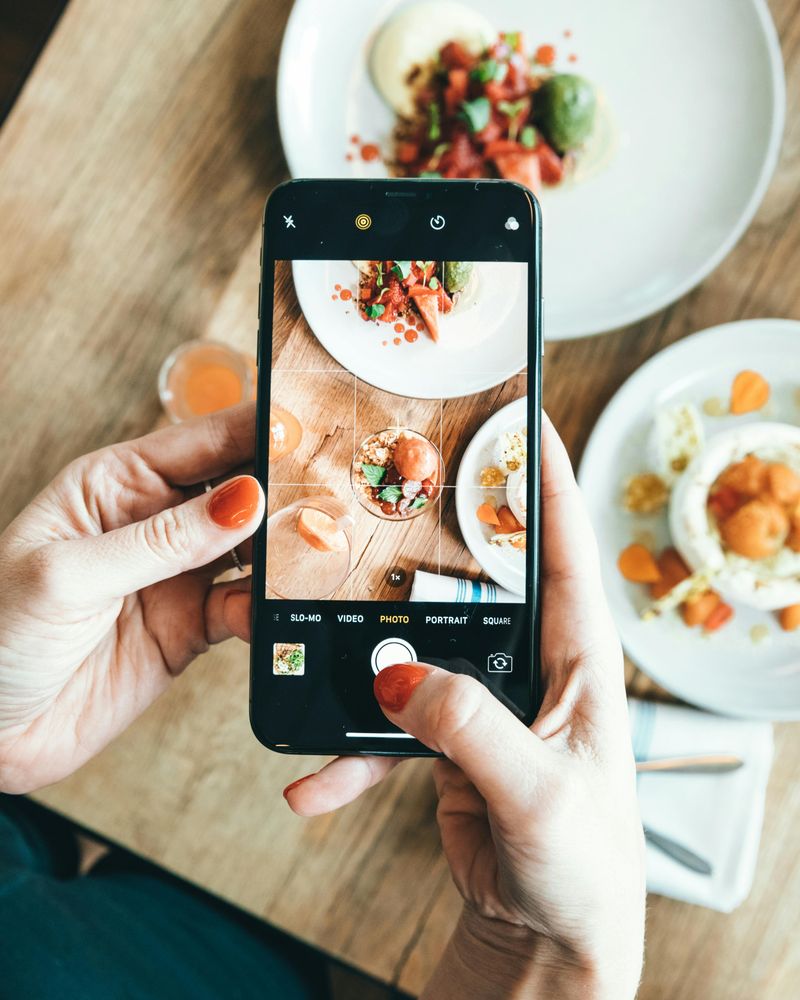
Snapping a quick photo is normal, but turning dinner into a video shoot frustrates everyone. Bright lights blind nearby tables and stall the food while it cools.
Servers cannot set down plates if you are hovering for the perfect angle.
Take two fast shots without flash, then eat. If you need more content, ask the server when it is least disruptive.
You can still share your experience without turning the room into a studio. The best posts show warm vibes, not chaos and melted desserts that waited too long.