


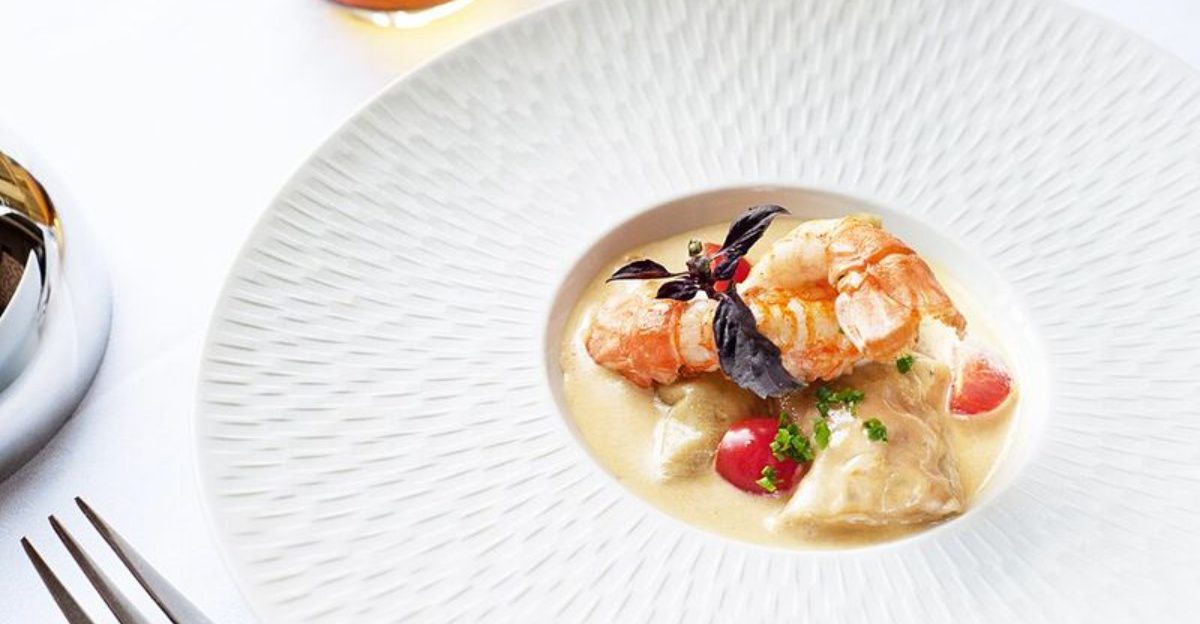
You know that feeling when a place looks cool but leaves you hungry, confused, and slightly annoyed at the bill. Trends can be fun until they start getting in the way of a satisfying meal. Here are the restaurant habits that spark eye rolls faster than a wobbly bistro chair. If you have felt these too, you are definitely not alone.
High prices
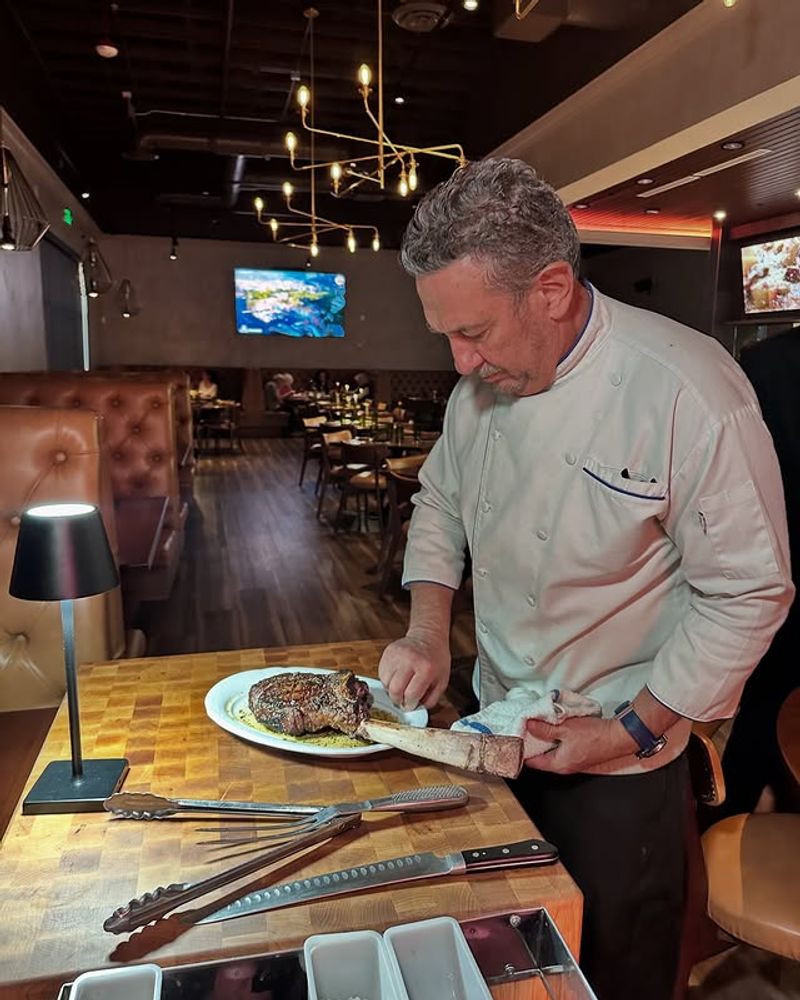
Some menus read like a financial dare. You glance at the numbers and wonder if the chairs come with a mortgage. Price should reflect craft, service, and ingredients, not a vibe tax.
High prices are easier to swallow with transparency. Tell me about the farm, the aging, the prep time. If the story tracks, the cost feels justified.
When it does not, resentment creeps in. You start counting bites instead of enjoying them. A great meal should never feel like a budget negotiation.
No menu photos
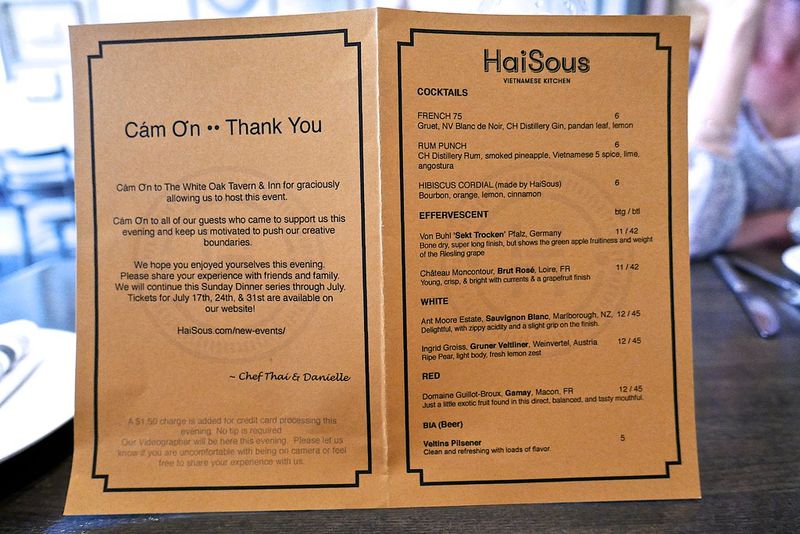
Sometimes pictures help. Not every guest speaks foodie, and descriptions can be vague. A tasteful photo or two can guide expectations and avoid awkward surprises.
Menus without photos can feel exclusive on purpose. If the goal is clarity, show the dish as it is plated. You are not asking for a catalog, just useful context.
When words are poetic but unhelpful, confusion wins. A snapshot of the signature dishes would save time and questions. Clarity is hospitality, not a compromise.
Tiny plates
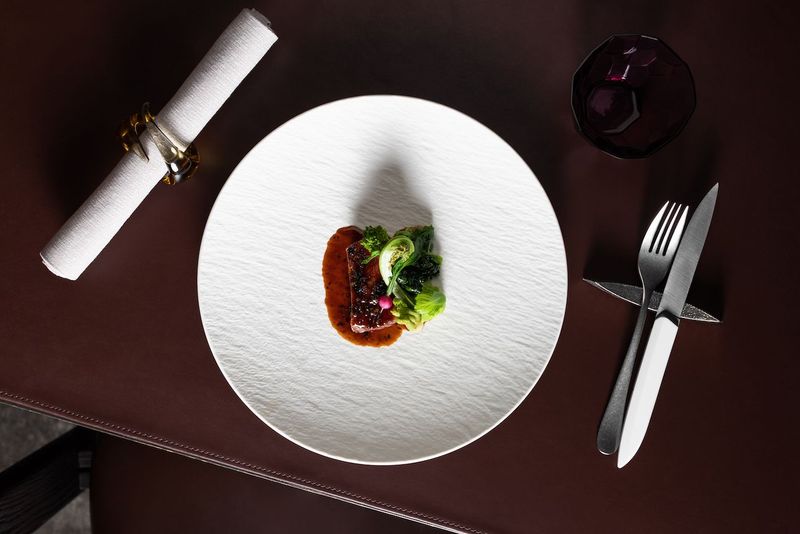
Tapas are fun until they become an accounting puzzle. Tiny plates promise variety, but the bill multiplies faster than the flavors. You end up nibbling through decisions instead of settling into a real dish.
Bite sized can be delightful when priced fairly. The problem is when small becomes an excuse for less value. You came to eat, not curate micro portions.
Give me balance. A couple smalls, a hearty shareable, and a true main. Variety works best when it respects appetite and budget.
Exposed brick walls
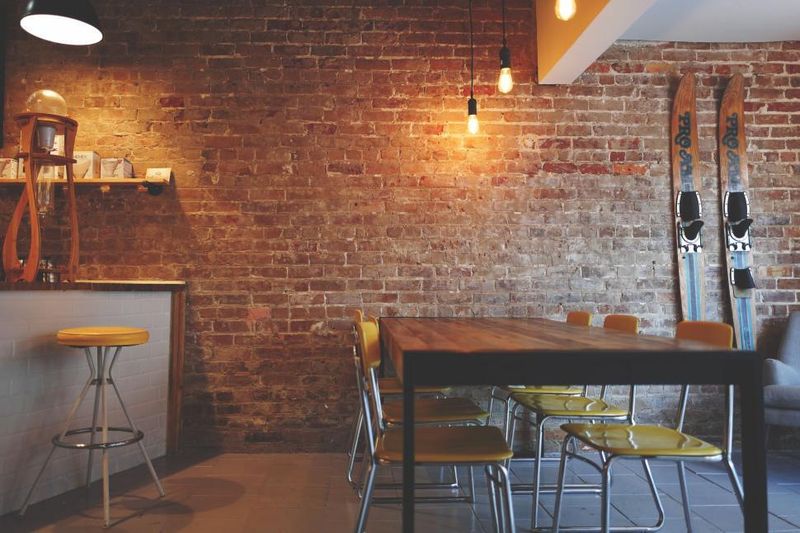
Exposed brick once felt charming. Now it is a design shortcut that whispers we are authentic without proving it. The backdrop is pretty, but it does not season the food.
When every room looks the same, personality fades. Showcase local art, textures, or something that tells your story. A wall can be a canvas, not just a cliché.
Ambience should support the meal, not distract from it. If the menu sings, the decor should harmonize. Trendy materials are fine when they feel earned.
Edison bulbs
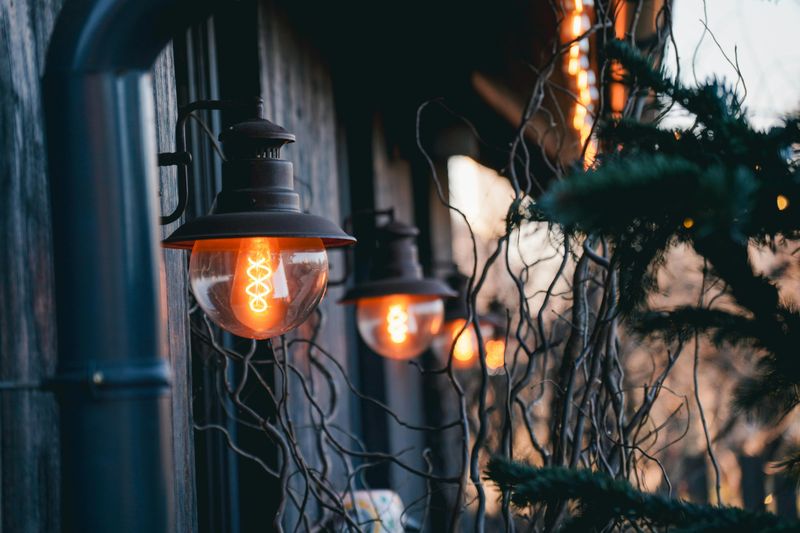
Soft amber light can flatter a space, but Edison bulbs often sacrifice function for mood. Pretty glow, illegible menus. You should not need a phone flashlight to order dinner.
Lighting sets tone and shapes comfort. When it is too dim, food looks muddy and conversation strains. Hospitality means lighting for faces and plates.
There is a sweet spot between romance and practicality. Keep the warmth, add clarity. Guests remember how they felt when they could actually see.
Communal tables
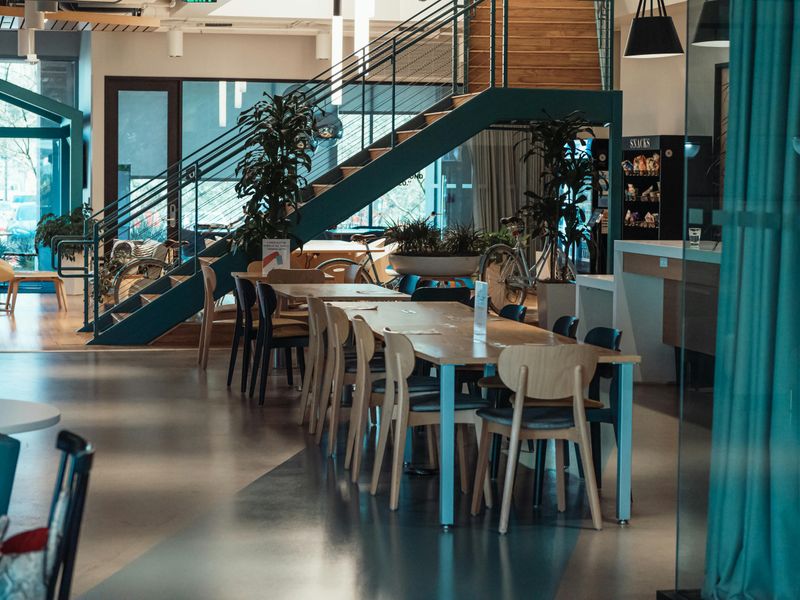
Sitting elbow to elbow with strangers can be lively or awkward. Some nights you want community, other nights privacy. Choice matters more than clever seating.
Communal tables stretch capacity, but they also stretch patience. Noise rises, personal space shrinks, and conversations drift. Connection should be invited, not forced.
Offer options. A few large tables for groups, normal ones for everyone else. Hospitality is giving people the room to be themselves.
QR code menu
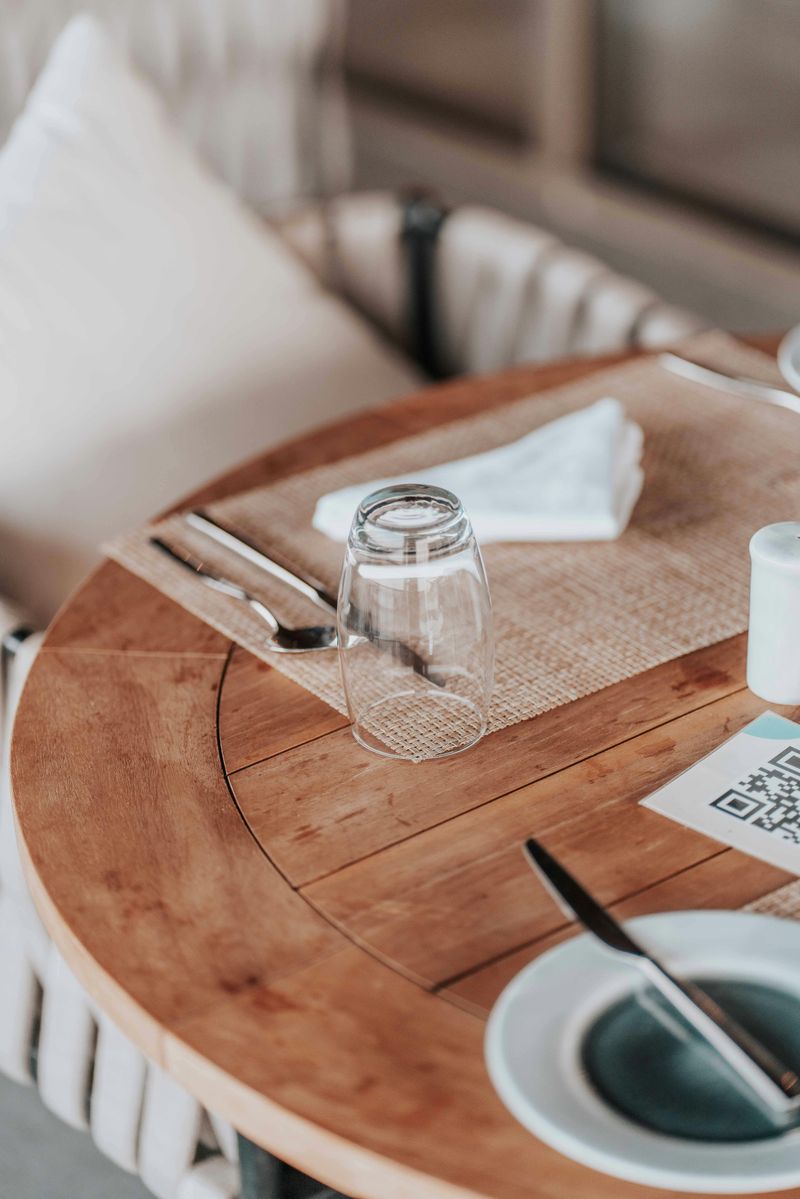
QR codes made sense once, but scrolling a slow website while the server waits is frustrating. Not everyone wants a phone at the table. Paper is simple, accessible, and human.
Digital can work when it is fast, readable, and updated. Still, tech should serve the meal, not dominate it. You came to eat, not troubleshoot.
Offer both. Let guests choose their comfort level. Convenience is a kindness that never goes out of style.
Overdecorated food
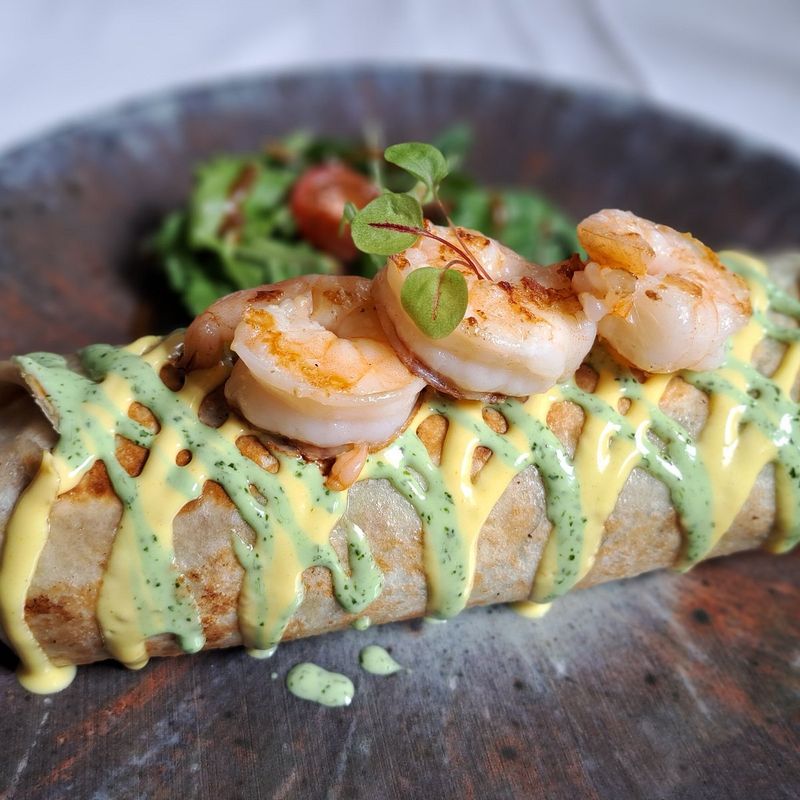
When the garnish needs its own itinerary, something is off. Swirls, dots, petals, and towers can overshadow flavor. Pretty is great, but taste wins every time.
Overdecorated food slows service and eats budget. Guests notice when style outruns substance. A confident dish does not need confetti.
Keep the flourish if it adds texture or aroma. Otherwise, let ingredients speak. You should not be fishing through leaves to find dinner.
Fancy plating
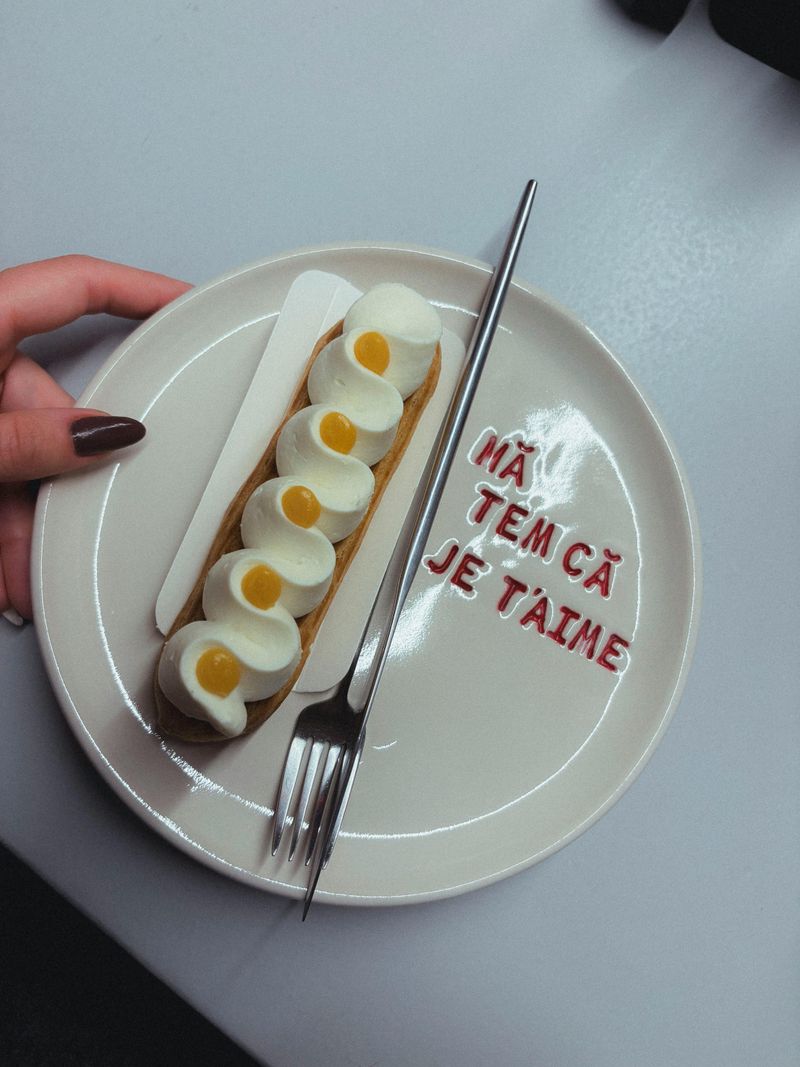
Plating can frame a story, but when it turns into performance, the meal cools while cameras warm up. You want delight, not homework. Balance counts more than geometry.
Fancy plating often means less food, more space. It looks editorial, tastes underwhelming. Diners remember flavor arcs, not negative space.
Beauty belongs on the plate, just not instead of satisfaction. If elegance enhances eating, perfect. If it hinders, scale back and serve confidence.
Pretentious menu names
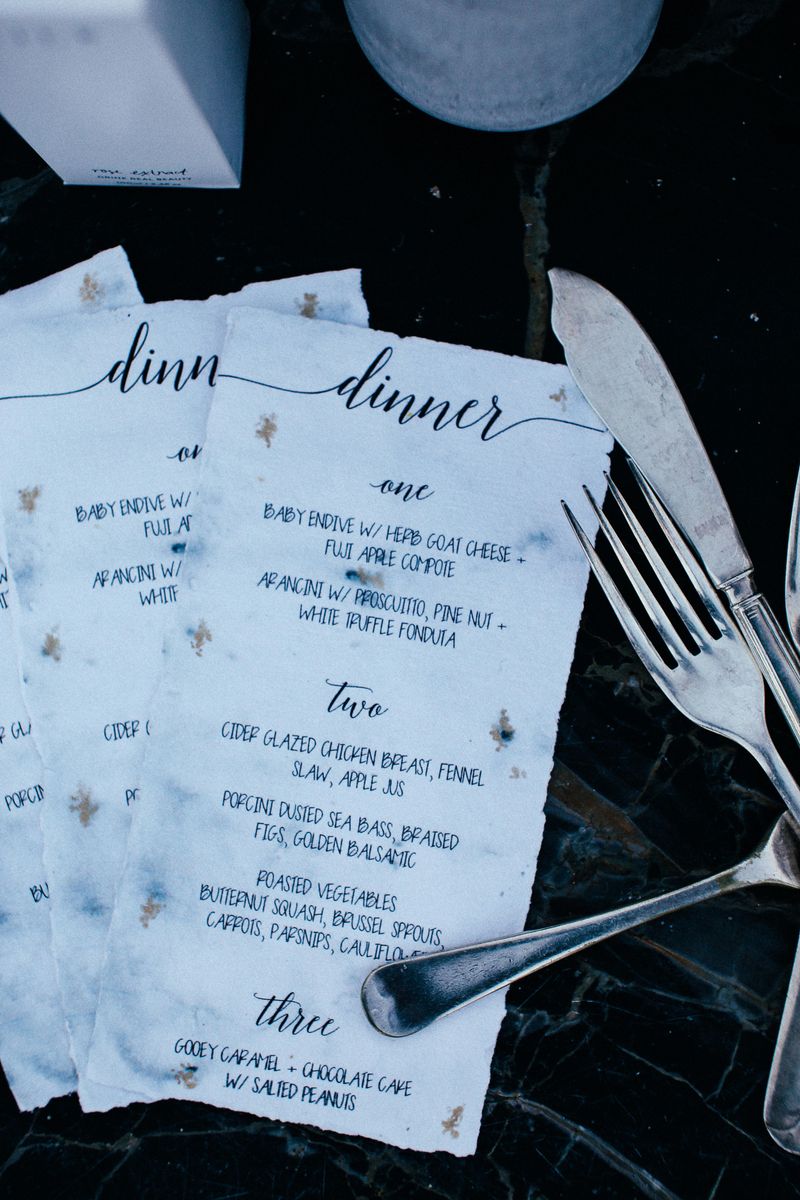
When a salad becomes a foraged meadow of seasonal whispers, you know marketing won. Flowery language clouds expectations and makes ordering awkward. You should not need a translator for dinner.
Honest names build trust. Say what it is, then add context. A short note about sourcing beats three lines of poetry.
Fun is welcome, condescension is not. Speak like a host, not a gatekeeper. Clarity tastes better than pretense.
Sharing plates
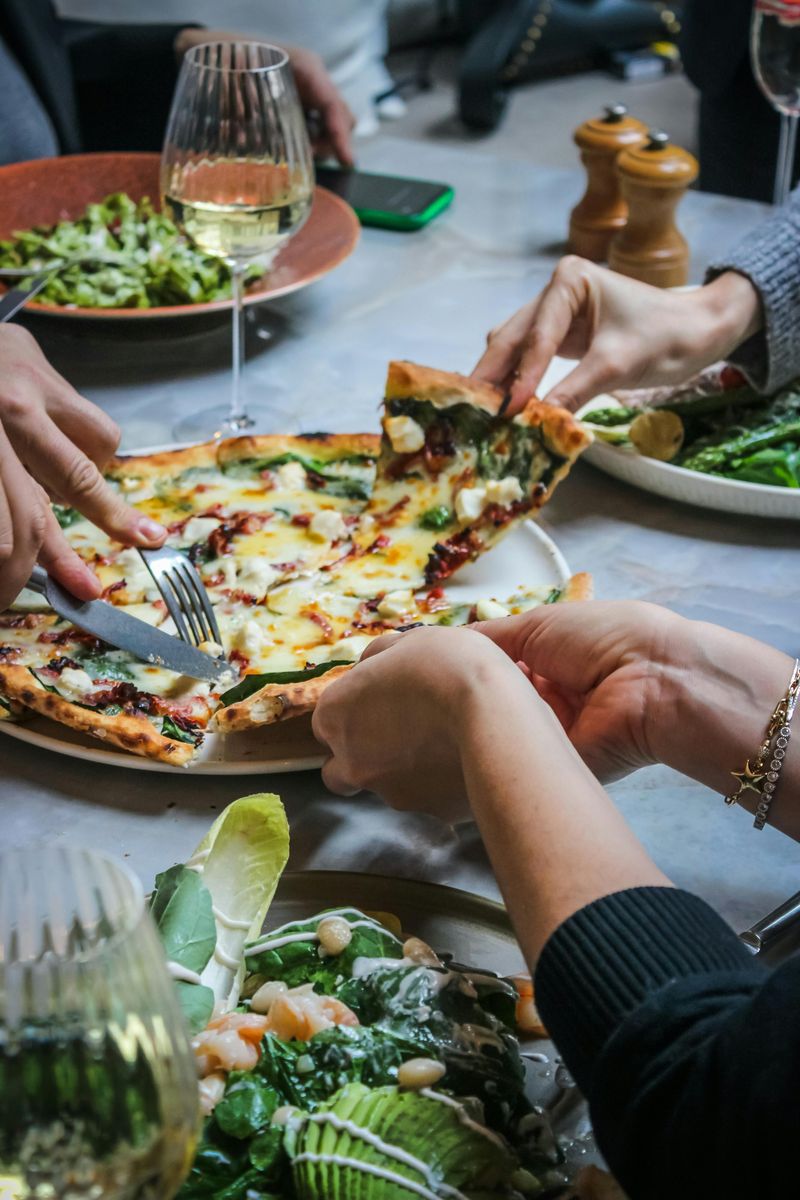
Sharing can create connection, but not everyone wants to negotiate every bite. Allergies, appetites, and awkward reaches complicate things. Sometimes you just want your own plate.
When everything is shareable, portions get vague and pacing suffers. Dishes arrive randomly and nothing lands like a main event. The meal feels scattered instead of satisfying.
Offer a real main course alongside shared items. Give people control over how communal they want to be. Hospitality is flexibility, not a format.
Loud music
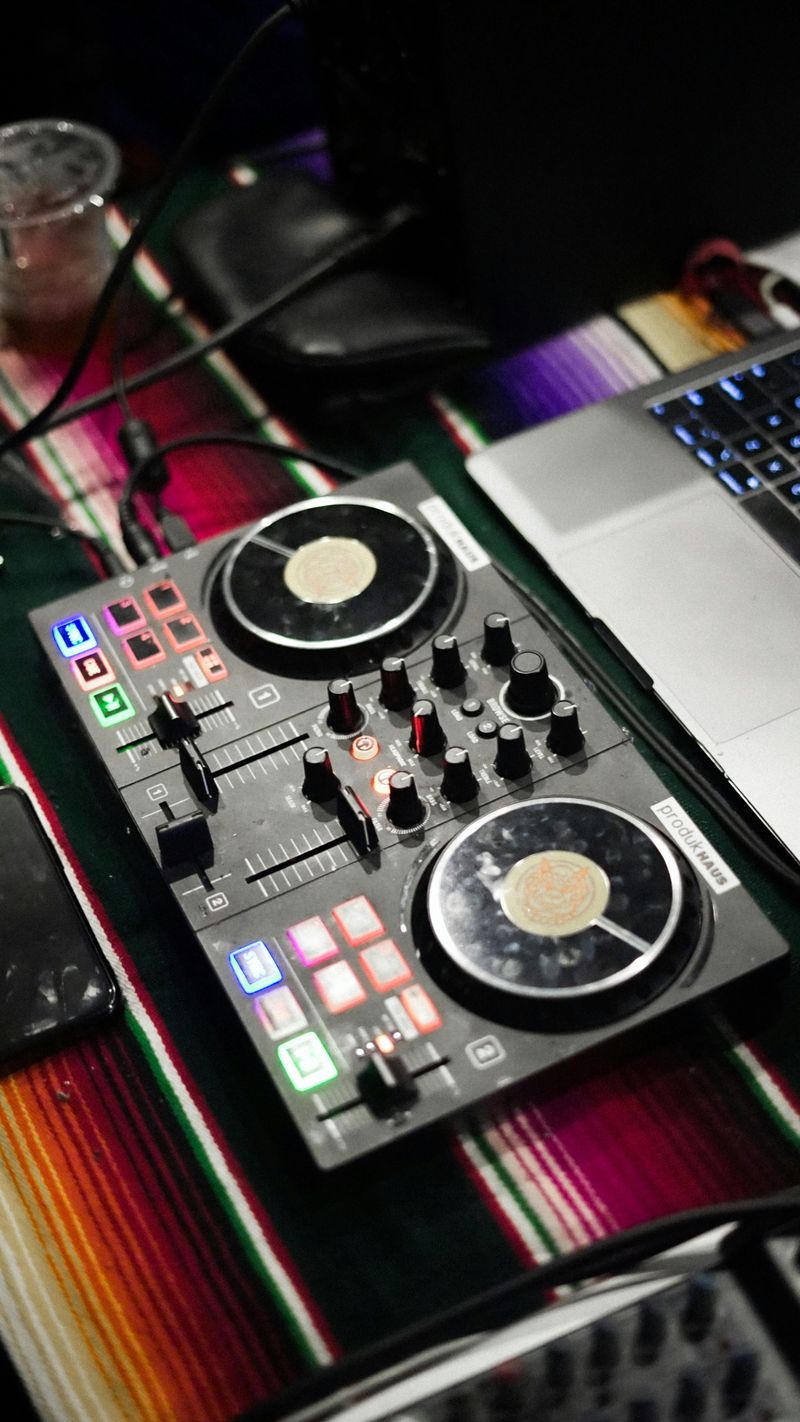
Music sets mood until it drowns conversation. Shouting across the table is not hospitality. You should not leave hoarse from dinner.
Volume often hides a lack of atmosphere. Good acoustics and thoughtful playlists make rooms feel welcoming. Guests linger when they can hear each other.
Turn it down a notch. Let the food and company carry the night. Comfort is the best soundtrack.
Minimalist decor
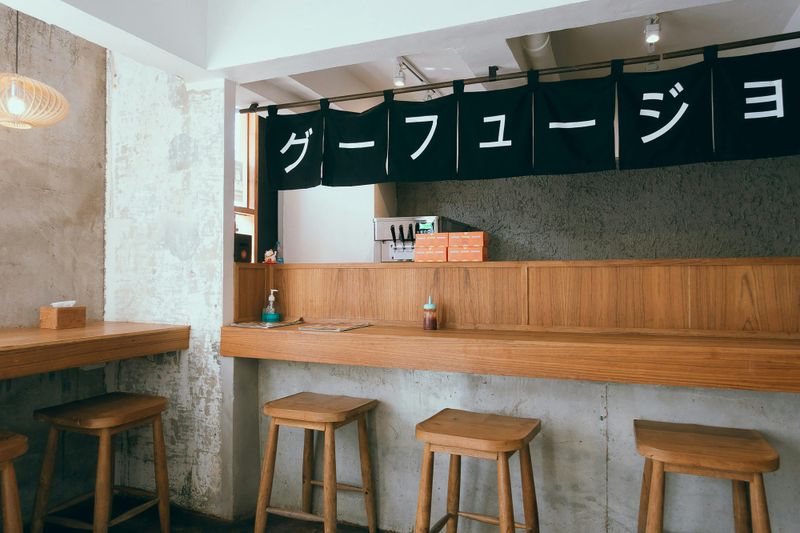
Minimal can feel calm, but it easily slides into clinical. A room stripped of warmth asks the food to do all the talking. Texture, color, and life matter.
When every surface is blank, you miss cues about personality. Are we in a gallery or a restaurant. Guests crave a sense of place.
Keep the clean lines, add soul. Plants, art, or thoughtful materials soften edges. Hospitality is aesthetics with heartbeat.
Open kitchen
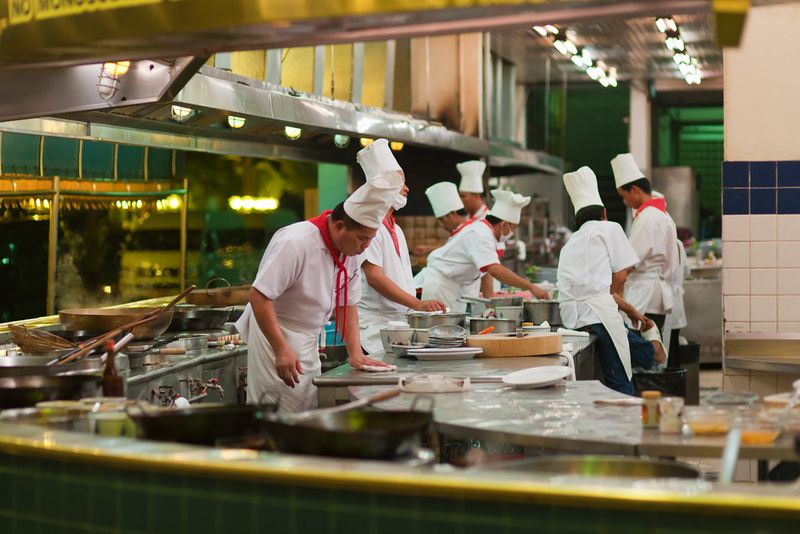
Watching chefs work can be thrilling, but not when smoke and clatter dominate. Performance is fun until it becomes noise. You came for dinner, not a constant sizzle reel.
An open line reveals craft and care. It also reveals chaos on a busy night. Ventilation and acoustics matter more than spectacle.
Show the choreography, hide the stress. A partial view can strike the balance. Let diners taste the story without the headache.
Long wait times
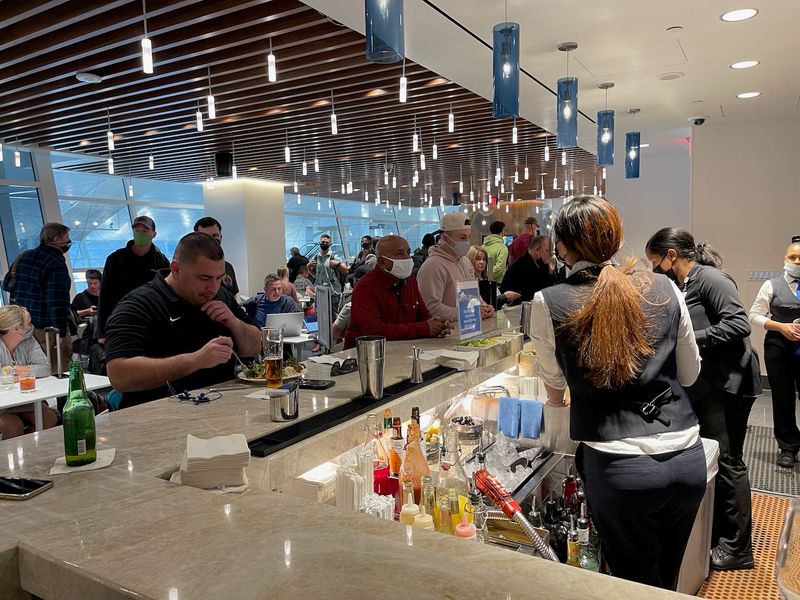
Waiting can build anticipation, but two hours for pasta is a test of devotion. Hype should not replace hospitality. If the line is the brand, the food better soar.
Communication helps. Accurate estimates, text alerts, and nearby suggestions ease frustration. You can forgive time when you feel considered.
Reservations or a sensible waitlist respect everyone. Chasing scarcity gets old fast. Make it easier to be a regular.
No substitutions
Boundaries protect a dish, but rigid rules can punish diners. Allergies, preferences, and cultural needs are real. Hospitality meets people where they are.
No substitutions reads like a dare. Suggest thoughtful alternatives instead. A little flexibility turns friction into loyalty.
Chefs can design guardrails without building walls. Keep the vision, offer options. Everyone wins when guests feel seen.
Celebrity chef branding
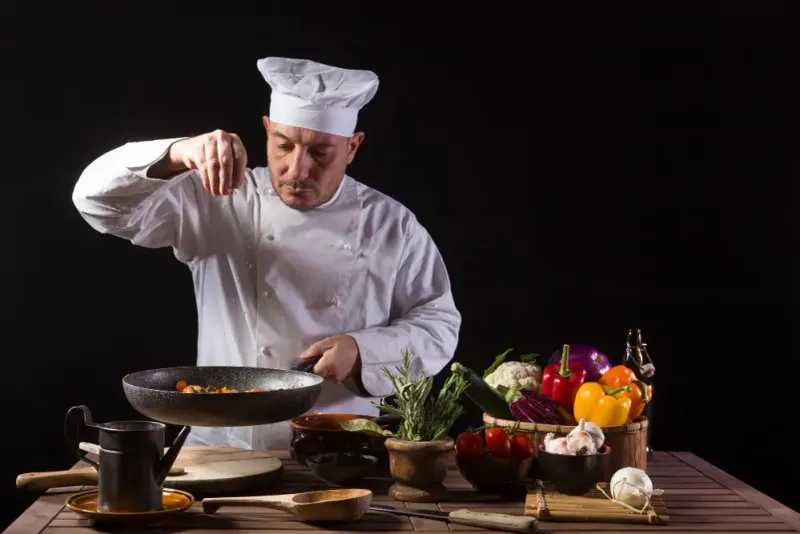
A famous name draws attention, but the plate still has to earn it. Branding without follow through feels hollow. You want craft, not just a signature on the door.
Consistency is the test. If the chef is never there, the team must carry the standard. Guests taste execution, not fame.
Spotlight is fine when it lights the food. Keep the ego off the bill. Substance outlasts celebrity every time.
Trendy cocktails
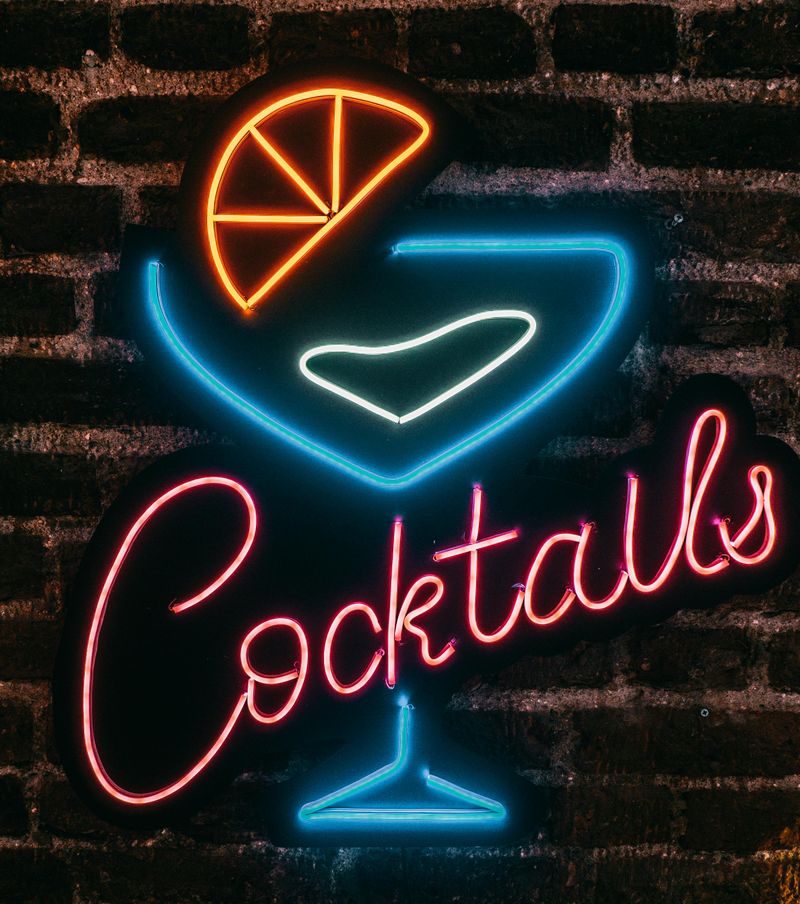
Drinks that arrive with smoke, glitter, and a backstory can be a blast. They can also be sugar bombs in couture glassware. Hype rarely replaces balance.
A well made classic still thrills. Fresh juice, precise dilution, and clean spirits beat gimmicks daily. The best cocktails do not need special effects.
Creativity shines when it serves flavor. Make it playful, keep it drinkable. Your palate will thank you tomorrow.
Uncomfortable chairs
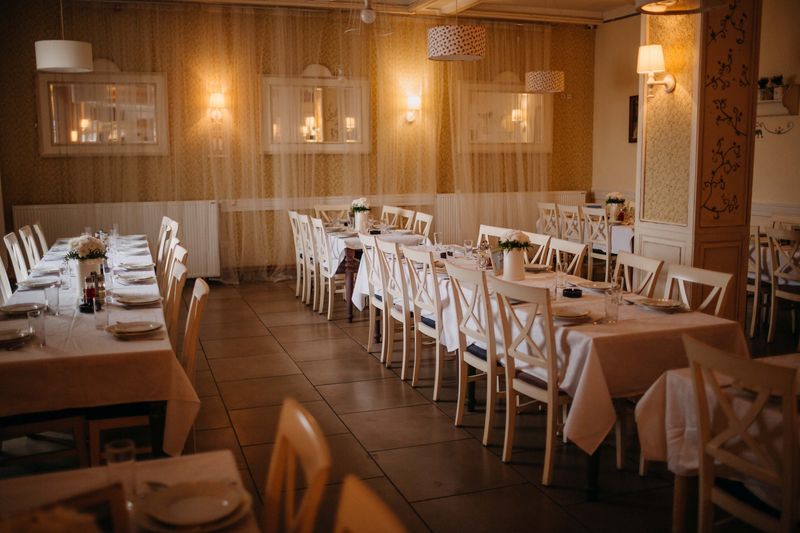
Designers love a silhouette, but guests need support. Hard seats and low backs rush the meal. Comfort should not be a trade for style.
When chairs wobble or pinch, conversation shortens. You notice your posture more than the plating. Hospitality is felt in the body first.
Choose beauty that you can sit in. Cushions, ergonomics, and space make memories better. Your back should not pay for aesthetics.
Overpriced water
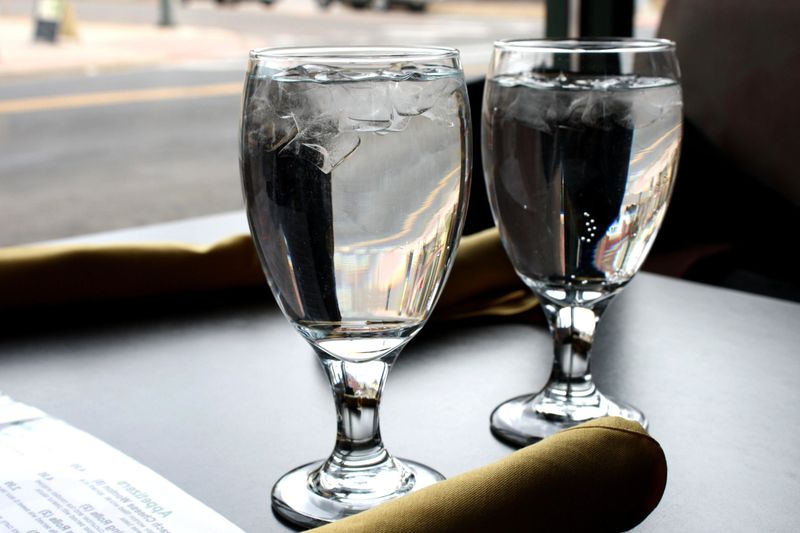
Nothing sours a check like surprise water charges. Bottled by default feels sneaky. Ask, offer options, and be clear about cost.
Good tap water with filtration is a courtesy. Charge fairly for premium bottles when requested. Transparency tastes better than upsell pressure.
Hydration is not a luxury. Respect the basics and guests relax. Trust is built drop by drop.
Instagram walls
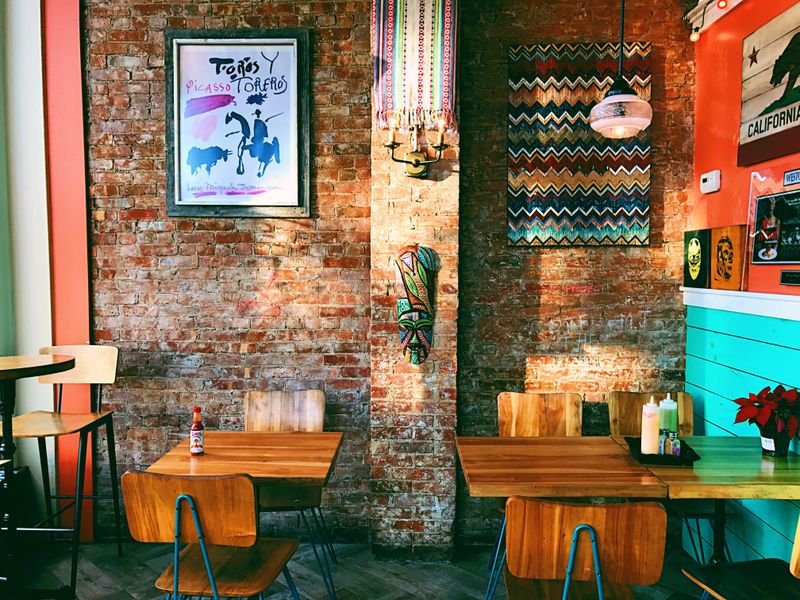
A selfie spot can be fun, but when the wall outshines the kitchen, priorities blur. You came to eat, not stage a photoshoot. A great meal is the best content anyway.
Design for comfort and community, not just likes. If the room photographs well because it feels good, that is winning. Authentic spaces age better than gimmicks.
Let the food and service be the story. The wall can be a supporting character. Real moments beat curated ones every time.
Small portions
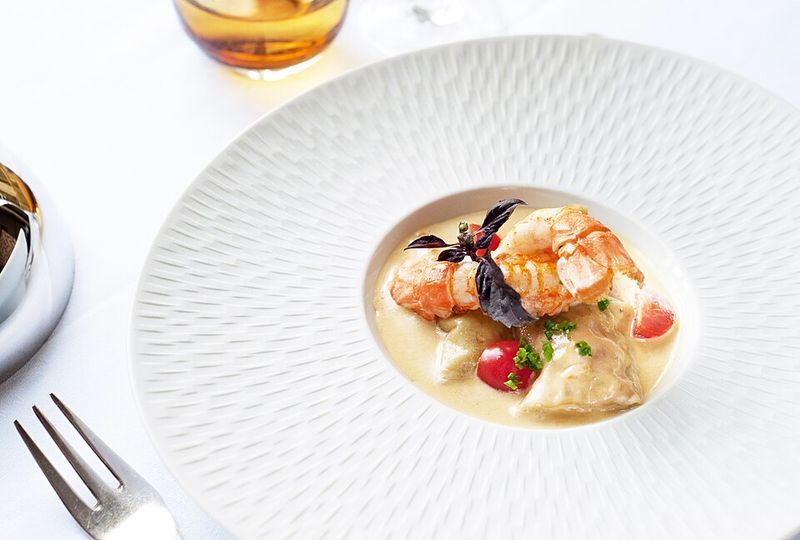
That moment when a dish arrives looking like an appetizer for a dollhouse. You are promised artistry, but your stomach is still negotiating for backup. It might be beautiful, yet value matters when you are actually hungry.
Small portions can feel like a lecture on restraint rather than dinner. The mind does the math while the bite disappears in seconds. You should not need a snack after the main course.
Portion control is fine, but purpose matters too. If the goal is delight, include enough to savor. Otherwise, excitement fades faster than the garnish.