


Growing your own plants from cuttings is one of the most rewarding gardening tricks you can learn. Florida’s warm, humid climate makes it an ideal place to root new plants quickly and successfully.
Whether you have a tiny patio or a sprawling backyard, propagating plants saves you money and lets you share your favorites with friends and family. Here are 23 stunning Florida plants that are surprisingly easy to grow from cuttings.
Coleus
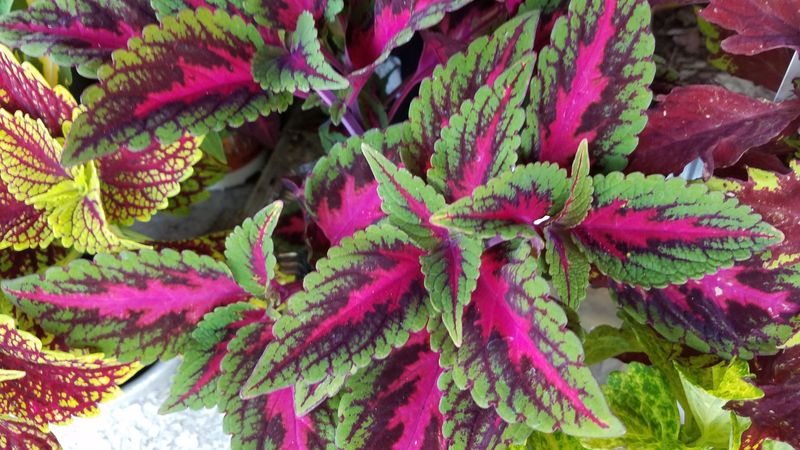
Coleus is the ultimate show-off of the plant world, flaunting leaves in wild combinations of red, orange, green, purple, and pink. Snip a 4-inch stem just below a leaf node, remove the lower leaves, and pop it in water or moist soil.
Roots appear within one to two weeks.
Florida’s warm temperatures speed up the rooting process beautifully. Coleus thrives in both sun and shade, making it incredibly versatile for any garden spot.
Pentas
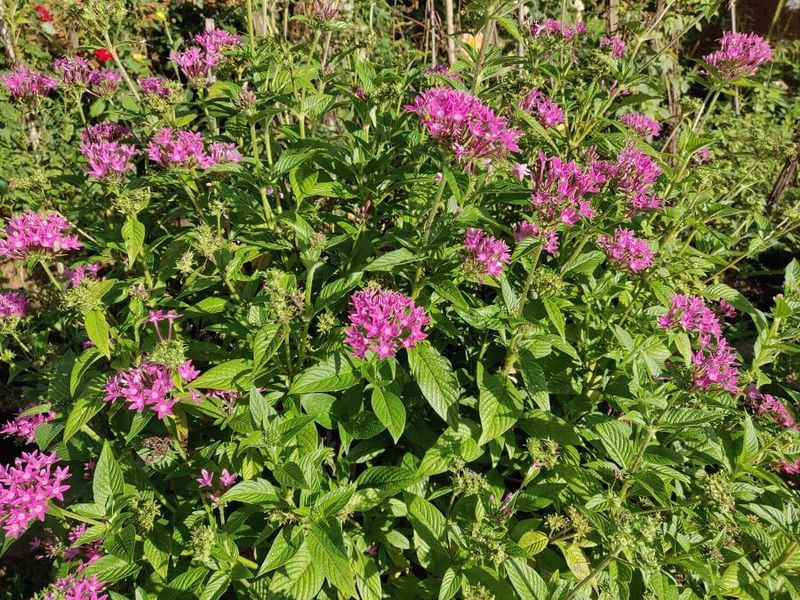
Butterflies absolutely cannot resist pentas, and once you see a swarm of them hovering over those cheerful star-shaped blooms, you will want more plants everywhere. Take a 3- to 4-inch cutting from a healthy stem, strip the lower leaves, and root it in moist potting mix.
Pentas root fairly quickly in Florida’s heat. Keep the soil consistently moist during rooting, and you will have a thriving new plant ready to transplant within a few weeks.
Firebush
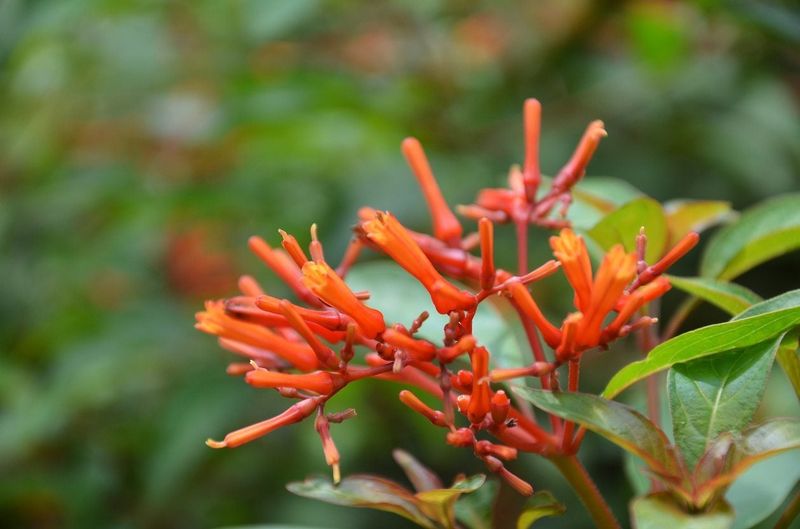
Firebush earned its name honestly, exploding into flame-colored clusters of orange-red blooms that hummingbirds find impossible to ignore. To propagate, take semi-hardwood cuttings in late spring or summer, dip the cut end in rooting hormone, and plant in a well-draining mix.
This Florida native is tough and drought-tolerant once established. Rooting usually takes three to four weeks, and the reward is a fast-growing shrub that pumps out color season after season.
Blue Daze
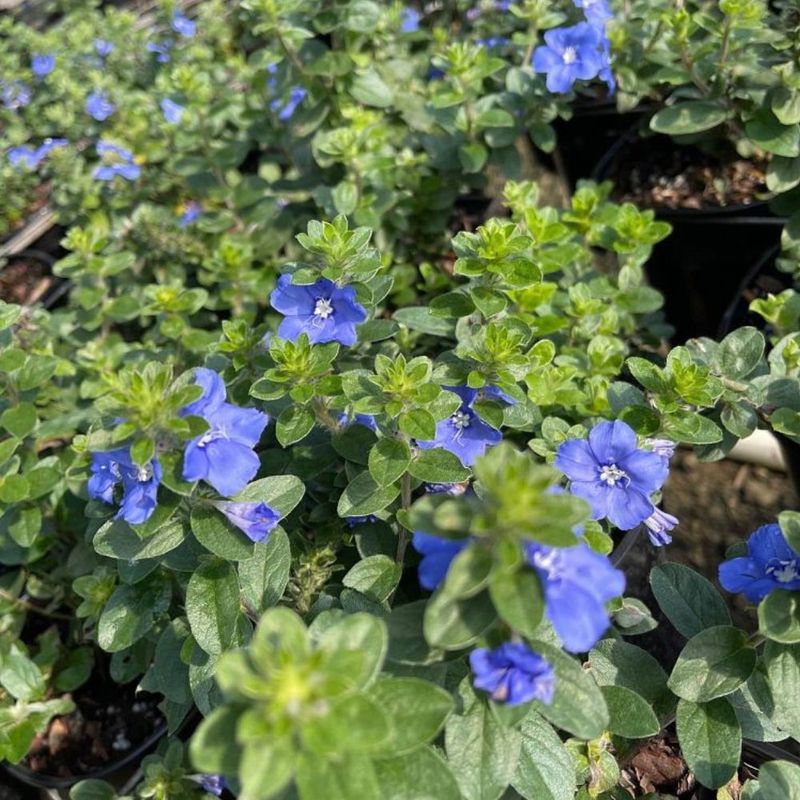
There is something almost magical about waking up to a carpet of sky-blue flowers every morning, and that is exactly what blue daze delivers. Softwood cuttings taken in spring or summer root readily in moist, sandy soil or a light potting mix.
Blue daze loves full sun and Florida’s heat, making it a natural fit for sunny borders and containers. Pinch off the blooms before rooting to help the cutting focus its energy on growing roots rather than flowers.
Plumbago
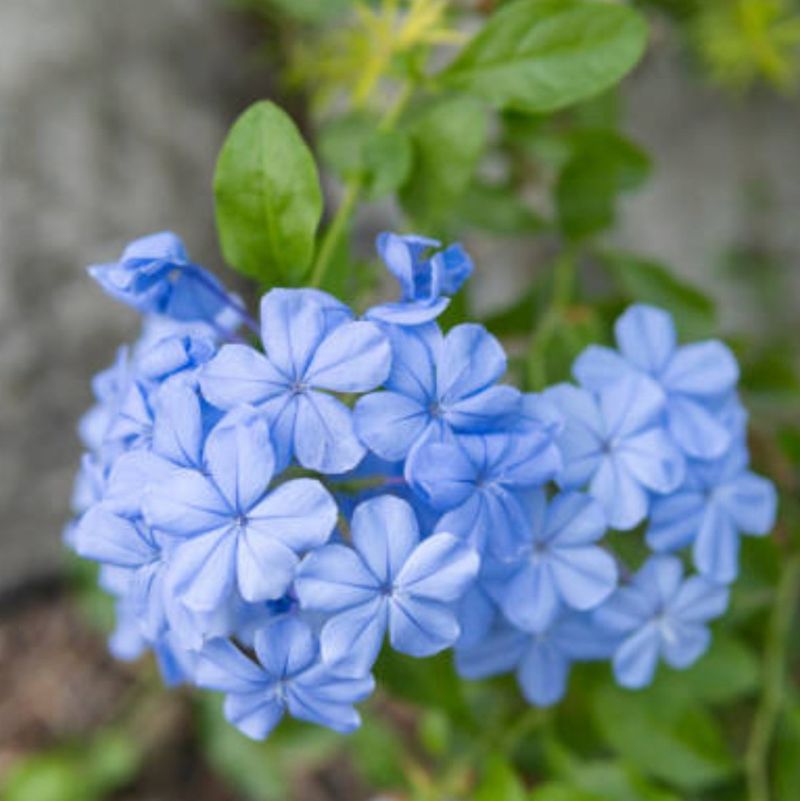
Plumbago is a Florida garden staple that never goes out of style, producing clouds of powder-blue or white blooms almost year-round. Snip a 4- to 6-inch softwood cutting in spring or early summer, remove lower leaves, and root it in a mixture of perlite and potting soil.
Rooting hormone gives cuttings a helpful head start. Plumbago roots within three to five weeks and grows vigorously once established, quickly filling in fences, borders, and large containers with stunning color.
Mexican Heather
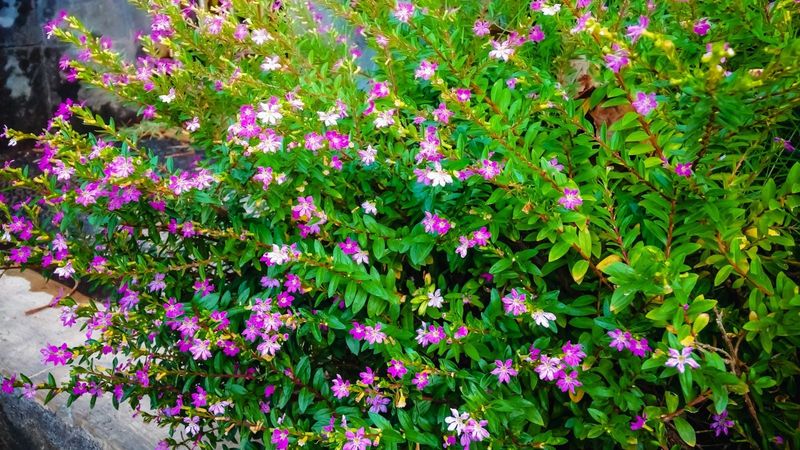
Do not let the delicate appearance of Mexican heather fool you, because this little plant is tougher than it looks and blooms nonstop through Florida’s long growing season. Take 3-inch tip cuttings, dip them in rooting hormone, and plant in a well-draining potting mix.
Keep the cuttings in a warm, bright spot out of direct afternoon sun while they root. Within three weeks, you will have sturdy new plants ready to brighten borders, rock gardens, or containers with their charming tiny blooms.
Duranta
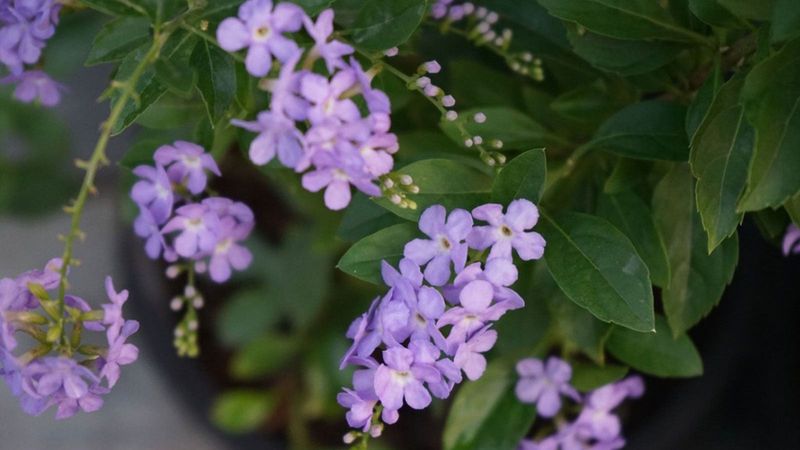
Duranta is a Florida favorite that doubles as a showpiece, draping itself in lavender-blue flower clusters followed by strings of golden berries that birds adore. Semi-hardwood cuttings taken in late spring root well when treated with rooting hormone and placed in a light, moist growing medium.
Provide bright indirect light and consistent moisture during the rooting period. Once established, duranta grows fast and can be shaped into a hedge or left to grow freely as a dramatic flowering shrub.
Croton
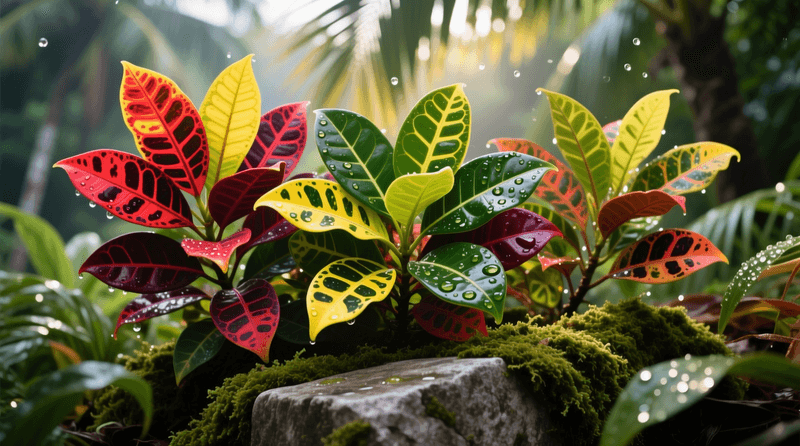
Few plants match the bold personality of croton, which splashes gardens with leaves painted in jaw-dropping combinations of red, orange, yellow, and green. Take a 3- to 4-inch cutting from new growth, allow the cut end to dry for a few hours, then plant in moist, well-draining soil.
Croton cuttings root best in warm temperatures above 70 degrees, which is rarely a problem in Florida. Rooting hormone speeds things up, and you should see new growth within four to six weeks.
Hibiscus
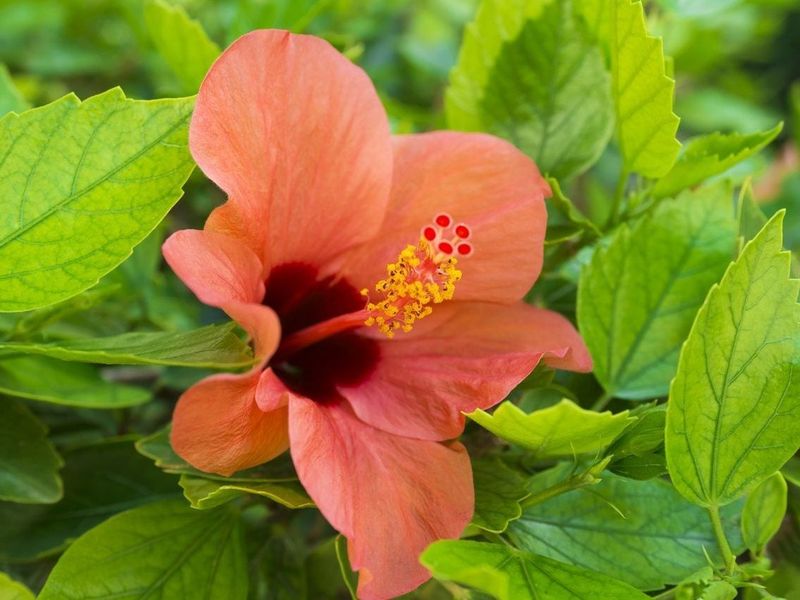
Hibiscus is basically the ambassador of tropical gardening in Florida, producing dinner-plate-sized blooms in every color imaginable. To propagate, take a 5- to 6-inch cutting from a healthy stem in spring or summer, strip the lower leaves, dip in rooting hormone, and plant in moist potting mix.
Place the cutting in a warm, humid spot and keep the soil consistently moist. Most hibiscus cuttings develop strong roots within four to eight weeks, giving you more of those spectacular blooms to enjoy.
Ixora
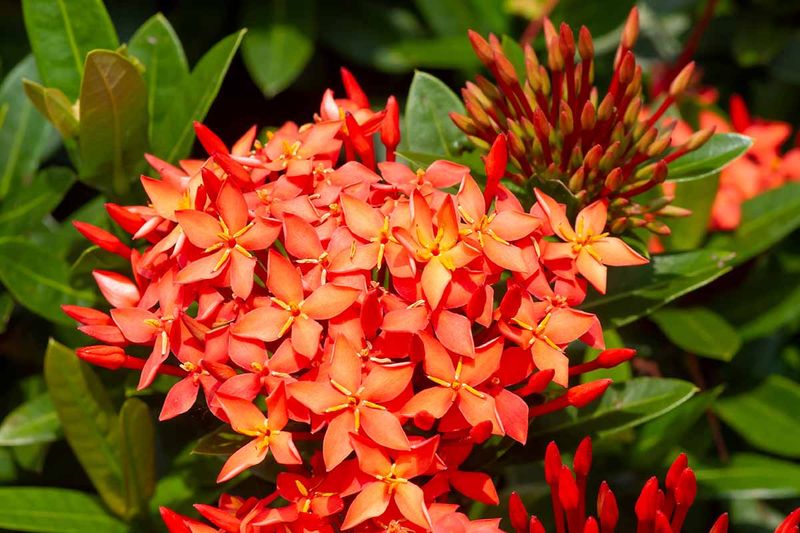
Ixora is one of those plants that looks like it belongs in a botanical garden but is surprisingly easy to grow and propagate right in your own Florida yard. Take 4-inch tip cuttings in spring, treat with rooting hormone, and plant in a peat-perlite mix.
Ixora prefers slightly acidic soil and warm temperatures, which Florida delivers in abundance. Roots typically develop in four to six weeks.
Once established, this compact shrub rewards you with nearly year-round clusters of brilliant blooms.
Sweet Potato Vine
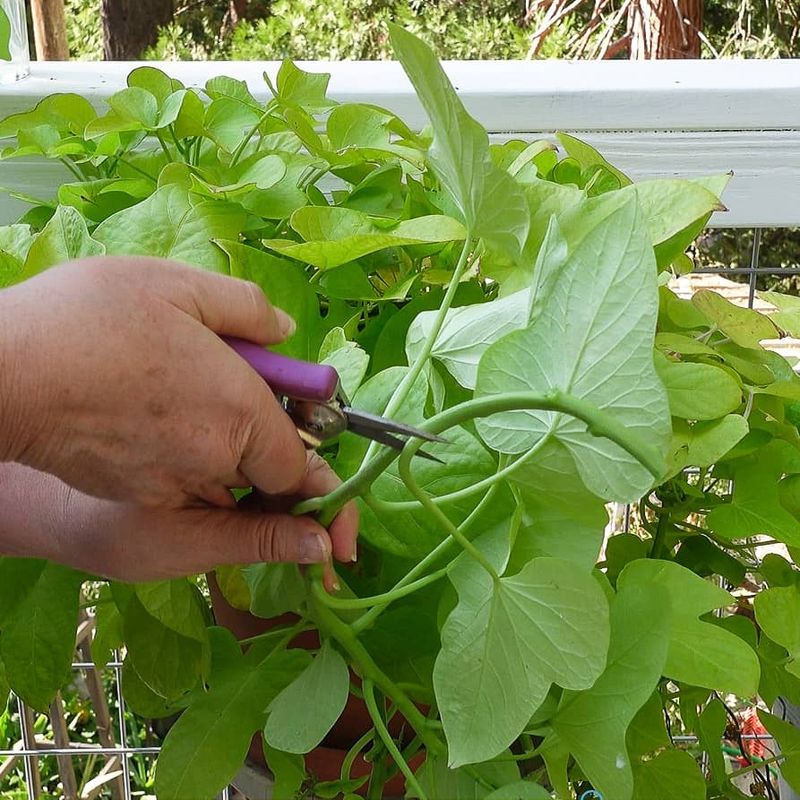
Sweet potato vine is the life of the container garden party, tumbling over pot edges in shades of deep purple, lime green, and bronze with total enthusiasm. Simply snip a stem, place it in a glass of water, and watch roots appear within days, no rooting hormone needed.
Once rooted, transplant into soil and watch it take off. Sweet potato vine grows rapidly in Florida’s heat, making it perfect for filling gaps in borders or trailing dramatically from hanging baskets.
Pothos
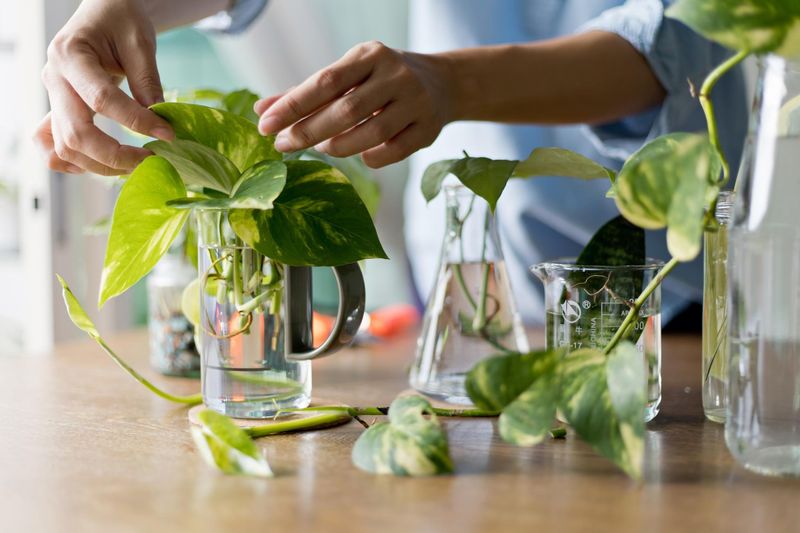
Pothos is the plant that practically propagates itself, and if you have ever placed a cutting in a glass of water just to see what happens, you already know how effortless this process is. Cut a stem just below a node, remove lower leaves, and place it in water or moist soil.
Roots appear within one to two weeks without any fuss. Pothos thrives indoors and outdoors in Florida’s shadier spots, making it one of the most beginner-friendly plants you can possibly grow.
Wandering Jew
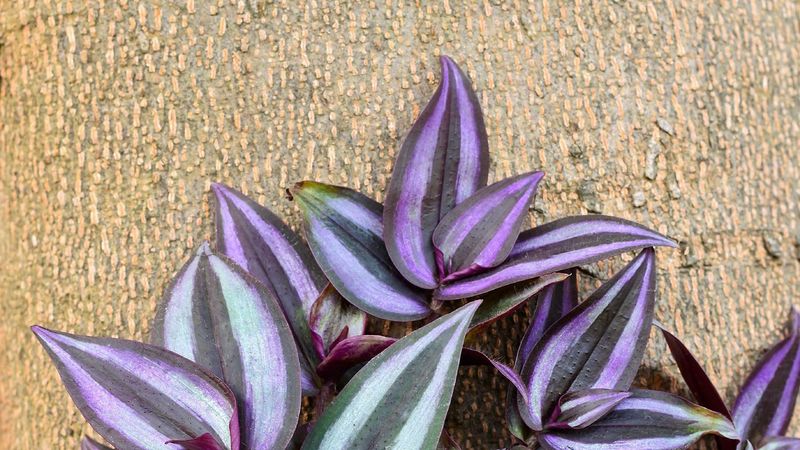
With leaves striped in silver, green, and rich purple, wandering jew is a plant that turns heads wherever it grows. Propagating it is almost laughably easy, just snap off a stem, stick it in water or soil, and roots will appear within a week or two.
Florida’s humidity makes outdoor propagation especially quick. Wandering jew spreads enthusiastically, so it works beautifully as a ground cover under trees or in hanging baskets where it can trail freely without taking over the whole yard.
Swedish Ivy
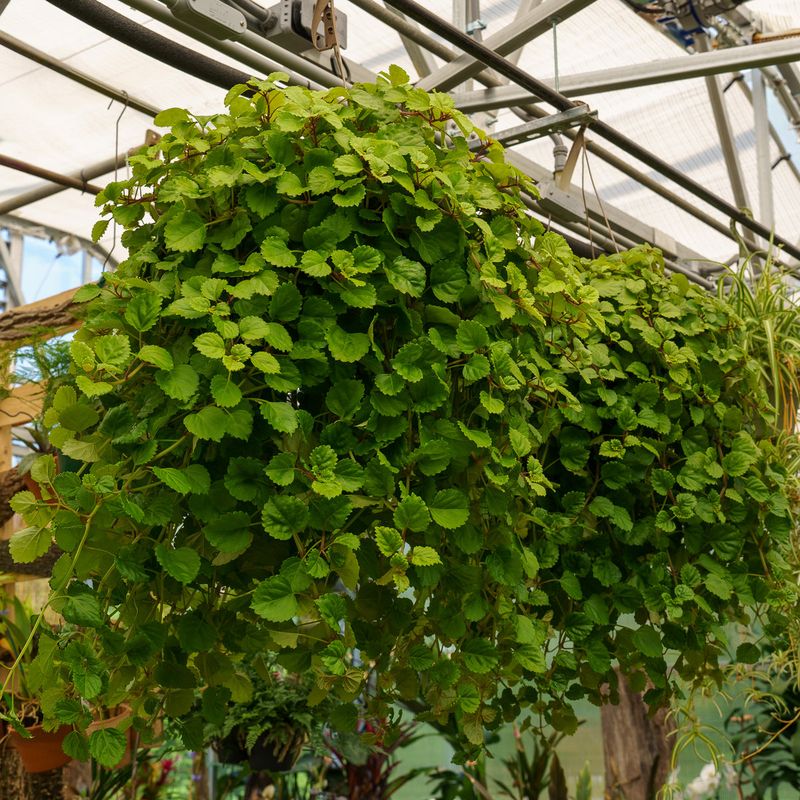
Swedish ivy is not actually from Sweden, and it is not a true ivy, but what it lacks in accurate naming it more than makes up for in easy-going charm and beautiful trailing growth. Snip a 3- to 4-inch cutting, remove lower leaves, and root it in moist potting mix or water.
Roots develop within one to two weeks in Florida’s warmth. Swedish ivy works wonderfully in hanging baskets, window boxes, or as a fast-spreading ground cover in shaded garden areas.
Impatiens
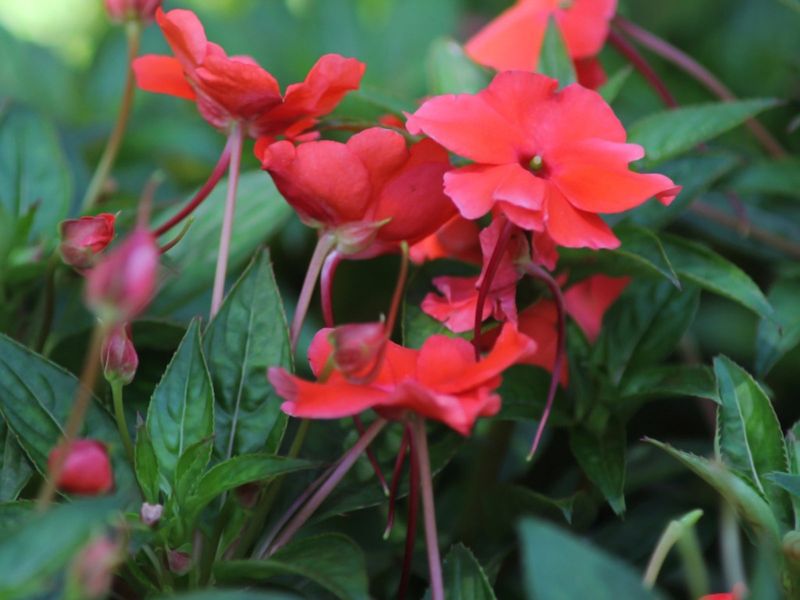
Impatiens are the unsung heroes of Florida’s shady garden spots, pumping out cheerful blooms in coral, pink, red, white, and purple even where other plants struggle to survive. Take 3- to 4-inch tip cuttings, strip lower leaves, and place them in moist potting mix or a cup of water.
Rooting happens quickly, often within ten days. Impatiens cuttings do best in a warm spot with bright, indirect light, and you will have blooming new plants ready to fill those tricky shaded areas before you know it.
Begonia
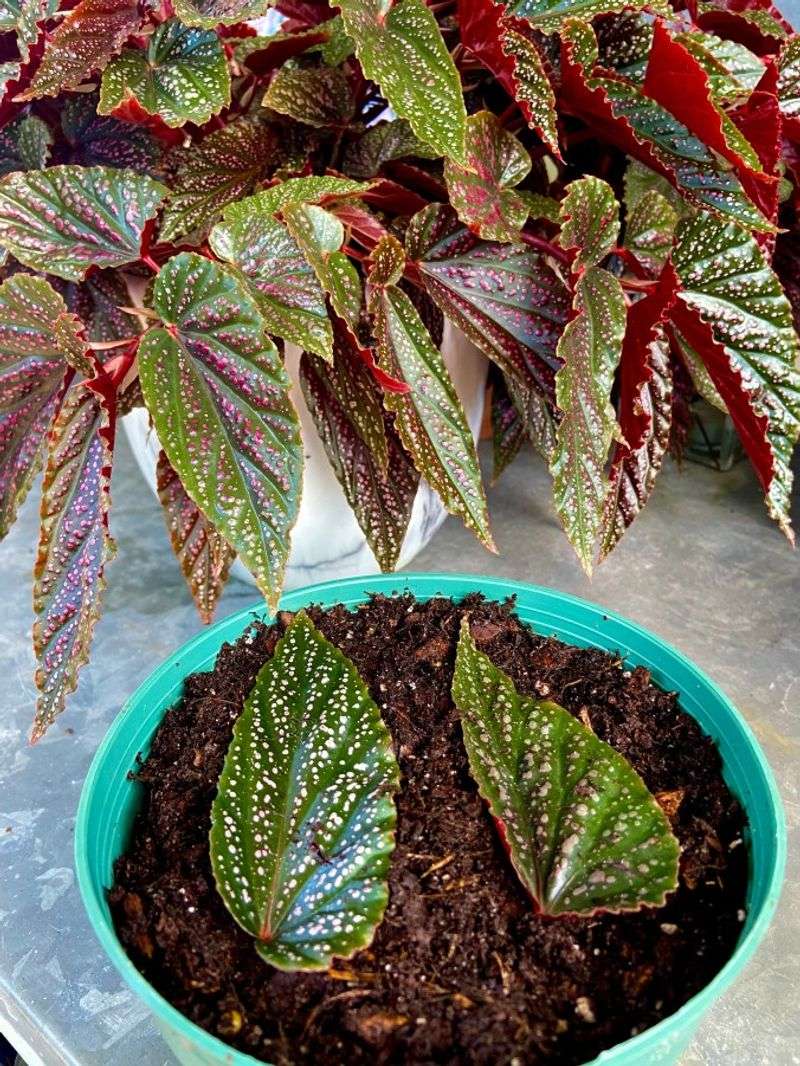
Begonias have been brightening Florida gardens for generations, and it is easy to see why, because they bloom relentlessly and root from cuttings with almost no effort at all. Snip a 3- to 4-inch stem cutting, let it air-dry for an hour to seal the cut end, then plant in moist, well-draining soil.
Keep the soil barely moist while roots establish. Both wax begonias and angel wing varieties root easily this way, giving you more of those charming blooms for containers, borders, and shaded patio spots.
Confederate Jasmine
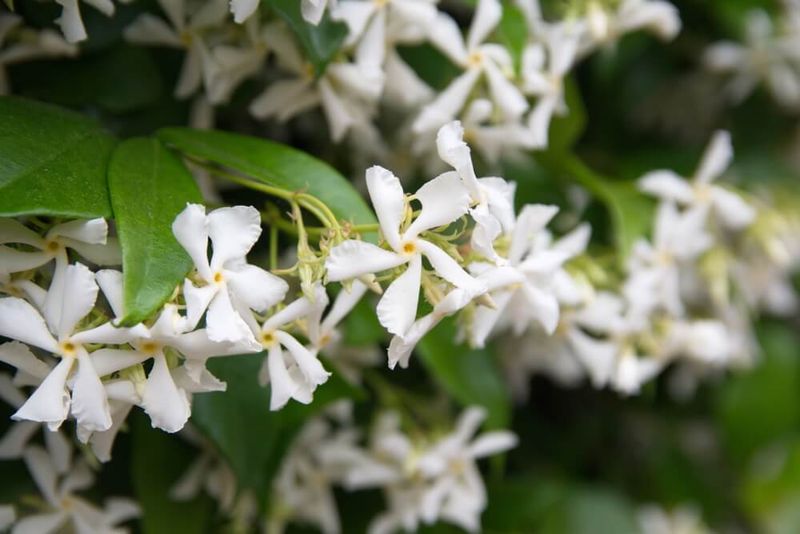
The scent of confederate jasmine drifting through a warm Florida evening is one of those experiences that stops you in your tracks. Take 4- to 6-inch semi-hardwood cuttings in late spring or early summer, dip in rooting hormone, and plant in a well-draining potting mix.
Keep the cuttings in a warm, bright location and maintain consistent moisture. Roots form within three to five weeks, and once established, this vigorous evergreen vine will quickly climb trellises, fences, and arbors while filling the air with its intoxicating fragrance.
Purple Queen
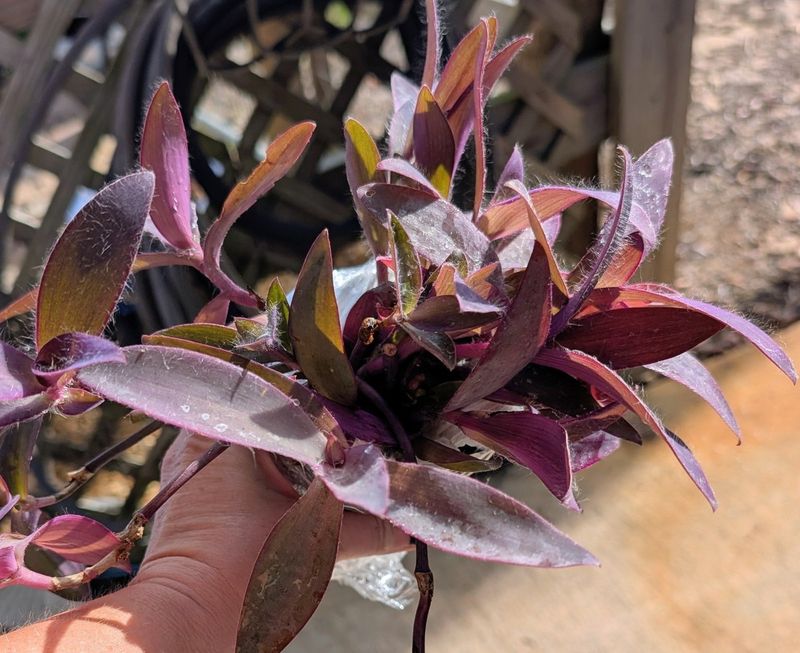
Purple queen earns every bit of its royal name with those deep, velvety purple leaves that seem to glow in Florida’s bright sunlight. Propagating is refreshingly straightforward, just snip a stem, stick it in water or moist soil, and roots appear within a week or two.
This plant spreads quickly, making it a fantastic choice for ground cover or spilling over container edges. Purple queen also tolerates some drought once established, which makes it a practical and gorgeous addition to any Florida landscape.
Alternanthera
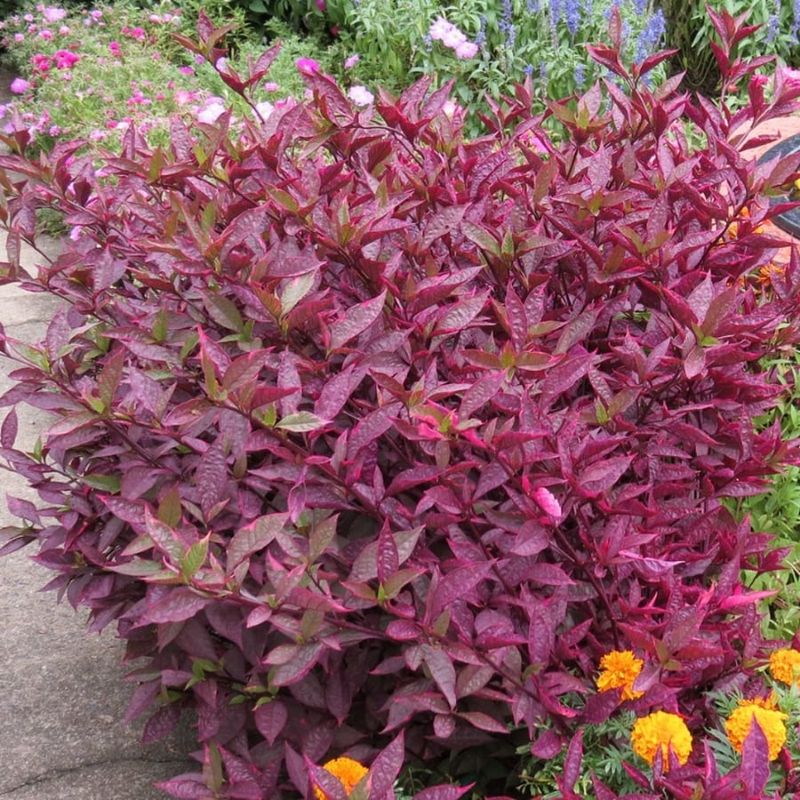
Alternanthera might not be the most famous plant on the block, but gardeners who discover it quickly become obsessed with its vivid, mosaic-like foliage in shades of red, orange, yellow, and burgundy. Take 2- to 3-inch tip cuttings and root them in moist potting mix or water.
Roots develop quickly in Florida’s warm weather, usually within one to two weeks. Alternanthera stays low and compact, making it an outstanding choice for creating colorful edging patterns or filling in gaps in ornamental garden beds.
Ti Plant
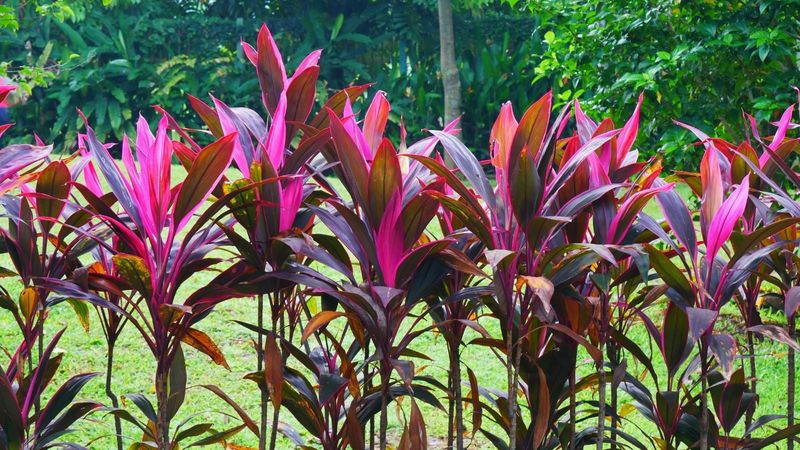
The ti plant brings serious drama to any Florida garden with its long, sword-shaped leaves painted in deep red, burgundy, pink, and green. Propagating from stem cuttings or cane sections is straightforward, just cut a 3- to 5-inch section of mature stem and lay it horizontally in moist soil.
Keep it warm and moist, and new shoots will emerge within a few weeks. Ti plants love Florida’s heat and humidity, growing into bold, architectural specimens that anchor tropical garden designs with effortless flair.
Acalypha
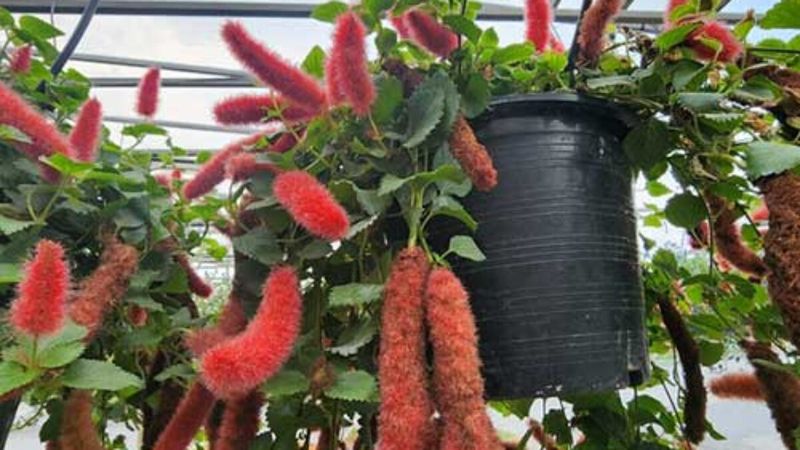
Acalypha is a Florida garden gem that comes in two crowd-pleasing forms: one with fuzzy, chenille-like red flower tassels and another with wildly colorful copper-toned foliage. Take 4- to 6-inch softwood cuttings in spring or summer, dip in rooting hormone, and plant in a well-draining potting mix.
Cuttings root within three to four weeks in Florida’s warm conditions. Whether you choose it for the blooms or the foliage, acalypha grows quickly and makes a lush, eye-catching addition to borders and tropical garden designs.
Cuphea
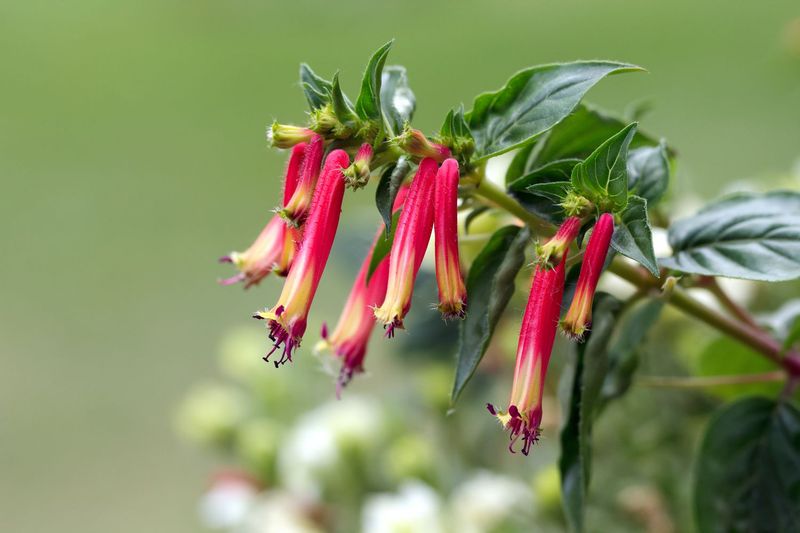
Cuphea goes by the nickname cigar plant, and one look at its tiny tubular red-tipped blooms explains exactly why. Hummingbirds are wild about it, which makes propagating more plants feel like a public service.
Take 3- to 4-inch softwood cuttings in spring, remove lower leaves, and root in moist soil.
Florida’s warmth speeds up rooting considerably, and you can expect new roots within two to three weeks. Cuphea blooms almost continuously throughout the year in Florida, rewarding your propagation efforts with nonstop color and wildlife activity.
Angelonia
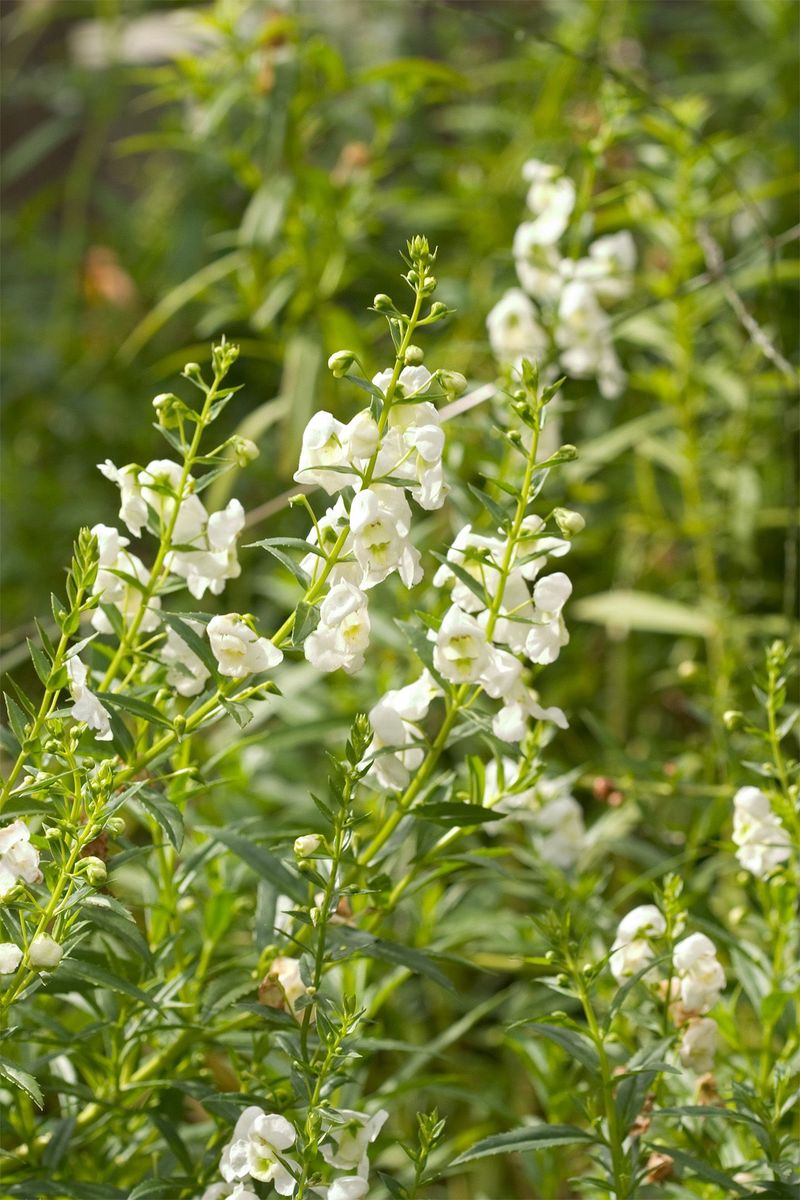
Angelonia is sometimes called summer snapdragon, and that nickname captures its personality perfectly, tall, elegant spikes of blooms in purple, pink, and white that thrive when Florida summer heat would wilt most other flowers. Snip 3- to 4-inch tip cuttings, remove lower leaves, and root in moist potting mix.
Rooting takes about two to three weeks in warm conditions. Angelonia is surprisingly low-maintenance once established, tolerating heat and brief dry spells with ease while delivering months of gorgeous, lightly fragrant blooms in sunny garden beds and containers.