



Some dishes look simple on social media, right up until you try them in your own kitchen. Tiny techniques and timing turn seemingly easy recipes into stress tests with smoke alarms as judges. The good news is you can master them with patience, practice, and realistic expectations. Let’s unpack the traps so you can cook smarter, not angrier.
Souffle
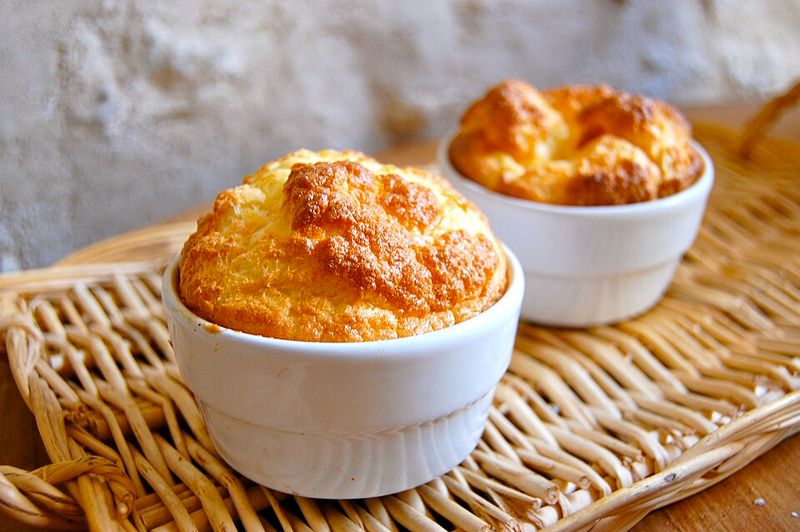
Souffle seems simple until you face deflated reality. Your eggs must be at the right temperature, your whites whipped to glossy peaks, and your folding gentler than a whisper. One heavy stroke and the air disappears.
Even the oven door tempts sabotage if opened early. You need preheated ramekins, buttered and sugared walls, and a base that is thick but not heavy. Timing is ruthless.
Serve immediately, because a souffle lives fast and falls faster. Practice with minis first so failures sting less. Soon your confidence will rise too.
Homemade bread
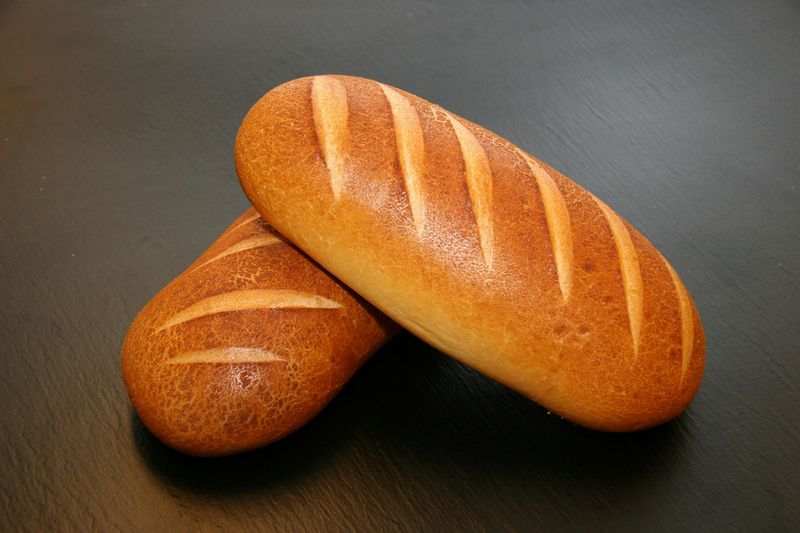
Bread looks easy because flour, water, salt, and yeast feel harmless. But hydration, gluten development, and fermentation timing decide everything. Underproof and you get dense sadness, overproof and it collapses.
Temperature rules dough behavior. A dutch oven creates steam for that singing crust, while proper shaping builds strength. Even scoring changes oven spring dramatically.
Autolyse, stretch and folds, and patience yield open crumb. Your hands learn feel over time, not recipes. Start with higher hydration gradually so you build skill without sticky frustration.
Hollandaise sauce
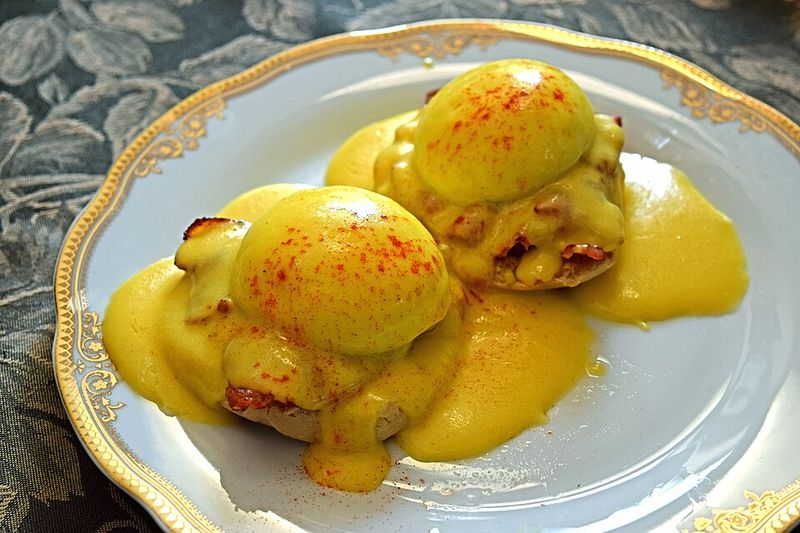
Hollandaise splits the moment you get cocky. The emulsion needs warm but not hot, constant whisking, and slow butter streams. Too cool and it thickens oddly, too hot and it curdles.
A splash of water restores texture when it tightens. Lemon, salt, and a whisper of cayenne make flavors pop. Using a double boiler steadies heat.
Keep a wet towel under the bowl so it does not wobble. If it breaks, a fresh yolk can rescue it. Make small batches first to master the feel.
Risotto
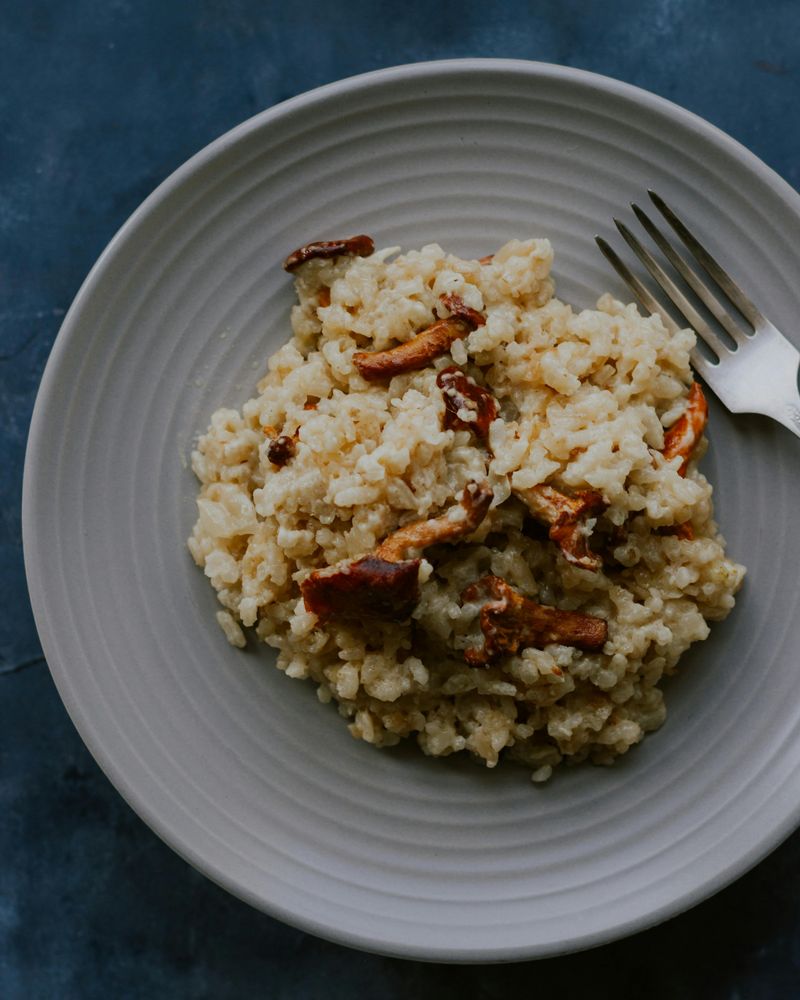
Risotto demands attention you cannot fake. Ladle hot stock gradually and stir to tease starch from rice. Too much liquid at once turns it soupy, too little leaves chalky centers.
Use proper rice like arborio or carnaroli. Sweat onions gently, toast the rice, deglaze with wine, then build creaminess patiently. Finish with cold butter and cheese off heat.
You are chasing allesso, that rippling wave. Serve immediately because risotto waits for no one. Practice timing with plain risotto before layering tricky add ins.
Macarons
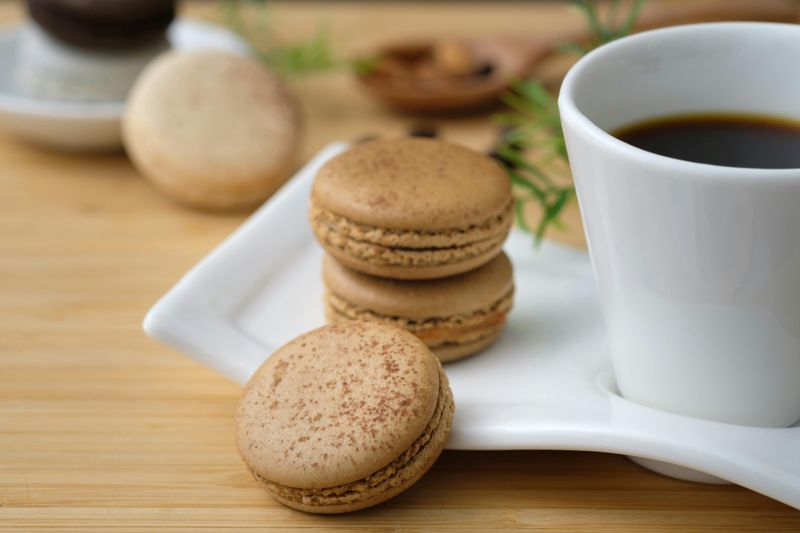
Macarons punish impatience. Grind and sift almond flour carefully, then master macaronage folding until batter flows like lava. Overmix and feet vanish, undermix and peaks remain.
Humidity wrecks drying, so shells need a proper skin before baking. Oven temperatures lie, so an oven thermometer saves trays. Parchment or silicone mats change heat behavior.
Fillings must balance sweetness with acidity or salt. Mature them in the fridge overnight for better texture. Keep notes on humidity, temperature, and bake time to diagnose issues.
Sushi rolls
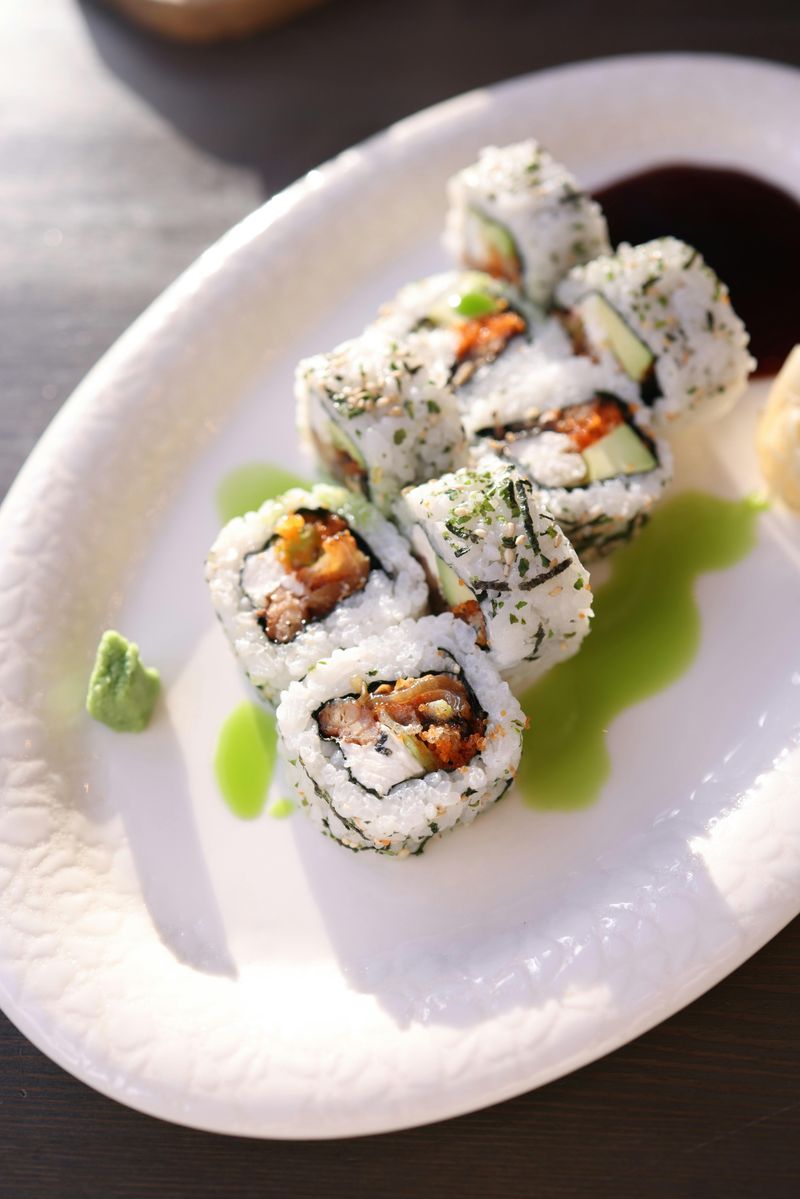
Perfect sushi starts with rice, not fish. Wash until water runs clear, cook gently, and season while fanning to cool. Sticky but distinct grains are the target.
Overpacked rolls burst, underfilled rolls feel sad. Keep hands damp, not wet, and align fillings into tidy lanes. Sharp knives prevent tearing nori.
Fish quality and safety matter more than aesthetics. Buy sushi grade or use cooked fillings while practicing. Roll with light pressure, then rest briefly so nori cuddles into place.
Ramen broth
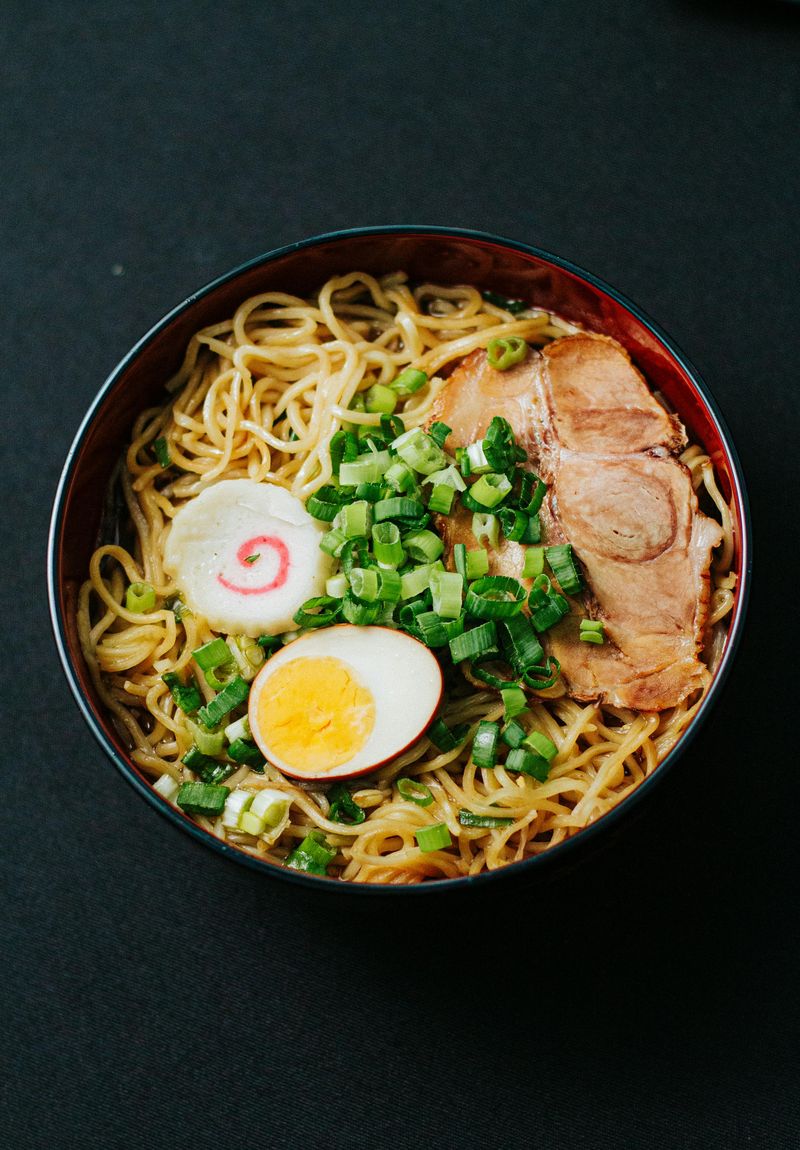
Ramen broth is patience in a pot. Tare, fat, and broth must harmonize, and shortcuts taste like shortcuts. Skim scum, control simmer, and respect time for collagen extraction.
Kombu and katsuobushi bring umami without muddiness. Roasting bones deepens flavor, but scorching ruins clarity. Aromatics need restraint so they support, not shout.
Strain carefully and chill to remove excess fat. Build bowls with intent: noodles, broth, tare, oil, toppings. Your first batch teaches you more than any recipe ever will.
Croissants
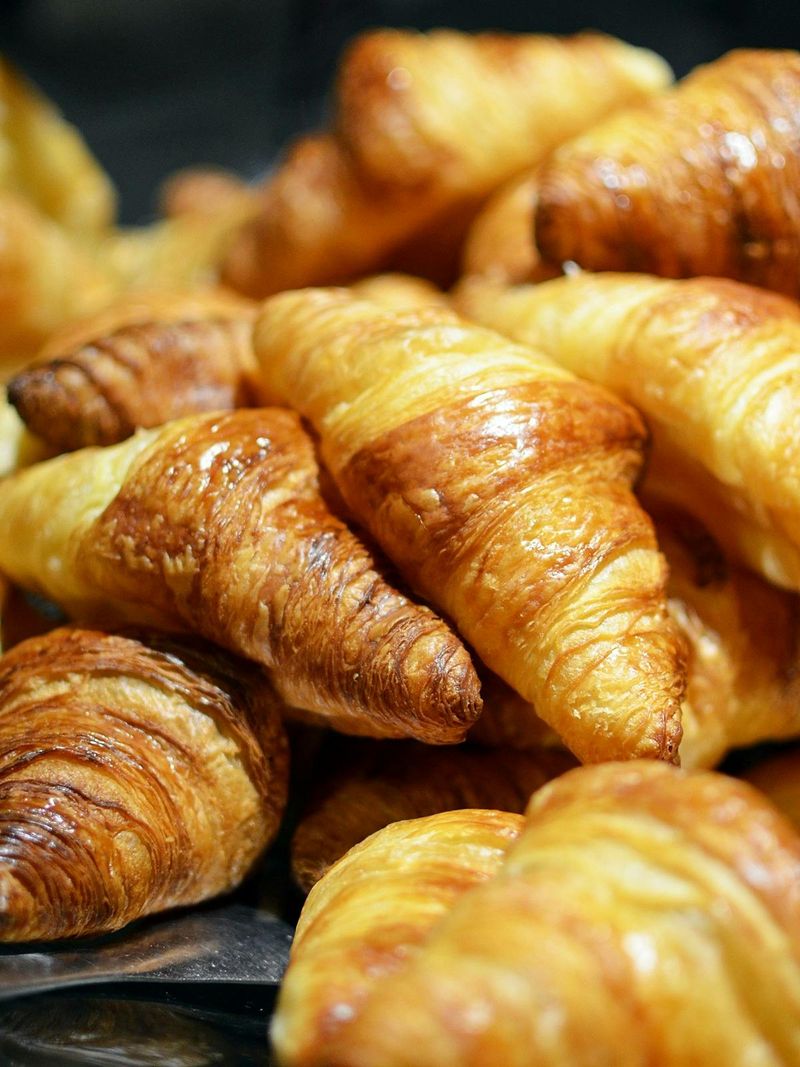
Croissants look innocent until lamination begins. Butter needs plasticity equal to dough, or it fractures and leaks. Temperature control is everything.
Chill between turns but avoid freezing stiffness. Gentle even rolling preserves layers, while impatience smears butter. Proofing warm enough to puff but cool enough to protect butter is tricky.
Egg wash must be careful so edges seal poorly. Bake hot for deep color and shattering flakes. Start with smaller batches so mistakes do not waste a weekend.
Beef brisket
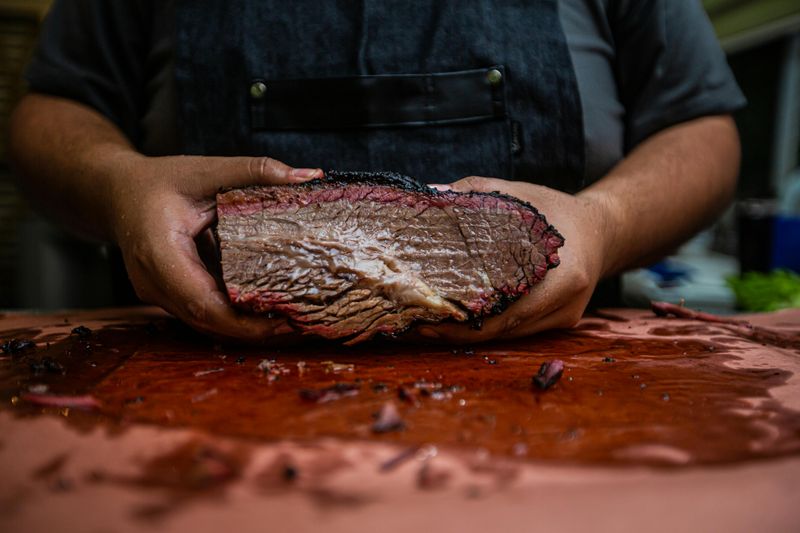
Brisket forgives nothing. The cut demands low and slow patience, steady temperature, and smart wrapping. Probe for tenderness, not time.
Wood choice shapes flavor, while swings in heat ruin texture. Render fat gradually so it bastes rather than pools. Resting in a cooler lets juices redistribute.
Slice against the grain and separate the point and flat. Practice on smaller pieces to learn your smoker’s quirks. When it finally jiggles, you will know.
Fried chicken
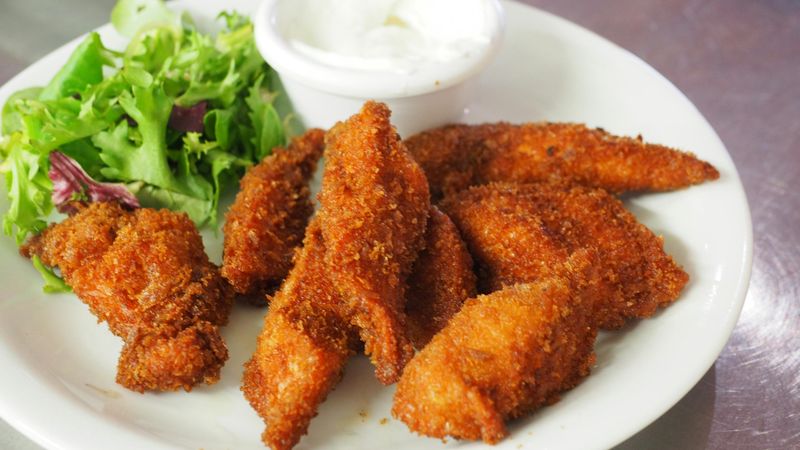
Fried chicken tempts shortcuts that end soggy. Brine or buttermilk marinade seasons deeply, then rest dredged pieces so crust adheres. Oil temperature must recover between batches.
Cast iron holds heat, but overcrowding drops it fast. Double dredging and starch help craggy crunch. Fry until golden then finish in the oven for even doneness.
Season hot out of oil so spices bloom. Use a thermometer instead of guesswork. Let pieces rest on a rack, not paper towels, to preserve crisp magic.
Perfect steak
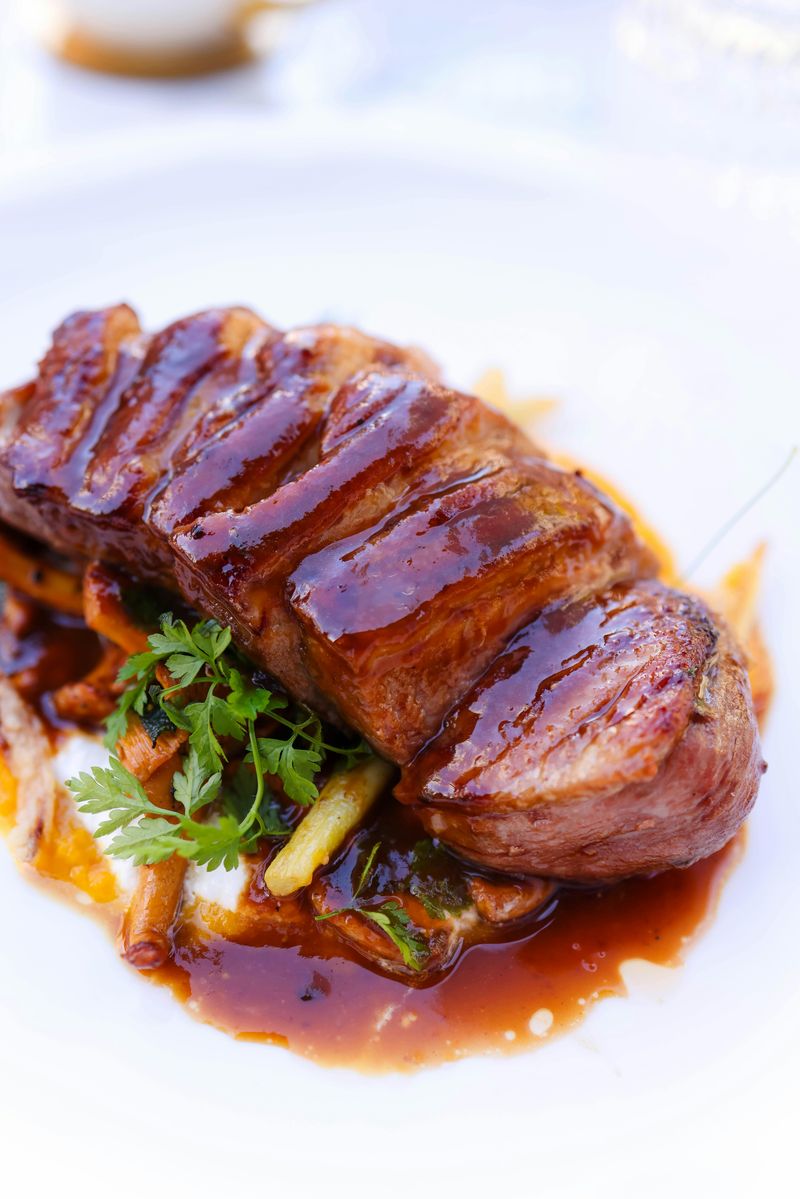
Steak turns tough when rushed. Pat dry, salt early, and let it warm slightly before searing. Use ripping hot cast iron for that Maillard crust.
Baste with butter, thyme, and garlic at the end, not the beginning. Flip often for even cooking. An instant read thermometer beats intuition every time.
Resting matters so juices settle. Choose thickness wisely because thin steaks overcook easily. You are aiming for contrast crisp exterior and tender interior.
Carbonara
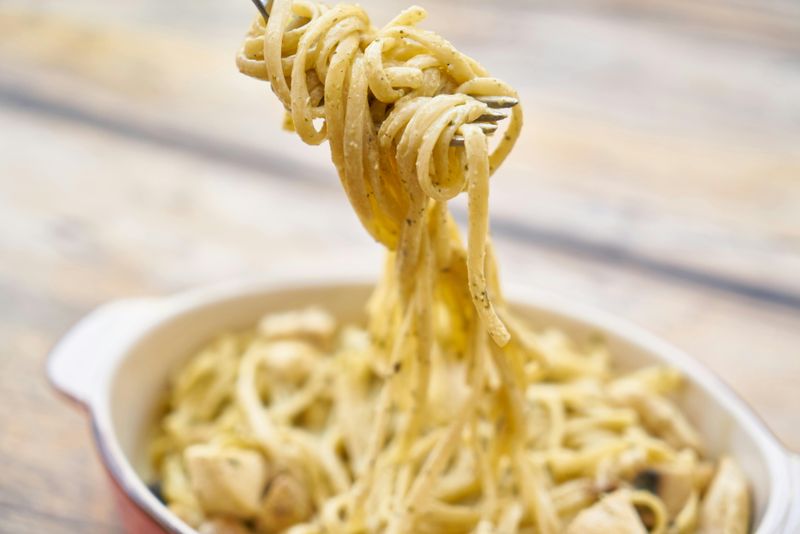
Carbonara breaks when heat outruns timing. Render guanciale slowly, toss hot pasta with eggs and cheese off heat, and temper with starchy water. Scrambling is the enemy.
Pecorino brings sharpness, while a little Parm rounds edges. Pepper must be freshly cracked. Save more pasta water than you think.
Work quickly and keep things moving until glossy. Taste for salt last because guanciale and cheese are salty. Simplicity means every step matters more.
Paella
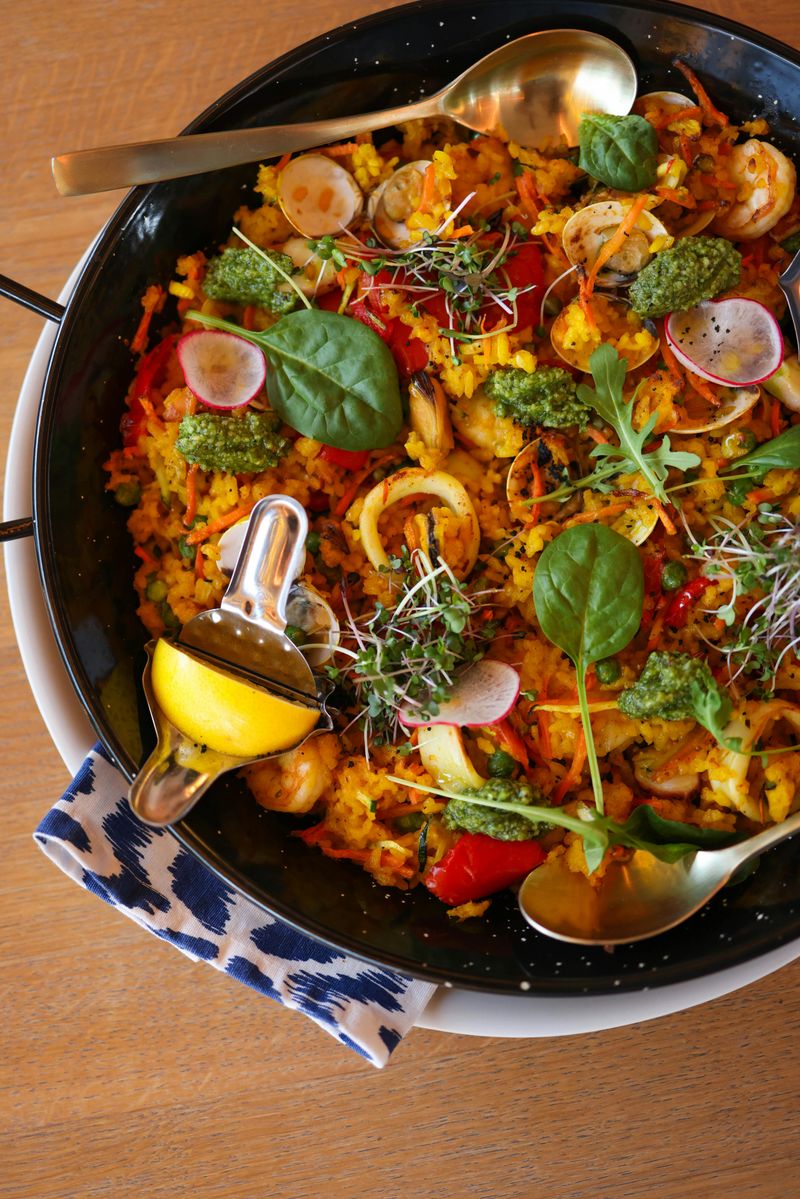
Paella is about rice, pan, and heat. Use a paella pan for wide evaporation and never stir once the liquid is in. You are chasing socarrat, the crispy bottom layer.
Saffron blooms in warm stock, not boiling chaos. Layer proteins thoughtfully so they finish together. Too much stuff makes mush.
Cook over steady heat or a grill for even distribution. Rest the paella before serving to set grains. Simplicity plus patience beats overcomplication every time.
Dumplings
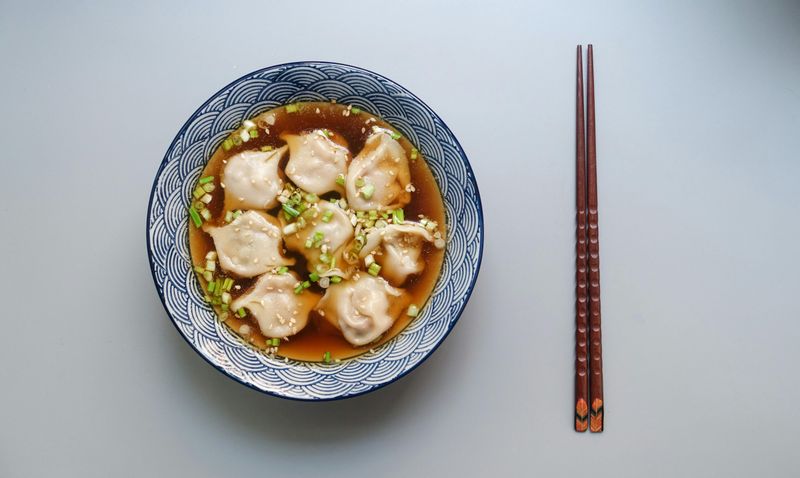
Dumplings look cute until sealing leaks. Dough thickness must stay even so pleats do not bulge. Keep filling cold to reduce bursting.
Pan fry steam fry method needs timing: crisp bottoms, then steam to cook through, then vent to re crisp. Overcrowding turns them soggy. Use a nonstick or well seasoned pan.
Balance filling with ginger, scallions, and sesame oil. Practice with simple half moon folds before fancy pleats. Dip sauces elevate effort into joy.
Pho soup
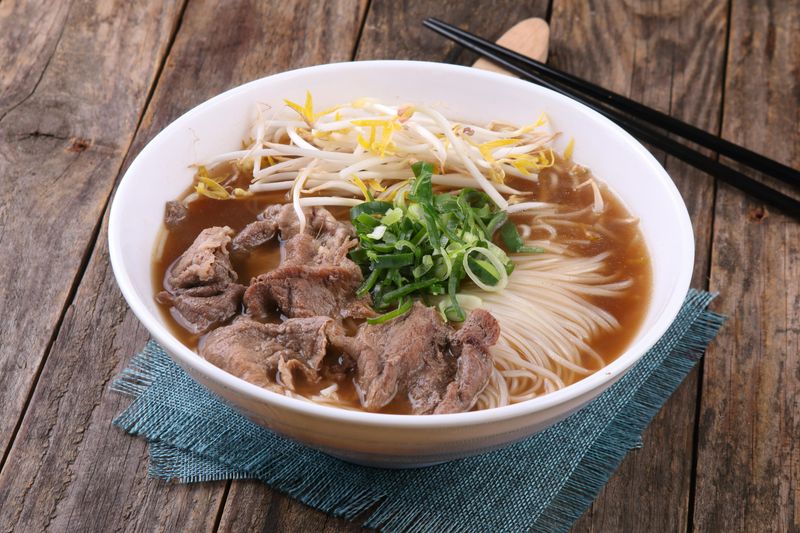
Pho rewards patience more than spice. Parboil bones to remove impurities, then simmer gently with charred onion and ginger. Skim often for clarity.
Star anise, clove, and cinnamon need balance, not dominance. Fish sauce adds depth while sugar rounds corners. Thinly slice meat against the grain.
Blanch noodles separately to avoid cloudy broth. Assemble bowls hot so meat cooks on contact. Herbs and lime bring brightness you cannot bottle.
Lasagna
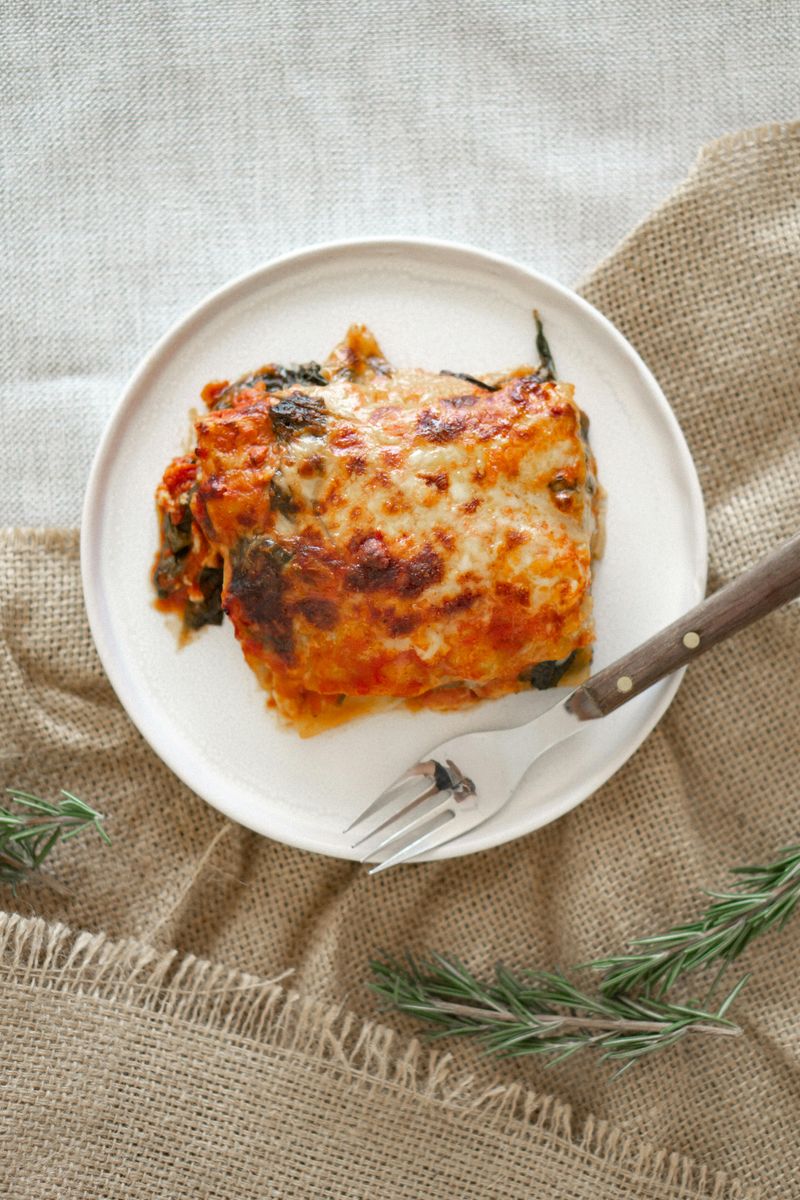
Lasagna fails when layers are wet or bland. Reduce sauce until thick, season every component, and do not overload ricotta. No boil noodles demand extra moisture control.
Let it rest after baking so slices stand tall. A foil covered rest prevents heat loss and watery plates. Sharp knives matter more than you think.
Balance mozzarella stretch with parm savoriness. Bake long enough for edges to caramelize slightly. Leftovers somehow taste even better the next day.
Puff pastry
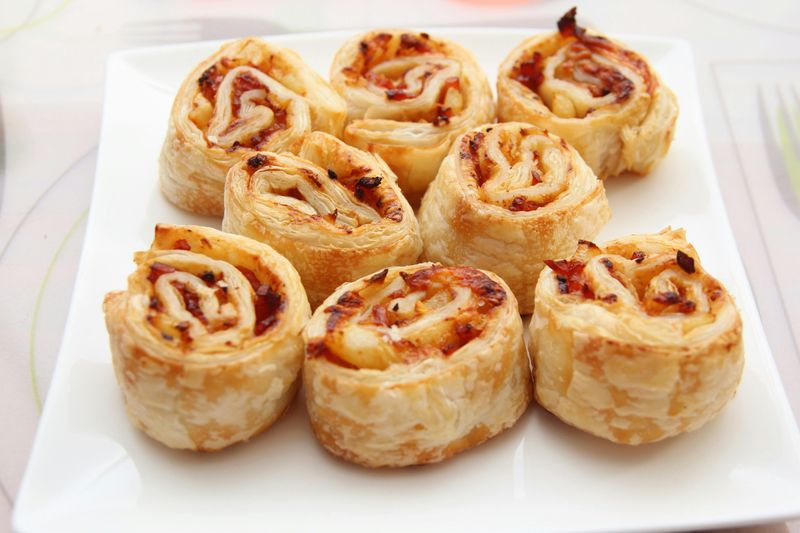
Puff pastry is lamination without yeast as backup. Cold butter sheets must stay distinct between dough layers. Warm kitchens sabotage structure fast.
Use sharp corners and even rolling to keep layers aligned. Chill between turns, but do not let butter turn brittle. Dock or weigh as needed to control rise.
Bake hot to lift quickly, then finish to golden. Trim edges cleanly to avoid sealing layers shut. Respect the clock and the thermometer equally.
Meringue
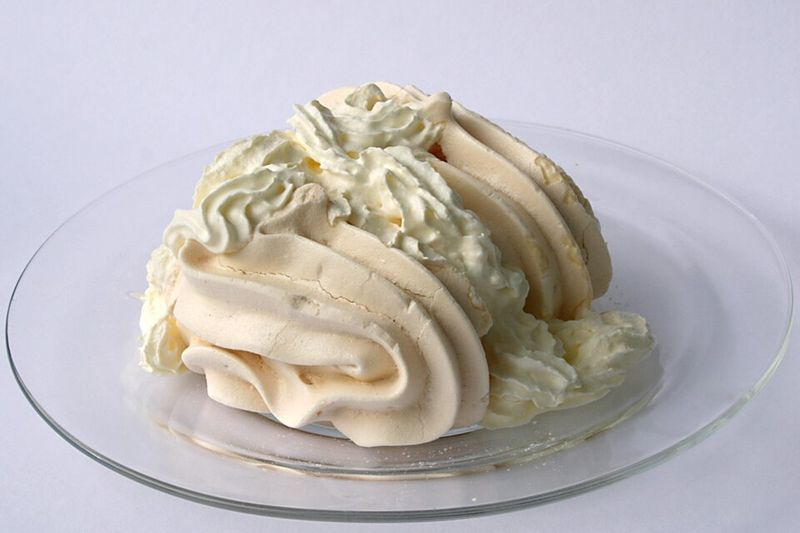
Meringue hates grease and moisture. Any yolk ruins volume, so separate eggs carefully. Add sugar gradually for a glossy stable foam.
Acid like lemon or cream of tartar helps structure. Humidity softens crispness, so plan bake days wisely. Low slow baking dries without browning too much.
For French, Swiss, or Italian, stability changes with heat and syrup. Choose the style your recipe needs. Pipe promptly because it deflates over time.
Caramel sauce
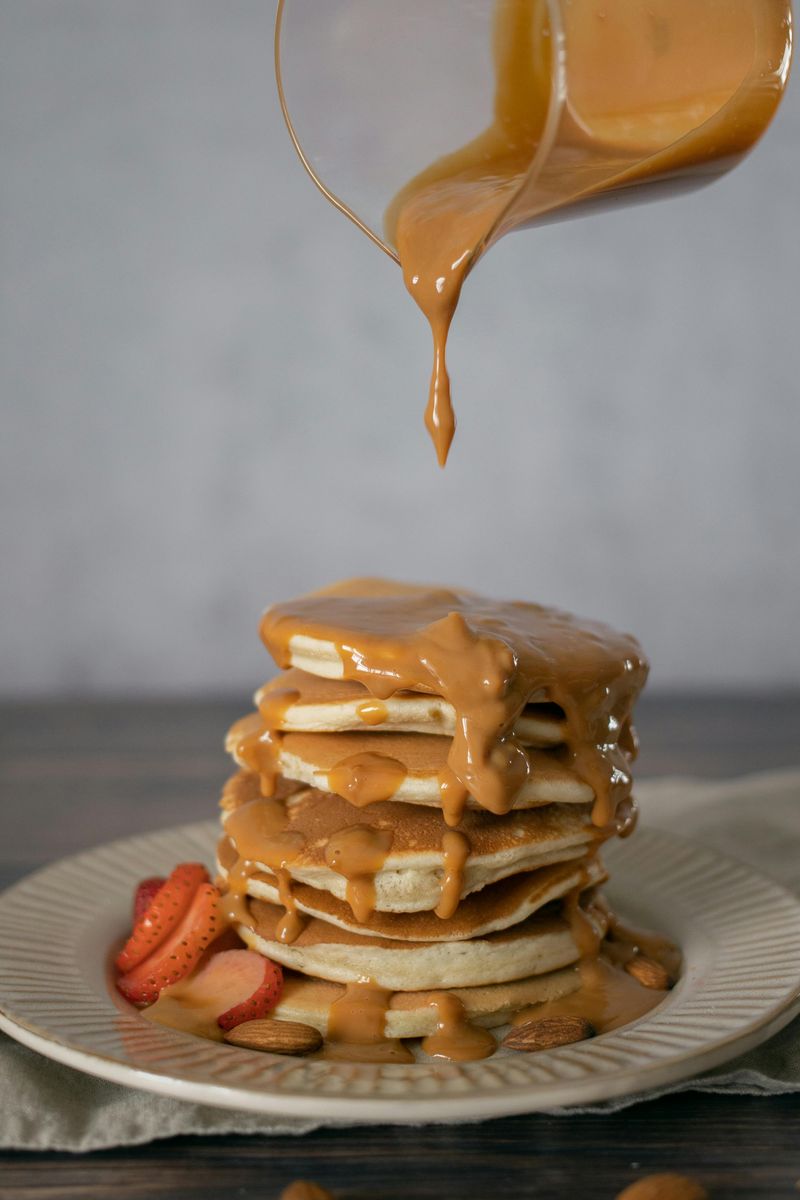
Caramel punishes distraction. Dry method or wet, crystals form from stray sugar on pan walls, so brush with water to prevent seeding. Do not stir once it starts coloring.
Color equals flavor, so wait for deep amber without burning. Add warm cream slowly and stand back from the steam. Salt brings balance and rounds bitterness.
Use a heavy pan for even heat. Store leftovers and rewarm gently to avoid graininess. Respect the heat because caramel sticks and burns fiercely.
Fresh pasta
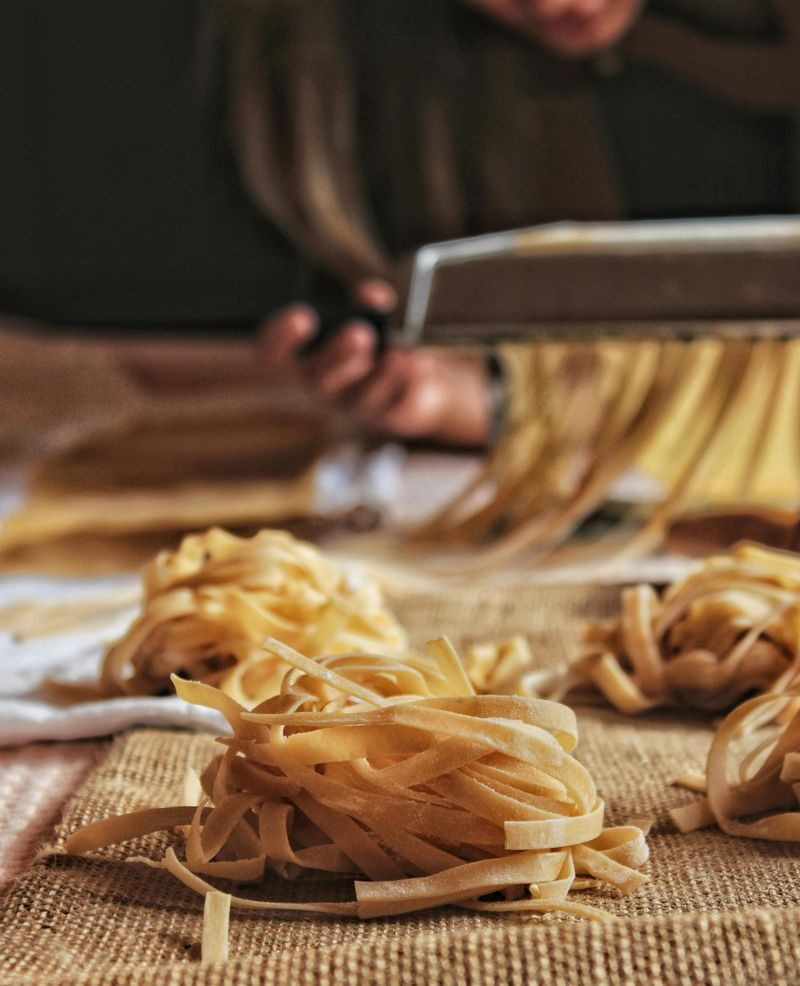
Fresh pasta feels simple yet tests touch. Dough should be smooth and elastic, not sticky or stiff. Resting relaxes gluten so rolling becomes silky.
Flour choice changes chew and color. Add just enough water or yolk to bring it together. Roll progressively thinner so sheets do not tear.
Dust with semolina to prevent clumping. Cook seconds, not minutes, in salted water. Sauce it immediately so strands absorb flavor while steaming hot.
Pie crust
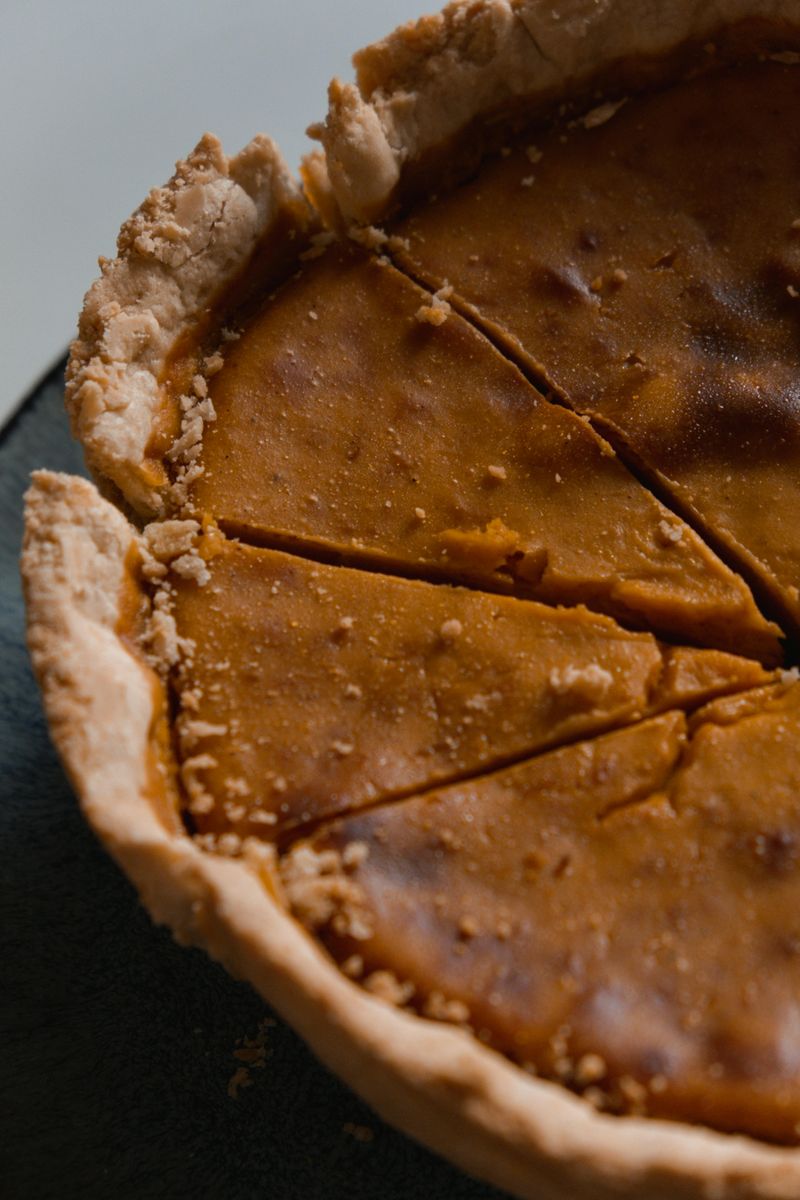
Pie crust scares because heat is the enemy. Keep everything cold so butter shards stay intact and create flakes. Add water slowly until dough just holds.
Do not overwork or gluten tightens and shrinks. Chill before rolling and again before baking. Blind baking with weights prevents puffed bottoms.
Use a glass dish to spot browning. Brush with egg wash for color and seal. You will taste the difference patience makes.
Gravy
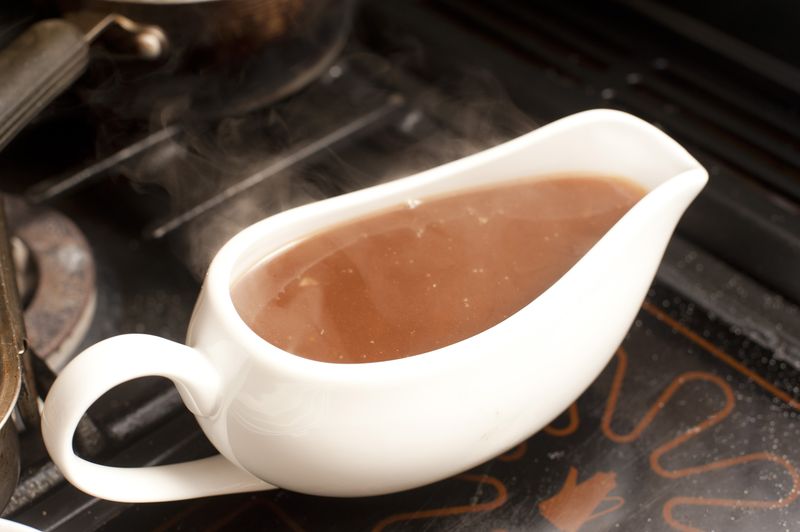
Gravy clumps under pressure. Make a smooth roux first or whisk slurry into simmering stock. Skim fat from pan drippings to avoid greasy gloss.
Season after reduction because salt concentrates. A splash of acid like vinegar or wine brightens. Strain for restaurant smoothness.
Keep it warm to prevent skin, stirring occasionally. If it thickens too much, loosen with stock. Taste repeatedly because gravy is all about balance.
Roast turkey
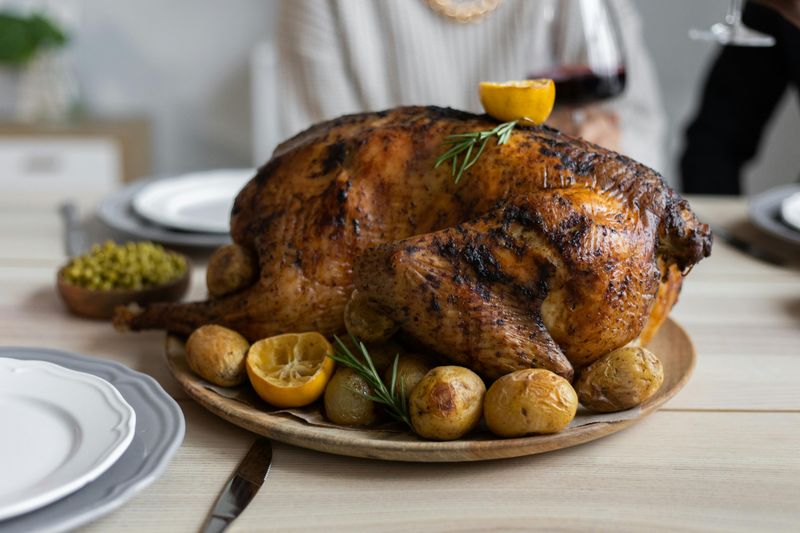
Turkey is large and unforgiving. Uneven thickness means the breast dries while legs lag. Spatchcocking or shielding with foil evens cooking.
Dry brine for seasoning through and crisp skin. Use a thermometer and rest generously before carving. Baste with fat, not watery stock.
Roast on a rack so air circulates. Make gravy from drippings to reward your patience. Carve properly against the grain for juicy slices.