


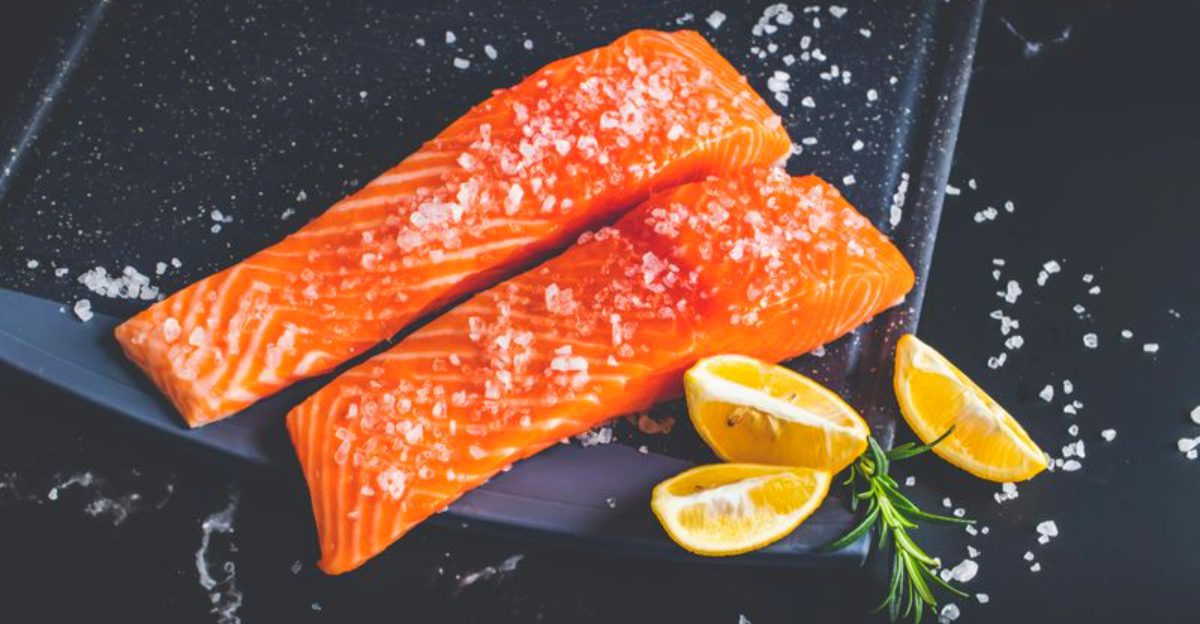
Ever notice how everyday groceries now feel like splurges? The receipt total creeps up, even when the cart looks half full.
You should not need a special occasion to buy basics like bread, eggs, or coffee. Let’s call out the foods that quietly shifted into luxury territory and why it feels so out of hand.
Eggs
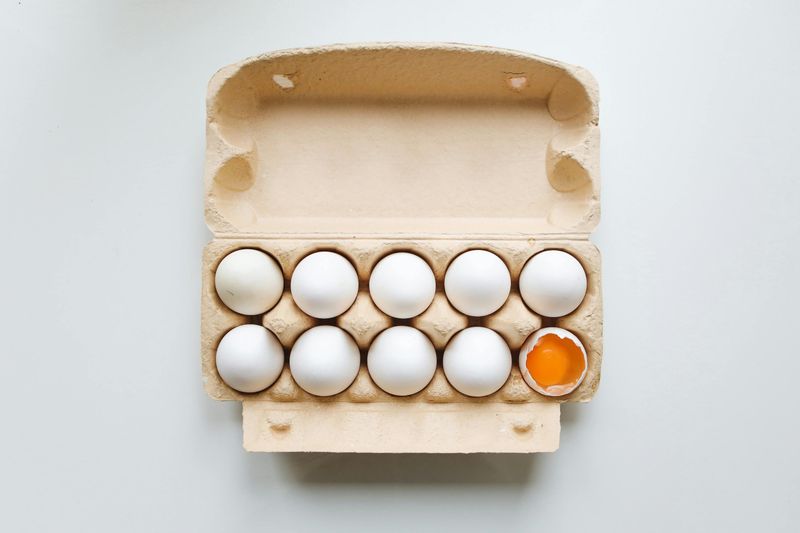
Eggs used to be the affordable protein hero, perfect for any meal and any budget. Lately, you stare at the shelf and double check the price, wondering how breakfast became a splurge.
Bird flu scares, feed costs, and supply hiccups all get blamed, but it still feels unfair.
You should not have to ration omelets like fancy brunch. Bakes and meal prep depend on eggs, and families feel it first.
Prices dip, then jump again, leaving everyone frustrated and adjusting recipes.
Bacon
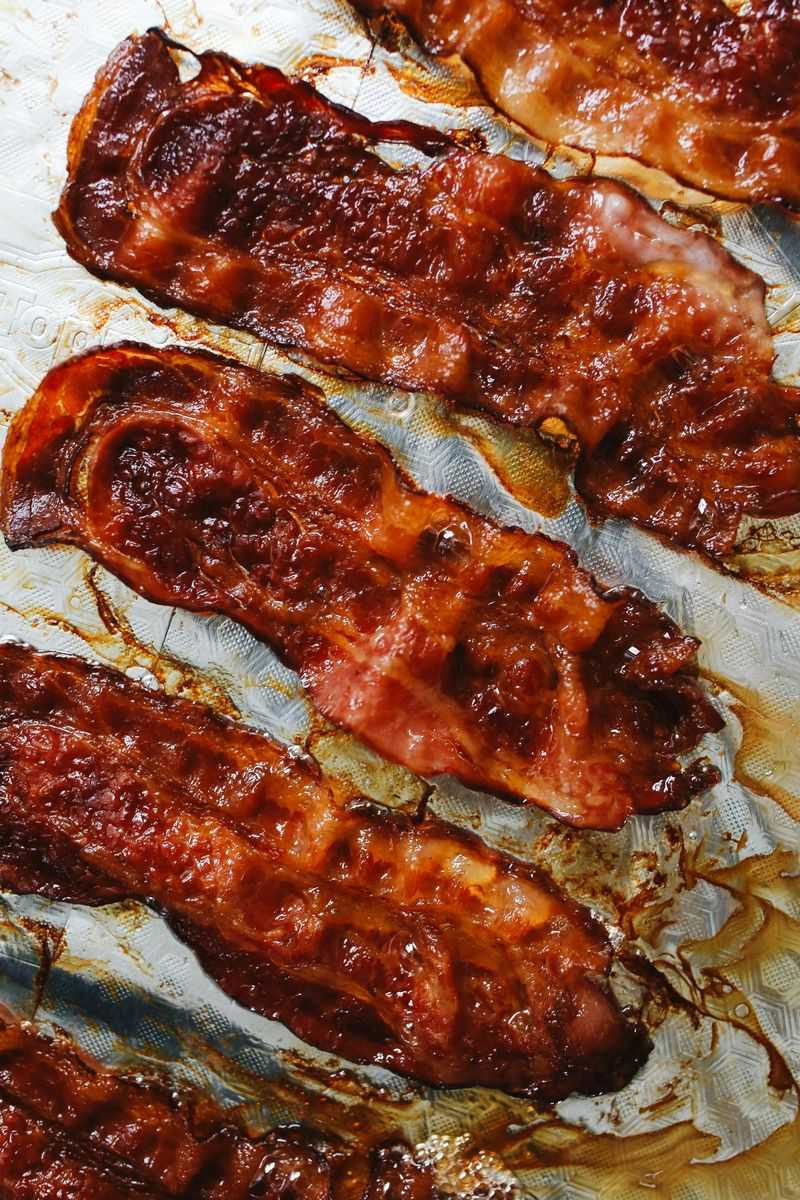
Bacon went from weekend treat to near luxury line item. You pick up a pack, then put it back, then debate if the splurge is worth it for that Sunday breakfast.
Pork supply swings, processing costs, and premium branding all nudge the price higher.
There is also shrinkflation, thinner slices and smaller packs that trick your eye. You deserve honest portions, not sticker shock.
When bacon costs this much, BLTs turn into occasional rewards, not reliable standbys, and that changes how you cook at home.
Butter
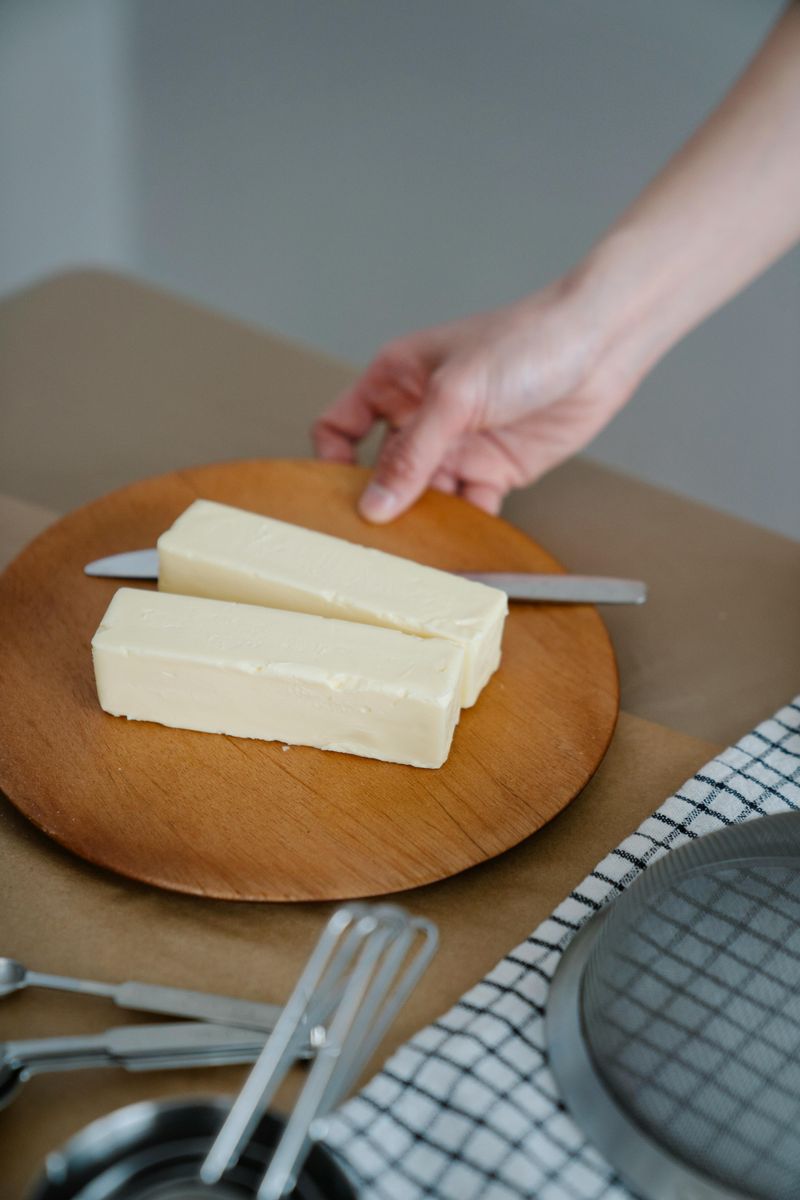
Butter used to be the simple backbone of baking, sauces, and weekday toast. Now you scan brands, comparing sticks and blocks like you are negotiating a contract.
Dairy costs, labor, and export demand get cited, but it still stings when a staple feels premium.
Recipes call for cups, not teaspoons, so price jumps hit hard. You want flavorful bakes without swapping everything to margarine.
Watching butter creep toward luxury makes croissants and cookies feel like risky projects, even when you are just trying to make something comforting at home.
Olive oil
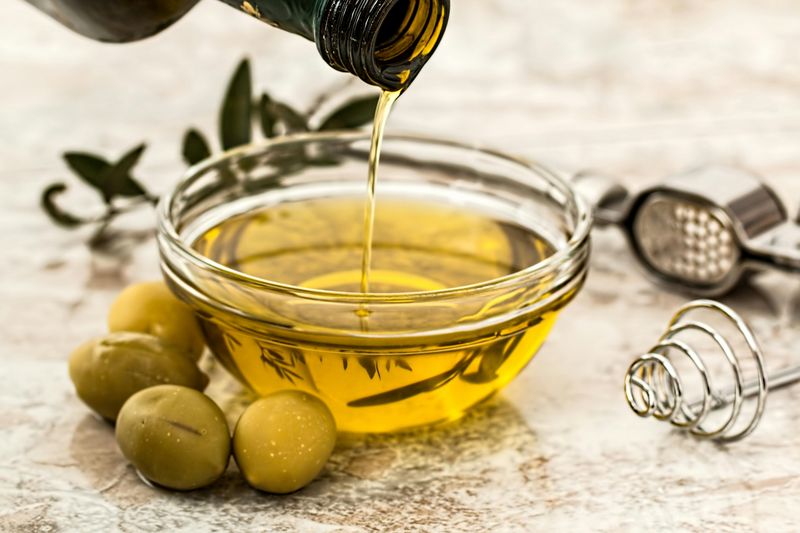
Olive oil used to be a weeknight cooking friend, drizzled without fear. Now a simple pour feels like liquid gold, with prices rising from harvest issues and heat waves crushing yields.
You feel it every time you roast vegetables or whisk a vinaigrette.
Quality matters, but basic bottles should not feel unattainable. You compare liters and acidity percentages like an investor.
The shift turns everyday cooking into careful rationing, which steals joy from simple meals and makes home cooks second guess flavor choices that once felt effortless and generous.
Coffee
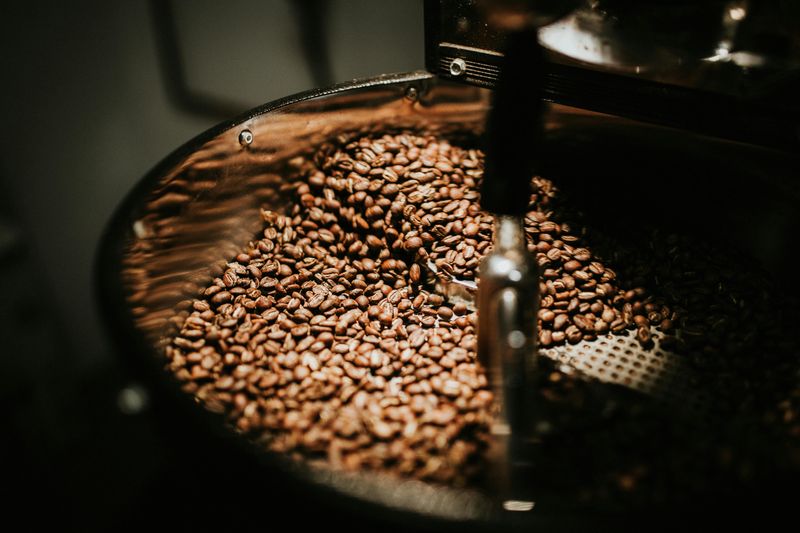
Coffee used to be the affordable daily ritual that grounded mornings. Now one bag can rival a nice dinner, and cafe cups creep up too.
Weather shocks, transport costs, and specialty hype all stack up, but you simply want a consistent cup without budgeting anxiety.
You should not feel guilty refilling the pot. When beans feel like a treat, productivity and comfort get taxed.
The luxury creep turns a basic wake-up into a cost calculation, and that is not how anyone wants to start the day, especially before emails and meetings.
Chocolate
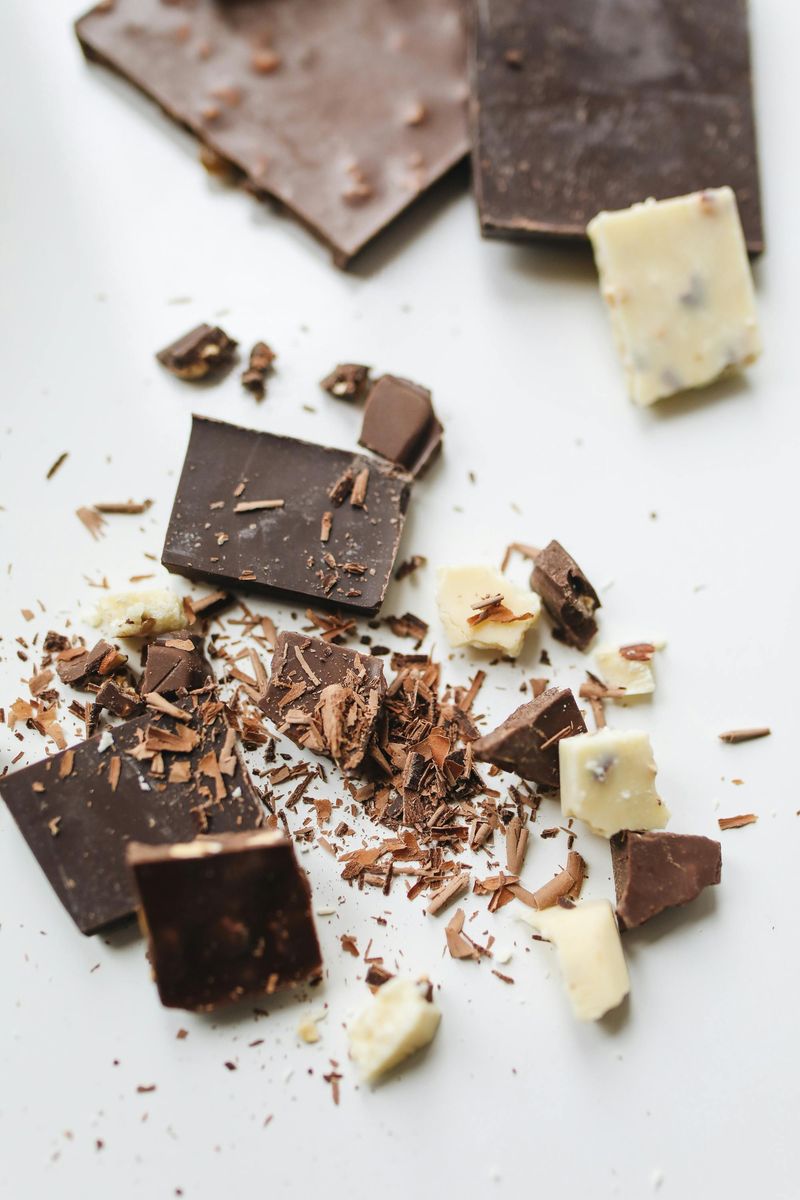
Chocolate was the simple pick-me-up you could toss in the cart. Now a single bar can feel like a splurge, with cocoa shortages and labor issues pushing prices higher.
You just want a square after dinner without doing math in your head.
Premium branding adds shine, but even basic bars climbed. Baking with chocolate becomes pricier, from brownies to holiday gifts.
There is real supply strain, yet it still hurts to see comfort taxed. Treats should feel accessible, not reserved for special days or curated tasting notes you did not ask for.
Cheese
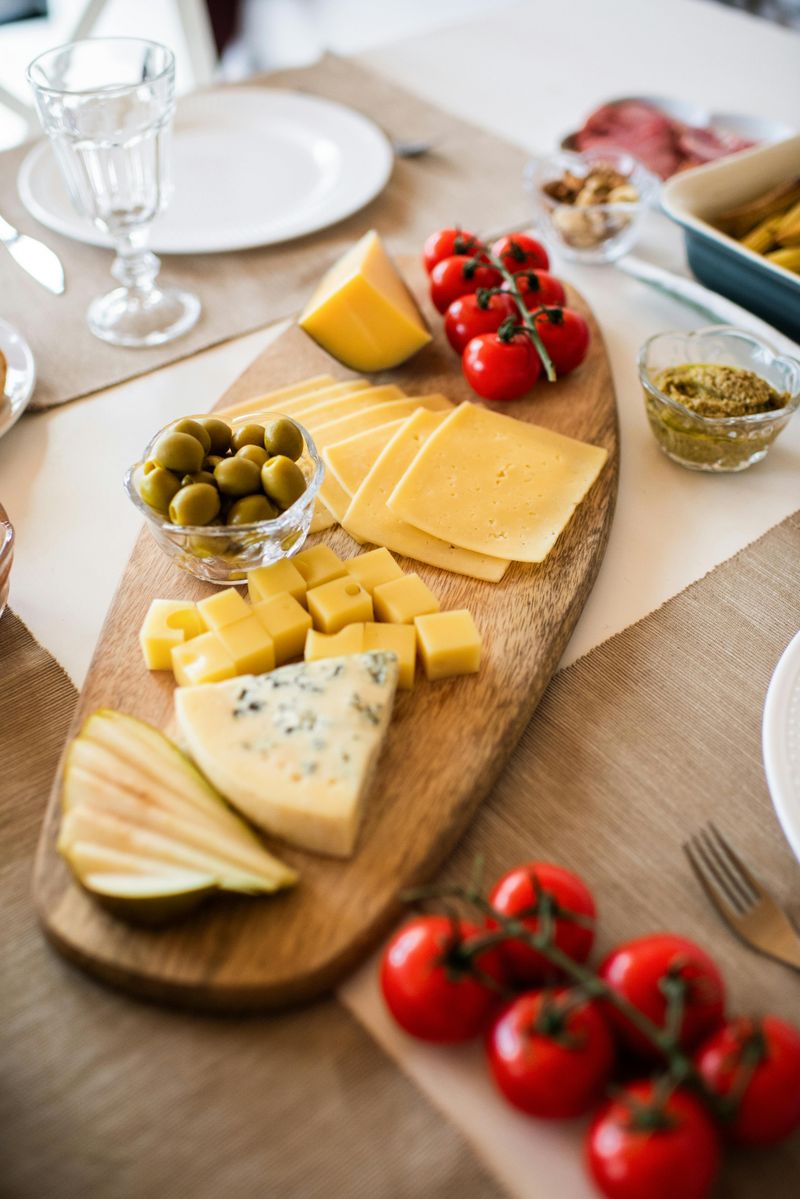
Cheese once bridged snacks and dinners without fuss. Now wedges and shreds carry boutique price tags, even for basics like cheddar and mozzarella.
Dairy volatility, aging time, and import costs are real, but sticker shock still hits when making simple grilled cheese.
You start substituting or buying smaller packs, which vanish fast. Entertaining feels pricier when a cheese board costs like a full meal.
Everyday comfort should not demand budgeting gymnastics. The luxury slide turns mac and cheese into a careful calculation, not the easy, cozy fix it has always been for busy nights.
Ground beef
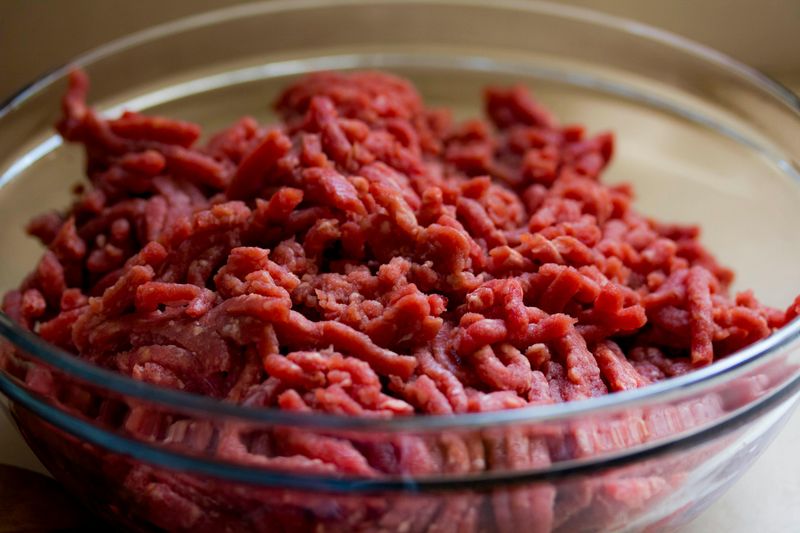
Ground beef used to be the budget anchor for tacos, meatloaf, and burgers. Lately, prices jump and packs shrink, making weeknight dinners feel stretched.
Feed, fuel, and processing costs get cited, but it still feels like a tax on family staples.
You should not have to swap to beans every time, unless you want to. The unpredictability makes meal planning harder.
Watching a basic protein creep toward luxury changes cookouts and comfort food, turning casual gatherings into carefully portioned plates, which steals some of the joy from simple grilling and shared meals.
Chicken wings
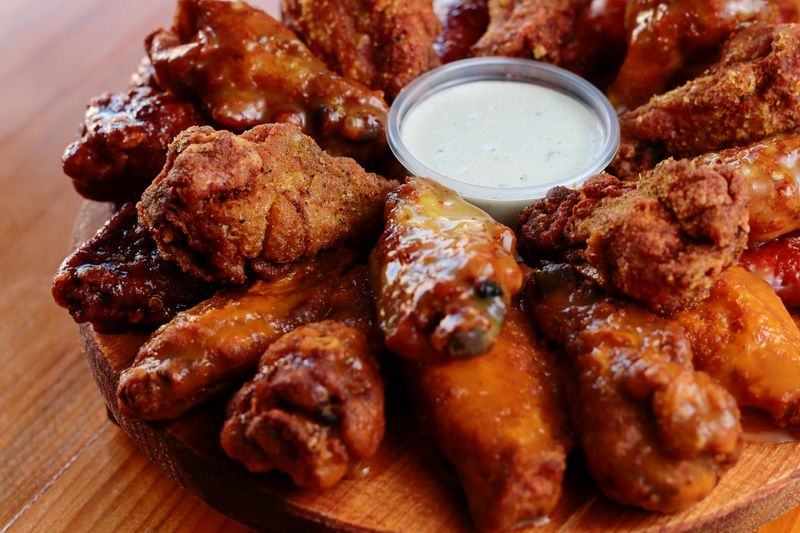
Chicken wings used to be the cheap party MVP. Now they are priced like premium cuts, with supply issues and restaurant demand pushing costs.
You notice it during game nights, where a tray suddenly feels like a splurge instead of an easy crowd-pleaser.
It changes how you host, leaning toward drumsticks or meatless snacks. Wings should be fun, not financially tense.
The price creep drains spontaneity from gatherings, and even homemade batches do not save much anymore. It is frustrating when the most casual food on the table carries a surprising, stubborn premium for no clear reason.
Beef steak
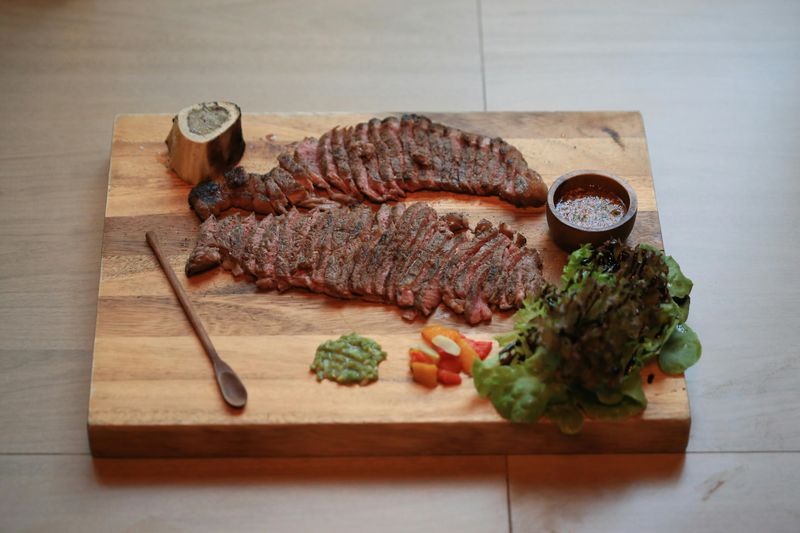
Steak night used to feel special without wrecking the budget. Now even basic cuts act like luxury, with prices that make you hesitate at the butcher case.
Feed, drought cycles, and processing explain some, but the steady climb still shocks you every checkout.
You end up saving steak for birthdays or splitting portions. That is a shift from hearty, shared meals to measured bites.
The emotional tax is real, because grilling should be simple joy. When beef becomes precious, it steals ease from weekends and makes home cooking feel like restaurant math.
Fresh shrimp
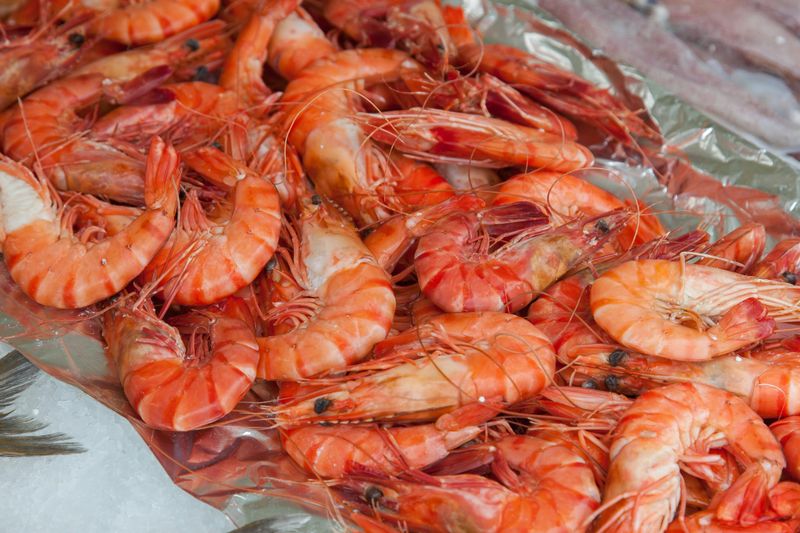
Shrimp used to be the versatile, quick-cook treat you could justify any week. Now prices creep up, and bags feel lighter than before.
Import dynamics, fuel, and labor get blamed, but you still feel the pinch when planning pasta or tacos.
It nudges you toward frozen mixes or smaller portions. Simple, joyful meals should not feel rationed.
Shrimp night has become a negotiation with the budget, which dulls the fun of fast, flavorful dinners that once fit easily into a normal grocery run without second thoughts.
Avocados
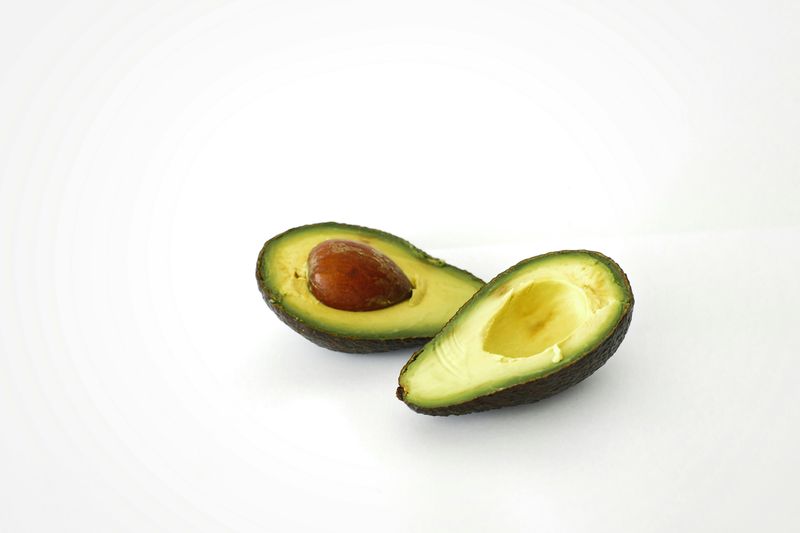
Avocados rode the trend wave, but they were still manageable for toast, salads, and tacos. Now you squeeze them gently and debate the price every time.
Weather swings, water, and transport push costs, yet it still feels wild for a fruit with such simple uses.
Ripeness roulette makes waste risky too. You should not have to plan payday around guacamole.
When basics like avocados feel premium, it adds friction to healthy eating choices and makes spontaneous recipes less likely, which is a quiet loss for everyday meals.
Berries
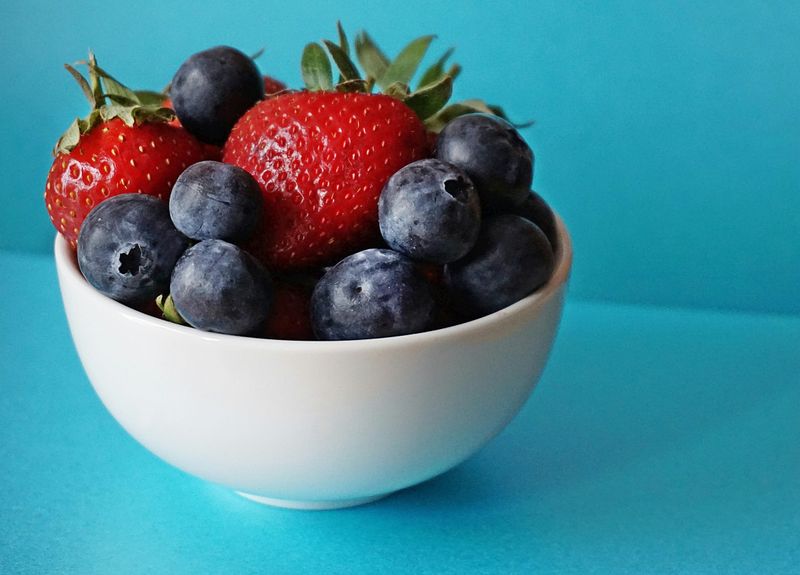
Berries used to be the guilt-free cart add, great for breakfasts and snacks. Now clamshells price like gifts, especially out of season.
Weather, short shelf life, and shipping explain some, but you still wince swiping the card for a small container.
Healthy habits become pricier, which feels backward. You should not ration fruit like jewelry.
The luxury creep pushes people toward shelf-stable sweets, even when they want fresh options. That quiet shift matters, reshaping lunchboxes and smoothies in ways that do not feel fair or necessary for families trying their best.
Cooking oil
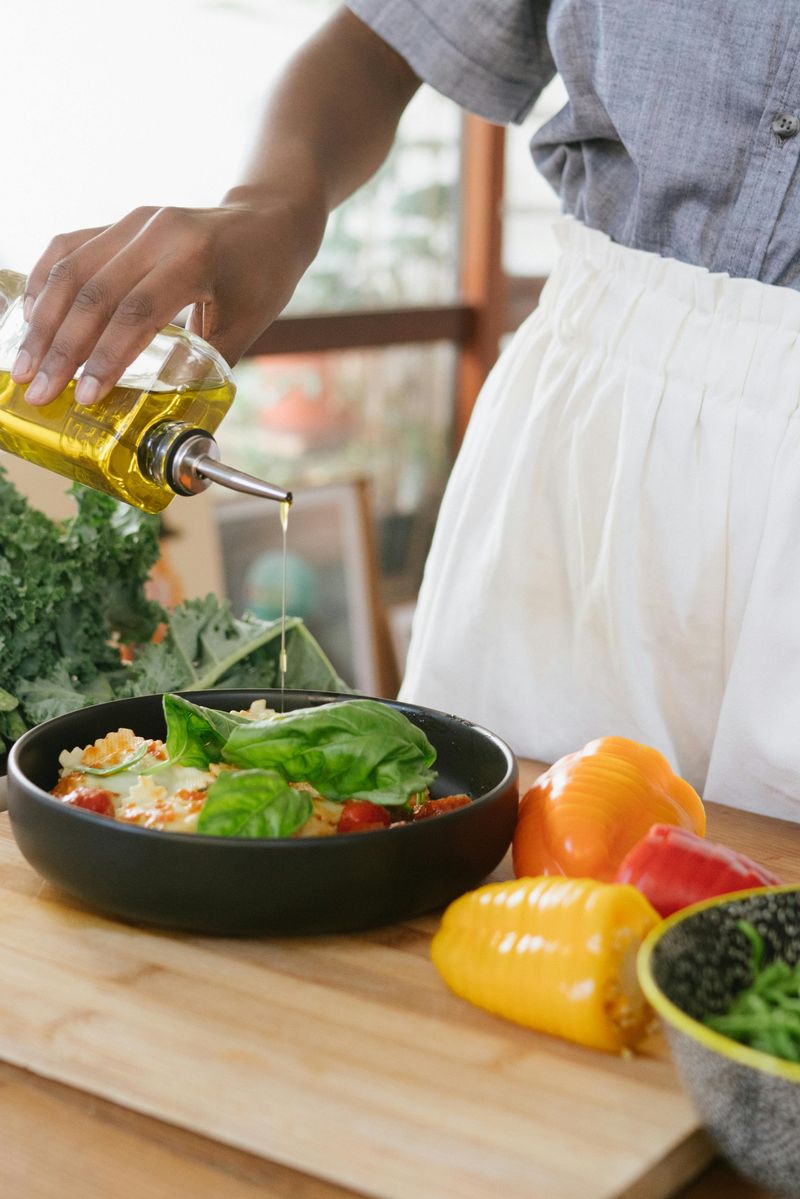
Basic cooking oils once lived in the background, reliable and cheap. Now even generic bottles feel pricey, with crop failures, biofuel demand, and shipping all stacking costs.
You notice it when frying eggs or prepping stir-fries, because that bottle empties faster than you expect.
It should not take a budget debate to saute onions. The quiet climb forces rationing and fewer high-heat dishes.
Shrinkflation stings too, with slimmer jugs hidden among familiar shapes. Essentials becoming premium breaks trust and makes everyday cooking feel constrained, which is exhausting in a busy week.
Bread loaf
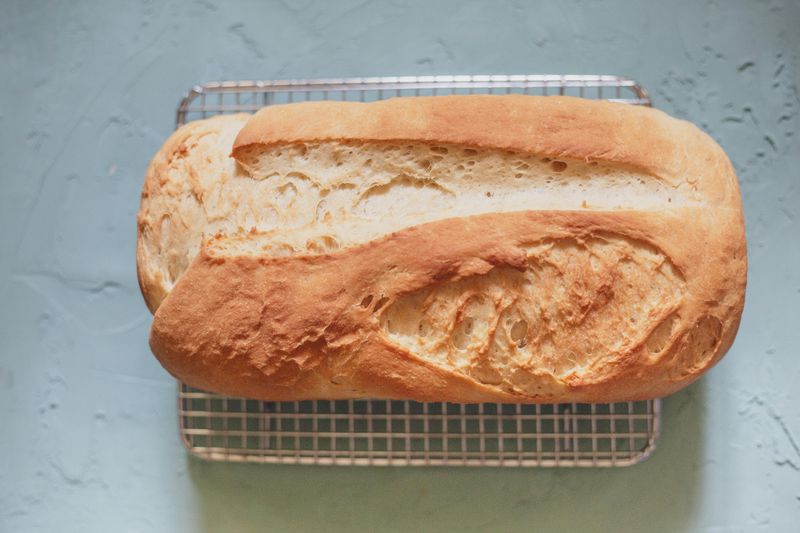
A simple loaf of bread used to be the most democratic food in the aisle. Now you compare slices, grams, and price per ounce like an accountant.
Wheat prices, labor, and energy all factor, but it still hurts to pay more for a daily staple.
Sandwiches, toast, and school lunches depend on it. When bread feels luxurious, convenience disappears.
You might bake at home, but time is scarce. The erosion of basics adds stress you should not carry just to make an ordinary, reliable lunch.
Cereal
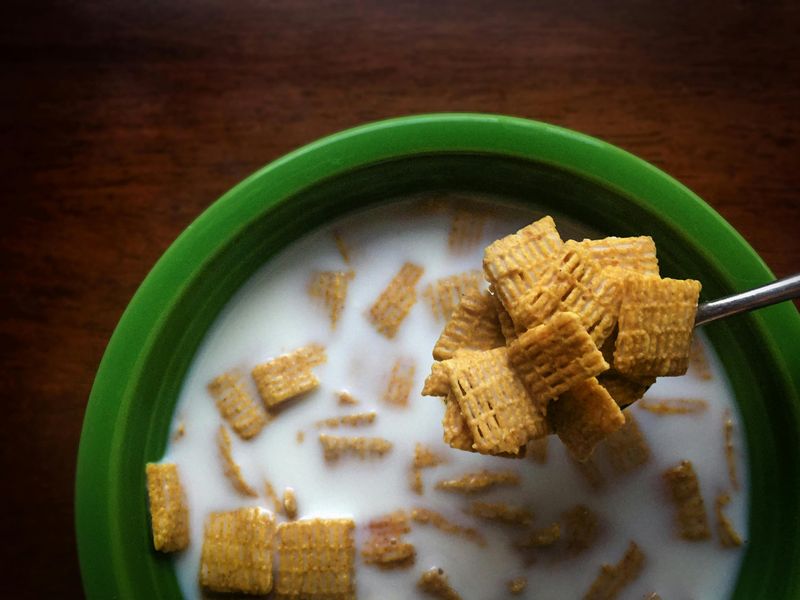
Cereal used to be the quick, affordable breakfast fix. Now boxes feel lighter, prices higher, and sugar-filled varieties somehow cost the most.
Grain costs, branding, and shelf space wars all play roles, but families just need something simple before school.
The sticker shock changes routines, pushing toast or leftovers instead. Kids notice when favorites vanish.
You should not need a coupon stack to keep mornings moving. Luxury cereal is an oxymoron, yet here we are, measuring spoonfuls to stretch a week and keep everyone fed without overspending.
Frozen meals
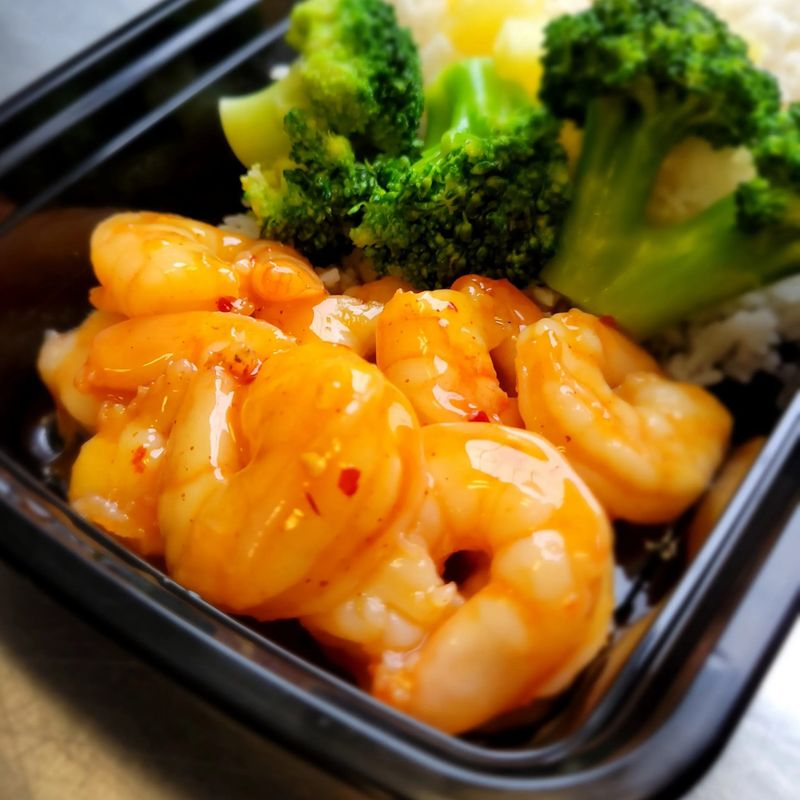
Frozen meals once solved weeknights with predictable value. Lately, even basic trays rival takeout prices, and portions shrink.
Packaging, transport, and branding upgrades get cited, but you just want dinner that does not punish a tired budget.
Convenience should not equal premium. When freezer staples climb, people either skip meals or overspend elsewhere.
It adds friction to busy schedules, especially for caregivers and students. The quiet luxury label on frozen entrees turns survival food into a calculation, which is the opposite of what convenience was supposed to provide in the first place.
Pre cut fruit
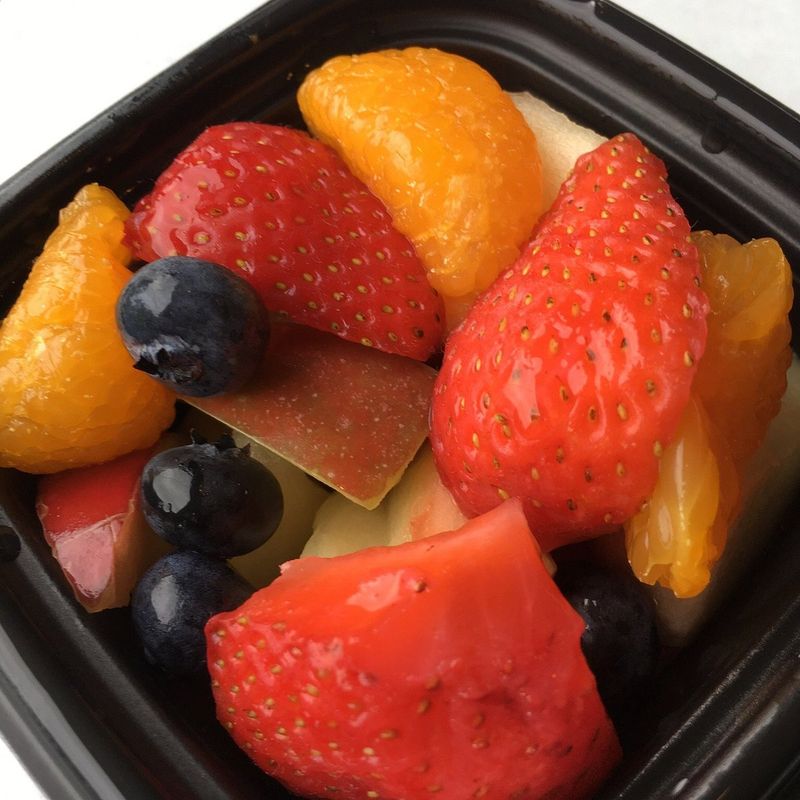
Pre cut fruit always cost more, but recently it crossed into absurd. You pay for time and packaging, sure, yet the premium often doubles the whole-fruit price.
When life is hectic, you should not be punished for choosing something fresh and ready.
It helps with accessibility and mobility too, which matters. The rising cost forces tough choices between convenience and nutrition.
That feels backward, especially for families and workers juggling a lot. Convenience should help, not guilt-trip your wallet with every checkout scan.
Bagged salad
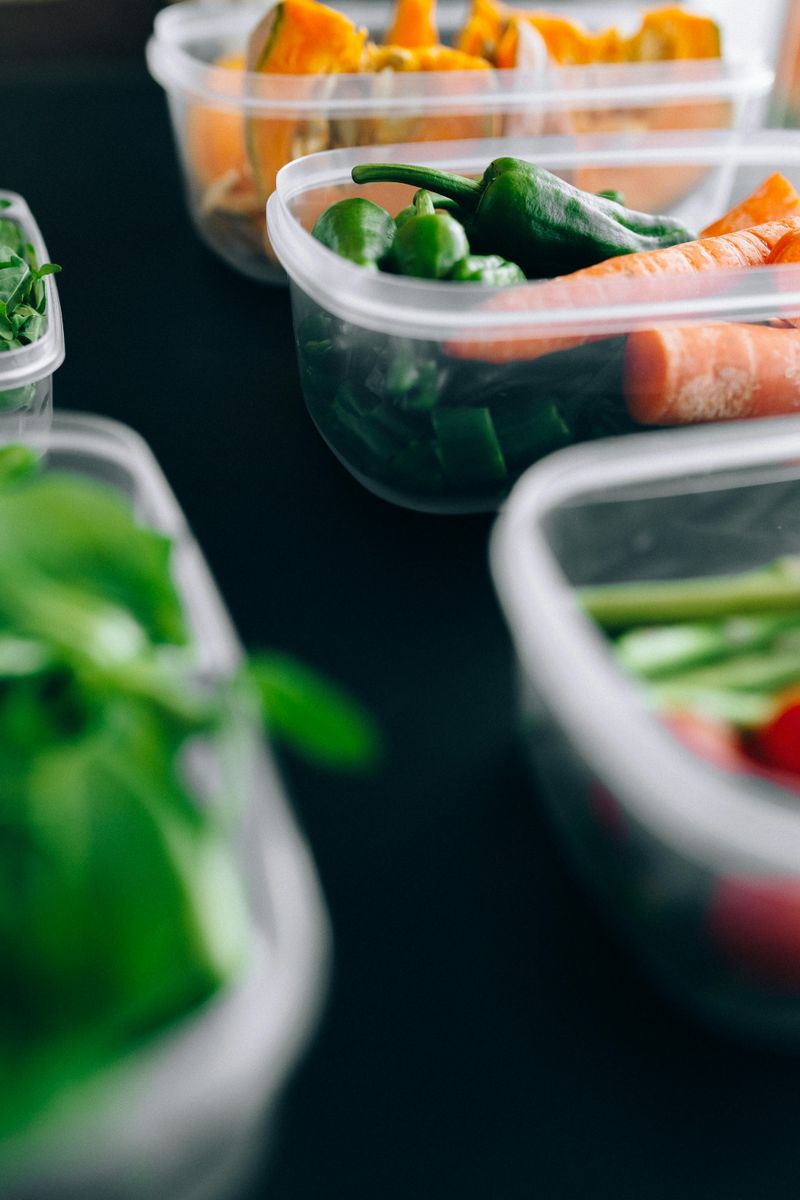
Bagged salad mixes used to be the shortcut to eating better. Now they feel like boutique items, with smaller bags, wilting faster, and higher price tags.
Washed, chopped, and mixed greens cost to produce, but the premium keeps climbing beyond reason.
You want quick salads without spending like a restaurant. When greens feel luxury, people skip vegetables more often.
That quiet ripple matters across health and habits, and it should not be this hard to make a simple side for dinner on a busy weeknight.
Protein bars
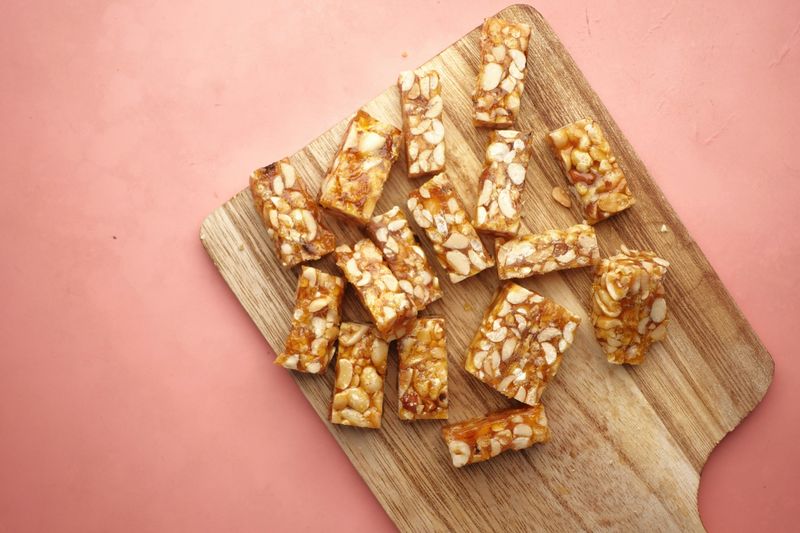
Protein bars started as convenient fuel for busy days. Now they are priced like fancy desserts, even when ingredients are basic.
Marketing, added functions, and supply costs all pile up, but you just want reliable snacks that do not bust the budget.
Shrinkflation and sugar alcohols muddy value further. You should not need a calculator to compare grams per dollar.
When simple fuel becomes luxury, people either skip protein or reach for cheaper junk, which undercuts the whole point of grabbing a bar in the first place.
Energy drinks
Energy drinks used to be an occasional pick-me-up. Now cans creep past reasonable prices, especially for multipacks.
Branding, caffeine sources, and distribution play roles, but consumers mainly need a boost, not a luxury accessory.
When quick energy gets pricey, people double coffee or push through fatigue, neither ideal. You should not need a premium budget to stay alert for work or study.
Price creep turns a simple fix into a questionable habit, and that tension shows up during long shifts and late-night projects.
Prepared sushi
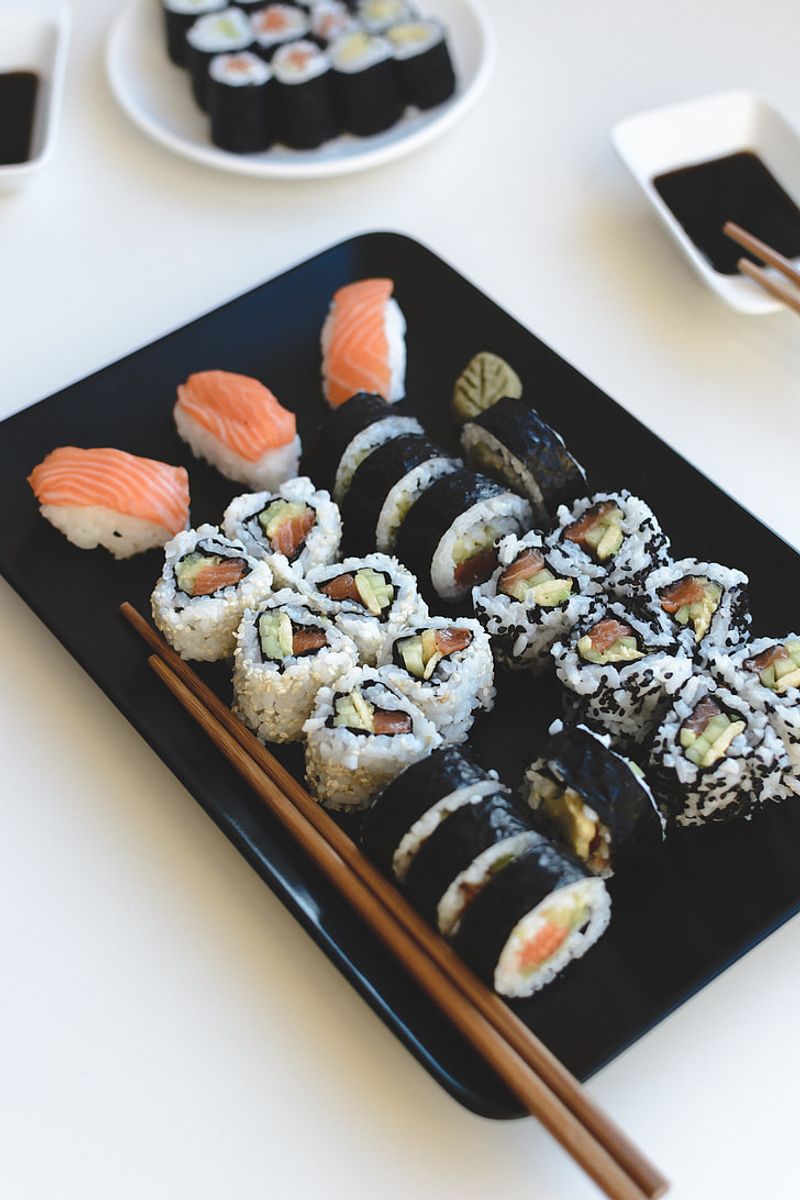
Grocery sushi used to be a fun, affordable treat between errands. Now a basic roll fights with your lunch budget.
Fish costs, labor, and packaging stack up, but the leap makes spontaneous sushi feel like a decision, not a delight.
You want freshness and safety without luxury vibes. With prices rising, people switch to simpler meals or skip fish entirely.
That is a quiet loss for variety and nutrition. Prepared sushi should be a reachable option, not an indulgence that needs justification every single time.
Salmon
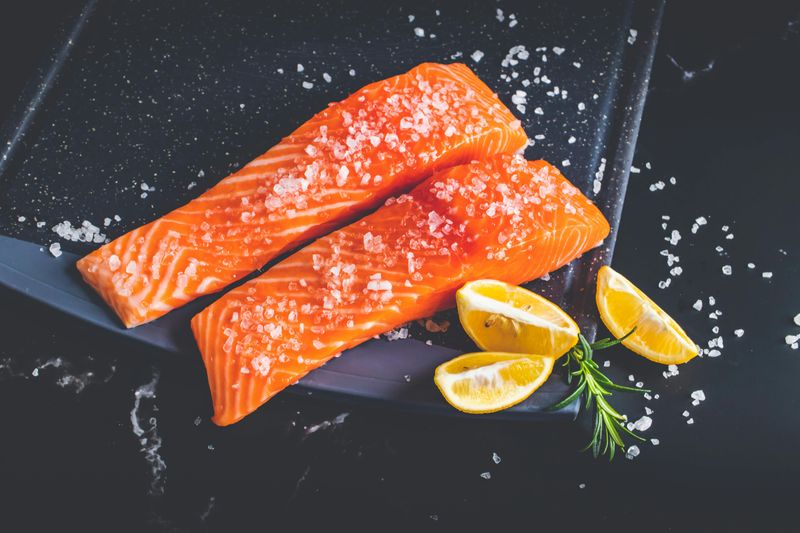
Salmon once wore the healthy weeknight crown. Now sticker shock hits hard at the seafood counter, with farm costs, feed, and transport pushing numbers up.
You want those omega fats without treating dinner like a special event every time.
Sales help, but unpredictability ruins planning. You deserve nourishing food without the luxury label.
When salmon turns pricey, people shift to canned or skip fish entirely, which is a loss. It should be possible to cook a simple fillet on Wednesday without budgeting stress or settling for less satisfying protein options.