



Ever grab something that looks like a bargain, then flinch when the total pops up at the register? You are not alone.
Some everyday groceries hide sneaky price traps in small packaging, premium labels, and shrinkflation. Here are the usual suspects to watch so your cart feels full, not your receipt.
Bacon
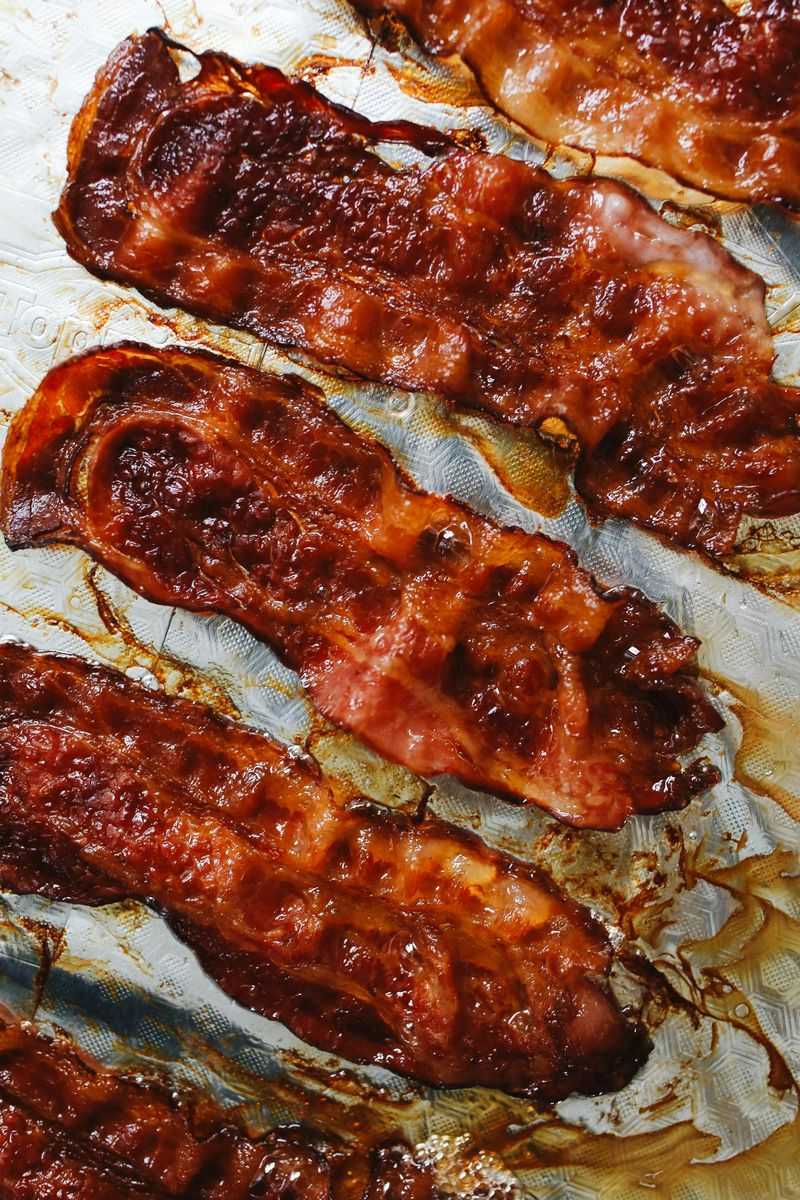
Bacon’s sticker can look fair until you realize the package weight shrank. Ten ounces here, twelve there, plus water content that cooks off.
Thick cut or applewood smoked sounds luxurious, but those premiums bite.
Sales lure you in, yet multi-buy deals hide higher unit prices. Always check price per ounce and compare store-brand bacon.
Freeze extras when on true sale to dodge sudden spikes that butcher your breakfast budget.
Butter
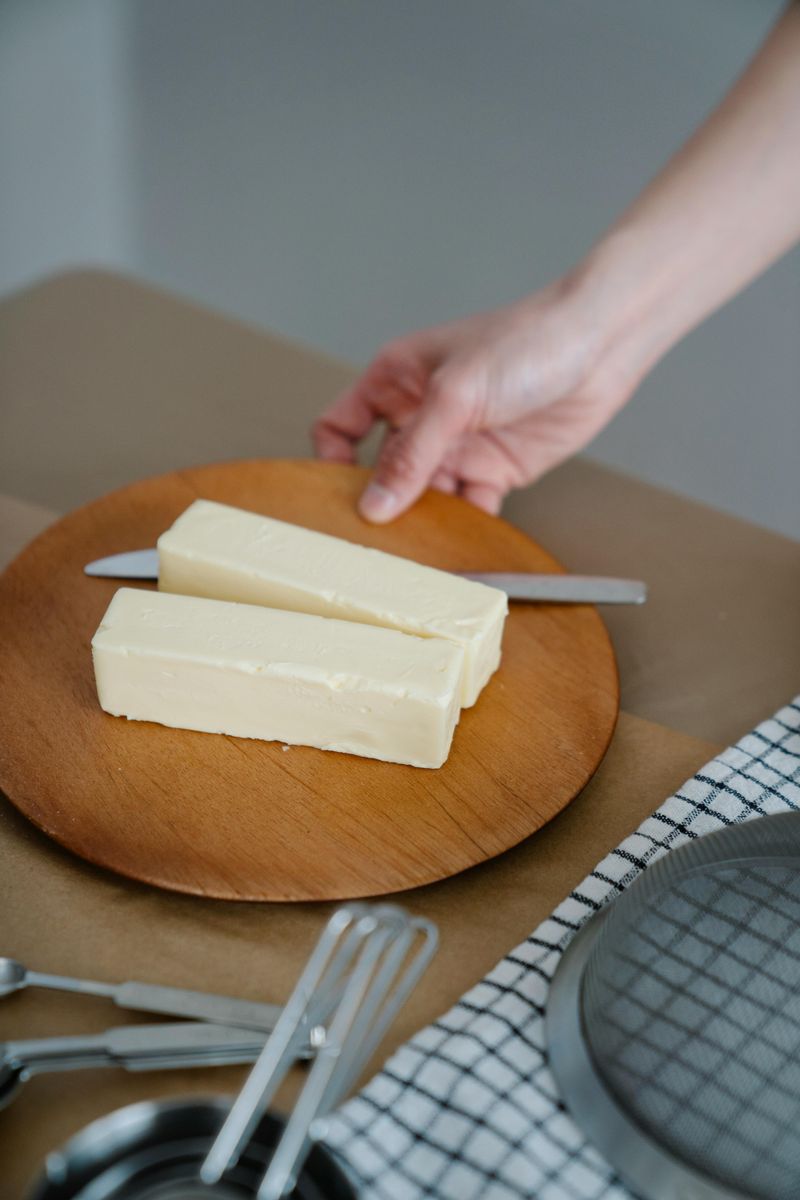
Butter feels basic, but brands charge more for European style, higher fat, or cultured options. Four-stick boxes sometimes slip from 16 to 12 ounces.
Seasonal baking rushes inflate prices right when you need it most.
Those fancy wrappers look tempting, yet the price per pound tells the truth. Consider store brands for everyday cooking and save premium butter for finishing.
Freeze extras when prices dip to avoid sticker shock later.
Olive oil

That small elegant bottle feels affordable until you tally ounces. Extra virgin, cold pressed, single origin, and harvest date claims add invisible dollars.
Light-filtered glass and premium branding distract from unit price.
You do not need competition-grade oil for sautéing. Buy reliable mid-tier extra virgin for salads and a bulk option for cooking.
Check harvest year and certification but focus on cost per ounce to avoid drizzling money away.
Coffee
Coffee looks cheap by the bag, but weights vary wildly. Twelve-ounce bags masquerade as a pound.
Pods feel convenient yet skyrocket cost per cup compared with drip or French press.
Bold labels promise single origin and micro-lot magic, but weekday mornings need value. Grind whole beans for freshness, buy larger bags, and skip fancy packaging.
Calculate cost per cup, not just per bag, to caffeinate without financial jitters.
Cheese
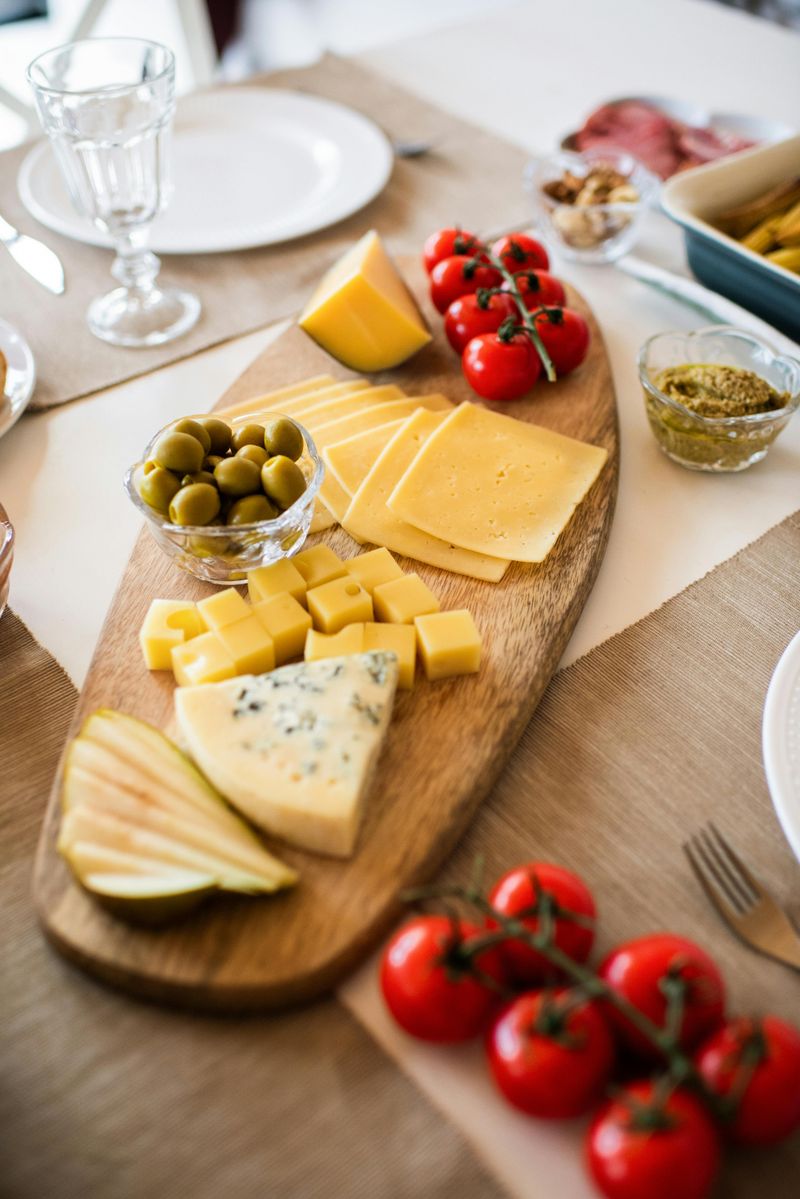
Cheese pricing hides in form and moisture. Pre-shredded costs more for convenience and anti-caking.
Cute wedges weigh less than they appear, and specialty imports jump the total quickly.
Shred your own from blocks and save. Consider domestic alternatives to pricey European classics for everyday recipes.
Watch per-ounce prices on snack-sized packs, which feel cheap but nibble your budget fast.
Ground beef
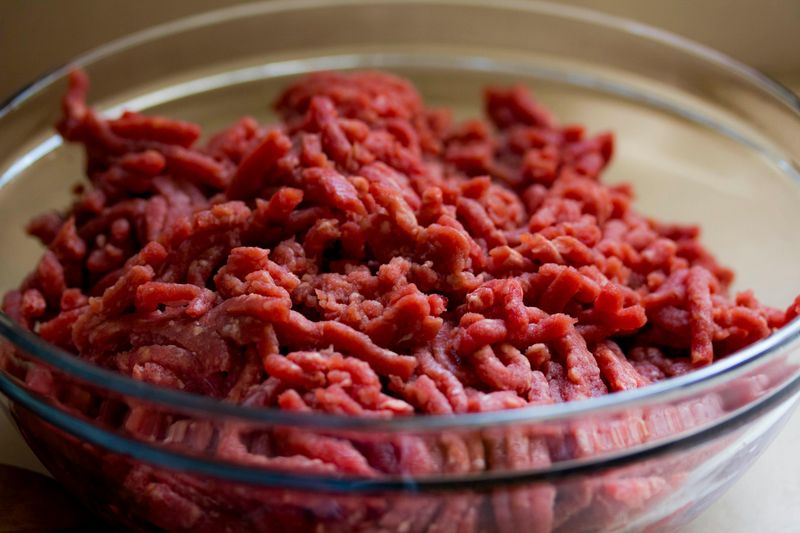
Ground beef appears cheap in big red trays, but fat percentage changes everything. Leaner blends cost more and cook down less, which skews value.
Family packs look thrifty until you realize waste or freezer burn.
Check price per pound and planned uses. Buy larger amounts on sale, portion, and freeze flat for quick meals.
Balance fat content with recipe needs so you pay for meat, not liquid disappearing in the pan.
Chicken wings
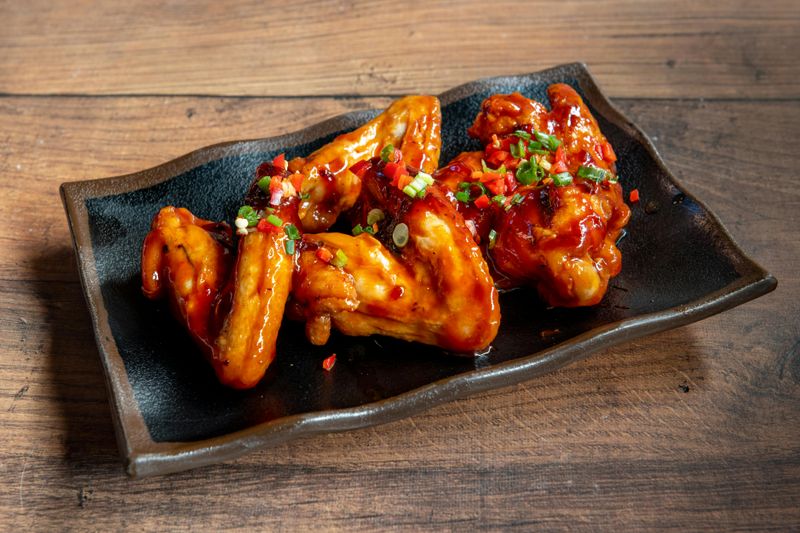
Wings seem affordable, but demand spikes on weekends and sports seasons. You pay for bone weight, not just meat, which raises true cost.
Pre-seasoned or marinated trays add premiums without real value.
Raw party packs can help, but compare per-pound prices against thighs or drumsticks. Bake your own sauces and stretch servings with veggies.
Save wings for occasions, not default dinners, to reduce checkout pain.
Salmon
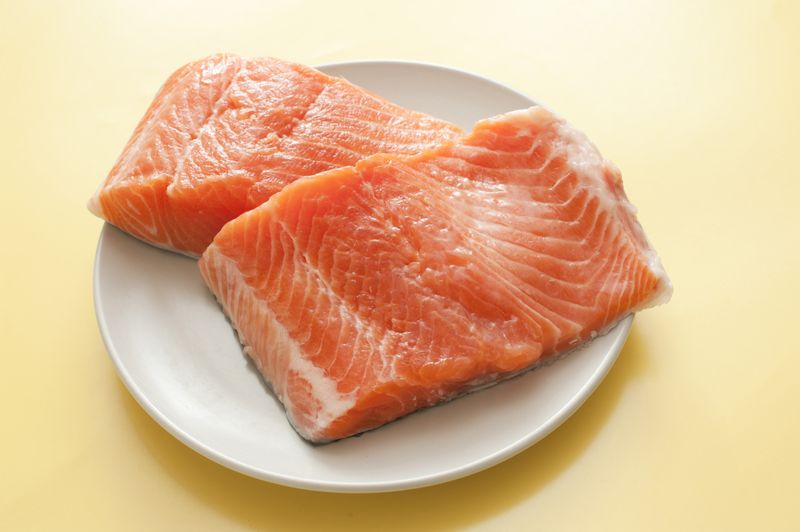
Salmon pricing swings with season, origin, and cut. Skinless, center-cut, and individually portioned fillets command more.
Retailers display smaller pieces so the sticker looks friendly while the per-pound number bites.
Farmed can be cheaper, but watch quality and sustainability. Buy whole sides and portion at home for savings.
Freeze quickly and use flavorful rubs to stretch meals without sacrificing taste or your budget.
Shrimp
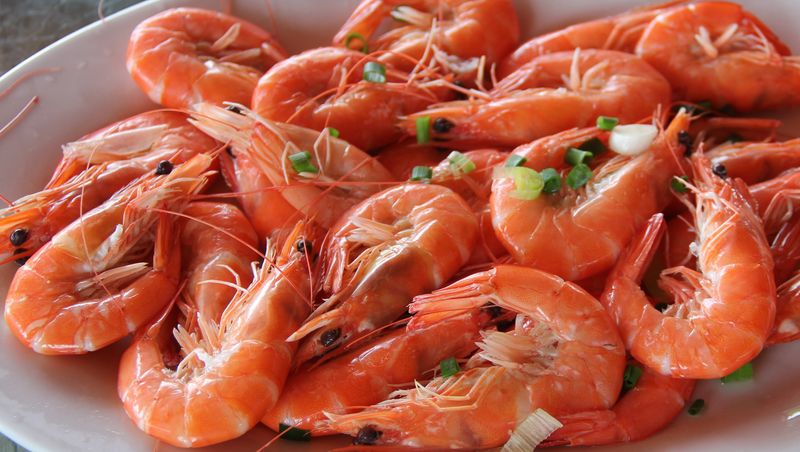
Shrimp prices hide behind count per pound and glazing. Peeled and deveined adds labor cost, while heavy ice can inflate weight.
Smaller counts seem cheap, yet you need more to fill plates.
Buy shell-on when time allows and thaw properly in the fridge. Check net weight after glaze and compare brands.
A quick homemade sauce beats pricey pre-seasoned bags and keeps dinner from sinking your budget.
Avocados
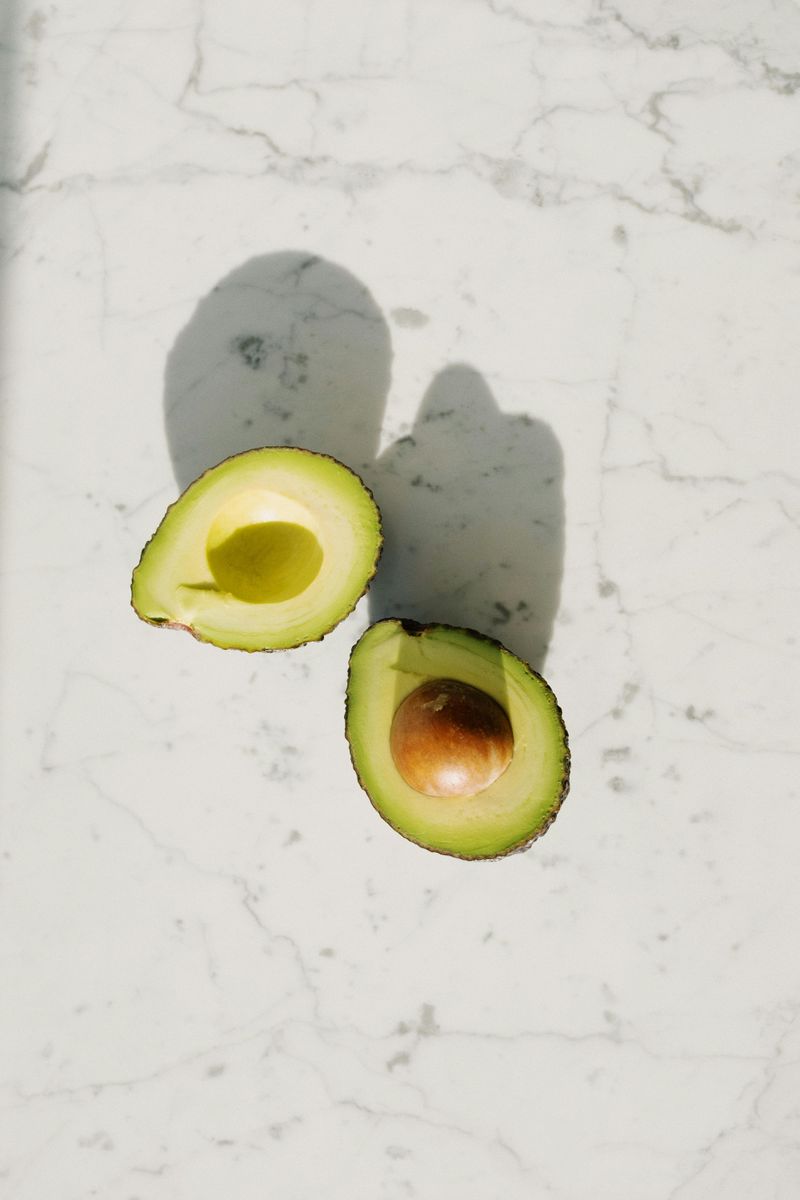
Avocados lure you with smooth skins and two-for deals. But ripeness roulette means waste, and bagged multipacks hide smaller fruit.
Organic or large sizes jump price without guaranteeing better texture.
Pick individually, feel for gentle give at the stem, and plan meals quickly. Store ripe ones in the fridge to pause aging.
Track unit price per avocado, not per bag, so toast toppers do not toast your budget.
Berries
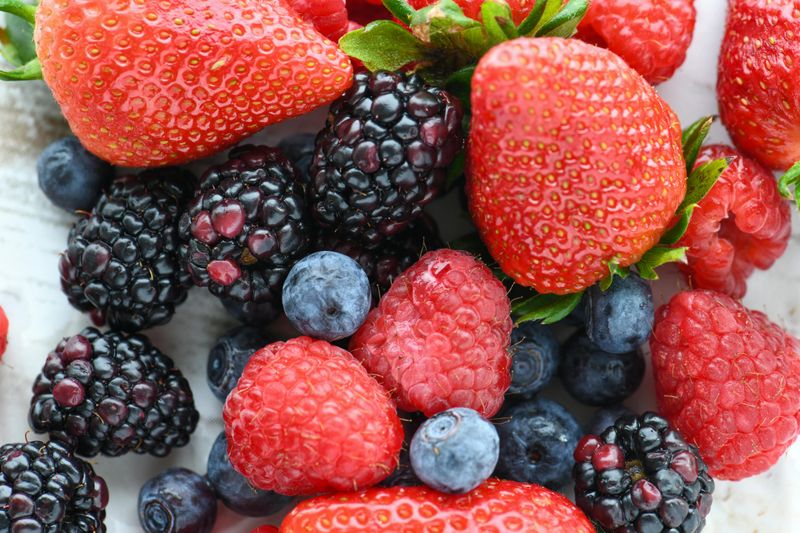
Berries sparkle under lights, but ounces vary and seasons swing prices hard. Tiny clamshells look affordable, yet cost per bite is high.
Pre-washed labels add a wash of extra dollars.
Buy in season, freeze extras on a sheet, and stash in bags. Skip fancy mixes when single-berry packs are cheaper.
Check the bottom of containers for mush and leaks to avoid paying for waste.
Cooking oil

Cooking oil seems cheap in slim bottles, but specialty varieties jump quickly. Avocado or peanut oils charge premiums for high heat or flavor.
Small sizes hide steep per-ounce costs compared with jugs.
Match oil to purpose. Keep a budget-friendly neutral oil for frying and a nicer one for dressings.
Read smoke points and compare unit prices so you do not pour money into the pan.
Bread loaf
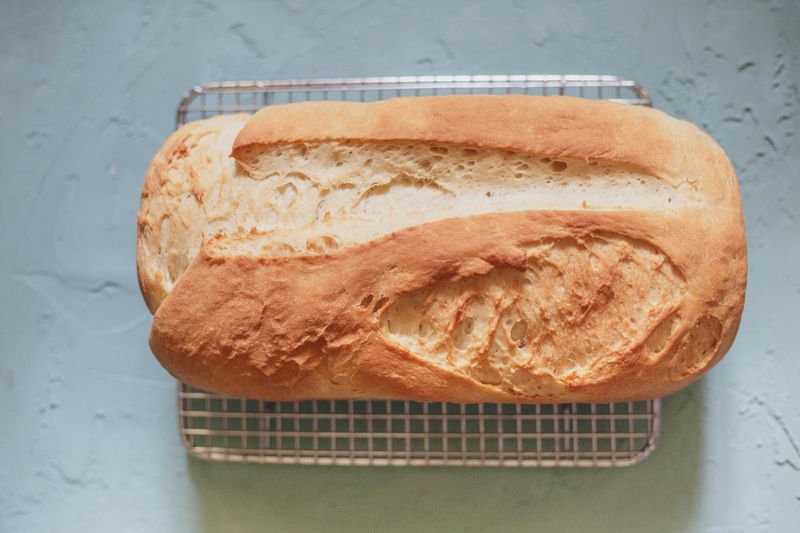
That crusty loaf screams affordable indulgence, but artisan labels boost price quickly. Smaller loaves reduce slices, so cost per sandwich climbs.
Pre-sliced packaged bread can also shrink, dropping weight silently.
Compare ounces and serving counts, not just brand vibes. Freeze half to prevent staling and waste.
Buy bakery markdowns late in the day and revive with a quick toast for savings that actually rise.
Cereal
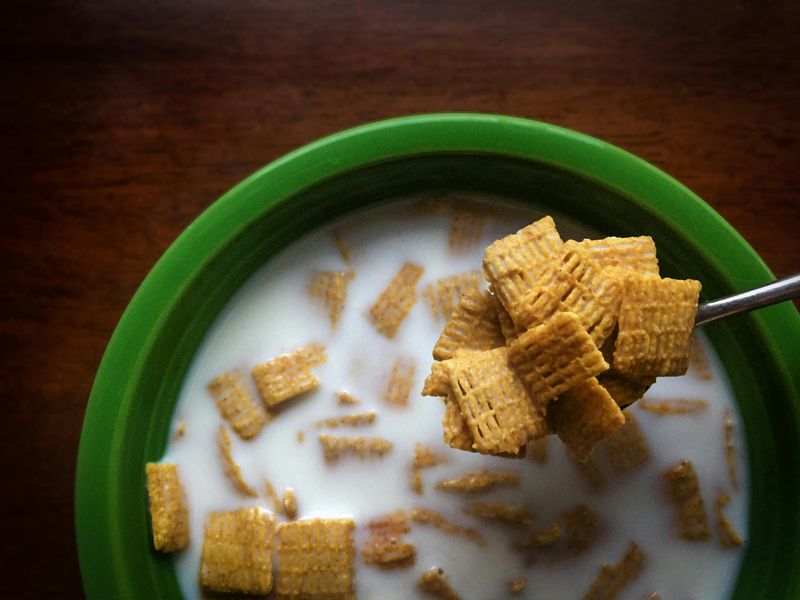
Cereal boxes look big and feel light. Family size might not be family value if air and shapes take space.
Sugary options cost more per bowl once you measure serving sizes honestly.
Compare ounces across boxes and consider bagged store brands. Mix half plain oats to stretch sweetness without stretching budget.
Sales rotate often, so stock up only when the per-ounce math crunches right.
Chocolate bar

Chocolate bars seduce with foil and origin stories. But net weights drop while prices climb quietly.
High cacao percentages and inclusions like nuts or sea salt command premiums that add up fast.
If you crave quality, buy larger bars and portion squares. For baking, use bulk chips instead.
Check price per ounce at the rack so sweetness does not leave a bitter total.
Frozen meals

Frozen meals seem like budget savers until you compare calories and portion sizes. Single servings can be tiny, pushing you to buy two.
Premium healthy labels raise cost while sodium still sneaks in.
Use them as backups, not staples. Pair with a quick salad or rice to stretch value.
Watch sales and multi-buy math so convenience does not frost over your wallet.
Snack packs
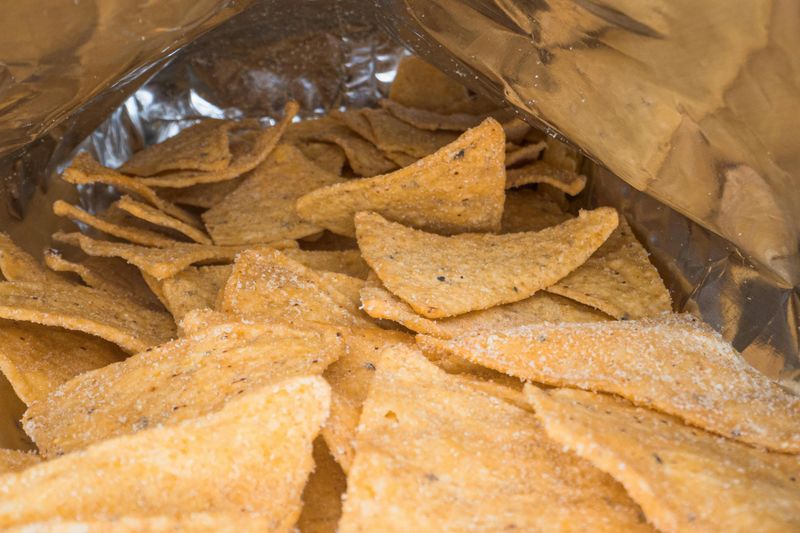
Individually wrapped snacks feel tidy and affordable. But you pay heavily for packaging and air.
Per-ounce prices often double compared with full-size bags you portion yourself.
Buy bulk and use small reusable containers. Mix your own trail blend to dodge label premiums.
Keep a few grab-and-go packs for emergencies, not everyday munching, so convenience does not eat your budget.
Protein bars
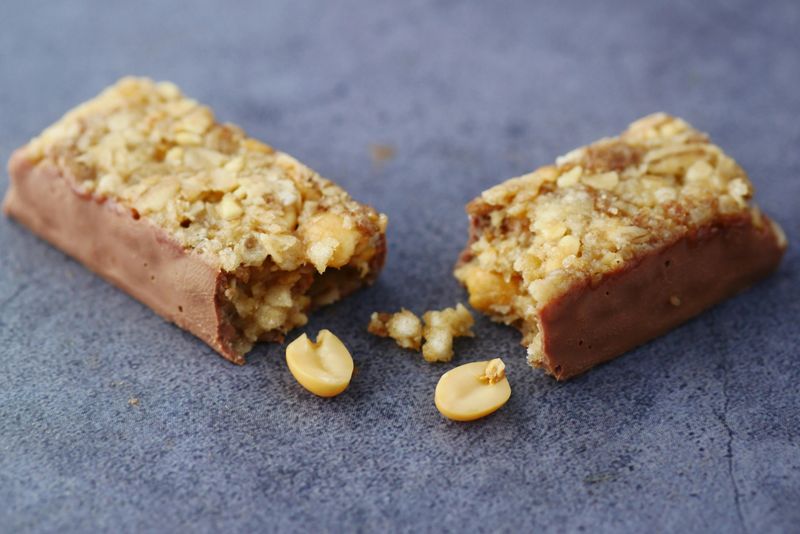
Protein bars pitch health but hide high costs. You are buying branding, wrappers, and syrupy binders.
Grams of protein per dollar often trail simple foods like eggs or yogurt.
Scan labels for realistic protein and sugar. Consider bulk boxes only when flavors will actually get eaten.
Keep a few for travel, then lean on homemade bites to keep strength and savings aligned.
Energy drinks

Singles at checkout feel cheap, but per-can costs stack up fast. Multipacks help, yet flavors and sugar-free labels nudge prices higher.
You are mostly paying for caffeine and marketing.
Compare caffeine per dollar across brands or switch to home-brewed coffee. Keep a backup can for tough days and avoid daily habits.
Your heart and receipt both calm down.
Bagged salad
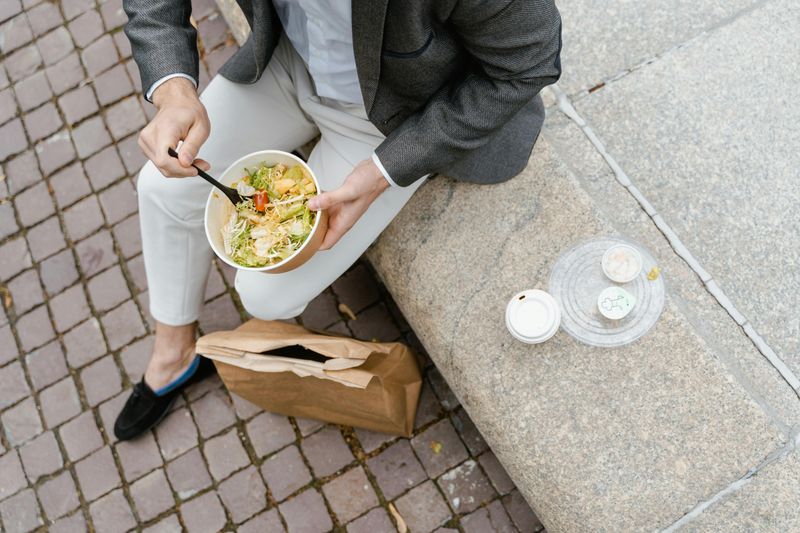
Bagged salads look cheap for quick greens, but kits add dressing, cheese, and crumbs that raise cost. Net weights are light, and wilt happens fast.
Two bags may equal one head of lettuce in price.
Buy plain greens and add your own toppings from pantry staples. Check dates and squeeze air to judge freshness.
Keep kits for busy nights, not every night, to keep costs crisp.
Pre cut fruit
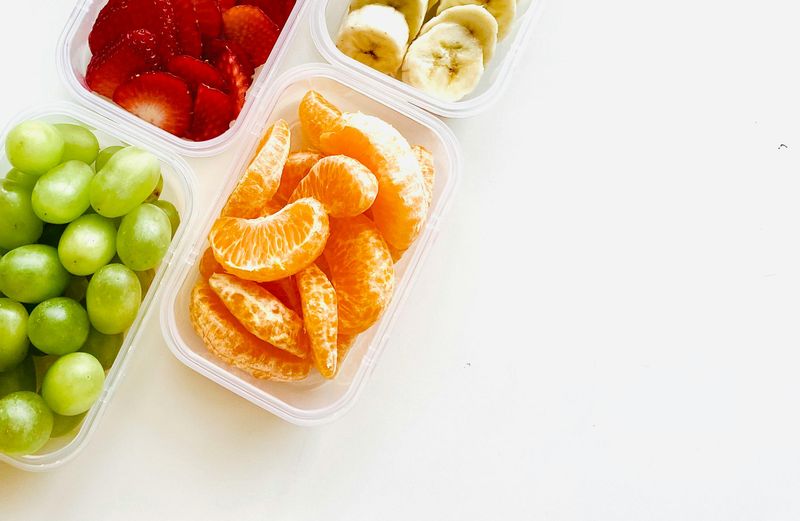
Pre cut fruit promises ease but charges heavily for labor and packaging. Water-heavy melon and pineapple shrink in value once diced.
Small tubs tease affordability while hiding sky-high per-pound costs.
Buy whole fruit, learn quick knife skills, and portion at home. Save the tubs for parties or travel only.
Your snack bowl stays colorful without your budget bruising.
Deli meals
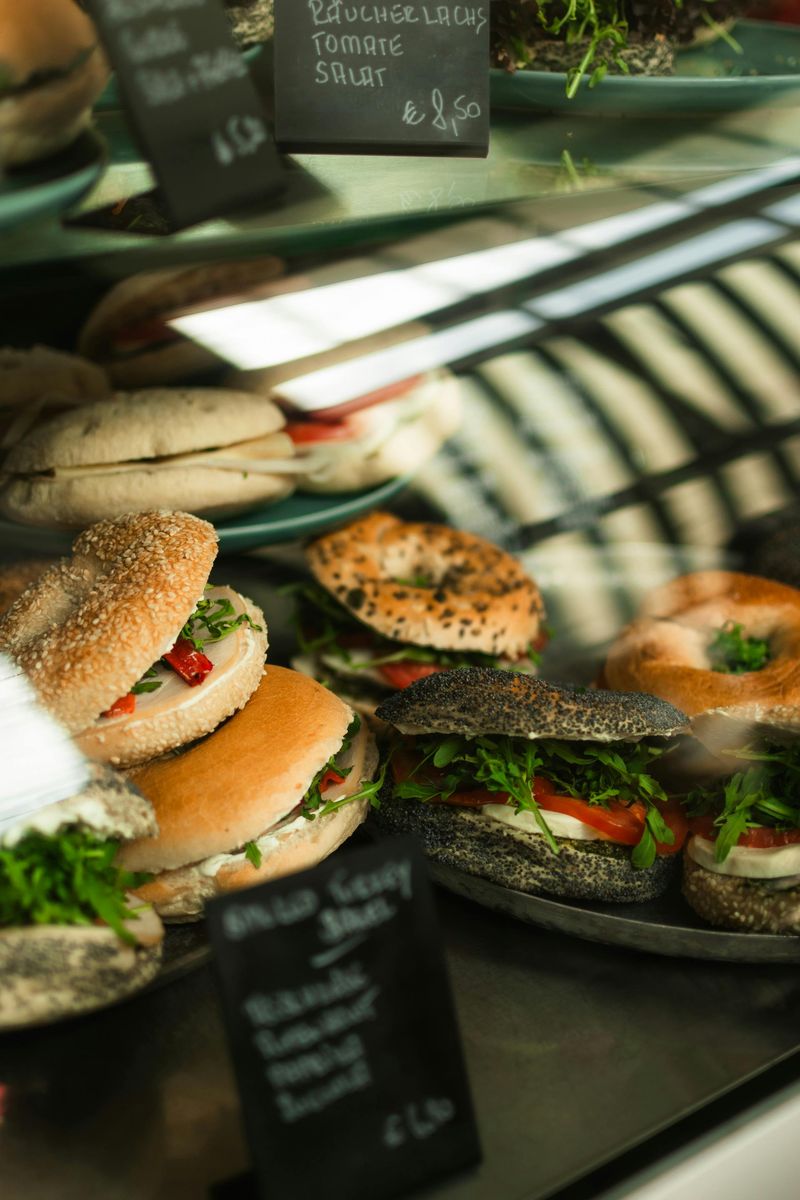
Deli meals comfort with ready-to-eat steam, but price per pound rivals restaurants. Sauces and sides weigh heavy, masking real meat value.
Small containers also encourage impulse add-ons.
Grab a rotisserie chicken and build plates at home with pantry sides. Split larger portions to stretch across lunches.
You still get convenience without paying premium cafeteria pricing at checkout.
Eggs
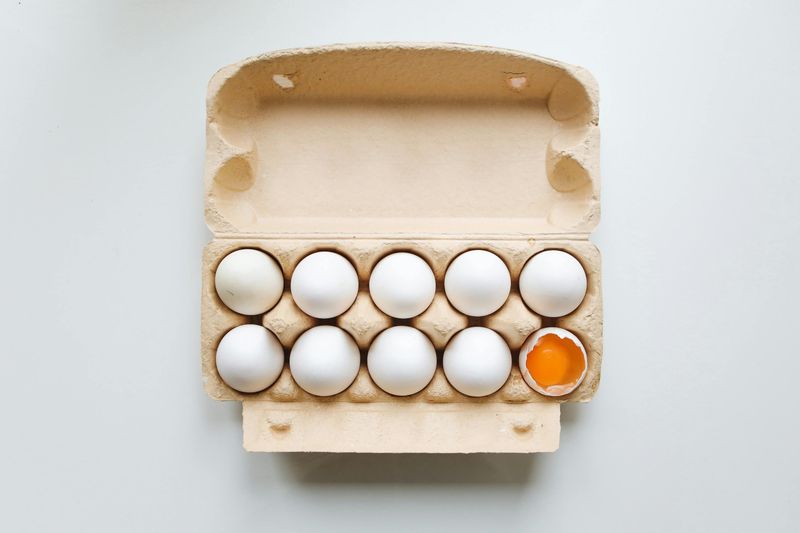
Eggs look cheap because the sticker price on a dozen seems friendly. But specialty labels, pasture raised, omega-3, or organic can send the per-egg cost soaring fast.
Cartons also play tricks, shifting from twelve to ten without shouting it.
You think you are winning breakfast, then checkout proves otherwise. Watch unit pricing per egg, not just the shelf tag.
Store brands can help, but freshness and grade matter too, so balance quality with cost.