



Open an old cookbook and you can almost hear the clatter of tins and the hush of simmering pots. Some dishes vanished quietly, replaced by flashier flavors and faster shortcuts.
Yet each one carries a story about thrift, comfort, and the way families once ate. Take a stroll through these forgotten bites and see which ones deserve a comeback in your kitchen.
Canned brown bread
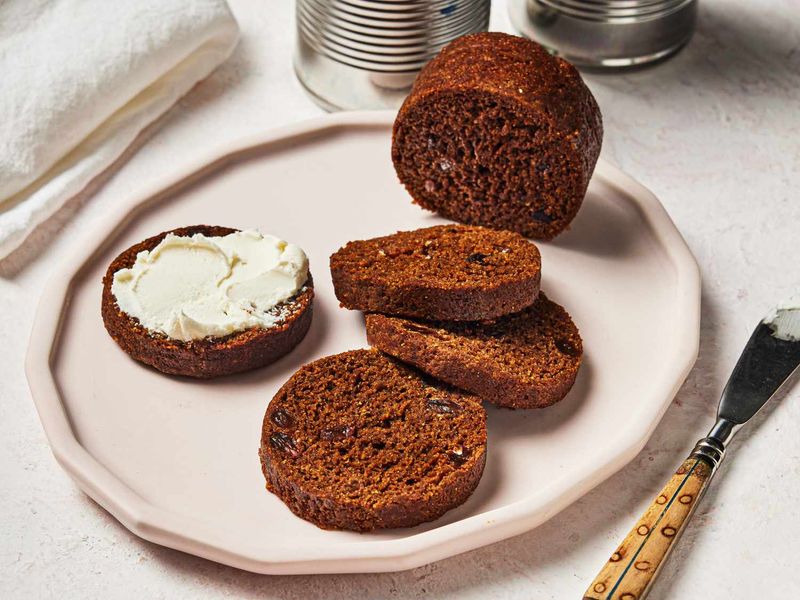
Canned brown bread felt like a magic trick: a dense, molasses-tinged loaf slid from a can, ready to slice. You steamed it or toasted it, spread with cream cheese, baked beans, or butter, and called it supper.
It was humble, filling, and strangely celebratory.
Then fresher bakery aisles, changing tastes, and shrinking cupboards nudged it aside. Convenience survived, but novelty lost its charm for many shoppers.
If you miss it, you can hunt regional brands or try a homemade version in a pudding mold. The flavor whispers of bygone pantries, and you smile or wonder what the fuss was about.
Deviled ham spread

Deviled ham spread used to be the quick sandwich hero, spicy and salty with a little pucker from mustard. You opened a tiny can, mixed it with mayo or relish, and piled it on crackers for company.
The paper-wrapped devil logo felt mischievous and fun.
As deli counters expanded, people reached for fresher meats and bolder condiments. Sodium warnings and label scrutiny did not help its reputation.
You can recreate the vibe at home by pulsing leftover ham with paprika, mustard, and pickles. It tastes nostalgic, picnic-ready, and rowdy, like a lunchbox dare that grew up but never lost nerve.
Boiled dinner plates
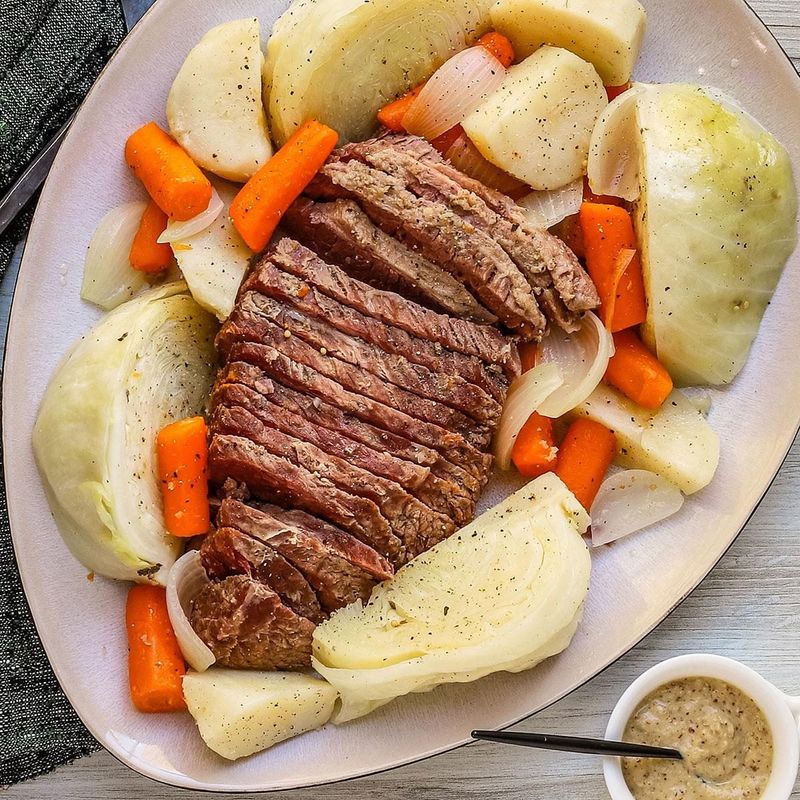
Boiled dinner plates once meant a whole meal simmered together: corned beef or ham, potatoes, carrots, and cabbage. Everything tasted comforting, if a little samey, and cleanup stayed blissfully simple.
You ladled broth, buttered vegetables, and felt the chill leave your bones.
Modern palates ask for seared edges, vivid colors, and brighter acidity. Long, gentle boiling fell out of fashion as weeknights sped up.
Still, the ritual teaches patience and thrift. If you revisit it, keep the broth aromatic with peppercorns and bay, then finish vegetables with vinegar or mustard.
That contrast revives an old plate without losing its soul.
Lard biscuits

Lard biscuits rose tall, tender, and impossibly flaky, the kind that split into clouds under honey. They baked fast, held heat, and made coffee taste like a ritual.
Your fingers glistened, and no one complained.
Then came oils, shortening, and health advice that painted lard as yesterday’s sin. Flavor suffered, convenience won, and many home cooks pivoted.
If you want that texture back, chill the fat hard and fold the dough gently. A hot skillet, sharp cutter, and a respectful hand will do the rest.
Suddenly breakfast feels brave again, and every crumb tells a buttery truth at home today.
Canned stewed tomatoes
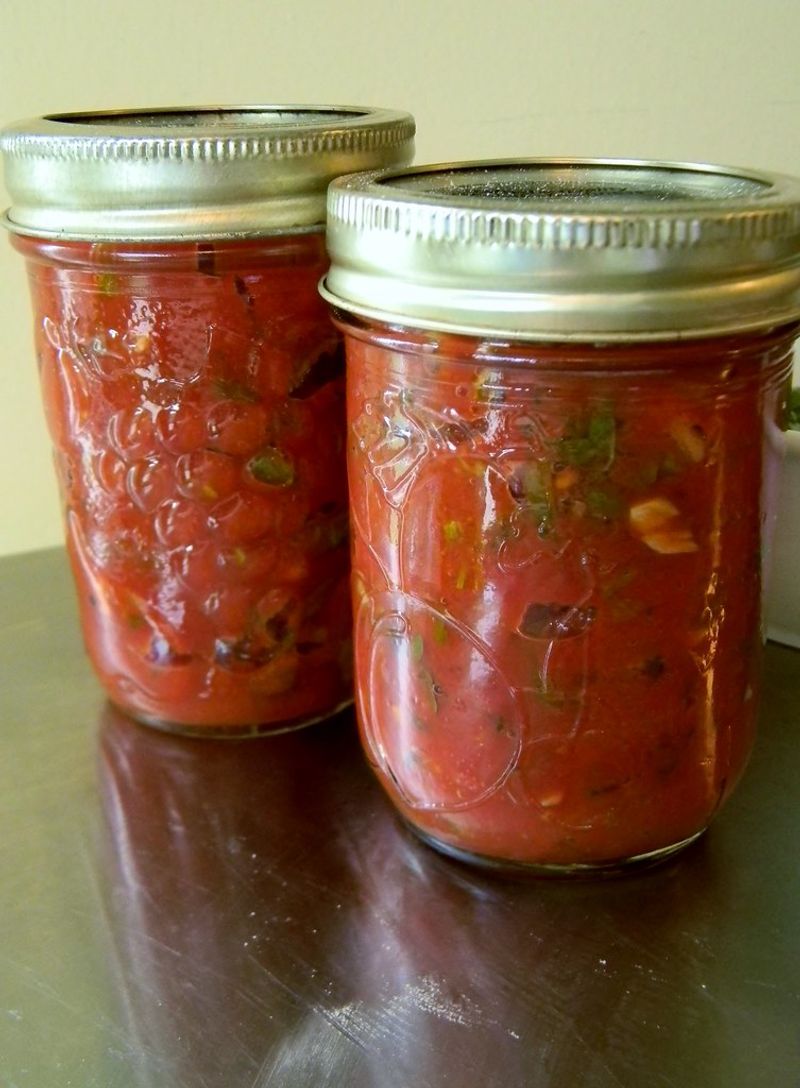
Canned stewed tomatoes once rescued hurried dinners, bringing sweetness, oregano, and softness to skillets. You poured them over pasta, folded them into rice, or simmered them with chicken until everything mellowed.
The label promised garden comfort even in February.
Then came fire-roasted cans, fresh cherry tomatoes, and quicker sauces from jars. Texture suddenly mattered, and stewed felt mushy to many eaters.
Still, their gentle flavor can be a secret weapon. Reduce them with garlic, splash with vinegar, and finish with olive oil.
The sauce turns bright but tender, like a memory that decided to stand up straighter for you now.
Homemade suet pudding

Homemade suet pudding was winter’s steady drumbeat, rich with beef fat, dried fruit, and spice. You steamed it for hours, then drowned slices in custard or hard sauce.
It stuck to ribs and stories alike.
Modern desserts lean lighter, faster, and Instagram pretty. Suet feels heavy, sourcing is tricky, and some kitchens simply moved on.
If you crave it, shred frozen suet and keep everything icy cold. Grate citrus, add nutmeg, and let patience do its warming work.
The result lands like a wool blanket for dessert, stubbornly comforting and proud of where it came from on cold nights everywhere.
Pickled herring

Pickled herring once felt essential at holidays, boozy brunches, and immigrant tables. You forked glistening pieces from a jar, sweet-sour and silky, then chased them with rye and laughter.
It tasted like heritage and nerve.
As tastes shifted, fewer people kept fishy jars beside mustard and jam. Fresh sushi stole attention, and smoky boards took the spotlight.
Still, herring is affordable, sustainable, and thrilling if you lean in. Try it with hot potatoes, crème fraiche, dill, and crunch.
Suddenly the jar makes sense again, like a postcard from great-grandparents saying eat bravely, love deeply, and call home. Right now, friend.
Salt pork

Salt pork held pantries together, lending smoky backbone to beans, greens, and chowders. You rendered small cubes, waited for sizzle, and trusted flavor to bloom.
It made thrift taste generous.
Refrigeration, leaner cuts, and new cooking oils pushed it off the shelf. Some fear the salt, others the fat, and many simply forgot its gifts.
Revive it sparingly, like perfume. Crisp a few bits, then build a pot with onions, thyme, and stock.
The savory depth returns, unmistakable and friendly, proving that old tools still work when you respect them and let them whisper directions in your kitchen today again.
Hominy bowls

Hominy bowls were hearty, rib-sticking, and quietly versatile. You spooned buttery kernels under chili, stews, or greens, and everything tasted bigger.
The nixtamalized corn brought body and a gentle chew that hugged sauces.
As instant rice and noodles took over, many forgot hominy’s easy comfort. Cans still exist, but the ritual of simmering and seasoning drifted.
Bring it back with smoked chiles, scallions, lime, and cheese. A quick skillet crisp turns those soft pearls into a golden bed for whatever needs lifting.
Suddenly dinner feels grounded, thrifty, and bright, like campfire food you can cook indoors on weeknights, too easily.
Chipped beef on toast

Chipped beef on toast, the infamous SOS, was salty, creamy, and undeniably fortifying. You stirred dried beef into a white sauce and poured it over crisp toast.
It fed crowds cheaply and stuck to morale as much as ribs.
Tastes changed, and sodium counts grew alarming. Yet the blueprint still works when handled with care.
Rinse the beef, toast pepper and nutmeg, and use plenty of black pepper. Swap in mushrooms or smoked turkey if you like.
The plate becomes comforting instead of punishing, a wink to the past that respects modern appetites and mornings that need steady footing today.
Creamed onions
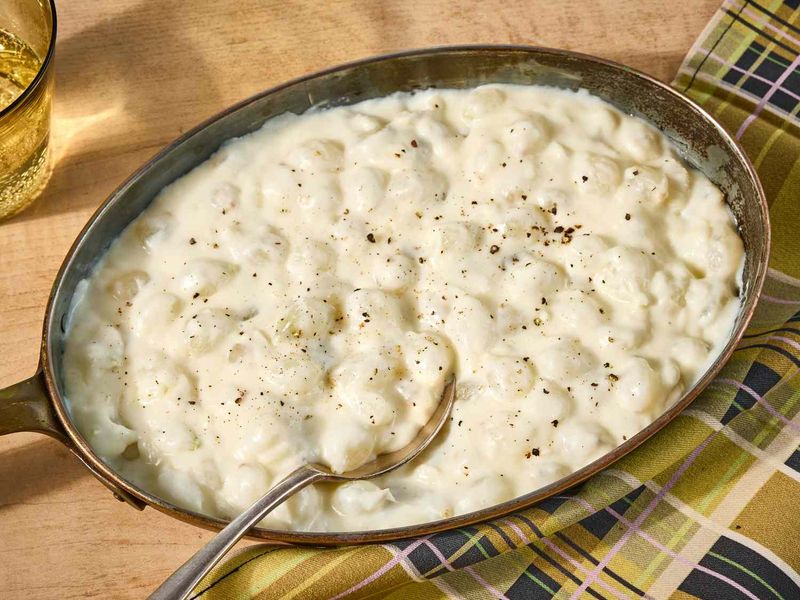
Creamed onions were the quiet star beside roasts, sweet pearls swimming in velvety sauce. You gently blanched them, then coaxed butter, flour, and milk into something soothing.
A little nutmeg made the whole table softer.
They faded as sharper sides took over and weeknights demanded speed. Peeling tiny onions tried everyone’s patience.
Use frozen pearls, roast them first for caramel notes, then fold into a lighter cream. Add sherry, thyme, and a squeeze of lemon for lift.
Suddenly the dish feels new yet faithful, like a favorite sweater that finally fits again after a careful wash in your kitchen today.
Buttered beets
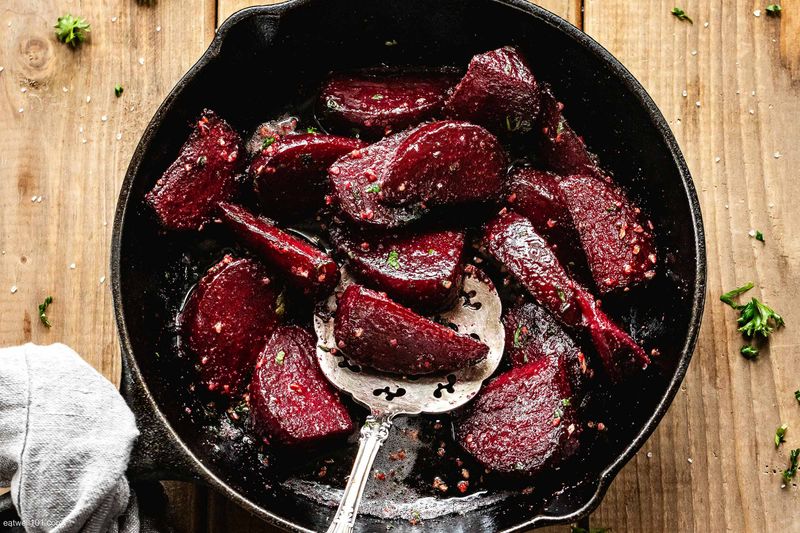
Buttered beets stained everything, especially fingers and aprons, but rewarded patience with earthy sweetness. You boiled, peeled, and glazed them, then watched butter turn ruby slices glossy.
They tasted like gardens, stubborn and generous.
As roasting took over, people chased char and tang instead of quiet gloss. Jars replaced boiling pots, and convenience edged tradition aside.
Still, beets adore butter. Steam wedges, splash with vinegar, then mount with cold butter until it clings.
Add orange zest and dill if you want brightness. The result is gentle, satisfying, and weeknight friendly, a small lesson in kindness and restraint for modern tables.
Molasses cookies from tins
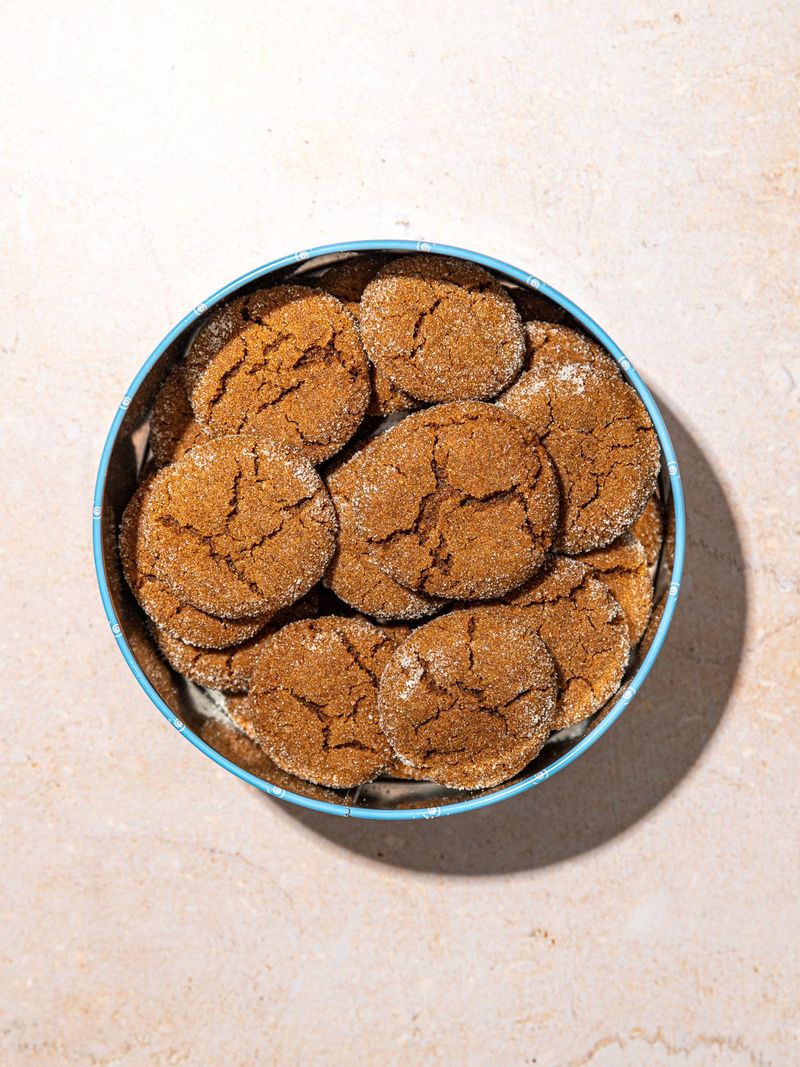
Molasses cookies from tins tasted like lunchbox treasure, soft, spiced, and a little sticky. You snapped lids, smelled ginger and clove, and hoped no one noticed how many vanished.
The crinkled tops felt like grandma winking.
Now bakeries chase chunkier cookies, and sealed packages flaunt glossy chocolate. Molasses feels modest by comparison.
Bake them anyway with dark syrup, brown sugar, and a rest for chew. Roll in coarse sugar and keep them soft with a slice of bread.
The jar will empty, and you will grin, because simple still wins when comfort is the prize on long rainy afternoons everywhere.
Canned asparagus
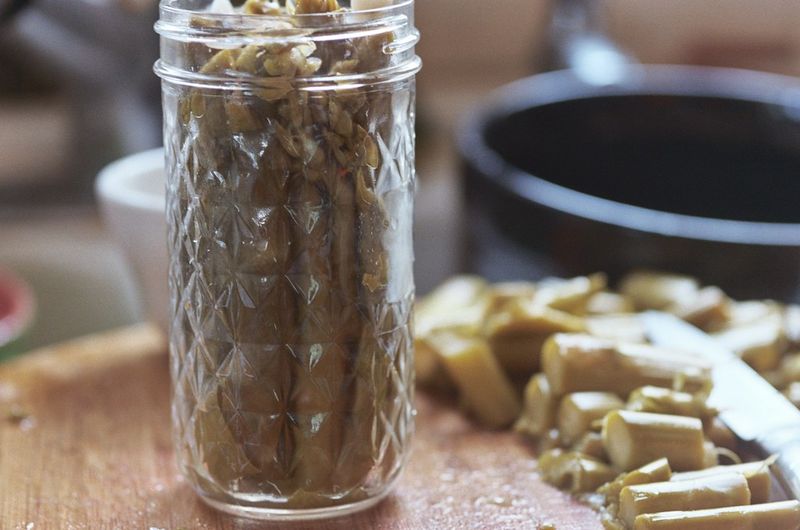
Canned asparagus brought spring to shelves, pale spears lounging in brine. You warmed them with butter or tucked them into casseroles, and dinner felt dressed up.
Texture was tender bordering on timid.
Fresh spears took over, demanding high heat, char, and lemon. The canned version could not compete with snap and grassy perfume.
Still, it has uses. Blend into soup with stock and cream, then finish with chives and pepper.
Or fold into quiche where softness helps. Suddenly the can is a shortcut, not a compromise, perfect when seasons misbehave and cravings refuse to wait on a busy night too.
Boiled turnips
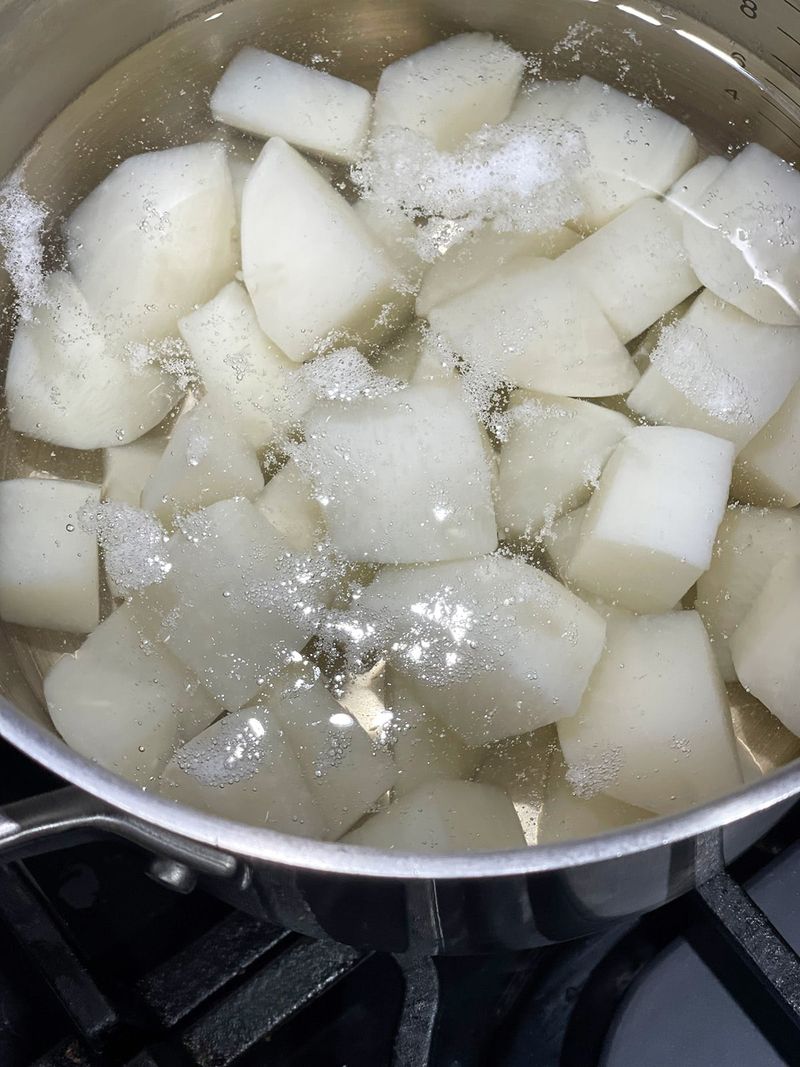
Boiled turnips wore a reputation they did not deserve, watery and bland in too many pots. You may remember a sulfur whiff and a pale heap beside meat.
That memory kept many of us away.
The fix is simple, which is why the dish could return. Salt the water, add butter, and do not overcook.
Mash with cream, white pepper, and a flash of lemon. Or glaze cubes with honey and thyme until they shine.
Suddenly turnips taste friendly, peppery, and bright, more like a cousin to potatoes than a punishment from the past in your own kitchen today happily.
Canned luncheon meat
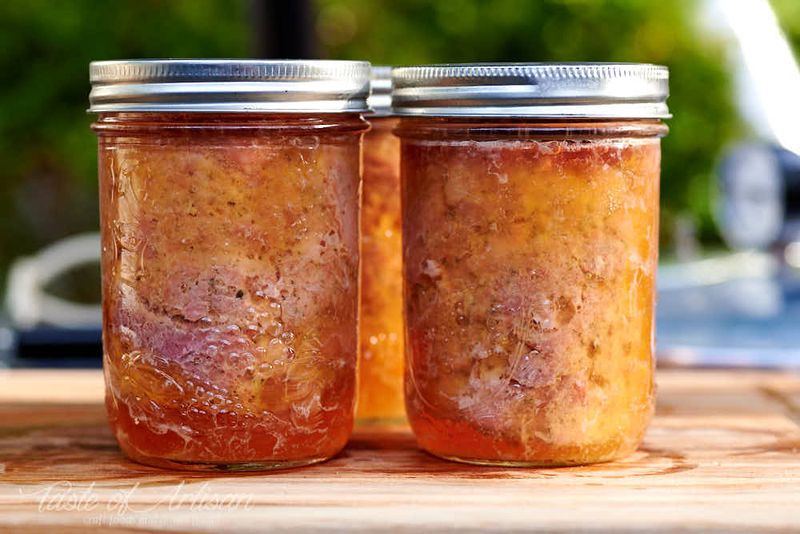
Canned luncheon meat rode out wars, picnics, and late rent, salty and resilient. You fried slices until the edges crisped, then stacked them into sandwiches with pickles.
It was cheap, filling, and unapologetic.
Trends shifted toward nitrate-free labels and fresher deli cuts. The blue tins started gathering dust.
Still, a hot pan and a splash of soy can turn it irresistible. Add pineapple, scallions, and rice for a salty-sweet bowl.
Or tuck slices into breakfast tacos with eggs and hot sauce. Suddenly the can feels like mischief again, a thrifty trick worth keeping in reach on hungry weeknights everywhere too.
Rice pudding cups
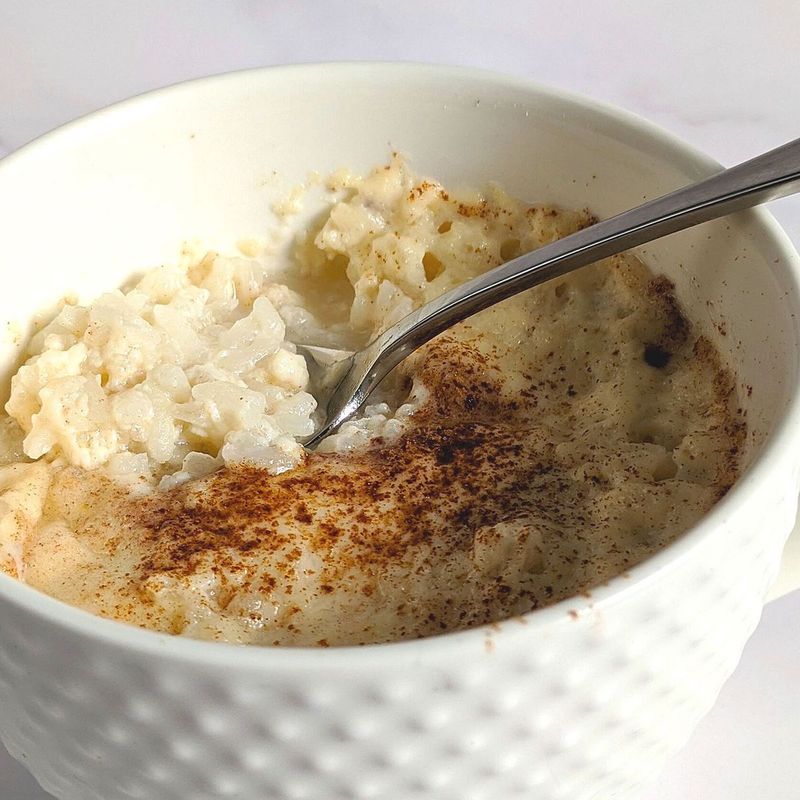
Rice pudding cups lived in lunchboxes and fridges, speckled with cinnamon. You peeled back foil, stirred the creaminess, and felt instantly steadier.
It was grandma energy in a tiny tub.
Yogurts, smoothies, and protein snacks muscled into that space. Still, cold rice pudding can solve a day.
Simmer short-grain rice with milk, sugar, and patience, then fold in vanilla. Add golden raisins or orange zest if that cheers you.
Portion into jars, sprinkle with cinnamon, and chill. Suddenly dessert waits politely, comforting but not cloying, proof that small sweets still matter when afternoons stretch longer than planned for busy families.
Powdered mashed potatoes
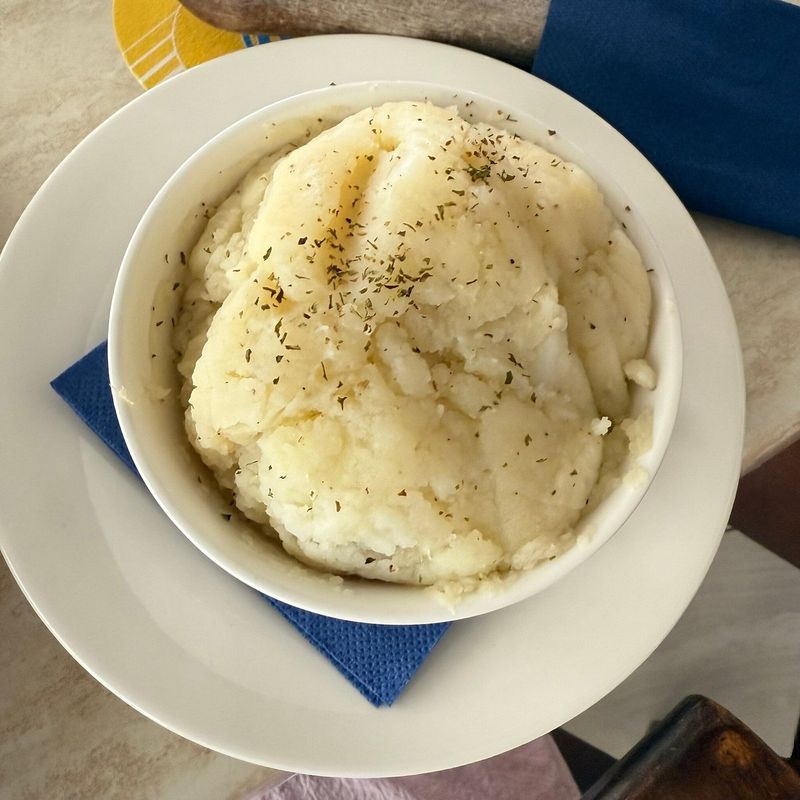
Powdered mashed potatoes promised clouds in minutes, just add hot water and faith. You whisked, salted, and covered doubts with gravy.
Weeknights loved the speed more than the flavor.
As gadgets simplified real mashing, flakes lost ground. Still, the pantry packet can help when plans fall apart.
Bloom garlic in butter, heat milk, then whisk in the powder gently. Finish with sour cream and chives, or olive oil and pepper.
The bowl turns plush and honest enough to sit beside roasted meat. Convenience, treated kindly, sometimes tastes like competence you can feel in your shoulders on the longest days too.
Frozen salisbury steak
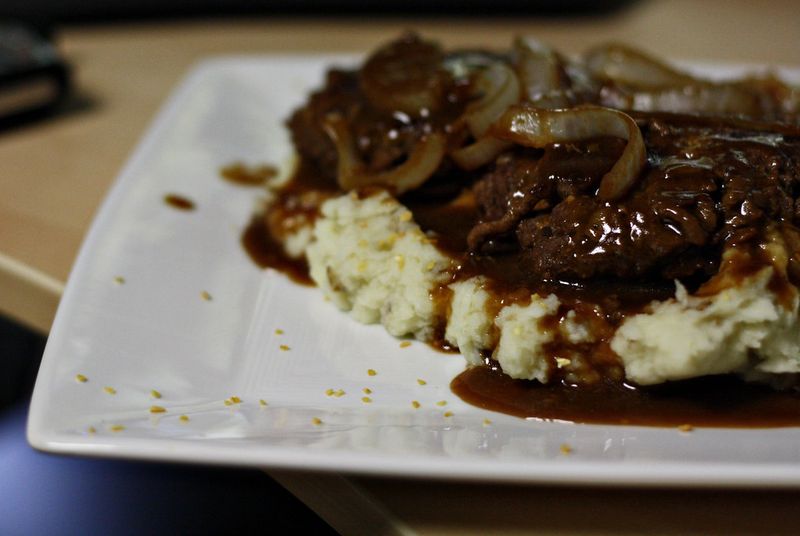
Frozen salisbury steak dinners promised gravy, potatoes, and a tidy tray. You pierced film, waited for the beep, and ate while the TV talked back.
It tasted like paycheck timing and childhood compromise.
As freezers filled with better options, these trays slipped. But the flavors still work when cooked with intention.
Brown real patties, toast tomato paste, and build gravy with onions and mushrooms. Add Worcestershire, pepper, and a splash of vinegar.
Serve with mashed potatoes and peas if you want the full memory. Suddenly humble feels handsome, and dinner lands with a satisfying, thrifty thud on your table tonight.
Jello molds

Jello molds jiggled through weddings, church basements, and holiday spreads. You unmolded a quivering halo studded with fruit, marshmallows, or canned milk.
The wobble alone could start conversations.
Then palates shifted from novelty toward texture with bite. Gelatin still charms, but towering molds feel kitschy to many guests.
Keep the spirit with petite cups or layered squares. Brighten with tart yogurt, fresh fruit, and a pinch of salt.
Suddenly the dessert becomes playful instead of puzzling, a retro wink you can serve proudly when a table needs color and a reason to laugh at summer parties and potlucks everywhere again.
Fruit fluff salads

Fruit fluff salads mixed canned fruit, whipped topping, and pastel marshmallows into a sweet side. You scooped a creamy cloud beside ham or turkey, and no one argued.
It was dessert pretending to be respectable.
Modern menus lean fresher and less sugary. Still, the idea can evolve without losing charm.
Swap in Greek yogurt, toast the nuts, and add citrus zest. Keep a handful of marshmallows if that makes you smile.
Suddenly the bowl feels breezy and contemporary, a playful counterpoint to salty mains, perfect when you want permission to be silly and generous at the same time at dinner.
Old-style pudding tins

Old-style pudding tins clattered from cupboard to counter, promising desserts born of steam and patience. You greased the mold, latched the lid, and trusted water to work slow magic.
The wait taught restraint and rewarded curiosity.
Silicone, microwaves, and boxed mixes made the ritual seem fussy. But those tins still transform batter into something bouncy and tender.
Try gingerbread sponge with treacle, or lemon with poppy seeds. Butter well, tie parchment, and keep the simmer steady.
When the lid lifts, steam fogs your glasses, and you grin, because some tools simply refuse to retire gracefully in our modern kitchens too.
Canned corned beef

Canned corned beef was the pantry’s emergency anchor, briny, fatty, and ready to sizzle. You fried it into hash with onions and potatoes, then crowned it with eggs.
Breakfast for dinner suddenly felt like winning.
As fresh brisket and better delis spread, the can seemed less necessary. Still, the flavor is bold and dependable.
Crisp cubes hard, add mustard and Worcestershire, and finish with parsley. Tuck into sandwiches with pickles, or pile beside cabbage.
The plate tastes rugged and affectionate, proof that comfort can arrive in humble tins when timing, budget, or energy decide the rules in your kitchen today.