


Open your pantry today and it probably looks nothing like the one you grew up with. Some foods quietly slipped away while new trends took their place, and somehow no one made a big deal about it.
Yet every so often, you spot an old box or can and feel that sudden hit of nostalgia. Let’s dig into the forgotten favorites you rarely see anymore and why they disappeared from everyday kitchens.
Canned ham
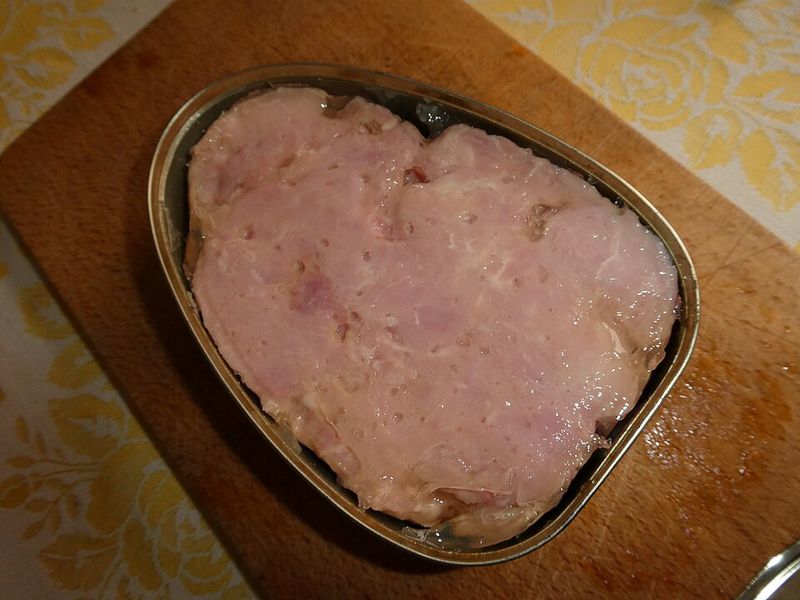
Canned ham once felt like a celebration in a tin, perfect for sudden guests or church potlucks. You sliced it into glossy pink slabs, studded with clove memories and sticky glaze.
Convenience won hearts, yet salt, preservatives, and changing tastes pushed it into the shadows.
Fresh deli options and charcuterie boards made it feel old-fashioned. You might still spot one on a discount shelf, quietly waiting for a holiday that never comes.
If you buy it now, you probably do it for nostalgia, not flavor. Practical then, forgotten now, it remains a pantry time capsule.
Potted meat
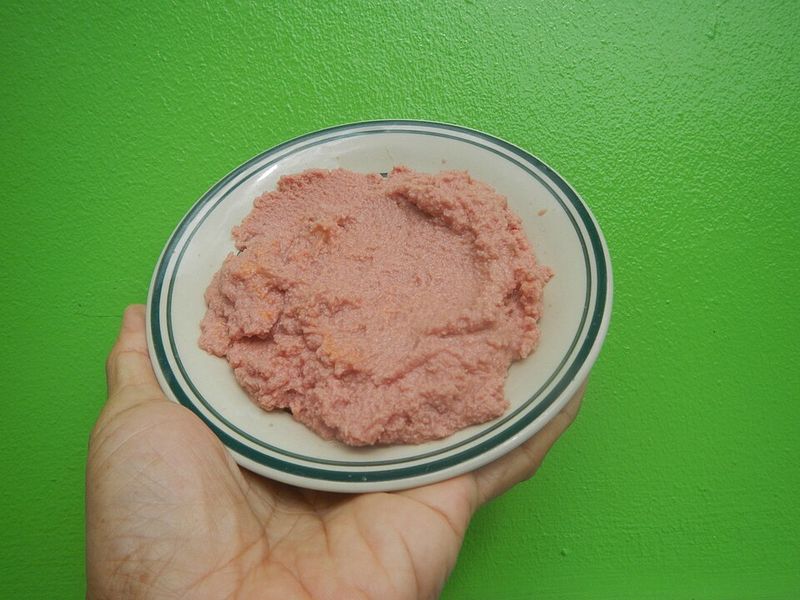
Potted meat promised protein on a budget, spreadable and shelf stable for ages. You smeared it on crackers during road trips or power outages.
Then ingredient lists sparked questions, and fresher options made the paste seem mysterious rather than thrifty.
With charcuterie trends, pâté took the spotlight while potted meat slipped into obscurity. You might remember the salty tang and that unmistakable aroma, both comforting and suspicious.
Today, it lingers in small-town groceries like a dare. It still does the job, but you probably reach for tuna, hummus, or rotisserie chicken instead.
Fruit cocktail cups
Those little fruit cocktail cups rode in lunchboxes like tiny treasures. You chased that single cherry, even though it tasted like syrup and dye.
As fresh fruit became affordable year round, the mushy cubes lost their charm and the syrup raised eyebrows.
Parents started reading sugar labels, and suddenly these cups looked less like fruit and more like dessert. You can still buy them packed in juice, but the vibe changed.
Fresh berries win the snack race now. If a cup appears in your pantry, it probably came from an emergency kit or a nostalgic impulse buy.
Powdered milk
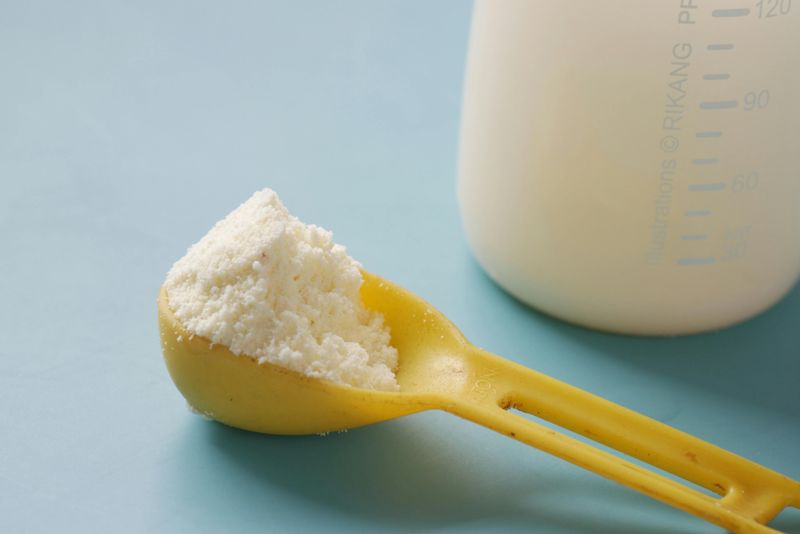
Powdered milk felt like survival in a box, ready for snow days and tight budgets. You stirred clumps that never fully dissolved, then tolerated the chalky aftertaste.
As refrigeration improved and delivery boomed, the backup carton in the pantry seemed unnecessary.
Still, bakers swear by it for tender breads and creamy cocoa mixes. You might keep a small bag for emergencies, but it no longer replaces fresh milk.
The taste gap is hard to ignore. Convenience stays relevant, yet everyday use faded, replaced by cartons, barista milks, and almond everything lining modern fridges.
Tang
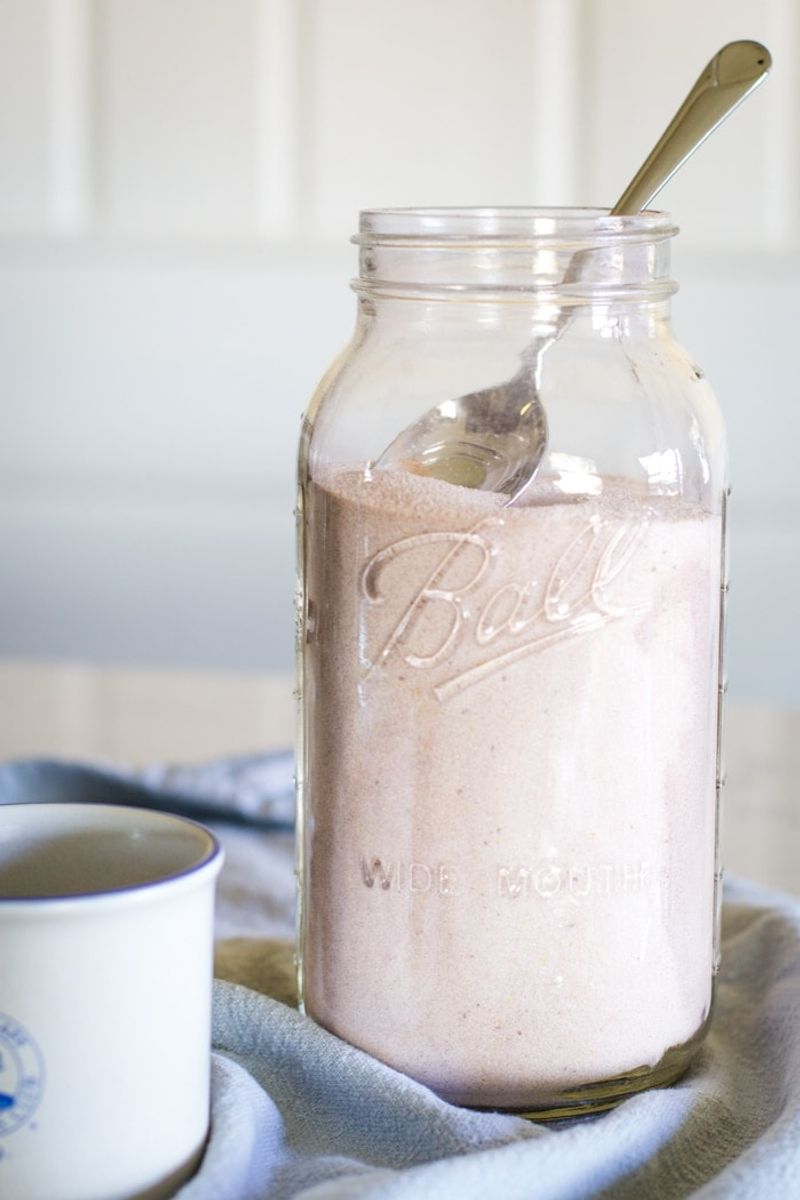
Tang tasted like space travel and Saturday morning cartoons, a neon-orange promise of vitamins. You scooped, stirred, and watched the swirl turn a thrilling shade of artificial sunrise.
Then real orange juice got cheaper, and people raised eyebrows at colorings and sugar.
Marketing magic wore off, leaving a nostalgic afterglow. You might still crave that astronaut fantasy, but the carton in the fridge wins every time.
Hydration has a new image now, with seltzers and electrolyte sticks. Tang remains a time machine in powder form, waiting quietly on a dusty shelf for a retro-themed breakfast.
Instant pudding
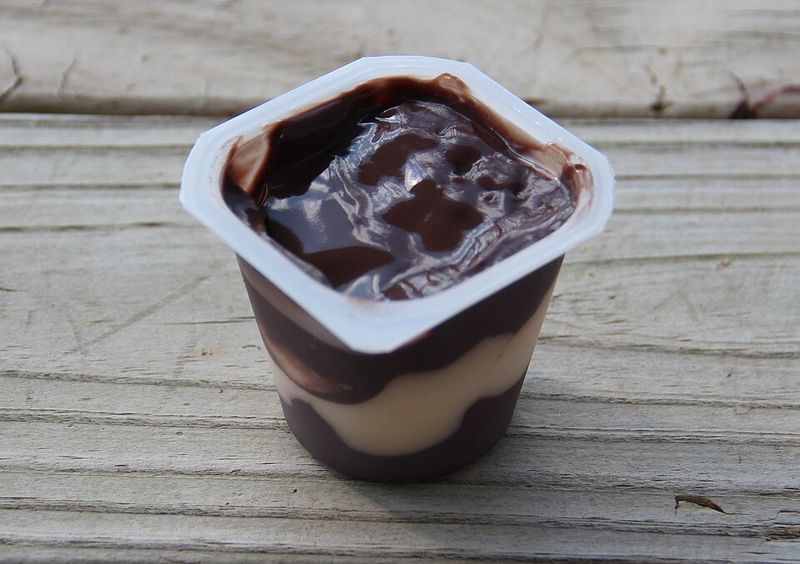
Instant pudding felt like culinary wizardry. You whisked cold milk, watched it thicken, and dessert magically appeared in minutes.
It turned ordinary weeknights into celebration, topped with canned whipped cream and sprinkles.
Then came Greek yogurt, no-bake cheesecakes, and ready-made parfaits. You still crave that silky spoonful sometimes, yet packets sit forgotten behind flour.
Homemade versions feel richer, and people read ingredient labels more closely now. Instant pudding still delivers comfort, but it lost the spotlight to fresher, trendier treats that photograph better and promise fewer additives for your after-dinner cravings.
TV dinners
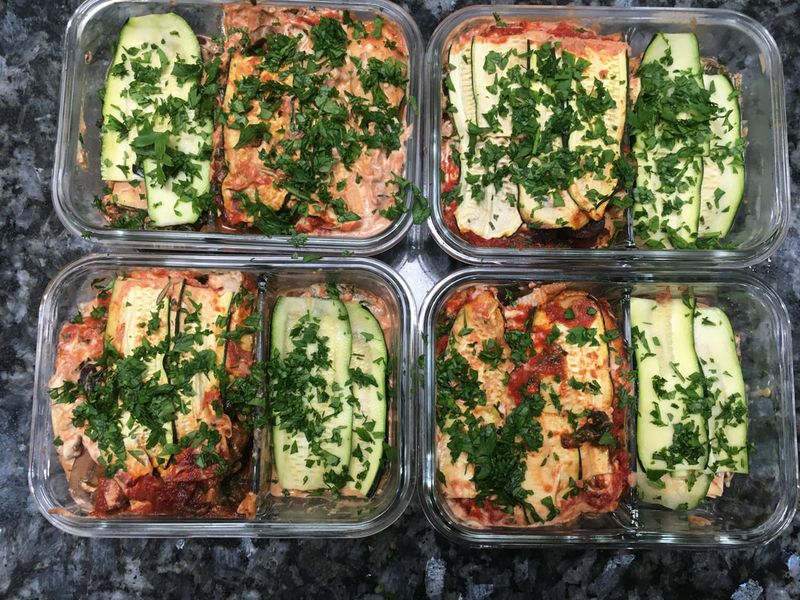
TV dinners promised modern living on a tray, with aluminum compartments that kept peas away from gravy. You pulled back foil and felt oddly sophisticated.
Then nutrition talk grew louder, and microwaves reshaped expectations around speed and flavor.
Frozen meals survived, but the ritual changed. No one schedules dinner around a sitcom anymore, and the trays turned into bowls with global flavors.
You still want easy, but you also want fresh. TV dinners quietly morphed into convenience cuisine, losing the novelty while keeping the core promise that busy nights deserve hot food fast.
Frozen pot pies
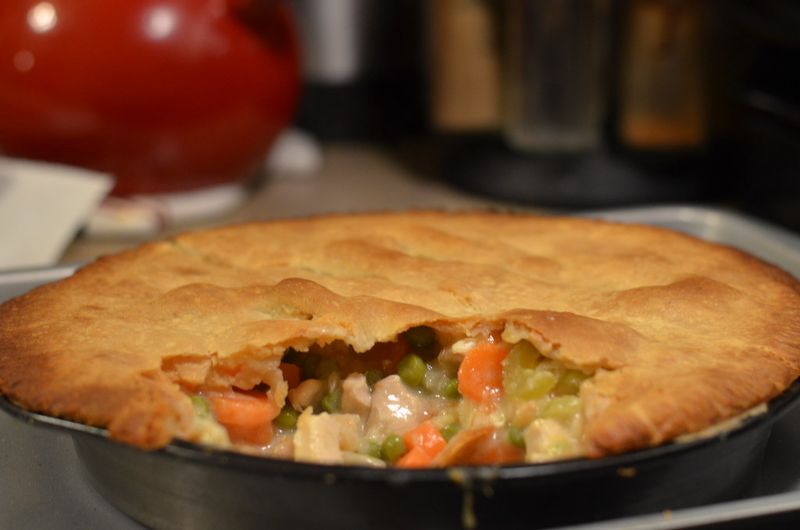
Frozen pot pies were cozy in a box, transforming tiny apartments into warm kitchens. You pricked the crust, waited forever, and burned your tongue anyway.
Over time, long bake times lost out to air fryers, meal kits, and quicker comfort foods.
The nostalgia is still powerful. You can smell buttery crust and thick gravy just thinking about them.
But health goals and smaller ovens nudged them aside. Sometimes you grab a single-serve pie for a solo night, then remember why you stopped.
It is comfort, yes, but patience and freezer space have new competition now.
Canned spaghetti
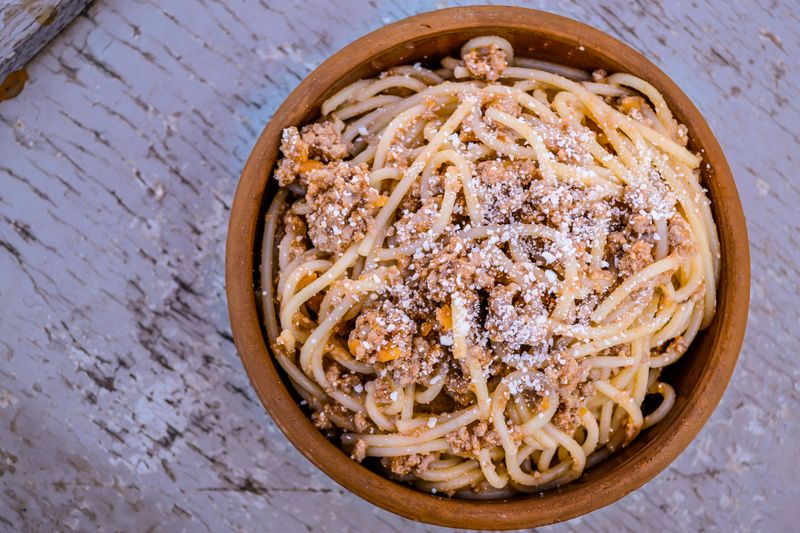
Canned spaghetti tasted like freedom because dinner could be done in five minutes. You heated it in a saucepan and called it a night.
But as jarred sauces improved and pasta got cheaper, the mushy noodles and sugary sauce felt less satisfying.
Nostalgia still tugs, especially on hectic nights. You might keep a can for emergencies, but it rarely becomes plan A.
Freshly boiled pasta wins on texture every time. The can lives in the back row, overshadowed by better pantry staples and the urge to eat something that resembles a meal rather than a memory.
Vienna sausages

Vienna sausages came on fishing trips and storm-prep lists. You popped the lid, speared a soft cylinder, and chased it with crackers.
Convenience made them kings, but texture and mystery-meat jokes chipped away at loyalty.
As charcuterie boards and better snack proteins took over, these little links lost ground. You still see them in dollar stores and tackle boxes, reminders of simpler packing.
Sometimes you buy a can for nostalgia or emergencies. Most nights, you reach for jerky, nuts, or cheese instead, leaving the tiny sausages to preserve their oddly endearing place in culinary folklore.
Cheese spread
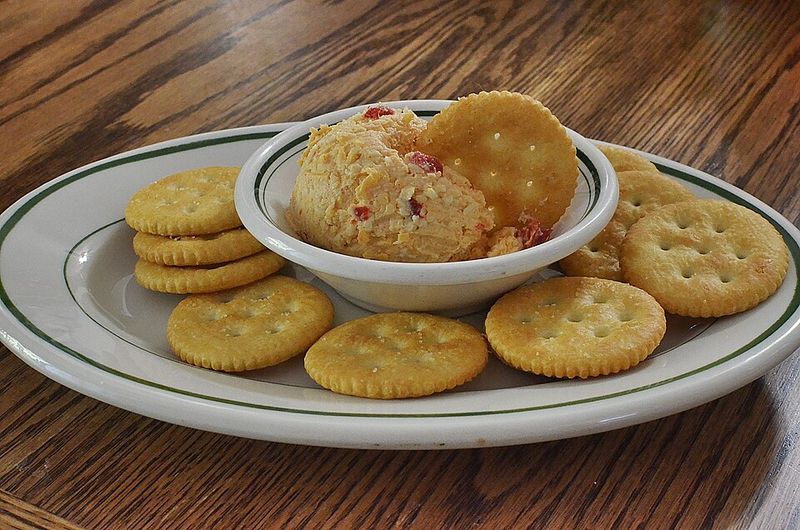
Cheese spread turned any cracker into a party, with jars that promised creamy, tangy ease. You swirled a knife and made instant canapes.
Then came artisanal cheeses, small-batch dips, and ingredient lists that felt more pronounceable.
Now the jar looks like a relic, though the flavor memory is strong. You crave that velvety salt hit sometimes, but a wedge of Brie or whipped feta steals the show.
Convenience still sells, but you want real cheese character too. The spread remains, mostly for nostalgia, game days, or the aunt who brings it every single holiday.
Snack cakes
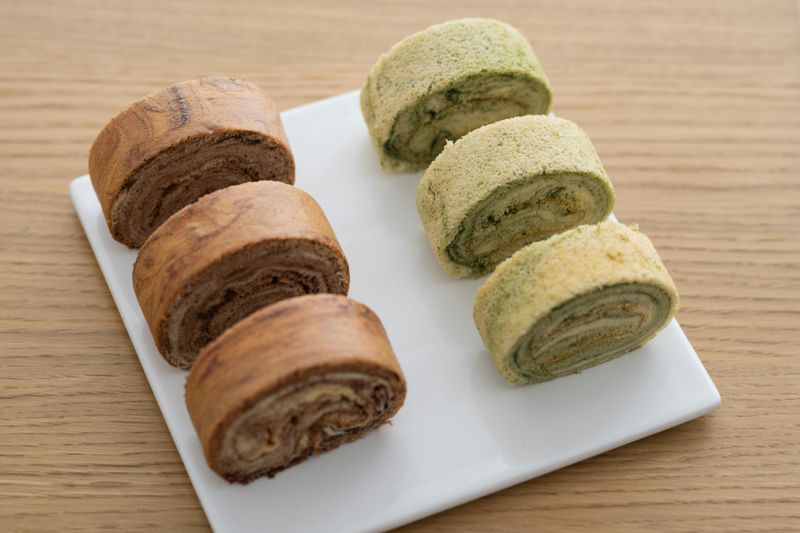
Snack cakes ruled lunchboxes, offering instant sweetness between algebra and gym. You traded them like currency, memorizing which ones had the best frosting.
Then parents and labels started talking about sugar, trans fats, and portion sizes.
Now you see them at gas stations more than kitchens. Bakeries and homemade brownies feel like better splurges.
Still, that first bite of a familiar cream-filled cake can time-travel your taste buds. You might stash a box for road trips or rough weeks, but daily snacking faded, replaced by granola bars, fruit, and a little more mindfulness about indulgence.
Diet cookies
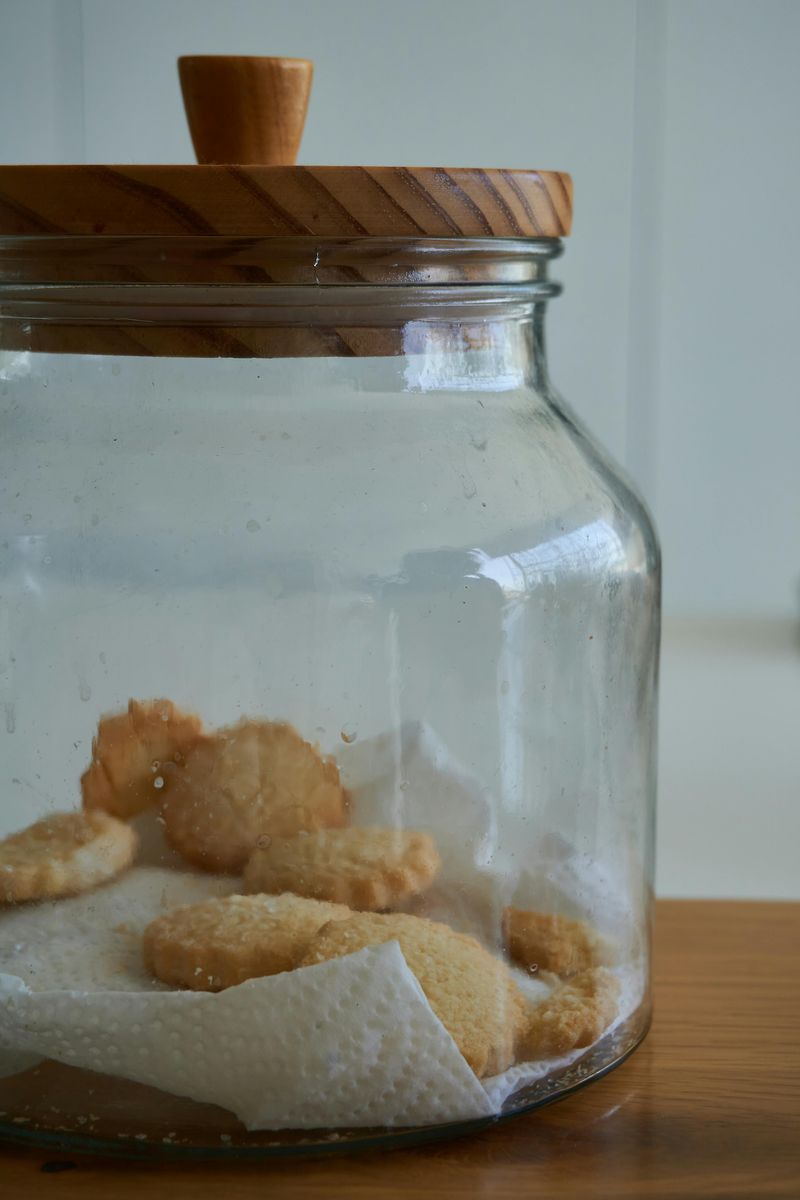
Diet cookies rode the low-fat wave, promising guilt-free crunch with a side of hope. You believed the box even when flavor felt like cardboard.
As nutrition science shifted toward whole foods and better fats, these treats lost their health halo.
Now protein bars, fiber snacks, and portion-savvy desserts dominate. You read labels differently, chasing balance instead of miracles.
Diet cookies still pop up on clearance, like echoes from an era of SnackWell-fueled optimism. If you eat them today, it is probably nostalgic curiosity.
Mostly, you would rather enjoy one great cookie than three forgettable ones.
Canned salmon
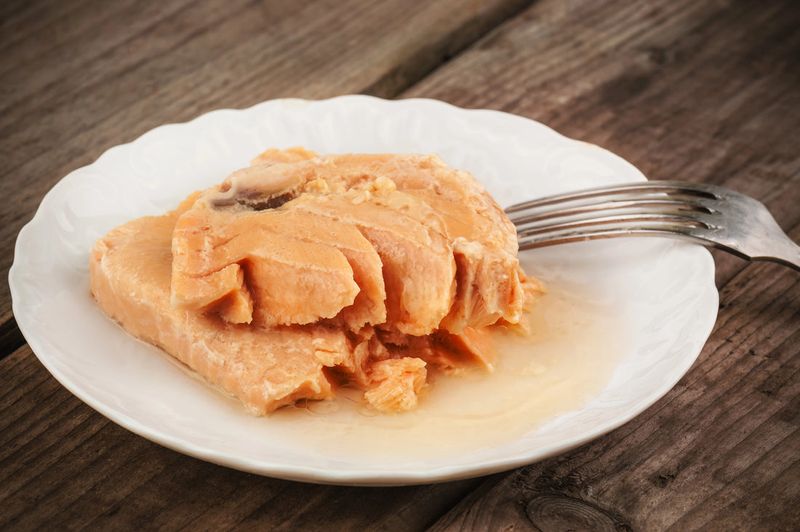
Canned salmon built weeknight patties and sensible salads, stretching budgets without skimping on protein. You picked out tiny bones or crushed them for calcium, depending on patience.
As fresh fillets and flash-frozen options improved, the can seemed less appealing.
Still, sustainability and omega-3s make it relevant. You might keep a can for salmon cakes when schedules implode.
But texture and aroma can be divisive, and many choose pouches or frozen fillets now. The can remains practical, just not beloved.
It waits behind tuna, ready when you need dinner that behaves and costs less than takeout.
Boxed scalloped potatoes
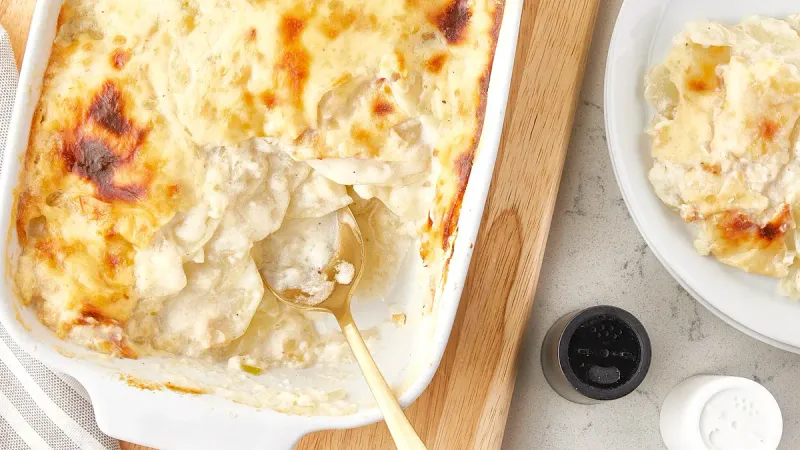
Boxed scalloped potatoes promised creamy comfort with minimal peeling. You layered dehydrated slices, whisked the packet, and let the oven perform its magic.
Then you noticed the sodium and the slightly rubbery bite that never matched real potatoes.
As mandolines, pre-sliced produce, and dairy alternatives improved, homemade versions felt easier. You still crave that bubbling top and browned edges, but shortcuts changed.
Today, many reach for refrigerated sides or make-from-scratch on weekends. The box collects dust, surviving in camp kitchens and nostalgic casseroles that remember potlucks and church basements.
Frozen fish sticks
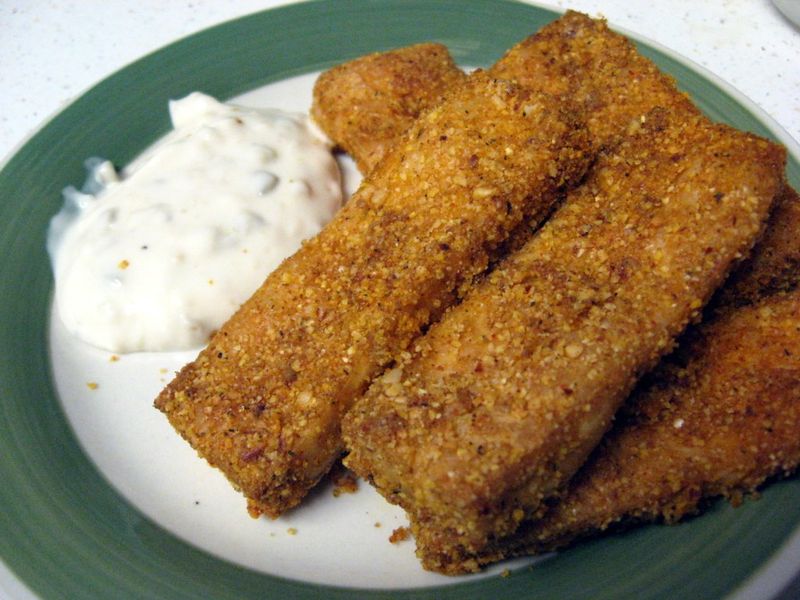
Fish sticks taught many kids to like seafood, or at least ketchup. You baked them until the coating crackled, then hoped the center was not mush.
Over time, people chased fresher fillets, air fryer magic, and bolder flavors.
Now panko crusts and spice blends outshine the plain rectangles. You still keep a box for picky eaters or hurried nights, but rotation is slower.
Sustainability questions and better options nudged them aside. They are dependable, just not exciting, living quietly behind frozen shrimp and salmon burgers in modern freezers.
Rice pudding cups
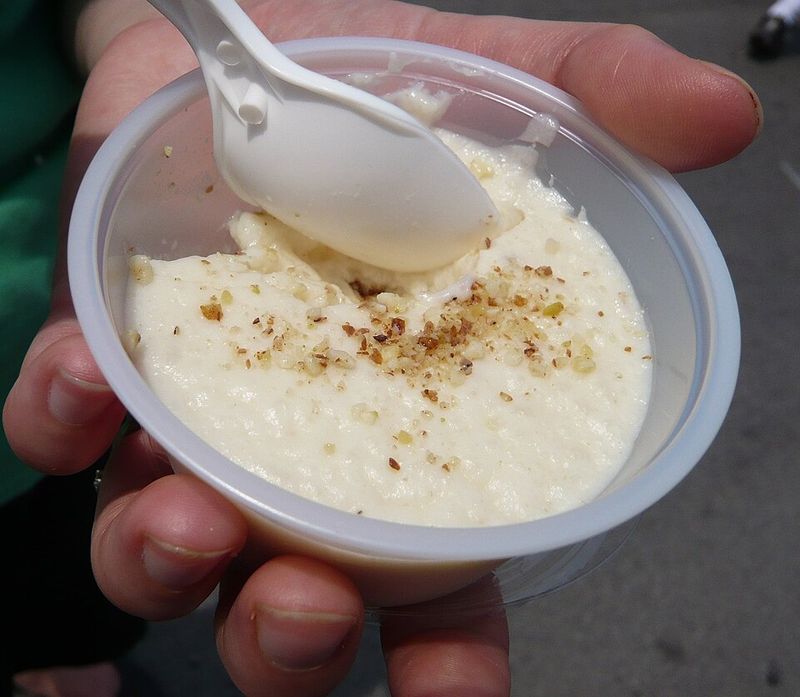
Rice pudding cups turned pantry rice into creamy calm. You peeled the lid and found comfort, even on chaotic days.
Then Greek yogurt parfaits and protein puddings muscled in, offering fewer sugars and more bragging rights.
Texture lovers still swear by the chewy rice and vanilla hug. You might buy a four-pack, eat one, and forget the rest.
The cups remain gentle, but not glamorous. Homemade stovetop versions feel richer, and the shelf-stable ones look lonely.
They have become quiet treats, not daily staples, lingering for rainy afternoons and soft, spoonable nostalgia.
Toaster strudel
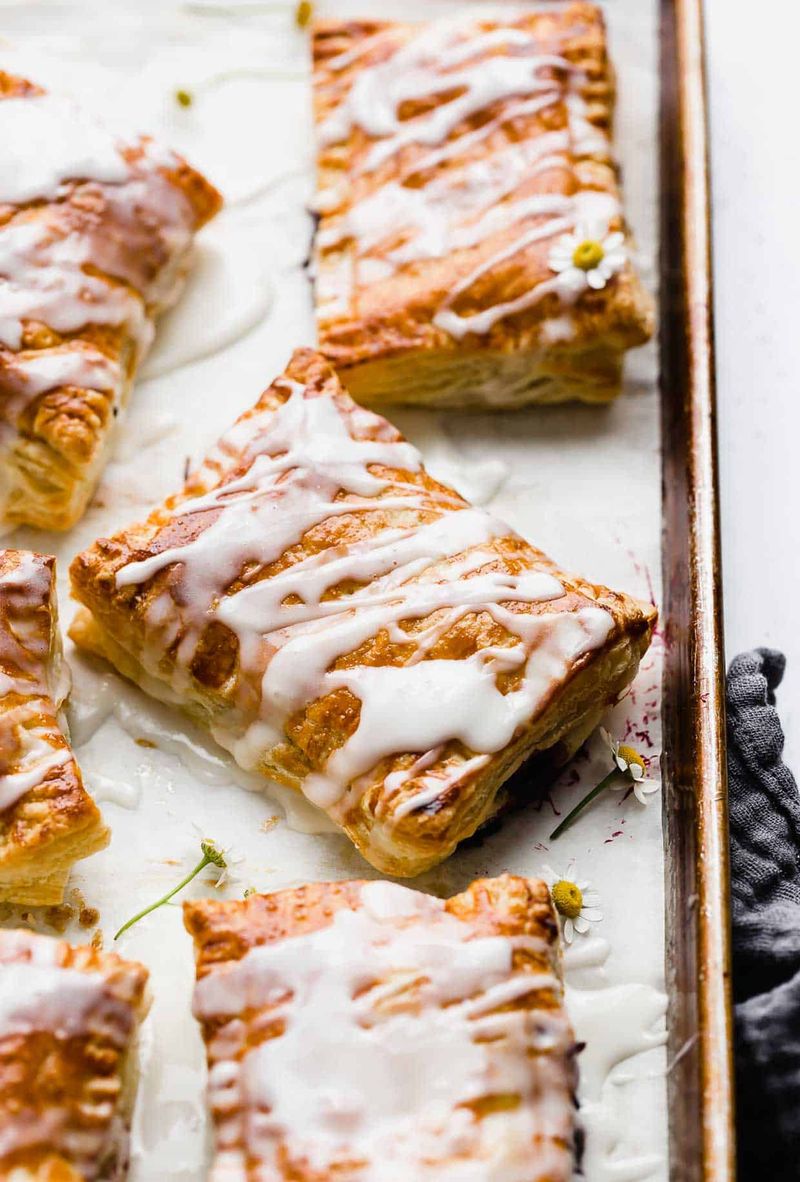
Toaster strudel felt like DIY bakery magic. You toasted, drizzled icing, and admired your zigzag artistry before first bite.
But mornings sped up, and people leaned into smoothies, breakfast burritos, and overnight oats.
These pastries still taste like Saturday freedom, buttery and sweet. You love the ritual, yet the sugar rush and flaky crumbs complicate commutes.
Freezer real estate is tight, too. Now they are a weekend cameo instead of a daily co-star, cherished but less practical for modern mornings.
Bagel bites
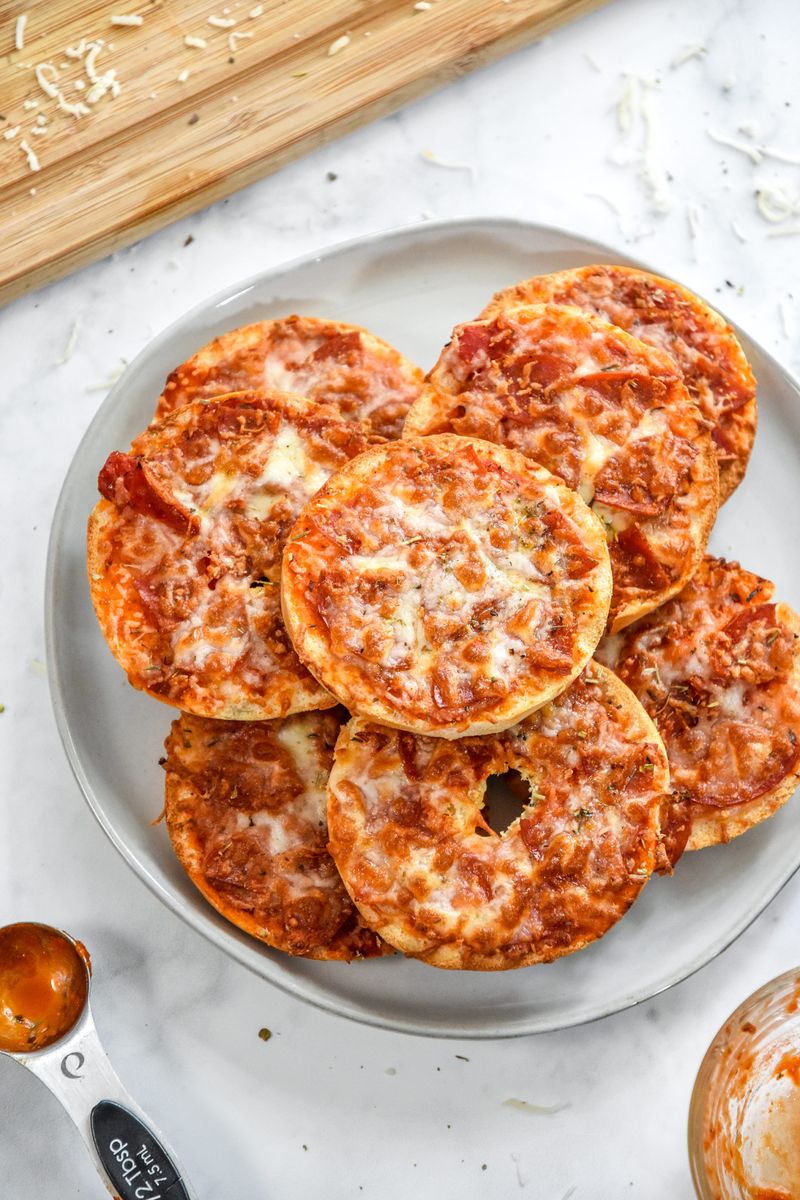
Bagel bites delivered after-school victory in twelve minutes flat. You burned your mouth every time and still went back for more.
As air fryers, better frozen pizzas, and delivery deals blossomed, the tiny halves lost their crown.
They remain fun, just not essential. You might stock them for parties or sleepovers, where nostalgia does the heavy lifting.
But texture can be hit or miss, and toppings feel sparse now. Convenience evolved faster than they did, leaving their tomatoey charm parked in the freezer aisle, smiling but slightly outdated.
Pizza rolls
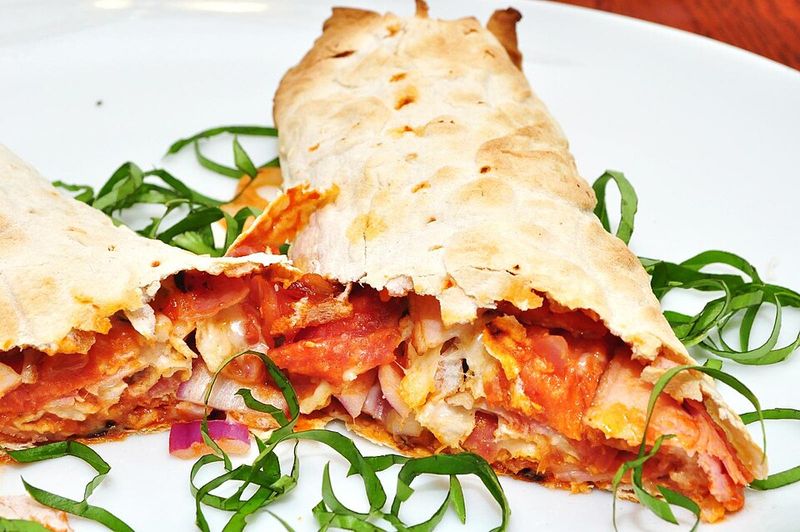
Pizza rolls were the halftime heroes of living room sports. You shook the tray, listened for sizzles, and braced for lava-cheese burns.
Over time, people wanted bigger flavors, better crusts, and fewer mystery ingredients.
They still show up for parties, gaming nights, and teen hangouts. You appreciate the crunch, but crave more sauce and real cheese.
With better frozen slices and quick-delivery apps, these tiny pockets feel like understudies. They are fun, familiar, and increasingly occasional, relying on nostalgia and convenience more than culinary greatness.
Canned chili
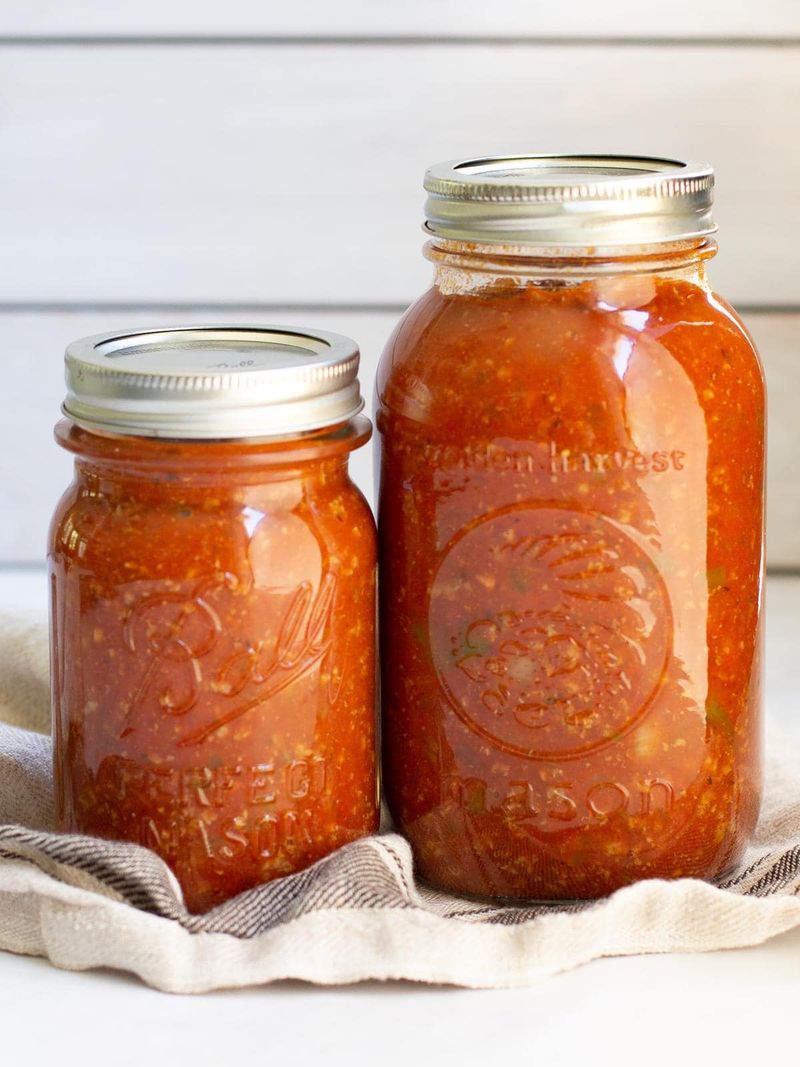
Canned chili powered quick dinners and camping trips alike. You cracked a can, added cheese, and dinner happened.
Over time, slow cookers, pressure cookers, and better refrigerated tubs made the shortcut feel less necessary.
You still appreciate the backup plan, especially on cold nights. But sodium concerns and flavor fatigue pushed it aside.
Homemade versions freeze beautifully, and restaurants sell family-size quarts. The can remains reliable yet secondary, waiting for emergencies, tailgates, or that one recipe that still prefers its dense, nostalgic comfort.
Jello cups
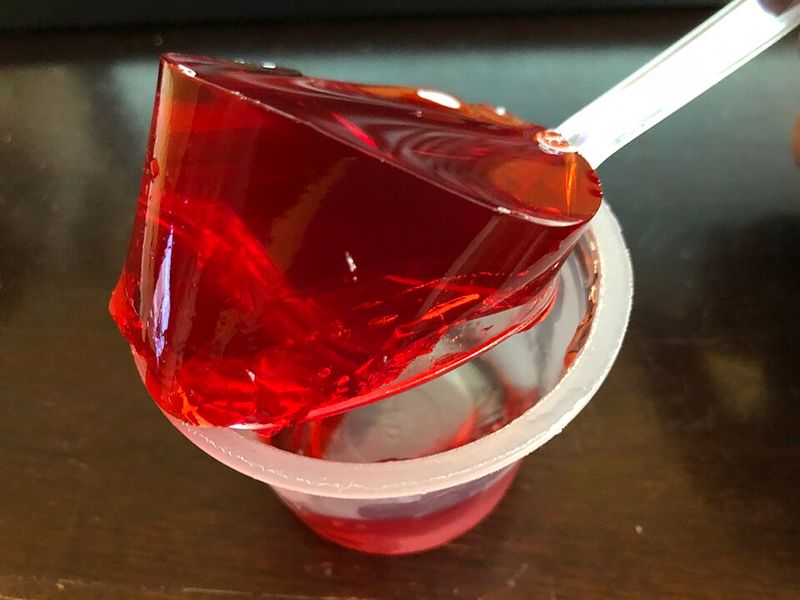
Jello cups used to feel like a tiny party, even on an ordinary Tuesday. Peel, wiggle, slurp, and you were instantly five again.
But as people started chasing protein and real fruit, a wobbly sugar cup stopped feeling like a sensible snack.
Now you see them mostly at pediatric appointments or birthday buffets. You want that wobble to mean childhood, but labels push you toward yogurt or chia puddings.
The cups remain, yet they whisper instead of sing. Unless someone is sick or craving comfort, they rarely make it into your cart anymore.
Pudding pops

Pudding pops felt creamier than regular popsicles, with that slow-melt luxury on hot afternoons. You licked the edges and chased swirls of chocolate and vanilla.
Then production stopped, knockoffs appeared, and hype faded as freezers filled with gelato bars.
You can make a homemade version, but it rarely tastes exactly right. Nostalgia is persuasive, yet grocery realities win.
New frozen desserts compete on protein, clean labels, and indulgent textures. Pudding pops now live in memory, where they never melt, and every bite lands perfectly between icy and silky.