



Remember when a quick grocery run did not sting your wallet? Lately, basics that used to be reliably affordable feel like small luxuries.
You are not imagining it, and you are definitely not alone. Let’s walk through the everyday foods quietly climbing in price and why your total keeps creeping higher.
Eggs

Eggs used to be the unbeatable breakfast MVP, solid protein for pocket change. Then supply shocks, feed costs, and disease outbreaks pushed prices skyward, and the sticker never fully came back down.
You still get nutrition and versatility, but the classic cheap omelet now feels oddly fancy.
If you are hunting deals, buy in bulk when on sale and store properly for freshness. Consider store brands, which often match name-brand quality.
And stretch them by mixing with veggies or grains so one carton goes further.
Bacon
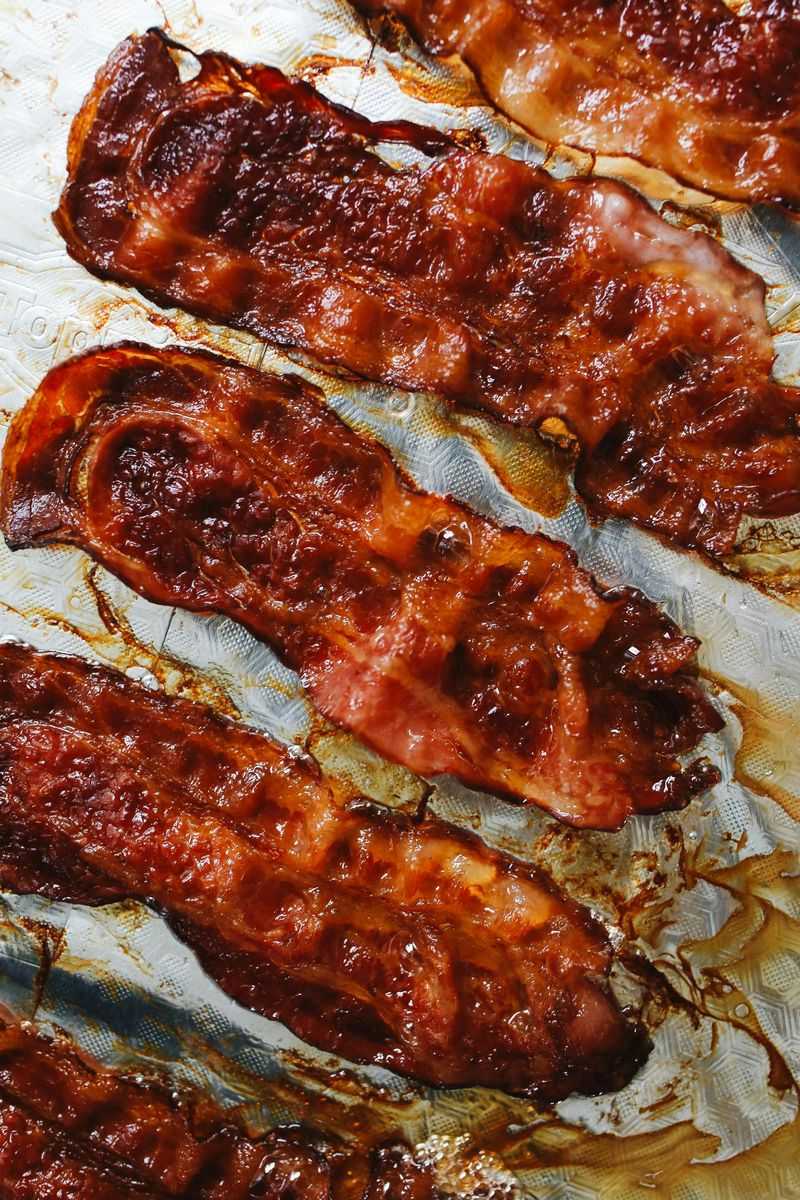
Bacon, once a casual weekend splurge, now demands a second look at the shelf tag. Pork supply swings, processing costs, and transportation add up, squeezing what used to be an easy add to breakfast.
Even value packs feel less friendly when you do the math per slice.
To save, bake whole sheets and freeze portions for quick breakfasts. Try slab ends or off-cuts that taste great but cost less.
Or channel the flavor by rendering a little fat to season greens, beans, and soups without using the whole pack.
Butter
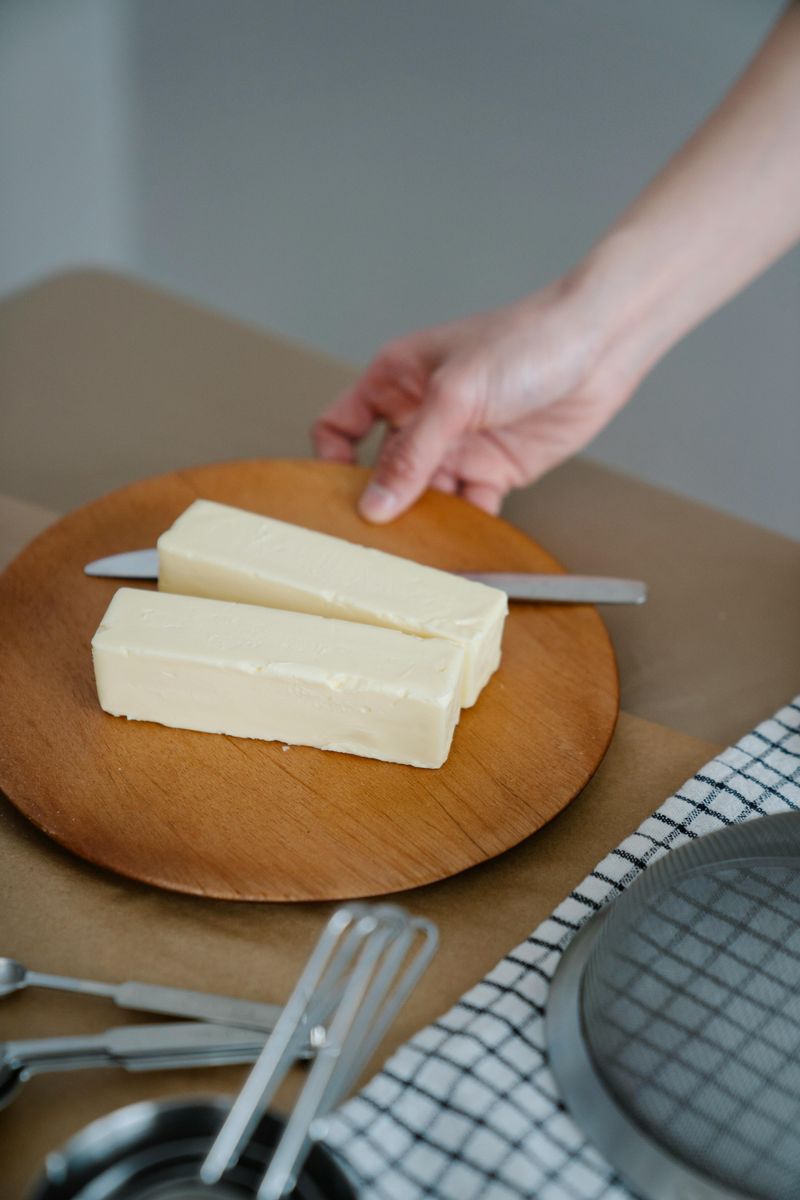
Butter prices have crept up alongside dairy feed costs and processing expenses. That little brick used to slide into carts without stress, but now baking a batch of cookies feels like a budget decision.
The richness has not changed, yet the value calculation definitely has.
Consider baking with a half-butter, half-oil approach to stretch flavor. Keep butter cold and portioned, freezing extras to catch sales when they appear.
For everyday cooking, brown a small amount to boost aroma so a little goes further without sacrificing that buttery magic.
Olive oil

Olive oil used to be a pantry staple that felt attainable, but extreme weather and harvest shortfalls have turned it into liquid gold. Even basic extra virgin bottles now flirt with luxury pricing in many stores.
You still want that peppery finish, but your budget flinches.
Strategies help. Keep a small bottle for finishing and a neutral oil for high heat.
Buy reputable but lesser-known brands, and check warehouse clubs for honest quality per ounce. Store it cool and dark to avoid waste, because every drop has become precious.
Coffee
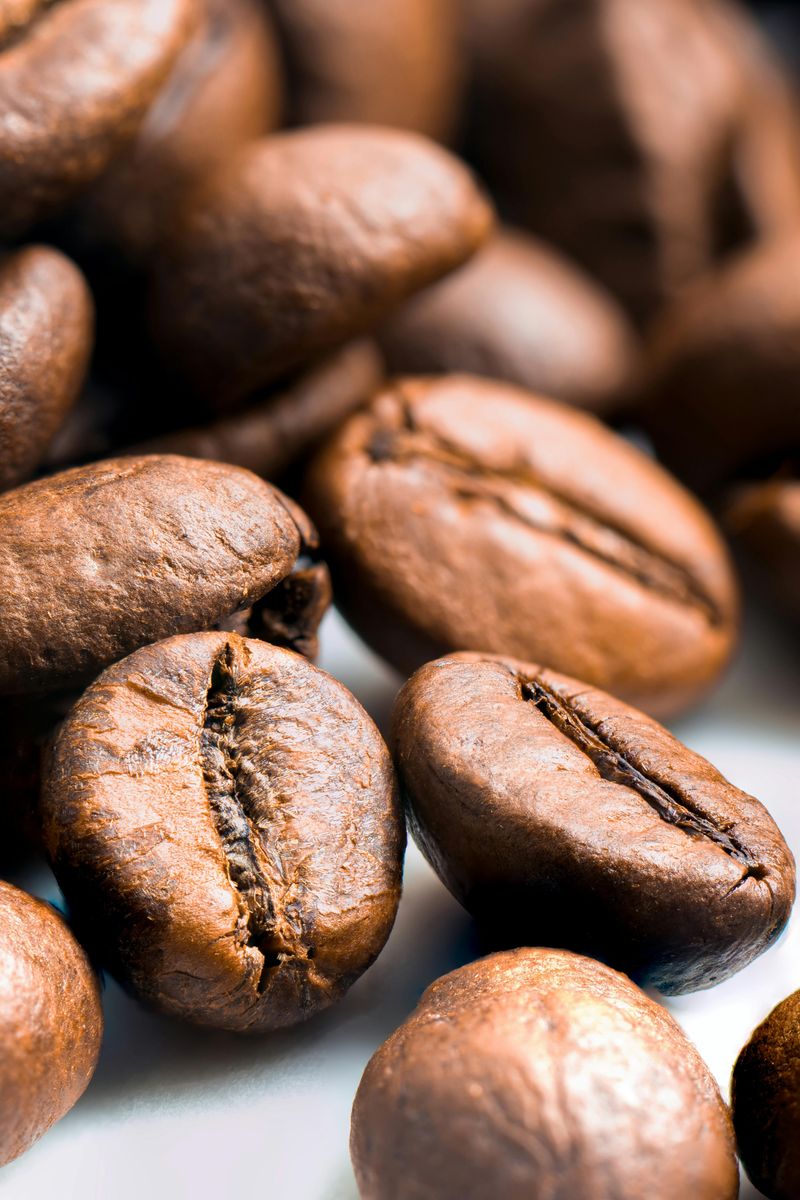
Morning coffee used to be a simple comfort, not a budgeting exercise. Climate pressures, shipping costs, and labor realities feed into the price of beans, from farm to roaster to cup.
Even store-brand grounds ring up higher, and specialty bags dare you to justify the splurge.
Stretch it by grinding fresh, dialing in brew ratios, and freezing portions airtight. Try blends over single origins for value.
If cafes tempt you, consider a small at-home pour-over kit that pays for itself quickly while still giving that ritual you crave.
Cheese
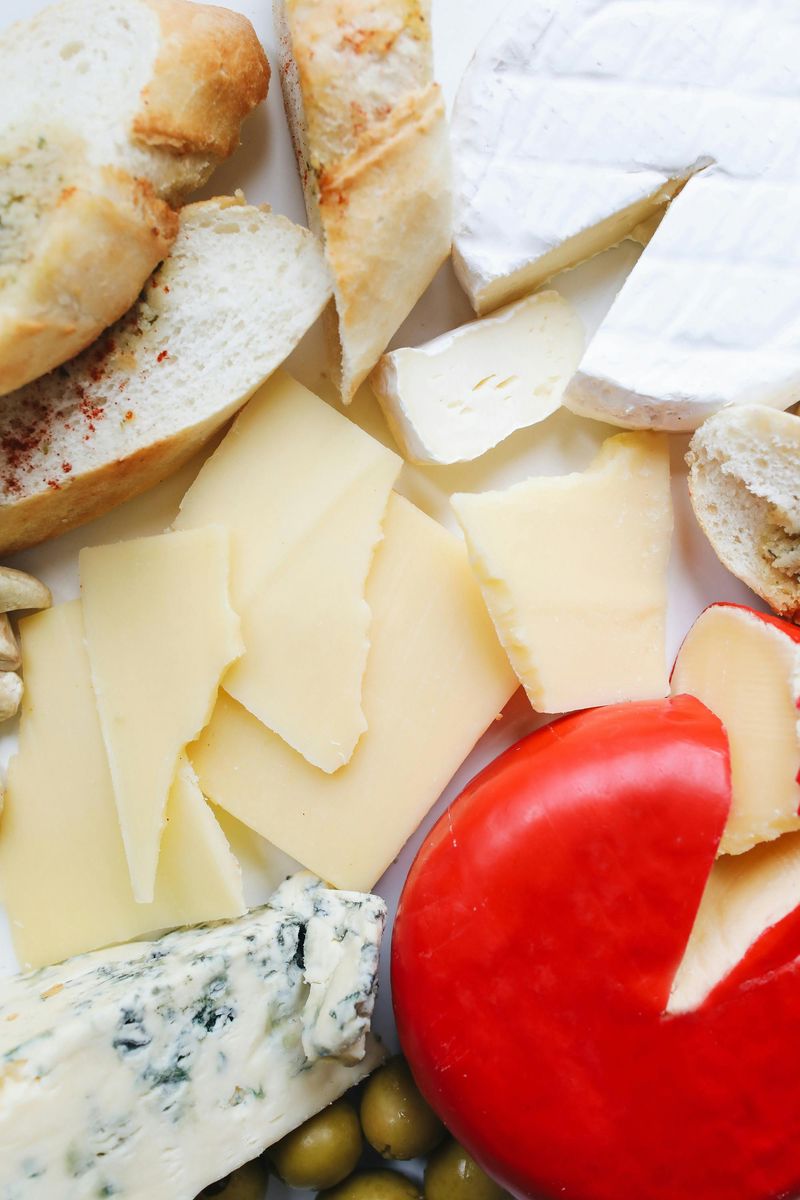
Cheese was once the easy add to sandwiches and snacks, but dairy costs and aging time now nudge prices up. Even mild cheddar feels pricier, while specialty wheels basically ask for a commitment.
Portion control is wise, yet no one wants a cheese board that skimps.
Shop deli ends, buy larger blocks, and grate at home to save. Try punchier varieties so small amounts deliver bigger flavor.
Store properly in breathable wraps to avoid waste, keeping every slice satisfying and worth the spend.
Ground beef
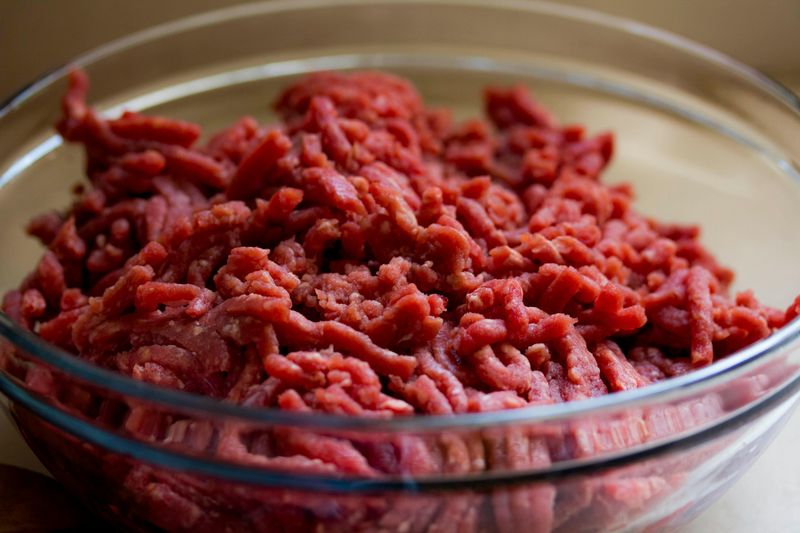
Ground beef used to be the safe weeknight option for tacos and meatloaf. Lately, higher feed, fuel, and processing costs have pushed it into rethink territory.
You still get versatility, but that pound now needs thoughtful stretching to keep meals affordable.
Mix in beans, mushrooms, or grains to boost volume without losing savoriness. Buy larger packs when discounted, portion, and freeze flat for quick dinners.
Choose lean-to-fat ratios smartly, since excess fat drains away money. Season boldly and you will not miss a thing.
Chicken wings
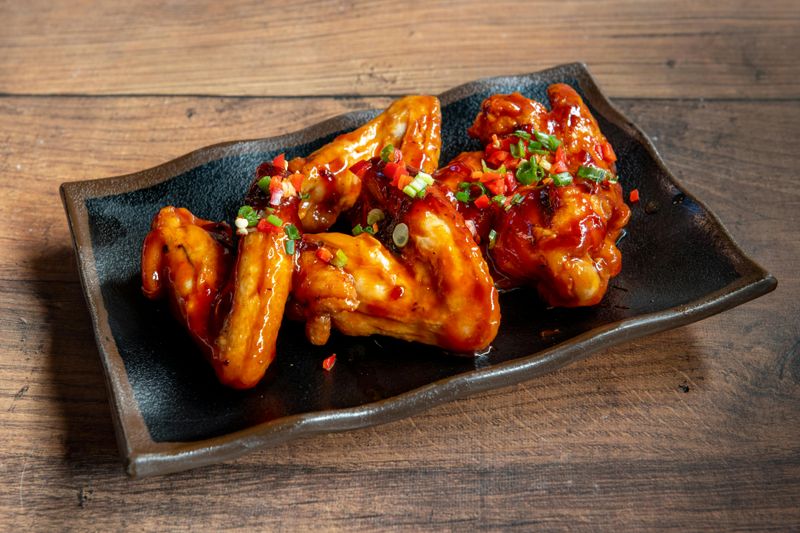
Remember when wings were the cheap cut no one fought over? Popularity exploded, supply got tight, and now a tray costs more than feels fair.
Game day cravings still hit, but the price tag can bench your plans fast.
Watch for unseasoned bulk packs, then bake or air-fry at home. Drumsticks deliver similar satisfaction for less, especially with a good sauce.
Stretch plates with crunchy veggies and dips so the star still shines without demanding overtime from your wallet.
Pork chops
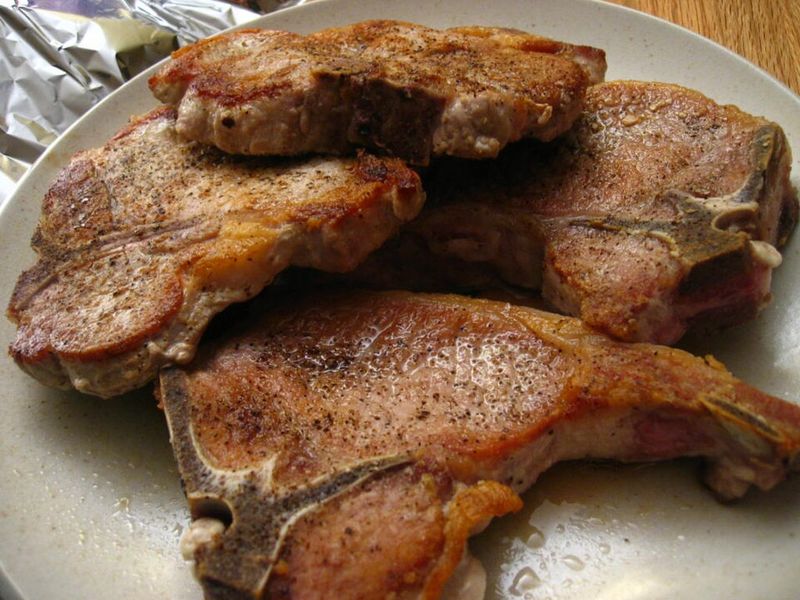
Pork chops once lived in the budget-friendly lane, perfect for quick weeknights. Supply fluctuations and processing costs have nudged them upward, especially for thicker, bone-in cuts.
That simple skillet sear now makes you glance twice at the receipt.
To save, brine thinner chops for juiciness and cook gently. Buy family packs, freeze individually, and use pan sauces to elevate leaner options.
Shoulder steaks or country-style ribs can scratch the same itch for less, particularly when slow-cooked till tender.
Beef steak
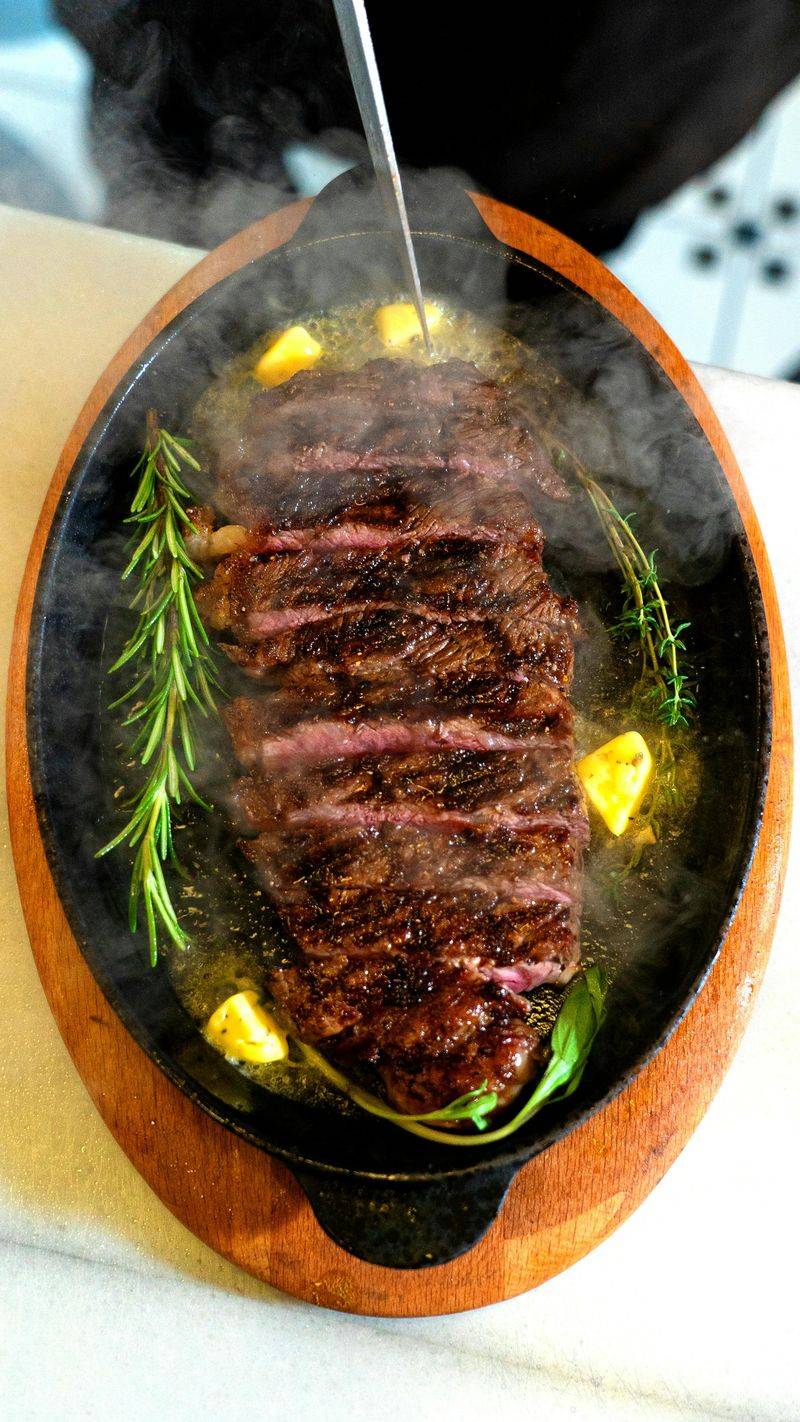
Steak night used to be an occasional indulgence, not a financial statement. Now even everyday cuts demand premium dollars, thanks to feed, drought, and tighter herds.
Those gorgeous grill marks come with a side of sticker shock.
Look for value cuts like sirloin tip, chuck eye, or flat iron. Marinate, slice thin against the grain, and serve over salads or grain bowls to stretch servings.
Buying whole subprimals at warehouse clubs and portioning at home can slash the per-steak cost considerably.
Shrimp
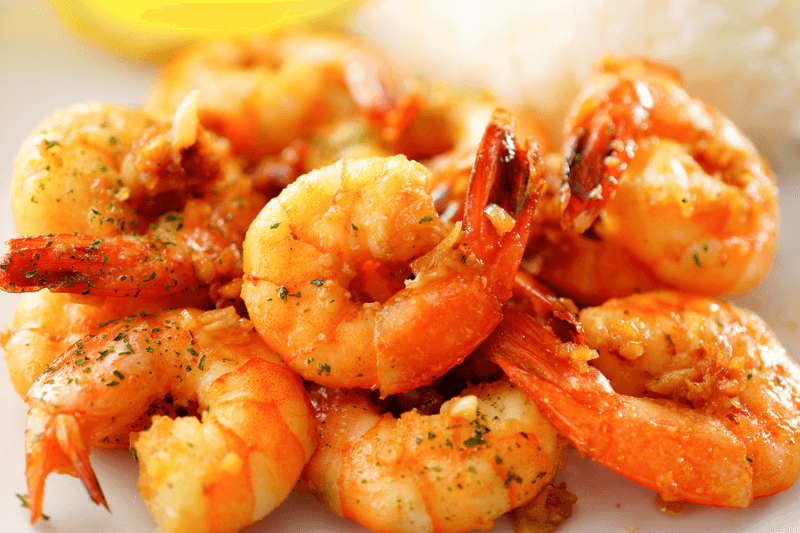
Shrimp felt like the dependable freezer staple for quick dinners. Now packages often carry premium pricing that makes stir-fry night pause.
Disease management, feed, and transport add up, and sales do not stretch as far as they used to.
Choose shell-on or larger bags to lower the per-pound cost. Keep a bag for versatile meals like tacos, pasta, and fried rice.
A brief marinade and high-heat sear make smaller shrimp taste special, so you can use fewer without missing out.
Avocados
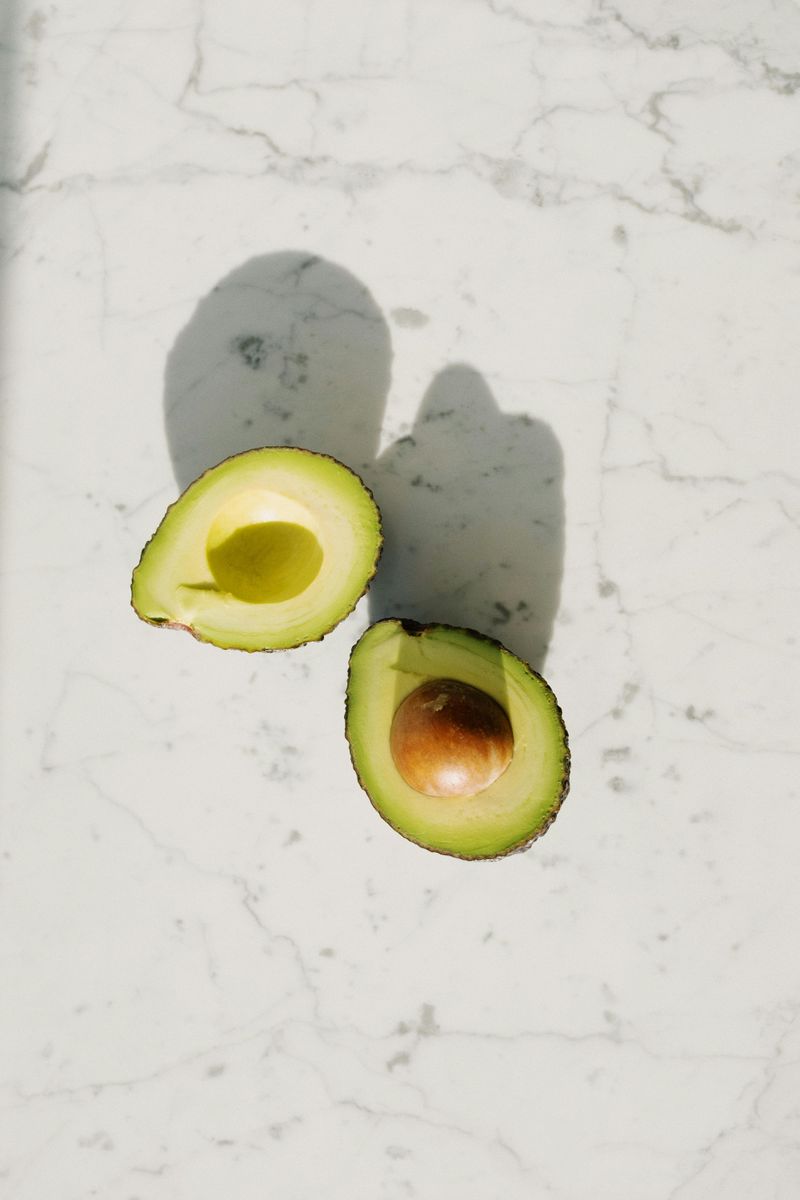
Avocados rode a wave of popularity, and prices followed. Weather swings and demand spikes mean that perfect toast topper sometimes costs like a luxury.
You still crave that creamy bite, but hesitation hits at checkout.
Buy firm ones and ripen at home in a paper bag to reduce waste. Freeze mashed avocado with lime juice for future guacamole.
Consider using half per serving and bulking with tomato, cucumber, or beans for satisfying, budget-conscious bowls that still deliver freshness.
Berries
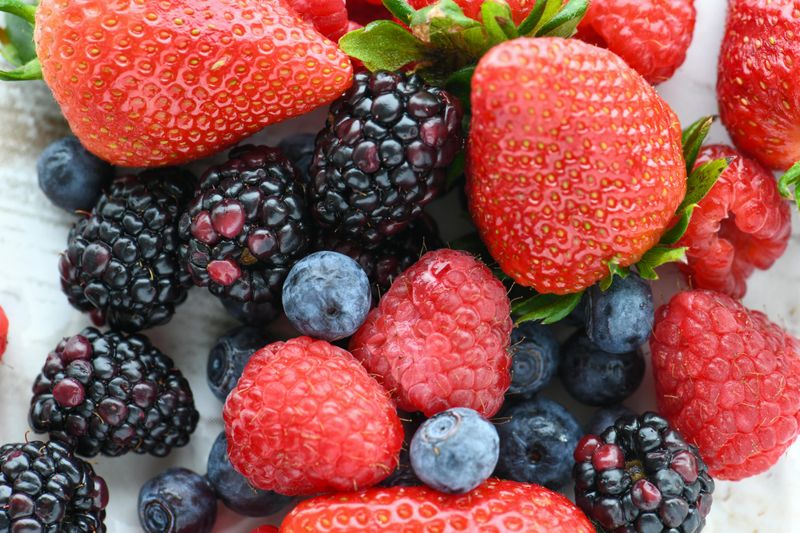
Berries once felt like a simple summer treat, but now clamshells can be shockingly expensive year-round. Fragile fruit and long-distance shipping drive costs, especially off-season.
The flavor pays off, yet the price can sour the sweetness.
Buy frozen for smoothies and baking without sacrificing nutrition. Shop in season, then freeze or make quick jam when prices dip.
Rinse just before eating to extend shelf life, so every berry you bought actually gets enjoyed instead of forgotten.
Cooking oil
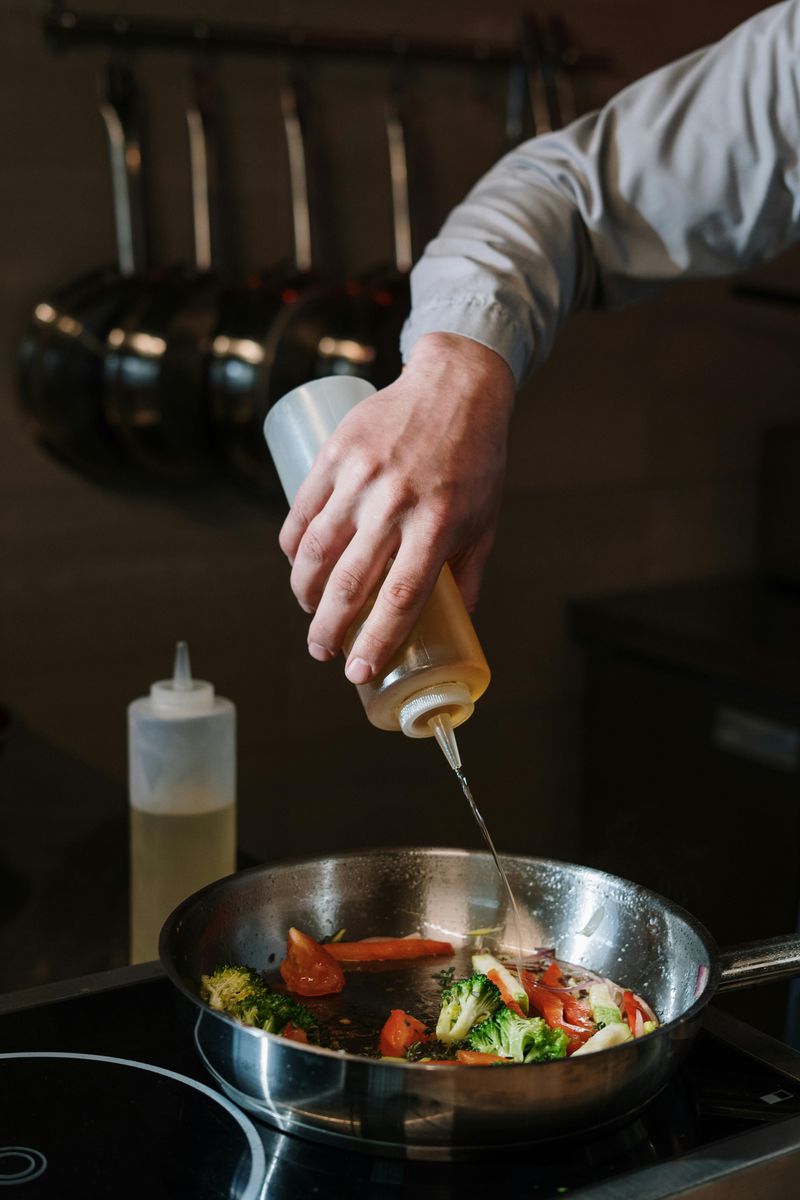
Basic cooking oils were the behind-the-scenes heroes of weeknight dinners. Now even generic jugs ring up higher due to crop yields, global demand, and shipping costs.
Fry night or a simple sauté takes a bigger bite out of the budget.
Buy larger containers if you cook often, but store cool and sealed. Reuse frying oil when appropriate by straining after use.
For everyday tasks, a neutral oil plus a small bottle of flavorful oil balances cost and taste without sacrificing versatility.
Bread loaf

Sliced bread was the default affordable staple, always there for toast and lunches. Lately, flour, labor, and packaging have edged prices up, even for basic loaves.
Artisanal styles soar higher, making a simple sandwich feel elevated in cost.
To save, buy bakery discount racks and freeze slices. Consider baking at home once a week, where a few pantry ingredients can feed multiple meals.
Store in a bread box or bag to slow staling and reduce waste.
Cereal
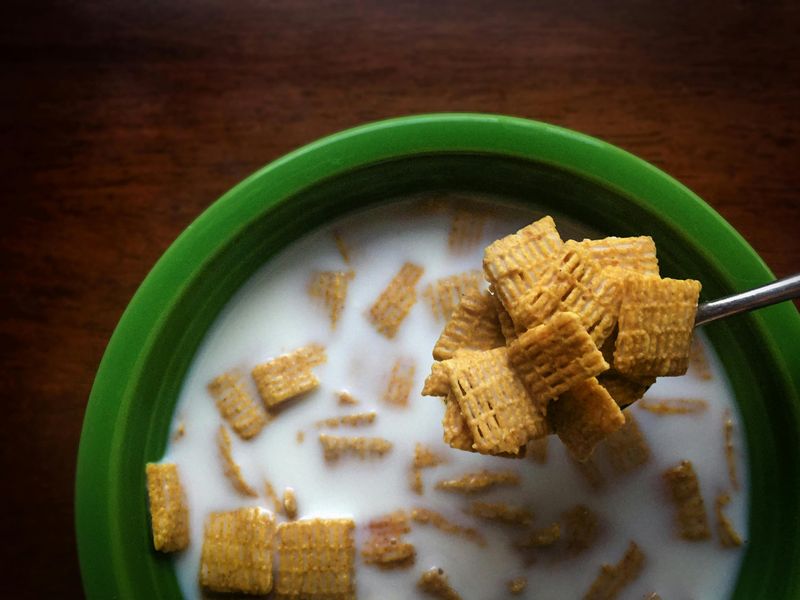
Cereal used to be the quick, cheap breakfast standby. Now boxes feel lighter, prices feel heavier, and promotions do not stretch like they used to.
Ingredients, marketing, and packaging add up, testing loyalty to childhood favorites.
Look for bagged generics that deliver similar crunch without the branding tax. Mix half sweet cereal with plain oats to cut sugar and cost.
Store in airtight containers to keep freshness, so you never pour stale disappointment into your morning bowl.
Chocolate
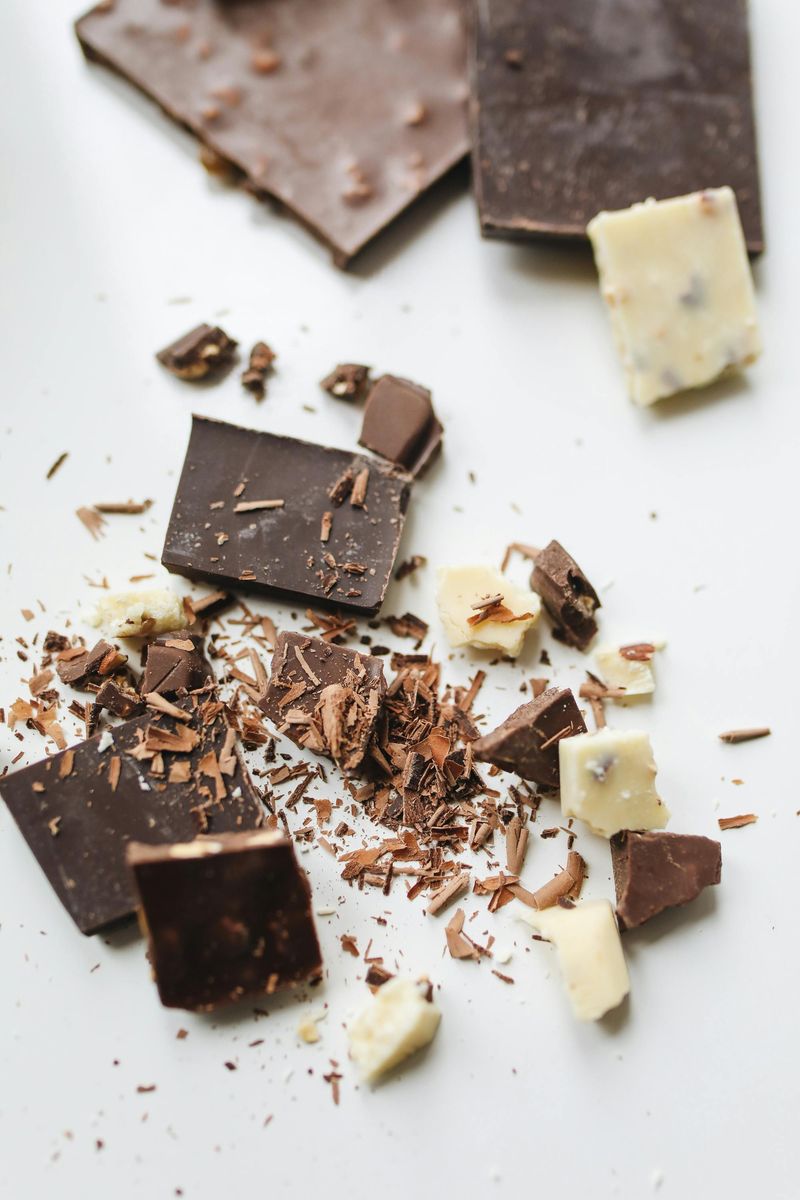
Chocolate was an easy little treat, but cocoa supply issues and global demand have pushed prices up. Even modest bars sometimes feel boutique.
The comfort remains, yet the checkout total says savor slowly.
Go for higher-cacao bars where a small piece satisfies more. Shop multipacks or seasonal sales, then stash in a cool, dry spot.
For baking, cocoa powder often delivers deep flavor at a lower cost than chips, keeping desserts indulgent without overspending.
Frozen meals
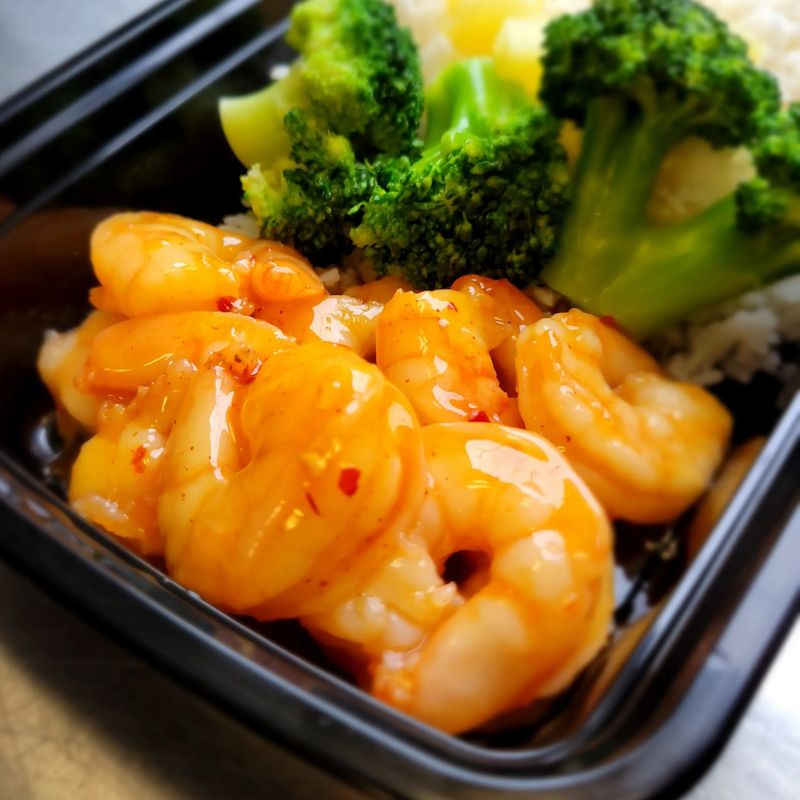
Frozen meals once meant affordable convenience, but prices have crept to where takeout sometimes competes. Ingredients, labor, and packaging all stack into that tidy box.
The time savings help, yet the value proposition feels shakier lately.
Stock up during deep promotions and pair with inexpensive sides like salad or rice. Consider batch-cooking and freezing homemade portions for better ingredients per dollar.
Add a fresh topper, like herbs or lemon, to make budget choices feel brighter.
Peanut butter
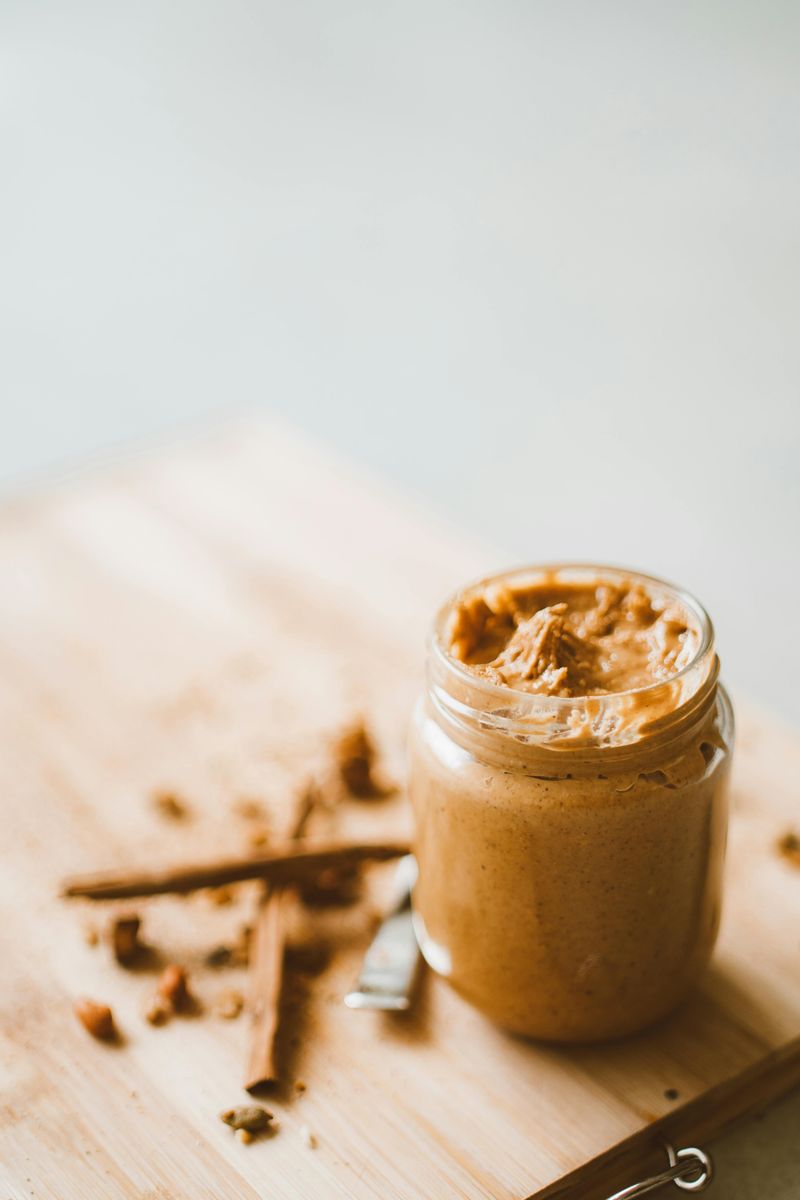
Peanut butter used to be the go-to protein on the cheap. Crop variability, processing, and packaging have inched prices higher, especially for natural varieties.
That school-lunch hero suddenly asks for more allowance.
Compare unit prices and consider larger jars if you go through it quickly. Stir and store upside down to keep oils distributed and reduce waste.
Try powdered peanut options for smoothies and sauces, stretching flavor without stretching your budget too far.
Yogurt
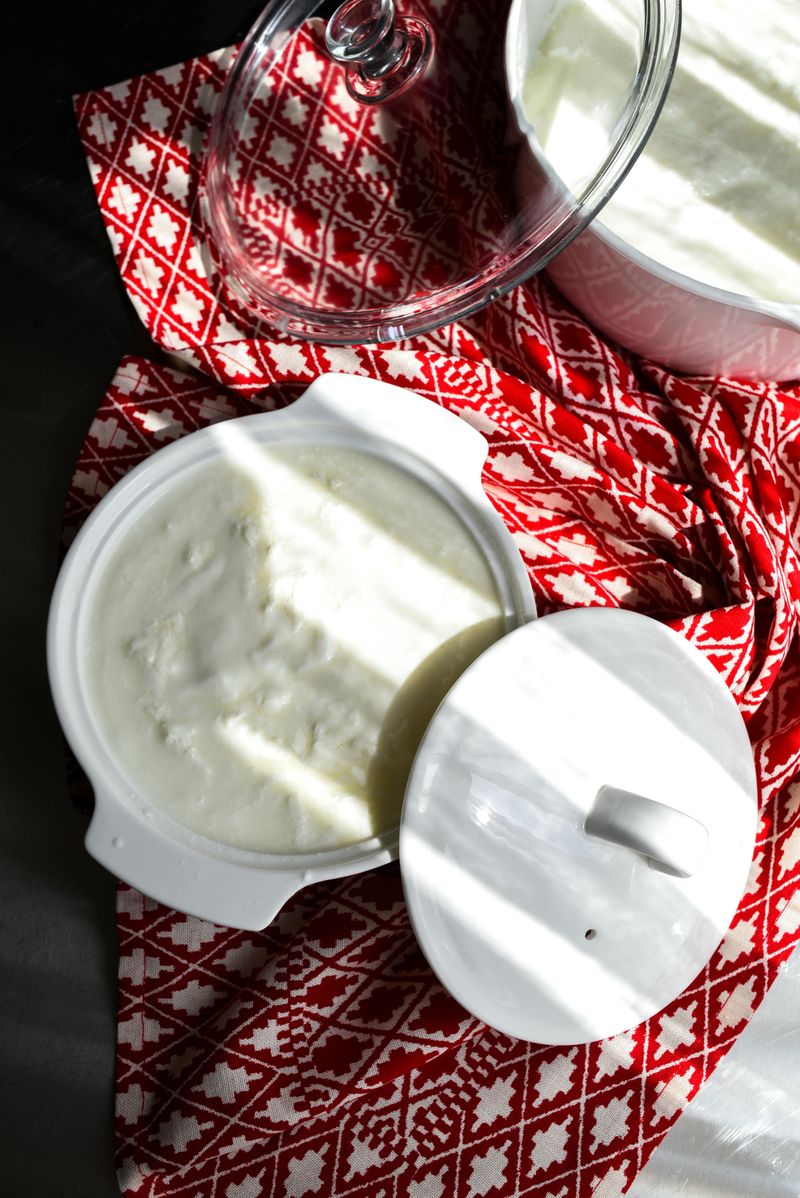
Yogurt climbed from fridge staple to quiet splurge, especially in single-serve cups. Dairy costs, add-ins, and branding make each spoonful pricier than before.
It is still protein-rich and convenient, but the budget notices.
Buy plain in large tubs and sweeten with fruit or honey yourself. Strain to make a thicker style, turning one tub into multiple textures.
Reuse small containers for portioning homemade parfaits, matching convenience without paying the premium.
Potatoes

Potatoes were the unbeatable value carb, stretching meals with comfort and versatility. Weather, storage, and transport costs can still nudge prices up, especially on bagged varieties.
They remain affordable relative to many foods, but the creep is noticeable.
Buy loose to select sizes you actually need. Store cool and dark to prevent sprouting and waste.
Turn leftovers into breakfast hash or potato cakes, squeezing every bit of value while keeping your plate satisfying and familiar.
Onions
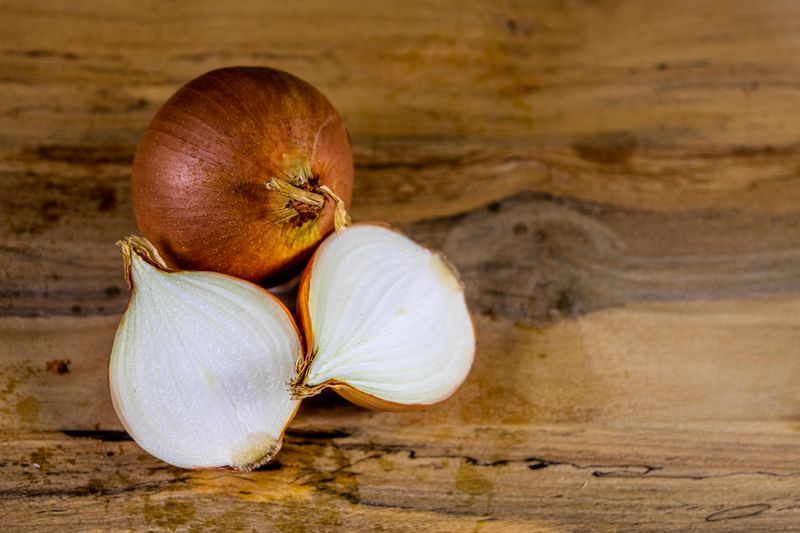
Onions used to be the quiet, cheap backbone of flavor. Crop issues and shipping can swing prices wider than you would expect for something so humble.
When even onions feel spendy, recipes hit differently.
Buy bags on sale, then chop and freeze portions for easy use. Choose the right type for the job so none go to waste.
Caramelize a big batch to turn simple ingredients into savory gold that stretches across meals.
Salmon
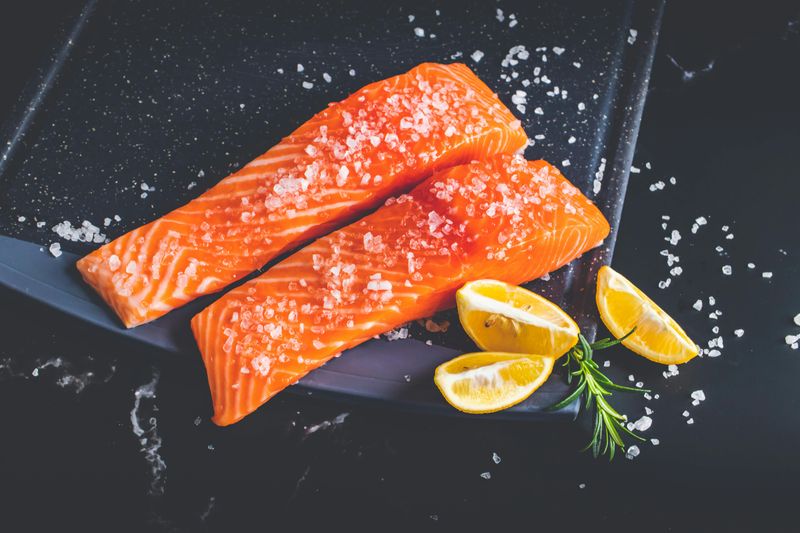
Salmon used to be a relatively accessible way to eat more fish. Feed costs, logistics, and environmental pressures have nudged it into special-occasion territory for many shoppers.
The health perks still tempt, but the price can feel choppy.
Save by buying frozen fillets or trimmings for soups and patties. Try canned salmon for salmon cakes that deliver protein and omega-3s without draining funds.
Marinate boldly and broil quickly to lock in flavor, maximizing every ounce you buy.