


Some foods used to live on every dinner table without a second thought. Now, they stir up heated conversations about health, culture, and what counts as “real” food.
You might remember these from childhood lunches, late night snacks, or weekend breakfasts, but today they come with warnings and hot takes. Let’s revisit the pantry and talk about what changed, what still tastes great, and where balance fits in.
White bread
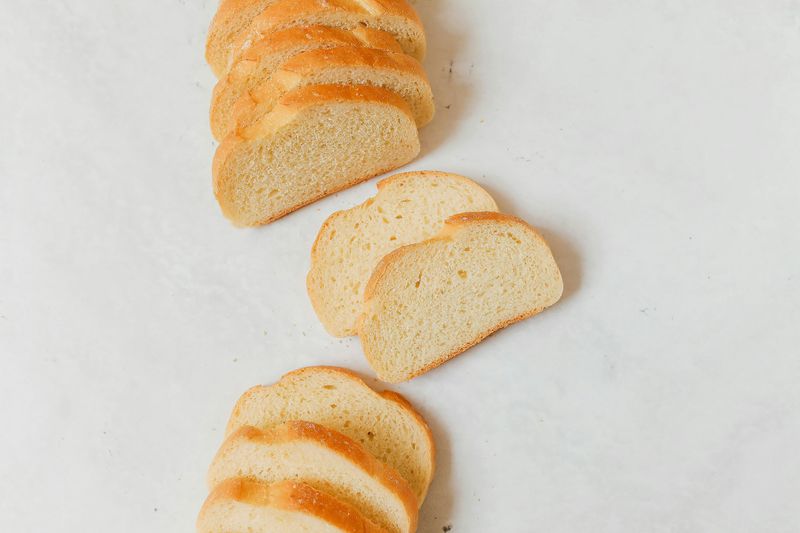
White bread once felt like the default, the soft slice that held every lunch together. Today you hear about refined flour, blood sugar spikes, and fiber shortages.
It is funny how something so simple can now feel complicated when you shop.
Still, that pillowy texture makes perfect toast, especially with butter and jam. You can choose fortified loaves or mix in whole grains if you want compromise.
There is room for nostalgia without ignoring nutrition.
If you crave it, build balance around it. Add protein, vegetables, or a salad on the side.
Enjoy the sandwich, own the choice.
Whole milk

Whole milk used to be the standard on breakfast tables. Now, fat content, cholesterol, and dairy ethics spark lively debates.
Some point to satiety and fat soluble vitamins, while others prefer lower fat or plant based options.
There is also the flavor factor, because whole milk tastes luxuriously creamy in coffee and desserts. If you drink it, consider portion size and the rest of your day’s fats.
You can rotate options to match your needs.
Your body, your routine, your glass. Try fair trade or organic if that matters to you.
Make the choice feel intentional, not guilty.
Butter
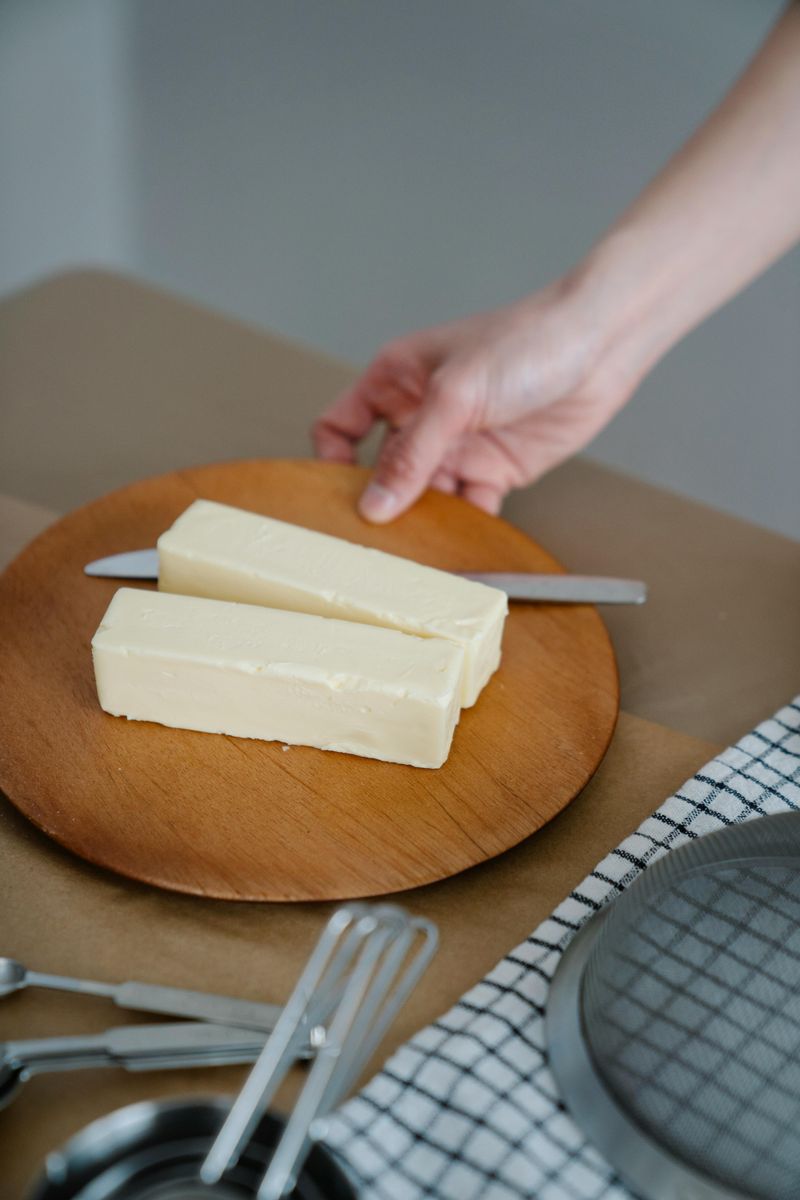
Butter once ruled every skillet and bread basket. Then came margarine, cholesterol headlines, and endless confusion about saturated fat.
Lately, butter has made a comeback in some kitchens for flavor and minimal processing.
You can respect both taste and health by using smaller amounts smartly. Finish vegetables with a pat instead of drowning them.
Bake intentionally instead of automatically.
Quality matters too, from grass fed notes to cultured tang. If butter brings joy, plan the rest of your fats around it.
You are the cook, and balance can be delicious.
Egg yolks
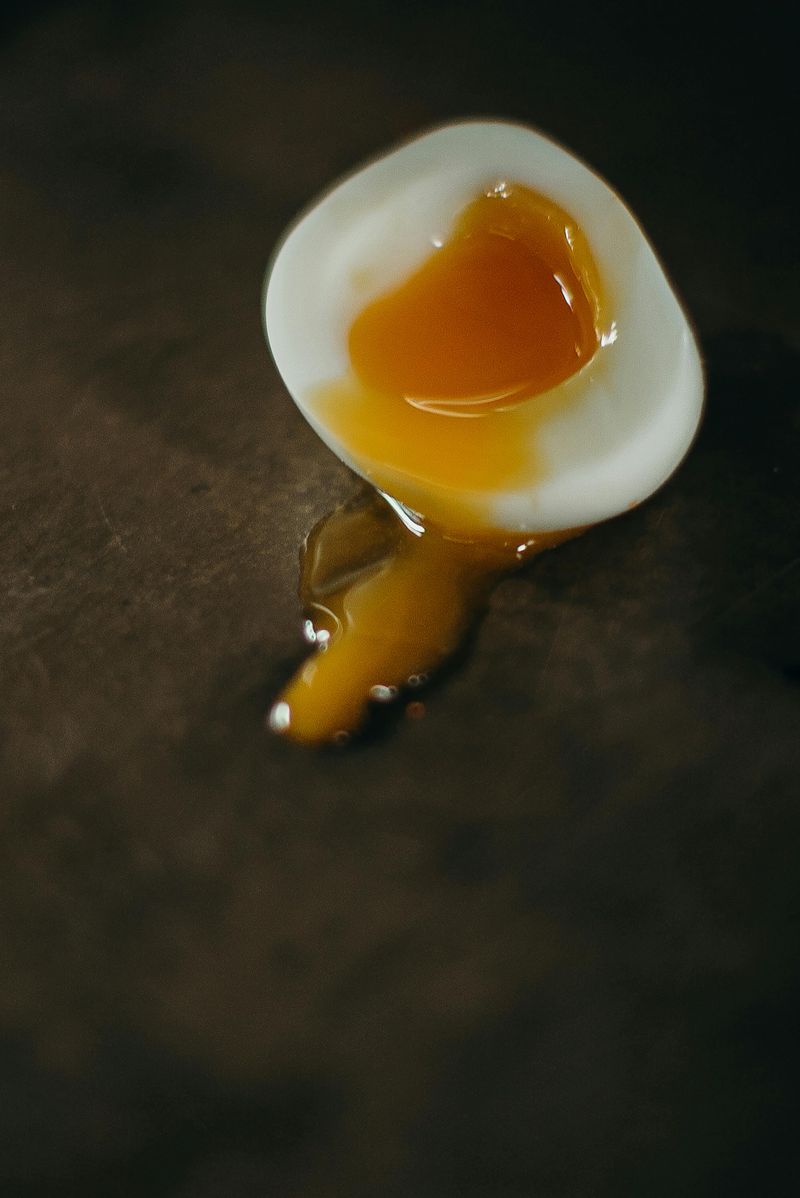
Egg yolks used to be celebrated for richness in breakfast and baking. Then cholesterol fears sent many people chasing egg whites only.
More recent research paints a nuanced picture, especially for generally healthy folks.
Yolks deliver flavor, color, choline, and fat soluble vitamins that whites simply lack. If heart concerns apply to you, talk to your doctor and adjust.
Otherwise, consider moderation and overall dietary patterns.
Poached, jammy, or whisked into custard, yolks bring magic. You can enjoy them while keeping veggies, fiber, and movement in the plan.
Choose intentionally and savor fully.
Bacon
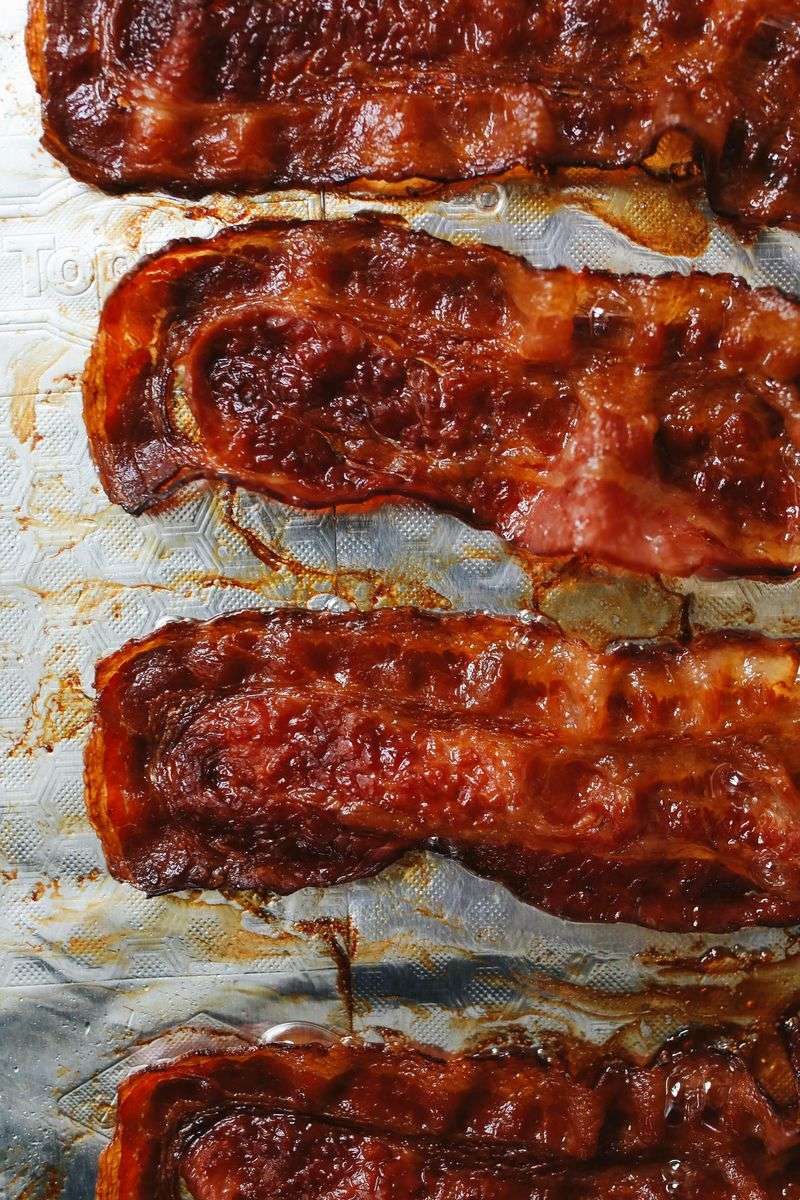
Bacon once meant weekend breakfast bliss without controversy. Today it sits at the center of processed meat warnings and sodium talk.
You also hear concerns about nitrates and smoke related compounds.
Still, that sizzle and aroma are tough to beat. If you eat bacon, shrink portions, pair with fruit or greens, and choose it less often.
You can also try nitrate free versions, though that label is complicated.
Think of bacon as a garnish, not the main event. Crumble it sparingly over salads or vegetables.
Keep the pleasure and reduce the risk.
Red meat
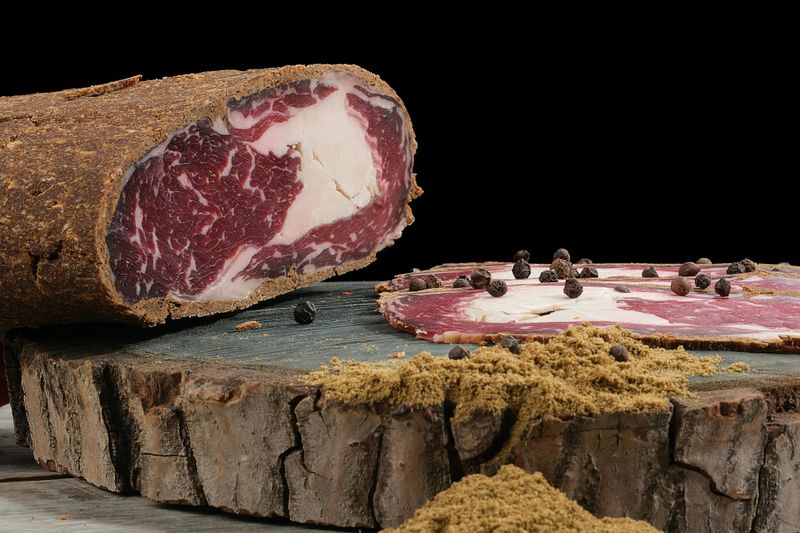
Red meat used to headline dinner several nights a week. Now it triggers discussions about heart health, cancer risk, and climate impact.
The conversation spans ethics, environment, and cultural traditions.
Portion control can help, along with leaner cuts and mindful frequency. Balancing plates with beans, vegetables, and whole grains adds fiber.
You can also try plant forward meals most days.
If you love steak, make it special, not standard. Source thoughtfully, cook gently, and savor slowly.
Your plate tells your priorities, so choose with awareness.
Sugar
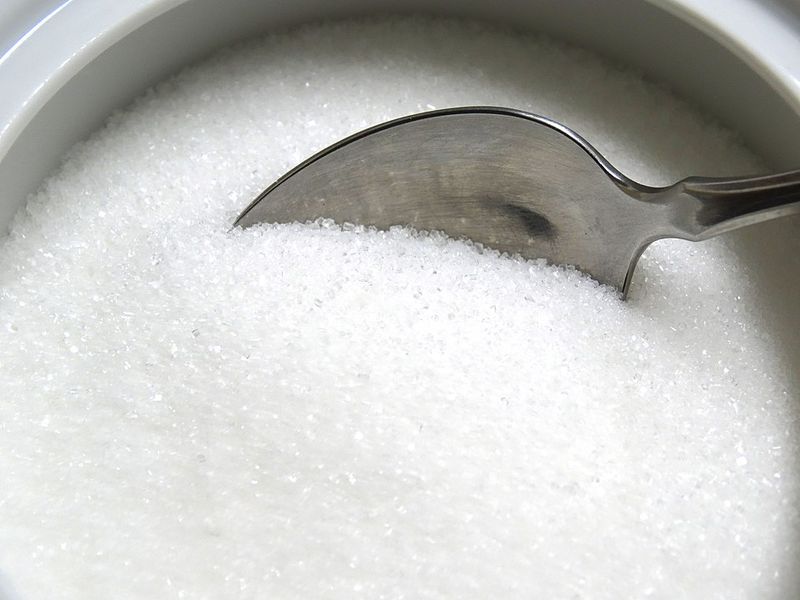
Sugar once sweetened everything from coffee to casseroles. Now it is tied to metabolic health, dental issues, and cravings that spiral.
Added sugar sneaks into sauces, breads, and snacks you would not expect.
Reading labels empowers you, and cutting back gradually helps reset taste buds. Keep dessert delightful by making it occasional and worth it.
Fresh fruit and spices can satisfy in surprising ways.
You are not quitting joy by reducing sugar. You are choosing when sweetness really counts.
Make dessert a celebration instead of a habit.
Salt

Salt used to be a reflex shake at the table. Now sodium warnings appear on menus and package fronts.
Still, food without enough salt can taste dull and underwhelming.
Use salt strategically when cooking rather than blanketing finished dishes. Layer small amounts early and taste as you go.
Herbs, acids, and umami can carry flavor with less sodium.
If you track blood pressure, be extra mindful and check labels. Kosher salt and flaky salt behave differently, so adjust.
Season with intention, and let flavor guide you.
Rice
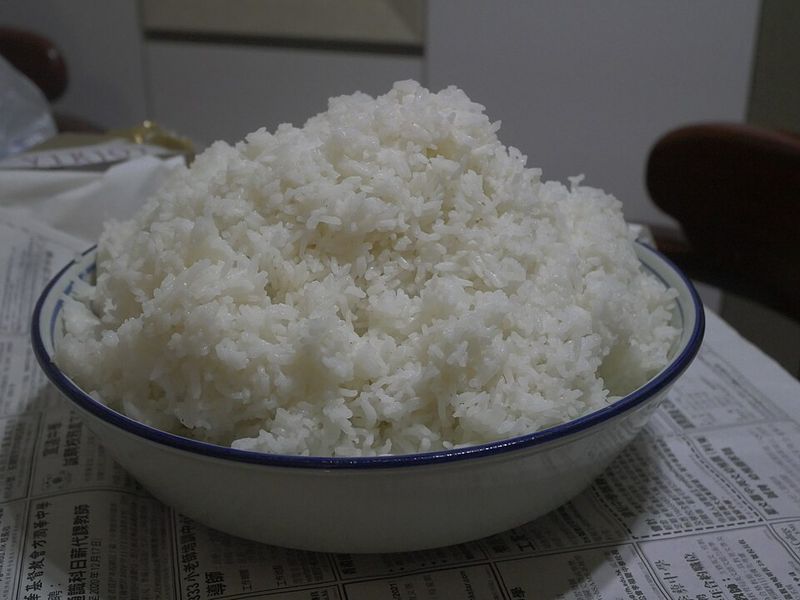
Rice once anchored meals daily across homes and cultures. Now conversations compare white and brown, arsenic concerns, and carb loads.
Context matters, including portion size and what you serve alongside.
Pair rice with vegetables, lean protein, and legumes to balance. Rinsing, choosing varieties, and cooking methods can reduce arsenic slightly.
Mixing in brown, black, or wild rice adds texture and nutrients.
You can keep traditions while updating habits. Try smaller bowls and bigger sides.
Let rice be part of the meal, not the entire story.
Potatoes
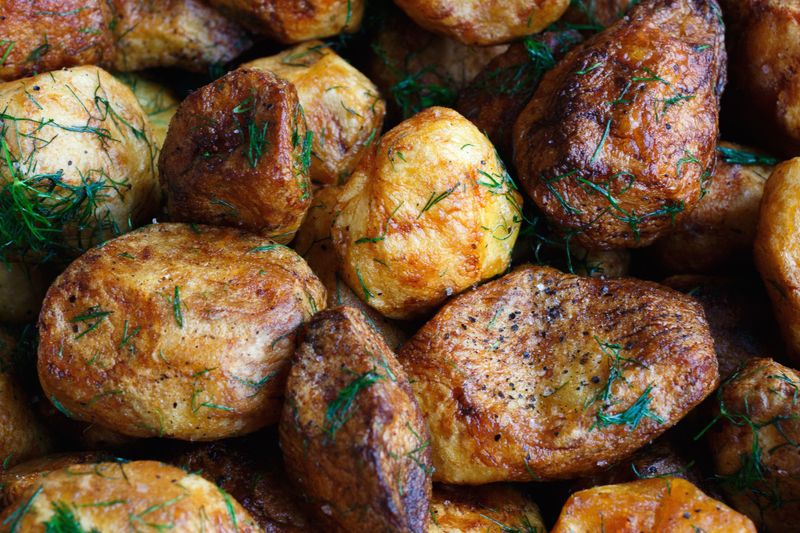
Potatoes once felt wholesome and filling, the definition of comfort food. Now they are sometimes dismissed as empty carbs.
The truth depends on preparation and what else lands on your plate.
Baked or roasted with skins provides fiber and potassium. Frying transforms them into a different story entirely.
You can enjoy fries occasionally while leaning on roasted wedges more often.
Top potatoes with yogurt, herbs, and vegetables instead of heavy sauces. Keep portions steady and the rest of the meal colorful.
Potatoes can still belong, just prepared with care.
Processed cheese
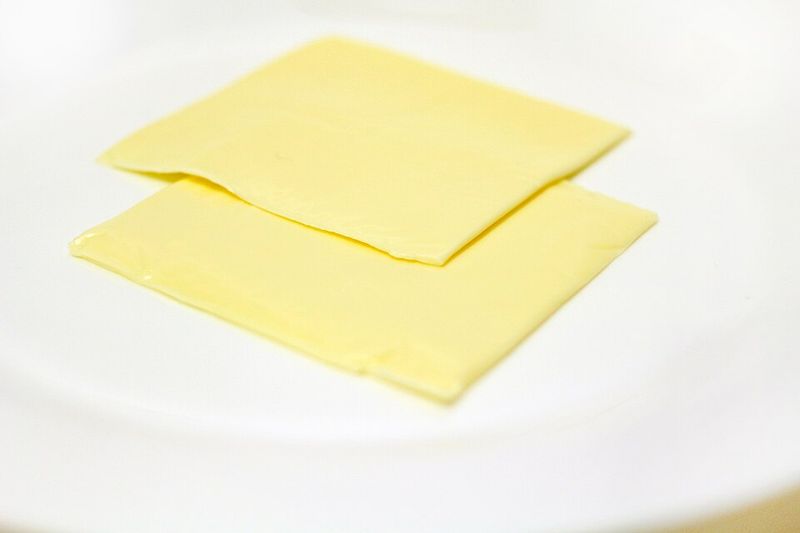
Processed cheese melted perfectly on burgers and grilled sandwiches for decades. Now labels about emulsifiers, sodium, and color give pause.
Still, that nostalgic pull and dependable melt are hard to deny.
If you want the experience, use thin slices and bold toppings. Sharp pickles, onions, and greens balance richness.
You can alternate with real cheddar or Swiss when you want fewer additives.
No food has to be all or nothing. Choose moments, make them tasty, and move on.
Your memories count, and your goals do too.
Hot dogs
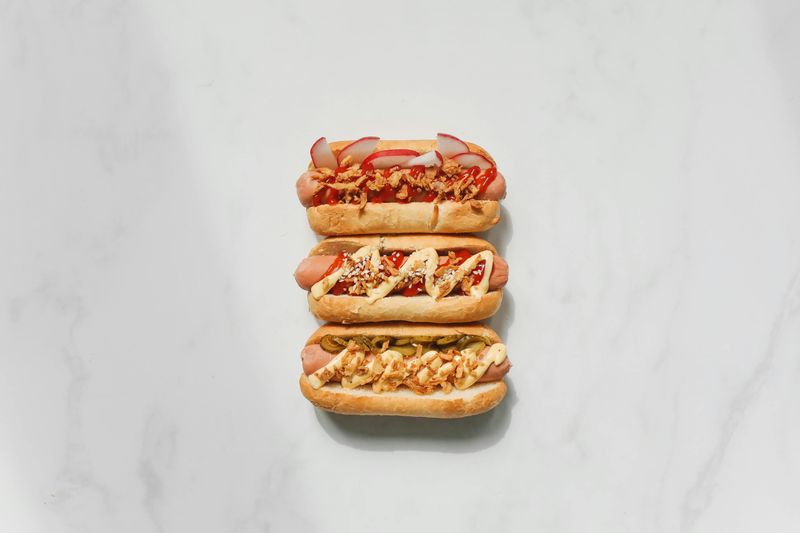
Hot dogs once defined ball games and backyard cookouts. These days, processed meat warnings, sodium, and nitrites fuel concerns.
The debate also touches on animal welfare and ingredient transparency.
If you crave one, treat it as an occasion and load up the sides with vegetables. Choose brands with clearer sourcing or fewer additives.
Consider smaller dogs or share to trim portions.
Celebrate the nostalgia without letting it run the menu. Add a crunchy slaw or bean salad for balance.
Memories taste better with a little mindfulness.
Bologna

Bologna sandwiches were once the simplest brown bag lunch. Today, the mystery meat reputation and additives create skepticism.
Still, that peppery, smooth bite triggers real nostalgia.
You can upgrade the experience with crunchy vegetables, tangy mustard, and thinner slices. Try whole grain bread for fiber and texture.
Or pivot to mortadella or turkey versions for variety.
It is okay to keep a childhood favorite in rotation occasionally. Make it intentional, and keep the rest of the day fresh and colorful.
Balance lets memories stay on the plate.
Spam
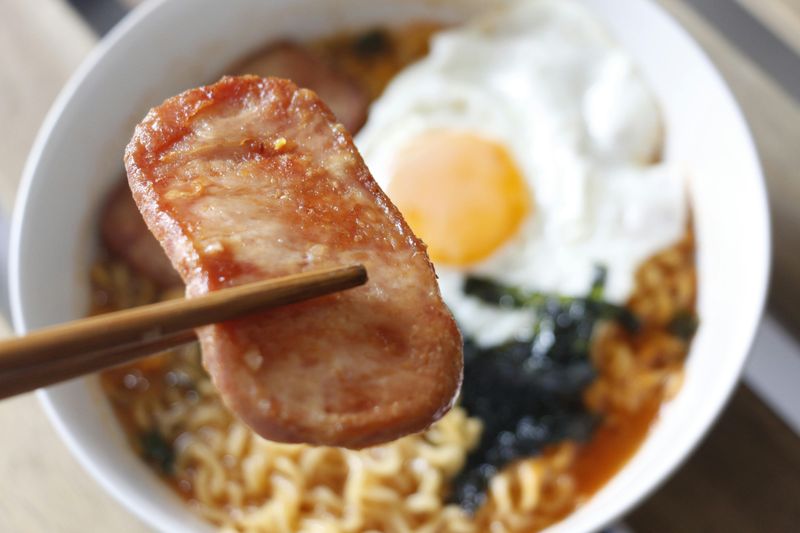
Spam fed families through hard times and inspired regional classics. Now it sparks debates about processing, sodium, and culinary snobbery.
Yet it fries into crisp edged, savory bites that satisfy cravings.
If you enjoy it, try smaller portions alongside plenty of vegetables. Slice thin, sear well, and drain on paper towels.
Balance with rice, eggs, and fruit for a rounded plate.
Food carries history and comfort. Respect those roots while adapting to your needs.
Occasional indulgence can live peacefully with everyday wellness.
Sugary cereal
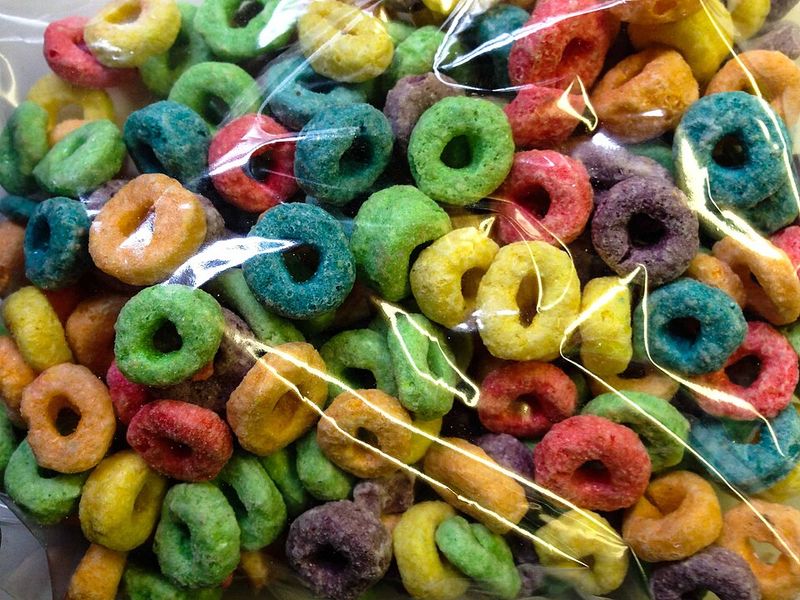
Sugary cereal once made mornings feel like cartoons and prizes. Now parents and nutrition labels push back on added sugars and dyes.
Still, the crunch and nostalgia hit hard on sleepy days.
Use it as a weekend treat or a sprinkle over yogurt. Mix with unsweetened cereal to stretch sweetness.
Check serving sizes, because the handfuls add up fast.
You can keep the fun while protecting energy levels. Balance breakfast with protein, fruit, and water.
Make cereal a choice, not a habit you slide into.
Snack cakes

Snack cakes rode along in countless lunchboxes without a second thought. Now, ultra processed ingredients and portion sizes raise eyebrows.
They still deliver that sweet, squishy bite you remember.
If you want one, pair it with something nourishing like fruit or nuts. Or recreate a homemade version where you control sweetness.
Keeping them out of daily reach helps a lot.
Food can be fun, not constant. Save the wrapper moment for a planned treat.
Enjoy it, then return to meals that truly sustain you.
Soda

Soda used to be an everyday sip, often bottomless. Now it is linked to weight gain, dental erosion, and metabolic issues.
The combination of sugar and acidity does not pull punches.
Switching to sparkling water with citrus eases the craving. Reserve soda for a specific occasion if you love it.
Even diet versions carry debate around appetite and taste calibration.
Your thirst deserves better most days. Keep water visible and cold, and you will drink more.
Treat soda like dessert, not hydration.
Instant noodles
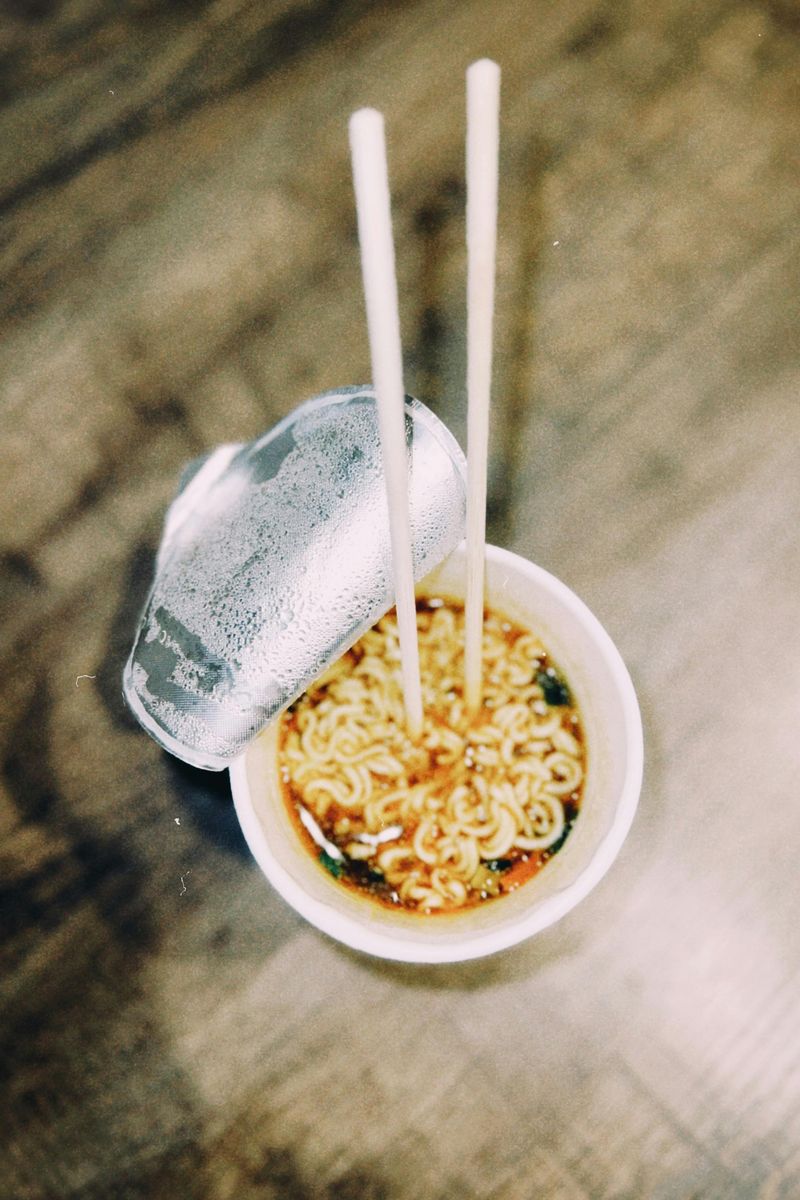
Instant noodles once saved late nights and tight budgets. Today, people question sodium levels, refined carbs, and flavor packets.
Still, that slurpable comfort is real when time and money run short.
Boost the bowl with vegetables, eggs, or tofu, and skip some seasoning. Use less of the broth to trim sodium.
You can also try air dried or reduced sodium brands.
Convenience matters, but so does balance. Keep instant noodles as a tool, not a default.
Upgrade the add ins and make the meal work for you.
Frozen dinners
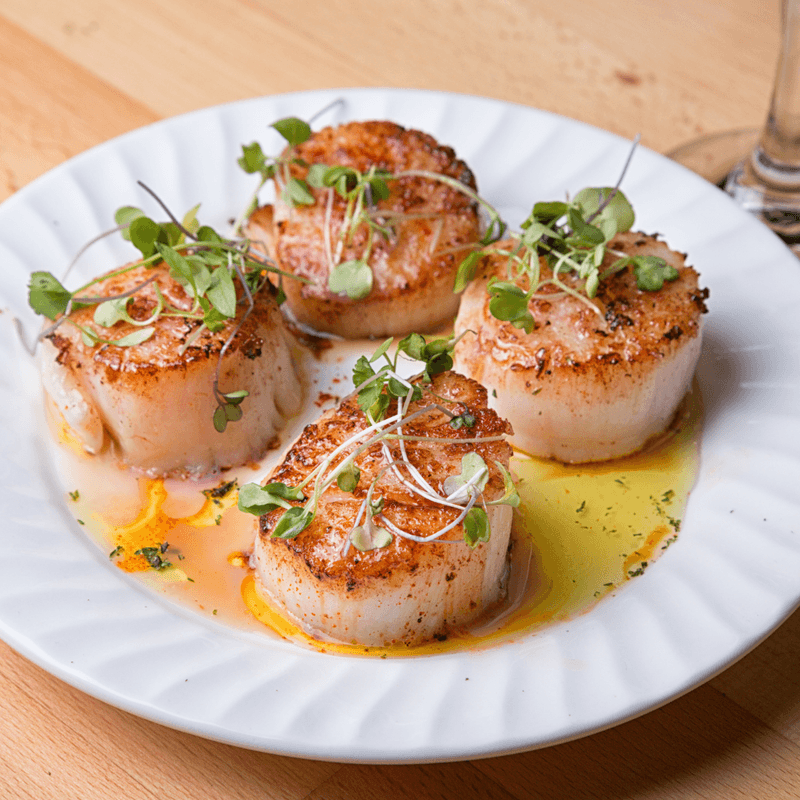
Frozen dinners once promised modern convenience every weeknight. Now critics point to sodium, additives, and tiny portions.
But they still solve real life problems on chaotic days.
You can scan labels for fiber, protein, and vegetables. Add a side salad or frozen veggies to round things out.
Consider brands that emphasize whole ingredients and shorter lists.
Perfection is not the goal, momentum is. Having a backup meal prevents takeout spirals.
Stock a few smart options and keep your week moving.
Canned soup
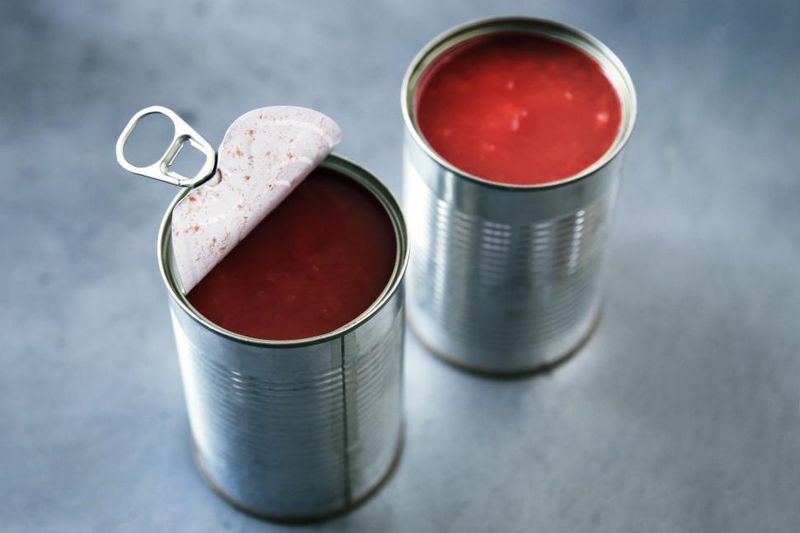
Canned soup used to be a pantry hero for quick warmth. Lately, concerns center on sodium, BPA linings, and minimal vegetables.
Even so, the convenience and comfort can be hard to beat.
Look for reduced sodium versions and add your own herbs. Toss in frozen peas or spinach for color and nutrients.
A piece of whole grain toast can help fill you up.
It is okay to keep a can or two handy. Upgrade it and make it yours.
Small tweaks turn a shortcut into a smarter meal.
Canned pasta
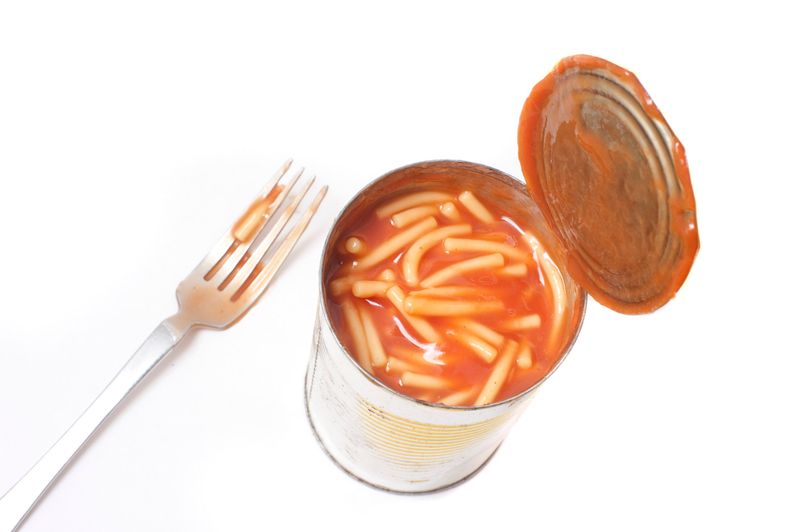
Canned pasta once felt like instant comfort after school. Now it draws criticism for sugar, salt, and soft textures.
Yet the saucey nostalgia still taps a cozy memory.
If you want it, portion a small bowl and add steamed vegetables. A sprinkle of parmesan and herbs helps flavor.
You could also keep it for travel days or emergencies.
Food does not need to be perfect to be useful. Balance the rest of the day with fresher meals.
Let convenience serve you, not steer you.
Chocolate milk
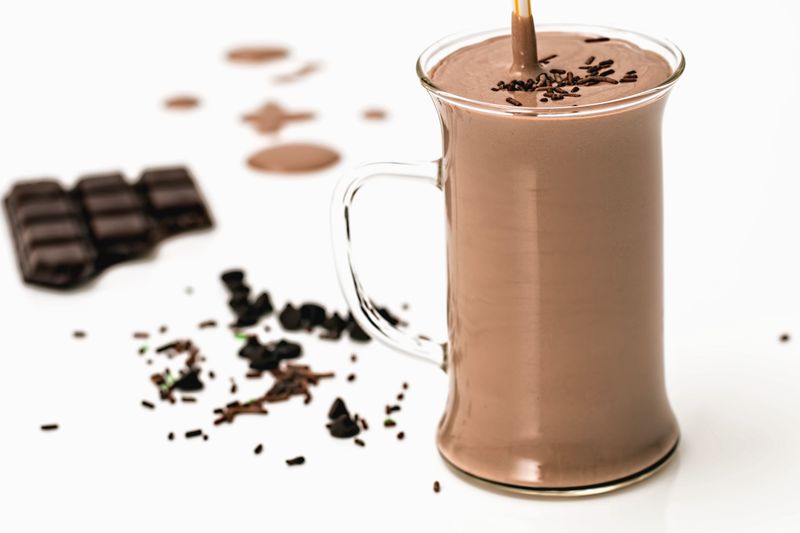
Chocolate milk used to ride home from school as a daily treat. Now some view it as liquid candy with extra calories.
Others see it as recovery fuel with protein and carbs.
You can adjust sweetness with homemade versions and darker cocoa. Pair it with a snack that includes fiber for balance.
Lactose free or plant based options widen the choices.
Enjoy it when it truly satisfies. Keep portions realistic and savor slowly.
Let it be special instead of automatic.
Pasta
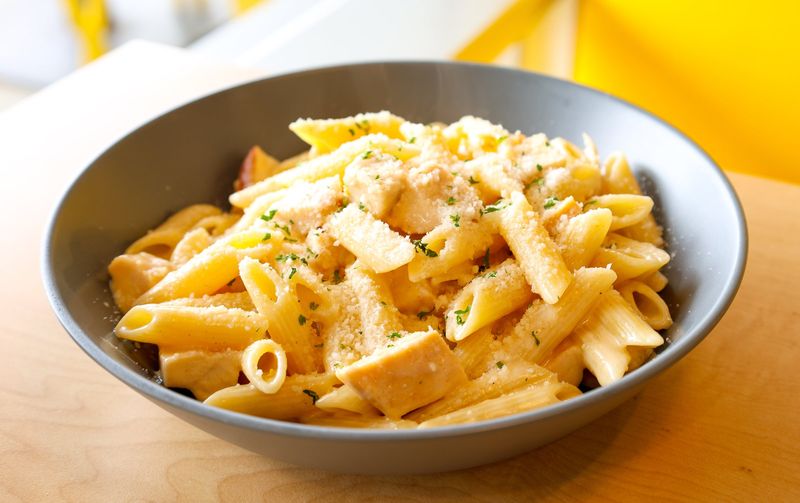
Pasta used to be a go to dinner with little concern. Today, carbs, gluten, and portion size invite debate at every table.
But pasta can still be part of a balanced pattern.
Cook it al dente, watch portions, and add vegetables, beans, or seafood. Sauces packed with olive oil and herbs add satisfaction.
Whole grain or legume versions boost fiber and protein.
It is not about perfection, just proportions. Let the pasta carry color and crunch from produce.
Comfort food can absolutely meet modern goals.