


Ever walk down the grocery aisle and feel like the prices are winking at you? Some products seem designed to drain your wallet while pretending to be convenient or premium.
You deserve value that matches the hype, not smoke and mirrors. Let’s break down the sneakiest items that make shoppers feel played, and how to outsmart them.
Coffee pods

Coffee pods promise convenience, but the per-cup price quietly balloons compared to ground beans. You pay extra for plastic, packaging, and branding while getting less coffee overall.
The bold roast names and metallic sleeves make it feel premium, but mostly pad margins.
Check the math by dividing box price by pod count and comparing to a bag of beans. A simple French press or drip machine saves money and reduces waste.
If you love pods, buy reusable filters and grind fresh.
Energy drinks

Energy drinks shout performance, but your wallet does the heavy lifting. Tiny cans, big claims, and sugar masked as focus fuel add up fast.
You are paying for branding, caffeine, and a colorful can more than actual nutrition.
Compare cost per ounce to brewed coffee or homemade electrolyte mixes. You can get the same caffeine from coffee and add a pinch of salt, citrus, and honey for hydration.
Save the flashy can for emergencies, not daily habits.
Protein bars
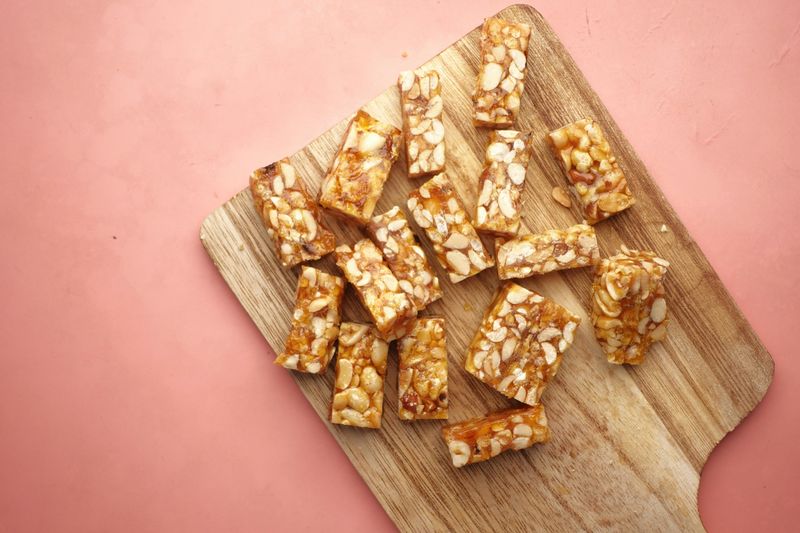
Protein bars wear a health halo that often hides candy bar math. Many pack added sugars, cheap fibers, and tiny portions for a premium price.
You are paying for portability and buzzwords rather than substantial nutrition.
Compare grams of protein to price, then look at ingredients. Greek yogurt, nuts, or homemade oat bars usually deliver better value.
Keep a few bars for true convenience, but build everyday snacks from whole foods that cost less and fill you up.
Protein shakes
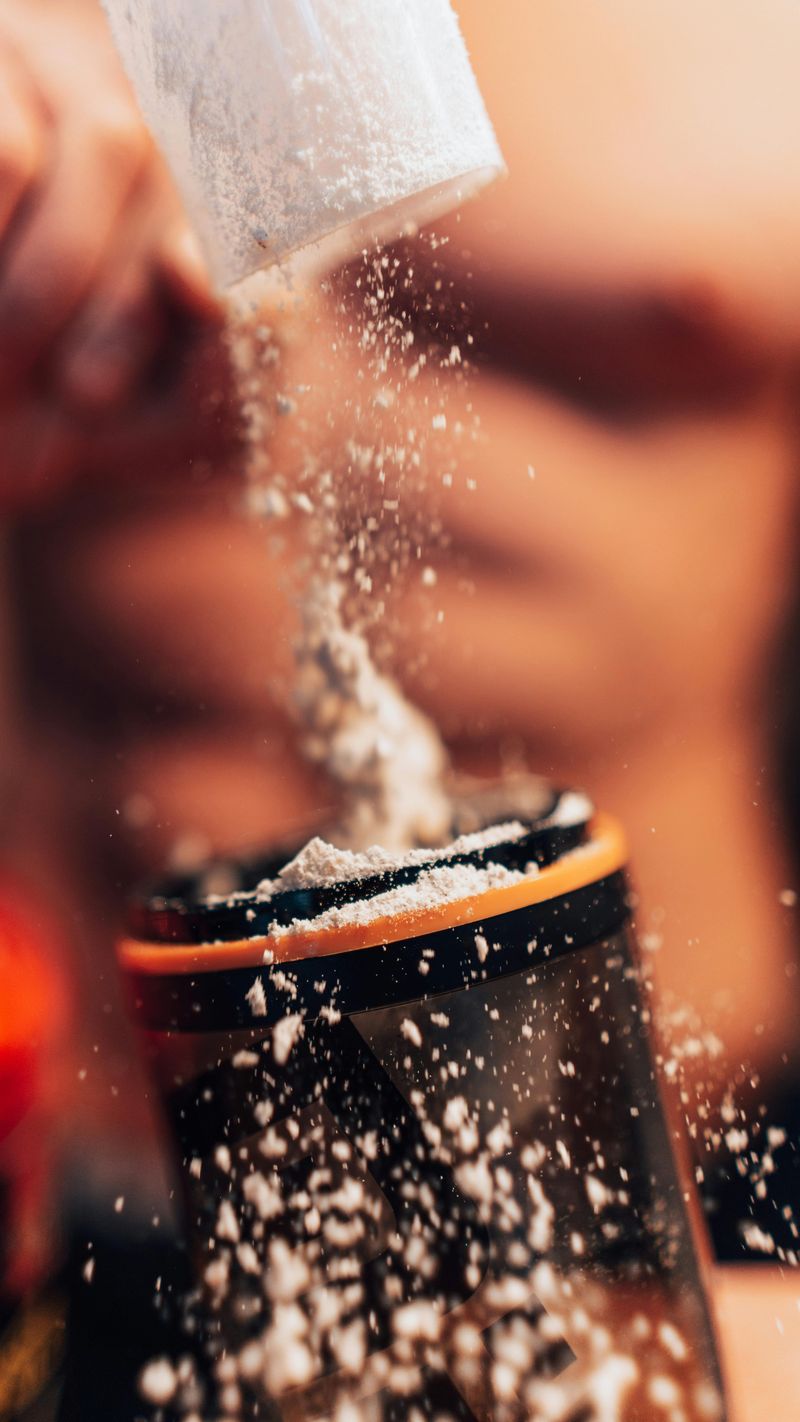
Ready-to-drink protein shakes promise gym gains on the go, but the markup is heavy. You pay for bottles, shipping water, and shelf-stable formulas more than actual protein.
The convenience is real, just costly.
Check price per 20 grams of protein against bulk whey or soy powders. Mix powder with milk or water in a shaker to slash costs.
If you like ready bottles, buy multipacks on sale, not singles. Your muscles will not know the difference, but your budget will.
Snack packs
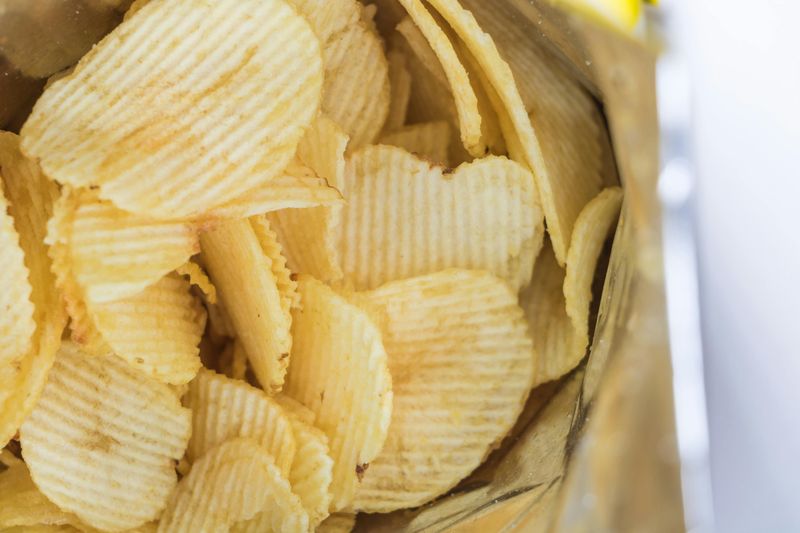
Snack packs look adorable and organized, but they are portion control with a price premium. You are paying extra for plastic trays, marketing, and air.
The quantities are small, and the per-ounce cost quietly soars.
Buy larger bags of nuts, cheese, and crackers, then portion them yourself into reusable containers. You get fresher snacks, less waste, and better value.
Keep a few pre-made packs only for truly chaotic days when every minute counts.
Single serve drinks
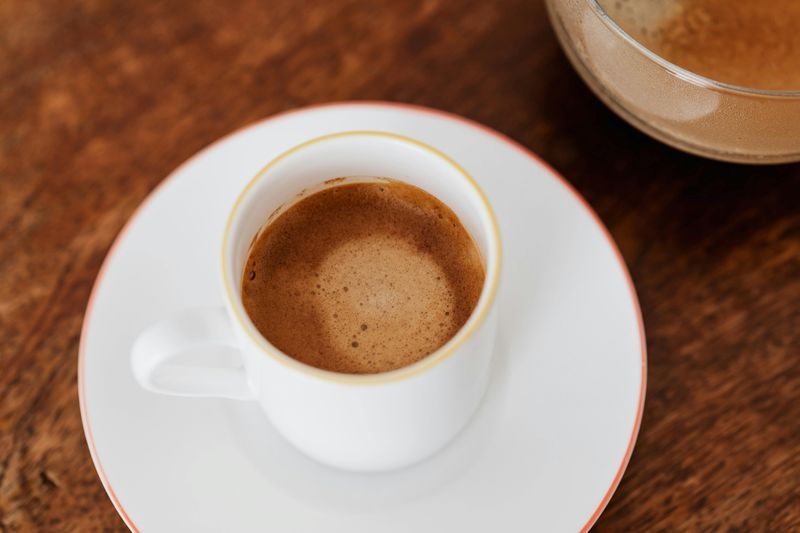
Single serve bottles sneak into carts because they feel cheap one by one. Multiply that cost and you realize you are paying a lot for caps, labels, and convenience.
Per ounce, they often dwarf multi-packs or larger jugs.
Grab a reusable bottle and fill from bulk tea, coffee, or filtered water. Add fruit slices or a splash of concentrate for flavor.
You keep the convenience without the constant markup, and you cut plastic waste dramatically.
Pre cut fruit
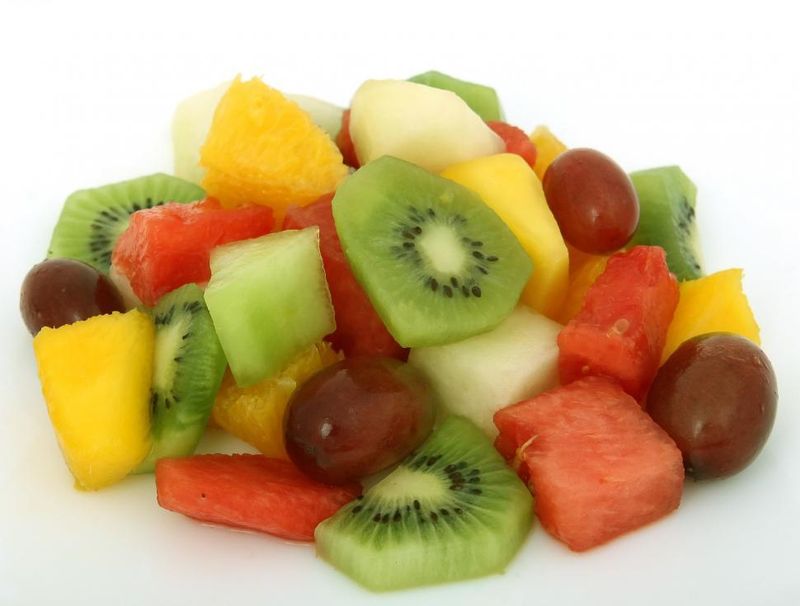
Pre cut fruit saves time but empties wallets. You are buying labor, packaging, and faster spoilage risk.
The price per pound can double or triple compared to whole produce, and flavor often fades after cutting.
Choose whole fruit, slice at home, and store in glass containers to maintain freshness. For real convenience, pick fruit that is naturally easy to prep like bananas, berries, or clementines.
Use pre cut only when hosting or traveling.
Bagged salad
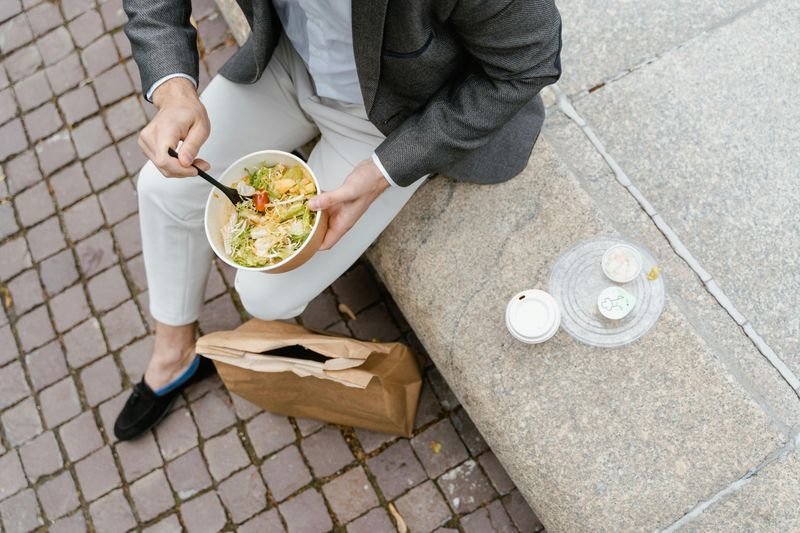
Bagged salads feel smart until you check the unit price and wilt speed. You pay extra for washing, chopping, and dressing packets you may not use.
Portions are light, and mixes can hide tired greens.
Buy whole heads of lettuce and a couple vegetables to chop once or twice a week. Store with a paper towel in a sealed container for crisp days.
Keep one emergency bag for busy nights, but build your base from whole produce.
Deli meals
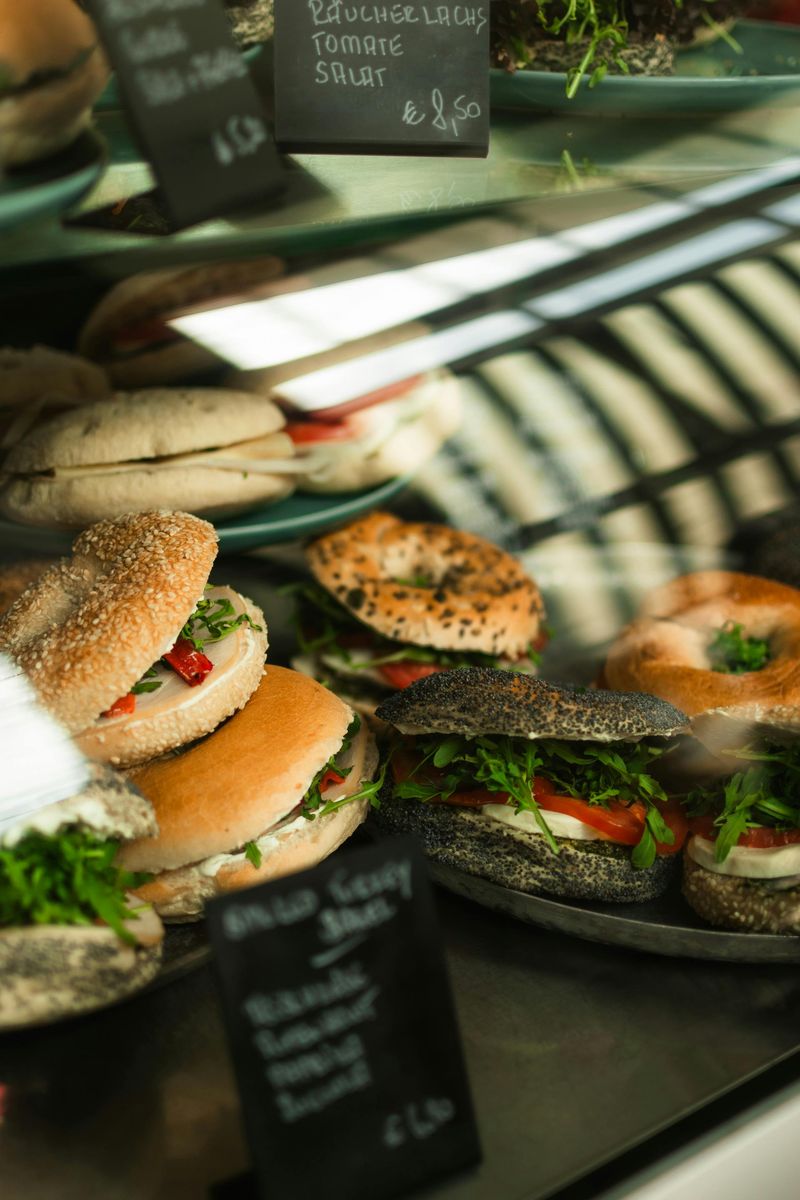
Deli meals are weeknight heroes, but the per-pound price is sneaky. Add sides and sauces, and suddenly it rivals a casual restaurant check.
You pay for hot food and no dishes, not necessarily great ingredients.
Rotisserie chicken can be a fair deal, but sides often are not. Pair a deli protein with homemade rice and frozen veggies to balance cost.
Use deli meals as a bridge, not a habit, and your budget breathes easier.
Meal kits
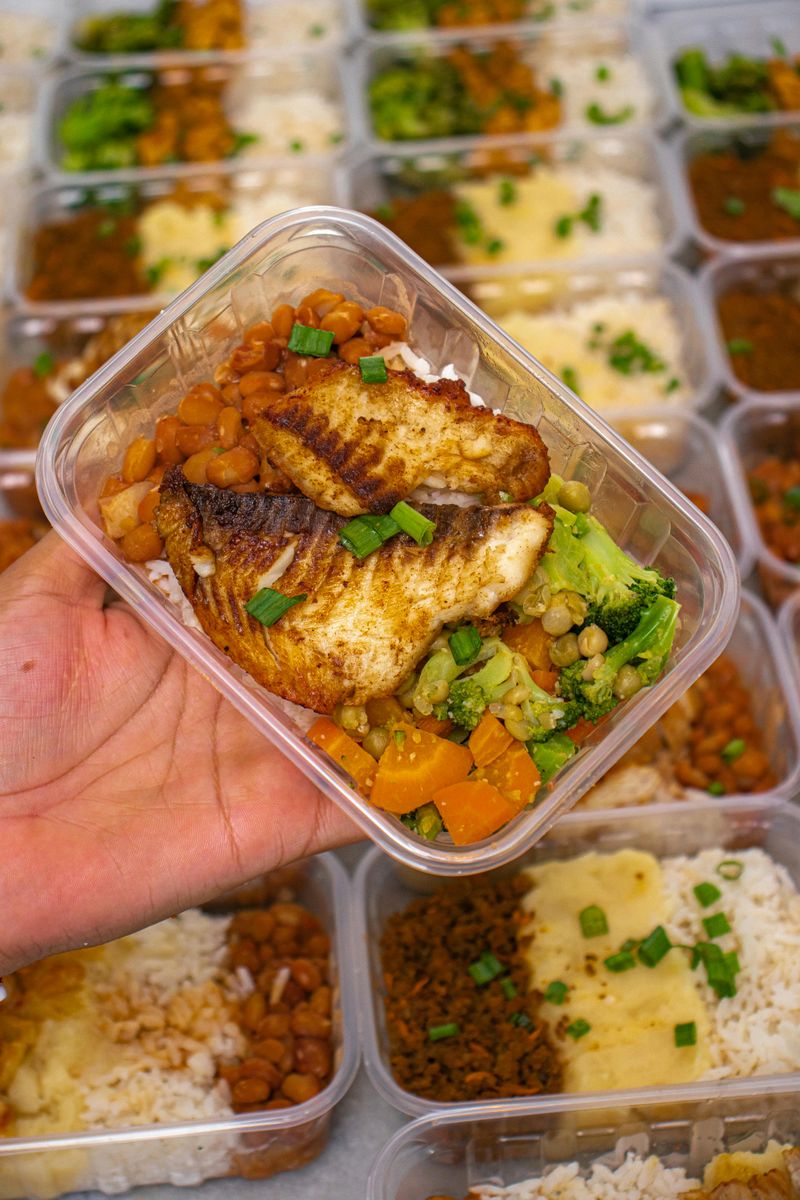
Meal kits sell confidence and tidy portions, but those little packets carry a premium. You are paying for pre-measured ingredients, recipe cards, and packaging galore.
The servings can be small, and leftovers are rare.
Recreate favorite kit recipes with pantry staples and bulk produce to cut costs sharply. Batch-cook sauces, and keep spice blends on hand.
Use kits only for new techniques or special nights, not as a steady routine.
Premium frozen meals
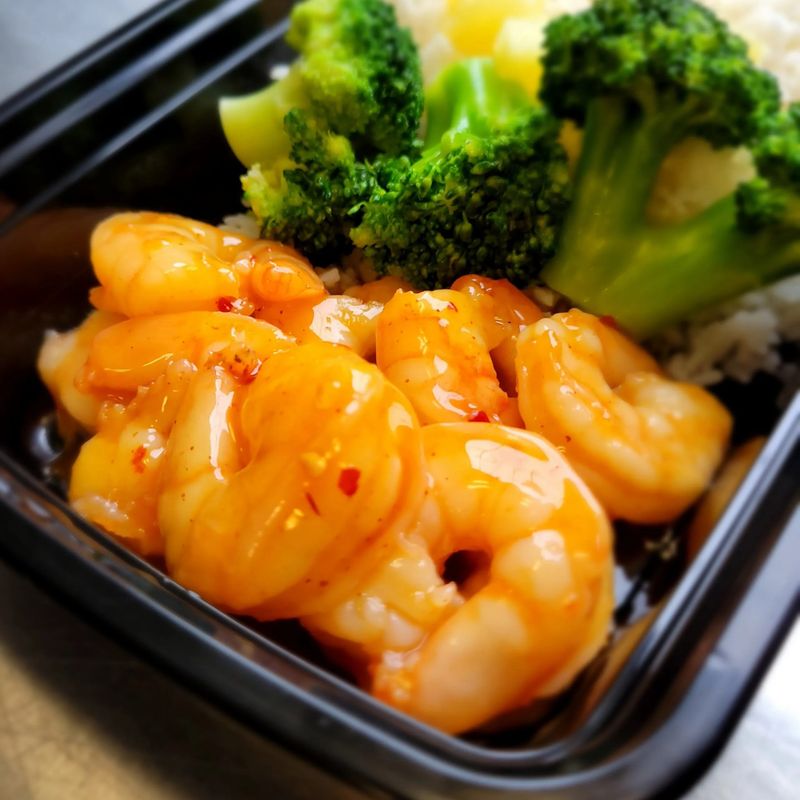
Premium frozen meals promise chef-level results from your microwave. You pay for branding, glossy photography, and curated buzzwords like truffle or heritage.
Portions are modest, and the price per calorie is steep.
Stock your freezer with simple bases like rice, frozen veg, and seasoned proteins. Add a quick sauce and herbs for fast, affordable dinners.
Keep one fancy box for emergencies, but do not let freezer glam drain your budget weekly.
Gourmet ice cream
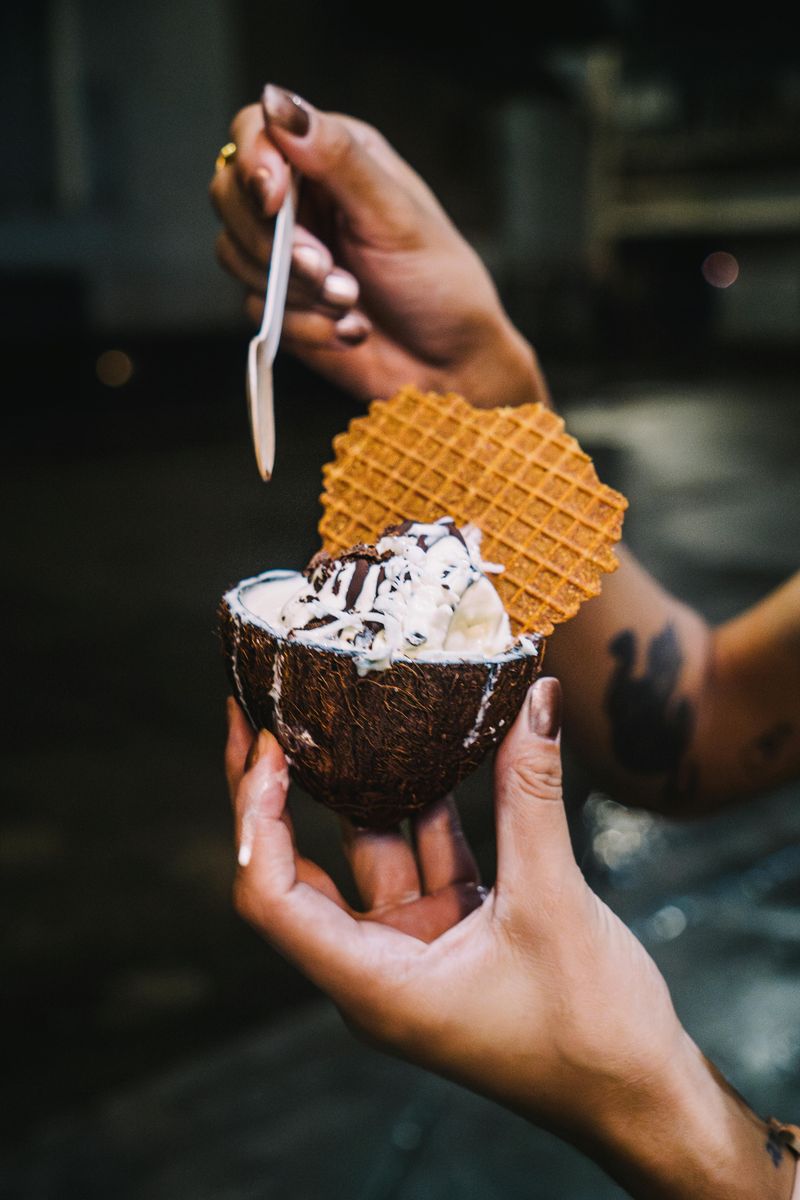
Gourmet ice cream seduces with swirls and stories, but pints shrink while prices rise. You pay for dense churn, fancy mix-ins, and branding romance.
It tastes amazing, yet the cost per scoop can eclipse bakery desserts.
Buy on sale, split a pint for a special night, or try making no-churn at home. For everyday treats, choose larger value tubs with simple flavors.
Your sweet tooth can be happy without premium-price creep.
Fancy cheese
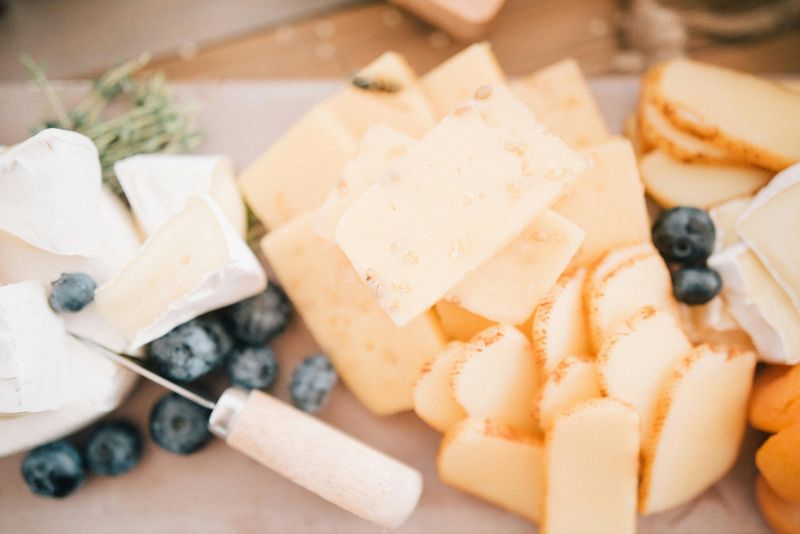
Fancy cheese turns a snack into an occasion, and a receipt into a sigh. Those tiny wedges hide big per-pound prices.
You pay for aging, import costs, and stories that sell romance as much as flavor.
Ask for small cuts to avoid waste, and buy when stores run cheese flights. Pair with fruit and bread to stretch servings.
Keep a budget-friendly cheddar or feta for daily use, and save the stunners for guests.
Special butter
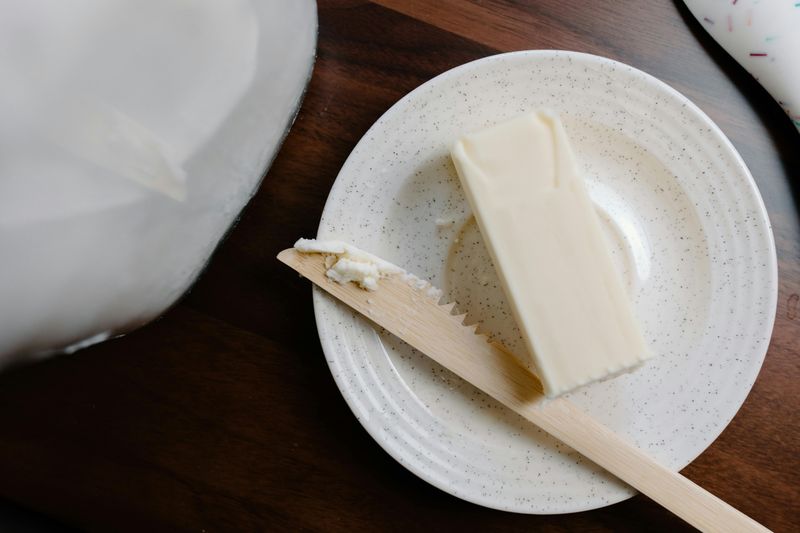
Special butter sells higher fat percentages, imported origins, and dreamy gold wrappers. The taste can be great, but everyday cooking rarely needs the premium.
You end up spreading money on toast.
Keep one nice butter for finishing steaks or baking treats you truly savor. Use standard butter or store brand for sautéing and weekday toast.
You still enjoy luxury where it counts without buttering your budget thin.
Flavored water

Flavored water feels fancy for zero calories, but you are paying for bubbles and branding. The cost per can adds up shockingly fast.
It is water with aroma, not a life upgrade.
Use a soda maker, citrus slices, or a splash of juice to copy the effect cheaply. Buy multi-packs on sale if you love the fizz.
Keep hydration simple and let your budget breathe.
“Family size” snacks
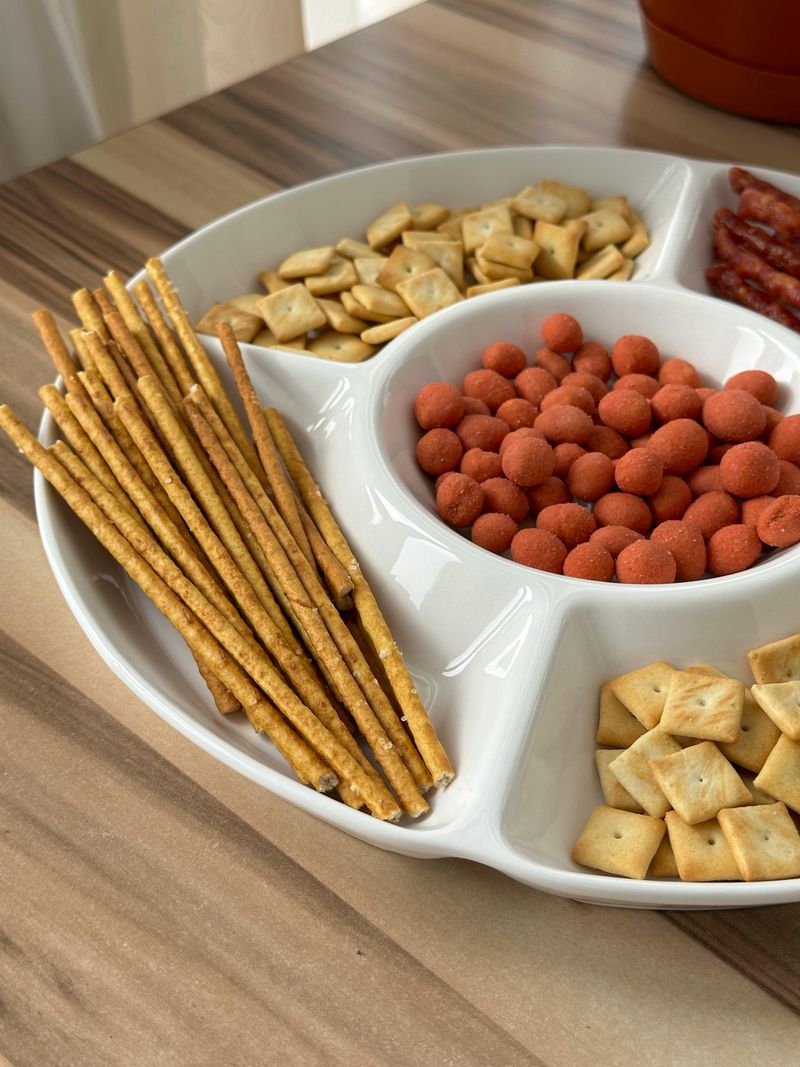
Family size sounds like a bargain until you read the fine print. Sometimes the bag grows while the net weight barely changes.
You are paying for marketing words, not always more food.
Check ounces and unit price instead of package volume. Compare against genuine bulk bags or warehouse deals.
If the math does not add up, skip the label trick and choose value that is real.
Mini chip bags
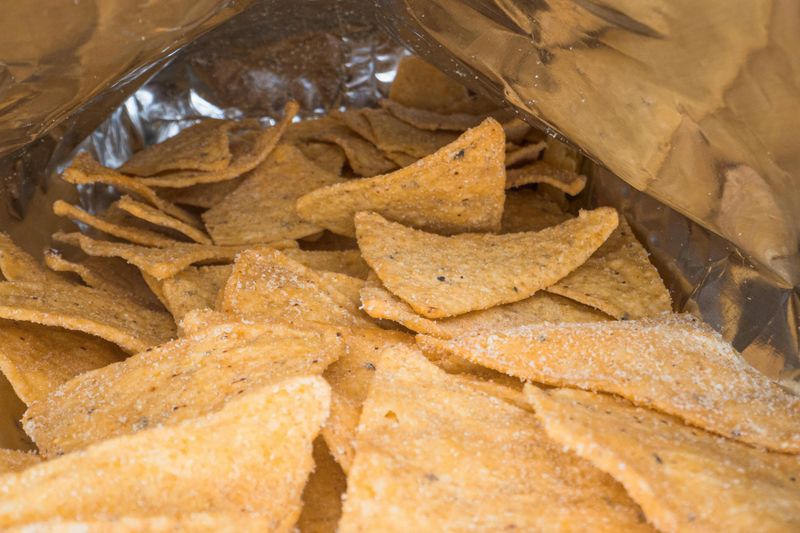
Mini chip bags feel perfect for lunchboxes, but you pay heavily for extra packaging. There is more foil and air than food per dollar.
Convenience drives the price, not ingredients.
Buy a large bag and portion into reusable snack containers. You control serving size and keep chips fresher.
Keep a few minis for field trips, but do not let them eat your budget weekly.
Small candy bars
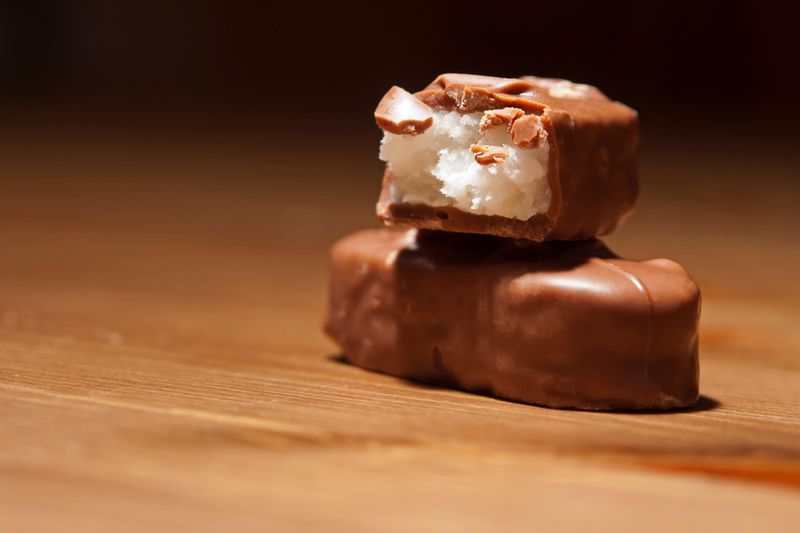
Small candy bars trick you with bite-size innocence and big markups. Per ounce, they often cost more than full-size bars.
You are buying portion control and impulse convenience.
Grab a full bar or shareable pack and split it at home. Keep a treat jar with measured pieces to avoid overpaying at checkout.
A sweet tooth does not have to be a budget leak.
Shrunk cookies
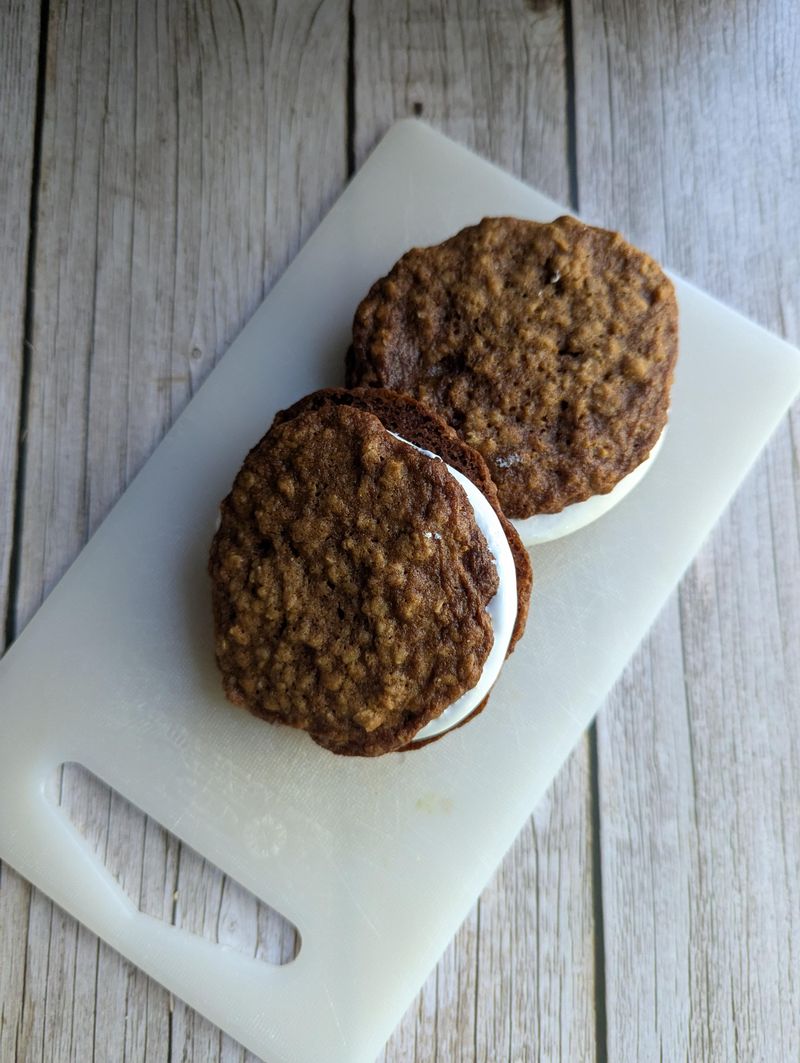
Shrinkflation hits cookies hard. Same box design, fewer cookies, same or higher price.
You feel played because the change hides in fine print instead of the front.
Compare net weight and count, not just package size. Try store brands or bakery bulk for honest portions.
When you find a fair deal, stock up during sales and freeze extras to stay ahead of stealthy shrinkage.
Tiny ice cream tubs

Tiny tubs sell portion control as luxury. You pay boutique prices for a few spoonfuls and a pretty label.
It is dessert cosplay that empties wallets.
Buy a regular pint, portion into ramekins, and freeze extras. Or make quick blender ice cream with frozen fruit and cream.
You still get the treat without paying museum gift shop markup.
Checkout snacks
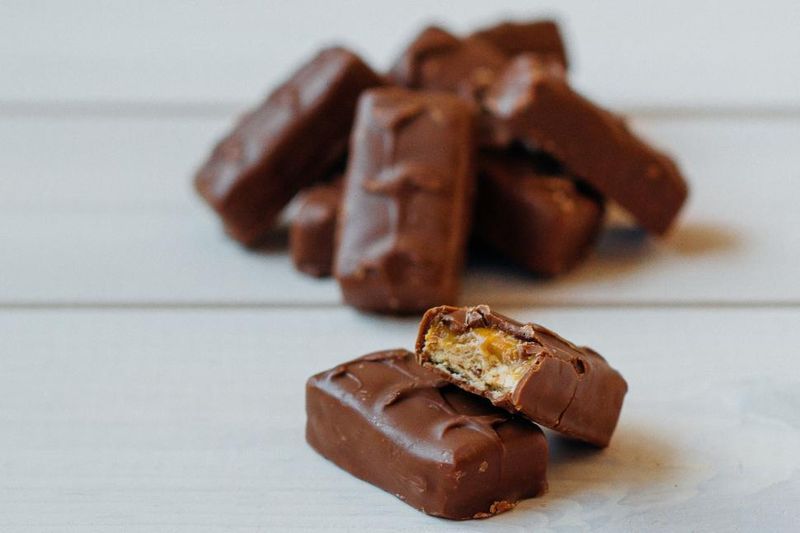
Checkout snacks exploit tired brains and short lines. Prices run high because you are a captive audience.
You are not paying for quality, just timing and temptation.
Keep a bar or nuts in your bag and breeze past the display. If you need something, step back to the main aisle where prices are saner.
Protect your budget at the final boss of the store.
Name brand cereal
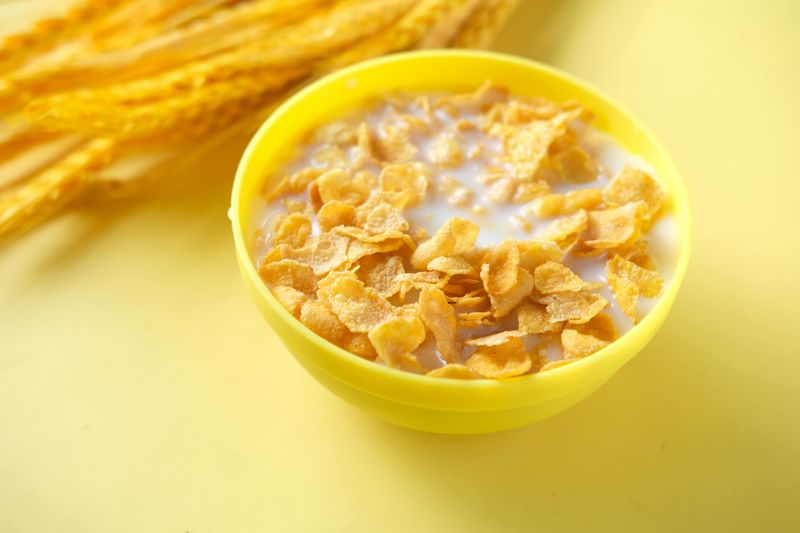
Name brand cereal rides nostalgia and cartoon mascots straight to your wallet. You are paying for marketing, shelf placement, and sugar-heavy formulas.
Box sizes keep shrinking while prices creep up.
Compare per-ounce costs and try store brands, often nearly identical in taste. Buy big bags for real savings if the family eats it daily.
Rotate oatmeal and eggs to cut cereal dependence without drama.
Prepared sushi
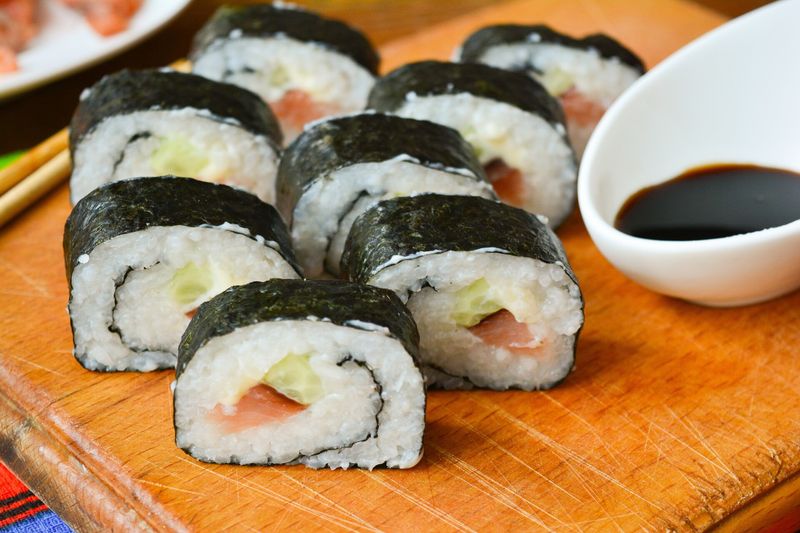
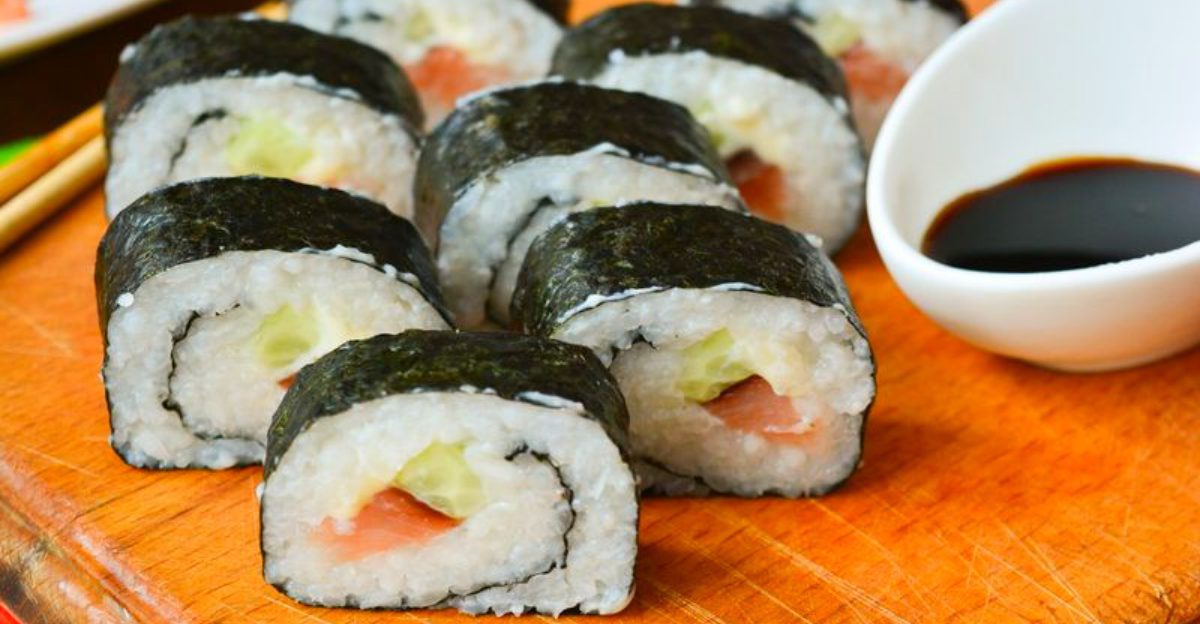
Prepared sushi promises restaurant vibes, but the price per piece can sting. You pay for convenience, packaging, and safe handling of fish, yet quality varies wildly.
Rice is often cold and compacted, which dulls flavor.
For value, choose simple rolls or veggie options, and skip the fancy combos. Better yet, try a sushi night at home with nori, rice, and a few fillings.
It is fun, customizable, and surprisingly affordable when you plan portions.