



Korean cuisine offers a vast array of flavors and textures that extend far beyond the popular barbecue dishes. Dive into 23 Korean dishes that will intrigue your taste buds and bring new excitement to your dinner table.
Kimchi jjigae
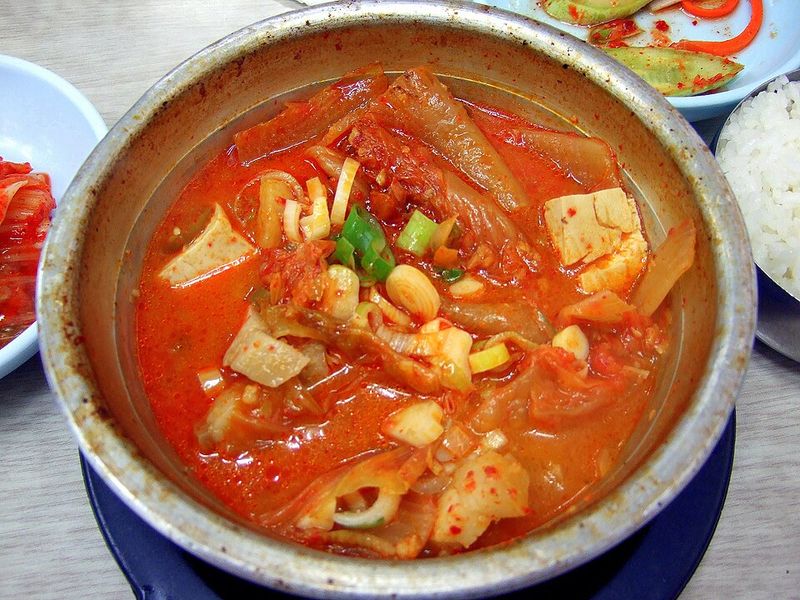
Kimchi jjigae is a comforting Korean stew that combines the tangy flavors of kimchi with rich broth. The dish is often prepared with tofu, pork, or seafood, creating a harmonious blend of taste and texture. Its spicy and sour notes make it a warming meal.
Ideal for chilly days, this stew is a staple in Korean homes. The fermentation of kimchi adds depth and complexity, making each spoonful an adventure. Enjoy it with a bowl of rice for a complete meal.
Whether you’re a fan of fiery dishes or prefer something mild, Kimchi jjigae can be adjusted to suit your palate.
Sundubu jjigae (soft tofu stew)
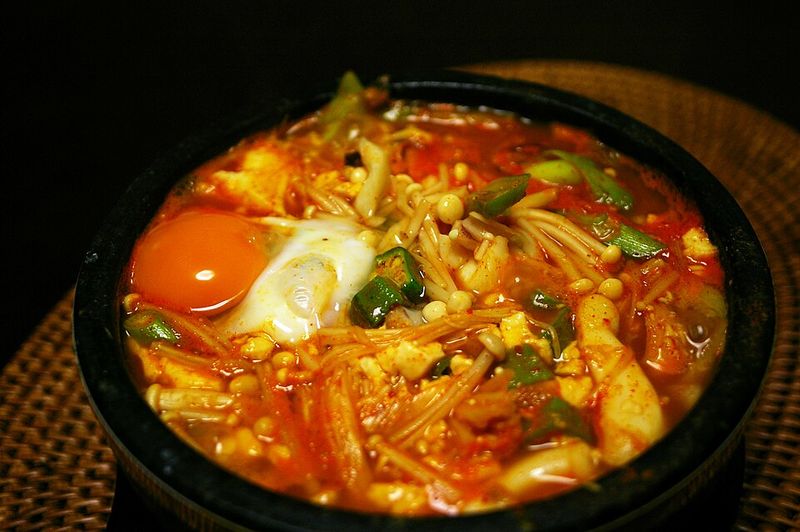
Sundubu jjigae is a delightful stew featuring silken tofu that melts in your mouth. This dish is often spiced with gochugaru (Korean chili powder) and includes seafood, meat, or vegetables.
The soft tofu’s texture contrasts beautifully with the spicy broth. It’s typically served in a hot stone pot, which keeps it sizzling hot. The addition of a raw egg creates a creamy richness when mixed in.
Embrace the warmth of Sundubu jjigae and let the flavors transport you to a Korean kitchen bustling with activity and love.
Doenjang jjigae (soybean paste stew)
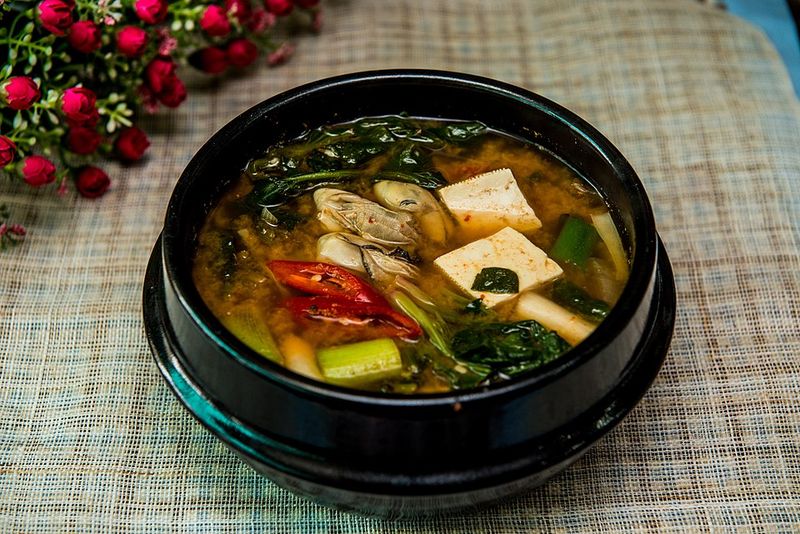
Doenjang jjigae is a hearty stew that highlights Korean soybean paste, known as doenjang. This fermented paste gives the stew its robust, umami flavor, making it a beloved dish among Koreans.
Typically, it’s packed with vegetables like zucchini, mushrooms, and sometimes tofu or meat. The earthy notes of doenjang create a homely and satisfying taste.
Perfect for those who appreciate depth in their meals, Doenjang jjigae is a dish that embodies the essence of traditional Korean cooking.
Bibimbap
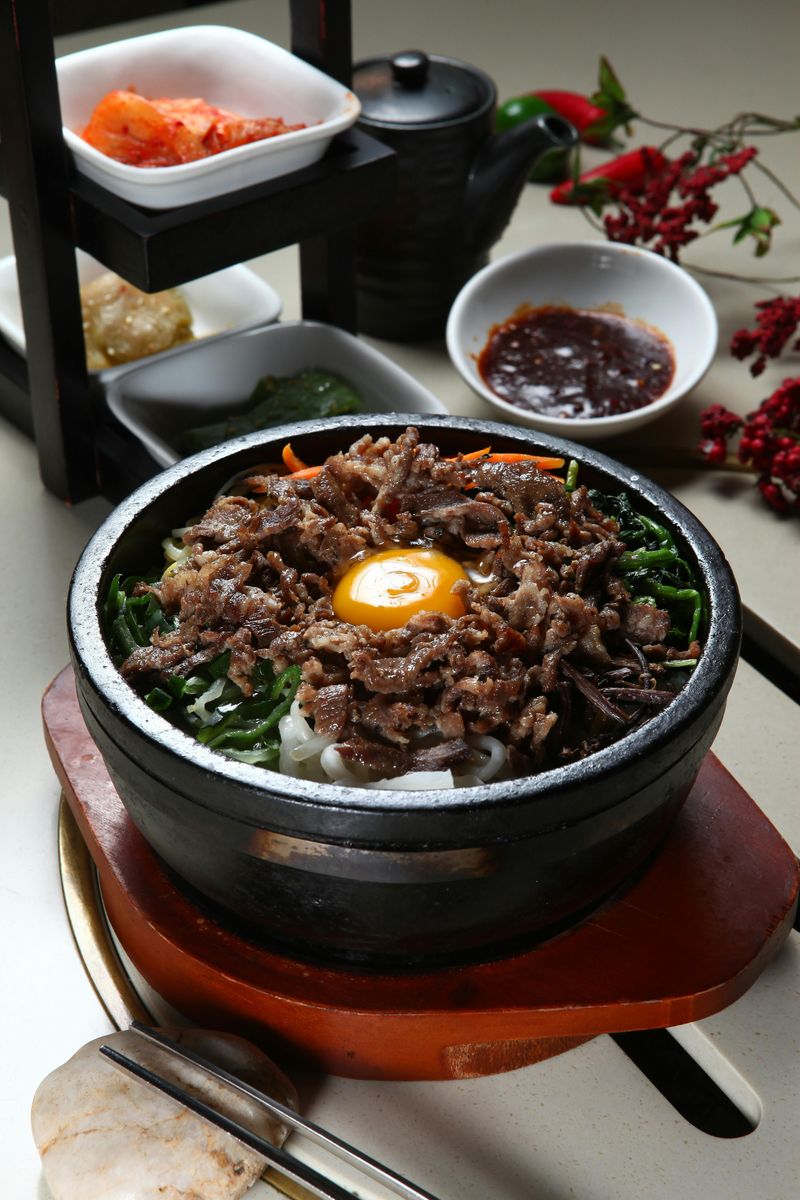
Bibimbap is a feast for the senses, combining rice with a variety of seasoned vegetables, sliced beef, and a fried egg. It’s traditionally served with gochujang, a spicy red pepper paste that ties everything together.
This dish is not only visually appealing but also a perfect blend of flavors and textures. The mixing of ingredients creates a symphony in your mouth.
Whether you’re a fan of spicy food or prefer milder flavors, Bibimbap can be customized to your liking, making it a versatile choice for any meal.
Japchae
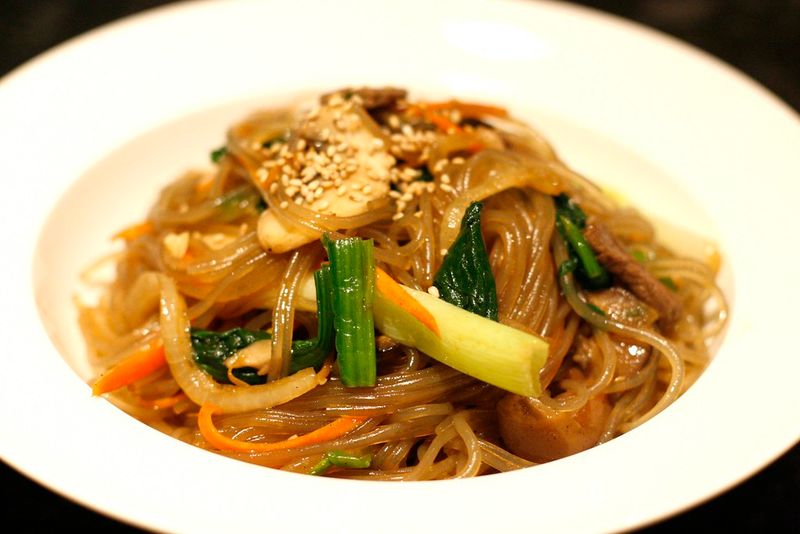
Japchae is a Korean noodle dish that features sweet potato starch noodles, also known as glass noodles. It’s stir-fried with an assortment of vegetables and often includes beef or other protein sources.
The dish is known for its slightly sweet and savory flavor, thanks to the soy sauce and sugar seasoning. The noodles’ chewy texture is delightful, making Japchae a popular side dish or main course.
Whether served hot or cold, Japchae is a versatile dish that can be enjoyed in various settings, from formal gatherings to casual lunches.
Tteokbokki
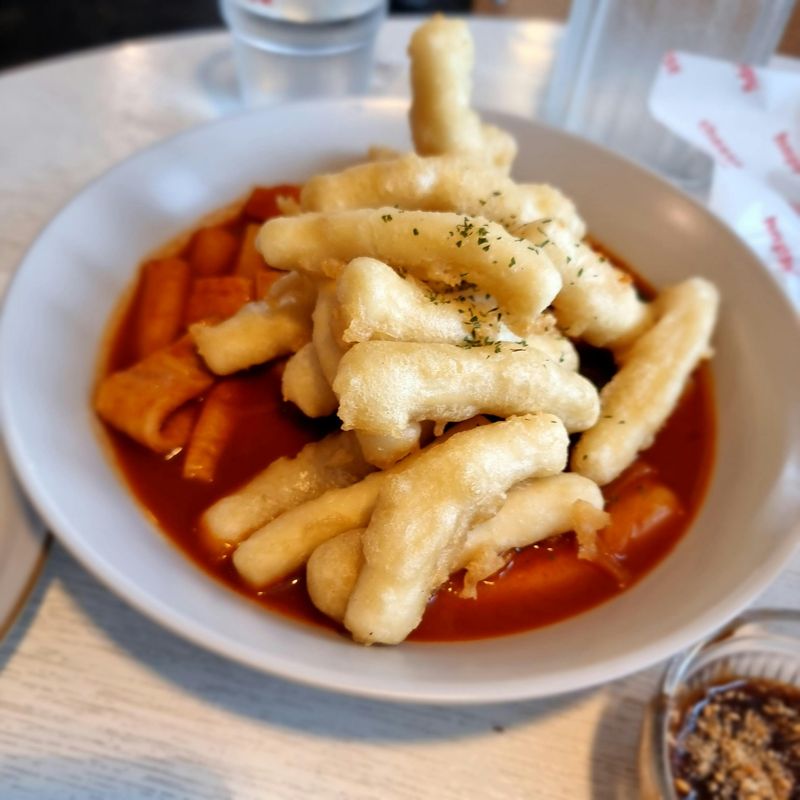
Tteokbokki is a popular Korean street food featuring chewy rice cakes bathed in a fiery gochujang sauce. Its addictive taste comes from a blend of spicy, sweet, and savory flavors.
Often accompanied by fish cakes, boiled eggs, or vegetables, this dish is enjoyed for its satisfying chewiness and robust spiciness. Tteokbokki is a beloved comfort food among Koreans.
Whether you’re seeking a quick snack or a fulfilling meal, Tteokbokki offers a unique taste experience that resonates with both young and old alike.
Jajangmyeon
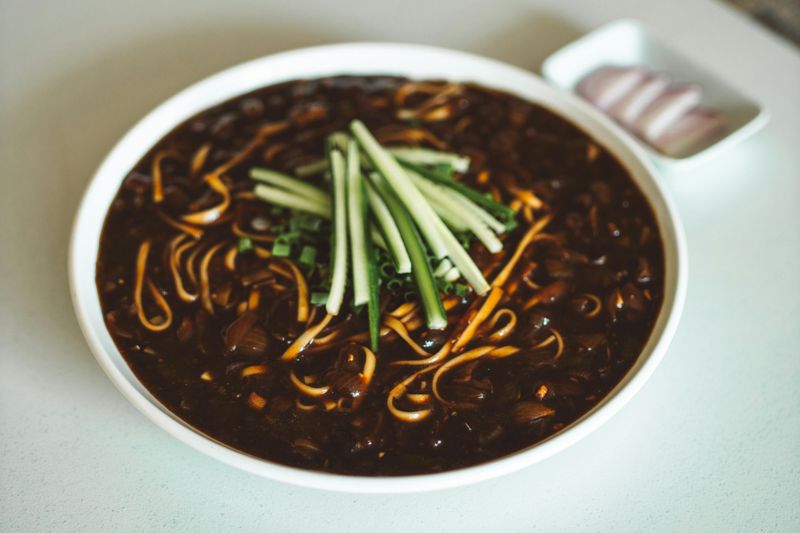
Jajangmyeon is a Korean-Chinese fusion dish featuring noodles topped with a savory black bean sauce. The sauce is often cooked with pork and vegetables, creating a rich and hearty meal.
The contrast between the dark, glossy sauce and the soft noodles makes for an enticing dish. It’s traditionally enjoyed with pickled radish to balance the flavors.
Perfect for a quick, satisfying lunch, Jajangmyeon is widely loved for its comforting taste and ease of preparation, making it a staple in Korean households.
Naengmyeon (cold noodles)
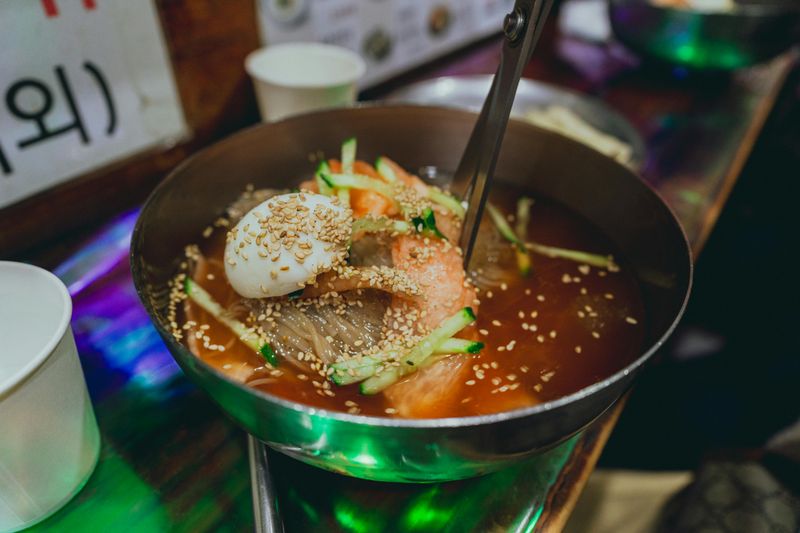
Naengmyeon is a refreshing Korean dish, ideal for hot summer days. This cold noodle soup consists of thin, chewy noodles served in a chilled, tangy broth.
Topped with slices of beef, cucumber, and a hard-boiled egg, Naengmyeon is both nourishing and invigorating. The broth, often flavored with vinegar and mustard, adds a zesty touch.
Whether you choose the spicy or mild version, Naengmyeon offers a unique culinary experience that cools you down while tantalizing your taste buds.
Kimchi fried rice
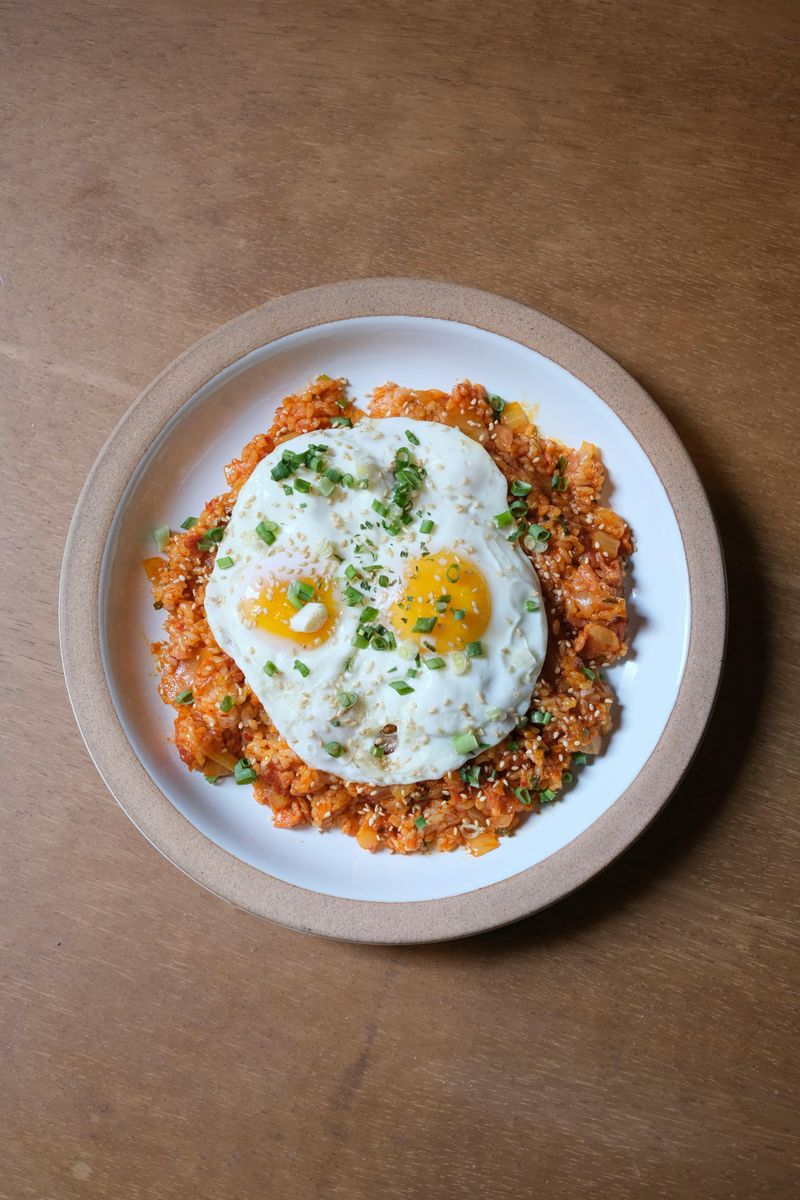
Kimchi fried rice is a quick and flavorful dish that transforms leftover rice and kimchi into a mouthwatering meal. The stir-fried rice absorbs the spicy, tangy flavors of the kimchi.
Often enriched with bacon, spam, or tofu, this dish is topped with a fried egg, adding creaminess. It’s a perfect solution for a busy day when you crave something satisfying yet uncomplicated.
The simplicity and bold flavors of Kimchi fried rice make it a go-to choice for those who love both convenience and taste.
Gochujang chicken stir-fry
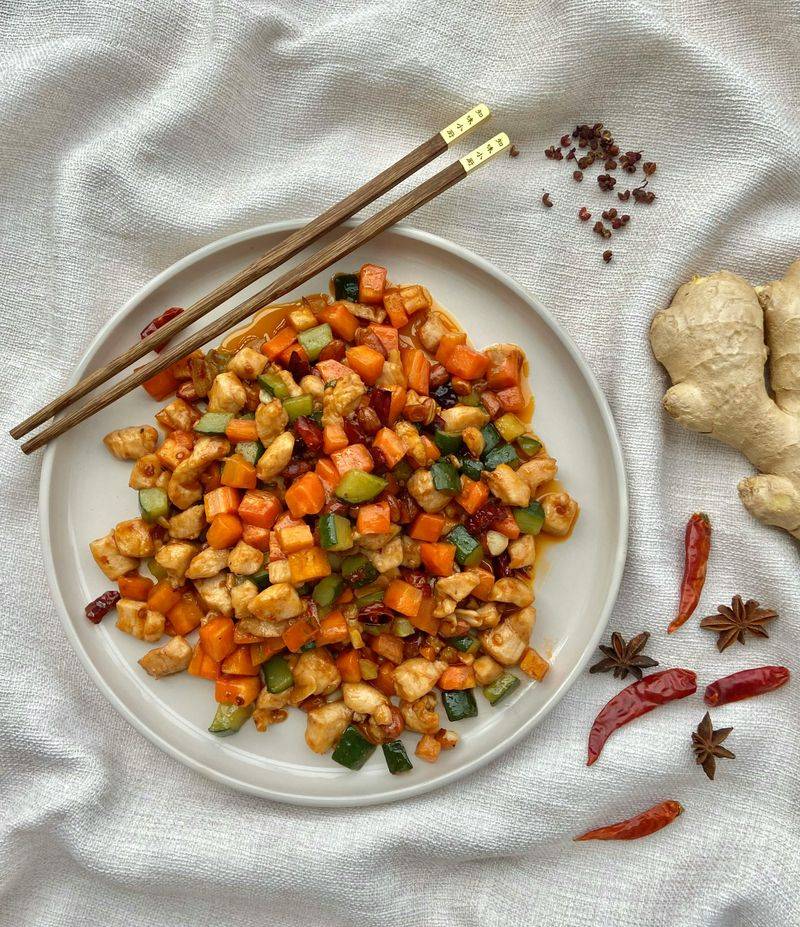
Gochujang chicken stir-fry is an explosion of flavors, combining juicy chicken with the fiery sweetness of gochujang sauce. This dish is often accompanied by crisp vegetables like bell peppers and onions.
The vibrant red sauce gives the chicken a mouthwatering appearance, making it a feast for both the eyes and taste buds. It’s a delightful dish for those who enjoy bold, spicy flavors.
With its perfect balance of heat and savory notes, Gochujang chicken stir-fry is bound to become a favorite in your culinary repertoire.
Gamjatang (pork bone soup)
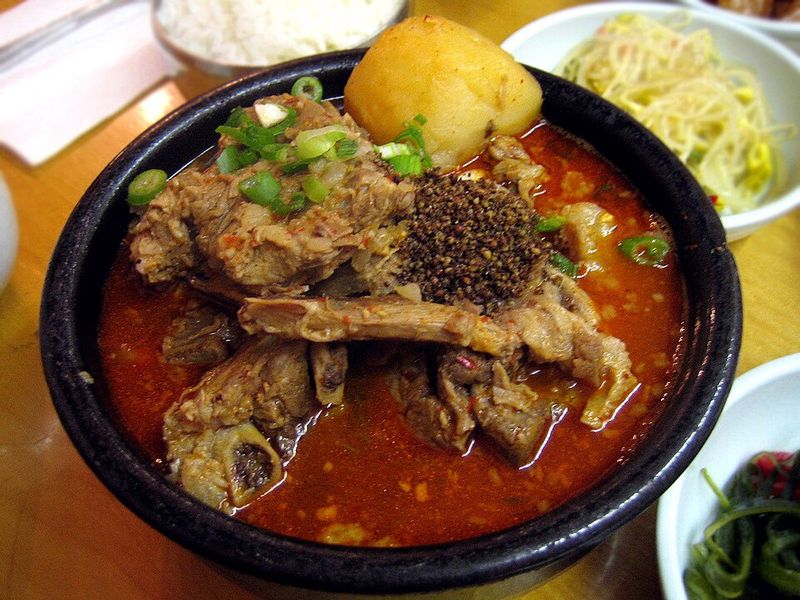
Gamjatang is a hearty Korean soup made from pork bones, often simmered for hours to extract a rich, flavorful broth. The addition of potatoes gives the soup its name, as ‘gamja’ means potato in Korean.
Spicy and savory, this soup includes vegetables and spices that create a complex taste profile. It’s a popular choice for cold weather or as a remedy for hangovers.
Whether you’re seeking comfort or adventure, Gamjatang offers a warming embrace that satisfies both soul and stomach.
Haemul pajeon (seafood scallion pancake)
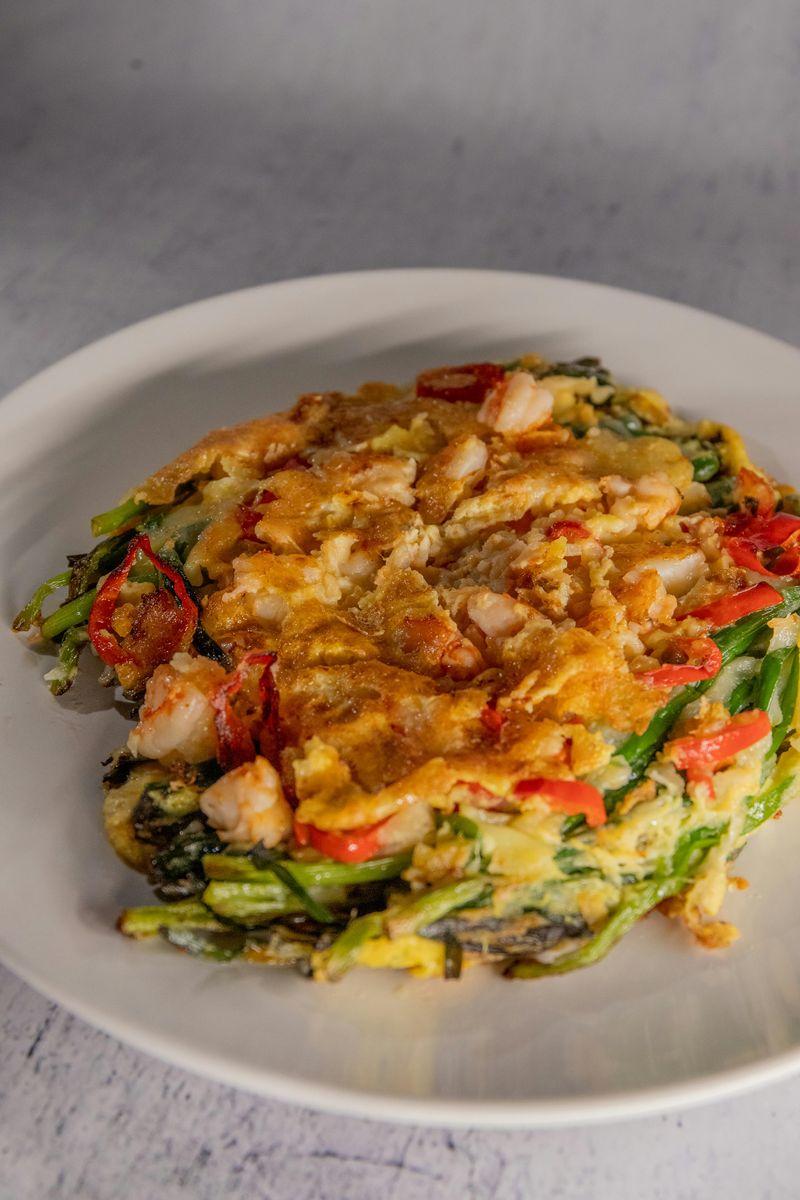
Haemul pajeon is a savory Korean pancake filled with scallions and seafood. Its crispy exterior contrasts with the tender interior, offering a delightful texture.
Served with a soy-based dipping sauce, this pancake is perfect as an appetizer or side dish. The combination of seafood and scallions creates a harmonious blend of flavors.
Whether enjoyed at a family gathering or a festive celebration, Haemul pajeon is a versatile dish that pleases both young and old.
Kimchi jeon
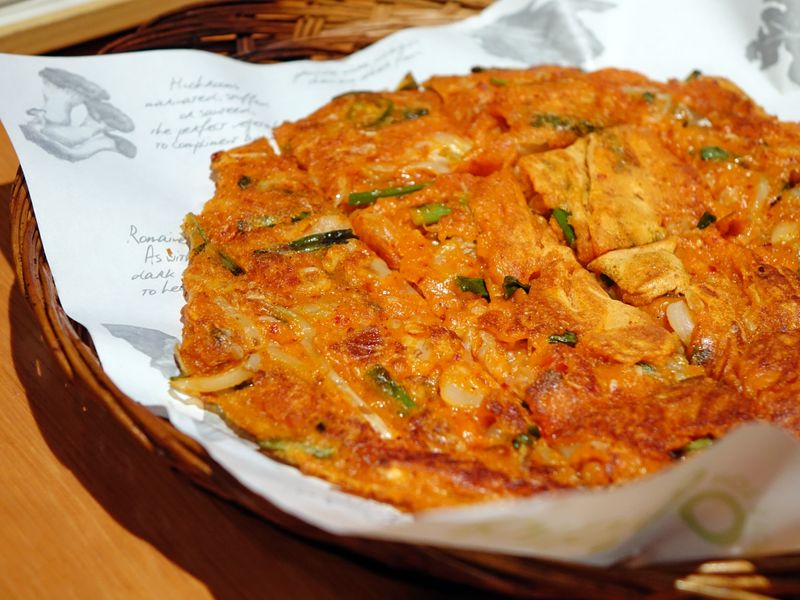
Kimchi jeon is a crispy, spicy pancake made from kimchi and flour. This simple yet flavorful dish is a popular snack or side dish in Korean cuisine.
The tangy taste of kimchi pairs perfectly with the crunchy texture, making it an irresistible treat. It’s often enjoyed with a dipping sauce of soy and vinegar.
Whether served as part of a meal or a standalone snack, Kimchi jeon offers a unique combination of flavors that captivate the senses.
Mandu (Korean dumplings)
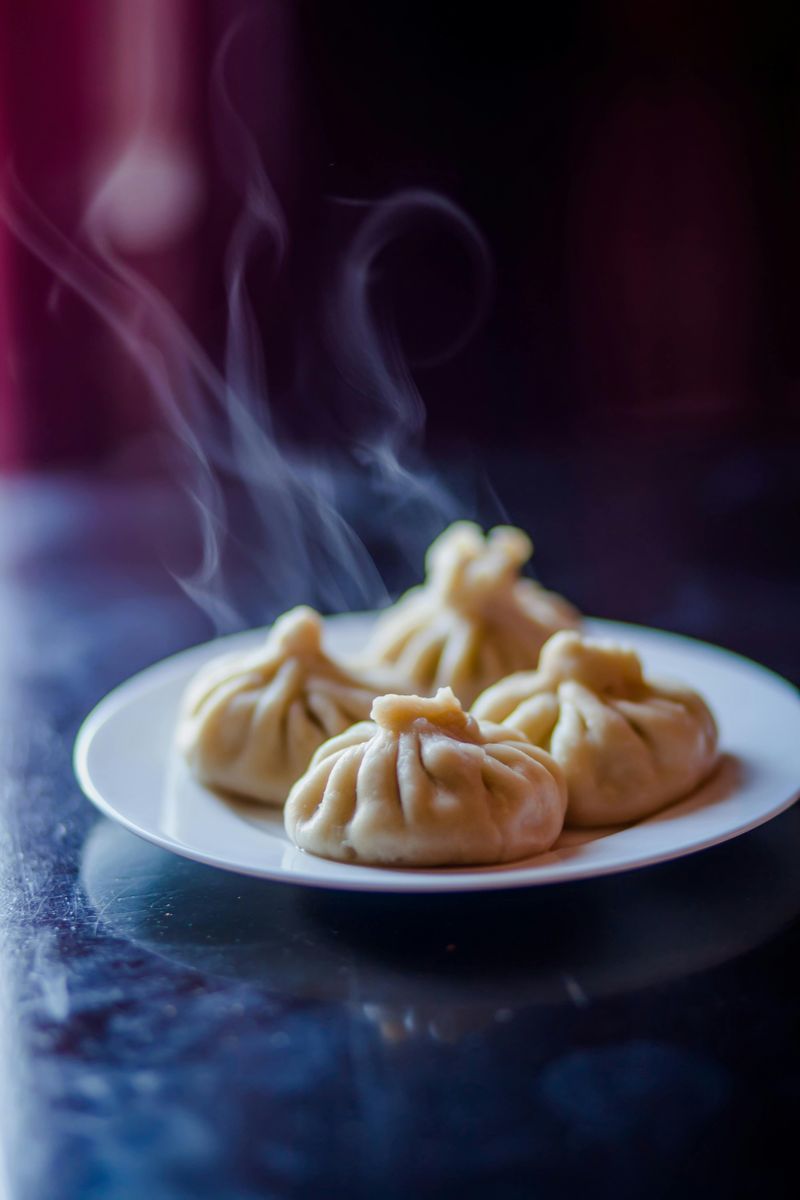
Mandu are Korean dumplings filled with a mixture of meat, vegetables, and seasonings. These dumplings can be steamed, boiled, or pan-fried to crispy perfection.
The filling is a savory delight, wrapped in a delicate dough that adds a pleasing texture. They’re often served with a soy-based dipping sauce that complements the flavors.
Whether enjoyed as a snack or a part of a larger meal, Mandu are a versatile and beloved dish that embodies the warmth of Korean hospitality.
Gyeran-jjim (steamed eggs)
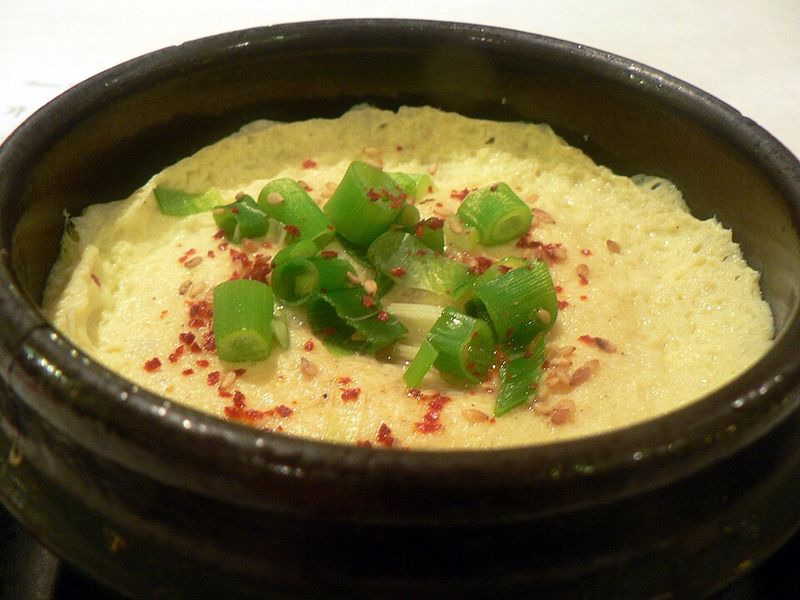
Gyeran-jjim is a comforting Korean dish featuring steamed eggs cooked to a soft, custard-like consistency. It’s often flavored with green onions and various seasonings.
The delicate texture and mild taste make it a favorite among children and adults alike. It’s typically served as part of a traditional Korean meal.
Gyeran-jjim is a soothing dish that provides a gentle, nourishing experience, perfect for moments when you need a touch of home-cooked comfort.
Dakjuk (Korean chicken porridge)
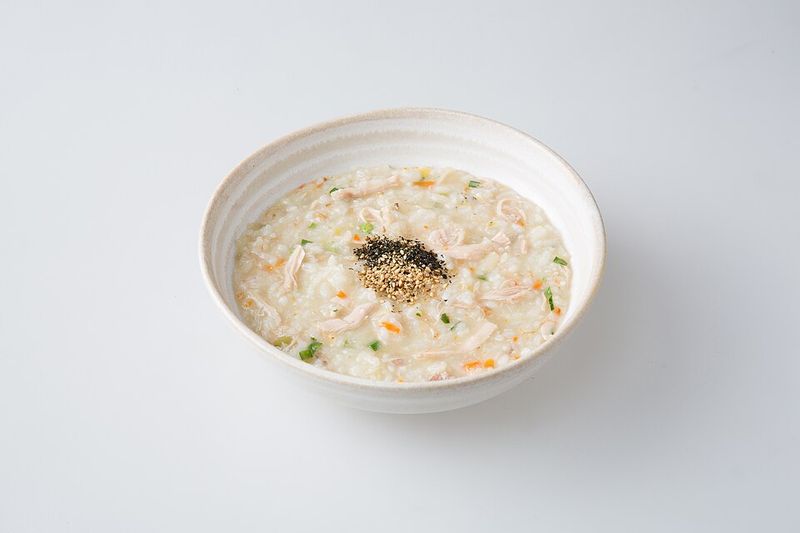
Dakjuk is a Korean chicken porridge that offers warmth and nourishment in every spoonful. Made with rice and shredded chicken, it’s a gentle dish that’s easy on the stomach.
The subtle flavors are often enhanced with sesame oil and green onions, adding a touch of richness. It’s a popular choice for those needing comfort or recovering from illness.
Whether served as a breakfast or a light meal, Dakjuk is a soothing dish that embodies the essence of Korean comfort food.
Kongguksu (soy milk noodles)
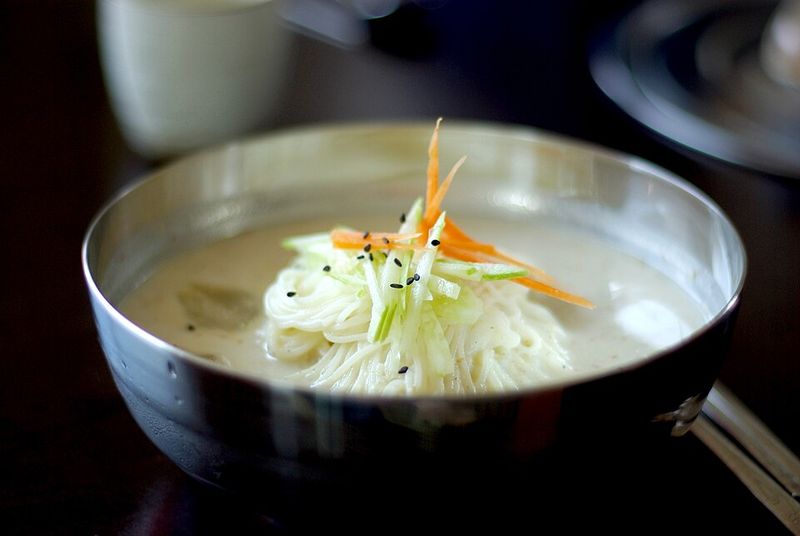
Kongguksu is a unique Korean noodle dish served in a chilled soy milk broth. It’s a refreshing choice for hot weather, offering a creamy texture and subtle flavors.
Topped with cucumber slices and sesame seeds, Kongguksu is both nourishing and satisfying. The nutty taste of the soy milk complements the soft noodles beautifully.
Whether you’re a lover of innovative dishes or seeking a healthy meal option, Kongguksu provides a delightful culinary journey that’s both cooling and fulfilling.
Gochujang bibim noodles
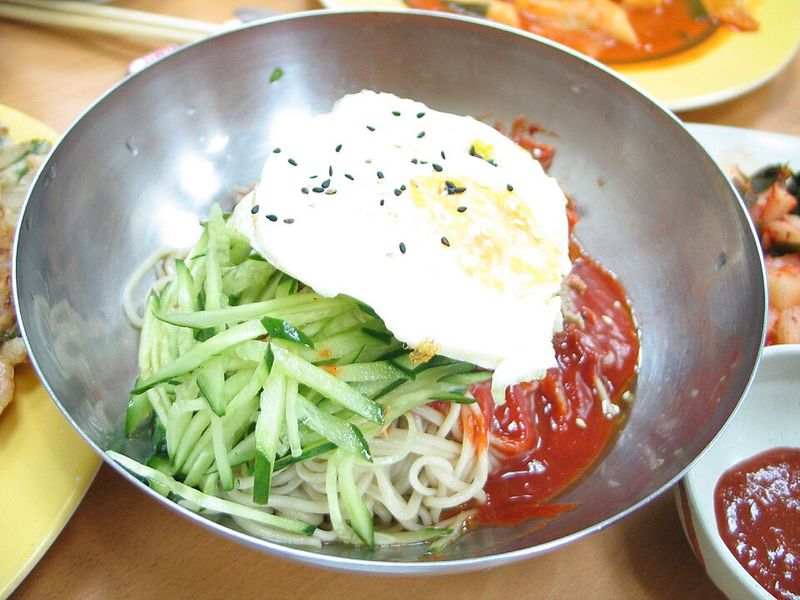
Gochujang bibim noodles are a spicy and vibrant Korean dish that combines noodles with a variety of vegetables and a fiery gochujang sauce. The sauce adds a perfect blend of heat and sweetness.
The noodles are typically served cold, offering a refreshing taste that’s both satisfying and invigorating. It’s an ideal dish for those who love bold flavors.
The versatility of this dish allows for endless customization, making it a favorite for both spice lovers and those seeking a flavorful adventure.
Hobakjuk (pumpkin porridge)
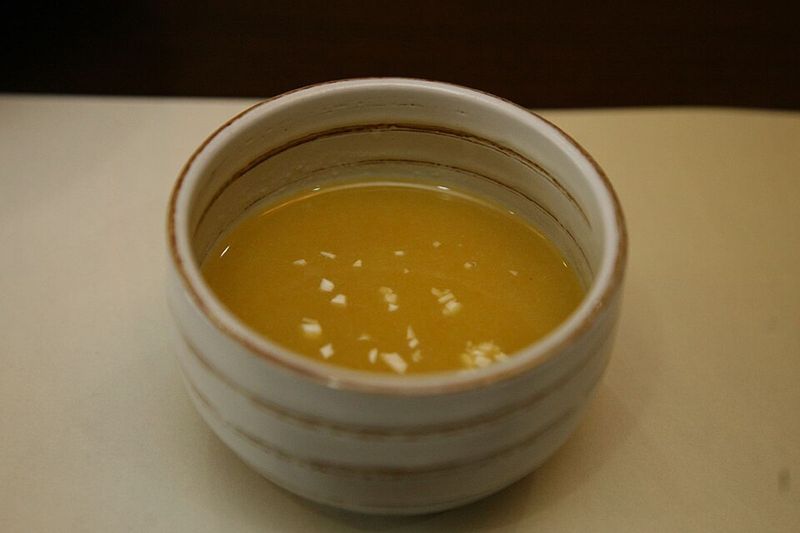
Hobakjuk is a comforting Korean porridge made from pumpkin, offering a smooth and velvety texture. It’s often sweetened slightly and garnished with pine nuts.
The natural sweetness of pumpkin shines in this dish, making it a delightful choice for both breakfast and dessert. Its creamy consistency provides a soothing experience.
Whether enjoyed hot or cold, Hobakjuk is a nourishing and wholesome dish that captures the essence of Korean comfort food, perfect for any time of the year.
Banchan assortment (kimchi, pickled radish, spinach)
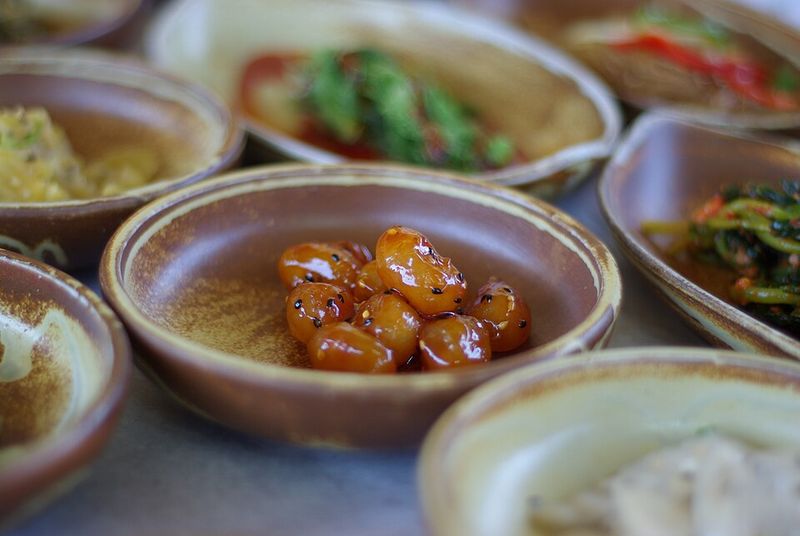
Banchan are small, flavorful side dishes served with Korean meals, offering a delightful mix of tastes and textures. Common selections include kimchi, pickled radish, and seasoned spinach.
These dishes provide balance to the main courses, adding layers of complexity and interest. Each Banchan offers a unique glimpse into Korean culinary artistry.
Whether you’re dining at home or in a restaurant, Banchan enhances the meal experience, offering a diverse array of flavors that elevate any dish they’re paired with.
Jumeokbap (rice balls)
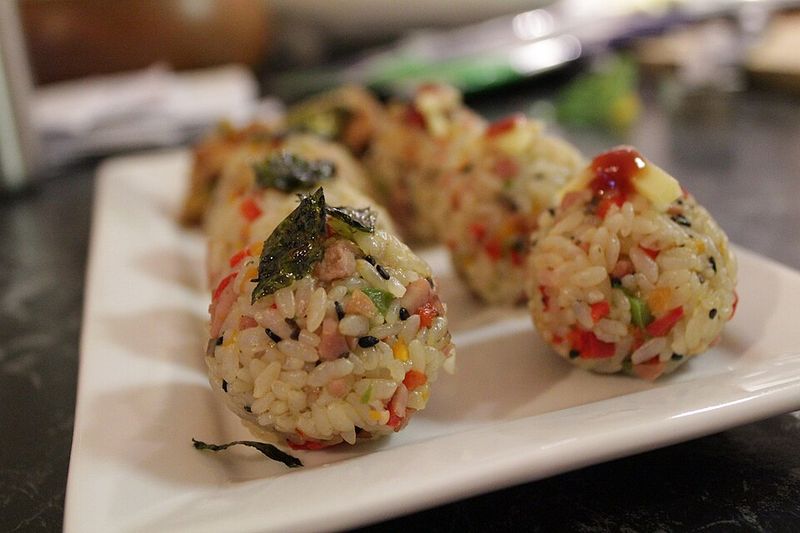
Jumeokbap, or rice balls, are a simple yet delightful Korean snack made from seasoned rice, often mixed with seaweed and sesame seeds.
These convenient, hand-held bites are perfect for on-the-go eating or as a light meal. The addition of various fillings makes them versatile and fun to customize.
The charming presentation and satisfying taste of Jumeokbap make them a favorite among all ages, providing a delightful introduction to Korean cuisine’s creativity and simplicity.
Tangsuyuk (Korean sweet and sour pork)
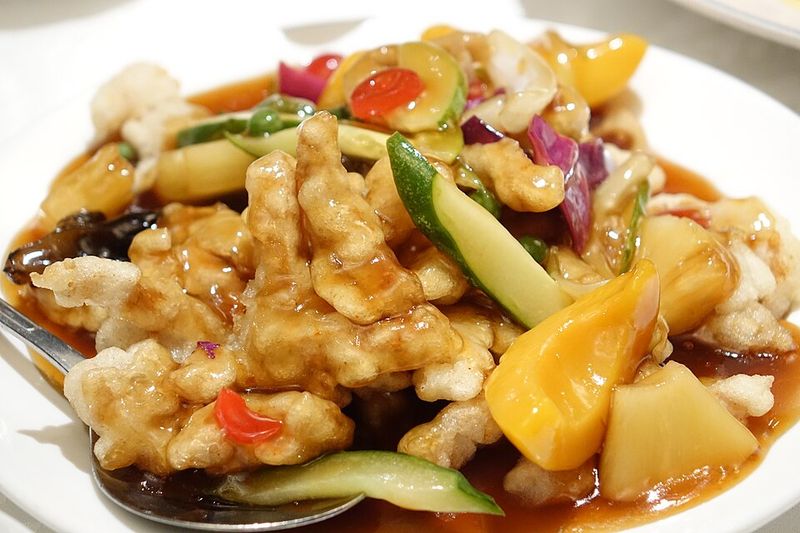
Tangsuyuk is a Korean-Chinese fusion dish featuring crispy fried pork coated in a luscious sweet and sour sauce. The combination of textures and flavors is irresistible.
The pork’s crispy exterior contrasts wonderfully with the glossy sauce and tender vegetables, creating a dish that pleases both the eyes and palate.
Tangsuyuk is a popular choice for festive occasions or casual dinners, offering a satisfying taste experience that bridges cultures with its delightful blend of flavors.
Suyuk (boiled pork slices)
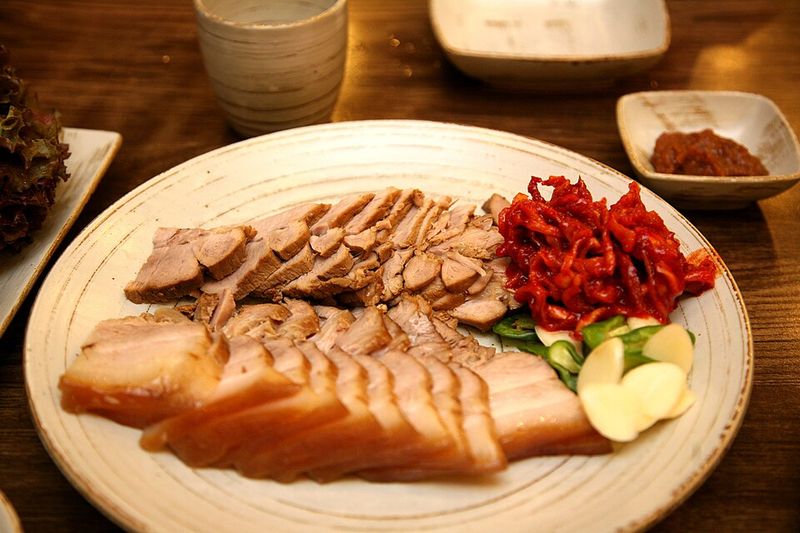
Suyuk is a Korean dish featuring slices of tender boiled pork, often served with a flavorful dipping sauce. The meat is boiled until it reaches a perfect tenderness, allowing the natural flavors to shine.
Typically enjoyed with cabbage leaves or kimchi, Suyuk is a dish that celebrates simplicity and purity. The meat’s succulent texture makes it a beloved choice for gatherings.
Whether part of a full-course meal or enjoyed as a standalone dish, Suyuk offers a satisfying and comforting experience that highlights Korean culinary traditions.