


Clean eating sounds noble, but some rules quietly drain joy and energy. When every bite feels like a test, wellness turns into worry and social life shrinks.
The goal is to feel good, not trapped by food fear or perfectionism. Here are the sneaky habits that create stress, plus gentle reality checks so you can eat well without losing your sanity.
No carbs
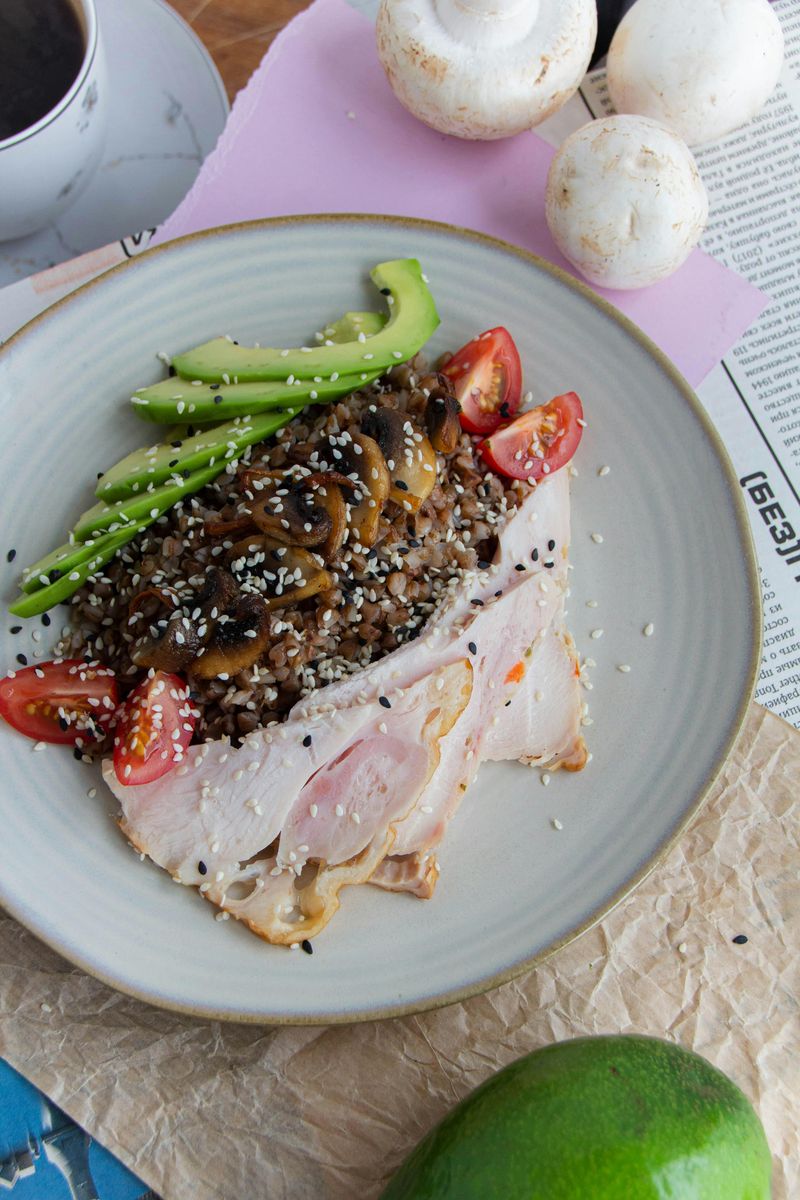
Cutting all carbs can tank energy, disrupt workouts, and spark fierce cravings by evening. Your brain prefers glucose, and denying it can feel like fog and irritability.
Socially, it is exhausting to dodge tortillas, fruit, and even beans.
Carbs are not the villain. Whole grains, potatoes, and fruit deliver fiber, vitamins, and satisfaction.
Instead of zero, try balance and timing around activity. You will likely sleep better, digest better, and stop obsessing.
No sugar

Swearing off all sugar sounds pure, but it can breed obsession and binge cycles. Demonizing birthday cake turns celebrations into stress tests.
You might start scrutinizing apples or yogurt, fearing sweetness everywhere.
Added sugar limits help, yet absolute zero is unsustainable for most. Flexible boundaries make room for joy and still protect health.
Plan treats mindfully, notice satisfaction, and move on. You will likely crave less when nothing is forbidden.
No dairy
Unless lactose intolerant or allergic, banning dairy can complicate meals for little reward. You lose convenient protein, calcium, and iodine, then scramble for alternatives.
Socially, it adds friction at cafes and family dinners.
If dairy bothers you, choose lactose free or fermented options like yogurt. Otherwise, include it as one of many wholesome choices.
You will likely feel satisfied with less snacking. The real win is flexibility, not rigid elimination.
No gluten
Gluten free is essential for celiac disease. For everyone else, eliminating gluten can shrink variety and pleasure without guaranteed benefits.
It often leads to pricey substitutes and nutrient gaps.
If you feel better reducing certain breads, choose higher fiber grains or sourdough and monitor symptoms. The goal is comfort, not fear.
Testing with a professional beats self diagnosis. Keep life simple when possible, and keep eating enjoyable.
No salt
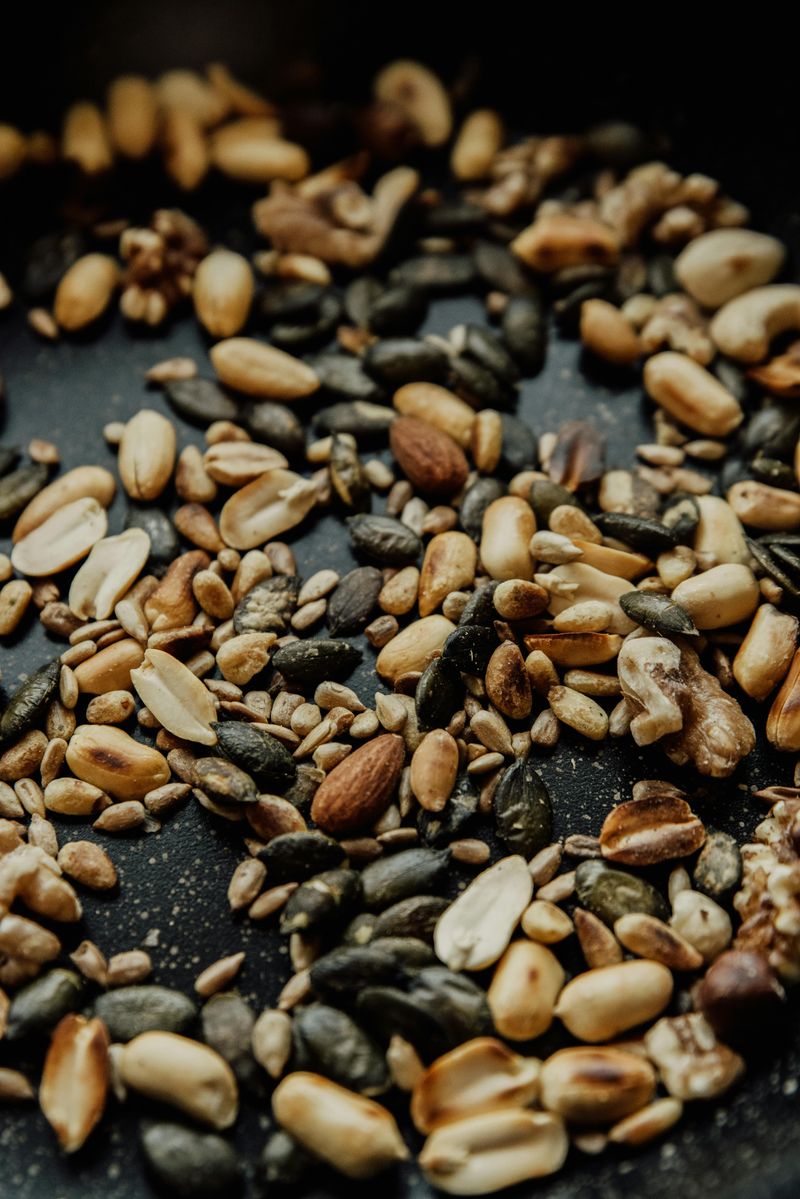
Going salt free can make food so bland you stop eating balanced meals. You may overeat later, chasing satisfaction.
Unless advised, moderate sodium is reasonable, especially if you sweat or exercise.
Use herbs, citrus, and a pinch of salt to make nourishing food craveworthy. Better to enjoy vegetables than avoid them because they taste dull.
Flavor helps consistency, which drives results. Hydrate well, taste as you go, and relax.
No fat
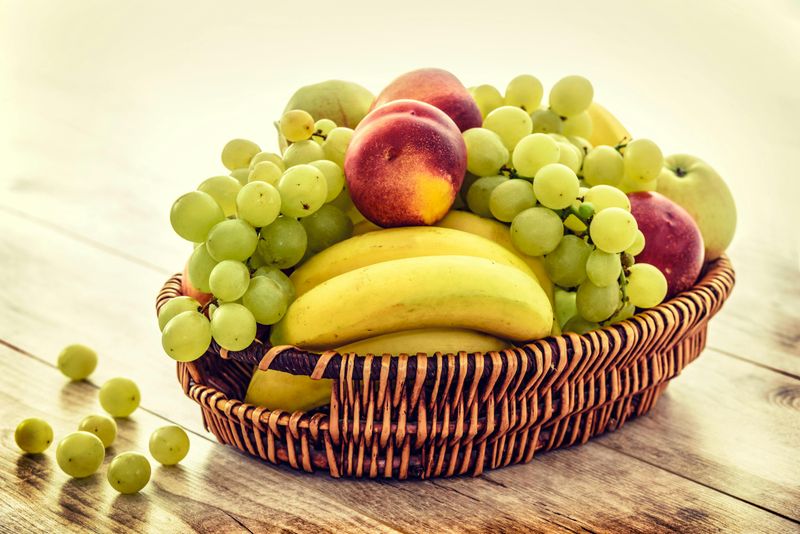
Cutting fat to the bone makes meals joyless and hunger relentless. Fats help absorb vitamins A, D, E, and K and keep hormones steady.
Without them, cravings spike and skin, mood, and focus can suffer.
Olive oil, nuts, seeds, and avocado add flavor and satiety. You will likely snack less when meals actually satisfy.
Aim for balance, not zero. A drizzle can transform vegetables you would otherwise ignore.
Only salads
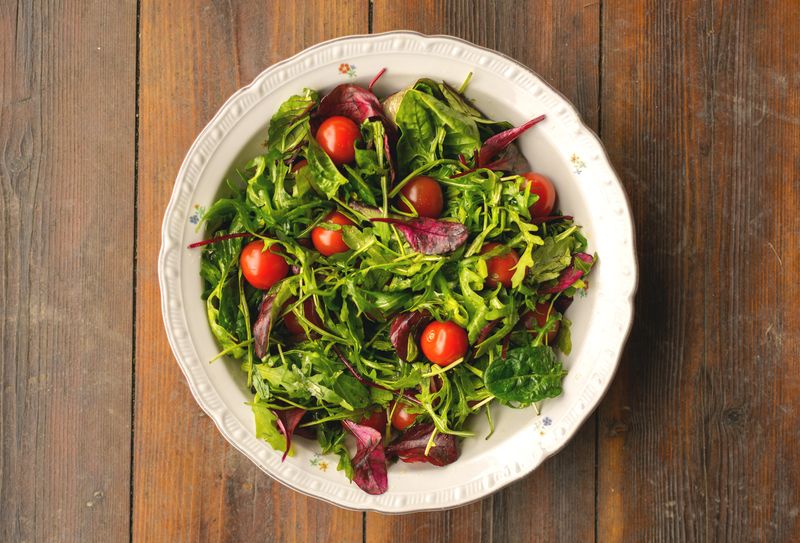
Salads can be great, but only salads get monotonous and underfueled. Raw vegetables alone lack protein, complex carbs, and warmth that many bodies crave.
Cold lunches every day can feel punishing.
Build salads like meals with grains, beans, eggs, fish, or chicken, plus dressing you enjoy. Rotate warm bowls, soups, and sandwiches to stay satisfied.
Variety is sustainable. When food comforts you, long term consistency improves.
Only water
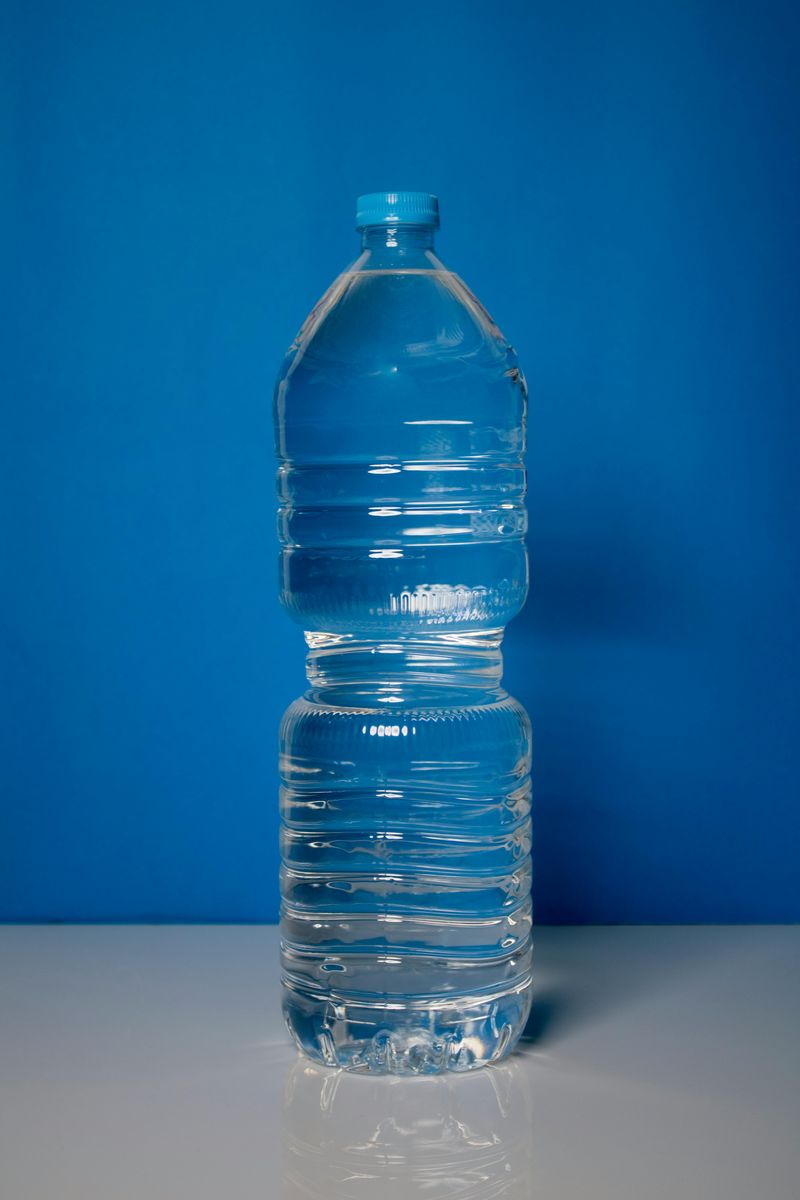
Hydration is vital, but only water can feel joyless. Warm drinks, flavored seltzers, tea, and milk add comfort and nutrients.
Restricting beverages can make social events awkward and cravings sharper.
Choose mostly water, then allow variety. A latte or herbal tea can be nourishing and soothing.
Enjoyment matters for adherence. Your routine should help you live, not micromanage every sip.
Only black coffee

Black coffee is fine, but forcing it when you hate it strips pleasure from mornings. A touch of milk or sugar will not ruin a balanced diet.
The stress of perfection often backfires into overeating later.
Make coffee how you like it and adjust elsewhere. Consider protein with caffeine to steady energy.
Rituals should soothe, not punish. Taste matters for sustainable habits.
No snacks
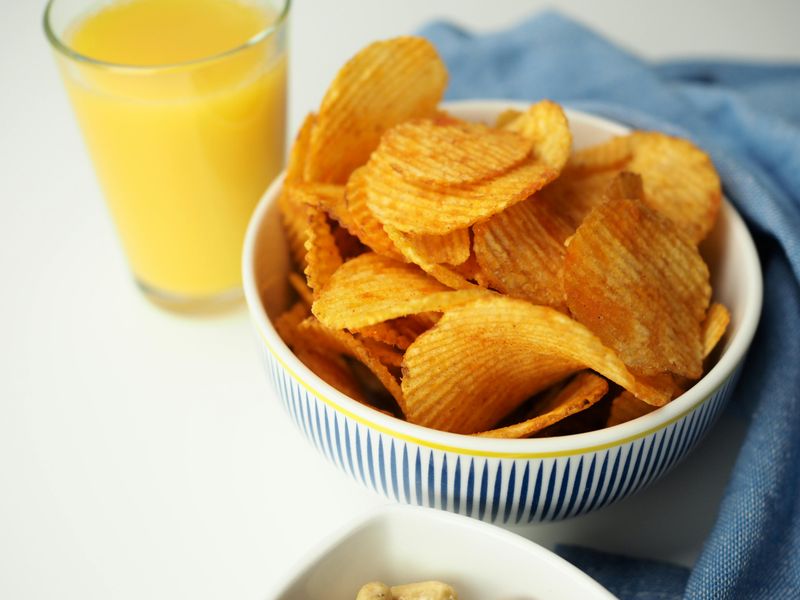
Rigidly banning snacks can turn afternoons into a willpower battle. Long gaps between meals spike hunger and impulsive choices later.
You may start fixating on food instead of work.
Planned snacks with protein and fiber can smooth energy and mood. Think yogurt, nuts, fruit, or cheese and crackers.
Structure beats spontaneity when days are hectic. Nourish before you crash, not after.
No dessert
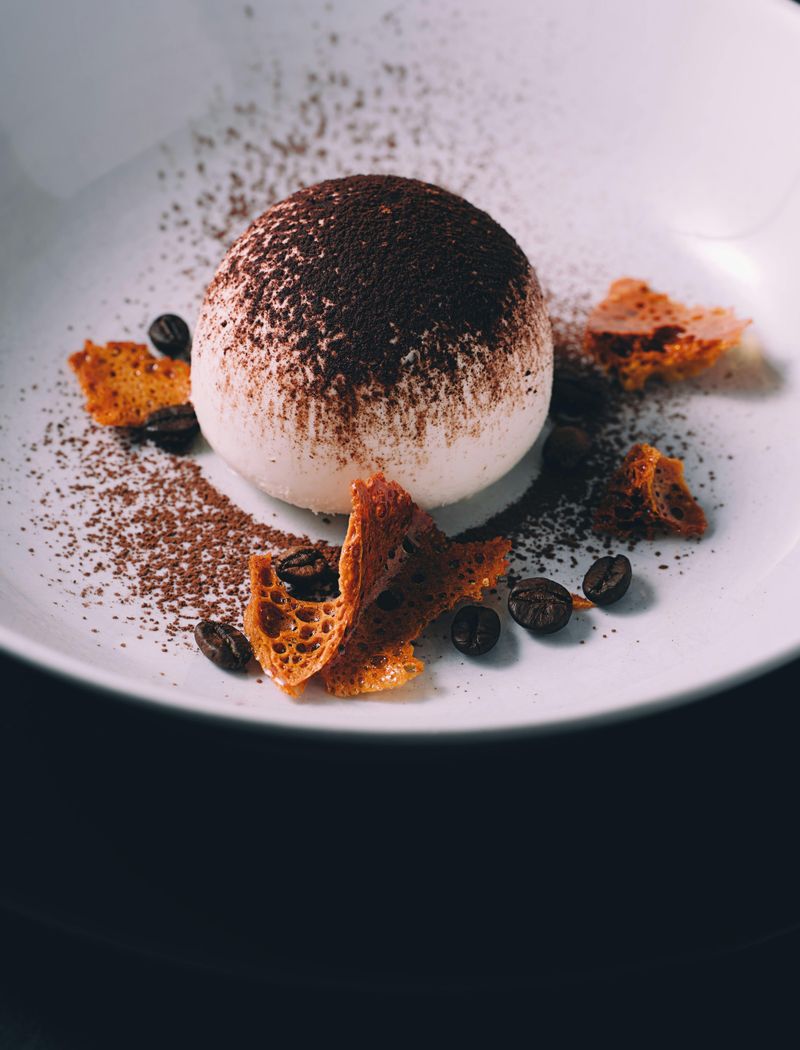
Swearing off dessert forever can breed resentment and secret binges. When pleasure is outlawed, cravings often shout louder.
Social meals lose spark without a shared sweet moment.
Try small, satisfying desserts a few times a week. Pair with protein or have them right after dinner.
Enjoy mindfully, then close the kitchen. Flexibility keeps life sweet and progress steady.
No bread
Bread makes meals easy and satisfying. Cutting it completely often leads to overcompensating with snacks later.
Whole grain options provide fiber, iron, and comfort that helps adherence.
If portions creep up, scale back, not out. Choose dense, flavorful loaves and savor a slice.
Balance your plate with protein and produce. You will likely feel grounded and less preoccupied with food.
No pasta
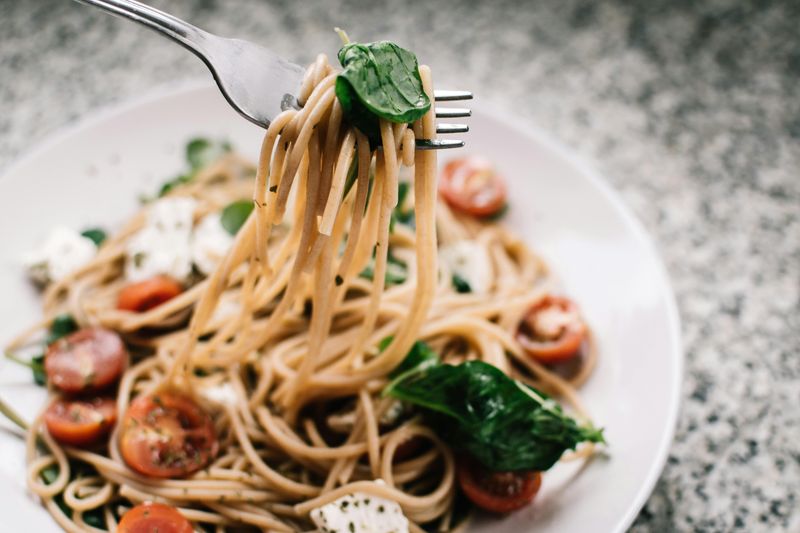
Pasta is not a moral failure. Demonizing it turns family dinners into anxiety.
It is easy to portion and pair with vegetables, beans, or lean meats for a balanced plate.
Try al dente whole wheat or add lentil pasta for extra protein. Focus on sauce quality, veggies, and a fist sized serving.
Satisfaction now prevents raiding the pantry later. Food should fit your life, not the reverse.
No rice
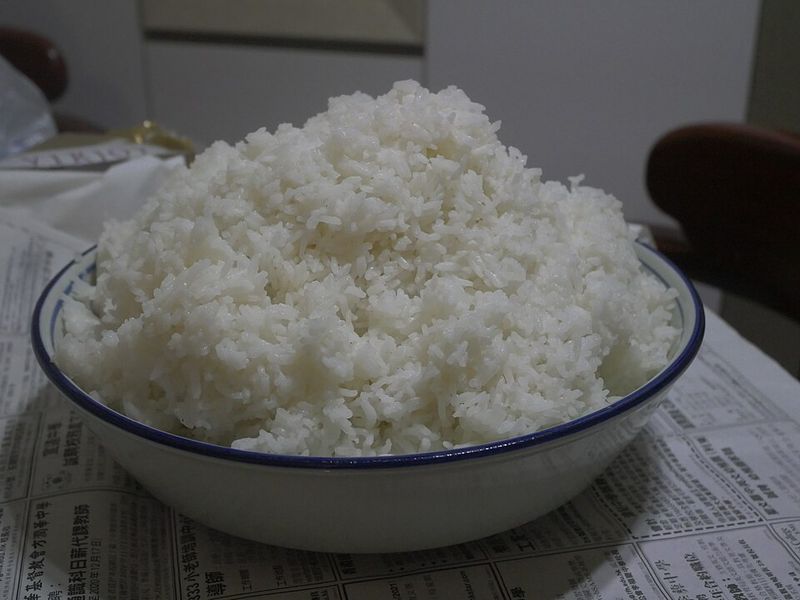
Skipping rice can strip cultural meals of comfort and identity. Carbs support training and steady mood when portioned.
Completely removing rice often pushes people toward ultra processed replacements.
Keep rice, but adjust type and amount. Try jasmine for flavor, brown for fiber, or mix with cauliflower rice.
Build plates with protein and vegetables. Respect tradition while honoring your goals.
No potatoes
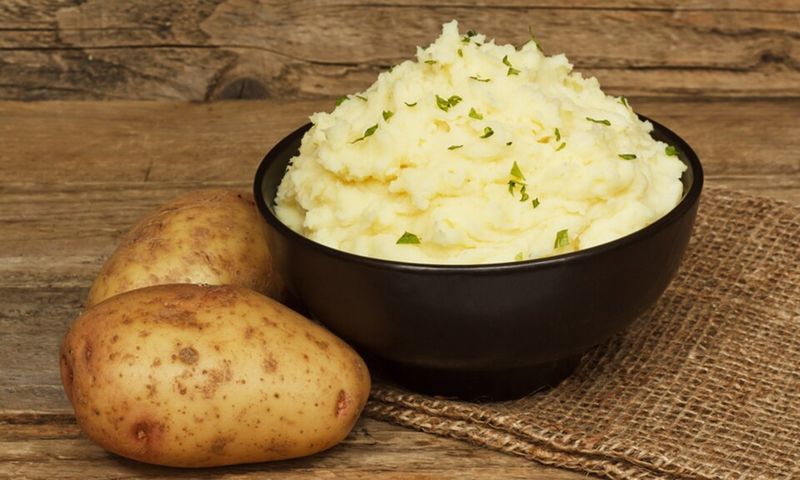
Potatoes get blamed unfairly. They are affordable, nutrient dense, and satisfying, especially when baked or boiled.
Cutting them can increase snacking on less filling foods.
Use skins, cool and reheat for resistant starch, and add protein. Season well with herbs and a little olive oil.
Enjoy them as a smart carb, not a guilty pleasure. Comfort can be nutritious.
No fast food
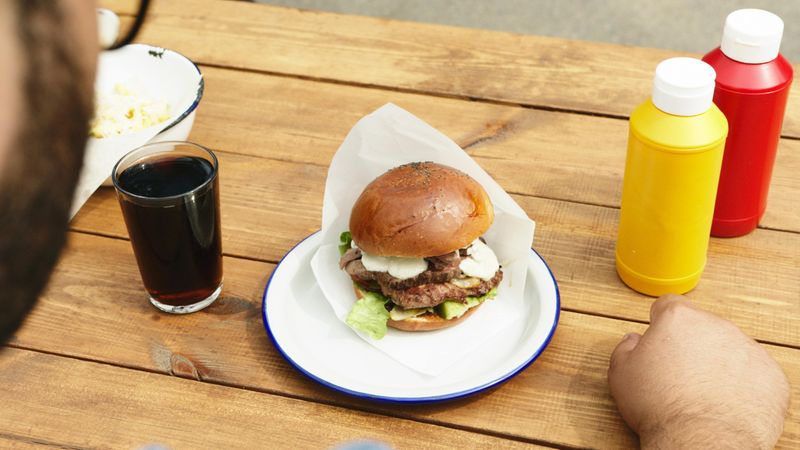
Swearing off fast food forever often collapses during hectic weeks. Then shame piles on a simple burger.
A better approach is learning to order smarter and move on.
Choose grilled options, add a side salad, or balance later in the day. Perfection is not required for progress.
Flexibility keeps you consistent. You will feel calmer when choices are allowed, not punished.
No eating out

Never eating out shrinks your world. Birthdays, dates, and catch ups happen at restaurants.
Avoiding them altogether can breed loneliness and resentment.
Scan menus for protein centered dishes, ask for dressings on the side, and split fries. Enjoy the moment and the company.
One meal will not undo your habits. Connection is part of health too.
Meal prep only
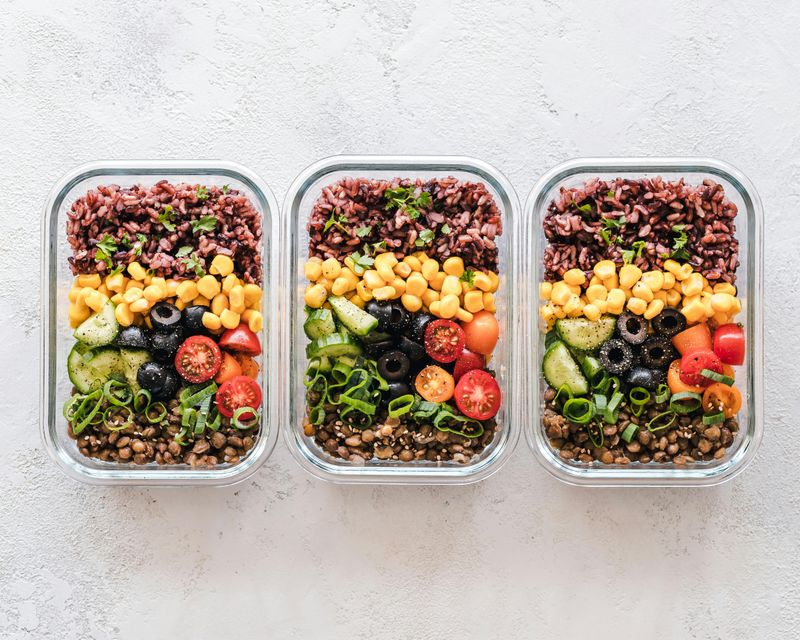
Meal prep helps, but only meal prep turns food into homework. Repeating the same dish daily dulls appetite and sparks takeout cravings.
Life changes, and your menu should adapt too.
Prep building blocks instead: cooked grains, proteins, sauces, and chopped veggies. Mix and match quickly for variety.
Leave room for spontaneity and leftovers. Structure plus freedom beats rigidity every time.
Counting calories
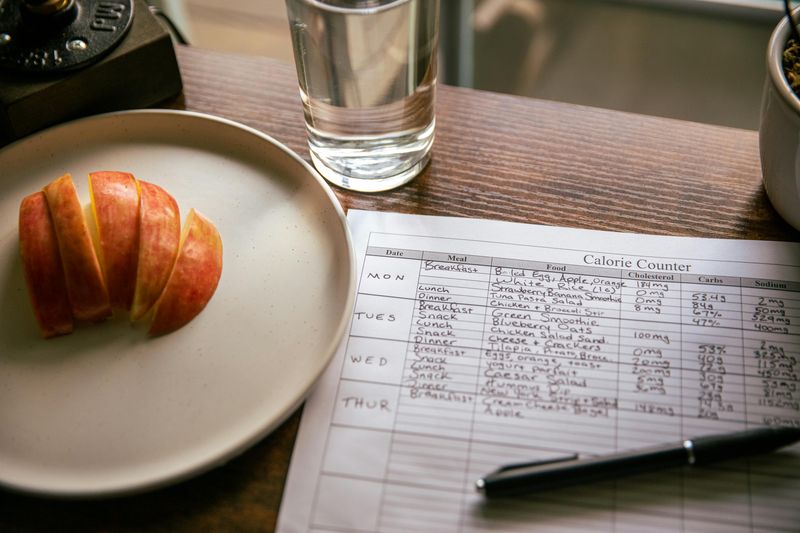
Calorie awareness can teach portions, but relentless counting steals joy. Numbers drown out hunger cues and satisfaction.
Eating should not feel like tax season every day.
Use tracking as a short term lesson, then transition to plate patterns and mindfulness. Check in with hunger, fullness, and energy.
Progress comes from habits, not spreadsheets alone. Let data inform, not control.
Weighing food
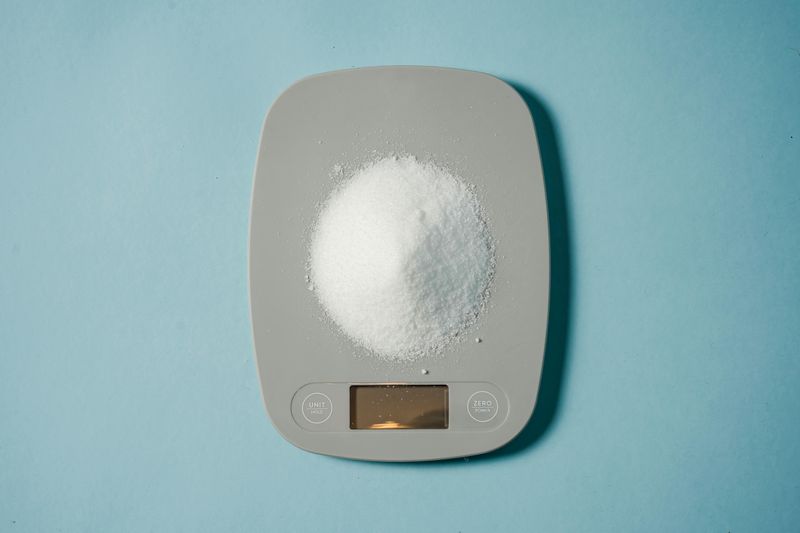
A scale can calibrate your eye, but weighing every bite can rule your life. Travel and dinners out become stressful logistics.
Precision is not necessary for most goals.
Use the scale briefly to learn, then rely on visual cues and plate templates. Return to it during specific phases if needed.
Flexibility builds confidence in real settings. Accuracy matters less than consistency.
Skipping breakfast
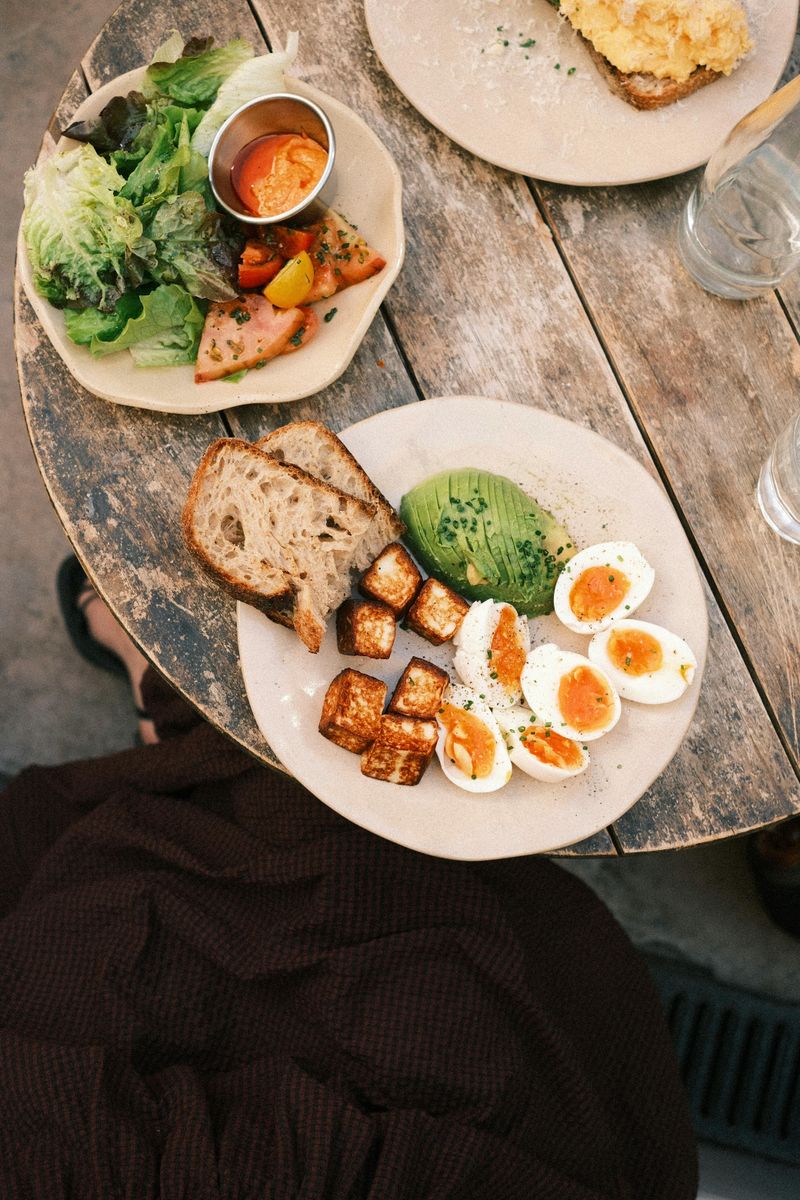
Skipping breakfast can work for some, but others crash by noon and overeat later. If mornings feel frantic, it is not a badge of honor.
Chronic hunger spikes stress and shortens patience.
Try a quick protein rich option like yogurt, eggs, or a smoothie with oats. Notice if energy and focus improve.
Let results guide you, not rules. Your routine should serve your day.
Eating dry chicken
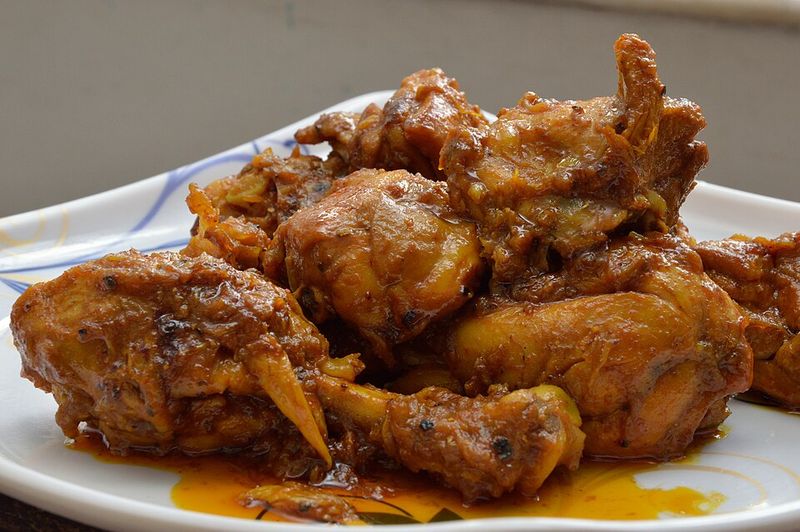
Dry chicken equals diet misery. Overcooking removes moisture and joy, making you crave sauces and snacks later.
Lean protein should not taste like a punishment.
Brine, marinate, or poach gently. Add sauces with herbs, yogurt, citrus, or a bit of olive oil.
Flavor encourages consistency and better nutrition overall. You deserve savory, not sad.
Only smoothies
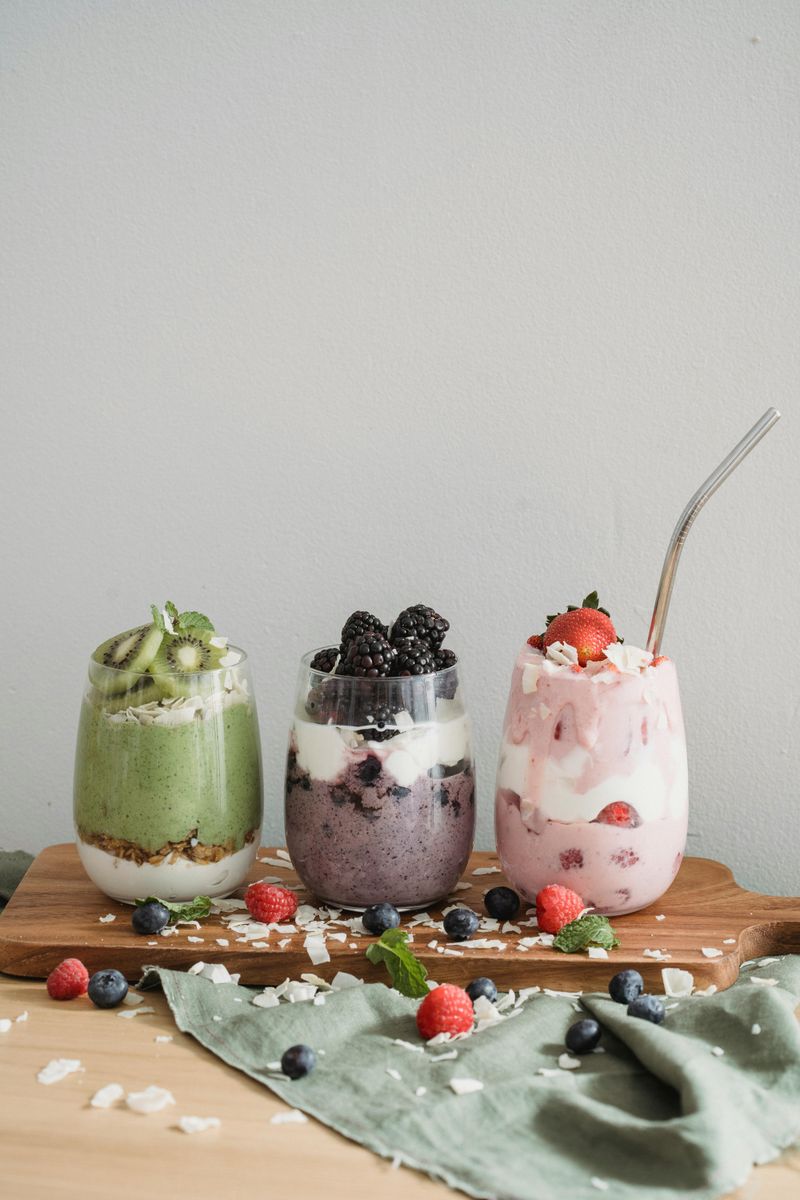
Smoothies are convenient, but drinking every meal can leave you unsatisfied. Chewing signals fullness differently than sipping.
Blended fruit can also go down fast, leading to surprise hunger.
Keep smoothies as a tool, not a cage. Add fiber, protein, and healthy fats if using one as a meal.
Mix in solid meals to reintroduce texture. Enjoy the speed without sacrificing satisfaction or social rituals.
Eating plain oatmeal
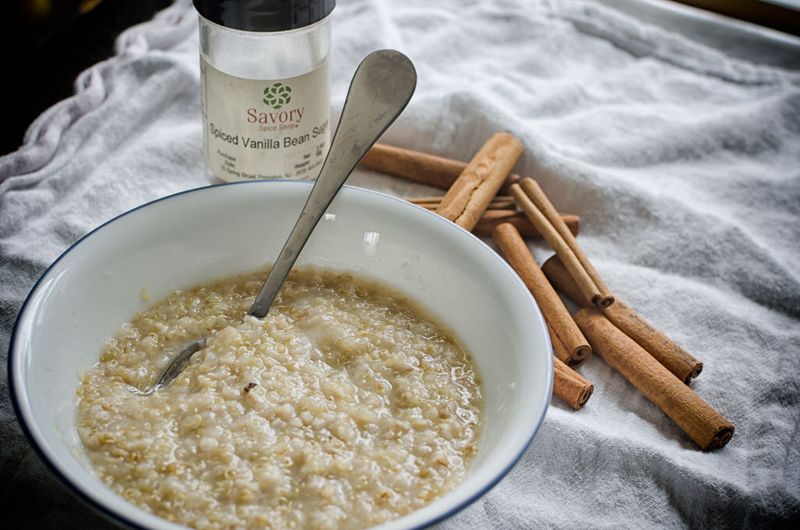
Plain oatmeal can feel like cardboard, pushing you to snack later. It is a great base, but it needs company.
Without protein or flavor, hunger returns fast.
Stir in eggs, Greek yogurt, or protein powder, plus fruit, nuts, and spices. A little maple or peanut butter goes a long way.
Make it delicious so you look forward to breakfast. Satisfaction keeps you steady.