



Ever feel like the kitchen turns on you the second you tie an apron? You are not alone. Small habits snowball into chaos fast, and the result is stress, wasted food, and disappointing dinners. Let us pinpoint the sneaky mistakes that make you feel like a disaster and swap them for simple wins you can use tonight.
Burnt food
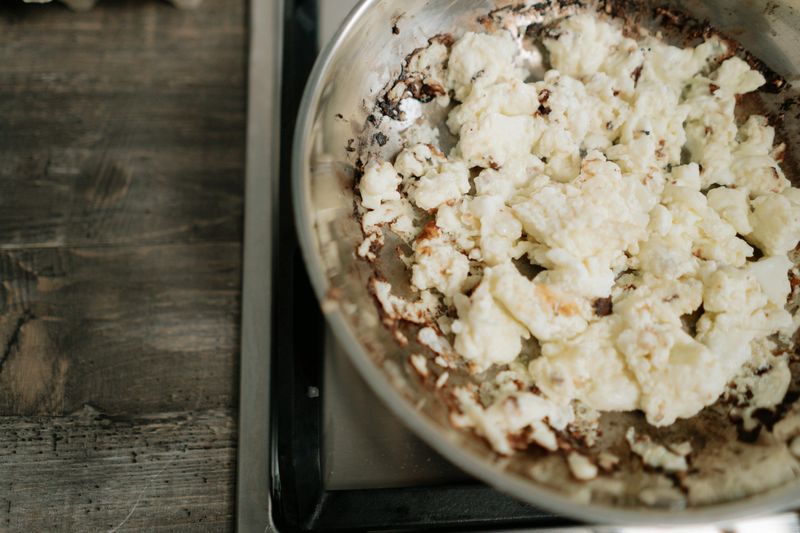
Burnt food happens when heat runs high and attention runs low. You step away for a minute, and suddenly the pan smells bitter and smoke fills the room. Scraping blackened bits ruins texture and leaves lingering disappointment.
Prevent it by preheating appropriately and matching pan size to burner. Use medium heat more often than you think, and stir or flip on a schedule. Keep a timer, and trust it. If smoking starts, lower heat and add a splash of liquid.
Overcooked pasta
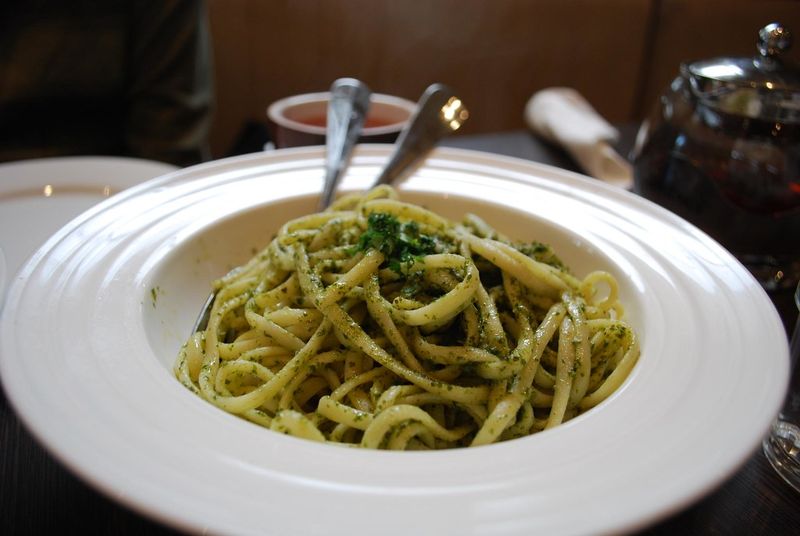
Overcooked pasta turns dinner into a gummy, soggy tangle. You bite in and there is no bounce, just mush that refuses sauce. It is demoralizing because it seemed so simple, yet timing slipped.
Salt the water generously and set a timer two minutes less than the package. Taste early. Pull the pasta al dente and finish it in the sauce to absorb flavor. Reserve a cup of pasta water to adjust consistency. With practice, you will feel that perfect bite.
Dry chicken
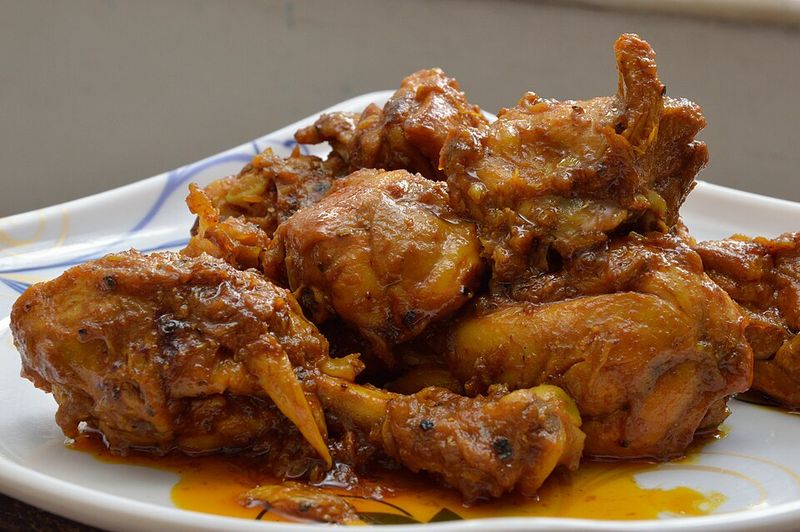
Dry chicken feels like chewing through sawdust, and it steals joy from otherwise good meals. Often the pan is too hot or the meat is overcooked. Without moisture, seasoning cannot save it.
Pat dry, season, and cook to 165 F in the thickest part, using a thermometer. Brine or marinate for extra juiciness. Let it rest five minutes before slicing to keep the juices inside. Consider thighs for more forgiveness. You will finally taste tender, flavorful chicken with confidence.
Bland meals
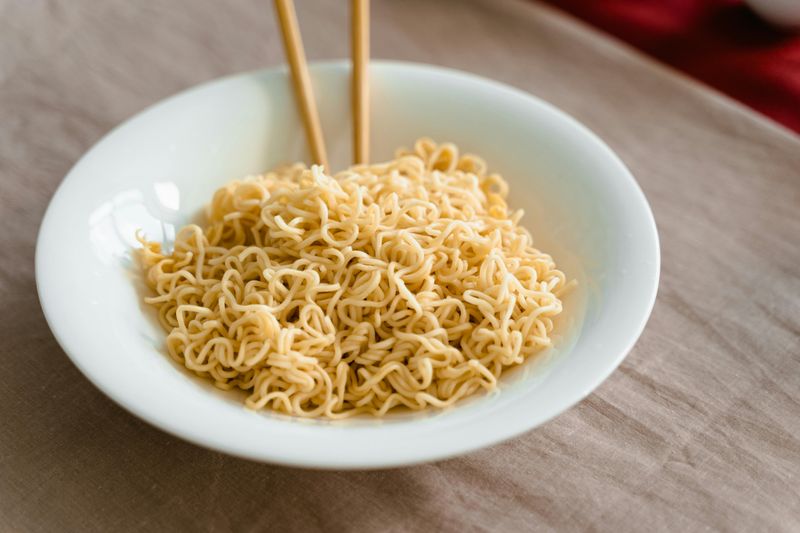
Bland meals feel deflating because effort yields nothing exciting. You take a bite and taste only warmth and texture. No acid, no salt, no contrast, just meh.
Season in layers: salt early and adjust at the end. Add acid like lemon, vinegar, or tomatoes to make flavors pop. Include fat for richness and fresh herbs for brightness. Taste often, then tweak. A small squeeze of citrus or a pinch of flaky salt can transform dinner from dull to delightful instantly.
Smoky pan
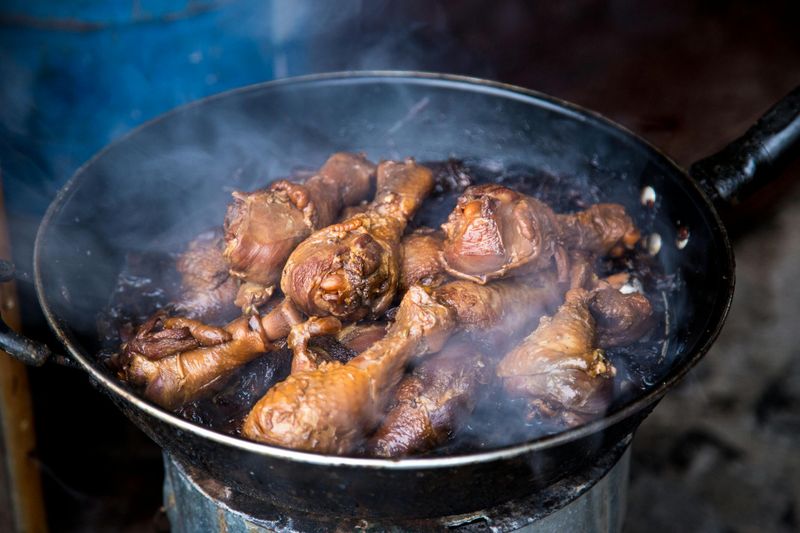
A smoky pan triggers panic and sets off alarms. Oil hits its smoke point, flavor turns harsh, and you scramble to salvage dinner. The smell lingers long after the meal is over.
Choose oils with higher smoke points for searing, like avocado or refined peanut oil. Preheat gradually and add oil later if needed. Reduce heat once the pan is hot. Ventilate early by opening a window or using the hood. If smoke starts, remove the pan briefly to cool and wipe excess oil.
Messy kitchen
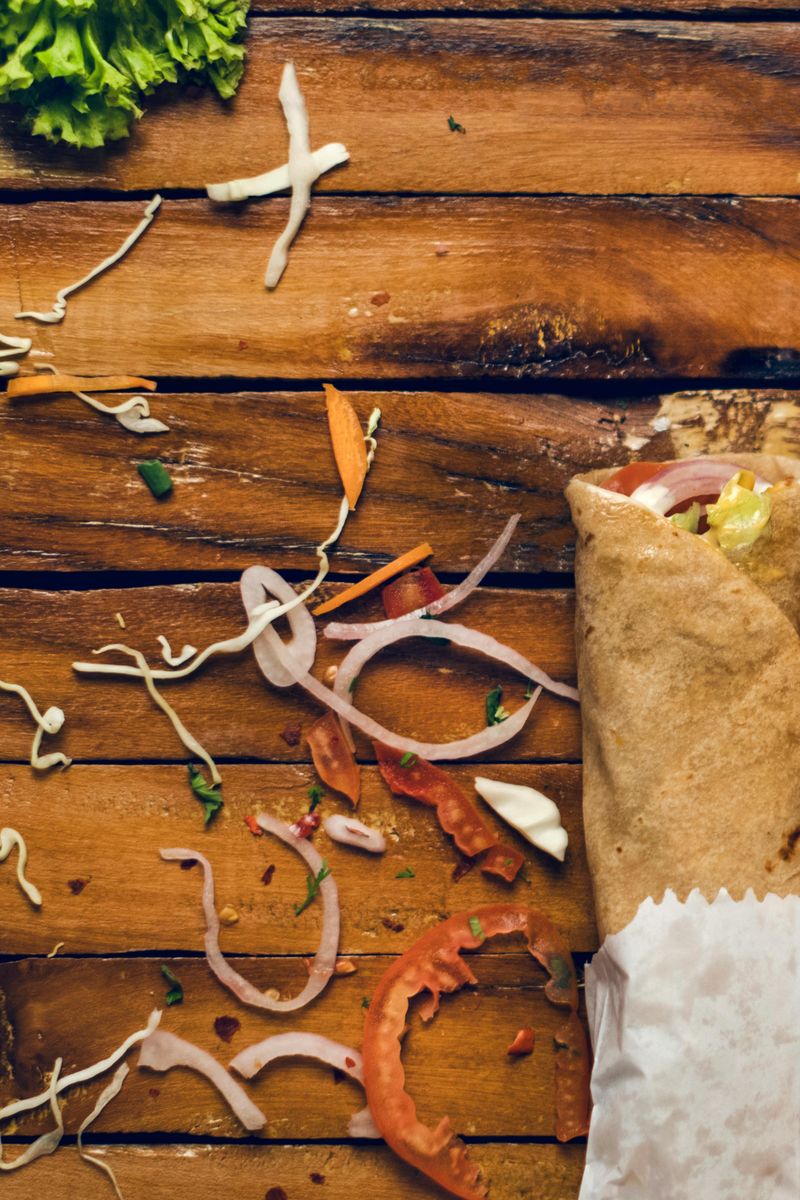
Messy kitchens drain energy and make cooking feel impossible. You lose the spatula, step on onion skins, and give up before plating. The clutter becomes the stress.
Adopt a clean-as-you-go habit. Keep a compost bowl for scraps and a soapy sponge ready. Reset the counter between steps. Store tools within arm’s reach and put them back immediately. Five small tidies beat one massive cleanup, and suddenly cooking feels lighter and faster.
Too many dishes

Too many dishes make dinner feel like a punishment. Every pot adds minutes to cleanup, and motivation evaporates. Soon you dread cooking more than you enjoy eating.
Use one-pan or sheet-pan methods when possible. Reuse measuring tools for dry ingredients first, then wet. Wipe and reuse bowls for similar tasks. Line trays with parchment for easy disposal. Build habits that minimize mess, and cleanup becomes quick background noise instead of a nightly battle.
Forgotten ingredients
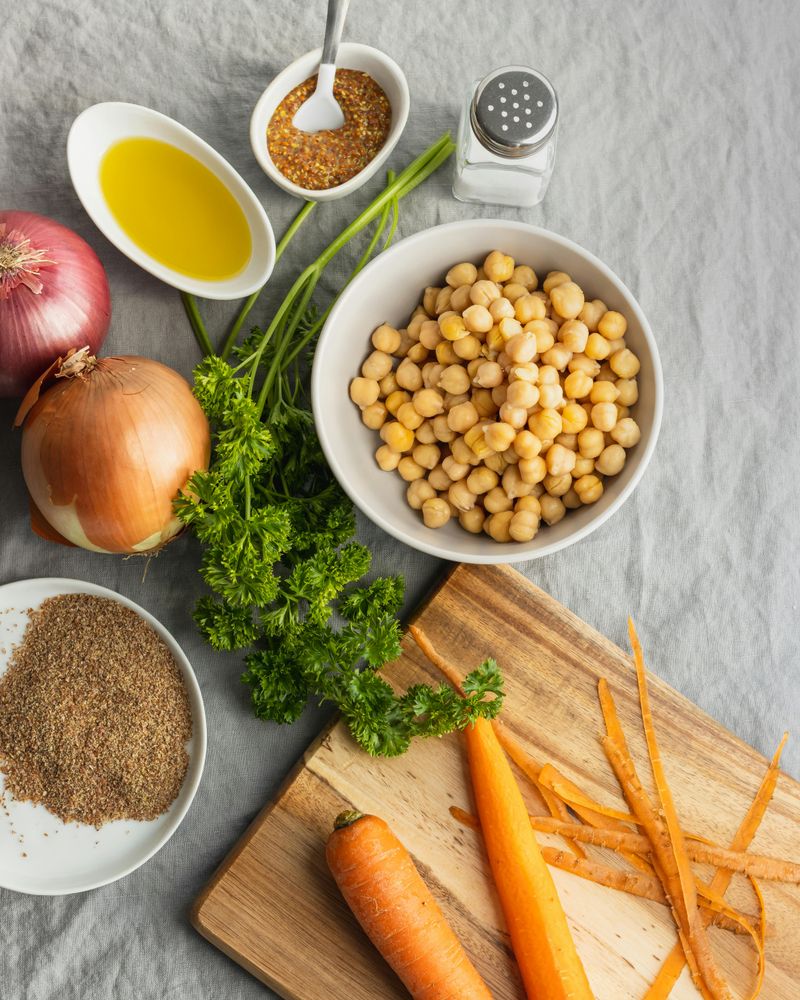
Forgetting ingredients derails flavor and timing. You realize the cilantro is missing after chopping everything else, and dinner pauses for a frantic substitute. Stress spikes and mistakes multiply.
Before starting, do a quick mise en place: gather, measure, and prep every ingredient. Highlight the recipe line by line and check items off. Keep pantry staples stocked and grouped. If you still forget, identify a backup like parsley for cilantro or lemon for vinegar. You will keep momentum and finish calmly.
Wrong measurements
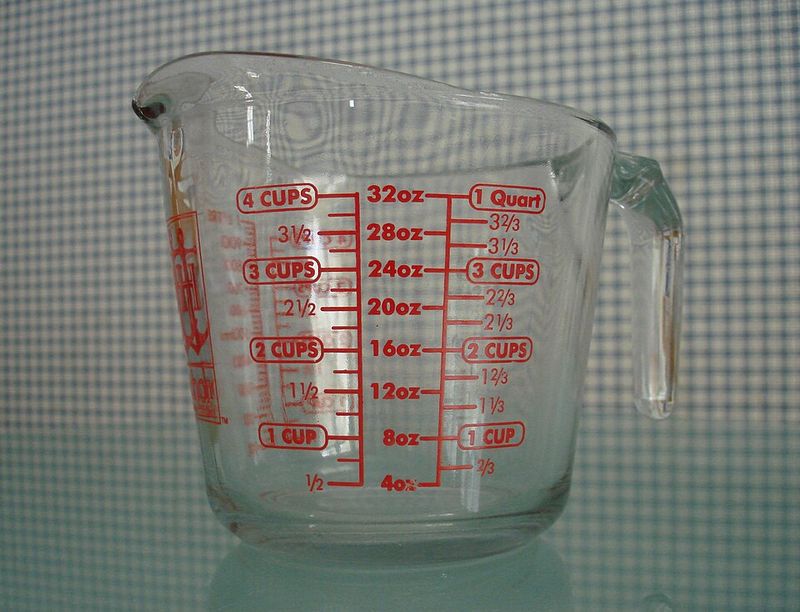
Wrong measurements quietly sabotage texture and taste. A tablespoon of salt instead of a teaspoon ruins an entire pot. Baking collapses when ratios are off by just a little.
Read the recipe slowly and measure with intention. Use a scale for accuracy, especially in baking. Level dry ingredients, and measure liquids at eye level. Keep teaspoons and tablespoons distinct. When in doubt, start small and adjust. Precision builds trust in your results and saves money on do-overs.
Food waste
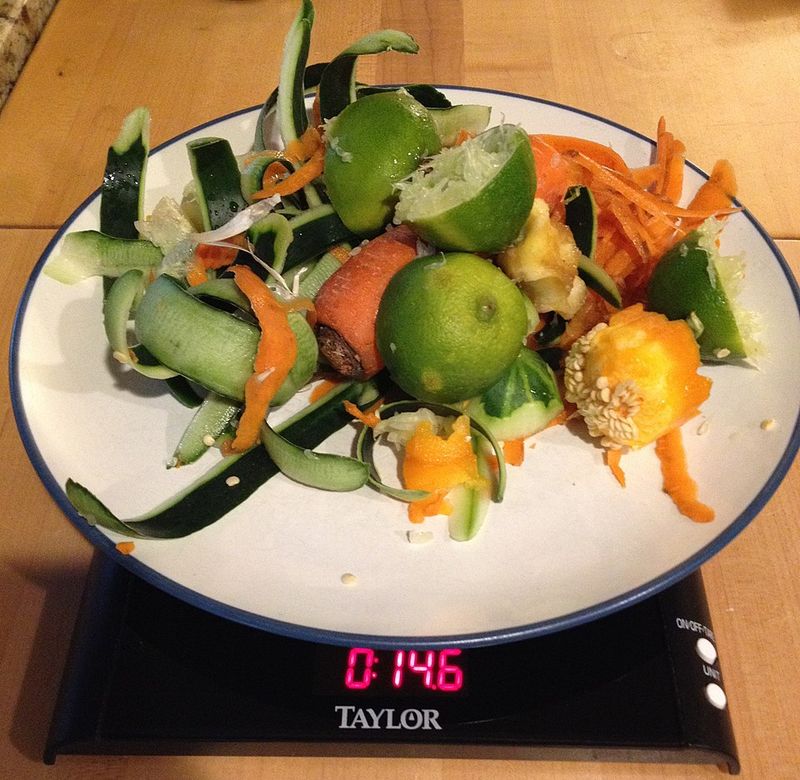
Food waste hurts your wallet and the planet. You find soggy lettuce and expired yogurt, and it feels like throwing away effort. Guilt makes cooking feel heavier.
Plan around what you already have. Store smartly in clear containers and label dates. Freeze extras before they spoil, and cook once, eat twice. Build a weekly fridge audit habit to use leftovers creatively. Turning scraps into soups, frittatas, or grain bowls cuts waste dramatically and saves time.
Empty fridge
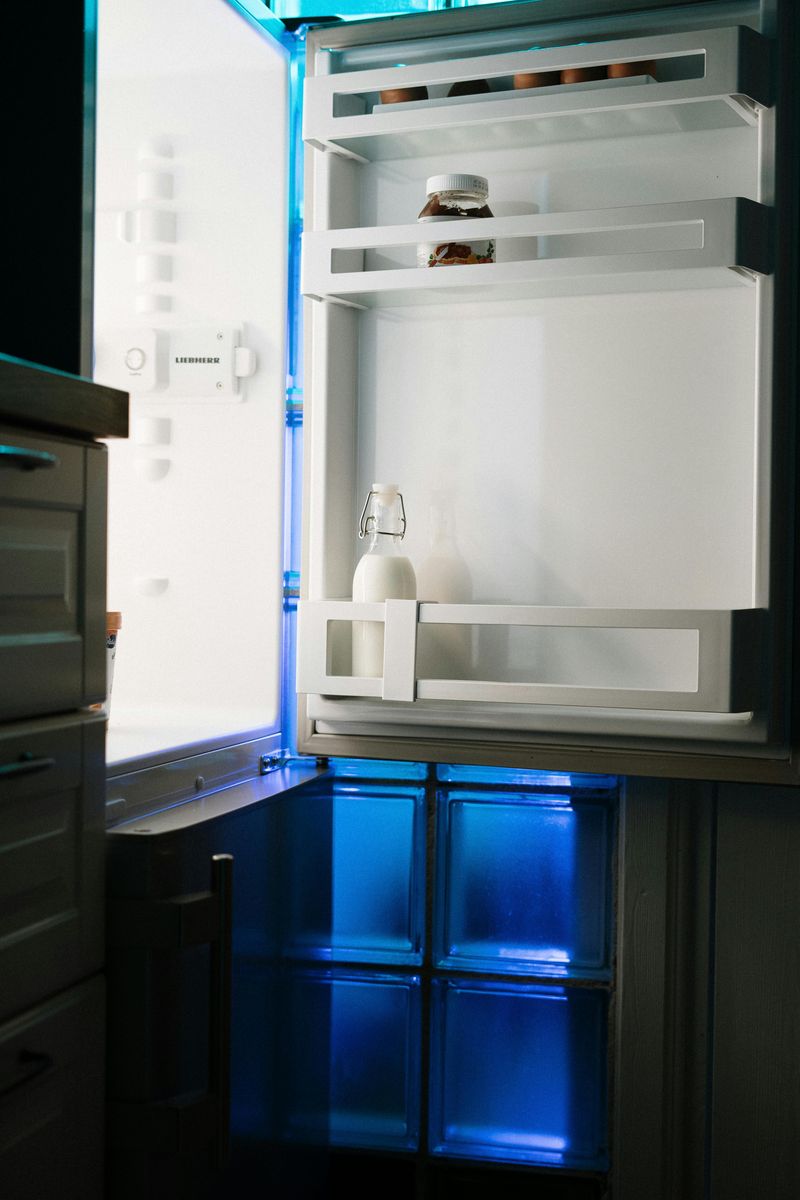
An empty fridge kills creativity and forces last-minute choices. You stare at condiments and a lone lemon, wondering how dinner happens. That helpless feeling invites takeout again.
Keep a minimal pantry safety net: eggs, rice, beans, pasta, canned tomatoes, frozen veggies. Stock versatile proteins like canned tuna or tofu. With these, you can build quick meals without panic. Create a running grocery list and set a weekly restock reminder so you are never starting from zero again.
Last minute dinner
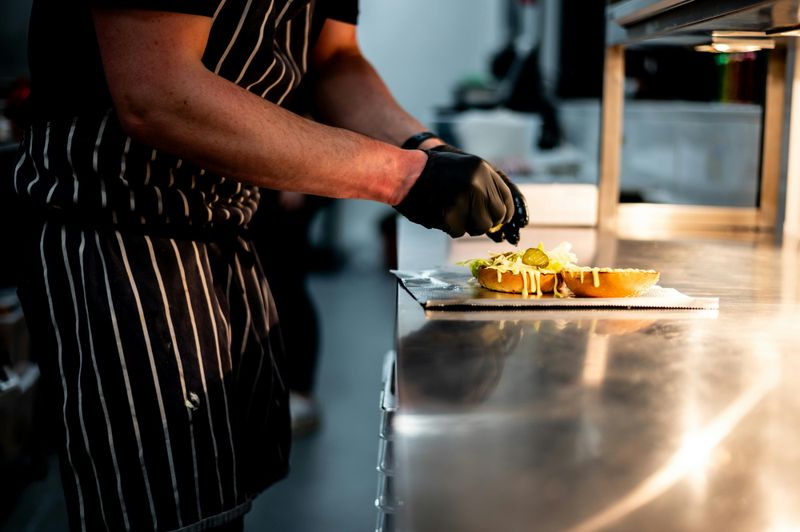
Last minute dinner spikes stress and leads to shortcuts that disappoint. You cook too fast, skip steps, and forget flavor. The rush makes mistakes inevitable.
Keep a roster of 15 minute meals like quesadillas, stir fries, and omelets. Pre-chop a few vegetables on weekends and freeze sauces in cubes. Start rice in a cooker while you prep. With a plan, urgency turns into efficiency, and dinner still tastes great.
Takeout again
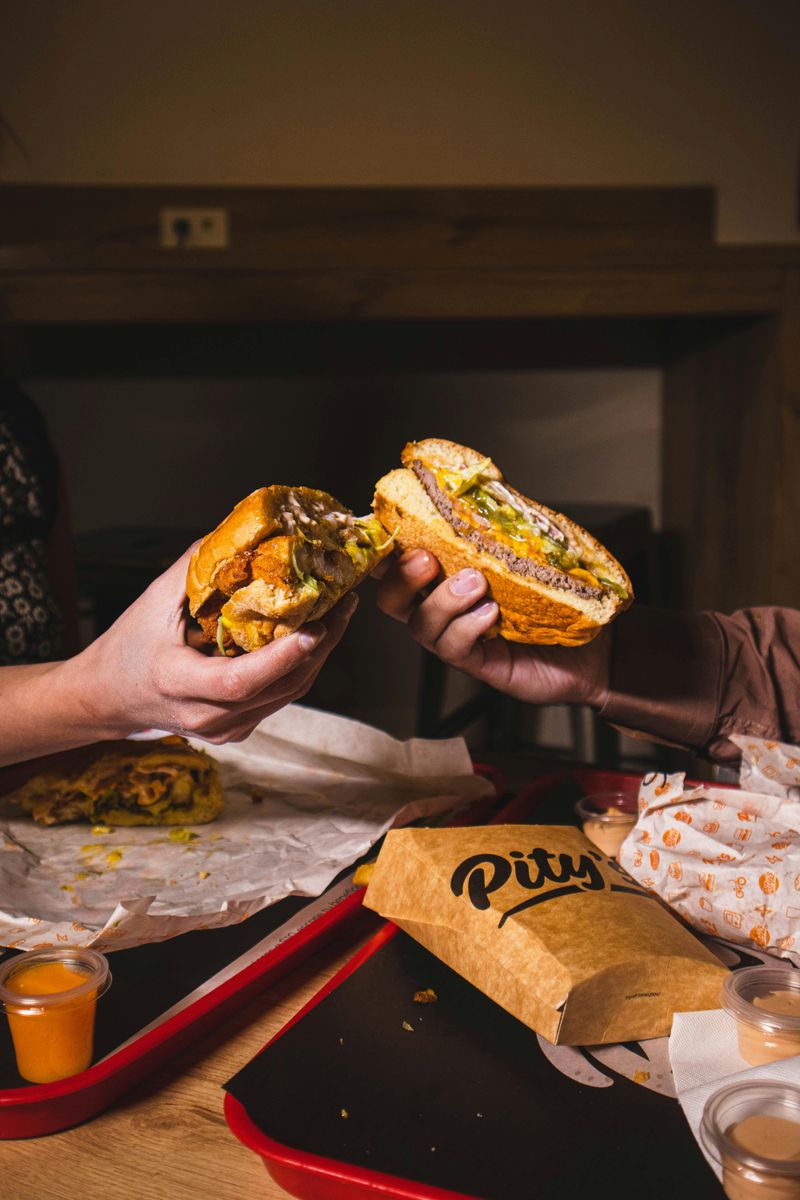
Takeout again feels convenient but slowly drains money and energy. The flavors blur, and you crave something fresher. Guilt creeps in each time the app opens.
Set a simple rule: cook at home twice before ordering. Keep emergency recipes under 20 minutes. Batch-cook grains and proteins to assemble bowls fast. When you do order, learn a dish and recreate it next time. Little wins rebuild confidence and reduce the dependence cycle.
Frozen meals
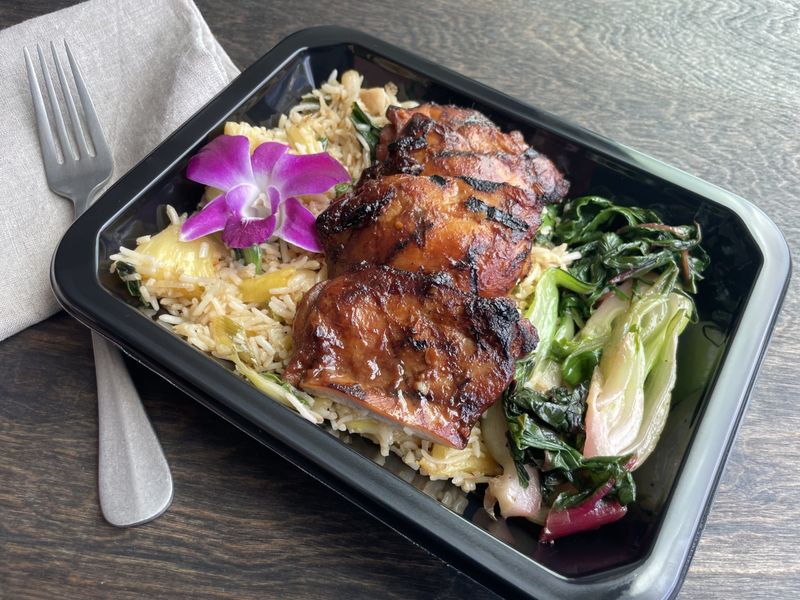
Frozen meals rescue busy nights but can dull cooking instincts. You stop tasting for balance and forget how satisfying fresh textures feel. After a while, everything tastes the same.
Use them strategically. Pair a frozen entrée with a quick salad, fresh herbs, or a squeeze of lemon to brighten flavors. Keep a few homemade freezer staples like soup or chili. Gradually replace packaged options with your own batch-cooked favorites, and convenience will still feel nourishing.
Microwave dinners
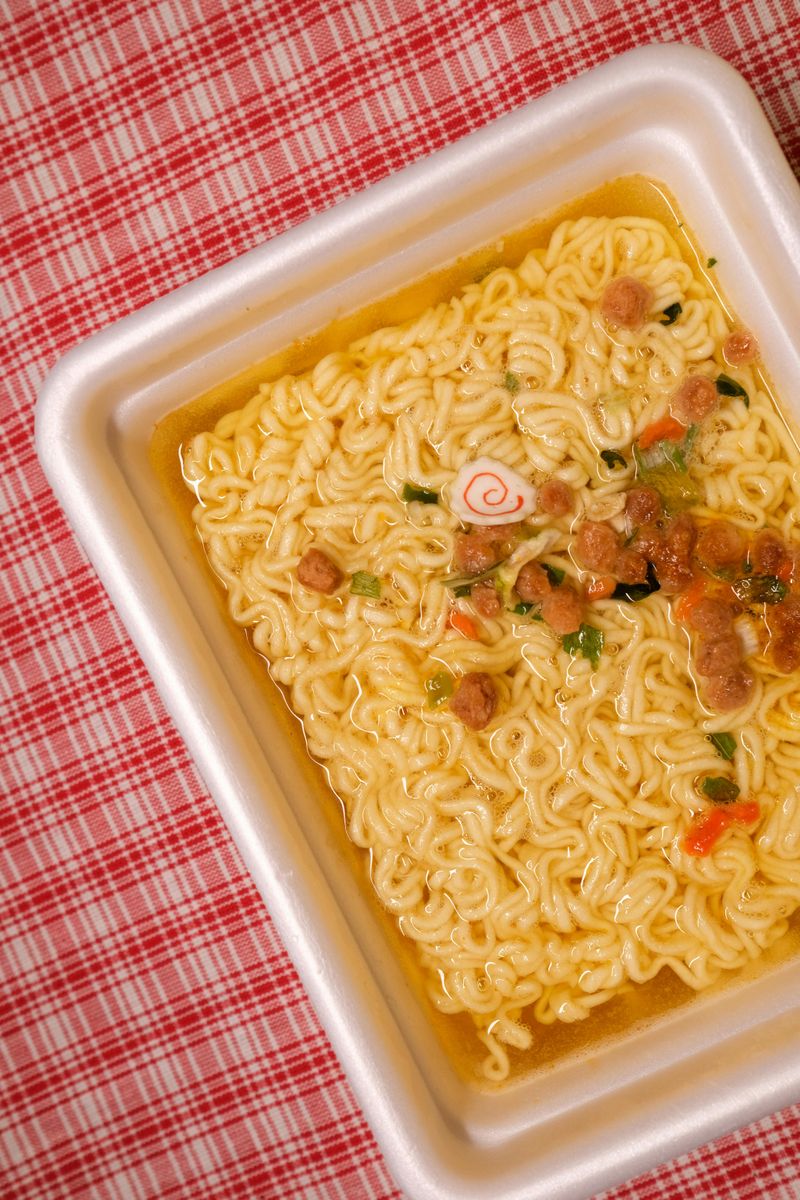
Microwave dinners can be lifeless and overly salty. Texture suffers, leaving mushy vegetables and rubbery protein. You finish full but unsatisfied, wishing you had cooked.
Elevate them with quick garnishes: fresh scallions, chili oil, yogurt, or lemon zest. Add a side of crunchy greens. If reheating leftovers, spread food out, cover loosely, and stir midway for even heat. Keep the microwave as a tool, not a crutch, and your meals will taste better immediately.
Cold dinner

Cold dinner disappoints after hard work. Sauces tighten, fats solidify, and flavors mute. You finally sit down and the meal feels tired.
Time the sides to finish together. Warm plates briefly in a low oven. Tent proteins with foil to rest without losing heat. Keep sauces in a small saucepan on low. Call everyone to the table before plating. A few minutes of coordination preserves temperature and satisfaction.
Undercooked food
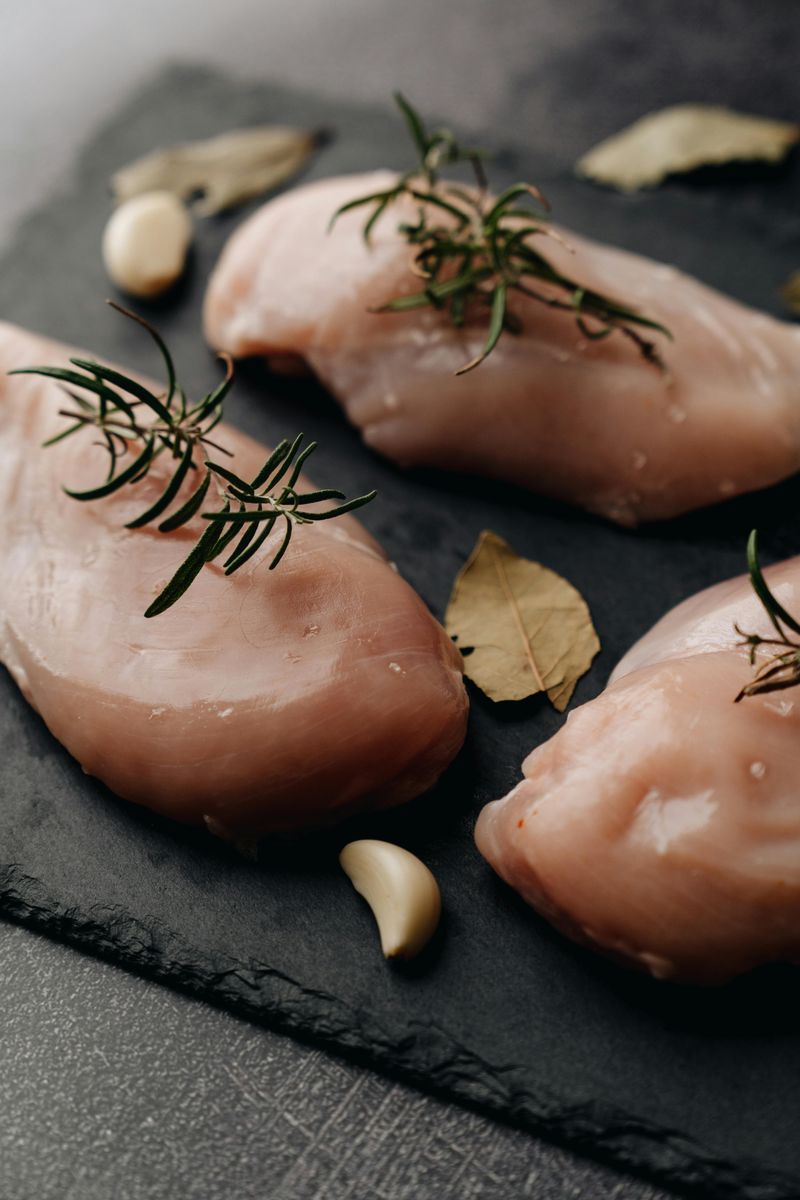
Undercooked food rattles confidence and can be unsafe. You cut in and realize the middle is raw, and now everything stalls. It is nerve-wracking and embarrassing.
Invest in an instant-read thermometer. Know safe internal temperatures for meats and test the thickest part. For vegetables and grains, taste early and often. If underdone, finish in the pan, oven, or microwave with a splash of liquid. You will cook without fear and serve food everyone trusts.
Ruined sauce
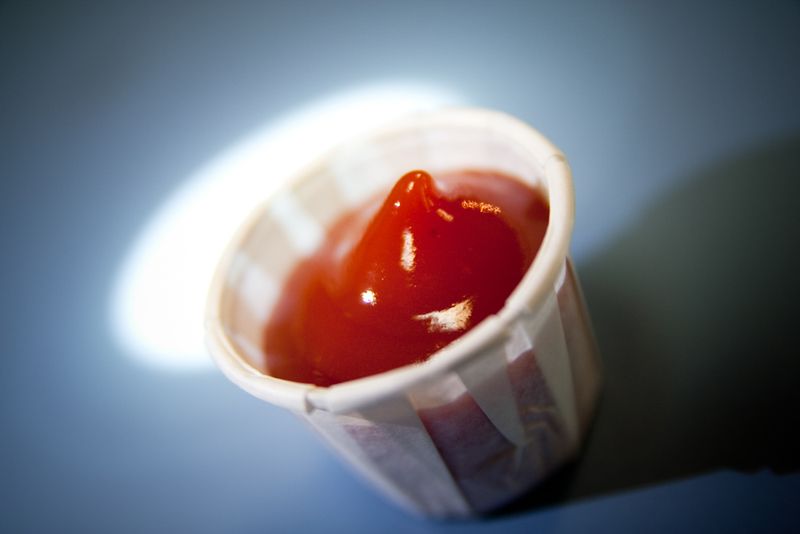
A ruined sauce feels like watching flavor slip away. It splits, seizes, or tastes flat, and the whole dish suffers. You stir frantically while it gets worse.
Emulsify gently with steady heat and gradual additions. Add cheese off heat to avoid clumping. Use starchy pasta water to bring sauces together, or whisk in a knob of butter. If it breaks, blend briefly or strain and start fresh. Patience and temperature control save the day.
Kitchen stress
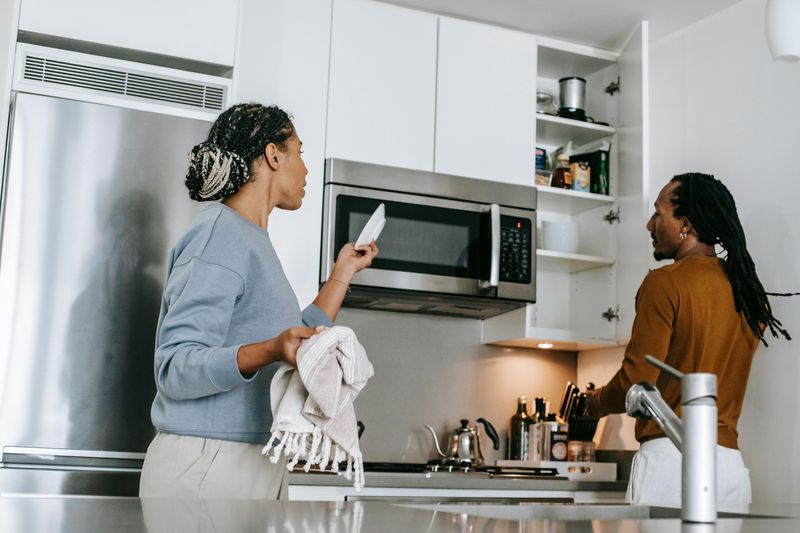
Kitchen stress makes simple tasks feel heavy. Timers beep, knives dull, and multitasking spirals. You stop enjoying the process and rush through everything.
Breathe and sequence tasks. Sharpen knives to reduce effort. Limit active pans to two. Put your phone away. Use timers for each step and give yourself buffer time. With fewer inputs, your brain relaxes and cooking becomes surprisingly calm again.
Late dinner
Late dinner throws off sleep and digestion. You eat fast, clean late, and wake up groggy. The pattern repeats because evenings slip away.
Choose earlier, lighter meals on busy nights. Start a slow cooker in the morning, or schedule a 20 minute prep block after lunch. Set an eat-by time and alarms to back-plan. Batch-cook components on weekends. A few structural changes bring dinner back to a reasonable hour.
Dirty stove
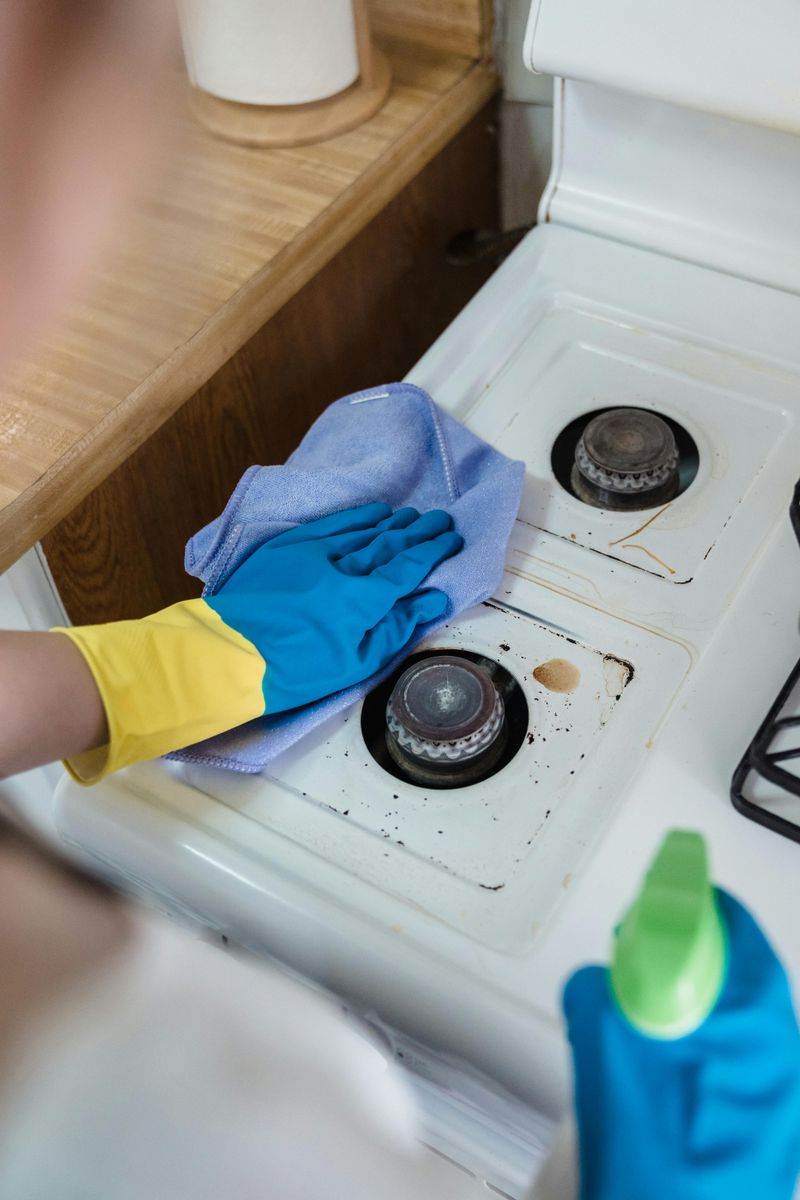
A dirty stove makes cooking feel gross and unsafe. Grease smoke flares, and spills burn into stubborn crust. You avoid starting because cleanup already looks hard.
Wipe while the surface is warm, not hot. Use a scraper and degreaser weekly. Line drip pans and clean grates in soapy water. Keep a small brush for corners. The small, frequent habit saves hours and keeps your kitchen inviting.
Broken recipe
A broken recipe misleads you on time, measurements, or technique. You follow directions and still fail, which feels unfair. Confidence drops, and you question your instincts.
Read comments and ratings before starting. Cross-check similar recipes to confirm ratios. Trust your senses: if something seems off, pause and adjust. Keep notes to fix it next time. Building judgment turns unreliable instructions into workable dinners.
Cooking fatigue
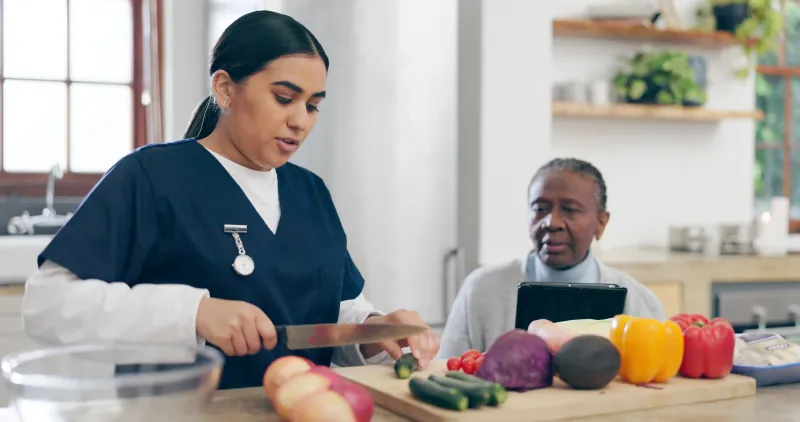
Cooking fatigue creeps in after long days. Decision overload, cleanup dread, and repetitive menus sap enthusiasm. You start avoiding the kitchen entirely.
Rotate low-effort favorites and accept shortcuts like pre-cut veggies. Batch-cook on good energy days. Share tasks: one cooks, one cleans. Change the playlist, light a candle, open a window. Small rituals refresh motivation and make cooking feel like care, not just labor.
No meal plan

No meal plan means decisions pile up at 6 PM when energy is lowest. You bounce between ideas and end up snacking. Grocery runs become chaotic and expensive.
Plan three dinners, not seven, and fill gaps with leftovers. Pick themes like taco night or pasta night to simplify choices. Shop once with a focused list. Post the plan visibly and adjust as needed. The small framework reduces stress dramatically and keeps momentum through the week.