


Shortcuts promise speed, but too many rob your food of depth and character. When flavor falls flat, it is usually a rushed step or a corner cut in the wrong place. Fixing these takes less effort than you think and pays off every time. Here are the common traps to avoid so dinner tastes the way you hoped.
Jar sauce
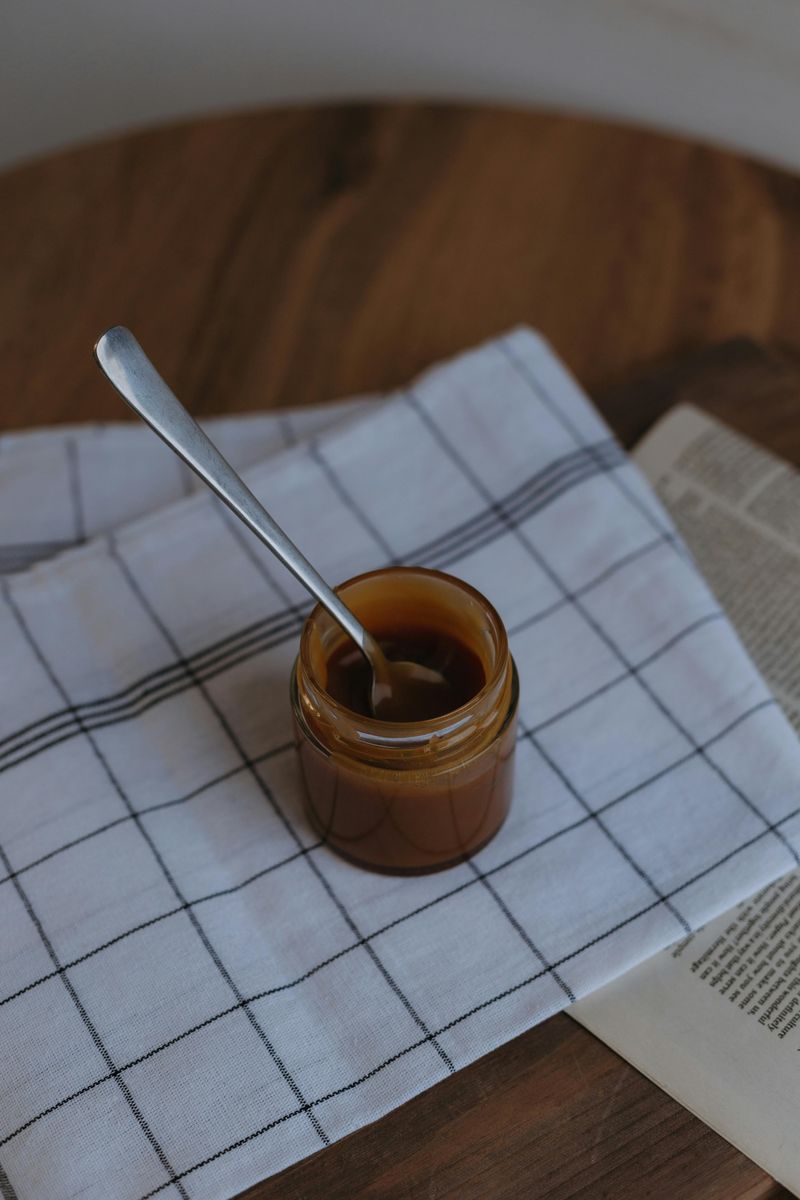
Jarred sauce seems convenient, but it often tastes flat and sweet. It is loaded with stabilizers and sugar that mute brightness. You can rescue it, yet that defeats the shortcut you wanted.
Bloom garlic in olive oil, then simmer the jar with tomato paste, a splash of wine, and a knob of butter. Add salt, pepper, and red pepper flakes. Finish with fresh basil and parmesan.
Better yet, make a quick pan sauce from canned crushed tomatoes. Ten extra minutes, way better flavor. You will taste the difference immediately.
Microwave rice
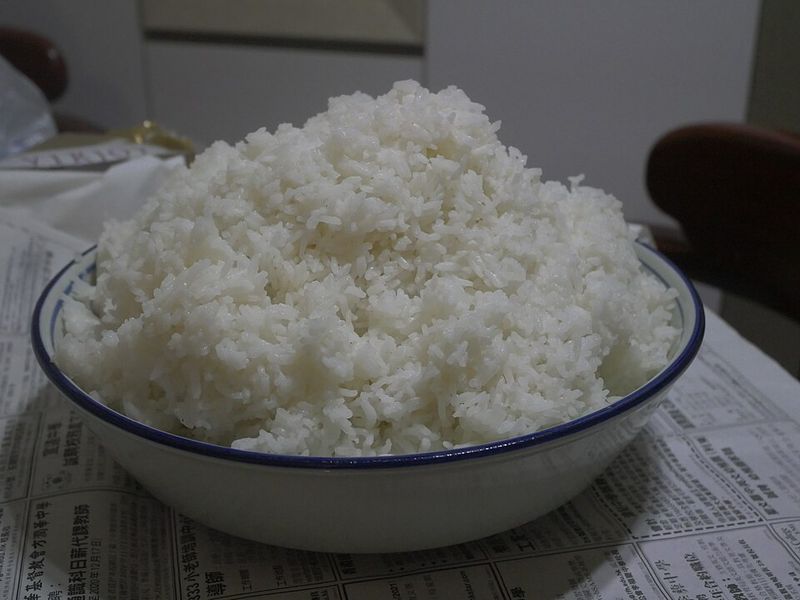
Microwave rice pouches are fast, but the texture is often gummy and perfumed with packaging. The grains stick together and turn dull quickly. You do not get that tender bite and scented steam.
Rinse raw rice until water runs clear, then cook with the absorption method or a rice cooker. Add a pinch of salt and a touch of oil. Rest five minutes, then fluff with a fork.
For speed, batch cook and freeze flat in bags. Reheat in a steamer or covered skillet. The grains stay separate and taste clean.
Pre cooked pasta
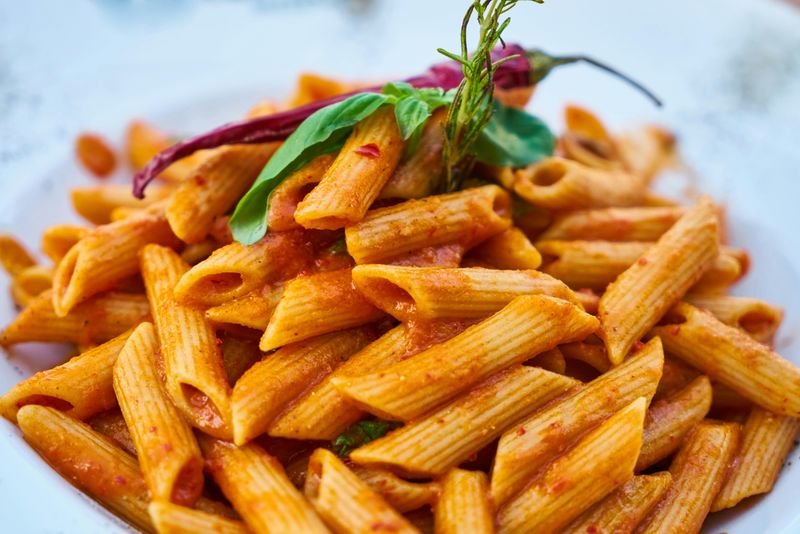
Cooking pasta ahead and letting it sit turns it sticky and lifeless. The starch tightens, noodles clump, and sauce slides off. Reheating often makes it mushy.
Instead, cook pasta just shy of al dente and finish directly in the sauce. Use a splash of pasta water to emulsify with fat. Toss vigorously until glossy and coated.
If timing is tight, parboil, oil lightly, and chill flat. Reheat in boiling water for 30 seconds, then into sauce. You keep chew, sheen, and flavor.
Frozen veggies mush
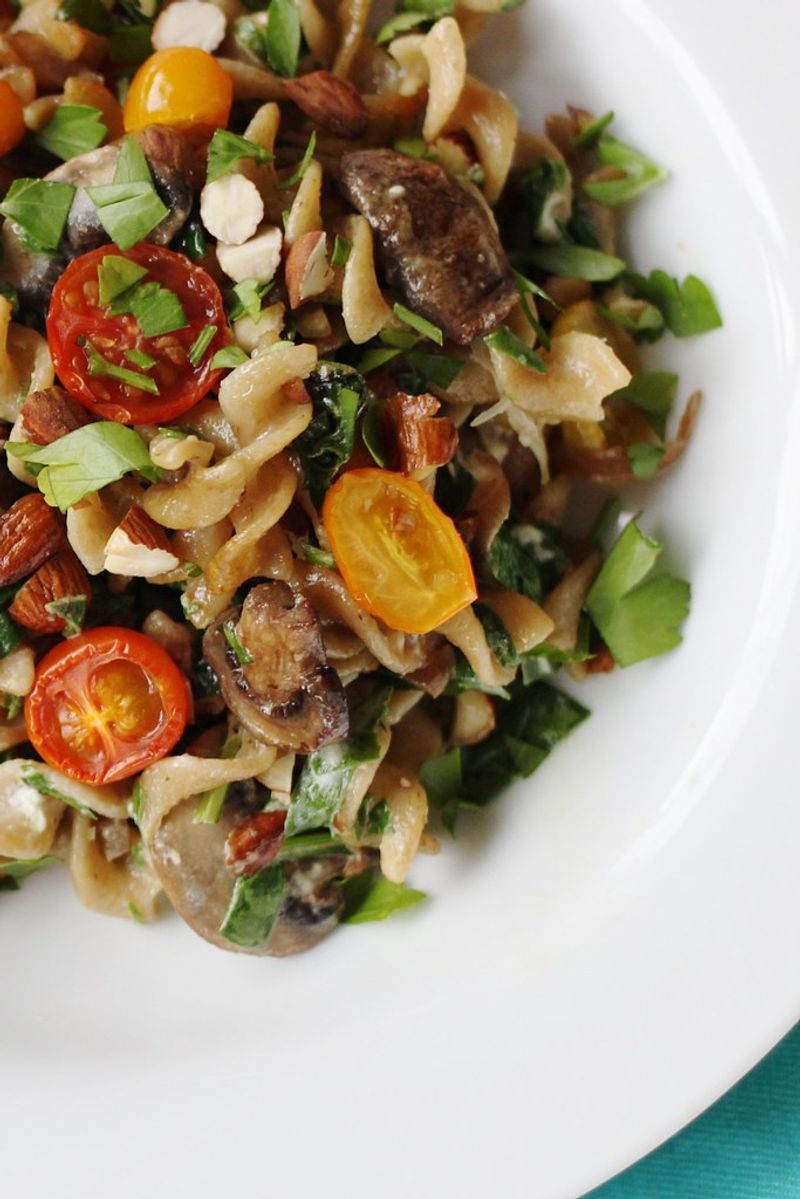
Frozen vegetables are great, but steaming them into mush ruins texture and flavor. Water pools, colors fade, and seasonings slide off. The result tastes sad and squeaky.
Roast from frozen on a ripping hot sheet pan. Use plenty of oil, salt, and spices. Spread in a single layer and do not stir too soon to encourage browning.
Sauté small batches over high heat for stir fries. Finish with acid like lemon or vinegar. You will get caramelization, snap, and bright flavor without the sog.
Overcooked chicken
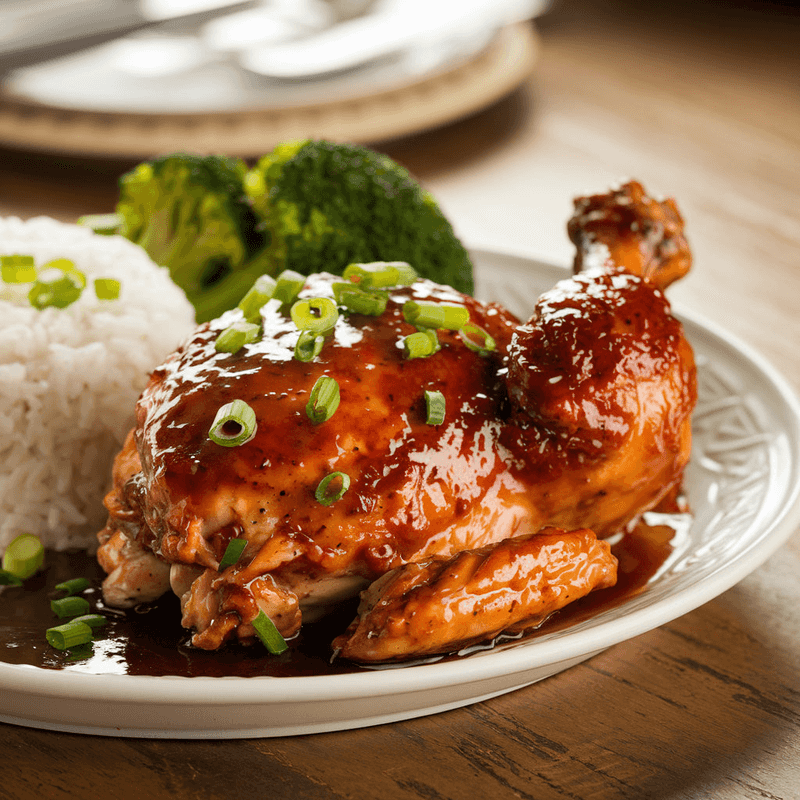
Dry chicken is the fastest way to ruin dinner. Overcooking squeezes out juices and turns fibers chalky. Seasoning cannot fix sawdust texture.
Use an instant read thermometer and pull breasts at 155 to 160 F, thighs around 175 F. Rest before slicing. Brine or marinade for insurance and flavor.
Cook hot and fast for breasts, slower for thighs. Finish with butter and herbs. You will get tender meat with real chicken taste and a silky bite.
No seasoning
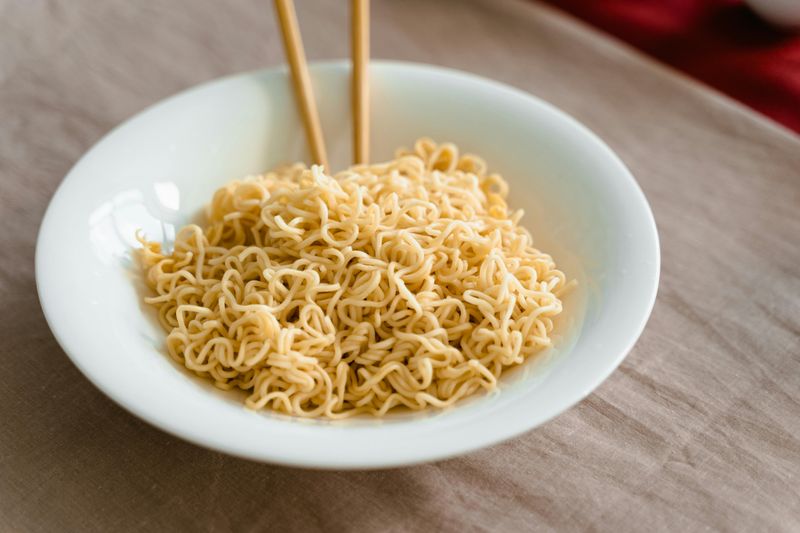
Skipping salt does not make food taste clean. It makes it taste unfinished. Salt enhances aroma and balances bitterness, not just saltiness.
Season in layers: a little early, a little during cooking, and a final pinch to wake flavors. Taste as you go. Different salts vary in salinity, so adjust by feel.
Acid is seasoning too. Lemon, vinegar, and pickles brighten everything. When you season thoughtfully, you need fewer crutches and the ingredients shine.
Too much salt
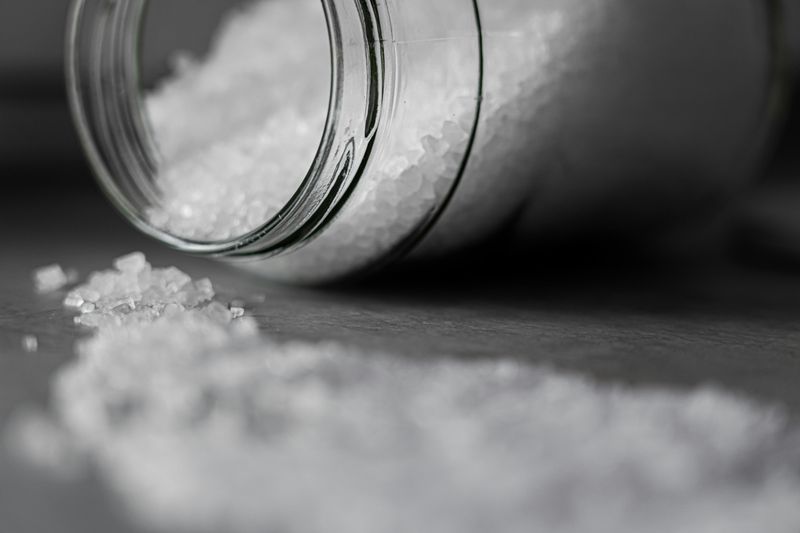
Heavy hands happen. Too much salt wrecks balance and dries your palate. You taste salt first, then nothing else.
Rescue a salty soup by diluting with unsalted stock, water, or a splash of cream. Add bulk like cooked rice or beans, then simmer and adjust acid. For sauces, whisk in unsalted butter.
Train your hand by salting small, tasting often. Use kosher salt for predictable pinches. The right level makes everything deeper, not salty.
Dry spices old
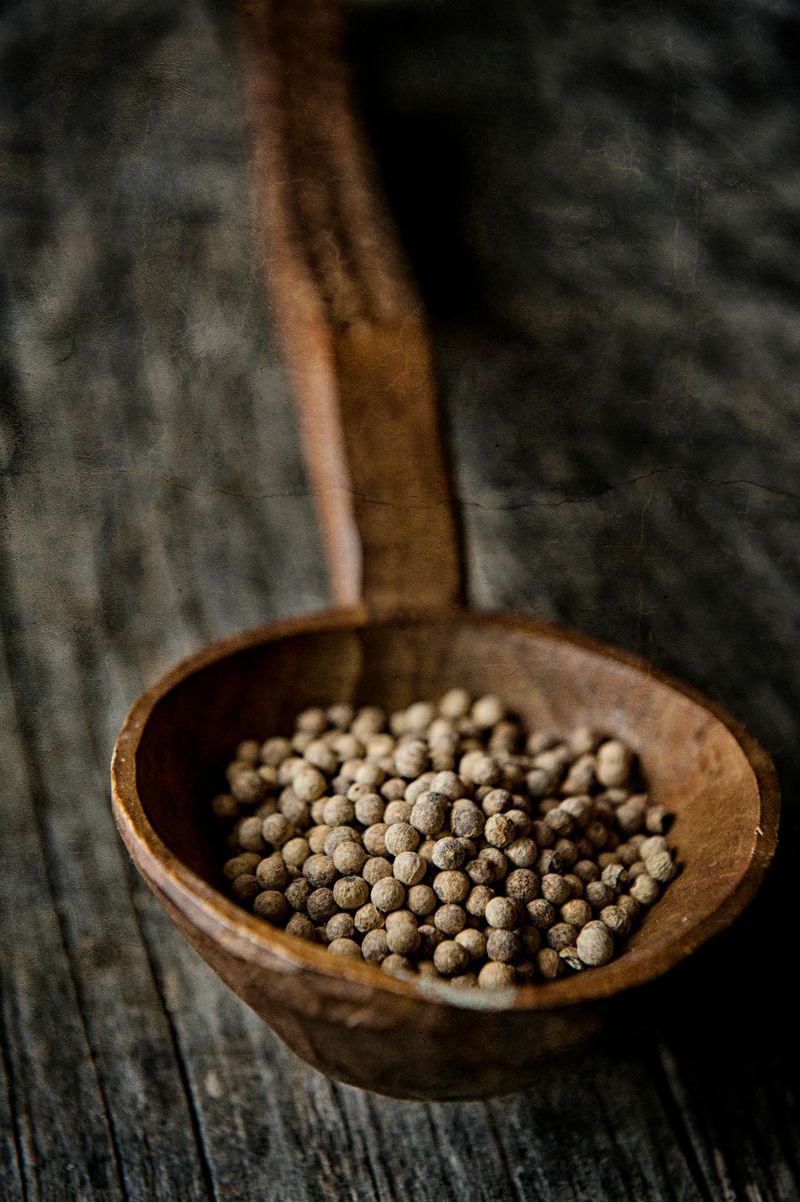
Old ground spices taste like dust and cardboard. Their oils oxidize, losing aroma and punch. You end up adding more and still getting less.
Buy small jars, store dark and cool, and date the lids. Toast whole spices and grind as needed for big payoff. Bloom spices in fat to release flavor.
Smell your spices before use. If the scent is weak, it will not show up in the dish. Fresh spices mean fewer shakes, more flavor, and cleaner results.
Burnt garlic
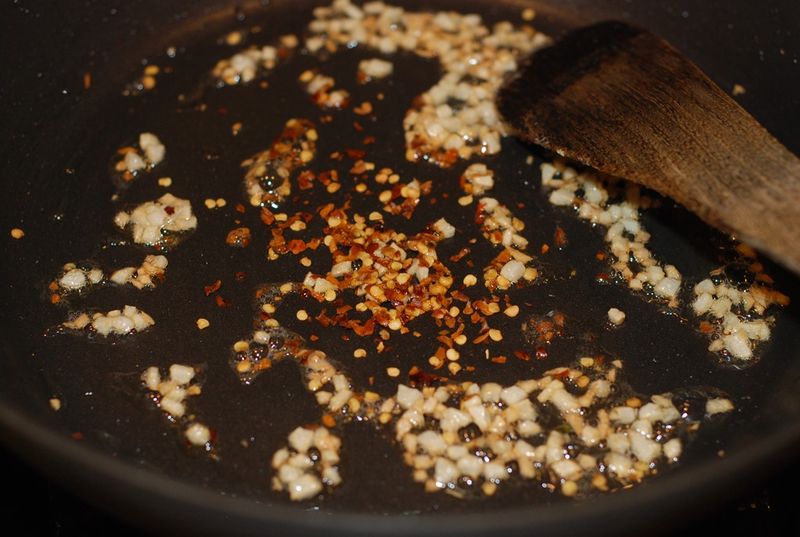
Garlic goes from fragrant to bitter fast. Burn it and the whole dish tastes acrid. Those tiny pieces keep cooking even off heat.
Slice or mince evenly and cook gently in oil until just golden. Add later in high heat dishes, or bloom in cooler fat first. If it burns, start over.
Consider smashed cloves for mellow flavor. Finish with raw grated garlic in dressings for bite. Timing and temperature keep garlic sweet and nutty, not harsh.
Watery soup
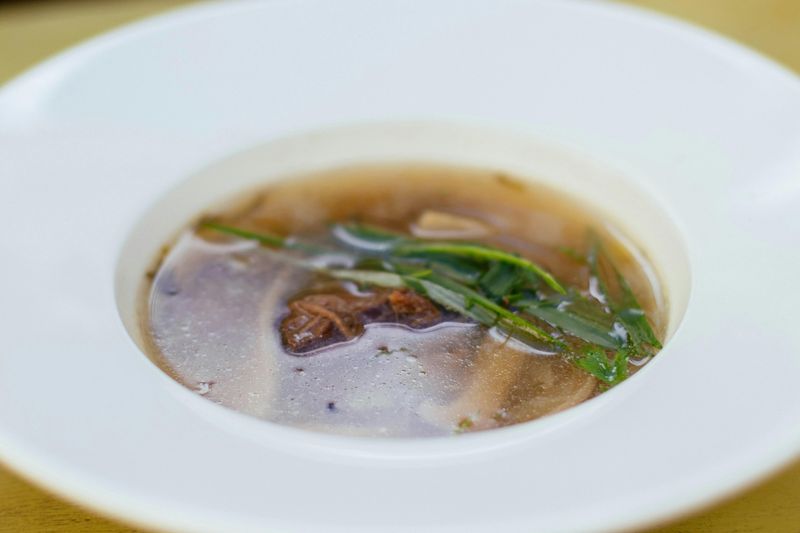
Rushing soup leaves it watery and bland. Without reduction, flavors never meet or deepen. It tastes like dishwater with vegetables.
Sweat aromatics in fat, season early, then simmer uncovered to reduce. Skim, taste, and adjust with salt and acid. Use a Parmesan rind or dried mushrooms for umami.
Purée a portion to thicken naturally or add a beurre manié. Give it time to marry. Patience turns a pot of water into something comforting and layered.
Boiling everything
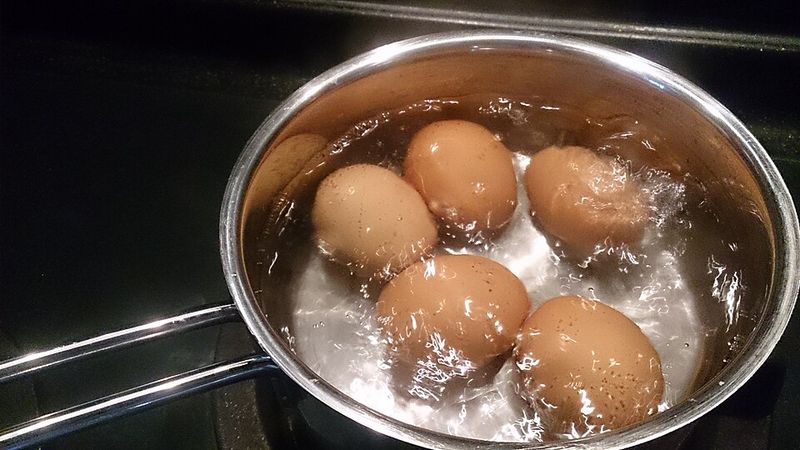
Full rolling boils beat up delicate foods. Proteins seize, vegetables gray, and starch explodes into the water. Control matters more than brute heat.
Use gentle simmers for braises and soups. Blanch vegetables briefly in salted water, then shock in ice to set color. For pasta, boiling is fine, but stir and monitor.
Cooking is not a race. Lower heat gives you tenderness and clarity. Let bubbles whisper, not shout, and your food will taste cleaner and look better.
Skipping onions
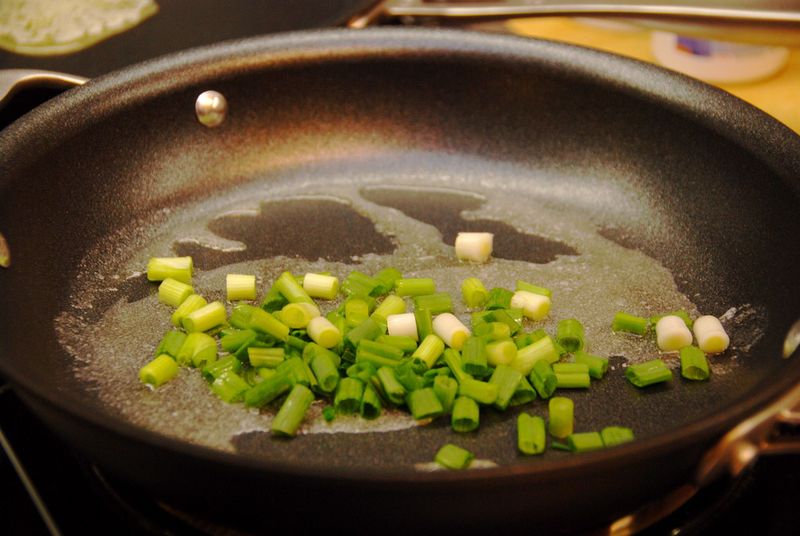
Onions build sweetness and backbone in countless dishes. Skip them and sauces taste hollow. You lose that savory foundation that quietly supports everything.
Sweat onions low and slow with salt until translucent, even lightly golden. Add garlic and herbs after. This builds a base that carries acidity and spice.
If onions are harsh, rinse sliced onions or use shallots and leeks. Even scallions can help. A small handful of aromatics transforms simple dinners into something cozy and complete.
Skipping butter
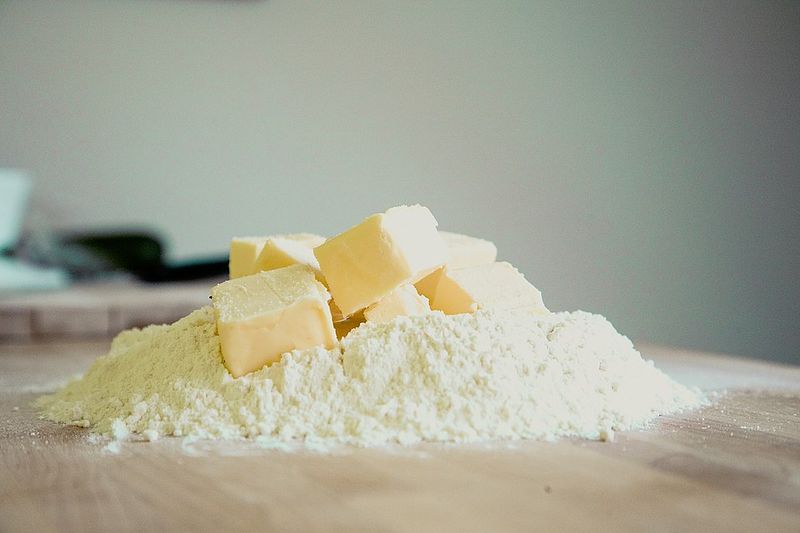
Butter adds body, aroma, and a gentle sweetness. Skipping it can leave sauces thin and sharp. A knob at the end rounds rough edges.
Whisk in cold butter off heat to emulsify and shine. For veggies, finish with butter and lemon. For steaks, baste with foaming butter, garlic, and herbs.
If dairy is an issue, use ghee or olive oil plus a splash of cream. The idea is richness and balance. A little goes far without feeling heavy.
Using margarine
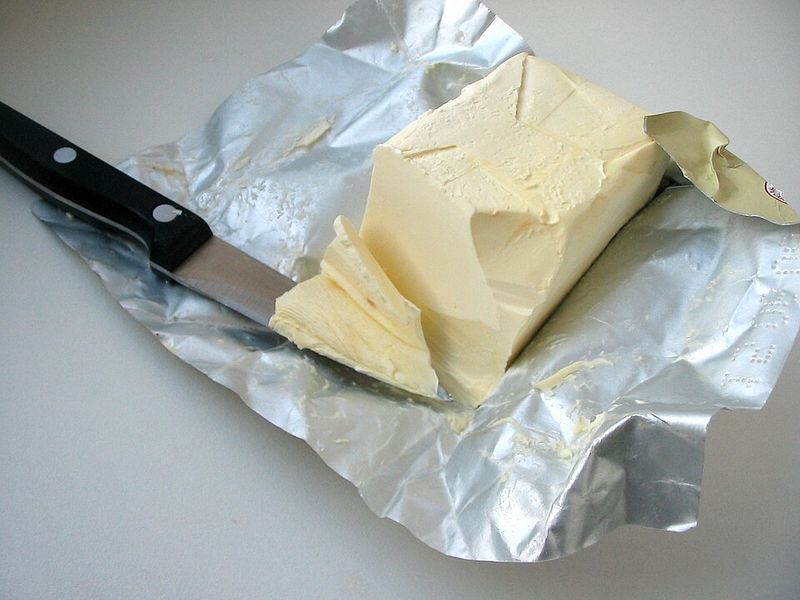
Margarine brings waxy texture and off flavors when heated. It lacks butterfat complexity and browns poorly. Cookies spread weirdly and sauces break.
Use real butter for baking and finishing. For high heat, use clarified butter or ghee. You get clean dairy notes and stable performance.
If you need plant based, choose high quality vegan butter with higher fat and no artificial flavors. Taste before using. Your food deserves better than plasticky spreads and the difference is obvious.
Cheap oil
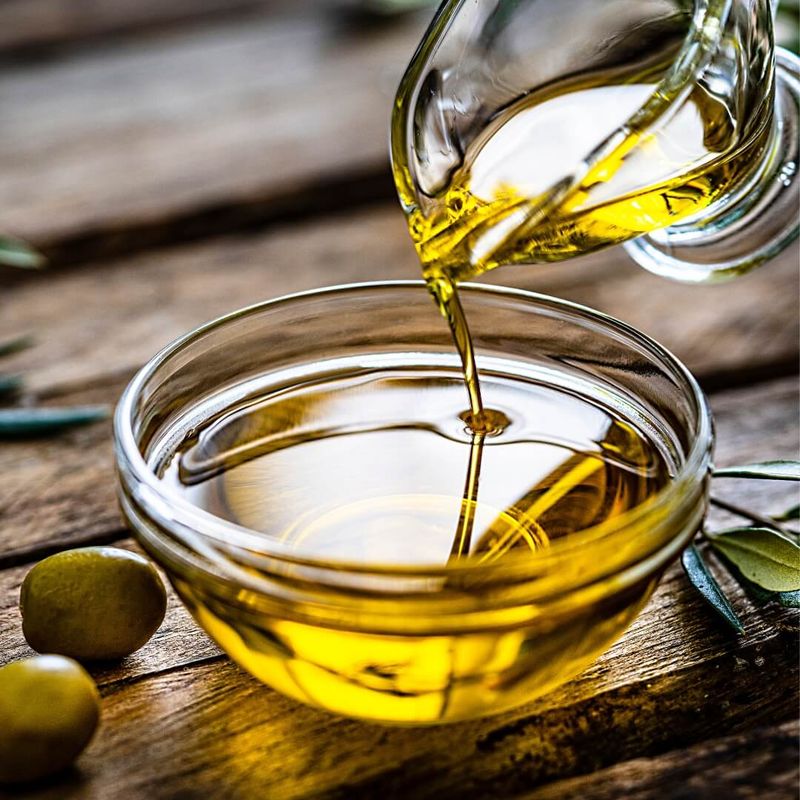
Rock bottom oil often tastes stale and burns fast. Old or poorly stored oil turns rancid, perfuming everything with fishy notes. That ruins delicate foods quickly.
Keep two oils: a neutral high heat option for searing and a flavorful extra virgin olive oil for finishing. Buy in sizes you will use quickly. Store cool and dark.
Smell before pouring. If it smells like crayons or paint, toss it. Better oil makes simple food sparkle without grease or bitterness.
No resting meat
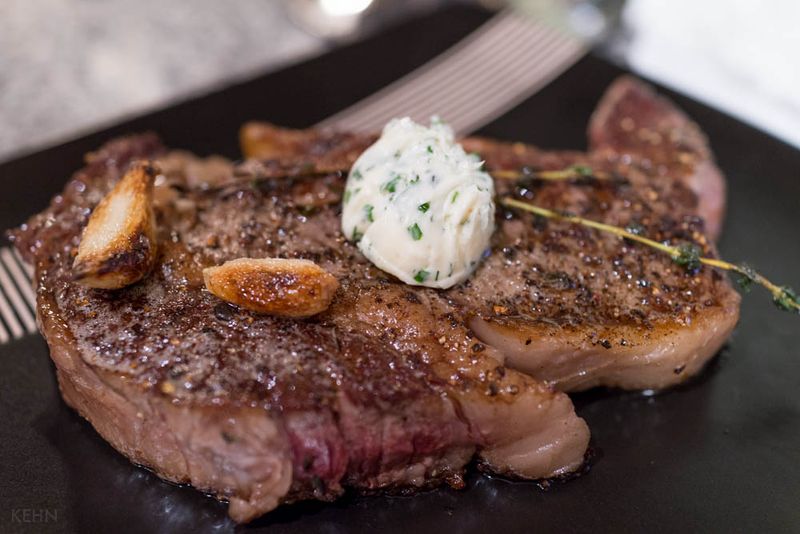
Cutting meat right off heat spills juices onto the board. The result tastes dry, even if cooked correctly. Resting lets muscle fibers relax and reabsorb moisture.
Tent loosely with foil and wait. Five to ten minutes for steaks, longer for roasts. Use that time to finish sides and sauces.
Slice across the grain and serve on warm plates. Collect resting juices for pan sauce. Your meat will be juicier, more tender, and evenly rosy.
Cutting hot meat
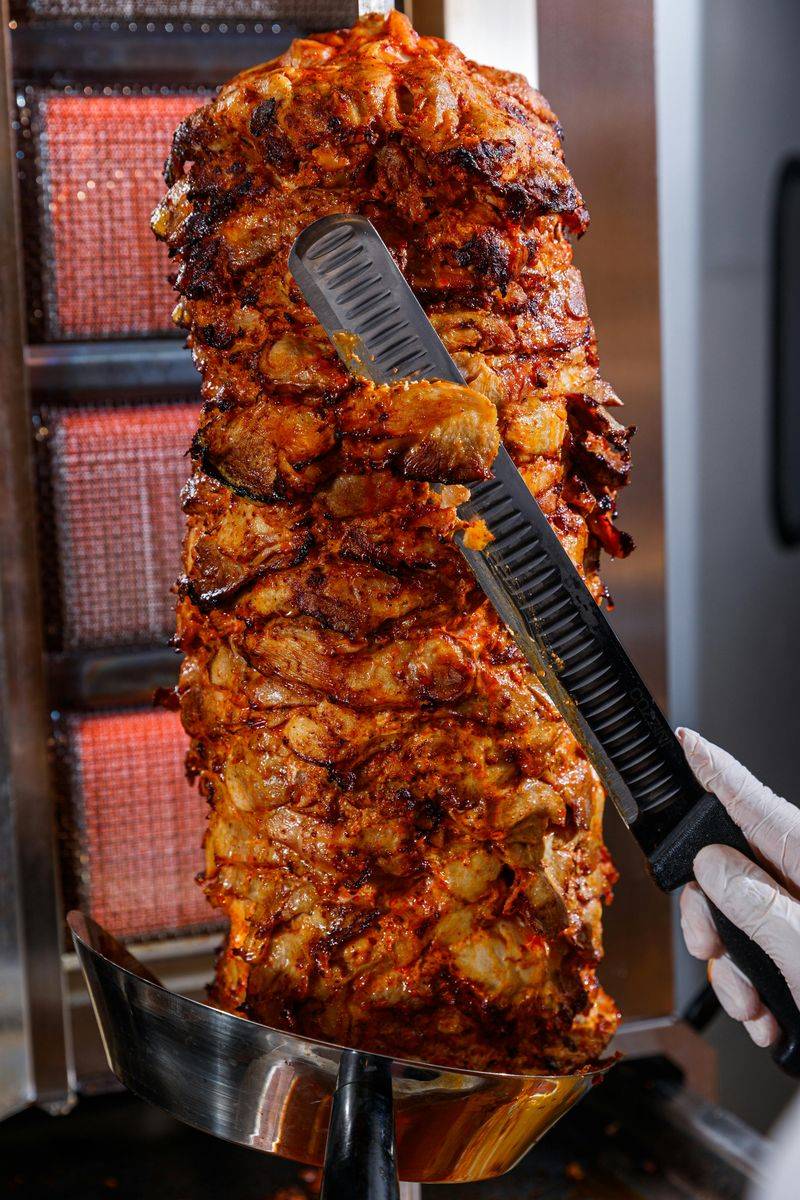
Slicing while piping hot shreds fibers and dumps liquid. You lose texture and flavor. Patience preserves both.
Let meat rest, then slice with a sharp knife across the grain. For poultry, remove breasts, rest, then carve. Keep slices thicker for juiciness.
If you must serve fast, chill briefly or hold warm, then slice. Always slice on a stable board and save juices. It is the difference between stringy and succulent.
Too much sauce
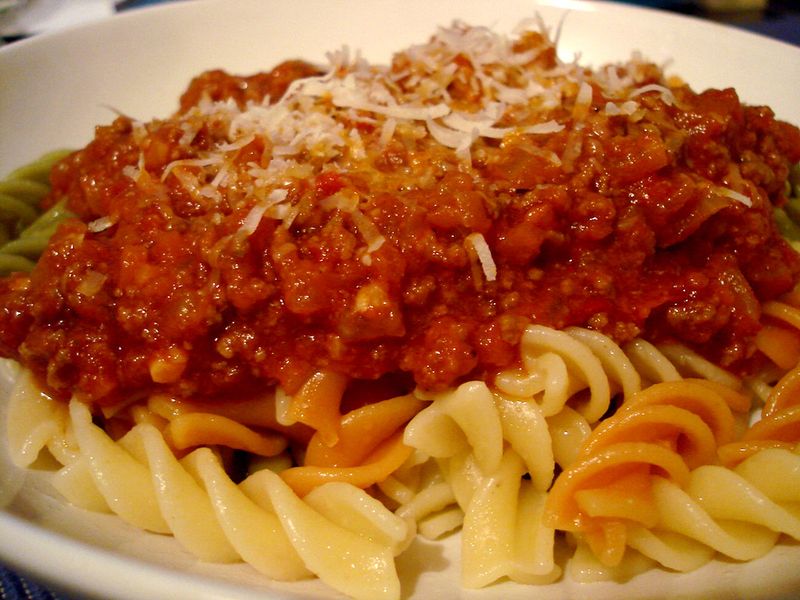
Drowning food in sauce hides ingredients and muddles flavor. You taste sugar or cream first, not the core element. Texture goes soupy and heavy.
Use just enough to coat. Toss vigorously with heat to emulsify fat and liquid. Add pasta water or stock to adjust body and cling.
Finish with fresh herbs, acid, and cheese sparingly. Let the main ingredient speak. A light, glossy coat beats a swamp every time.
Too little sauce
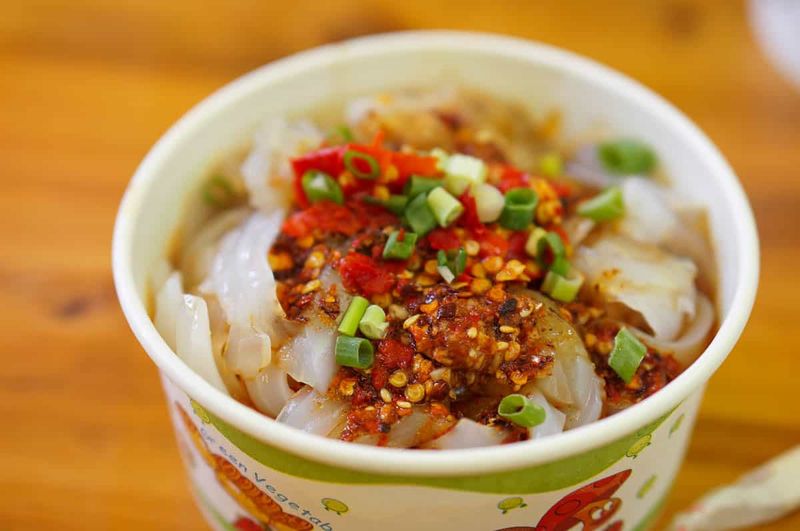
On the flip side, skimping on sauce leaves dishes dry and bland. Starches seize and clump. Seasonings never make contact.
Build a sauce with salt, fat, and liquid, then toss to coat every bite. Adjust with starchy water to bind. Taste for acid and salt at the end.
Look for a light, even sheen. If it looks dry, add a spoonful more. Every noodle or grain should be flavorful on its own.
Crowded pan
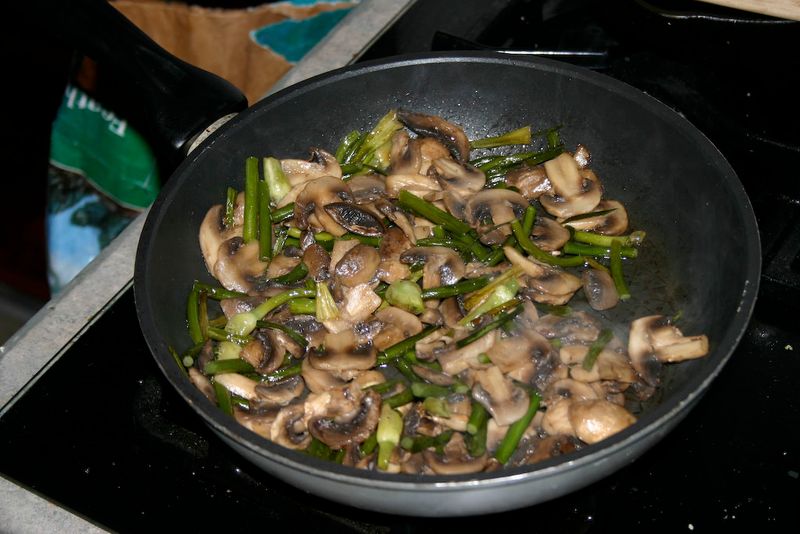
Overcrowding traps steam and kills browning. Meat turns gray and vegetables go limp. Without fond, sauces lack depth.
Use a larger pan or cook in batches. Pat ingredients dry, preheat, then leave them alone to develop color. Flip only when a crust forms.
Deglaze those browned bits with wine or stock. That caramelized layer equals flavor. Space buys you sear and snap without extra effort.
Cold pan
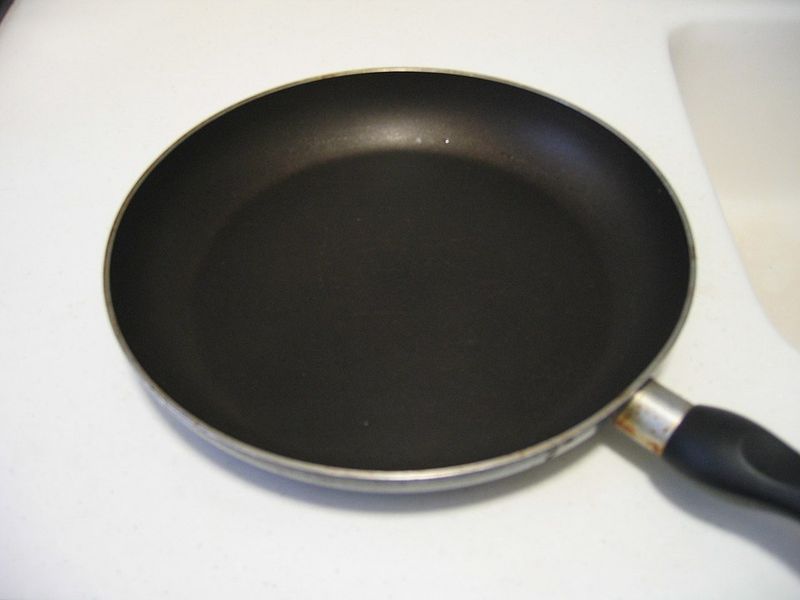
Starting in a cold pan robs you of sear and texture. Food sticks, leaks moisture, and never browns properly. You lose that coveted crust.
Preheat until shimmering oil moves easily or the pan passes the water drop test. For stainless, add oil after heating. For cast iron, heat longer.
Lay food away from you and do not touch it too soon. Let the Maillard reaction work. Heat first, then protein, for crisp edges and juicy centers.
Wrong pan
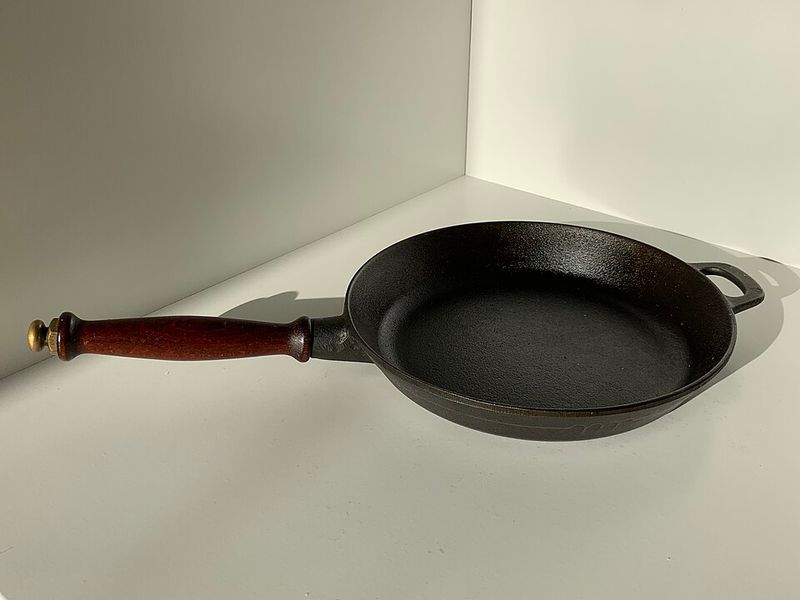
Using the wrong pan sabotages texture and flavor. Nonstick cannot build fond well. Thin pans scorch and create hot spots.
Use stainless or cast iron for searing and pan sauces. Nonstick for eggs and sticky foods. Heavy bottoms spread heat evenly for delicate tasks.
Match the tool to the job and heat source. You will fight less and get better results. The right pan turns average ingredients into impressive meals.
No preheat
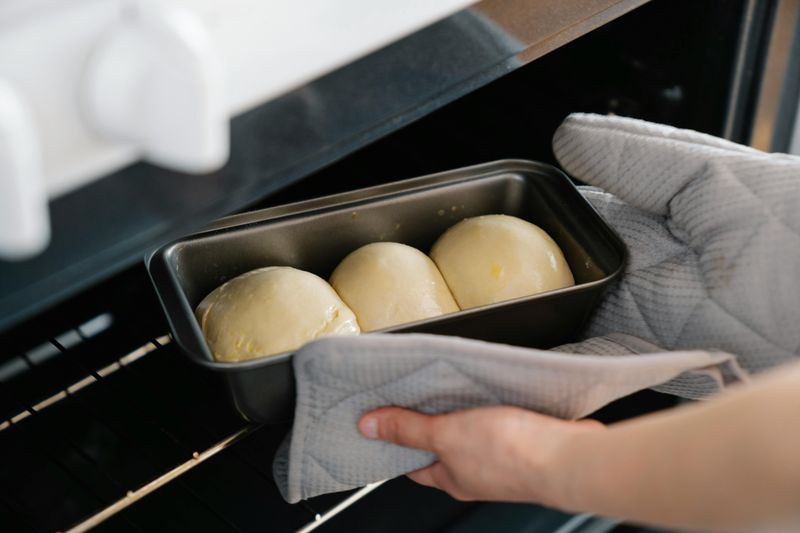
Skipping preheat gives pale cookies, soggy fries, and uneven roasting. Heat momentum matters. Food needs an initial blast to set structure and color.
Wait until the oven is truly at temp, not just beeping. Use an oven thermometer for accuracy. Preheat pans for extra browning on vegetables and pizza.
It takes a few minutes but saves a whole meal. Consistent heat equals consistent results. Patience here makes food crisp, golden, and cooked through.
Air fryer overload
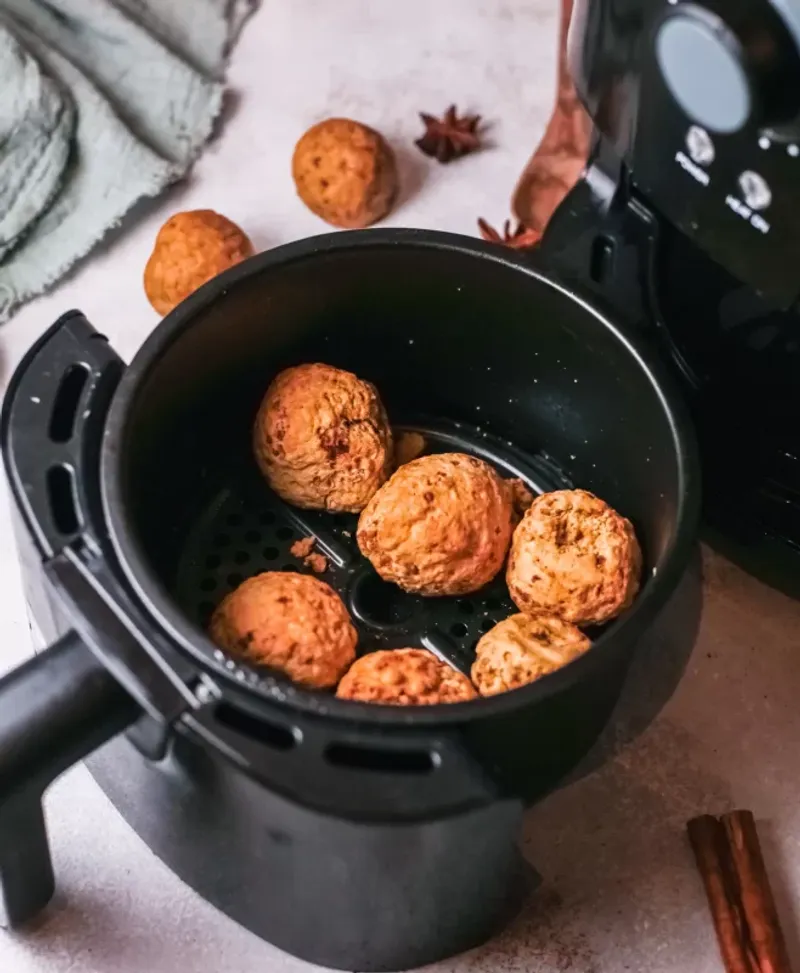
Stuffing the air fryer basket leads to limp, steamed results. Air needs space to circulate. Overloading defeats the whole crisp promise.
Cook in single layers and shake or flip halfway. Lightly oil and season before cooking. Add a minute or two for deep color.
Work in batches and hold finished pieces on a rack in a warm oven. You will get shatter crisp instead of sog. Space equals crunch, every time.