


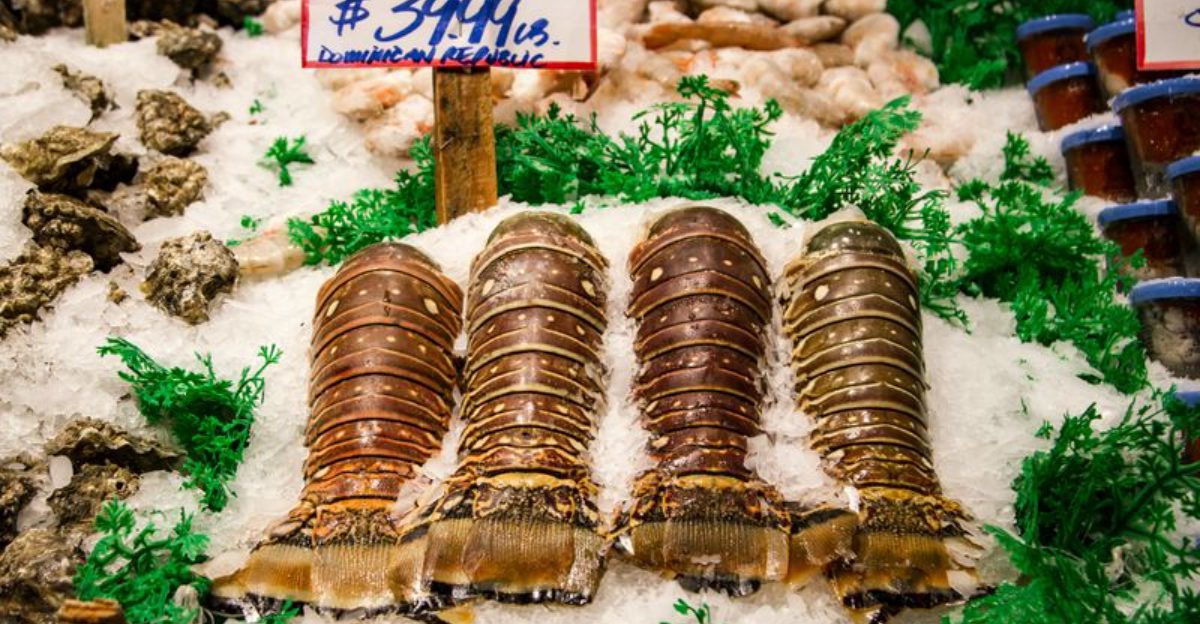
If you love seafood but worry about hidden risks, this guide will help you choose smarter. Some fish carry high mercury, microplastics, or questionable sourcing that can quietly add up over time. You do not have to quit seafood, but you should know which choices pile on risk and what to pick instead. Keep reading to protect your plate, your health, and the ocean you care about.
Seafood market
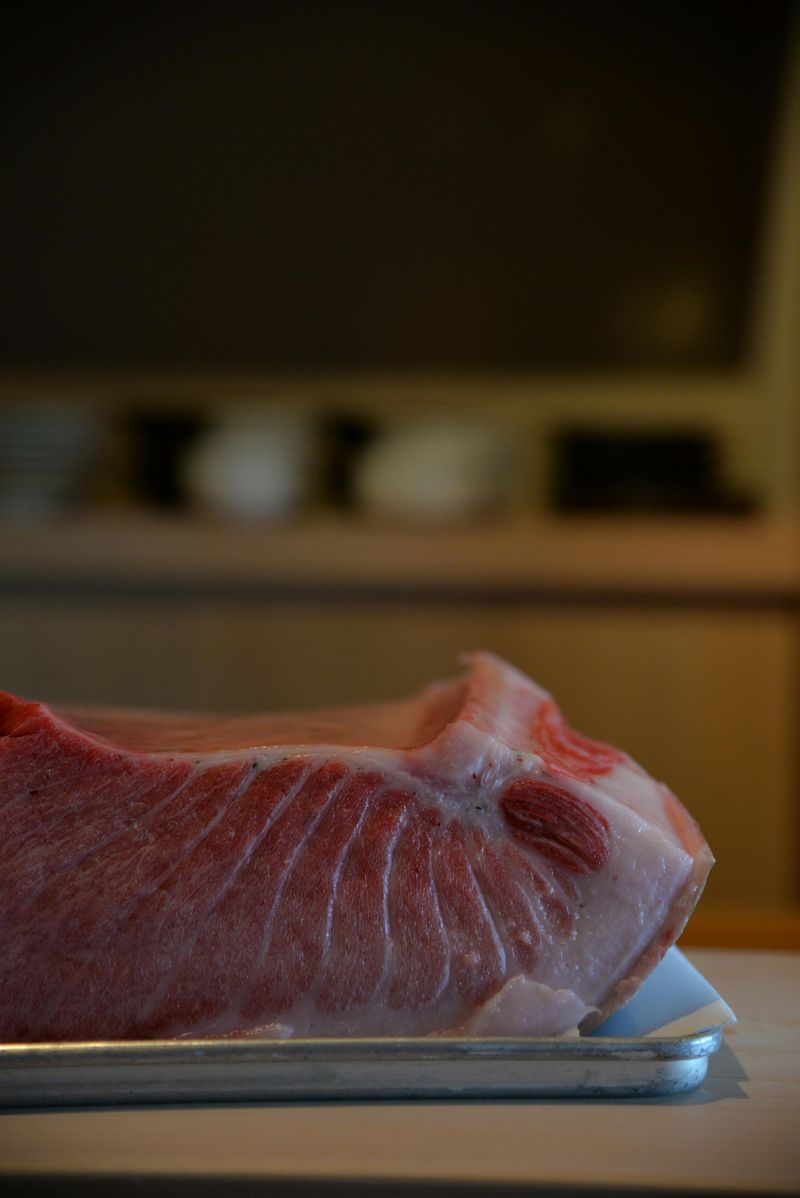
Seafood markets can be a wonderland, but not every fish on display is your friend. High mercury species like swordfish, shark, and some tunas may sit beside safer options without clear labels. You deserve transparency when choosing dinner.
Ask questions about origin, catch method, and size. Smaller, wild fish usually carry fewer contaminants compared to larger predators. If the market cannot trace a fish or dodges questions, walk away.
Look for certifications and seasonal guidance. Odor matters: clean, briny smells beat ammonia. Your best defense is curiosity.
Fish fillet
Fish fillets look harmless, but processing can hide issues you cannot see. Fillets from large predators often concentrate mercury and PFAS. You also risk mislabeling, where an inexpensive species impersonates something premium.
Ask for the species name, catch region, and whether it is farmed or wild. Choose smaller fish like sardines or trout when possible. Shorter food chains mean fewer toxins.
Avoid fillets with dull color or excessive water purge. Trust your senses and demand traceability. A fillet should tell a story you can verify.
Raw fish
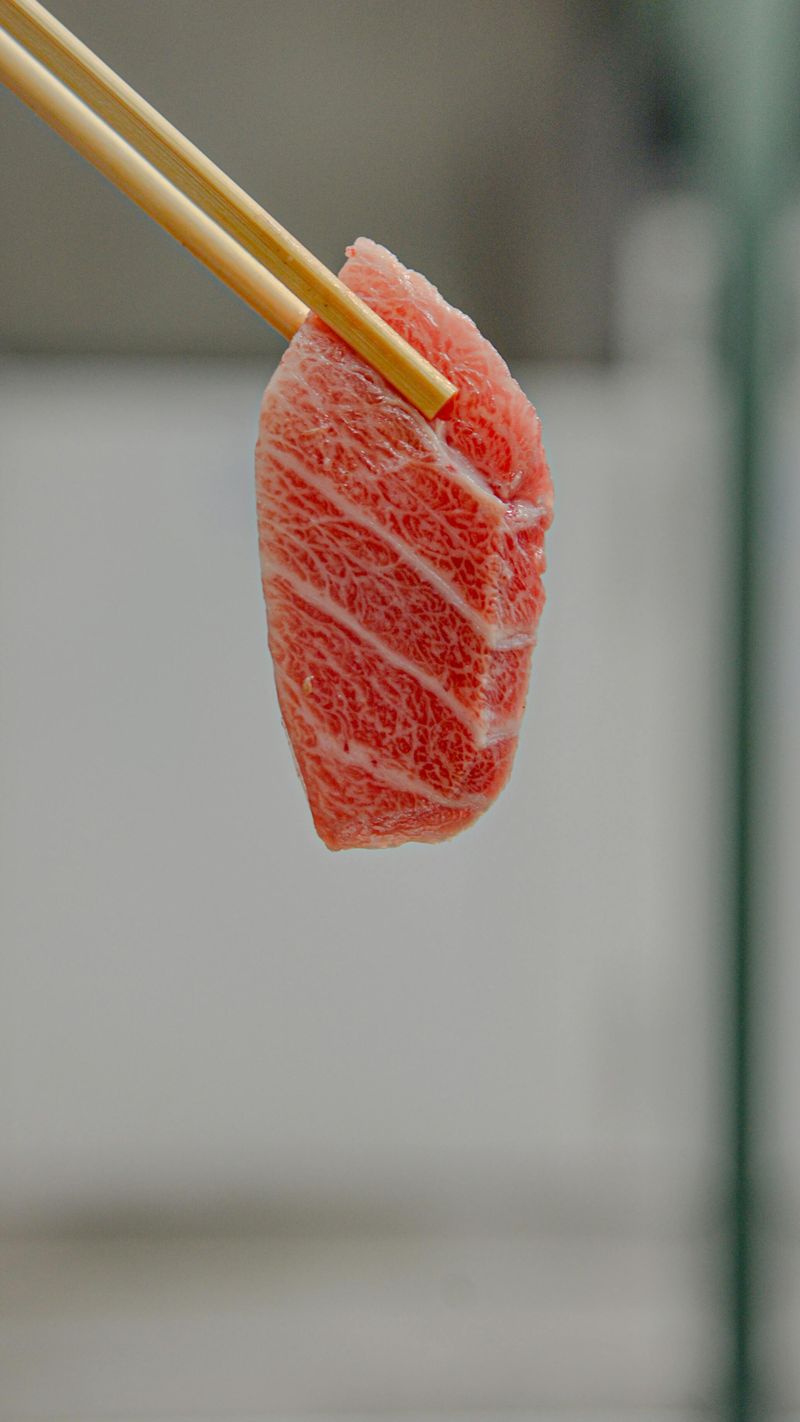
Raw fish can be delicious but it brings real risk if you do not vet the source. Parasites, bacteria, and histamine are more likely when handling is sloppy. High mercury species are still high mercury, even when beautifully sliced.
Choose sushi grade from reputable vendors using proper freezing protocols. Ask which species are lower in mercury, like salmon or mackerel, and skip large tuna cuts. Temperature control matters from boat to plate.
When in doubt, pick cooked options or sear lightly. Your taste buds will still celebrate while your body avoids unnecessary trouble. Smart swaps keep nights memorable.
Canned tuna
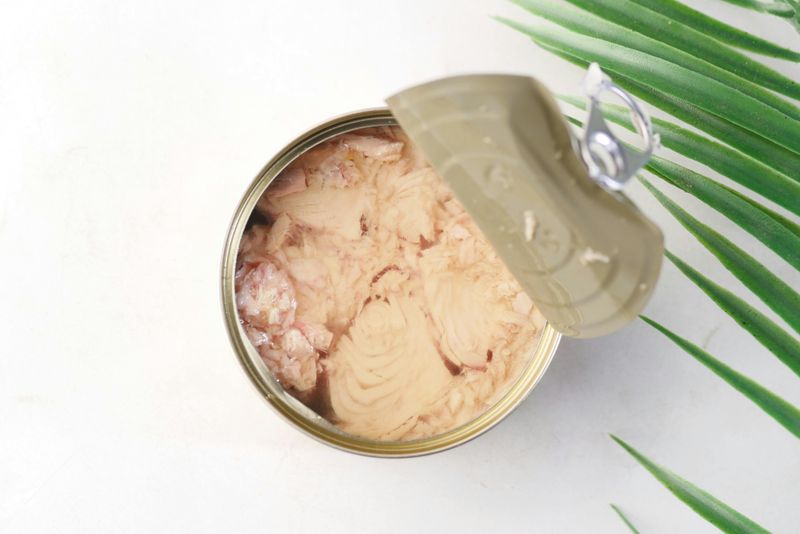
Canned tuna feels convenient, but mercury levels vary widely. Albacore tends to run higher, while light skipjack is usually lower. If you are pregnant or planning, strict limits are recommended.
Rotate to lower mercury choices like canned salmon, sardines, or mackerel. Read labels for species and country of origin. Brands that publish test results earn extra trust.
Moderation is your friend. Keep portions sensible and space them out over the week. You still get protein and omega 3s without stacking risk.
Swordfish steak
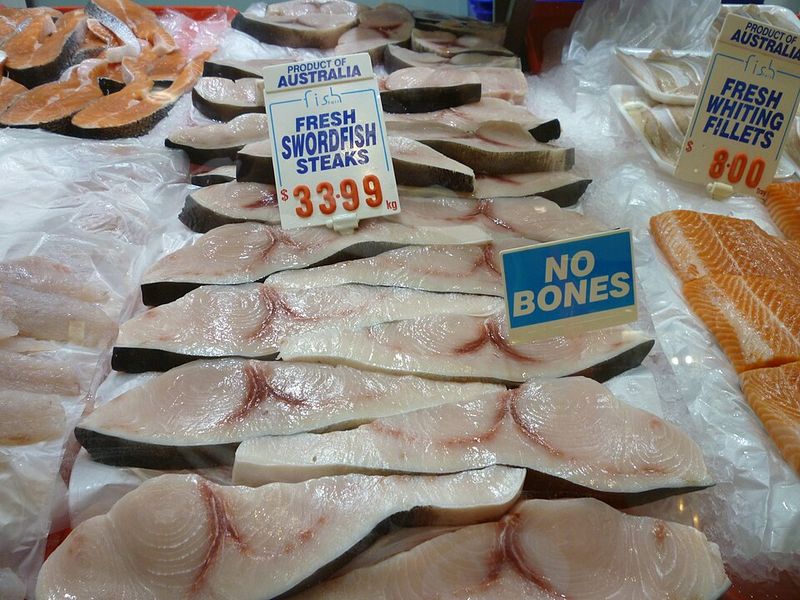
Swordfish tastes meaty and satisfying, yet it is among the highest in mercury. That metal accumulates in large predators through time and diet. Frequent servings can quietly raise exposure beyond comfortable limits.
Consider swapping with wild salmon, arctic char, or sablefish for a similar richness. Check advisories if you are pregnant or cooking for kids. One impressive dinner is not worth long term concerns.
If you still indulge, make it rare in your rotation and watch portion sizes. Balance and variety protect you. Your grill will adapt beautifully.
Fish on ice
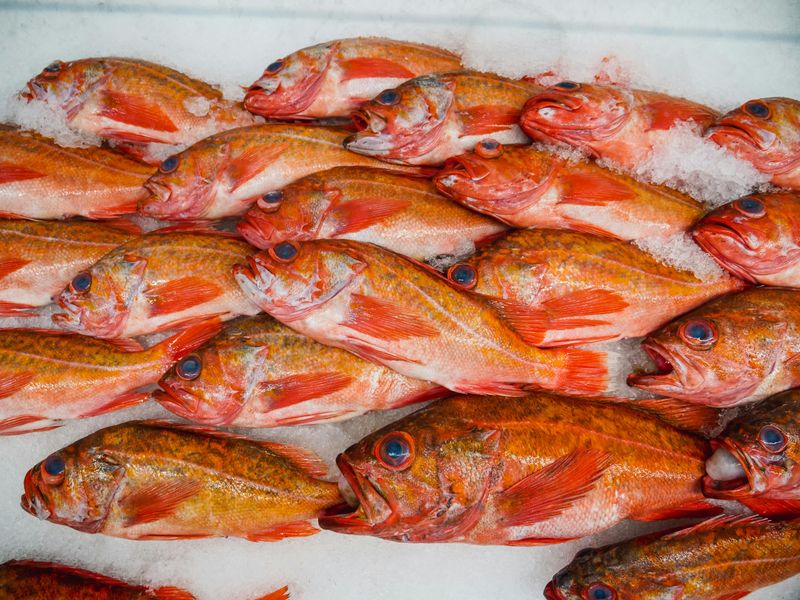
Fish on ice looks safe, but display does not guarantee proper handling. Ice should be abundant, clean, and cold to the touch. Eyes bright and clear, gills ruby, flesh springy: those are reliable freshness cues.
Ask how long the fish has been out and when it was delivered. If staff cannot answer confidently, your risk climbs. Temperature abuse can lead to histamine formation and foodborne illness.
Choose smaller, sustainably caught species when possible. Have the fish wrapped cold and head home promptly. Safe handling is your insurance.
Seafood counter
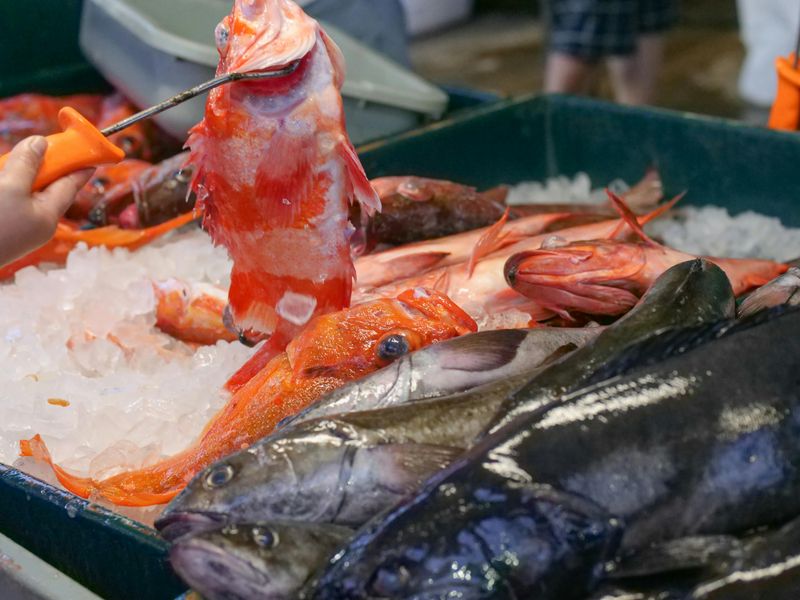
Your supermarket seafood counter is convenient, but consistency varies. Some counters sell previously frozen fish thawed for display, which is fine if clearly labeled. The danger lies in vague labels and poor rotation.
Ask for packed on dates and whether the fish was frozen. Choose skin on pieces so you can judge species better. Smaller, younger fish usually carry fewer contaminants.
Shop when deliveries arrive for peak freshness. If the odor is off, move on. Good counters welcome questions and stand behind traceability.
Grilled fish
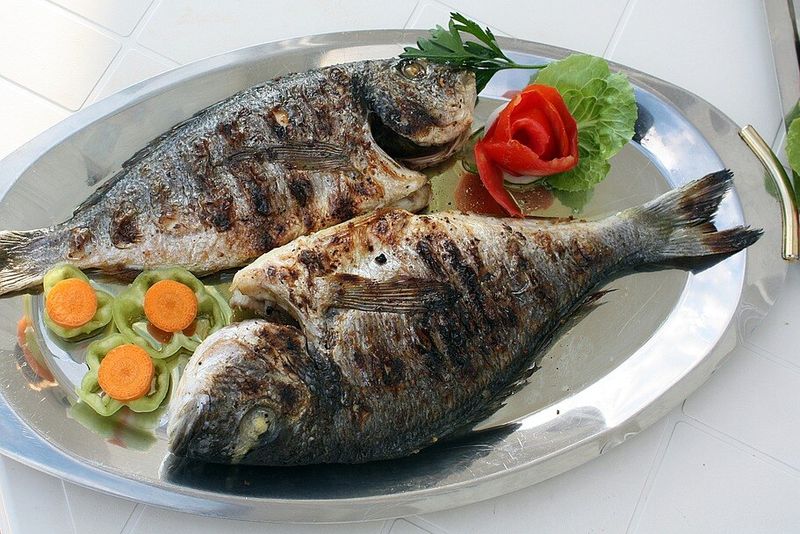
Grilling fish is delightful, yet the species you choose determines the risk. Large predators like marlin, shark, and bigeye tuna can load you with mercury fast. Smoke and charring do not remove contaminants.
Pick lower mercury fish like salmon, trout, or sardines. Use a clean grill and avoid heavy charring. Marinades with citrus and herbs add flavor without adding risk.
Keep portions modest and rotate species. You can have your cookout and peace of mind. Smart choices keep the sizzle safe.
Fishing boat

What happens on a fishing boat shapes what ends up on your plate. Longlines can catch vulnerable species and raise bycatch, while trawls damage seafloor habitats. These methods often bring in large fish with higher mercury.
Look for pole and line or troll caught labels. Those tend to target smaller, faster growing species with fewer contaminants. Certified fisheries signal better practices.
When you support responsible boats, you steer the market. Ask retailers how the fish was caught and from where. Your choices ripple across oceans.
Seafood warning

Public seafood warnings exist for good reasons. Mercury affects developing brains and can harm adults with chronic exposure. Some regions also issue PFAS or PCB advisories.
Check local and national guidance before buying. Lists of high risk species help you plan smarter meals. Pregnant people and children need the strictest limits.
Keep a shortlist on your phone for shopping trips. Knowledge makes quick decisions easy. A little planning saves a lot of worry.
Large fish
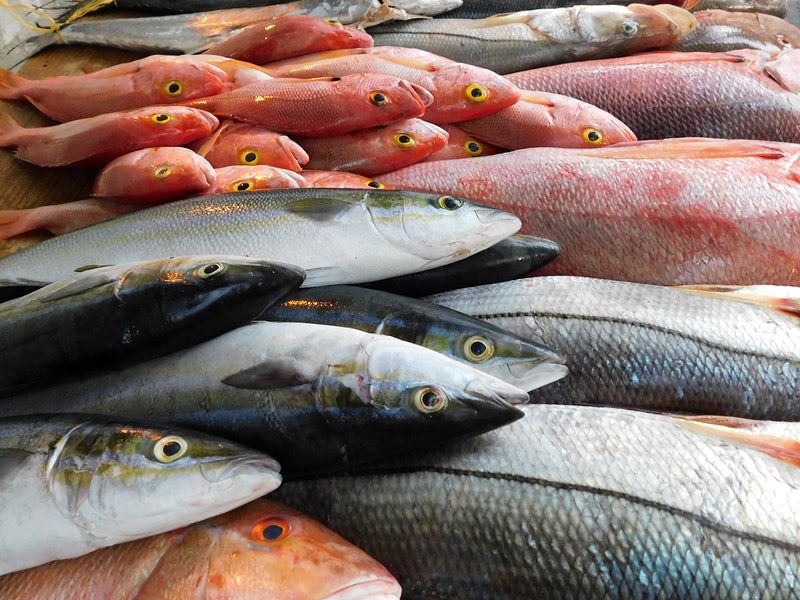
Large fish sit high on the food chain and accumulate more toxins. Think marlin, shark, and big tuna. Their size signals age, and age usually means higher mercury and persistent pollutants.
When possible, choose smaller species or juvenile sizes of safer fish. Shorter lifespans reduce contaminant build up dramatically. Your weekly exposure shrinks without sacrificing flavor.
If a menu brags about huge catches, consider passing. Celebrate the little guys instead. They are better for you and for ecosystems.
Predatory fish
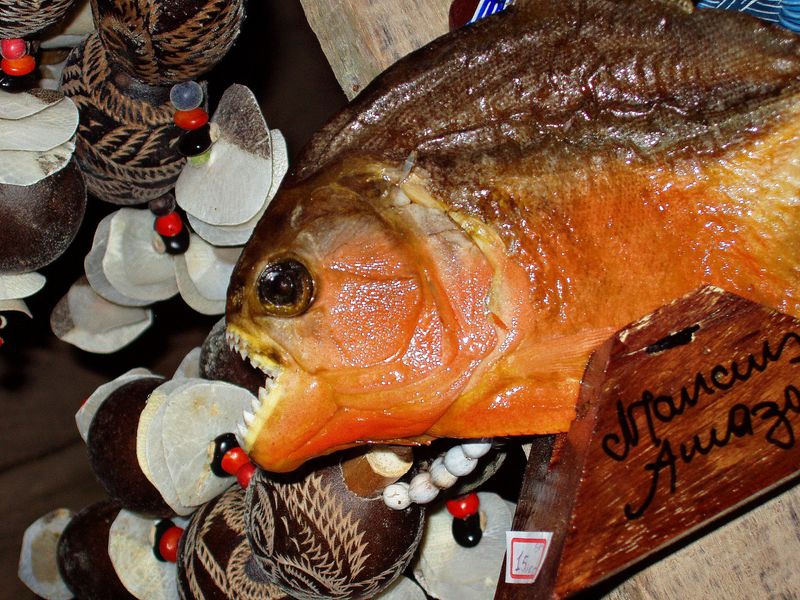
Predatory fish eat other fish, which compounds contaminants through the food web. Biomagnification makes species like swordfish, tilefish, and certain tunas risky. Regular meals can push mercury above recommended limits.
Pick non predatory or lower trophic species. Anchovies, sardines, and mussels deliver omega 3s with fewer worries. Variety spreads risk thin.
If you crave bold flavor, try mackerel or trout instead. Your palate stays excited while exposure stays in check. Small swaps have big benefits.
Mercury warning
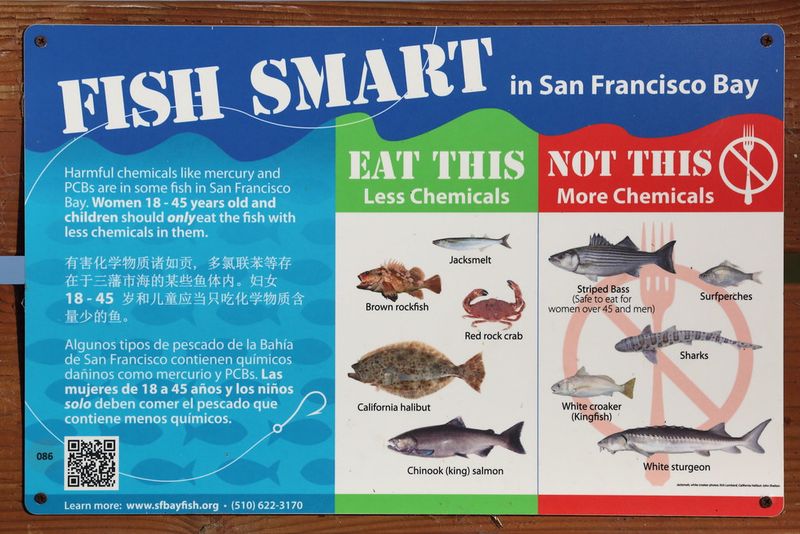
Mercury warnings sound dramatic because the effects are real. Neurological impacts are the headline, especially for developing babies. You cannot see mercury, so labels and advisories matter.
Limit high mercury fish like shark, swordfish, king mackerel, and bigeye tuna. Choose salmon, sardines, pollock, and trout more often. Rotate choices to keep intake low.
Track servings per week and keep portions sensible. If you love tuna, pick light skipjack and space it out. Practical habits beat fear.
Fish label
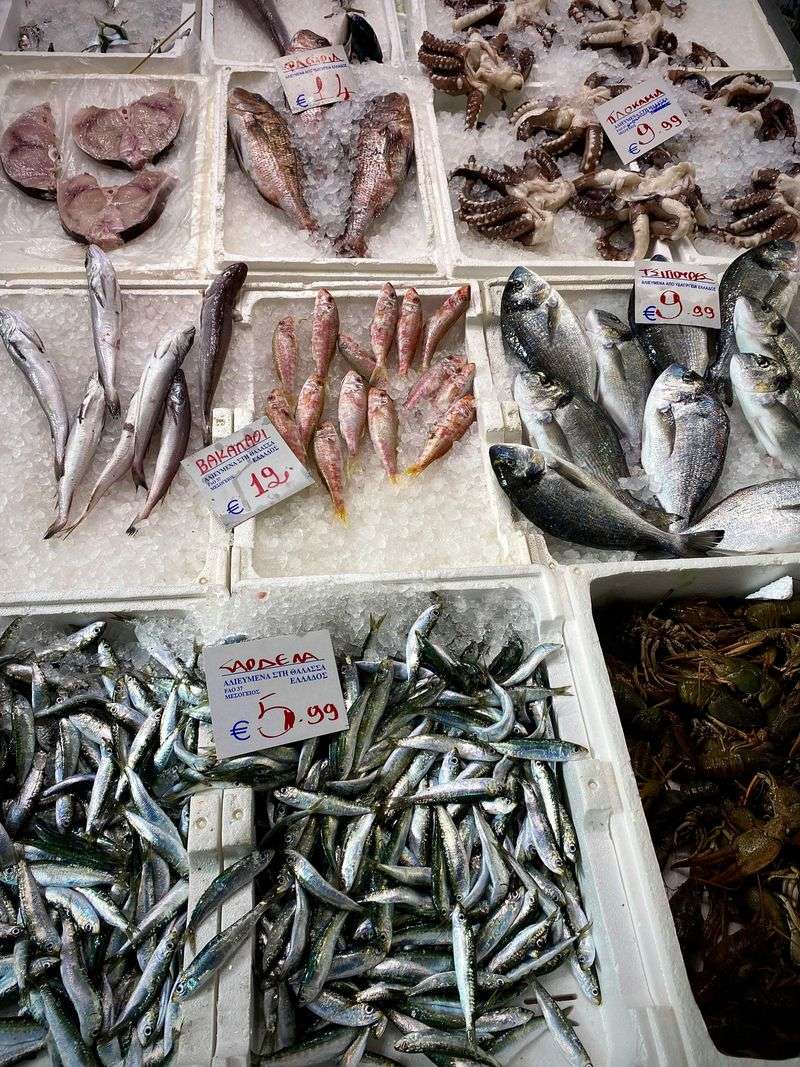
Fish labels can be your truth teller. Look for species name, catch method, origin, and whether it was previously frozen. Vague terms like white fish or ocean caught hide details you need.
Prefer pole and line, trap, or handline methods. Farmed can be fine if audited and antibiotic use is limited. Certifications help, but specific info is better.
Snap a photo for reference and research later. Over time, you will spot patterns and trustworthy brands. Your cart gets safer with each purchase.
Fresh seafood
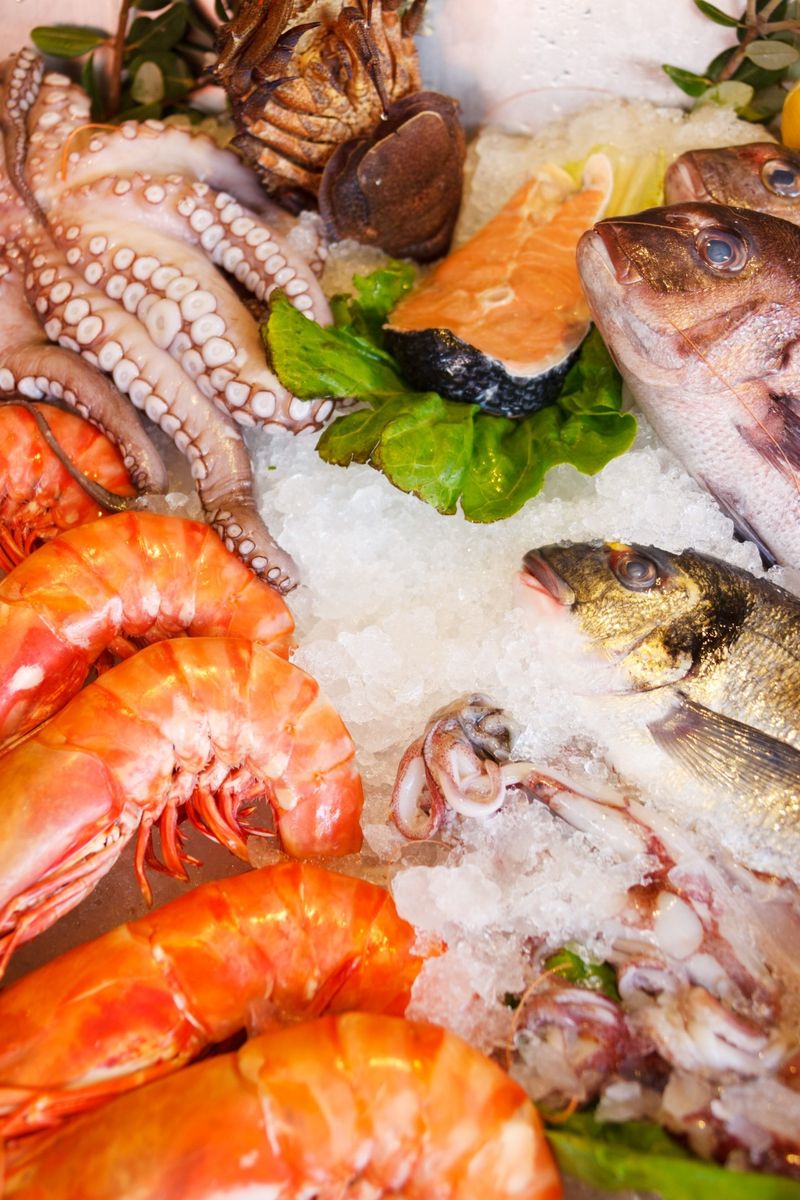
Fresh seafood should look alive with color and smell like the sea. But freshness alone does not erase mercury or pollutants. Big, impressive fish can still be a bad bet.
Buy fresh when you can verify handling and origin. Smaller species often provide the same satisfaction with fewer risks. Ask how it was transported and how long it has been iced.
If answers are vague, choose frozen from reputable sources instead. Frozen can lock in quality quickly. Do not let the word fresh fool you.
Ocean fish
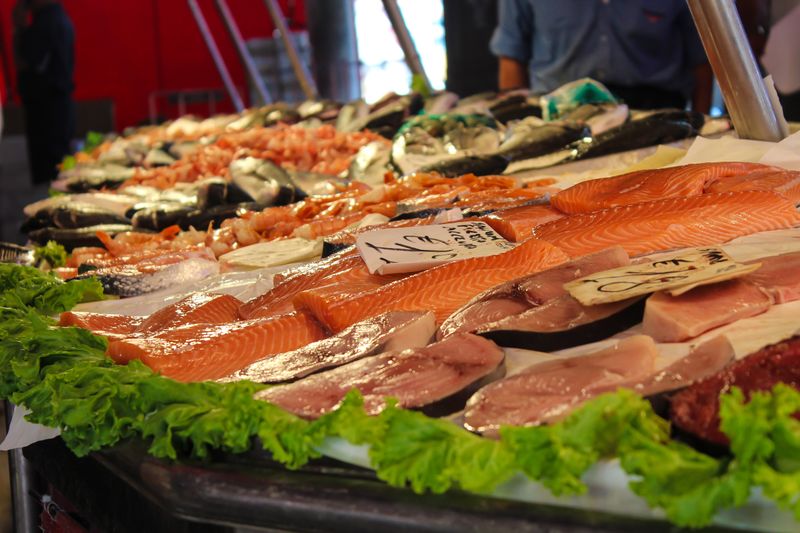
Ocean fish live where microplastics and pollutants now drift. Larger and older species tend to carry more of what they encounter. Not every risk is visible at the counter.
Favor short lived, fast growing fish from cleaner waters. Regional advisories and sustainability guides help narrow choices. Wild is not automatically safer.
Balance your diet with bivalves and smaller pelagics. You can still enjoy the ocean without loading up on contaminants. Smart sourcing keeps the romance alive.
Seafood display
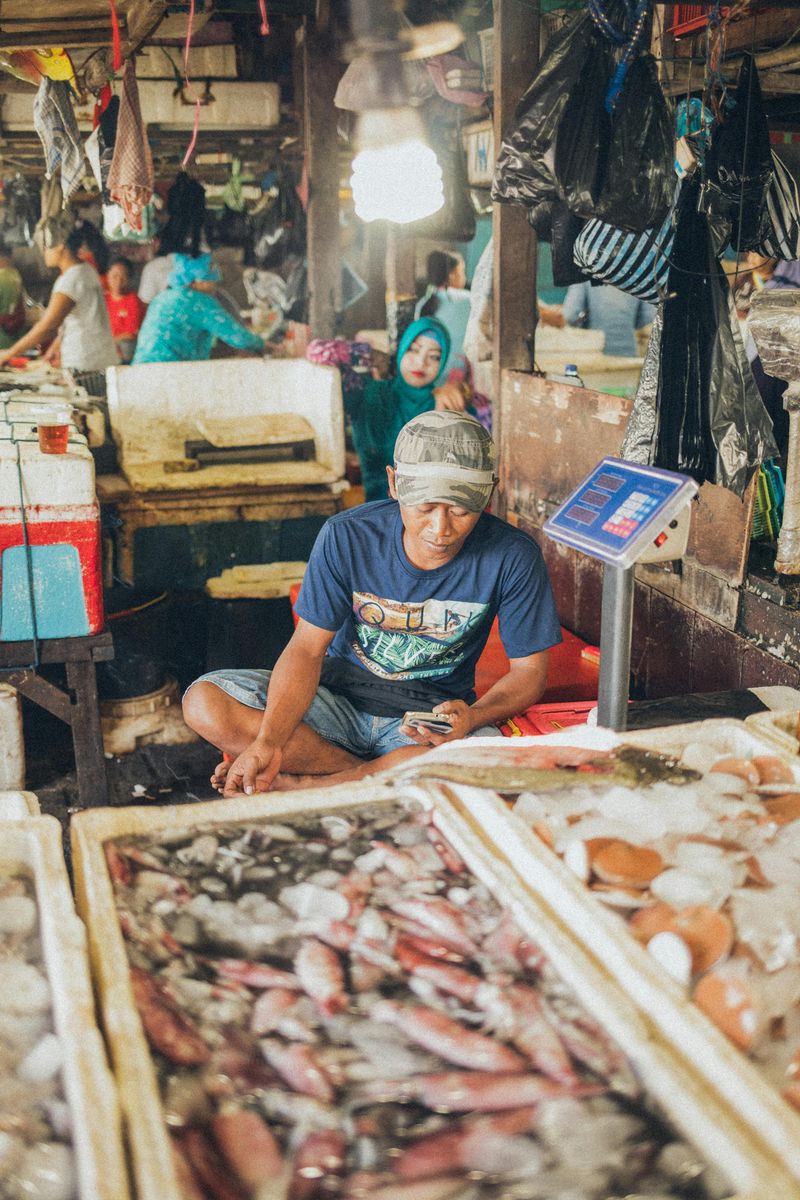
A gorgeous seafood display can hide old stock. Rotating items forward is common, so ask for pieces from the back. Price specials may mean surplus, not quality.
Check for clear eyes, tight scales, and firm flesh. Labels should list species and origin. High risk fish sometimes sit center stage because they sell.
Choose modest sized, traceable options. Do not let presentation overrule your questions. You control what goes in your basket.
Fish steaks
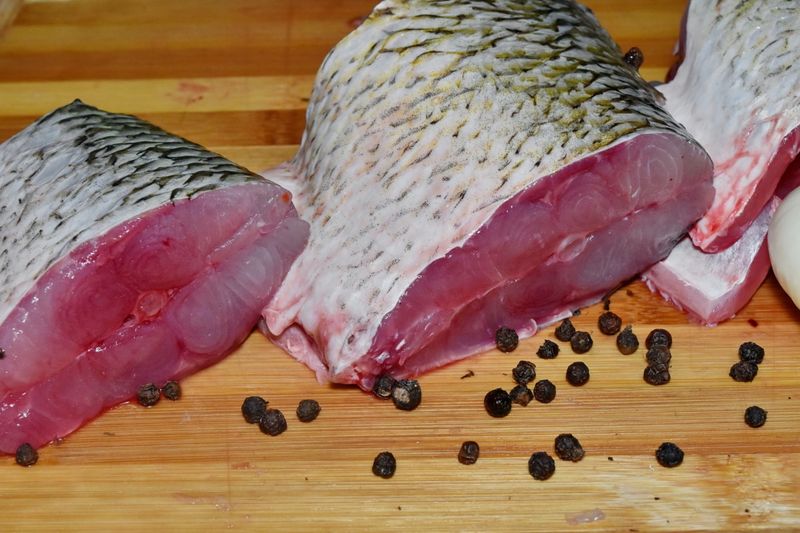
Thick fish steaks often come from big species with higher mercury. King mackerel, bigeye tuna, and swordfish are usual suspects. That impressive cut may come with hidden baggage.
Ask for smaller species cut into steaks, like salmon or cod. You get the grill friendly format without the heavy metal concerns. Verify the species name, not just a market label.
Marinate and cook gently to preserve moisture. There is no need to sacrifice flavor for safety. Right fish, right cut, right outcome.
Supermarket seafood
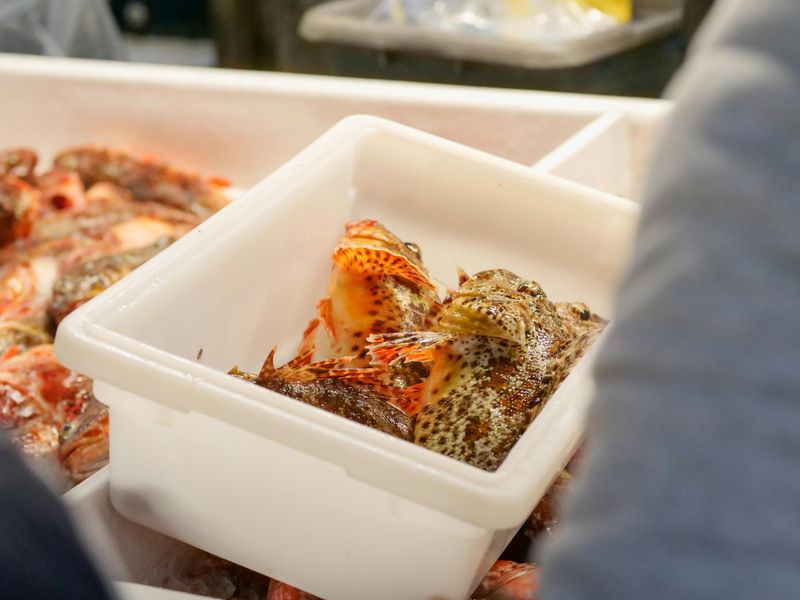
Packaged supermarket seafood can be reliable when labels are honest. Still, some products blend species or use vague names to mask risks. Big predator meat in a neat tray is still a concern.
Look for harvest method, species, and country. Third party certifications help, but documentation beats logos. Avoid packages with excess liquid or torn seals.
When unsure, choose frozen wild salmon, sardines, or farmed trout. Those are consistent, nutritious, and safer. Your freezer can be your ally.
Raw seafood
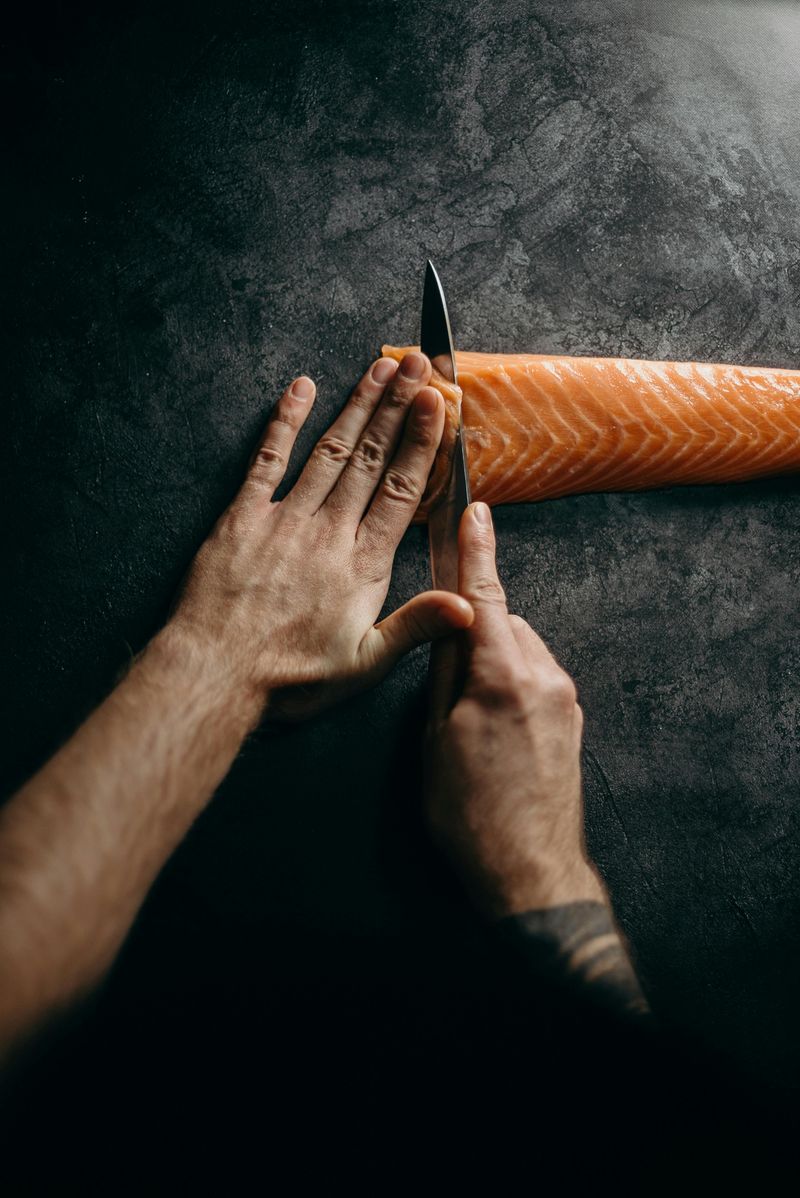
Raw seafood requires impeccable handling. Vibrio, parasites, and histamine issues worsen when temperature control slips. High mercury species remain problematic even if perfectly fresh.
Order from trusted places that freeze to parasite killing standards. Ask which items are lower risk and where they came from. If answers feel fuzzy, skip the raw course.
Consider lightly cooked alternatives that preserve texture. You still enjoy the ocean vibe without gambling. Precaution does not mean boring.
Seafood plate
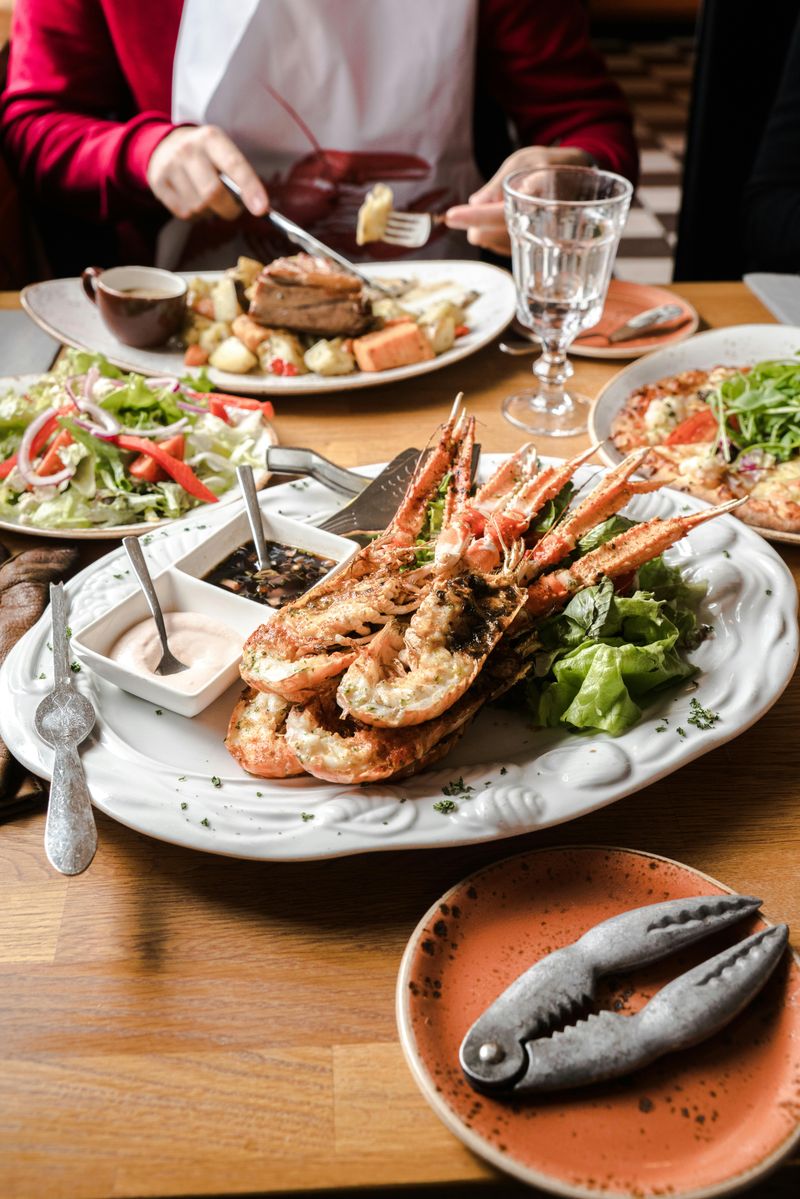
A mixed seafood plate can hide risky species behind sauces. Large tuna chunks, swordfish bites, or king mackerel might show up unannounced. If the menu lists fish vaguely, ask.
Request substitutions for lower mercury options like salmon or shrimp. Chefs often accommodate when you are clear. You still get variety without the baggage.
Share plates wisely and keep portions modest. Your dining companions will thank you for asking the right questions. Pleasure and prudence can share a table.
Fish close up
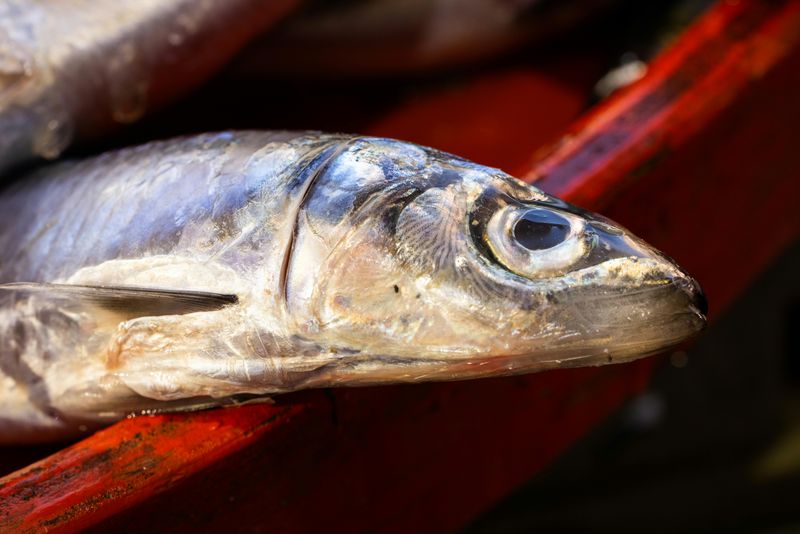
Get close when inspecting fish. Clear, bright eyes and tight, reflective scales indicate good handling. Cloudy eyes or mushy flesh mean no.
But remember, even perfect looking fish can be a risky species. Beauty does not erase mercury or PFAS. Verify species and origin every time.
Trust your senses first, then confirm with facts. When both align, you have a winner. When they conflict, protect your health and pass.
Frozen fish
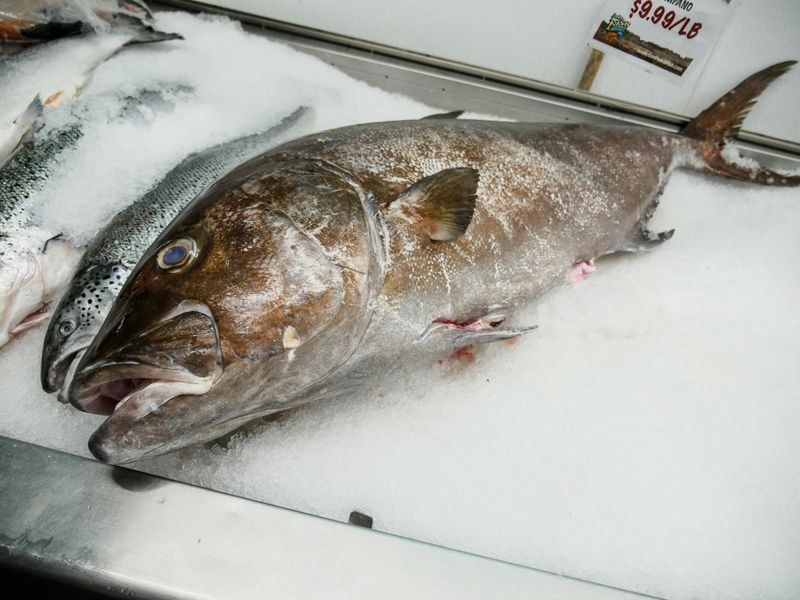
Frozen fish can be safer than dubious fresh options. Rapid freezing locks quality and kills certain parasites. You just need to avoid glaze heavy, mystery species.
Choose clearly labeled packages with harvest location and species. Wild salmon, pollock, and sardines are strong bets. Avoid large predatory fish even when frozen.
Thaw slowly in the fridge and cook promptly. Freezing does not remove mercury, but it preserves everything else. Your freezer is a smart gatekeeper.
Seafood section
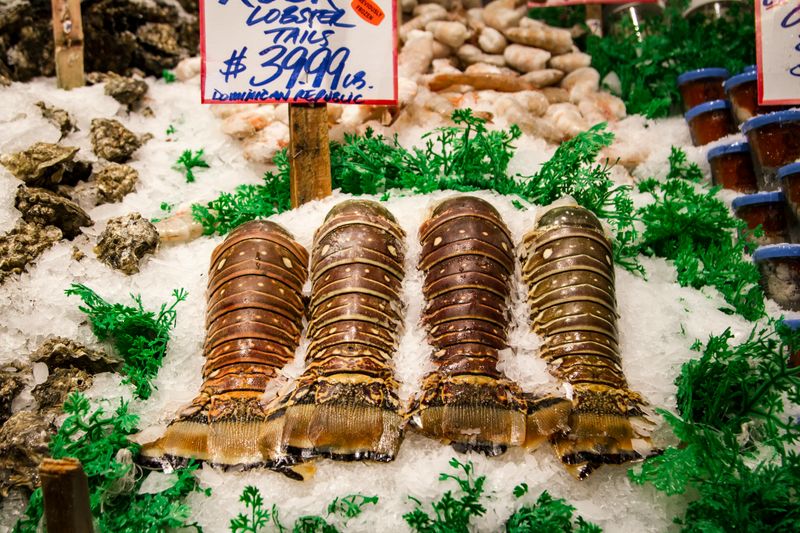
The seafood section can overwhelm, so arrive with a plan. Keep a mental list of high mercury fish to avoid. Focus on smaller, traceable species you know by name.
Read labels slowly and ask staff for delivery schedules. Choose items with clear origins and responsible methods. Price alone is not a safety signal.
Build a rotation of favorites and stick to it. Consistency keeps exposure low without sacrificing taste. Shopping gets faster and safer each week.