


Some foods seem innocent until they quietly pile on calories faster than you expect. A drizzle here, a handful there, and suddenly your progress stalls.
If you have been wondering why the scale is stubborn, the culprits might be everyday favorites you are not measuring. Let’s spot the sneaky additions so you can enjoy them wisely without derailing your goals.
Butter
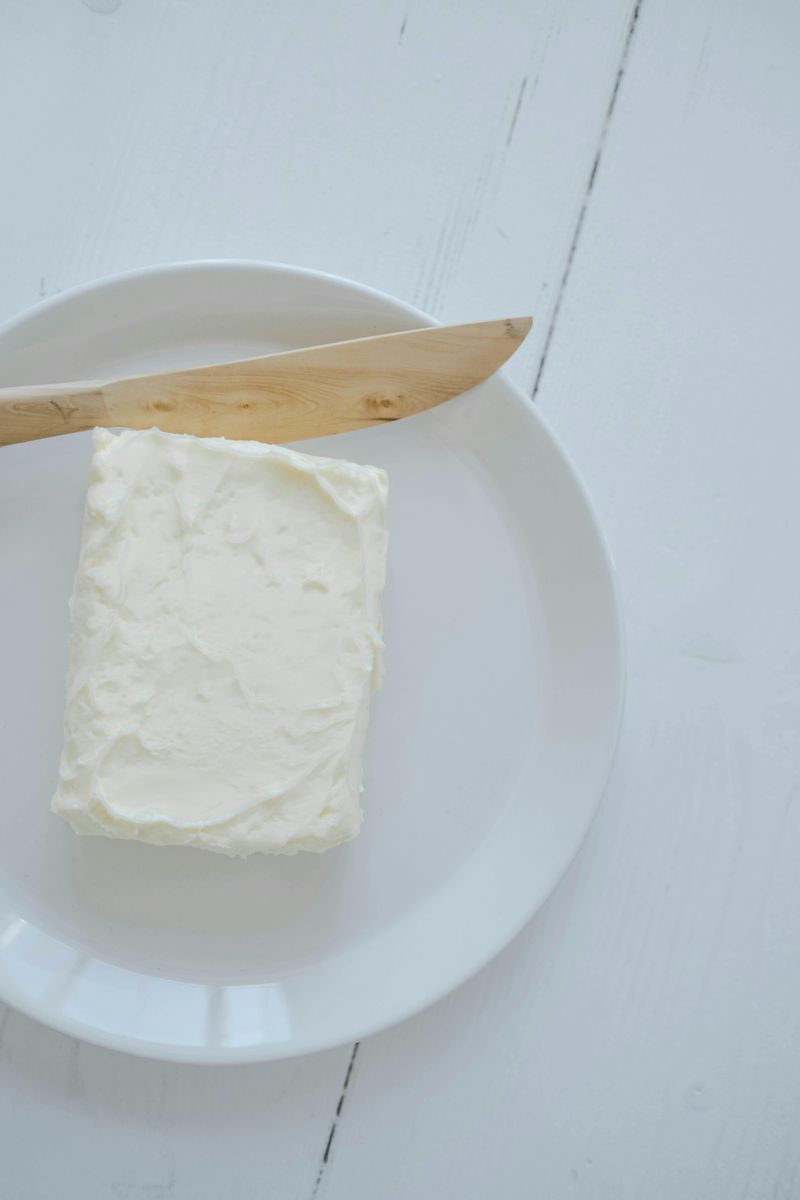
Butter tastes amazing, which makes it easy to add more than planned. A single tablespoon packs about 100 calories, and it disappears fast when spread on toast or melted over vegetables.
It also hides in cooking, basting pans, finishing steaks, or coating pasta for shine.
Use a measuring spoon, not a guess, and try mixing with olive oil for more flavor per bit. Melt a smaller amount and brush it on rather than slathering.
If you love the taste, keep it, just be exact. Small swaps and mindful portions can save hundreds of calories each week.
Olive oil

Olive oil is heart friendly, but it is still pure fat with about 120 calories per tablespoon. Those free pours into a skillet or over a salad add up quickly.
A light drizzle can become three tablespoons, especially with decorative bottles that pour fast.
Switch to a measured pour using a teaspoon, or decant oil into a spray bottle for finer coverage. Toss salads in a separate bowl to coat evenly using less.
Add herbs, lemon, or vinegar to stretch flavor without extra oil. Enjoy it, just track it, and your meals stay delicious and balanced.
Mayonnaise
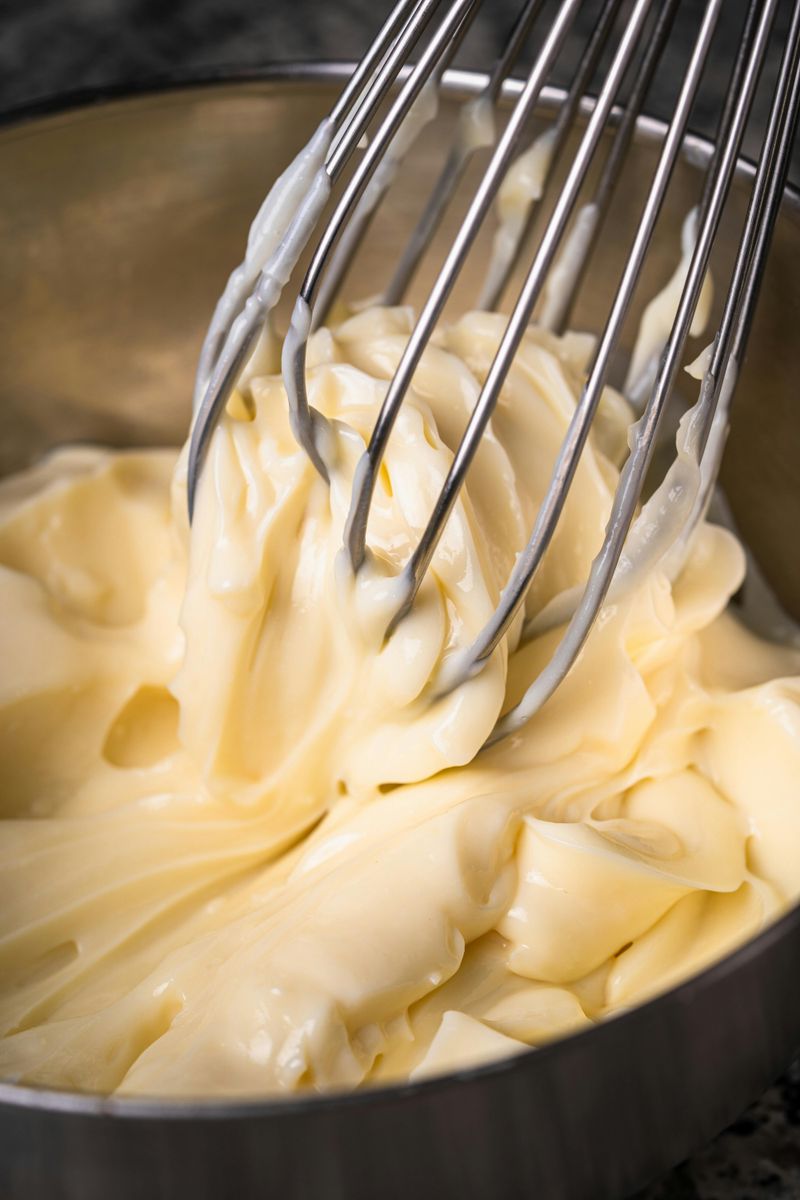
Mayonnaise makes sandwiches silky, yet two tablespoons can exceed 180 calories. It slides on thick, hides under lettuce, and sneaks into salads like tuna or potato.
Even reduced fat versions can add up if you are not measuring with care.
Spread a thin layer on both slices to maximize coverage. Mix with Greek yogurt, lemon juice, or mustard to cut calories while keeping tangy richness.
For salads, fold in chopped pickles and herbs to boost flavor without more mayo. Track portions and you will still get that creamy bite you crave, minus the surprise calorie surge.
Cheddar cheese
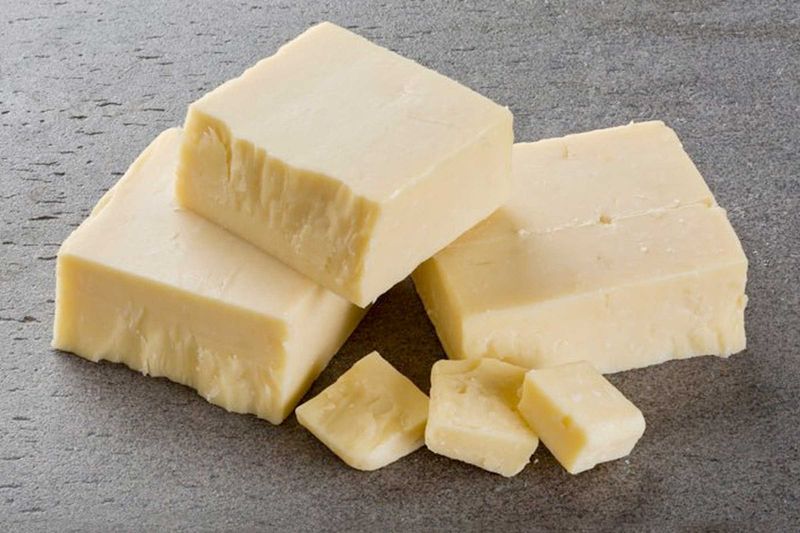
Cheddar is satisfying and easy to overuse. One ounce, about four dice, sits around 110 calories, but many slices run thicker.
It melts beautifully on burgers, tacos, eggs, and casseroles, turning small sprinkles into generous handfuls without noticing.
Shred it finely to cover more surface with less. Choose extra sharp cheddar for bolder flavor so smaller portions feel enough.
Pre-portion cubes for snacks and weigh slices when meal prepping. Combine with high volume foods like tomatoes or crunchy greens.
With mindful portions, cheddar fits any plan while keeping that crave worthy bite that makes meals feel complete.
Cream sauce
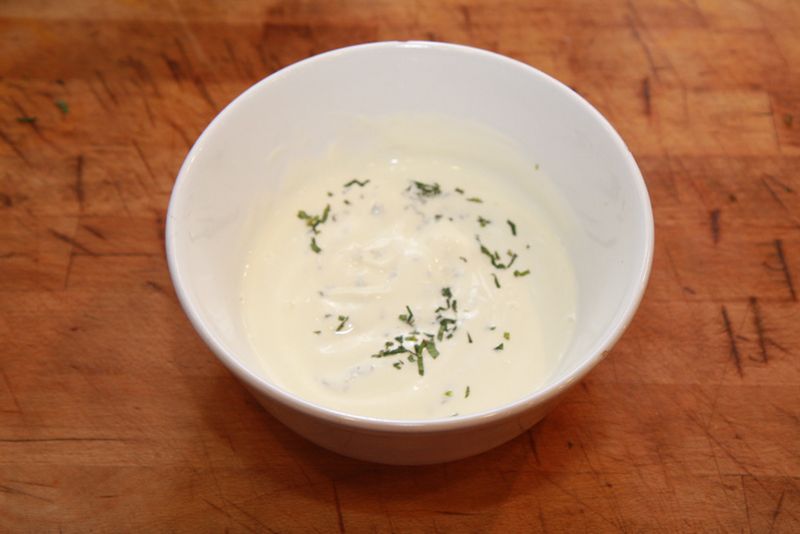
Alfredo, carbonara, and velvety pan sauces taste luxurious because they are heavy on cream and butter. A modest ladle can deliver several hundred calories, especially when clinging to pasta or chicken.
Portions feel small but the sauce density is not.
Thicken lighter sauces with a splash of pasta water, Parmesan, and low fat milk. Build flavor using garlic, pepper, and roasted mushrooms instead of extra cream.
Spoon sauce over rather than tossing to control coverage. Ask for sauce on the side when dining out.
You will keep the comfort while avoiding the calorie avalanche that often hides in creamy classics.
Chocolate bars
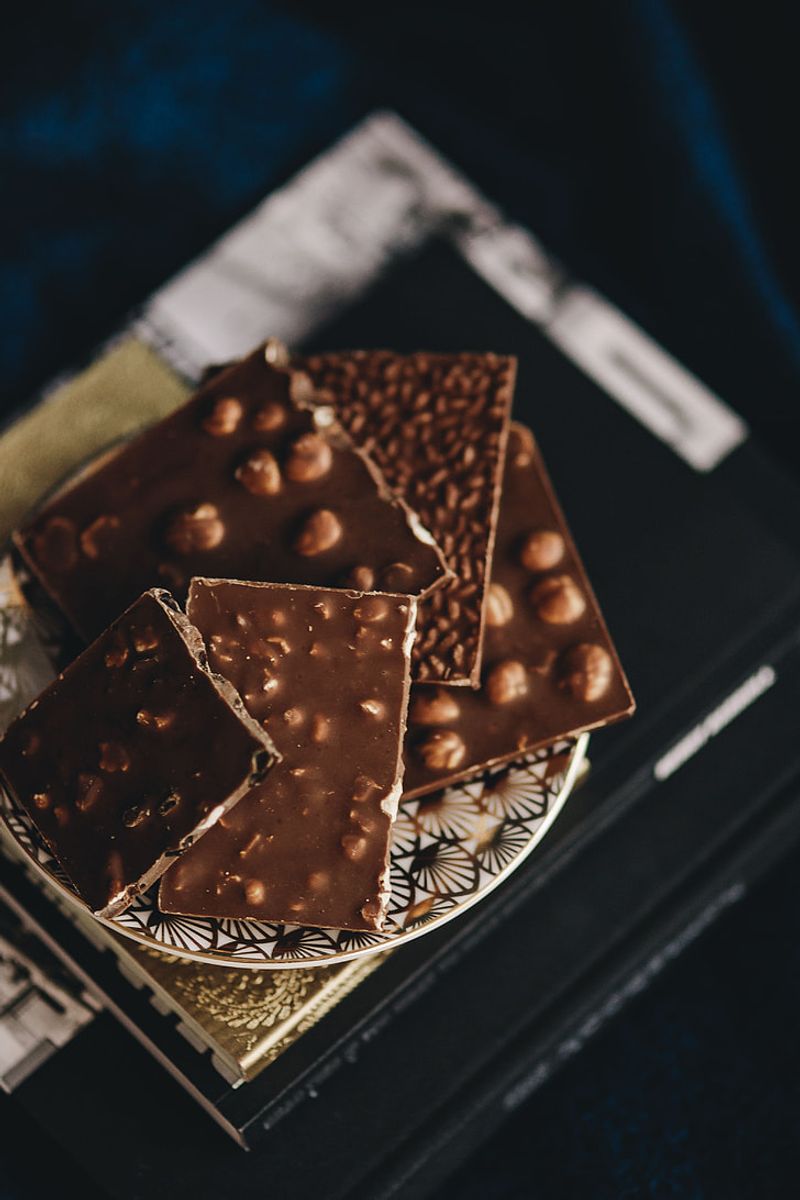
Chocolate bars pack sugar and fat into compact squares. A standard bar often lands between 200 and 300 calories, and sharing turns into nibbling until the wrapper is empty.
Fun size pieces add up quickly because they seem harmless.
Break a bar into pre-portioned squares and store the rest out of sight. Pair chocolate with berries or a hot tea to slow down.
Consider higher cocoa content for deeper flavor that satisfies with less. If cravings hit, plan it in rather than graze mindlessly.
Enjoying chocolate intentionally keeps joy high while calories stay within your goals.
Milk chocolate
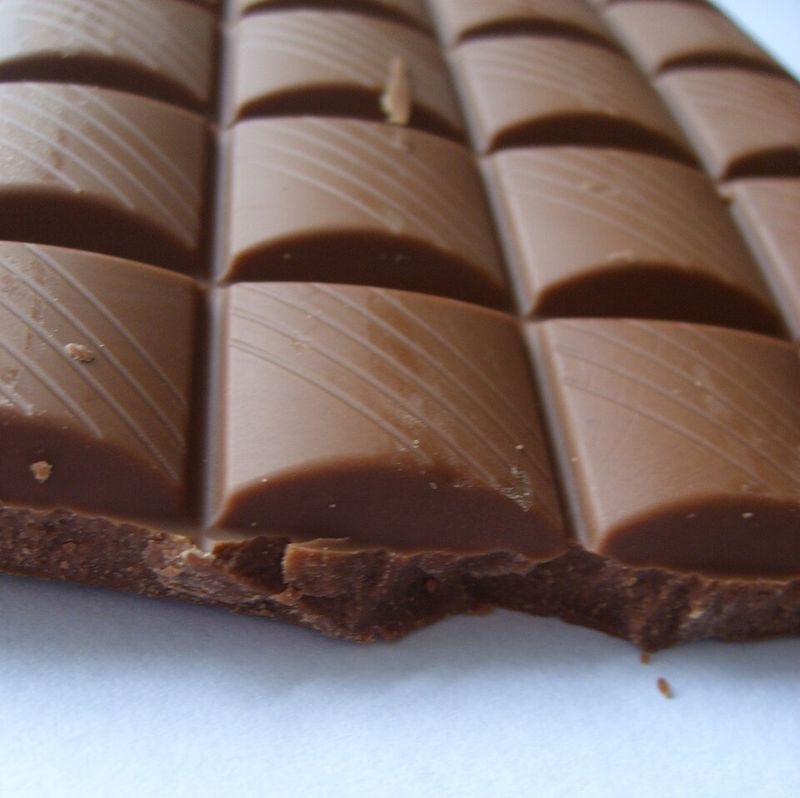
Milk chocolate is sweeter and creamier than dark, which often means eating more. It typically carries around 150 to 170 calories per ounce, with lower cocoa and higher sugar.
The melt in your mouth texture encourages extra bites before fullness registers.
Choose individually wrapped pieces to create a natural stopping point. Let each square melt slowly so flavor lingers longer.
If you prefer milky sweetness, balance a small serving with protein or fruit. You will feel satisfied without drifting into the whole bar.
Plan portions, savor intentionally, and milk chocolate becomes a treat that fits your day.
Ice cream
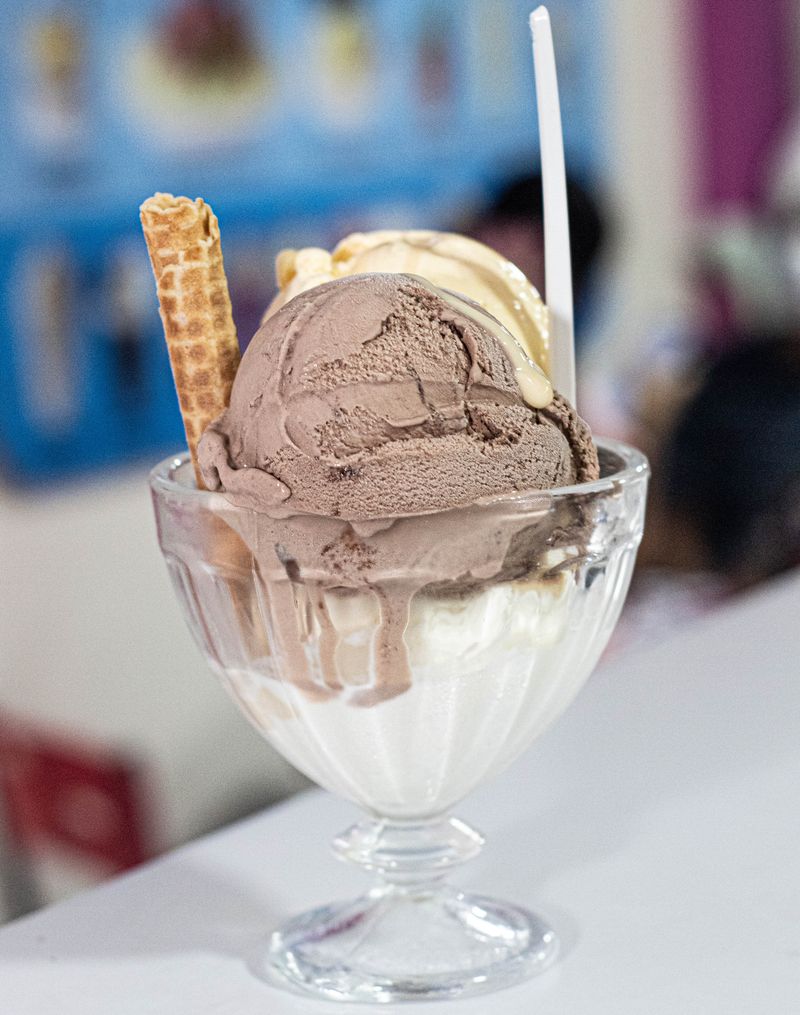
Ice cream serving sizes are tiny compared to most bowls at home. Half a cup may be 150 to 250 calories, and it is easy to scoop triple that.
Cones, mix ins, and sauces raise numbers without adding much fullness.
Use a small bowl and a portion scoop to keep servings honest. Add volume with fresh fruit or a sprinkle of cocoa nibs for crunch.
Choose sorbet or frozen yogurt sometimes, but still measure. Savor each spoonful slowly.
Dessert can absolutely fit, especially when you treat it as a planned highlight instead of a free pour experience.
Sweet pastries

Croissants, danishes, and cinnamon rolls blend butter, sugar, and refined flour. A single pastry often lands between 300 and 600 calories, sometimes more with glaze or filling.
They feel light because of airy layers, but each bite is energy dense.
Split one with a friend or buy mini versions to satisfy the craving. Pair with protein like eggs or yogurt to steady appetite.
If bakery trips are a habit, plan them and enjoy fully, then return to normal meals. You will keep pleasure high without drifting into daily extras.
Remember, delicious does not always mean harmless on calories.
Chocolate cake
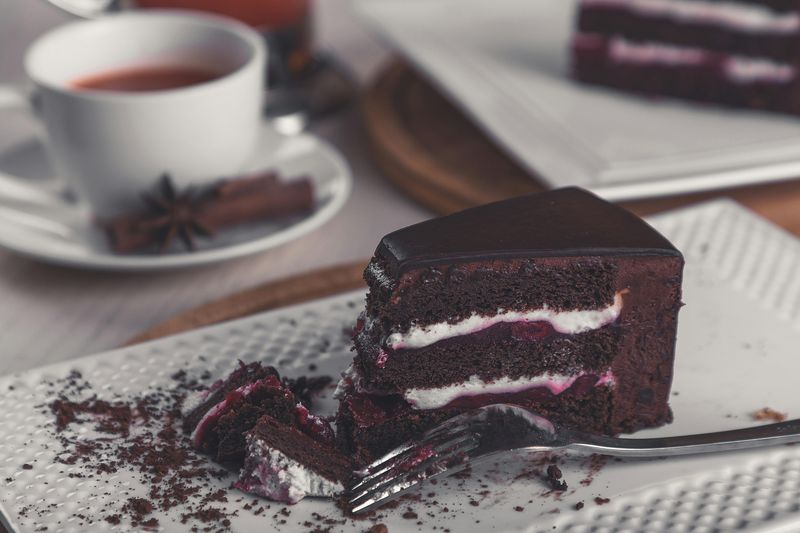
Chocolate cake combines sugar, butter, and frosting into a celebration on a plate. A generous slice can easily top 400 to 600 calories, especially with thick icing.
Layers and fillings increase density while looking deceptively modest.
Cut slimmer slices and serve on small plates to recalibrate portions. Share dessert or enjoy half now, half later with coffee or tea.
Consider lighter frostings or fresh berries to add volume. You are not skipping joy, just shaping it.
A planned slice feels indulgent and satisfying, while you keep your goals intact the rest of the day.
Cookies
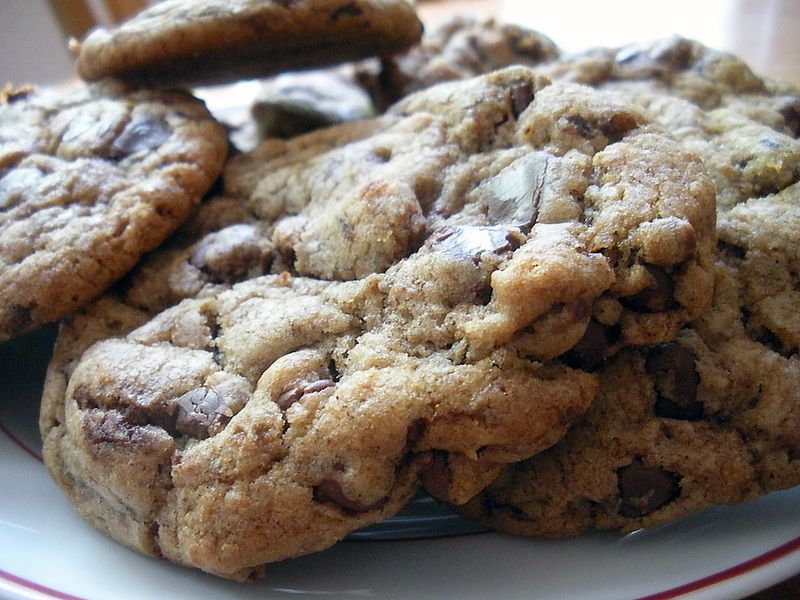
Cookies rarely stop at one. Two or three standard cookies can run 250 to 400 calories before milk.
Bakery versions are larger, sometimes equivalent to three homemade cookies in a single piece. The crisp edges and soft centers encourage grazing.
Pre-portion into small bags or freeze dough balls to bake exactly what you need. Choose mini cookies to enjoy more pieces for fewer calories.
Pair with fruit or yogurt to round out a snack. Savor deliberately and you will keep control while keeping comfort.
Cookies can absolutely fit with a strategy rather than a free for all.
Potato chips
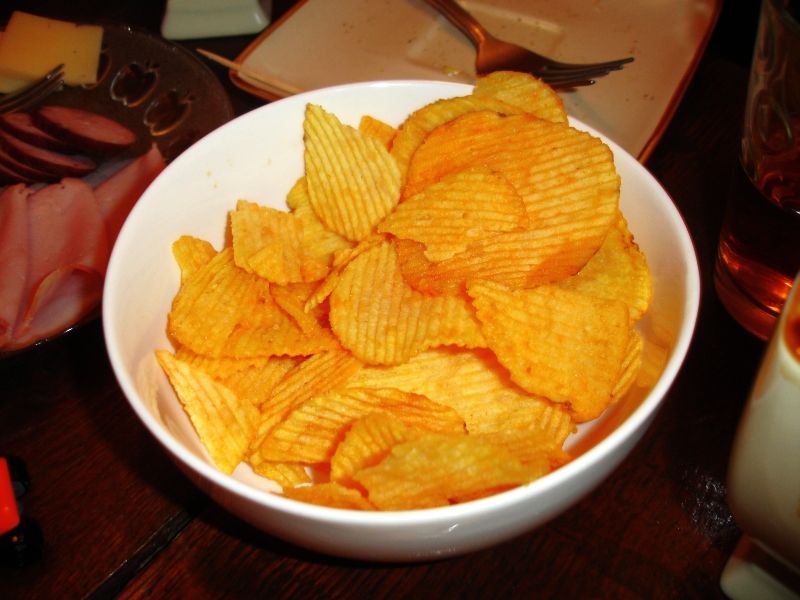
Chips are engineered to be irresistible. A serving might be 150 calories, but the bag almost invites another handful.
The crunch and salt override fullness cues, and party bowls make tracking impossible.
Pour a serving into a small bowl and close the bag before sitting down. Choose baked or kettle options only if you still measure.
Add crunchy veggies and salsa on the side to extend the snack. If you love chips with sandwiches, plan them in and skip extras elsewhere.
Awareness turns a mindless munch into a controlled treat that still hits the spot.
French fries
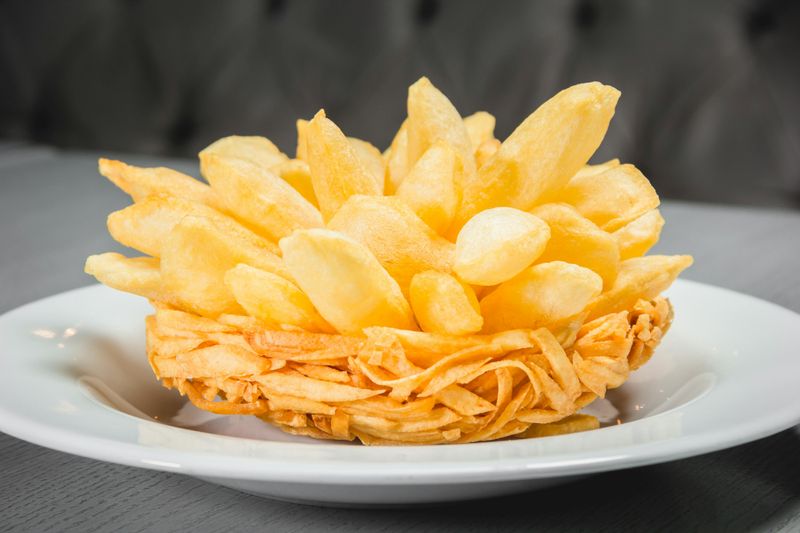
Fries soak up oil, making small portions surprisingly calorie dense. A medium fast food order can push 300 to 400 calories, sometimes more with sauces.
Shared baskets at restaurants blur portion lines, so it is easy to overdo it.
Order the smallest size and savor slowly. Pair with a lean protein and veggies so the meal still feels complete.
Ask for extra napkins to blot excess oil. Consider roasted potato wedges at home for a similar fix with less fat.
Enjoy fries intentionally and you keep flavor while sidestepping the stealthy calorie spike that often comes with them.
White bread
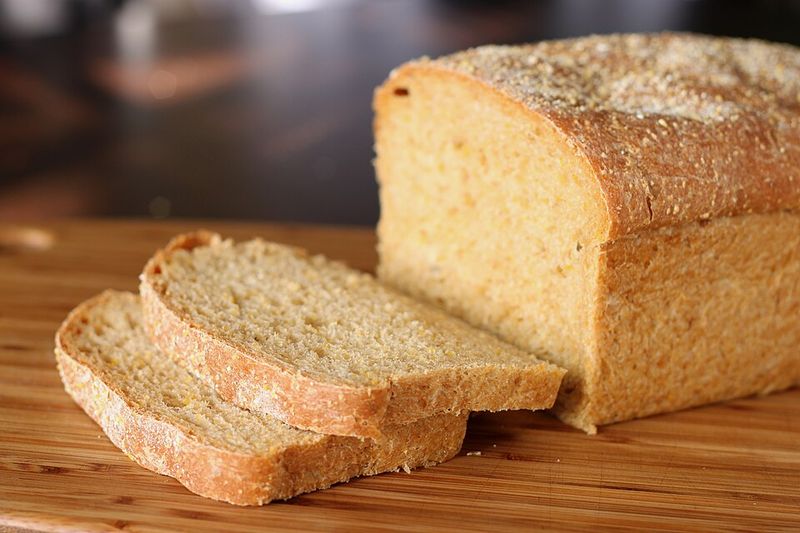
White bread is soft and easy to overuse for toast, sandwiches, and snacks. Two slices can add 140 to 200 calories before spreads.
Low fiber means it digests quickly, leaving you hungry again and reaching for more toppings.
Choose higher fiber options or keep white bread for specific treats. Build sandwiches with lean protein, crunchy vegetables, and bold condiments to boost satisfaction.
Measure spreads carefully and consider open faced versions. When you truly want classic white bread, enjoy it, just make the rest of the meal work harder.
Smart pairings help every slice go further.
Spaghetti
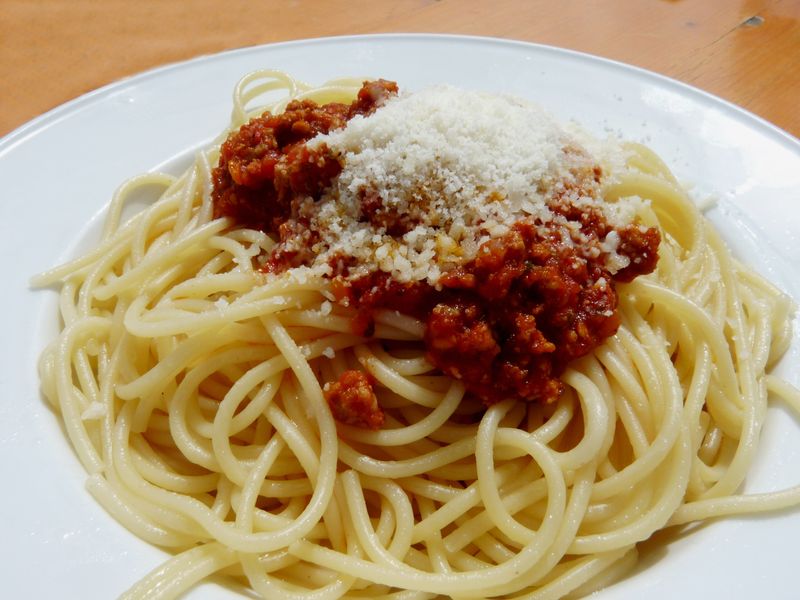
Dry pasta servings look tiny until cooked. A measured two ounce portion expands into a satisfying bowl, but unmeasured pours can double calories quickly.
Add creamy sauces, cheese, and olive oil, and the total climbs without feeling stuffed.
Weigh dry spaghetti before cooking and reserve some pasta water to stretch sauce. Load the dish with vegetables and lean protein to add volume and staying power.
Finish with sharp cheese for strong flavor in smaller amounts. Twirl mindfully and you still enjoy comfort without overshooting your goals.
Structure makes pasta night both joyful and balanced.
White rice
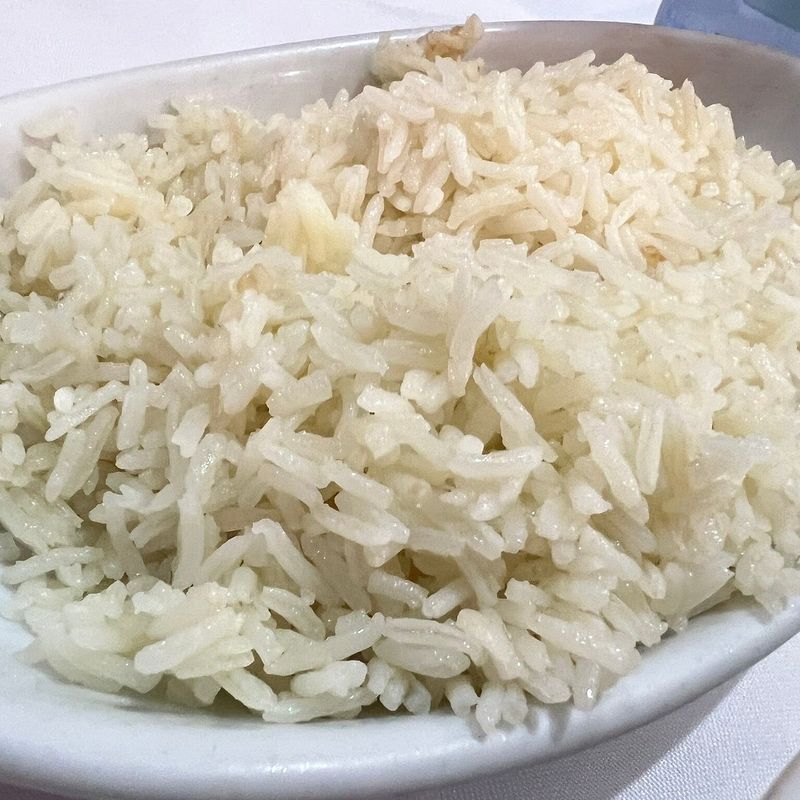
White rice is neutral and easy to overfill the bowl. A cup cooked is roughly 200 calories, but takeout containers encourage double or triple that.
Sauces, oils, and stir fry add even more without obvious volume changes.
Use a measuring cup for serving, then pile on vegetables and protein. Try half rice and half cauliflower rice to increase bulk with fewer calories.
Consider sushi rice portions, which are small but satisfying with fish. Season with soy, citrus, or herbs instead of extra oil.
When portions are clear, rice becomes a helpful side rather than a stealthy main.
Peanut butter
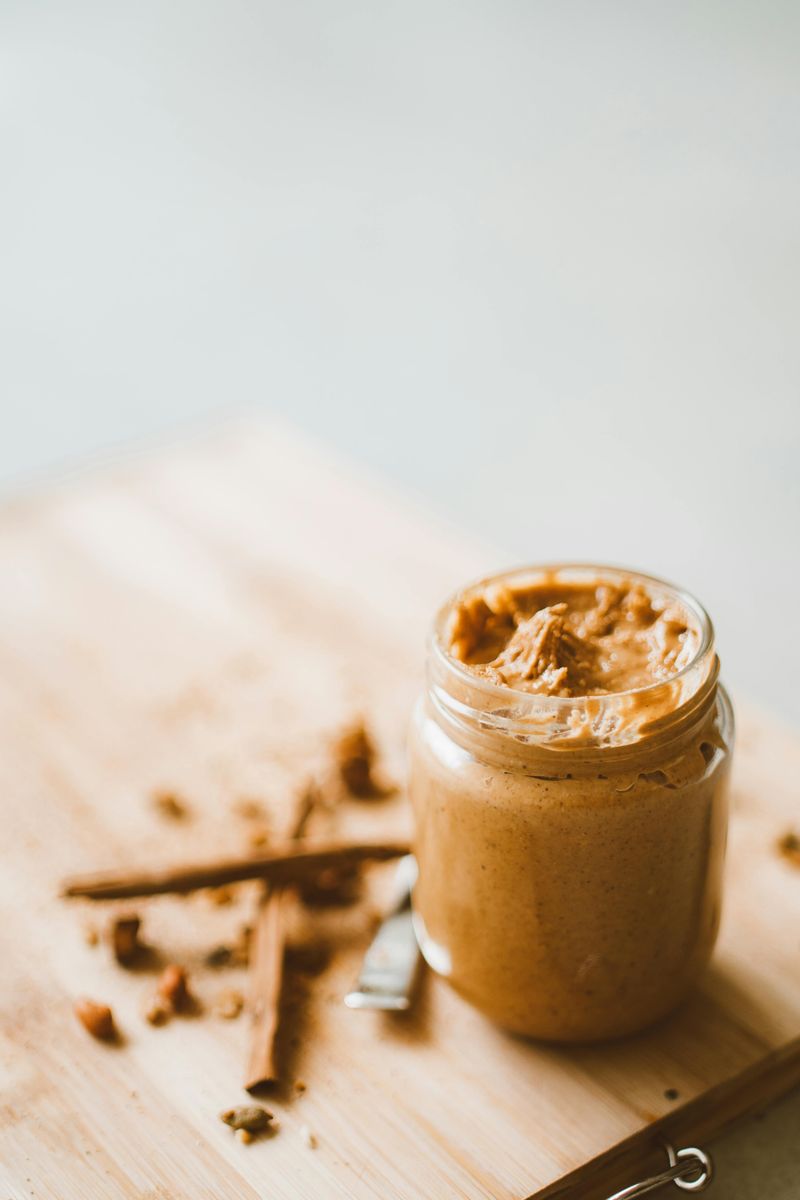
Peanut butter is nutrient dense and very easy to over scoop. Two tablespoons run about 180 to 200 calories, and spoon sizes vary wildly.
It hides inside smoothies, oats, and sandwiches where extra dollops barely look different.
Stir well, then measure with a level tablespoon for accuracy. Spread thinly to the edges of toast for full coverage with less.
Mix into Greek yogurt or banana slices for a portion controlled treat. If you love it, plan it in, because it is satisfying.
Precision prevents a healthy staple from turning into a daily calorie landmine.
Sugary cereal
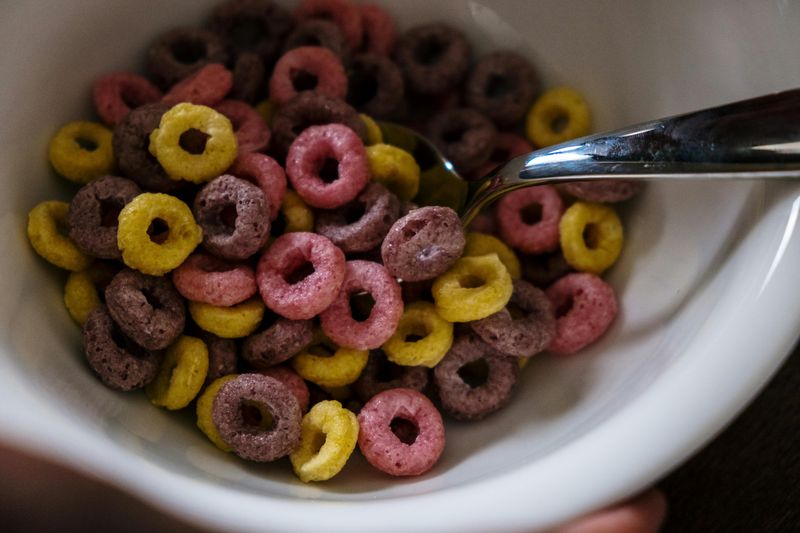
Sugary cereals pour fast and pack more calories than you expect. Labels list small serving sizes, but typical bowls are double.
Add milk and refills, and breakfast can quietly hit dessert levels without lasting fullness.
Use a measuring cup and choose a smaller bowl. Mix half sugary cereal with high fiber flakes to slow digestion and add crunch.
Top with berries for volume and natural sweetness. If nostalgia calls, enjoy it, just portion thoughtfully.
That way you keep the fun while avoiding a morning sugar rollercoaster that leaves you hungry before lunch.
Granola bars
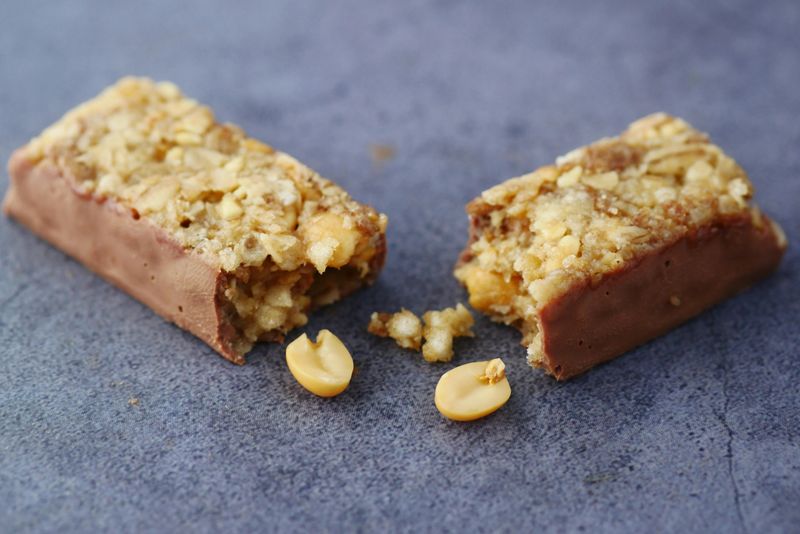
Granola bars sound wholesome, but many resemble candy with oats. They often include syrups, oils, and chocolate, landing between 180 and 250 calories each.
It is easy to eat two because they seem small for a snack.
Check labels for protein and fiber to improve staying power. Pair a bar with fruit or a yogurt for balanced energy, or choose mini bars to match your hunger.
Keep them for on the go emergencies instead of grazing at home. With a little planning, granola bars become helpful, not stealthy calorie fillers that never truly satisfy.
Fruit yogurt
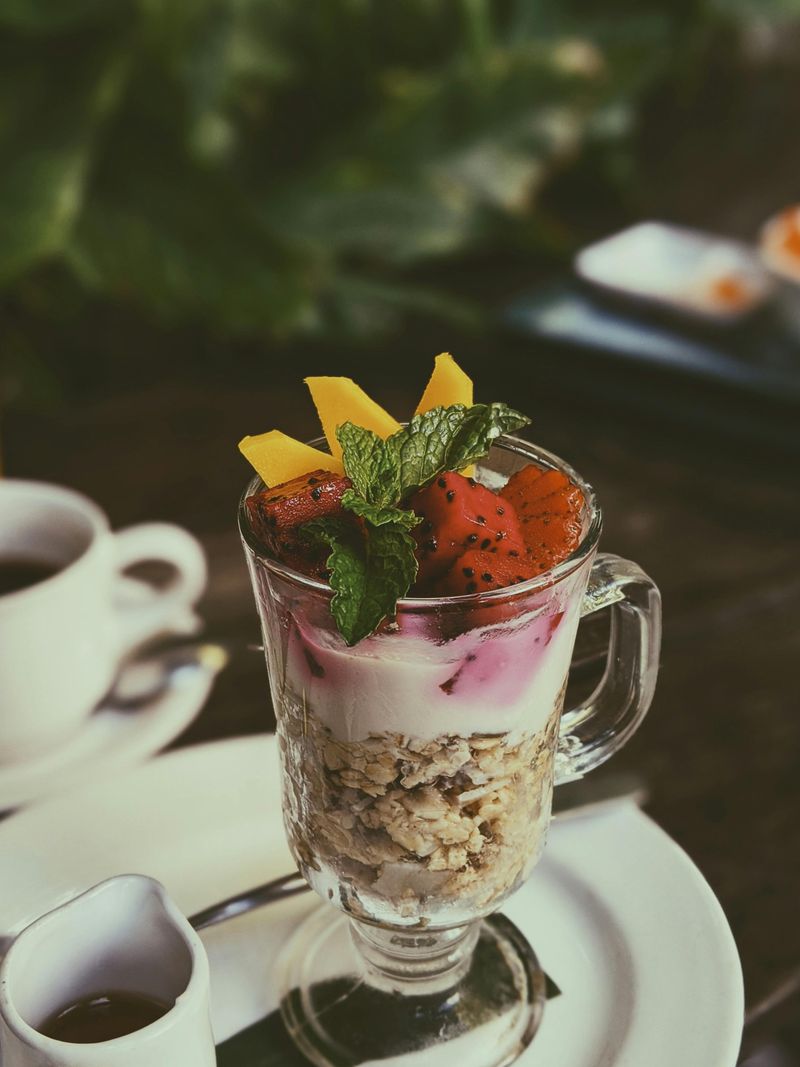
Fruit yogurt can hide significant added sugars. A single cup may range from 150 to 200 calories, more if topped with granola.
The creamy texture and sweet taste invite larger spoonfuls, especially when eaten straight from the tub.
Choose plain yogurt and add your own fruit, cinnamon, or a drizzle of honey. If buying flavored, pick lower sugar options and stick to the serving.
Add crunch with nuts or seeds, measured thoughtfully. You still get creaminess and tang, but with control.
Yogurt remains a great snack when the sweet extras are dialed back.
Soft drinks
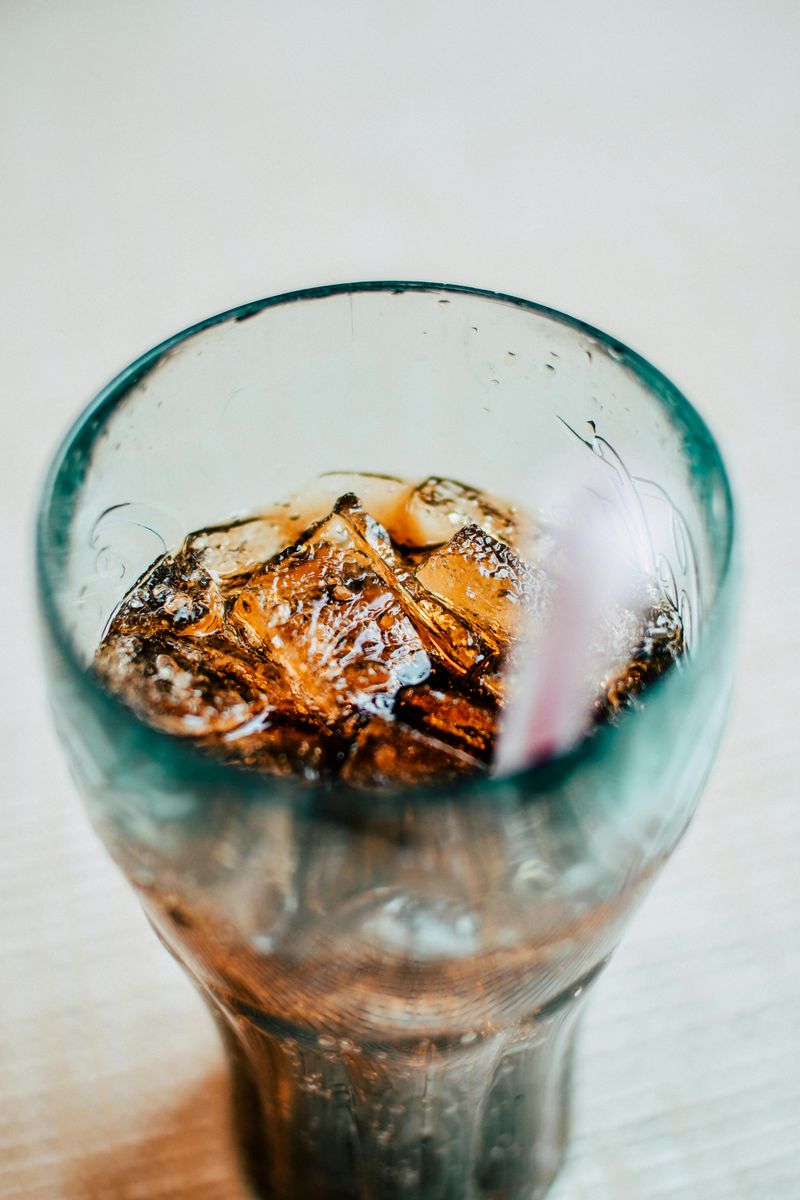
Soda delivers calories fast with no fullness. A 12 ounce can often has around 140 calories, and refills multiply that quickly.
Large takeout cups normalize huge portions that feel like nothing.
Downsize your cup, switch to diet or sparkling water, or set a weekly limit. If you enjoy soda with meals, balance the rest of the day accordingly.
Add a squeeze of citrus for brightness without sugar. Keeping soda intentional helps protect your goals while still enjoying the fizz when it really hits the spot.
Energy drinks

Energy drinks often combine sugar with caffeine, sending calories up quickly. A single can can carry 110 to 250 calories, and some bottles hold multiple servings.
The buzz can mask hunger, leading to overeating later.
Check labels for serving sizes and sugar content. Consider zero sugar versions if you like the ritual, or grab black coffee with a splash of milk.
Hydrate with water first so you are not confusing thirst for fatigue. Use energy drinks strategically, not as a default, and you will avoid sneaky calories that do not keep you full.
Sweetened coffee

Flavored lattes and mochas can rival desserts. Syrups, whole milk, and whipped cream transform coffee into a 250 to 500 calorie drink.
It is easy to sip while working and forget it counts like a snack or meal.
Order smaller sizes, choose nonfat or lower fat milk, and limit pumps of syrup. Skip the whip or save it for a treat day.
A sprinkle of cinnamon or cocoa adds flavor for almost no calories. Keep the ritual, tweak the recipe, and you will still get your cozy cup without the surprise energy dump.
Soft cheese
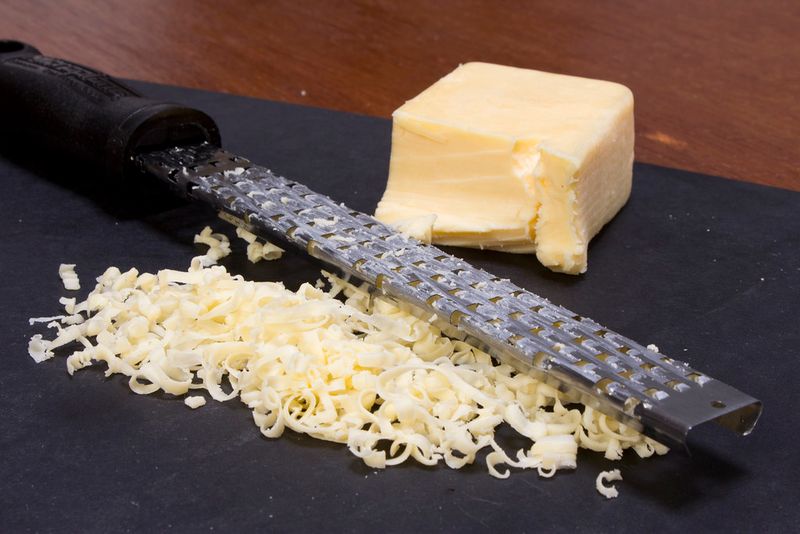
Brie, Camembert, and triple cream cheeses spread like butter, which tempts thicker servings. An ounce can carry 90 to 120 calories, and those soft rinds invite repeat bites.
Crackers, nuts, and jam alongside push totals even higher without feeling stuffed.
Serve with crisp apple slices, cucumber, or endive instead of buttery crackers. Use a cheese knife and pre-cut tidy wedges so portions remain clear.
Choose flavorful accompaniments like fig, pepper jelly, or herbs to enhance satisfaction. Savor slowly and you will appreciate richness with fewer bites.
It is indulgent, but a little truly goes a long way.