



Ever buy a fancy food and wonder why your wallet feels lighter but your plate looks the same? Some products sell a dream in shiny packaging while quietly cutting corners. Once you peek behind the marketing curtain, it is hard to swallow the price tag. Let us unpack the hype so you can keep the flavor and ditch the scams.
Truffle oil
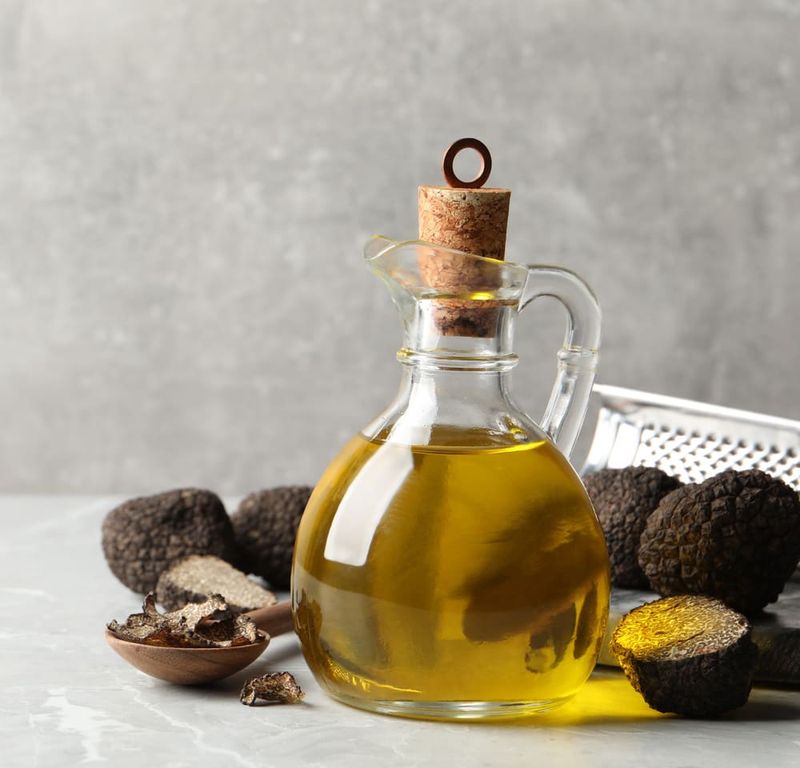
Truffle oil sounds luxurious, but most bottles contain no real truffle. You are usually paying for olive oil infused with synthetic aroma compounds designed to mimic those earthy notes. That is why the scent hits hard at first and then tastes oddly one dimensional.
Restaurants splash it to create instant fancy vibes, yet chefs often avoid it off the record. Real truffles are seasonal, delicate, and wildly expensive, so the math rarely checks out. If you love the flavor, consider real truffle shavings occasionally instead of daily drizzles.
Gold flakes

Edible gold adds sparkle without adding flavor or nutrition. You pay for the spectacle, not the experience, which makes that markup feel silly once you know. It is chemically inert, so your body just passes it through like glitter.
Restaurants use it to signal exclusivity and justify premium pricing. If you want luxury, invest in actual quality ingredients instead of metallic confetti. Save your money, and your dessert will still taste just as good without the bling.
Bottled water

Many bottled waters come from municipal taps, then get filtered and marked up dramatically. The branding whispers purity and mountain springs, yet the source can be surprisingly ordinary. You are mostly paying for plastic, marketing, and shipping water long distances.
Reusable bottles and home filtration save money and reduce waste. Taste differences often vanish in blind tests, especially once chilled. If you want minerals, choose a reliable filter or legit spring source and skip the lifestyle tax.
Premium ice

Clear cubes look gorgeous, but charging extra for frozen water is a stretch. Bars justify it for slower melting and better dilution control, which is fair for craft cocktails. At home, you can make directional-freeze ice with a cooler and patience.
Do not let aesthetics become a recurring bill. The difference in taste is minimal if you use clean water and reasonable cube size. Enjoy nice ice when it is included, but do not buy a subscription for cubes.
Protein chips
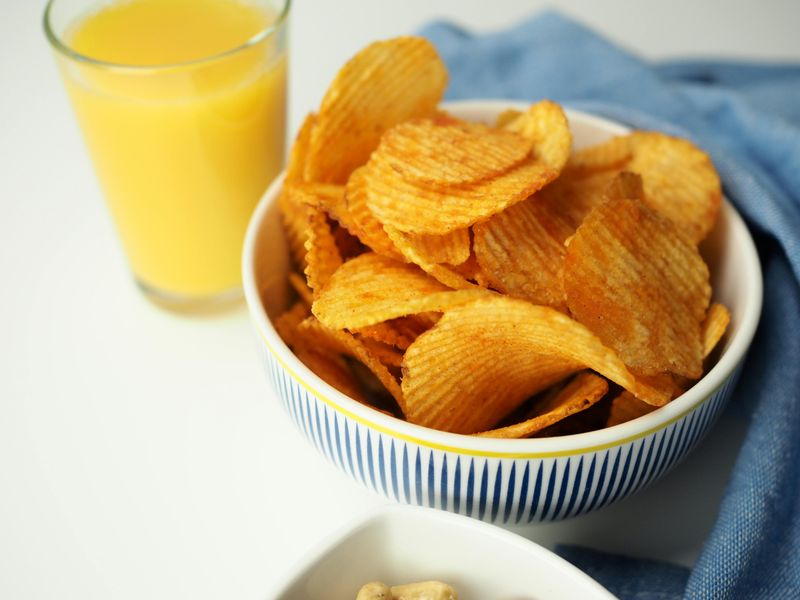
Protein chips sell fitness vibes with crunchy promises. Flip the bag and you will often see tiny serving sizes, filler ingredients, and a price per gram of protein that beats steak. The protein quality can be mixed, and the seasoning distracts from the bland base.
If you want gains, choose yogurt, eggs, tuna, or a simple shake. Snacks are fine, but do not pay a premium for clever packaging. Your macros and budget will both thank you.
Wellness shots
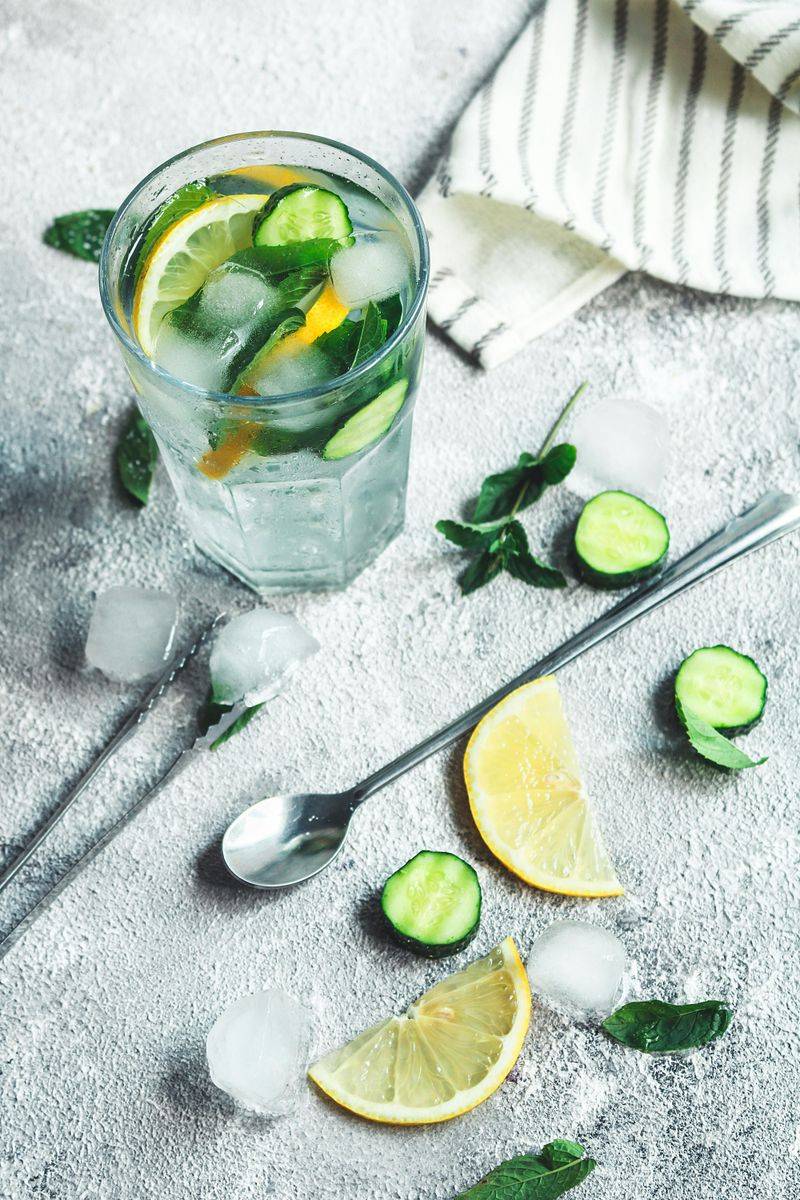
Two ounces of ginger and turmeric in a tiny bottle feel powerful, but they mostly deliver a spicy punch and a steep price. Nutrient absorption is limited, and benefits come from consistent diet patterns. One shot rarely moves the needle.
Make your own with lemon, ginger, and honey for pennies if you love the ritual. Otherwise, just eat whole produce and keep it simple. Wellness is not hiding in a thimble sized bottle.
Low fat snacks
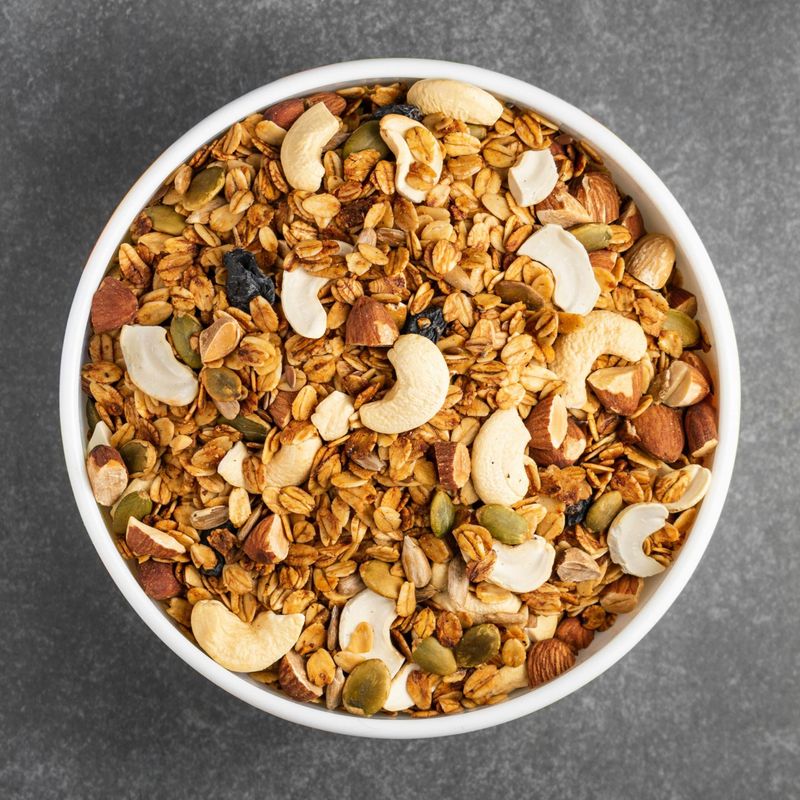
Low fat labels sound virtuous, but manufacturers often add sugar, starches, and gums to mimic texture. You lose fat and gain fillers, which barely helps satiety. The calories can end up similar to regular versions, just with different macros.
If fat is the target, mind portions and choose foods naturally satisfying. Nuts, yogurt, and fruit check boxes without the franken-textures. The label halo should not replace reading the ingredients list.
Vegan cheese
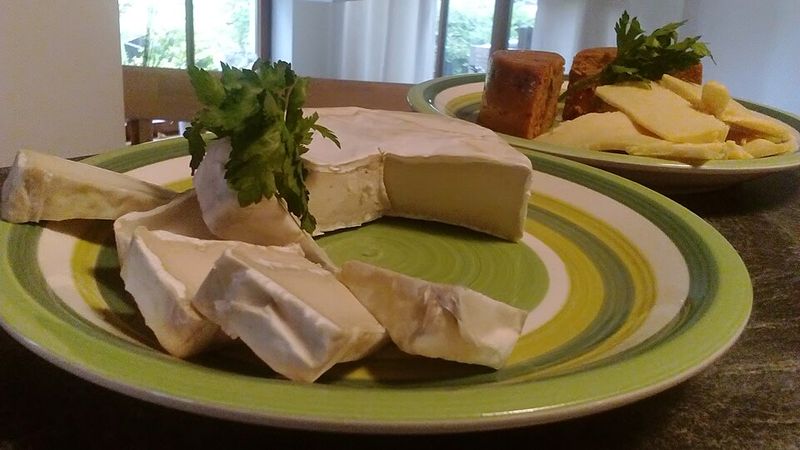
Vegan cheese fills a need but often relies on oils, starches, and flavorings to imitate dairy. Melt and stretch are tough to replicate, so performance can disappoint on pizza and grilled cheese. The price per ounce is frequently higher than quality dairy or nut cheeses.
For plant based options, look for cashew based wheels with real fermentation. They cost more but deliver tang and texture closer to the real thing. Otherwise, use less and lean on bold toppings.
Gluten free cookies
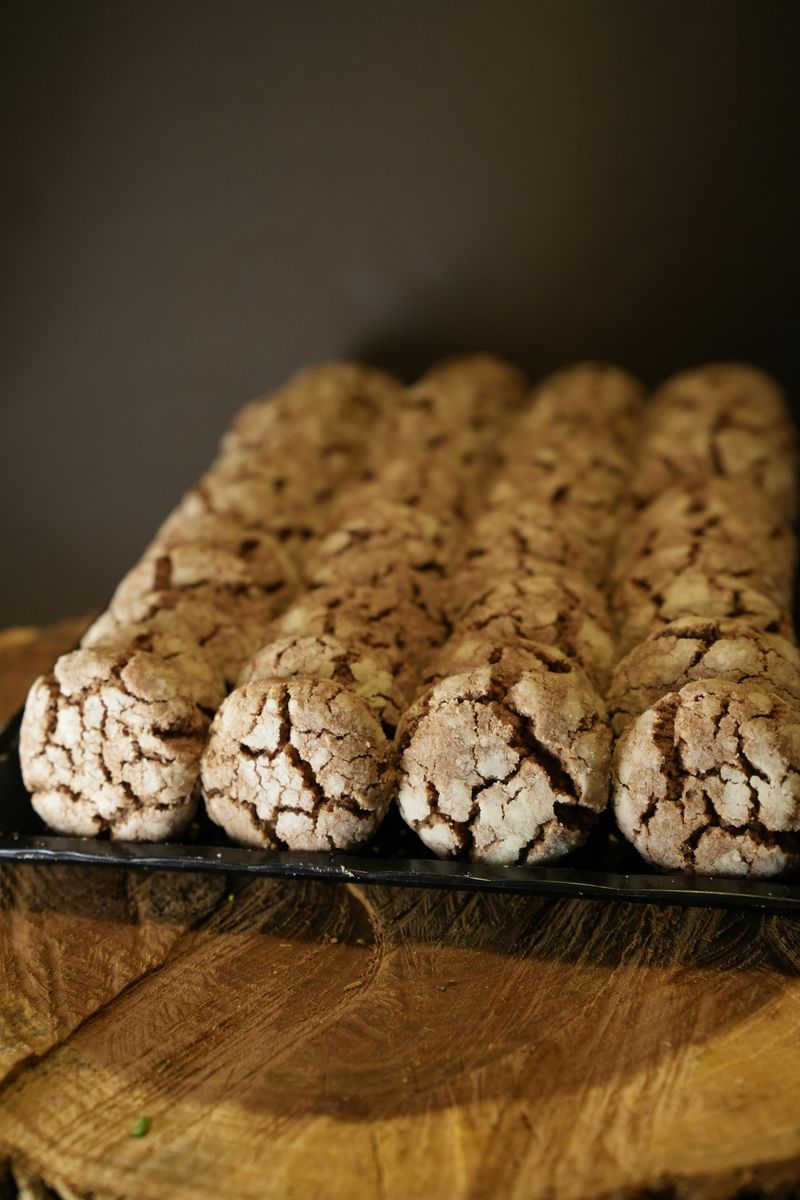
Gluten free helps celiac and sensitive folks, but cookies without gluten are still cookies. Many rely on starches, gums, and added sugar to mimic texture. The price jumps, yet nutrition rarely improves beyond the label claim.
If you need gluten free, bake with almond or oat flour for better fiber and taste. Otherwise, enjoy regular cookies in smaller amounts. Health is not baked into the absence of gluten.
Organic candy
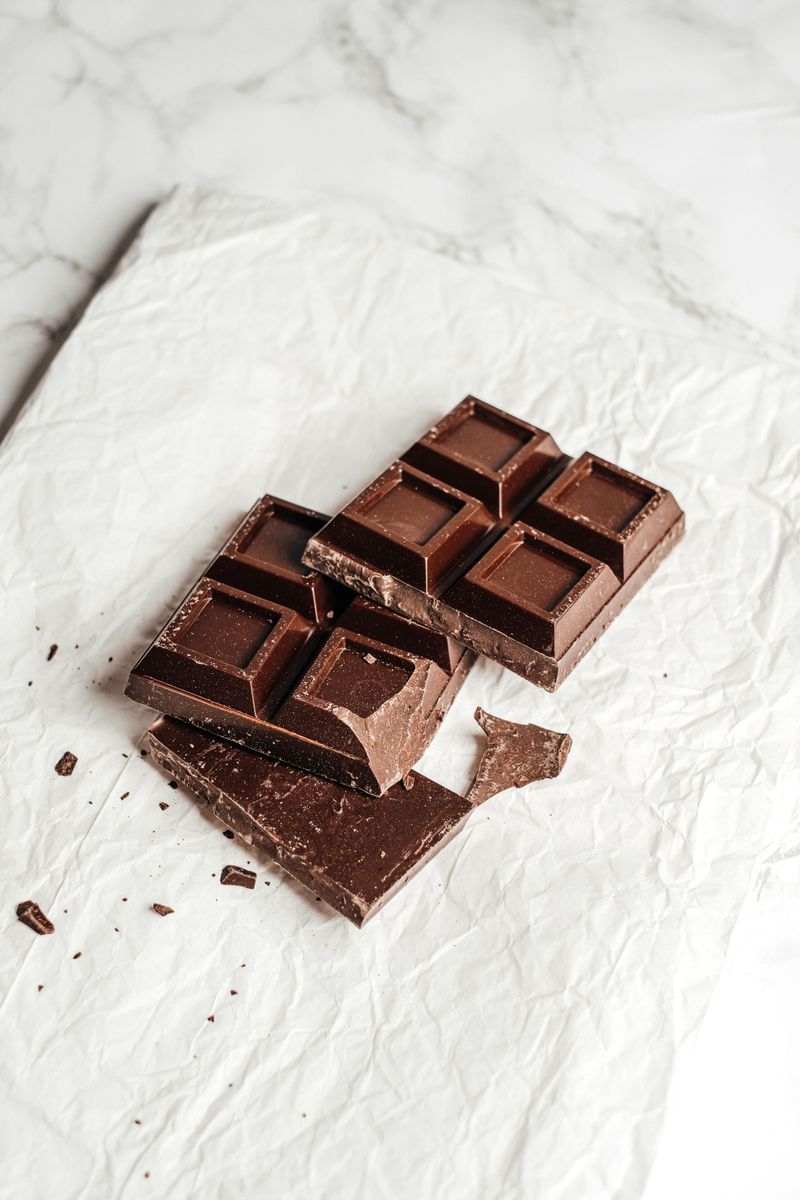
Organic sugar is still sugar. The certification speaks to farming practices, not nutrient magic or calorie forgiveness. Candy marketed as clean can feel safer, leading to bigger handfuls without realizing it.
Enjoy treats mindfully and remember serving sizes matter more than buzzwords. If organic sourcing matters to you, great, but do not expect your teeth or energy to notice. Your body tracks sugar, not marketing claims.
Superfood powder
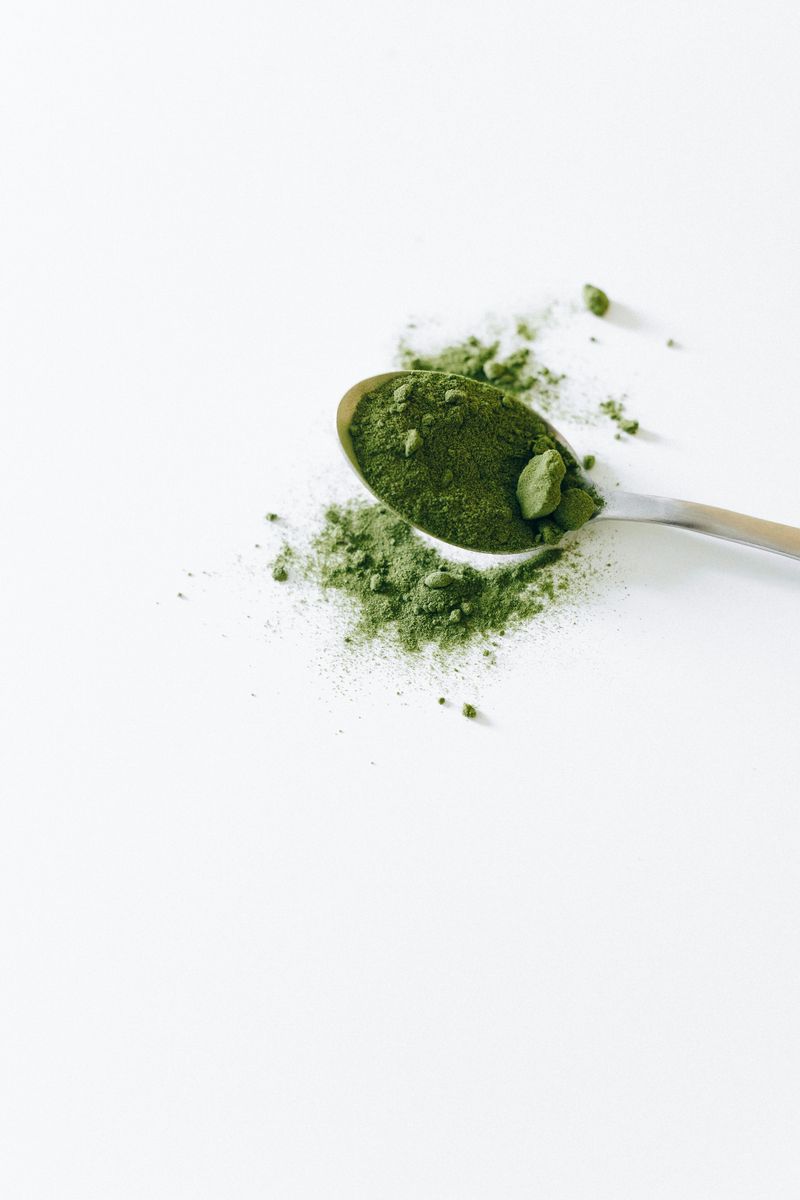
Superfood powders promise daily vitality in a scoop, but nutrient amounts can be tiny compared to whole produce. Proprietary blends hide exact dosages, making benefits hard to verify. The earthy taste often needs juice, adding cost and sugar.
If convenience helps you drink more, fine, but do not let it replace vegetables. A blender, spinach, and frozen berries deliver more for less. Health is built in the produce aisle, not just the supplement shelf.
Pre cut fruit
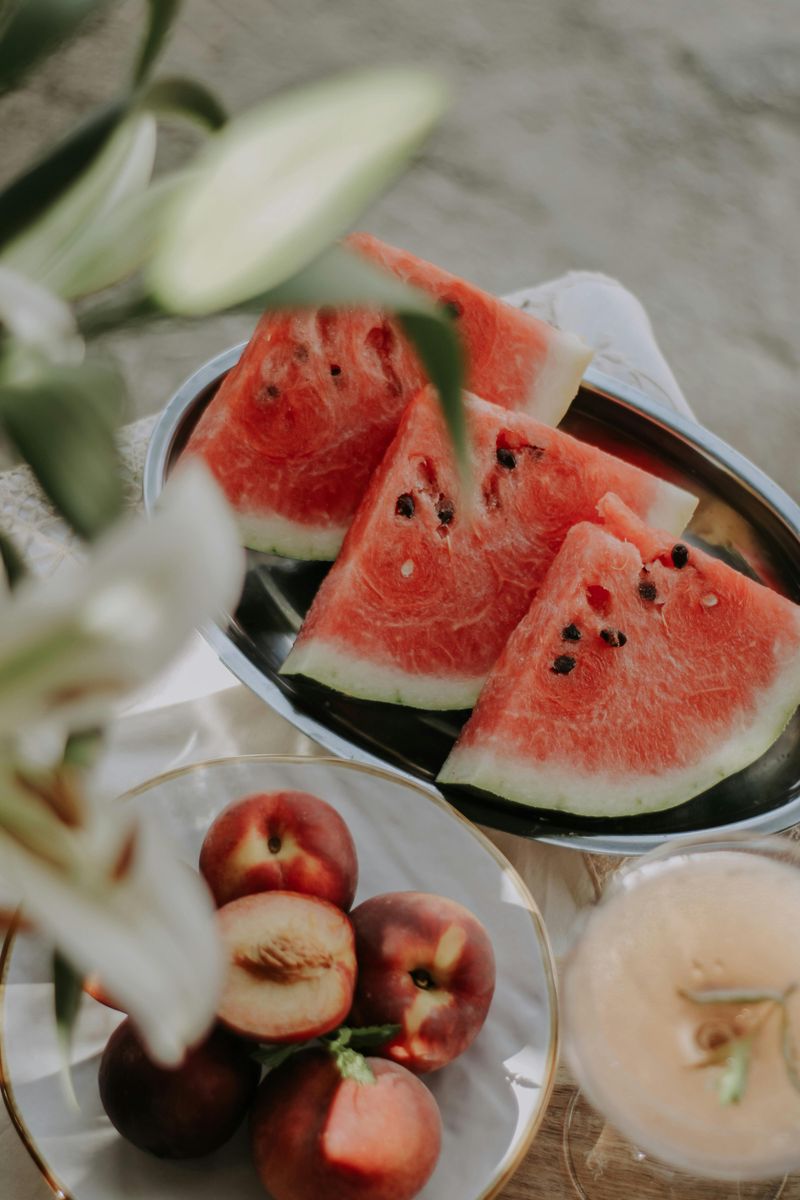
Pre cut fruit is convenient but comes with air exposure, faster spoilage, and a markup that can double the price. Texture declines quickly, and you pay for the labor and packaging. Sometimes syrup or anti-browning treatments sneak in.
Buy whole fruit, wash, and prep a few days at a time to save money. If convenience wins, grab the smallest pack you will finish. The goal is freshness, not a science project in your fridge.
Single serve packs
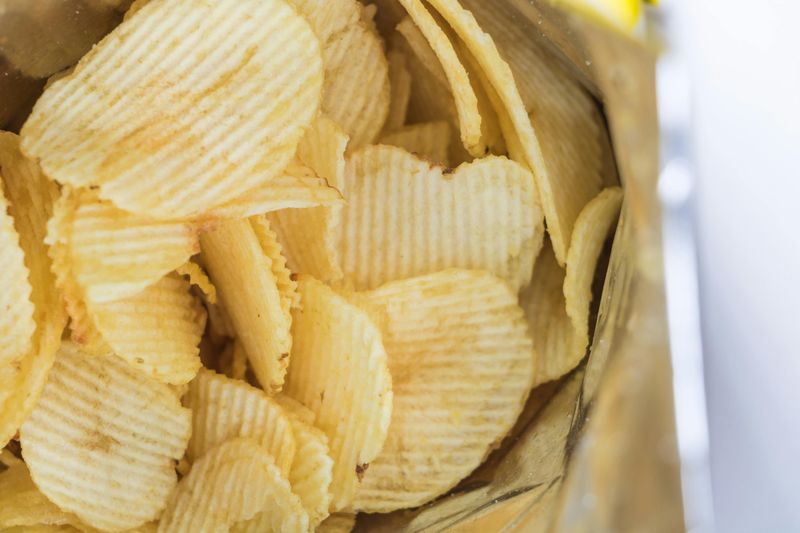
Single serve packs help with portion control, but the unit price is harsh. You are buying extra plastic and air along with the food. A full size bag and a handful of reusable containers do the same job for less.
For travel or emergencies, they make sense. For daily life, batch-portion at home and keep the savings. Convenience is great, but not when it quietly empties your budget.
Ready rice pouch
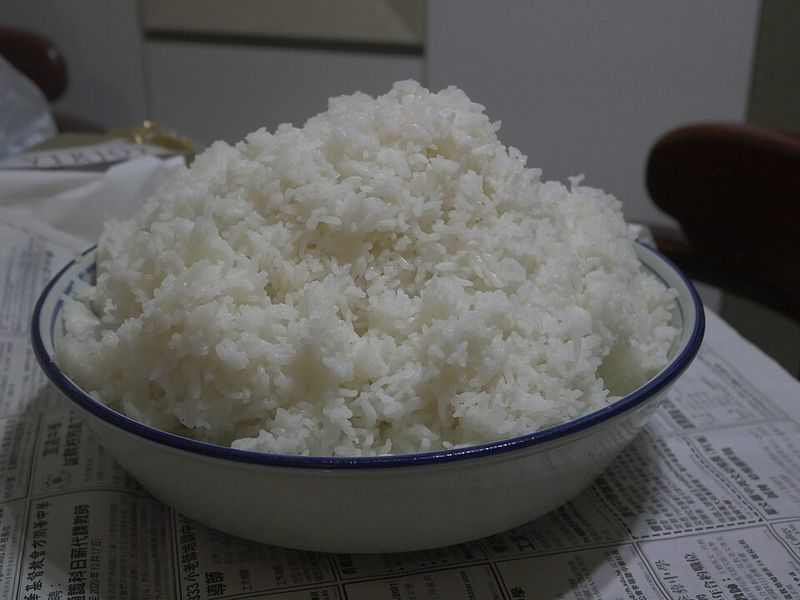
Microwave rice pouches promise speed, but plain rice cooks in 15 minutes for a fraction of the price. Many pouches add oils or sodium you would not use at home. The convenience tax is real, especially if rice is a staple.
Batch cook and freeze flat in bags for instant portions. You get better texture and control over ingredients. Save pouches for true emergencies, not weeknight routine.
Microwave pasta
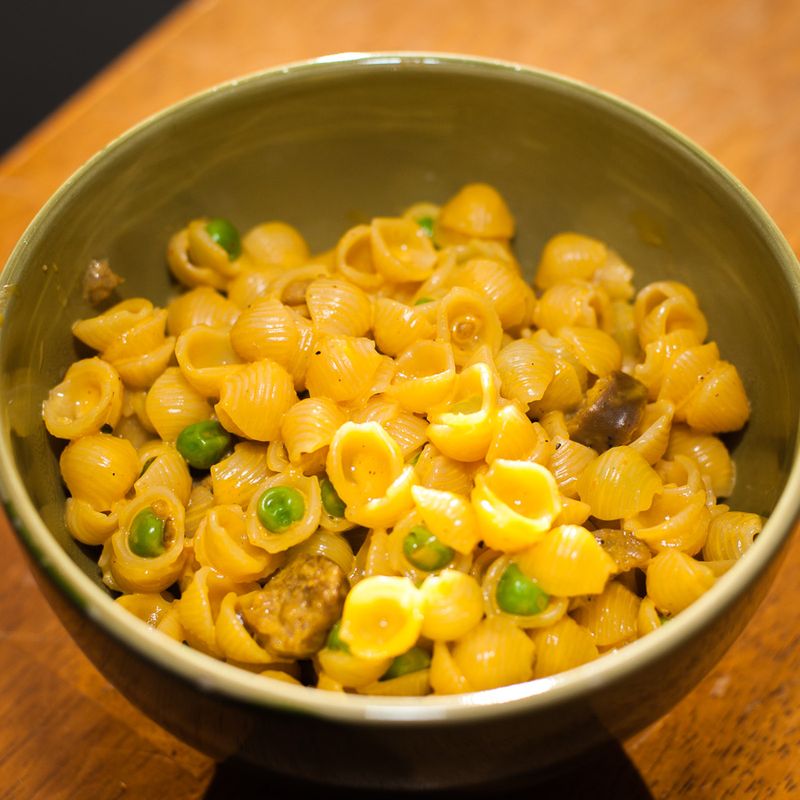
Microwave pasta tries to sell time you barely save. Boiling water plus dried pasta is cheap and quick, and the texture is superior. The trays often include sauce that leans sugary or salty to punch flavor.
If you are busy, cook a big pot, toss with olive oil, and refrigerate portions. Reheat with sauce in minutes and skip the markup. Convenience should not mean soggy noodles and extra packaging.
Meal kit box
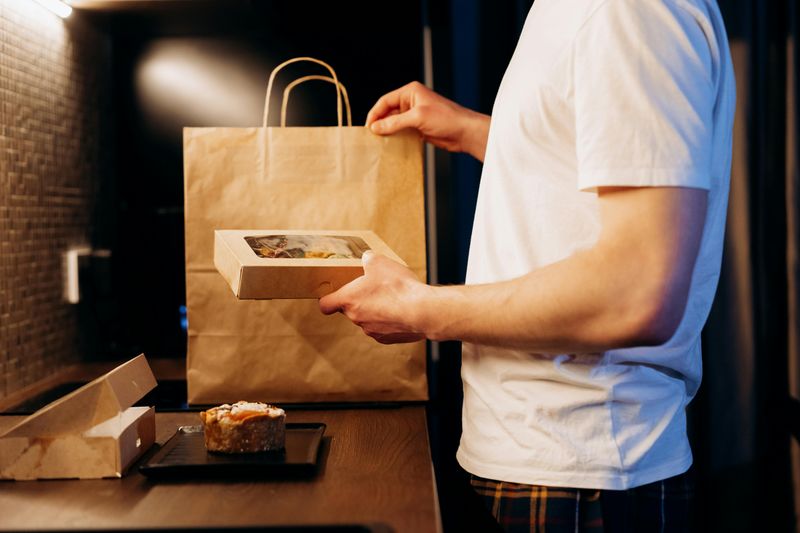
Meal kits help beginners cook, but the per serving price rivals restaurants once promotions end. Portions can run small, and packaging waste piles up fast. You are paying for logistics and pictures as much as ingredients.
Use kits to learn techniques, then buy groceries with the same recipes. Batch staples and keep a pantry list to reduce decision fatigue. Skills beat subscriptions in the long run.
Gourmet salt
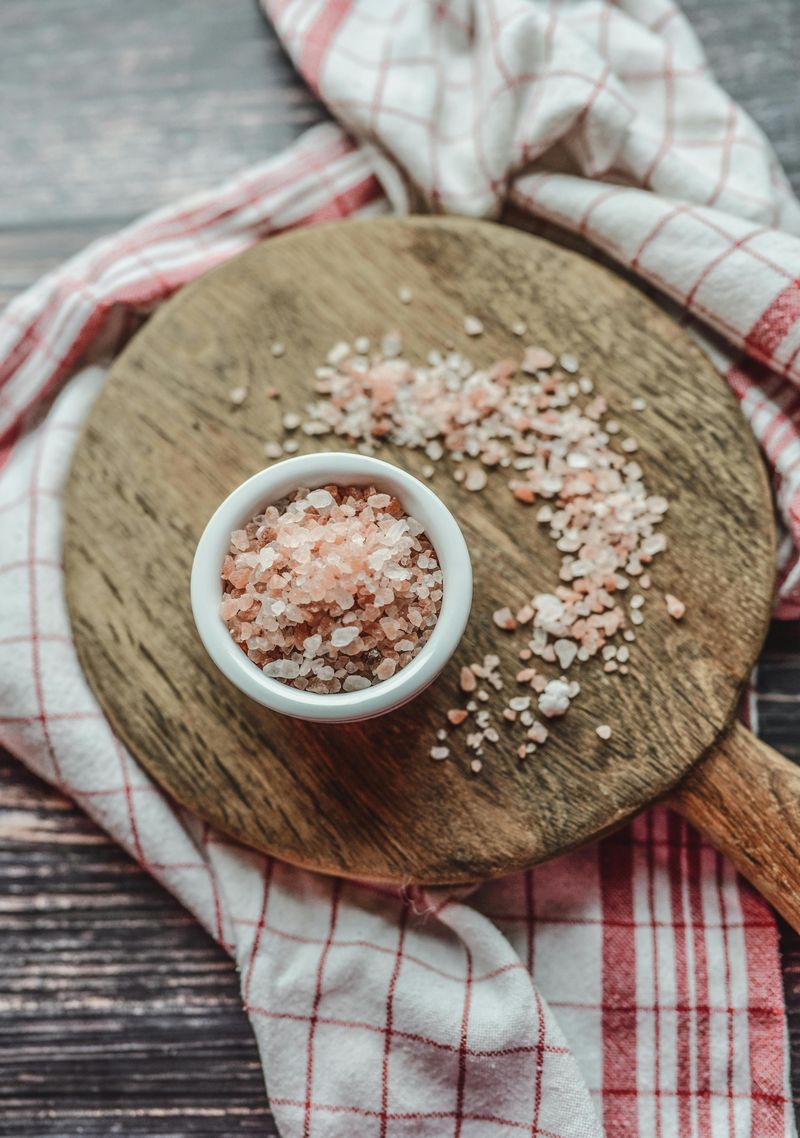
Fancy salts look stunning, but mineral differences are tiny at typical pinches. Flaky texture can improve finishing, yet that does not justify every premium jar. Pink crystals do not detox you or replace balanced electrolytes.
Buy one good flaky salt for finishing and use regular kosher for cooking. Your food will sing without draining your spice budget. Pretty color should not carry a monthly payment.
Fancy butter
Cultured butter is delicious, but some brands charge triple for pretty wrappers. Butterfat percentage and fermentation matter more than marketing. You can find excellent European style sticks at normal stores without the boutique tax.
Use fancy butter sparingly where it shines, like fresh bread or sauces. For baking and sautéing, standard quality works beautifully. Spend where you taste it, not where labels shout louder.
Luxury chocolate
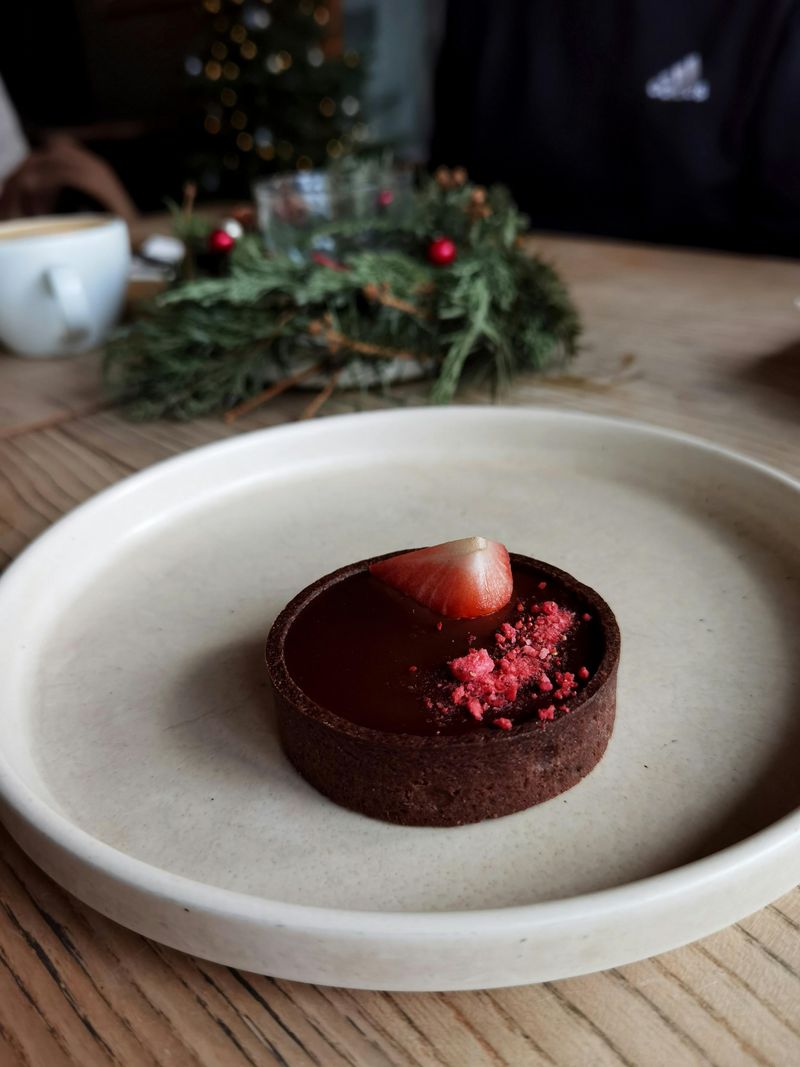
High end chocolate can be sublime, but sometimes you pay for packaging and buzz. Cocoa percentage is not a guarantee of flavor or ethics. Smaller makers with transparent sourcing often beat big luxury labels at lower prices.
Check origin, conching time, and ingredient simplicity. Taste side by side and let your palate decide, not the box. Expensive does not always equal exceptional.
Designer coffee

Single origin beans can be incredible, but a $9 latte owes more to rent than beans. Subscriptions and rare lots sound exclusive, yet freshness and grind size impact flavor more. The gear is optional if you nail basics.
Buy freshly roasted beans, store airtight, and brew with a scale. You will beat most cafes at home for a fraction of the cost. Let quality speak, not the logo on the cup.
Detox tea

Detox teas promise to flush toxins, but your liver and kidneys already handle that job. Many blends act as laxatives, which only reduces water weight temporarily. You might feel lighter, but it is not fat loss or a cleanse.
Long term, hydration, fiber, sleep, and balanced meals do more for your body than any sachet. If tea relaxes you, enjoy it for ritual and flavor. Just do not expect it to replace basic health habits.
Collagen drink

Collagen drinks are trendy for skin and joints, but your body breaks proteins into amino acids anyway. Some studies suggest benefits, yet doses, types, and timing vary widely. Marketing turns small effects into big promises with big price tags.
If you try it, buy from transparent brands and manage expectations. You might get mild improvements, not a makeover. Balanced protein, vitamin C, sleep, and sunscreen still do the heavy lifting.
Cauliflower crust
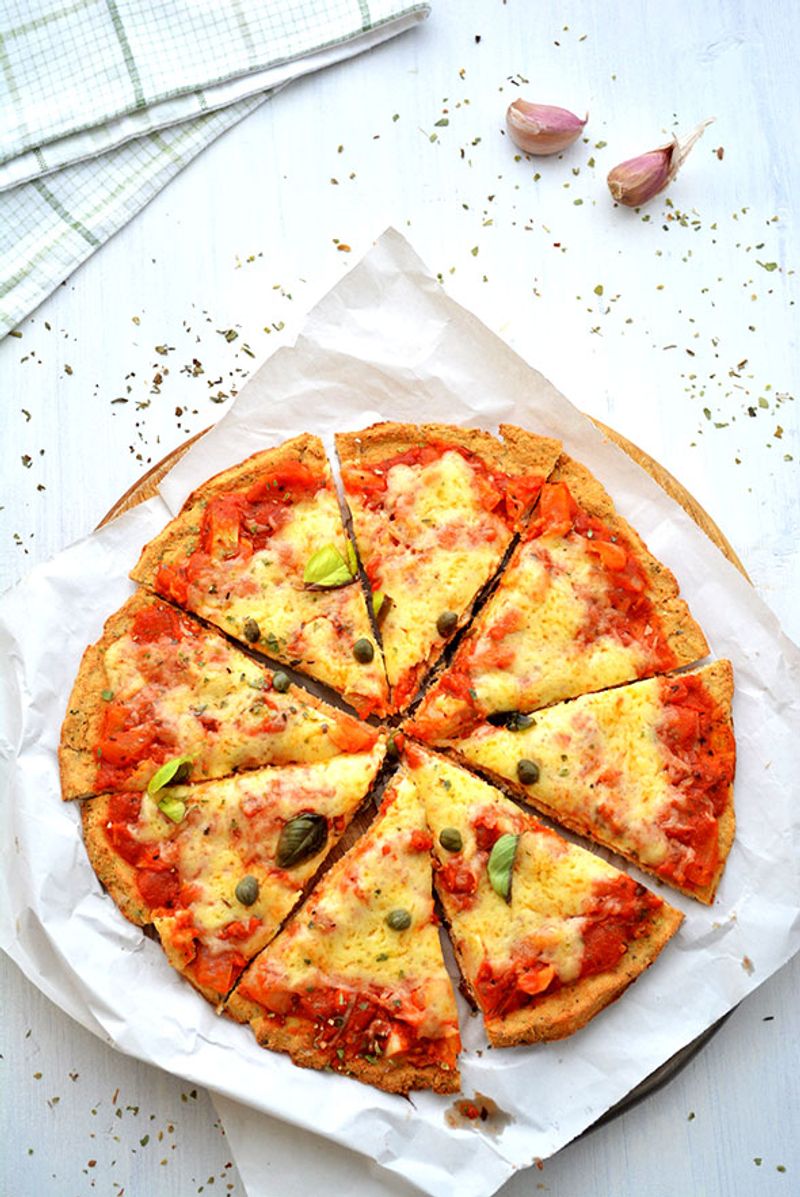
Cauliflower crust sounds light, but many versions add cheese, starches, and oil to hold it together. That can mean calories comparable to regular dough with less satisfying chew. Gluten free does not equal low carb unless you check the label carefully.
Homemade crusts can be lighter, but they take time and patience. If you want vegetables, pile them on top of a thin crust instead. Do not pay extra for a health halo you are not really getting.
Sugar free candy
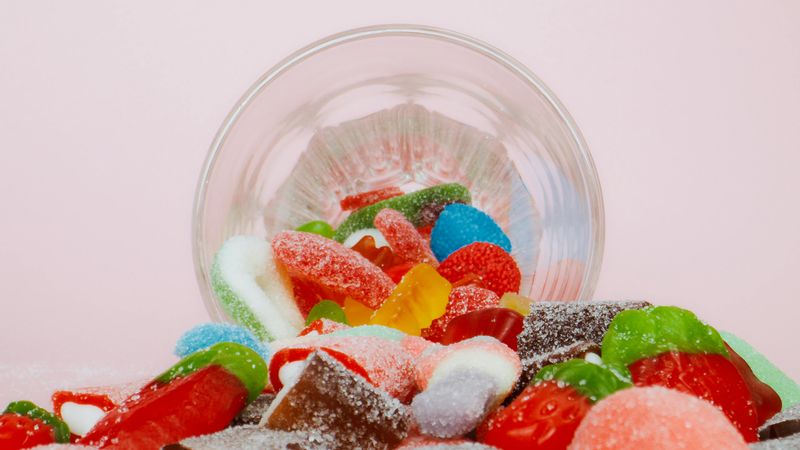
Sugar free candy leans on sugar alcohols and intense sweeteners. For some people, that means digestive surprises and a laxative warning in tiny print. Calorie savings are real but often modest per serving, and overdoing it is easy.
If you want candy, a small portion of the real thing can be simpler. Otherwise, choose options that clearly list polyol amounts and watch the serving size. Sweetness without context is not a bargain.