


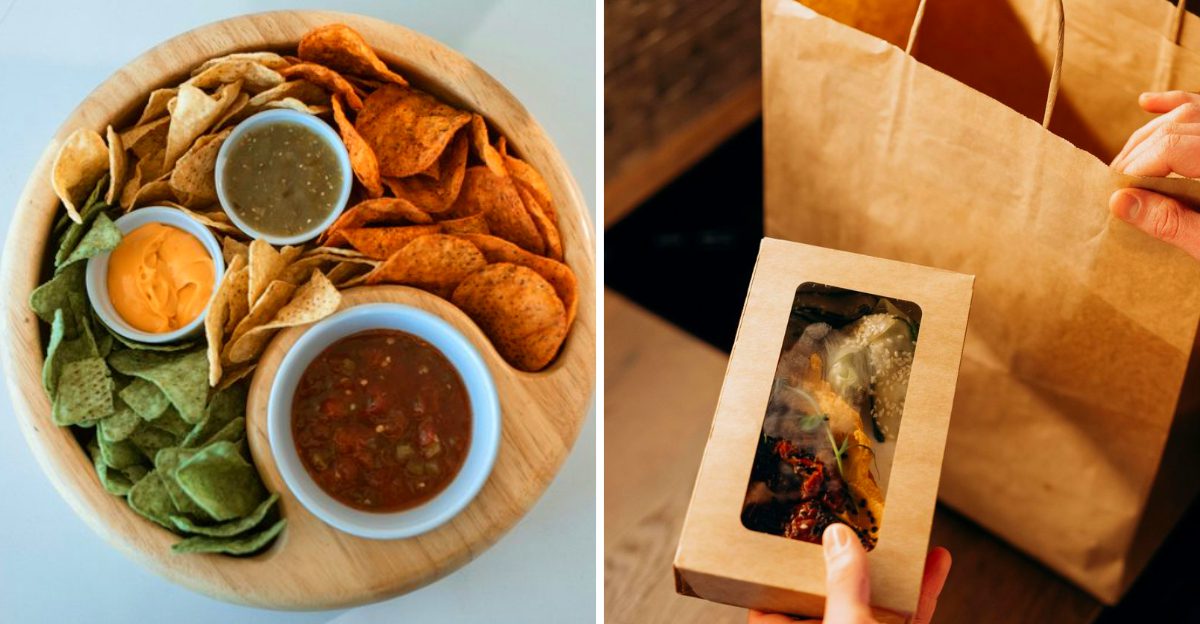
Some grocery shortcuts seem harmless until your receipts start creeping higher every week. Those tiny conveniences promise time saved, but they quietly tax your wallet one small markup at a time. Once you spot the patterns, you can swap them for smarter, cheaper moves without sacrificing dinner. Let’s break down the sneaky “hacks” draining your budget and what to do instead.
Pre cut fruit
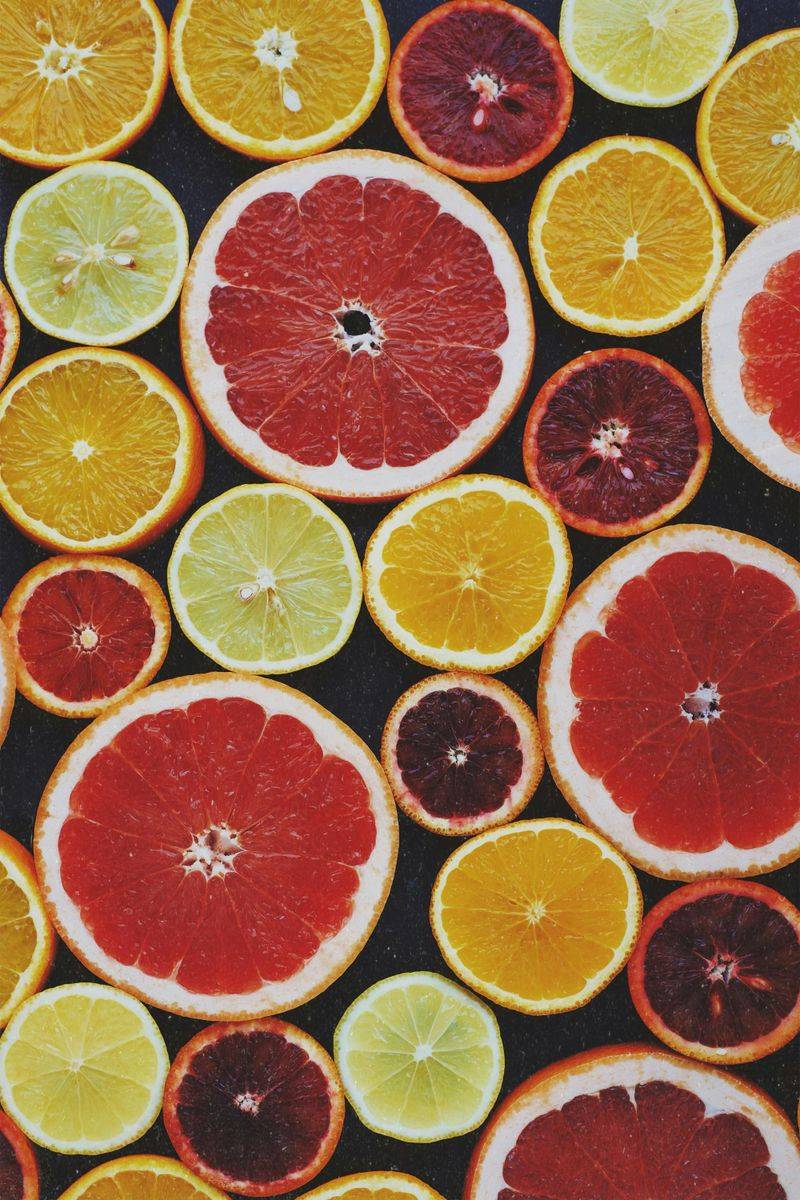
Pre cut fruit feels smart when days run long and hunger hits fast. The convenience is real, but you are paying for labor, packaging, and shortened shelf life. Those diced containers often cost double compared to whole fruit, and they spoil sooner.
Buy whole pineapples, melons, or mangoes and prep once for the week. Use a sharp knife, store in airtight containers, and freeze extras for smoothies. You will get more fruit, less waste, and a lower price per ounce.
Bagged salad
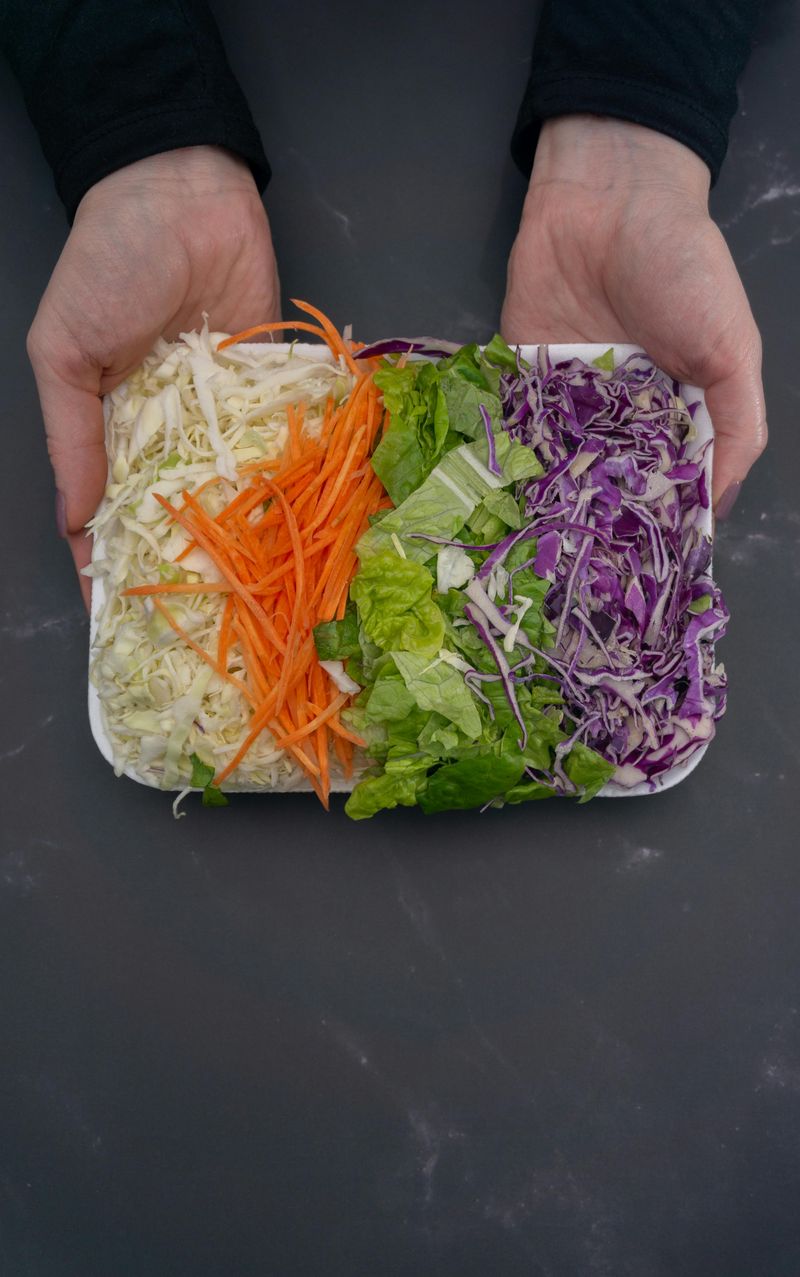
Bagged salad kits look like effortless meals, but the markups stack up. You are paying for shredded leaves, small sachets of dressing, and toppings that cost far less when bought separately. The portions seem generous, yet greens wilt quickly and create waste.
Buy heads of romaine or spinach, wash and spin them once, then portion into containers. Keep a jar of homemade vinaigrette and bulk nuts or seeds on hand. You will cut sodium, plastic, and price per serving while keeping freshness longer.
Rotisserie chicken
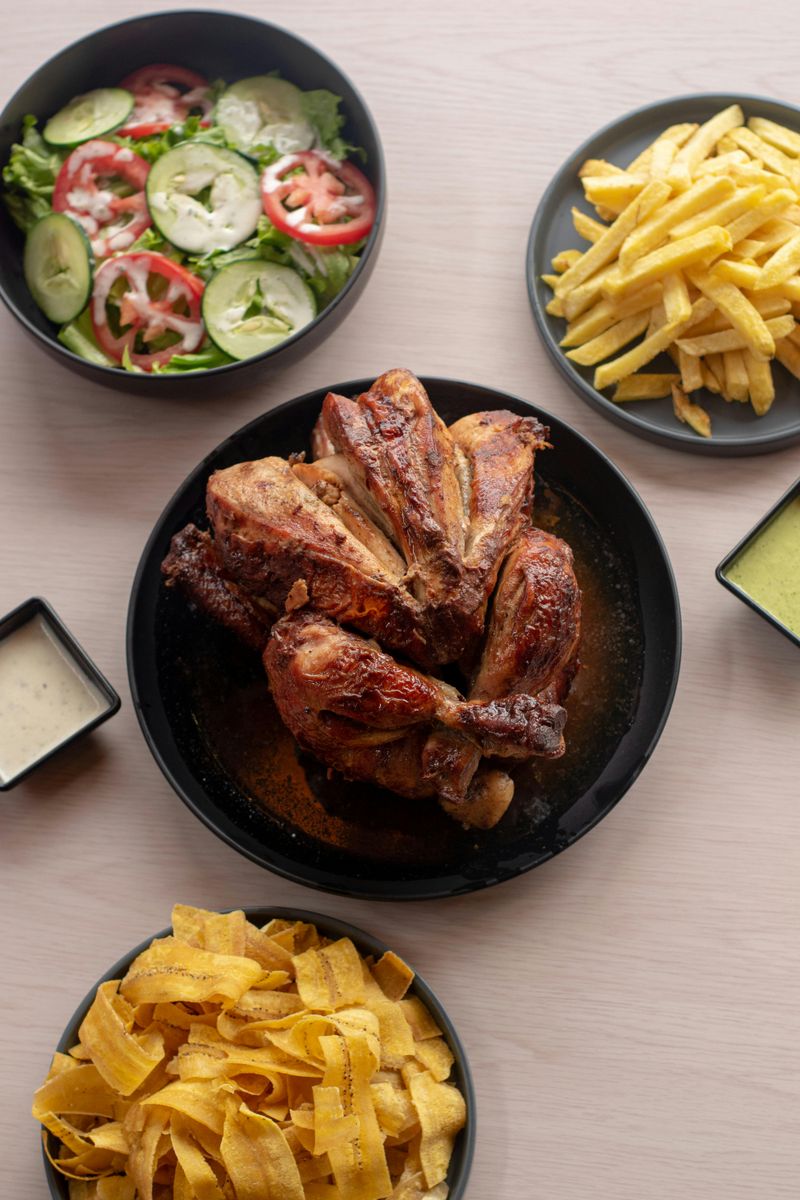
Rotisserie chicken feels like a bargain, and sometimes it is. But many stores season heavily and shrink birds during holding, so meat yield can disappoint. Add sides or sauces and you are suddenly approaching restaurant pricing for a basic dinner.
Compare per-pound costs to whole raw chickens, especially during sales. Roast two at home, shred, and portion for multiple meals. Use the carcasses for broth to stretch value. Flavor control improves, sodium drops, and your dollars go further all week.
Ready rice pouch
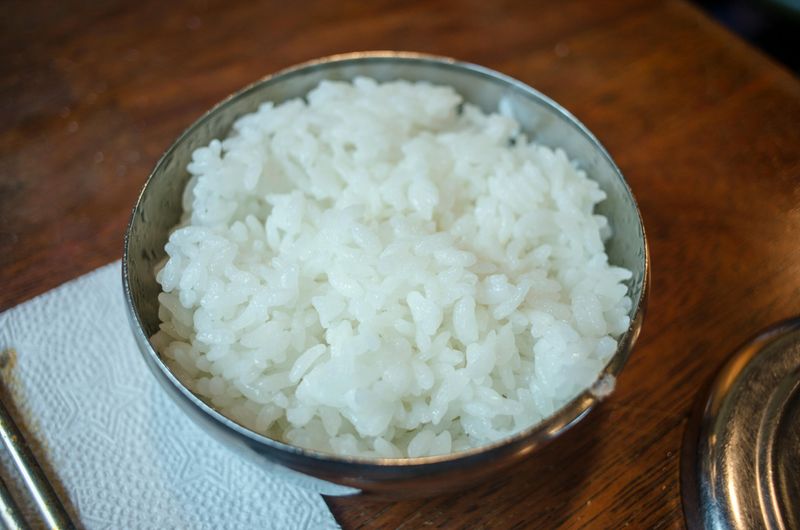
Microwave rice pouches save 15 minutes, but they often cost four to six times more per ounce than bulk rice. Added oils and flavor packs bump the price and sodium. You are paying for microwave convenience, plastic, and shelf stability.
Cook a big pot of rice on Sunday, spread on a tray to cool, and portion into freezer bags. Reheat in minutes with a splash of water. Flavor with pantry seasonings or stock cubes, keeping cost and waste in check.
Microwave pasta
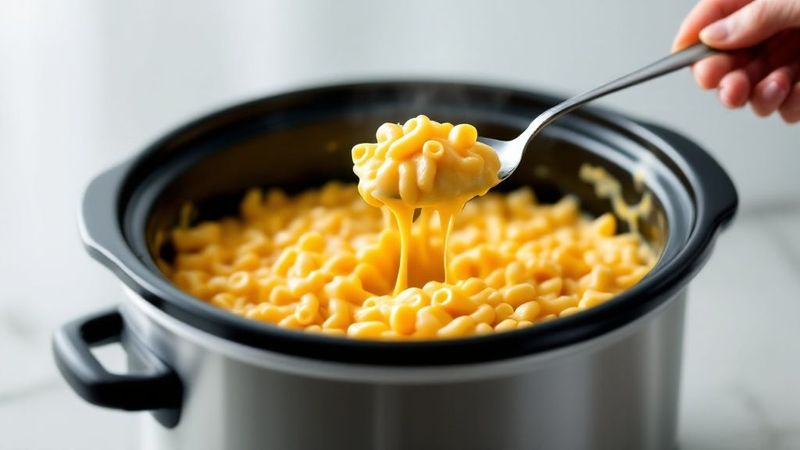
Single-serve microwave pasta cups seem harmless until you calculate price per ounce. You are paying for precooked noodles, sauce thickeners, and branded containers. Flavor can be flat, and the tiny portion nudges you to buy two.
Boil a pound of dry pasta for pennies and portion with jarred or homemade sauce. Freeze flat in zip bags for quick reheating. Add frozen veggies or beans for substance. You will save money, cut plastic, and still get fast bowls on busy nights.
Pre made sauce
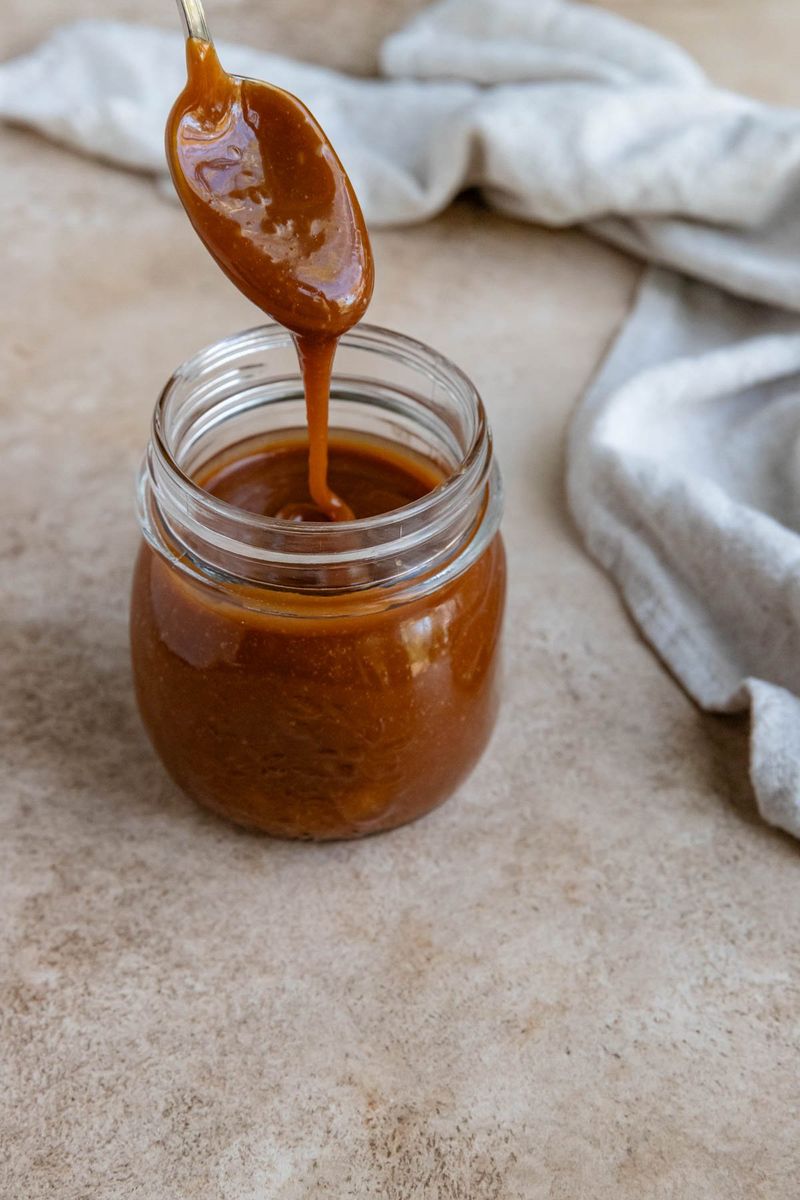
Jarred sauces are lifesavers, but premium labels can double prices for sugar and stabilizers. You are paying for branding, glass, and shelf life. Many sauces taste similar once simmered with aromatics, yet cost wildly different amounts.
Start with budget crushed tomatoes, garlic, onion, and olive oil. Add herbs, a pinch of sugar, and simmer for depth. Batch cook and freeze in small containers. You will control salt and sweetness, and your per-serving cost plummets without sacrificing flavor.
Frozen appetizers

Frozen appetizers promise party vibes any night, but they are some of the priciest bites per ounce. You are paying for par frying, packaging, and novelty shapes. A few boxes vanish fast and leave you still hungry.
Keep a simple snack plan: bake chickpeas, slice pita for quick chips, or assemble cheese and olives from bulk. When hosting, make one homemade dip and one store shortcut. You will stretch portions, reduce grease, and keep the bill tame.
Deli prepared food
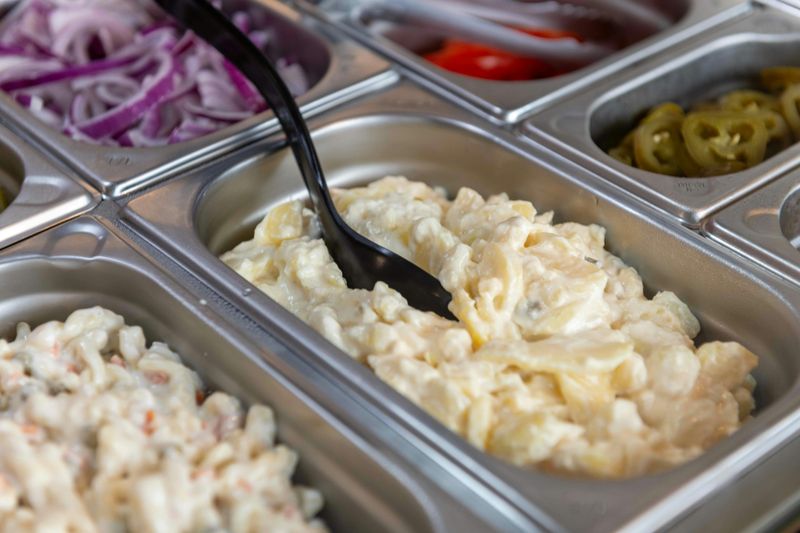
Deli entrees deliver instant dinner but charge restaurant-level prices by the pound. Sauces are heavy, sides are salty, and portions skew small. Add a couple of items and the total rivals takeout, with no leftovers planned.
Instead, roast sheet-pan veggies and chicken thighs on one tray. Make extra grains for the week and keep a quick dressing ready. You will spend less per meal, control ingredients, and still eat fast on busy nights.
Single serve drinks

Cold single-serve drinks tempt during errands, but they quietly add several dollars to each trip. You are paying for marketing, flavorings, and a bottle you toss. Over a month, those sips rival a streaming subscription.
Buy concentrates, brew tea at home, or use a reusable bottle with electrolyte packets. Keep a chilled pitcher in the fridge so you grab and go. You will hydrate better, cut sugar, and keep those impulse costs from multiplying.
Coffee pods
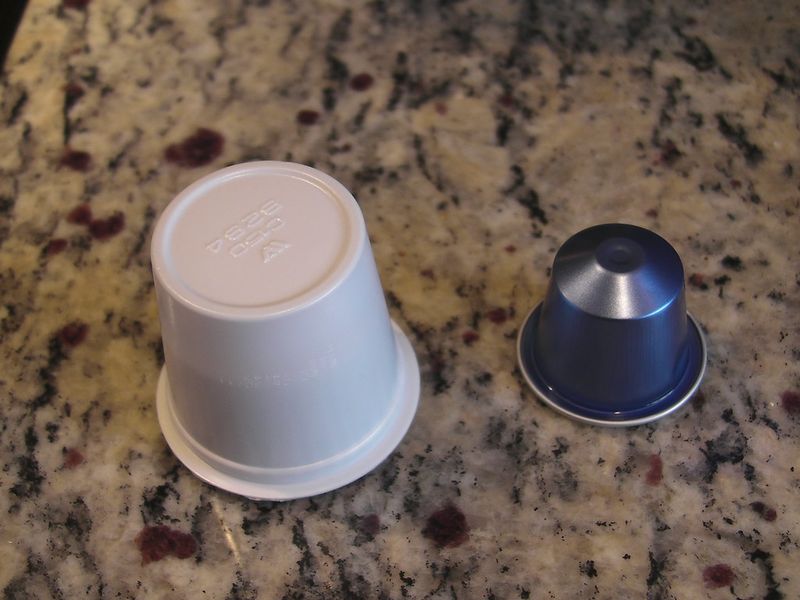
Coffee pods offer push-button speed, but price per cup skyrockets compared to ground beans. The variety is fun, yet waste adds up and flavor can be stale. A daily habit turns into an expensive routine without you noticing.
Use a refillable pod, a French press, or a drip machine with a timer. Buy beans on sale and grind just before brewing. You keep convenience and slash cost and plastic, while improving taste noticeably.
Packaged sandwiches
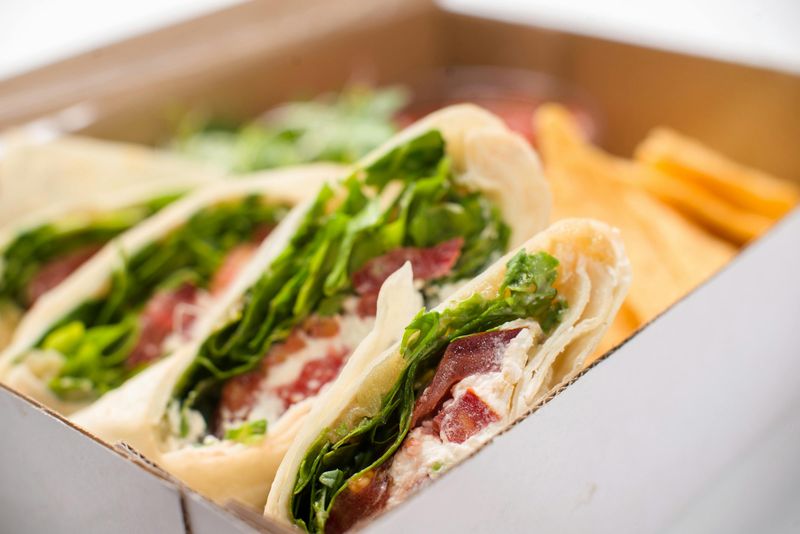
Pre-made sandwiches feel like a time-saver, but the bread-to-filling ratio often disappoints. You are paying for assembly, packaging, and the ease of grabbing and going. Two purchases a week can rival a full grocery shop over a month.
Keep deli meat or roasted veggies, sliced cheese, and sturdy bread at home. Prep spreads and portion greens in containers. Assemble in minutes each morning and wrap tightly. You will get better ingredients for less, plus flexibility with flavors.
Premium frozen meals
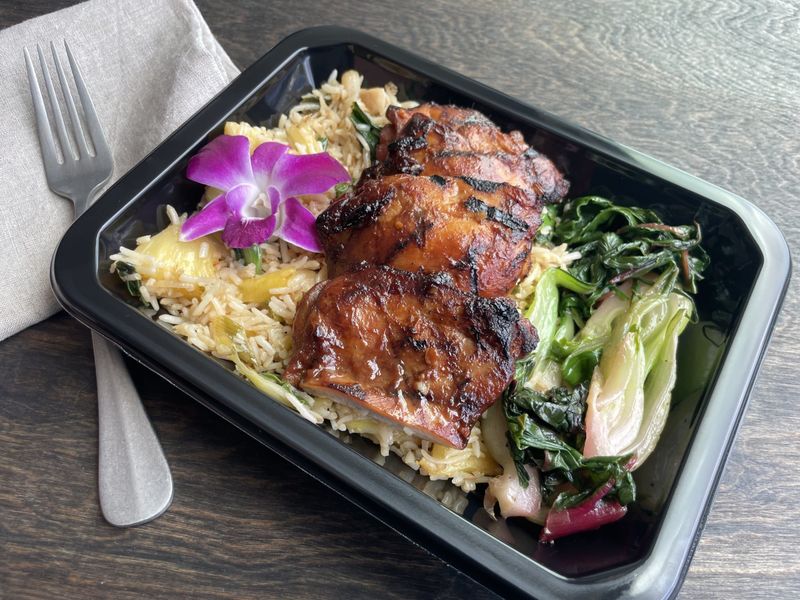
Premium frozen meals promise chef quality, but the price-per-calorie can shock. Portions lean small, so you might grab two. Add a side and dessert and the total approaches takeout, without the freshness or texture of cooked food.
Batch cook stews, curries, and grain bowls on weekends. Freeze in single portions for genuinely fast dinners. Add herbs or a squeeze of lemon to brighten reheated meals. You will save money and still eat well on hectic nights.
Pre sliced cheese
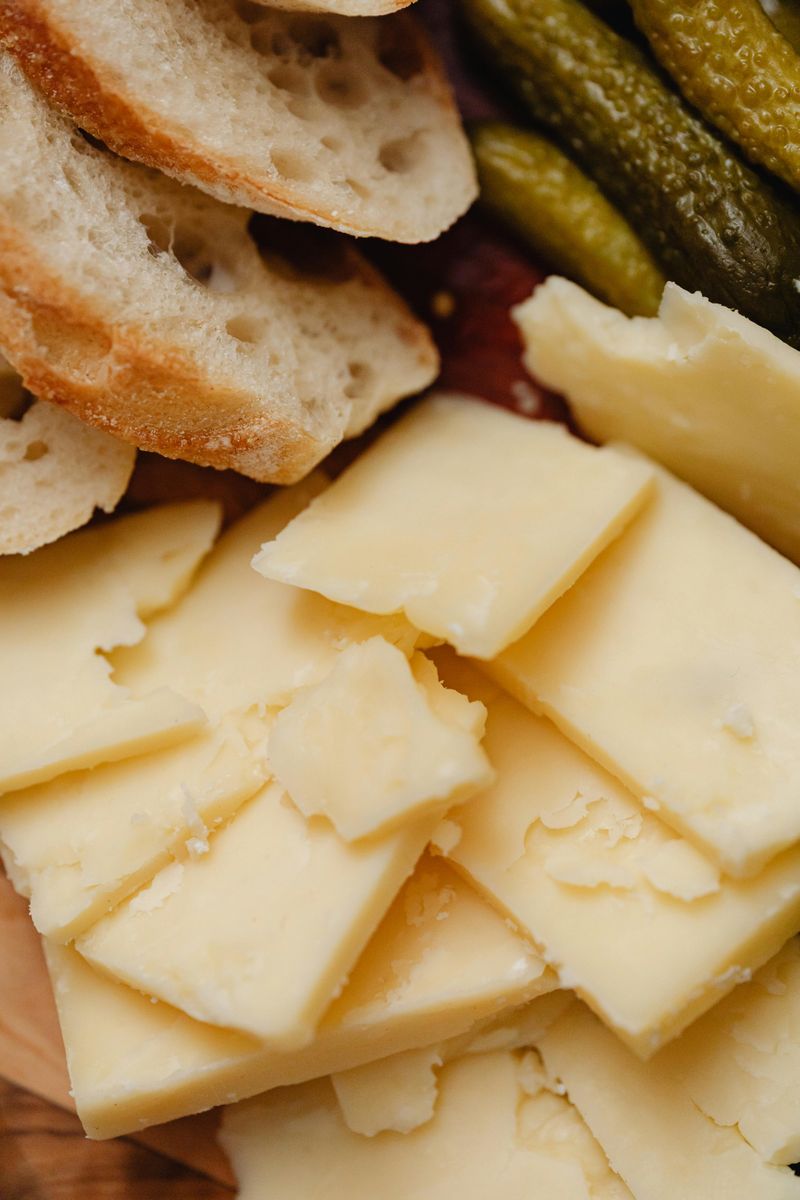
Pre sliced cheese charges for uniformity you can easily create at home. Per-ounce costs jump, and slices often include anti-caking or separators that add waste. Blocks stay fresher and give you flexibility for grating or cubing.
Buy a block on sale and slice a stack with a wire slicer or knife. Store in parchment within a container to prevent sticking. You gain better texture, longer shelf life, and a lower price without losing convenience.
Protein shakes

Ready-to-drink protein shakes are convenient, but you are buying water, stabilizers, and branding. Cost per gram of protein is high compared to powder. A few bottles a week quietly inflate your budget while cluttering recycling bins.
Choose a quality protein powder and mix with milk or water. Add banana, peanut butter, or oats for a fuller meal. Blend several at once and refrigerate for the day. You will save money while hitting your protein goals easily.
Energy drinks

Energy drinks deliver caffeine with a premium price. You are paying for branding, sugar, and edgy cans, not magic focus. A daily can can become an automatic spend that snowballs fast over a month.
Brew strong coffee or tea, and add citrus or a pinch of salt for electrolytes. If needed, use inexpensive caffeine tablets responsibly. Keep a water bottle nearby to curb impulse buys. You will maintain energy without the budget drain.
Gourmet ice cream
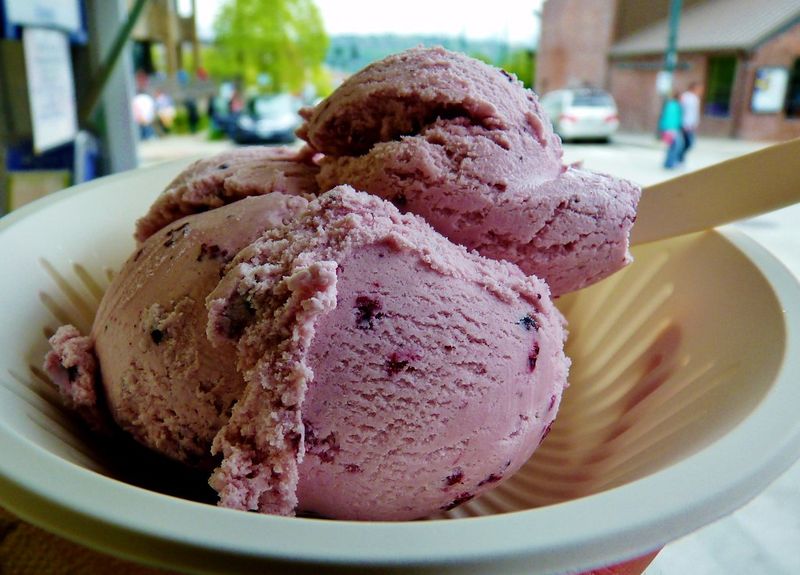
Premium ice cream pints feel special, but the price-per-scoop rivals dessert out. Limited editions and mix-ins raise costs for small containers that vanish quickly. A couple of pints per week becomes a surprising budget line.
Buy store-brand basics and add crushed cookies, nuts, or sauces at home. Portion into small bowls and savor slowly. For an upgrade, churn a simple custard and freeze in batches. You keep the treat while trimming the total spend.
Fancy chips
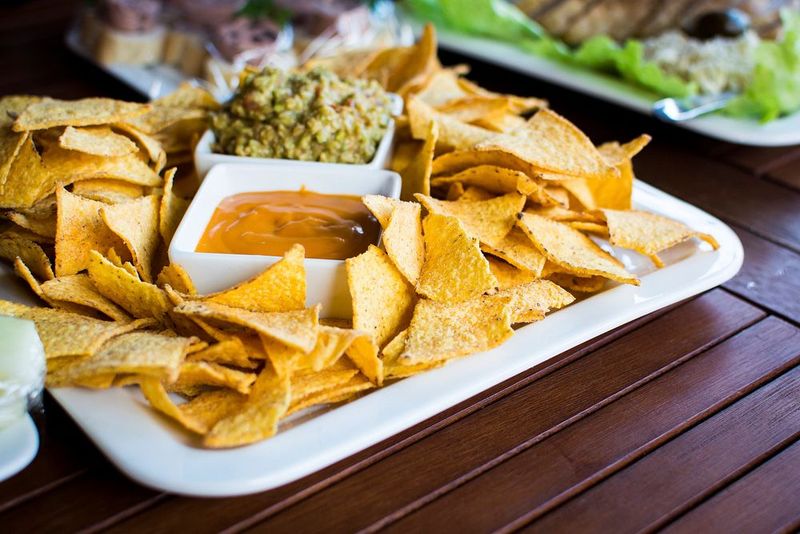
Fancy chips flaunt flavors and thick cuts, but you are paying for branding and small bags. Price per ounce can double compared to basic options. The airy packaging disappears quickly, nudging repeat purchases.
Buy larger bags on sale or make oven-baked potato slices with spices. Portion into small containers to pace snacking. Pair with salsa or yogurt dip to add substance. You will satisfy cravings while keeping costs predictable and lower.
Store bakery cake

Bakery cakes solve party stress, but customization and frosting-heavy designs raise costs fast. You are paying for labor, decoration, and convenience more than ingredients. Leftovers can be disappointing if the cake dries quickly.
Consider sheet cakes with simple designs or cupcakes for portion control. Bake a boxed mix with upgraded add-ins like sour cream and vanilla. Top with fresh fruit to elevate. You will celebrate nicely without overspending on sugar and decoration.
Seasoning mix
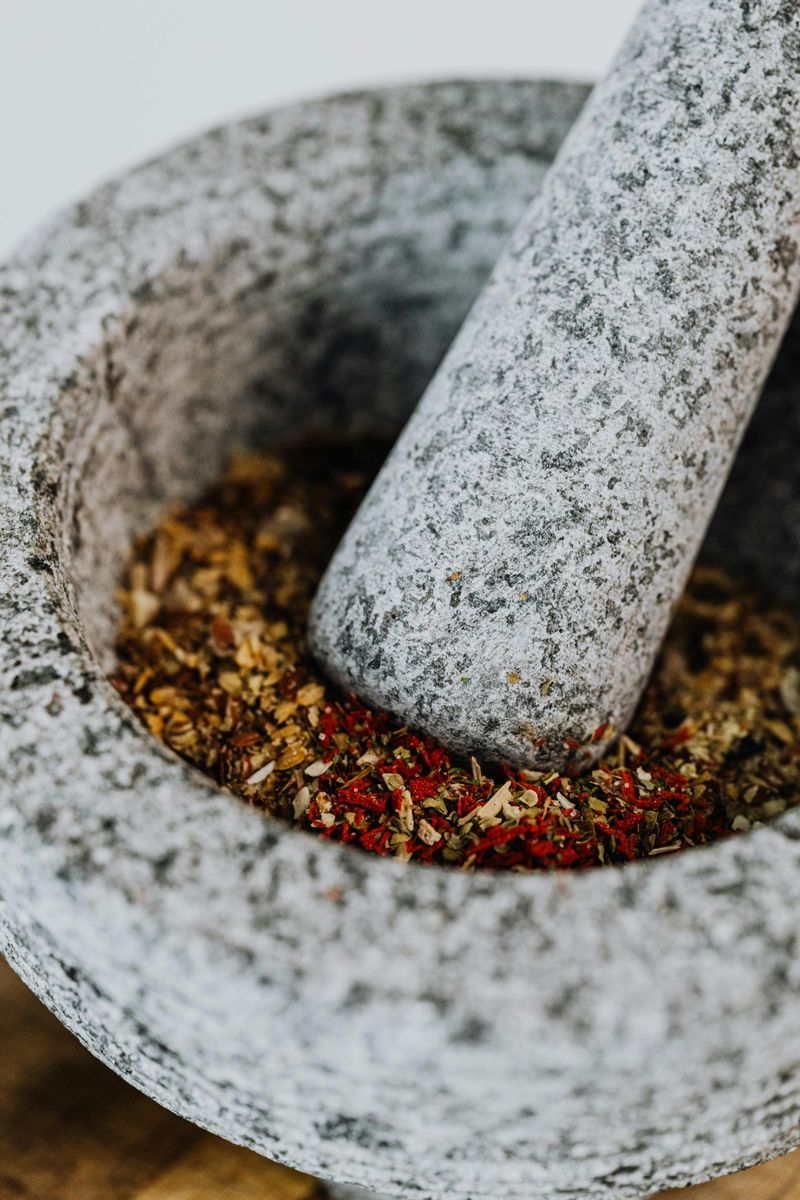
Seasoning packets feel foolproof, but they usually inflate costs for salt, starch, and a few spices. You are buying a brand’s shortcut in tiny, pricey envelopes. The sodium can be intense and inflexible for different dishes.
Build a basic spice rack: garlic powder, onion powder, paprika, cumin, chili, oregano. Mix your own blends in a jar and label. Adjust heat, salt, and sweetness to taste. You will cook better and cheaper with minimal effort.
Disposable plates
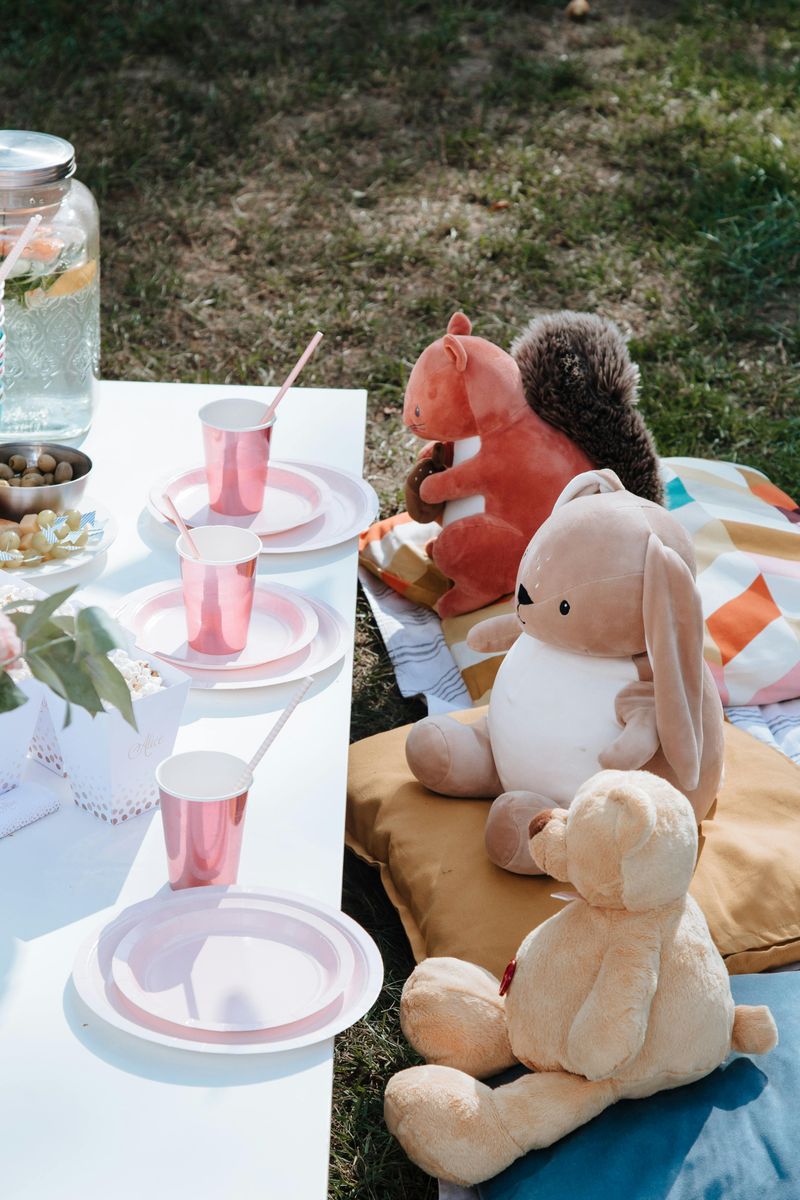
Disposable plates save dish time, but frequent use drains cash and creates trash. You are paying for convenience every single meal instead of once for reusable gear. Multi-packs vanish quickly during busy weeks or gatherings.
Invest in lightweight, dishwasher-safe plates and a drying rack. For big groups, use compostable options sparingly. Keep the habit of rinsing right after meals to avoid pileups. You will save money and cut clutter while staying practical.
Takeout style soup
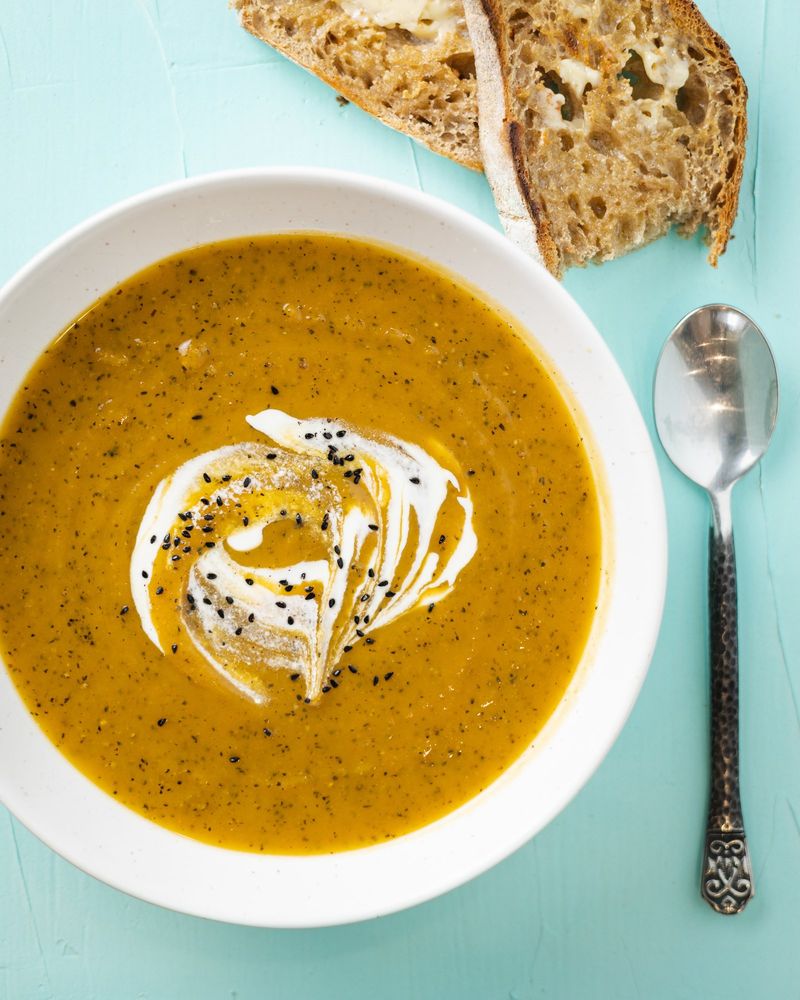
Chilled takeout-style soups look hearty, but price per cup can rival a restaurant bowl. You are paying for packaging and prep that is simple to replicate. Sodium and thickeners can overshadow fresh aromatics.
Make a stock from bones or veggie scraps, then simmer a big pot with beans and greens. Freeze in jars or deli containers. Add lemon, herbs, or chili oil when serving. You will get depth, flexibility, and multiple meals for the price of one tub.
Convenience snacks
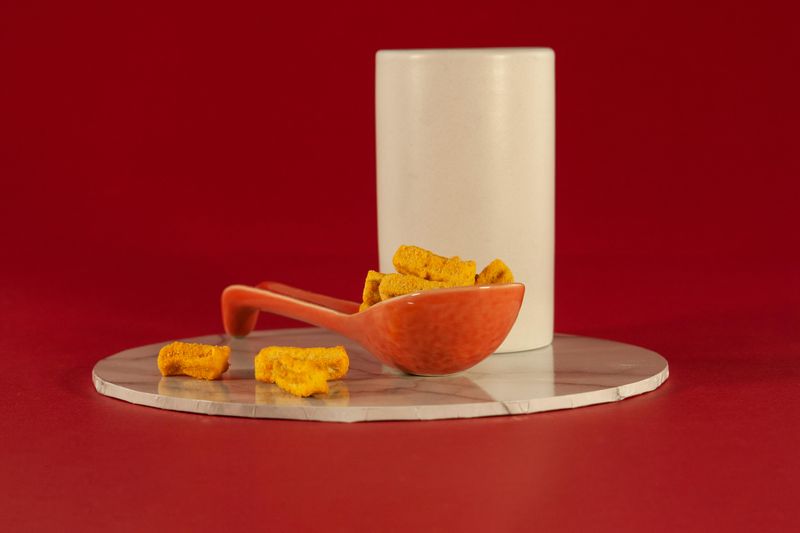
Individually wrapped snacks feel tidy and portioned, but unit prices climb fast. You are paying for wrappers and branding instead of ingredients. Small packs disappear quickly, inviting constant restocking and impulse purchases.
Buy value-size boxes or bulk bins and portion into reusable bags. Keep a snack station with fruit, nuts, and simple bars. Rotate flavors to avoid boredom. You will keep variety and convenience while significantly lowering your weekly snack spend.
Snack tray
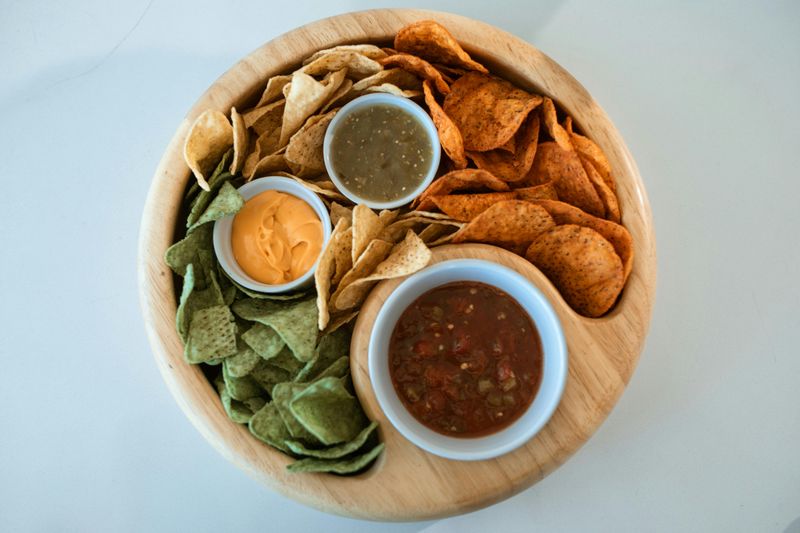
Snack trays sell the idea of balance and portion control, but the math rarely checks out. Tiny cheese cubes, a few crackers, and fruit slivers command premium pricing. Packaging costs are baked in, raising your total for very little food.
Buy a block of cheese, a sleeve of crackers, and bulk grapes. Pre-portion into reusable containers on Sunday. You will get more servings, fresher taste, and far less plastic for the same money. Customization also keeps snacking interesting without overspending.
Meal kit box
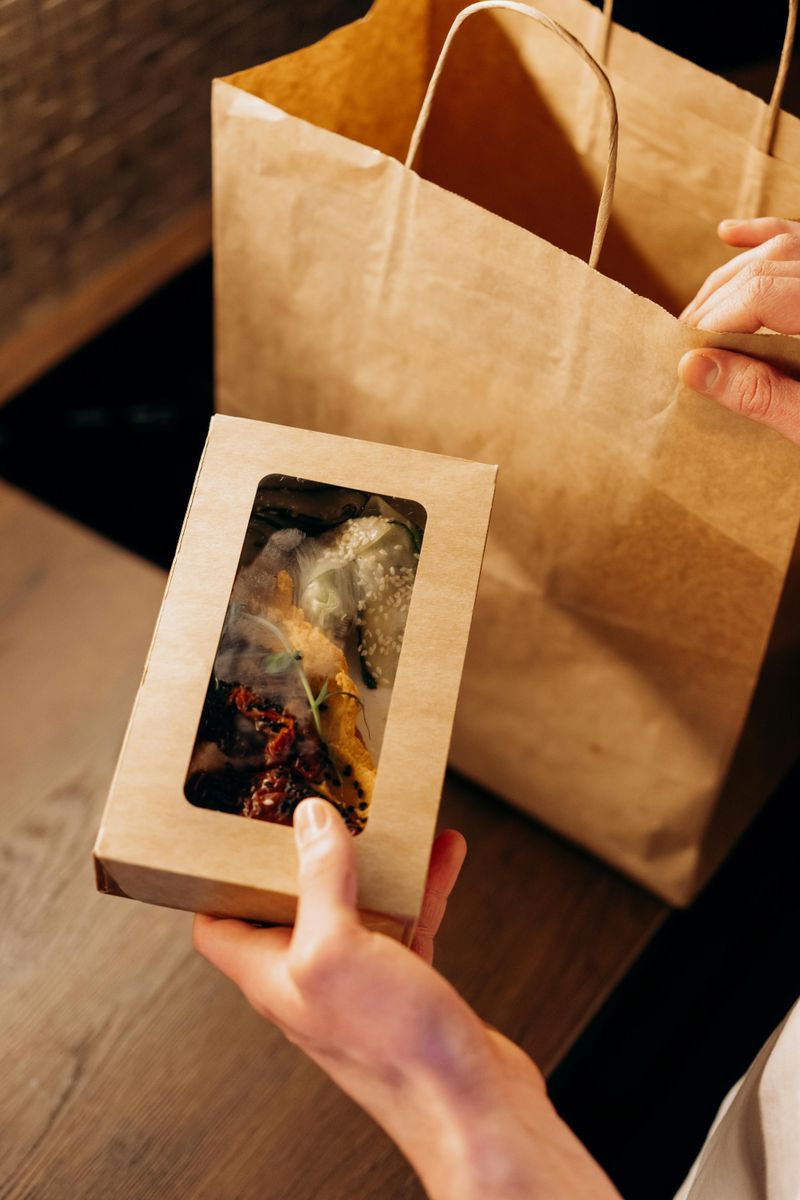
Meal kits teach techniques and reduce decision fatigue, but the subscription premium is significant. You are buying logistics, glossy cards, and cold shipping more than food. Portions can be small, and add-ons bump the weekly bill beyond a normal grocery shop.
Replicate favorite kit recipes using a free online copycat and a basic pantry. Buy proteins in family packs, freeze portions, and plan simple sides. You keep variety without the packaging tax, while controlling salt, sauces, and produce quality.