


Florida summers are hot, humid, and full of afternoon thunderstorms — but that does not mean your garden has to suffer. Plenty of tough, beautiful flowers actually thrive in these conditions and keep blooming all season long without much fuss.
Whether you have a big backyard or a few containers on a porch, these plants can handle the heat and still look stunning. Get ready to discover 24 flowers that are built for Florida summers and easy enough for any gardener to grow.
Pentas
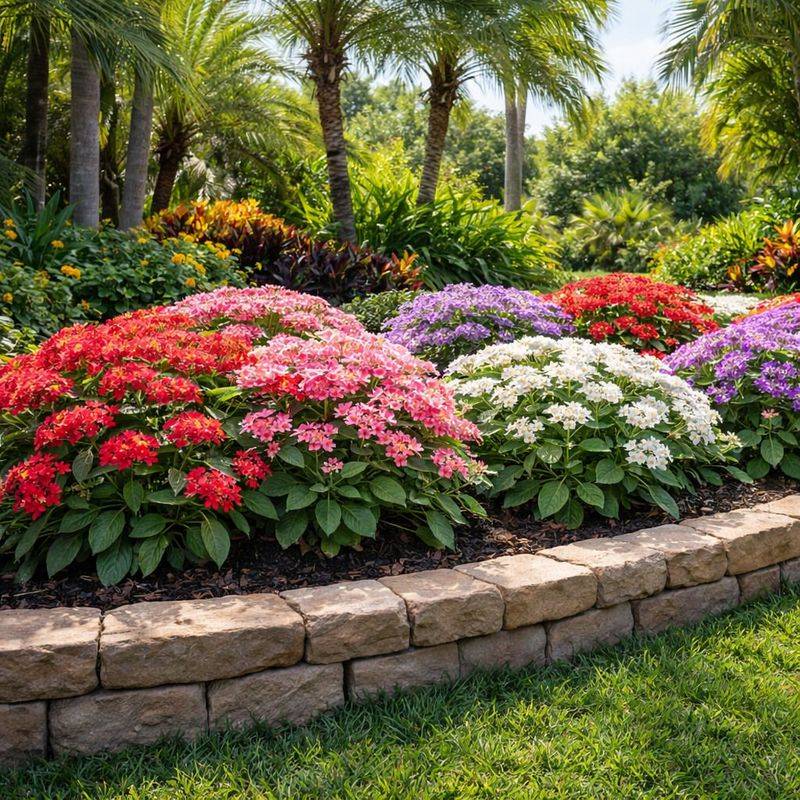
Butterflies and hummingbirds go absolutely wild for pentas, making it one of the most rewarding flowers you can plant in a Florida garden. This tropical beauty produces clusters of star-shaped blooms in red, pink, white, and lavender all summer long.
It handles intense heat and humidity like a champ.
Plant pentas in full sun and water it regularly until it gets established. After that, it is surprisingly drought-tolerant and keeps flowering even during the hottest weeks of the year.
Vinca
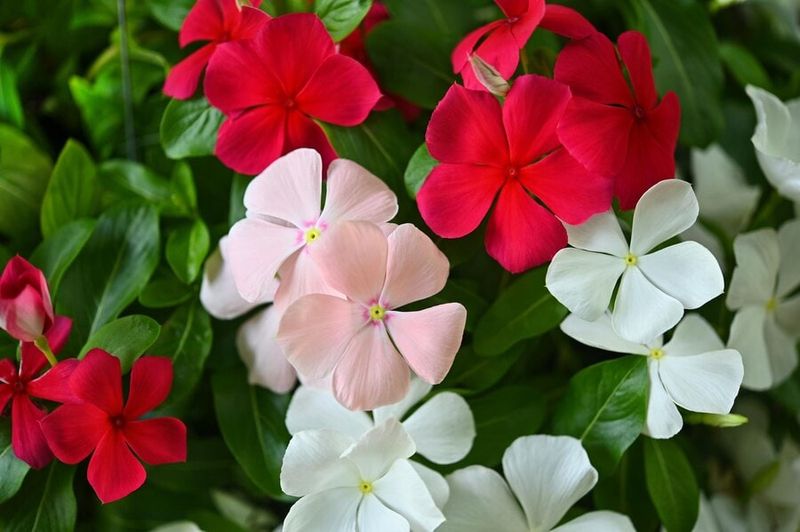
Few flowers are tougher than vinca when the Florida heat cranks up. Also called catharanthus, this cheerful plant pumps out blooms in shades of pink, red, coral, and white from spring all the way through fall without skipping a beat.
Vinca loves full sun and actually performs better when it is a little dry between waterings. Overwatering is about the only way to mess this plant up.
Plant it in borders, beds, or containers for a bold pop of color.
Angelonia
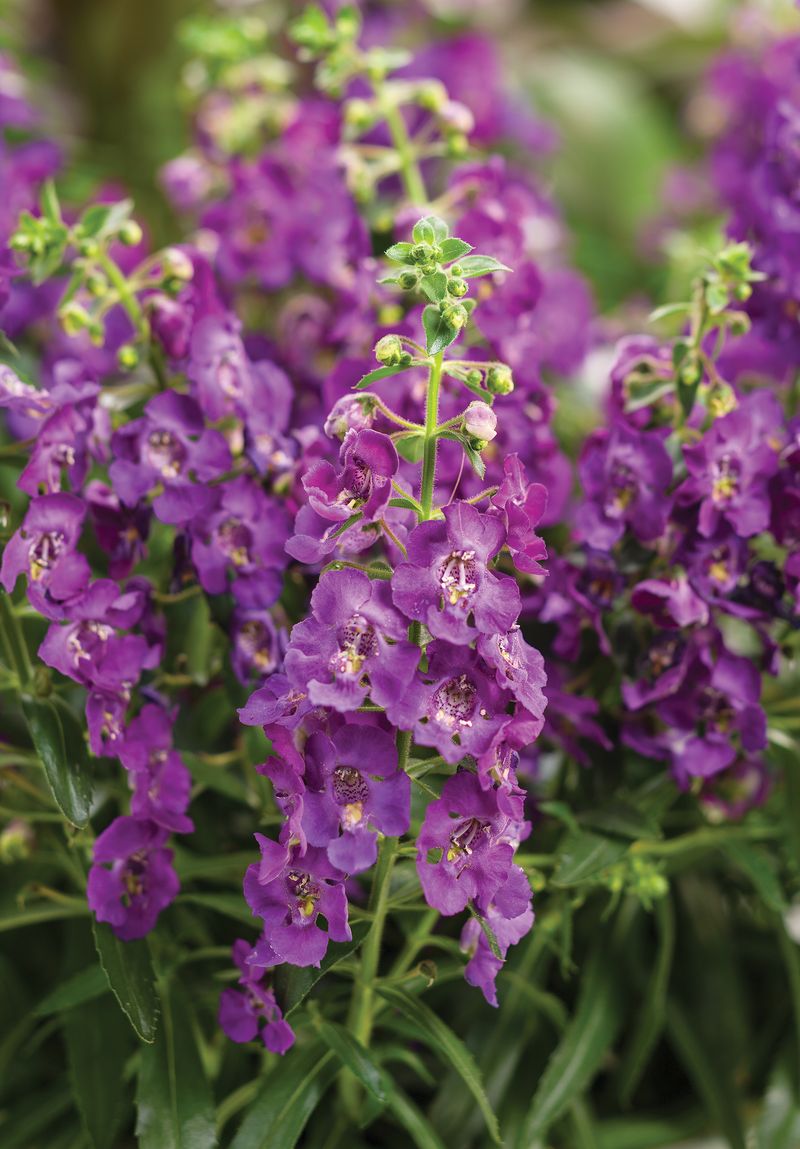
Sometimes called summer snapdragon, angelonia brings elegant spikes of color to Florida gardens without demanding constant attention. The blooms come in purple, pink, white, and bicolors, and they have a light, sweet fragrance that is a bonus on warm evenings.
Angelonia thrives in full sun and handles heat and humidity with ease. Unlike regular snapdragons, it does not quit when temperatures soar.
Deadheading is optional since it self-cleans, making it genuinely low-maintenance for busy gardeners.
Lantana
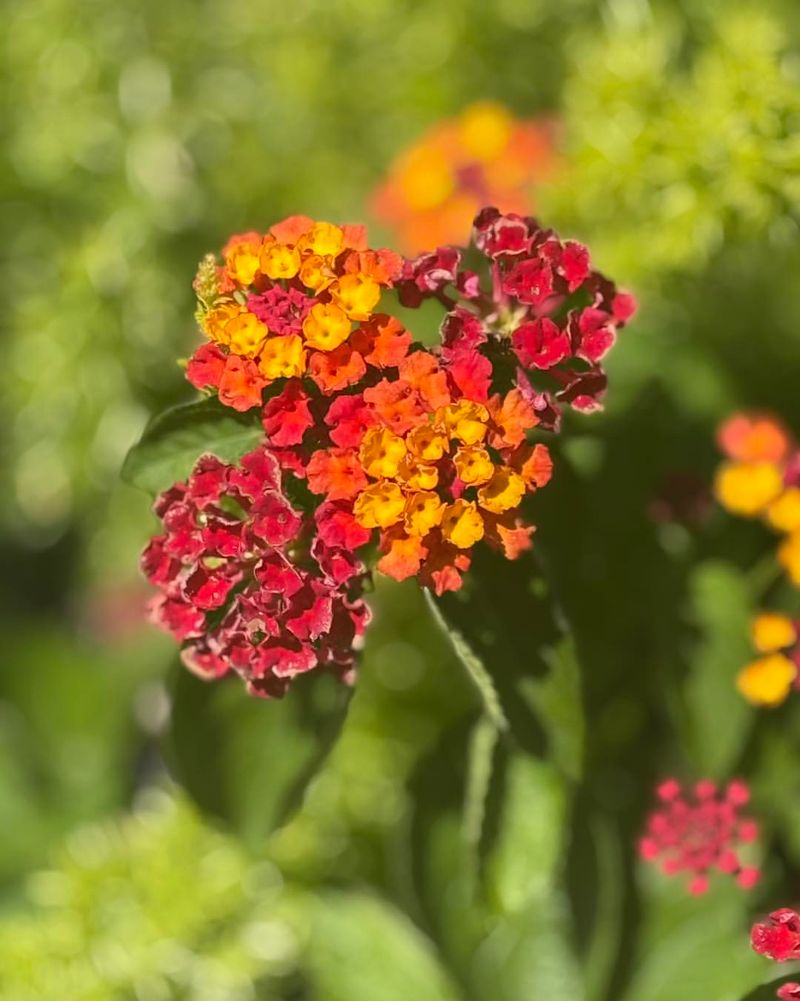
Lantana is basically Florida-proof. This tough shrub-like plant produces clusters of tiny flowers that shift colors as they age, creating a kaleidoscope effect of orange, yellow, pink, and red all on the same plant at once.
It thrives in full sun, tolerates drought once established, and attracts butterflies by the dozens. Lantana does spread aggressively, so choose non-invasive cultivars and trim it back occasionally to keep it tidy.
It blooms nonstop through the hottest Florida summers.
Blue Daze
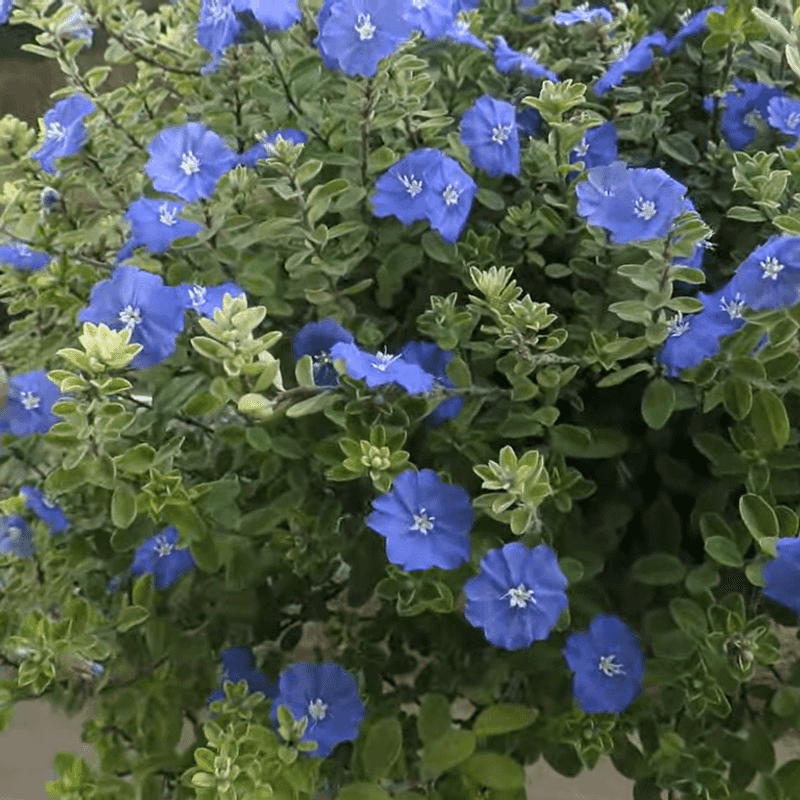
Blue daze earns its name with small, sky-blue flowers that open fresh each morning and close up by afternoon — which sounds high-maintenance but actually is not at all. The silvery-green foliage looks attractive even when blooms are closed, so the plant never looks boring.
It loves full sun and handles Florida heat and sandy soils really well. Blue daze works beautifully as a ground cover or spilling over the edge of a container.
Water it moderately and enjoy the daily show.
Firebush
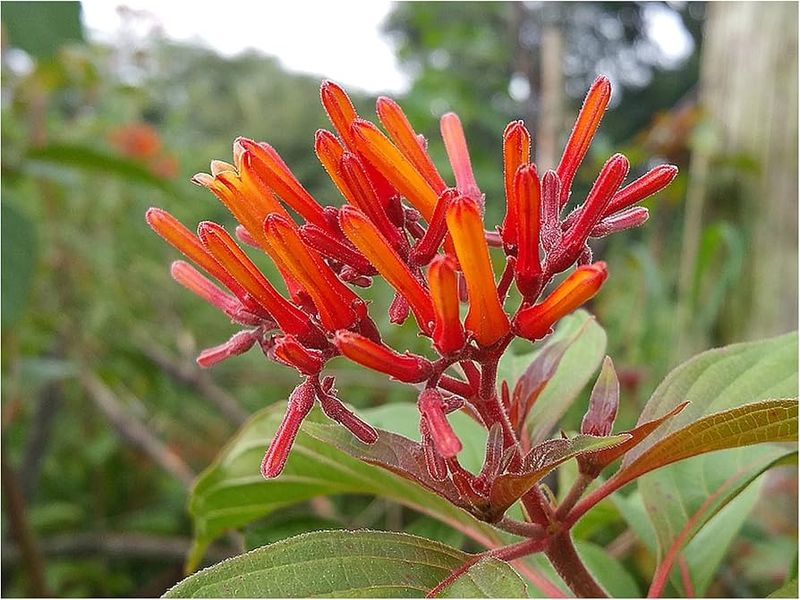
With flame-colored clusters of tubular flowers and striking reddish foliage, firebush looks like a garden on fire — in the best possible way. Hummingbirds and butterflies flock to its blooms, making the yard feel alive all summer long.
Firebush is a Florida native, which means it is perfectly adapted to the heat, humidity, and occasional drought that define summer here. Plant it in full to part sun, give it room to grow, and watch it reward you with months of nonstop color.
Mexican Heather
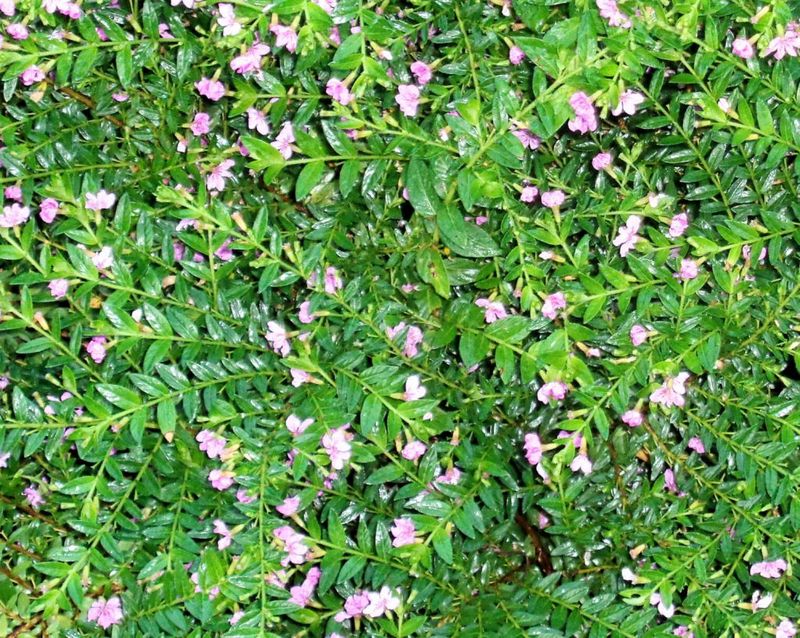
Do not let the delicate look fool you — Mexican heather is one tough little plant. Its tiny purple or lavender flowers cover the fine-textured foliage almost year-round in Florida, creating a soft, lacy appearance that pairs well with bolder plants.
It handles heat, humidity, and even brief dry spells without much complaint. Mexican heather grows well in full sun to partial shade, making it flexible for different spots in the yard.
Butterflies love visiting its small but plentiful blooms throughout summer.
Bulbine
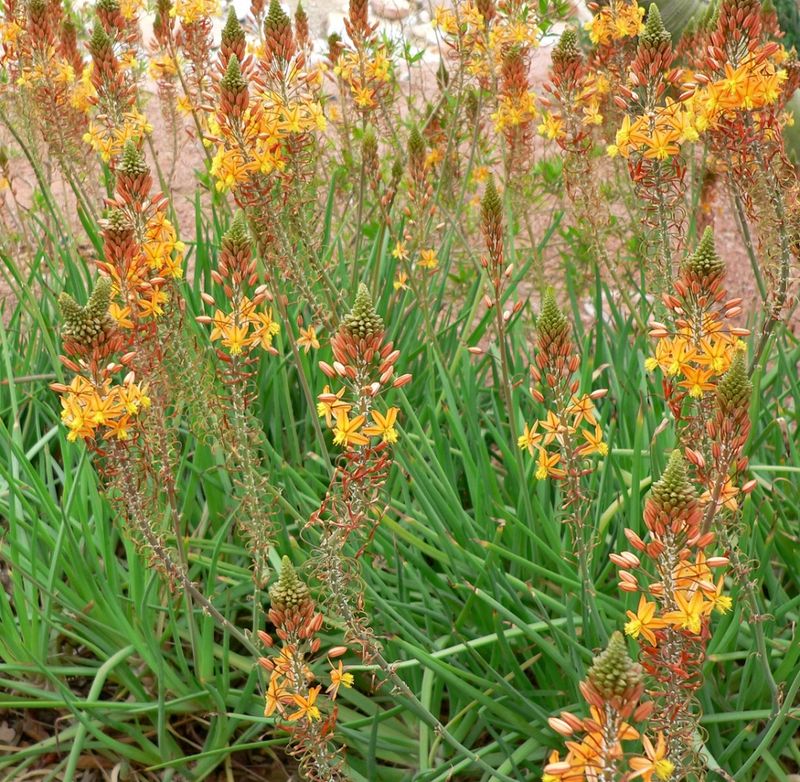
Bulbine is the kind of plant that makes you look like a gardening expert with almost zero effort. Its cheerful yellow or orange flower stalks rise above succulent-like foliage and keep blooming through the brutal Florida summer heat.
Originally from South Africa, bulbine is built for hot, dry conditions — which means Florida summers are basically its happy place. Plant it in full sun with well-draining soil and skip the heavy watering.
It is remarkably drought-tolerant once it gets settled in.
Plumbago
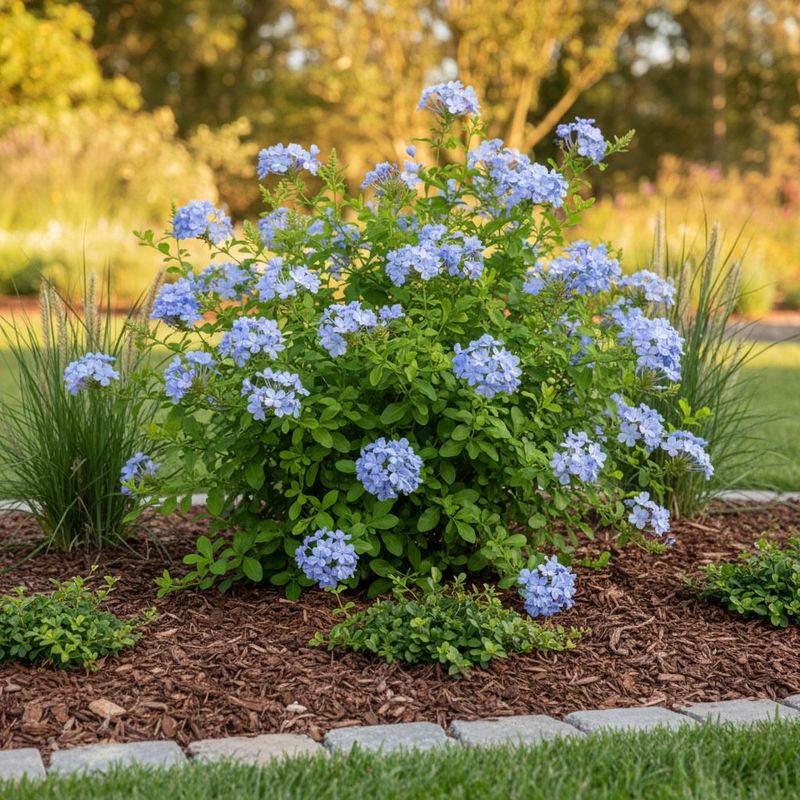
Few plants deliver that dreamy blue color quite like plumbago. Its clusters of pale to sky-blue flowers bloom almost continuously through summer and look especially stunning against green foliage or brightly colored companions in the garden.
Plumbago is a fast grower that handles Florida heat and humidity well. It works great as a flowering hedge, ground cover, or container plant.
Give it full to partial sun, prune it occasionally to encourage fresh blooms, and enjoy the effortless waves of color it delivers season after season.
Scaevola
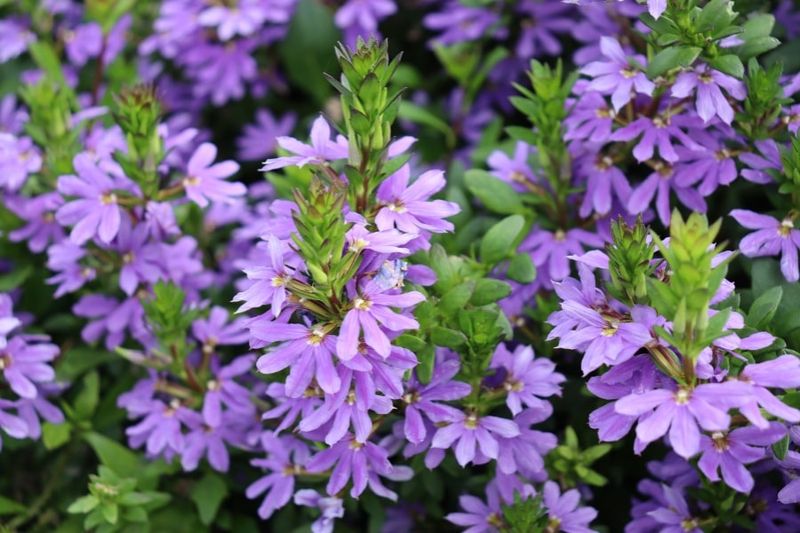
Scaevola, also known as fan flower, gets its nickname from its unique half-flower shape — each bloom looks like a little fan, which makes it stand out in any garden. The flowers come in purple, pink, and white and cover the plant generously all summer.
Originally a coastal plant from Australia, scaevola thrives in Florida’s sandy soils, salt air, and intense sun. It works wonderfully in hanging baskets, containers, or as a sprawling ground cover.
It needs almost no deadheading and stays tidy on its own.
Purslane
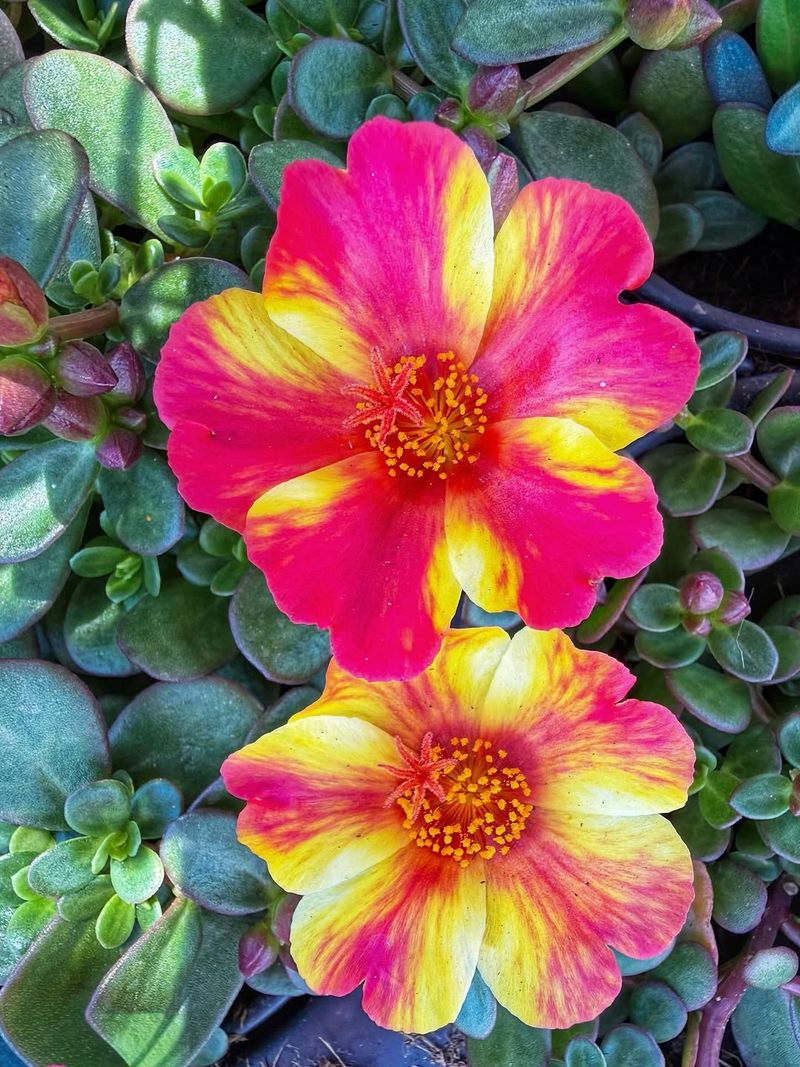
Purslane might be considered a weed in some places, but the ornamental variety is an absolute gem for Florida gardeners. Its jewel-toned flowers — in pink, orange, yellow, red, and white — sit on top of thick, succulent-like stems that store water like tiny tanks.
That water-storing trick means purslane handles drought and intense sun better than almost anything else. It blooms nonstop through summer heat and looks gorgeous cascading out of containers or hanging baskets.
Water it sparingly and it will reward you generously.
Blanket Flower
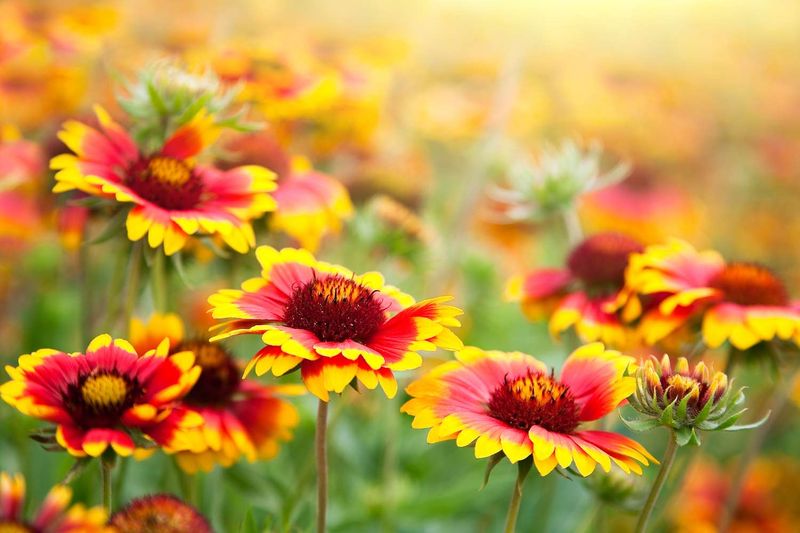
Named after the colorful patterns on Native American blankets, blanket flower brings bold red, orange, and yellow daisy-like blooms to Florida gardens all summer long. It has a wildflower charm that feels natural and relaxed rather than overly manicured.
Blanket flower is a Florida native that loves full sun and thrives in sandy, well-drained soil — basically describing most Florida yards. It is drought-tolerant, deer-resistant, and attracts pollinators enthusiastically.
Deadhead spent blooms occasionally to encourage even more flowers to keep coming all season.
Coneflower
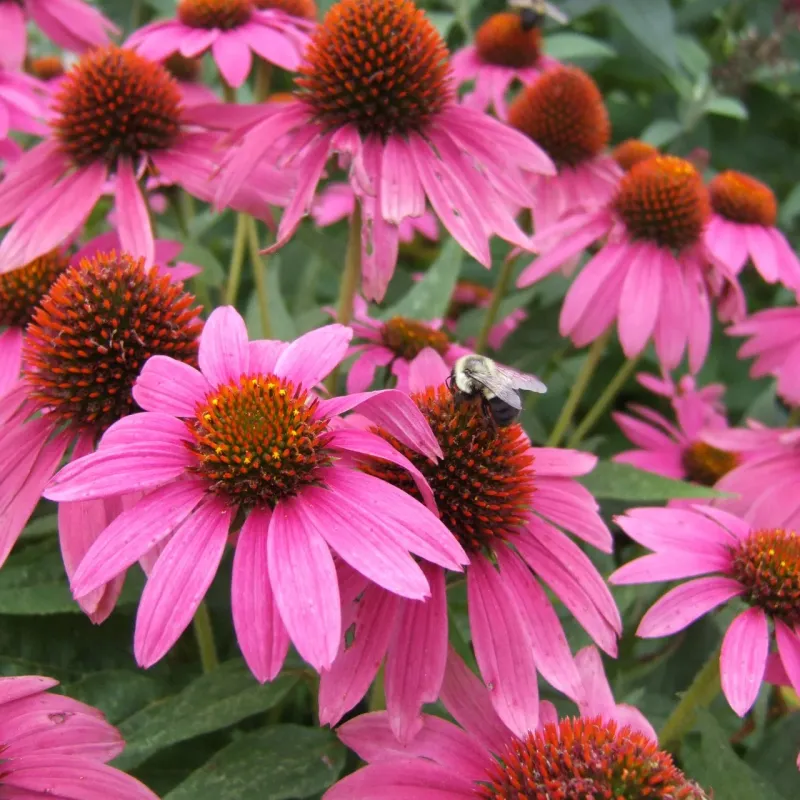
Coneflowers, or echinacea, have a bold, slightly spiky personality that adds real character to summer gardens. The purple petals droop slightly from the raised orange center, giving them a distinctive look that is hard to miss — and easy to love.
Beyond their good looks, coneflowers attract bees, butterflies, and even goldfinches that eat the seeds in fall. They handle Florida heat well in full sun and prefer soil that drains well.
Once established, they are tough enough to survive dry spells without any drama.
Coreopsis
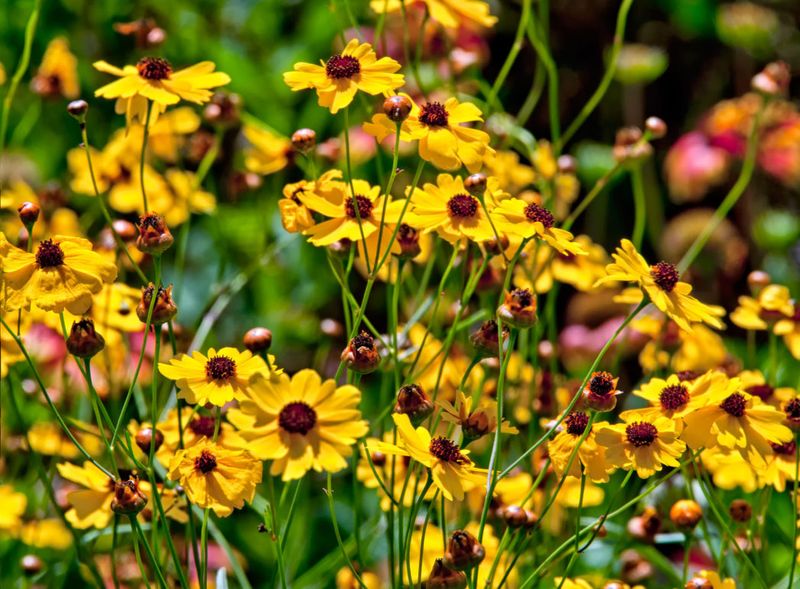
Coreopsis is Florida’s state wildflower, and for very good reason. This cheerful, golden-yellow bloomer carpets fields and gardens with color from spring through fall, tolerating heat, humidity, and poor sandy soils without missing a beat.
It self-seeds freely, which means once you plant it, it tends to come back year after year without much effort on your part. Full sun is a must, but beyond that, coreopsis is wonderfully undemanding.
Bees and butterflies adore it, making your garden feel like a busy, happy ecosystem.
Salvia
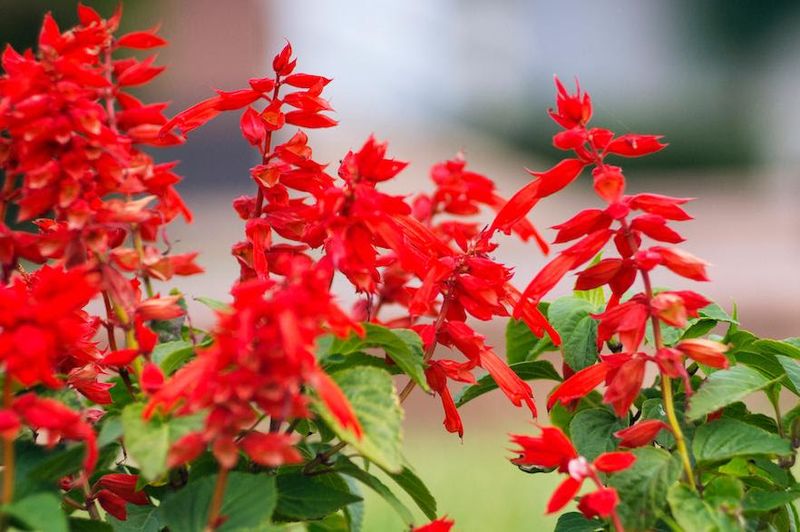
Salvia comes in dozens of varieties, and many of them are tailor-made for Florida summers. The tall flower spikes in red, blue, purple, or coral attract hummingbirds and butterflies like magnets, turning your garden into a wildlife hotspot.
Most salvias love full sun and handle heat and humidity without wilting or fading. Tropical sage and scarlet sage are especially well-suited to Florida conditions.
Cutting them back mid-summer encourages a fresh flush of blooms that carries the show all the way through fall.
Society Garlic
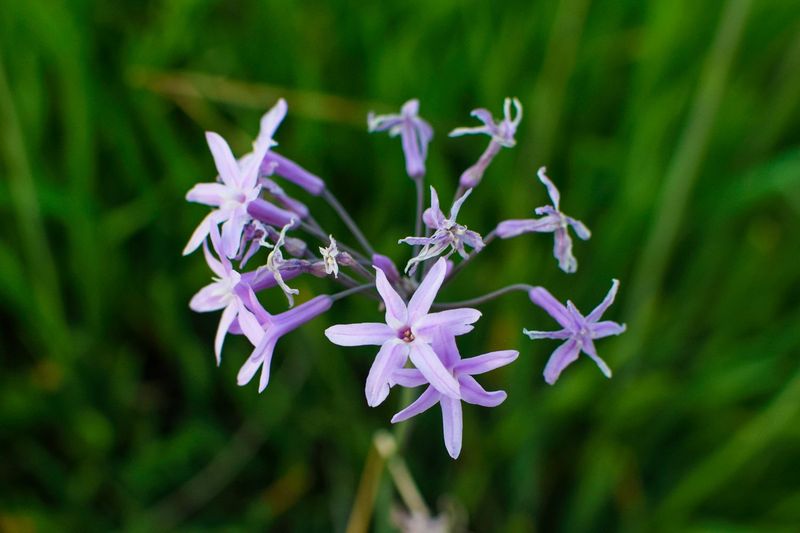
Society garlic has a funny name with a practical story behind it — the plant smells like garlic, but supposedly not strong enough to be rude in polite company, hence the “society” part. The lavender-purple flower clusters are lovely and bloom reliably through Florida summers.
It is a tough, clumping plant that tolerates heat, drought, and poor soils once established. Society garlic also naturally repels deer and some garden pests, which is a bonus.
Plant it in full sun and enjoy its easygoing charm all season long.
Ruellia
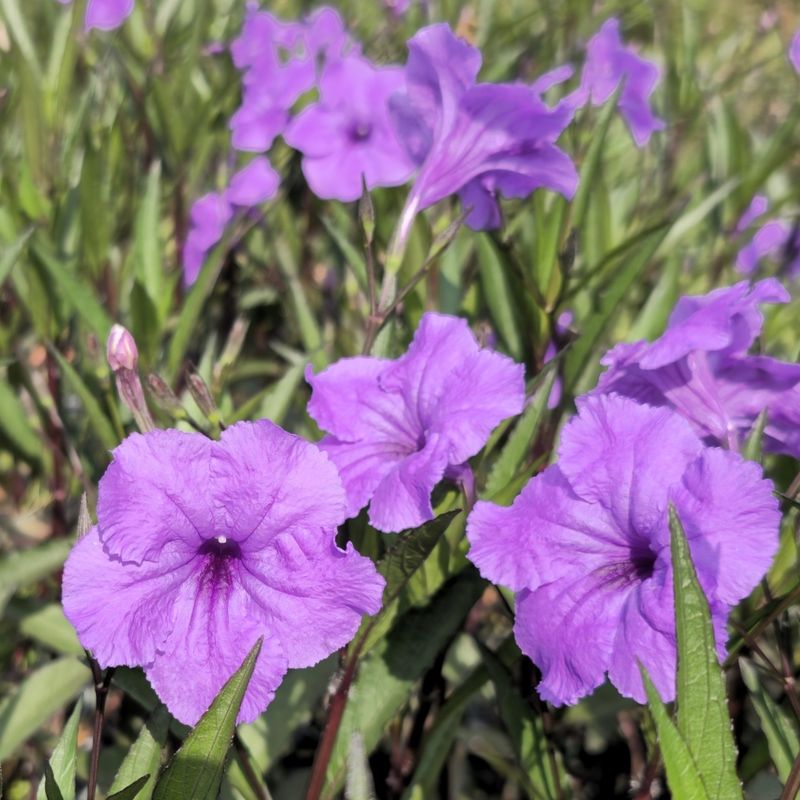
Ruellia, commonly called wild petunia, is one of those plants that basically takes care of itself. Its purple, pink, or white trumpet-shaped flowers pop open daily and attract butterflies consistently through the hottest Florida summer months.
Fair warning though — ruellia spreads enthusiastically, especially the common purple variety, which can become invasive in Florida. Stick to dwarf or sterile cultivars to keep things manageable.
In the right spot, it fills in quickly, covers bare ground beautifully, and blooms without any fuss whatsoever.
Porterweed
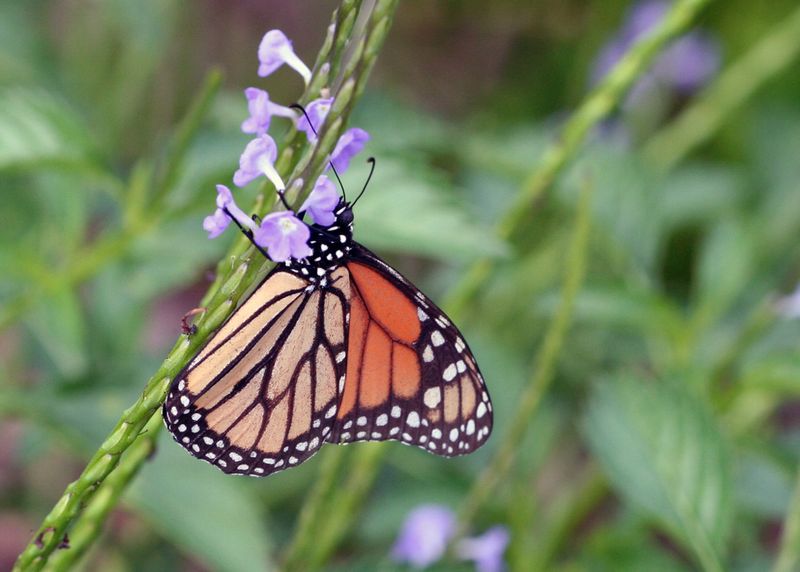
Porterweed is a butterfly magnet — plain and simple. Its long, arching stems are studded with tiny blue, purple, or red flowers that butterflies cannot resist, making it one of the best plants for a Florida pollinator garden.
It grows quickly and blooms heavily through summer heat, asking for very little in return. Full sun and well-drained soil are really all it needs.
Prune it back occasionally to keep its sprawling habit tidy and to encourage fresh new growth loaded with even more blooms.
Crossandra
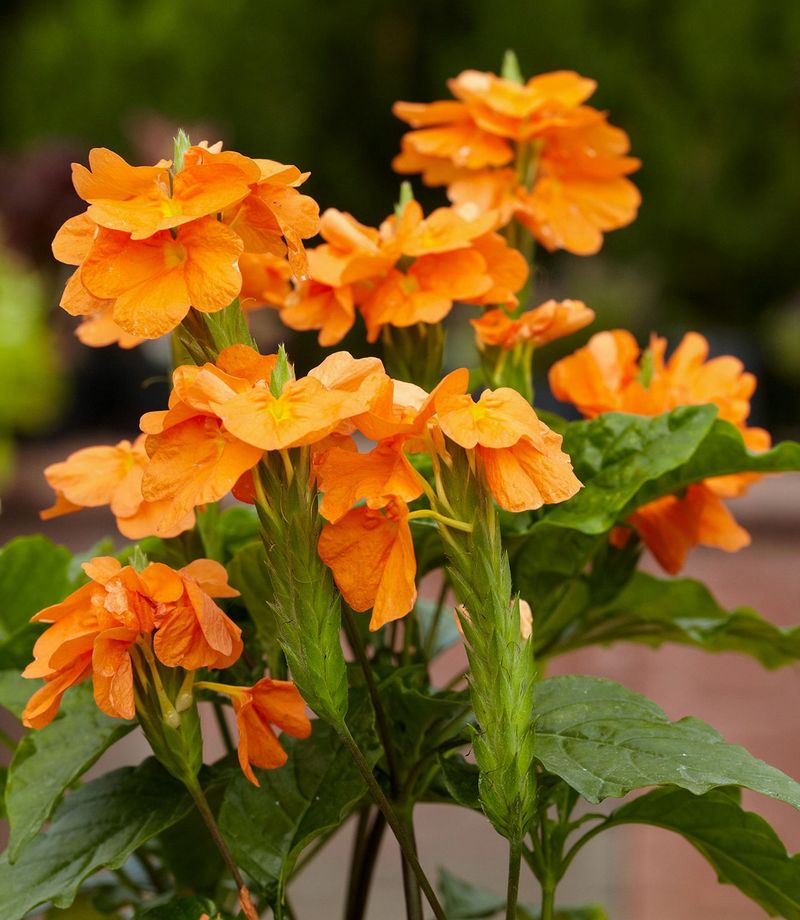
Crossandra is a hidden gem that thrives where many flowers struggle — in the partial shade of Florida’s summer heat. Its salmon-orange blooms are vivid and cheerful, providing color in spots under trees or on shaded patios that other sun-loving plants simply cannot reach.
Originally from India and Sri Lanka, crossandra is used to hot, humid climates, which makes Florida feel like home. It blooms from spring through fall with minimal care.
Keep the soil consistently moist and give it good drainage, and it will perform beautifully all season.
Tropical Sage
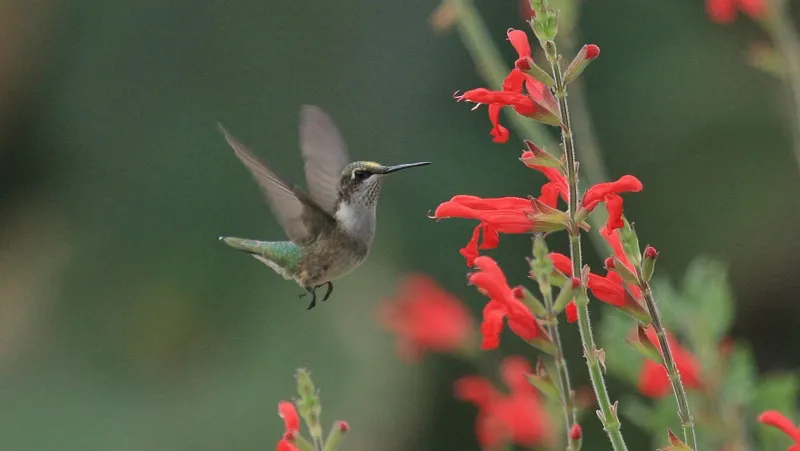
Tropical sage is a Florida native that hummingbirds treat like their personal favorite restaurant. The vivid red tubular flowers are perfectly shaped for hummingbird feeding, and the plant blooms reliably through summer heat without needing much attention from you.
It grows naturally in Florida’s open woods and roadsides, which tells you everything about its toughness. Full sun to light shade works well, and it tolerates both dry and occasionally wet soils.
Once established, tropical sage practically grows and blooms on autopilot through the entire summer season.
Evolvulus
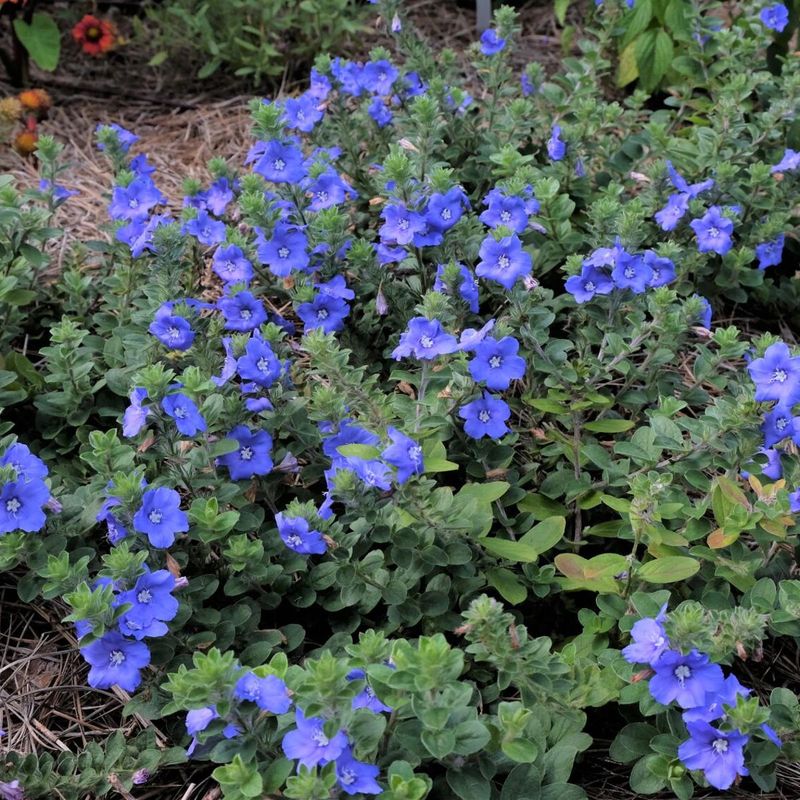
Evolvulus, sometimes sold as blue daze or Hawaiian blue eyes, is a compact little plant that packs a serious color punch with its vivid blue flowers. True blue is rare in the flower world, which makes evolvulus especially valuable in the garden design toolkit.
It loves full sun and performs beautifully in containers, window boxes, or as a ground cover. Florida heat and humidity do not slow it down one bit.
Water it moderately, avoid soggy soil, and enjoy the steady stream of cheerful blue blooms all summer long.
Dwarf Lantana
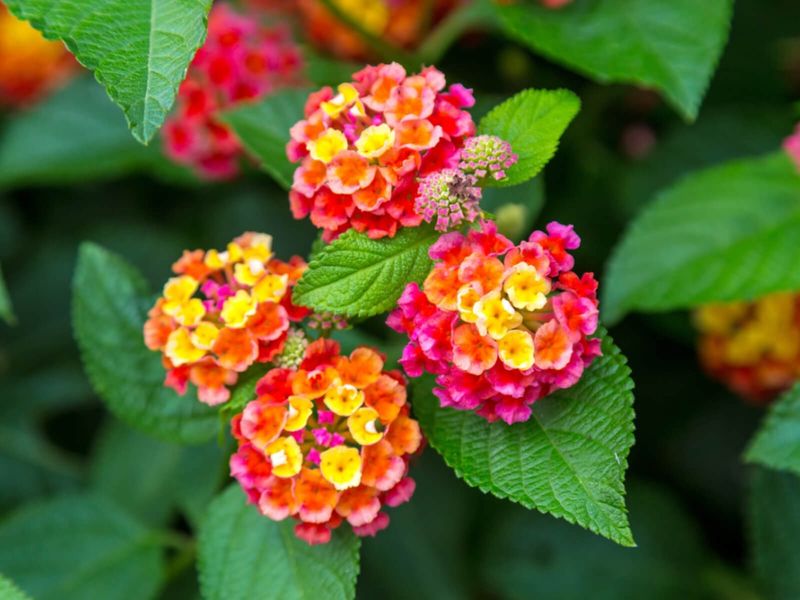
All the color and butterfly-attracting power of regular lantana, packed into a smaller, more manageable plant — that is dwarf lantana in a nutshell. It stays compact and tidy, making it a smarter choice for smaller gardens, borders, or containers where space matters.
Like its larger cousin, dwarf lantana thrives in full sun and handles drought once established. Many dwarf varieties are sterile, which means they do not produce seeds and are less likely to spread invasively.
Expect nonstop blooms in warm sunset shades all through the Florida summer.
Blue Plumbago
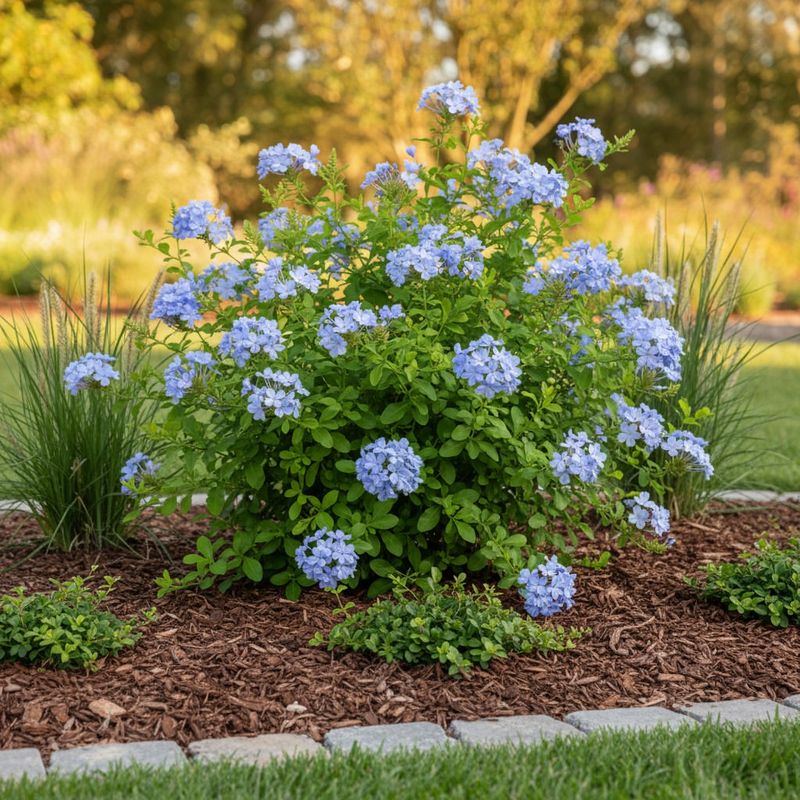
Blue plumbago is basically the superstar of Florida flowering shrubs. Its soft, sky-blue blooms appear in generous clusters almost nonstop from spring through fall, and the plant itself grows quickly into a lush, sprawling form that fills space beautifully.
It handles full sun to partial shade and tolerates heat, drought, and occasional flooding — a combination that suits Florida perfectly. Use it as a flowing hedge, a backdrop for other plants, or a standalone specimen.
Occasional pruning keeps it looking full and encourages fresh flushes of blooms.
Impatiens walleriana
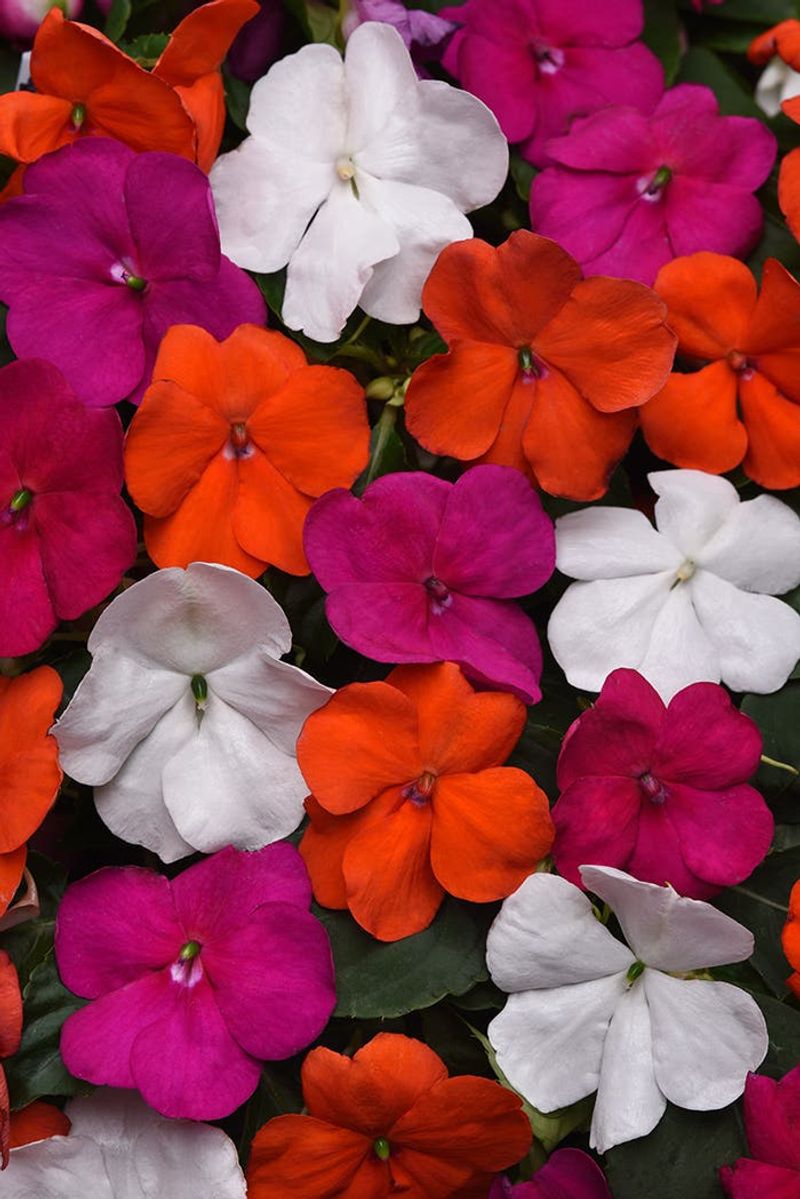
Impatiens walleriana is the shade garden’s best friend, bringing cheerful color to spots where most flowering plants simply give up. The blooms come in every shade imaginable — hot pink, red, coral, white, purple — and they cover the plant so thickly that the leaves barely show.
Florida gardeners should look for downy mildew-resistant varieties, since the humid summers can be tough on older types. Plant them in bright shade with moist, well-draining soil.
They reward consistent watering with a season-long explosion of color that makes shaded corners feel alive and vibrant.