


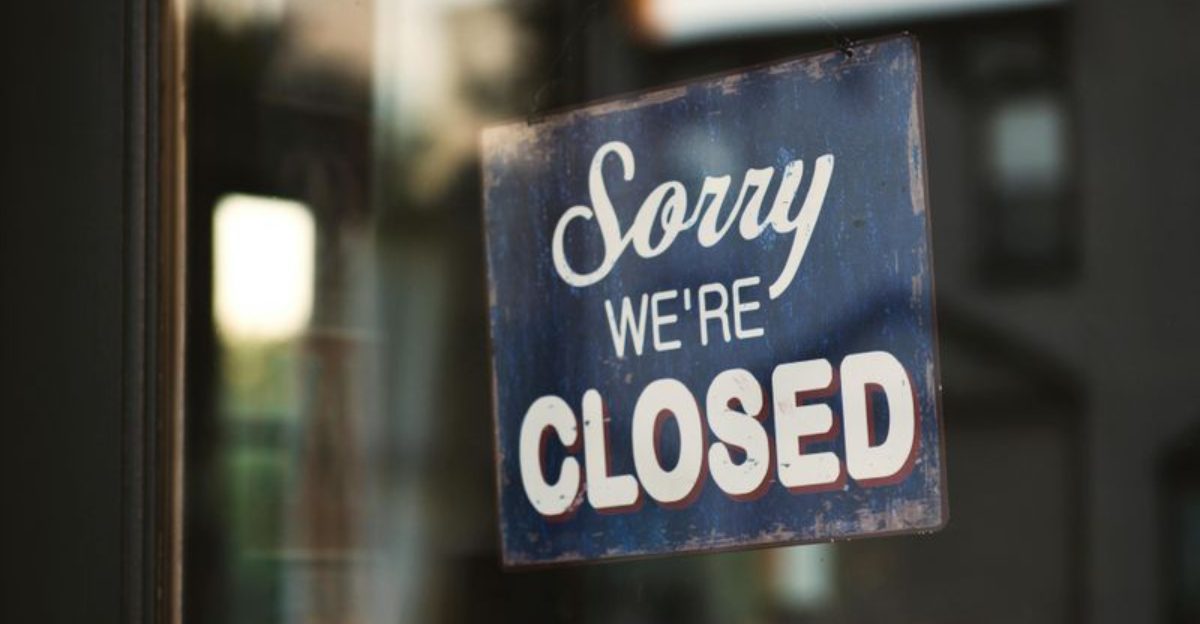
You can feel it the moment you walk in. Something is off, and your gut says turn around before ordering anything. These red flags are easy to miss when you are hungry, but they shout loud if you know what to spot. Keep this list handy and save yourself a disappointing meal, wasted money, and regret.
Empty tables
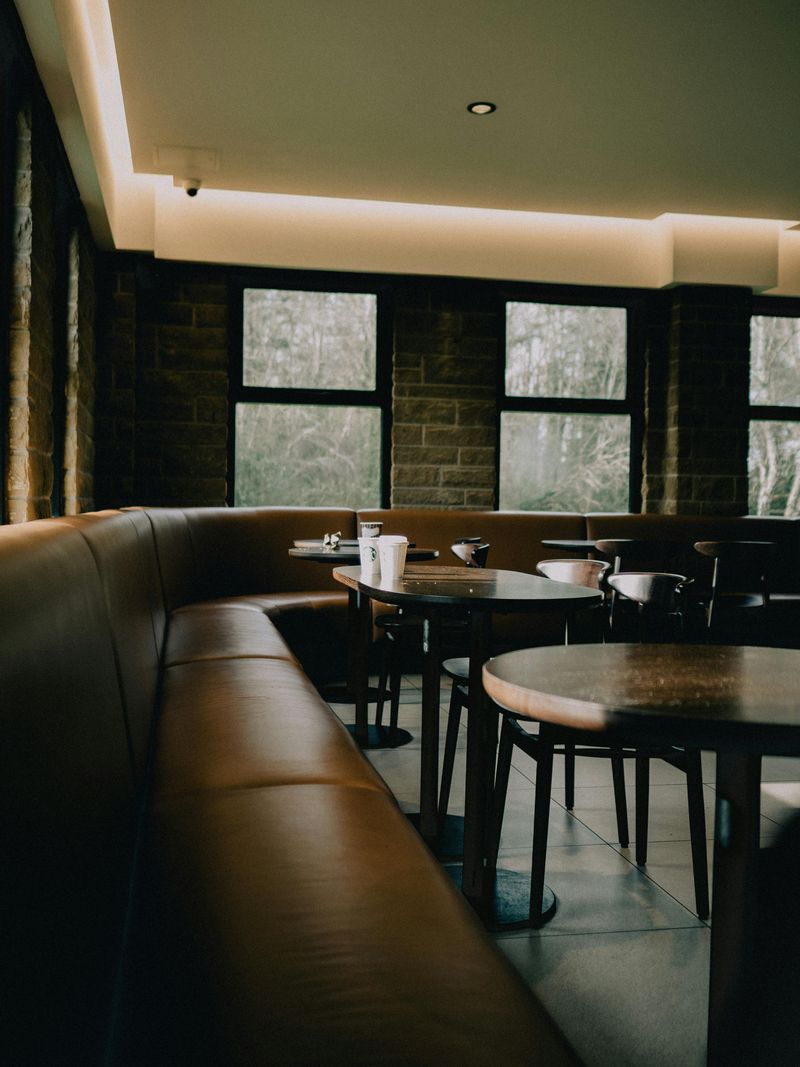
Walk into a place during prime time and see rows of empty tables, and your instincts whisper run. Regulars disappear when quality slips, and buzz fades to silence. A quiet dining room is often a symptom of deeper problems, like inconsistent food and cutting corners.
Sometimes it is the pricing. Sometimes the service lags, or the menu never changes. Either way, empty tables mean the community already voted with their feet, and you do not want to be the last to figure it out.
Dirty menu
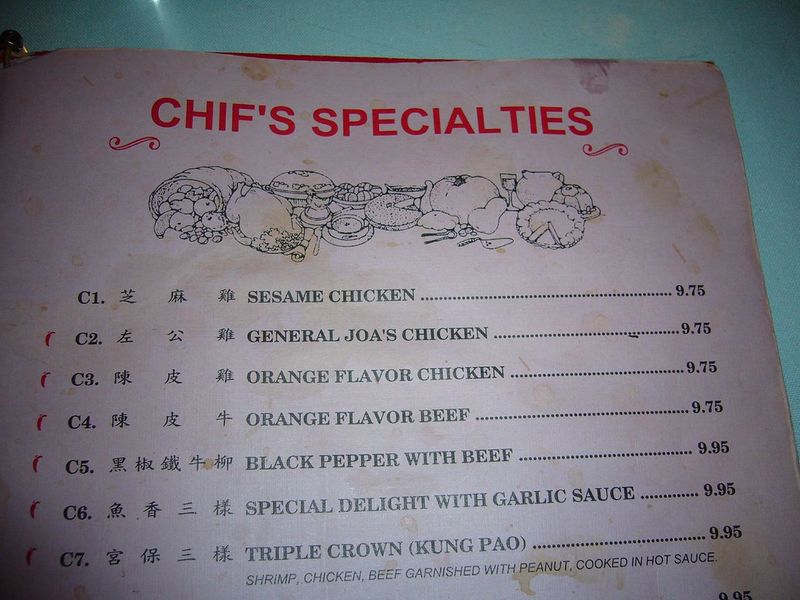
Greasy fingerprints and crusted sauce on the menu tell you sanitation standards are slipping. If the first thing you touch is sticky, imagine the kitchen. Clean menus require simple routines that good teams never skip.
Beyond hygiene, a dirty menu means details get ignored. That neglect often seeps into food storage, temperature control, and plate presentation. You deserve better than guessing what residue just touched your hand. Ask for a fresh one or consider leaving altogether.
Sticky table
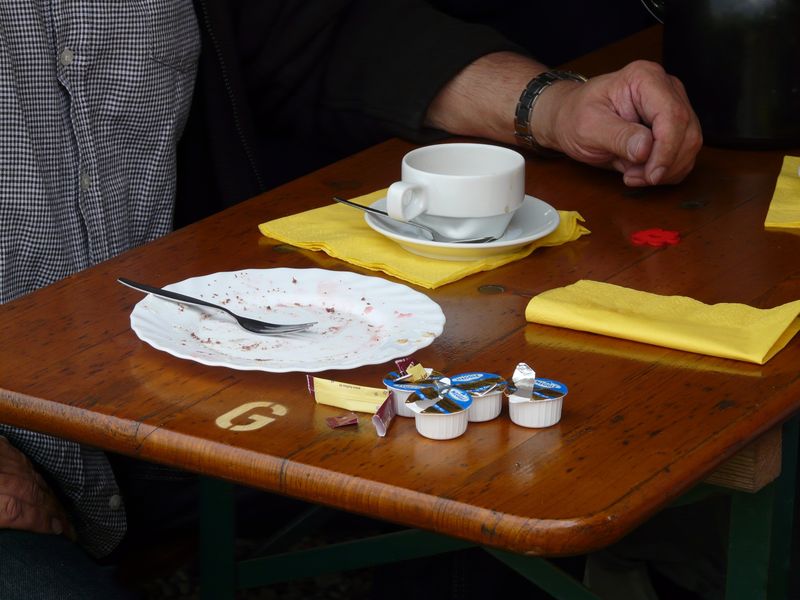
When your elbows glue to the table, it is not just annoying, it is evidence. Residue means cleaning solution got smeared without rinsing or the surface has not been properly wiped in ages. Either way, sanitation checks are not happening.
Sticky tables hint at shortcuts everywhere. Expect dull silverware, cloudy glasses, and cross contamination risks. If the dining room gets sloppy care, the back of house standards probably trail too. You can always ask for a rewipe, but consider what that says about the bigger picture.
Faded decor
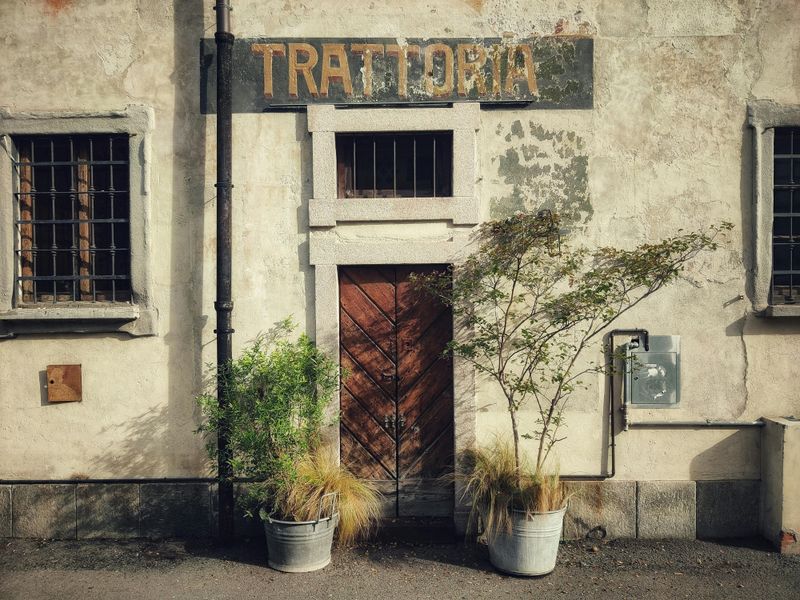
Sun-bleached posters, peeling paint, and tired art signal a place that stopped investing. Decor ages, but attentive owners refresh on a cycle. When walls look forgotten, menus and training often are too.
Ambience matters because it reflects care. If they will not repaint a scuffed wall, will they replace a questionable fryer oil? You pay for the experience as much as the entree. Faded decor warns that budgets are tight and standards are slipping, so keep expectations realistic.
Broken chair
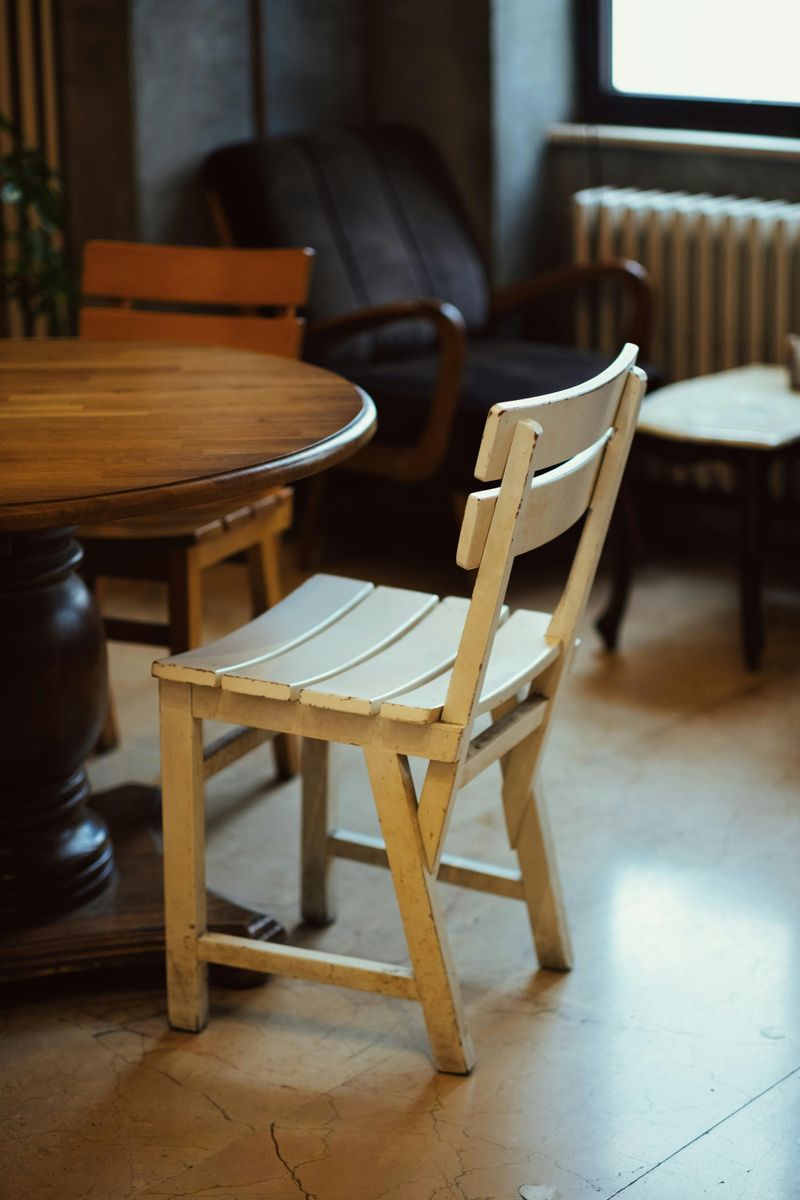
Sit carefully when a chair wobbles or a booth cushion splits. Broken seating is a safety hazard and a lawsuit waiting to happen. If they cannot fix furniture, what else are they ignoring behind the scenes.
It also shows hospitality has taken a back seat. Comfortable seating keeps guests lingering, ordering dessert, and returning. A broken chair says they are patching problems instead of solving them. That mindset rarely ends with great food arriving hot and correct.
Dim lighting
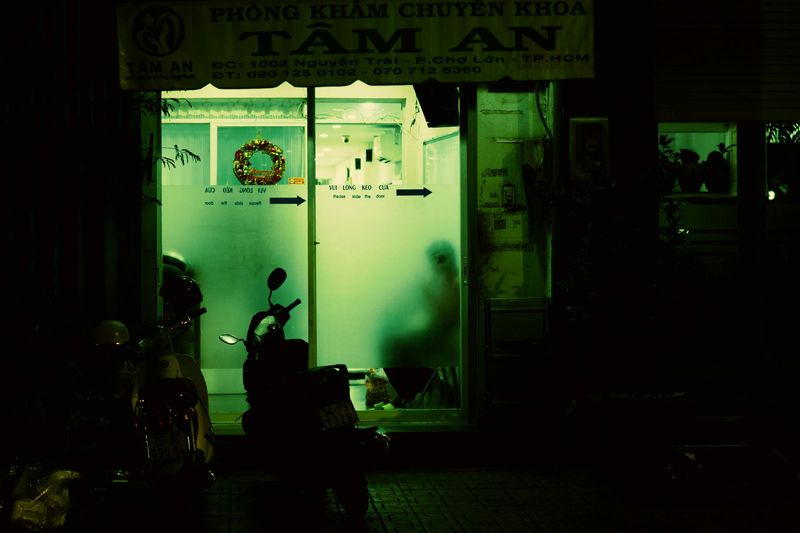
There is cozy dim and there is cannot see your plate dim. When lights are too low, it can hide grime and tired decor. It also hints at bulbs left unreplaced and deferred maintenance.
Great restaurants balance mood with visibility. If you struggle reading the menu or checking whether chicken is fully cooked, that is a problem. Ask yourself if the darkness is intentional or just masking neglect. Often, it is the latter.
Bad smell

A whiff of stale fryer oil, sour mop water, or old seafood is your cue to walk. Smell is the fastest hygiene check you have. Clean kitchens do not carry yesterday into today.
Odors mean something is lingering where it should not. Maybe vents need cleaning, or trash sits too long, or drains are overdue for service. Your nose is honest, so trust it. If you are overpowering the aroma with perfume or lemon spray, that is not a fix.
Cold fries
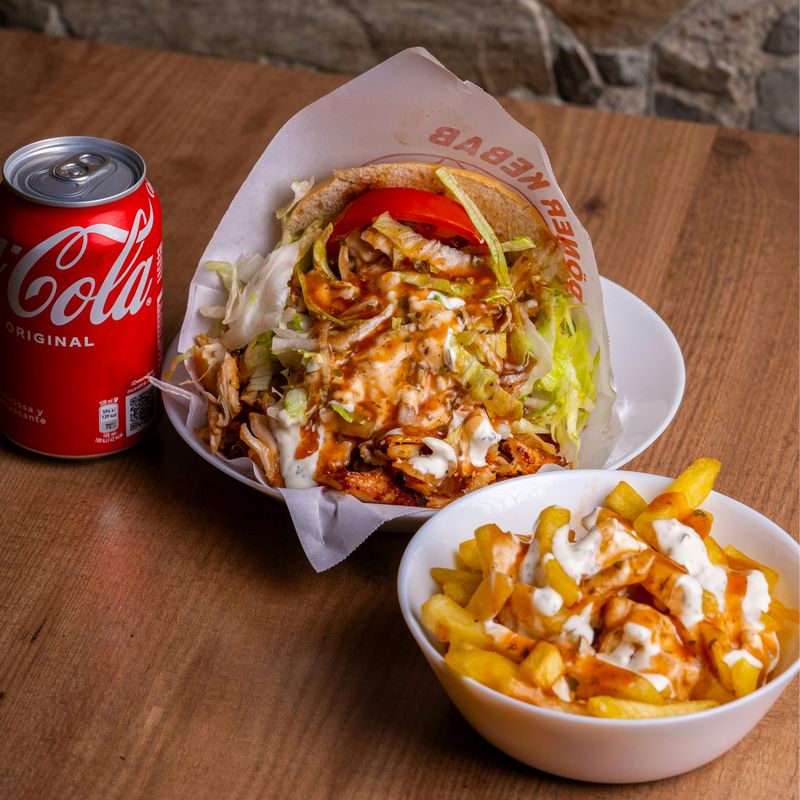
Cold fries expose timing failures and misfired communication. Hot, crisp fries are simple when a kitchen is organized. If yours arrive lukewarm and limp, tickets are backing up or batches are sitting under lamps too long.
Temperature tells you more than flavor. Expect inconsistent proteins and overcooked vegetables from the same system. Send them back if you must, but know it is a symptom, not the disease. When the basics fail, the bigger plates usually follow.
Wilted salad
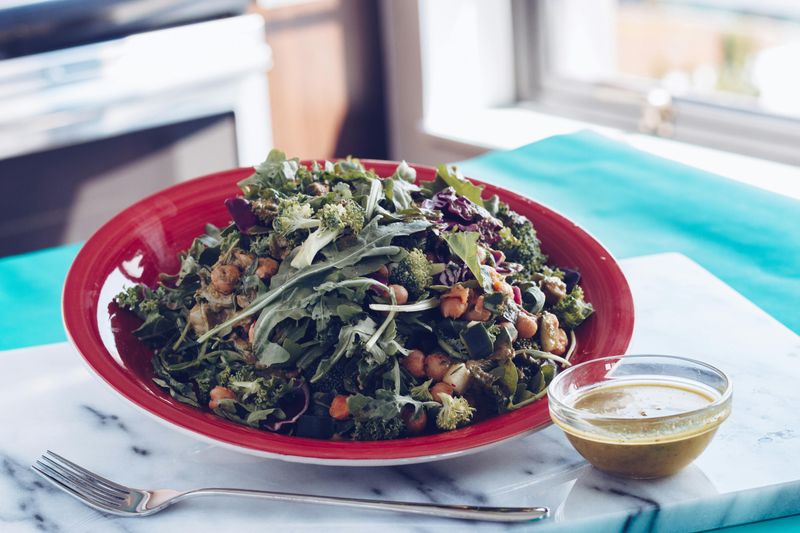
Droopy greens and watery tomatoes suggest poor prep and storage. Good kitchens spin dry, chill properly, and use produce quickly. A limp salad hints at yesterday’s leftovers passing for fresh.
Texture is truth. If lettuce collapses at first fork, imagine the walk-in organization. Expect brown avocado, oxidized dressing, and inconsistent portions. You are paying for freshness, so do not accept mush. Send it back or choose something cooked where damage is less obvious.
Long wait
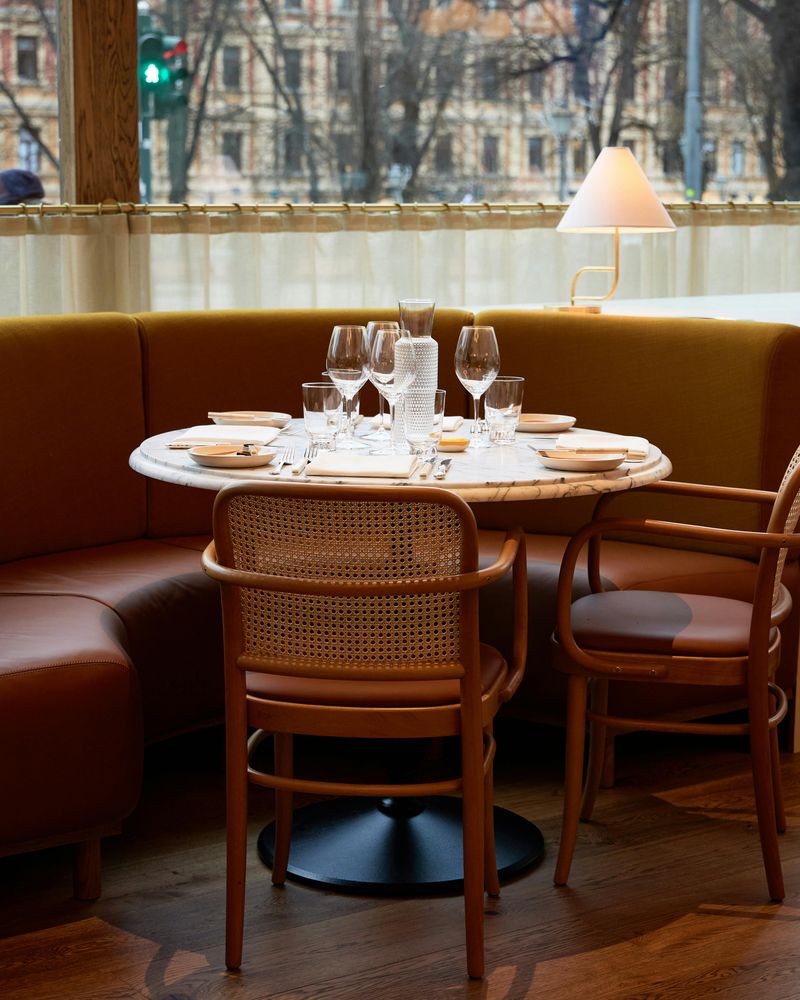
Waiting can mean popularity, but it can also mean chaos. If you see open tables and still wait forever, the kitchen or staffing is underwater. Poor pacing ruins hot food and service morale.
Ask the host about the delay. Vague answers often mean they are scrambling without a plan. Great teams communicate realistic times and update you. When everyone looks overwhelmed, you will feel it on the plate and check.
Rude staff
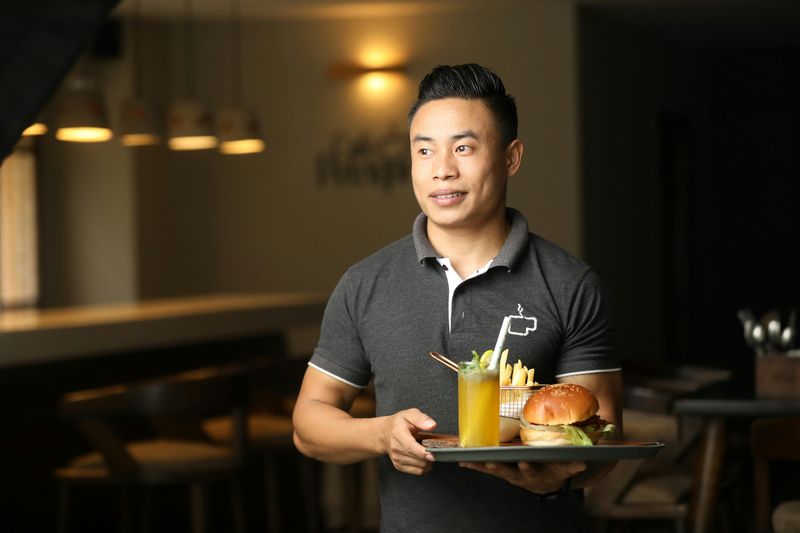
Snippy servers and eye rolls point to deeper issues than manners. Burnout and poor management create hostile vibes that guests can feel instantly. Happy teams rarely snap at customers.
When a place is healthy, kindness flows naturally. Training, breaks, and fair sections matter. If staff seem defeated, corners are likely being cut everywhere. You deserve warmth and clarity, not attitude. Pay attention to tone and body language, then decide if your money belongs there.
No customers
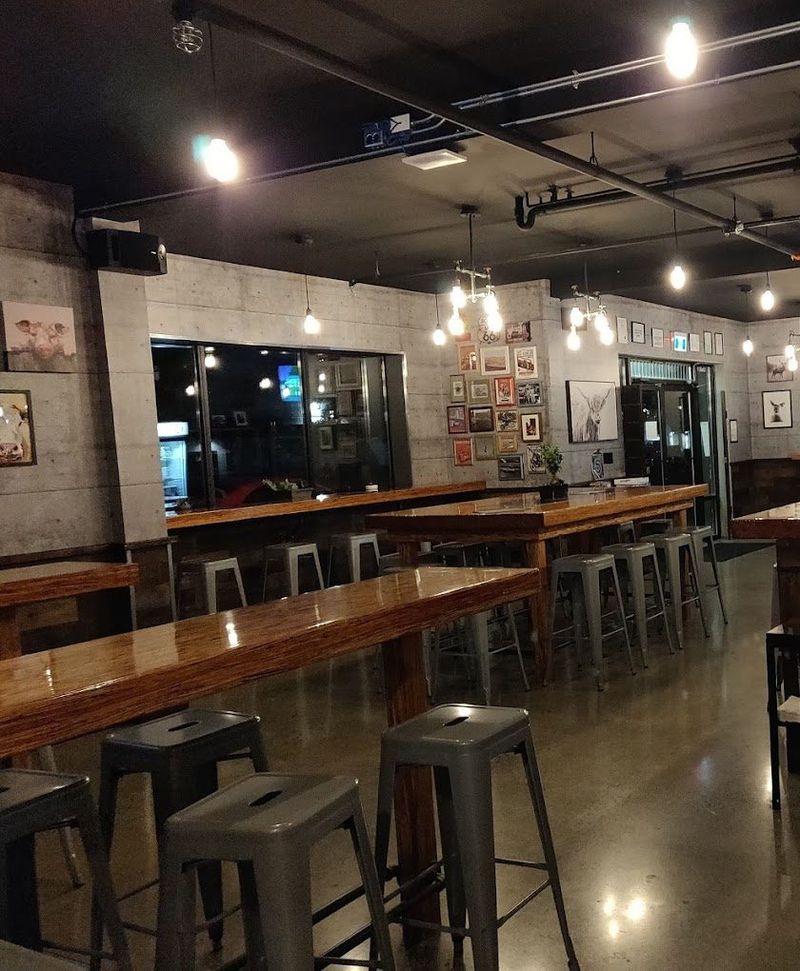
Walking into a ghost town during meal hours is a neon warning. Loyal diners vote daily, and silence is a brutal review. Lack of customers usually traces to inconsistent food, unreliable hours, or a damaged reputation.
If the room feels abandoned, your experience might too. Restaurants survive on momentum. Without it, quality slips further as costs rise and staff shrink. Trust the crowd instinct. If locals avoid it, you probably should as well.
Dusty shelves
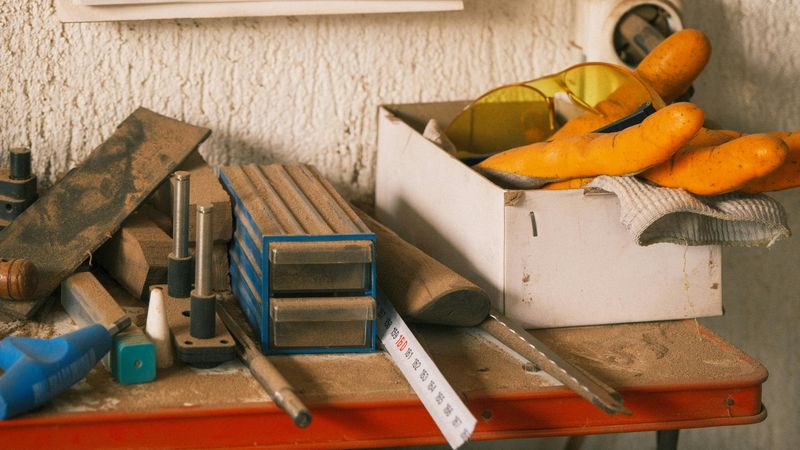
Dust on shelves, bottle tops, and window sills means cleaning checklists are ignored. It takes weeks to build that layer, so nobody is inspecting. Attention lapses like this rarely stop at the bar rail.
Dust also floats onto glassware and garnish. You deserve a clean environment, not grit in your cocktail. If surfaces you can see are neglected, expect the same where you cannot. That is not a gamble worth taking.
Mismatched plates
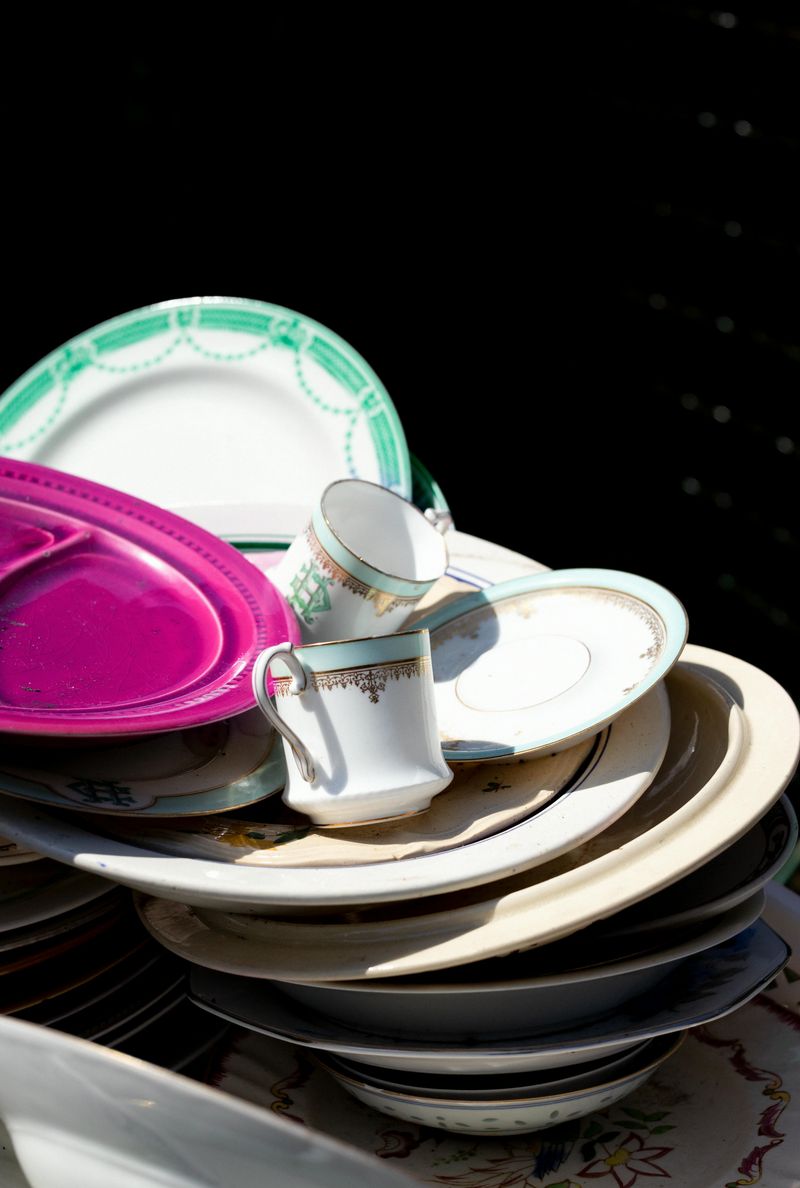
A quirky plate is charming, but a random mix screams supply problems. When dishes chip and replacements never match, the budget is strained or ordering is chaotic. It can also confuse portioning and presentation standards.
You eat with your eyes first. Sloppy plating on mismatched ware dilutes the experience and hints at rushed training. If they cannot standardize a plate, can they standardize doneness? Probably not. Consider what else is inconsistent.
Outdated menu board
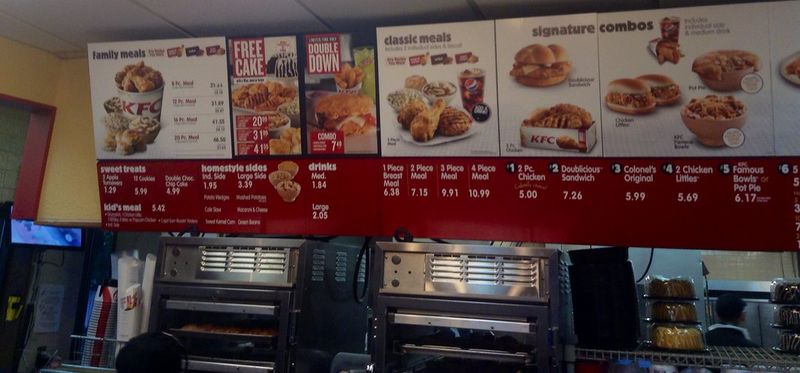
Faded chalk, crossed-out items, and months-old specials show neglect. An updated menu board tells you someone is curating the experience daily. When it looks abandoned, seasonality and inventory control are probably off.
Menus should evolve as ingredients and demand shift. If they have not refreshed in ages, expect stale ideas and stockouts. You deserve clarity and excitement, not confusion. Outdated boards signal a kitchen on autopilot.
Low ratings
Online ratings are imperfect, but a consistent pattern tells a story. If recent reviews trend downward with specific complaints, believe them. Photos and timestamps add context you can trust.
Look for common threads like slow service or underseasoned food. A few cranks happen, but dozens of similar comments point to real issues. Check responses too. Silence or defensive replies mean leadership is not learning. Vote with your appetite accordingly.
No music
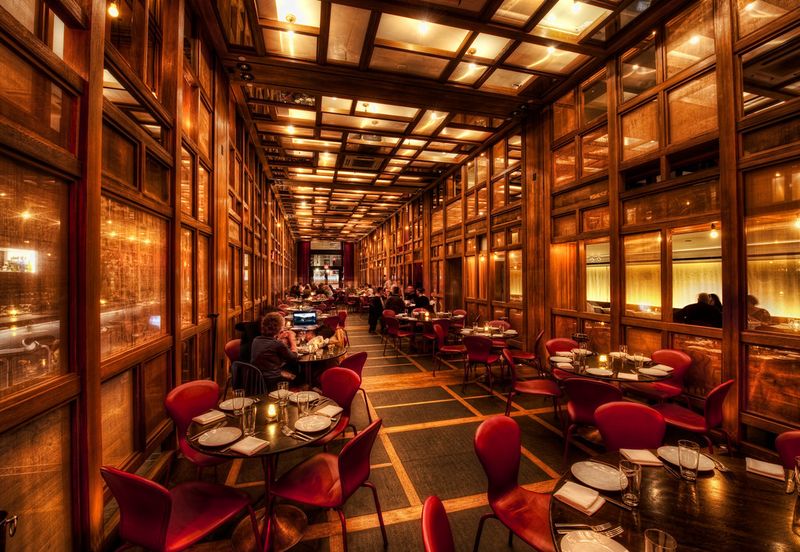
Silence in a dining room feels awkward and uninviting. A thoughtful playlist sets pace and covers clatter. When there is no music, it often means no one is minding ambience or the sound system is broken and unfixed.
Music affects how long guests stay and how much they order. Good operators know this. If the room feels like a waiting room, you are not in good hands. Expect similarly neglected details across service and food.
Messy restroom
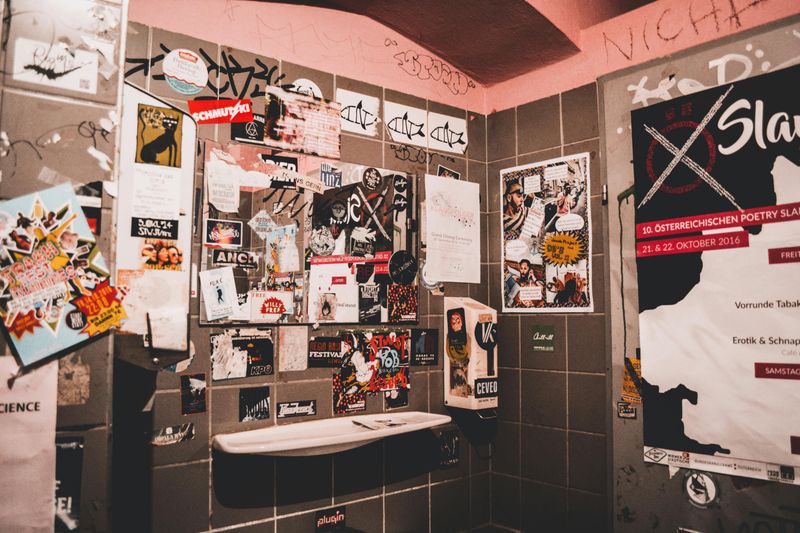
A dirty restroom is the truest mirror of a restaurant’s standards. Overflowing trash, empty soap, and wet floors say cleaning schedules are imaginary. If they will not maintain public spaces, the kitchen is unlikely spotless.
Always check the restroom before committing to a big order. It takes minutes to reset, so neglect is a choice. You deserve a clean, stocked, and safe space. Anything less is a warning to leave.
Kitchen mess
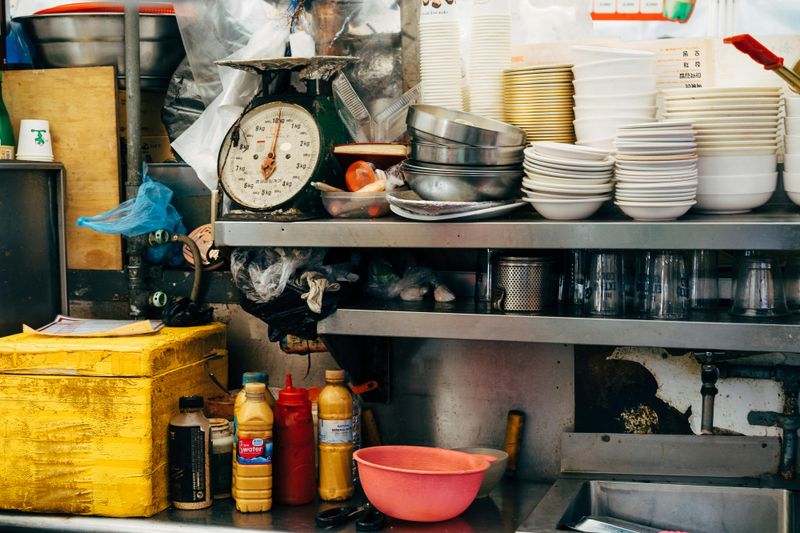
If you can glimpse the line and see chaos, brace yourself. Piles of unwashed pans, spills left standing, and cooks scrambling without communication mean tickets will suffer. Messy lines breed contamination and inconsistent temperatures.
Organized kitchens move with calm precision. When that rhythm is missing, food quality drops and wait times spike. Ask yourself if you want to eat from that setup. Usually, the answer is no.
Water stains
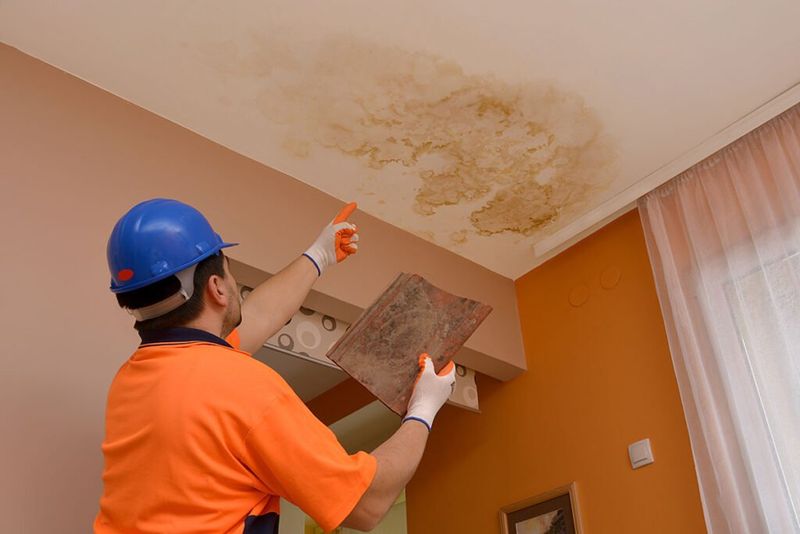
Brown rings on ceiling tiles and peeling paint around vents suggest leaks and poor ventilation. Moisture breeds mold, and mold does not stay put. Maintenance is being deferred, likely for cost reasons.
You should not eat under a ceiling that looks tired and damp. If they have ignored water stains, refrigeration seals and dish machines may be equally overlooked. Those shortcuts show up in food safety sooner or later. Choose a drier ceiling.
Stale bread
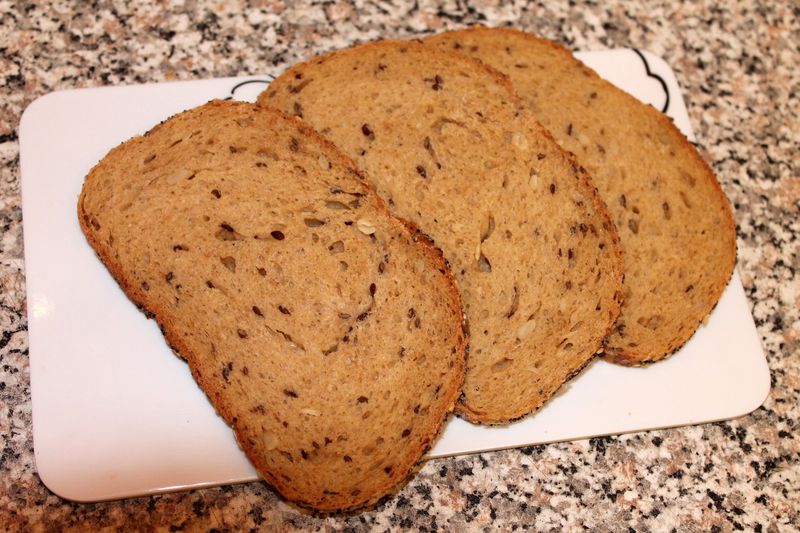
Bread should crackle, not sigh. If it arrives chewy and lifeless, it sat too long or was reheated badly. Bread service is a small test that reveals the day’s standards.
Fresh bread tells you someone cares. Stale bread tells you they are stretching inventory and ignoring texture. You can ask for a fresh basket, but the message has already arrived. Expect similar shortcuts across the meal.
Frozen food
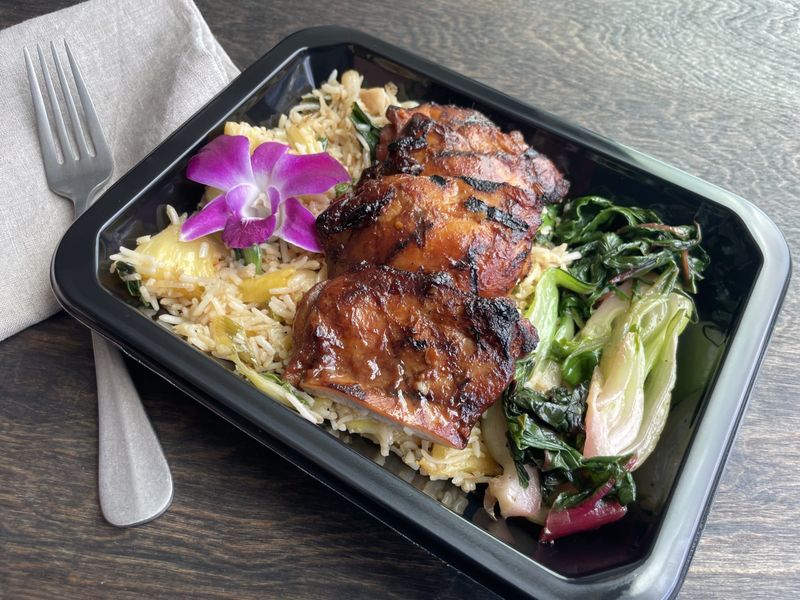
Not every frozen ingredient is evil, but an entire menu built on freezer-to-fryer shortcuts screams surrender. Look for identical shapes and factory-perfect breading. That uniformity is a dead giveaway.
Ask what is made in-house. Good places brag about it. If answers are vague, expect reheated sauces and preportioned proteins. You deserve fresh prep at restaurant prices. Otherwise, you are paying for packaging.
Weak coffee

Watery coffee tells you training and timing are off. Proper ratios and fresh grounds are not complicated, but they require care. When the coffee is weak, attention to detail is likely weak too.
Great restaurants finish strong. A bold cup signals pride until the last sip. If they cannot nail coffee, imagine the nuances of seasoning and searing. You deserve better than brown water after a good meal. Choose a place that respects the brew.
Closed sign
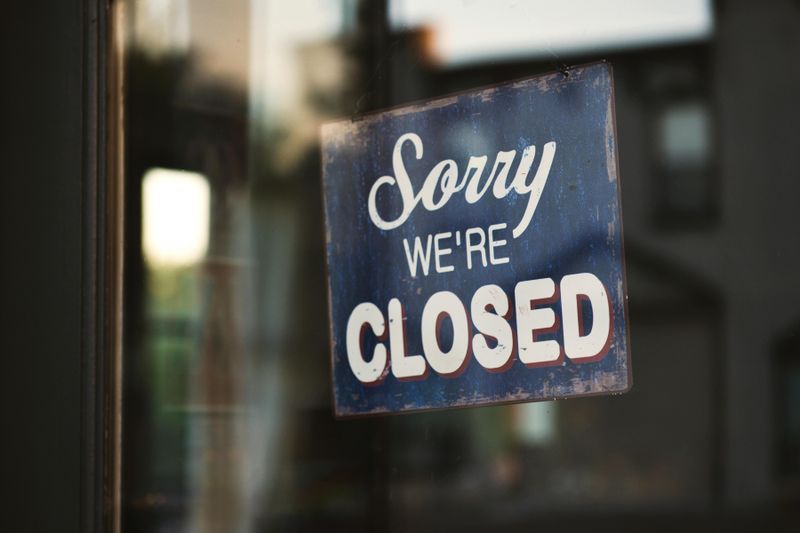
A restaurant flashing a Closed sign during normal hours screams instability. Maybe staffing is a mess, or inventory ran out. Unexpected closures almost always point to cash flow trouble, unreliable management, or health department issues being quietly handled.
Even if they reopen tomorrow, the inconsistency breaks trust. You should not have to guess if a place will serve you. Reliable restaurants publish updated hours, communicate clearly, and honor them. Frequent surprise closures mean the wheels are coming off behind the scenes.