


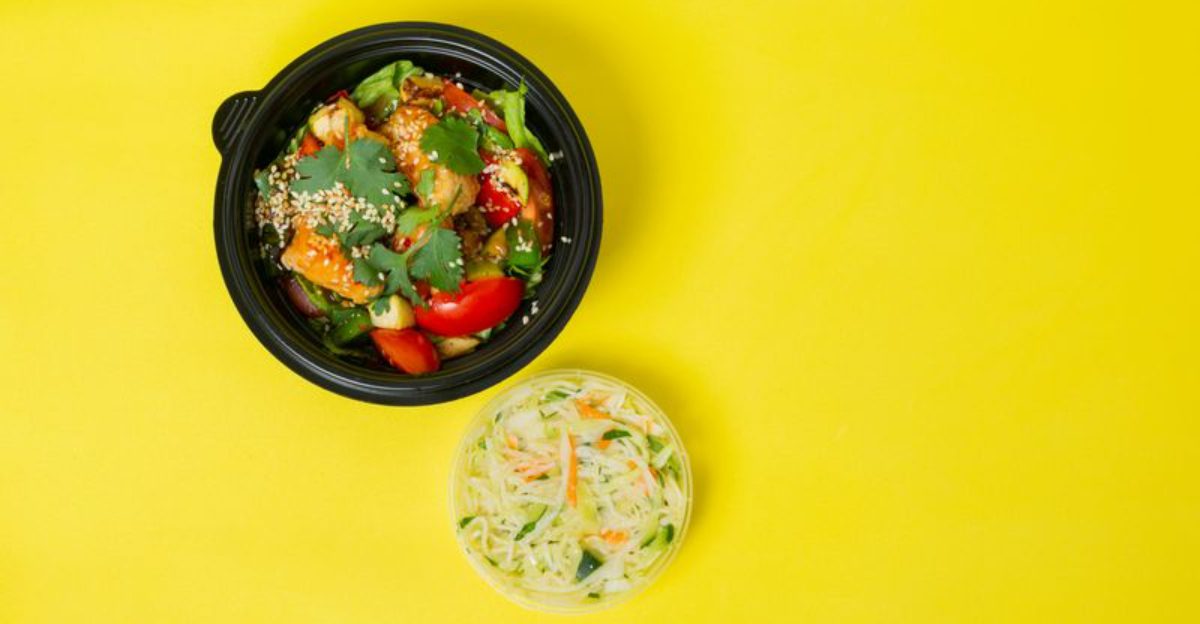
Ever stared at a menu and thought, sure, why not, only to gasp when the bill lands? Restaurants are masters at tempting little upgrades that sound harmless but add up fast.
Some are tasty but barely noticeable, while others overshadow the dish you actually wanted. Before you nod yes to that friendly suggestion, here are the add-ons diners most often regret.
Extra cheese
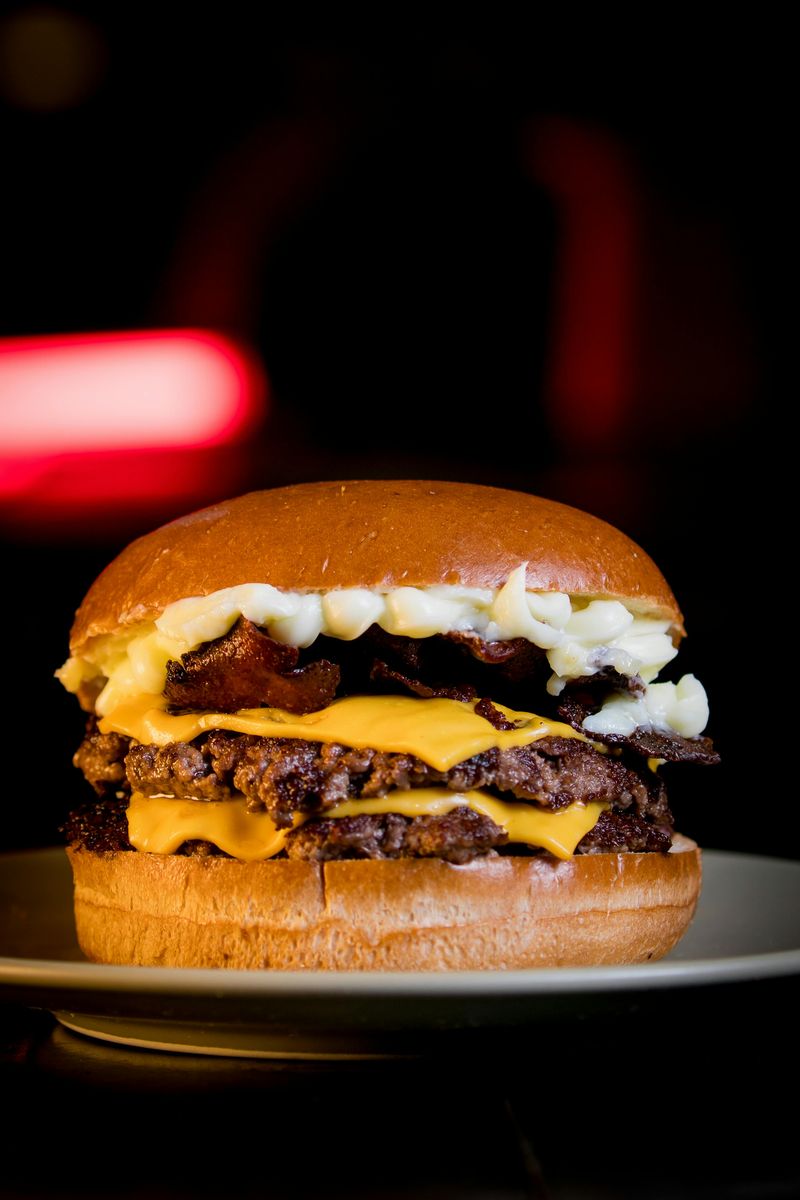
Extra cheese feels harmless until you realize it bulldozes every other flavor on the plate. It turns a balanced burger or pasta into a heavy, salty avalanche that leaves you sluggish.
The upcharge is rarely small, and you barely appreciate the nuance anyway.
Servers ask with a casual smile, and it is easy to nod along. But that quick yes can transform a good meal into a gooey regret.
If you truly want more richness, choose a dish built around it, not a last second pile on.
Add avocado
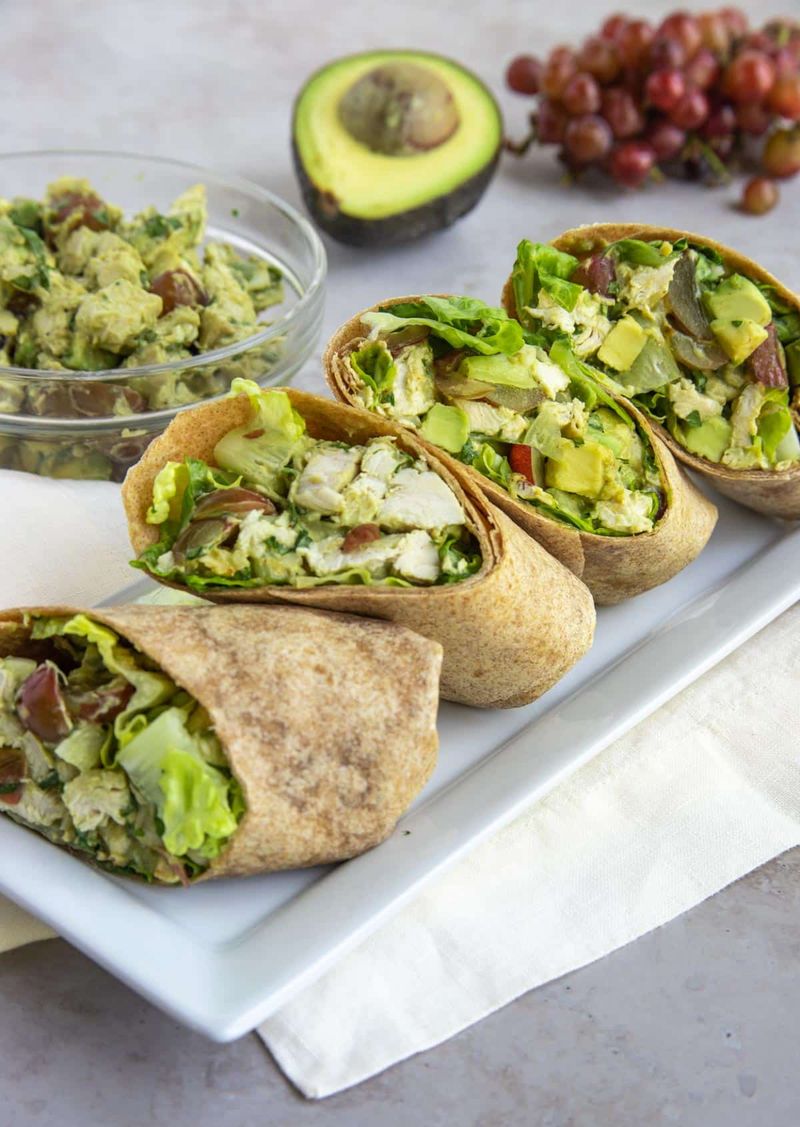
Avocado sounds fresh and wholesome, but the surcharge often hits like a surprise. You get a few thin slices that disappear into the rest of the dish, barely changing texture or taste.
It can feel like paying extra for green color rather than a meaningful upgrade.
Ripeness is a gamble too. One underripe piece turns the entire bite rubbery and bland.
If you truly crave avocado, order a dish that already features it generously. Otherwise, let the main flavors shine and save your cash for something more impactful.
Add bacon
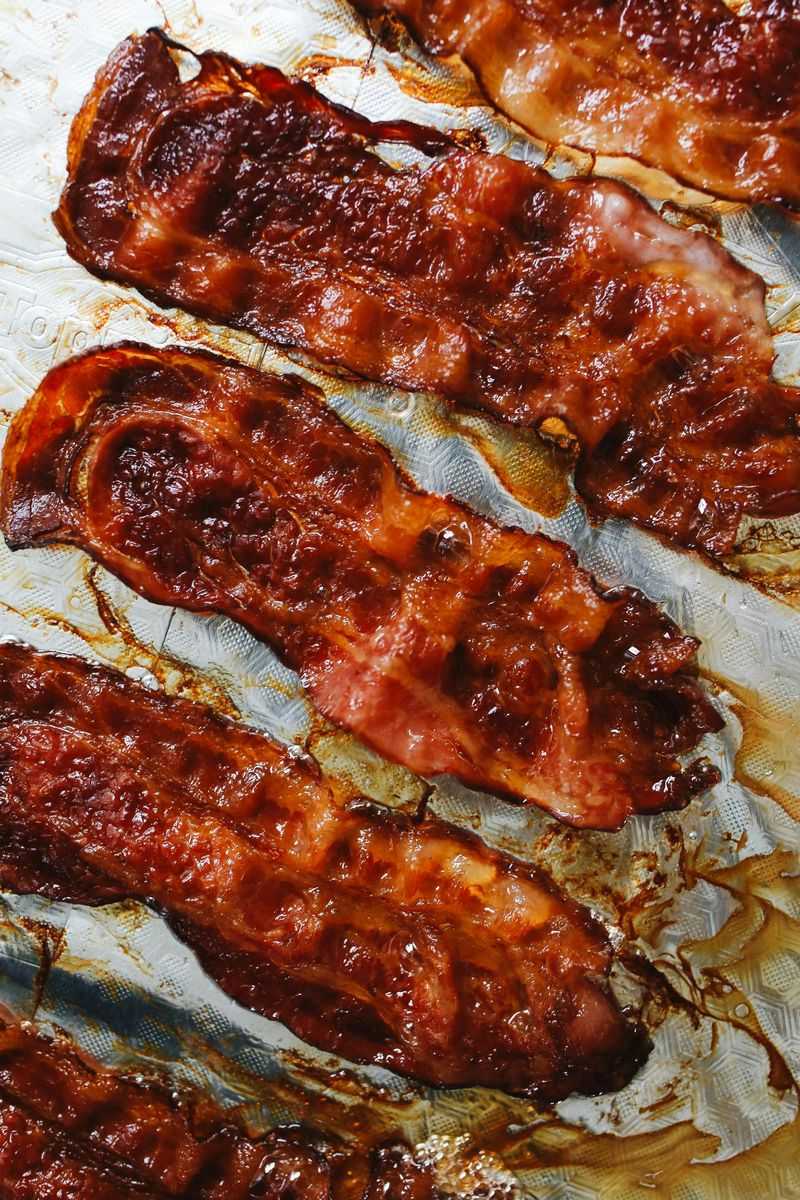
Bacon promises smoky crunch, yet it often arrives soggy under sauces or steamed in takeout. That upgrade charge buys two limp strips that mask subtler flavors you paid for.
Instead of enhancing, it shouts over everything else with salt and smoke.
It also pushes a meal from indulgent to overkill. You leave full but not satisfied, and a few dollars lighter.
If the restaurant nails bacon by default, great. Otherwise, resist the easy upsell and pick an entrée designed to include it intentionally.
Protein upgrade
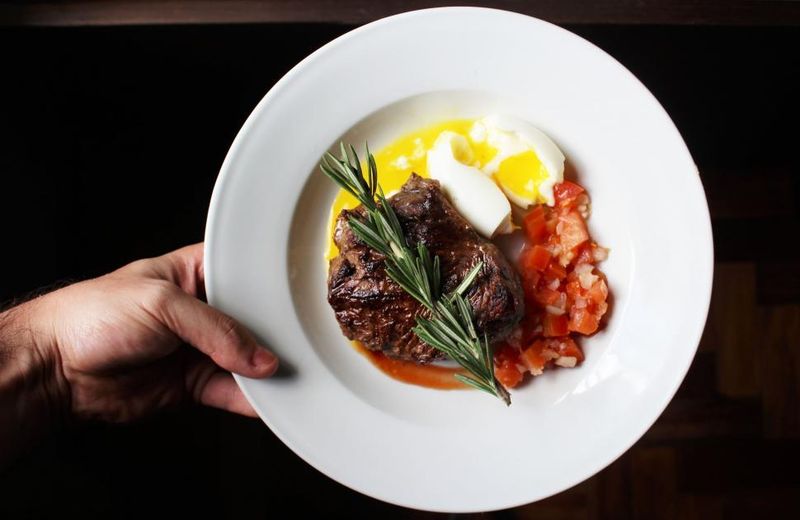
Upgrading protein sounds responsible, but cost jumps rarely match portion size. You might get three thin slices of chicken or shrimp that taste like afterthoughts.
The base dish loses balance, turning light and bright into dense and clumsy without true satisfaction.
Restaurants love the margin here. You think you are boosting nutrition, but the flavor payoff is small.
If protein matters, choose a dish built around quality meat or fish. That way, seasoning, texture, and portion actually align with the price you are paying.
Truffle oil
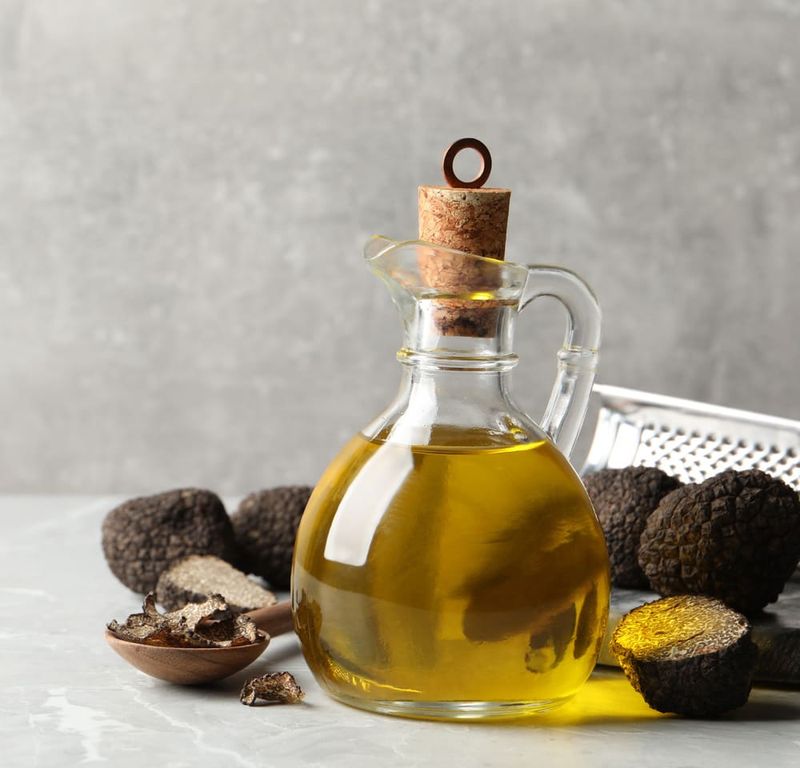
Truffle oil teases luxury, yet most versions are synthetic flavoring in fancy clothing. The aroma overwhelms delicate ingredients, leaving a one note, earthy punch that lingers.
It turns nuanced dishes into perfume bombs and inflates your bill for minimal substance.
Real truffles are rare and expensive for a reason. Oil is a shortcut with a strong aftertaste and little complexity.
Unless the kitchen uses fresh truffle or clearly high quality product, skip the drizzle. Your palate and wallet will both thank you.
Fancy salt
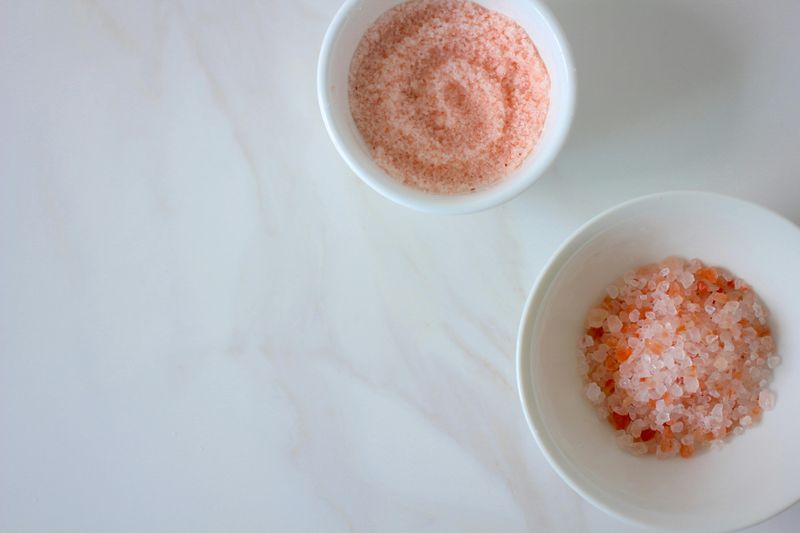
Fancy salt sounds special, but salt is salt when used tableside. Paying extra for a pinch of flakes does not transform an already seasoned dish.
It is mostly theater, a flourish to justify a mysterious surcharge that vanishes without trace.
Good kitchens season during cooking for proper absorption. Sprinkling crystals at the end gives crunch, not depth.
Unless the salt is part of a thoughtful finishing technique included in the dish, skip the upsell. Save your money for something you can actually taste meaningfully.
Special butter
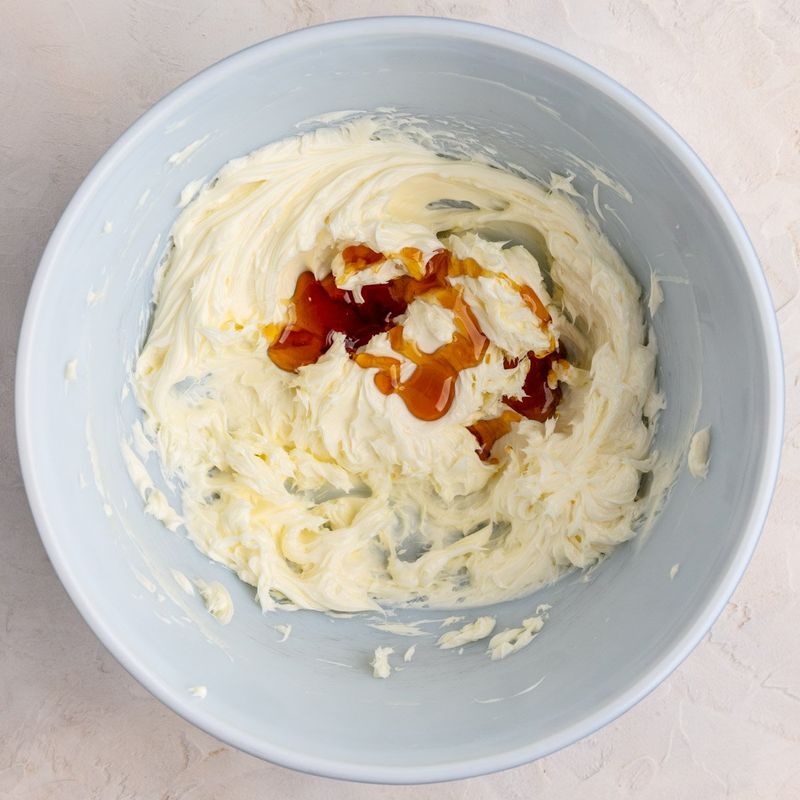
Compound butter can be delightful, but the surcharge for a spoonful stings. You are paying for herbs and presentation when regular butter would do.
Often the bread is the weak link anyway, so the butter cannot save the experience.
It feels like a pre-meal toll rather than a treat. If a restaurant takes pride in their bread service, it should be included.
Otherwise, skip the butter upgrade and put that cash toward an appetizer that actually satisfies before the main event arrives.
Wine pairing
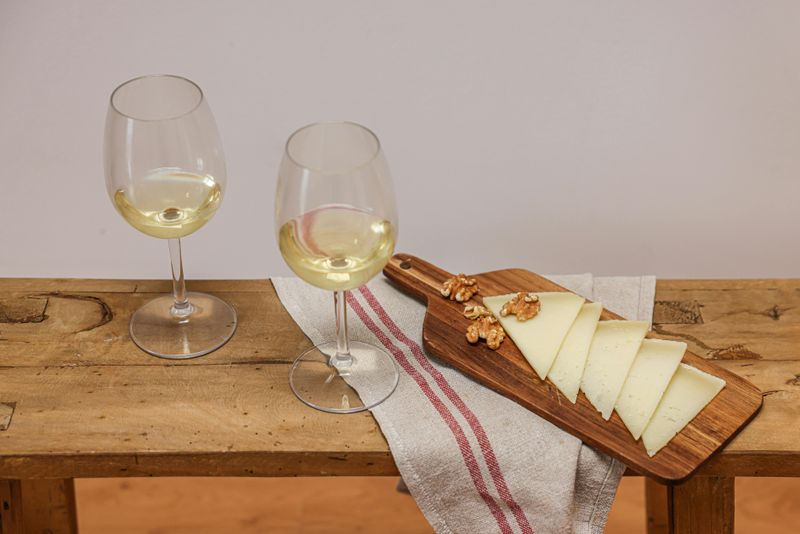
Wine pairings seem educational and fun until the pours feel tiny and the bill doubles. You spend more time comparing notes than enjoying your food.
Some matches land, others clash, and you are locked into the ride regardless.
It is beautiful theater, but not always worth the premium. If curious, split a pairing or choose a glass or two intentionally.
That way you control cost and focus. A thoughtful bottle can create the same magic without the drip feed of surprise charges.
Dessert upgrade
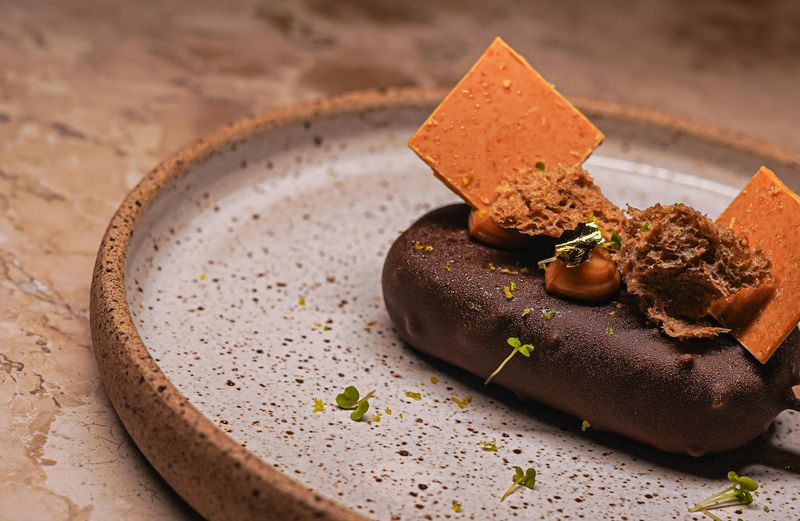
Dessert upgrades promise spectacle more than flavor. You get glitter, extra sauce, maybe a shard of sugar, and a bigger price tag.
The base dessert would have satisfied, but the embellishments push sweetness into cloying territory.
It is easy to be seduced after a great meal. Still, your palate is already saturated, and the upgrade reads like fireworks after the finale.
Choose restraint and enjoy the original dessert. You will remember the balance, not the gilded add-ons that stole the spotlight unnecessarily.
Sauce flight
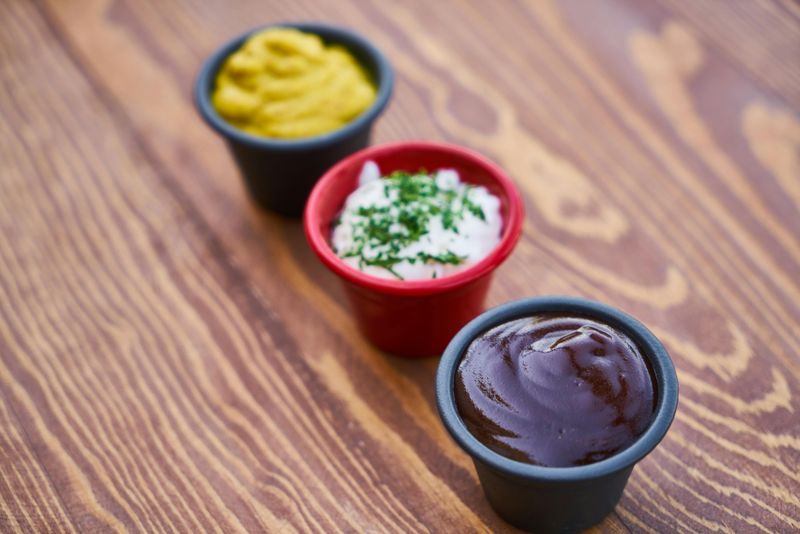
A sauce flight tempts curiosity, yet most dips overlap in sweetness or heat. You pay for variety that blurs into sameness and ends up half uneaten.
The main dish can drown under spoonfuls of novelty, losing its intended character.
It is a fun idea for sharing, but the value rarely lands. Better to pick one excellent sauce that complements your order.
Flights are Instagram bait that evaporates once the check arrives. Save the extra cash for something you will actually finish.
Premium fries
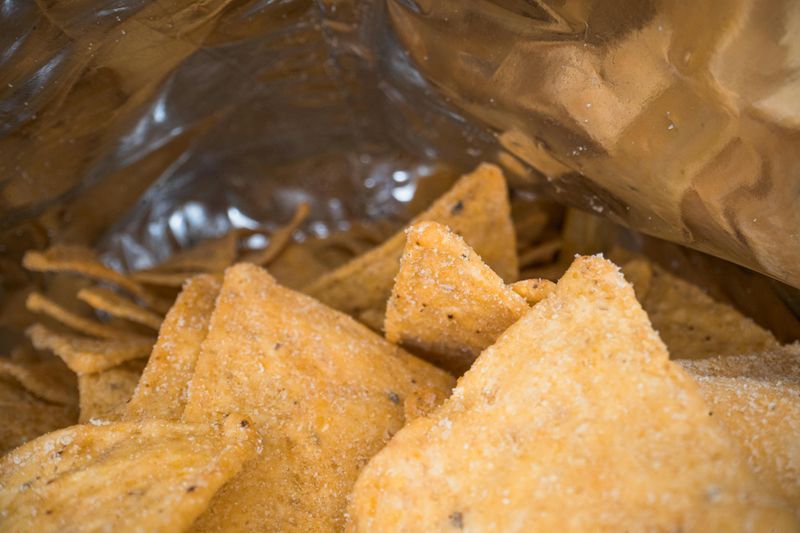
Premium fries often mean truffle oil dusting and a sprinkle of cheese with a big markup. They cool fast, turn soggy, and overshadow the main course.
You end up full of starch and regret before the entrée truly arrives.
Regular fries, when cooked well, already deliver crunch and comfort. Paying extra for perfume and garnish rarely improves them meaningfully.
If fries are the star, order them as the main. Otherwise, keep it simple and protect your appetite and budget.
Bottled water

Bottled water appears harmless until you see multiple charges stacking silently. Tap is often perfectly fine, yet the offer sounds polite and automatic.
You nod, then pay the price of a small appetizer for something you barely notice.
Refills keep flowing, and so does the bill. If you truly prefer it, fine, but make that choice intentionally.
Otherwise, ask for tap confidently. Spend those dollars on flavors you will actually remember after the night ends.
Dessert sampler
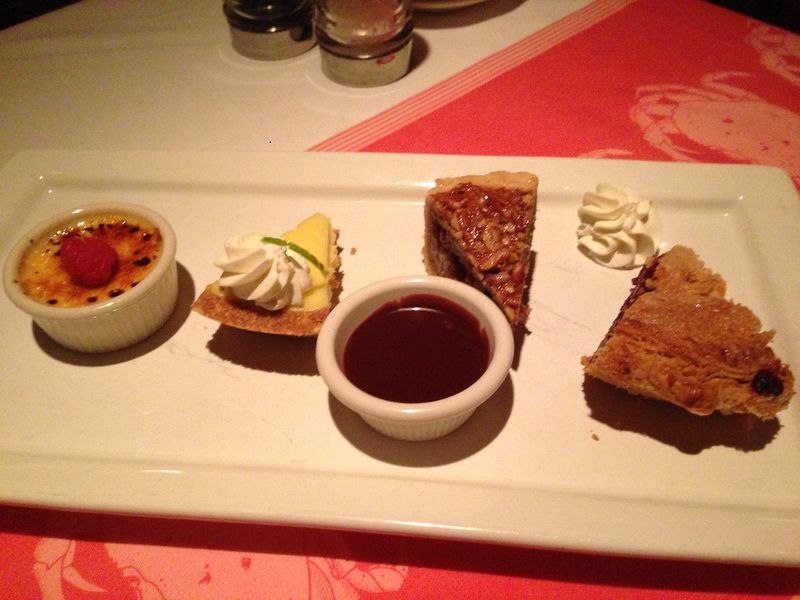
Samplers promise a tour, but you often get three half strength versions of great desserts. Textures suffer at miniature scale, and the flavors feel diluted.
You pay more for less satisfaction, nibbling instead of savoring a single, confident choice.
Indecision is understandable, yet the sampler rarely fixes it. Pick the dessert you truly want and enjoy a full experience.
One bold scoop of flavor beats three timid bites almost every time. Your wallet agrees.
Extra toppings
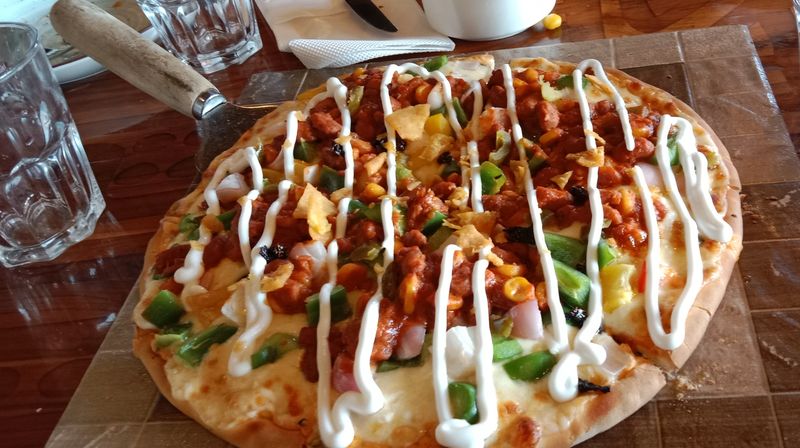
Loading up toppings sounds fun until the crust buckles and flavors collide. Each add-on fights for attention, turning a cohesive pie into chaos.
The final result is heavy, wet, and oddly bland because nothing gets proper spotlight.
Those dollars stack faster than you expect. Instead, choose two or three focused toppings that play well together.
Simplicity lets good dough, sauce, and cheese shine. Your pizza eats better, and the bill is kinder.
Double meat
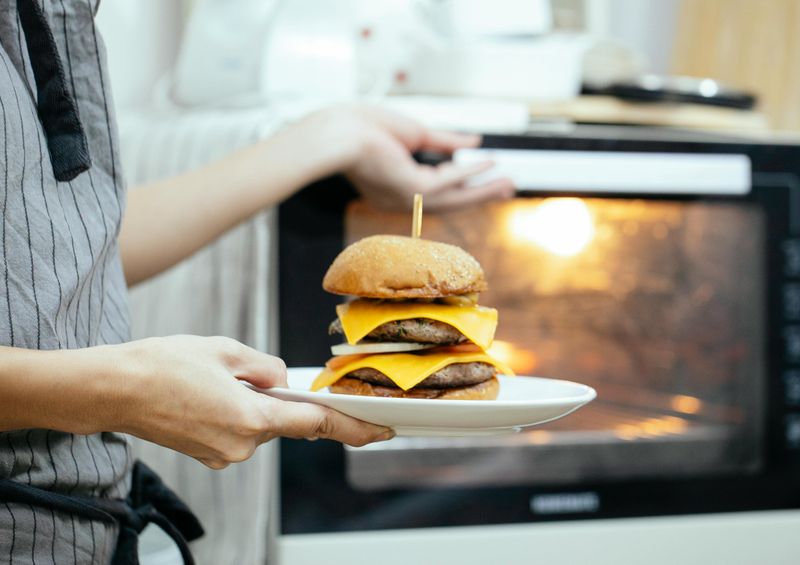
Double meat feels like value until the balance collapses. Sauces and veggies disappear under a wall of protein, making each bite monotone.
You pay more to taste less variety, and the texture turns dense and dry.
Restaurants love the margin, and you leave stuffed but unsatisfied. If you are truly hungry, add a small side or split an appetizer.
A well balanced portion often tastes better and actually feels more filling in the end.
Loaded sides
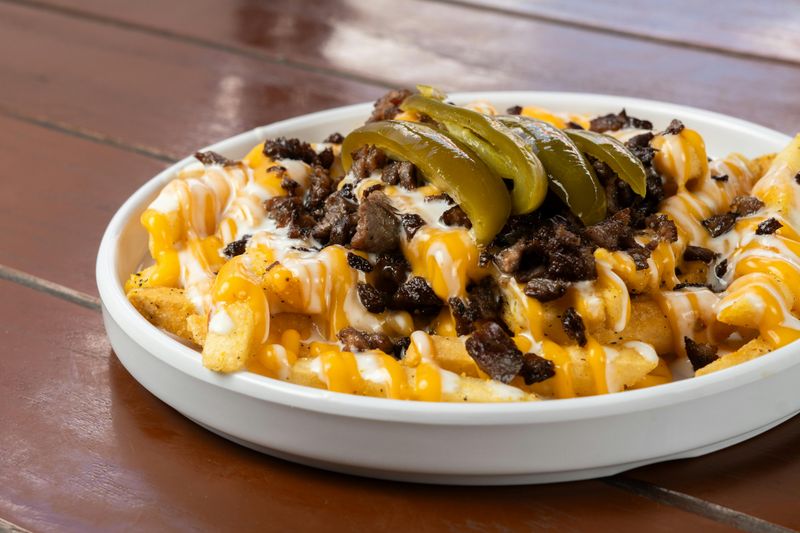
Loaded sides tempt with comfort and excess. But they bury the potato or veggie under a dairy-and-bacon landslide, blowing past the point of enjoyment.
You pay for toppings that make everything taste the same, and the original ingredient disappears.
It is the culinary equivalent of turning up the volume to eleven. Good sides should complement, not compete with, your main.
Keep it simple and let the entrée lead while the side supports gracefully.
Garnish upgrade
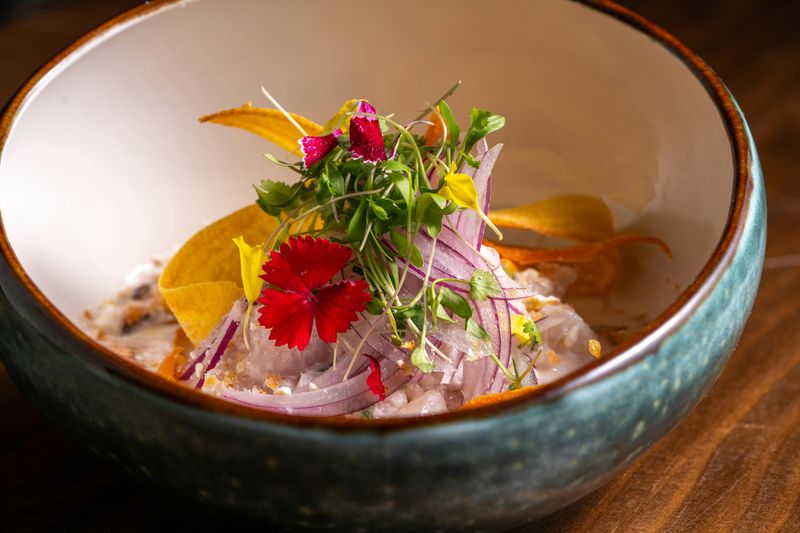
Paying for garnish feels like theater more than taste. Microgreens and petals look stunning but barely register on the palate.
The add-on reads as vanity, especially when the dish was already plated attractively.
Presentation matters, yet it should come with the dish, not as a sneaky surcharge. If you crave beauty, pick a restaurant known for thoughtful plating.
Otherwise, let flavor carry the moment and keep your budget steady.
Market price item
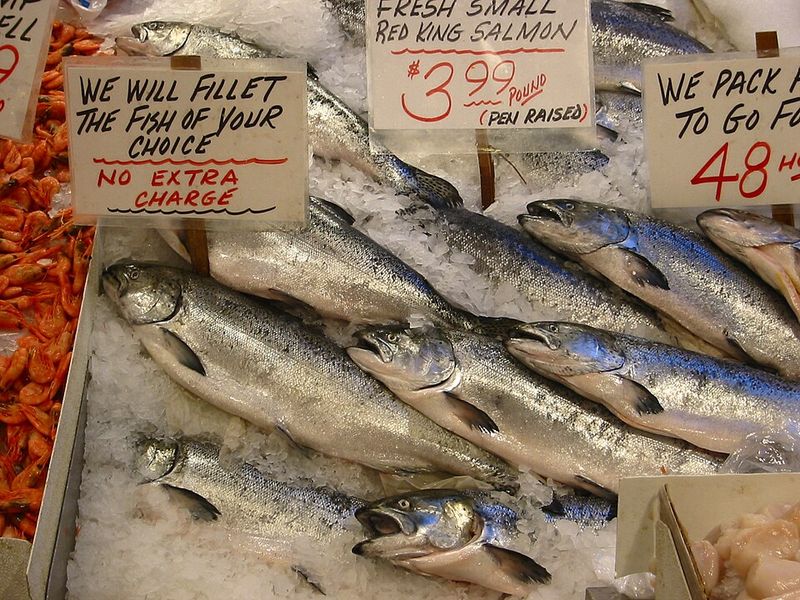
Market price can be fair, but it also hides sticker shock. You might say yes without asking, then wince when the bill lands.
Portions vary, freshness varies, and the risk is all yours if you guess wrong.
Always ask the price and details. If the server is vague, consider another option.
Plenty of fixed price dishes deliver great value without suspense. Control the surprise factor, and you will enjoy dinner more.
Chef special
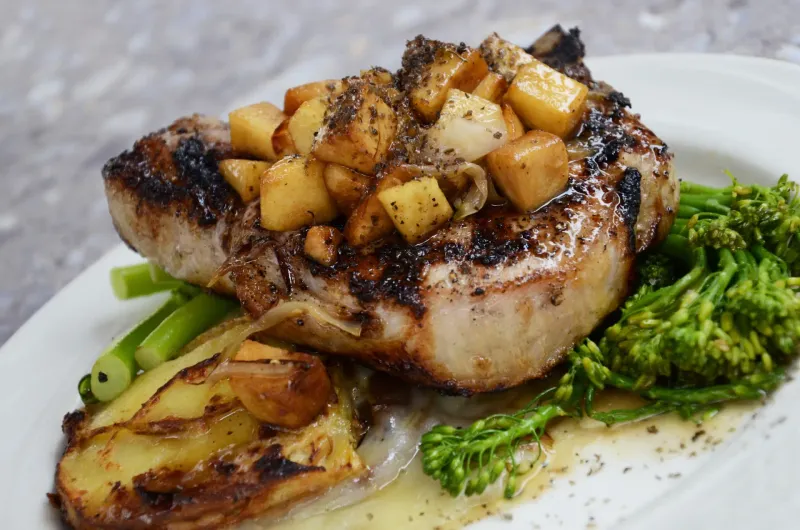
Chef specials can be brilliant, but they also function as inventory cleanup. You cannot compare pricing easily, and the description is often vague.
Saying yes on impulse may land you with an expensive plate you did not expect.
Ask questions about ingredients, portion, and cost. If the answers sing, go for it.
If not, stick to the menu where expectations and prices are clear. Surprise is great, but not when it sabotages your budget.
Mini dessert
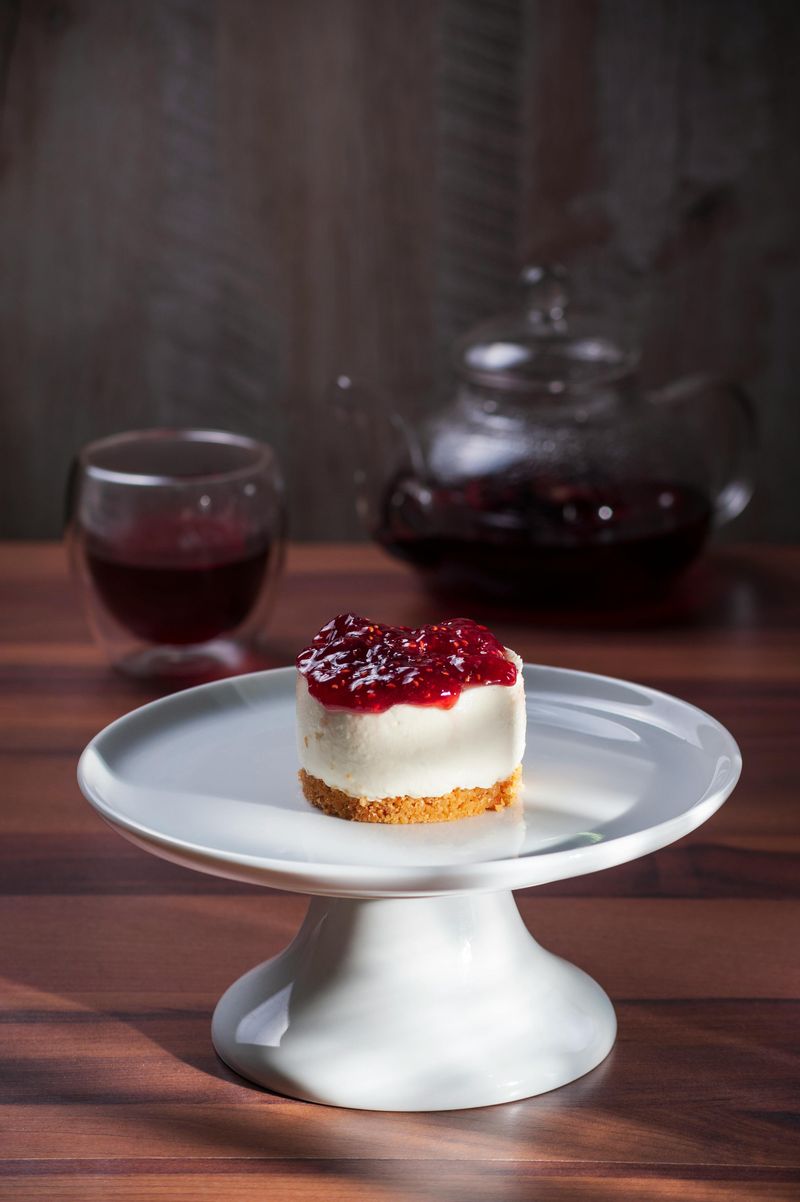
Mini desserts look cute but rarely satisfy. A spoonful of mousse and a crumb of crust do not equal a proper finish.
You pay nearly full dessert prices for a bite that vanishes in two seconds.
Share a full dessert instead. One well made slice or scoop brings more joy and better value.
The mini format is marketing dressed as restraint, and it leaves you wanting more regardless.
Coffee upgrade
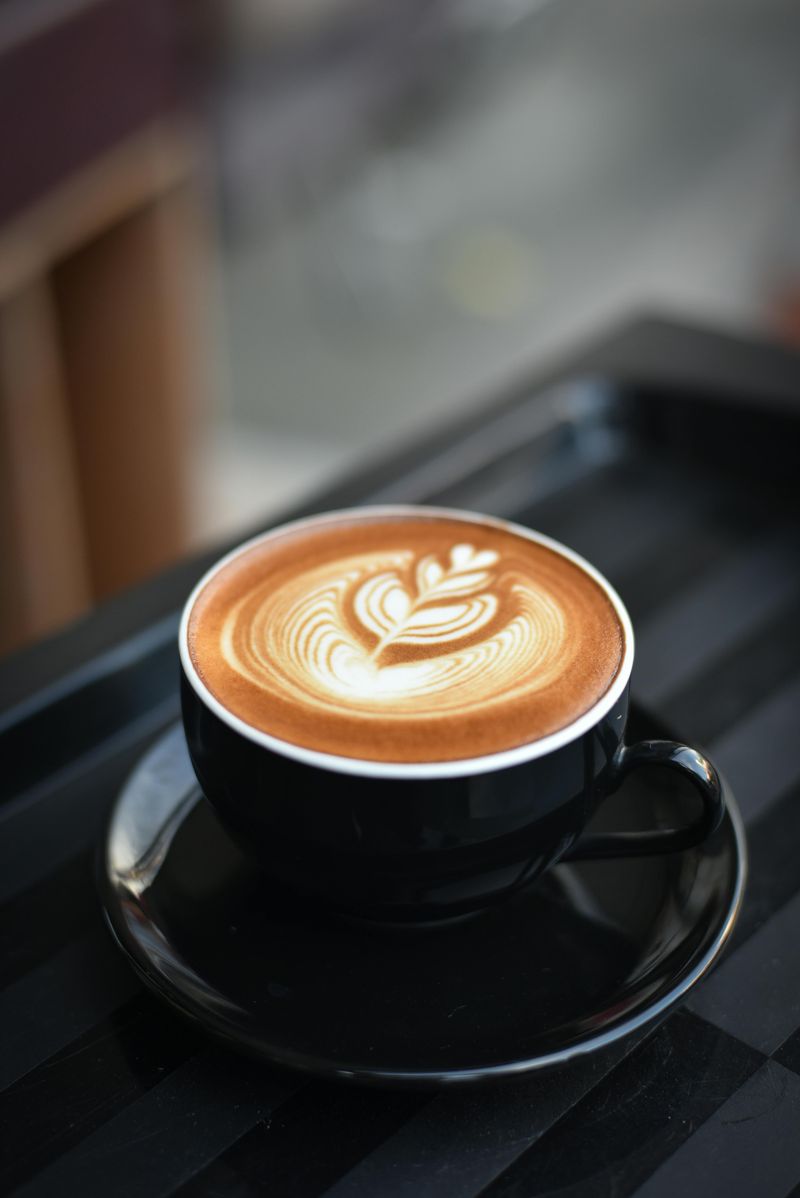
Upgrading coffee with syrups, exotic beans, or alt milks stacks charges quickly. After a rich meal, super sweet coffee feels jarring instead of refined.
You end up sipping a dessert masquerading as a digestif, paying premium prices for distraction.
A simple espresso or black coffee does the job better. If you want a treat, order one intentionally at a café.
At the table, keep it clean, and let the meal’s flavors linger naturally.
Ice cream add on
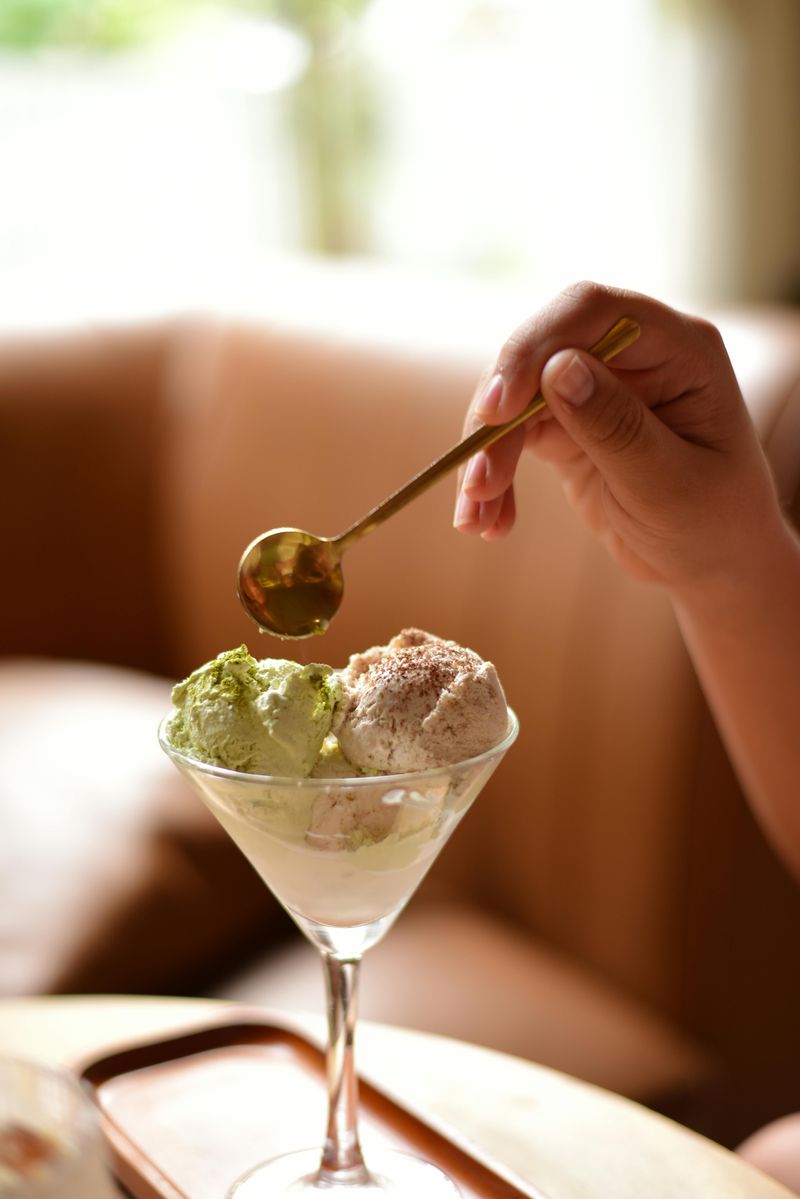
Ice cream on the side sounds perfect until you see the tiny scoop and separate charge. It melts into a puddle, diluting texture more than enhancing flavor.
You could have chosen a dessert that already includes it generously.
Restaurants know this is an easy yes. Next time, pick the à la mode dessert outright or skip the add-on.
You will either enjoy a complete experience or save a few dollars painlessly.
Service charge
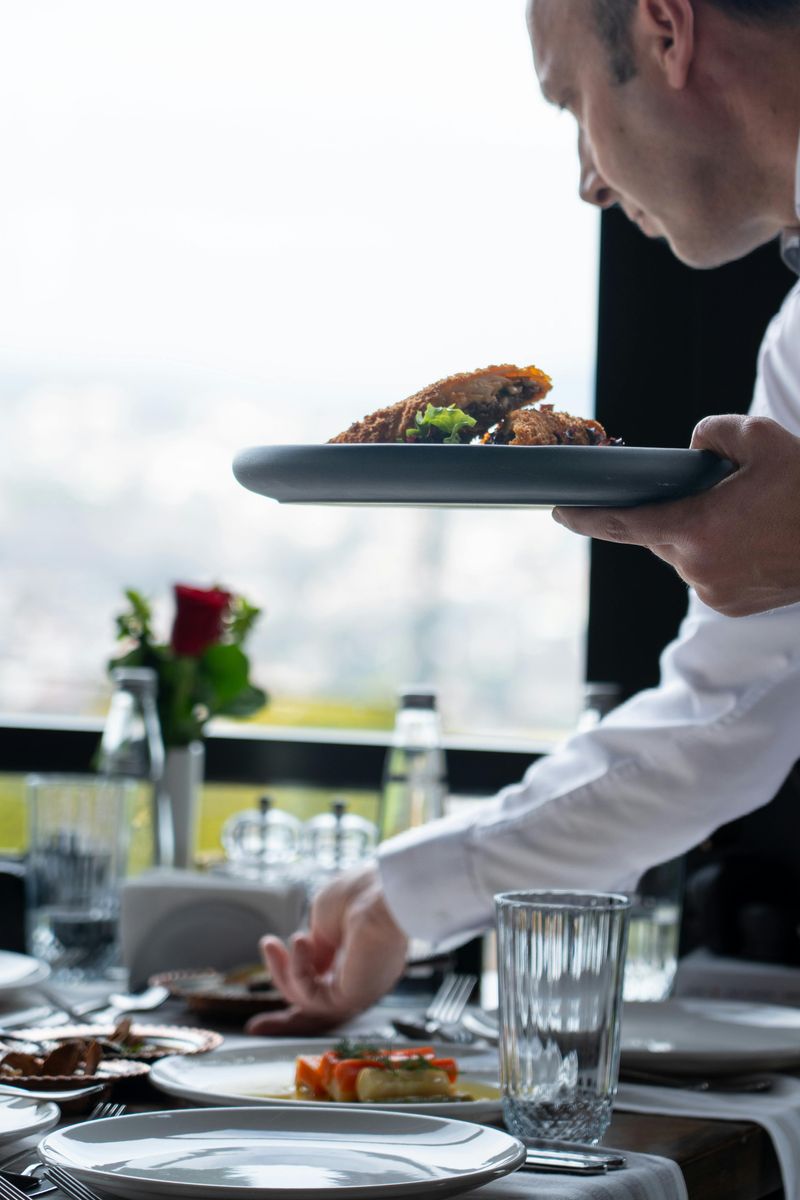
Service charges can make sense, but they also create confusion. You think tip is covered, then find out it is not, or vice versa.
The total climbs faster than expected, and resentment creeps in at the end of a good meal.
Always read the fine print and ask politely if needed. Clarity protects your budget and your server.
Unexpected fees are the worst kind of add-on, because you cannot even taste them.
Side salad
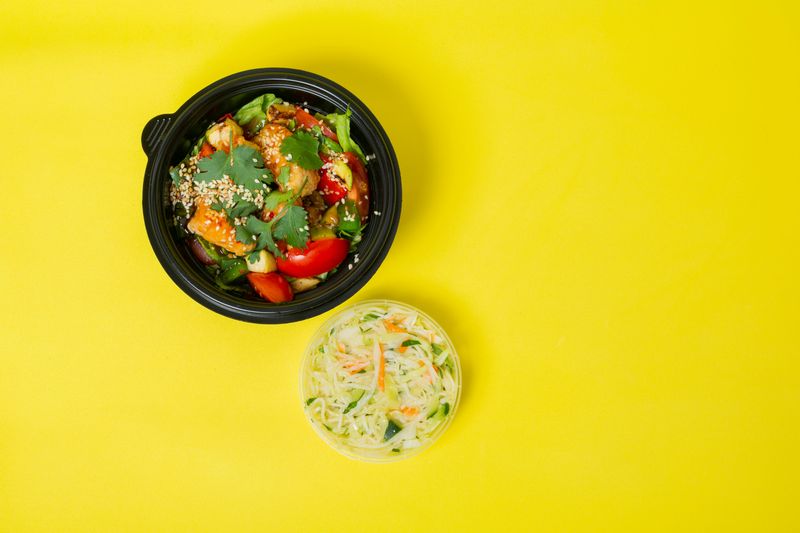
That side salad rarely delivers more than limp greens and a watery vinaigrette. You imagine crisp freshness, but what arrives feels like garnish pretending to be a course.
The upcharge competes with a real appetizer that would actually excite you.
Portions are tiny, and toppings are token at best. You end up crunching through obligation food that adds cost without joy.
If you want vegetables, get a composed salad with character. Otherwise, skip the filler and let your entrée do the heavy lifting.