


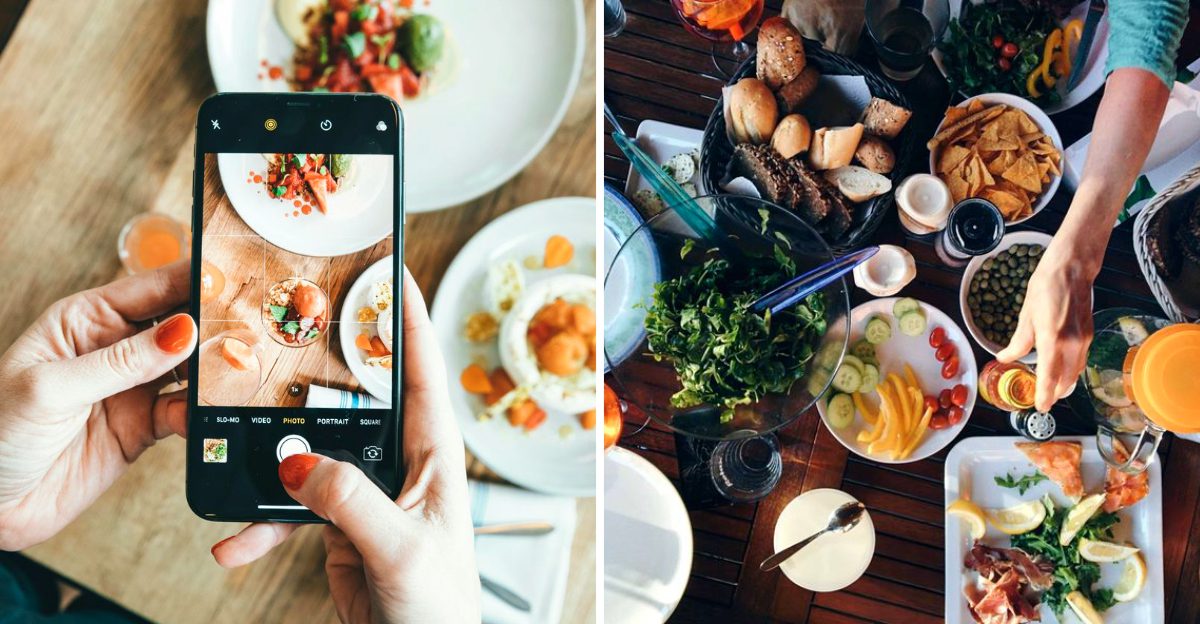
We have all been at a table where one small move turns the whole meal awkward. Maybe it is the person snapping at staff or the friend blasting a call on speaker while bread gets cold.
These habits do not just ruin the vibe, they quietly label the whole group as difficult. Spot them now, and you will never be that guest everyone dreads inviting out.
Snapping fingers
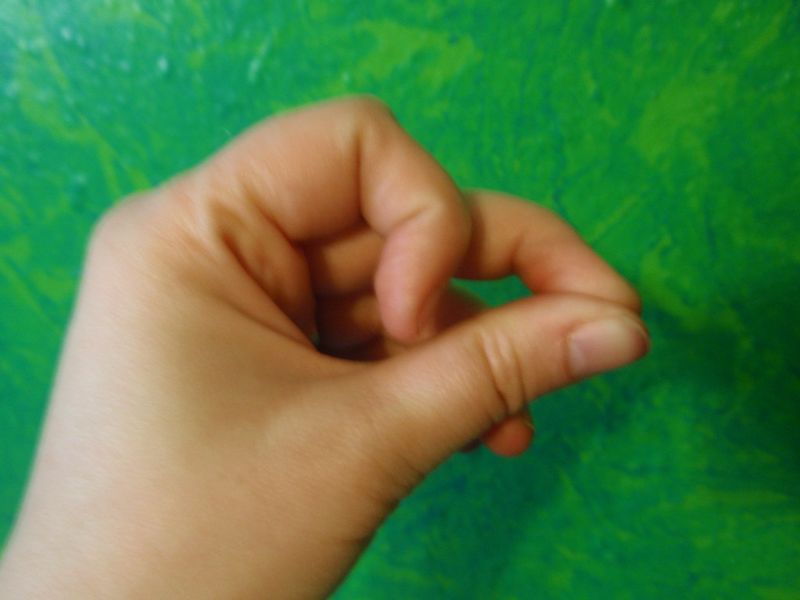
Snapping at a server is basically shouting without sound. It reduces a professional to a button you press, and everyone around you feels the cringe ripple.
If you need help, try eye contact and a polite hand raise instead.
Restaurants are busy ecosystems, not personal stages. A respectful pause shows you understand that other tables exist too.
You will get better service when staff feel seen as people, not summoned like elevators.
Phone on speaker

Speakerphone turns your table into a public broadcast booth. Everyone hears the tinny echo and awkward pauses, including the family trying to enjoy soup next to you.
Keep calls short, step outside, and use normal volume like a considerate adult.
Your conversation is not a soundtrack the room asked for. Restaurants are shared spaces with shared sound levels.
Lower the noise, and you will raise everyone’s mood, including your own.
Interrupting server
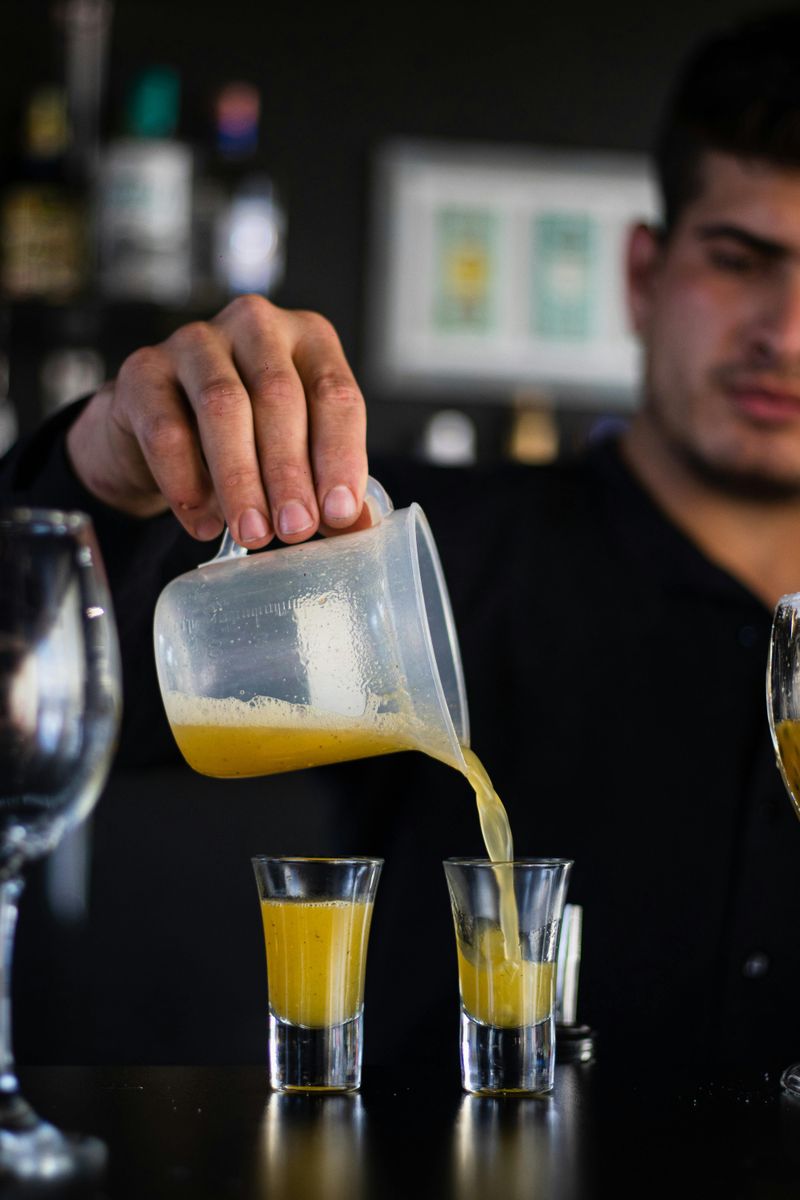
Cutting off a server mid-sentence signals your time matters more than theirs. You might miss key details about allergens, timing, or what the kitchen can actually do.
Let them finish, then ask questions clearly.
Dining is teamwork, not a debate stage. Listening saves mistakes and speeds everything up.
Respect the briefing, and your meal will likely run smoother for everyone at the table.
Changing orders
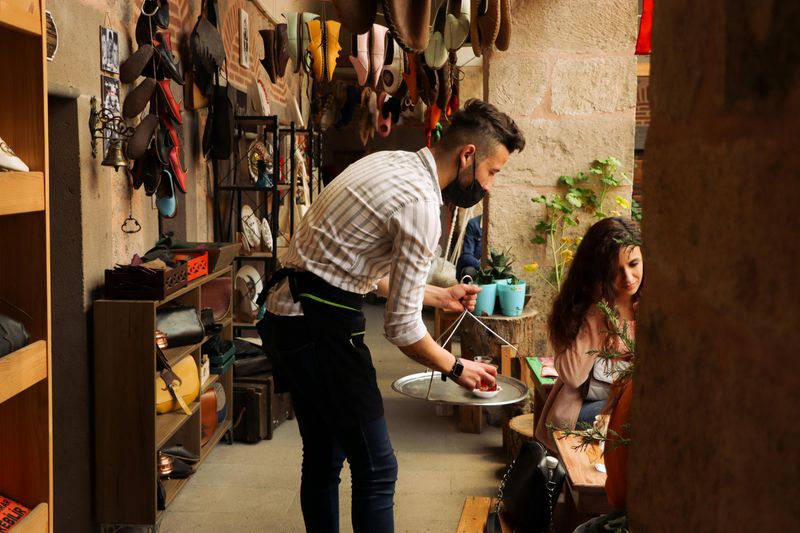
Endless tweaks after ordering jam traffic in the kitchen and create confusion. One swap is reasonable, but cascading changes make mistakes more likely and delay everyone’s food.
Decide thoughtfully before the server leaves, then stick to it.
Menus are built for flow, station timing, and inventory. Constant edits break that choreography.
The more decisive you are, the better your meal will arrive, hot and correct.
Sending food back
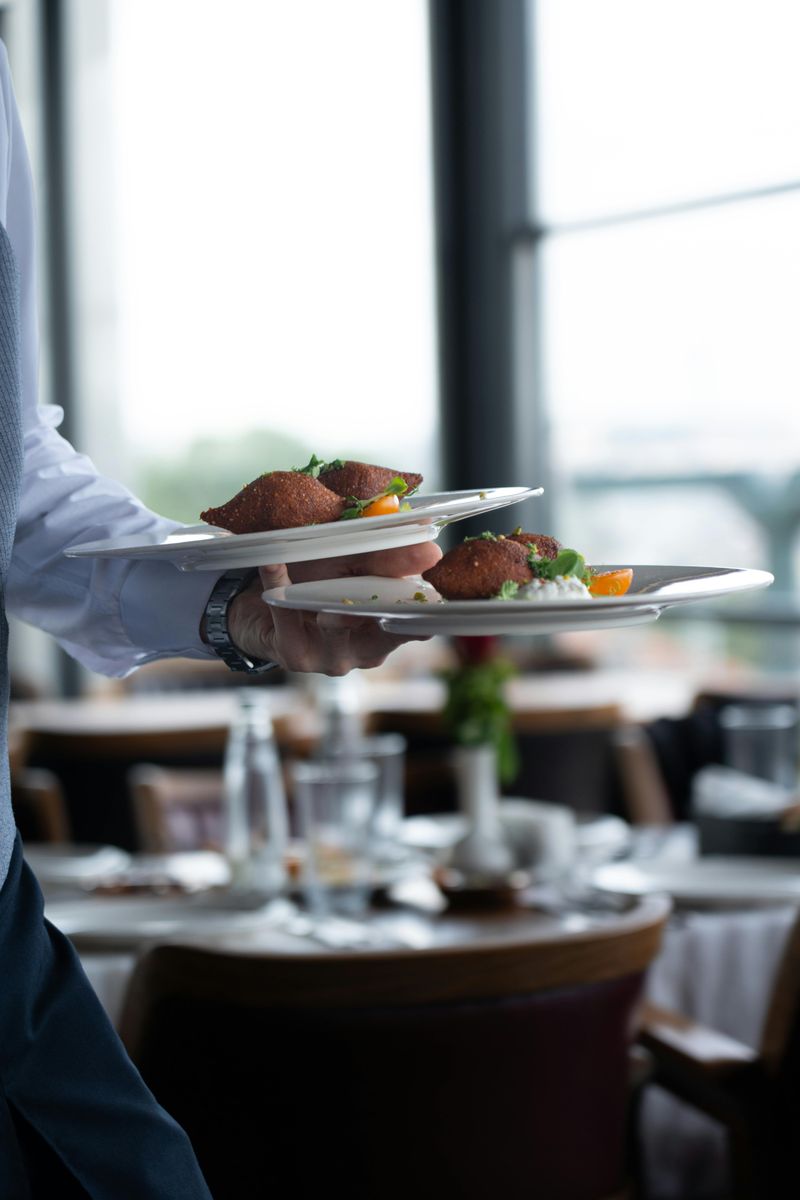
Sometimes sending food back is necessary, like wrong dish or clear undercooking. The cringe comes from tone and frequency.
Be specific, calm, and fair about the issue, and give the kitchen a real chance to fix it.
A respectful return helps everyone; a dramatic one ruins the room. Remember, mistakes happen in busy services.
Kindness usually returns to your table as extra care and speed.
Arguing about prices
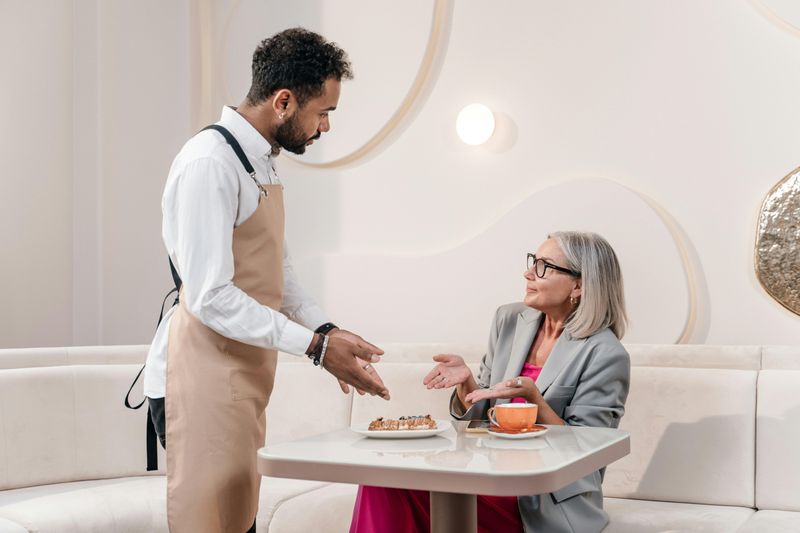
Menus are not negotiation sheets. Publicly arguing about prices embarrasses the table and pressures staff who do not set them.
If cost is a concern, choose a different spot or ask about specials before ordering.
Value can be found through portions, happy hours, and shared plates. Calm questions beat confrontations every time.
Keep the conversation courteous and you keep the vibe intact for everyone.
No tipping
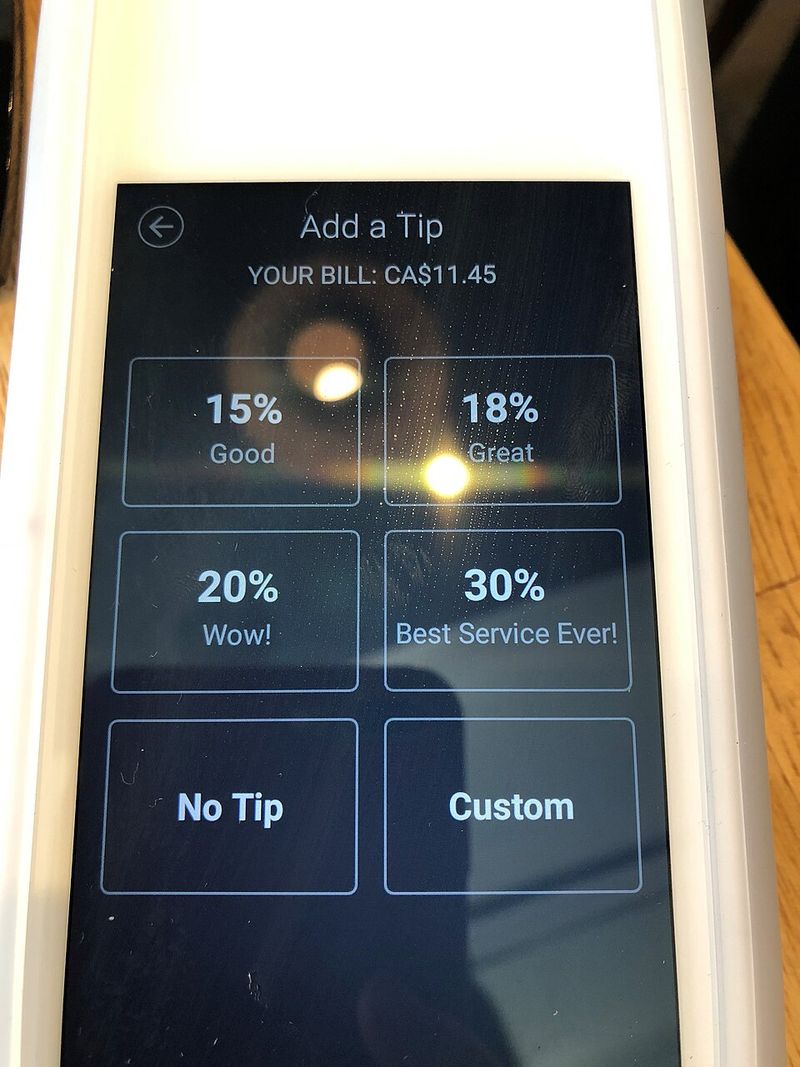
In many places, tipping is part of a server’s income, not a bonus. Leaving nothing, especially after normal service, stings and signals disrespect.
If service is truly poor, speak to a manager and tip modestly, not vindictively.
Learn local norms before dining out when traveling. Where tipping is standard, budget for it.
Gratitude shown in numbers keeps hospitality sustainable and morale human.
Complaining loudly
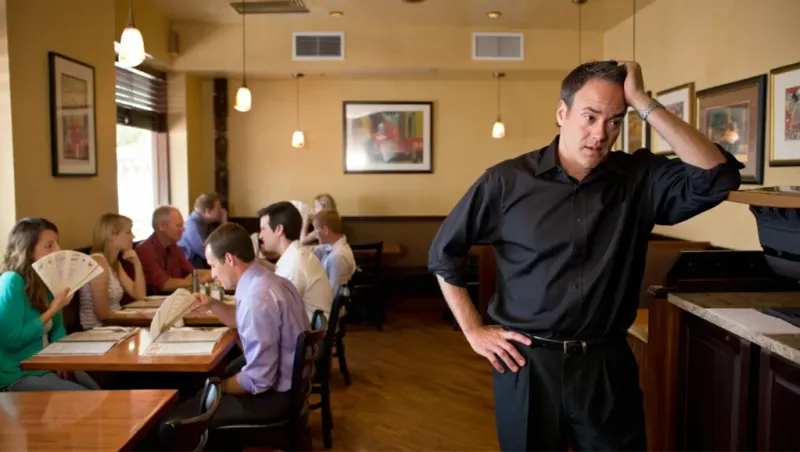
Volume multiplies negativity. A loud complaint rattles nearby tables and puts staff on edge, making solutions harder.
Lower your voice, state the issue, and let the team fix it.
Calm energy invites help instead of defensiveness. You want results, not an audience.
Handle it like a grownup, and the restaurant will likely meet you halfway quickly.
Camping tables
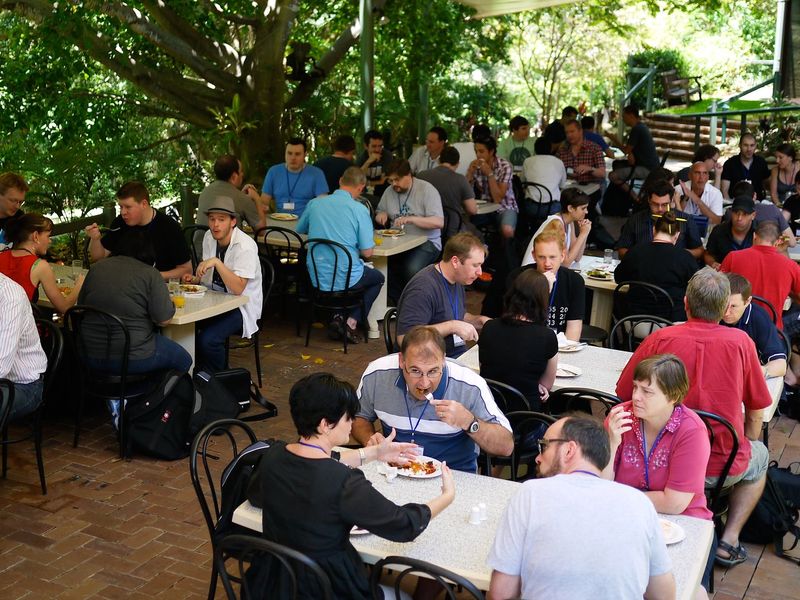
Lingering forever after the check blocks the next guests and cuts into staff income. If the place is packed or closing in, move to the bar or take the chat outside.
Your server needs that table to turn.
Enjoy the night without holding the room hostage. A considerate exit keeps service flowing and keeps you welcome.
Time matters in dining just like taste.
Arriving late
Being late pushes the whole dining domino line. Reservations slip, kitchens plan poorly, and your friends start ordering without you.
Give notice early, and confirm whether the group should start.
Respecting time means respecting hunger and staff schedules. If you are very delayed, consider meeting after the meal.
Reliability tastes better than any appetizer.
Seat swapping
Musical chairs complicates service runs and confuses the kitchen. Plates go to the wrong person, and hot dishes cool while identities get sorted.
Settle your seats before ordering if possible.
Want to mix conversation? Swap between courses, not mid-drop.
Clear communication avoids chaos and keeps service smooth for everyone around you.
Outside food
Bringing outside food disrespects the kitchen and can violate health rules. It also complicates allergies and liability for the restaurant.
If someone has a special dietary need, call ahead to arrange options.
Celebration cakes are sometimes allowed with a fee. Otherwise, support the place you are using by ordering their food and drinks.
That is how restaurants survive and welcome you back.
Messy table
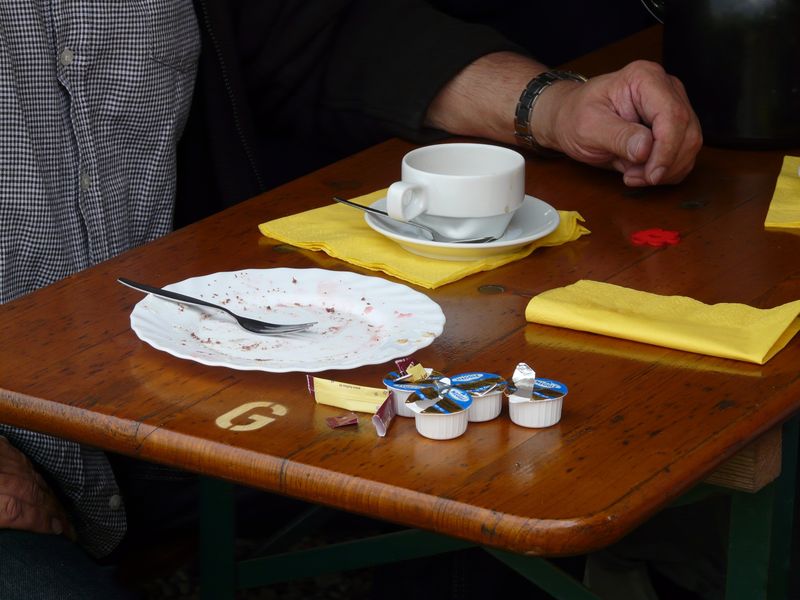
Chaos on the table slows service and invites spills. Stack plates tidily, keep napkins contained, and clear room when new dishes arrive.
Small courtesies help staff help you.
Neatness is not fussy, it is functional. You will have more space, fewer accidents, and faster refills.
It sets a considerate tone for everyone sharing the table.
Kids running
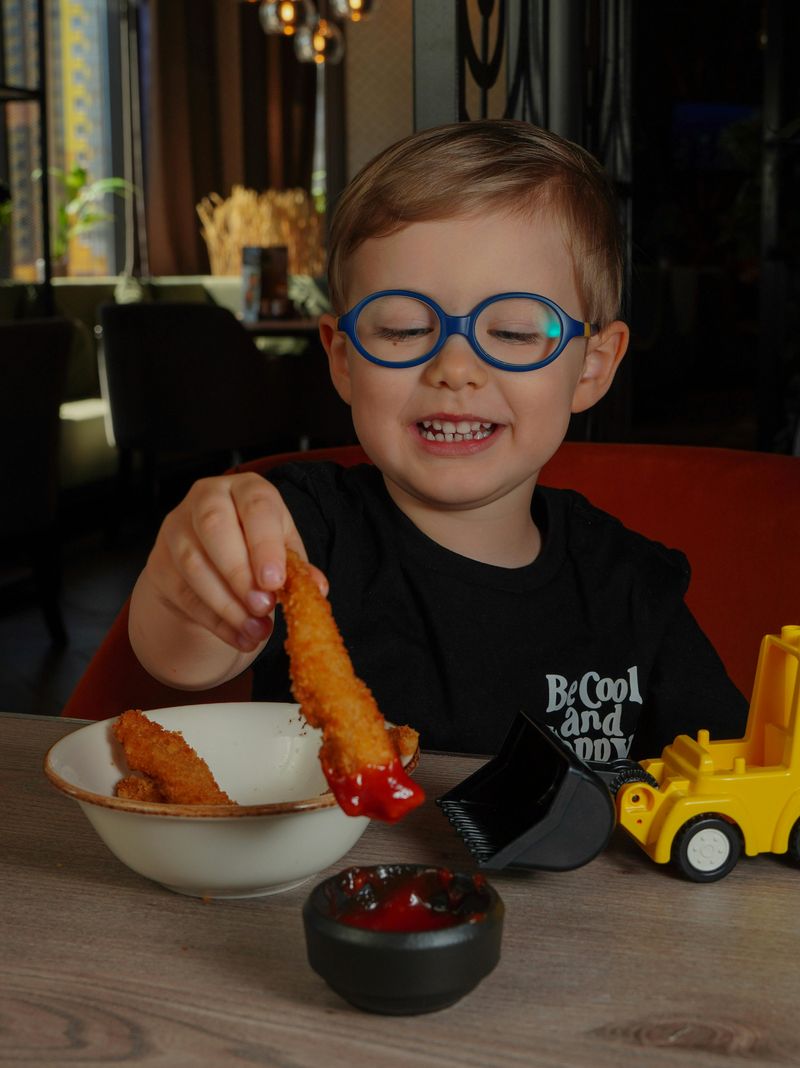
Kids need space, but dining rooms are not playgrounds. Hot plates, sharp corners, and busy aisles make running risky for everyone.
Bring quiet activities and take walking breaks outside if needed.
Staff want you and your kids safe. Setting boundaries keeps meals pleasant and avoids accidents.
A calm table makes the whole room breathe easier.
Last minute orders
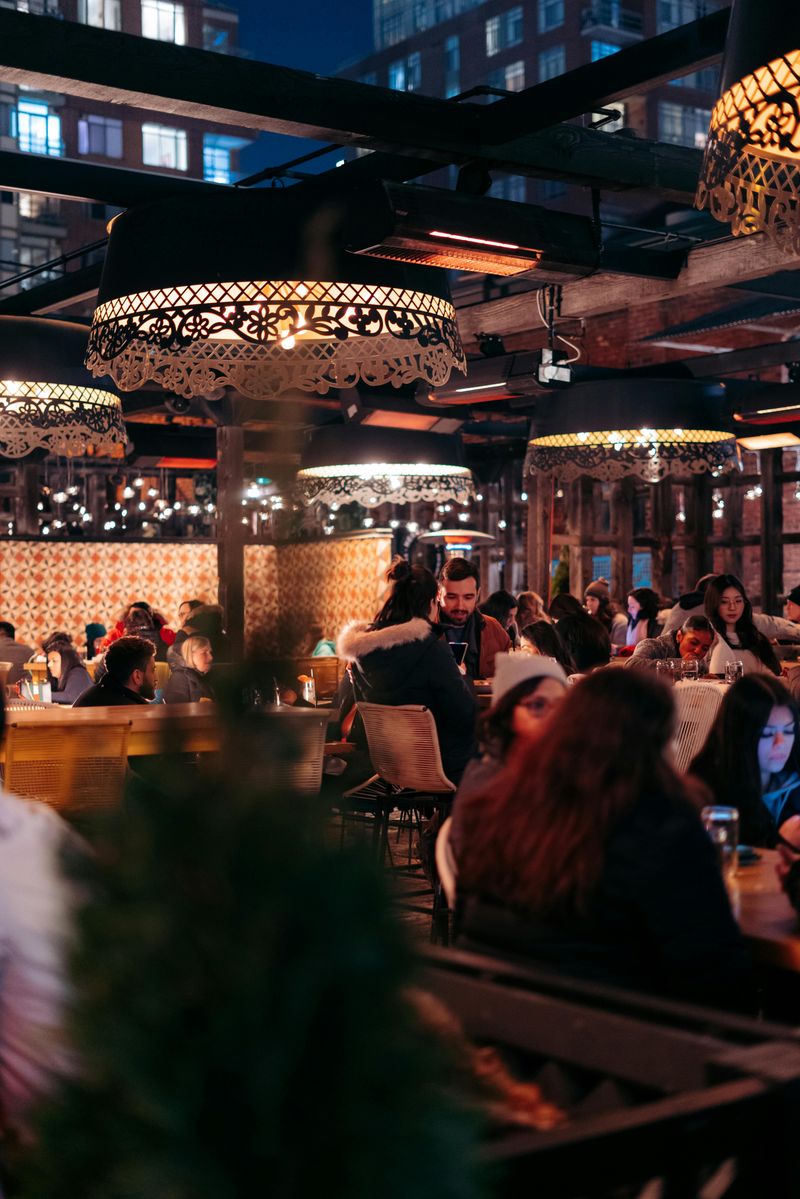
Throwing in extras just as the server leaves misaligns the kitchen’s timing. Your dish might lag a course or arrive lukewarm.
Gather your thoughts and order together when possible.
If inspiration strikes late, ask about realistic timing. Patience beats disruption.
Kitchens love clarity more than surprise.
Asking for freebies
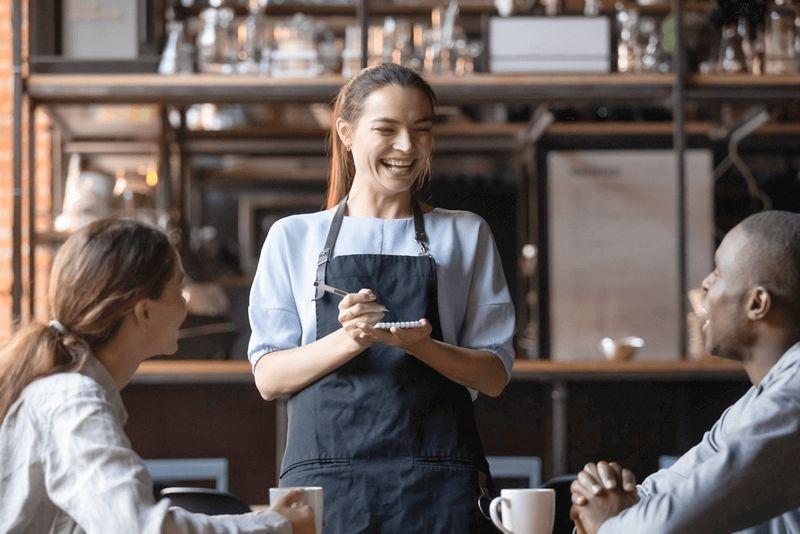
Fishing for freebies puts staff in a corner and cheapens the interaction. If something went wrong, explain it calmly and let them offer a fix.
Entitlement rarely tastes sweet.
Loyalty, kindness, and honesty often earn little extras naturally. If not, enjoy what you ordered and tip well.
Relationships, not demands, build real hospitality perks.
Fake allergies

Allergy protocols are serious and time consuming. Faking one for preference wastes resources and can endanger someone else due to confusion.
Be honest: say dislike or intolerance if that is the case.
True allergies require strict avoidance and special prep. Respect that process so it remains reliable.
Accuracy keeps everyone safe and keeps trust in the system.
Underordering
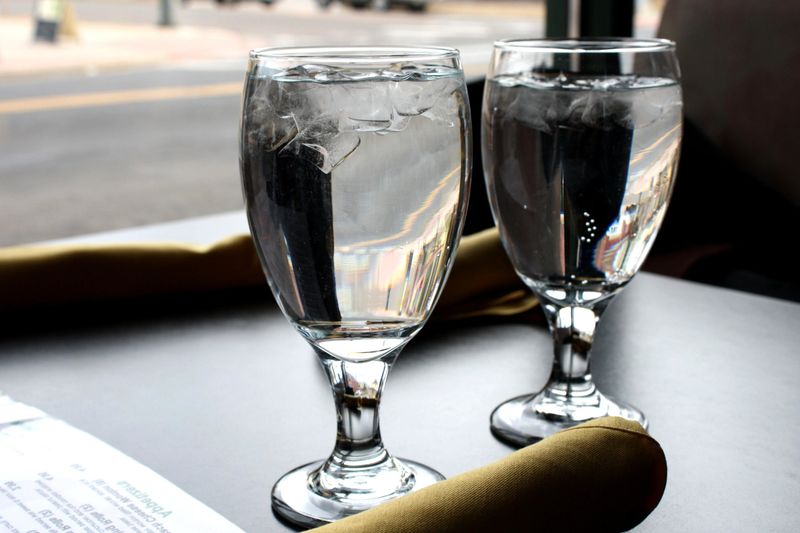
Nursing a single appetizer for hours uses space without supporting the venue. Order appropriately for the time you occupy, or choose a cafe better suited for lingering.
Fairness keeps doors open.
If budgets are tight, be upfront and plan a quick visit. There is always a place that fits your spend.
Match expectations with the restaurant’s model.
Splitting bills
Twenty separate payments at peak hour bottleneck the checkout and the door. Plan splits before ordering, group items logically, or use one payment with reimbursements.
Clear communication saves time for everyone.
Most places can accommodate within reason. Ask early what is feasible and work within that.
Considerate math equals smoother service and happier friends.
Demanding discounts
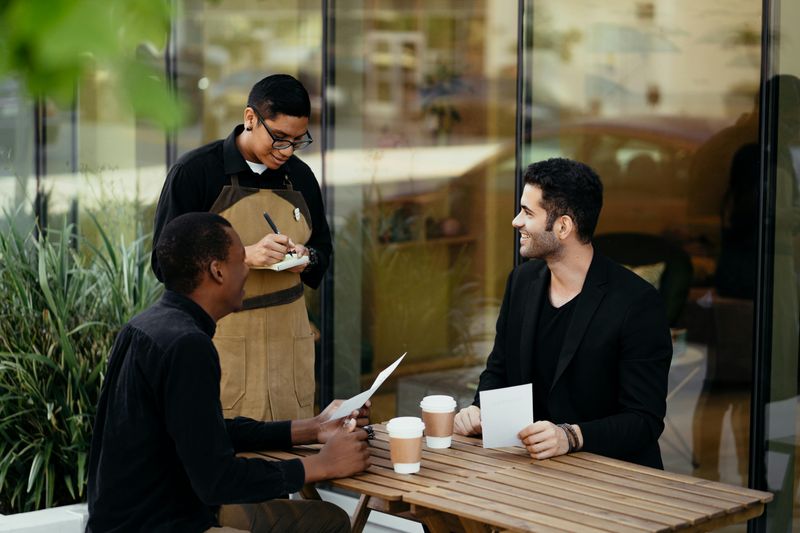
Discounts are for mistakes or promos, not pressure tactics. Demanding one puts staff in a no-win spot and sours the mood.
If something is wrong, describe it clearly and invite a fair resolution.
Great service deserves gratitude, not bargaining. Pay the price you agreed to when you ordered.
Integrity tastes better than a forced deal.
Talking loud

Big laughs are welcome, but constant shouting turns a meal into a competition with the room. Match your volume to the space and the time of night.
You can be fun without drowning out conversations.
Notice the soundscape, especially in intimate spots. A softer voice often invites better stories.
Keep the energy, lose the blast.
Staying past closing
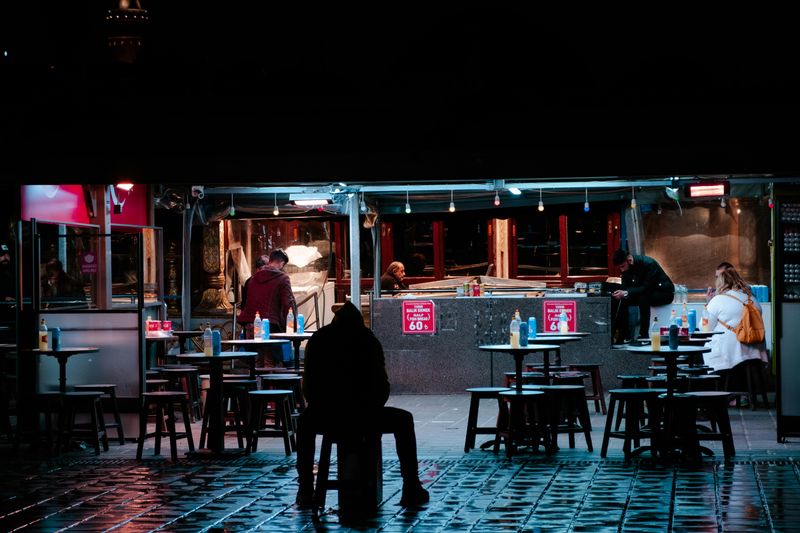
When lights dim and chairs flip, the night is over. Staying parked forces staff to work unpaid minutes and delays their lives.
Wrap up quickly and thank them for the evening.
If you need more time, move to a late-night spot. Respect the finish line like you enjoyed the start.
Courtesy here is golden.
Filming food
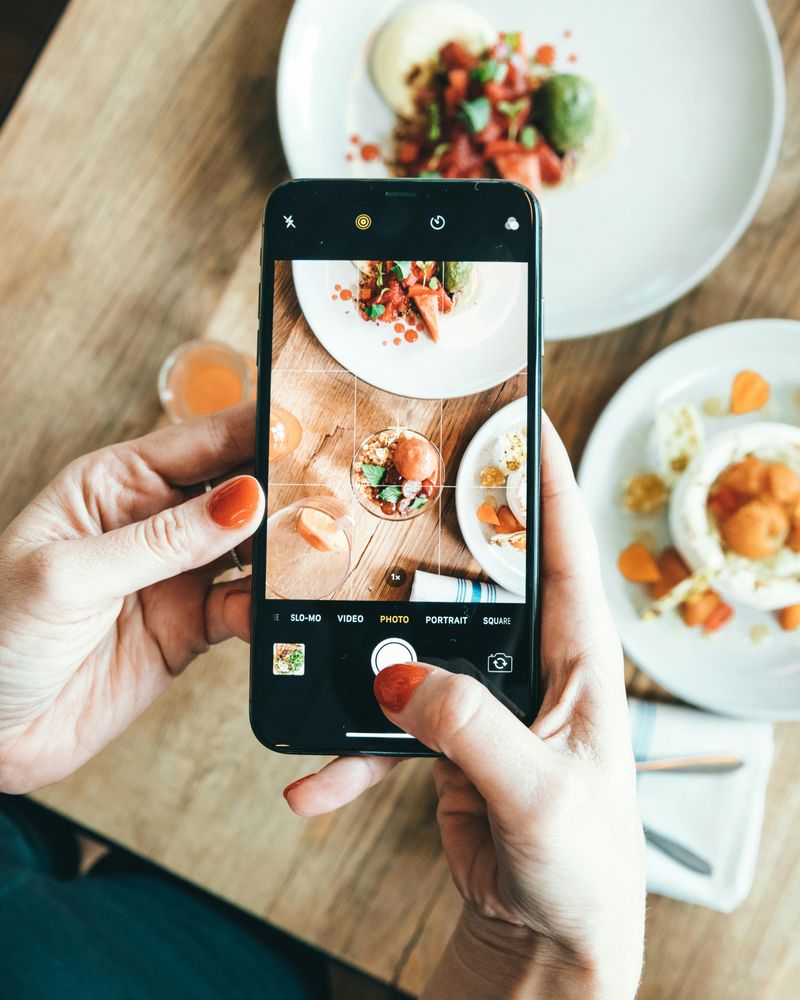
Snapping a quick photo is fine, but turning dinner into a production delays food and tests patience. Bright lights, repositions, and endless retakes make dishes go cold and friends feel like props.
Capture the moment fast, then eat it while it shines.
Ask your table if they mind and keep gear minimal. A discreet shot respects the chef’s work and the room’s flow.
The best memories are tasty, not overproduced.
Overordering
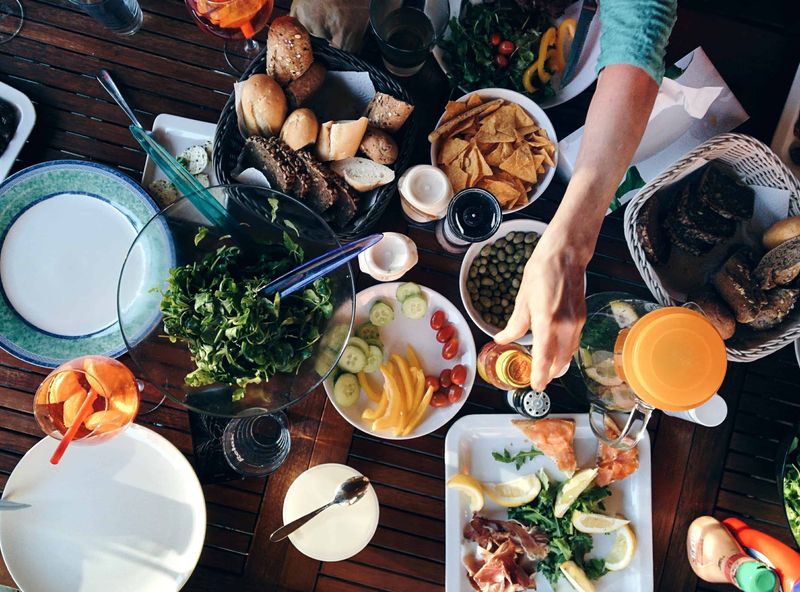
Ordering the whole menu can be fun until half the dishes die untouched. It crowds the table, strains timing, and wastes food.
Start modestly, then add if you are still hungry.
Shared plates shine when paced. Respect capacity and temperature so every bite lands right.
Appetite, not impulse, should lead the way.