


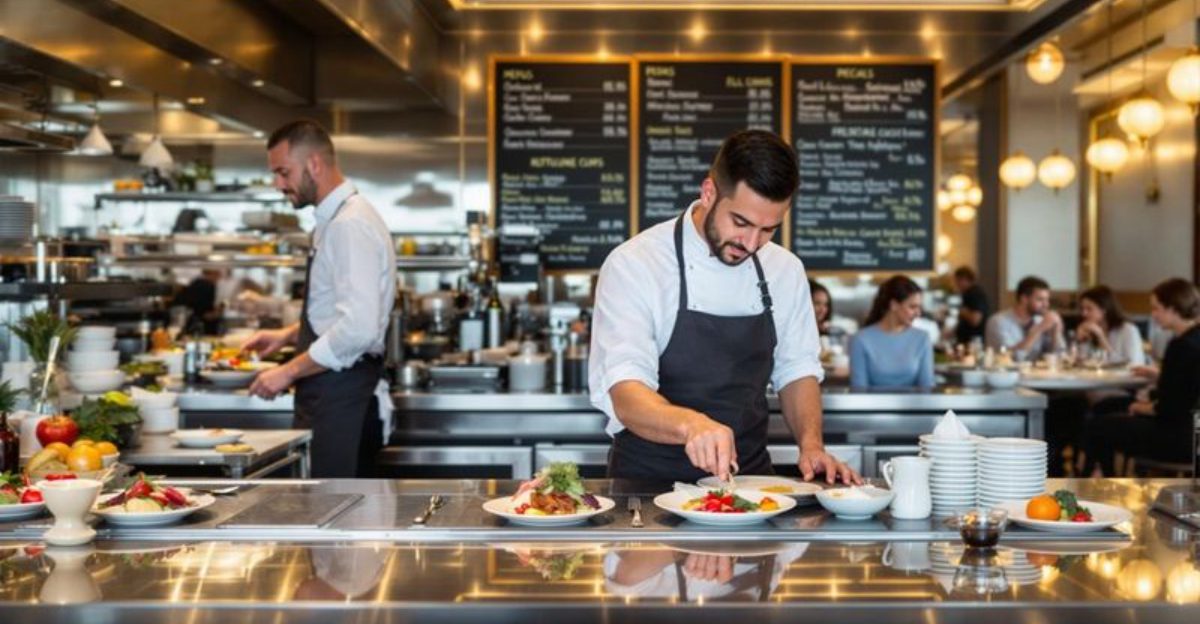
Ever glanced at a menu and felt like the house specials were designed to outsmart your wallet, not delight your taste buds? You are not imagining it. Some places dress up ordinary choices with fancy language, hidden fees, and clever tweaks that quietly inflate the bill. Here are the so-called specials that too often feel like traps, plus what to watch for so you keep control.
Tiny portions
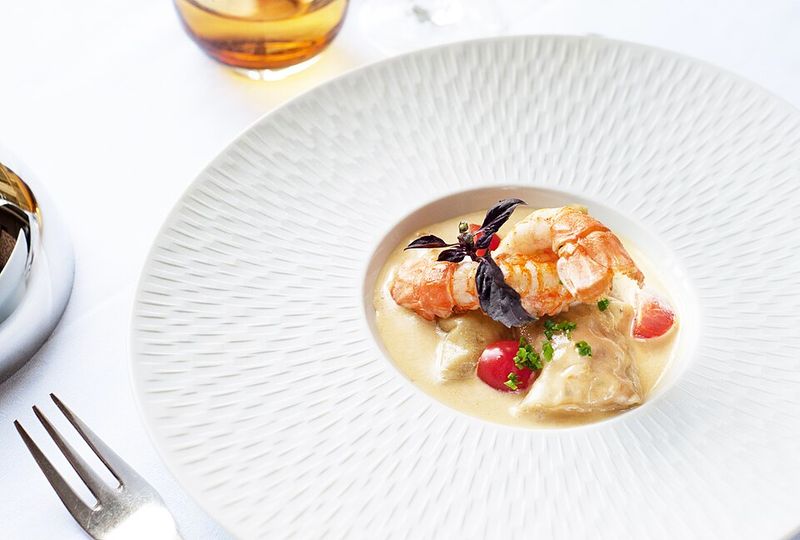
You order something with a poetic name, and it arrives looking like a tasting spoon on a Frisbee-sized plate. The presentation screams premium, but the portion whispers snack. You leave hungry, wondering whether you missed a second course.
Restaurants spin this as refined or chef-driven restraint, but it often masks cost-cutting. If you need sides to feel full, the price balloons fast. Ask about size before committing, or share a larger entree and supplement tactically.
Market price
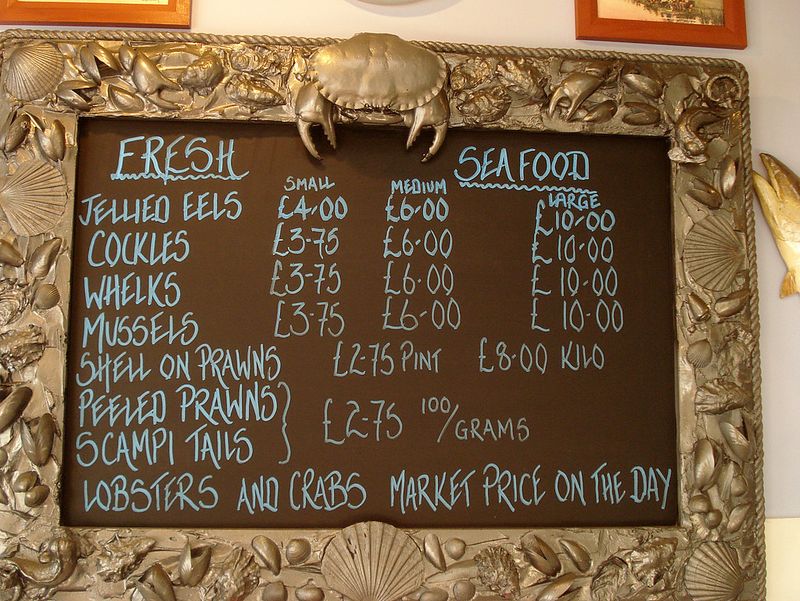
Market price sounds smart, like you are riding the tide of freshness. But it is vague by design, and your budget deserves specifics. Servers sometimes gloss over the number until the bill lands with a thud.
Ask the price every time, even if it feels awkward. Compare it to other dishes and consider sides included or not. If the explanation feels fuzzy or rushed, pick another option. Transparency is hospitality, not a favor.
Service charge
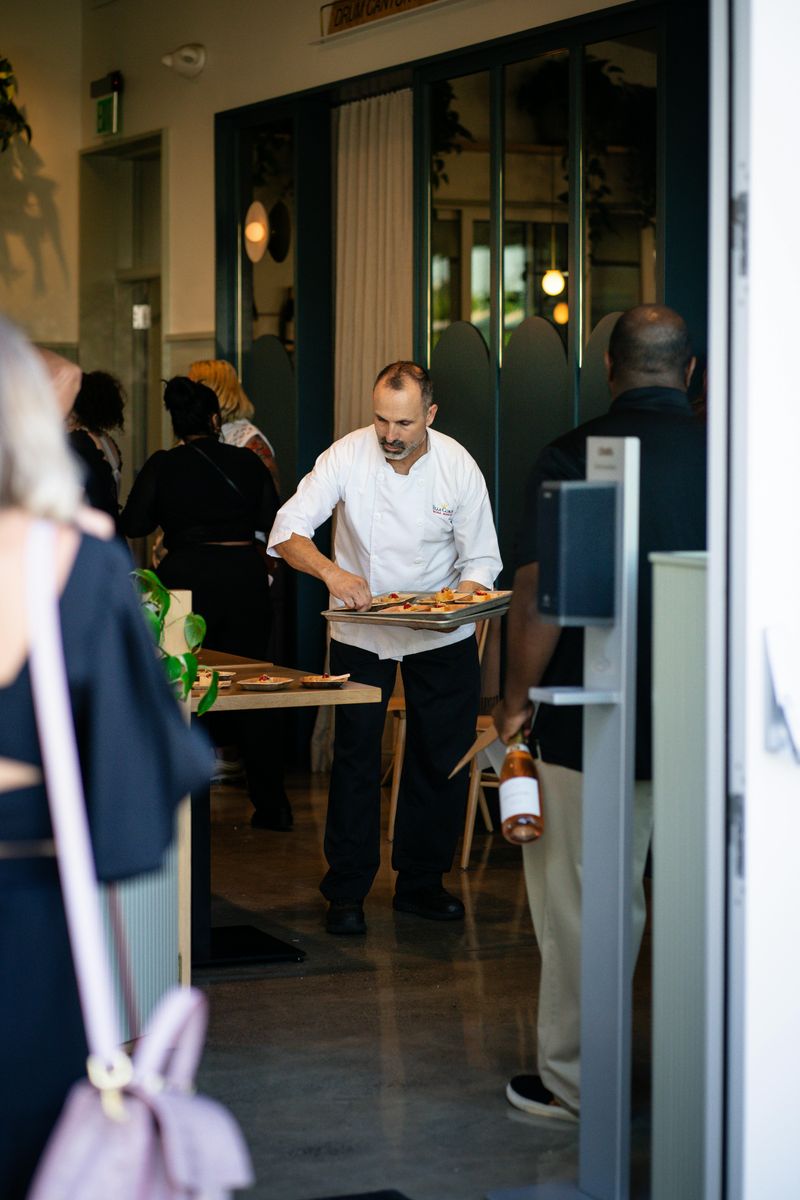
Service charges can be fair when they replace tipping, but too often they stack right on top. You might tip again out of habit, effectively paying twice. The language on receipts is confusing, which is not accidental.
Before you sign, ask whether the service charge replaces gratuity. If it does, tip only for exceptional service. If it does not, consider what the fee actually covers. Clear policies build trust, but murky ones drain wallets.
Reservation fee
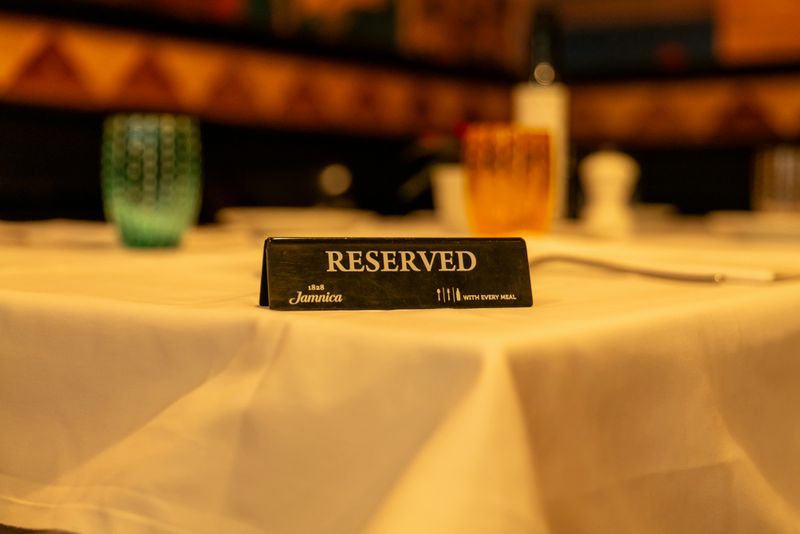
Paying just to hold a table can feel like surge pricing for dinner. Sometimes it is refundable, sometimes not, and sometimes it quietly becomes a processing fee. Convenience should not cost extra without crystal-clear terms.
Check whether the fee applies only to no-shows or always. Confirm how cancellations work and any time windows. If the policy feels tricky, choose a spot that respects your commitment without charging for it. Hospitality starts before you sit down.
Bread charge

Once upon a time, bread arrived as a friendly welcome. Now it sometimes shows up with a surprise charge that no one mentioned. A few slices plus butter should not cost like a starter.
Ask whether bread is complimentary before you tear into it. If there is a fee, decide if it is worth it versus a real appetizer. Small add-ons chip away at your budget, and that is the point. Choose deliberately, not reflexively.
Water charge

Say yes to water and suddenly it is imported, bottled, and billed. Sparkling upsells are one thing, but charging for still water can feel petty. The quiet pressure makes it easy to nod along.
Ask for tap water clearly and confidently. If the place refuses, that is a choice you do not need to support. Hydration should not be a revenue stream. You deserve clarity and a simple glass without drama.
Extra sauce fee
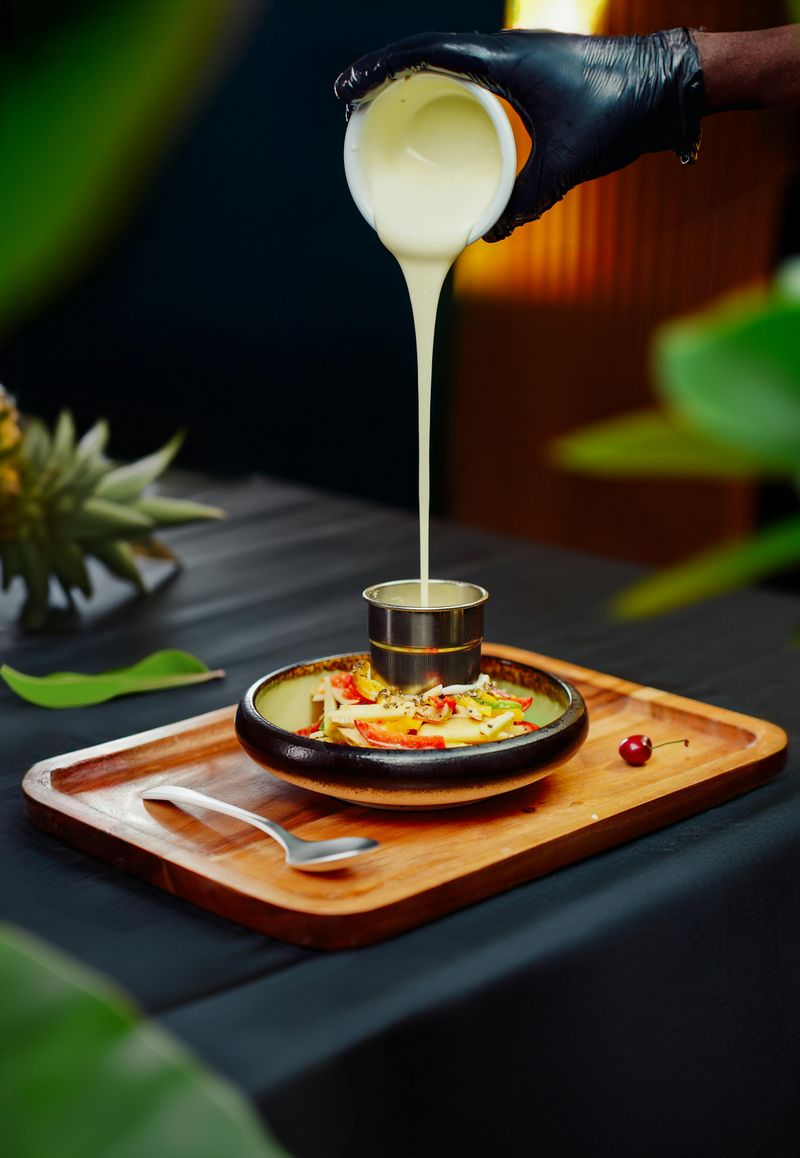
You want an extra ramekin of sauce, and suddenly it costs as much as a side. It is not the money, it is the principle. Nickel-and-diming turns hospitality into a vending machine.
Check whether the portion is generous first. If the dish is dry without add-ons, the base price should cover it. Push back politely or choose a place that seasons properly. Good kitchens balance plates so you do not need to micromanage.
Side upgrade
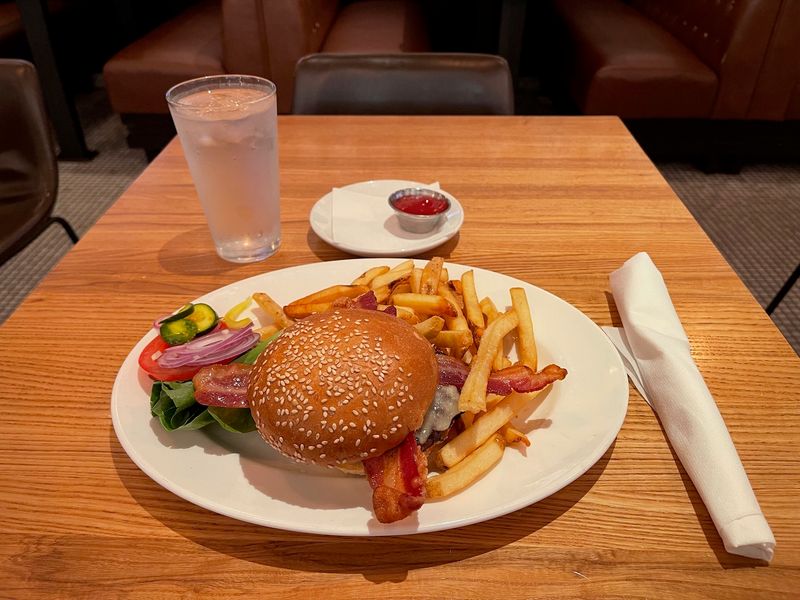
That burger looks reasonably priced until you notice regular fries are extra. The default side is often the least appealing, nudging you to upgrade. By the time you add what you actually want, the deal disappears.
Scan the sides carefully and compare total costs, not just entree prices. Sometimes a different dish includes better sides for less. Choose value, not bait. You are in charge of the math, even if the menu hopes you are not.
Protein upgrade
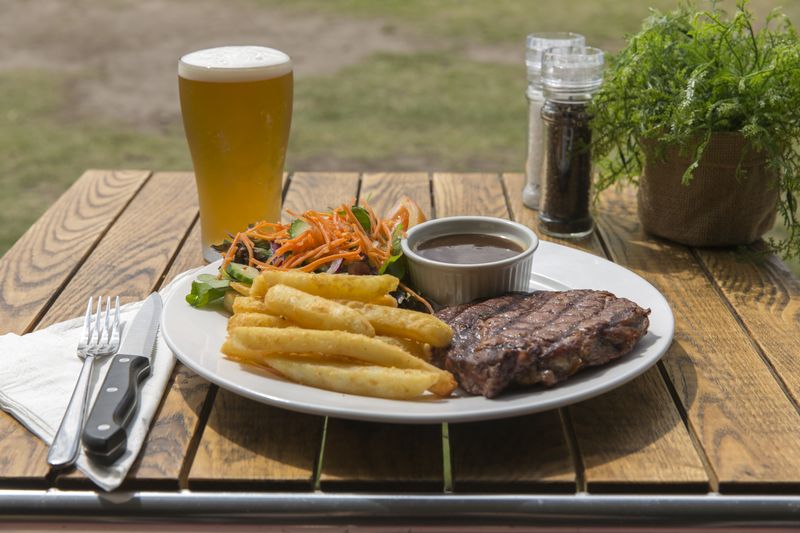
Salads and bowls often hide their true price until you add protein. Chicken, shrimp, or tofu turns a light lunch into a premium purchase. The base looks cheap, the final total does not.
Compare with entrees that include protein already. Ask portion sizes so you know what you are paying for. If the upgrade is skimpy, skip it and supplement later. You deserve substance for the price, not garnish-level servings masquerading as a meal.
Add avocado
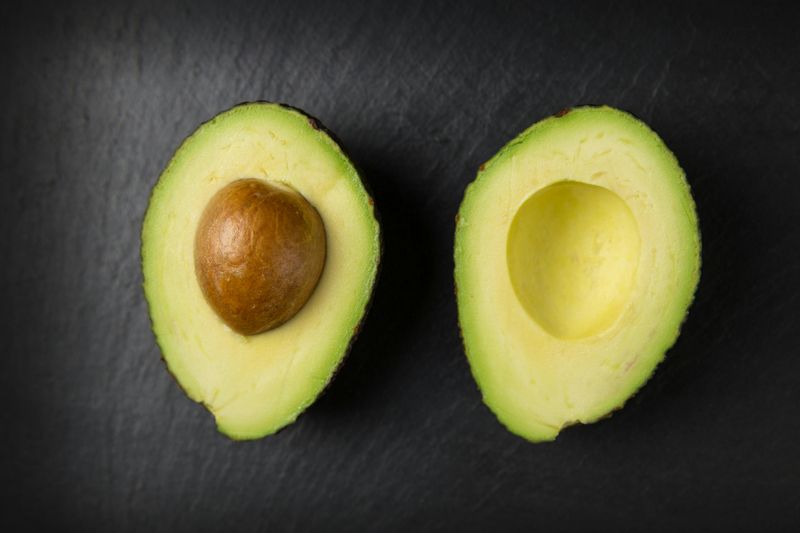
Avocado is the darling of menu add-ons, and prices reflect the hype. A few thin slices can cost like a side dish. Seasonal supply is real, but margins are, too.
Decide if the texture and richness justify the upcharge for you. Sometimes a different dish already includes avocado at a better value. Ask how much you get, not just what it costs. Your taste buds deserve abundance, not a token flourish.
Add bacon
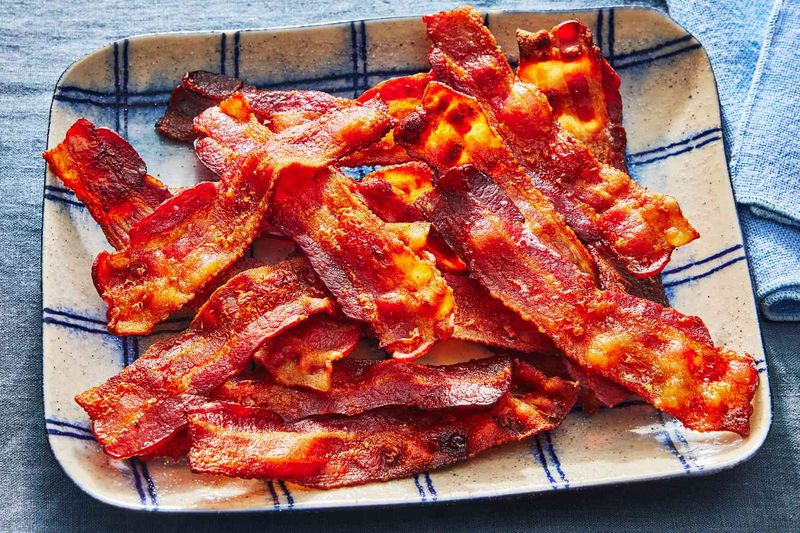
Bacon makes everything better, except your receipt. Two thin strips can show up with a premium price that outpaces the protein. The crunch is great, but the value often is not.
Ask how many slices and whether they are thick-cut. If it is barely there, skip the add-on or pick a bacon-focused dish. You control the splurge, not the menu. Flavor should feel generous, not like a toll booth.
Chef’s special
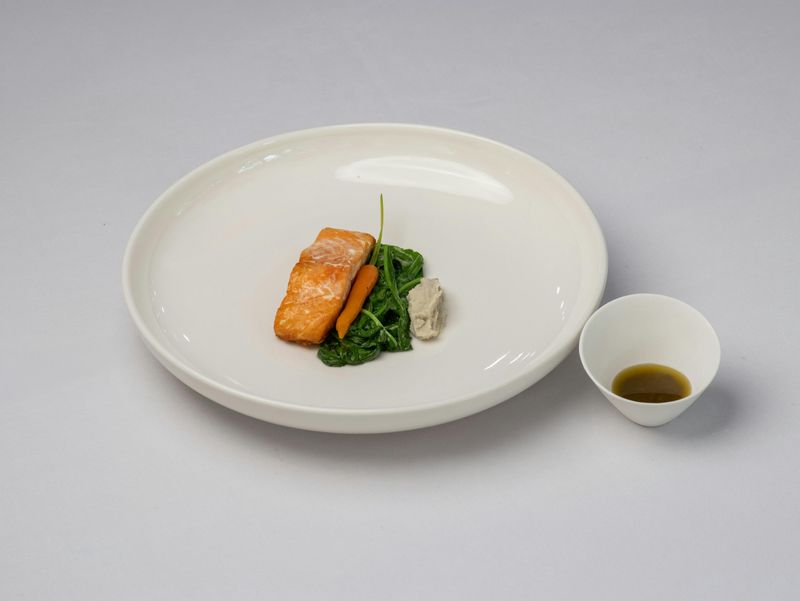
Chef’s special implies creativity and value, yet it sometimes functions as inventory cleanup. The story sounds romantic while the ingredients might be yesterday’s odds and ends. Without details, you gamble.
Ask what makes it special and which components are truly seasonal. If the answer is vague, choose something transparent. Specials can shine, but they should not hide. You deserve clarity along with flavor and flair.
Tasting menu
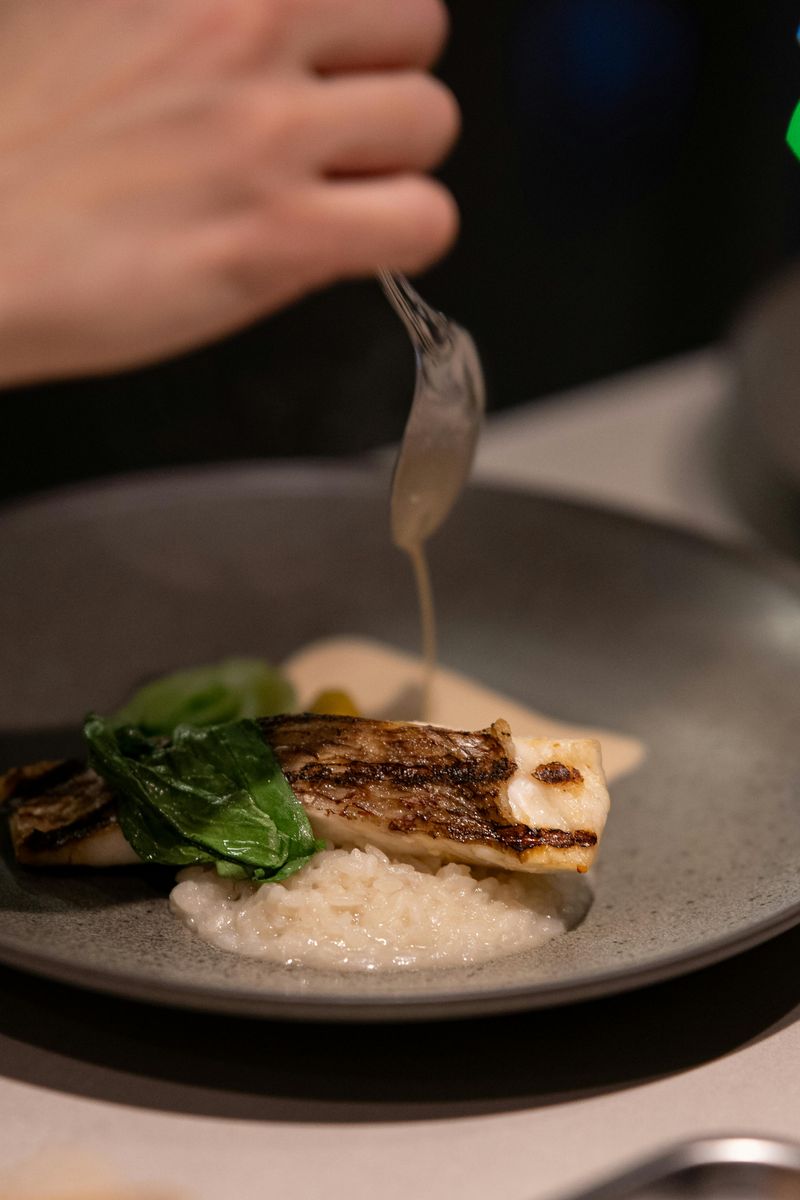
Tasting menus promise a journey, but the price can soar while portions stay coy. Wine pairings double the damage, and substitutions may be limited. You pay for theater as much as cuisine.
Check course count, portion size, and dietary flexibility before booking. Ask for an a la carte total comparison. If control matters, skip the script and build your own meal. Experiences are great, but budgets deserve respect, too.
Limited menu
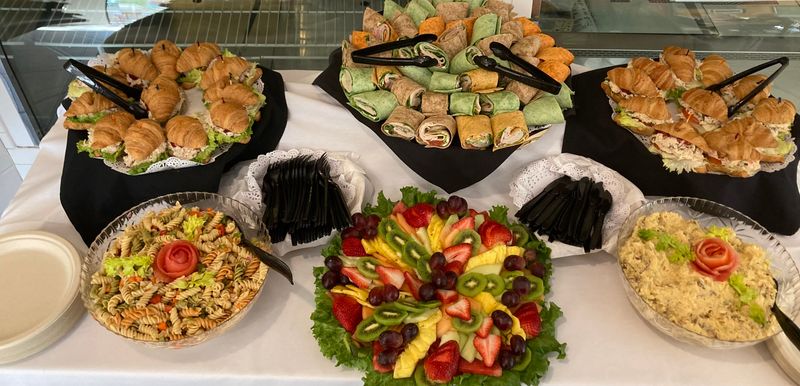
A curated menu can mean focus, or it can mean corner-cutting. Fewer choices sometimes hide shortages or staffing gaps while prices stay high. The story sounds intentional either way.
Ask what is off-menu or available that day. If the selection feels constrained without matching value, pivot. You deserve options that fit your cravings and budget. Minimalism should taste purposeful, not restricted.
No substitutions
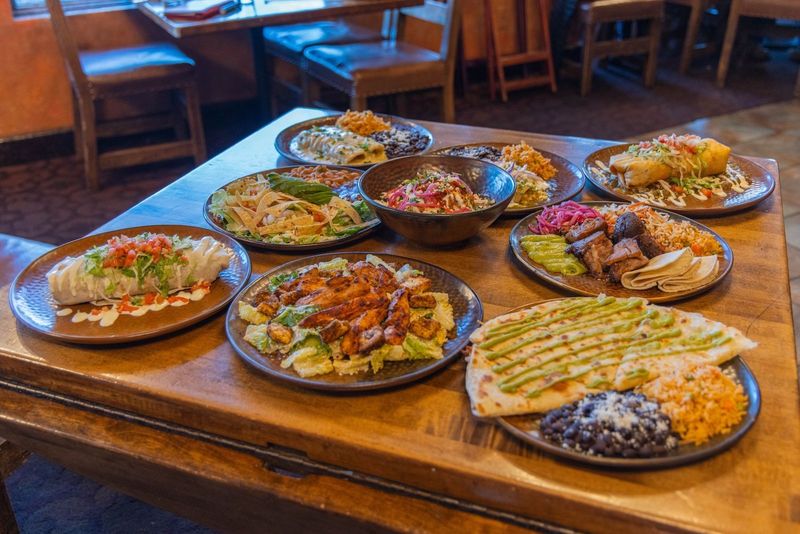
No substitutions protects a dish’s balance, but it can also force expensive choices. Allergies and preferences get sidelined, pushing you into upsells. Hospitality should adapt, not stonewall.
Ask for simple changes like dressing on the side or fries instead of salad. If the kitchen cannot budge at all, consider another spot. You deserve flexibility for a fair price. Boundaries are fine, rigidity is not.
QR code menu

QR code menus can streamline service, but they also enable dynamic pricing and sneaky add-ons. Pop ups push upgrades while burying fees in screens you will not recheck. The convenience tax is real.
Take screenshots, read fine print, and confirm totals before ordering. If the interface feels pushy or unclear, ask for a paper menu. Convenience should not erode transparency. Your phone should simplify, not trap.
Auto gratuity

Automatic gratuity for large parties is common, but sometimes it appears for small groups too. If you tip again out of habit, the total skyrockets. The wording is easy to miss.
Scan the bill carefully and ask whether auto gratuity replaces your tip. If service shined, add a little. If not, do not double pay. You deserve clarity and consistency, not guesswork at the register.
Surcharge notice

Inflation, wellness, credit fees, you name it, there is a surcharge for it. The sign sits by the door like a shrug. Costs are real, but shifting them piecemeal to guests feels slippery.
Ask whether cash avoids the fee or if prices include it already. Compare totals with other spots. Transparent pricing beats asterisk economics. Your meal should not require decoding extra percentages after the fact.
Overpriced dessert
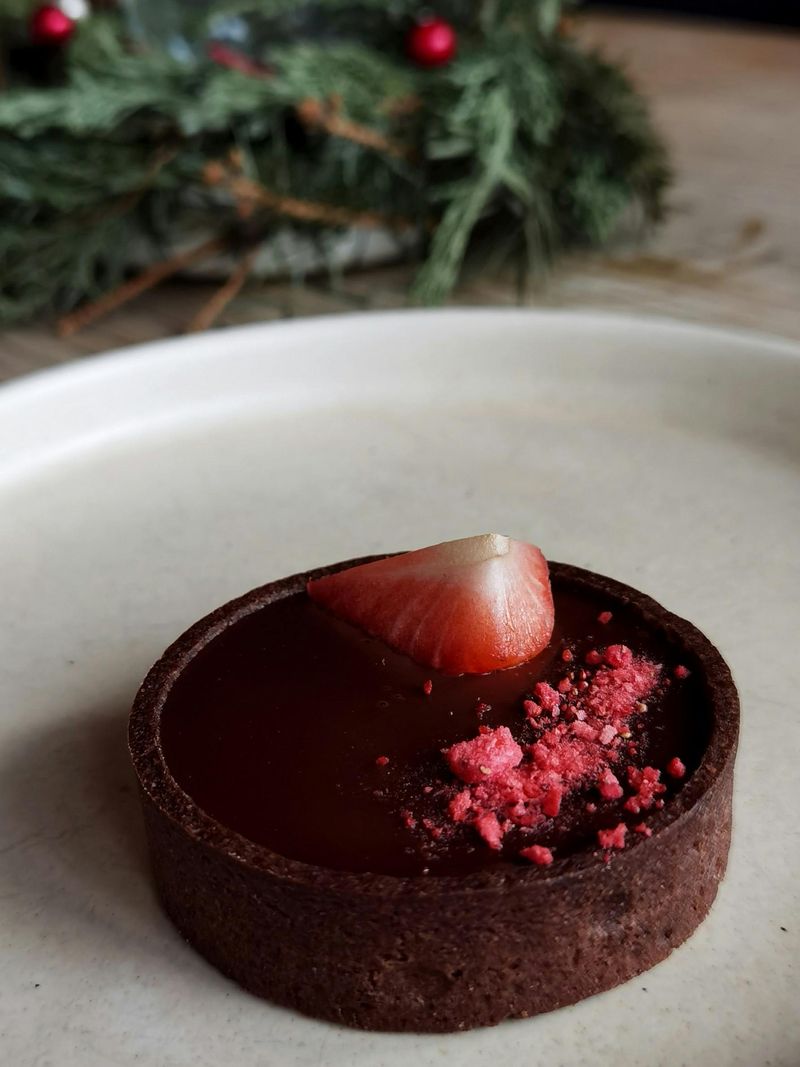
Desserts can feel like victory laps for pricing. A slim slice with a smear of sauce costs nearly as much as an entree add-on. Sweet, yes, but not always satisfying.
Consider sharing or visiting a bakery afterward. Ask about portion size and whether it is house-made. If the math feels off, trust your instincts. You deserve indulgence that feels generous, not decorative.
Cheap garnish
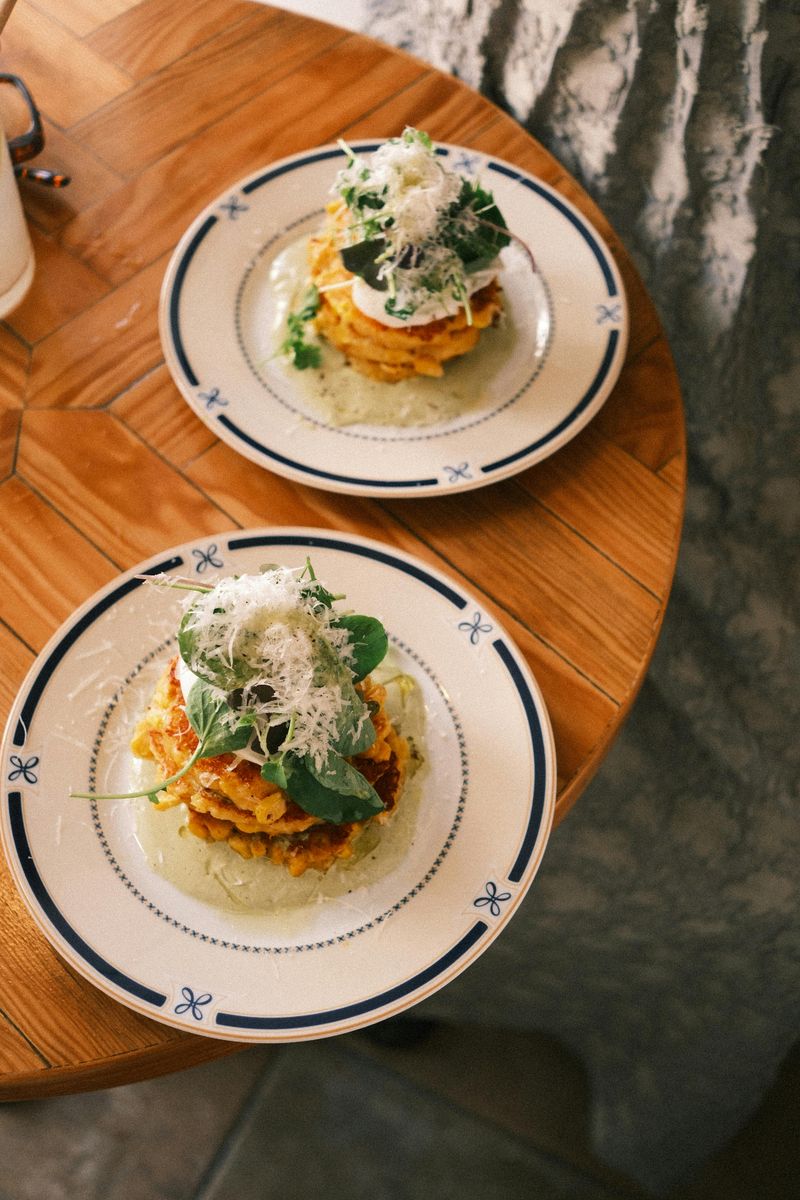
Microgreens and petals are pretty, but they can disguise skimpy portions. A confetti of garnish adds cost without substance. Your appetite notices even if your eyes are dazzled.
Look past the flair and evaluate the components. Is there enough protein, veg, and starch to satisfy? If it feels like smoke and mirrors, pick a heartier option. Beauty should complement value, not replace it.
Slow service

Slow service happens, but when it is chronic, it becomes a hidden surcharge on your time. Drinks warm, hunger builds, and you order extras you did not plan on. Delay benefits the check.
Set expectations early and ask for timing updates. If it drags, keep orders minimal and skip impulse add-ons. Your time matters as much as your money. Choose spots that respect both.
Cold food
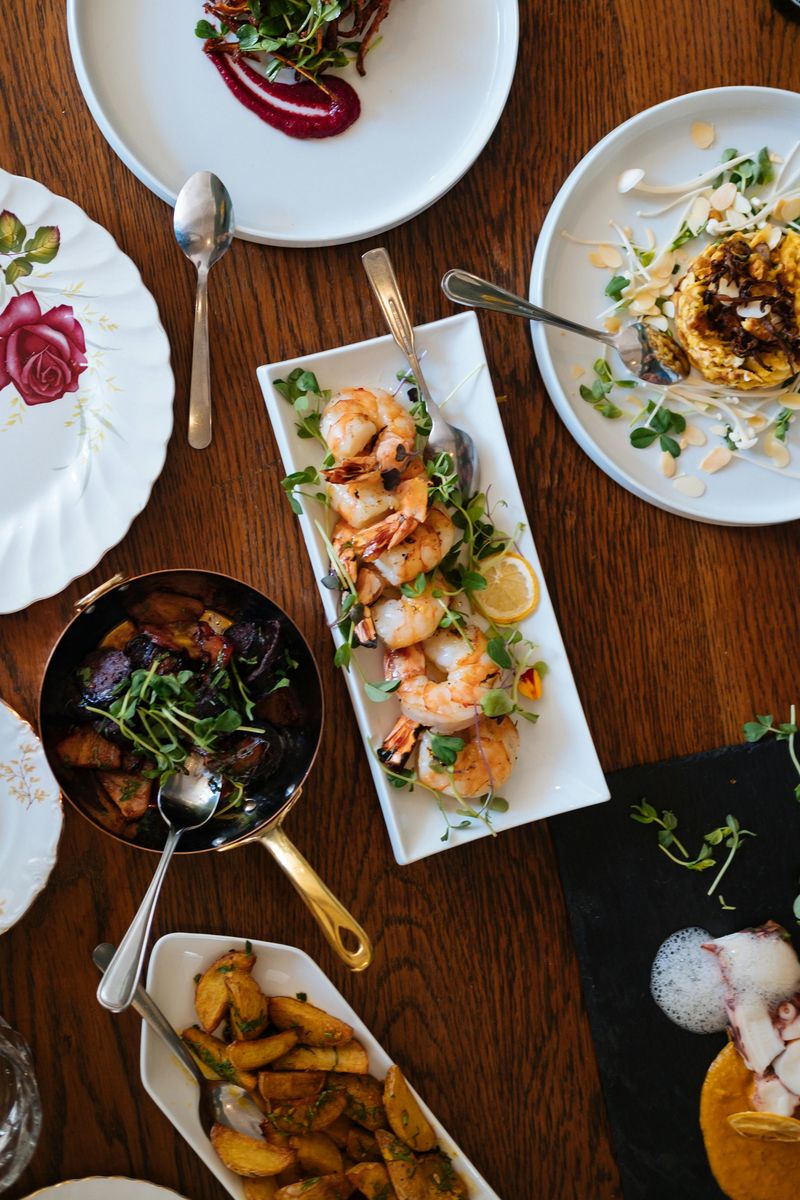
Food that arrives cold says the kitchen is in the weeds or the pass sat too long. You paid for temperature as much as taste. Reheating ruins texture, and you deserve better.
Send it back immediately and be specific. If it returns the same, ask for a replacement or removal. Polite firmness protects your experience and your bill. Warmth should be standard, not a lucky break.
Weak cocktails

Premium cocktails should taste balanced, not like flavored water. When pours are stingy and ice does the heavy lifting, you are paying for glassware and vibes. The margin is all in the mix.
Watch the bartender’s pour, ask about specs, and choose stirred classics. If it tastes thin, send feedback early. Consider beer or wine where portions are clearer. A splurge should sip like one, not fade instantly.
Kitchen fee
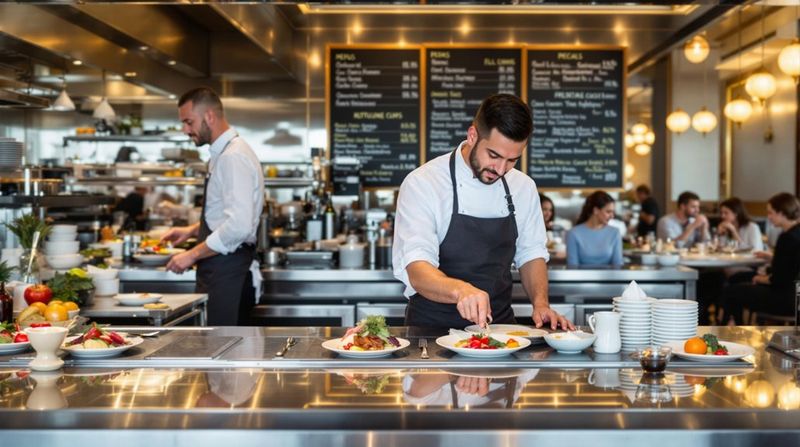
Some places add a kitchen fee, framed as appreciation for back-of-house staff. Supporting workers matters, but surprise line items feel sneaky. You might still be expected to tip the usual amount on top.
Look for a posted notice or ask how the fee affects tipping. If the restaurant pays living wages, great, but guests should not decode a maze of extras. Honest menus build loyalty, not resentment. Vote with your feet if answers are evasive.