


You can feel it the second you walk in. Some restaurants whisper trouble, others practically shout it, and once you notice the signs, you cannot unsee them. Consider this your pocket guide to spotting the subtle clues that a place might be circling the drain. If any of these feel familiar, trust your gut and protect your time, money, and appetite.
Empty restaurant

You step in during peak hours and hear, well, nothing. No clink of glassware, no cheerful chatter, just echoes bouncing off empty booths. A vacant dining room during prime time signals trouble, whether it is quality, pricing, or reputation.
Without a crowd, food turnover slows and freshness suffers. Staff lose urgency, and service can feel sleepy or desperate. If the place is empty and the host looks surprised you came, consider that your cue.
Dirty table
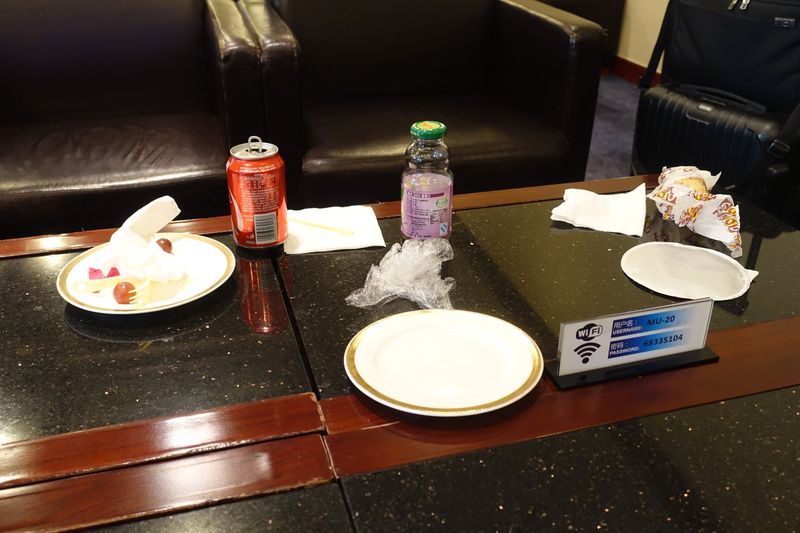
A dirty table says everything before the server does. Crumbs, sticky rings, and smeared silverware are sloppy, but they also hint at deeper problems. If basics like wiping and resetting slip, food safety and prep discipline might be slipping too.
Cleanliness is culture. A team that resets quickly keeps standards high, even when slammed. When your elbow sticks to the surface and nobody notices, consider that a flashing warning light.
Outdated decor
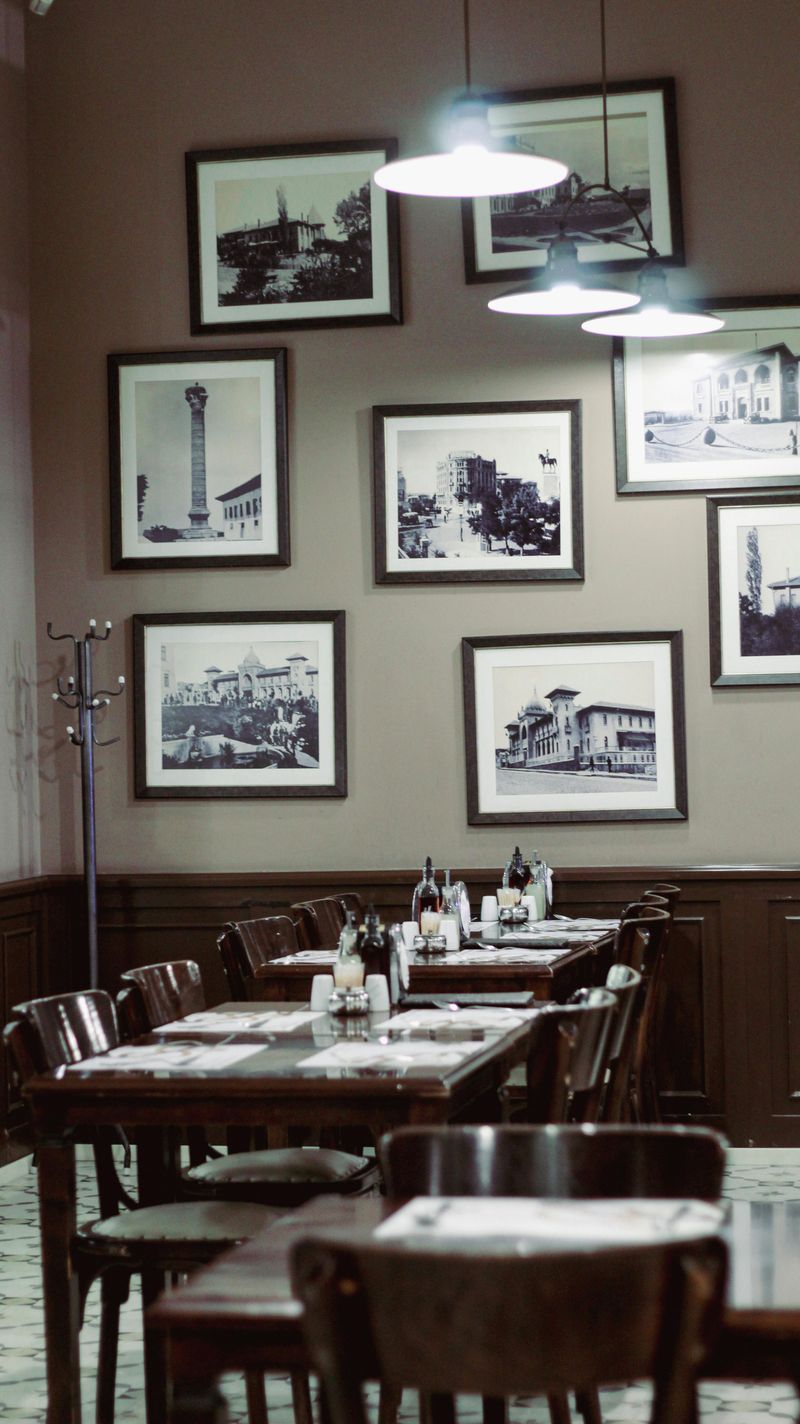
Outdated decor does not just mean vintage charm. It can signal neglect, budget strain, or an owner who stopped caring. Faded wallpaper and drooping faux plants say maintenance is optional and first impressions do not matter anymore.
Details reflect priorities. If the dining room is a time capsule, the kitchen might be too. You deserve places that evolve, not ones that stall and hope you will not notice.
Bad service

Everyone has off nights, but consistently bad service is a pattern. Long silences, missed refills, and wrong orders show a system breaking down. It could be low staffing, poor training, or leadership that has left the building.
When communication collapses, so does the experience. You should not feel like a burden for asking basic questions. If the vibe is indifferent or defensive, it is not getting better soon.
Cold food
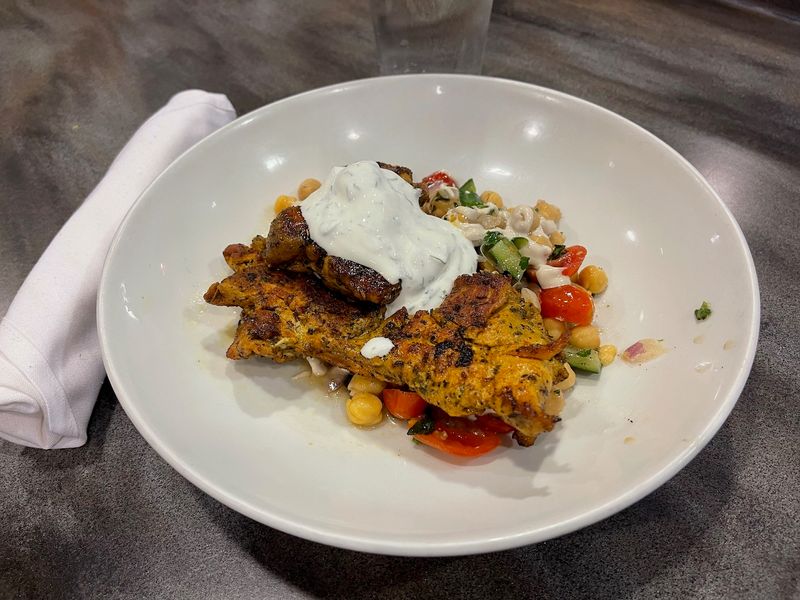
Cold food that should be hot means timing fell apart. Maybe plates sat in the window, or the kitchen and servers are out of sync. Either way, you pay for temperature, texture, and timing, not just ingredients.
When heat is missing, flavor collapses. If your dish arrives lukewarm and the server shrugs, the standards are slipping fast. Restaurants who care will fix it immediately and prevent repeats.
Messy counter
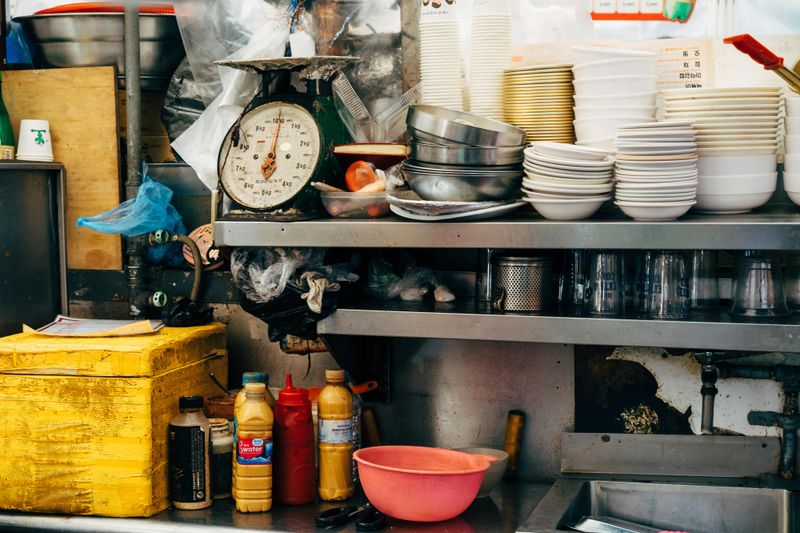
A messy counter tells the truth up close. Spilled syrups, wilted garnishes, and sticky mats scream rushed cleanup and lazy systems. If the bar looks chaotic, imagine the corners you cannot see.
Organization prevents cross contamination and speeds service. You deserve a workspace that looks ready, not defeated. When clutter takes over, quality control usually follows it out the door.
Health inspection notice
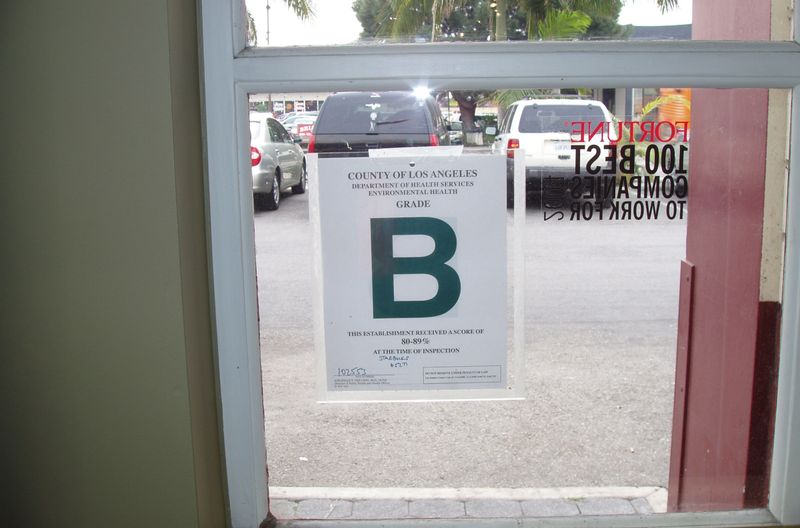
That official notice is not decor. Recent violations, especially repeat ones, flag serious gaps in training and oversight. Food safety is not a maybe, and ignoring it is expensive for everyone.
Check the date and severity. Minor dings happen, but patterns are the point. If the notice feels like a regular, your immune system deserves a night off.
Faded menu
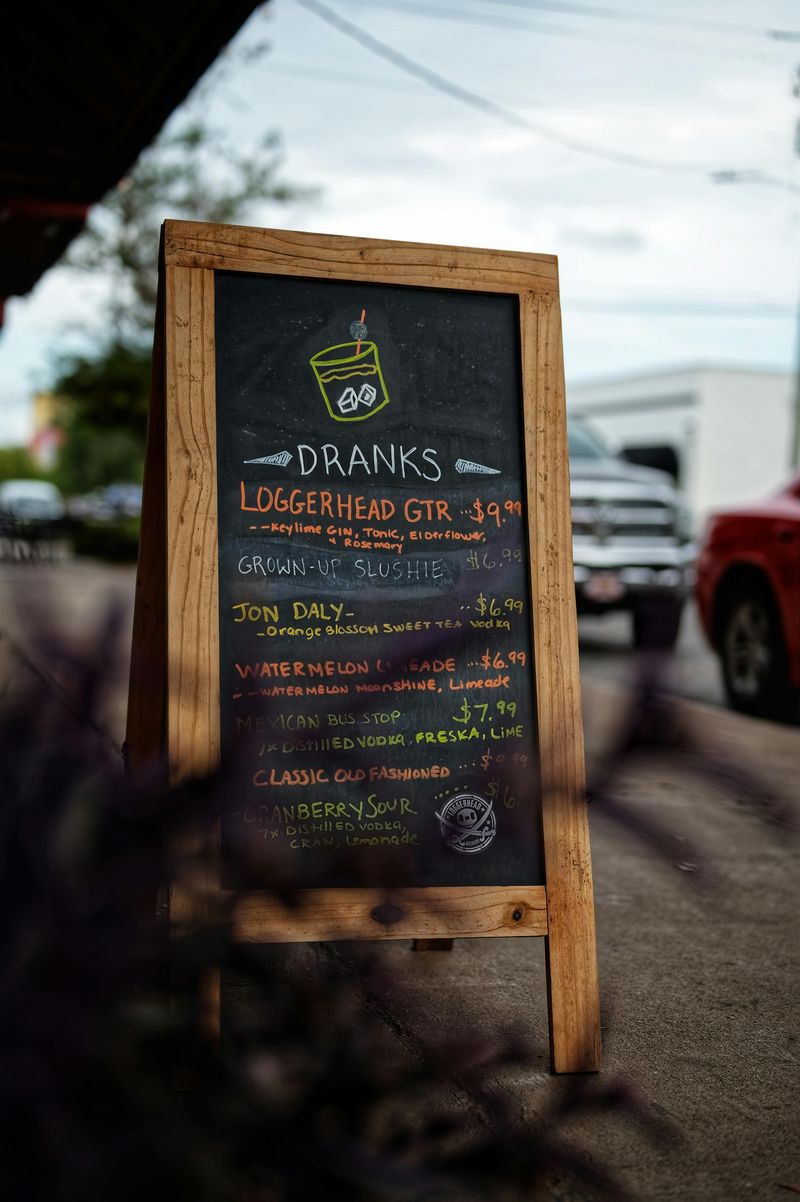
A faded menu says updates are overdue. Prices probably lag costs, dishes might be retired in spirit, and seasonal items are stuck in a different season. When paper looks tired, the kitchen often mirrors it.
Menus should evolve with feedback and supply. If the lamination is peeling and the font screams last decade, expect the food to follow suit. Fresh thinking rarely lives on a faded page.
Lonely dining room
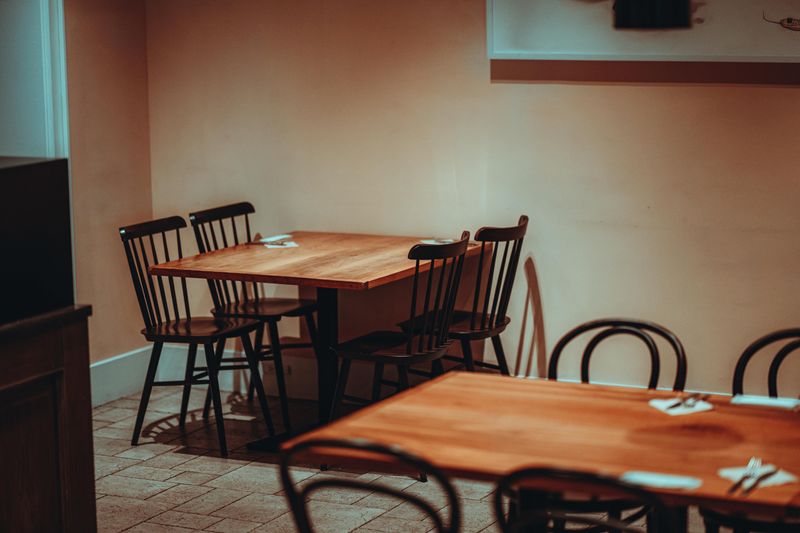
A lonely dining room takes the joy out of eating. Even great food feels awkward when surrounded by silence and empty chairs. Guests feed off energy, and the lack of it hints at a reputation problem.
If locals avoid a place, ask why. A single table at prime time is a signal, not a coincidence. Trust the neighborhood’s vote with their feet.
Broken chairs
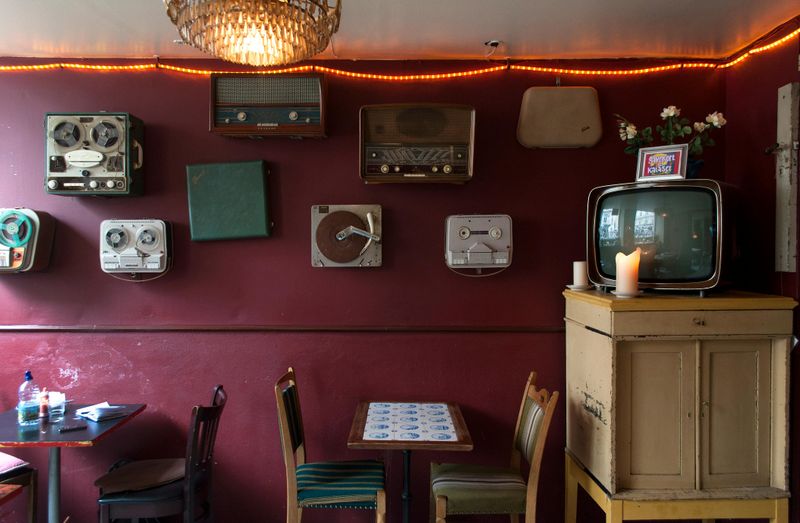
Broken chairs are not quirky. They are a liability and a mirror of management priorities. If guests wobble or snag clothing, someone stopped investing long ago.
Furniture maintenance is basic hospitality. When repairs are duct tape deep, assume equipment in the kitchen is faring similarly. You should not balance your entree and your seat at the same time.
Dusty shelves

Dust tells time. When shelves collect layers, it means nobody touches or rotates items often. That leads to stale syrups, oxidized wines, and a general who cares atmosphere.
Clean shelves signal pride and attention. If you can write your name in the dust, standards have abandoned ship. You deserve better than forgotten bottles and tired glasses.
No customers
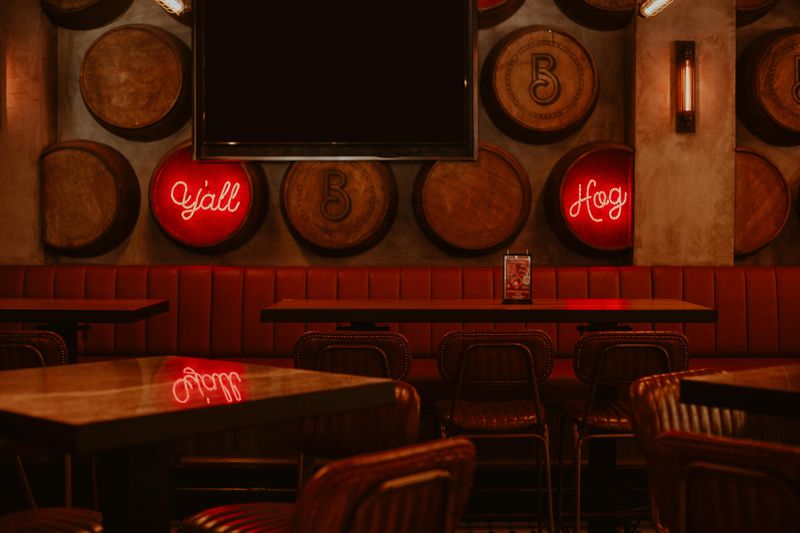
No customers during rush hour is the loudest quiet alarm. Either word of mouth has turned, or operations cannot handle consistency. Restaurants thrive on repeat traffic, and the absence is telling.
Trust patterns, not exceptions. If you have driven by multiple times and always see emptiness, the market has voted. Save your appetite for somewhere alive.
Dim lighting
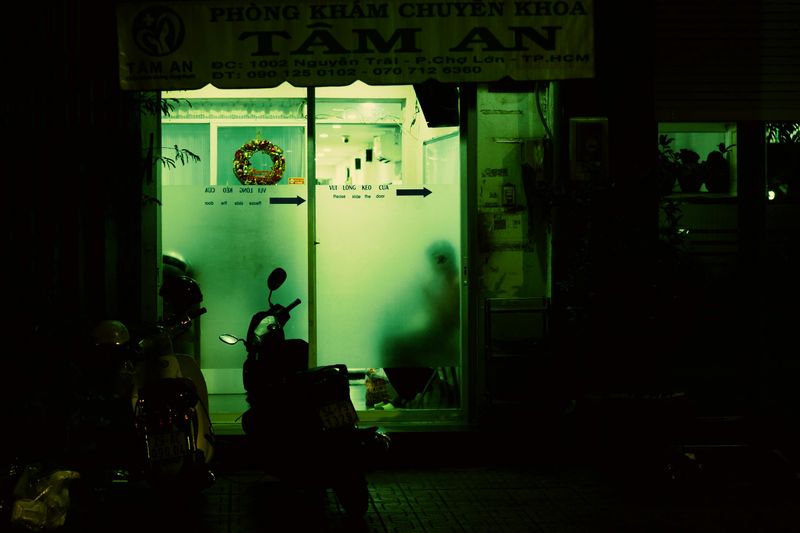
Dim lighting can be cozy, but there is a line between mood and mask. Flickers, burnt bulbs, and uneven pools suggest poor upkeep. If you are squinting at the menu, the team stopped noticing details.
Good light flatters food and faces. Bad light hides grime and dulls energy. When you feel like you are dining in a closet, consider what else they are keeping in the dark.
Peeling paint
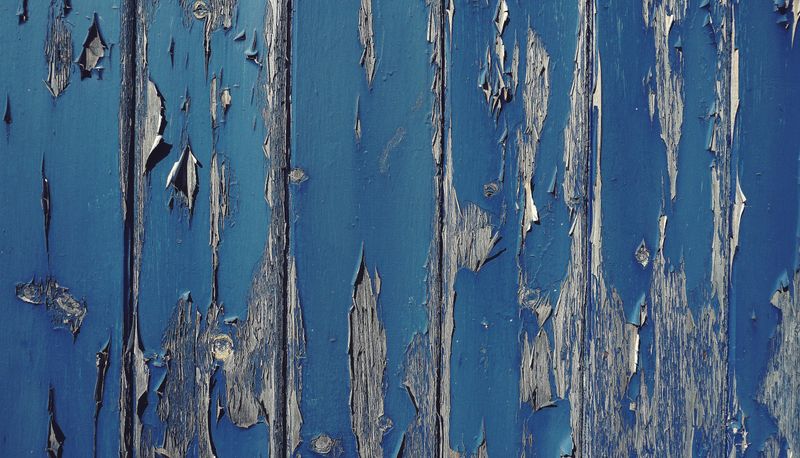
Peeling paint screams deferred maintenance. Moisture issues, humidity, or just neglect can lead to flaking walls. When basics crumble, bigger problems often lurk behind them.
Fresh paint is not luxury. It is a sign someone cares enough to keep up. If the walls are shedding, it is fair to wonder about the kitchen’s condition.
Unfriendly staff

Hospitality is the product. When staff meet you with sighs or side eye, something deeper is broken. Burnout, poor leadership, or chaotic shifts can sour the mood fast.
Great places set you at ease immediately. If your greeting feels like an inconvenience, the rest of the experience rarely recovers. You deserve warmth without begging for it.
Long wait time
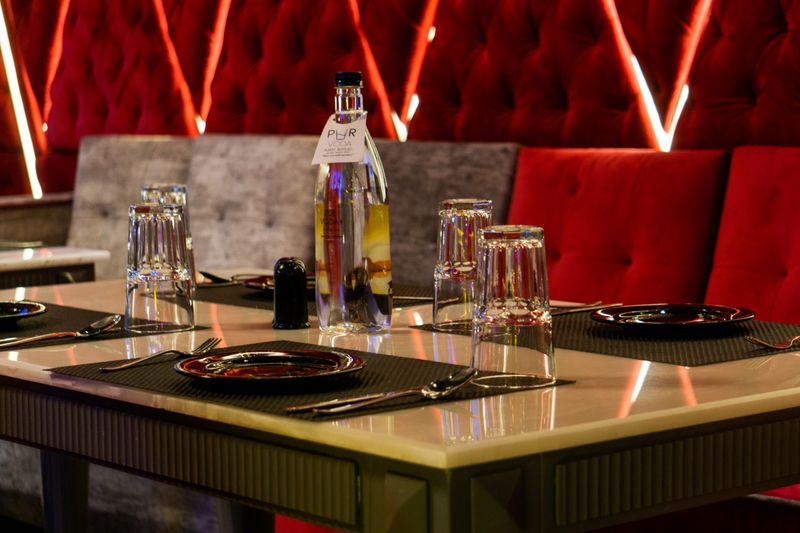
Waiting can be fine if the dining room is full. But long waits with empty tables mean systems are failing. Maybe there is a kitchen bottleneck or staffing shortage, but the effect is the same.
Time is part of the value you pay for. If you are parked by the door while open seats gather dust, consider bailing. Efficiency should not be optional.
Cheap ingredients
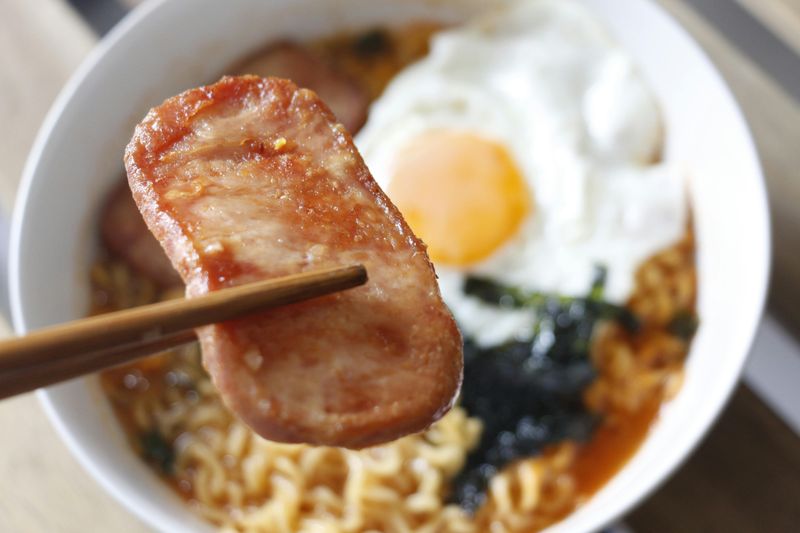
Cheap ingredients show up on the plate. Watery tomatoes, frozen fries, and mystery meats taste like corner cutting. When costs drive every decision, quality pays the price and so do you.
Smart kitchens balance budgets without sacrificing flavor. If everything tastes like the lowest bidder, the brand is losing its soul. You are not wrong to expect better basics.
Stale bread
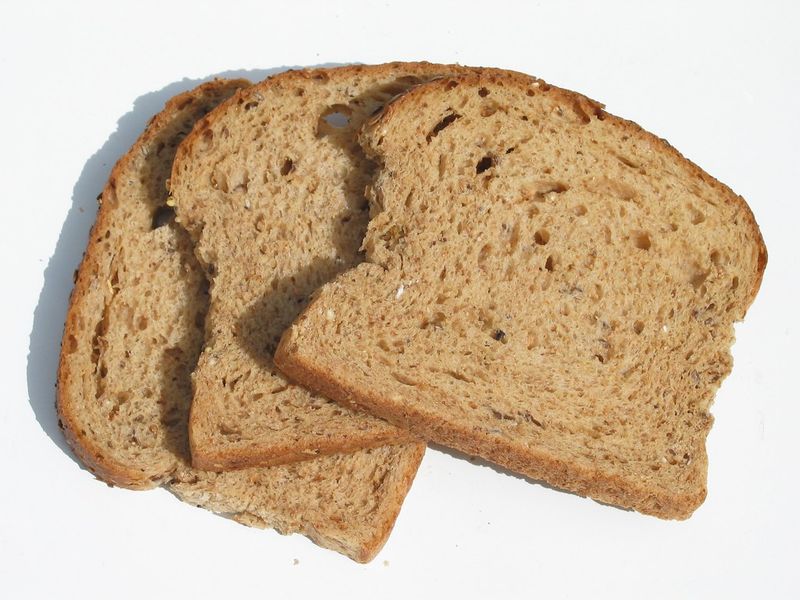
Stale bread is a small item with big meaning. It reveals turnover, storage, and respect for the table. If the first bite disappoints, the rest may follow.
Fresh bread is hospitality shorthand. When it is dry and lifeless, they chose convenience over care. You deserve a warm welcome, not a crumbly warning shot.
Poor hygiene
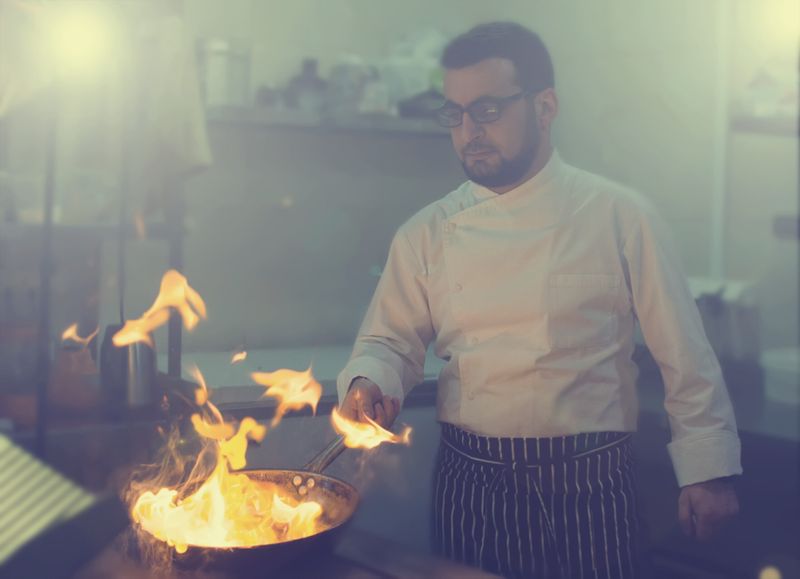
Hygiene is non negotiable. Stained aprons, unwashed hands, and hair free ranges are not picky details. They are the frontline of food safety and respect.
Watch the small moments. If hand washing seems optional, imagine the cooler temps and cutting boards. Protect yourself and walk if your gut says no.
Old menu board
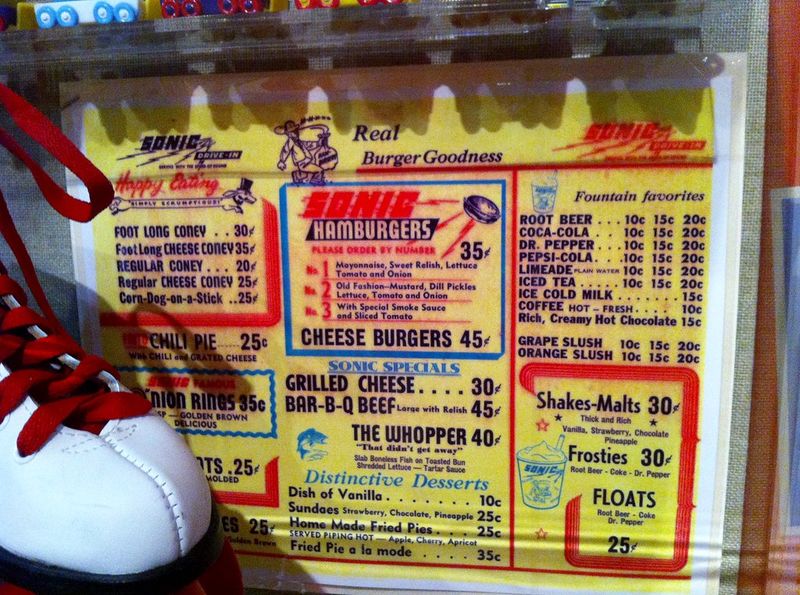
An old menu board frozen in time hints at stagnation. Specials that never rotate stop being special. Misspellings and smudges communicate indifference twice.
Menus are living documents when a place is alive. If the board looks like a museum exhibit, the kitchen creativity might be retired too. You want energy, not dust.
No reservations
No reservations can be a policy, but sometimes it is a workaround for chaos. If every nearby spot offers booking and this one does not, ask why. Systems matter when demand wobbles.
When a place cannot manage a simple calendar, other processes probably suffer. You should not gamble your evening on vibes alone. Convenience is part of hospitality.
Low ratings
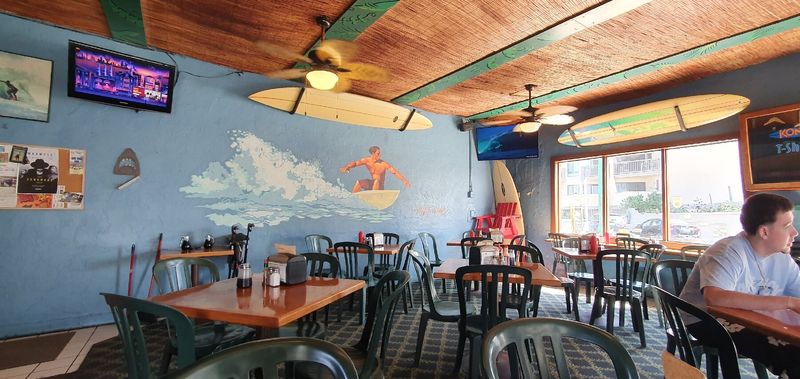
Low ratings are not everything, but patterns tell truths. Look for recent reviews mentioning the same problems: cold food, rude service, or surprise fees. Consistency in complaints is a map.
Do not fixate on one angry comment. Read a handful, then trust the trend. If the stars keep sinking, your experience probably will too.
Abandoned tables

Abandoned tables with melted ice and lost checks show service breakdowns. The staff is either stretched too thin or disengaged. Either way, turnover stalls and guests give up.
Healthy restaurants reset fast to welcome someone new. When empty seats sit messy for ages, momentum dies. You deserve a place that is ready for you, not recovering from yesterday.
Closed sign
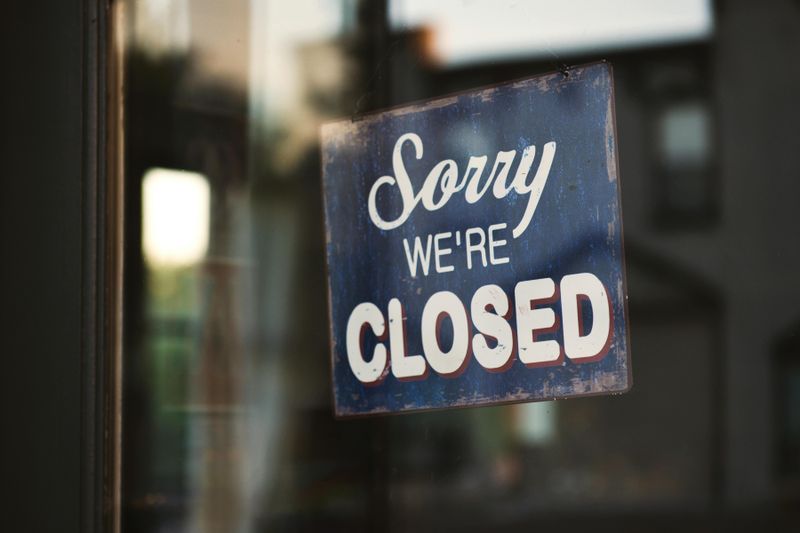
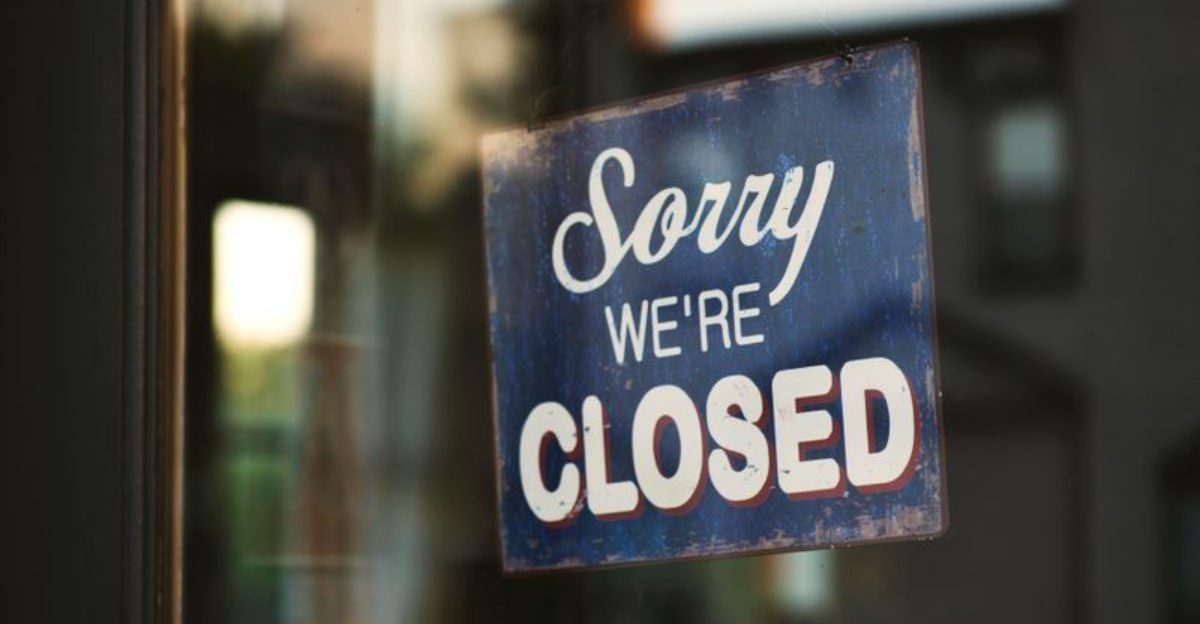
A Closed sign during obvious business hours tells a story you were not meant to hear. Maybe it is staffing chaos, broken equipment, or bills piling up. Consistent unexpected closures weaken trust, disrupt routines, and slowly erase regulars.
You want reliability when you plan a meal out. If the door keeps flipping to Closed with no explanation, assume the back office is in meltdown. Restaurants running smoothly rarely vanish without notice.