



Somewhere between convenience culture and nonstop schedules, the most flavorful kitchen habits slipped away. The result is food that is faster yet strangely forgettable, missing depth, texture, and soul. Bring back a few timeless techniques and suddenly dinner tastes like a memory you want to relive. Here are eight habits worth reviving so your food gets better the minute you start.
Homemade soup stock
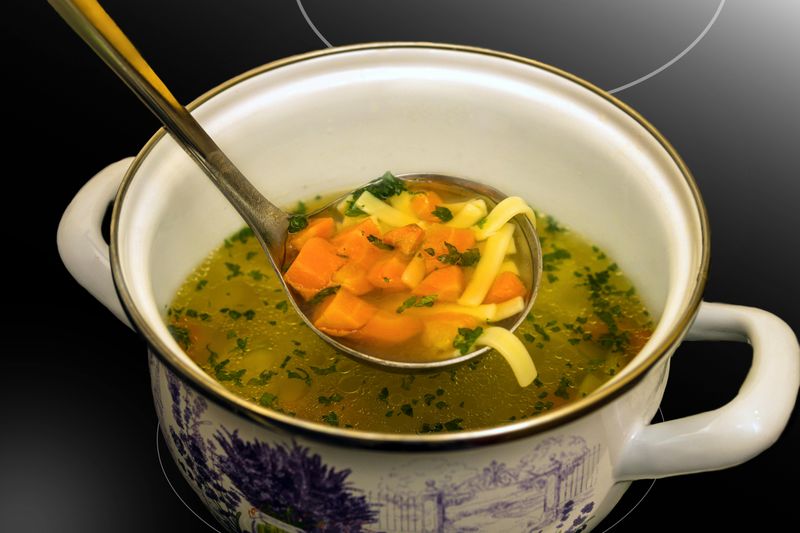
Homemade stock gives soups, sauces, and grains a quiet backbone that store bought cartons rarely match. You control salt, aromatics, and body, turning scraps into liquid gold. Even a simple vegetable broth becomes richer with patience.
Roast bones or mushrooms, then simmer with onion, celery, carrot, and peppercorns. Skim gently and let time extract collagen and sweetness. Strain, cool, and freeze in portions for instant depth.
Use it to cook rice, deglaze pans, or rescue bland leftovers. With a pot and a Sunday afternoon, you build flavor for the week. It saves money and reduces waste, too.
Baking bread at home
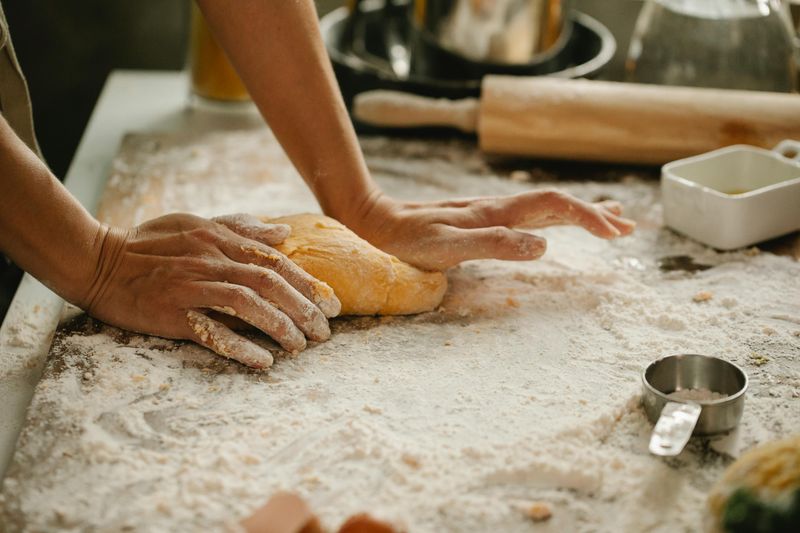
Homemade bread offers aroma, crackle, and chew that supermarket loaves cannot fake. With flour, water, salt, and time, gluten develops flavor that shortcuts miss. Your hands learn the dough’s language through stretch and fold.
Bake in a preheated Dutch oven for steam and a blistered crust. Ferment slowly in the fridge for complexity. Add whole grains or seeds to boost nutrition and texture.
Even simple sandwich bread becomes an event when sliced warm. You taste freshness and feel proud of the crumb. Plus, the cost is low, the payoff huge, and your kitchen smells like comfort.
Cooking from dried beans
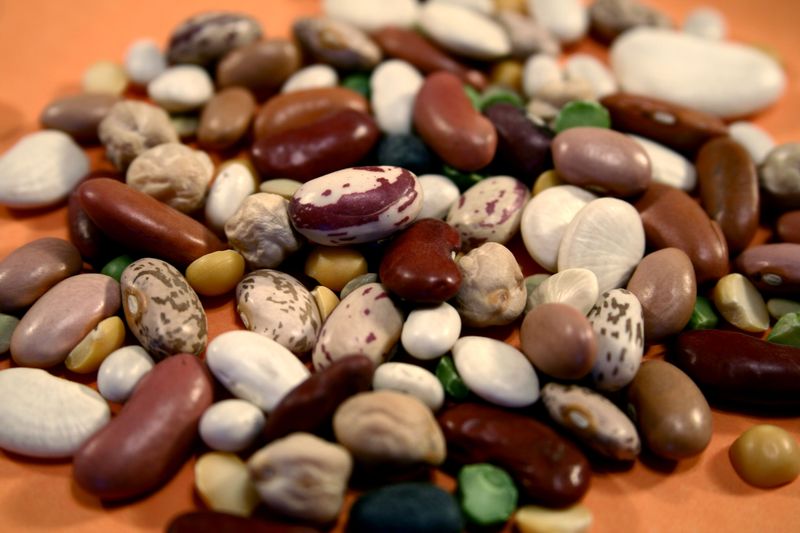
Dried beans cook into creamy centers and intact skins that canned beans rarely deliver. You season the pot from the start, building flavor in the cooking liquid. A pot of beans becomes meals all week.
Soak or go no soak with extra simmer time. Add aromatics, salt midway, and olive oil for silkiness. Save the bean broth to enrich soups, rice, or braises.
Batch cook chickpeas, pintos, or black beans and freeze in their liquid. The texture turns tacos, salads, and stews into something memorable. Cheap, nutritious, and satisfying, they reward patience more than effort.
Making sauce from fresh tomatoes
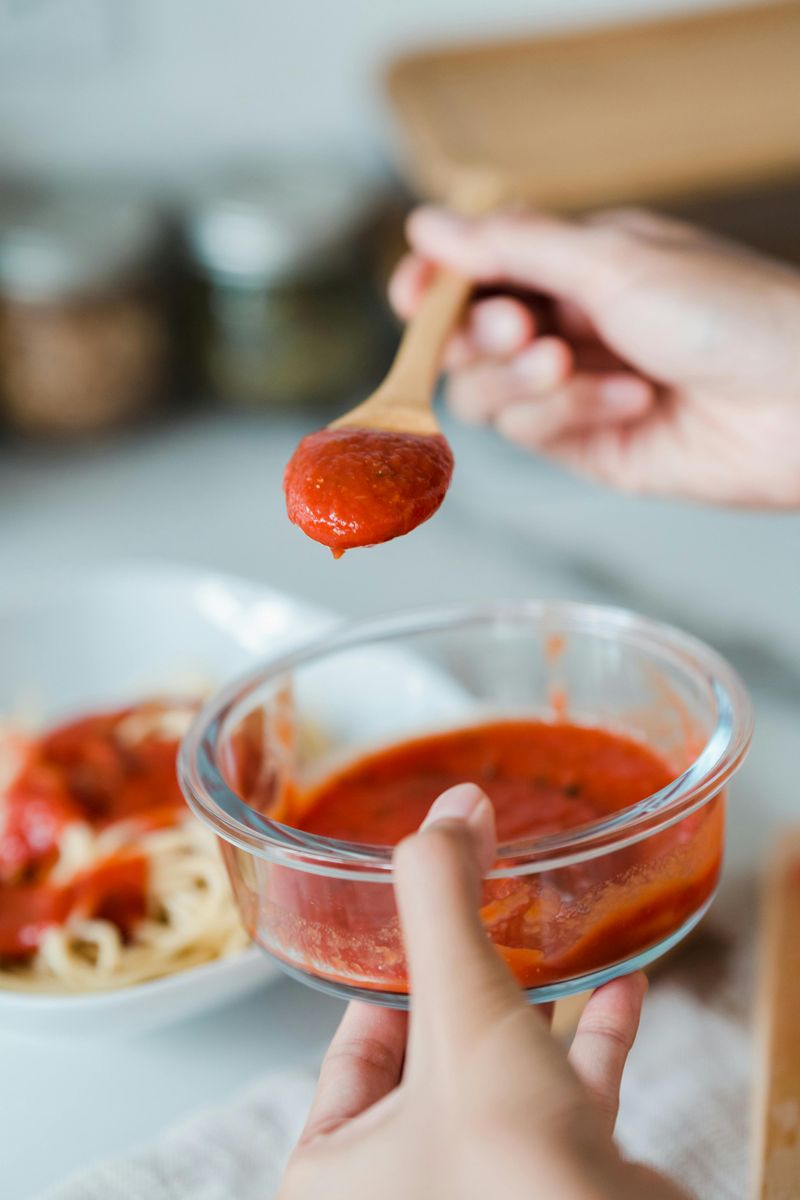
Fresh tomatoes transform into bright, balanced sauce with just heat, salt, and fat. You capture sunshine before it fades, bottling acidity and sweetness. The smell alone is summer returning to your stove.
Blanch and peel or mill them, then simmer with garlic and basil. Keep seasoning simple so the tomatoes lead. Reduce until glossy and clinging to a spoon.
Jar or freeze for pizza nights and quick pasta wins. This sauce tastes lighter yet fuller than jarred versions. You decide texture, chunkiness, and herbs, turning peak produce into year round flavor.
Meal prepping leftovers

Leftovers are not punishment when you plan them. Cook extra on purpose, then portion with fresh garnishes and sauces. Future you appreciates the low effort victory.
Turn roast chicken into grain bowls with herbs. Save pan drippings for a quick sauce. Store components separately so textures stay lively, and add crunchy toppings at the last minute.
Label dates, freeze smartly, and rotate through flavors. You curb food waste while buying back weeknight sanity. With a few containers and a plan, yesterday’s effort becomes today’s fast, satisfying meal.
Using cast iron skillet
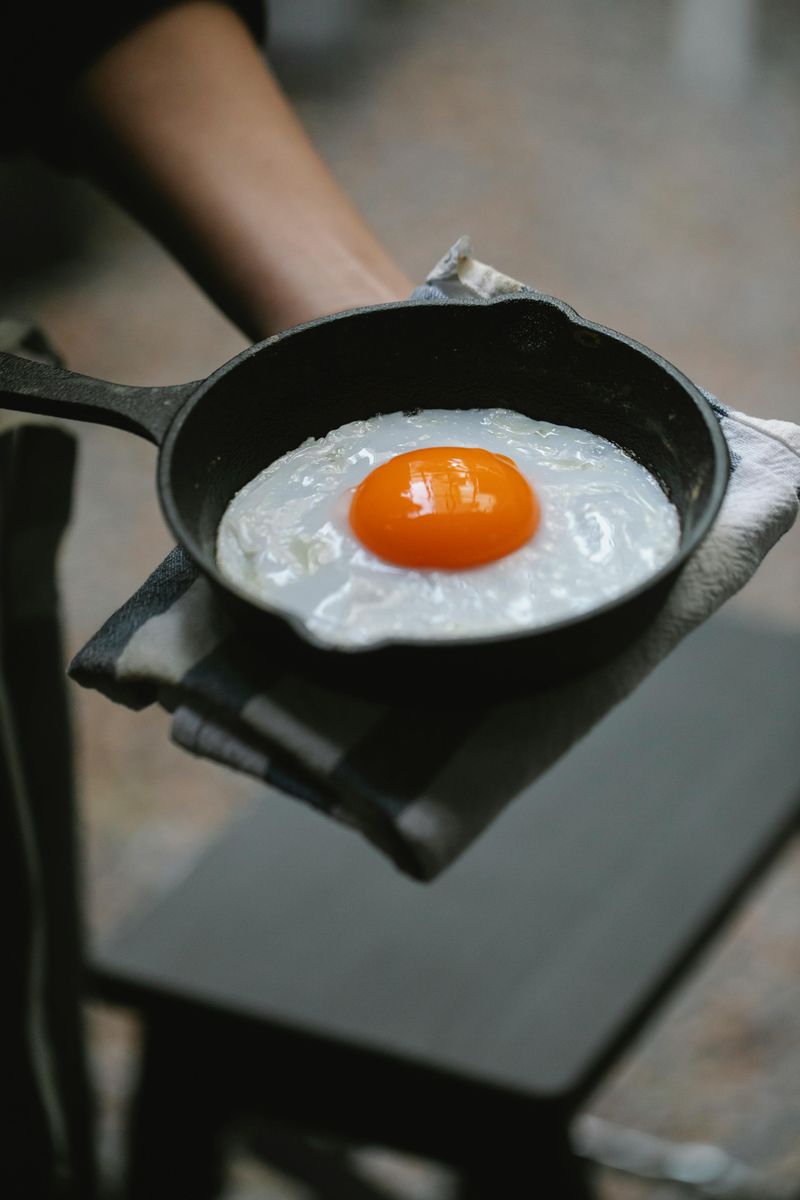
Cast iron delivers fierce heat retention and a natural nonstick surface when properly seasoned. You get restaurant level sear on steaks and vegetables. It transitions from stovetop to oven without fuss.
Preheat thoroughly, then do not crowd the pan. Add oil to shimmering, lay food, and resist moving it. That crust forms flavor you can hear.
Clean with hot water, dry, and oil lightly. Treat it well and it lasts generations. From cornbread to shakshuka, cast iron multiplies flavor by mastering heat and patience.
Cooking seasonal produce
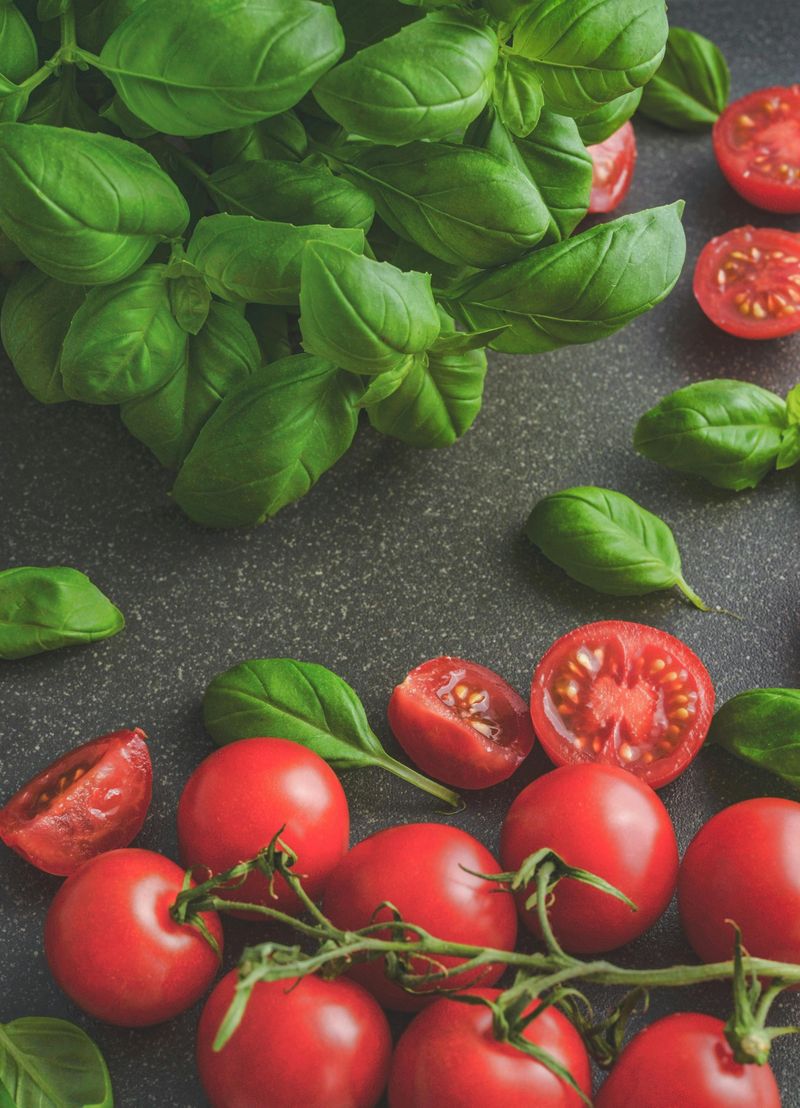
Seasonal produce tastes better because nature already did the seasoning. Peak ripeness means sweetness, snap, and nutrition at their best. You spend less tweaking because the ingredients arrive ready to shine.
Shop farmers markets or read seasonal charts. Build menus around what is abundant and inexpensive. Roast, grill, or lightly steam to highlight natural flavors without burying them.
Then preserve the bounty by freezing, drying, or pickling. Your meals feel varied throughout the year and your budget stretches. Cooking with the calendar reconnects you to place, weather, and the rhythms that make food sing.
Pickling vegetables
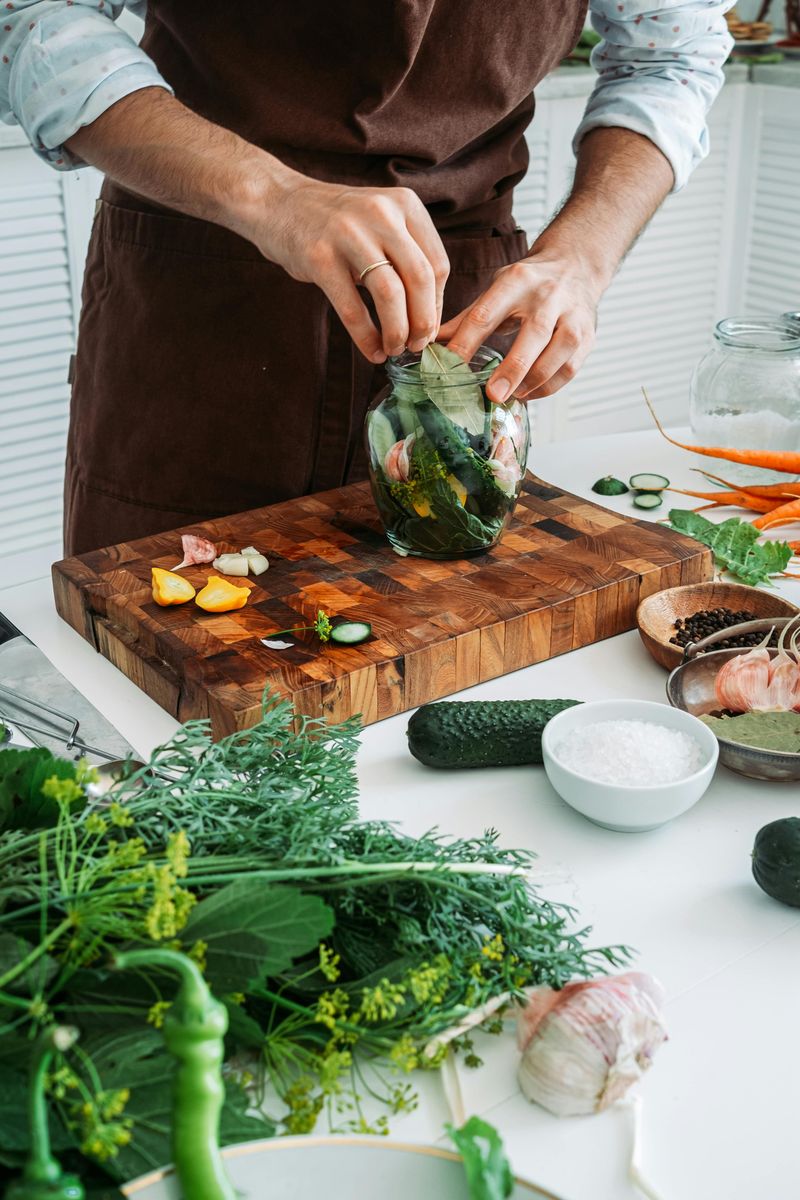
Pickling rescues wilt prone produce and adds bright crunch to heavy meals. A simple brine of vinegar, water, salt, and sugar snaps vegetables to attention. Spices like dill, coriander, and chili create personality fast.
Quick pickles take minutes and last weeks. Pack jars tightly, pour hot brine, and cool. Adjust sweetness and acidity to match your dish.
Spoon them onto sandwiches, bowls, and tacos for contrast. That pop of tang wakes up roasted meats and creamy spreads. You reduce waste, save money, and keep flavor on standby whenever dinner needs sparkle.