


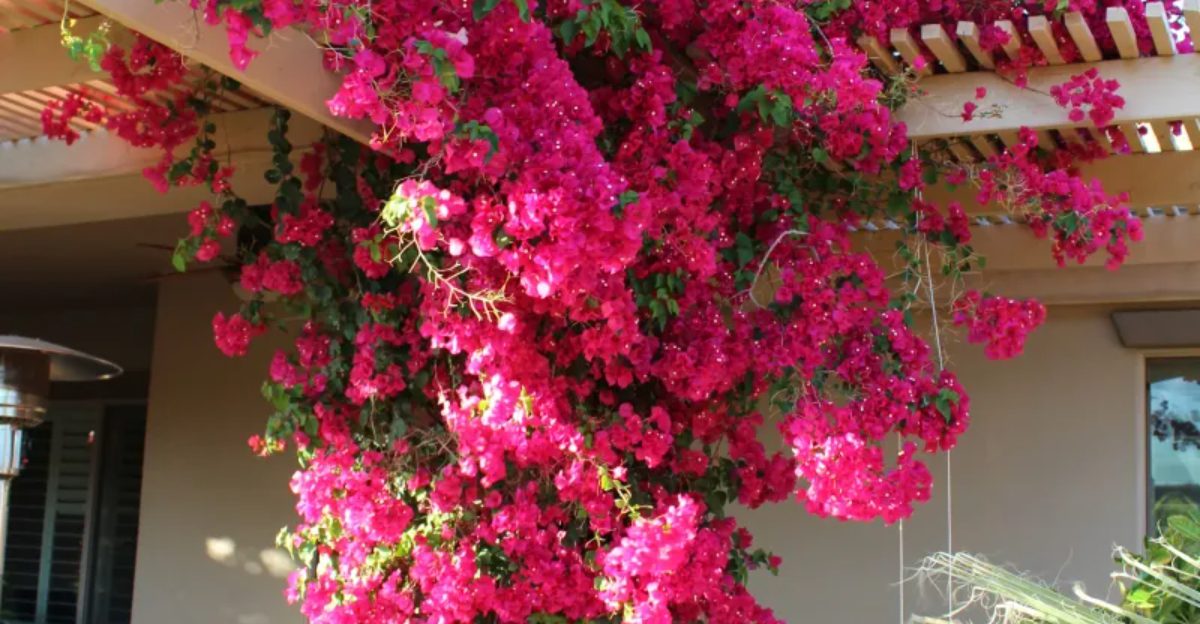
Florida’s lush, tropical climate makes it easy to go overboard when landscaping your yard. Many homeowners plant gorgeous shrubs, trees, and vines right next to their homes without realizing the damage those plants can cause over time.
Roots crack foundations, branches scrape siding, and some plants even invite pests indoors. Before you dig that next hole, check out these nine Florida plants that are better off kept at a safe distance from your house.
Ficus Tree
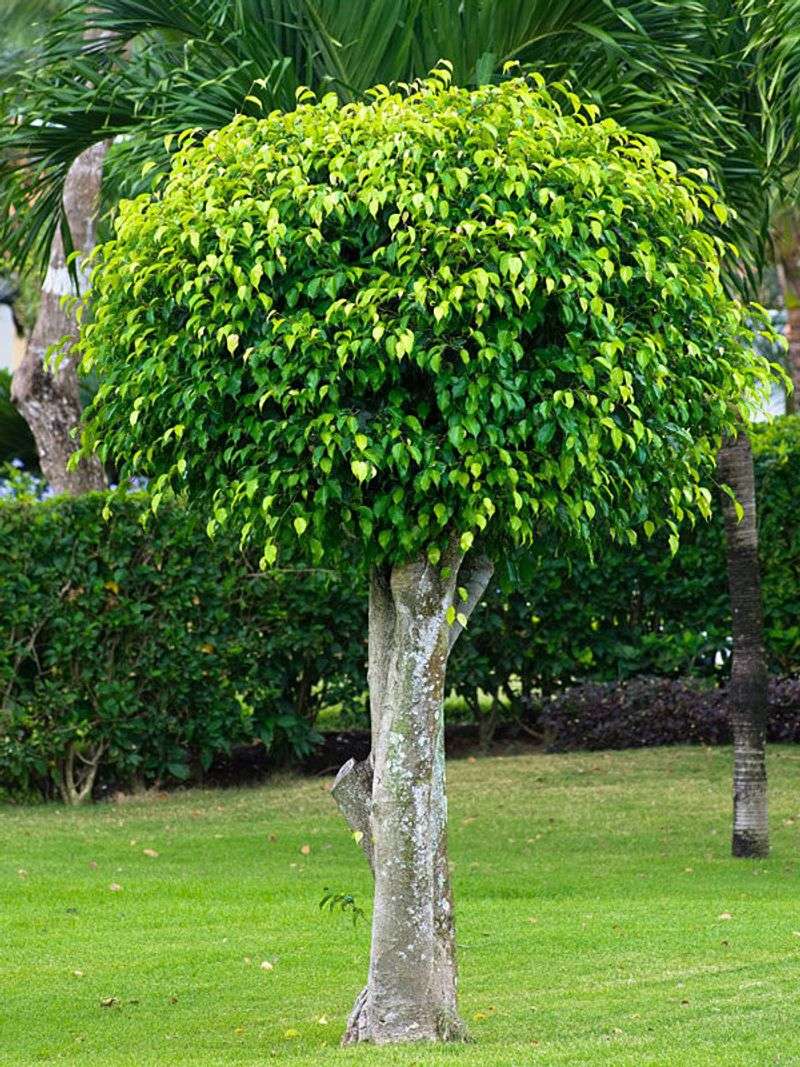
Ficus trees look stunning in a Florida yard, but their roots are basically on a mission to destroy everything underground. They spread aggressively, cracking driveways, sidewalks, and even home foundations.
Plumbers dread them because the roots love sneaking into pipes.
If you already have one close to your house, watch for raised soil and buckled pavement. Experts recommend keeping ficus trees at least 25 to 30 feet away from any structure to avoid costly repairs down the road.
Brazilian Pepper Tree
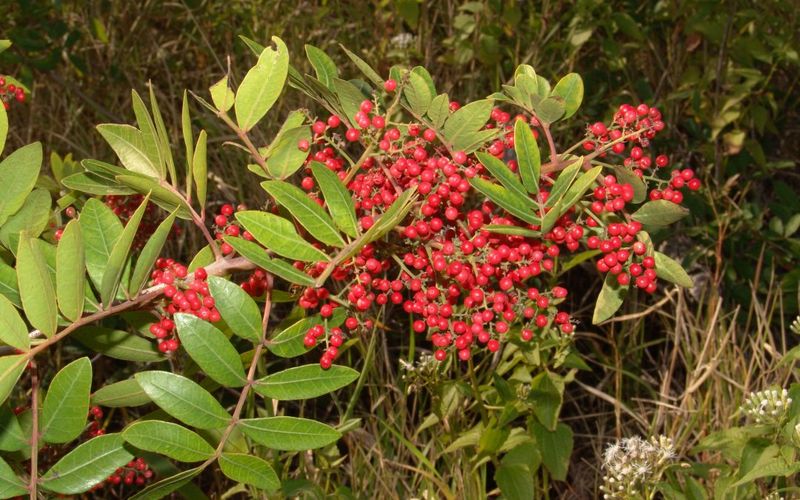
Banned in many Florida counties, the Brazilian pepper tree is one of the most aggressive invasive plants in the state. It grows fast, spreads everywhere, and its berries attract birds that spread seeds all over your yard and neighborhood.
Skin contact with the sap can cause rashes similar to poison ivy, making it a health hazard too. Removing it once established is a serious chore.
Keeping it anywhere near your home is a decision most Florida homeowners deeply regret within just a few seasons.
Strangler Fig
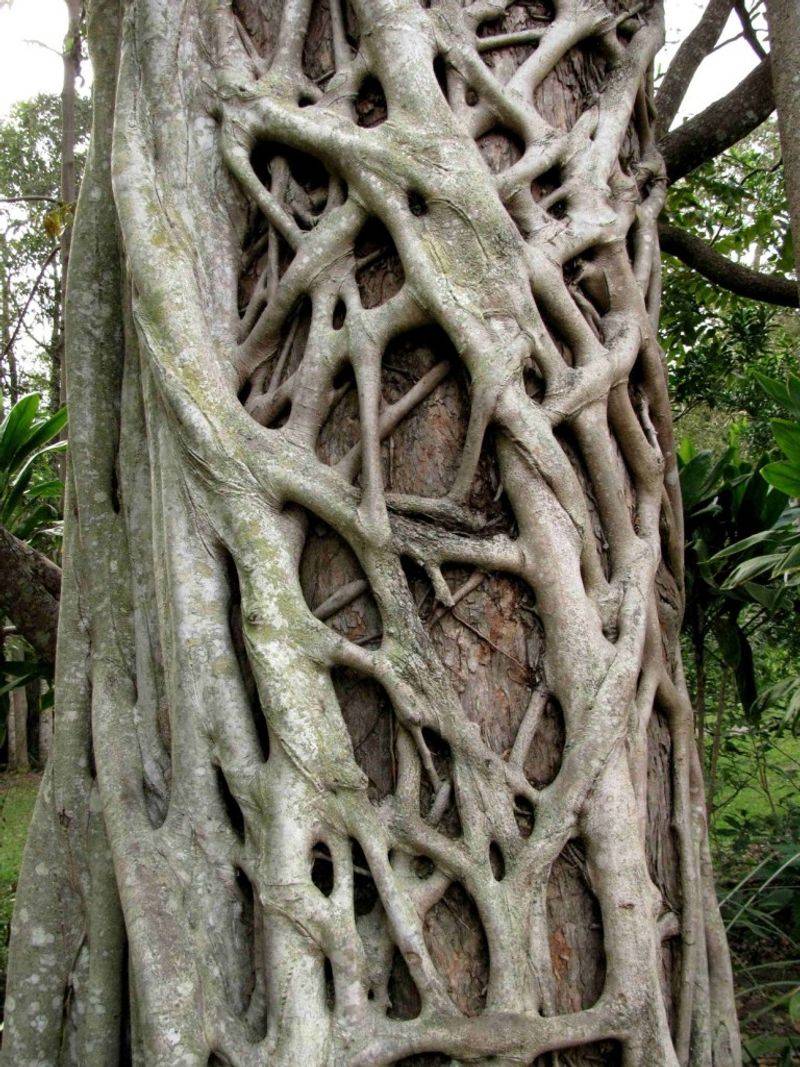
True to its name, the strangler fig wraps around whatever it touches and slowly squeezes the life out of it. Plant this near your home and it may eventually start climbing your walls, gutters, or fencing.
Its aerial roots are relentless, working into cracks and crevices over time. Wildlife loves it, which sounds nice until you realize that means raccoons, squirrels, and insects are now regular visitors.
Admire this one from a distance, preferably in a park far from your foundation.
Melaleuca Tree
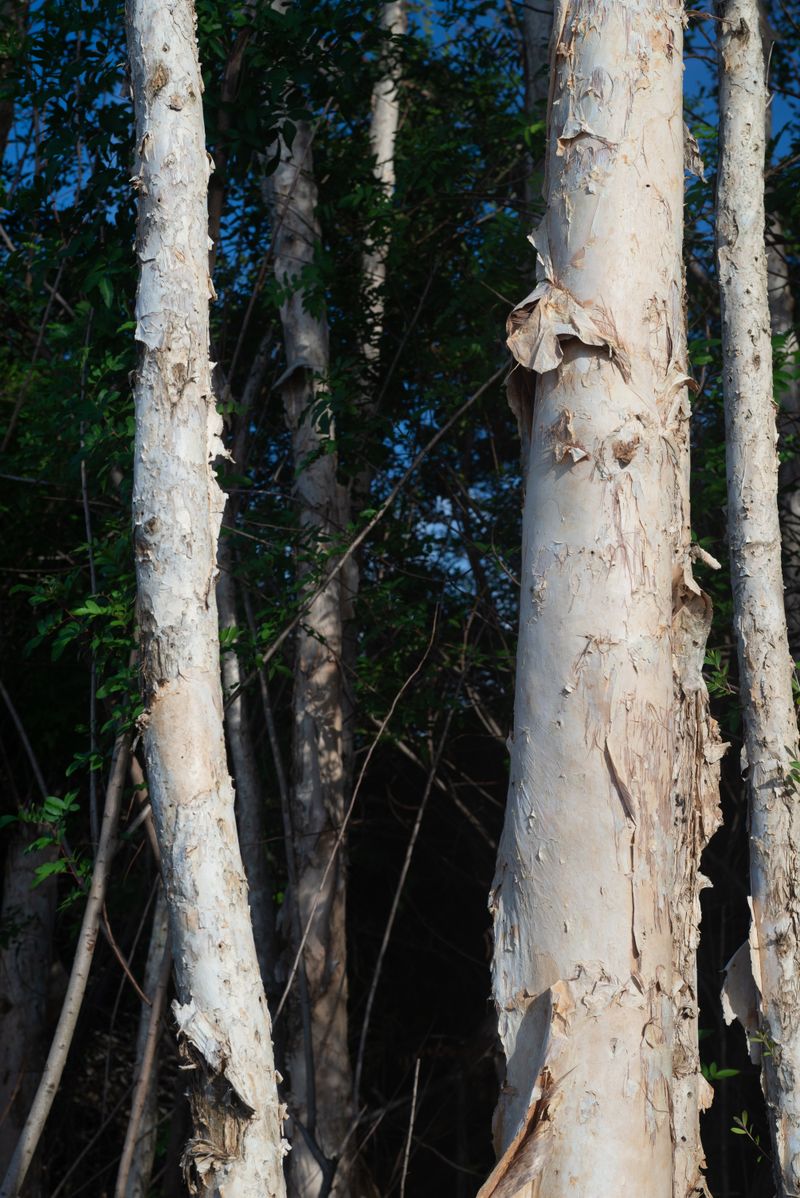
Melaleuca trees were once planted all over Florida to help drain swampy land, and they were wildly successful at that job. Too successful, actually.
They suck up enormous amounts of water, which can dry out the soil around your foundation and cause it to shift and crack.
They also shed bark constantly, creating a messy fire hazard near your home. Florida now lists melaleuca as a prohibited invasive species, so planting one near your house is a double mistake you will want to avoid.
Bamboo
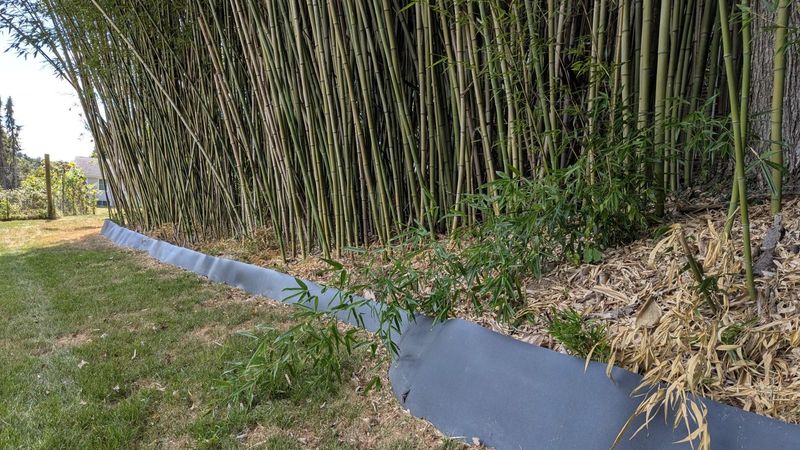
Bamboo looks like a peaceful, tropical privacy screen until it starts taking over everything. Running bamboo spreads through underground rhizomes that can travel 10 to 15 feet from the original plant in a single season.
Those rhizomes push through cracks in patios, under fences, and right up against your foundation. Once bamboo gets established, removal is a massive, expensive project.
If you love the look, choose clumping varieties and install a root barrier before planting anywhere near your home or patio.
Bougainvillea
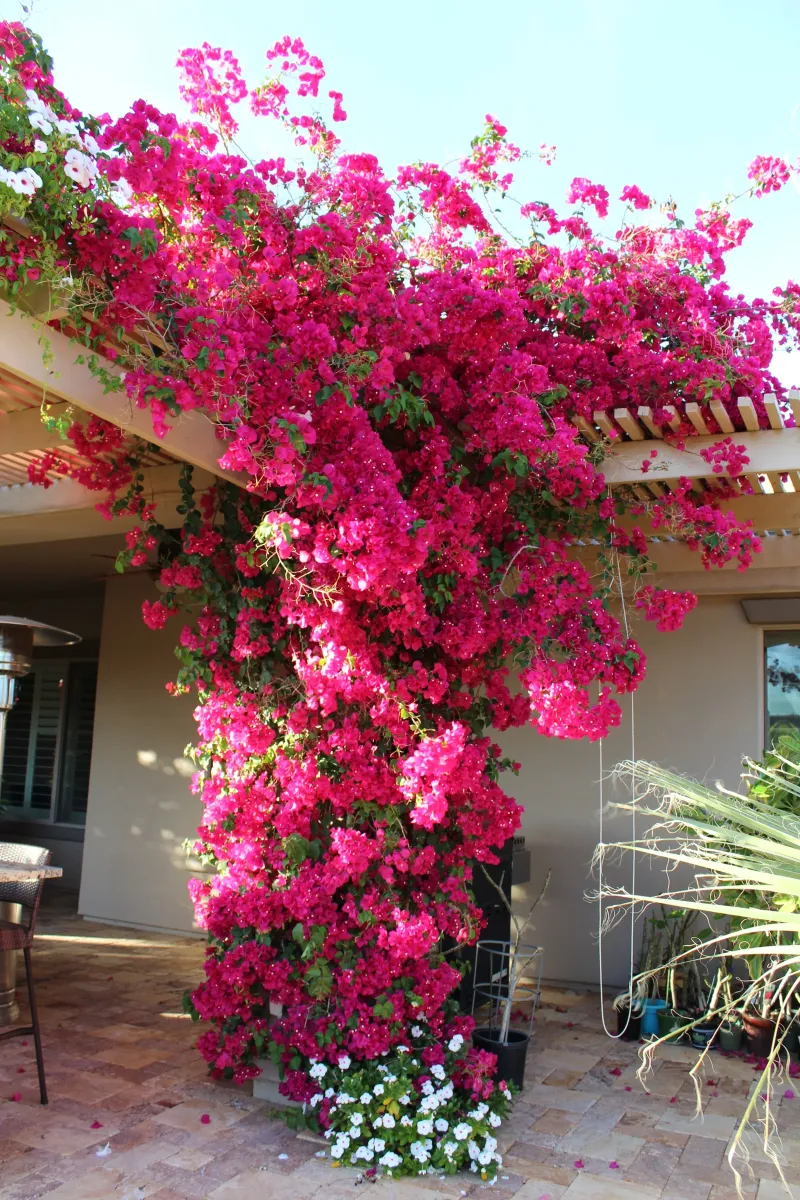
Few plants are as breathtakingly beautiful as bougainvillea in full bloom, but those gorgeous flowers come with a serious catch. The thorns are sharp enough to puncture skin easily, and the vines grow fast enough to get under roof tiles and into wall gaps.
Once bougainvillea starts climbing your house, it can lift shingles and create entry points for water and pests. Trimming it back is painful work, literally.
Plant it on a freestanding trellis well away from your exterior walls for a safer, still-stunning display.
Schefflera (Umbrella Plant)
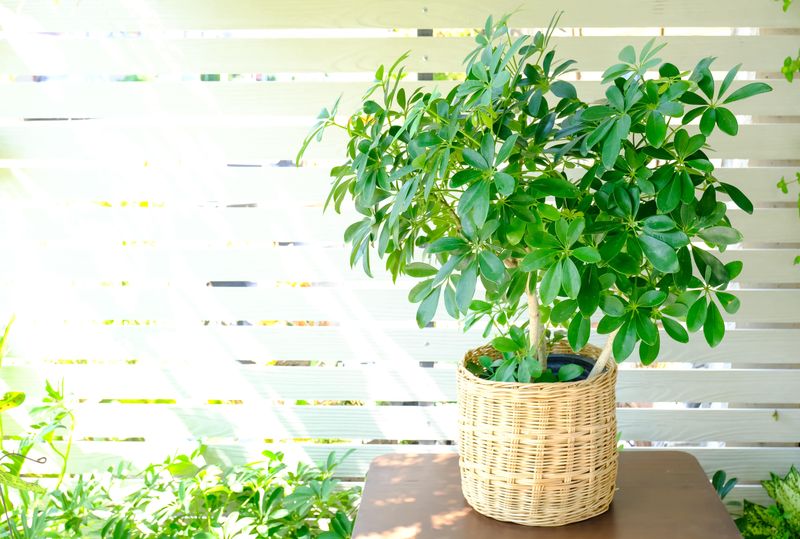
Schefflera starts out as a manageable houseplant or small yard accent, but in Florida’s warm climate it can become a massive, woody tree over time. The aerial roots drop down and anchor into soil, and the whole plant expands outward in ways most homeowners never anticipated.
It is also invasive in Florida, spreading into natural areas from residential yards. Planted too close to a house, its thick roots and sprawling canopy can crowd out gutters and damage nearby structures over several years.
Live Oak Tree
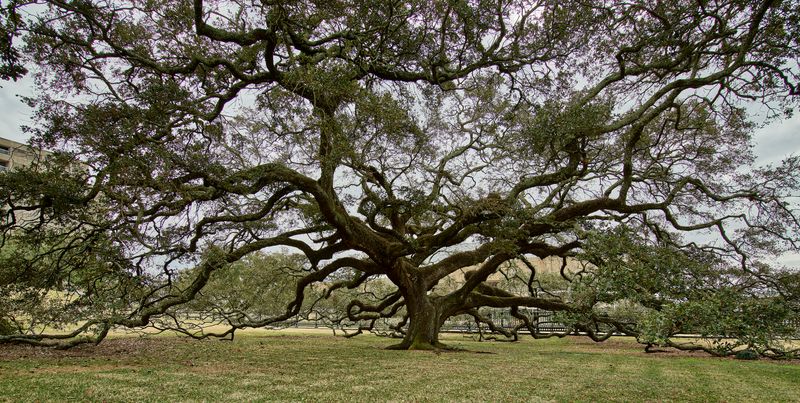
Live oaks are iconic Florida trees, draped in Spanish moss and absolutely gorgeous. The problem is they can live for hundreds of years and grow enormous, with root systems that match their massive canopy spread underground.
Planting a live oak too close to your house almost guarantees future foundation issues, cracked driveways, and clogged gutters full of leaves and acorns. Give this majestic tree at least 20 to 25 feet of clearance from any structure so everyone, including the tree, can thrive.
Chinese Tallow Tree
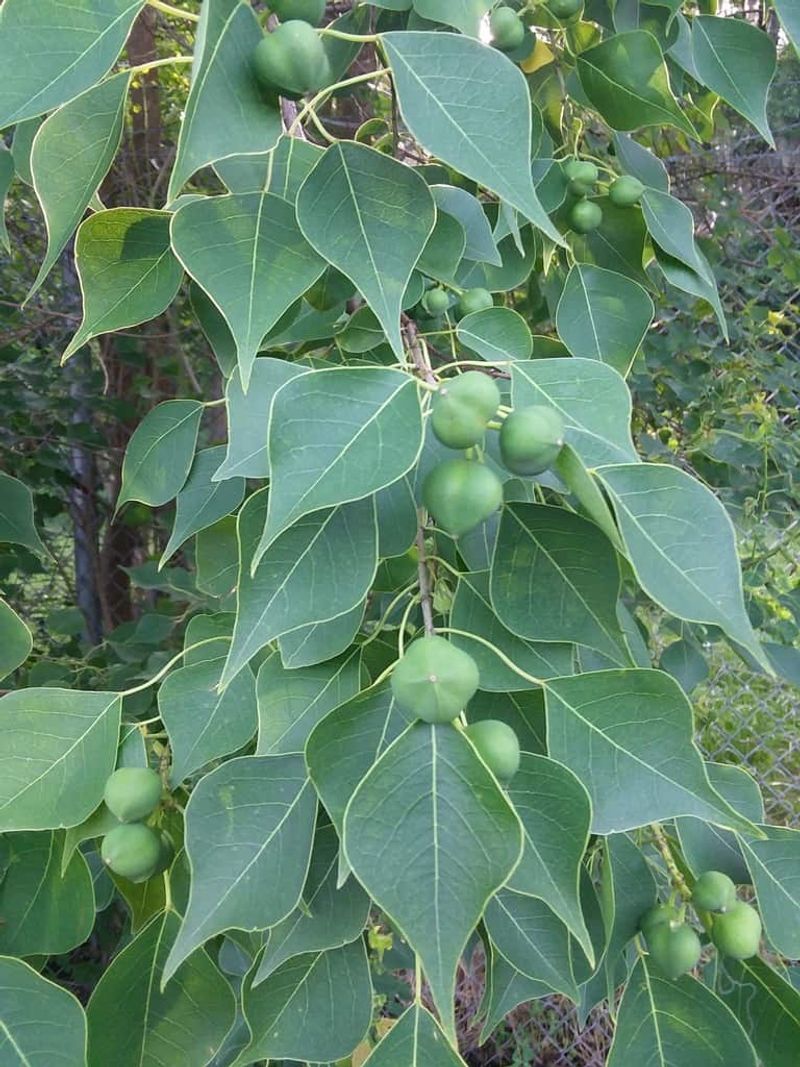
The Chinese tallow tree tricks homeowners with its pretty fall foliage and fast growth, making it seem like a great shade option. However, it is highly invasive in Florida and produces thousands of seeds that spread quickly into natural areas.
Its roots grow aggressively near structures, and the milky sap is toxic to humans and animals. Florida classifies it as a Category I invasive plant, meaning it causes serious ecological damage.
Planting one near your home creates problems for both your property and your surrounding neighborhood environment.