


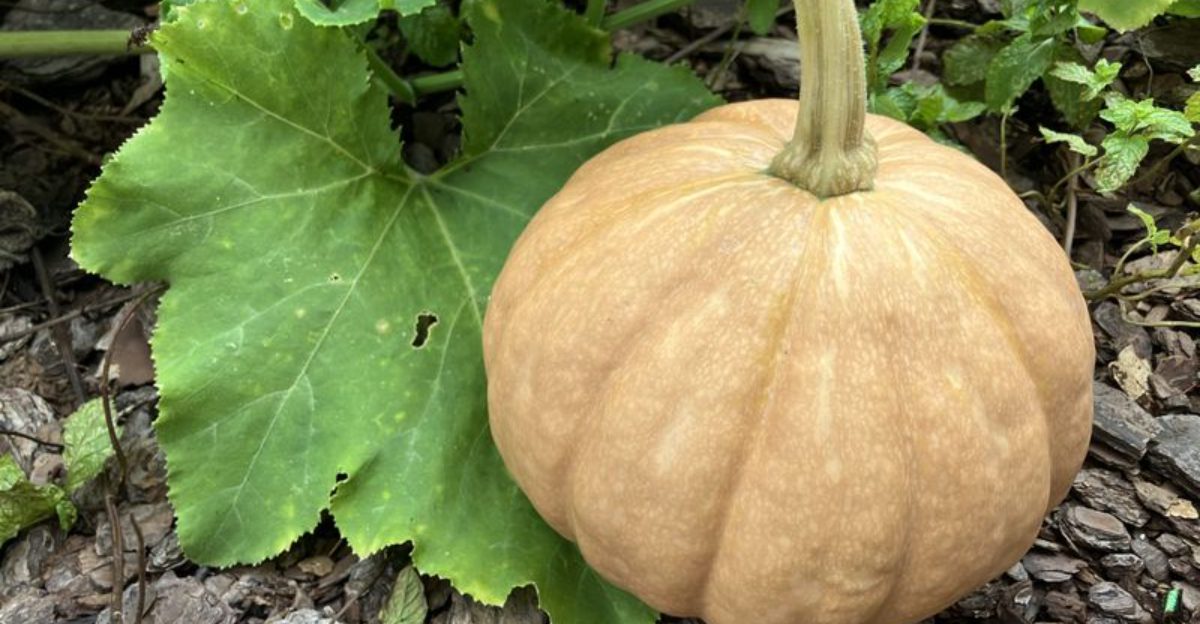
April is a golden window for Florida gardeners before the intense summer heat rolls in. Planting the right vegetables this month can mean the difference between a thriving harvest and a struggling garden.
Florida’s warm climate and long growing season make it perfect for heat-loving crops that most other states can only dream about. Whether you are a seasoned gardener or just getting started, these nine vegetables are your best bet for a productive spring garden.
Okra
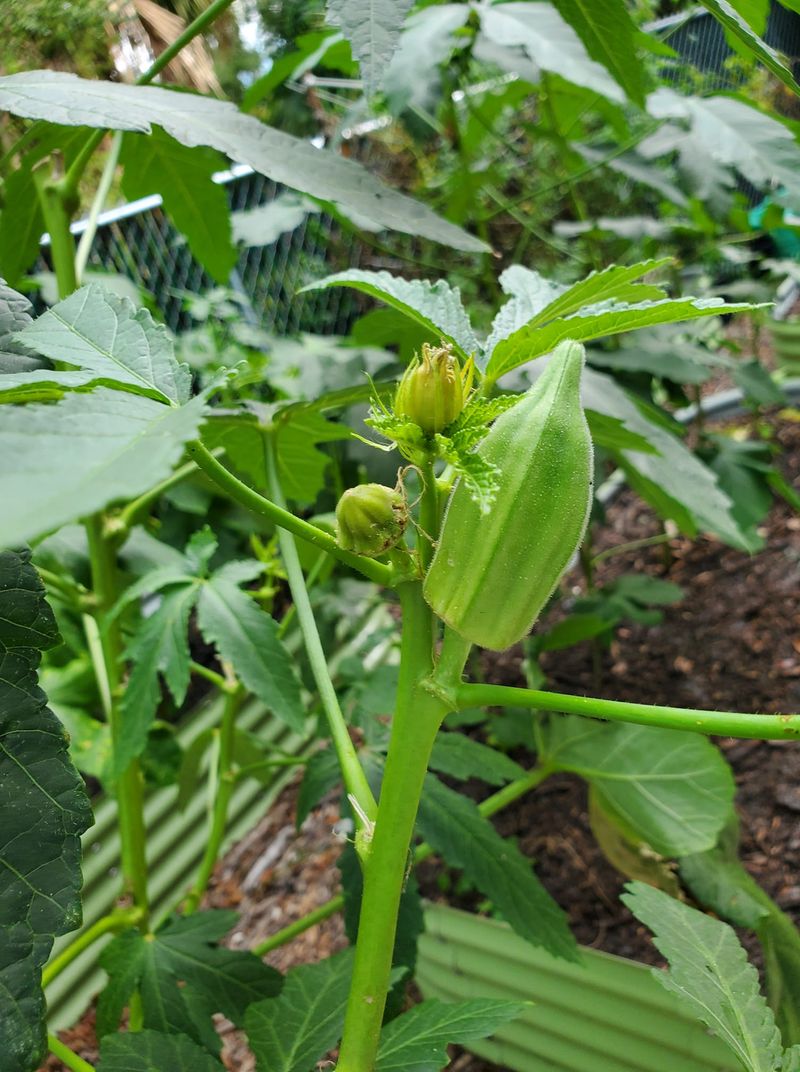
Okra is practically made for Florida summers, and April is the ideal time to get it in the ground. This tall, heat-loving plant thrives when soil temperatures climb above 65 degrees, making late spring perfect timing.
Plant seeds about an inch deep and give each plant plenty of space to stretch out. Okra grows fast and can reach six feet tall.
You will be harvesting tender pods in as little as 50 to 60 days after planting.
Sweet Potatoes
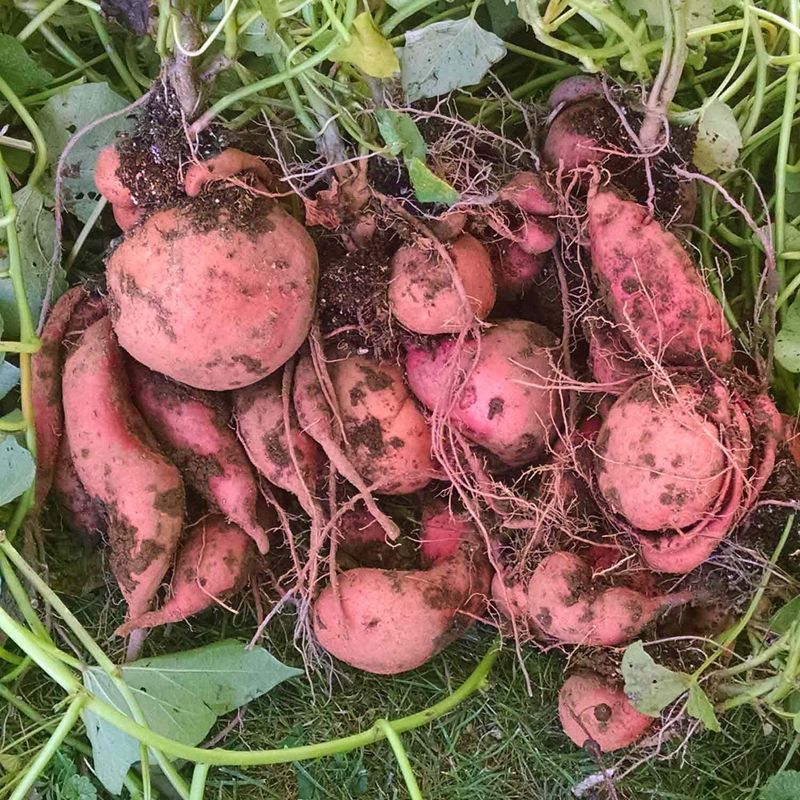
Sweet potatoes are a Florida favorite, and April planting gives the vines all summer to sprawl and produce. Unlike regular potatoes, you plant sweet potato slips, which are small rooted cuttings rather than seeds.
They love well-drained, loose soil and full sun. Once established, sweet potato vines are surprisingly drought-tolerant, which is a big plus during Florida’s dry spells.
Expect a hearty harvest around 90 to 120 days after planting your slips.
Southern Peas
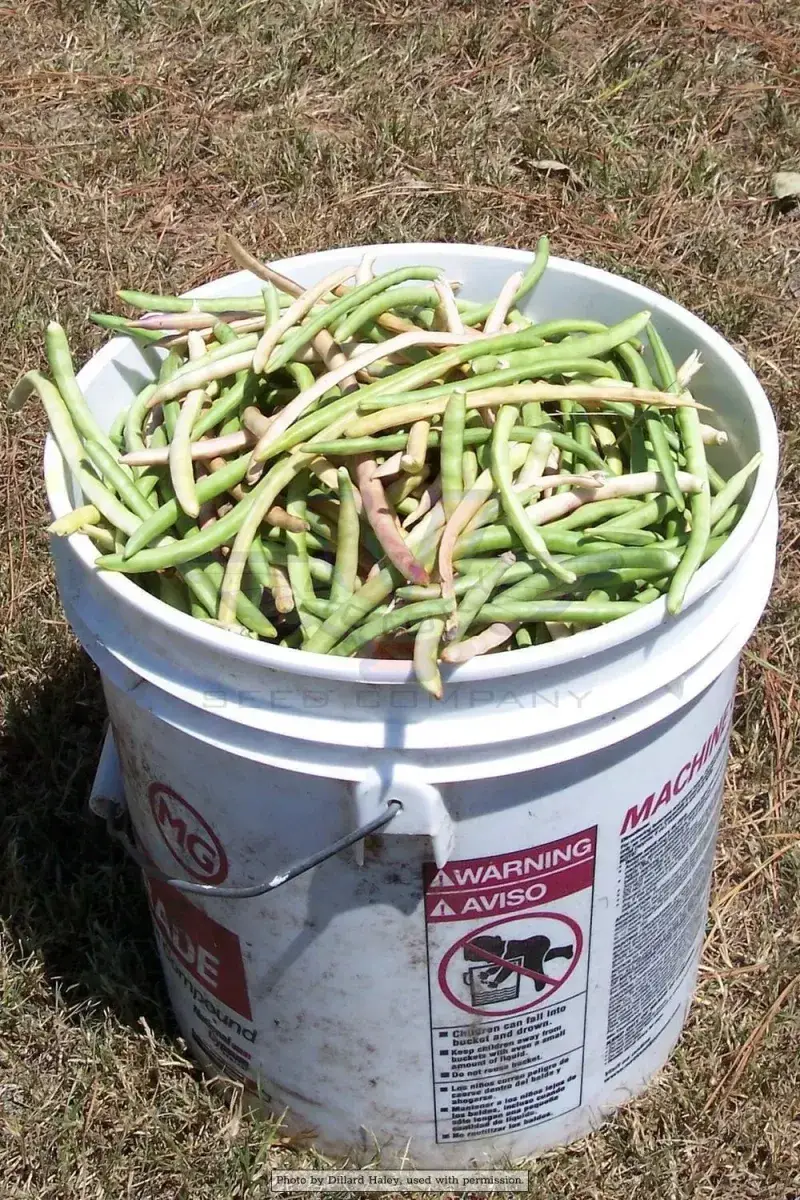
Ask any old-school Florida gardener what they plant in spring, and Southern peas will top the list every time. Also called cowpeas or black-eyed peas, these plants are tough, productive, and surprisingly easy to grow.
They fix nitrogen in the soil, which actually improves your garden for future crops. Sow seeds directly into warm soil about an inch deep.
In about 60 to 70 days, you will be shelling peas fresh from the vine.
Peppers
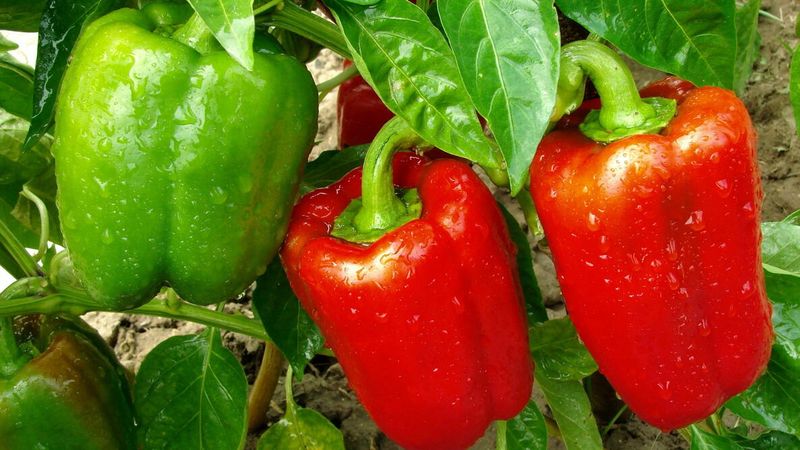
Few vegetables reward Florida gardeners quite like peppers do. Whether you prefer sweet bells or fiery habaneros, April gives pepper plants the warm nights and sunny days they crave to really take off.
Transplant seedlings into well-amended soil and water consistently to prevent blossom drop. Peppers can produce heavily from late spring all the way through fall if you keep them fed and watered.
A little mulch around the base helps lock in moisture during hot stretches.
Eggplant
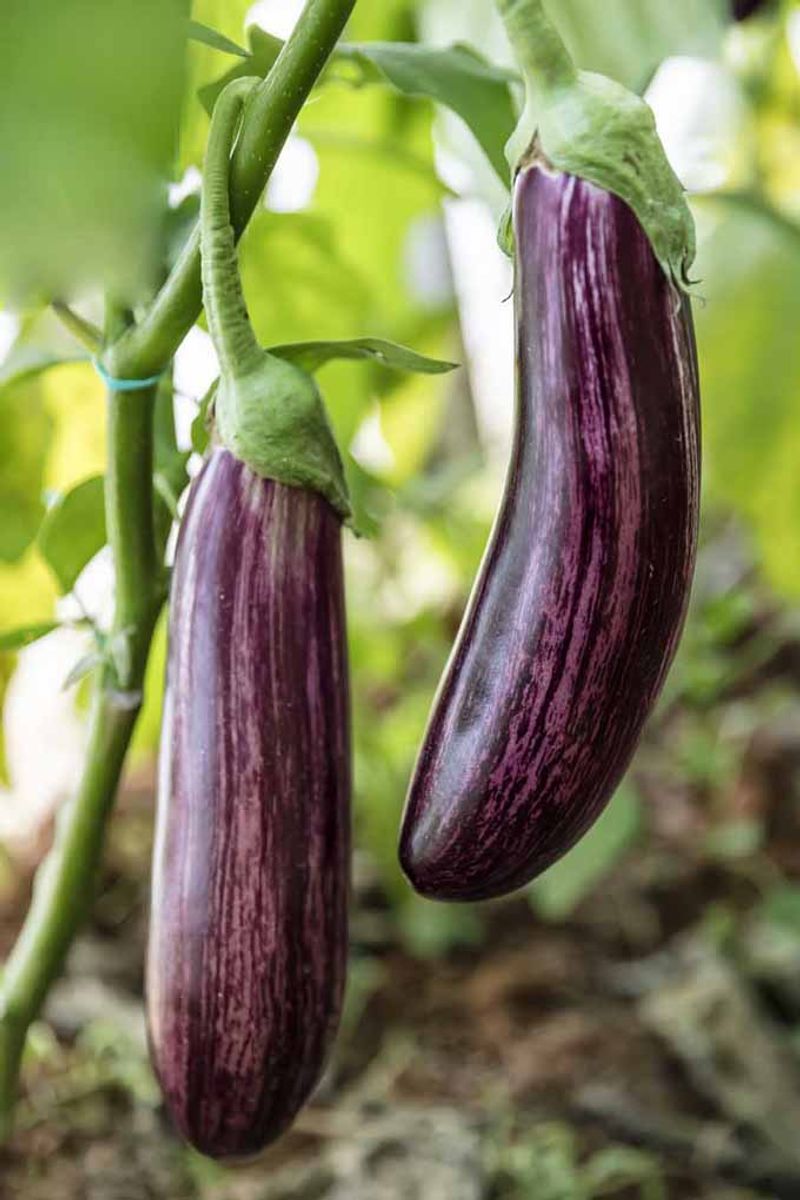
Eggplant is one of those vegetables that genuinely loves Florida’s heat, making it a standout performer when planted in April. The glossy purple fruits look stunning in the garden and taste even better off the grill or in a stir-fry.
Set transplants into full sun with rich, well-draining soil. Regular watering and a balanced fertilizer every few weeks will keep plants vigorous and productive.
Harvest fruits when they are firm and shiny for the best flavor.
Malabar Spinach
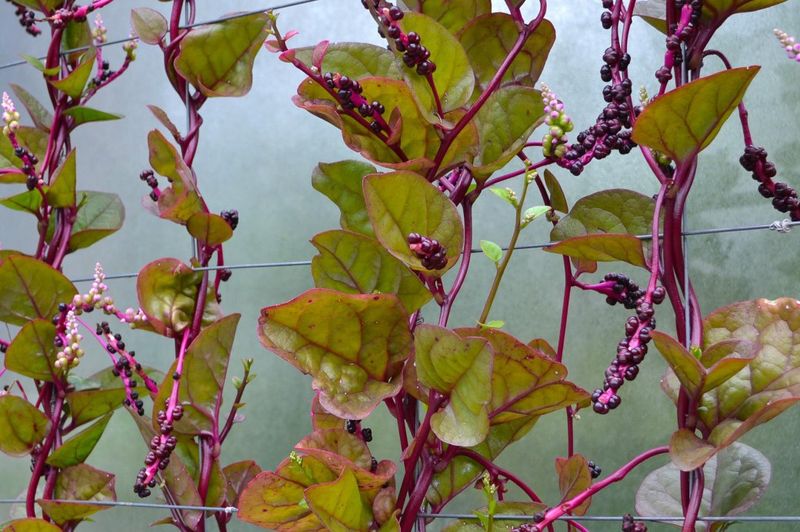
Regular spinach wilts the moment Florida temperatures rise, but Malabar spinach actually thrives when things heat up. This climbing vine produces thick, dark green leaves that taste mild and slightly earthy, perfect for salads, soups, and stir-fries.
Give it a trellis or fence to climb and watch it take off. Malabar spinach is also quite ornamental, with its glossy leaves and purple stems adding real beauty to any garden space.
It is a true Florida gem.
Roselle
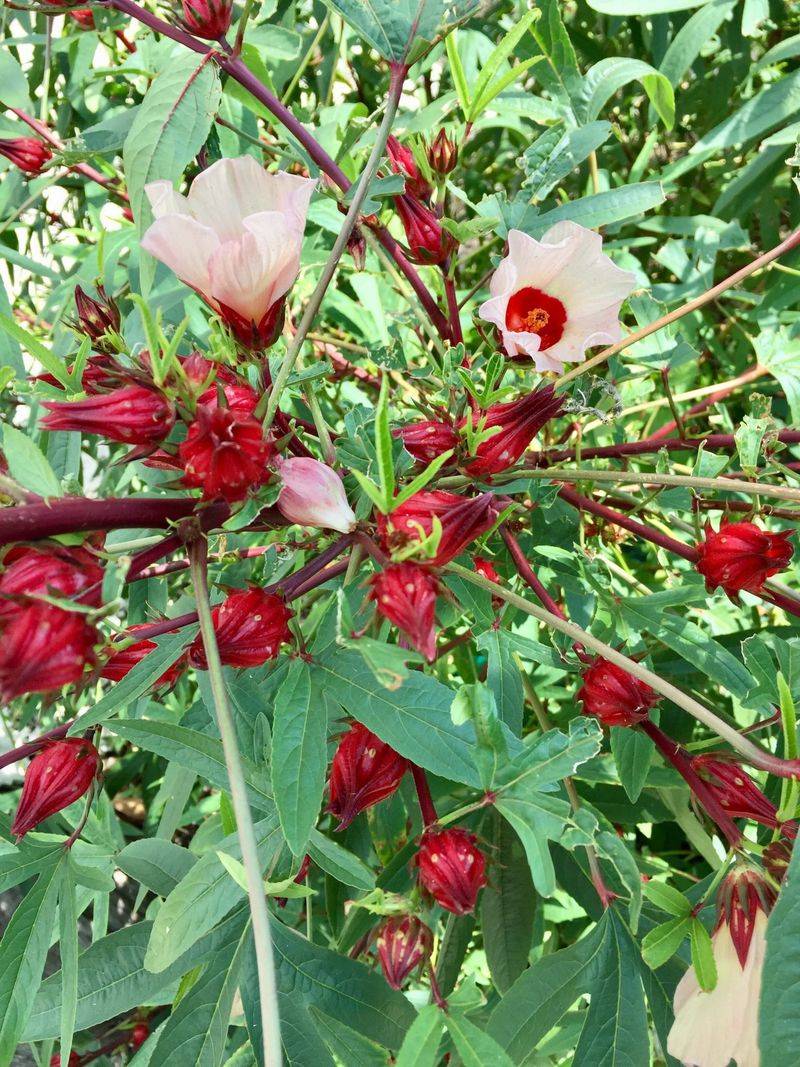
Roselle might be the most underappreciated vegetable in Florida, but gardeners who grow it quickly become obsessed. Related to hibiscus, this tropical plant produces bright red calyces used to make tart teas, jams, and refreshing drinks.
Start seeds in April so plants have the full growing season to develop before fall harvest. Roselle loves heat, handles humidity like a champ, and grows into a tall, striking plant.
Did you know it has been used medicinally across Africa and Asia for centuries?
Seminole Pumpkin
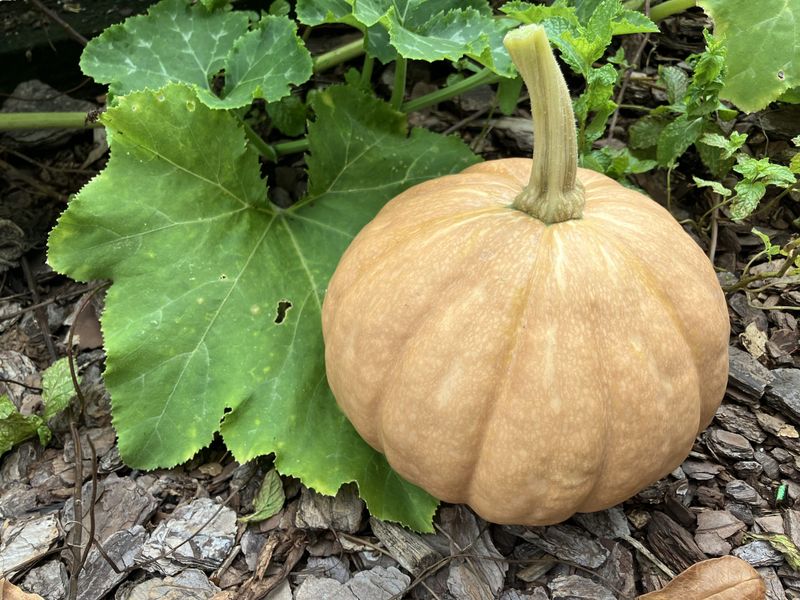
Developed by the Seminole people of Florida, this heirloom pumpkin is basically built for the state’s punishing summer heat and humidity. Unlike typical pumpkins that struggle in Florida, Seminole pumpkins shrug off the heat and keep producing.
Plant seeds in April and let the vines roam freely or train them up a sturdy trellis. The tan-colored fruits store well for months without refrigeration.
Roasted, pureed, or stuffed, they bring a rich, nutty flavor to any dish.
Yardlong Beans
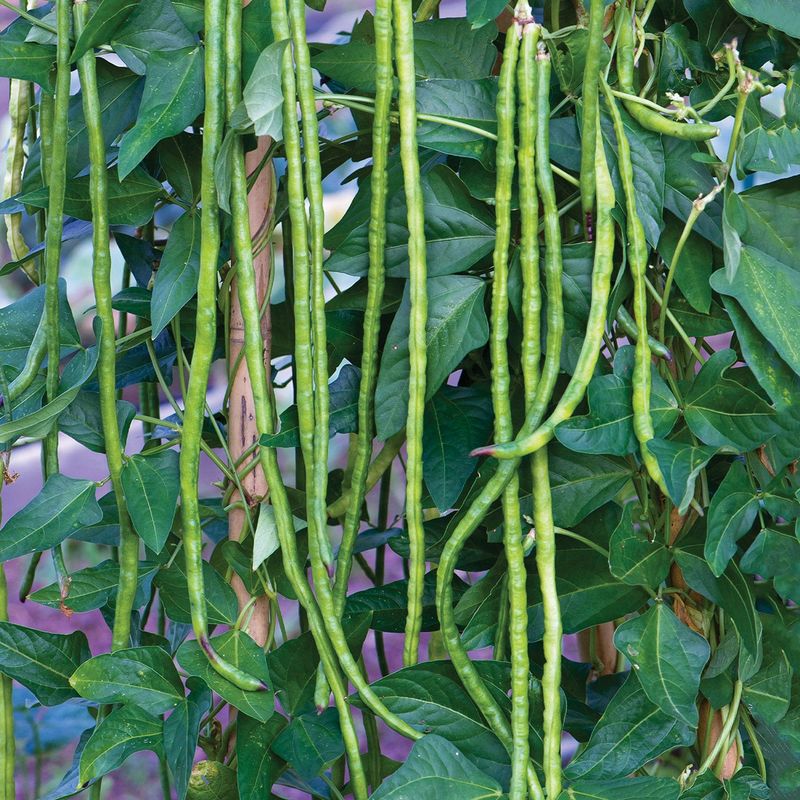
True to their name, yardlong beans can grow up to three feet long, and they are absolutely at home in Florida’s warm spring weather. These vigorous climbing vines are related to Southern peas and share the same love of heat and humidity.
Set up a tall trellis before planting so the vines have somewhere to go. Seeds germinate quickly in warm soil, and you can start picking beans in about 60 days.
Harvest often to keep the plants producing all season long.