


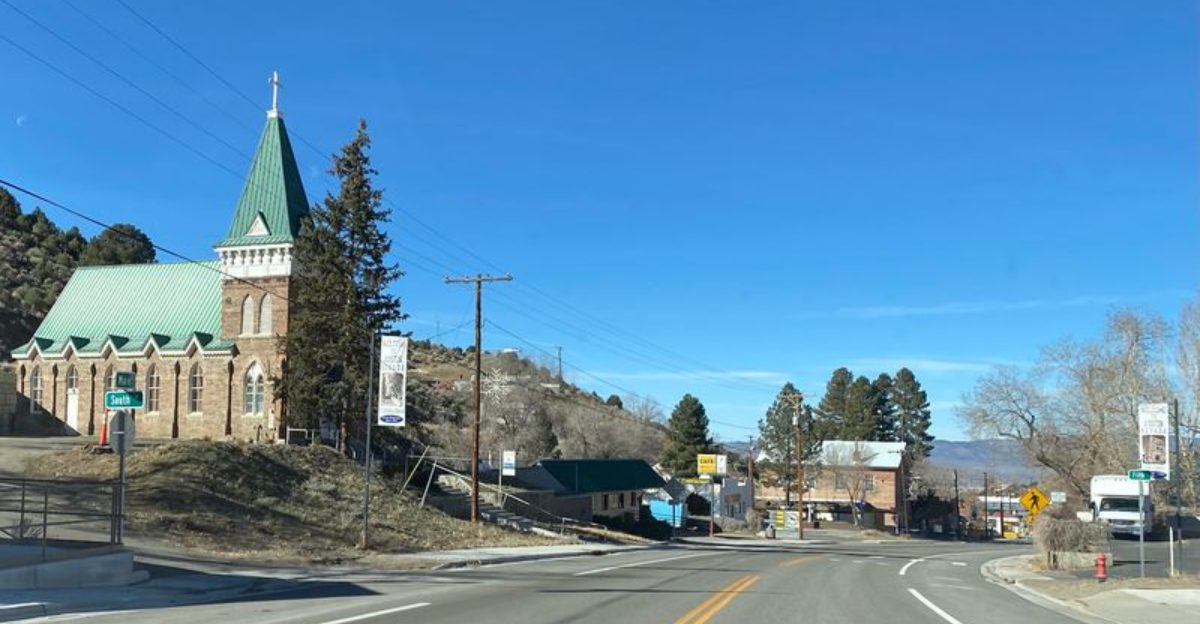
Tucked away in the heart of Nevada along the famous U.S. Route 50, Austin is one of those rare places that seems frozen in time — in the best possible way.
Sitting at 6,575 feet on the western slopes of the Toiyabe Range, this tiny town of just 167 people carries a history much bigger than its size. From old silver mines to stunning mountain views, Austin looks like something straight out of a classic Western painting.
If you love discovering hidden gems, this charming Nevada town is absolutely worth knowing about.
Stokes Castle: A Three-Story Stone Tower That Defies Explanation
Standing alone on a rocky hillside just outside of town, Stokes Castle is the kind of landmark that makes you stop the car and stare. Built in 1897 by Anson Phelps Stokes, a wealthy railroad and mining magnate, this three-story granite tower was modeled after ancient Roman towers he admired during his travels in Europe.
What makes it extra fascinating is that Stokes only lived in it for about a month before abandoning it. Today, the castle stands as a free, open-air attraction where visitors can walk right up to it and peek through its open windows.
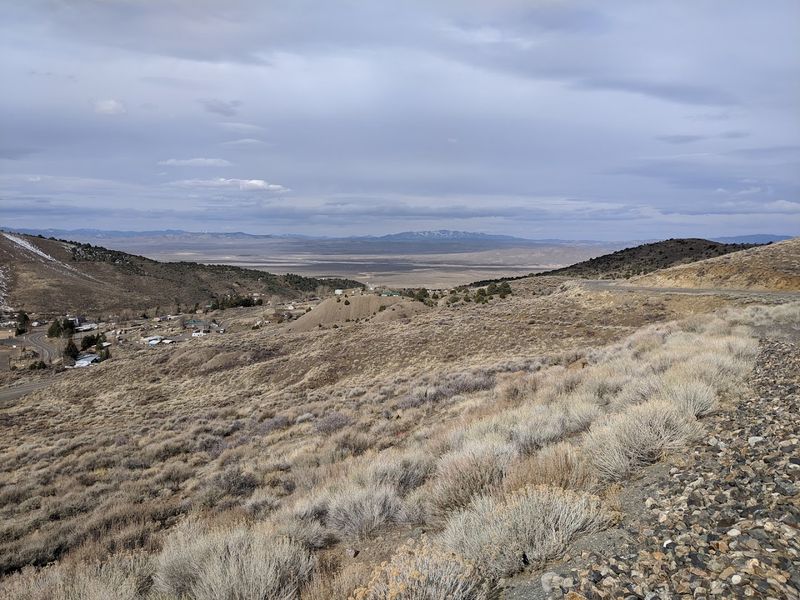
The views from the base of the tower stretch across the Nevada desert in every direction.
It is one of the most photographed spots in central Nevada, and honestly, it earns every click of the camera shutter. History lovers and curious road-trippers will find it absolutely unforgettable.
U.S. Route 50: The Loneliest Road in America Runs Right Through Town
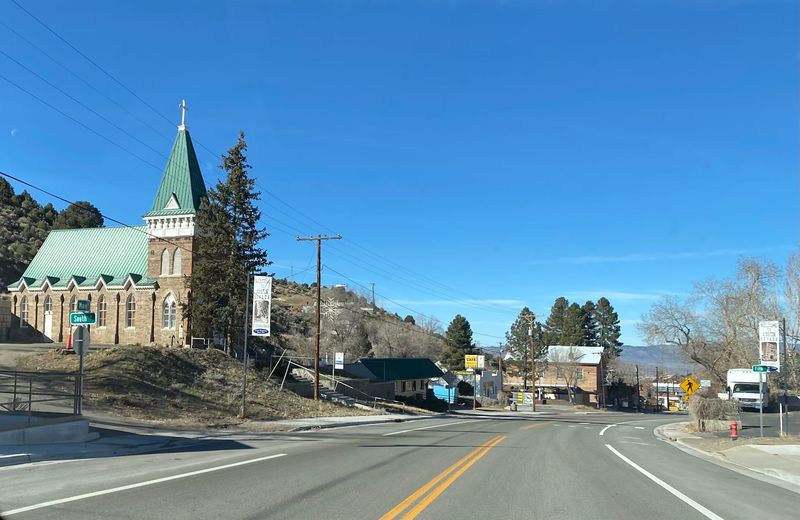
Back in 1986, Life magazine called U.S. Route 50 “the loneliest road in America,” and the stretch running through Austin proves exactly why.
Miles of open desert, dramatic mountain ranges, and almost zero traffic create a driving experience unlike anything else in the country. It is raw, wide-open, and completely breathtaking.
Austin sits right in the middle of this legendary highway, making it a natural stopping point for road-trippers crossing Nevada. The town offers fuel, food, and a moment to breathe before heading back into the vast emptiness on either side.
Nevada actually leaned into the nickname by creating a passport program where travelers collect stamps from towns along Route 50. Austin is one of the official stamping locations.
Whether you are chasing adventure or just need a pit stop, pulling into Austin along this iconic highway feels like stepping into a living postcard.
The Toiyabe Range: Mountains That Watch Over the Town Like Old Friends
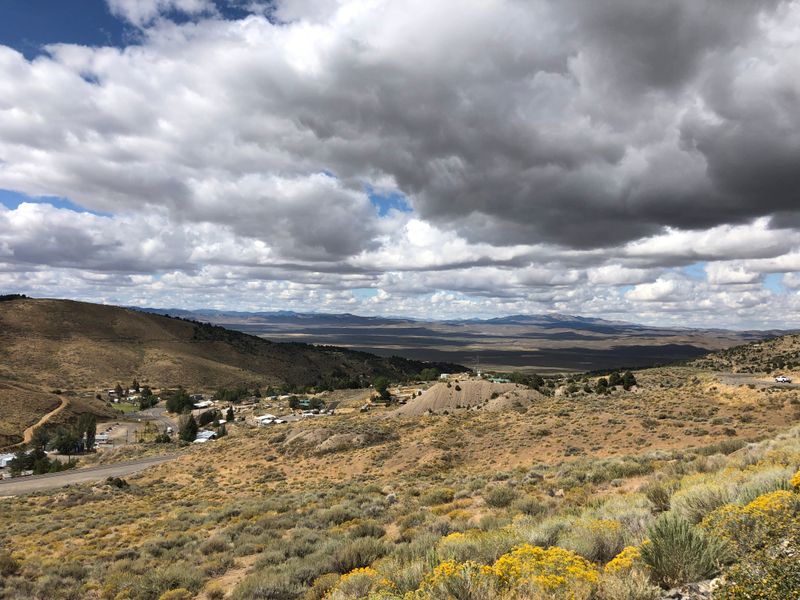
The Toiyabe Range is the dramatic mountain backdrop that gives Austin its picture-perfect setting. Rising sharply from the high desert floor, these rugged peaks provide the town with a sense of shelter and grandeur that most small towns can only dream about.
The range stretches over 100 miles through central Nevada.
Hikers and outdoor enthusiasts love exploring the trails that wind up into the higher elevations, where pine trees replace sagebrush and the air gets noticeably cooler. The Arc Dome Wilderness, located within the Toiyabe Range, offers some of the most remote and rewarding hiking in the entire state.
Even if you never lace up a pair of hiking boots, simply gazing at the mountains from Austin’s main street is enough to understand why people fall in love with this place. The Toiyabe Range gives Austin a natural beauty that no filter could ever improve.
Austin’s Silver Mining History: The Boom That Built a Town Overnight
In 1862, a pony express rider named William Talcott accidentally kicked over a rock and discovered silver ore near Pony Canyon. That single moment sparked one of Nevada’s most exciting silver rushes, and Austin was born almost overnight.
Within just a few years, the town swelled to over 10,000 residents — a staggering number for such a remote location.
Mines like the Reese River Mining District pulled millions of dollars worth of silver from the surrounding hills during the 1860s and 1870s. The wealth generated during this era funded the construction of churches, hotels, newspapers, and even a courthouse that still stands today.
When the silver ran dry, most residents packed up and left, leaving Austin to shrink back into a quiet shadow of its former self. But that rich mining heritage is still woven into every corner of the town, making it a living lesson in Nevada history.
Lander County Courthouse: A Slice of Old Nevada Still Standing Strong
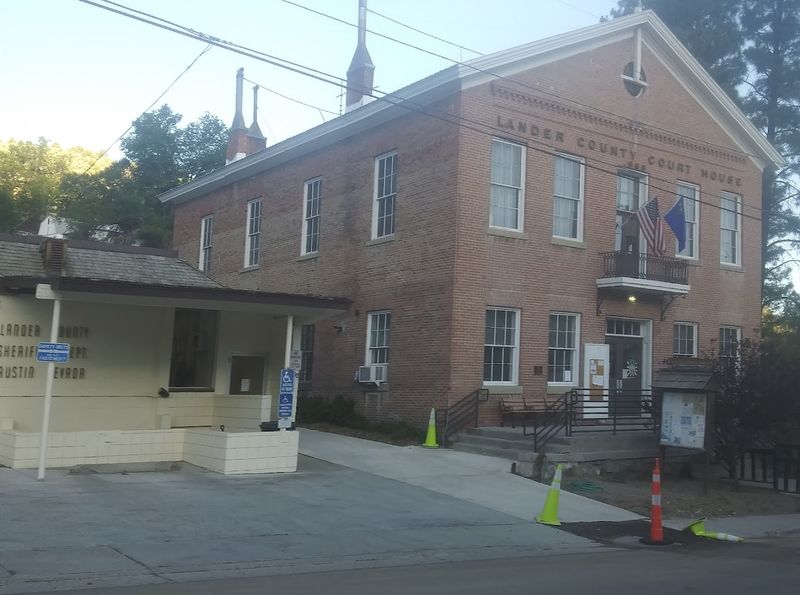
Not many towns this small can claim a courthouse as grand as the one Austin has. Built in 1871 during the height of the silver boom, the Lander County Courthouse is a handsome brick building that served as the seat of county government for over a century.
It speaks to the ambition and optimism of early settlers who believed Austin would be a great city.
Austin was originally the county seat of Lander County, a title it held for many years before the county government eventually shifted to Battle Mountain. Even so, the courthouse remains a proud symbol of the town’s important role in Nevada’s early history.
Walking past this building, you can almost hear the echoes of courtroom debates, land disputes, and mining claims being filed. It is a remarkably well-preserved piece of the past, and it adds a layer of dignity to Austin’s small but mighty Main Street.
International Hotel: Nevada’s Oldest Continuously Operated Hotel
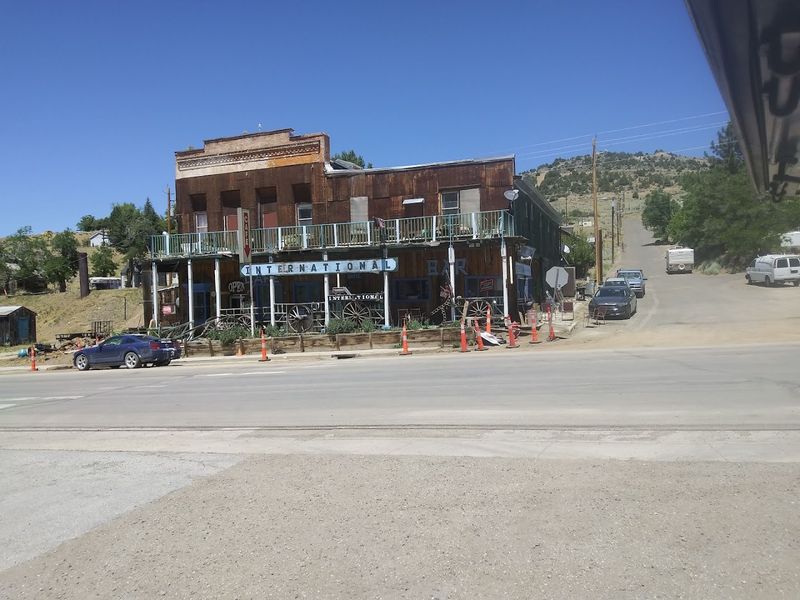
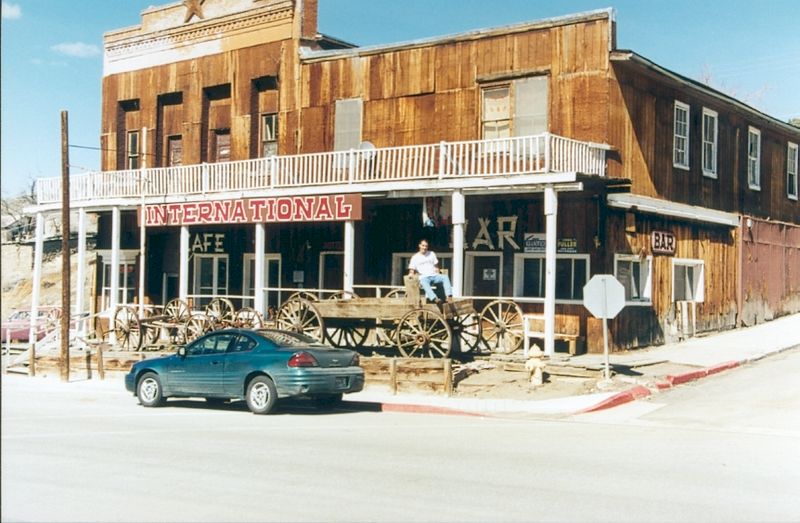
Here is a fun fact that will raise your eyebrows: the International Hotel in Austin is believed to be one of the oldest continuously operated hotels in Nevada. Originally built in Virginia City during the silver rush era, the hotel was actually dismantled and moved piece by piece to Austin in the 1860s.
That kind of effort says everything about how seriously people took this town back then.
Today, the hotel still welcomes guests looking to sleep under a roof with serious historical weight. The building retains much of its original character, offering a quirky, time-travel-like experience that modern chain hotels simply cannot match.
Staying here feels like choosing a story over a standard room. Guests often comment on the old-fashioned atmosphere and the genuine warmth of the staff.
For anyone traveling Route 50, spending a night at the International Hotel is a memory worth making.
Reese River: The Little Waterway With a Big Historical Reputation
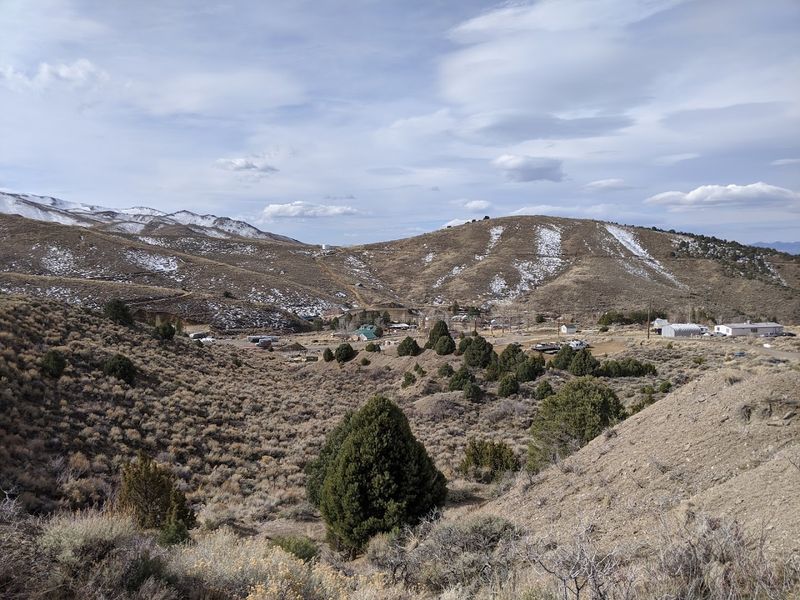
The Reese River may not be the mightiest waterway in the American West, but it carries an outsized reputation in Nevada history. Running through the valley below Austin, this modest stream gave its name to the entire mining district that made the town famous in the 1860s.
Early settlers depended on it for water in an otherwise parched landscape.
Mark Twain even made jokes about the Reese River in his writings, poking fun at its small size while acknowledging the enormous role it played in attracting prospectors to the region. That kind of literary fame is not something every little river can claim.
Today, the river corridor provides a quiet, green contrast to the surrounding desert. Birdwatchers and nature lovers enjoy exploring the riparian habitat that has developed along its banks over the years.
The Reese River is proof that even small things can leave a large mark on history.
Gridley’s Store and the Sanitary Sack of Flour: The Most Famous Auction in Nevada History
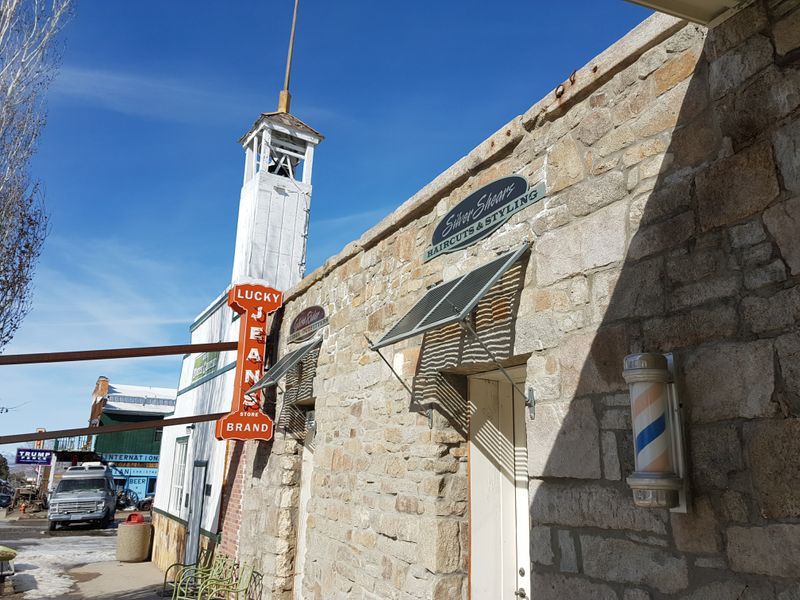
In 1864, a man named Reuel Gridley lost a bet over a local election and had to carry a 50-pound sack of flour down Austin’s main street as punishment. Rather than just hand it over and call it done, Gridley turned the sack of flour into a charity auction for the United States Sanitary Commission, which helped wounded Civil War soldiers.
The flour was auctioned off again and again — in Austin, then in San Francisco, then in cities across the country — raising over $275,000 for the cause. That is roughly several million dollars in today’s money.
The story became famous across the nation, and Mark Twain wrote about it in his book “Roughing It.”
Austin locals still take pride in this quirky, generous chapter of their town’s past. It perfectly captures the spirit of a community that was small in size but enormous in heart.
Toiyabe National Forest: Wild Backcountry Right on the Doorstep
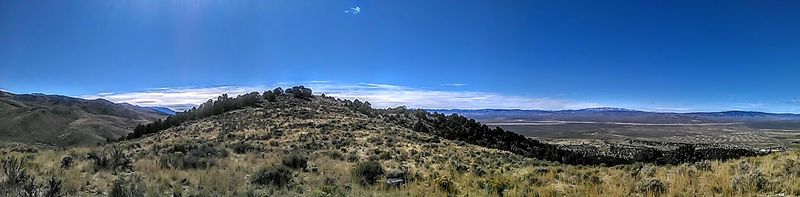
Just beyond Austin’s quiet streets lies access to the vast Toiyabe National Forest, a place where the wilderness feels genuinely untamed. Covering millions of acres across central Nevada, this national forest offers hiking, camping, fishing, and wildlife watching at a level that surprises first-time visitors who expect only flat desert from Nevada.
Trails in the forest range from easy walks through sagebrush meadows to challenging climbs up rocky ridgelines with jaw-dropping panoramic views. In spring and early summer, wildflowers carpet the higher elevations in bursts of yellow, purple, and white that feel almost unreal against the deep blue Nevada sky.
Elk, mule deer, and golden eagles are just a few of the animals that call this forest home. Campers often report hearing coyotes at night and waking up to absolute silence broken only by birdsong.
For outdoor lovers, Austin’s proximity to Toiyabe National Forest is a genuine treasure.
Austin’s Elevation: High Desert Living at Over 6,500 Feet
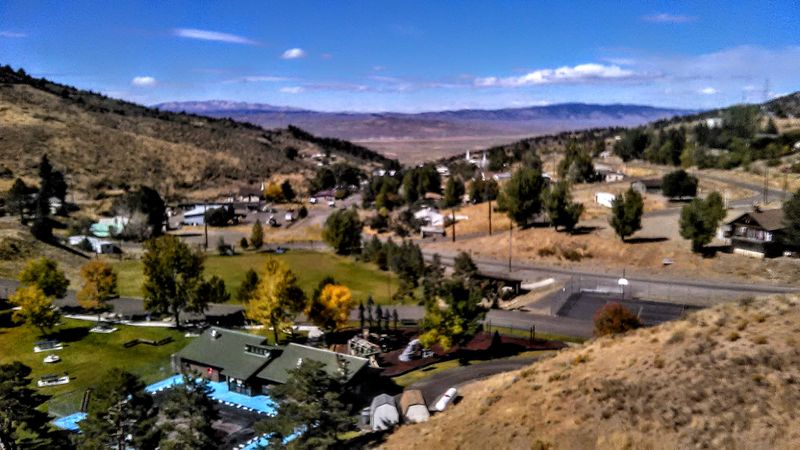
At 6,575 feet above sea level, Austin sits noticeably higher than most Nevada towns, and that elevation shapes everything about the experience of being there. The air is crisper, the summers are cooler, and the winter snowfalls give the town a seasonal personality that lower desert communities never get to enjoy.
Visitors coming from sea level sometimes feel a slight breathlessness when they first arrive, especially if they try to hike right away. It is a good reminder that Austin occupies a genuinely mountainous environment, even if the surrounding landscape still has that wide-open Nevada feel.
The elevation also means spectacular stargazing. With almost no light pollution and dry, clear air at altitude, the night skies above Austin are the kind that make you feel small in the best possible way.
Astrophotographers and casual stargazers alike make the trip just to see the Milky Way in full glory.
Three Historic Churches: Spiritual Roots of a Silver Rush Town
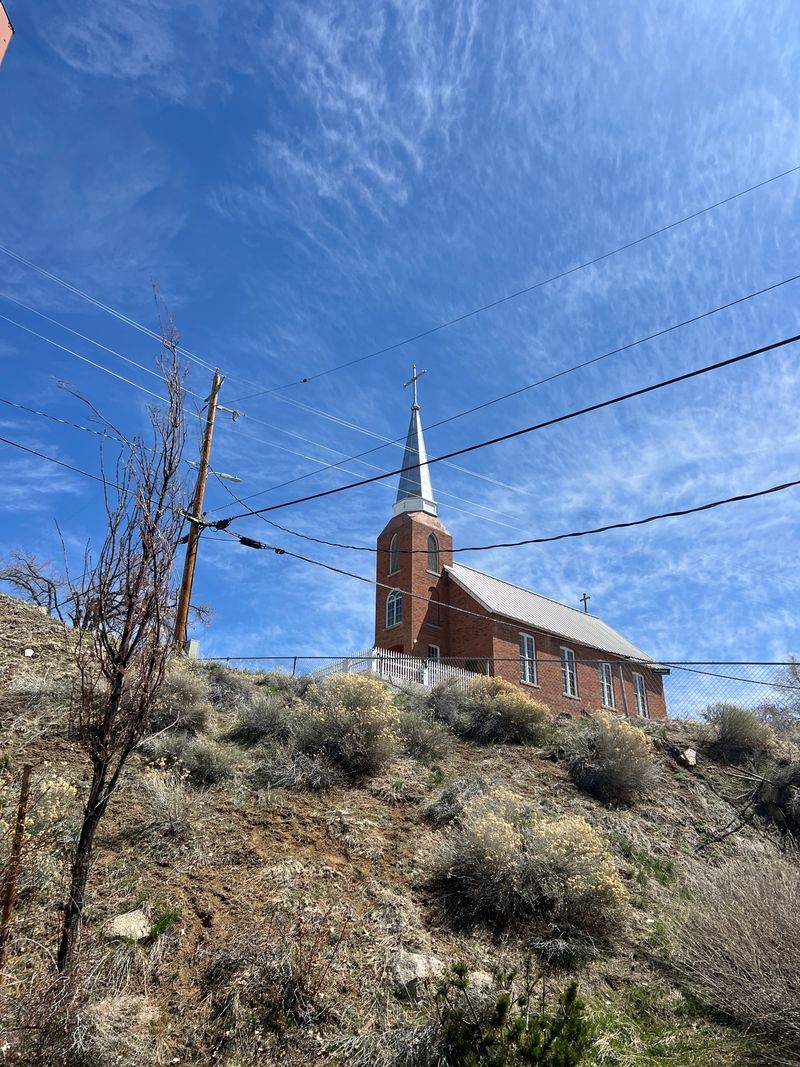
One of the most visually striking things about Austin is its trio of historic churches perched on the hillside above town. St. Augustine Catholic Church, the Methodist Church, and the Episcopal Church were all built during the silver boom years of the 1860s and 1870s, and they have stood watch over the valley ever since.
St. Augustine in particular is a gorgeous example of frontier Gothic architecture, with its stone walls and simple steeple cutting a dramatic silhouette against the mountain sky. These churches were built with the confidence of a community that expected to grow into a major city — and they remain as beautiful evidence of that ambition.
Photographers love capturing the churches at golden hour, when the setting sun bathes the stone walls in warm amber light. Walking up the hill to visit them feels like stepping back in time to the days when Austin was bustling with thousands of silver-hungry residents.
Pony Canyon Road: Where the Silver Rush Actually Began
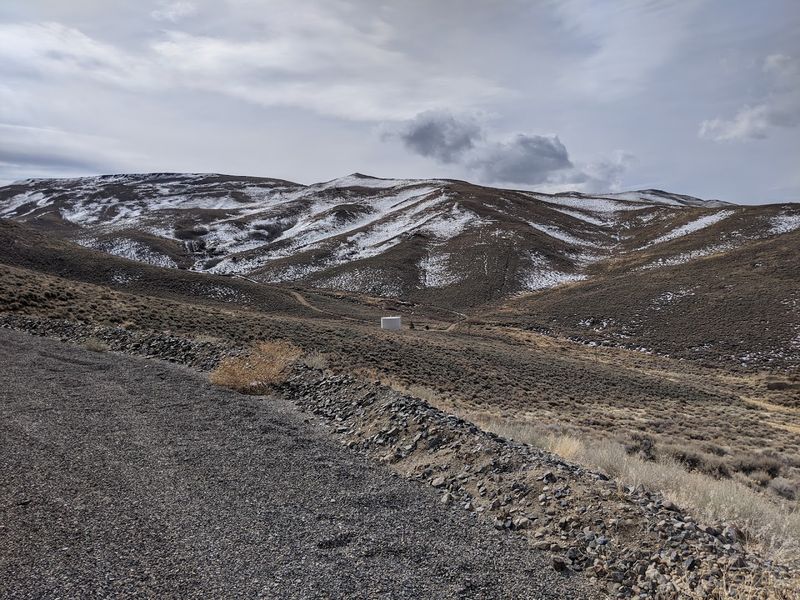
Pony Canyon Road climbs out of Austin and winds up into the hills where the whole silver rush story started. Back in 1862, this was the site of William Talcott’s accidental discovery that changed the region forever.
The canyon still holds visible signs of the mining era, including old mine shafts, tailings piles, and scattered remnants of equipment left behind when the boom went bust.
Driving or hiking up Pony Canyon gives you a tangible connection to Austin’s origins that no museum exhibit can fully replicate. You are literally walking the same ground where thousands of hopeful miners once swarmed, dreaming of striking it rich.
The road also offers excellent views back down over the town and across the valley, making it a favorite spot for photographers and history buffs alike. It is rugged, raw, and deeply atmospheric — exactly the kind of place that reminds you why Austin deserves its postcard reputation.
Small-Town Charm With Big Sky Solitude: Why Austin Stays With You
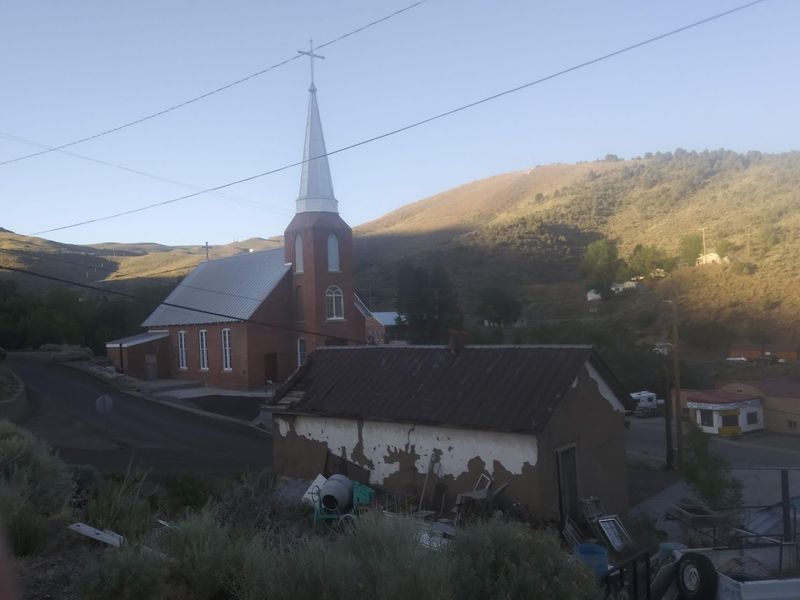
Some places leave a mark on you that is hard to explain. Austin, Nevada is one of those places.
With only 167 residents, the town operates at a pace that feels almost foreign in today’s world — unhurried, unpretentious, and quietly proud of its remarkable past.
Locals greet strangers like neighbors, and the absence of chain restaurants or big-box stores means every interaction feels genuinely personal. There is one main street, a handful of businesses, and an overwhelming sense that the rest of the world is very, very far away.
That distance is actually the point.
People who make the effort to visit Austin often say it resets something inside them. The big sky, the mountain silence, and the weight of history all combine to create an experience that sticks around long after the drive home.
Austin does not just look like a postcard — it feels like one, too.